Where words fail, music speaks: so said Hans Christian Anderson. And when Leanne invited me to host Monochrome Madness for One Week Only, I thought Music might be a good theme. We bloggers come from all over the world. Though many of us, in many nations, have English as our first language, there are dozens of different ones in the WordPress melting pot. But we can all enjoy music together, whether singing, playing instruments, or dancing, Or all of the above at once. Let’s do it.
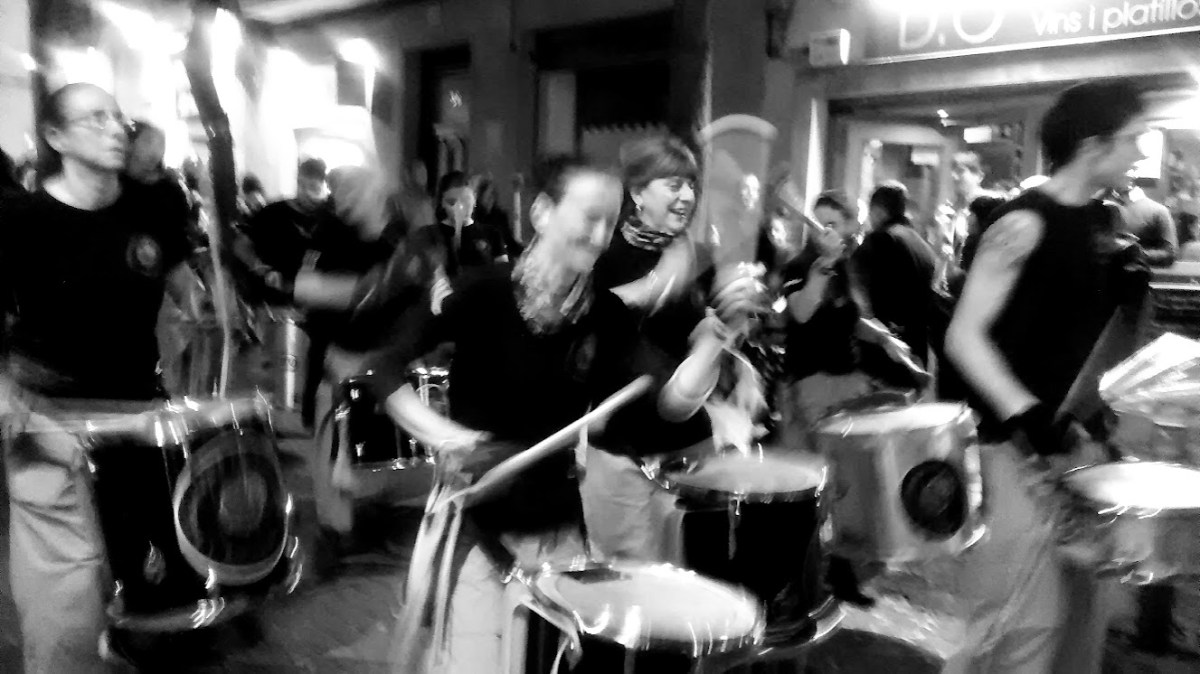
My header image was taken at the neighbourhood Festa Major in Gràcia, Barcelona. It’s out of focus, and I don’t care. It captures I think the verve and enjoyment of those performing drummers.
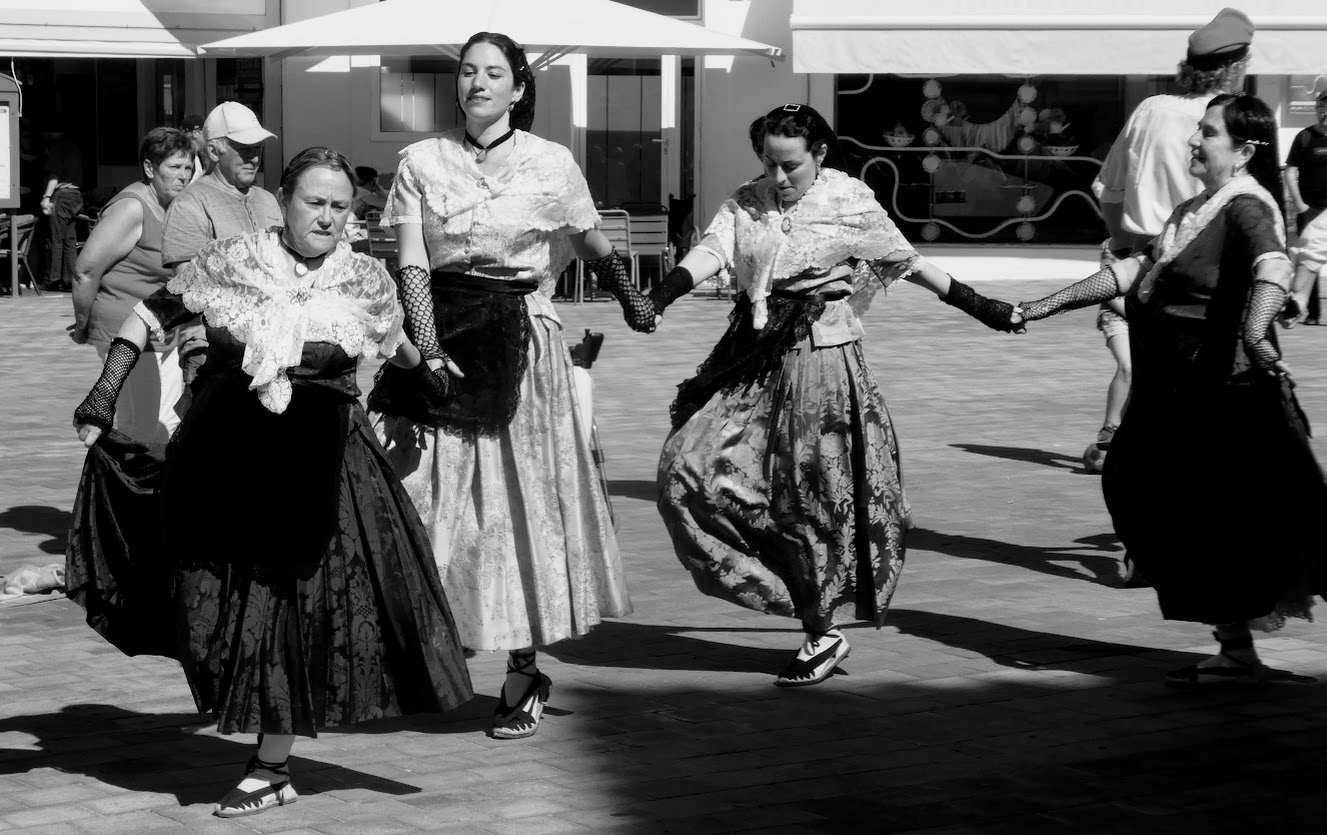
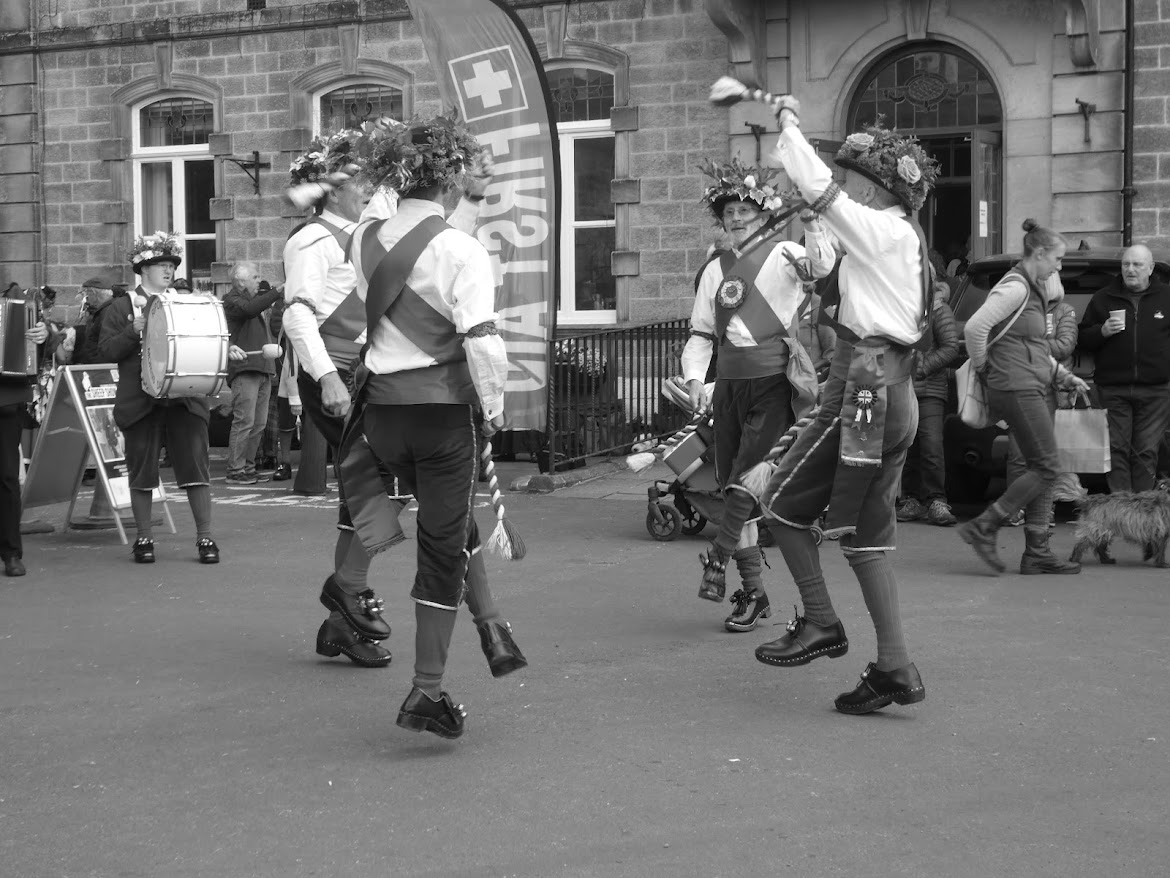
Here are some dancers in neighbourhood festivals: in Catalonia; and in England – Morris Men.
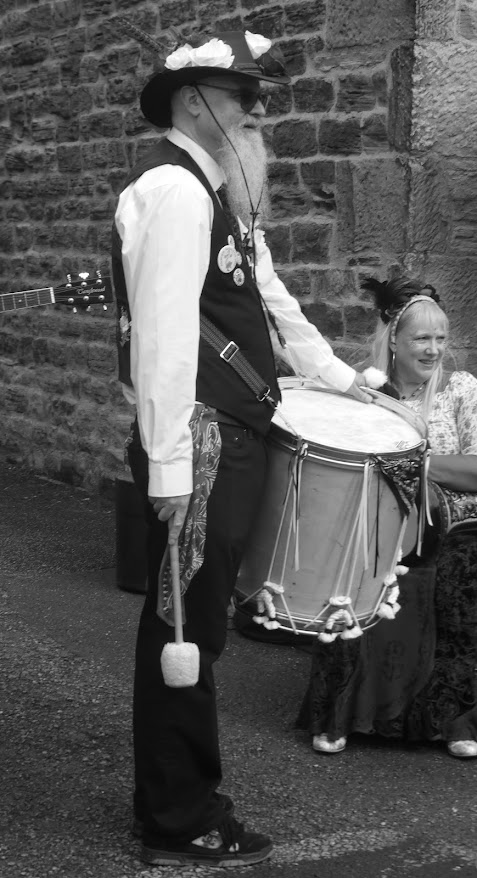
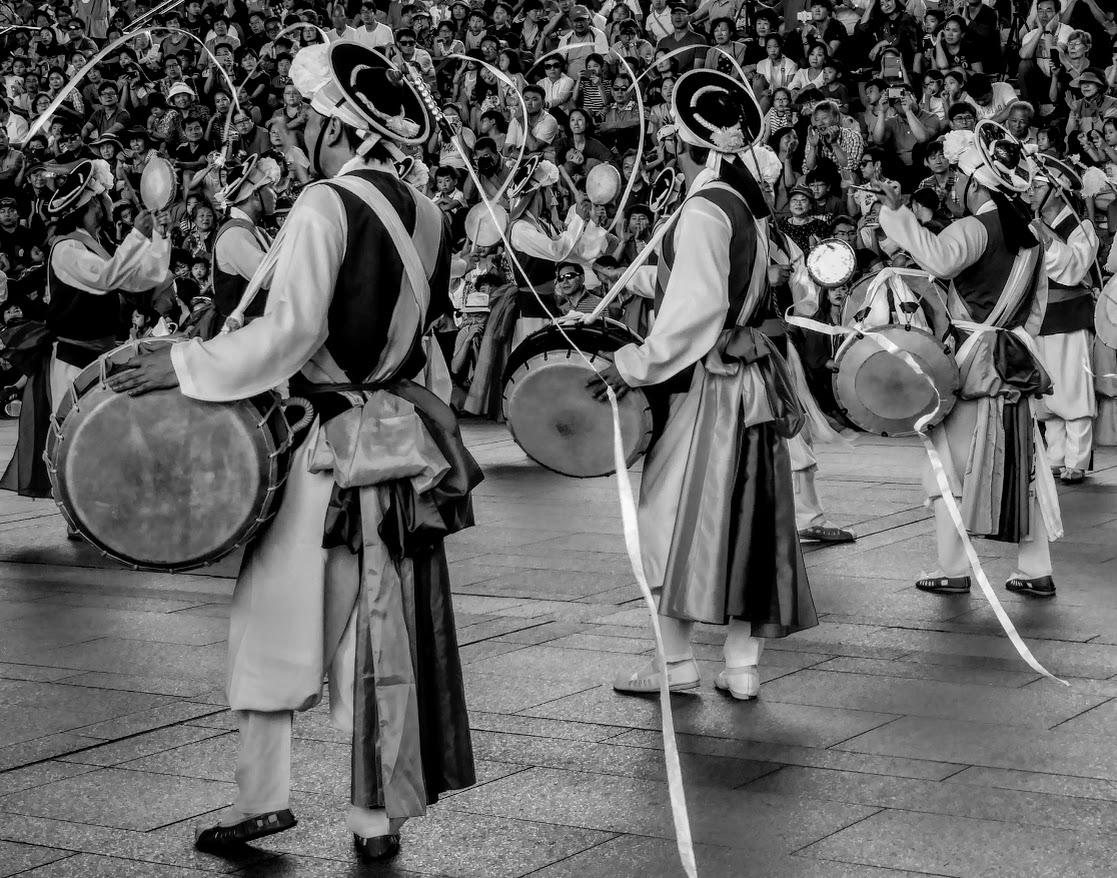
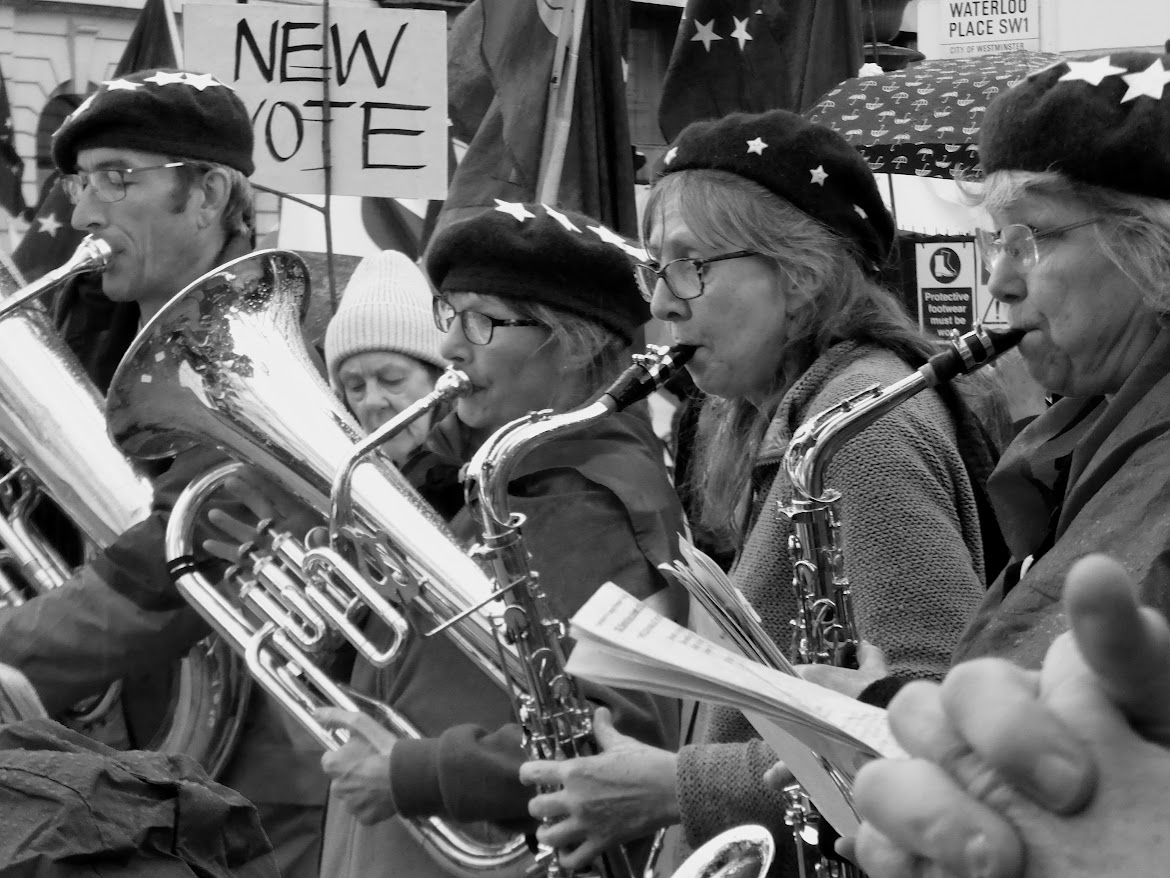
Instrument players now. The drummer accompanying the Morris dancers; drummers celebrating Chusak in South Korea, and brass players marching in London in those heady optimistic days when some of us still thought Brexit might not happen.
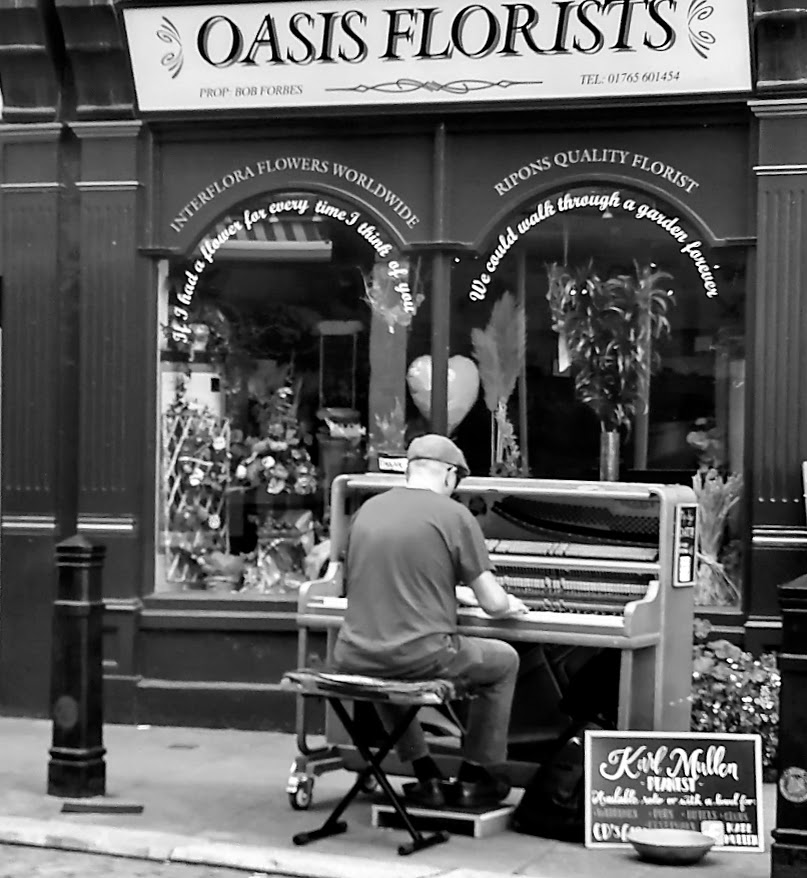
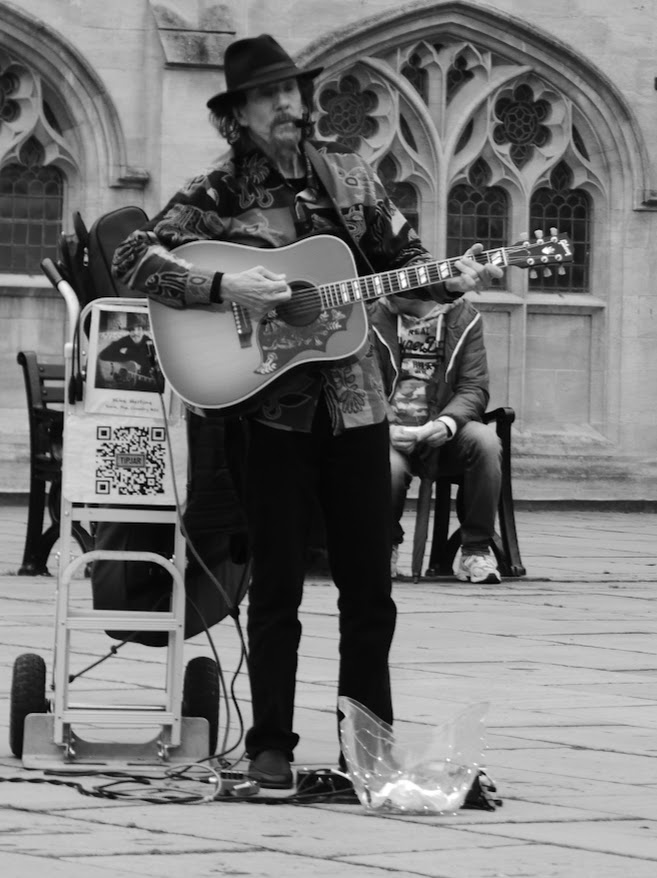
Of course some instrumentalists out in the street are trying to earn a living. Here are buskers in Ripon and Bath.
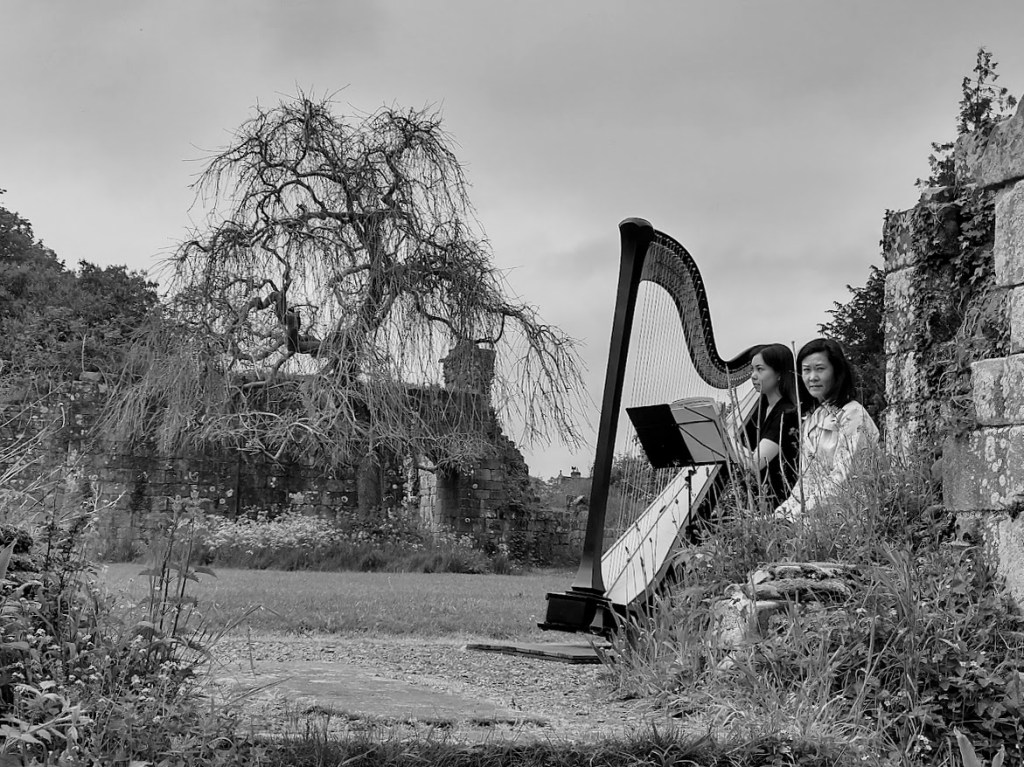
And a harpist playing at a friend’s wedding in the grounds of the ruined Abbey at Jervaulx ….
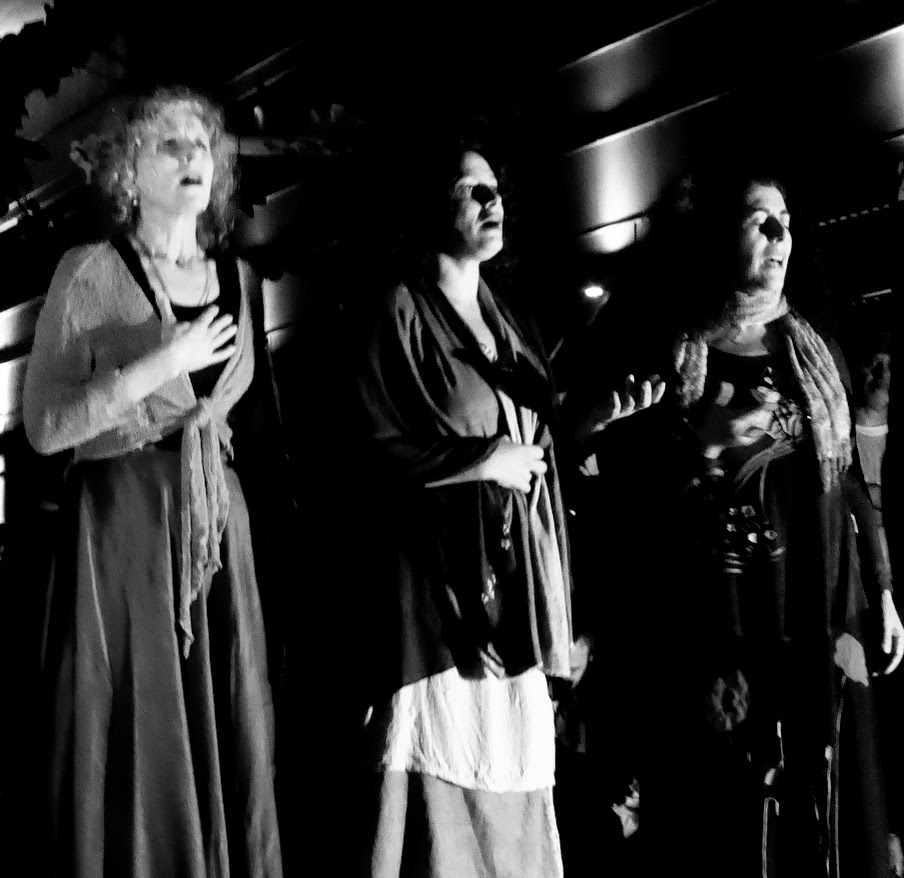
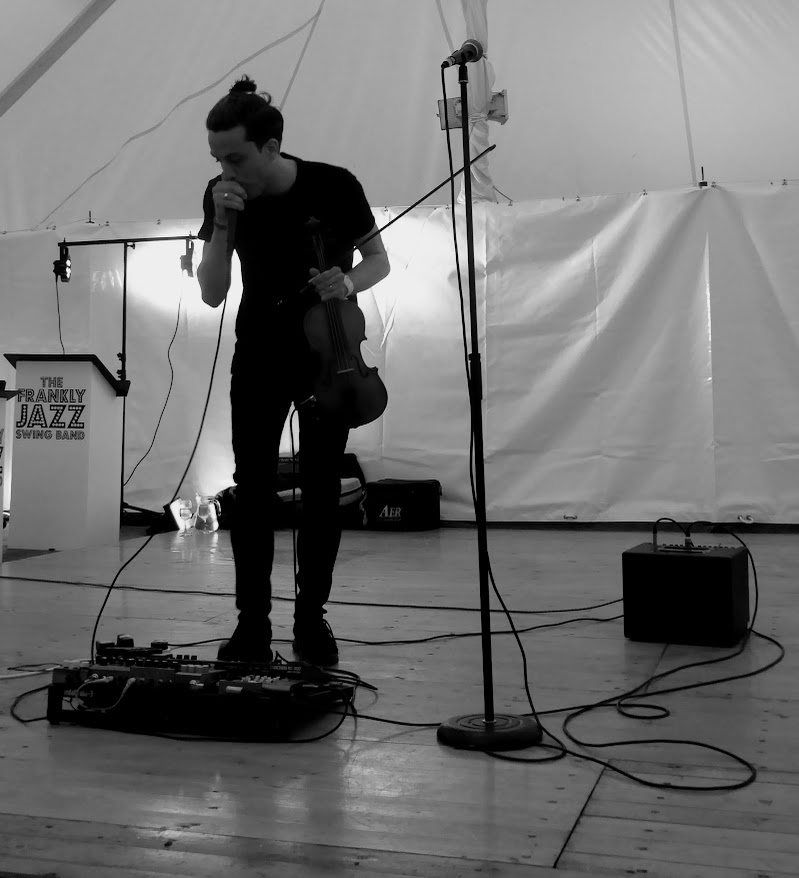
Here are singers in Seville, relying simply on the beauty of their voices; and a singer-instrumentalist, heavily dependent on a supply of electricity to produce a sound.
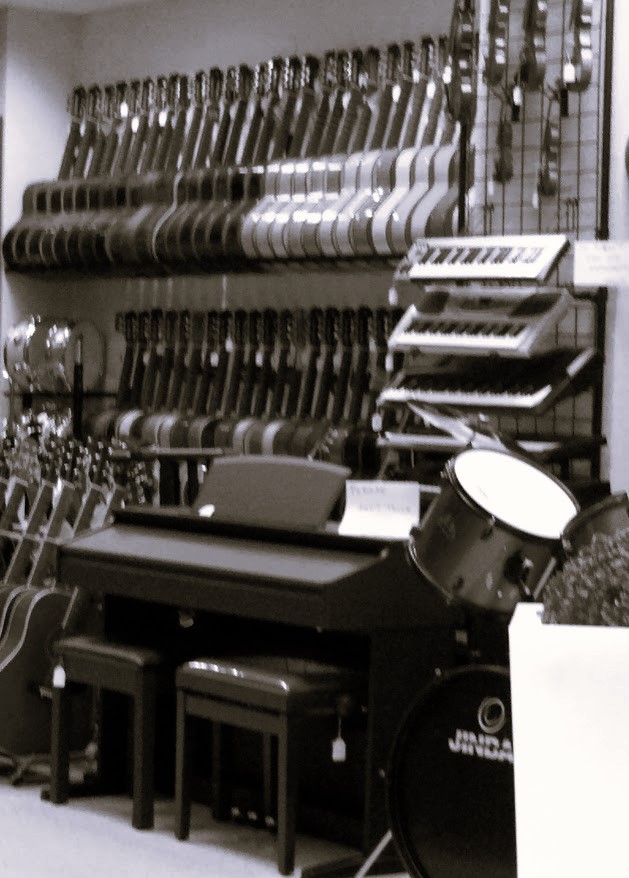
Of course, first you have to have your instrument. Here’s a music shop in Málaga.
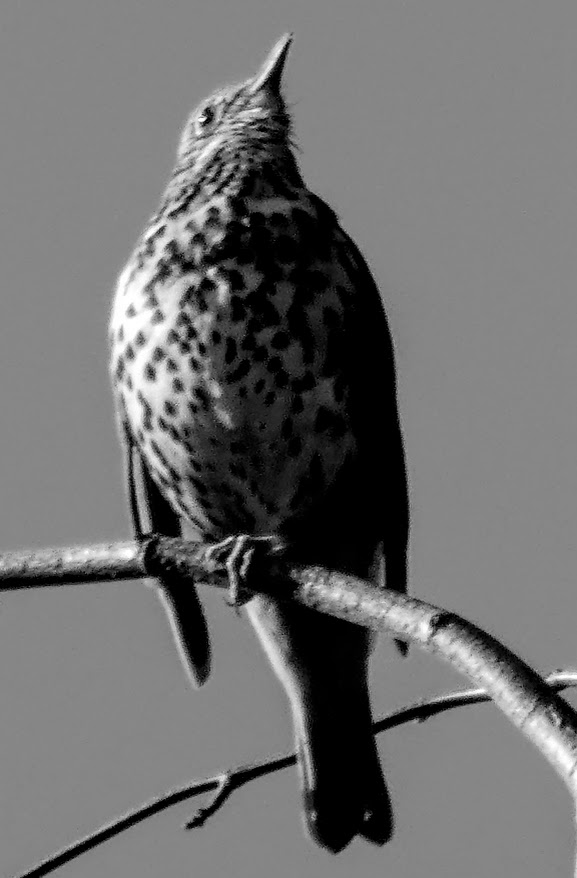
This thrush is a musician from the natural world. He commandeers a high branch here, spring after spring, and simply sings his heart out from early morning to early evening, almost without stopping. I wish you could hear him.
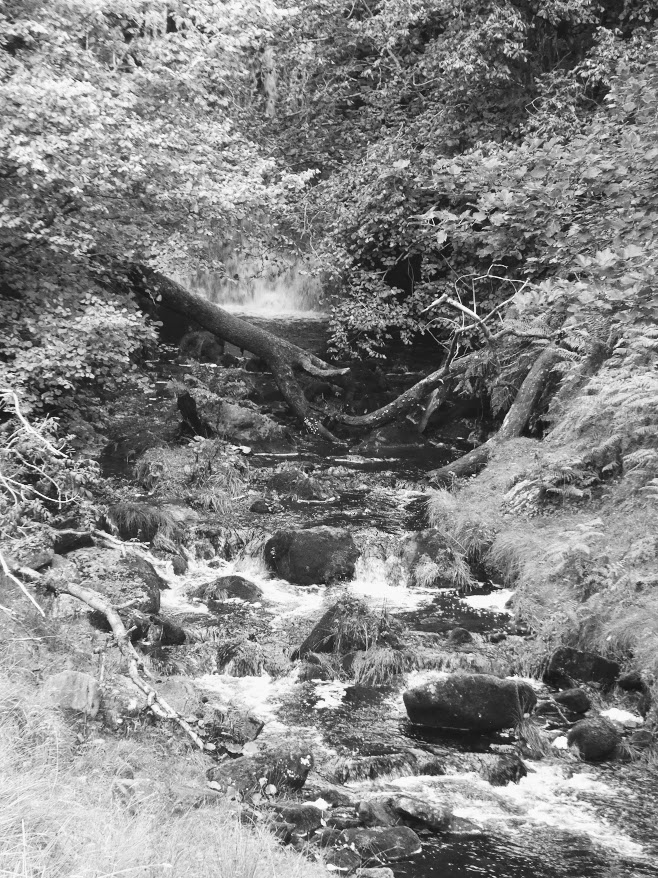
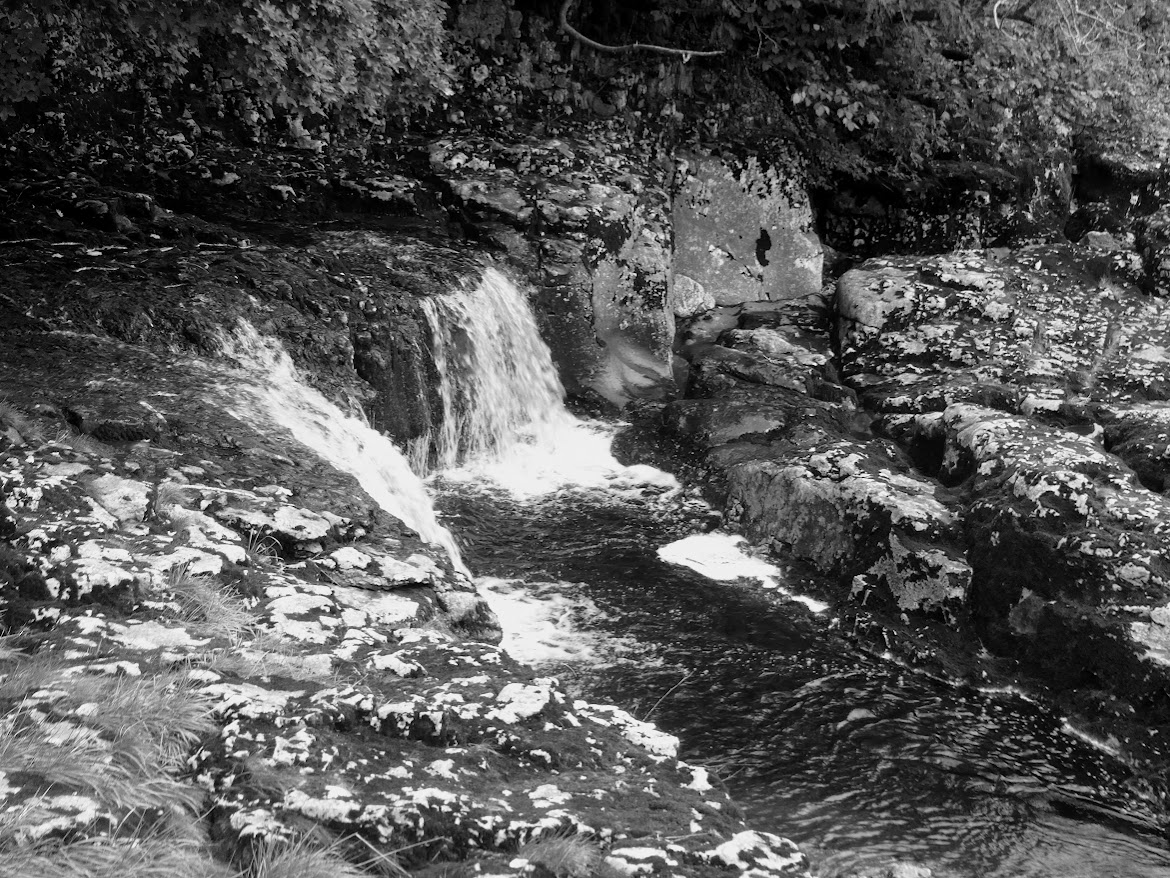
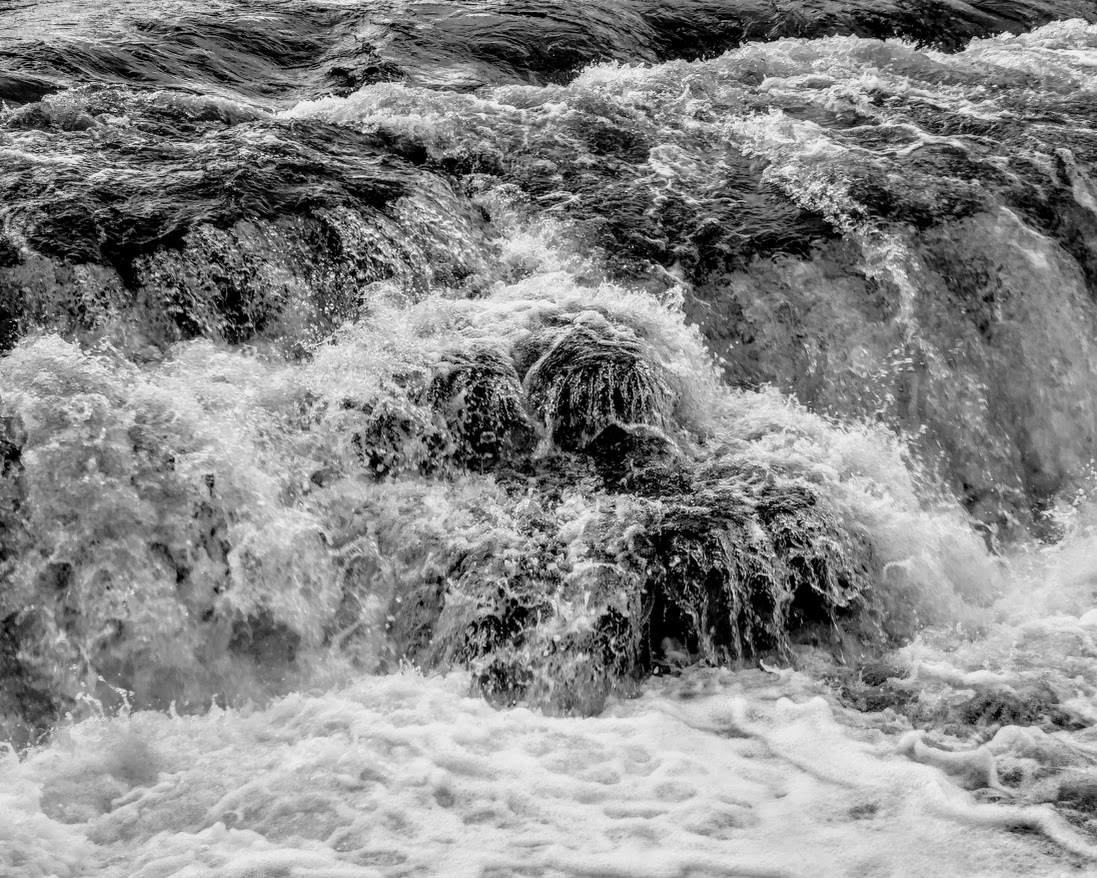
And while we’re in the Great Outdoors, is there anything more musical than a tinkling and plashing stream, tumbling tunefully over rocks?
Please do join in with your own musical offerings. And link back both to this post, and to Leanne’s site too, here.
Today, instead of a Monday Portrait, I offer you a Monday Anecdote, first told on November 26th, 2011.It dates back to the days when we lived in Laroque d’Olmes in the French Pyrenees.
Little Donkey: An Everyday Story of Country Folk
Every now and then, in among all the banns of marriage and planning notices on the information board at the town hall here in Laroque, there’s a poster about a stray dog that’s been found. Not cats or hamsters. Just dogs.
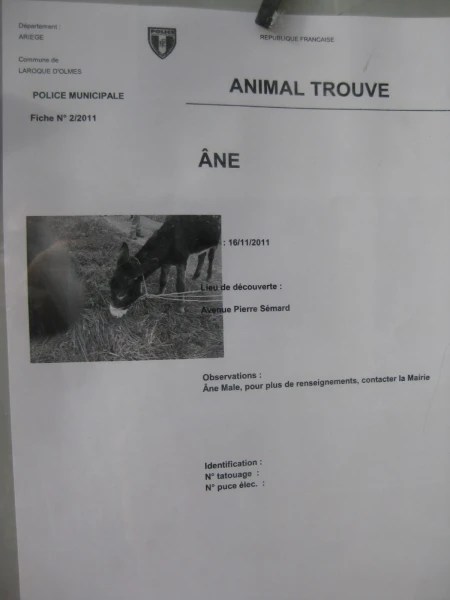
Last week, though, my eye was caught by this:
How does anyone lose a donkey? And what do you do with it whilst you put out an appeal for the owner? ‘Oh he’s fine’, said Thierry, our Community Copper, ‘We’ve put him to work in the office at the Mairie’. I decided against saying the obvious, that he would be bound to be doing a far better job than the current Mayor.
It took a week for his owner to show up. He – the donkey that is – had an exciting time. First of all he was rounded up by the three blokes who first spotted him in the road just outside town, but who had no idea how to set about the job. Then he was frisked for tattoos or identity chips. None. Next he was sent to stay with our friend Henri’s donkeys (Thierry was fibbing about the office work). That had to stop when Henri’s female donkey got all excited at the new arrival and came on heat. Then he went to stay with the vet’s partner. He escaped. Amateur detectives all over Laroque and Lavelanet tried to find out where he came from. Eventually, after a week, his owner showed up, really rather cross. ‘Why didn’t anyone think to get in touch with me?’
There we are. That’s our excitement for November over.
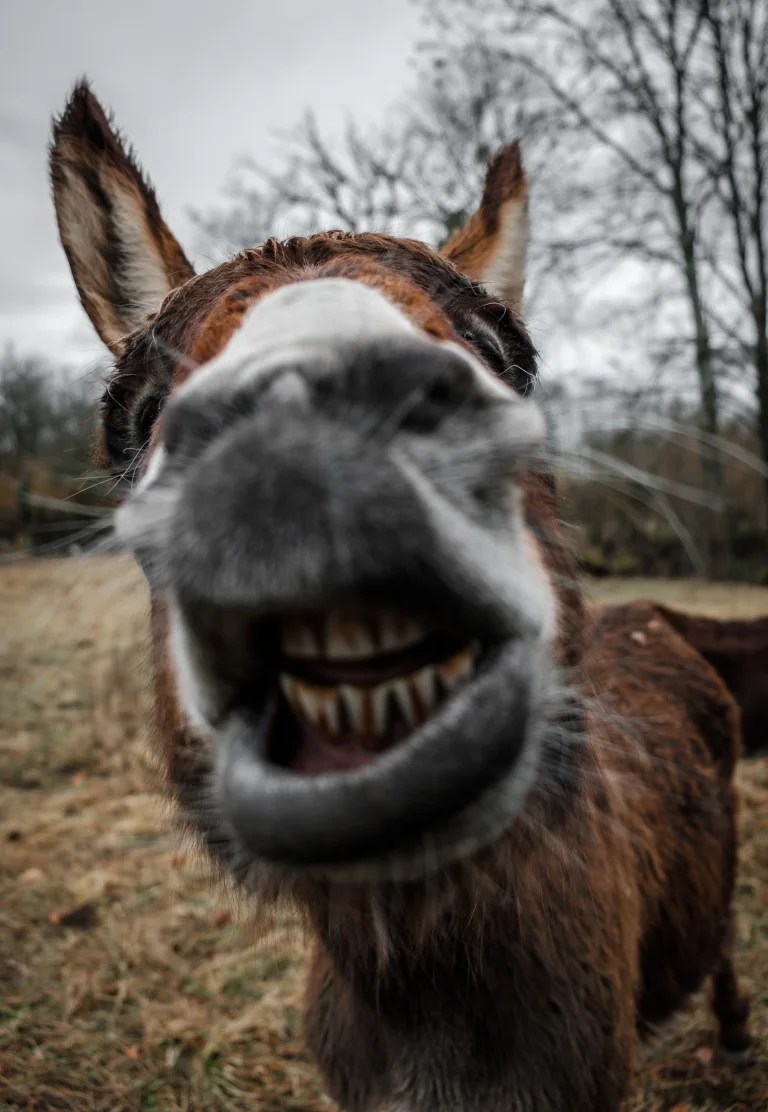
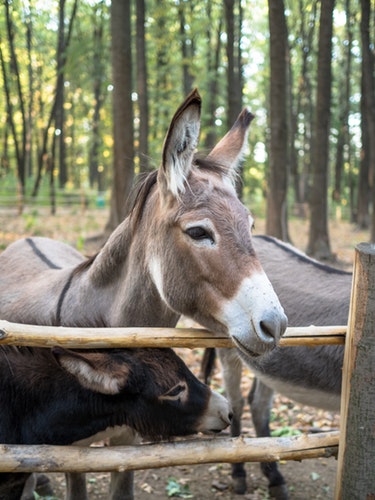
Unaccountably, I have no donkey photos. These are from Unsplash.
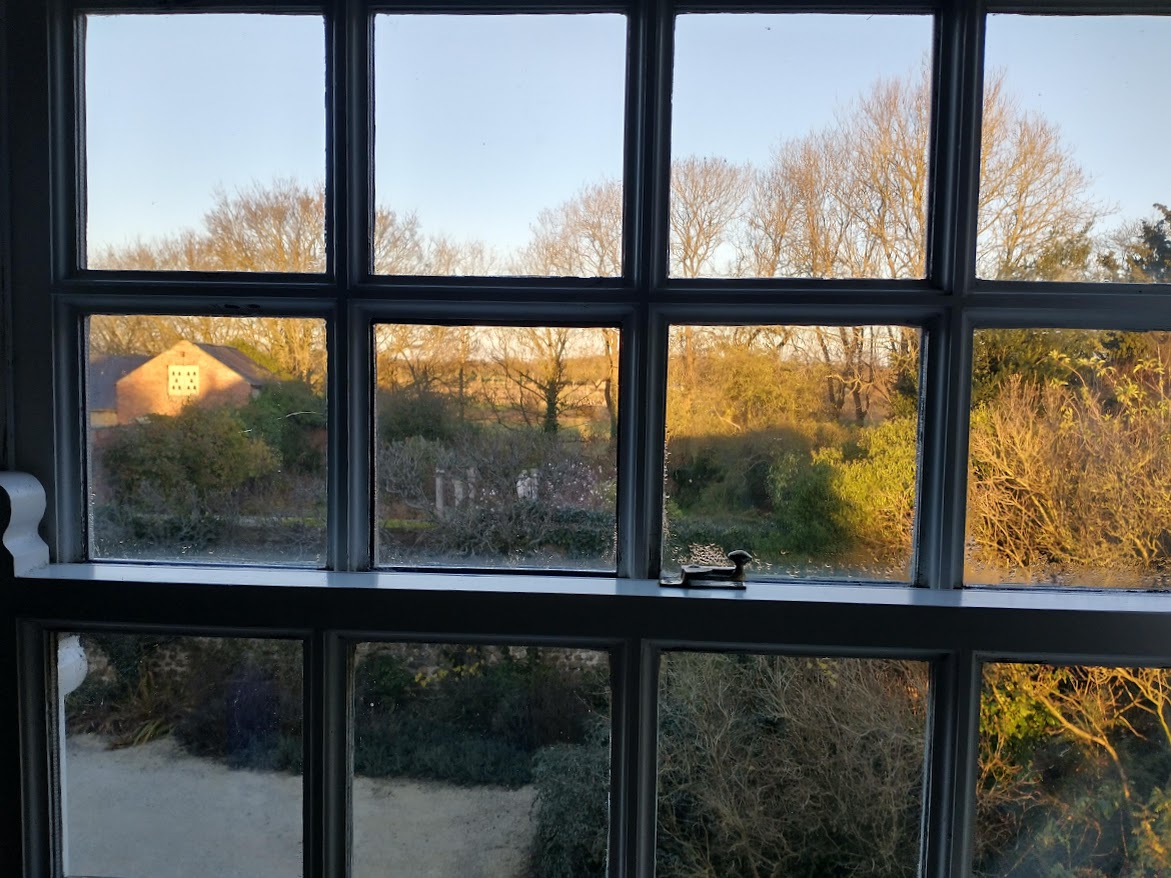
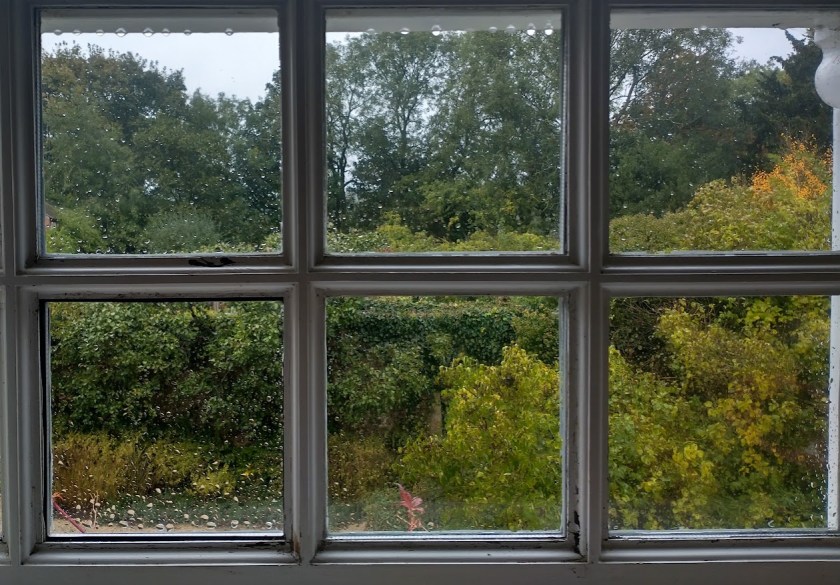
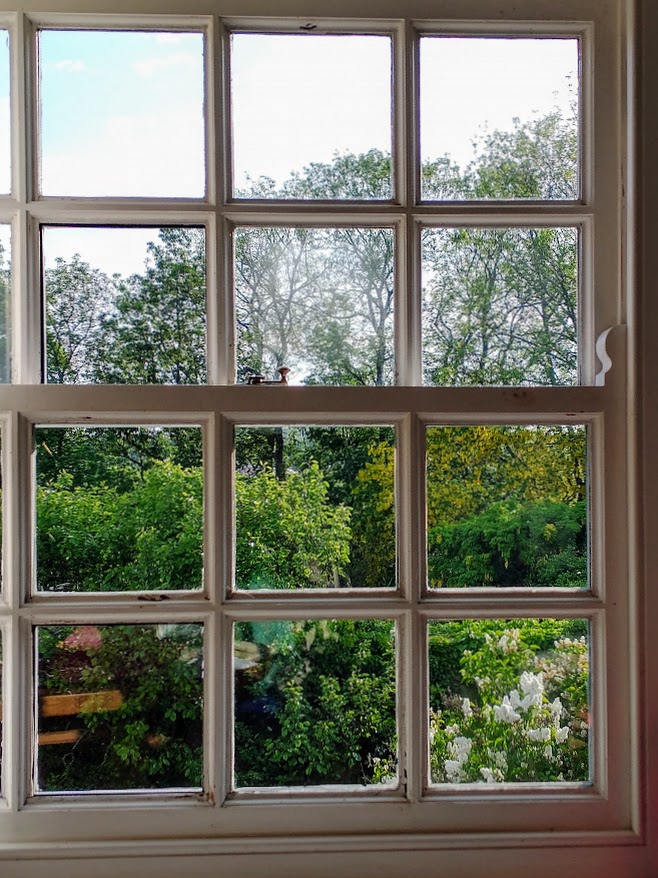
I am sitting at the kitchen table and looking out of the window. This is where I measure the changes of season; decide on what the day’s weather will bring; enjoy the fuchsia, pink and grey tones of the winter sunrise and examine the spiders’ webs that lace our small window panes at this time of year.
A frequent sight in October – or other times of year too.
In the middle distance is a line of trees. Now they’re newly stark for winter. A few weeks ago we observed them daily as the leaves turned first yellow, then tawny, chestnut and rust. Slowly the leaves started to fall. Then as November raged in, the wind snatched at them until finally last week, a storm bad-temperedly tore at the final tatters and flung them to the ground.
The view – sometimes – in January.
In Spring, it will all be reversed. At first, perhaps in earliest April, a citric haze on the trees will tell us that the buds are bursting, and will change daily, as the once-visible twigs and branches gradually leaf up, and disappear from view.
During that time though, while the branches are still visible, there’s plenty of action. Birds are home-hunting, prospecting for that perfect spot for a nest. Then there’s frenetic activity in the still-bareish trees as crows and wood pigeons flap back and forth, bringing twigs, feathers, moss, constructing untidy structures that despite their appearance are obviously sturdy enough – they’re still there now, high in the top branches. The smaller birds are more discreet, and though they build in the bushes and foliage nearer the house, we rarely see their nests. No, not even those of the sparrows, who cheep frenetically in the ivy below the window from the first moment they choose a site there, until the last fledgling has flown the nest.
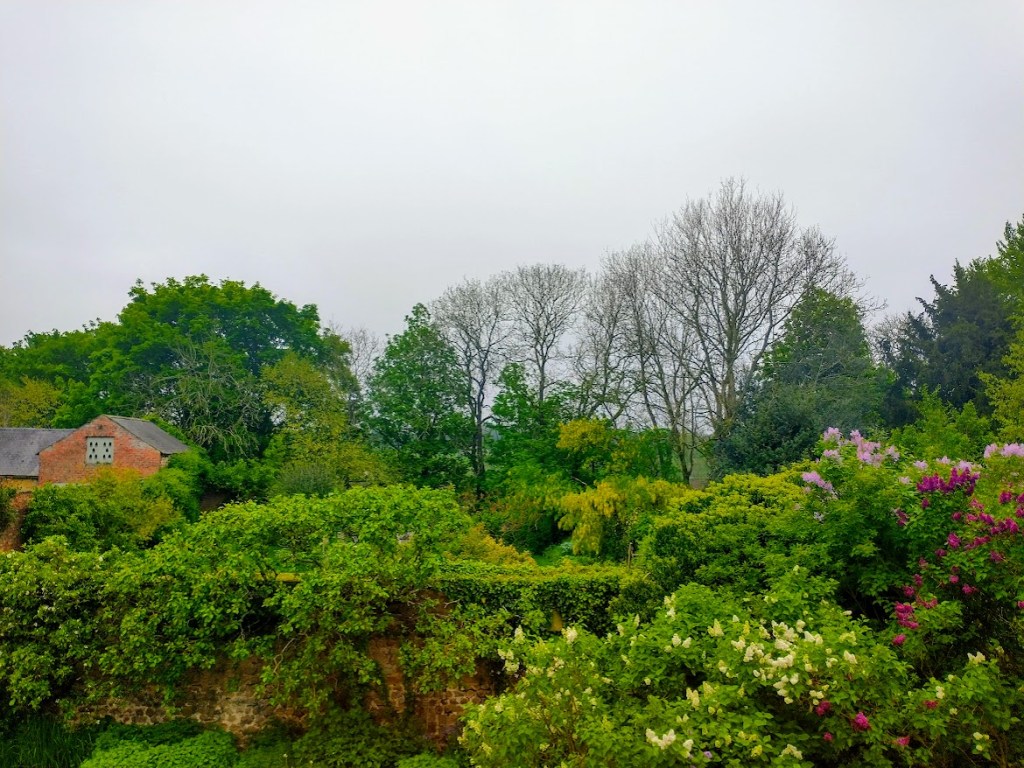
The view in May
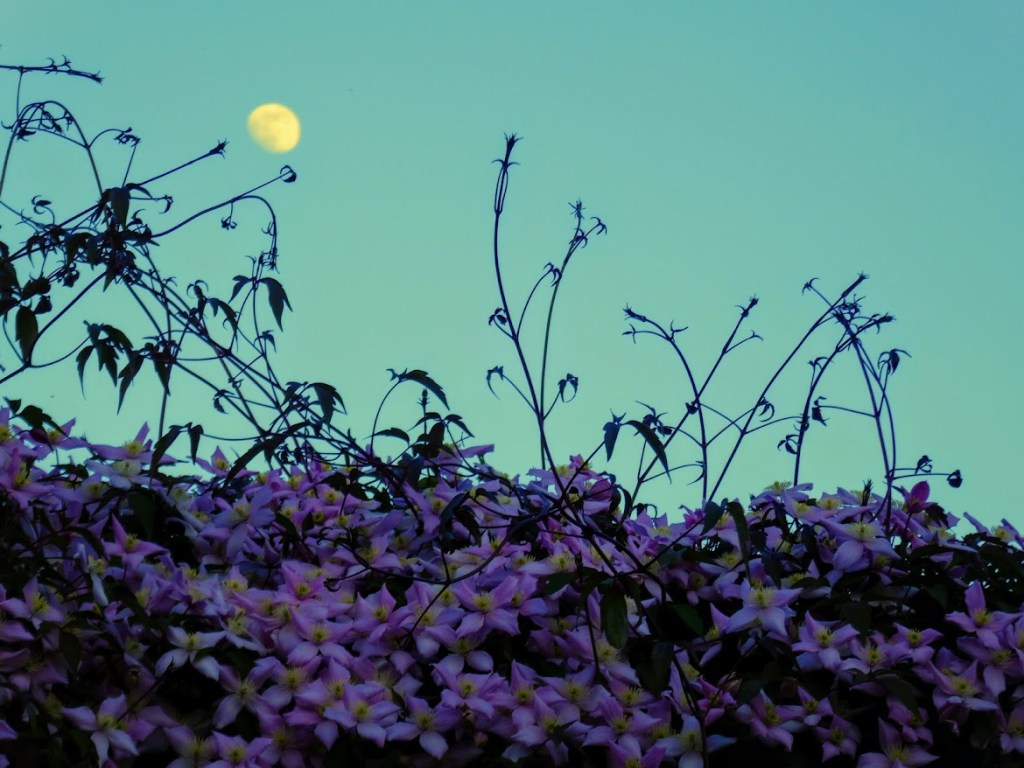
Nearer is the brick wall of our landlord’s walled garden. This is where a line of pear trees grows, with, in early summer, pink clematis scrambling through.
The clematis atop the wall one early evening in May.
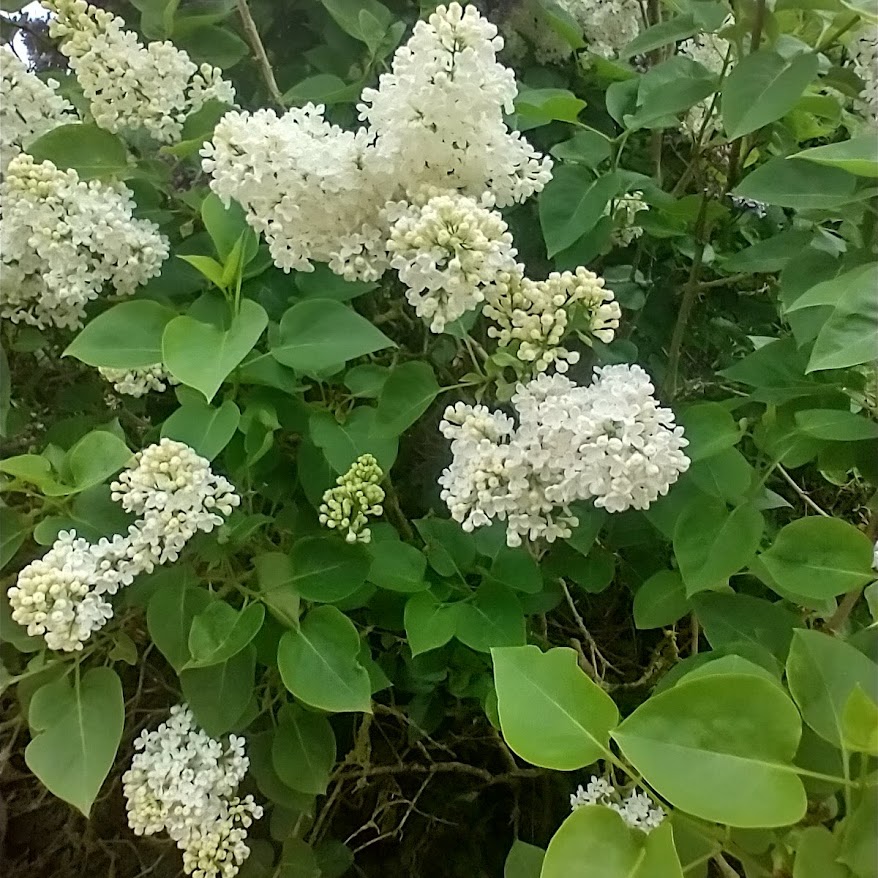
Next to them are three lilac trees. One is purple, one mauve, and the third one white. For two weeks only – in May – they flower, riotously, casting bloom after scented bloom skywards. After that they die sulkily, and look quite ugly for weeks. It doesn’t pay to be away in May and return in June.
Glancing upwards, there are often skeins of geese on flying missions between one neighbourhood lake and another, or in the summer (though less and less frequently these days), swooping and shrieking patrols of swifts.
I can show you neither geese nor swifts, but I can show you a cheeky squirrel who commandeered the window ledge one afternoon in September
So many sights and sounds to enjoy, so much action in the scenes just beyond our window panes. Never a week goes by without one of us saying to the other ‘Aren’t we lucky to be here? How could we ever move away?’
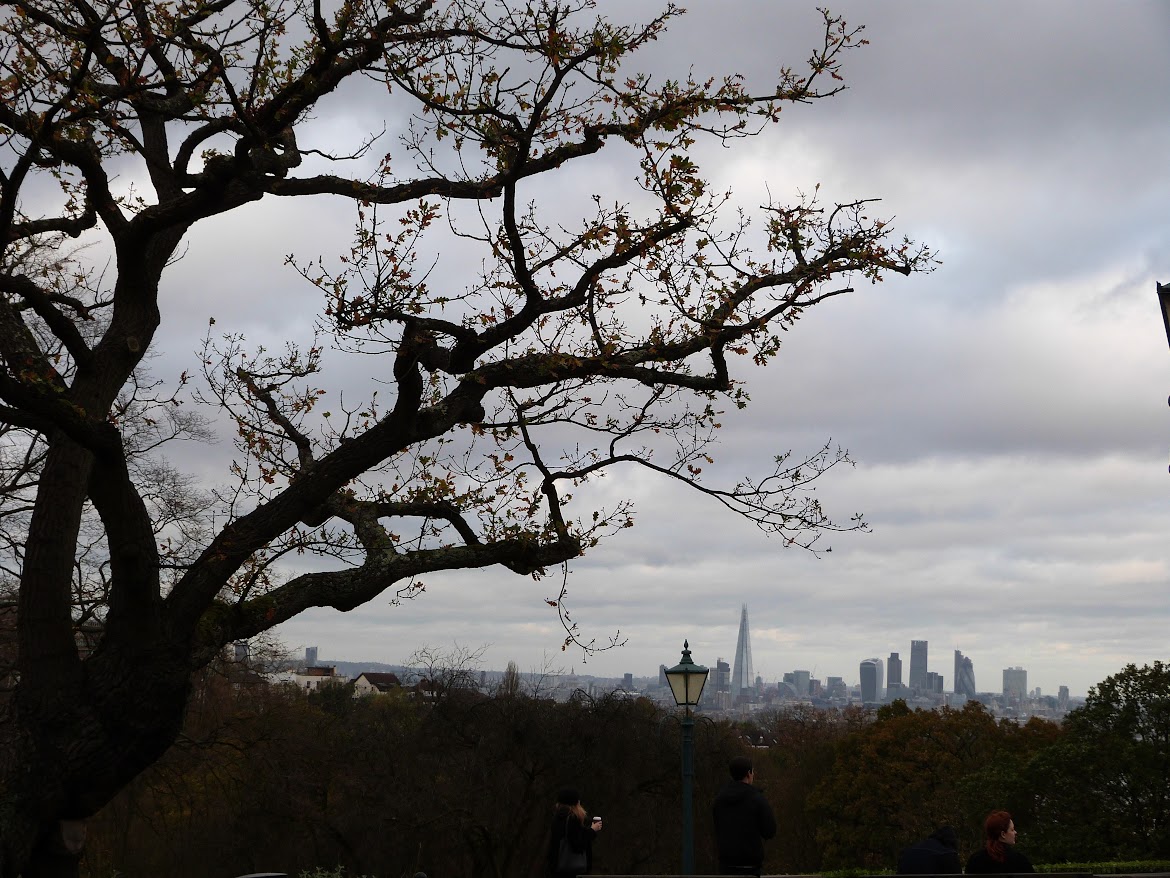
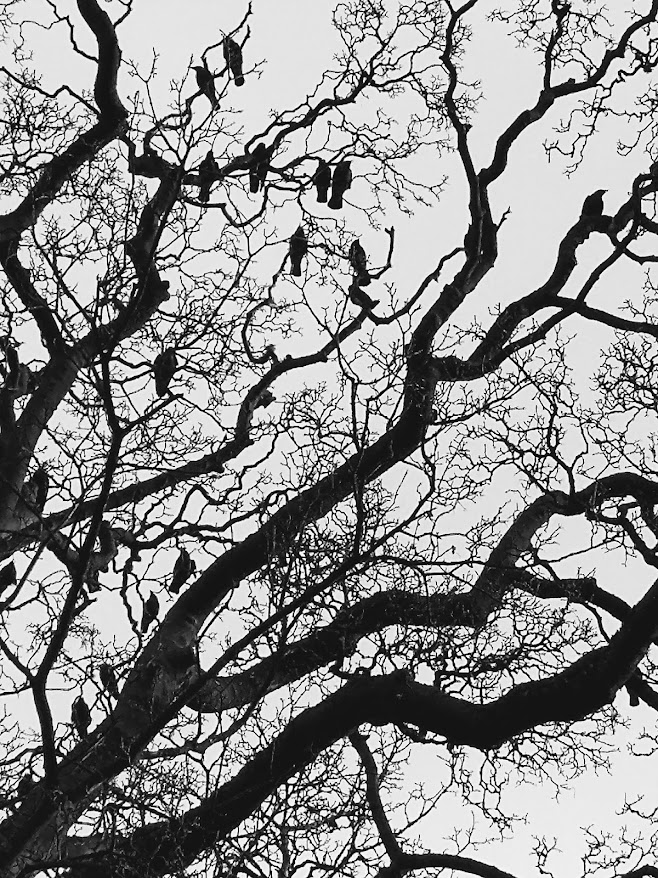
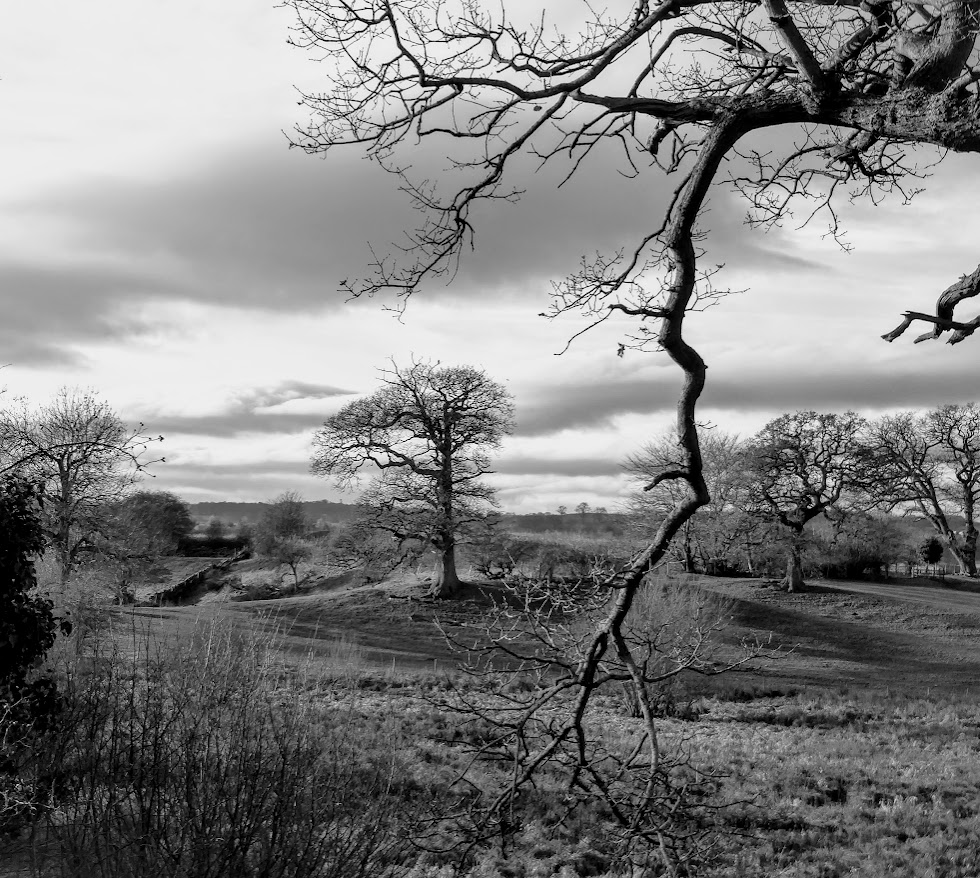
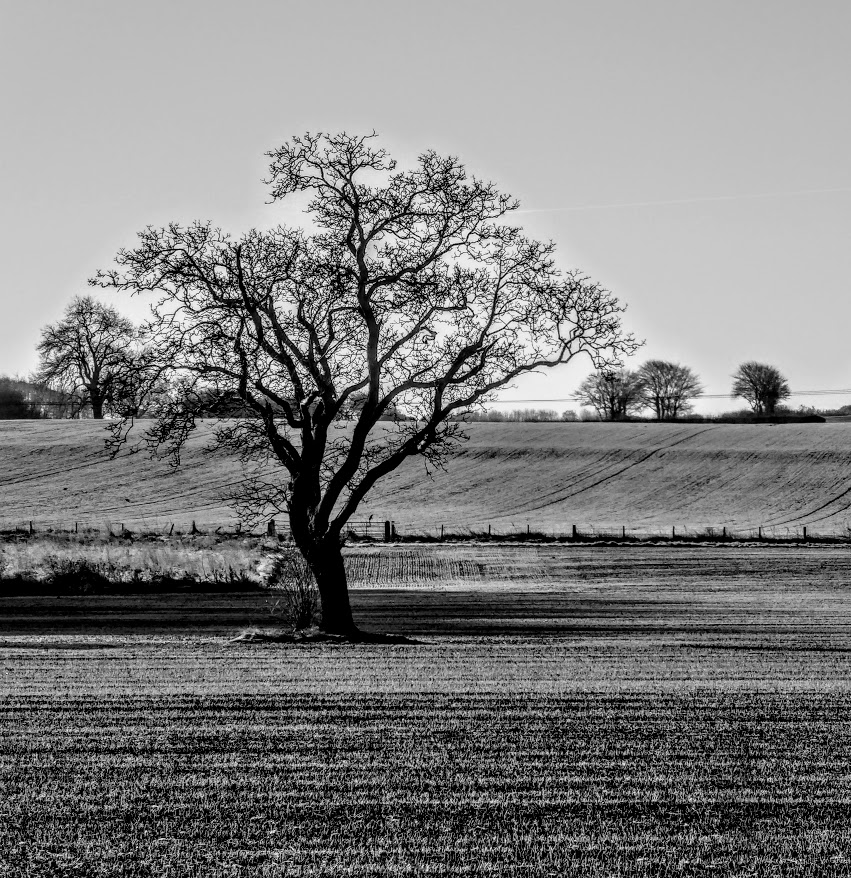
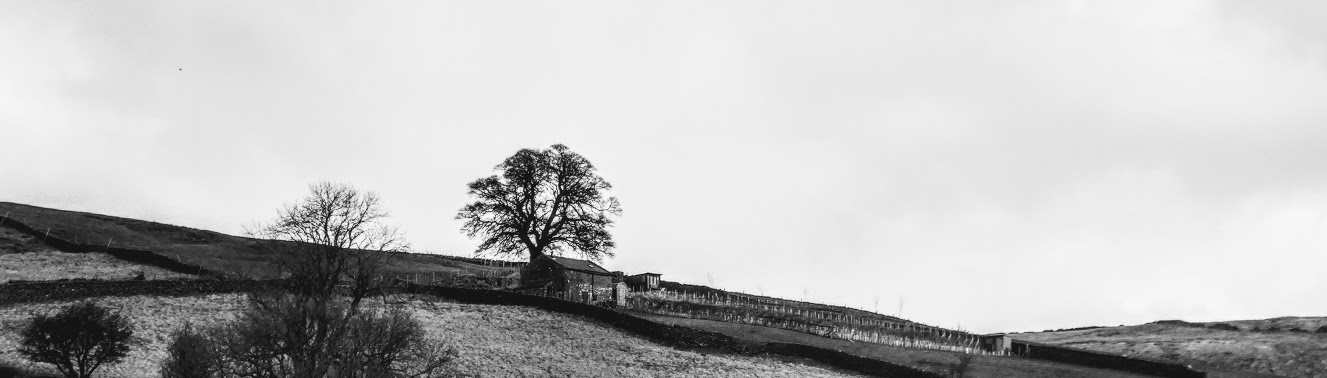
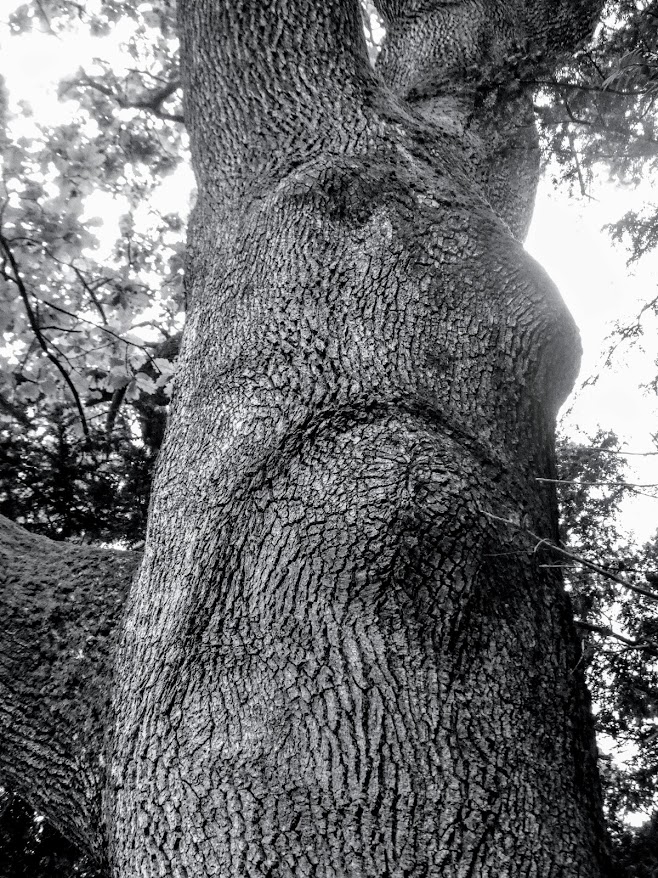
This week is perhaps the first one in which winter trees came into their own here in North Yorkshire. Recent high winds have snatched the very last scraggy leaves from their boughs, and now their austere skeletons are revealed in all their – often handsome – characterfulness. Here’s a small selection for Leanne’s Monochrome Madness. The header image, taken in Horniman Gardens, Forest Hill is not a true monochrome, but I’ve left it just as it is, to remind us that winter days – in London especially – can be black and white indeed. It’s the only image here not from North Yorkshire, or as we might call it today, The Frozen North.
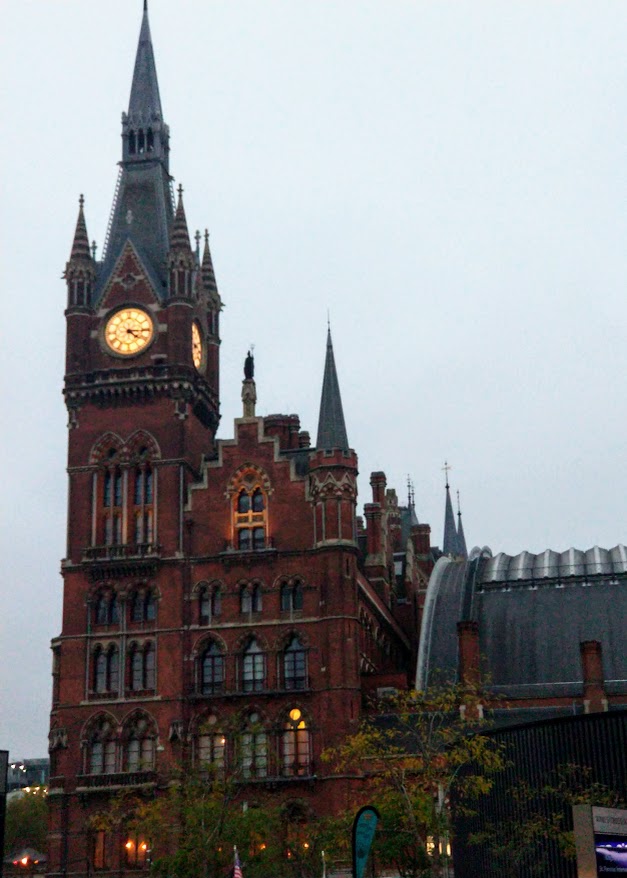
On my way to and from London, we often pass through the Victorian Gothic masterpiece which is St. Pancras Station. The featured photo shows the sight that greets us as we emerge into the open from the adjacent and much less interesting Kings Cross Station.
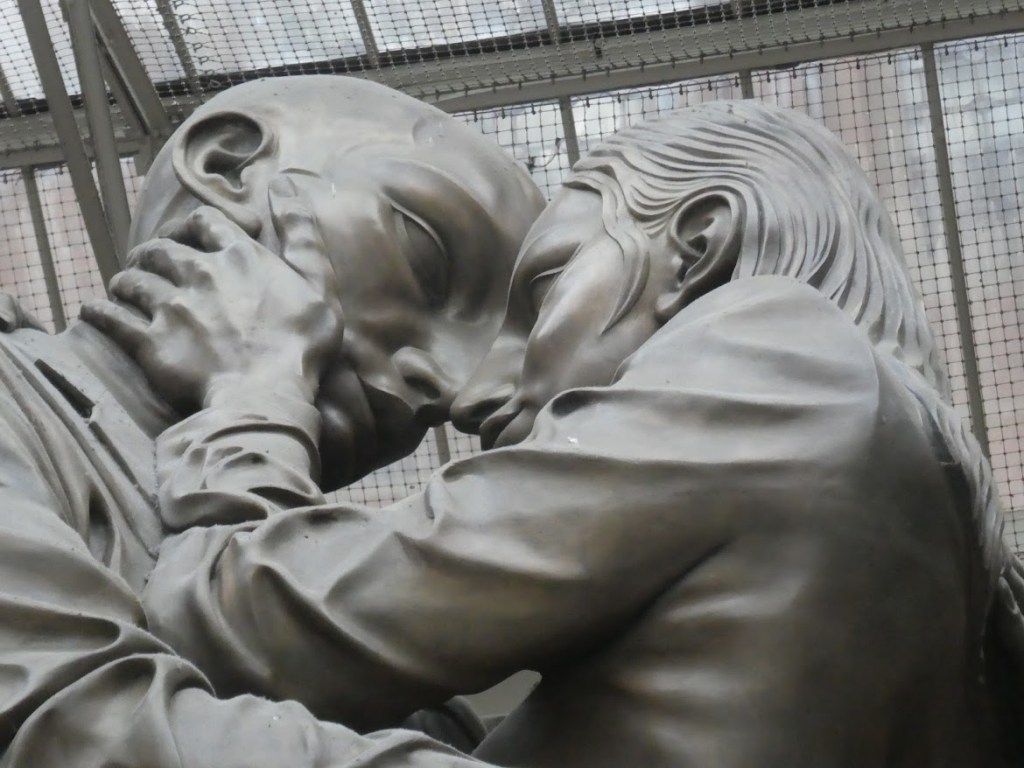
This time, we had a little time to mooch round St. Pancras, and I’ll share some photos another time. But today, for Patti’s Lens-Artists Challenge, I’m going to focus on the statue that I love to hate, and that greets us as we enter the station. It’s Paul Day’s The Meeting Place , and it’s been here since 2007. The design brief at the time asked for a statue that would ‘capture the spirit of romance once associated with train travel‘ and ‘be iconic like the Statue of Liberty‘. Two young lovers, one a soldier, exchange a farewell embrace. I find it cloying and sentimental: something to do with the monumental size of this essentally private moment offends me. And as for being iconic. Imagine replacing, for example, Michelangelo’s David, or indeed the Statue of Liberty with this statue. I think not. I know this is a minority opinion, so I was delighted to find this article from the Guardian, published in November 2007.
Patti wants us to home in once – twice – and focus on the details of our chosen object. So here are the faces of this young couple.
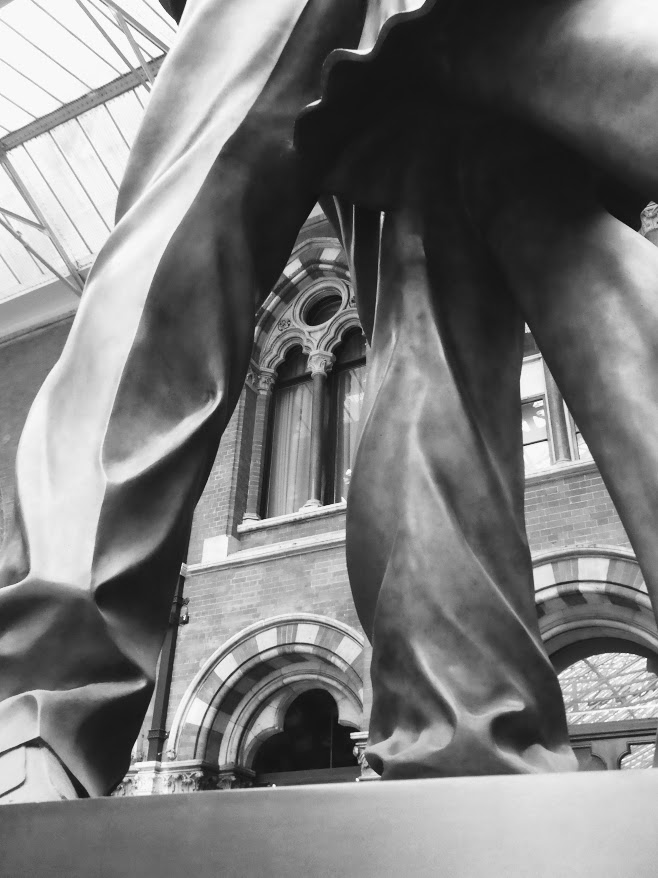
Personally, I’d sooner glimpse down to their legs and look at the architecture beyond.
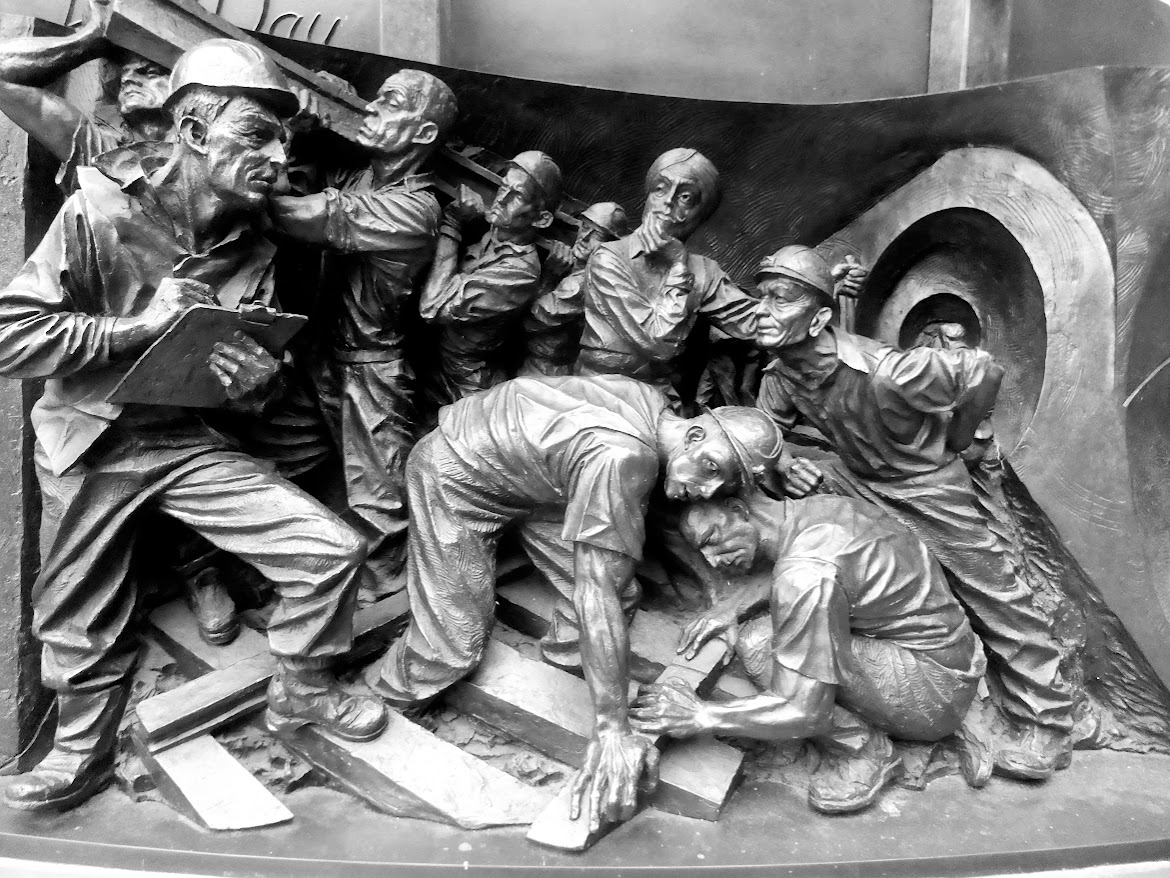
The plinth beneath was added slightly later, and is a collection of rather sombre scenes about which I have managed to find out little. In particular, the subject matter of the two scenes I show here eludes me. Perhaps the second one shows the evacuation of the underground after the terror attacks on the tube on July 5th 2005. But the first?
I never expected I would ever give this couple star billing. But sometimes, when you give your focus to something you haven’t appreciated, you discover what it is that other people have enjoyed, and that you have missed. It hasn’t worked for me with this one. Ah well.
PS. WP is having a moment again. Despite repeated attempts both yesterday and just now, it won’t allow me to add tags to this post. Anybody else?
So said Mick Maslen, Yorkshire artist and teacher. And perhaps none is more energetic than the Leading Line: the one that draws you insistently into an image to discover what lies at the other end. And which may leave you wondering, because you often never reach it.
My header image is from Cádiz, and is a bit of a text book classic. Pavement, road, seawall, cars, kerb-side buildings – even to a lesser extent the wispy clouds- all lead you on and drop you outside the city’s cathedral.
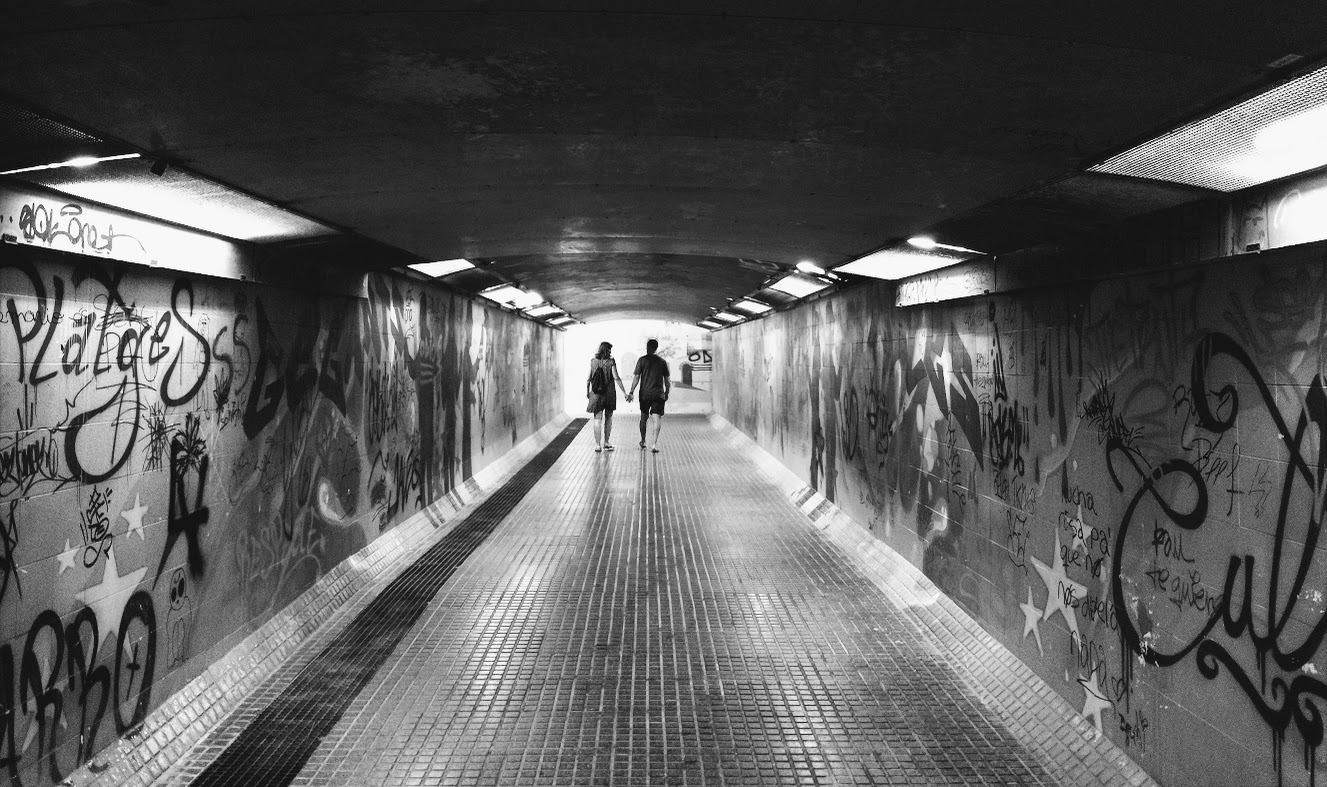
In other examples, it’s the journey along the lines, rather than the destination that commands our notice. Here’s one from Chalons-en-Champagne: the wall paintings rather than the chap at the end, are the story. Just as the couple in the underpass in Premià de Mar attract less attention than the graffiti they’ve just walked past.
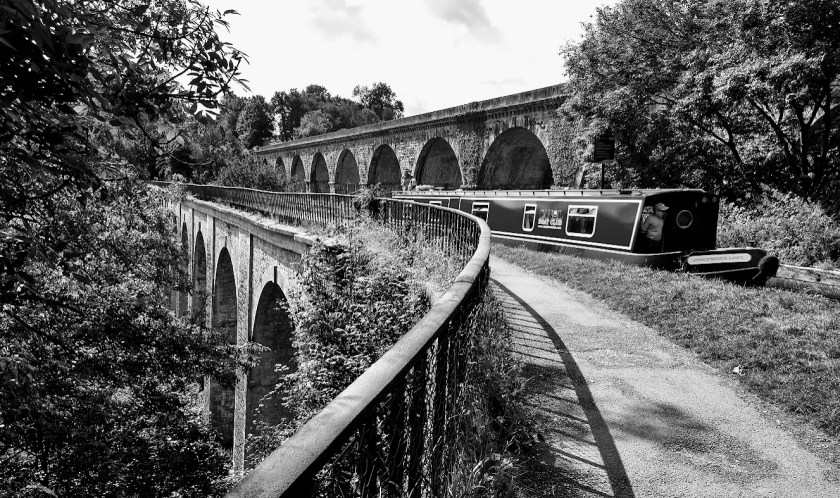
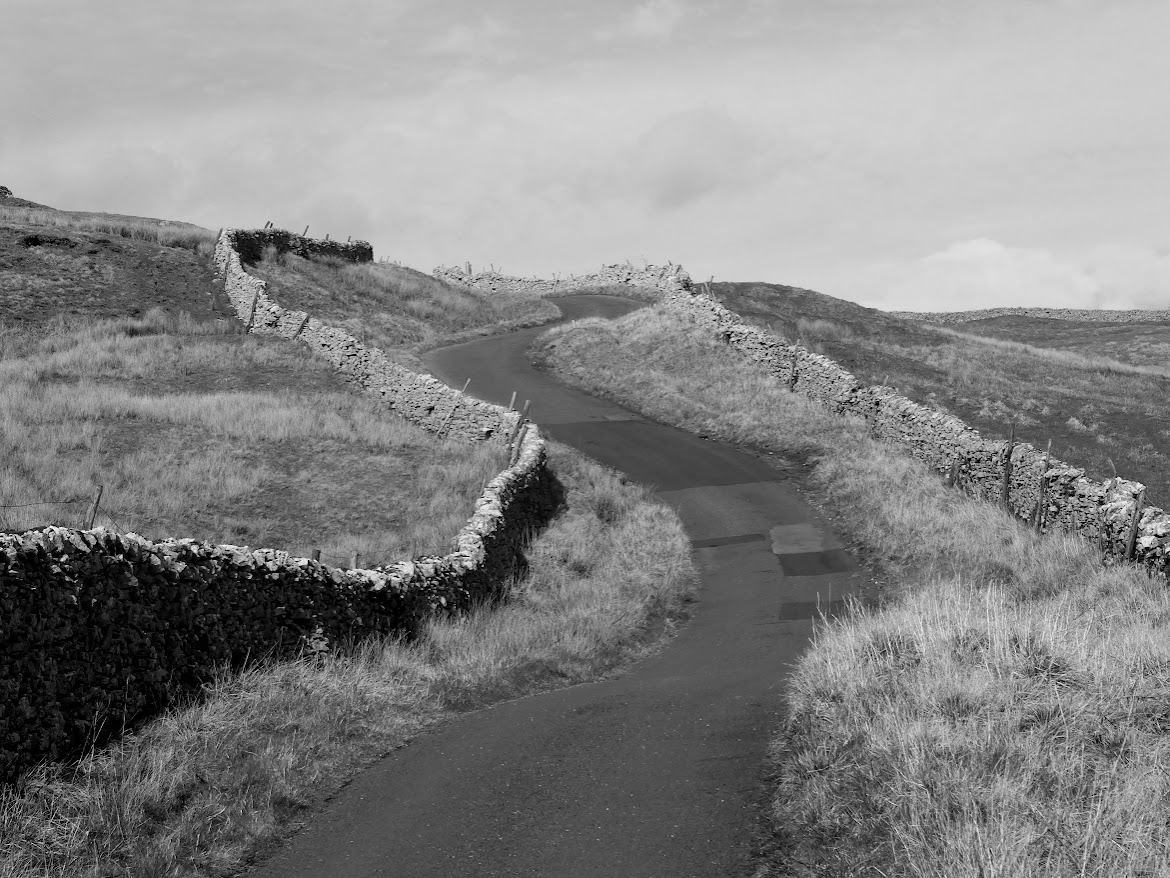
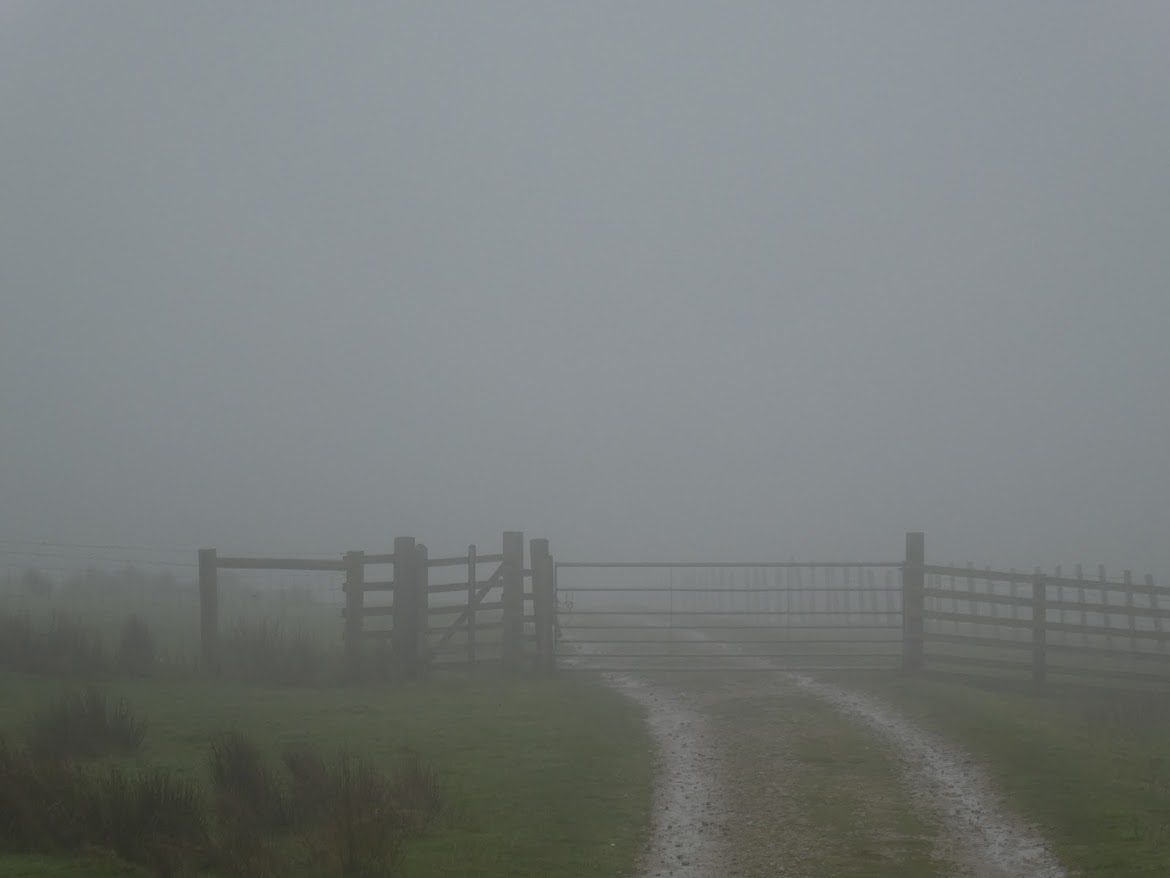
Other leading lines have no destination that we can see. The Chirk Aqueduct, with viaduct behind is going somewhere. We just don’t know where. The same with the Rolling English Road in the Yorkshire Dales, and the track in another part of the Dales whose path has been enveloped by fog.
Chirk Aqueduct: from Shropshire to Wales.
Just one more image today. The astonishing Millau Viaduct in France, some two and a half km. long, sweeps majestically about 35 metres above the River Tarn and the landscape and communities beneath- sometimes (and oh how I’d love to see it then!) even above the clouds.
It’s not been a great week, has it? The American election has come and gone, and anxious nail-biting has been replaced by the new reality. I’m going to distract myself by looking through an old blog post, first posted in November 2009 – gosh – 15 years ago, when I was a fairly new blogger, recording our day-to-day life in the French Pyrenees.
Down on the Farm
Well, I mentioned Patrimoine in my last post. Yesterday we had Our Farming Heritage, an event organised by Pays d’art et d’histoire des Pyrénées Cathares. 20 or so of us turned up at a nearby village, Troye d’Ariège, to have a look round a traditionally run sheep farm.
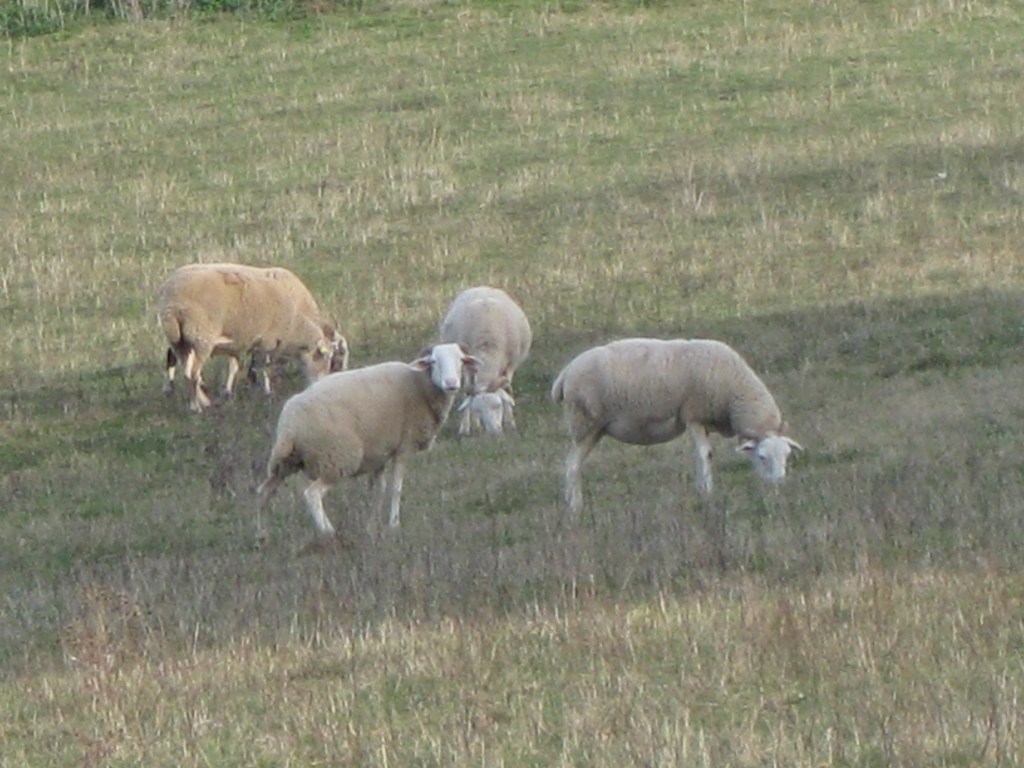
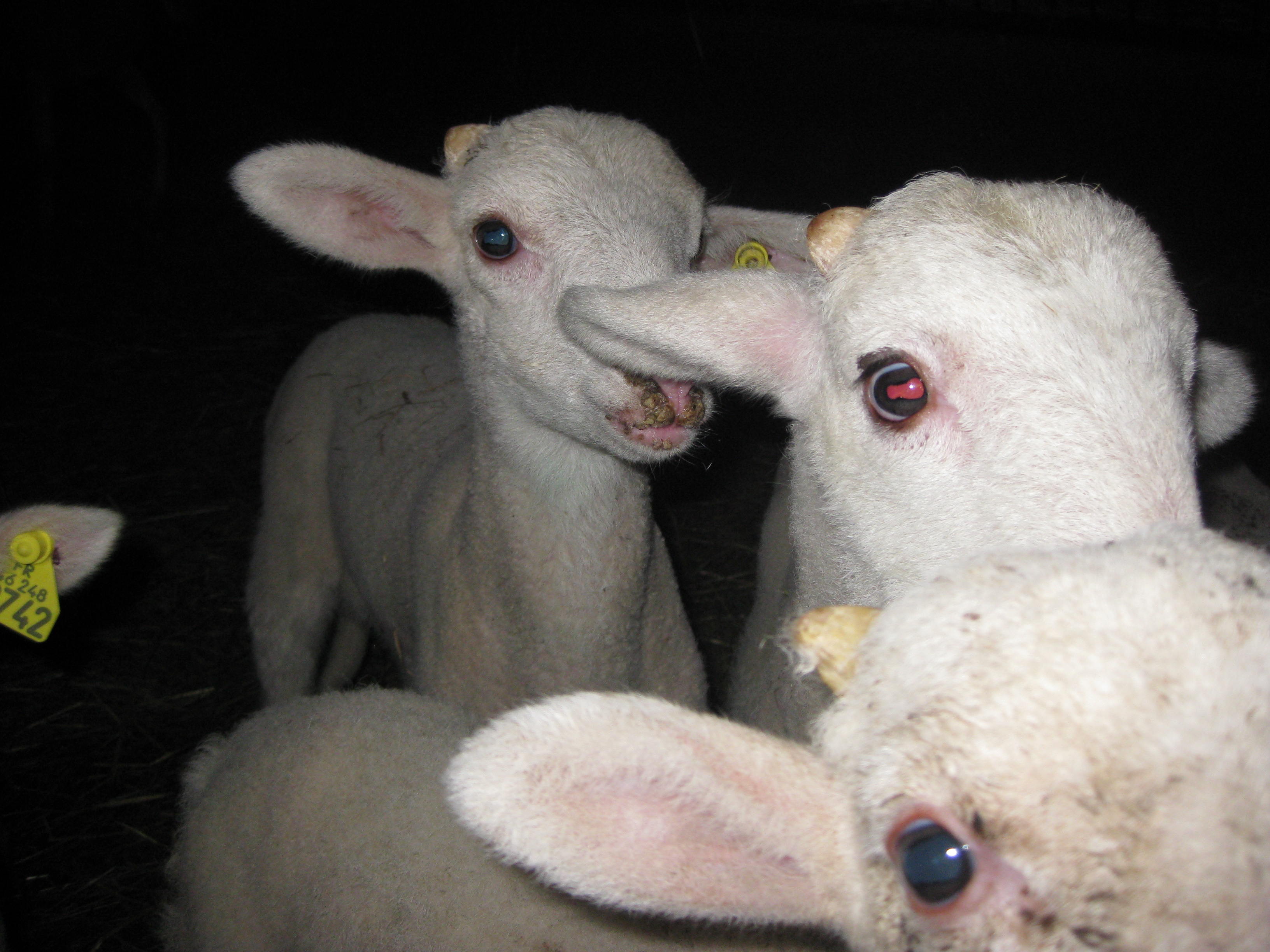
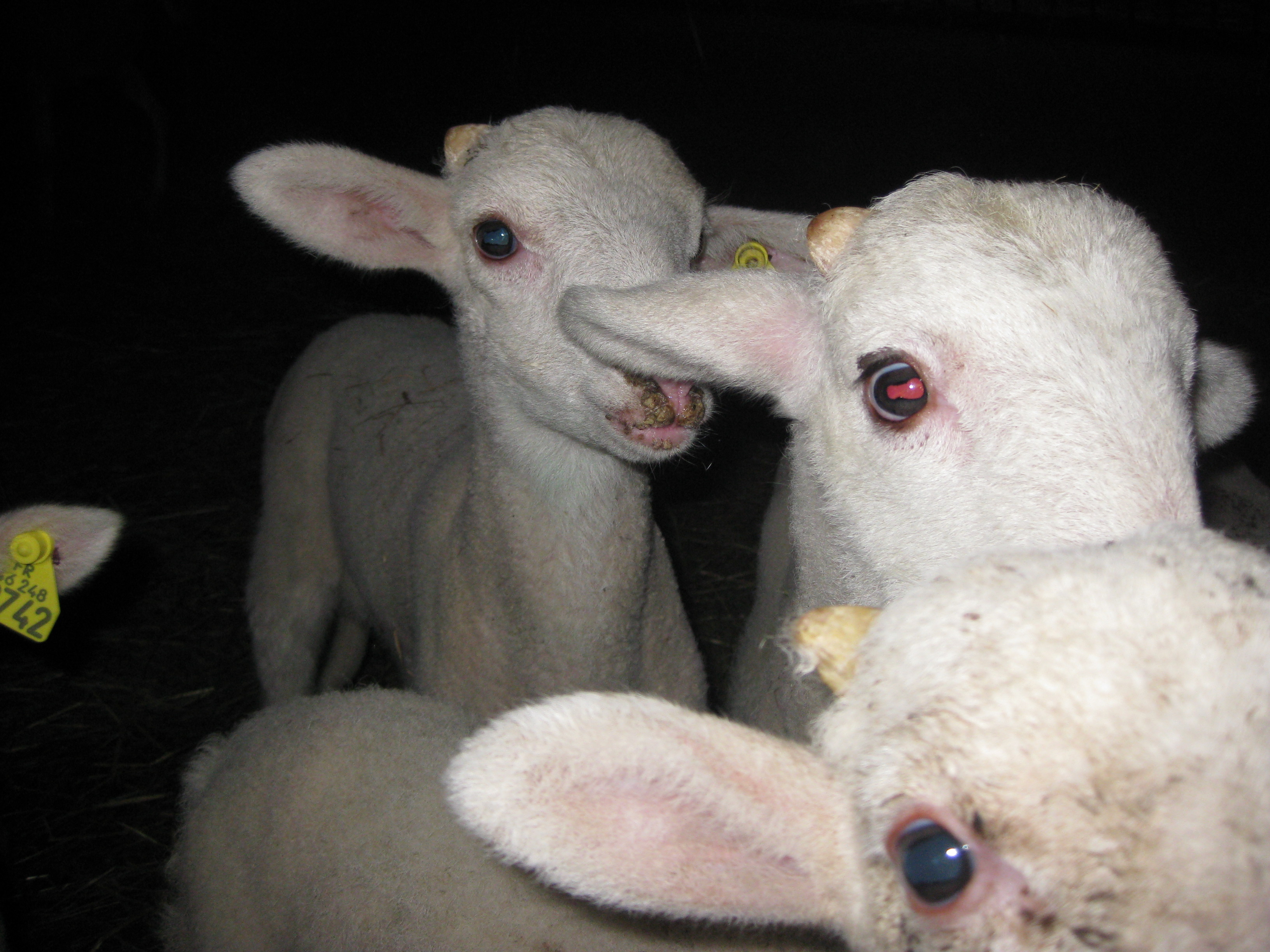
The event was immediately hi-jacked by an unscheduled event – the birth of a lamb. Out in a field, a mother sheep heaved herself up, plonked herself down, then up again, baahing loudly, until suddenly, quite suddenly, there was the front half of a lamb hanging out of her. A bit more wriggling and fussing, and there was the lamb, out on the grass, while the mother flopped beside it. A few minutes later, both were standing again. No shelter, no farmer in attendance – no need to worry apparently. These sheep are Tarasconnais, ‘The 2 CV of the sheep world’ said the farmer: rough and ready sheep who can turn their hooves to anything – wool production, milk and meat production, surviving on their own: molly-coddling is not required. They even get on with delivering their lambs regularly all the year round, somehow producing between them a steady crop of young, without human intervention.
Very pregnant sheep out in the fields.
Over to the lambing sheds then, where the mothers, having delivered, come inside for a while with their lambs. The noise! Dozens of lambs constantly baahing in their high-pitched tones, while the mothers hit more melodious lower notes. Hopeless to try to follow all that the farmer, Marcel, was telling us.
Supper time.
Marcel runs his farm of 800 sheep by himself, helped only by an apprentice (who has to go to College in among, of course) and occasional visits from a retired farm hand. He grows their feed – hay, beets & maize, keeps the animals fed and watered, dips them against insects monthly, de-parasites them every 3 months, regularly cuts 800 sets of hooves (he’s devised various metal narrow bus-shelter-style contraptions to make it easier to queue the animals up take their turns for these various procedures). He’s not organic, but many of his practices are, and he certainly usually chooses, for example, organic treatments if his beasts fall ill, believing them to be better.
View from the ‘treatment shed’.
Every summer, about 400 of his sheep go off to the mountains with a shepherd, following the ancient tradition of transhumance. The old, the young and the weak remain behind.
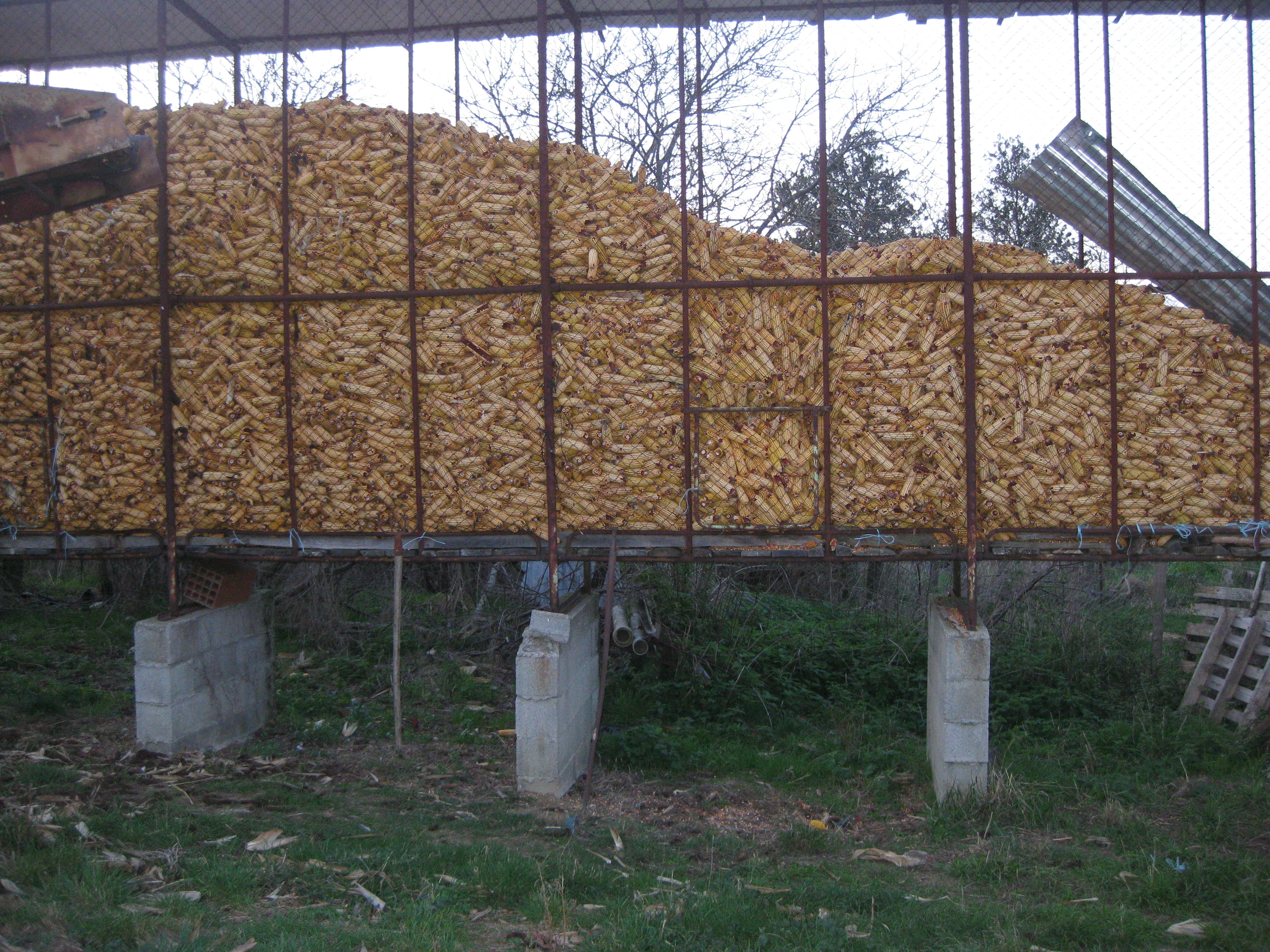
This maize is a winter treat. And here’s the cage where it is dried and stored.
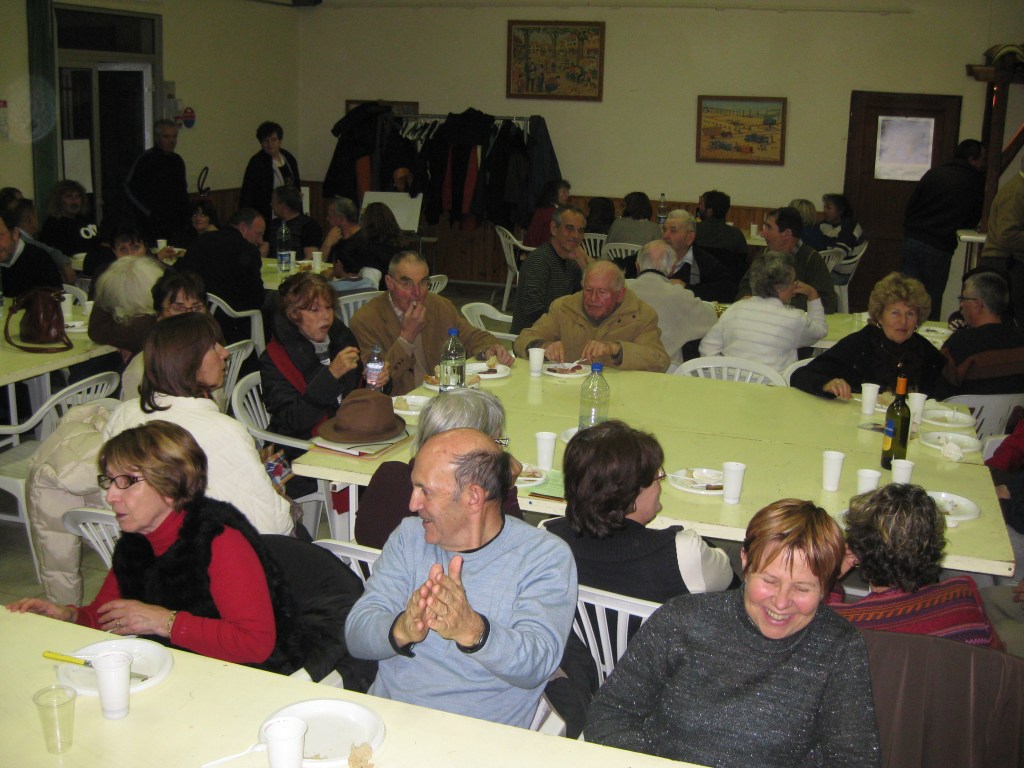
As the sun went down, it got colder and colder. Time for the next part of the evening, an Apéritif dinatoire. What this meant was that everyone from the farm walk and most of the village inhabitants got together to choose and share plates of local sausage, hams, pâtés, cheeses, bread, wine, apple croustades and fruit, mainly sourced from no more than 10 miles away.
Apéritif dinatoire over, time to clear the tables.
The atmosphere got merrier and merrier, and yet, come half past eight, the tables were cleared, and we all sat down for a lecture (this is Saturday evening we’re talking about…..). Eric Fabre, a university lecturer specialising in the farming history of our area painted a picture of 19th century life in which most people farmed tiny patches of land: only the Church and a very few landowners had substantial holdings. People grew what they and their few animals needed, and the sheep they had were valued for the manure they produced, and secondly for their wool. The meat got eaten, of course, but it only became a marketable product following urbanisation, when town based workers no longer had land of their own. The farmers listening to all this were even more interested then we were, and question time was lively. But it was late and we were tired, and in the end, we were glad to go. 11 o’clock seems well past bedtime when you’ve had a day down on the farm.
Egidio, of Through Brazilian Eyes fame, has presented us with a thoughtful task this week, for the Lens-Artists Challenge . He asks us to portray Silence. He frames his post by discussing the work of photographer Robert Adams, who identifies five core principles* when thinking about the photography of silence. I have borne these in mind, while not illustrating each one, as I had originally intended.
Here are some I came up with.
The silence of the beach on a calm day, in the early morning, or the early evening, when visitors have gone and the beach is yours alone.
Mossyard, Dumfries and Galloway
The aftermath of flooding in the countryside. The tractors, farmers and customary wildlife is silent, and the fields instead reflect the trees at the margins.
Winter fields near North Stainley.
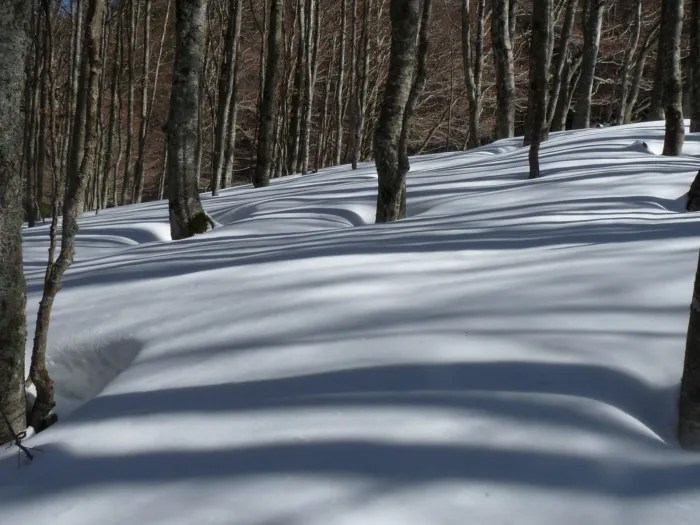
The silence of the snow. No wind, no chatter of birds, no soft animal calls. We passers through are reduced to low murmuring, if we speak at all.
Near Montferrier, Ariège
The silence of the garden. Not a true absence of noise. Birds trill. Insects hum. A light breeze rustles the leaves. But there’s a silence here that stills the busy mind.
Our landlord’s walled garden that we’re privileged to use.
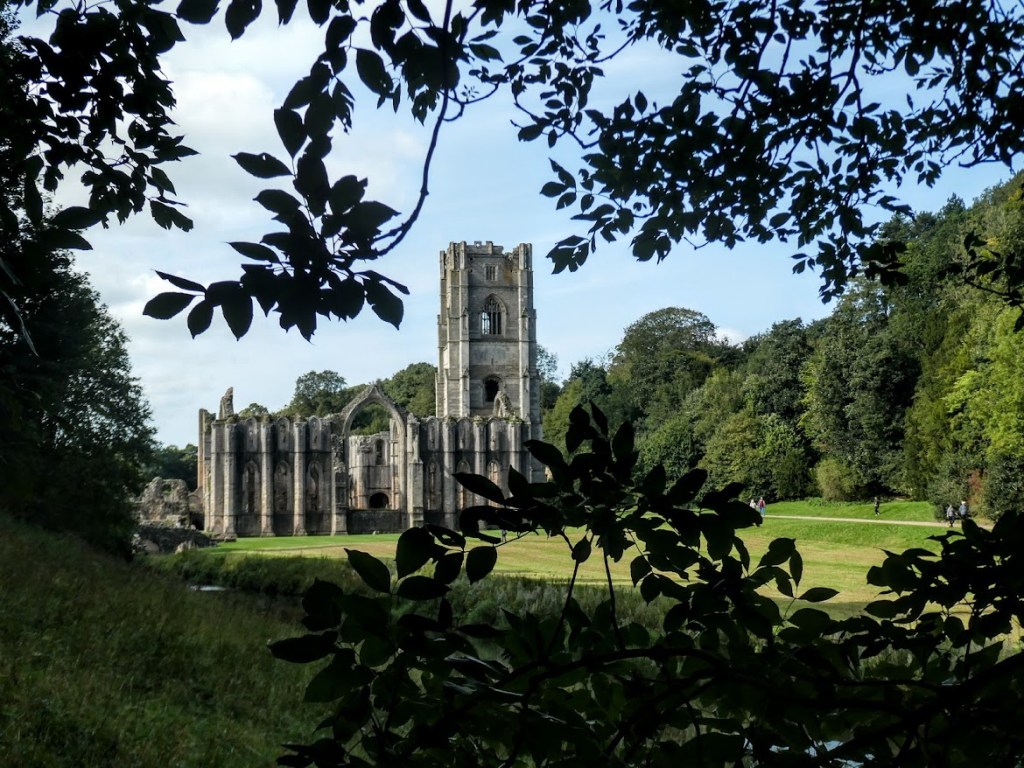
The silence of a deserted place. Early morning at Fountains Abbey. The place is empty of visitors. But the whole history of the place crowds into the mind: the tanners and builders and labourers and chanting monks. They’re silent now. And so are we.
Fountains Abbey.
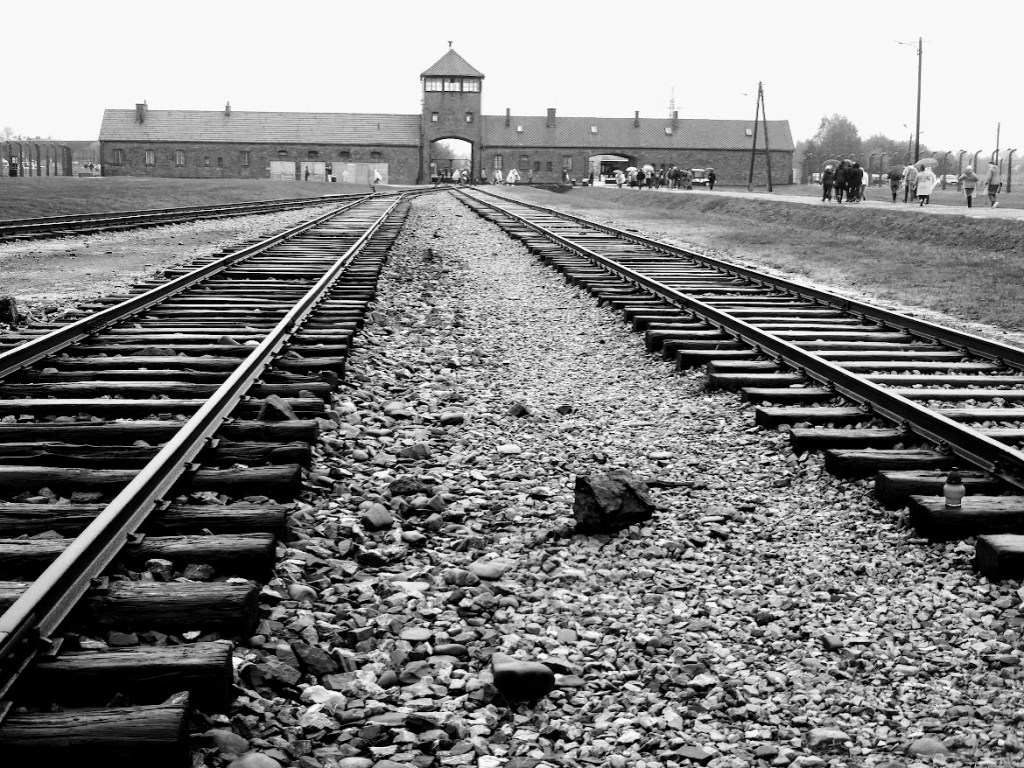
Lastly, a terrible silence. A few years ago, I visited Auschwitz-Birkenau. During the morning, we were taken round the site by guides who had been trained by former prisoners. They knew their subject well, and brought it vividly to life. In the afternoon,we were confronted by those tracks that brought the trains conveying hordes and hordes of men, women and children to slave here, to die of sickness or starvation, or to be killed in the gas chambers. There was nothing whatever to say. We were utterly silent.
Auschwitz-Birkenau
*Silence of light.
*Silent witness to environmental change.
*The silence of the subject.
*Silence as a form of protest.
*The silence of the viewer
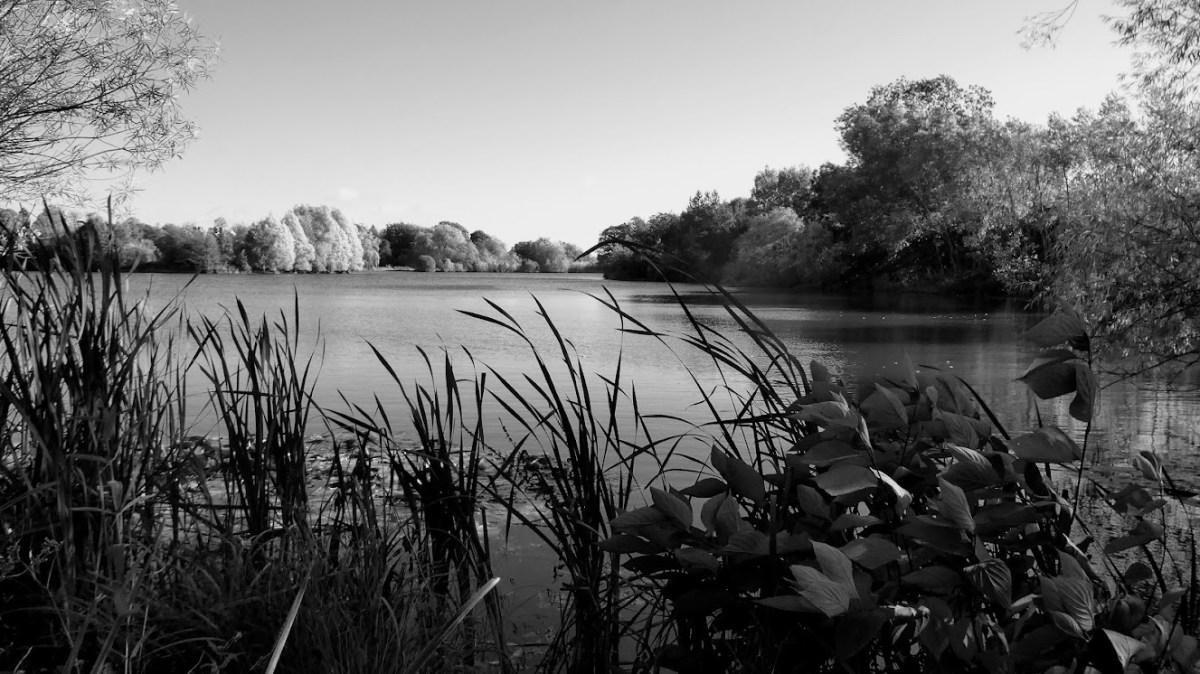
My featured photo shows the lakeside at Kiplin Hall, North Yorkshire.


















 From Pyrenees to Pennines
You must be logged in to post a comment.