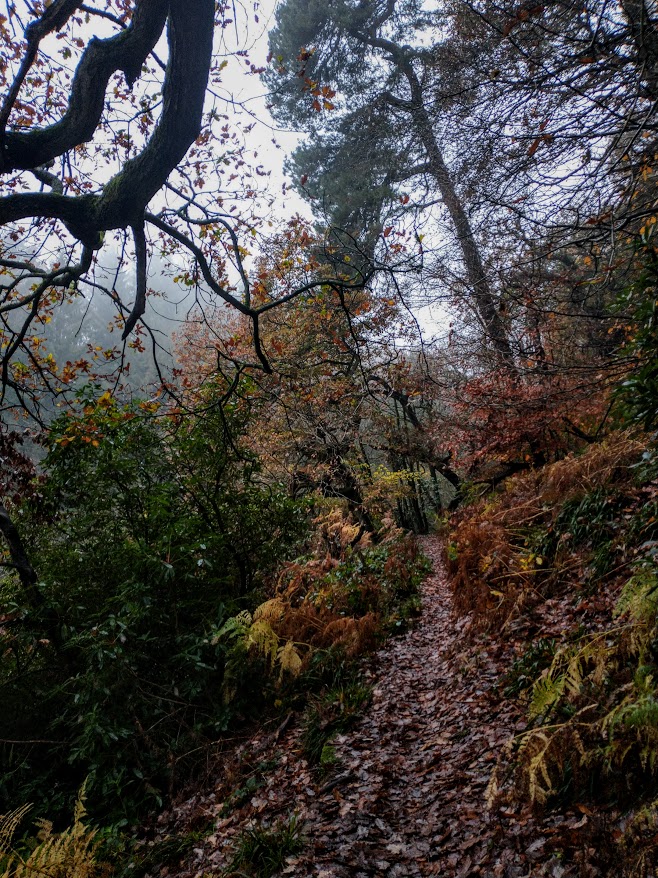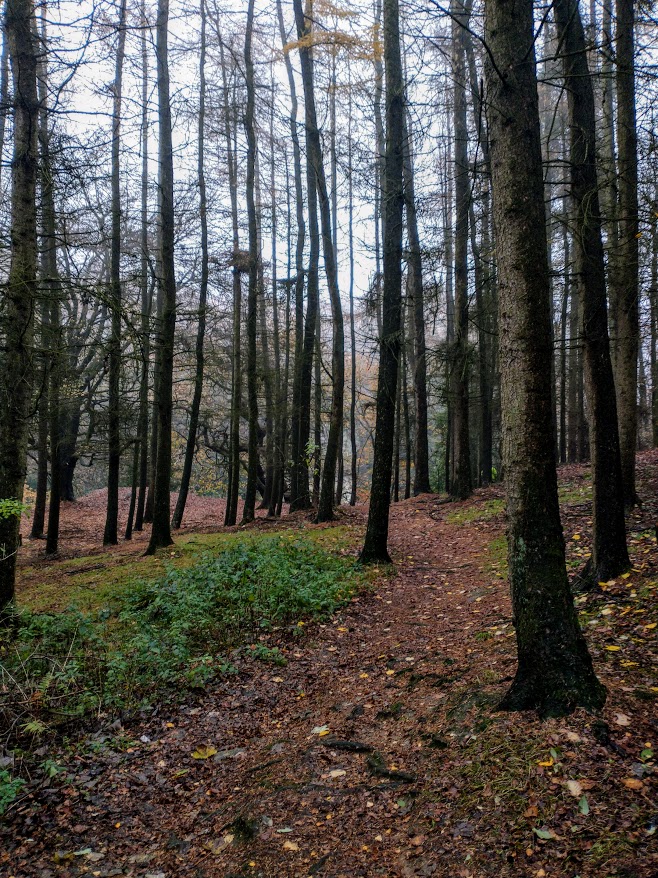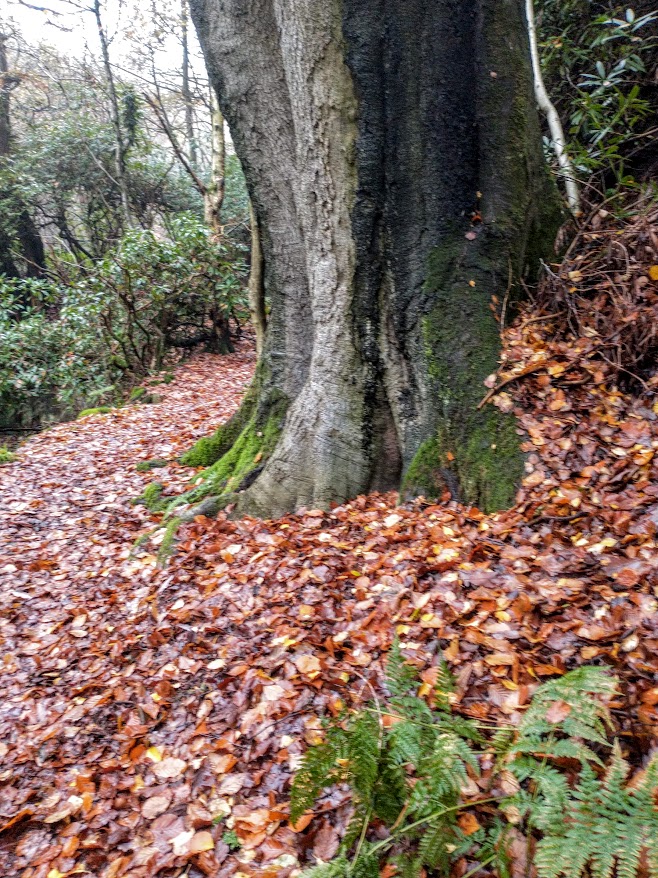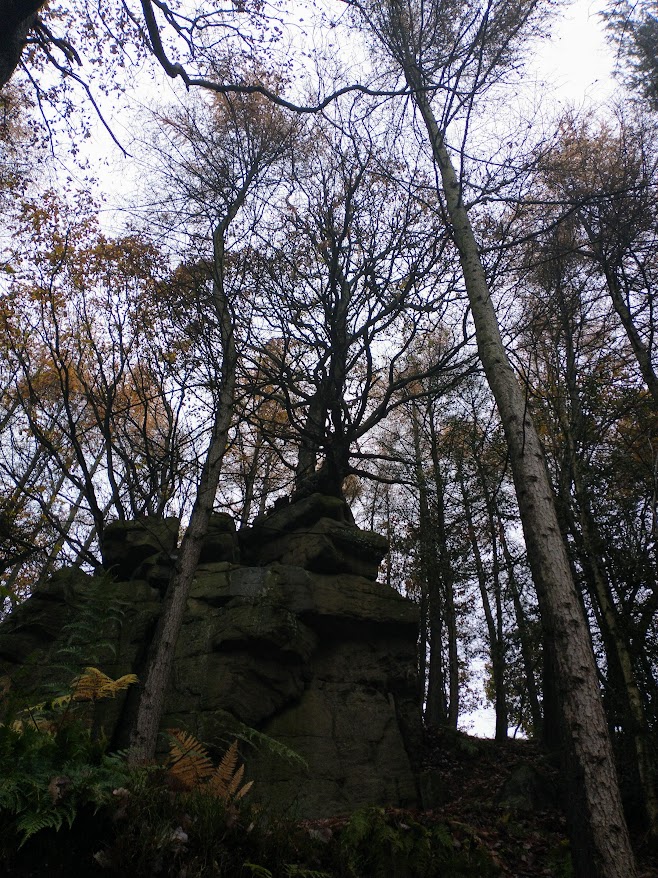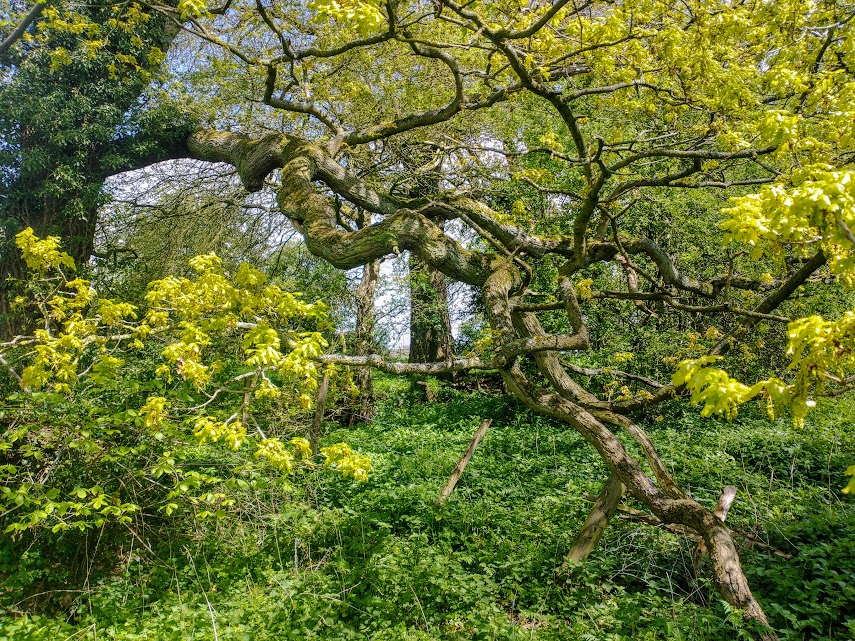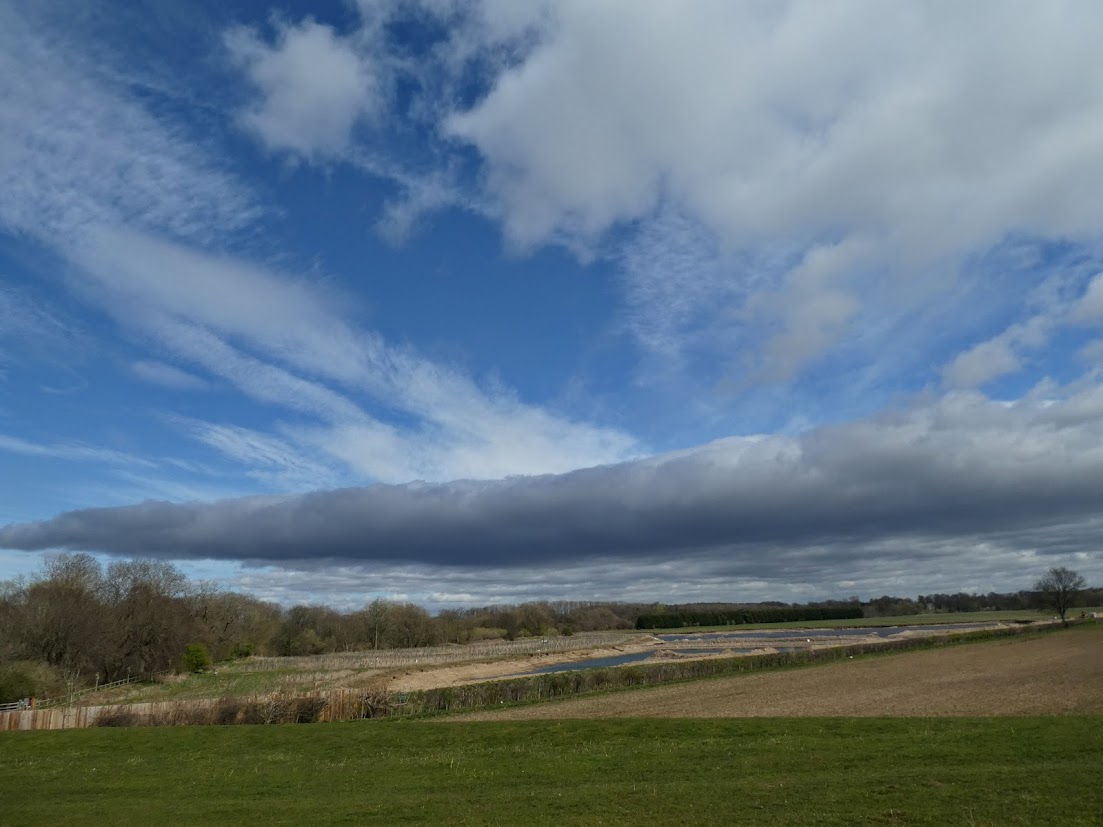
Astonishment and Awe

Instructions for living a life:

Pay attention

Be astonished

Tell about it

Mary Oliver

For this week’s Lens Artist Challenge, Beth asks us to show shots of what has astonished us, and takes her inspiration from this short poem by Mary Oliver.

For some reason, my mind was drawn back to Lockdown. For us, Daily Exercise was one of the pleasures of that peculiar time. Country dwellers, we could range freely over our home patch without meeting a soul. And here, it happened to be a wonderful spring, where plants, birds and all life could flourish in balmy temperatures and just the right amount of rain.
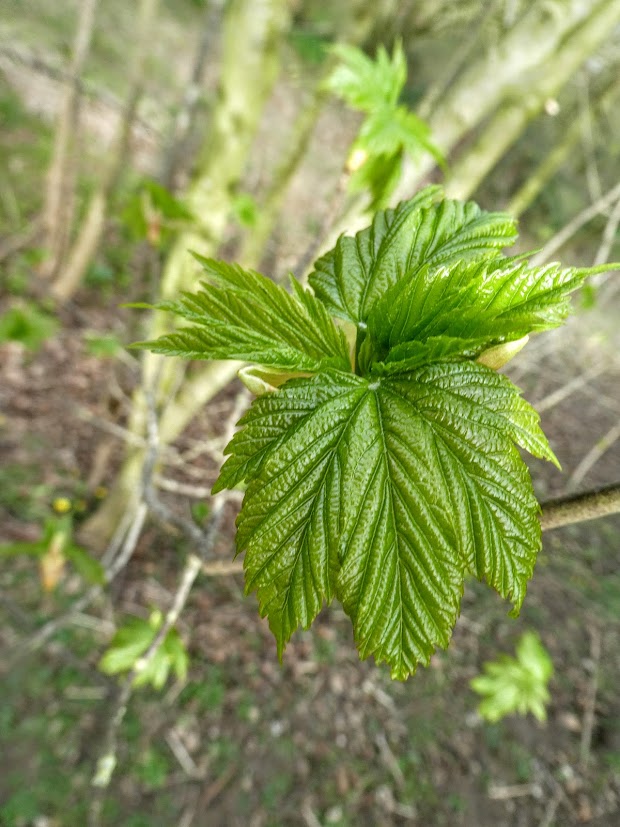
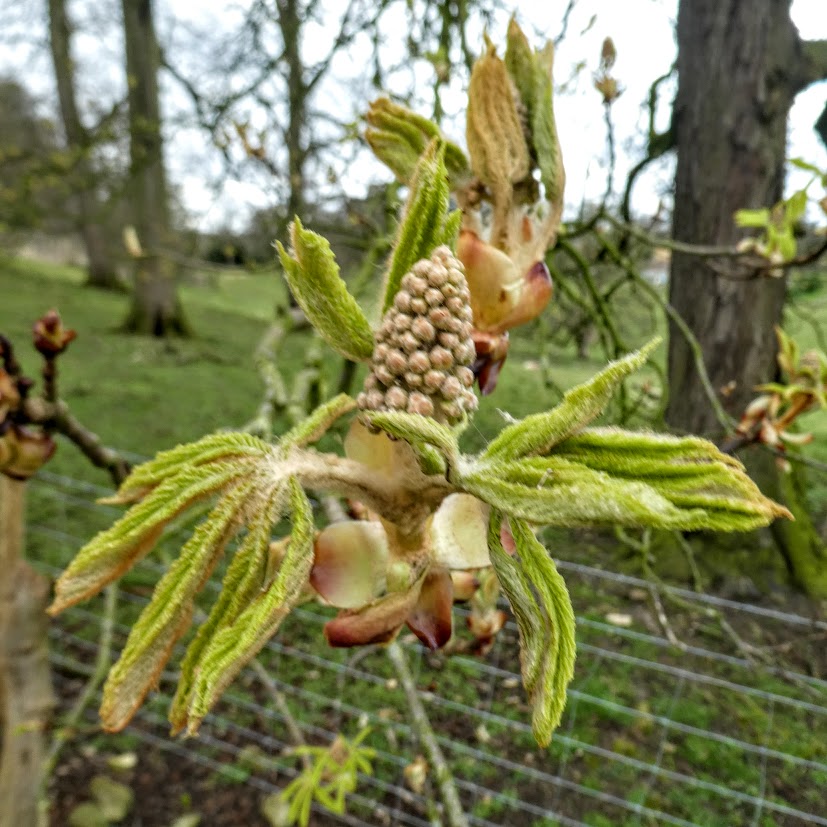
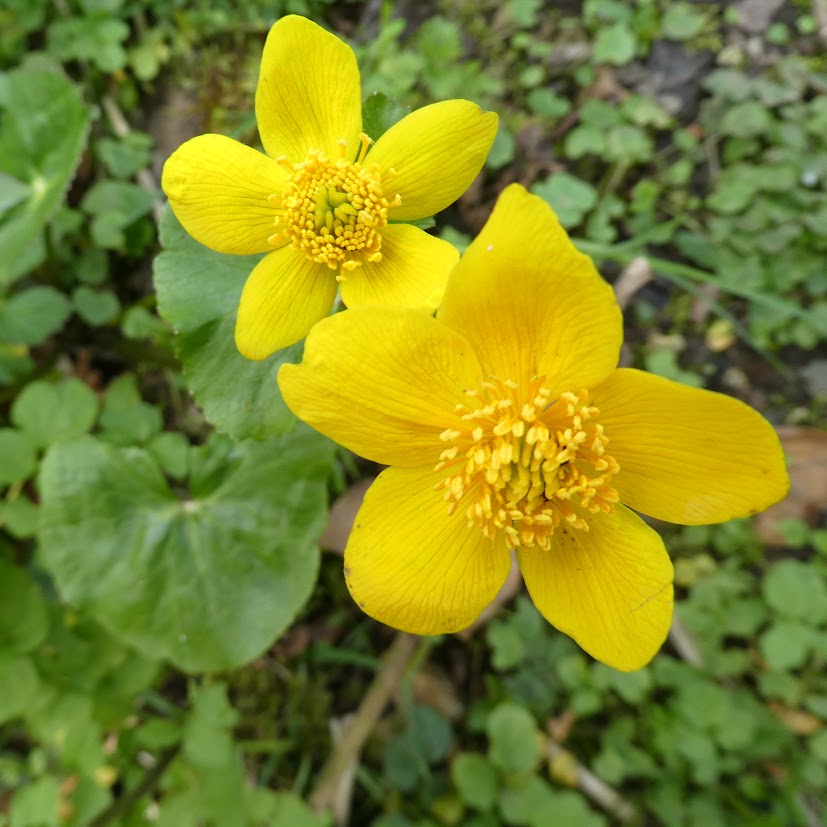
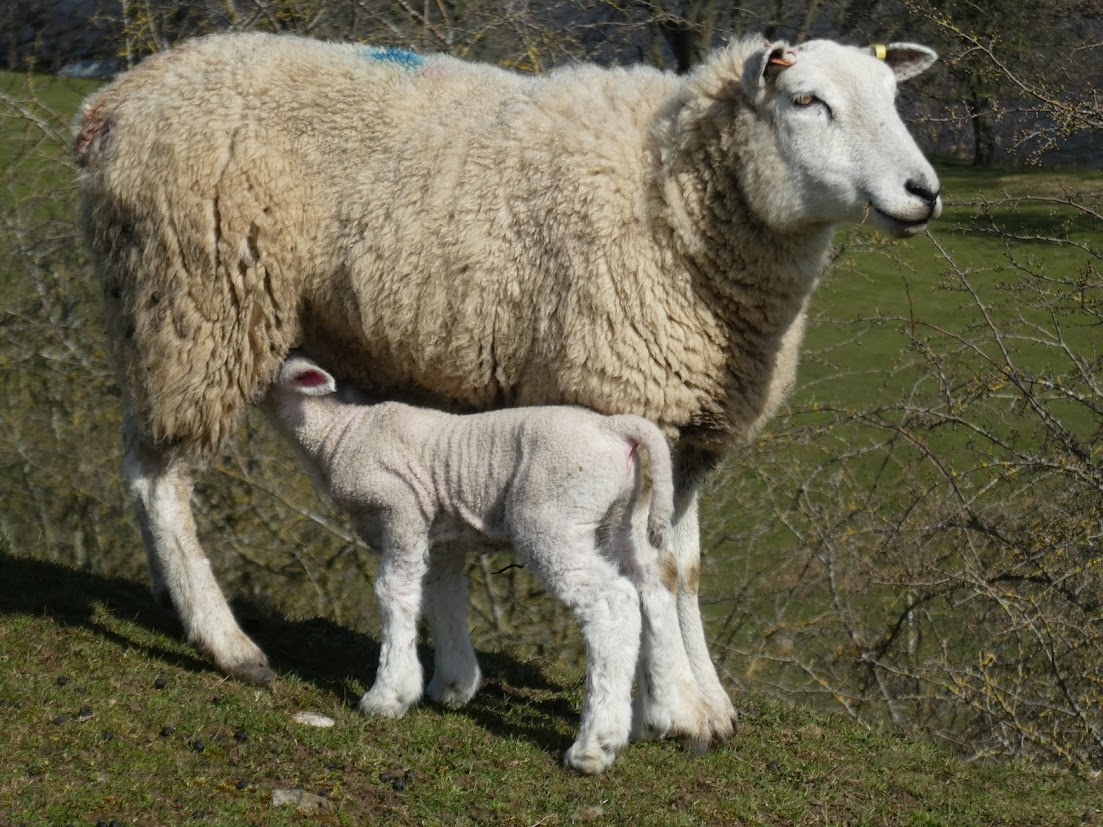
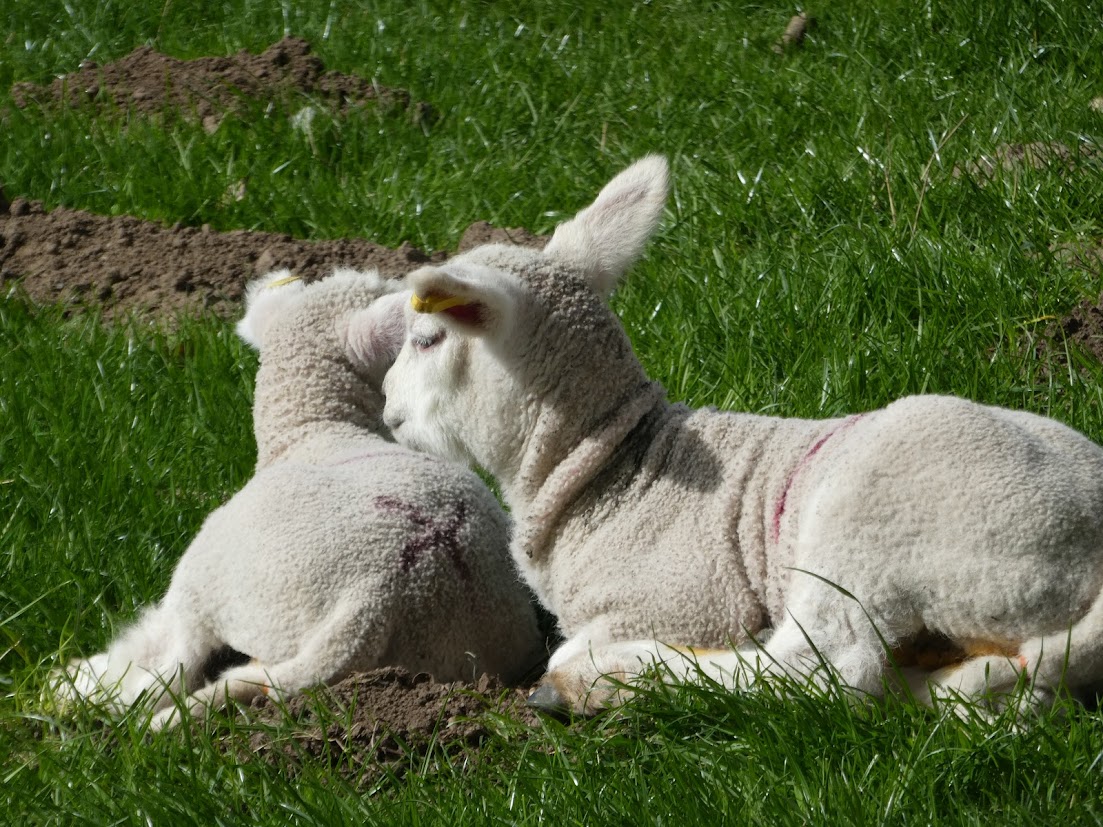
Walking by myself down deserted paths – M was exploring on his bike – I discovered Wonder and Astonishment anew. Day by day, I could watch leaves unfurl from tightly-bound buds; flowers appear; lambs totter their first hesitant steps.
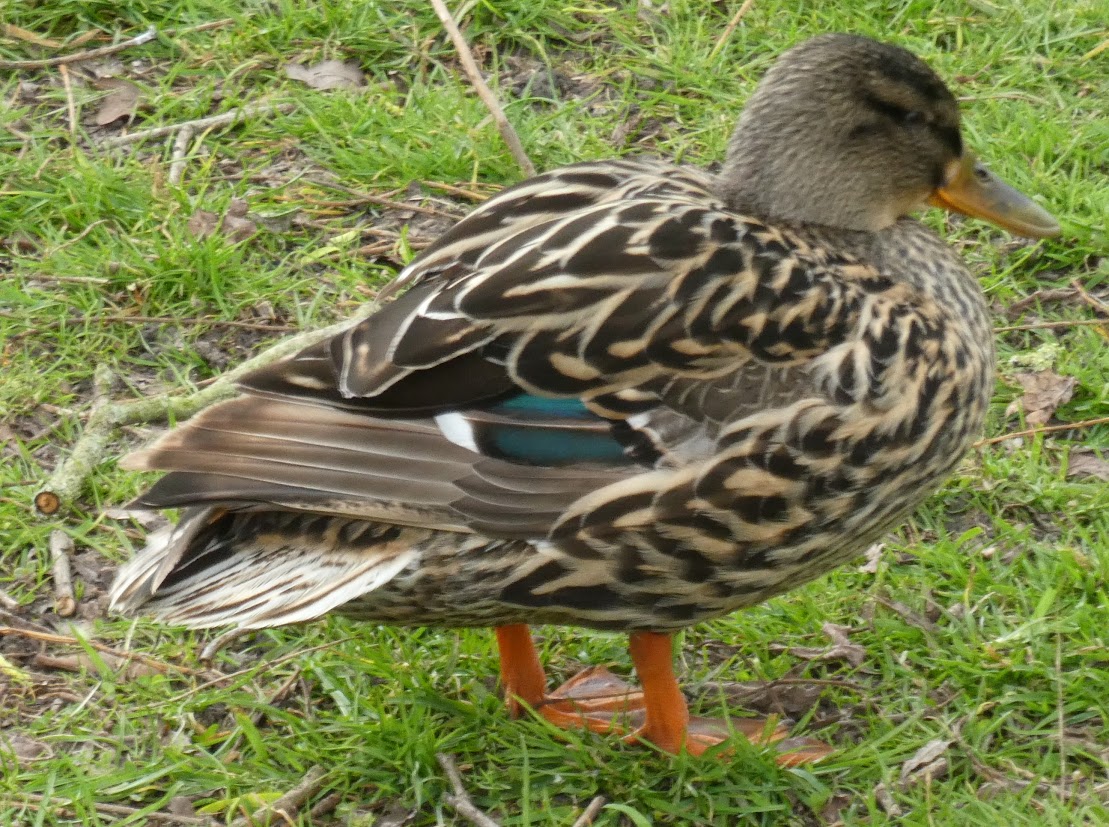
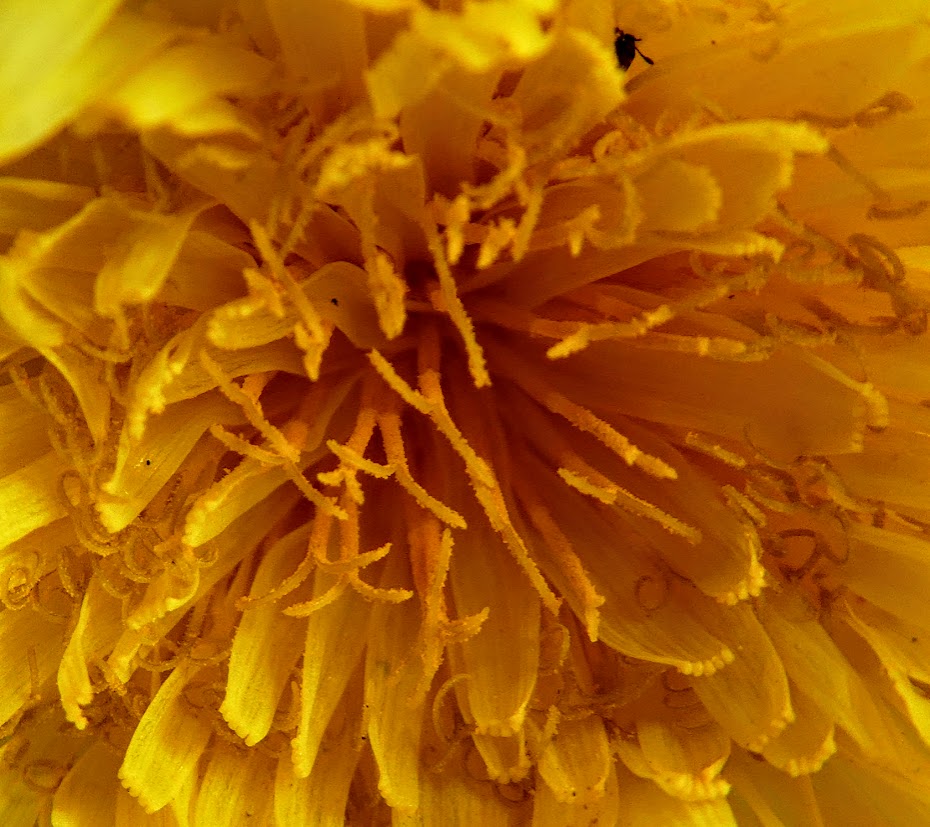
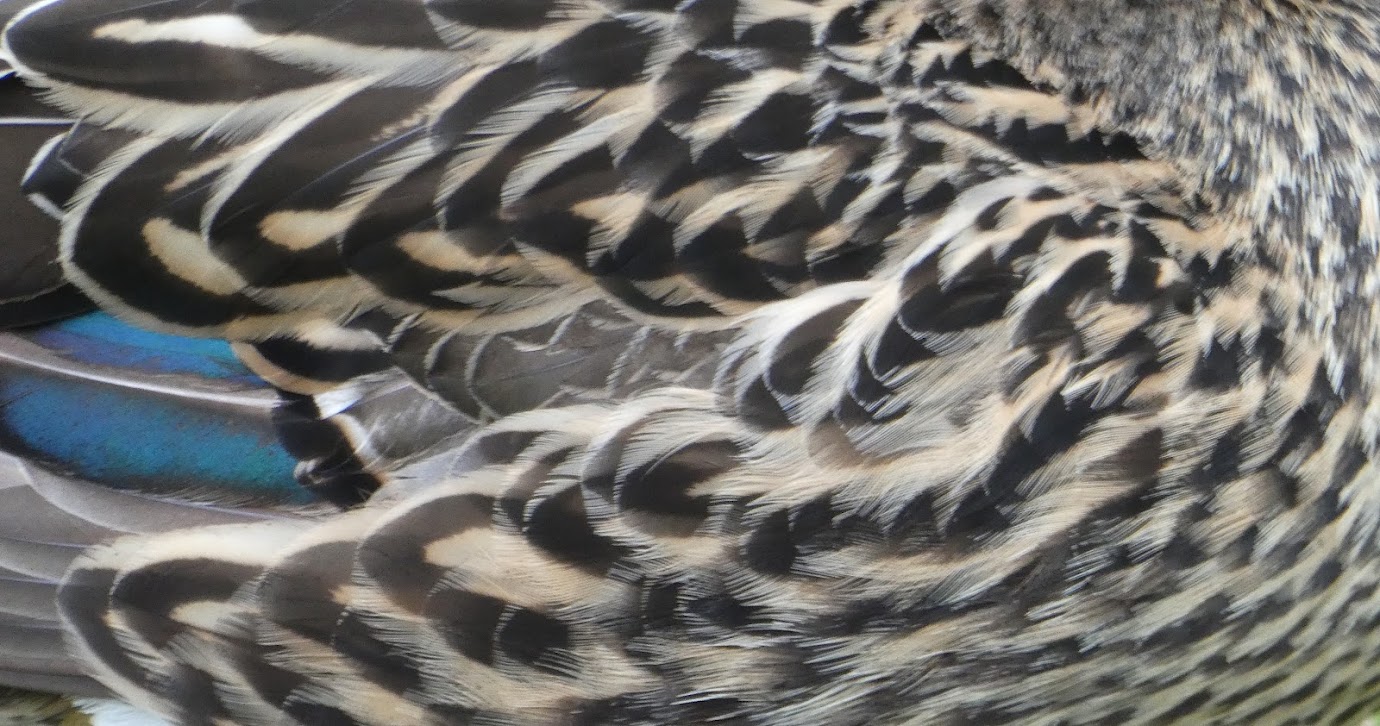
I had the leisure to enjoy the intricately-designed feathers of a common-or-garden mallard, or the complexity of dandelion petals.
Best of all, creatures we rarely saw close up crossed my path. Who expects to stumble by a toad on a riverside stroll? Or, best of all, come across shy curlews nesting within a foot of a normally well-used road across the moors.
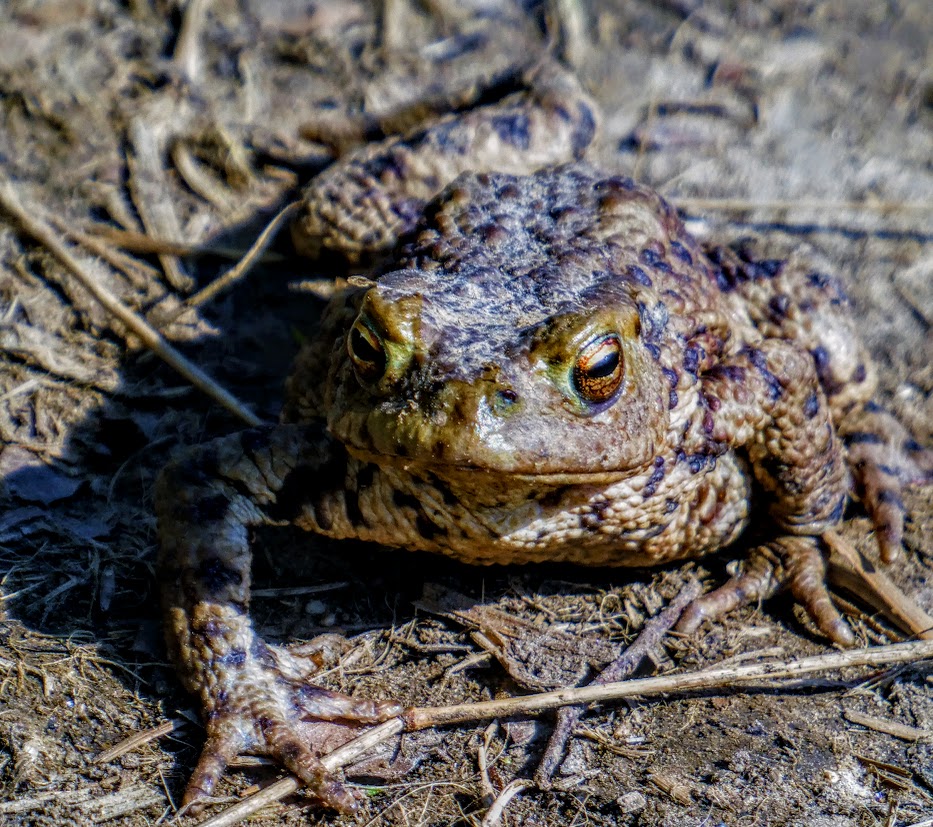
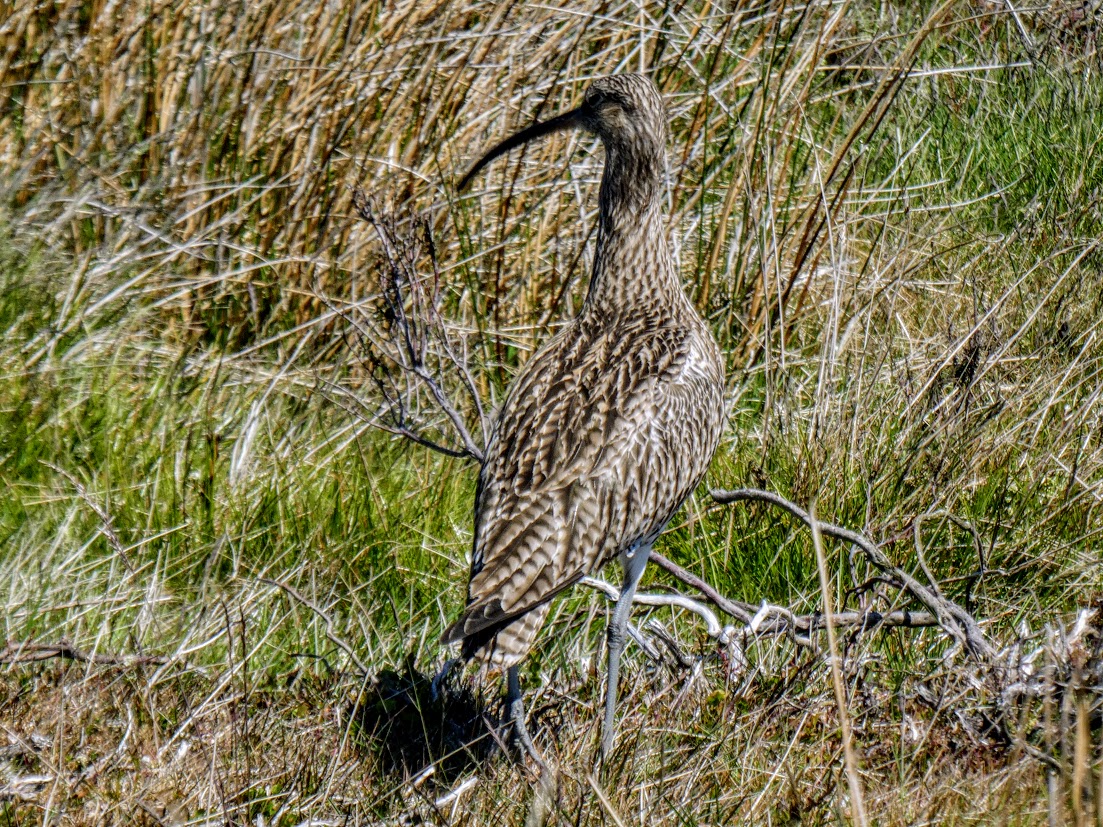
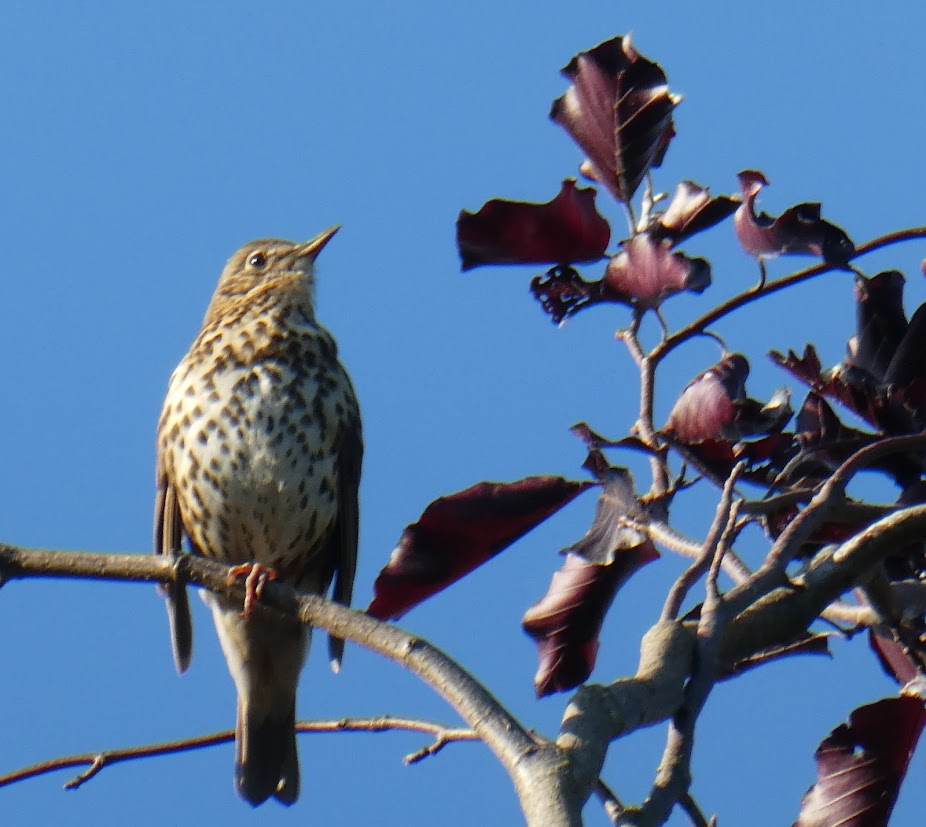
Skies, undefaced by plane trails seemed more multi-faceted and interesting. And back home, day after day, hour after hour, from dawn until darkness, this thrush gave an apparently unending performance with almost no breaks.
Such a time of loneliness, grief and isolation for many remains in my memory a period of joy in the rediscovery of the astonishment offered by the countryside just outside our front door.

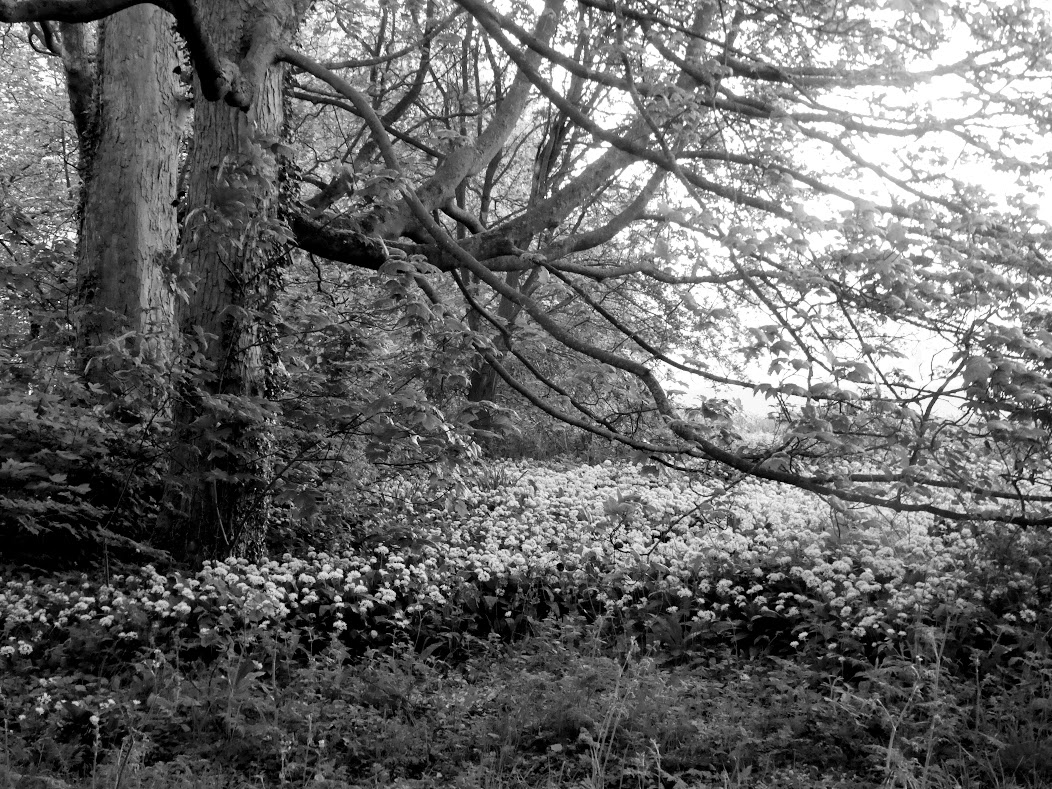
Monochrome Madness Goes to the Woods

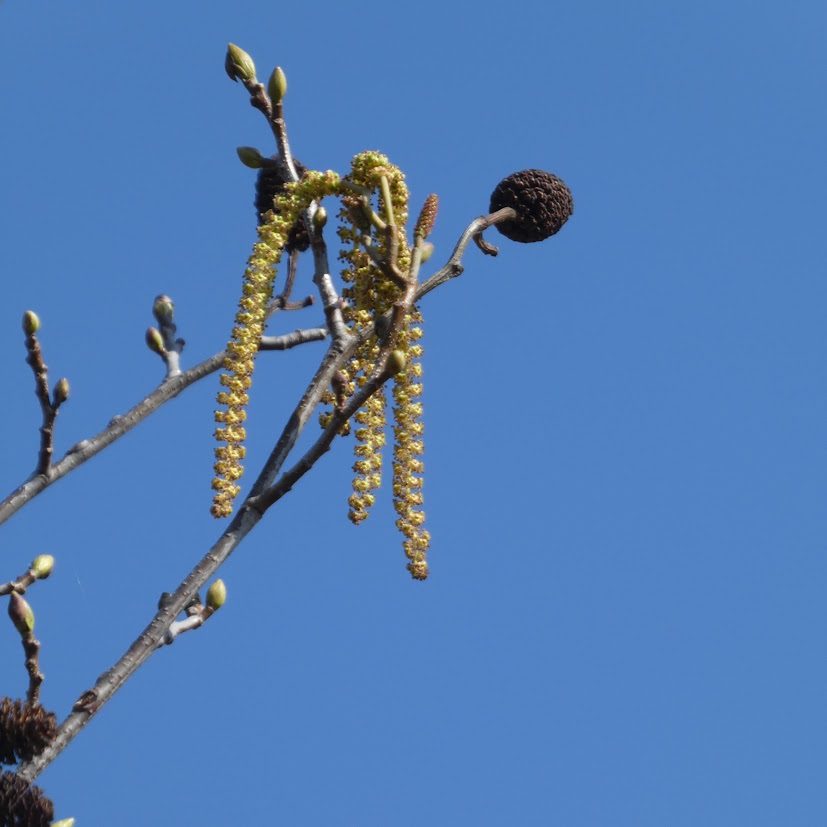
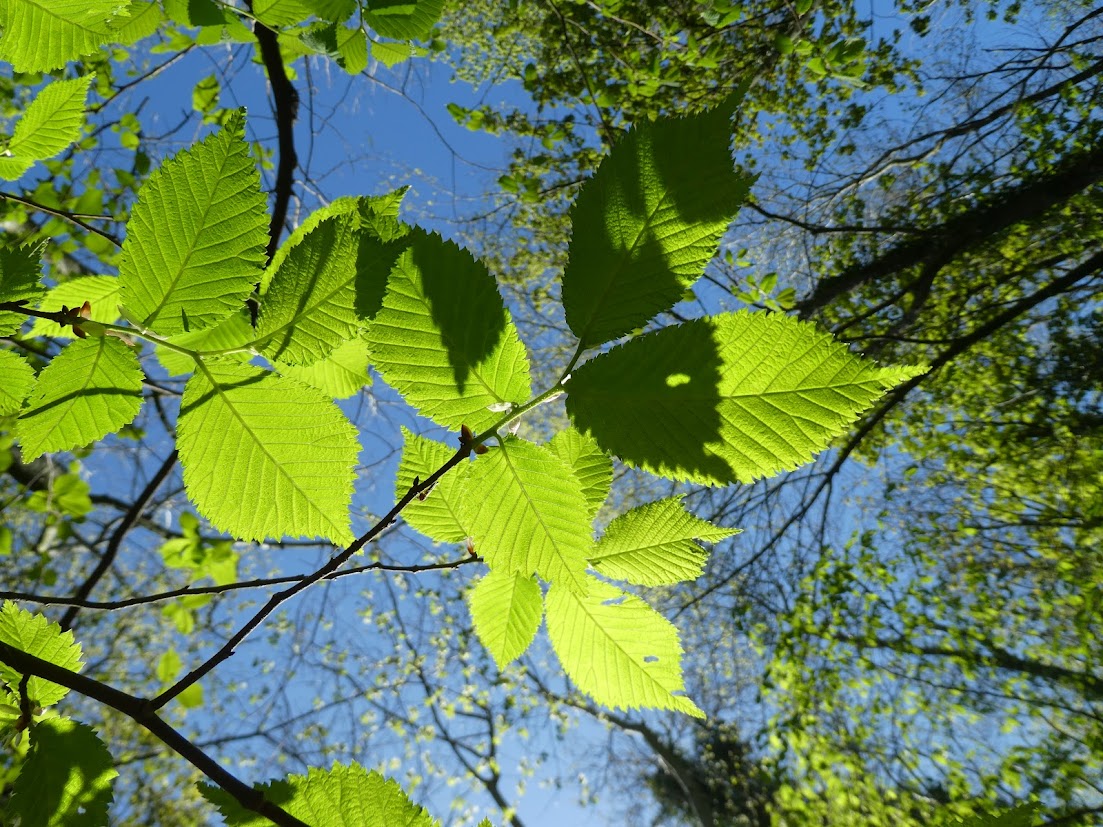
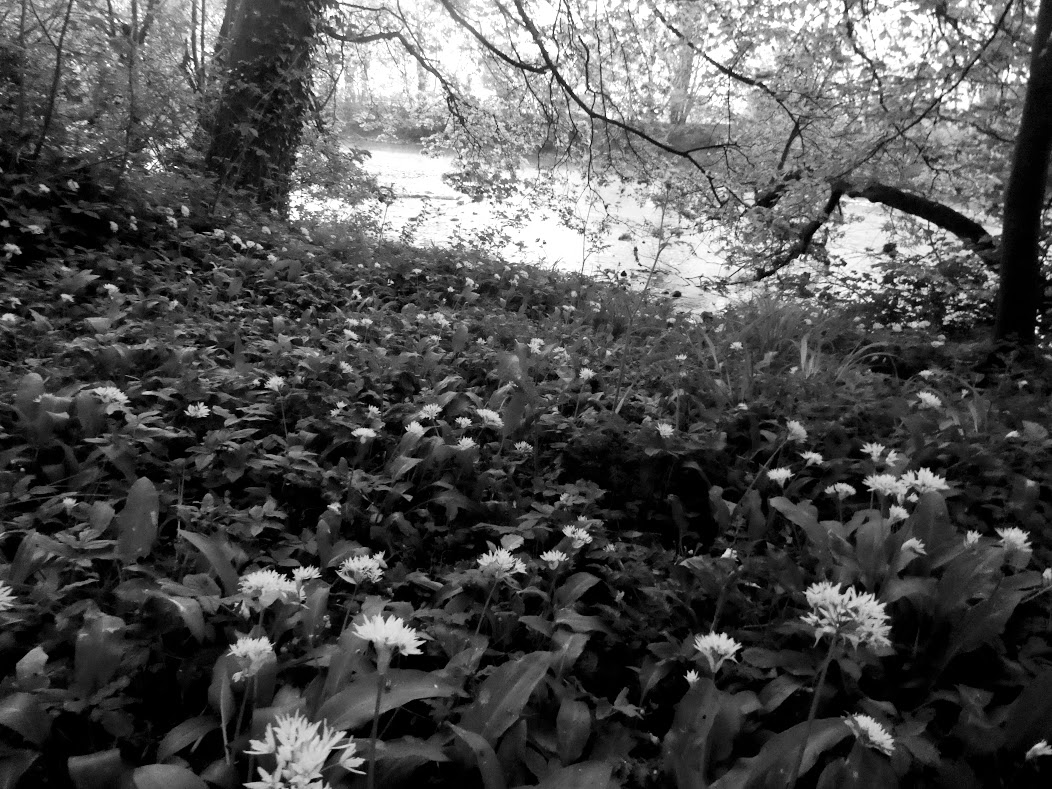
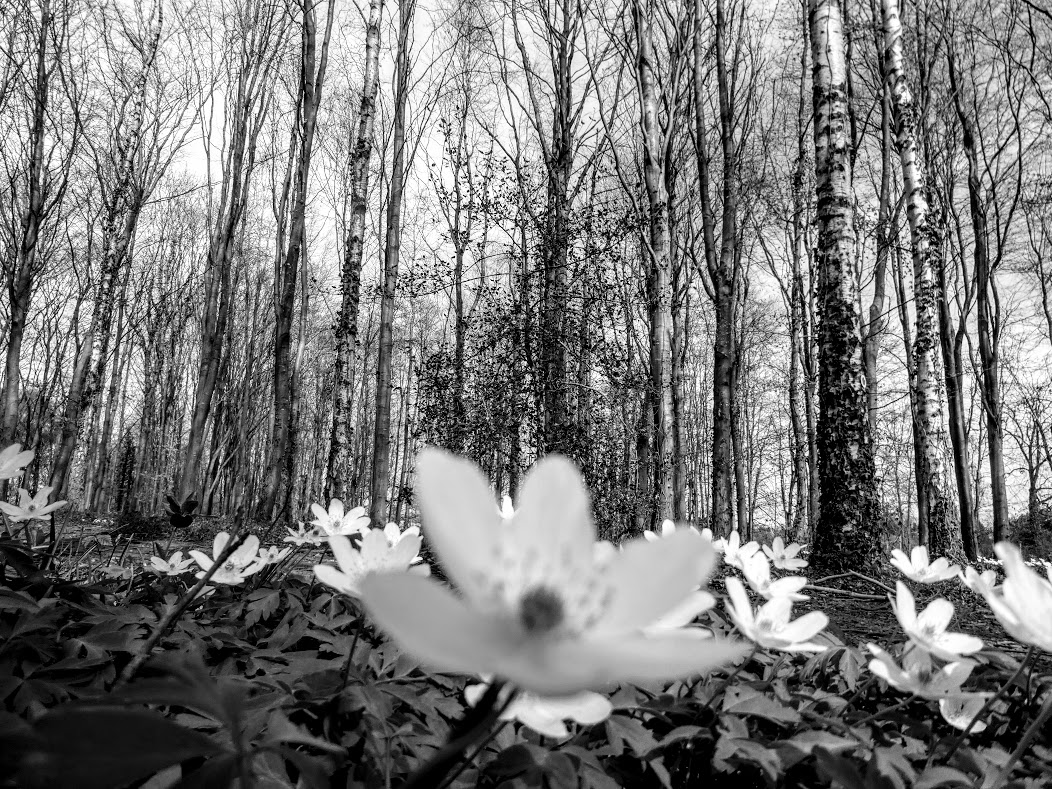
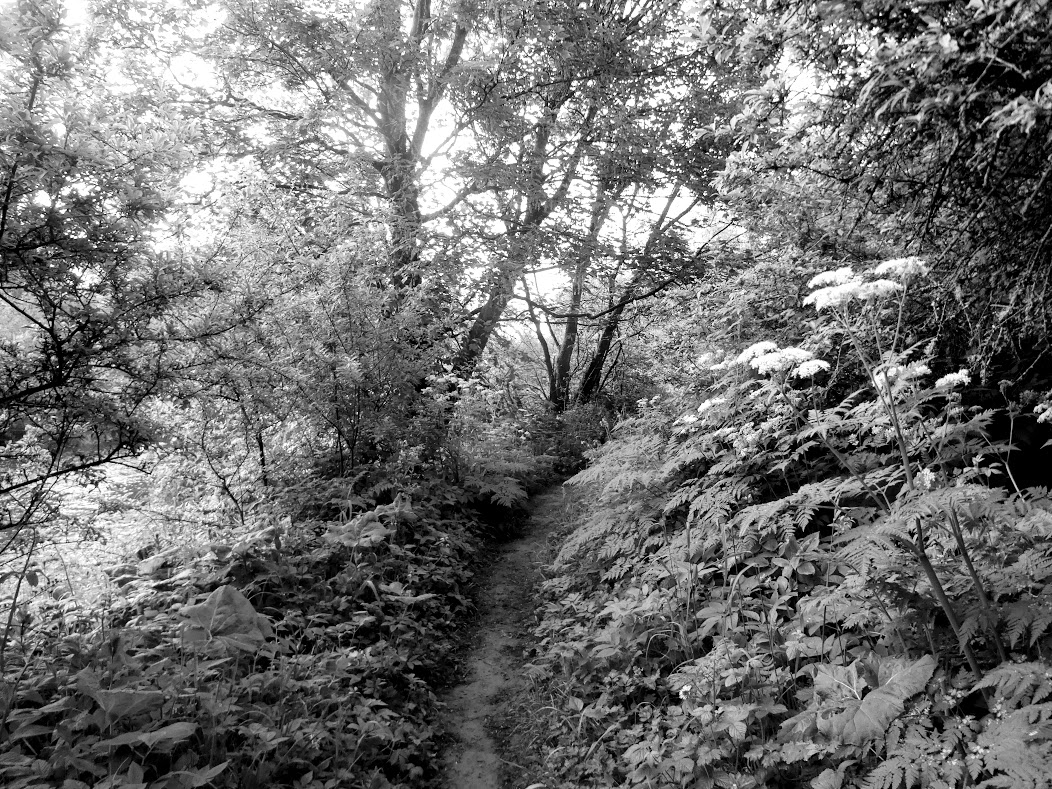
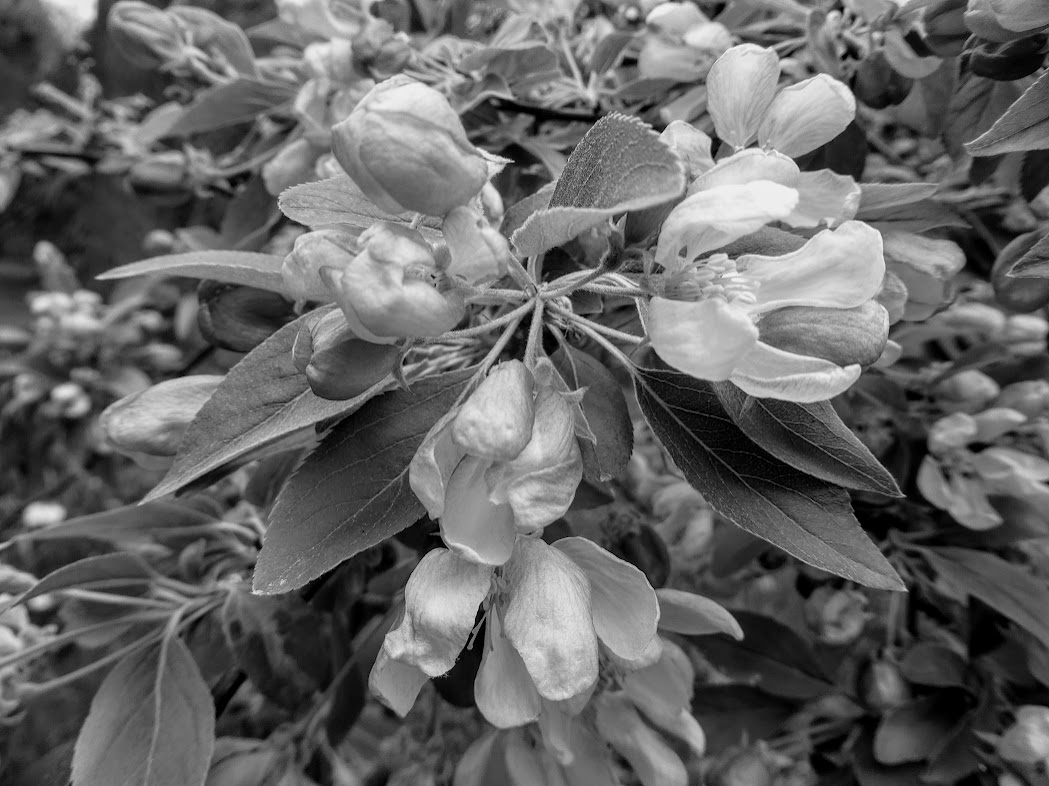
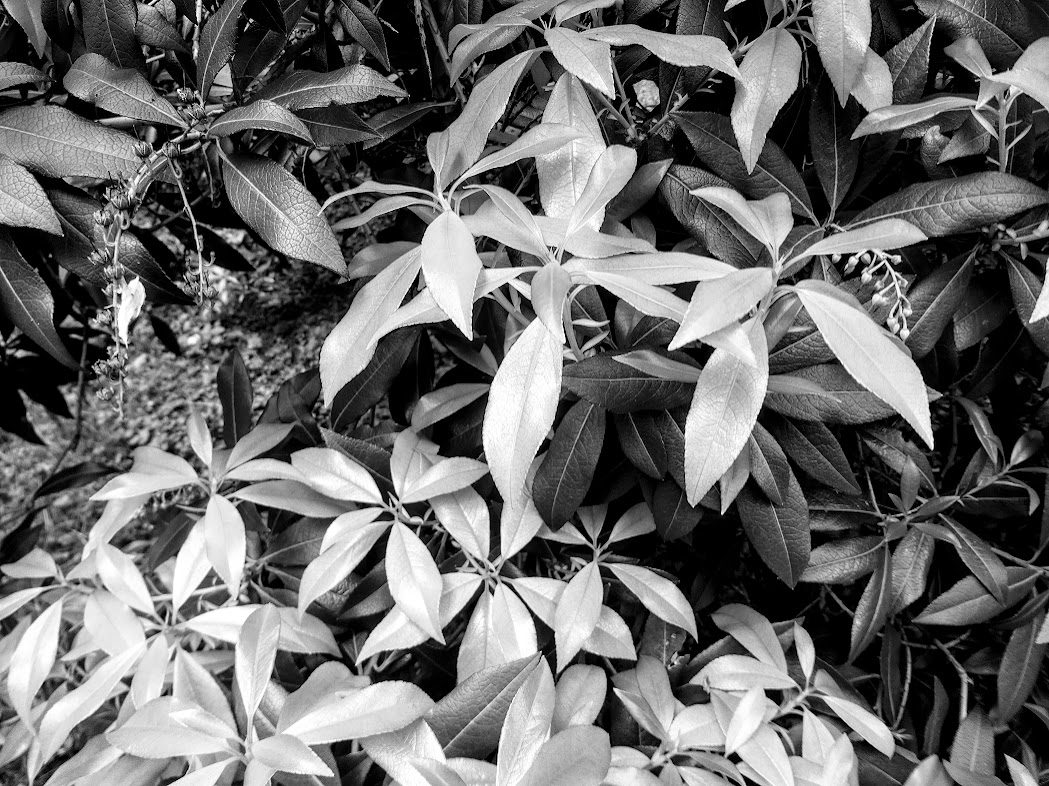
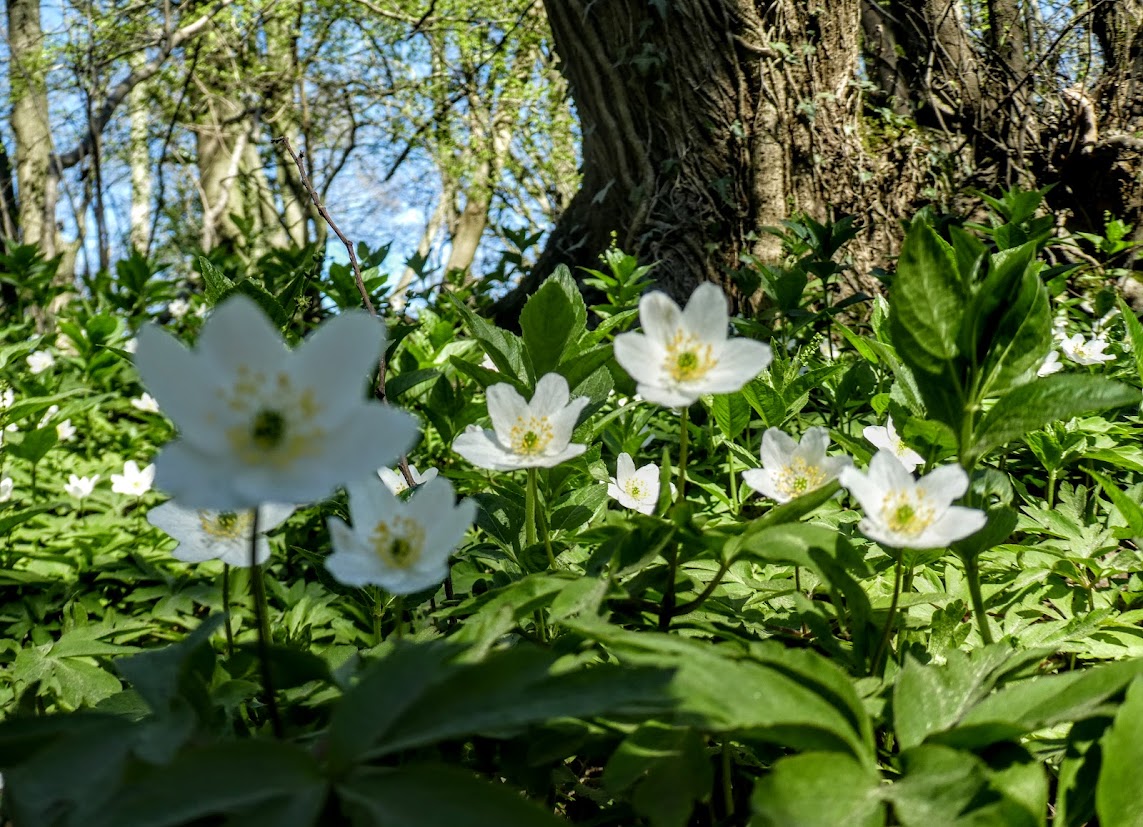
We’re lucky to have so much woodland here where I live. In recent weeks I’ve taken my camera round and about to capture fresh new growth emerging – pungent wild garlic, delicate wood anemones .. and last of all, the trees’ fresh new growth, optimistically unfurling from their tights buds of winter.

For Leanne’s Monochrome Madness #35 – Woods, Rainforests and Bushland.

Over and out. Nothing now (maybe a Virtual Postcard?) until the back end of next week. Even commenting and reading your posts may be a bridge too far with my phone as my only tool.

Thorp Perrow in Monochrome

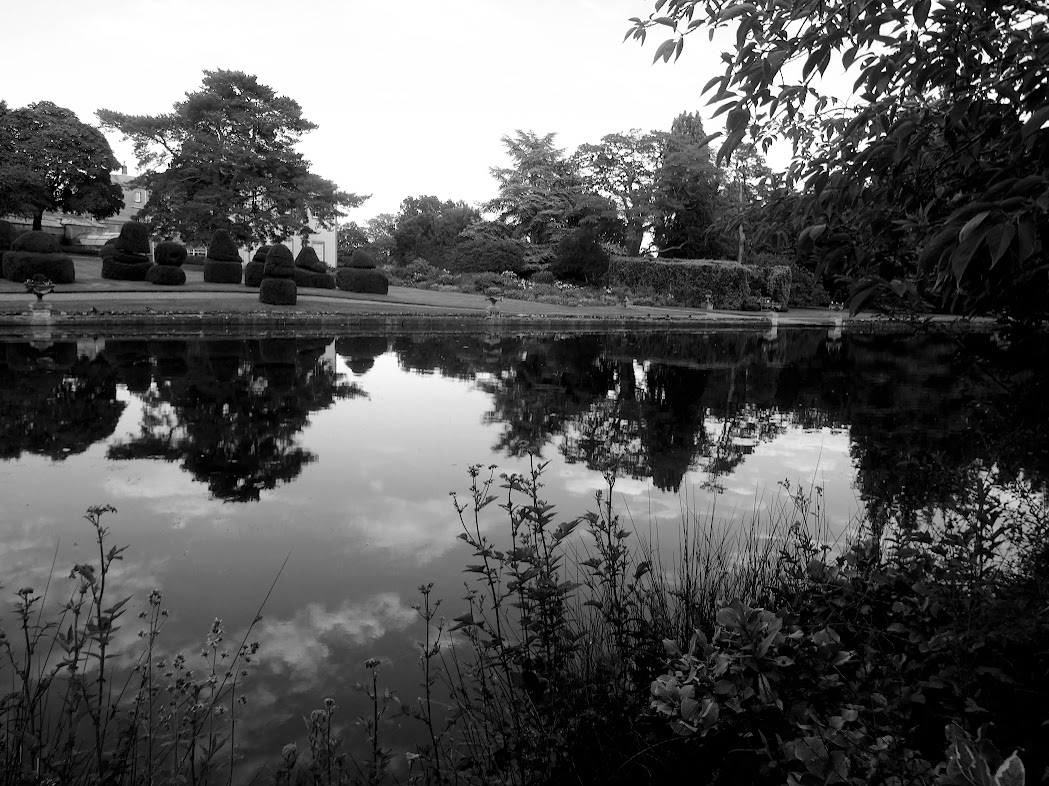
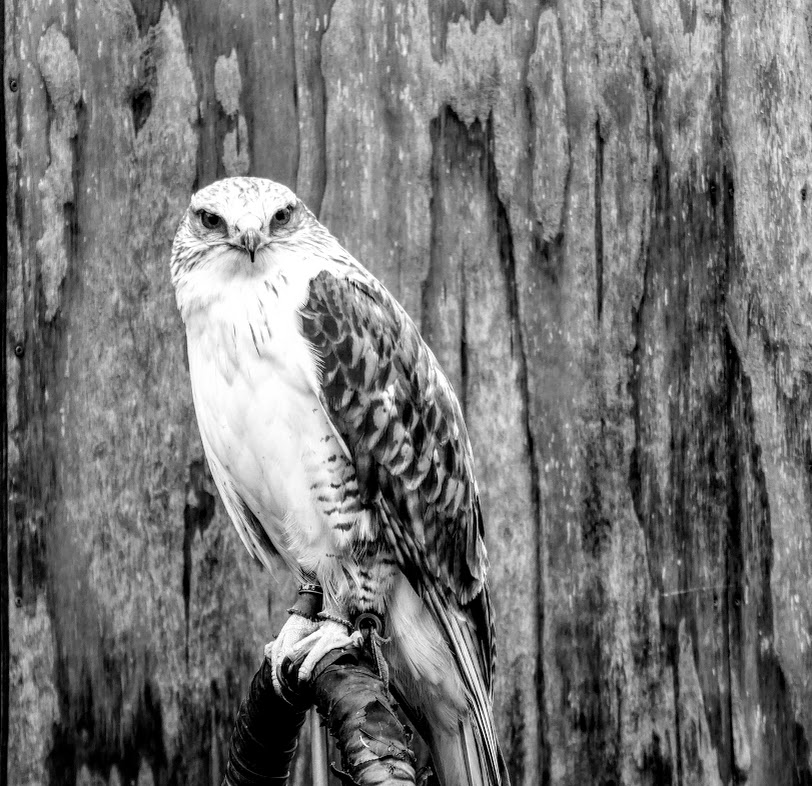
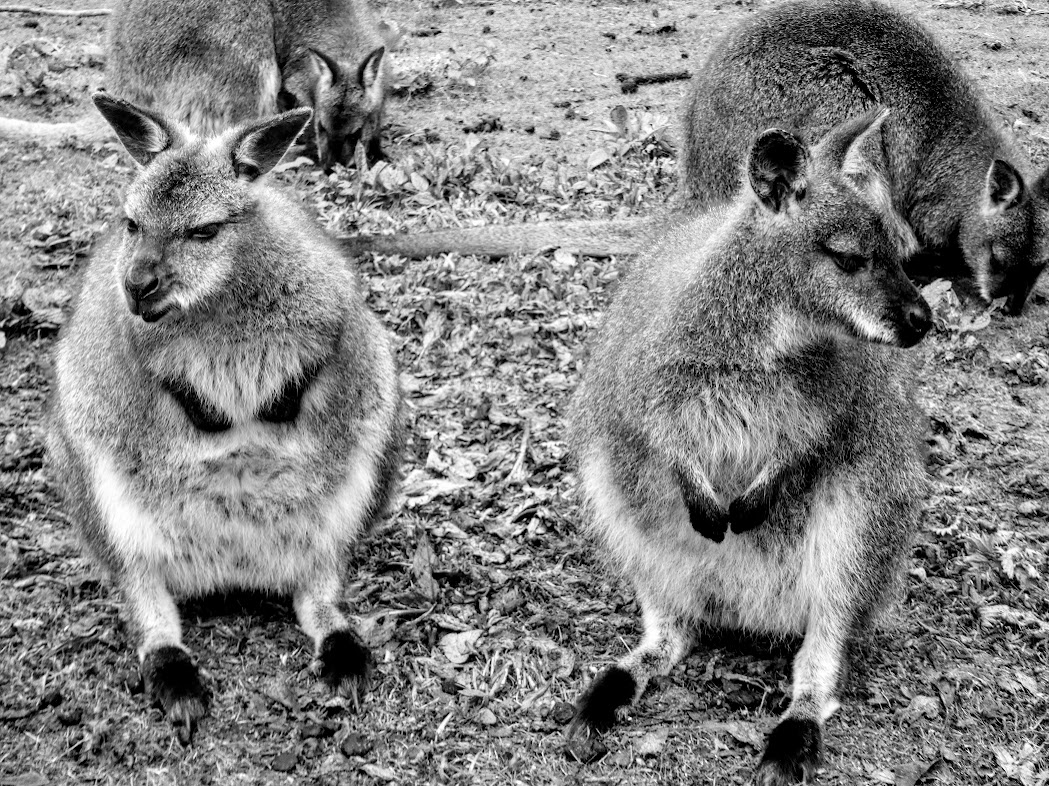
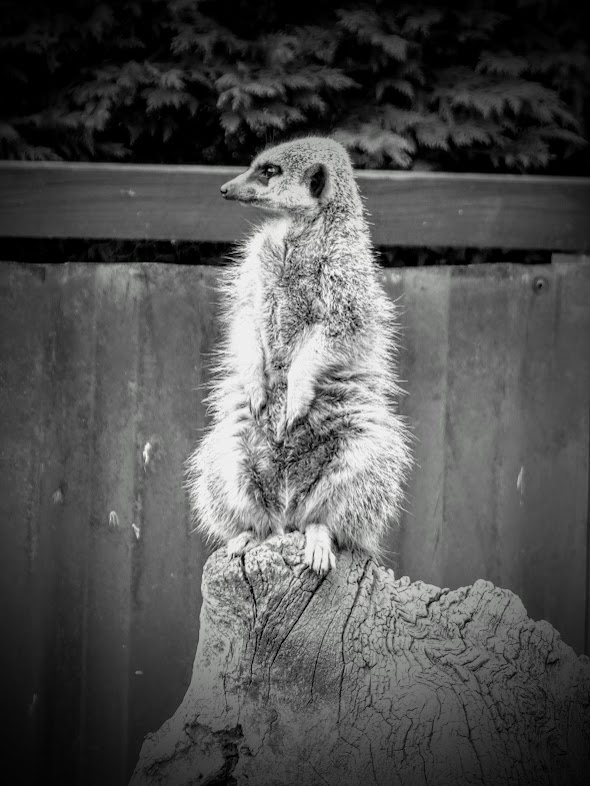
There’s an arboretum just along the road from here: Thorp Perrow. It’s the perfect place to wander along quiet paths between glades of trees. These days of course, it has to attract a wider audience than the botanist or the poet. So it now includes a rather good playground; a birds-of-prey centre; and slightly randomly, an area of woodland where meerkats and wallabies make ther home. Oh. And a cafe, of course. Come for a quick tour.

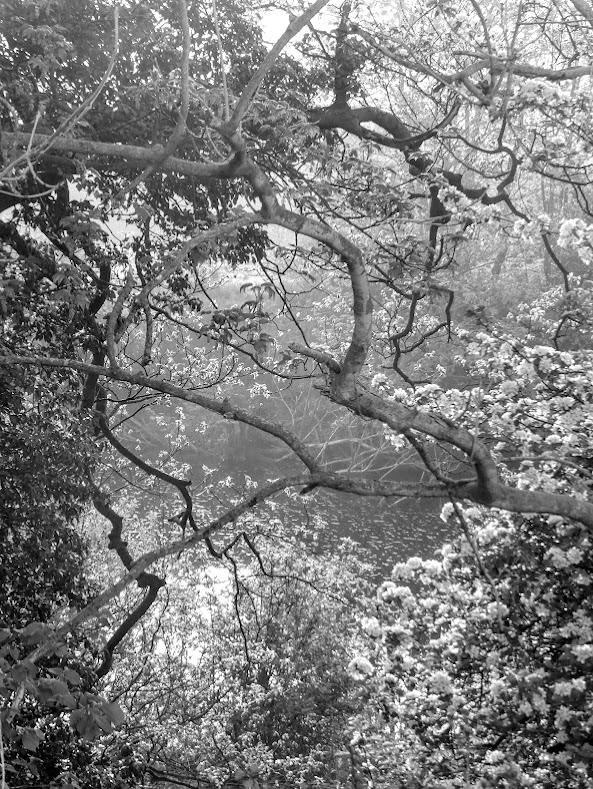
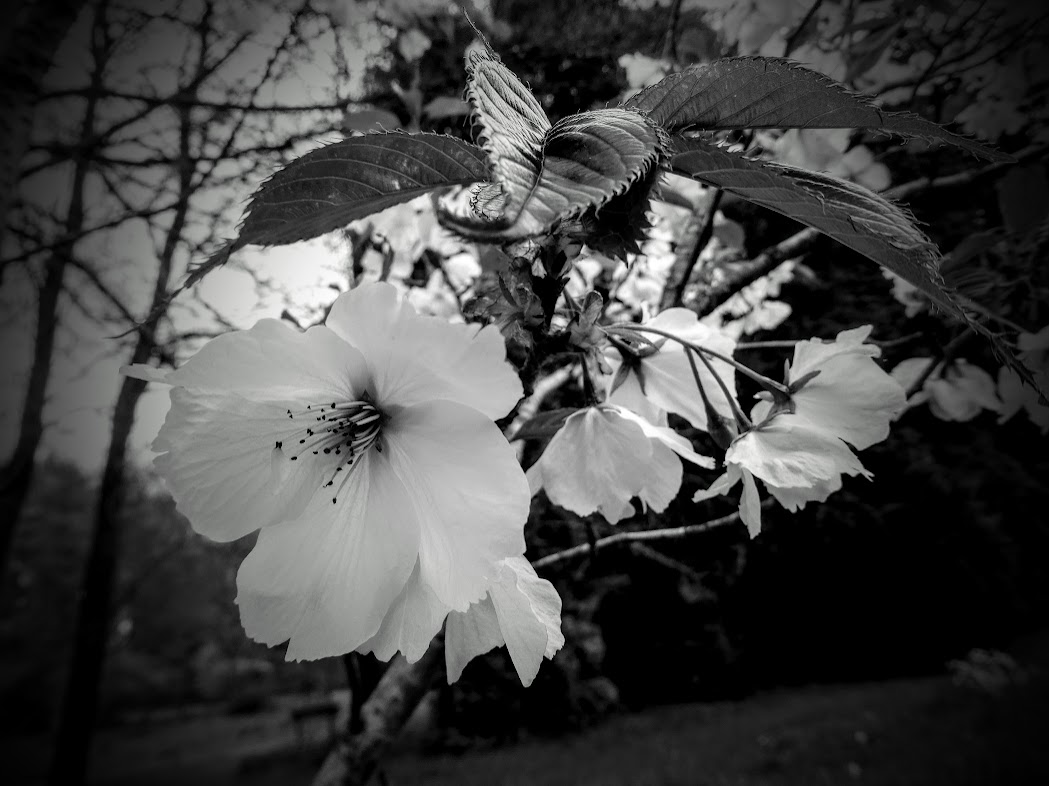
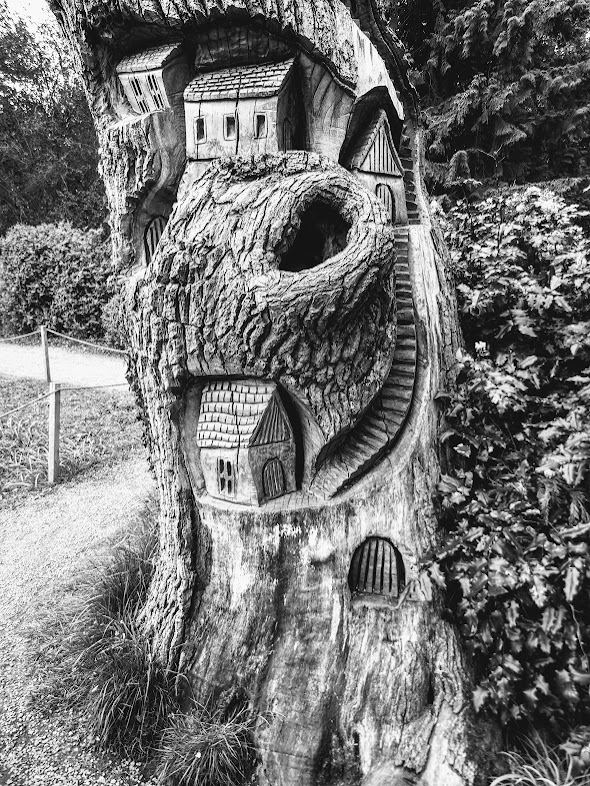
I’ve neglected the trees – in favour of one dead trunk carved to make a housing estate for pixies – to show instead the blossom that’s been at its best. But only a couple of shots – because really, who wants to see delicate pink blossoms in black and white?

The bird is a ferruginous hawk. In case you were wondering.

For Leanne’s Monochrome Madness.

By Request … a Visit to Eavestone Lake

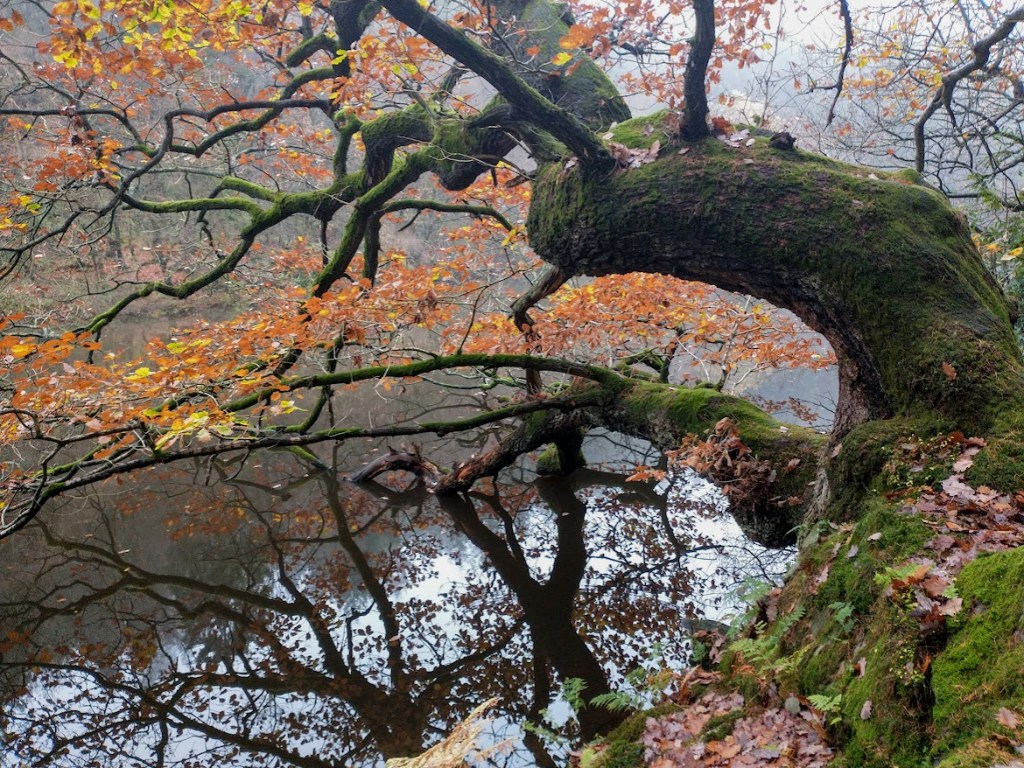
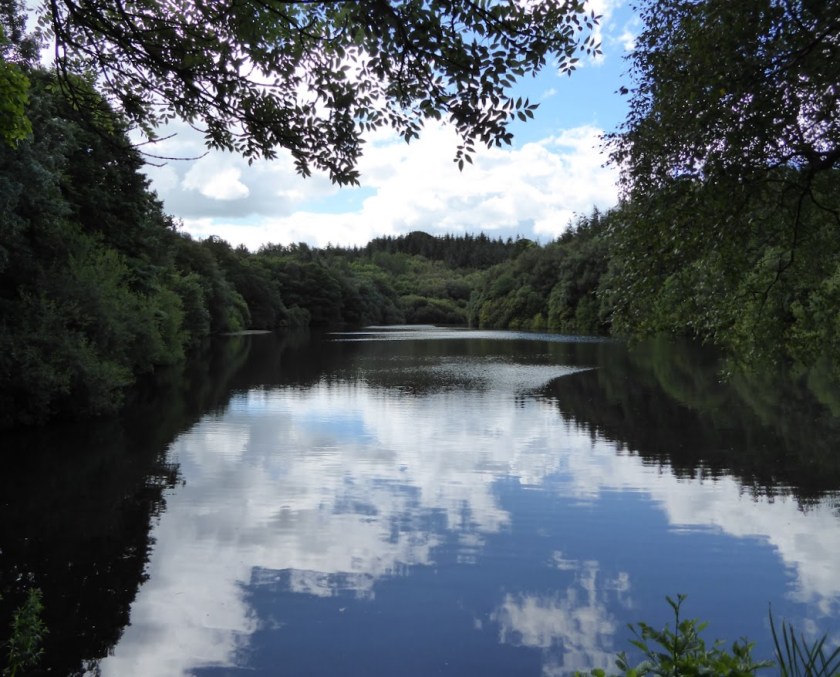
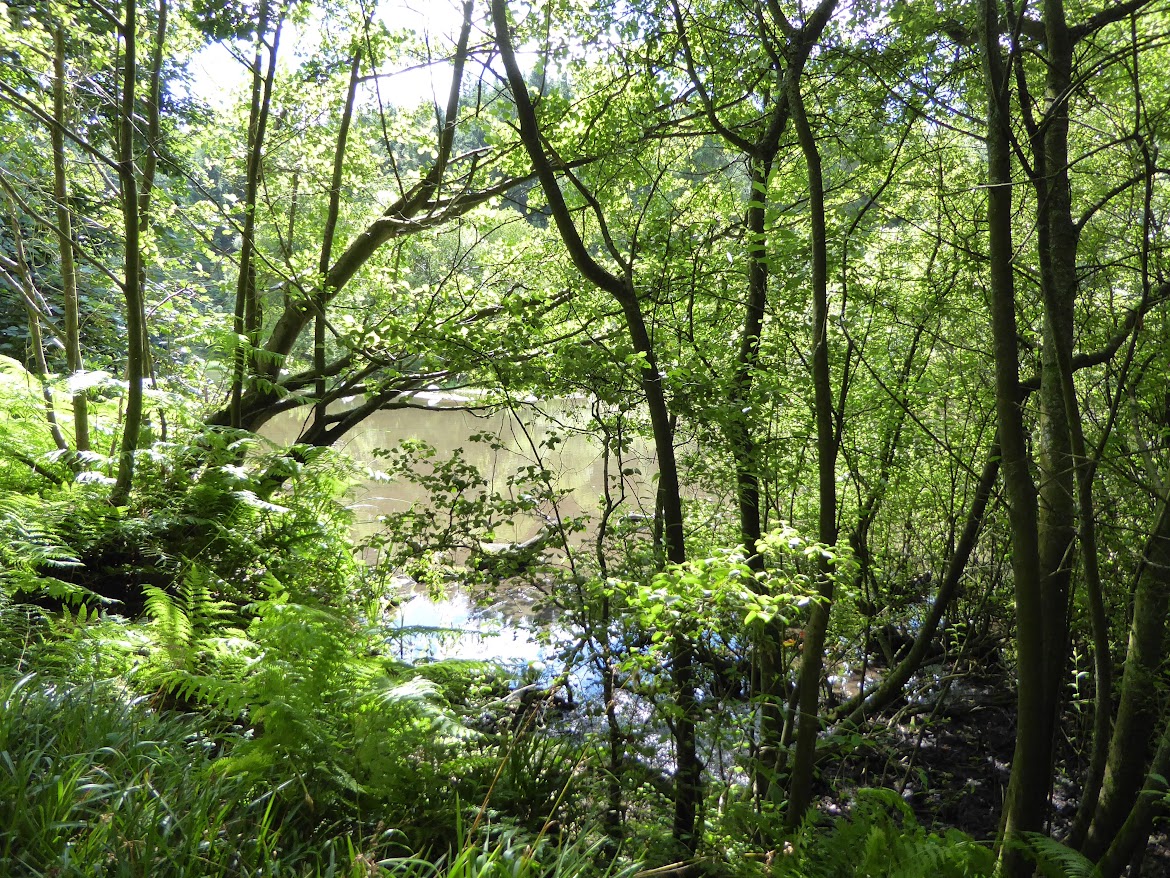
After I showed the photo that won me a popular vote a couple of years ago, some of you were kind enough to ask to see the one that came second. I’m pretty sure I may have shown it before, but here we are. It’s of a lake not too far from here: a wooded location that’s quite well known and appreciated hereabouts, despite not being tremendously accessible. Here’s Eavestone Lake in summer …

…. and in autumn, when the successful shot was taken…

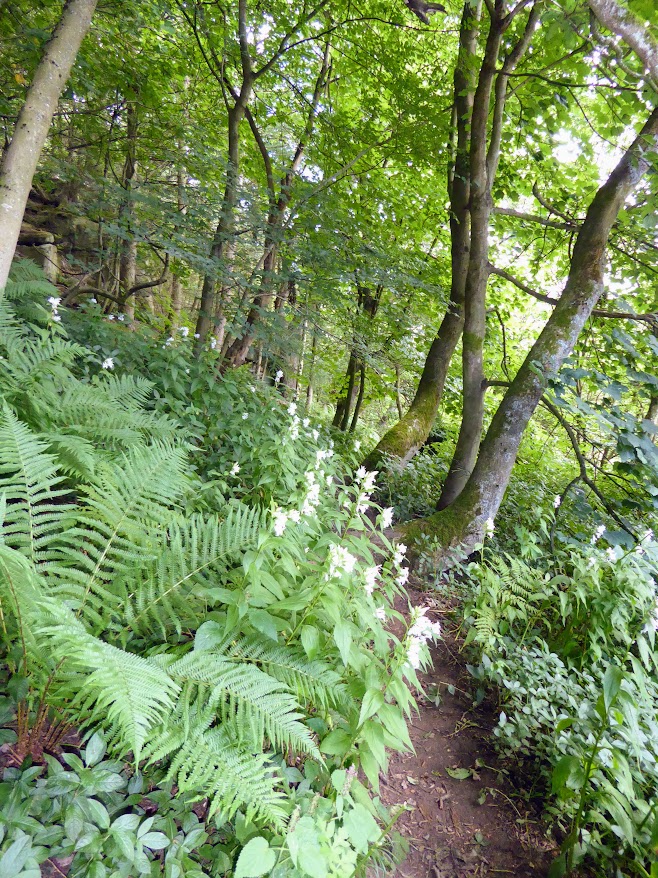
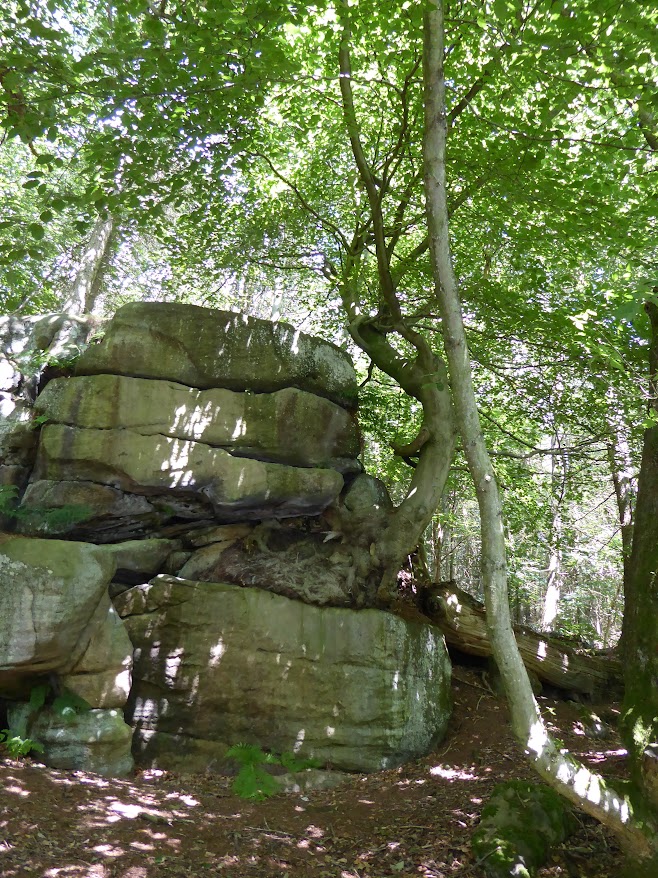
It’s set among rocks, to which trees sometimes cling tenaciously, and it’s hard to navigate your way through. Eavestone Lake may once have been a mediaeval fishpond for nearby Fountains Abbey. There’s even evidence that later, it may have formed part of a designed landscape: the lake has been dammed, and there are signs of careful planting if you know where to look (I don’t).

We once met an Oldest Inhabitant there, and he told us that the whole area had been almost entirely hacked back to the bone in the 1930s, for logging purposes. Abandoned, the trees took matters into their own hands to regenerate. They’ve done a pretty good job, I’d say. And they are part of a special area. Nidderdale Area of Outstanding Natural Beauty.