Bird photography isn’t something I excel at. No long lenses, no patience. But today, just so I can join in three whole challenges listed below, I offer you seven images. Not seven birds, please note. Just seven images.
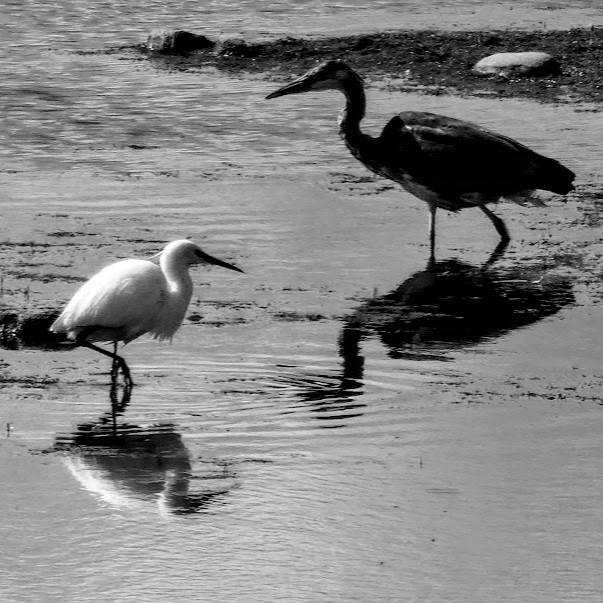
My feature photo is of an egret and a heron studiously ignoring one another at our local nature reserve.
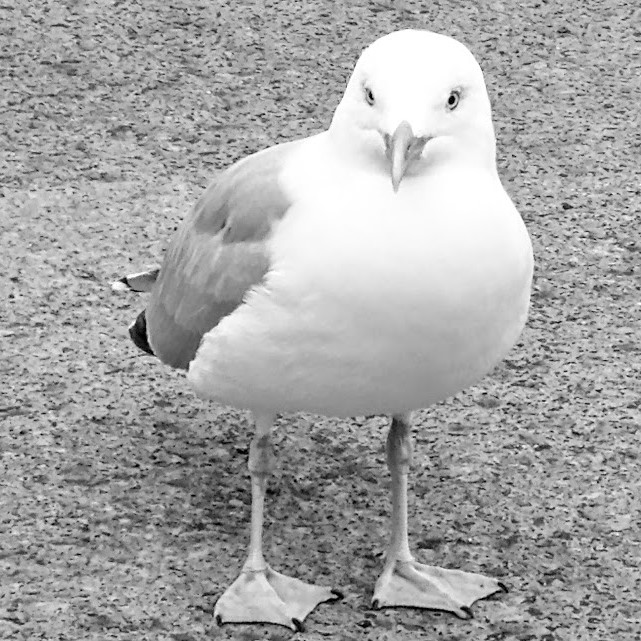
And my next is of a herring gull. Doubtless it’s a mug shot of him taken at the police station, as he helps police with their enquiries over the matter of the fish and chips snatched from a blameless pensioner eating his take-away fish dinner on the seafront.
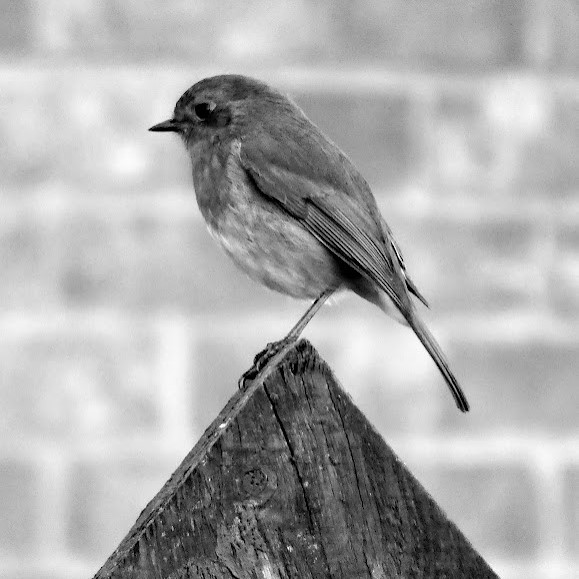
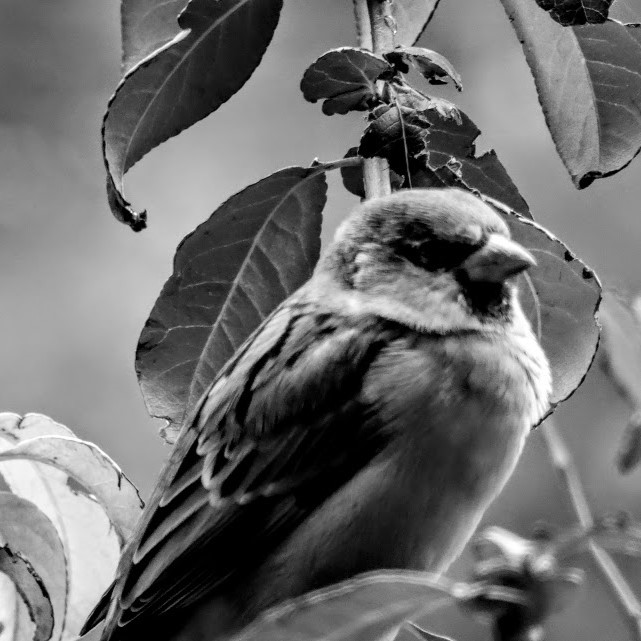
The next two are familiar local residents: a robin posing for a Christmas card: and a house sparrow in reflective mood.
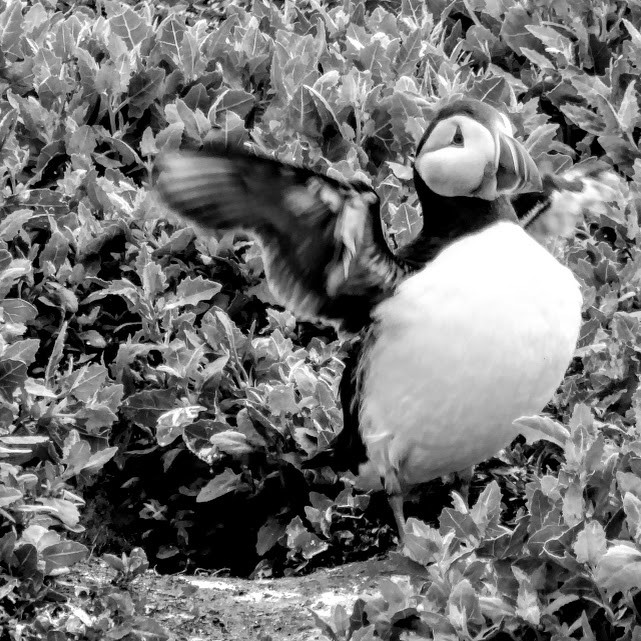
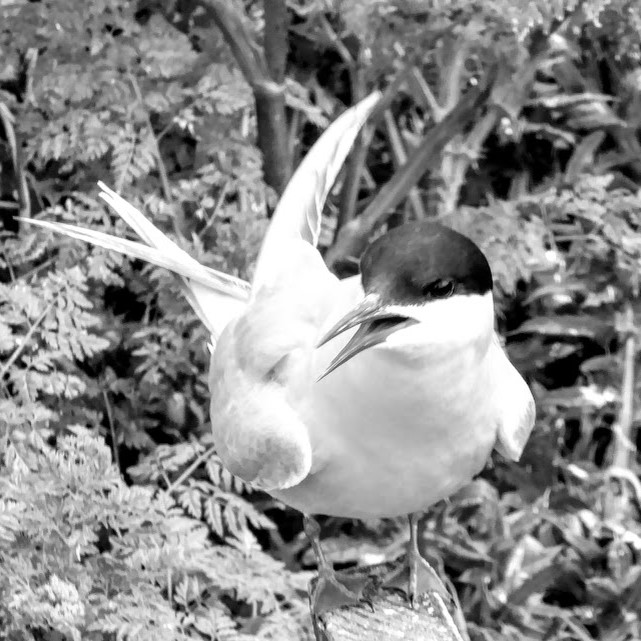
Back to the seaside. To the Farne Islands. Here is a puffin stretching his wings: and an irritated Arctic tern objecting to my possibly disturbing his young.
We’ll end where we (nearly) began: with two birds – cormorants in this case, ignoring one another at another local nature reserve.
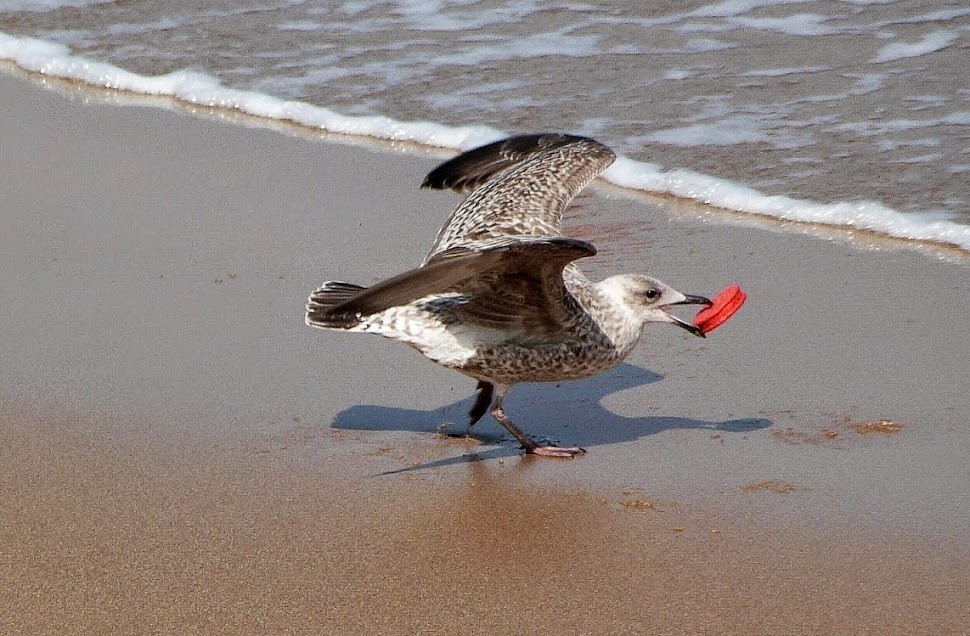
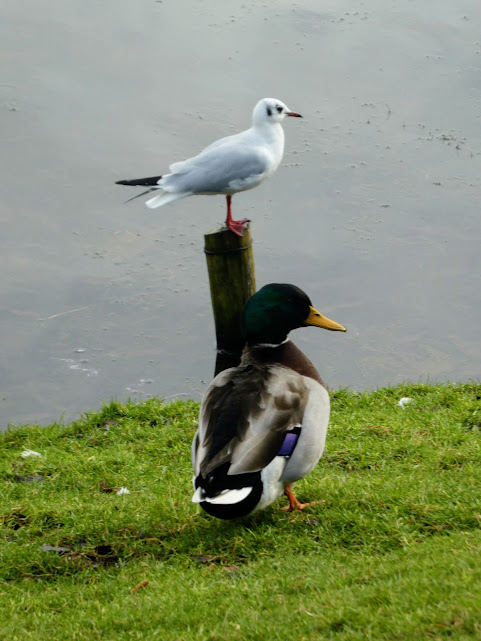
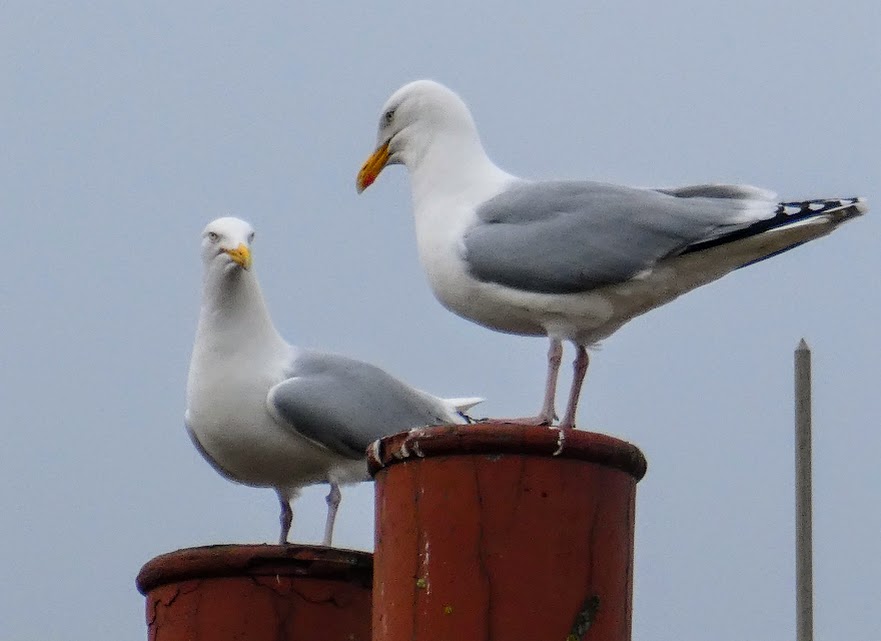
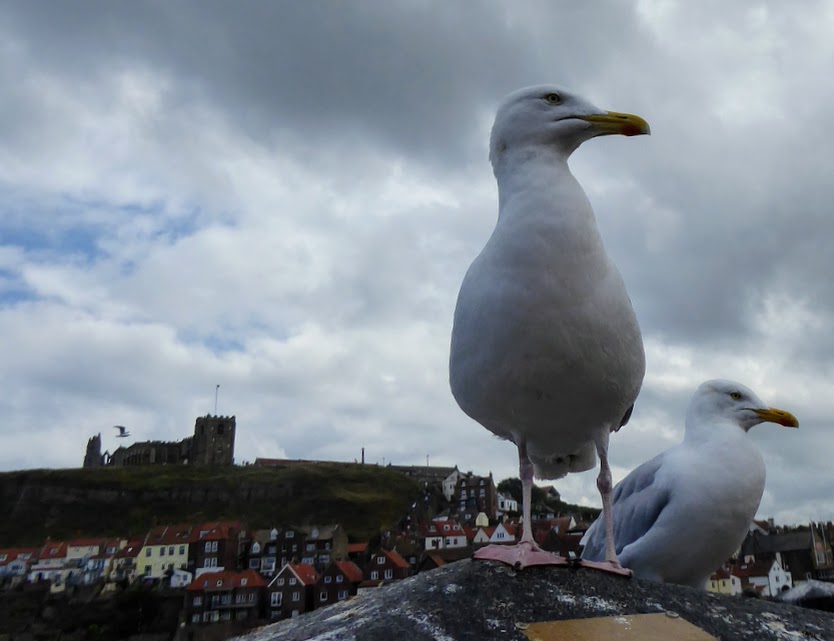
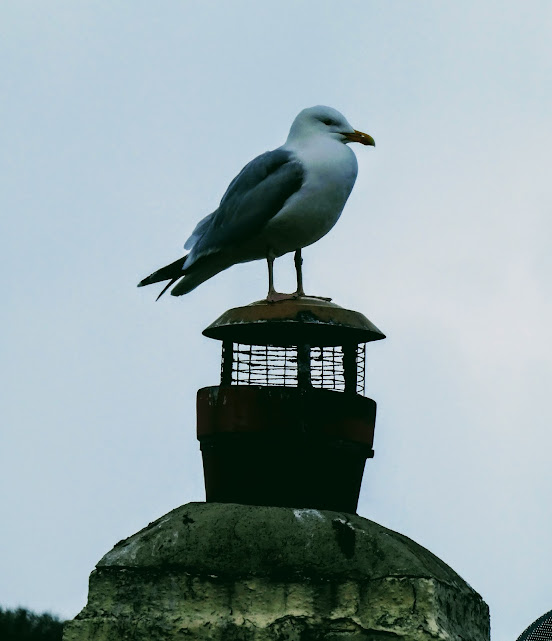
Since several of you commented on that cheeky black-headed gull (In winter plumage – no black head) esconced on Neptune/Poseidon’s head on Saturday, I thought I’d give herring gulls a moment. The header photo is of a youngster, the rest are adults.
The featured photo is of a juvenile tidying up the beach.
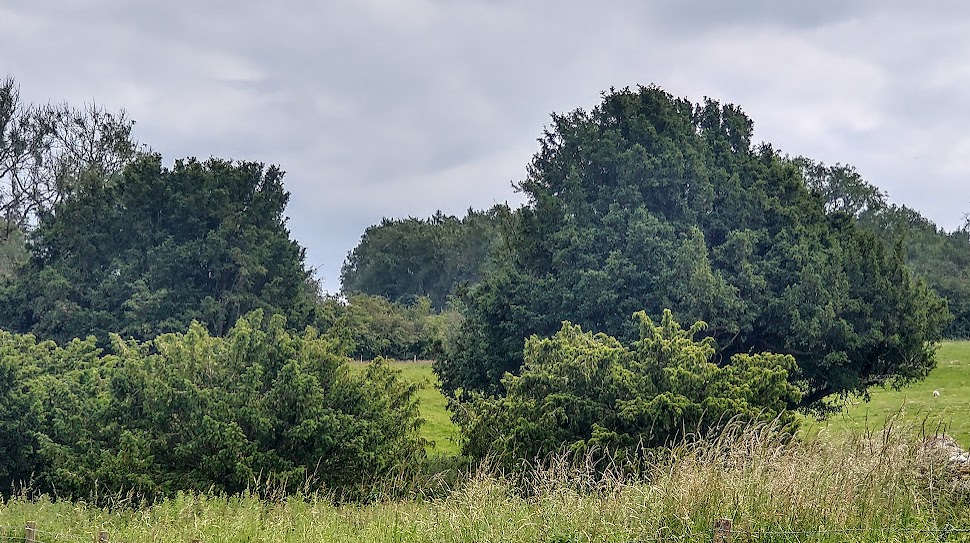
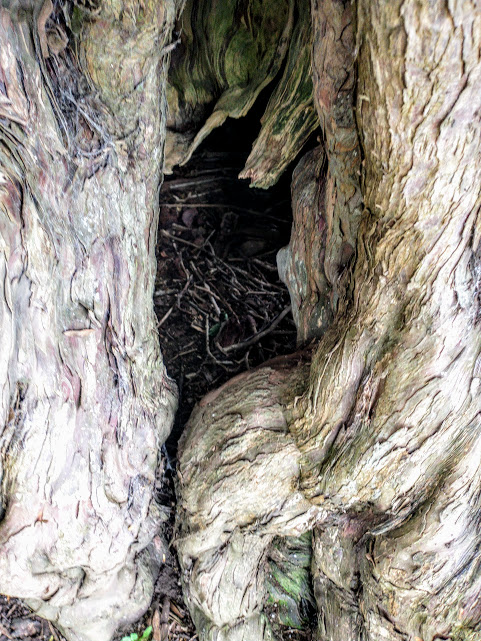
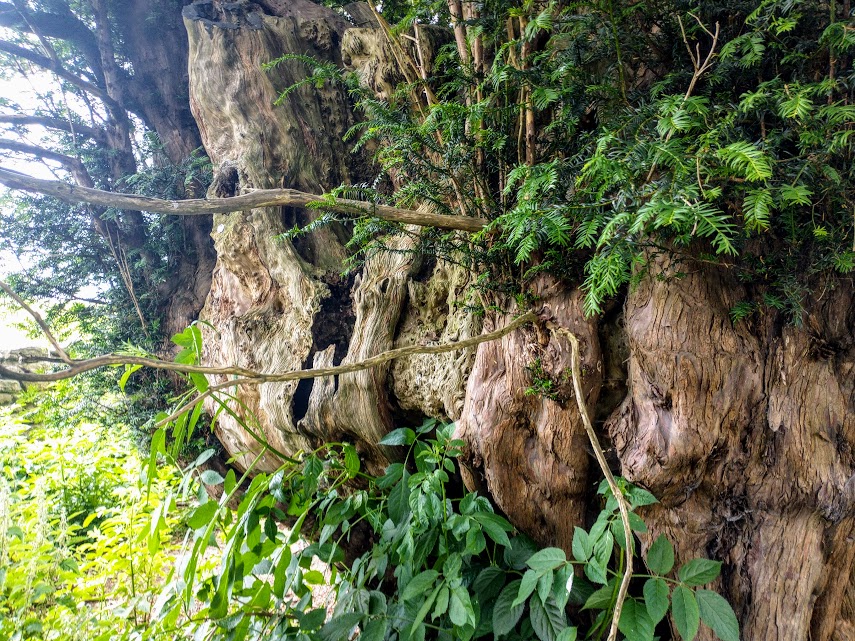
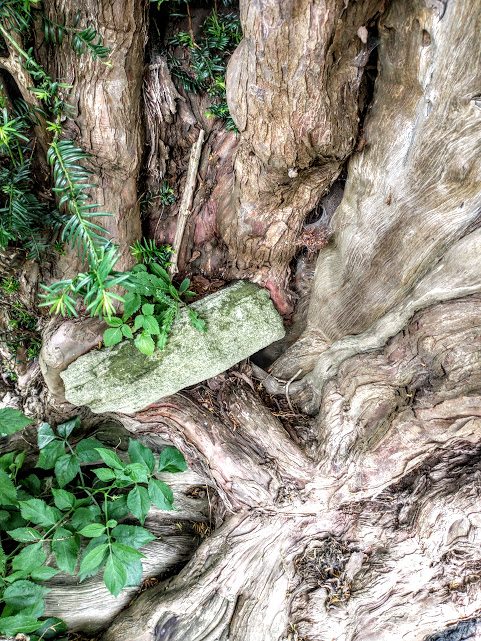
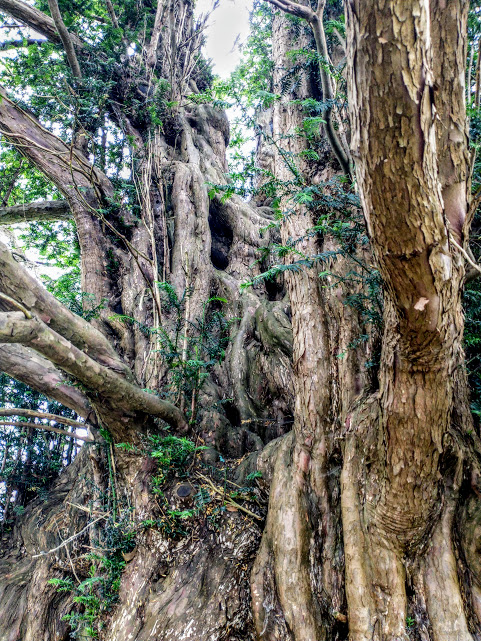
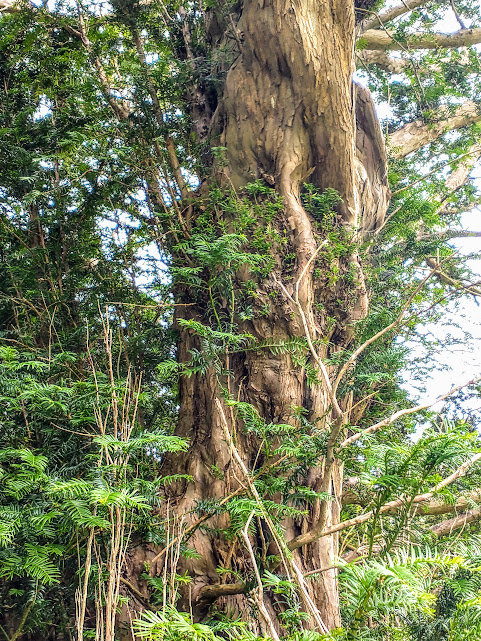
Just beyond the walls surrounding Fountains Abbey estate is a farm rented by a tenant farmer. It includes a small patch of land, untended and fenced off, because several trees got here first. They’re yew trees, and they’re thought to be about 1400 years old.
Think how long ago that was. It was only a couple of hundred years after the Romans had finally left these isles. It was several hundred years before the Norman invasion of 1066. By the time a group of monks from York had come to the site to build a Cistercian community here in 1132, those trees were already some 500 years old. This area would have been wooded, wild and interspersed with occasional farms. There would have been wolves, wild boar, lynx, otters, red and roe deer. But no rabbits. There’s no archaeological evidence for rabbit stew in any of the nation’s cooking pots from those days. They probably came with the Normans.
Those trees – once seven, now only two – would have been witness to the monastic community maturing: to the abbey and all its supporting buildings and industries developing. They would have seen the community grow, then all but collapse during the Black Death in 1248: and slowly prosper again. Until Henry VIII dissolved all the monastries, and Fountains Abbey’s roof was hauled down in 1539, leaving it pretty much the ruin it is today. By then, the trees were working towards being 1000 years old.
They’ve always been a bit out on a limb, these trees, and that’s what has made them such a rich habitat. They offer protection and nest sites for small birds, who can also eat their berries . Caterpillars feast on the leaves. These days, they’re home to eight species of bat, and a wide variety of owls. Yew trees are famously toxic to most animals – that’s why they’re fenced off – but badgers are able to eat the seeds, and deer the leaves.
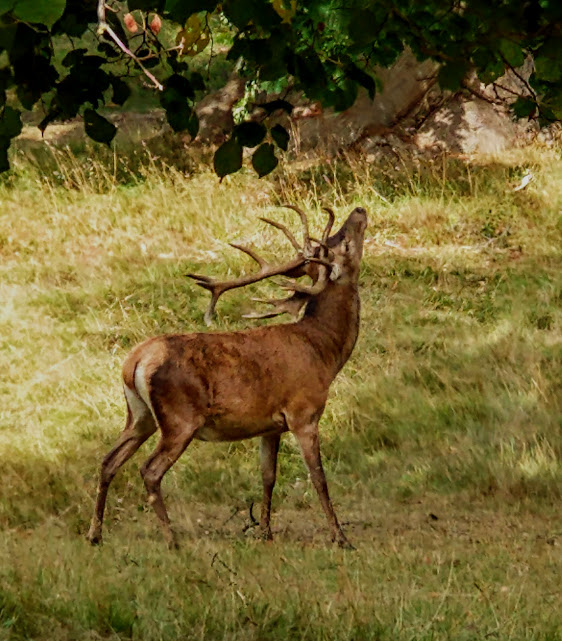
A red deer stag grazing on leaves: not yew leaves this time.
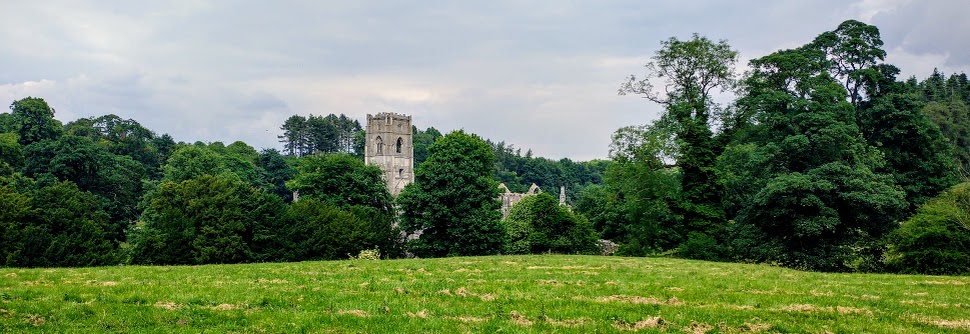
I can’t show you any of the creatures for whom these trees are their neighbourhood – apart from a grazing deer at nearby Studley Royal. Just the ancient trees themselves, the nearby Fountains Hall, built in late Elizabethan times when they were already 1000 years old, and a slightly more distant view of Fountains Abbey itself. My featured photo, the last image I took in June, is of those yew trees, looking as though they’re ready for the next 1000 years.
Fountains Hall, as seen from the yew trees.Fountains Abbey, as seen from the yew trees.
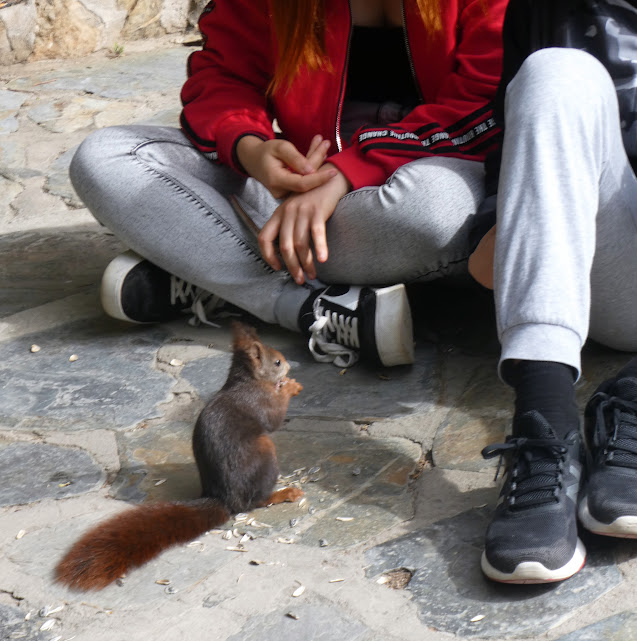
This week, for the Lens-Artists Challenge, Donna asks us to look for the connections we make in our lives. I’m going short and fairly light-hearted by looking at some of our connections with animal life. That feature photo, for instance, shows two children delighted by their squirrel companion in Málaga, while he is equally pleased about the free sunflower seeds.
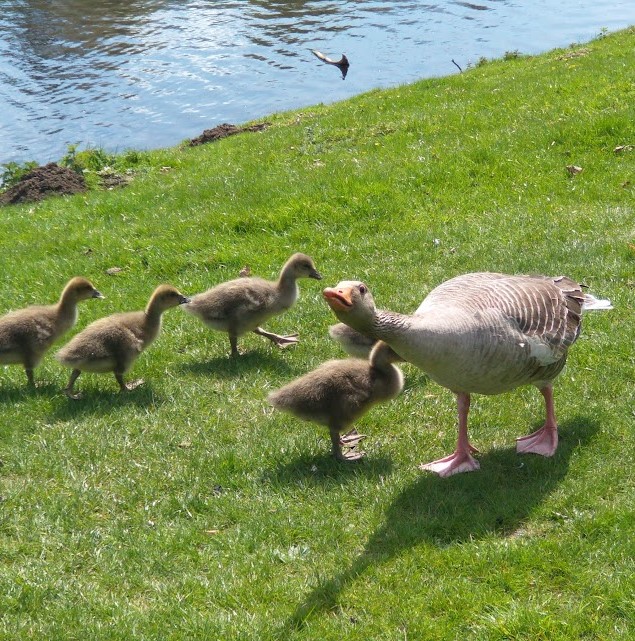
Less pleased are these birds: an Arctic tern and a greylag goose. Both are warning me – or any other pesky human in the area – to leave well alone as far as their young chicks or goslings are concerned.
All my other images come from Down at the Farm.
Here are three curious creatures – two pigs and a cow – wanting to know if those human have anything to offer …
… while this small boy is pleased that the cow is willing to accept a mouthful of hay from him.
We have sheep living next door. Unusually, they’re rather fond of human company, and canter across to the fence hopefully whenever they see me pass. It’s all Cupboard Love of course, but I’m daft enough to fall for it and try to have a few cabbage stalks or something about my person to give to them.
And here’s a young girl desperately trying to make a friend of a hen. Who isn’t quite so sure.
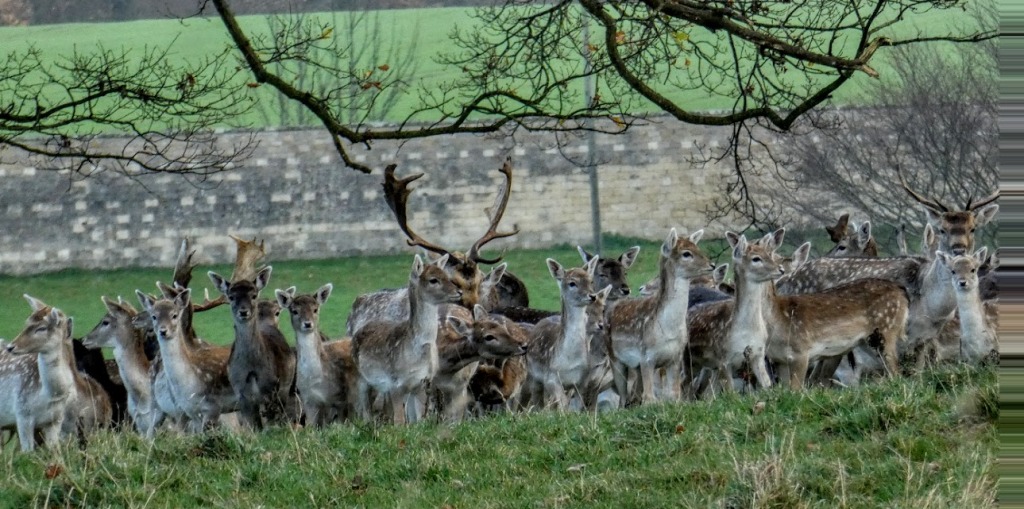
For my last image, we’ll leave the farmyard in favour of the deer park at Studley Royal. The deer are as likely to be watching us as we are them. You can never quite trust humans, they think.
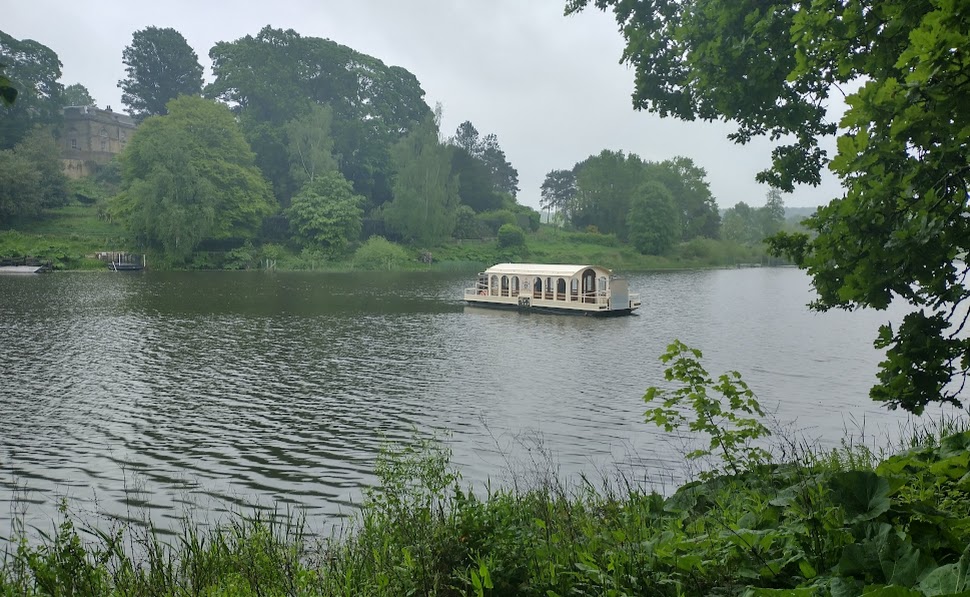
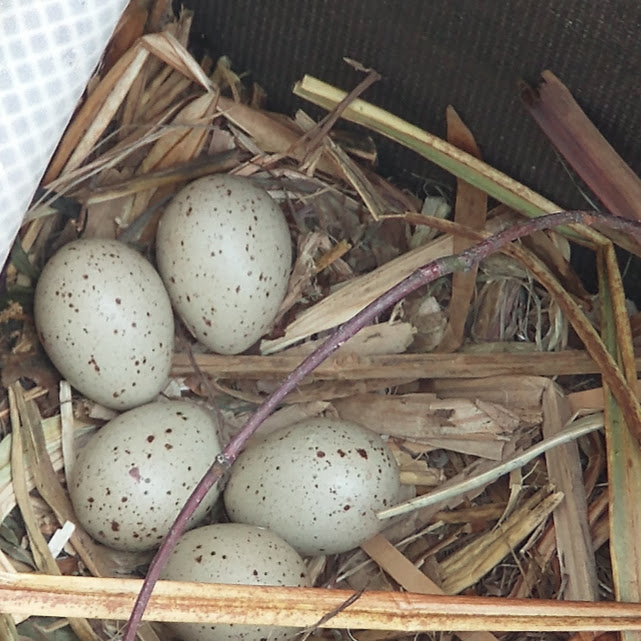
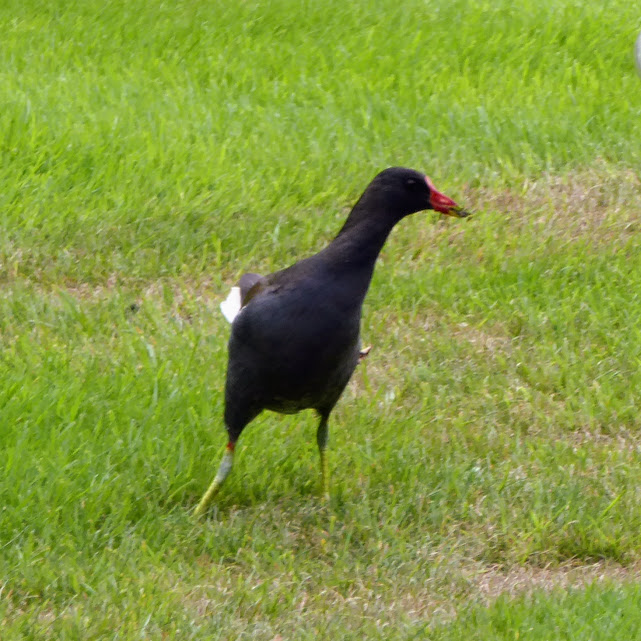
Apparently not. This nest was made by a young moorhen who then laid her eggs in it, on a quiet corner of the ferry boat which goes to and fro across the lake at Harewood House. This was a fortnight ago. It seems she thought she’d done her job, because she then wandered back to her usual routine of fossicking about in the water and its margins, and has never sat on them at all. Any chance they had of hatching has long gone. Let’s hope this young thing learns better parenting skills before the season’s out.
For Becky’s #SquaresRenew Challenge, she’s inviting us to post square – only square – photos on the themes of Burgeoning; Moving Forward; Reconstruction; or Renewal
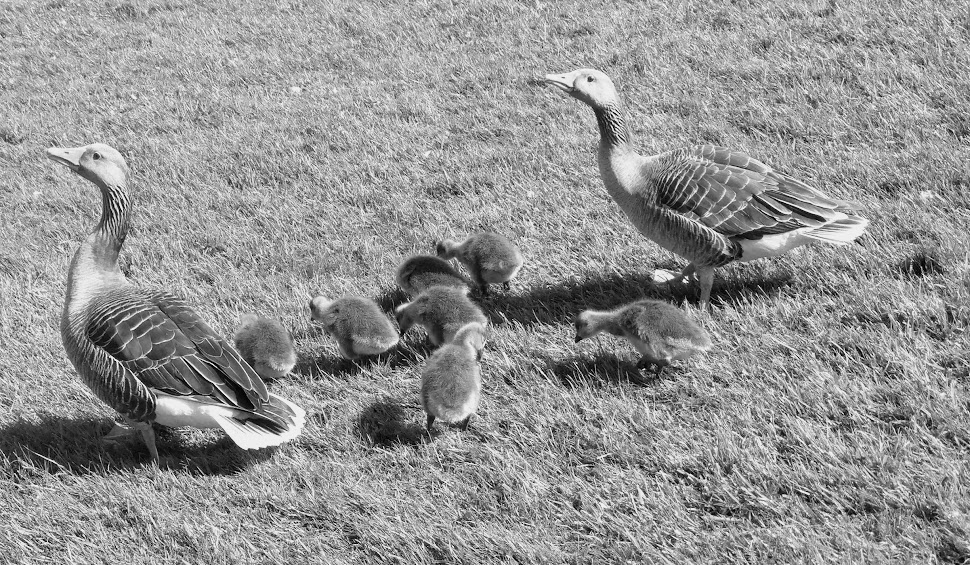
I think Greylag Goose parents definitely keep their broods moving forward, renewing the blood line. These geese only moved onto our village ponds last year, but already they have had the effect of making ducks and moorhens move away, and ensuring that those few that remain aren’t able to raise their own babies to maturity. When it comes to protecting local wildlife, many of us here aren’t so keen on offering these geese much of a helping hand.
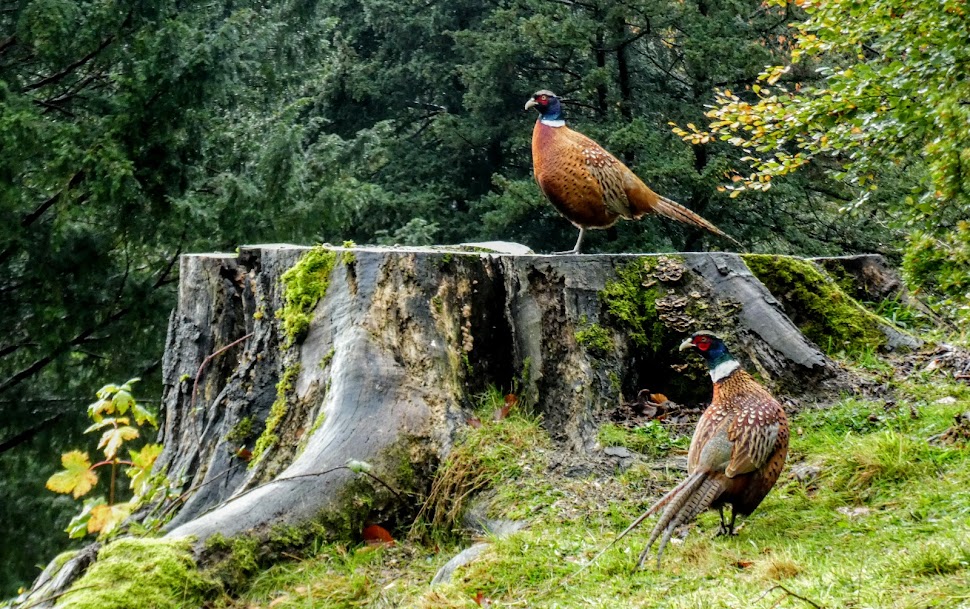
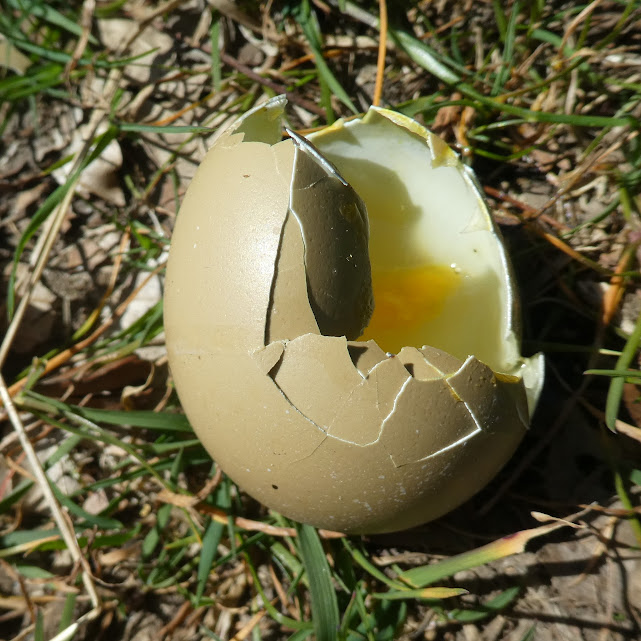
Poor Mrs. Pheasant. There she was, trying to renew the blood line and produce a clutch of eggs to grow into the next generation of pheasants. But a marauder found her eggs, and instead, made a breakfast of them, so that he (or she?) had the nourishment needed to set about producing the next generation of their own species.
At least this marauder was keeping body and soul together. We live in shooting country, and the countryside is crammed with pheasants, imported here in vast numbers simply so they can be the target of barely competent marksmen enjoying their yearly shooting break. Some dead birds find their way to the table via local butchers. Many corpses are quite simply … discarded.
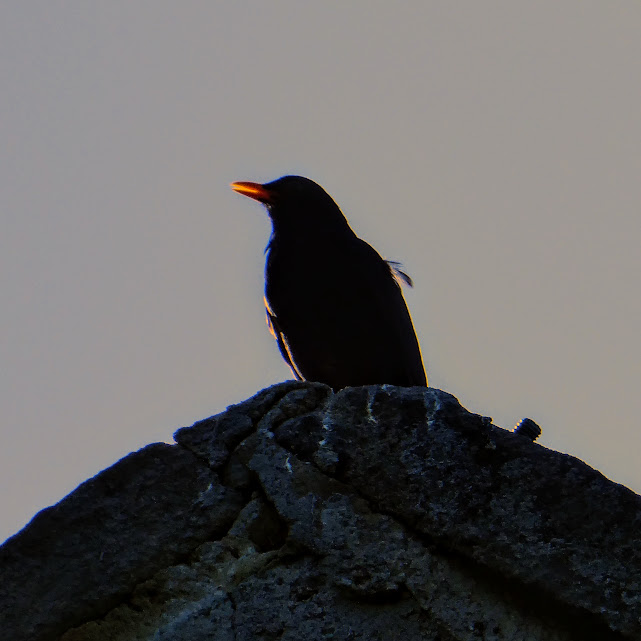
This blackbird may have been luckier. Once hatched, the baby blackbird’s shell simply fell to the ground beneath the nest.
By the way, the featured photo is of male pheasants. Their female counterparts are somewhat dowdier.
Spotted yesterday at Studley Royal: new life – burgeoning; the devoted parents moving forward – often – to protect their young by hissing threateningly at passers by who paused to admire the new babies; renewing and reconstructing the bloodline.
Yes, Becky’s Squares photo challenge has returned – hooray! The only rule is that the image chosen has to be square. This month’s theme is Renew. Or Burgeoning. Or Moving Forward. Or Reconstructing. You get the idea. So here is my first offering.
The photos is also my Last on the Card for Brian. It has of course been doctored to form a perfect square. This is against the rules. But Brian knows I invariably break the rules.
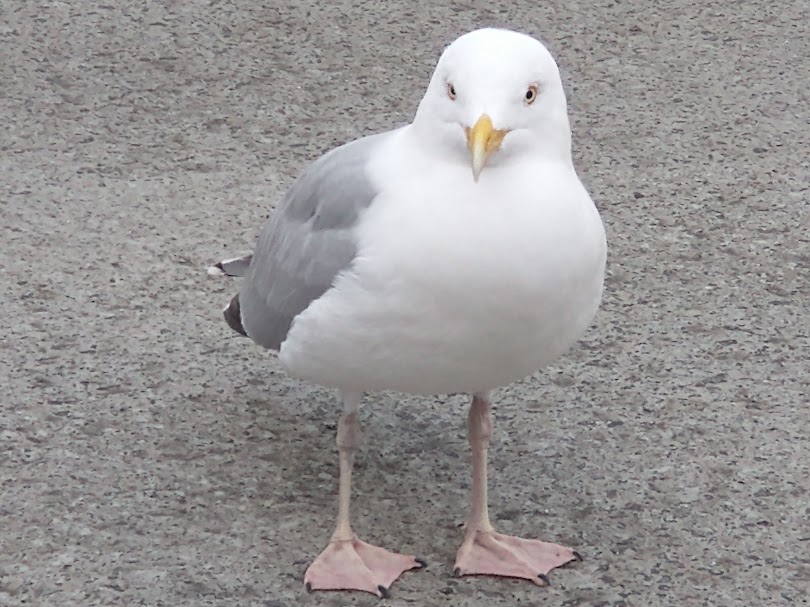
The featured image is of a herring gull who paraded obstreperously outside our car – only our car – as we waited to board the ferry at Dover. It was elevenses time-ish, but we displayed no evidence of snacking, so I don’t know what it was all about.
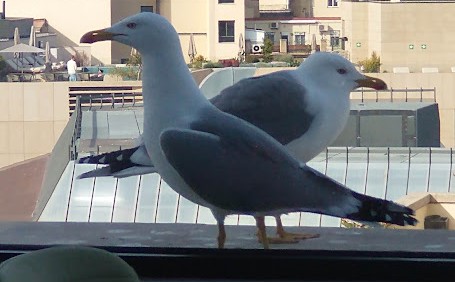
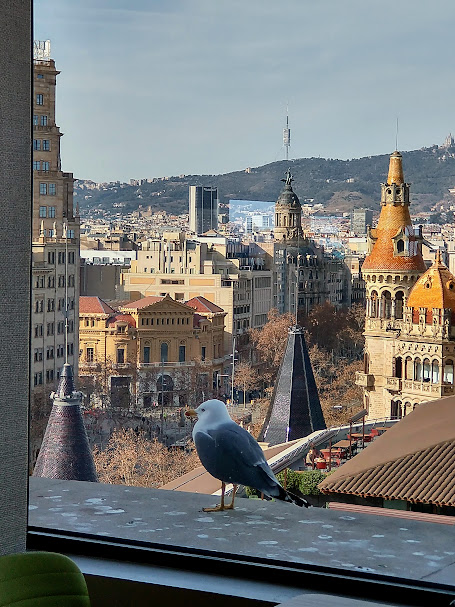
These other gulls are, according to Google Lens, yellow-legged gulls, and closely related to the herring gull. These specimens were loitering on the window ledge of the roof top café from which we were enjoying the view in the centre of Barcelona.
Thank you, everybody who identified last week’s creature as an Egyptian Grasshopper. It is good to know what this impressive creature is.






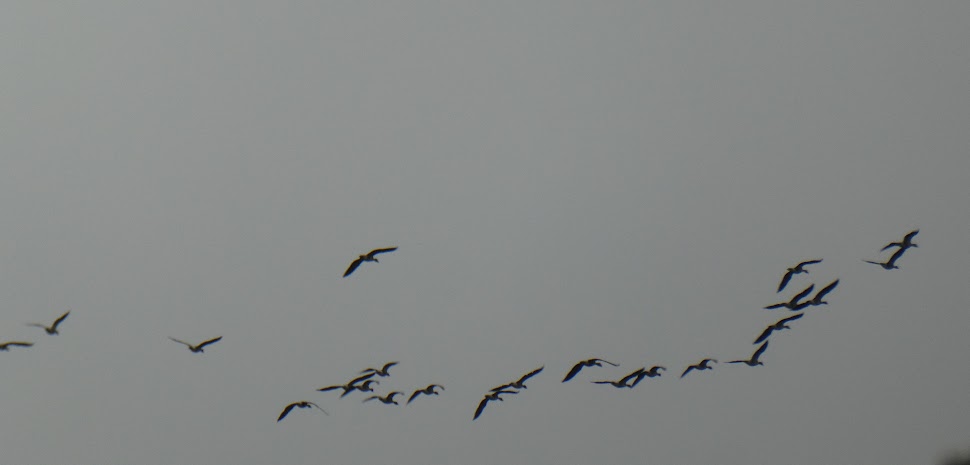

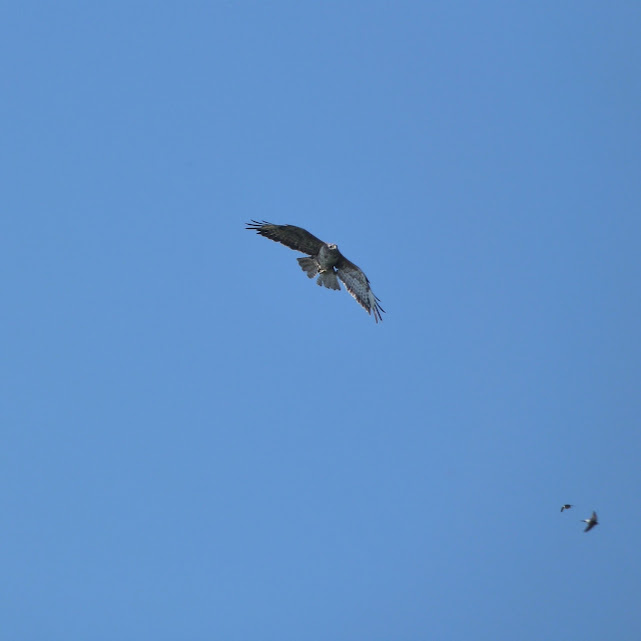

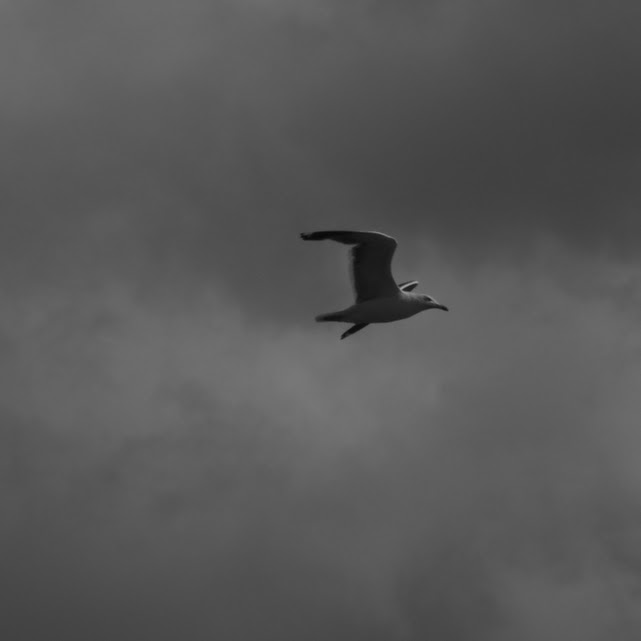

 From Pyrenees to Pennines
You must be logged in to post a comment.