‘I am the lizard king. I can do anything.’ *

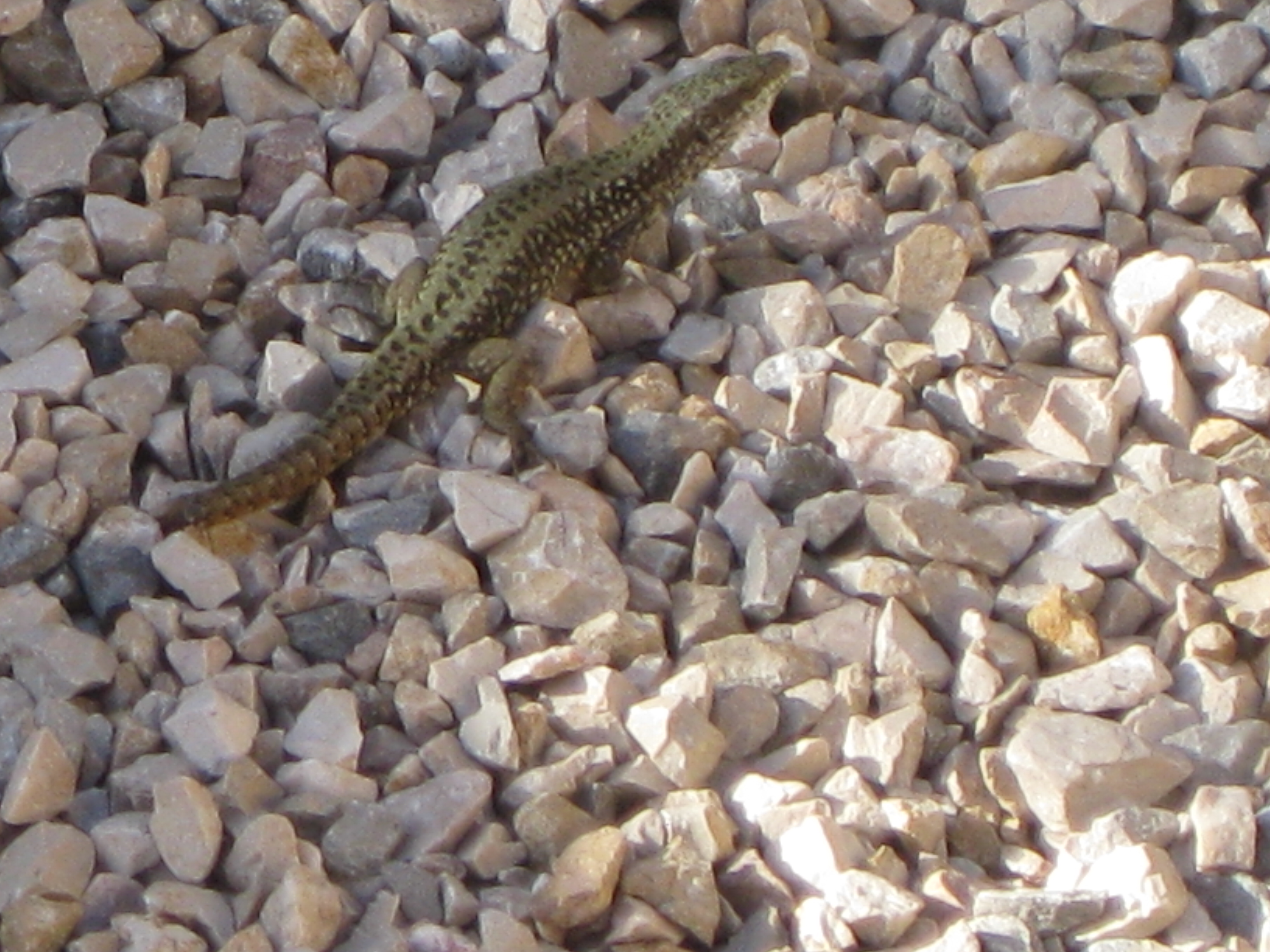
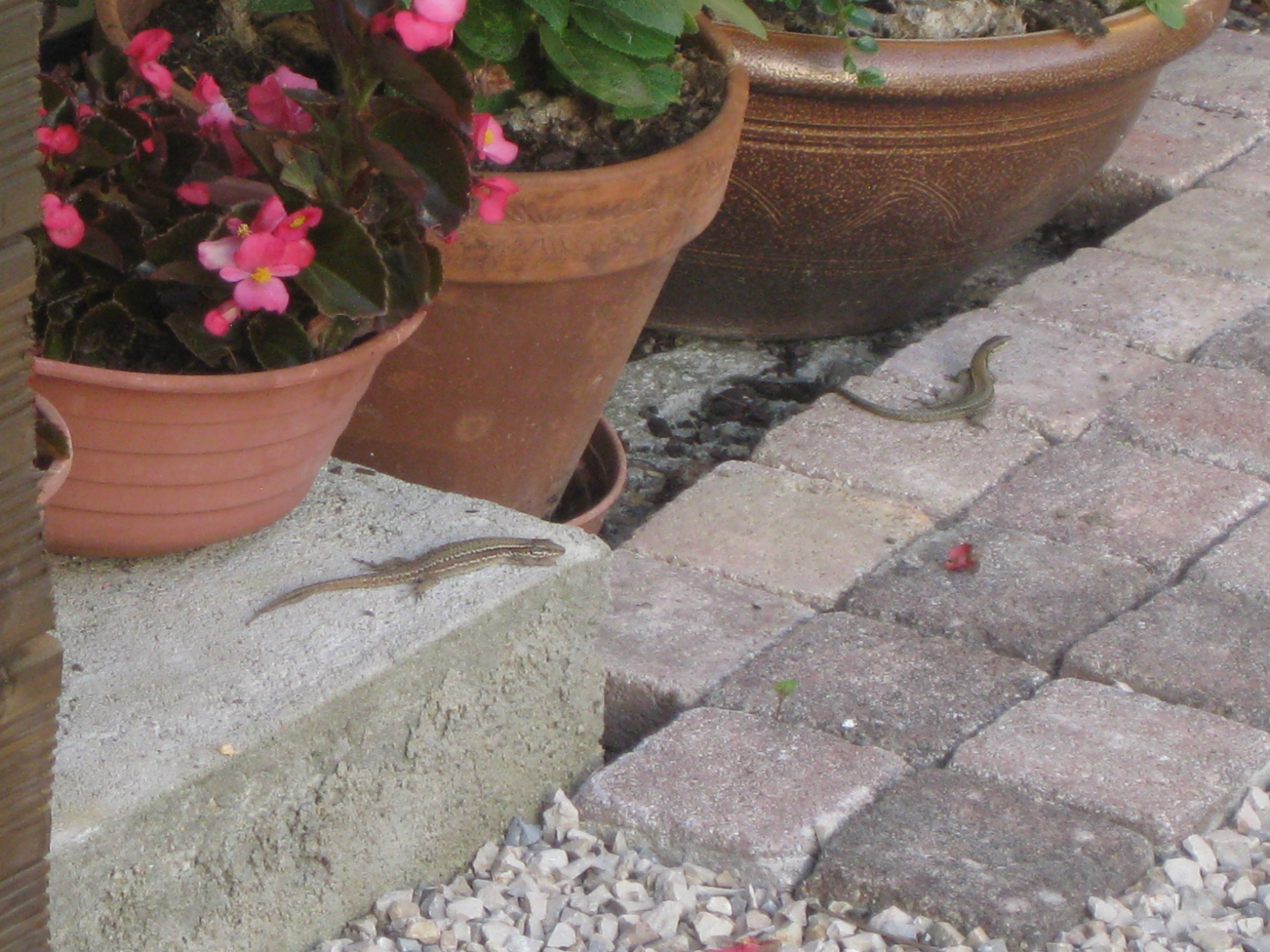
Summer’s arrived: well, this week anyway.  So from before breakfast until long after the evening meal we’re spending as much time as we can out in the garden.  And we have plenty of company.  Lizards.  Common wall lizards, podarcis muralis.  They are indeed spectacularly common here.  We have no idea exactly where they live, but there are plenty who call our garden ‘home’.  We’re beginning to get to know a few.

Easily the most identifiable is Ms. Forktail, she of the two tails.  She’s the only one we’ve been able to sex conclusively as well, because we caught her ‘in flagrante’ with Mr. Big behind the gas bottles recently.  And then the next day she was making eyes at a younger, lither specimen, and the day after that it was someone else.  She’s lowering the moral tone of our back yard.

Longstump

Then there’s Longstump, who’s lost a tiny portion of tail, and Mr. Stumpy, who hasn’t got one at all, though it seems not to bother him.  Redthroat has a patch of crimson under her chin.  There are several youngsters who zip around with enthusiasm and incredible speed.

In fact they all divide their time between sitting motionless for many minutes on end, and suddenly accelerating, at top speed and usually for no apparent reason, from one end of the garden to the other, or vertically up the wall that supports our young wisteria. On hot days like this  (36 degrees and counting) they’ll seem to be waving at us.  Really they’re just cooling a foot, sizzled on the hot wood or concrete.  Sometimes you’ll see them chomping their way through some insect they’ve hunted, but often they’ll step carelessly and without interest over an ant or other miniature creepy-crawly in their path.

Happy hour for Longstump

Mainly they ignore one another, but sometimes there are tussles.  These may end with an uneasy standoff, or with the two concerned knotted briefly together in what could scarcely be described as an act of love.

We could spend hours watching them, and sometimes we do.  But there is still a bathroom to build, a workroom to fit out, and a pergola to design.  The kings and queens of the yard have no such worries.  They can do anything: they choose not to.

‘Our’ lizards on their personal sun-loungers

*Jim Morrison, 2008

A ruined castle above spring flowers

We ‘do’ ruined castles here in this part of France.  And last Sunday we Laroquais from the walking group ‘did’ one that was new to us.

We went off to the Aude, near Rennes-le-Château, for a long morning’s march and a final energetic upward scramble to Bézu and the few castle ruins that are left there.

I was going to tell their story.  But then I found another blog to do the job for me.  Follow the link!  Some of the research here has been fostered by the – to me – unaccountable interest in Dan Brown’s books, but the page on Bézu is mercifully free of his influence.

I’d sooner simply share some of the photos of the day, many of them of the flowers we saw.  May, as in much of Europe, is a glorious time for them.  The dry, thin soil of this part of the Aude nourishes small, bright ground hugging plants: they show themselves off perfectly against a backdrop of alternately red and rather white earth.

I’m going to go on being lazy today.  If you can name the flowers so I don’t have to, I’d love to hear from you.

This slideshow requires JavaScript.

Red kites

One of the daily pleasures of our Life in Laroque is watching the birds of prey, particularly buzzards and red kites, wheeling above our heads, catching the eddying breezes.

One of our pleasures here back in Yorkshire, is doing exactly that, now that red kites have become almost common round and about Harrogate.

It was back in 1999 that red kites were first re-introduced to Yorkshire, to Harewood.  Back then it was a rare treat to spot one, a newsworthy event to share with all your friends.  Gradually they became more common, though no less exciting.  Then last time we were here, we spotted one lazily coasting over the Yorkshire Showground, only a very few miles from Harewood as the kite flies.  Later that day, there were others, this time over the relatively urban Knaresborough Road estate.  This visit, we’ve spotted them for the first time in the part of north Harrogate where we used to live.

And then today, after lunch catching up with a good friend – thank you Cath – I took myself off for a walk.  Soaring above me, then plunging down, so very close that I could clearly see his breast plumage, was a red kite, nearer to me than one has ever been before. It made my day.

Food for free

In the UK, Richard Mabey’s the original, and still the best known proponent of foraging for good things to eat in the countryside.  Here in our patch of France, it’s Stéphane Martineau, and we spent yesterday afternoon with him, strolling down the lanes near Roquefort les Cascades, nibbling at petals, leaves and roots.

It was a free afternoon organised by Alptis, who provide us with the health insurance we need to complement the state-provided health service, and we enrolled as soon as the invitation came through the post.

Stéphane encouraged us to look carefully at each plant, at how it’s structured, what it feels like, what the crushed leaves smell like.  That afternoon, we found leaves that reminded us of mushroom, garlic, mint, cloves….

We began to understand how welcome the new spring growth must have been to villagers over the centuries.  After months and months of bland beans and turnips, the tasty bitterness of black bindweed, eaten raw or lightly cooked like asparagus must have been a real treat.  Its other name is l’asperge aux femmes battues – battered wives’ asparagus, because it’s also good at relieving bruising and swelling.

At this time of year, before many of the plants have flowered, and growth is young and fresh, there are so many tasty additions to the salad bowl.  Garlic mustard has both leaves and flowers to offer.  Hedge woundwort has nettle like leaves and a slight mushroomy odour.  Primula gives a pleasantly bitter taste so use it sparingly, and creeping Charlie  makes a lively addition to a salad, or an unusual addition to soup or lasagne.

Nettles are of course the kings of country flowers, packed with vitamins, minerals and even proteins.  They can be eaten raw (with a thick and tasty dressing) lightly cooked, or included in sauces and stews and baking.  Fermented, they make an all-round fertiliser, and gardeners dig them into the ground too, to enrich the soil.

We found plants to cure warts, substitutes for aspirin and for the cloves that we’re supposed to tuck next to a throbbing tooth.  We even learnt that horsetail, just as it first thrusts above the ground, makes a good mineral-tasting asparagus substitute. Failing that, once it’s matured, a big bunch tied together is a good pan scourer.

Just one plant was completely new to me: purple toothwort.  It’s a mauve parasitic plant, looking rather like a small clutch of rhodedendrons in bud, and modestly hidden under grasses at the foot of trees.

I’ve got pages of notes about plants I plan to look out for and try: using only a few specimens from each patch, of course, and just taking  a few of the very youngest leaves, as instructed.
Just before we all headed off home, we shared a foraged snack which Stéphane had prepared earlier.  Nettle blinis, Douglas fir cordial, various jams and jellies.  Good stuff, this food for free.

This slideshow requires JavaScript.

Spring has sprung

All over Europe it seems, people are shedding their woolly pullies and revelling in the  balmy air, as plants unfurl new leaves and flowers, and animals mate and give birth.

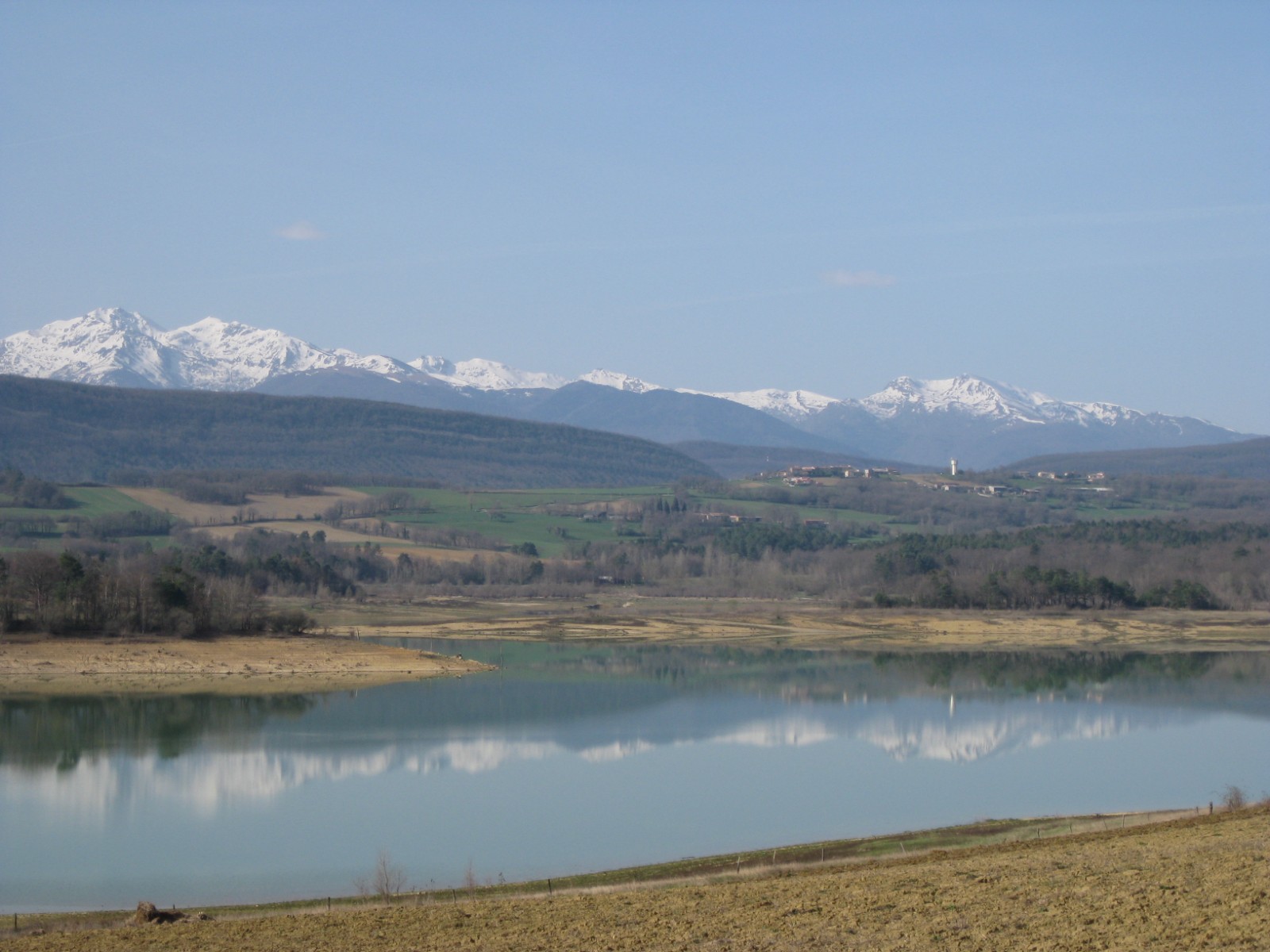
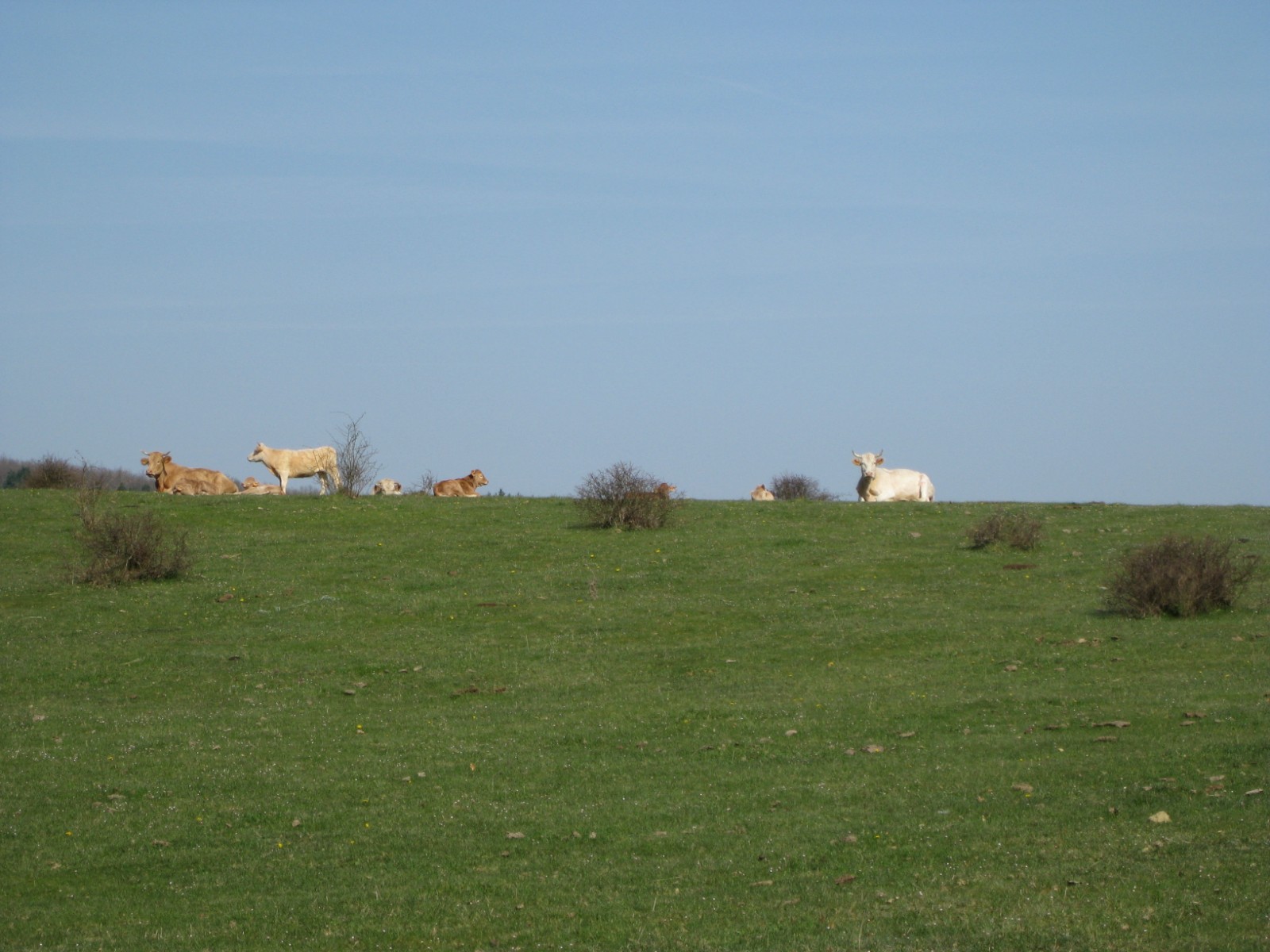
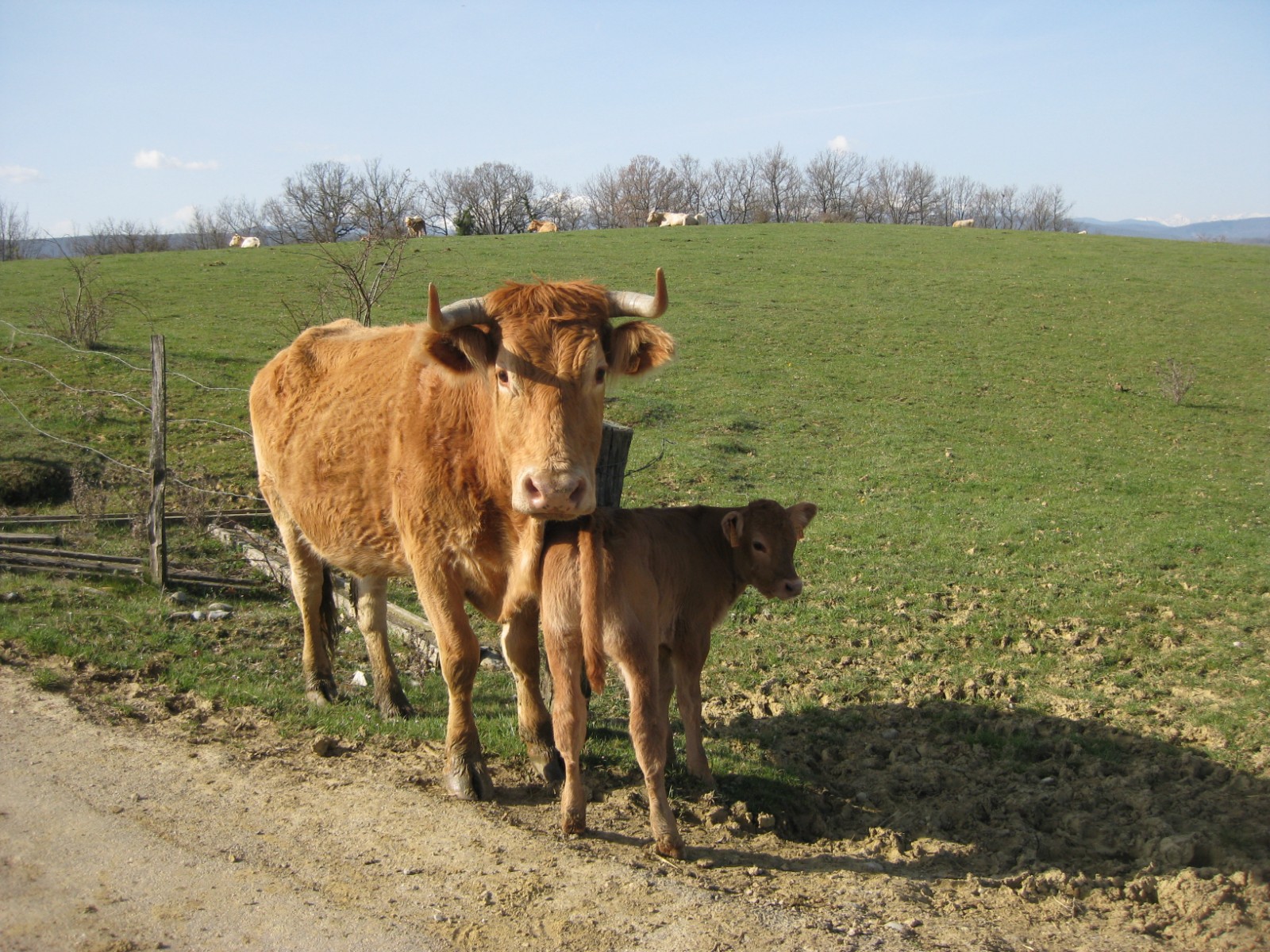
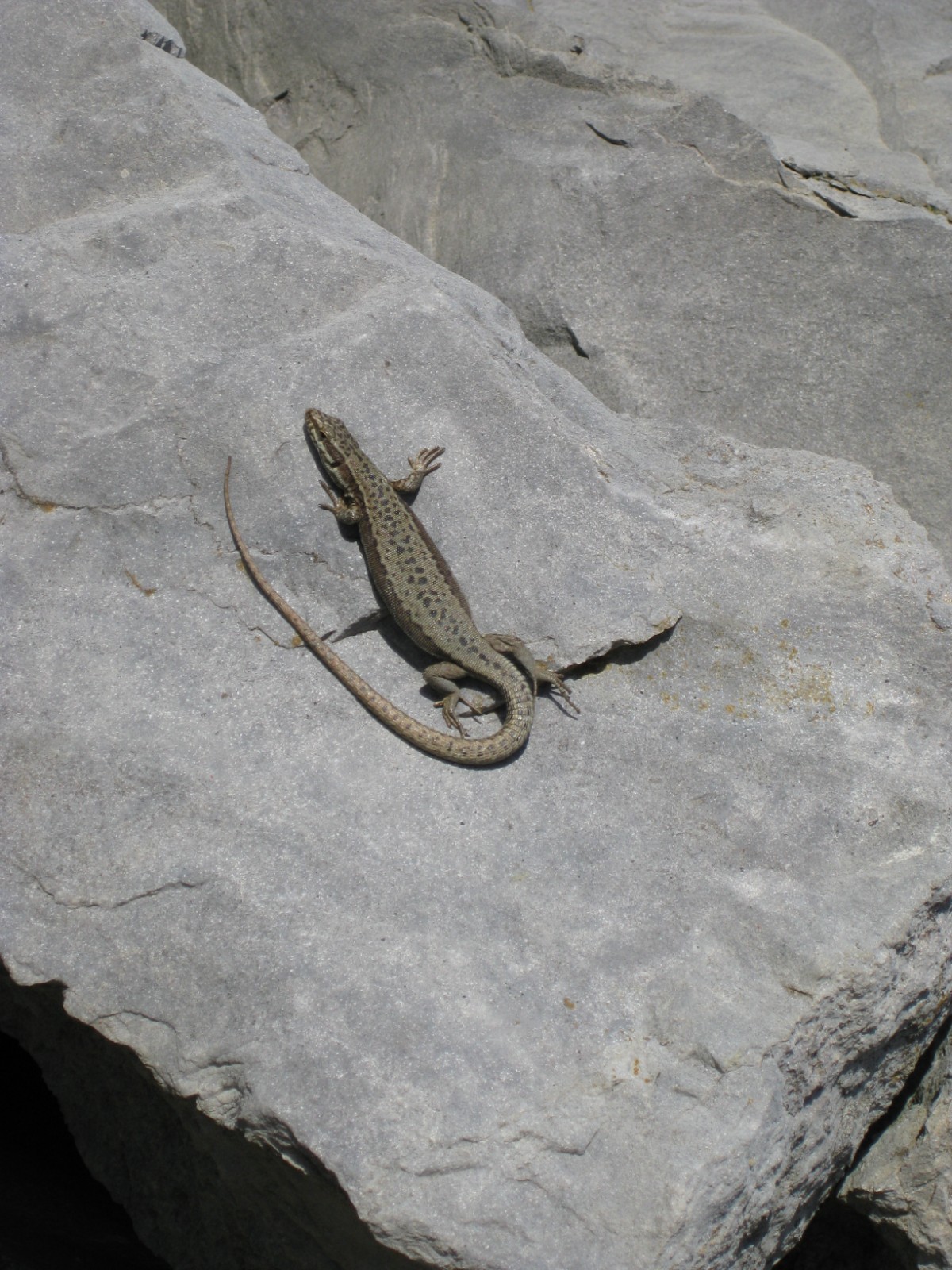
This was the lac de Montbel at the very end of last week.We enjoyed the views.  The cows enjoyed the views.Though this mother preferred to keep her calf safe at her side.Dozens of lizards sunbathed on the newly warmed rocks.  Here’s one.And here’s some sloe blossom.  I’ll be back in the Autumn for the mouth-puckeringly sour fruits  to make sloe gin or vodka.There’s only one problem.  The warm weather has brought out all the biting insects.  They soon found me.

A Walk with the Pine Processionary Caterpillars

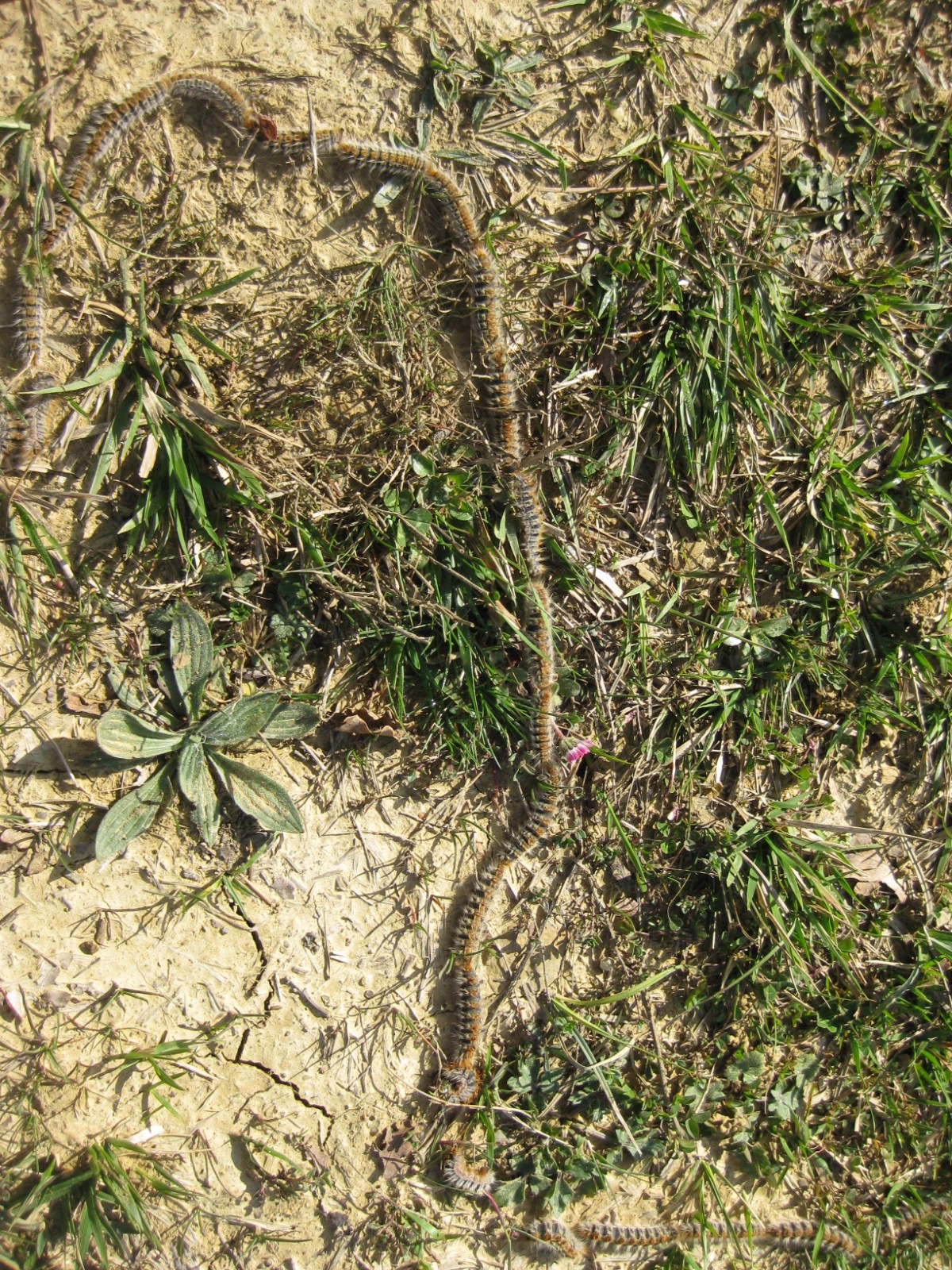
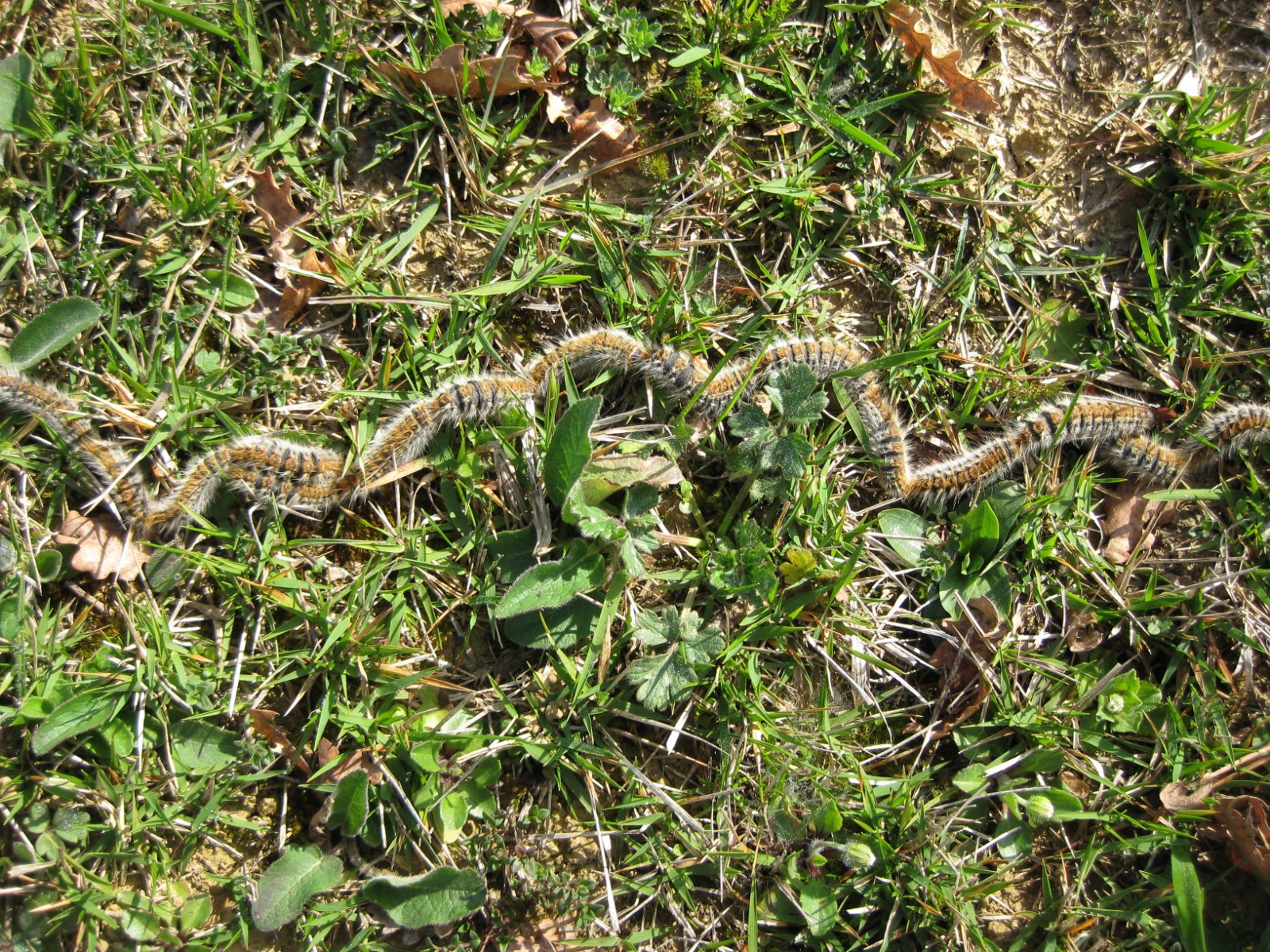
Out for a walk yesterday, we met about 600 caterpillars, also out for a walk.  Pine processionary caterpillars.  They’re extraordinary creatures, brown and hairy, that travel in long undulating lines, head to tail, looking for sandy earth to burrow into.  We saw 2 processions in as many minutes, each more than 6 metres long. It’s quite an impressive sight, and at first glance, looks exactly like a long, thin, sinuous snake.

A caterpillar that somehow becomes isolated from the one in front writhes about in agitation until it manages to absorb itself into the group again.  Something about these dependent creatures reminds me of those tragic World War One pictures of blinded soldiers advancing unsurely forward by hanging onto the shoulders of the man in front.

Don’t be seduced into thinking they’re rather sweet though.  They’re a real danger, especially if you’re a curious small child or dog.  When humans and our pets come into contact with the barbed and easily shed hairs, they can suffer reactions ranging from mild inflammation and irritation to severe anaphylactic shock.  Some victims have even died.

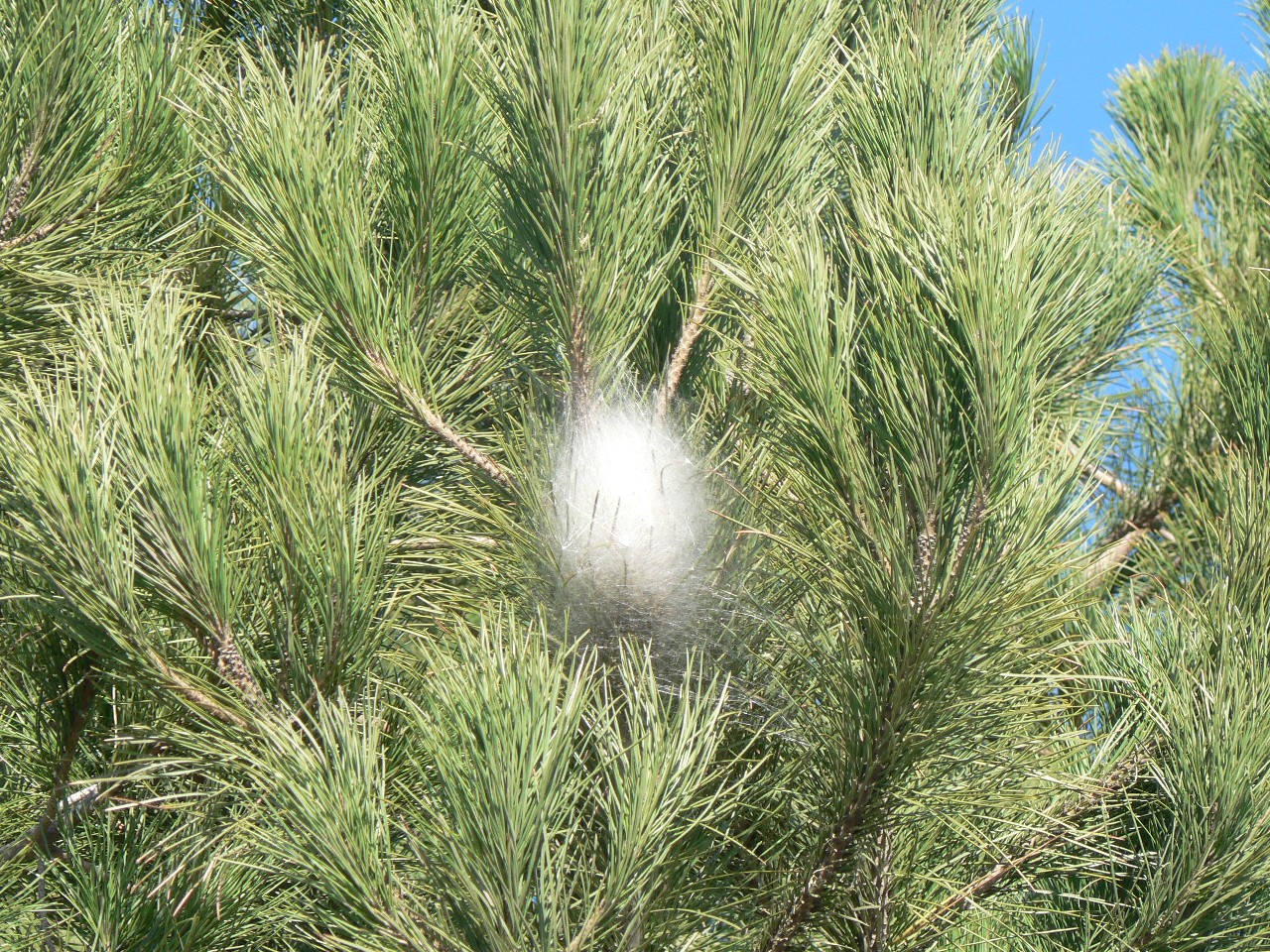
If you’ve ever walked in the countryside here, you’ve almost certainly seen them, even if you’ve never come across a procession.  Those candy-floss balls of delicate spun silk in so many pine trees round here are their nests and their original home as they developed from eggs to caterpillars.

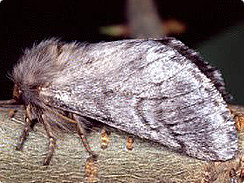
When they grow up, they’ll be harmless and rather dull moths.  You probably won’t even notice them.

Greenfinch Day

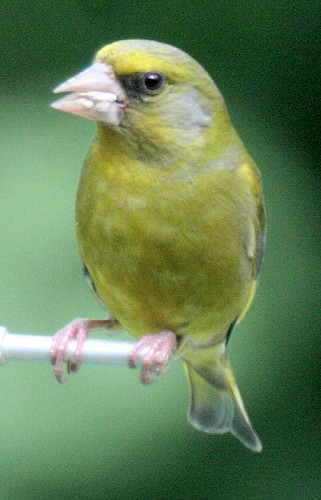
Female greenfinch

Two years ago, on Valentine’s Day, we had friends over to lunch.  We spent much of the meal glued to the sight of a huge flock of greenfinch which had suddenly, and seemingly out of nowhere, descended to the garden, and specifically the bird table.  It was food they were after, and they swooped, squabbled, jostled for position, selected seeds, came back for more, and generally monopolised the garden to the astonishment of the regular tits, wagtails, blackbirds, sparrows and robin.

On 15th February, we got up, eager for a repeat performance.  But they’d gone.  And they never came back.

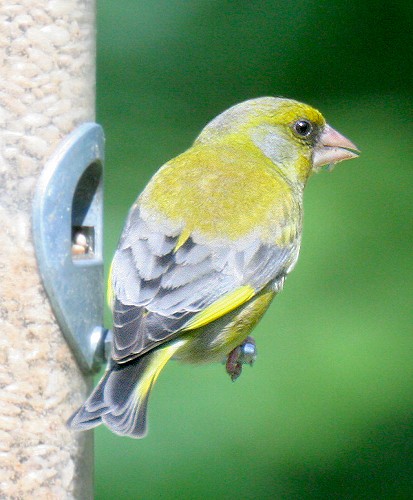
Male greenfinch

Until today.

We only realised they were here when over breakfast we heard ‘Bang!’ followed by ‘Bang!’ against the window.  Two finches, one after the other, had hurtled – hard -against the glass, and we found them lying inert on the ground.  We tiptoed round, knowing we had to leave them be, and hoped for the best.  After ten minutes, one of them suddenly shook her head in surprise, ruffled her feathers, and flew off.  The other never recovered.

The other greenfinches didn’t seem to care.  All day they’ve been wheeling around, careering from sunflower seed feeder to peanut net, to grain dispenser, always feeding, feeding, dropping discarded shells and tiny crumbs onto the ground beneath, where all the birds, whether finches or regular residents, continued to scavenge all day.

I wonder if they’ll be there tomorrow?

Feeding time

Urban wildlife

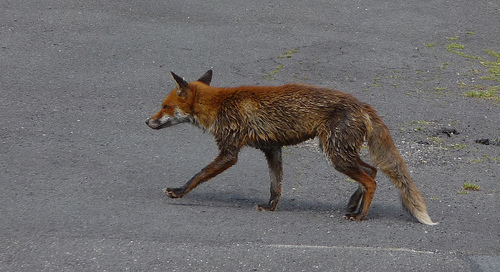
When we left Laroque for Christmas and New Year in London and Harrogate, we thought we’d left most wildlife behind too.  Not so.  It seems as if wherever you are in South London, you’re only yards from a fox’s lair. Tom and Sarah refused to share our excitement at seeing so many.  ‘They’re on the station every night when we come home from work’, they yawned. ‘They’re quite mangy anyway’.  We didn’t think so.  We loved to see them trotting spiritedly along the street once darkness  had fallen, sniffing round the dustbins for Christmas turkey.

Back in Harrogate, the birds we thought would have abandoned our garden, now we aren’t there to feed them regularly, have quite simply moved in.  Chaffinches hunt for seed, blackbirds tug at worms, and all of them relish the garden pond for regular bathing sessions in the all-but-frozen water.  They’re obviously glad we’ve not been there to disturb them

On the day before Christmas, my true love showed to me….

…1 flying heron..2 bright kingfishers3 Christmas robins4 mighty buzzards5 shy pied wagtails6 cheeky sparrows7 busy nuthatches8 chaffinches feeding9 active coal tits10 cheery redstarts11 hungry blue tits…..and 12 busy birds round our birdfeederHappy Christmas, everyone.

I chose these birds because, apart from the nuthatch, they can all be seen from the house.  In fact the heron cruises past down onto the river to feed once, maybe twice, every day.  We still get quite excited every time it happens.

But in most cases, not so very different from England, eh?

A Hummingbird Hawkmoth Calls

This morning, we were busy in the courtyard. The final tomatoes needed harvesting, and the woodstore needed to be tidied and sorted for that all-important wood delivery before the cold weather sets in.

How can you concentrate though, when something as beautiful, as busy, and as graceful spends the morning hovering over your sage plants?

My camera wasn’t up to the job of recording those wings in constant fevered motion, so this image comes to you thanks to the BBC