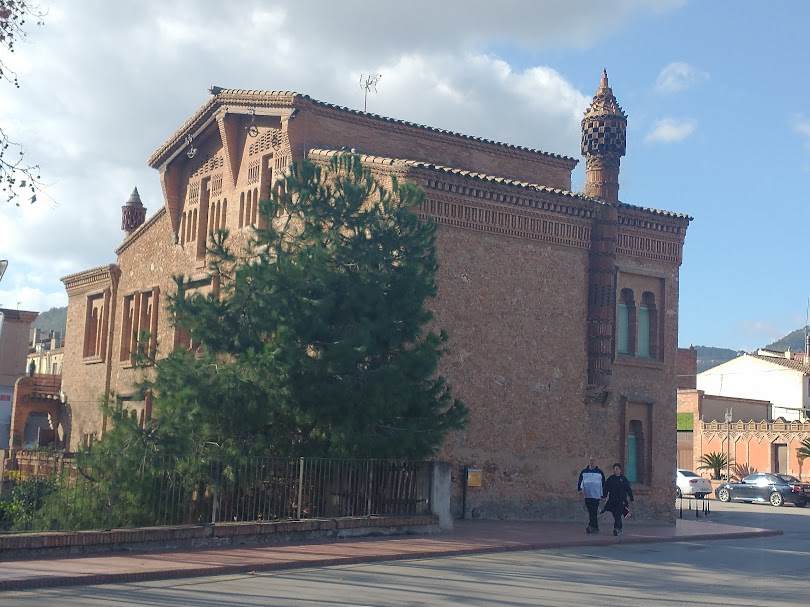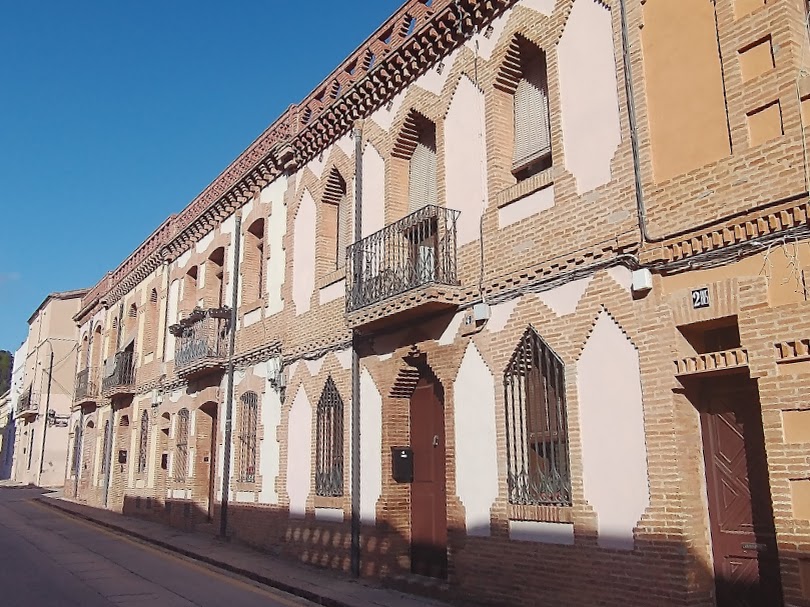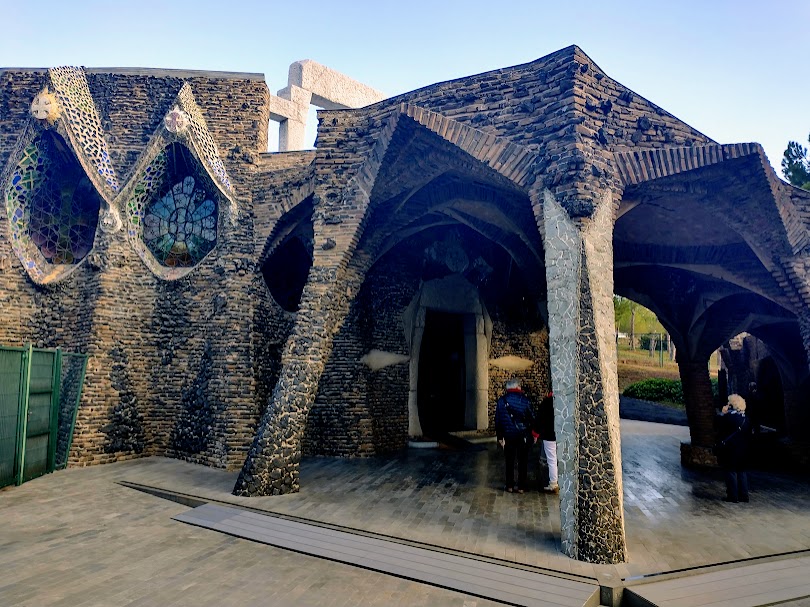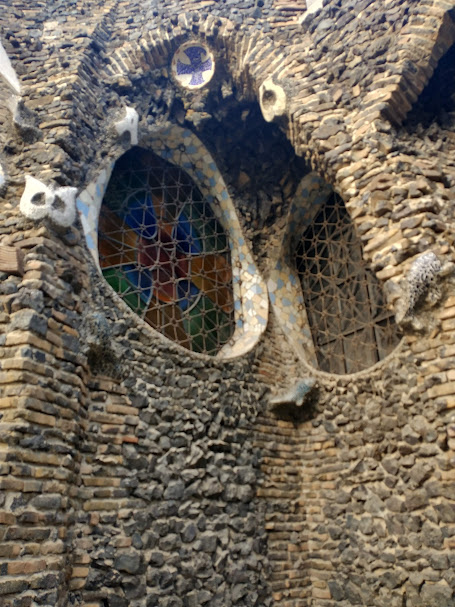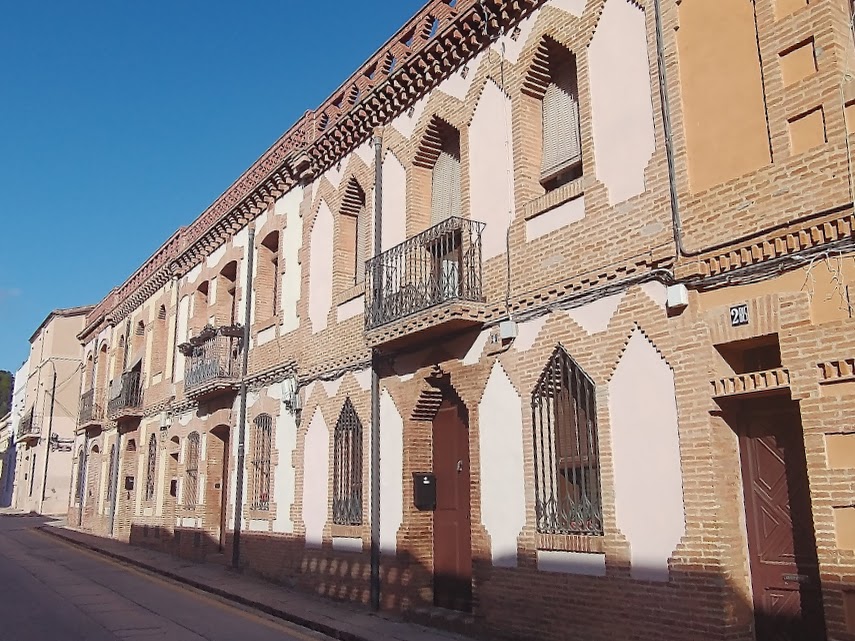
You’ve ‘Done’ Barcelona. Now What? Part 4: Colonia Güell 

Most of us living in Britain know something about the model villages built by philanthropic industrialists in the 19th century. With the advent of the Industrial Revolution, workers poured in from the countryside to a filthy urban environment. They found, alongside work for long hours in the newly-established factories, hastily built, crowded, poor quality housing with no facilities.

Some philanthropic factory owners decided to do things differently. Robert Owen built New Lanark for his miners. Titus Salt built Saltaire near Bradford for his textile workers. William Lever, 1st Viscount Leverhulme built Port Sunlight for his soap workers. And so on. All these communities offered decent, usually terraced housing with a small amount of outside space. There was a shop, a school, an institute for adult learners, a health-care facility of some kind, certainly a church. There was not however, a pub, or anywhere where alcohol was sold. Workers at the time often drowned out the reality of their miserable lives by drinking, and those philanthropists wanted a different life for their workers, whether they liked it or not.

So we were interested to visit Colonia Güell when we found out about it. It’s a similar set up in a manufacturing area, Santa Coloma de Cervelló, just outside Barcelona. Spain’s industrial revolution came later than ours: but in 1890, industrialist Eusebio Güell realised that if he wanted to attract workers from Barcelona to the factory he was building on his country estate – an essentially rural area – he would have to provide housing. And like his British counterparts, he wanted to do The Right Thing. 
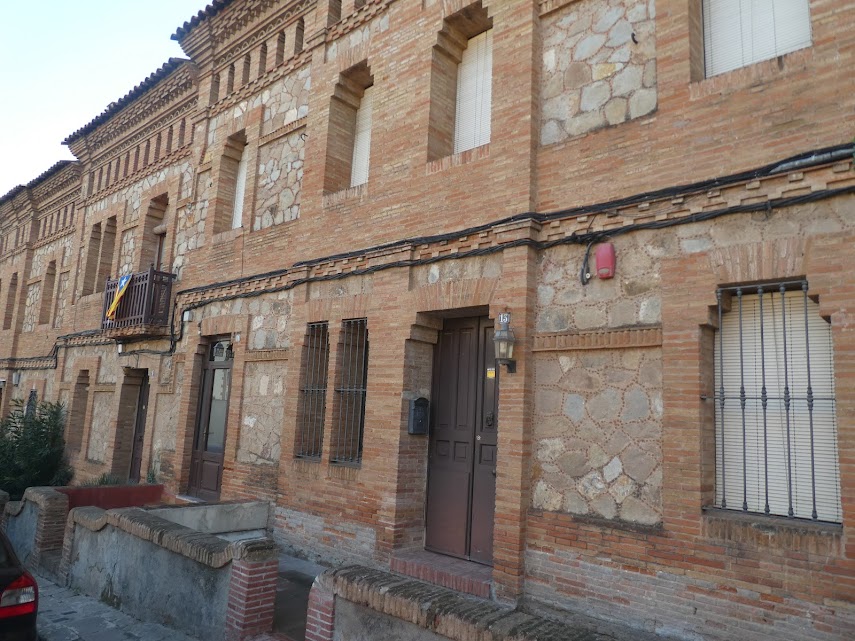
Eusebio Güell didn’t just want to have any old housing. He sought out the best architects of the day, disciples of the Modernista movement: the ideas behind Art Nouveau found particularly vibrant expression in Catalonia. More details here.

He provided decent housing for both workers and professionals in spacious streets, the factory itself of course, a theatre, a doctor’s surgery, a school. The school however was for boys only. In many ways it was progressive, teaching foreign languages as well as the three Rs. But girls had to make do with being taught embroidery and other manual skills that would make them dextrous with machinery when they went to work later on. Nuns at the convent taught them, and also provided a nursery so that mothers could return to work soon after they had given birth. 
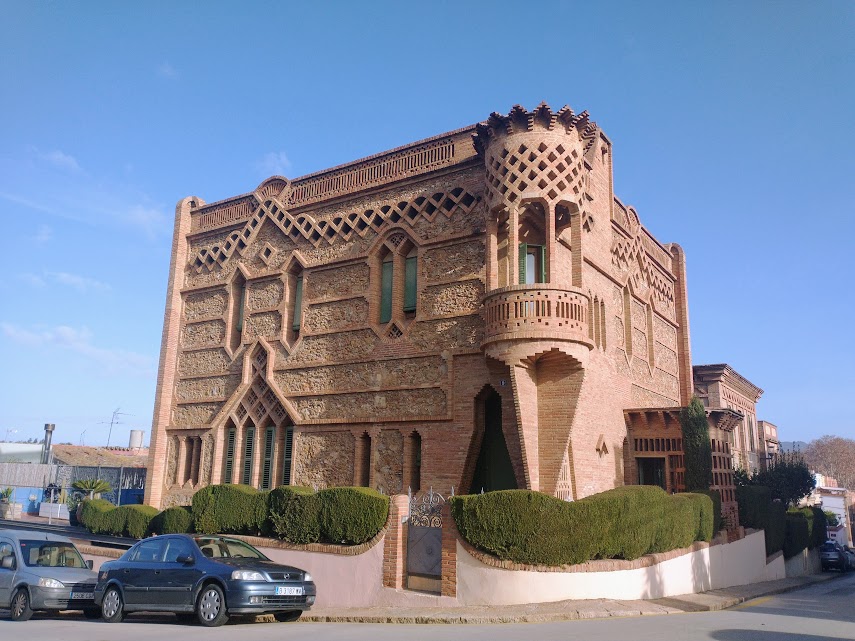
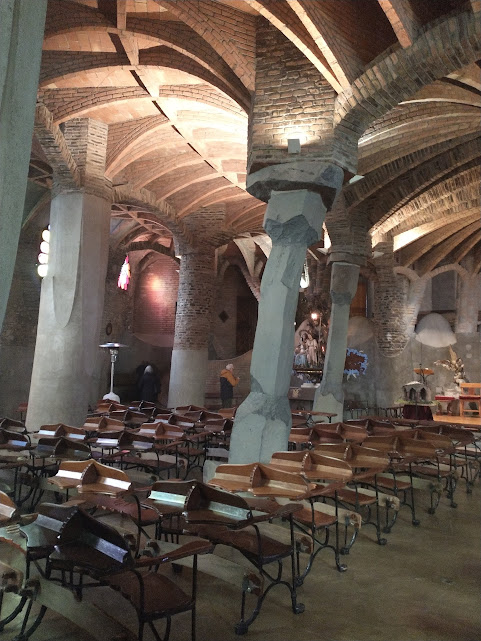
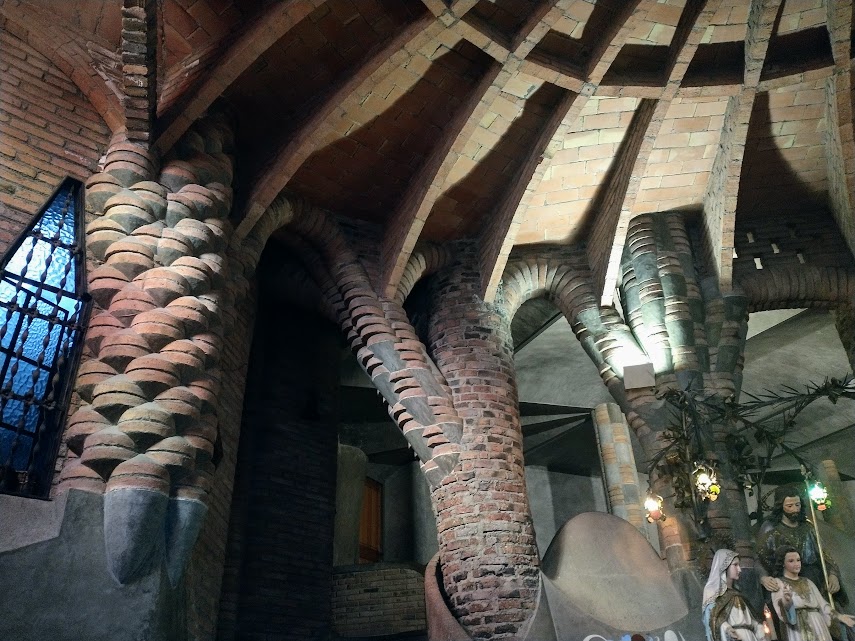
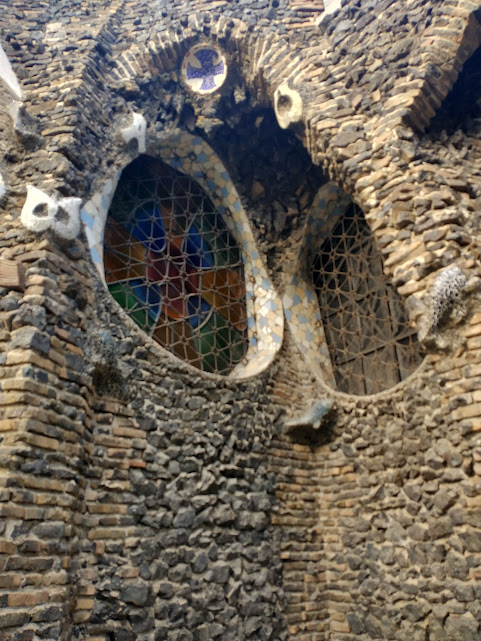
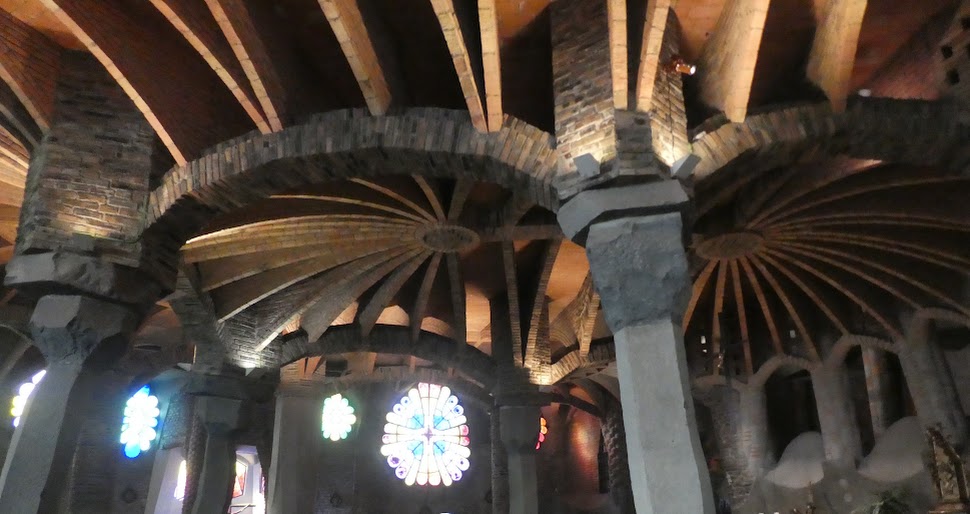
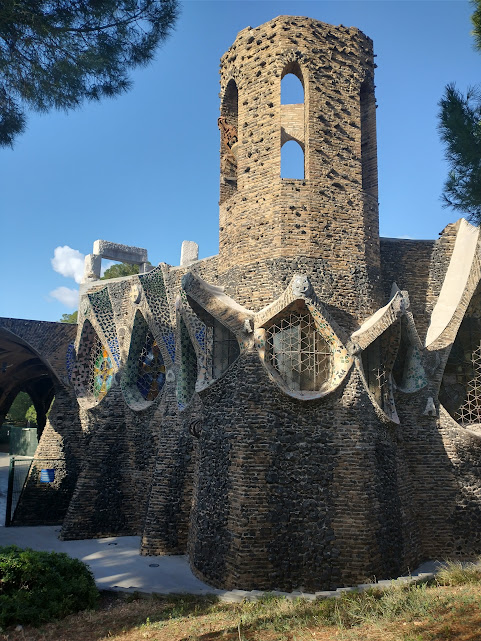
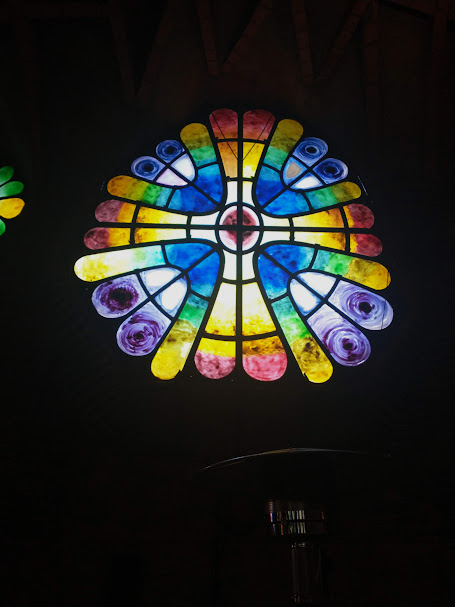
Of course there was a church. And in 1898 Eusebio Güell commissioned the young Antonio Gaudí  to design and build it.  Had it been finished, this church would have been as ambitious a project as Gaudí ‘s still not quite finished Sagrada Familia. Two naves, lower and upper! Towers! A central 40 foot dome!

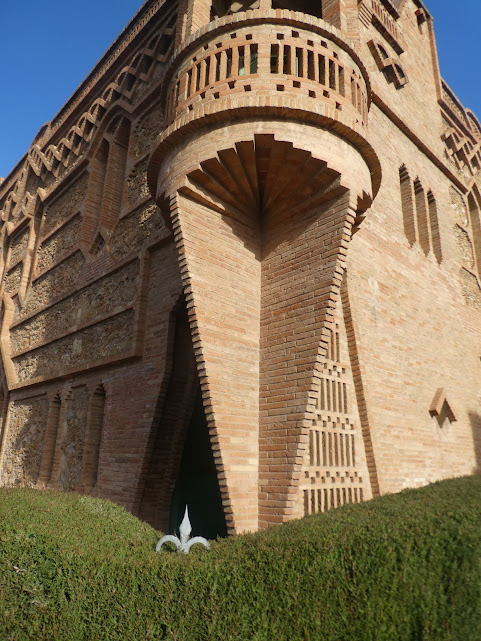
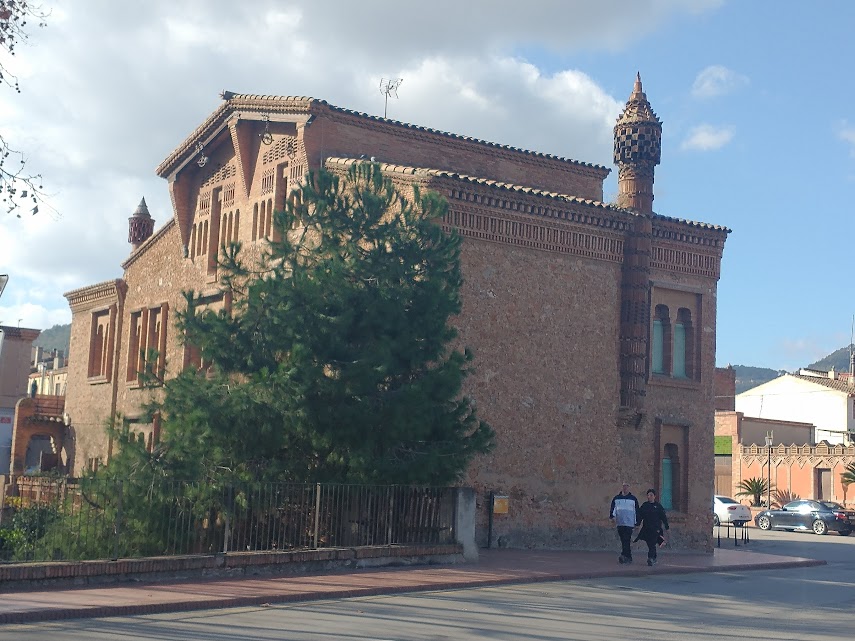
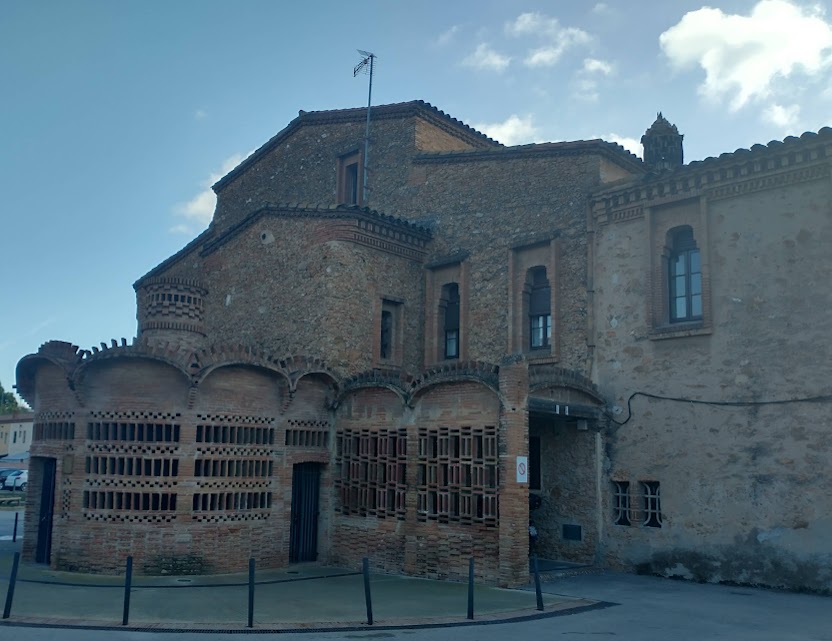
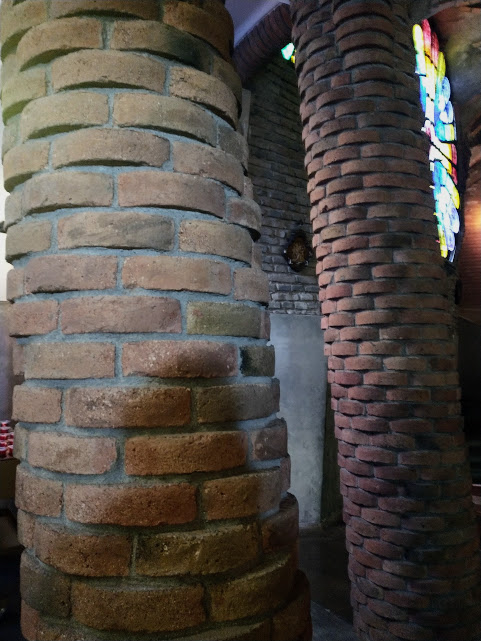
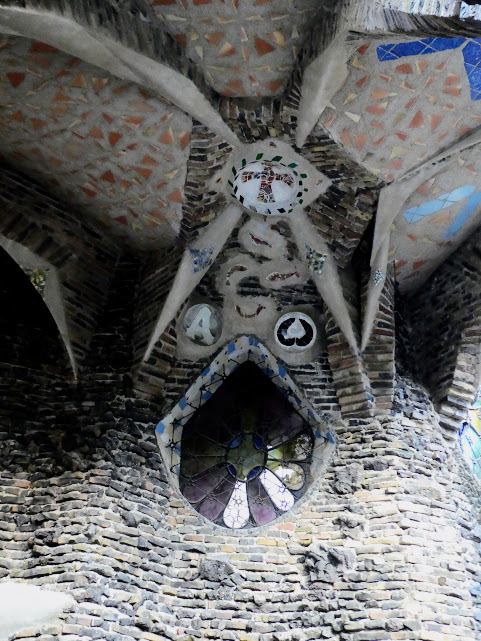
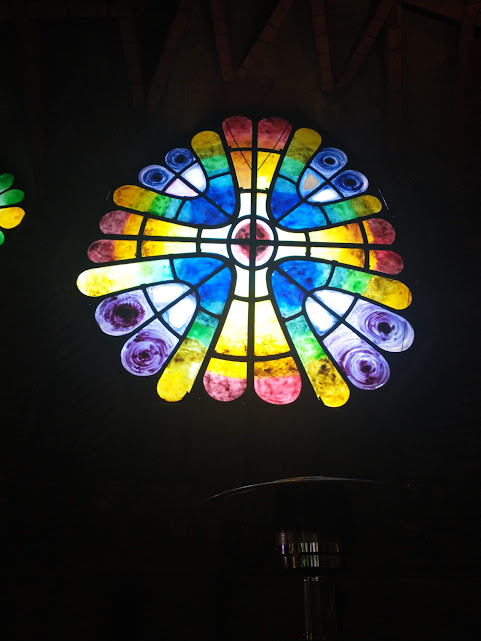
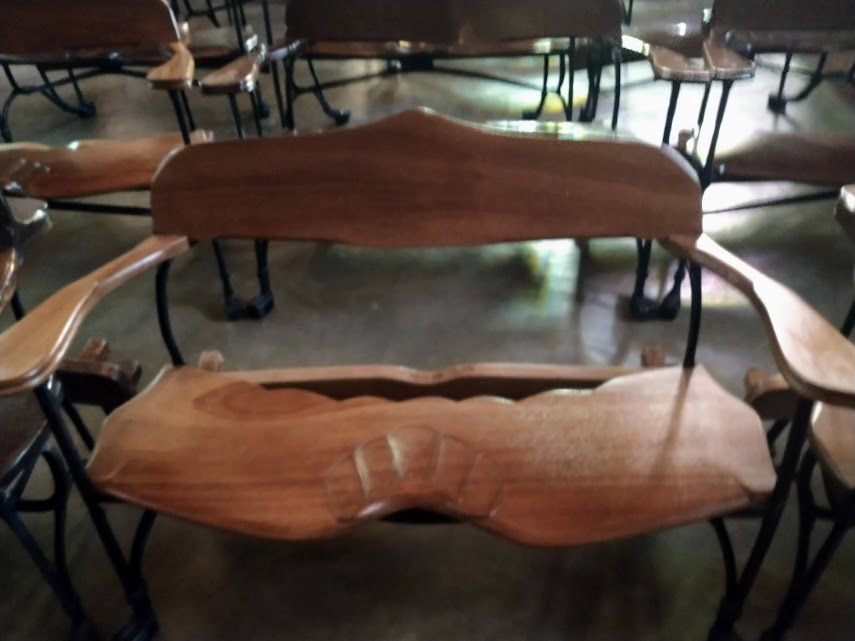
The building was begun, but in 1914 the Güell family decided to stop funding the project and Gaudí  turned his back on it with only the lower nave completed, now known as the crypt. It was consecrated in 1915. I found it difficult to photograph, but here is a miscellany of shots from the inside and outside of an astonishing building.
During the Spanish Civil War, the mill was collectivised and run by its workers. After the war it was sold back to the Güell family, who sold it on again. Its days were numbered. The textile industry in Europe was collapsing and the factory ceased production in 1973. The factory itself was sold off piecemeal, and the houses to their residents. The settlement was in danger of losing its identity. But in 1990 the Colonia Güell was declared a ‘Heritage of Cultural Interest’ by the Spanish government and the protection of some of its most relevant buildings was established. Nowadays it’s an ordinary working community with an extraordinary history.

We enjoyed walking round and exploring. Sadly, we couldn’t see the factory. On Sunday its current many and various component businesses are shut, the gate to the site barred.

It’s not the easiest place to reach from Barcelona without a car, and as these things are apt to change, I won’t include public transport options. But we’re so glad to have visited, and will go again.
Warm Barcelona

I haven’t done the Lens Artist Challenge for weeks, what with the busyness of being a granny to the latest granddaughter near Barcelona. But this week, Egidio proposes Warm Colours.

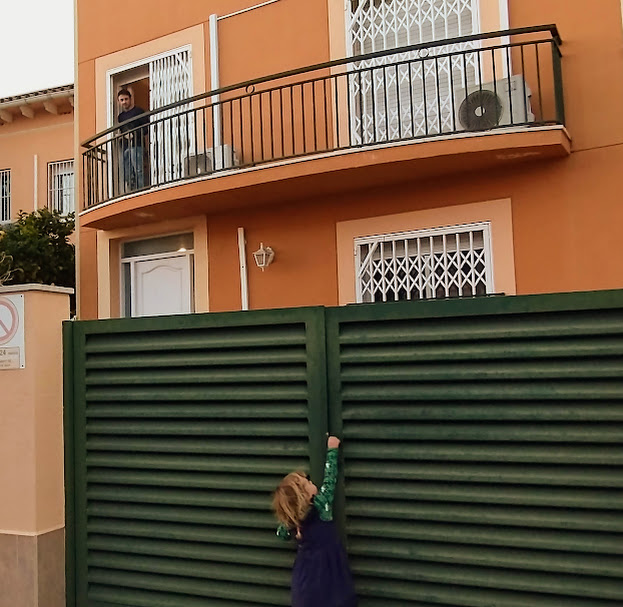
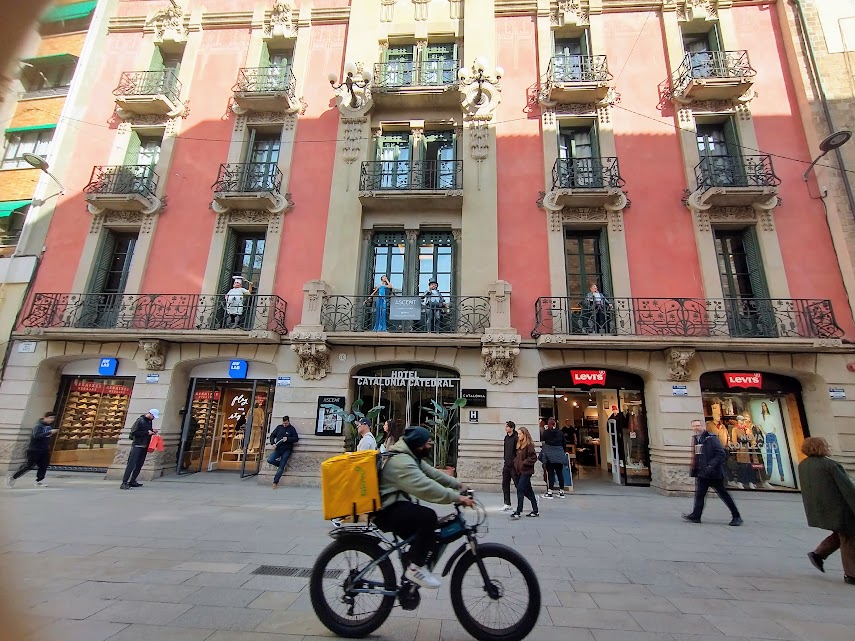
Well, Barcelona is warm at the moment. Here is a photo I snatched on 26th January – January! – of a young girl perfectly adequately dressed for the season.

And of course the weather is not what this challenge is necessarily about. But maybe a bit of fun played out against a hotel wall painted a vibrant shade of coral, on a balmy winter’s day, will not be too much of a cop-out.

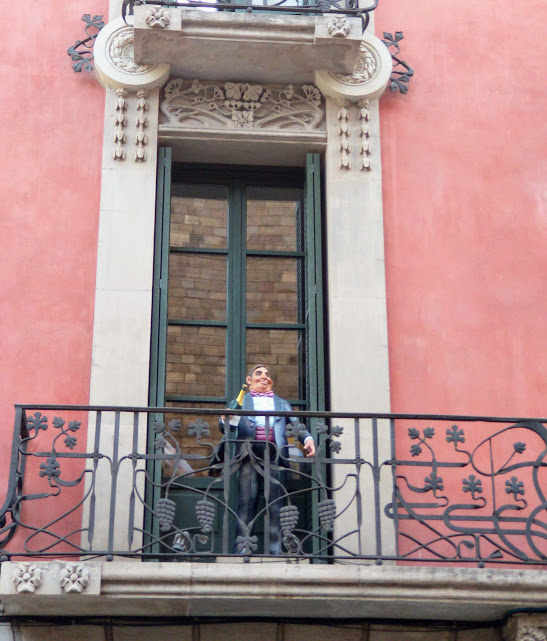
Here are vignettes of three snippets of lives lived on the balcony of Hotel Catalonia Catedral, near – of course – the cathedral in Barcelona.

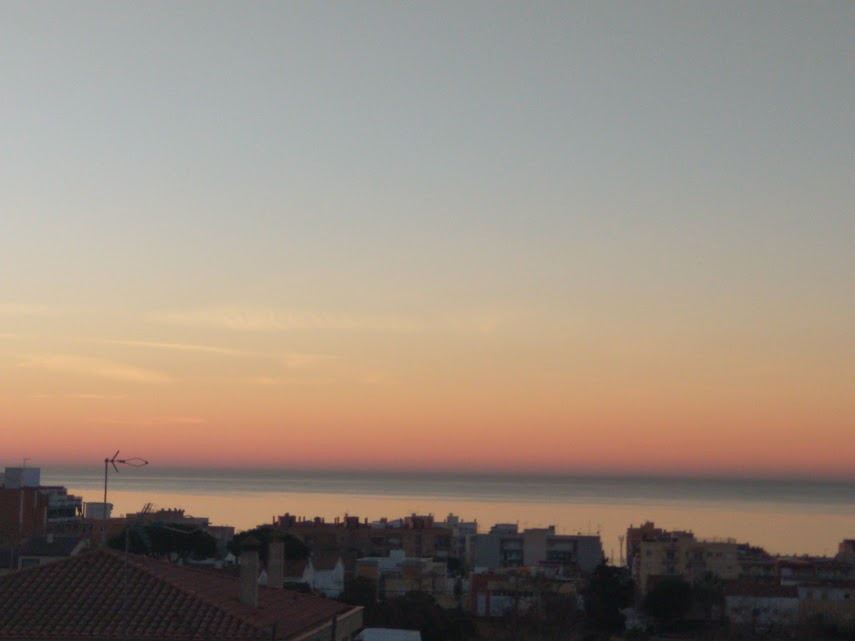
And here is a scene from our bedroom, taken at the beginning – or the end – of the day. Which? Only you can decide.

Lens Artist Challenge #285: Warm Colours

Monday Portraits: Sundry Gulls

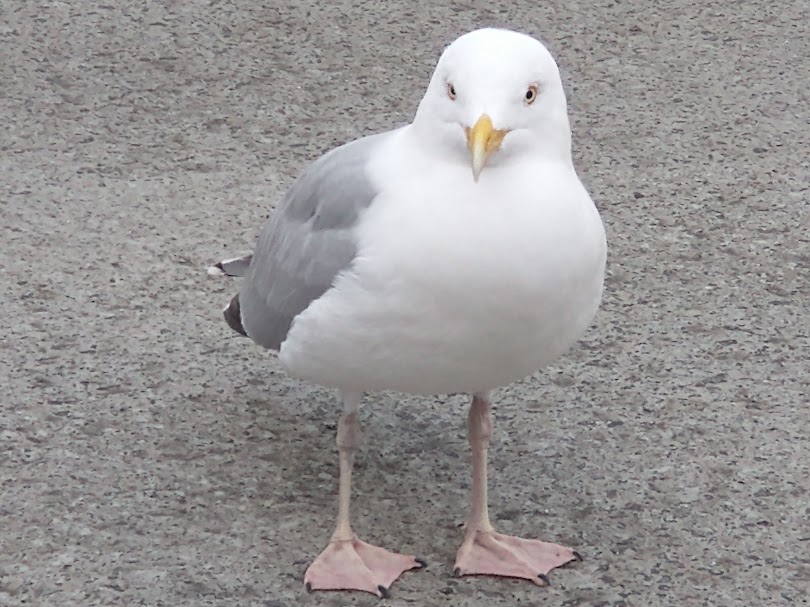
The featured image is of a herring gull who paraded obstreperously outside our car – only our car – as we waited to board the ferry at Dover. It was elevenses time-ish, but we displayed no evidence of snacking, so I don’t know what it was all about.

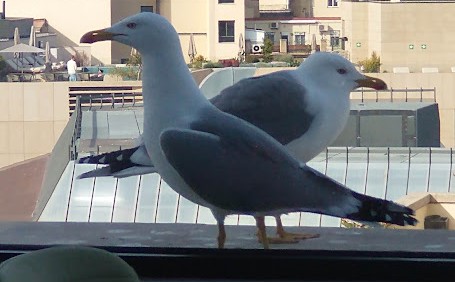
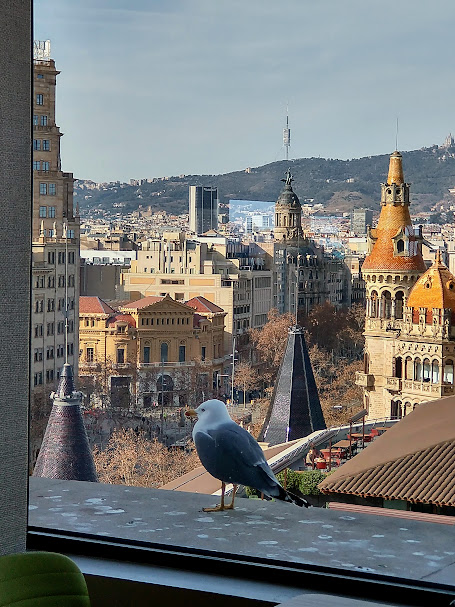
These other gulls are, according to Google Lens, yellow-legged gulls, and closely related to the herring gull. These specimens were loitering on the window ledge of the roof top café from which we were enjoying the view in the centre of Barcelona.

Thank you, everybody who identified last week’s creature as an Egyptian Grasshopper. It is good to know what this impressive creature is.

And for Bird of the Week L

In Cod We Trust – in Barcelona

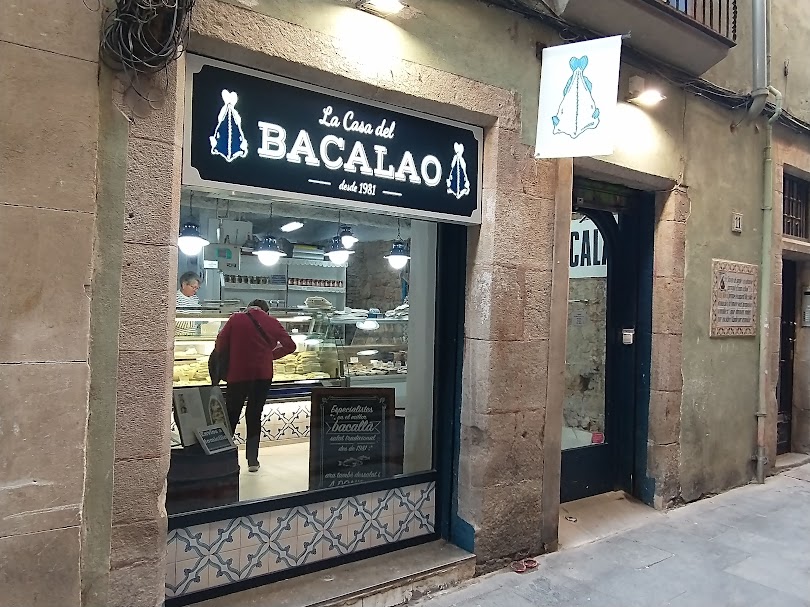
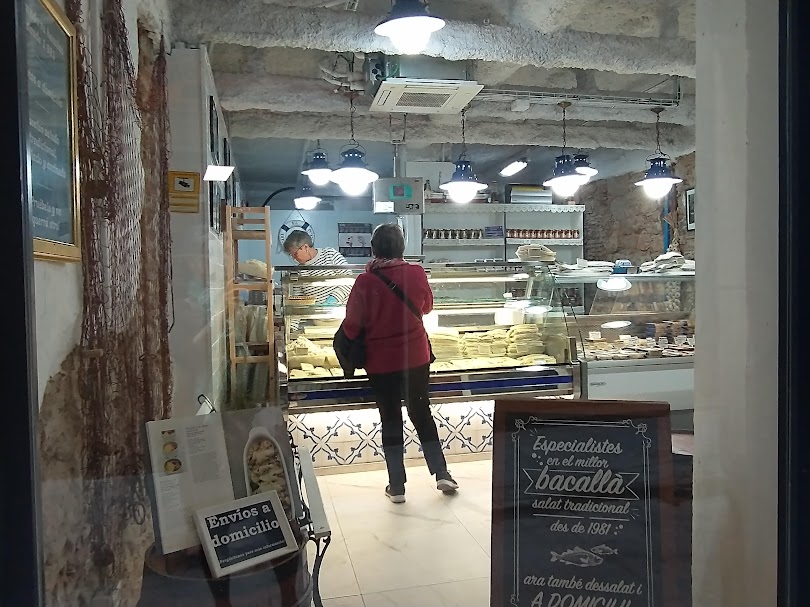
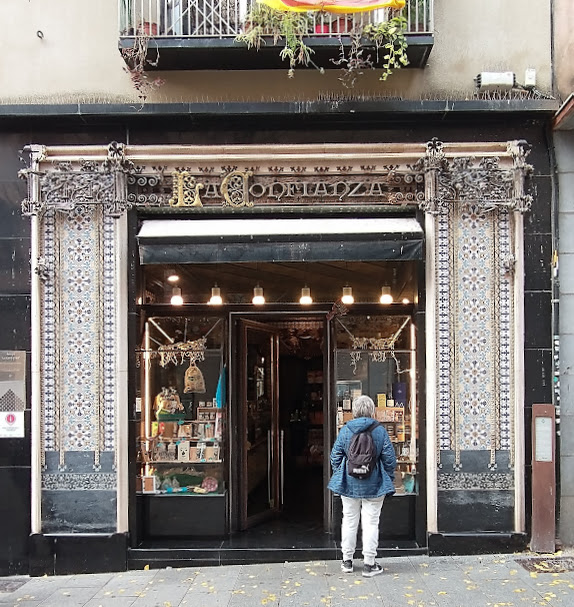
In a city centre back street in Barcelona, somewhere near Las Ramblas, we found this shop. It sells one thing only: blocks of dried salt cod: bacallà (Catalan) bacalau (Spanish). Salting and drying cod changes and deepens the flavour, and means it will keep for a very long time if necessary. Soak it to remove much of the salt and to soften it, and use in your favourite recipe!

For Debbie’s Six Word Saturday.

Monday Window Puzzle: a Brief Answer

I showed you three images on Monday.

- Yes, they're of a church.
- You should have stuck to your guns: they're the work of Antoni Gaudí.
- It's an early work of his, and unfinished.
- And it was built as the place of worship for the textile manufacturing area, just outside Barcelona, of Santa Coloma de Cervelló .
- This community is now known as Colònia Güell. It's a worker's colony that was commissioned as a model town by Count Eusebi de Güell in 1898.

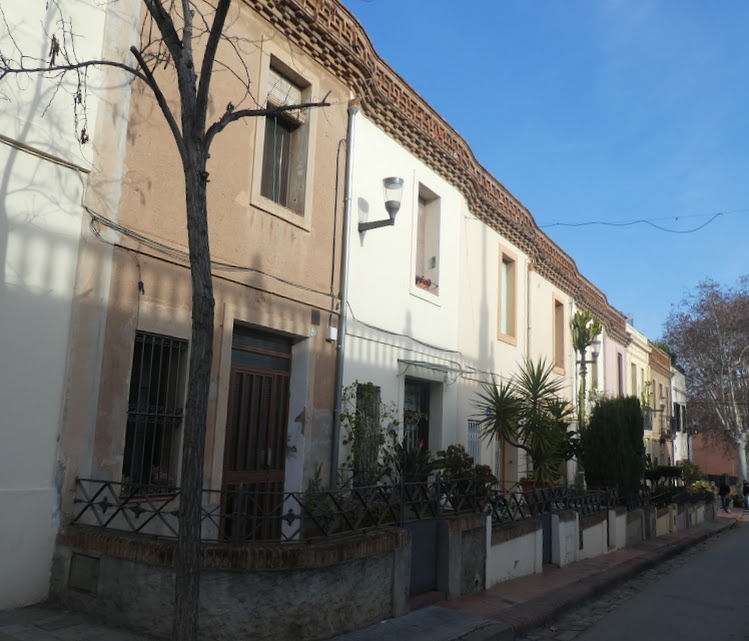
It’s a fascinating story and an interesting place. But telling it to you will have to wait till I’m back in England and have the time to do it justice. I’ll try to whet your appetite with just a few random images from the town.

A Monday Window Puzzle

I am going to set you a puzzle today. I’m showing a few teaser photos of somewhere that deserves a post of its own, but now’s not the time: that new baby, that newly-three toddler are both more important. So – what can you tell me about it? Do you know – or can you guess, what kind of building this is, who designed it, or where it is? I’ll give brief answers in a couple of days in the comments. The full story will have to wait.

For Ludwig’s Monday Window.

An Orange Walk Home from School

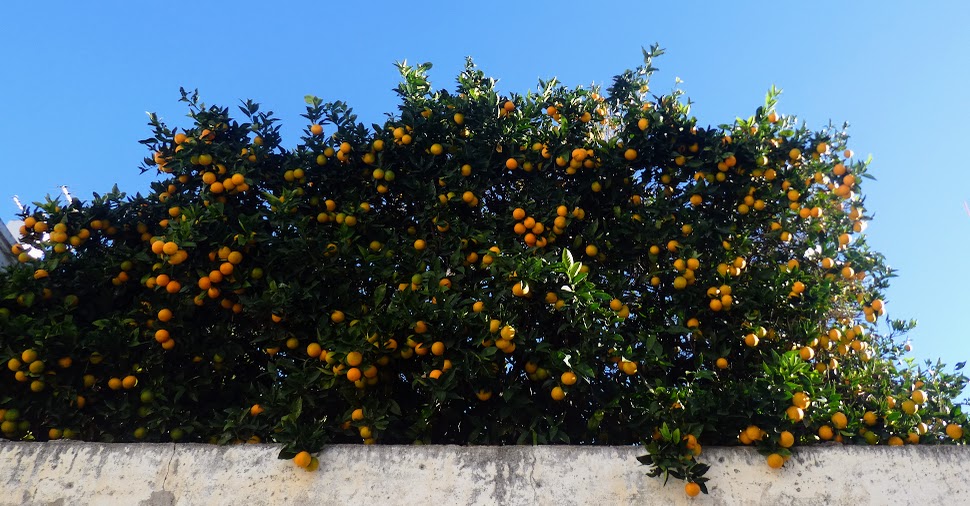
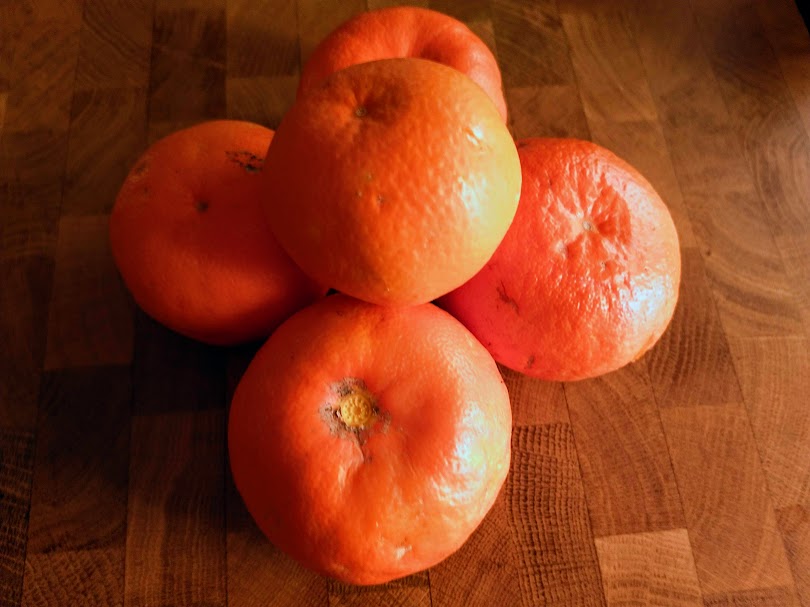
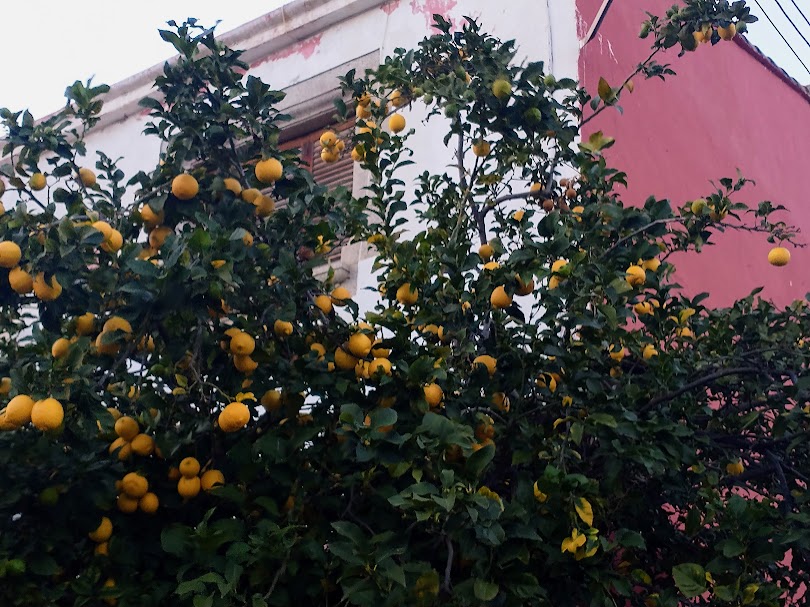
Five o’clock. Time to collect Anaïs from nursery school. Off to the shops first, walking along a street planted with Seville orange trees. The bitter fruits don’t tempt anybody to steal one for a snack. But I’m tempted by windfalls. We collect all we can find so that later, we can scrub them clean and make marmalade.

Up the hill, on the way back, here’s a street still with a few papery autumn leaves …

… and a house with a orange tree: sweet oranges this time, and ready to eat.

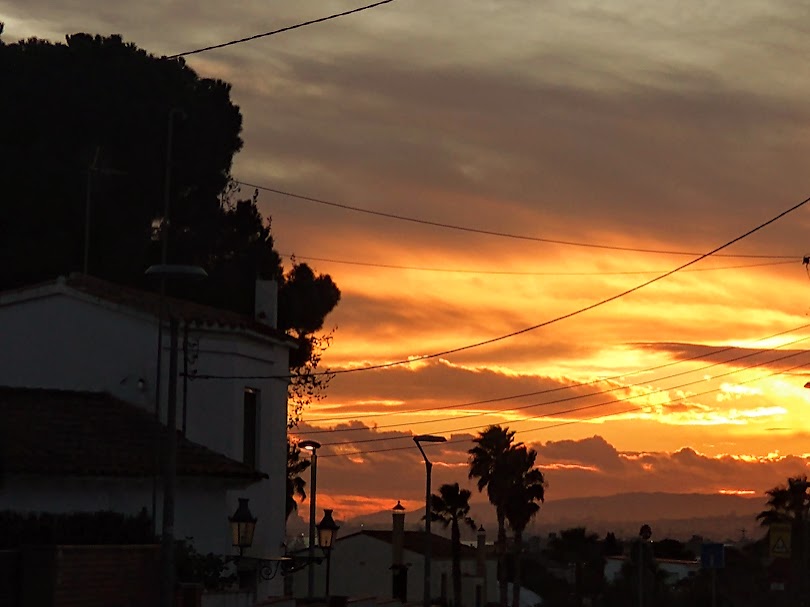
We turn left, and walk towards the sunset.

Then - finally – home at last …

For Debbie’s Six Word Saturday.

Doors in Mataró 

We’ve travelled almost the length of England, almost the length of France and through half of Catalonia to arrive in Premiá de Mar​​. It’s here that we’ve met our new granddaughter Olivia, exactly three weeks old today. And we’ve celebrated the birthday of her elder sister Anaïs, three years old on Tuesday.

Unsurprisingly, we haven’t been out and about much yet. But yesterday, Olivia, her mum, Malcolm and I ventured to Mataró, capital of the Maresme, for a little light mooching.

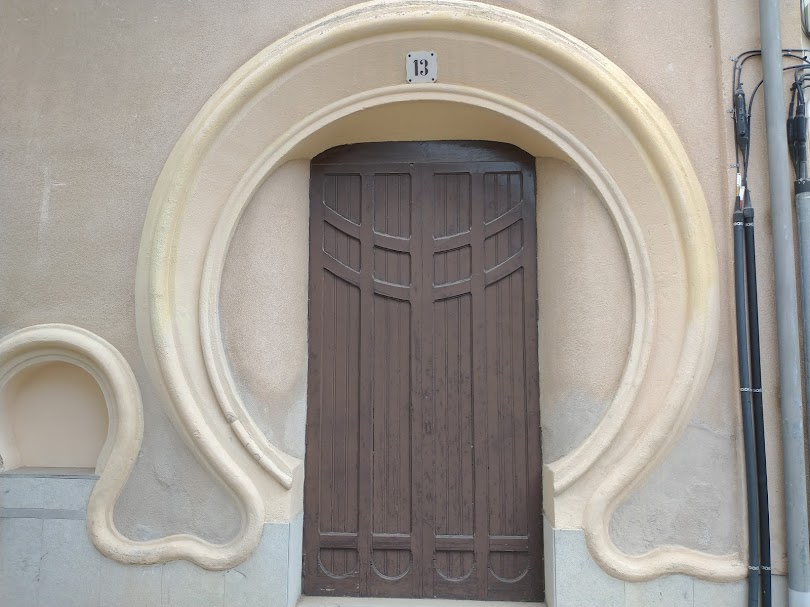
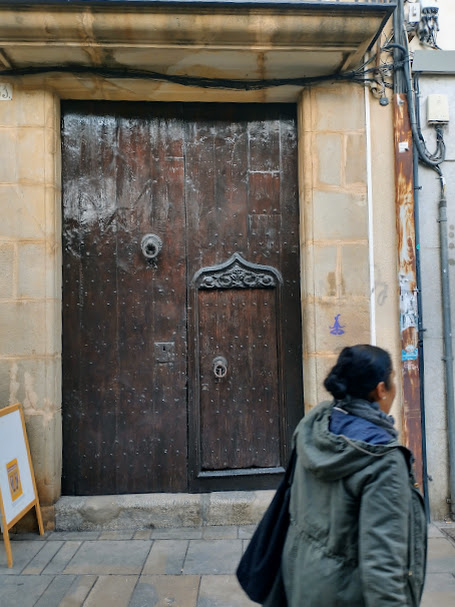
Here are two doors we mooched past.

For Dan’s Thursday Doors.