Moody Autumn

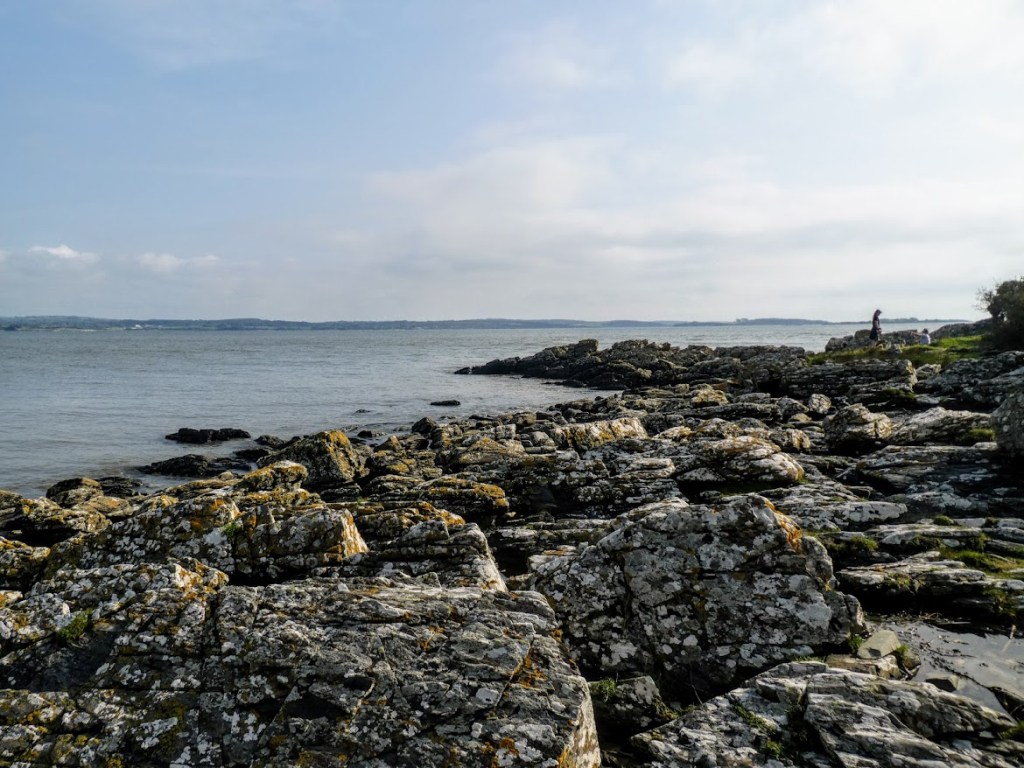
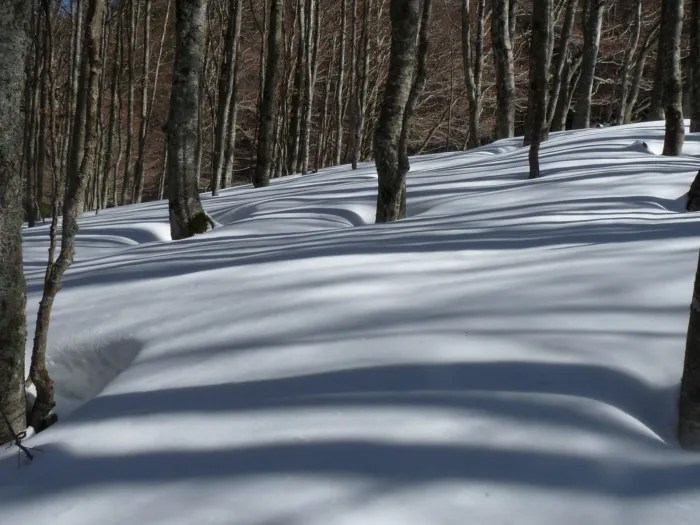
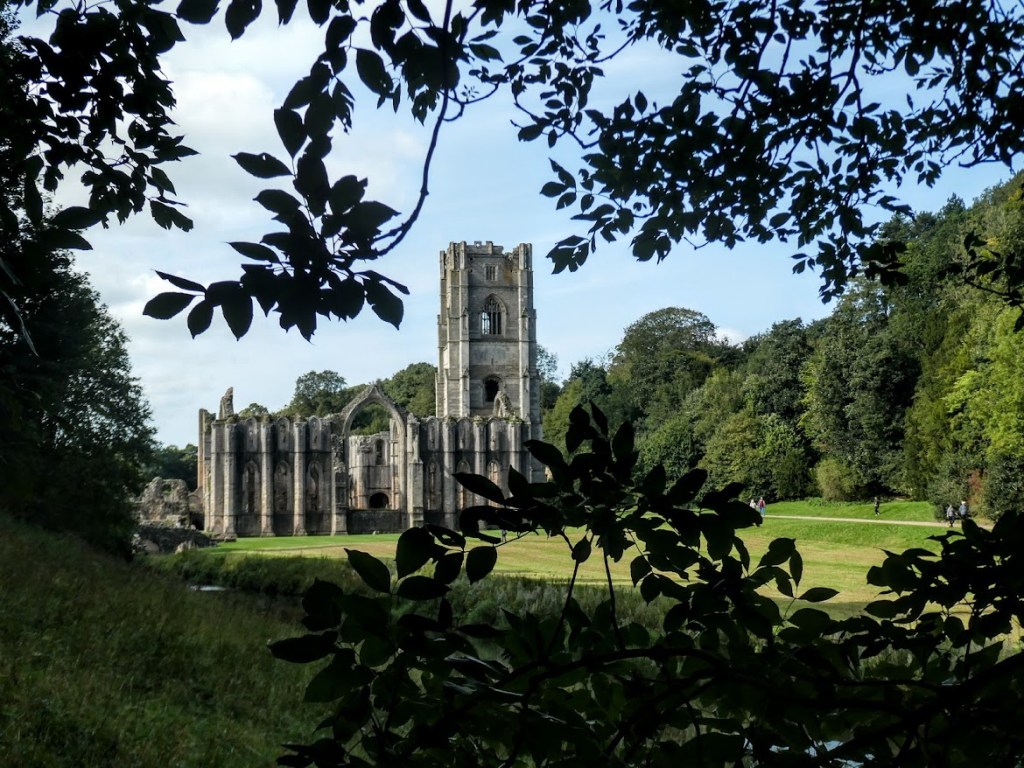
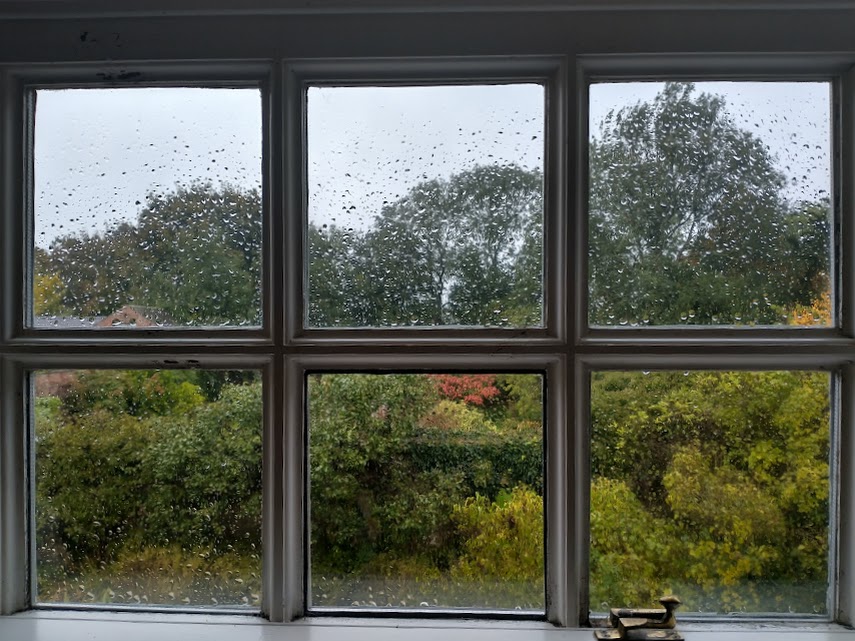
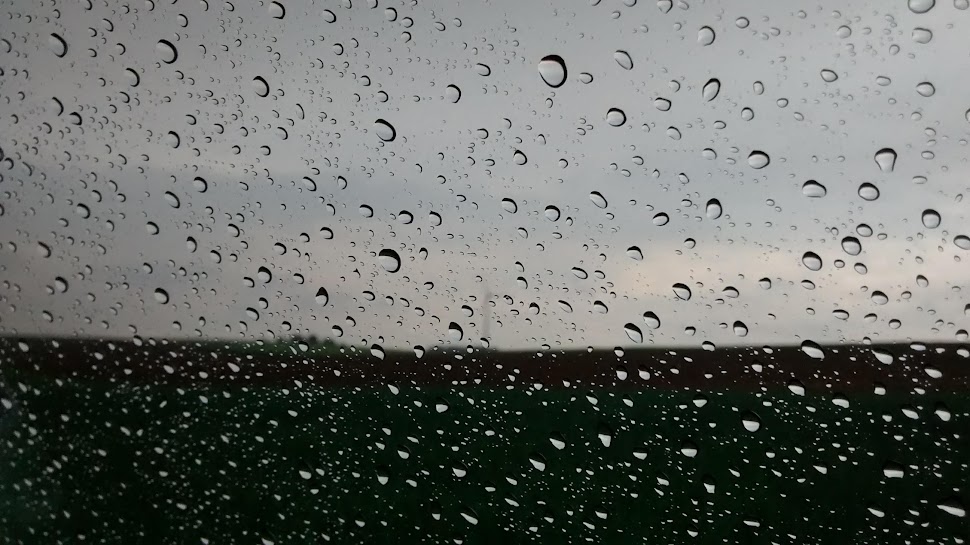
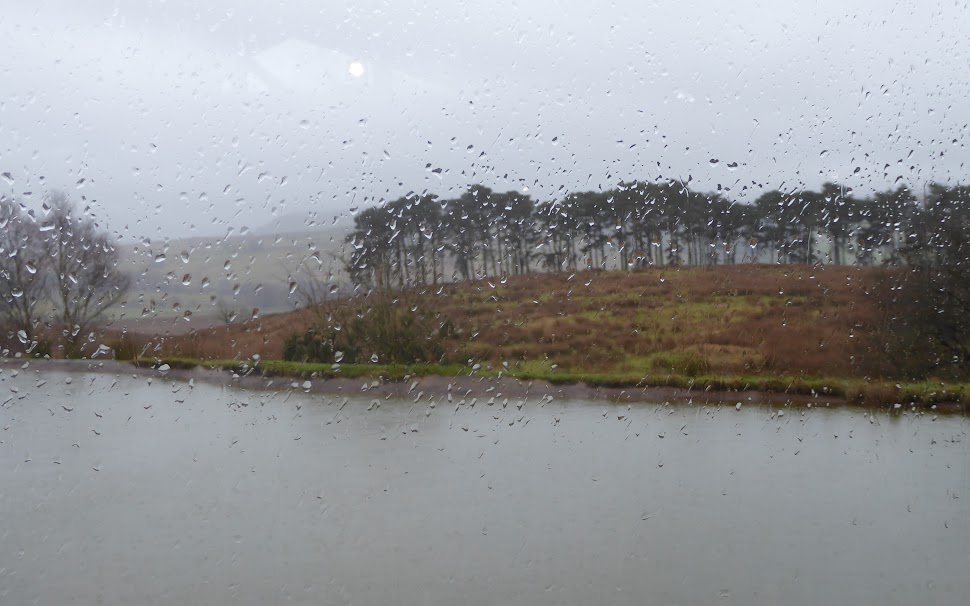
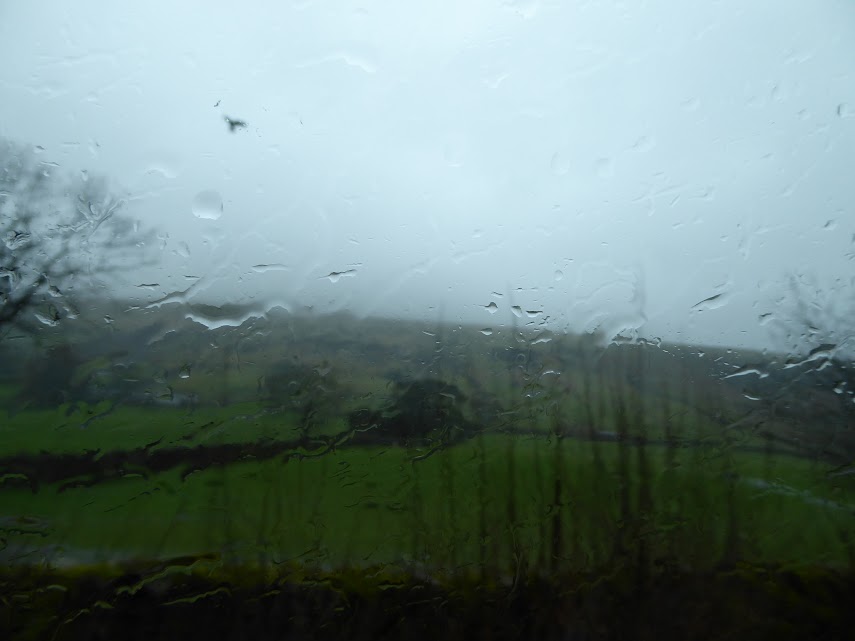
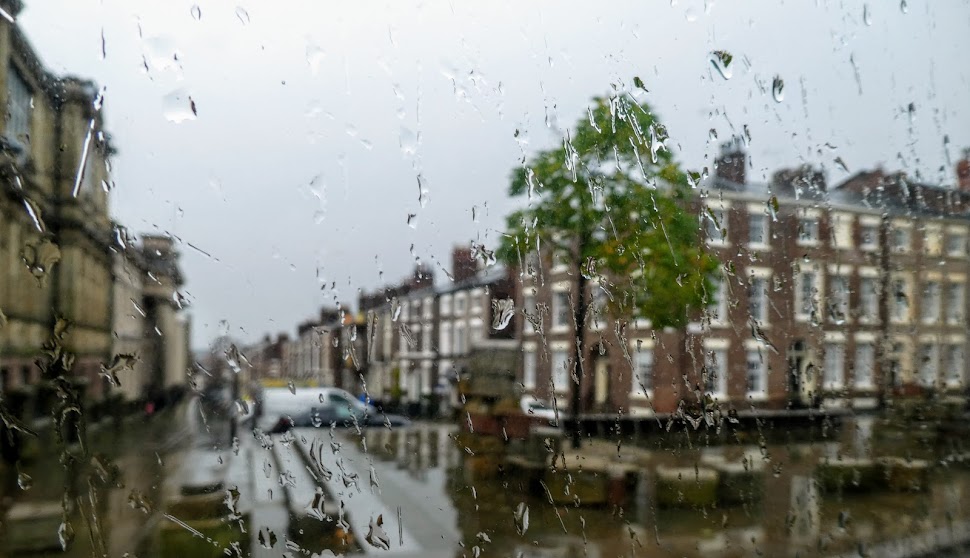
On Tuesday morning, I was quietly dreading my shift as volunteer Roaming Ranger in Studley Royal Deer Park. ‘Raining’ was an understatement. As I was driving over, the wipers sliced savagely across the windscreen, ineffectually sweeping away the rivers of rainwater cascading over the car. Signing in, we volunteers on various parts of the estate commiserated wanly with each other, and went our separate ways.

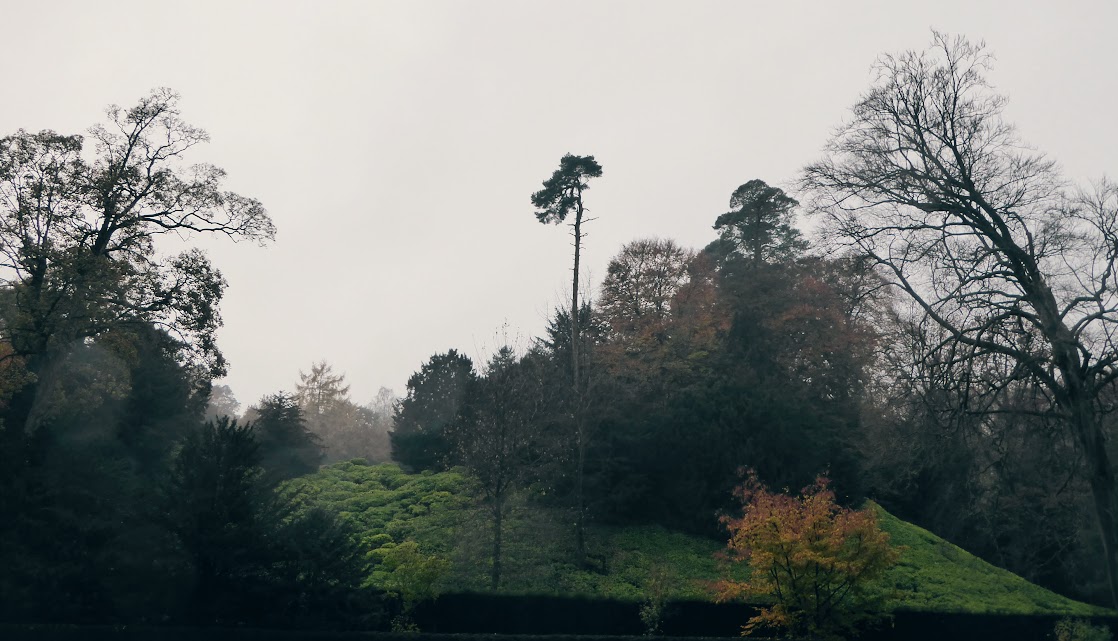
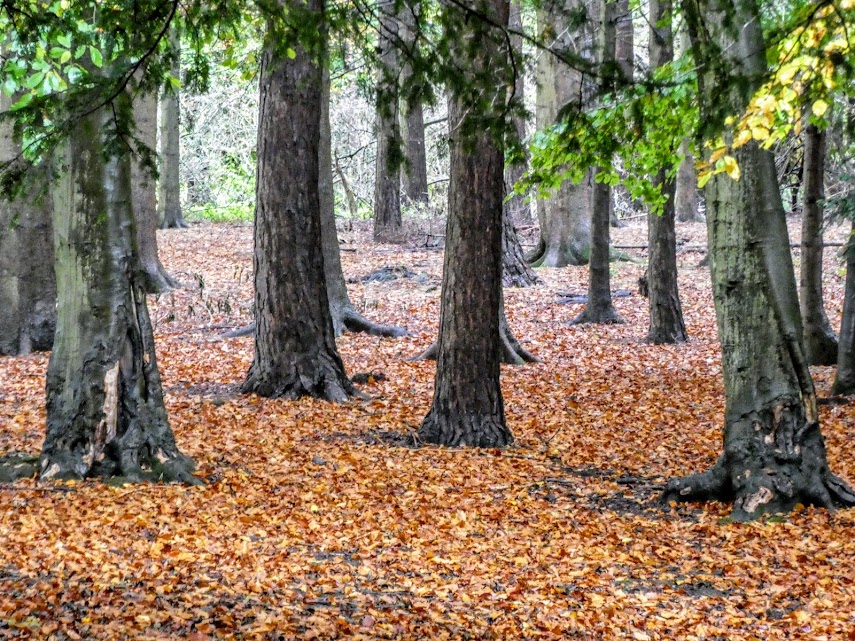
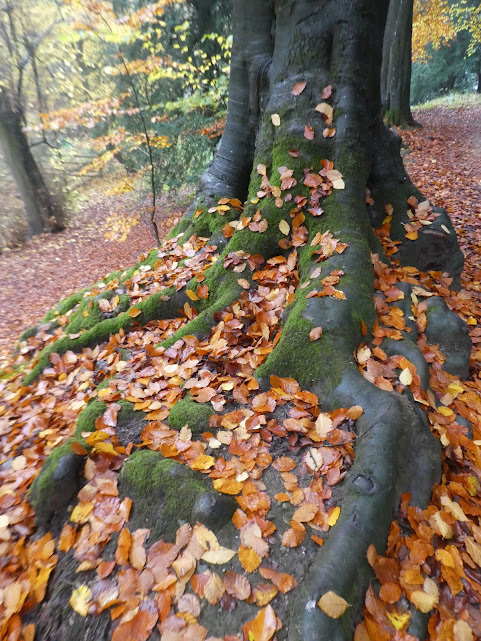
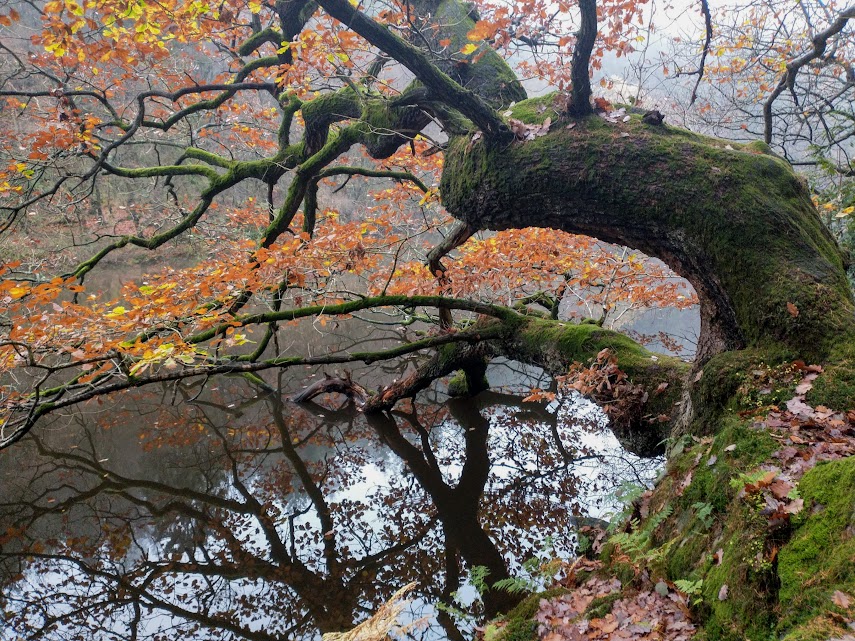
But outside, the rain had suddenly and unexpectedly decided to stop. Instead, familiar trees, now turning autumn gold and russset could just be perceived through the mist. A familiar autumn scene, especially here where we have three rivers in town to add to the general miasma of an October or November day.

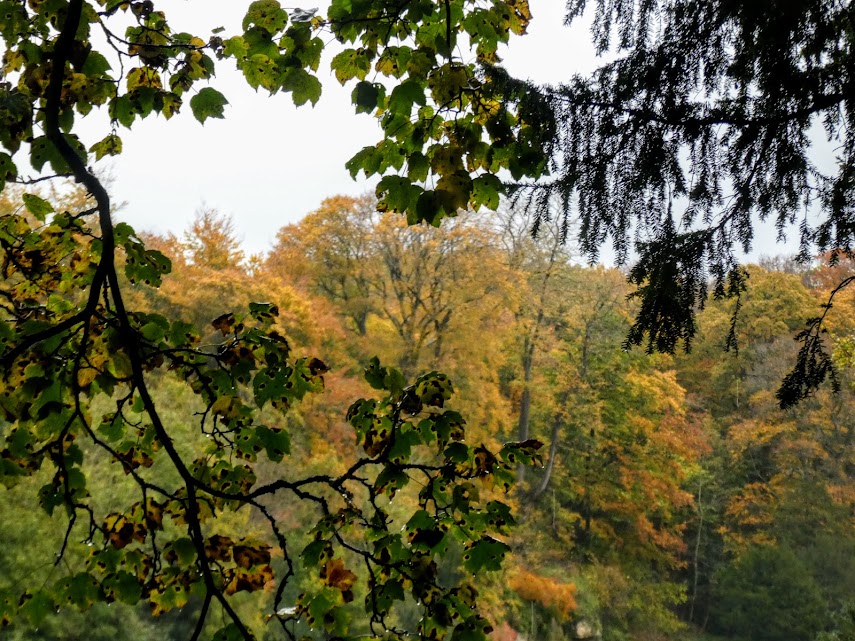
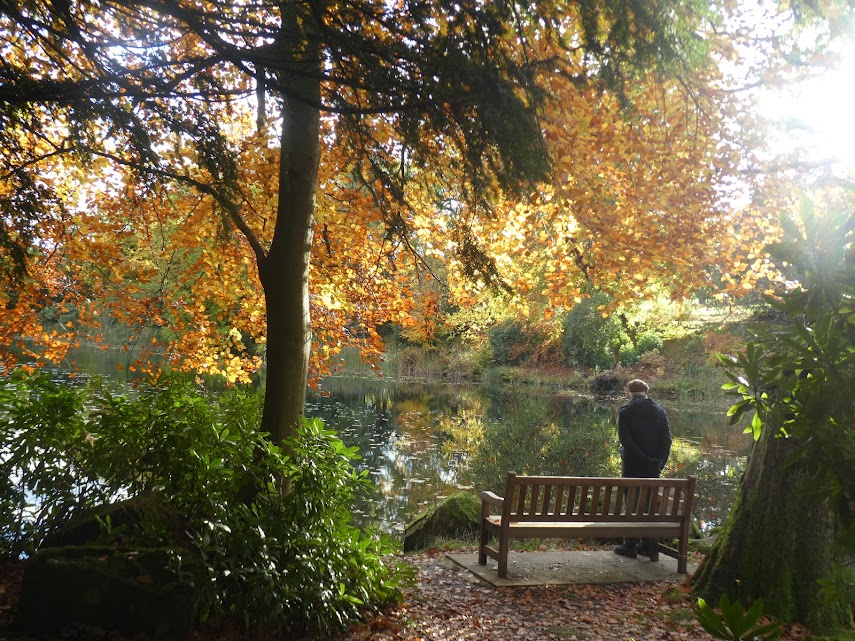
Much later in the morning, as I was completing my shift in a much cheerier frame of mind, autumn’s third and best mood showed itself. Omnipresent autumn colour in the form of leaves cascaded to my feet to be eagerly shuffled and crunched through as I willingly connected with my inner child.

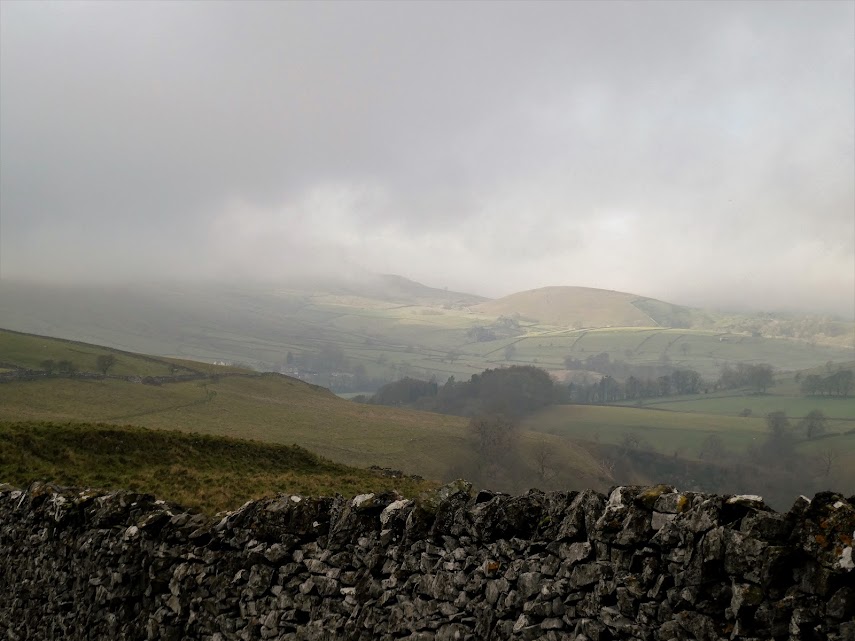
I offer a selection of photos to illustrate these different moods. I didn’t take my camera with me on Tuesday. The weather and the forecast were so very poor I just didn’t dare expose the poor thing to the elements. More fool me, to believe the weather forecast.

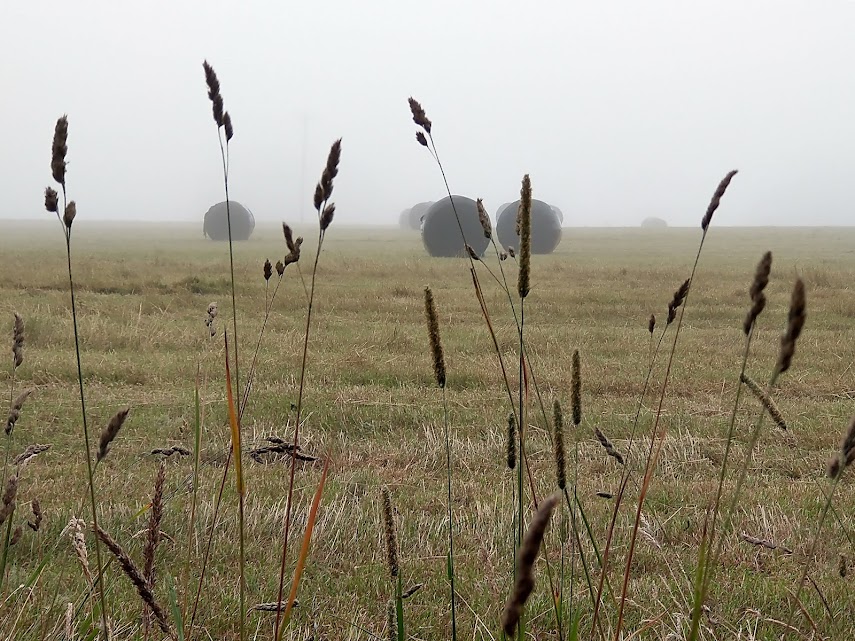
My featured photo is looking through our kitchen window on Tuesday morning. There’s more of the same on the way …

For Ann-Christine’s Lens-Artists Challenge #319: Setting a Mood

Stones

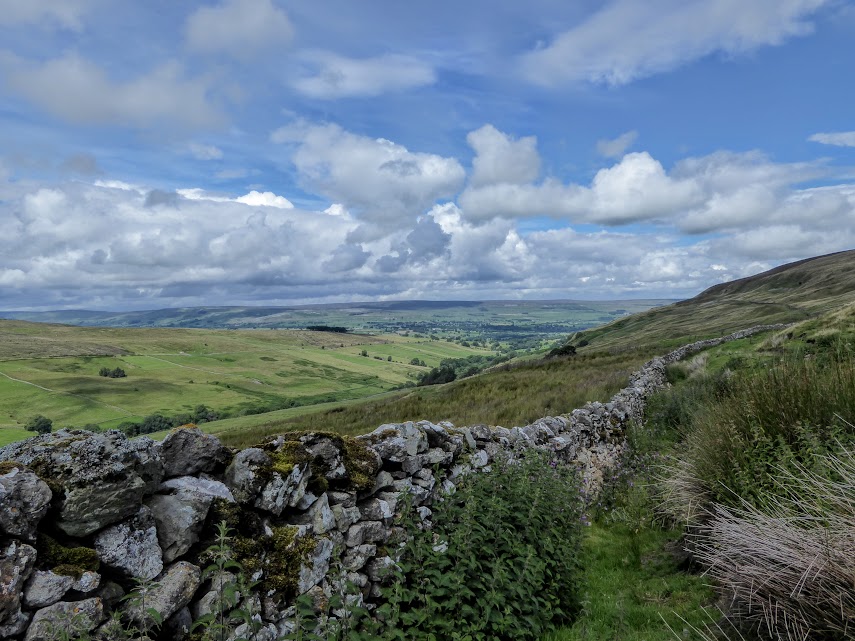
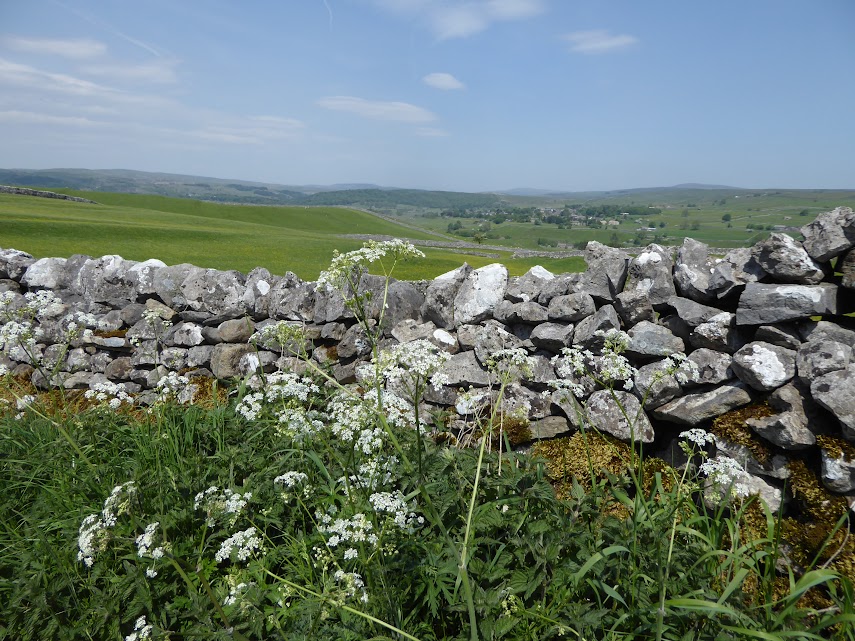
Today sees the last Square of the month, in which Becky has challenged us to find images celebrating Seven. I’ve chosen something quintessentially English. Yes, other drystone walls are available, but the sight of them marching across the landscape, identifying ancient field and pasture patterns is something I’ll always associate with a northern English landcape.

Thank you, Becky, for a month of fun and fellowship. And Squares.

A Welsh Postcard – Sent from Shropshire

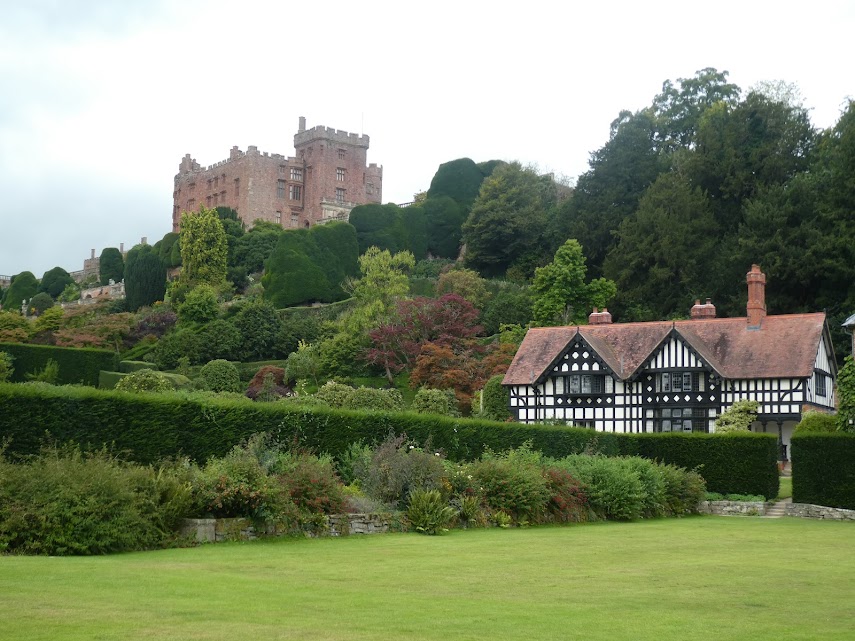
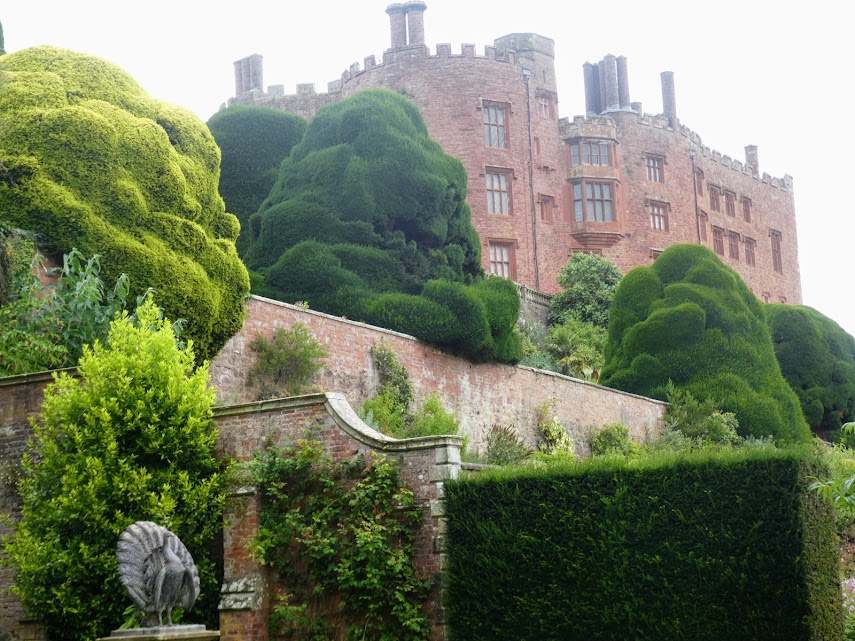
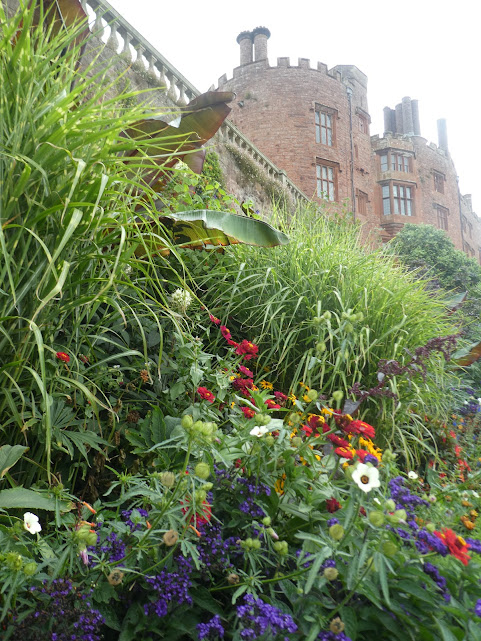
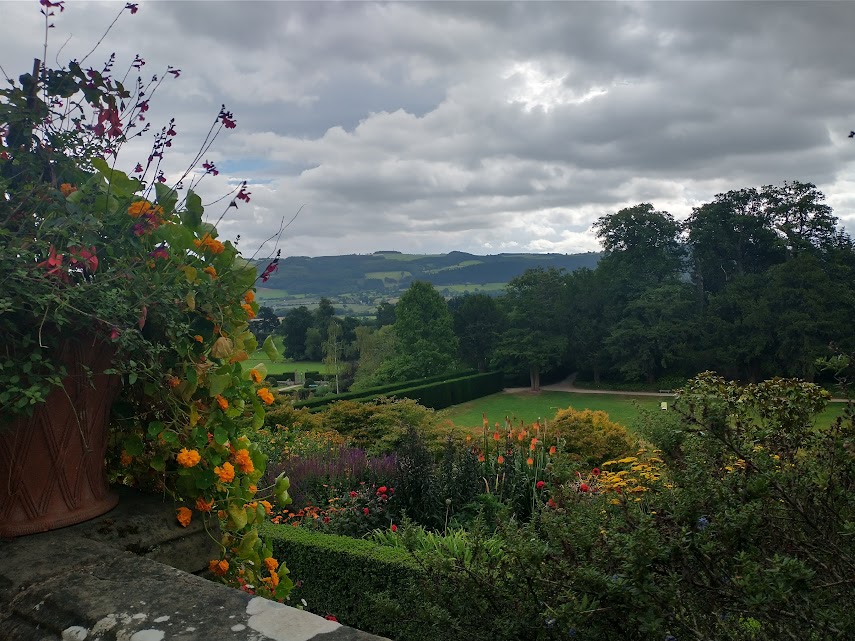
One of our last days in Shropshire saw us pop into Wales, to Powis Castle and its gardens. The castle itself was built largely in the mid thirteenth century, and modified, restyled and redecorated many times since until as recently as the 1950s. Photography was not allowed, but as we found it a somewhat gloomy place, we were happy to focus on the gardens.

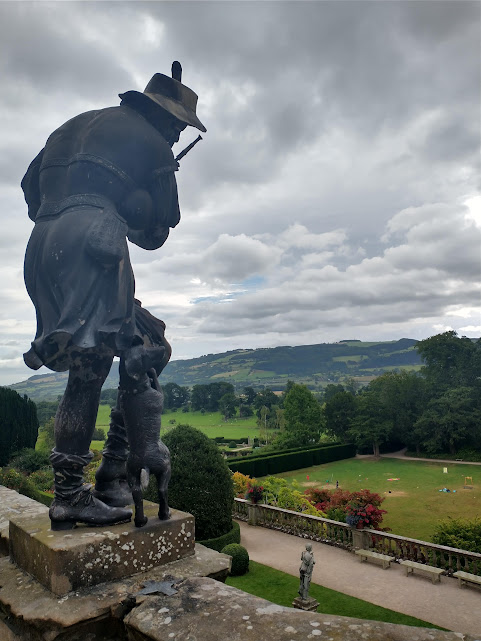
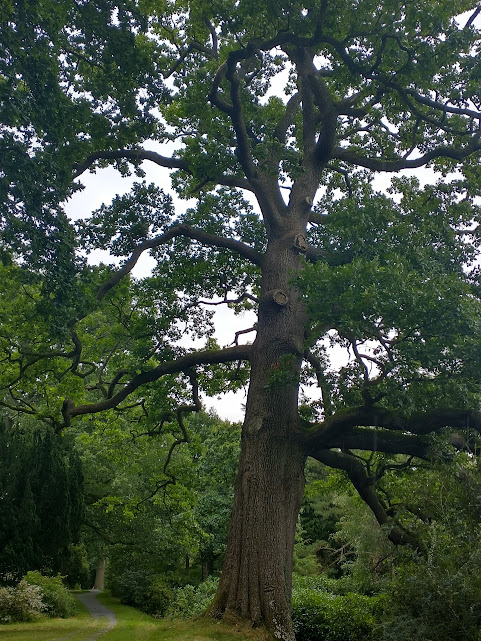
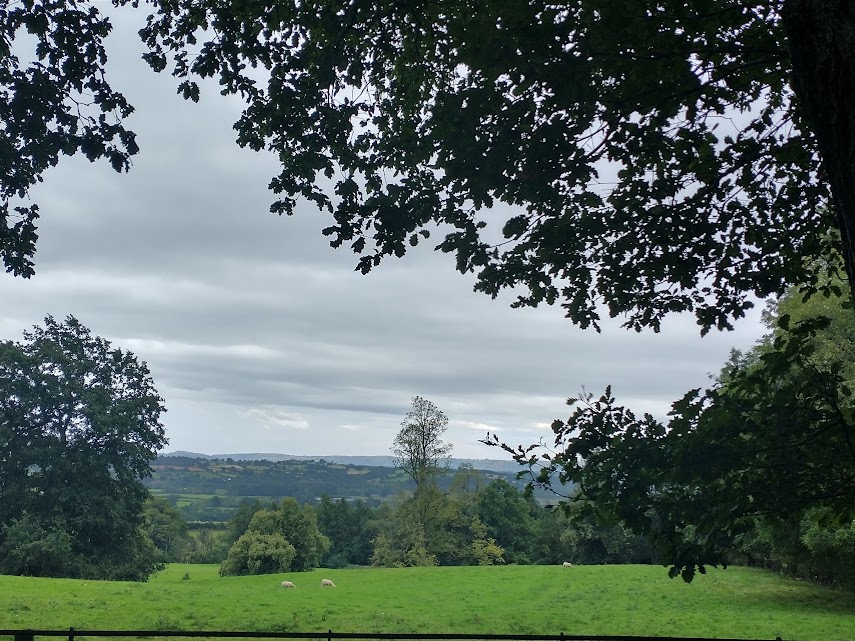
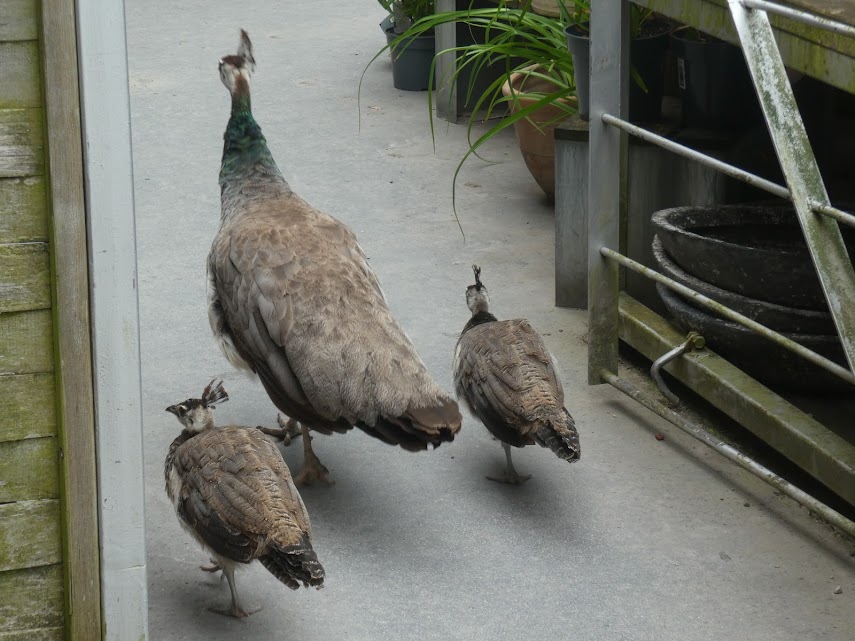
These are magnificently planted steep terraces, largely in the 17th century Italian style. There are large, rather formidable yew hedges. There is statuary. You’ll find a formal Edwardian garden with century-old apple trees, a walled garden, and beyond, carefully managed woodland inviting visitors to enjoy a gentle stroll while peeping through the trees at the landscape in one direction, the castle and gardens in the other. And peacocks and peahens, with their youngsters in tow. Here’s a small collection of postcards.

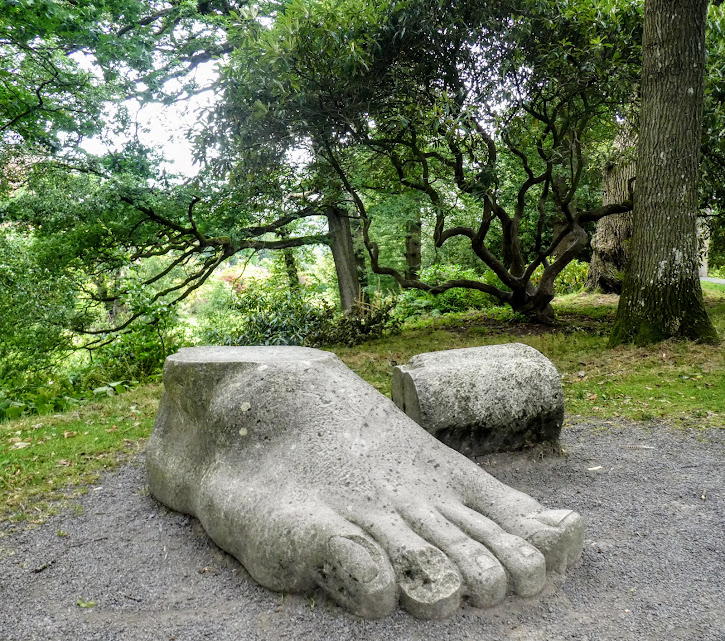
Don’t ask me about that giant foot, found in the woods. Haven’t a clue, and nobody would help me out.

My last few Shropshire Postcards: for Six Word Saturday.

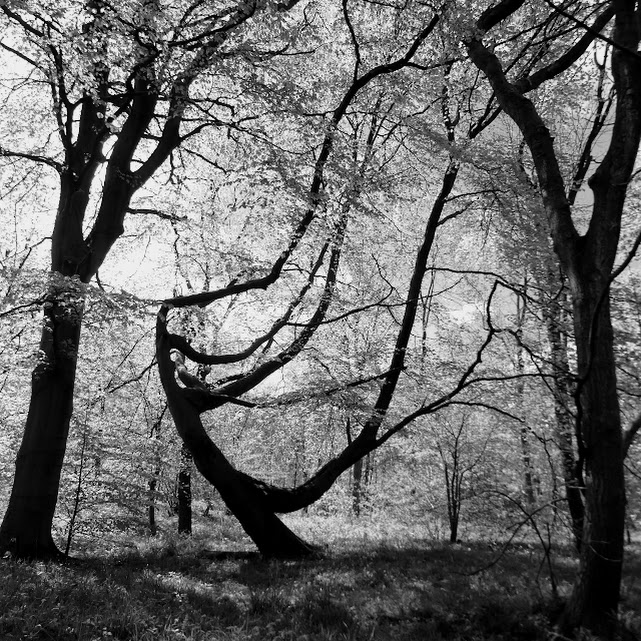
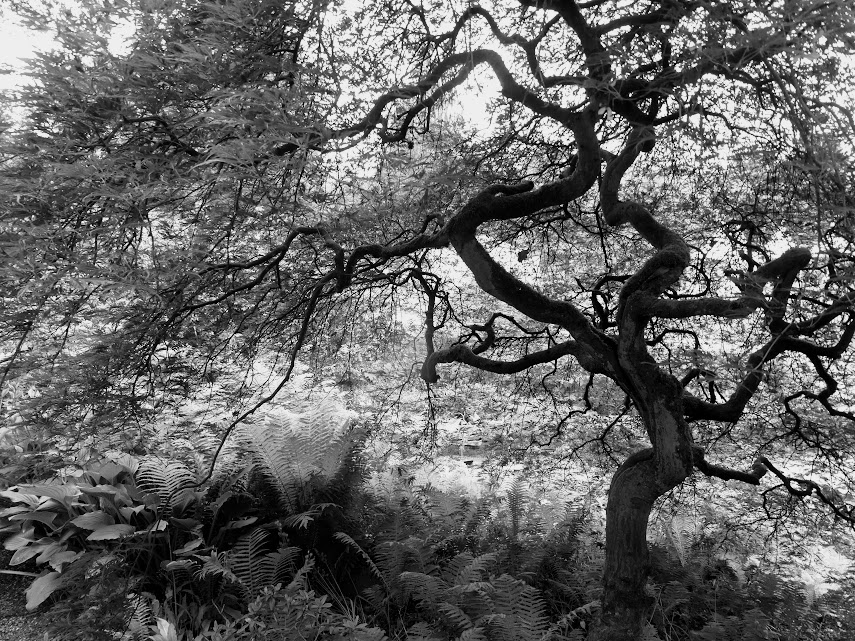
Seeing Trees in Black & White

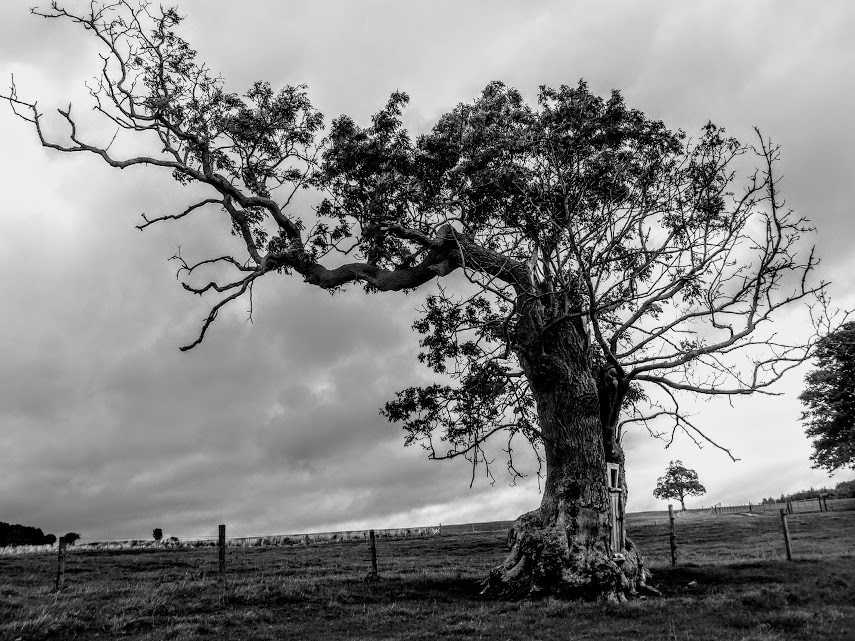
I feel so lucky that the area where I live is rich in trees, because not so very long ago, the local copses were woods, and the woods were forests. Here’s one favourite, an ancient oak: frustratingly, it’s not possible to stand far enough away to get it all in frame. But I love visiting this near neighbour of ours. How many centuries ago did it begin its life?

An ancient oak near North Stainley

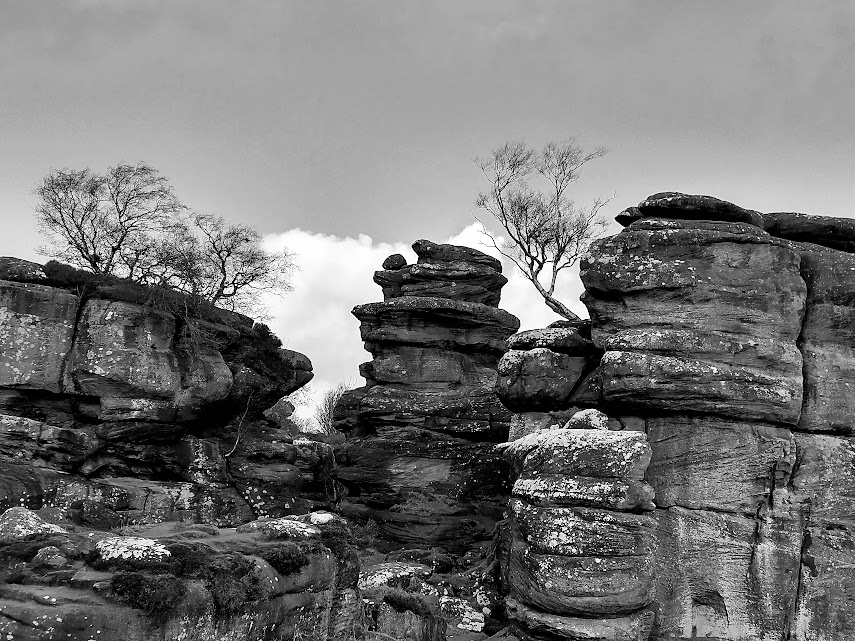
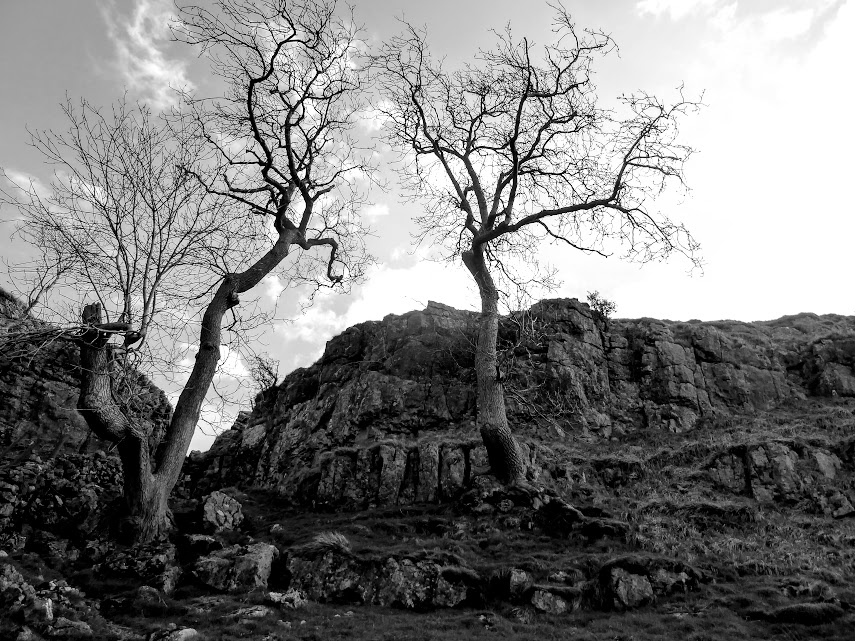
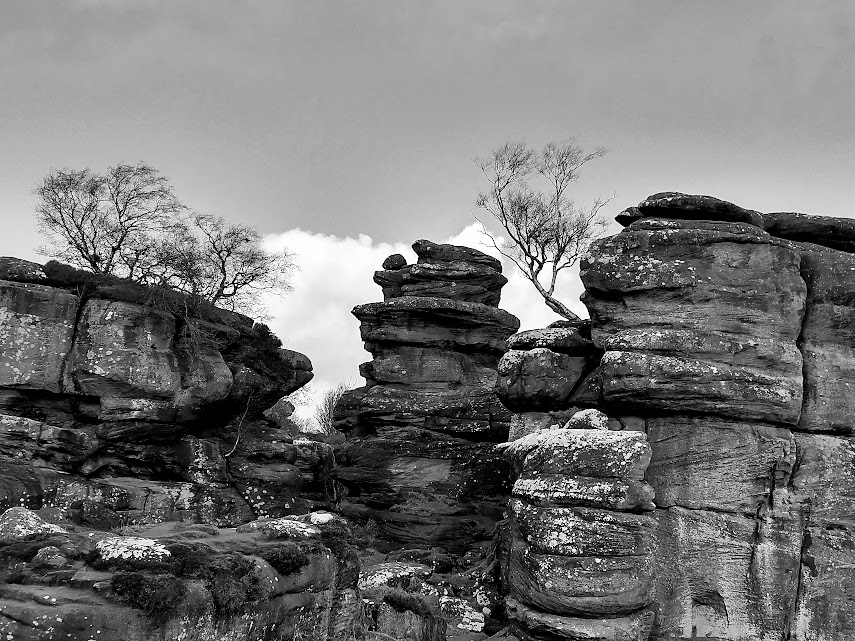
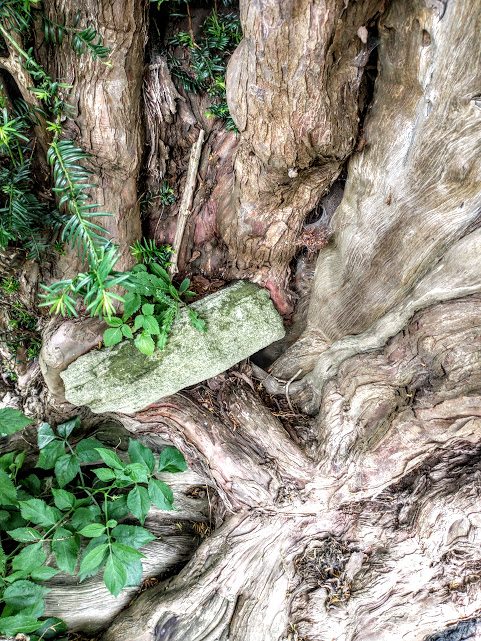
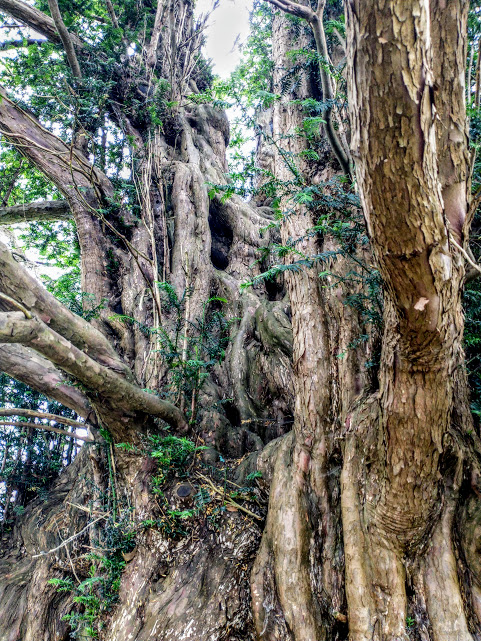
There are trees that flourish against the odds. The feature photo shows two trees at Brimham Rocks. Where have they burrowed their roots? Where is the soil that nourishes them? And here are two we meet when walking near Coniston in Yorkshire.

Two trees near Coniston, Grassington

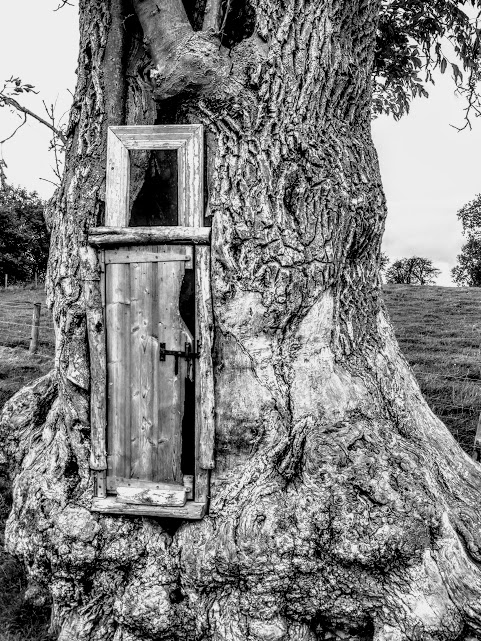
I’m always fond of this tree near Jervaulx Abbey. And I always wonder who the lucky child was who had a second home there.

Here’s another from Jervaulx Abbey itself that always makes me laugh.

The grounds of Jervaulx Abbey, North Yorkshire

This one’s a favourite in our nearby woodland at West Tanfield.

Greensit Batts, West Tanfield

And here’s just another local specimen. Not weird. Just wonderful.

Near Felixkirk, North Yorkshire.
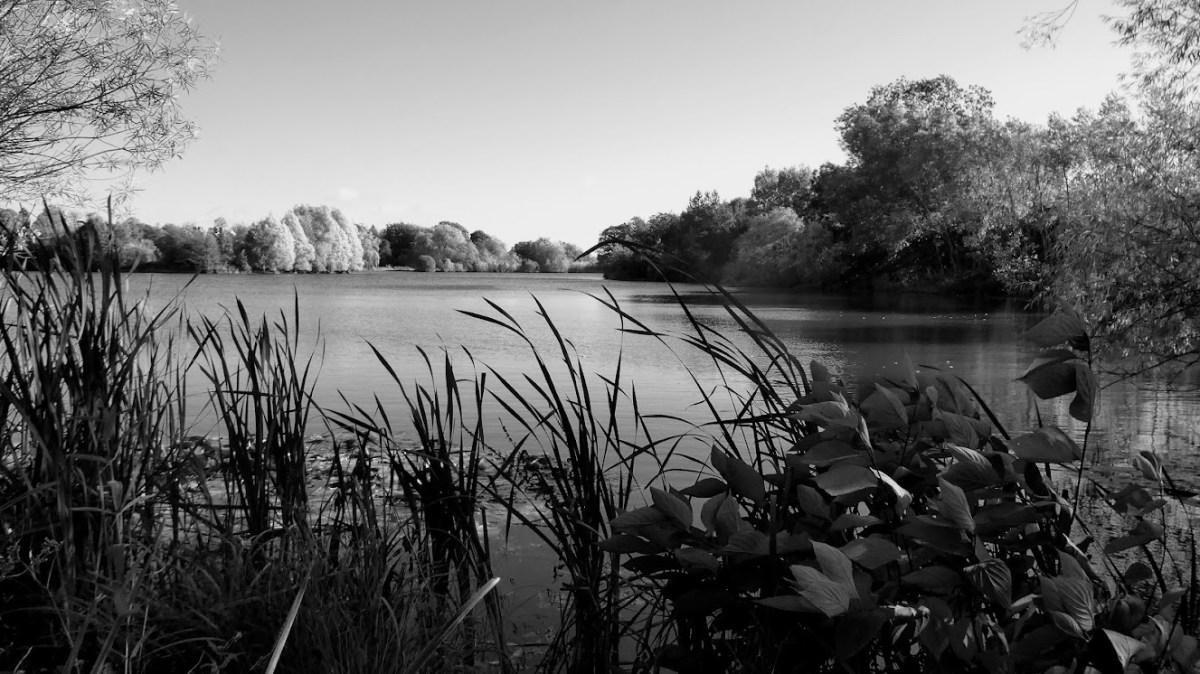
For Sarah of Travel with Me’s challenge for Leanne’s Monochrome Madness.

Half as Old as Time

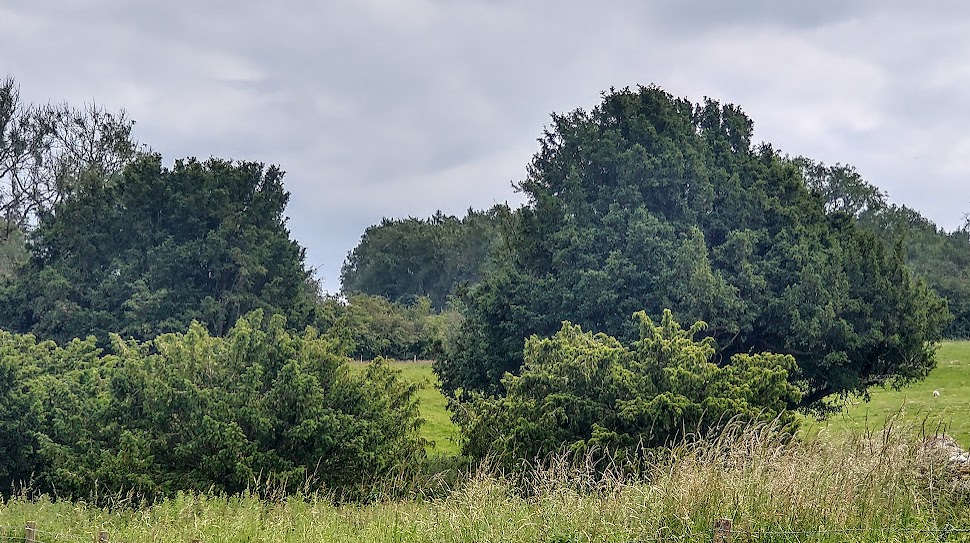
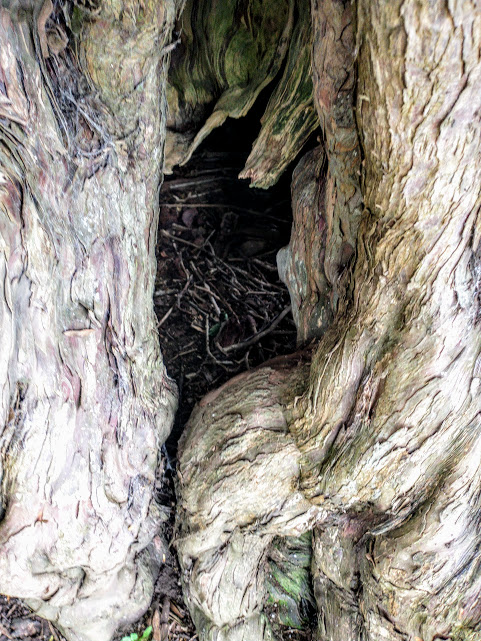
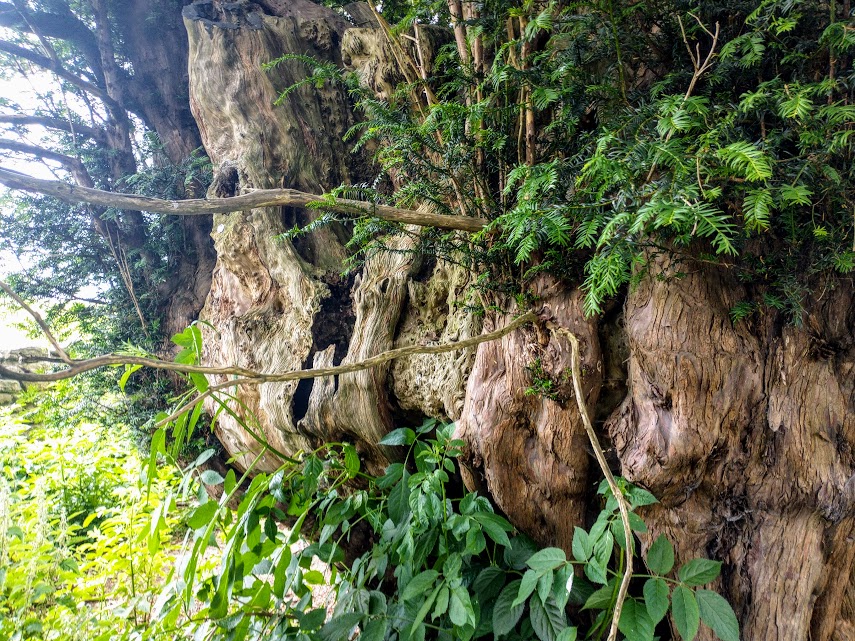
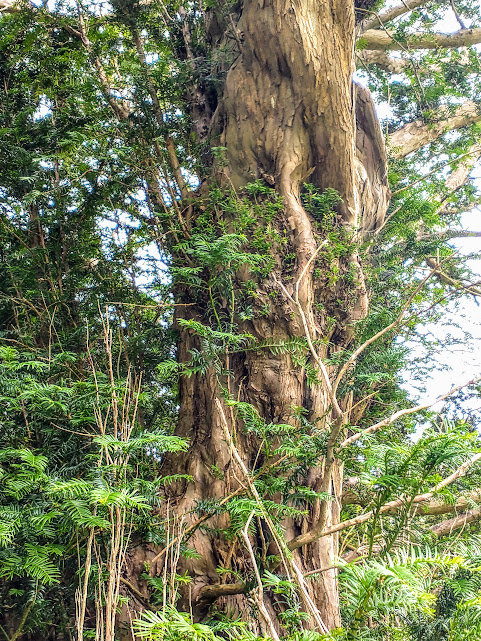
Just beyond the walls surrounding Fountains Abbey estate is a farm rented by a tenant farmer. It includes a small patch of land, untended and fenced off, because several trees got here first. They’re yew trees, and they’re thought to be about 1400 years old.

Think how long ago that was. It was only a couple of hundred years after the Romans had finally left these isles. It was several hundred years before the Norman invasion of 1066. By the time a group of monks from York had come to the site to build a Cistercian community here in 1132, those trees were already some 500 years old. This area would have been wooded, wild and interspersed with occasional farms. There would have been wolves, wild boar, lynx, otters, red and roe deer. But no rabbits. There’s no archaeological evidence for rabbit stew in any of the nation’s cooking pots from those days. They probably came with the Normans.

Those trees – once seven, now only two – would have been witness to the monastic community maturing: to the abbey and all its supporting buildings and industries developing. They would have seen the community grow, then all but collapse during the Black Death in 1248: and slowly prosper again. Until Henry VIII dissolved all the monastries, and Fountains Abbey’s roof was hauled down in 1539, leaving it pretty much the ruin it is today. By then, the trees were working towards being 1000 years old.

They’ve always been a bit out on a limb, these trees, and that’s what has made them such a rich habitat. They offer protection and nest sites for small birds, who can also eat their berries . Caterpillars feast on the leaves. These days, they’re home to eight species of bat, and a wide variety of owls. Yew trees are famously toxic to most animals – that’s why they’re fenced off – but badgers are able to eat the seeds, and deer the leaves.

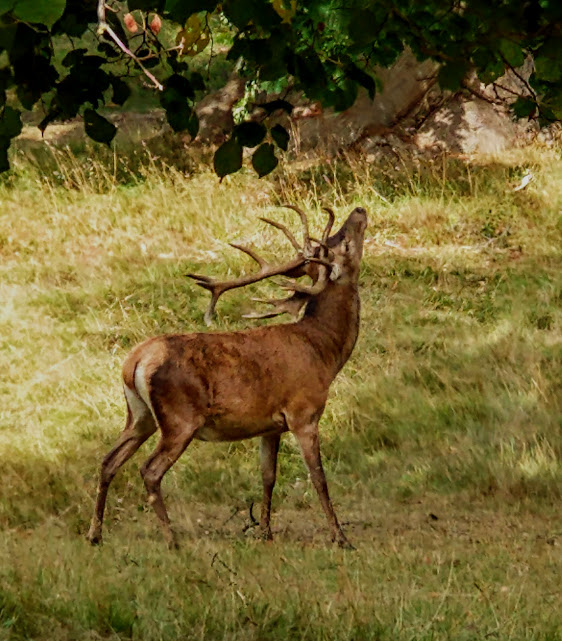
A red deer stag grazing on leaves: not yew leaves this time.

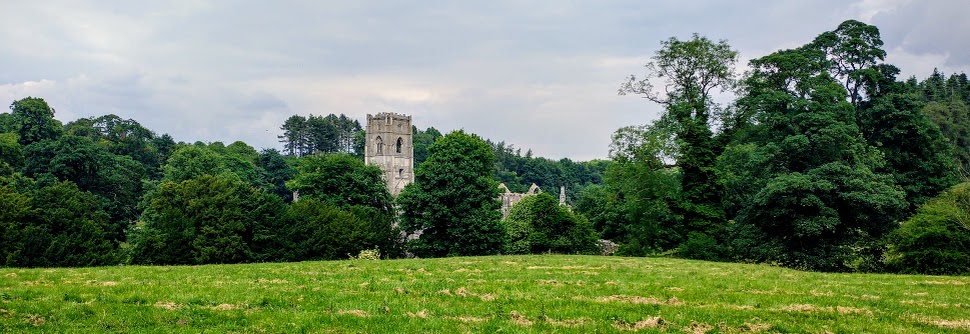
I can’t show you any of the creatures for whom these trees are their neighbourhood – apart from a grazing deer at nearby Studley Royal. Just the ancient trees themselves, the nearby Fountains Hall, built in late Elizabethan times when they were already 1000 years old, and a slightly more distant view of Fountains Abbey itself. My featured photo, the last image I took in June, is of those yew trees, looking as though they’re ready for the next 1000 years.

Fountains Hall, as seen from the yew trees.
Fountains Abbey, as seen from the yew trees.

This is for Brian’s Last on the Card, and – somewhat tenuously – for this week’s Lens-Artist Challenge from Tina: Habitat.

The phrase ‘Half as old as time’ was actually coined by John William Burgon in 1845, in his poem ‘Petra’.

Restoration & Renewal

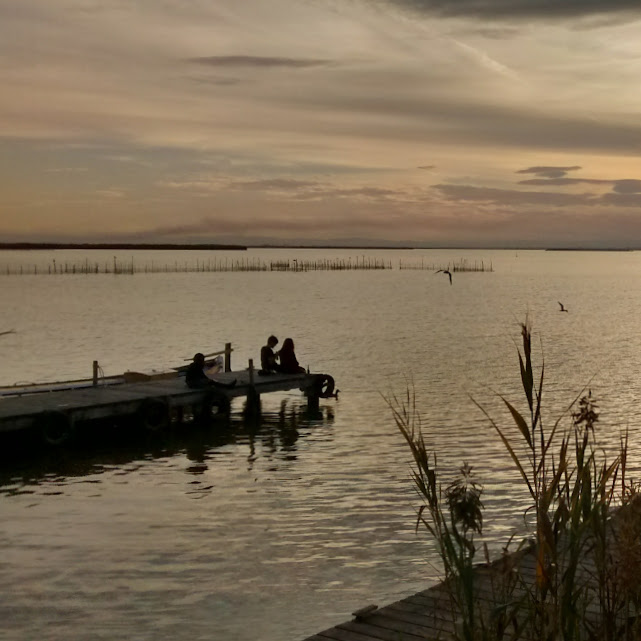
I have chosen to end this month’s Squares series with another visit to l’Albufera. It was there that I went on my last afternoon in Valencia some years ago. I’d gone to learn Spanish, for two weeks only, staying in the home of a Spanish woman who spoke no English – which was challenging, since I’d started my stay on Page One of the Spanish book provided by my language school. I’d had an exciting time exploring the city in my free time, but the experience was pretty full-on. A bus journey to nearby L’Albufera, a natural park set amongst lagoons seemed to offer a perfect last afternoon. And so it proved. I’ll never forget the sunset I enjoyed there, as one of a very few passengers on a lazily wandering boat, puttering gently through the reedbeds. It was renewing, transformative, and throughly reconstructed my somewhat battered mind.

Thank you Becky, thank you everyone who has contributed to this #SquaresRenewal. I’ve seen so many interesting, beautiful, thought-provoking posts: and all thanks to Becky, who after a long and understandable break has once more launched and managed this month of photos, fellowship and fun. Looking forward already to the next month of Squares

Rocks of Ages

This week, Donna’s Lens Artist Challenge invites us to celebrate rocks, their geology, and what they have meant to humankind. Bloggers have responded with hosts of natural wonders: extravagant, bizarre, subtly beautiful and all extraordinary. I had planned to respond in kind, by showcasing – as I have in my feature photo – our nearby geological extravaganza which is Brimham Rocks. But I already have several times herehere and here – to name but a few.

Instead, I’ve chosen to show rocks in the service of mankind. Brimham Rocks even fit in here. These days they’re our very best local playground.

The grandchildren are king and queen of the castle.

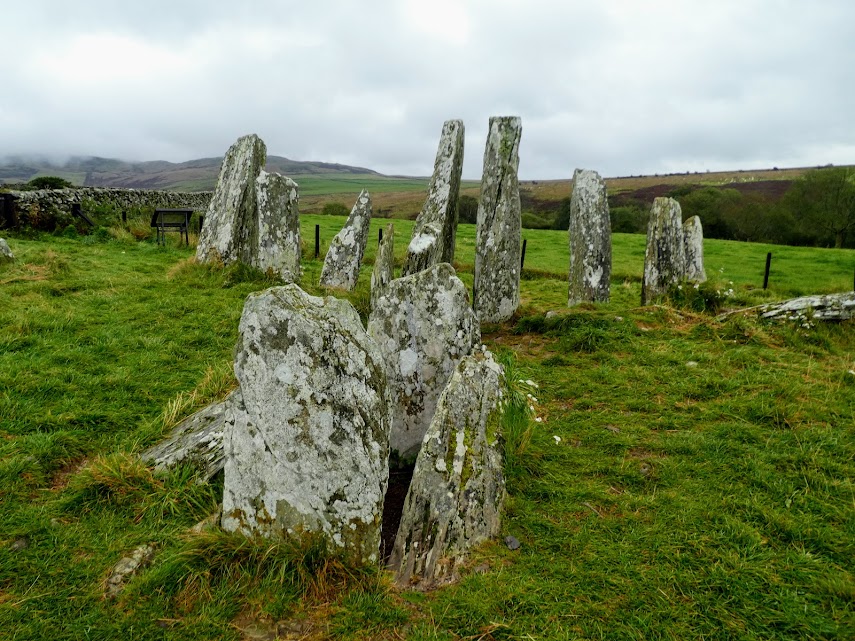
But rocks have been pressed into service since prehistoric times. Here is Cairn Holy in Dumfries and Galloway. It’s a Neolithic burial site – perhaps that of Galdus, a Scottish king. But perhaps not: he’s thought to be mythical.

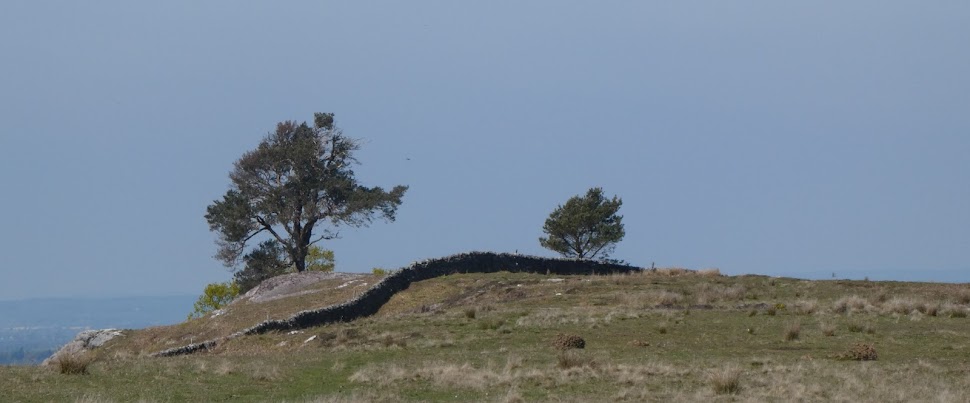
Farmers have divided their land up into fields for almost as long. Drystone walls march across the rural landscape here, particularly in the north of England.

And where would our churches, our cathedrals be without a ready supply of local rock and stone?

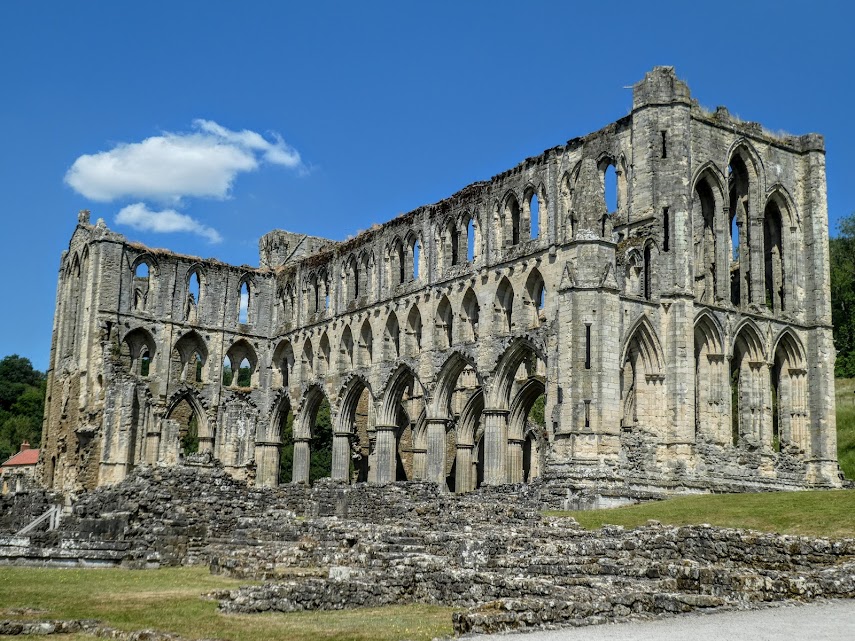
Rievaulx Abbey, North Yorkshire, in ruins since Henry VIII’s Dissolution of the Monasteries in 1536
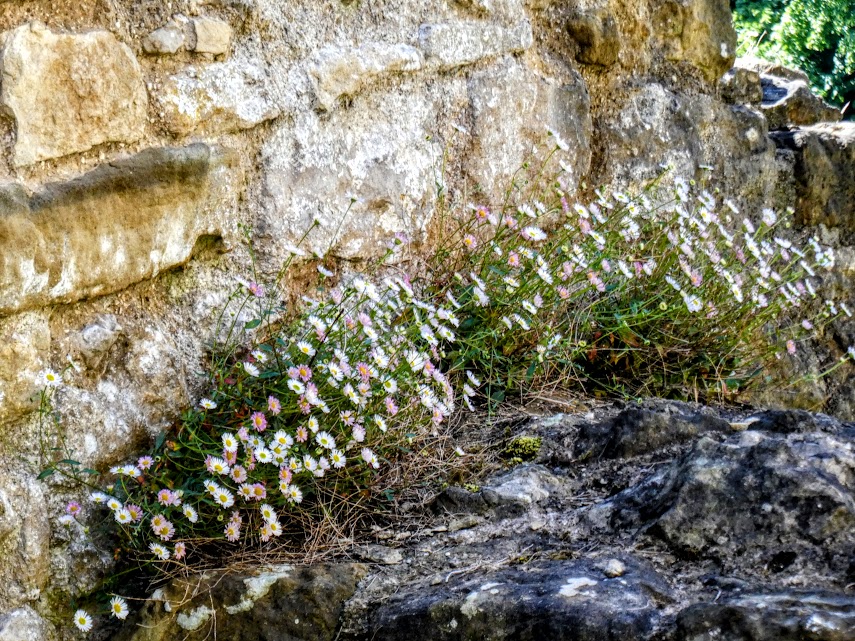
Rievaulx’s walls continue to provide shelter and nourishment for local flora.

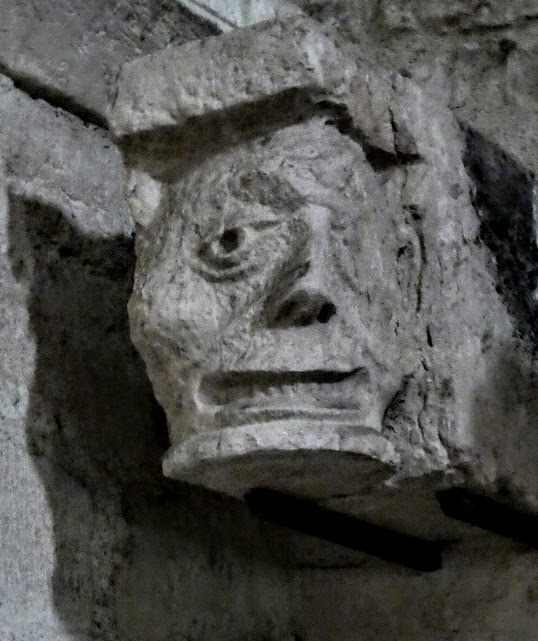
Scuplture too. I’ve chosen a few pieces that have weathered over the centuries, to reveal the underlying rock that the original sculptor had chiselled to the form that he, not nature had decided on.

Nature too can be a sculptor. This rock, hauled from the sea on the Spanish coast, has been transformed by – what? Underwater snail trails?

At the port, Arenys de Mar

Nature doesn’t need any help from man when it comes to artistic expression. I’ll conclude with an image of rock at its most painterly, in the Gorges du Tarn in France.

A Townie’s Jaunt to the Countryside

You live in a town – maybe even a big city. And on a nice Sunday afternoon, you fancy a ride out to the country to see what you can see. What do you want to find?

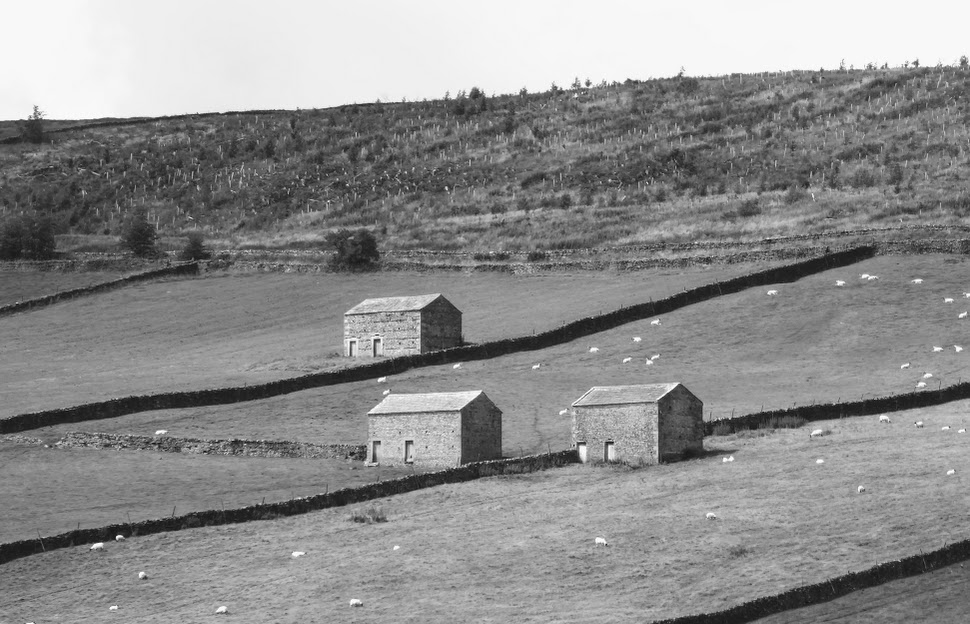
Maybe a barn, or even better barns, dotted round the pastureland.

In Yorkshire, or ‘up north’ at any rate, a drystone wall wouldn’t go amiss.

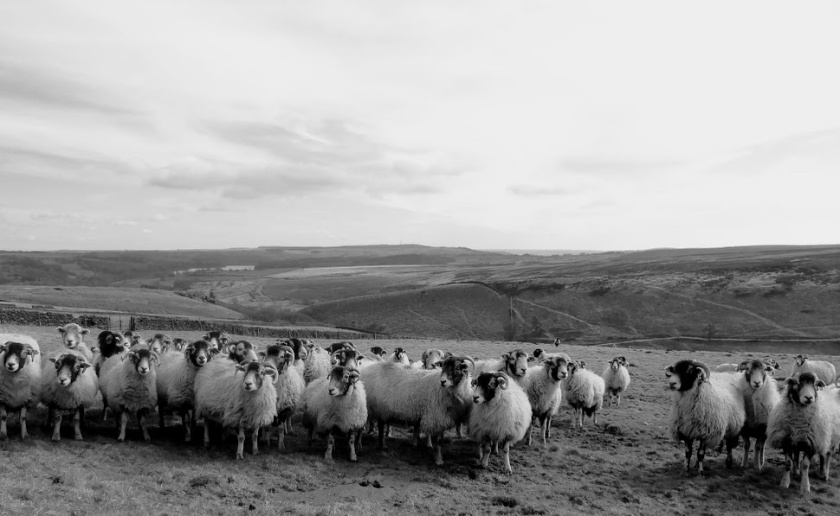
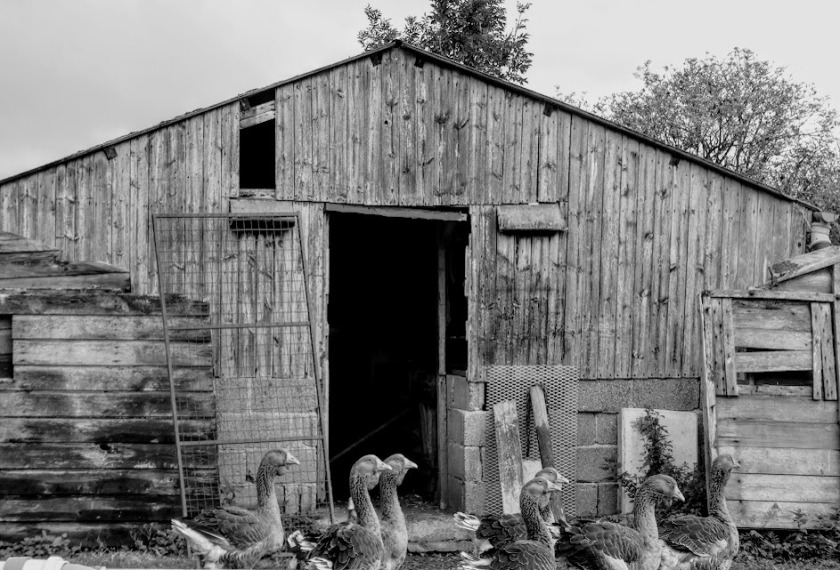
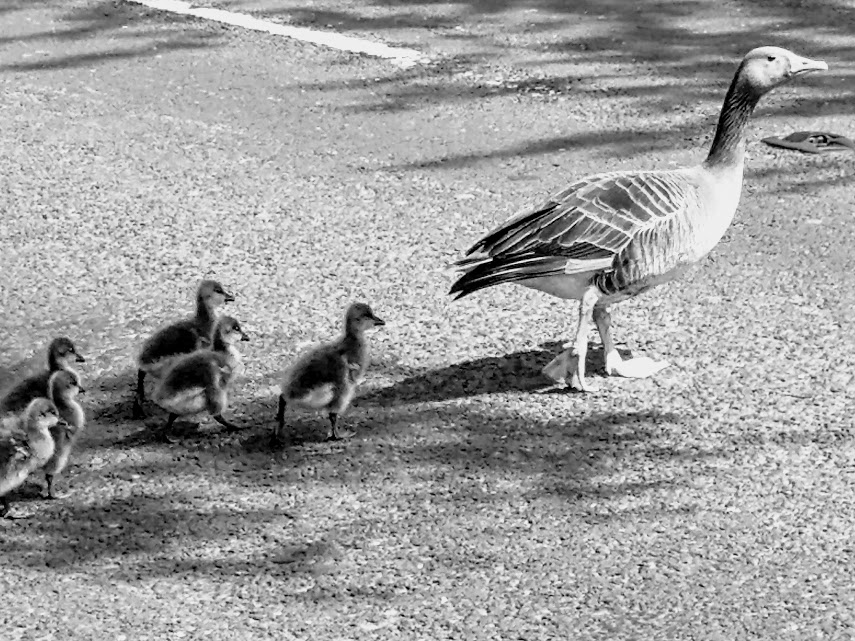
You have to see a flock of sheep, a few cows. A gaggle of geese too maybe?

And a farmer at work – yes, even on a Sunday …

And a rusting old tractor in a tumbledown barn?

And you need to drive along ‘the rolling English road‘, made, according to GK Chesterton, by ‘the rolling English drunkard‘.

And to make your day complete, just before you head back to town and all mod cons, you’d quite like to have to grind to a halt on the road because…

For Leanne’s Monochrome Madness: Outside the city and into the country.

Water in Motion?

You want water in motion, Sofia, for your Lens-Artist Challenge? You’ve come to the right place. We speak of little else in England this year. Look at this.

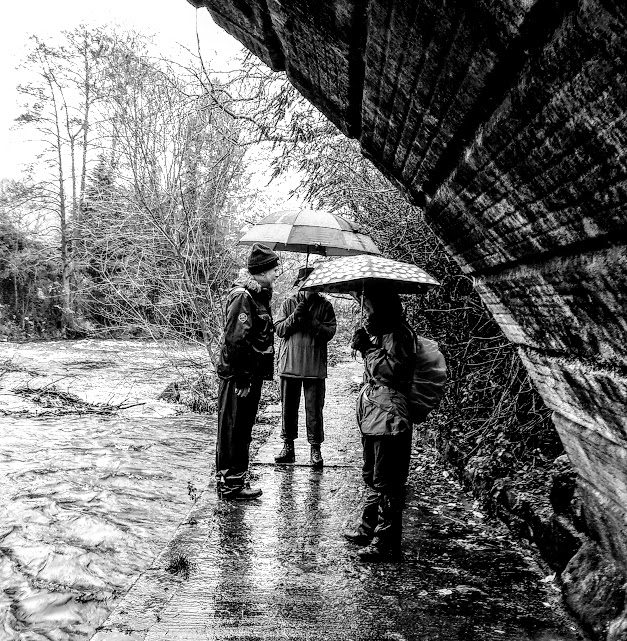
A dismal moment sheltering by the River Skell in Ripon.

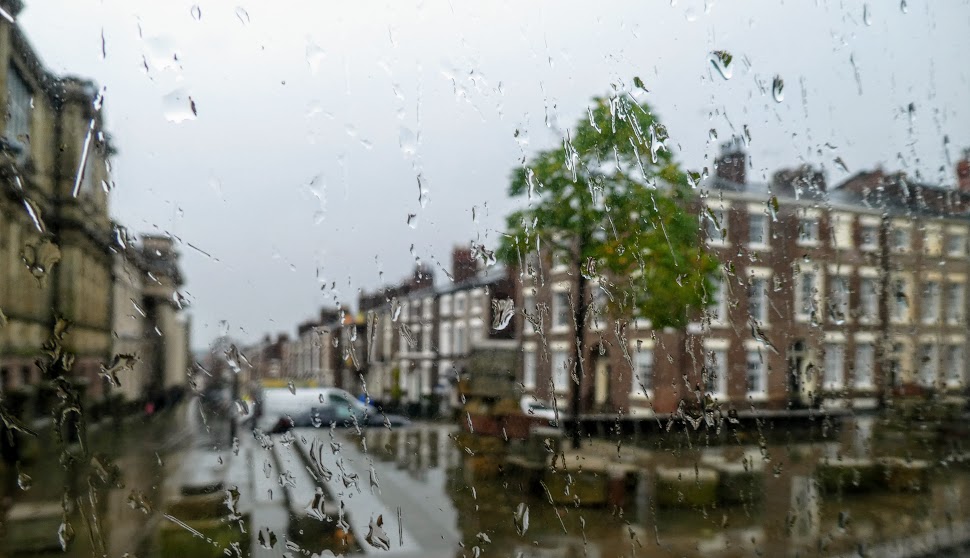
Or this, taken through the windows of Christ the King Cathedral, Liverpool.

A (typical?) view of Liverpool.

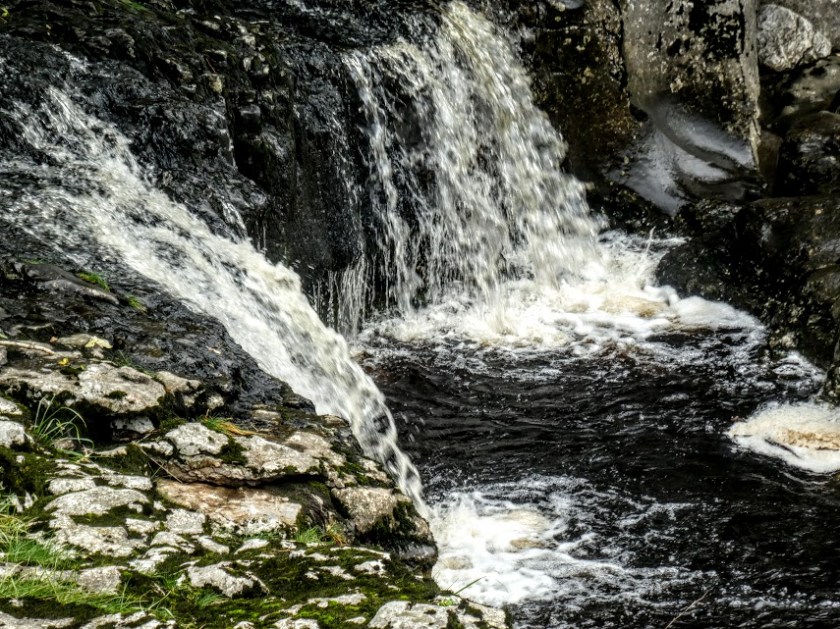
But without this rain, we wouldn’t have those glorious tumbling riverside views: these are both from Yorkshire: I’m focussing on England for this post – it seems appropriate.

The River Wharfe at Grassington
The River Ure at Redmire Force.

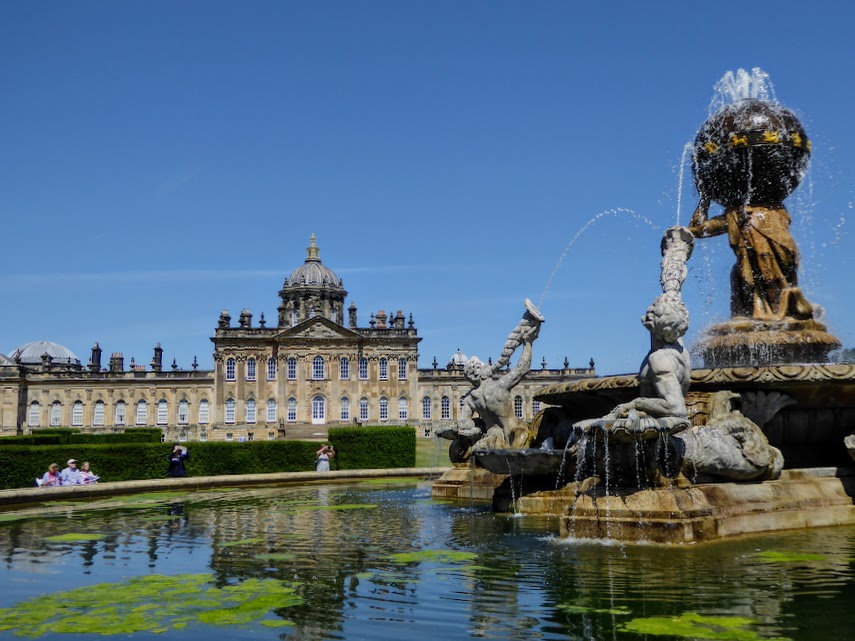
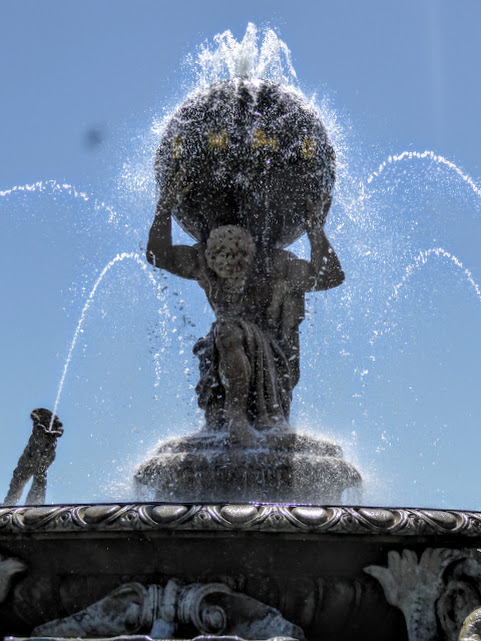
Water’s playful too: especially in the hands of a sculptor. Here’s Atlas with his sea gods at Castle Howard, Yorkshire. A fuller image is shown as the featured photo.
Atlas , Castle Howard

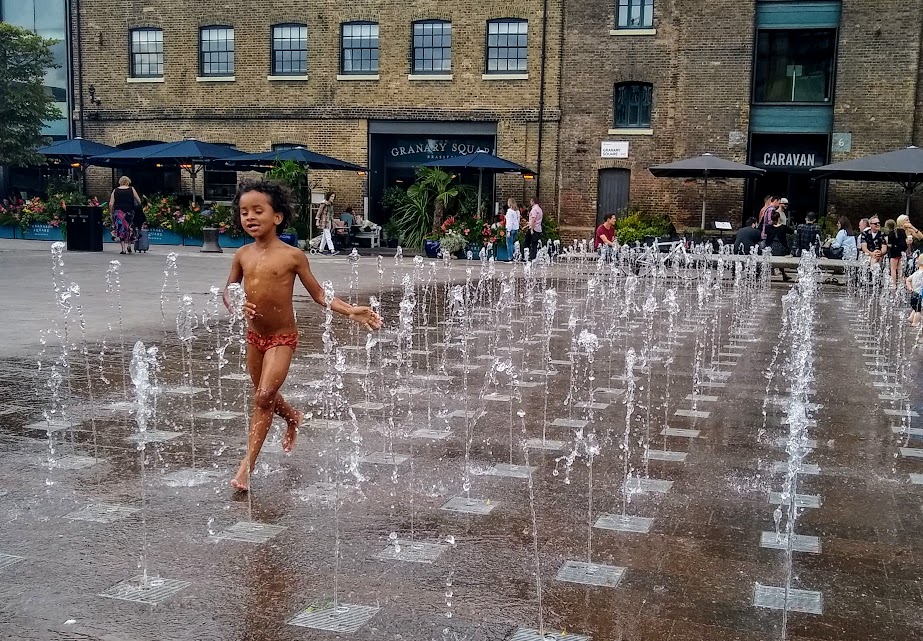
And a child in Granary Square, London is certainly having fun.

Fountain, Granary Square, Kings Cross London.

But we’ll conclude with a more typical London view, overlooking the River Thames.

The River Thames passing through central London.

Textured Monochrome

This week for the Lens-Artist Challenge, John invites us to focus on the tools we consider when taking photographs: Shape, Form, Texture, and Light.

Sarah of Travel with Me fame (You don’t follow her? Why not?) decided to focus on texture alone in her role as Guest Presenter for Leanne’s Monochrome Madness . I’ve decided to follow her excellent example.

I often like to use monochrome to ‘describe’ texture. It seems to highlight shape, form and – er- yes, texture to advantage, with no colour to distract the eye.
In fact my featured photo of nearby Brimham Rocks is changed very little by the use of monochrome. The sky was a bright azure blue that day, with whiteish clouds. Realistically, grey is so much more authentic this year.
Let’s stay with the natural world, and go to Mossyard Bay in Dumfries and Galloway, to inspect the rocks there, and a sheltered pool as the tide goes out.

Mossyard Bay …
… and a pool receding as the tide recedes

We’ll stay by the sea, but in Arenys de Mar in Spain this time. A rusting chain, a decaying lump of concrete in the fishing port.

A tired chain in an even more exhausted lump of concrete, Arenys de Mar

More man-made creations, battered by wind and weather. A has-been saint awaits repair in the stone mason’s yard at Rheims Cathedral.

A fatigued saint, Rheims.

And here’s a characterful shuttered window that’s lived a long life in a village in the Hérault, France.

A village house in the Hérault 

An English country garden, complete with bee.

Eryngium finds favour with a bee.

… an icy puddle …

A locally frozen puddle.

And let’s leave you with that most Yorkshire of animals, a sheep: happy to show off a magnificent fleece, magnificent horns.

A winning exhibit as Masham Sheep Fair.