Indian Friday: A Long Train Journey

My diary, revived from my trip to India back in 2007. This second part details my solo travels during the last three weeks or so.

A Long Train Journey

Thursday 22nd November

Last day in Mysore!  I’m sitting at breakfast enjoying watching the hornbills in the trees.  I think they’re the magpies of the area – never still, always flying around moving all the other birdlife on.  The other treat is at nightfall when the enormous fruitbats come out. Wonder what they’ll have in Tamil Nadu?

Later ….

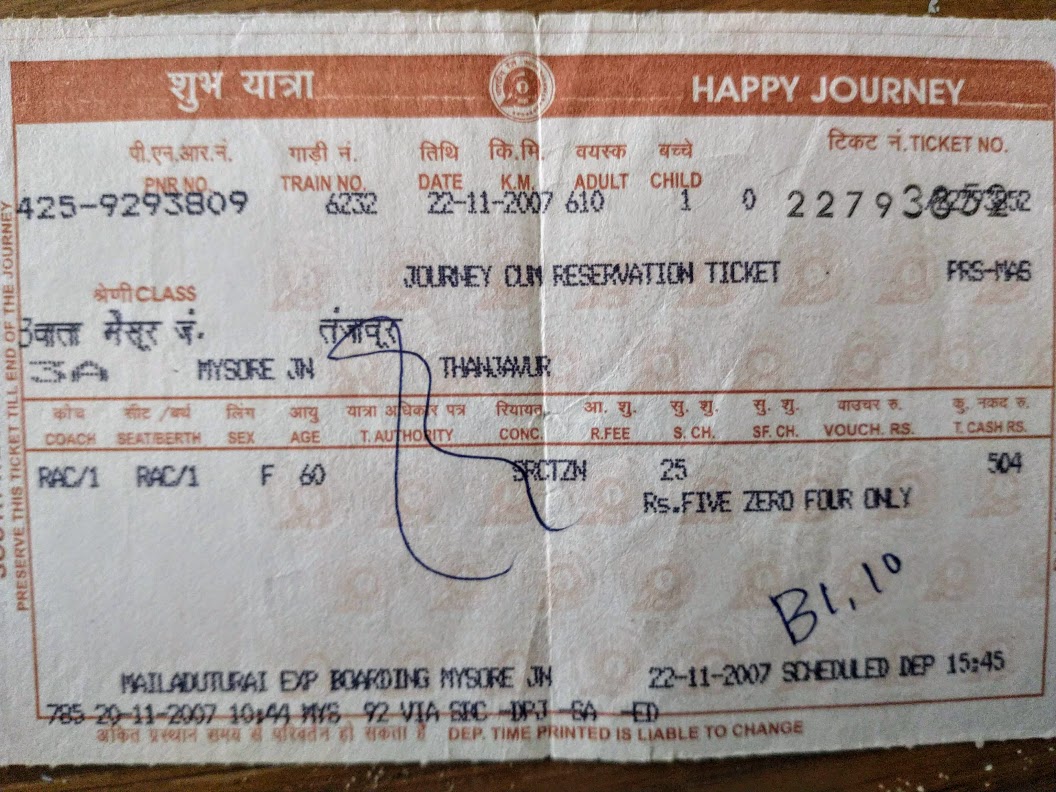
My train to Thanjavur

I’m now on the train which at 7.20 had just left Bangalore (Mysore 3.45).  Fascinating stuff. The train gets in nearly an hour ahead of departure so we can all sort ourselves out. As I was clearly a Country Cousin (the only European on the train), a man at the station took me in hand.  I hadn’t known I had to ‘check in’, in the manner of an airline passenger. Nor had I identified how to use my ticket to find my seat.  So he helped me – for Rs. 20.
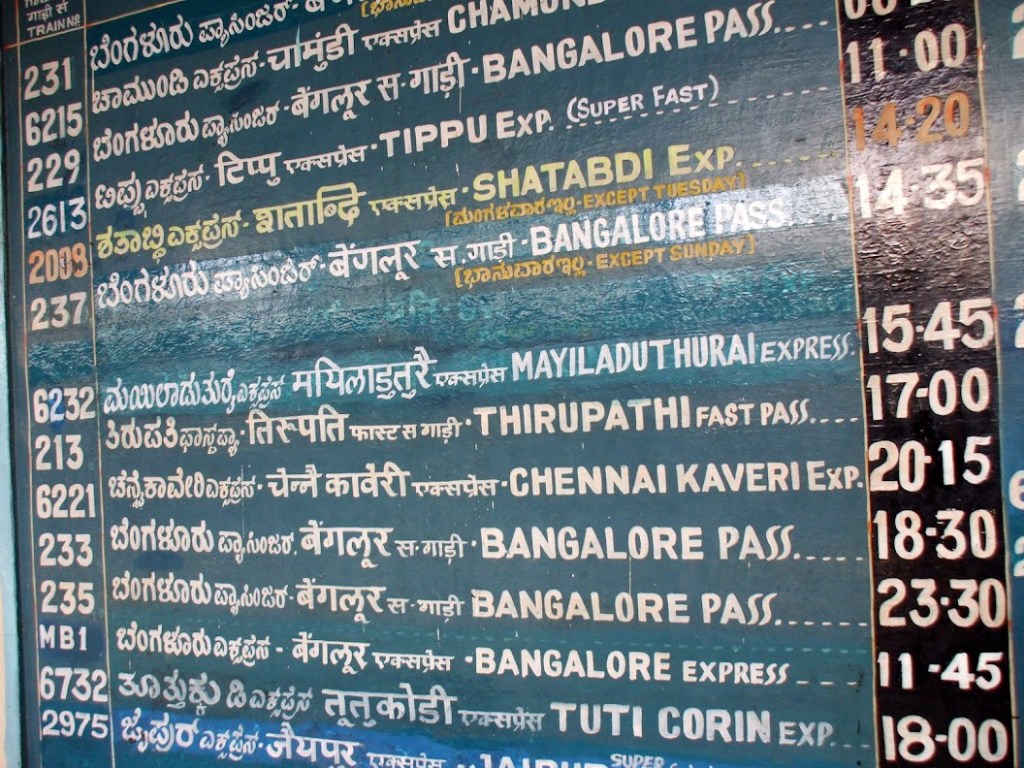
Meanwhile, on the station, everyone got on with life.  A large family spread themselves out on the ground, got out metal plates and canisters of food, and got stuck in.  Some women, like me, headed for the calm of the Ladies’ Waiting Room.  I also made sure I had enough water – a constant feature of life here, buying water.  Not a lifestyle choice, but a necessity, certainly in the towns. Rs. 10-ish in a bottle.  This was all after I’d identified my seat.  I wasn’t about to sit on a hot train unnecessarily for ¾ of an hour.  The train was fairly empty – nobody in my bit of the compartment.

Mysore Station

Eventually though, I took my seat, and the train started, I enjoyed watching the world pass by, and occasionally chai and coffee boys would go by, though I haven’t succumbed yet. Interminable stops at non-official stations.  And then, as darkness fell, I was struck by the low level of lighting in the streets: and then, as we pulled into Bangalore, by the almost nonexistent level of lighting on the station – a real surprise.  Still, now we saw some action.  More tea, coffee and waterboys.  I got some nuts, fearing I would get nothing else, but then, just after that, along comes the offer of meals, veg or non-veg. So I got a veg. option for Rs. 20: rather better value than the Rs. 50 nuts! A foil-wrapped container was filled with fried rice and lots of vegetables – quite good actually – which of course I ate with my fingers – what I could manage.  It was an enormous portion.

Now I’m sharing my compartment with a college lecturer, and a college librarian from Trichy (Tiruchirappalli – which I rather wish I’d visited). Their English is limited, so plenty of room for misunderstanding. By the way, lots of people assume I’m French.  What’s that about?

8.30 p.m.  At yet another station.  Masala dosa and idli man doing his stuff – that sounds good!.  Lots of people have made their beds up, but not us yet.  One young woman got on at Bangalore having had her hands and wrists henna-ed on both sides.  She’s been trying to manage her life handlessly.  Difficult.

One family had produced a three course supper with several dishes on metal plates.  It all looks very good, and now mum has gone to wash up …. Sadly, I can’t find my carefully-packed toothbrush.

At about 9.00 ish, we all got our beds ready: our compartment separates into 2 sets x 3 of beds, then by the windows, 1 x 2.  Up we all jumped ito our bunks and slept, surprisingly.  At 4.00, at Trichy, a lot of people got off, and naturally I slept no more, as I was off at 5.00 at Thanjavur.
Mysore Station

Indian Friday: BASIL

I rather enjoyed re-visiting India via my blog the other week. So I went and dug out the diary I faithfully kept. The events it describes have never yet seen the light of day. For the first ten days I was with the group of people my ex-brother-in-law had put together, to explore aspects of rural Indian life, focussing on small producers working in traditional and organic ways. We had no internet access during that period.

I’ve decided to share my diary with you. This will take several Fridays. I’m pleased that I kept such a detailed record of a piece of personal history, and of a country I’d never visited. I wonder how dated this account would seem to the current traveller?

BASIL

Not a particularly early start, so time to try to book journeys onwards, exchange travellers’ cheques etc. Then the bus. The outskirts of Mysore soon became dusty towns, and in the countryside beyond, stalky straw-like crops were laid down in thick piles for us to drive over and thereby help in the winnowing process.

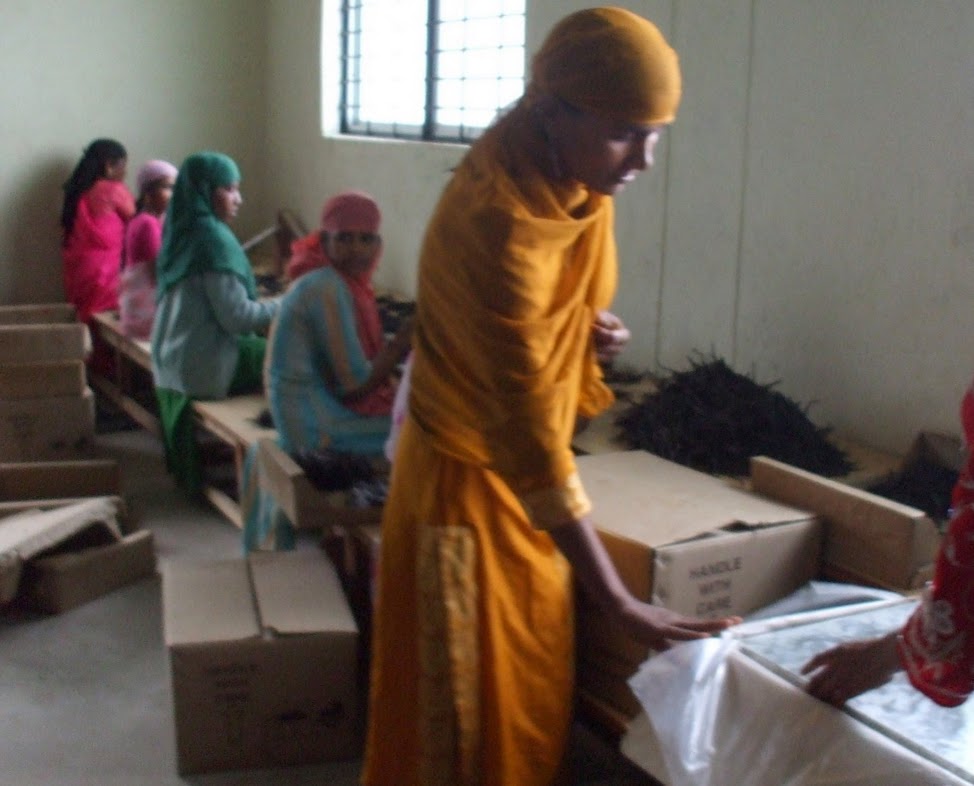
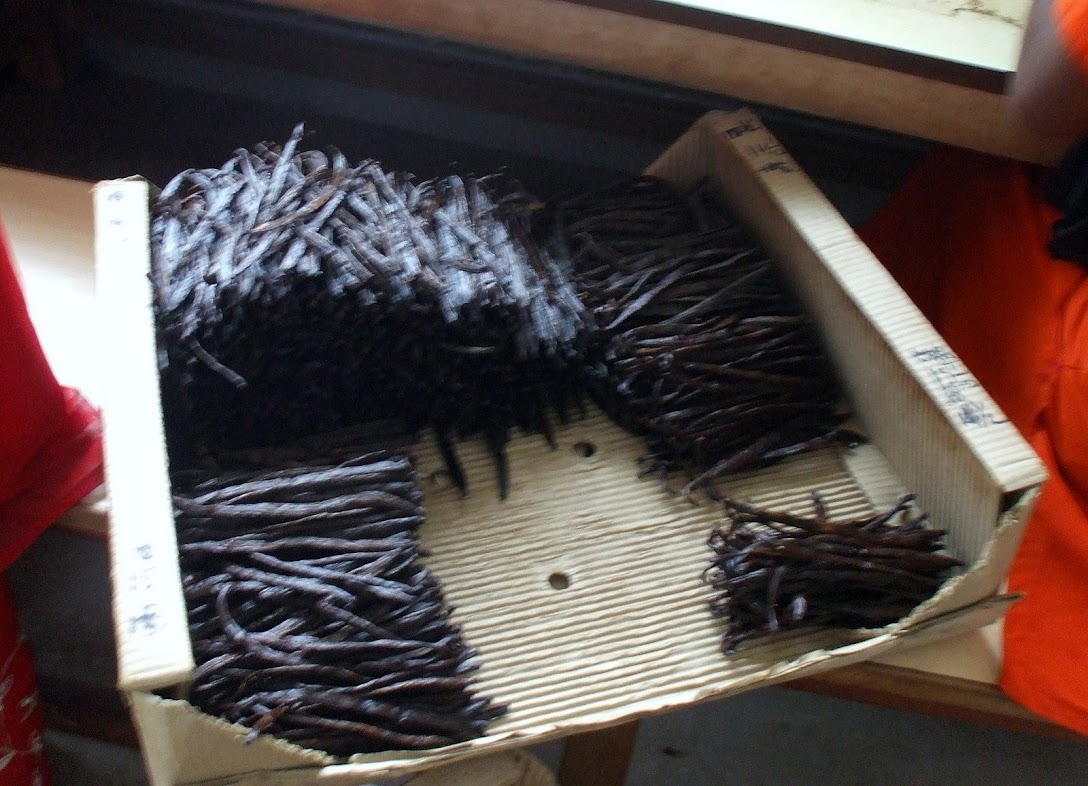
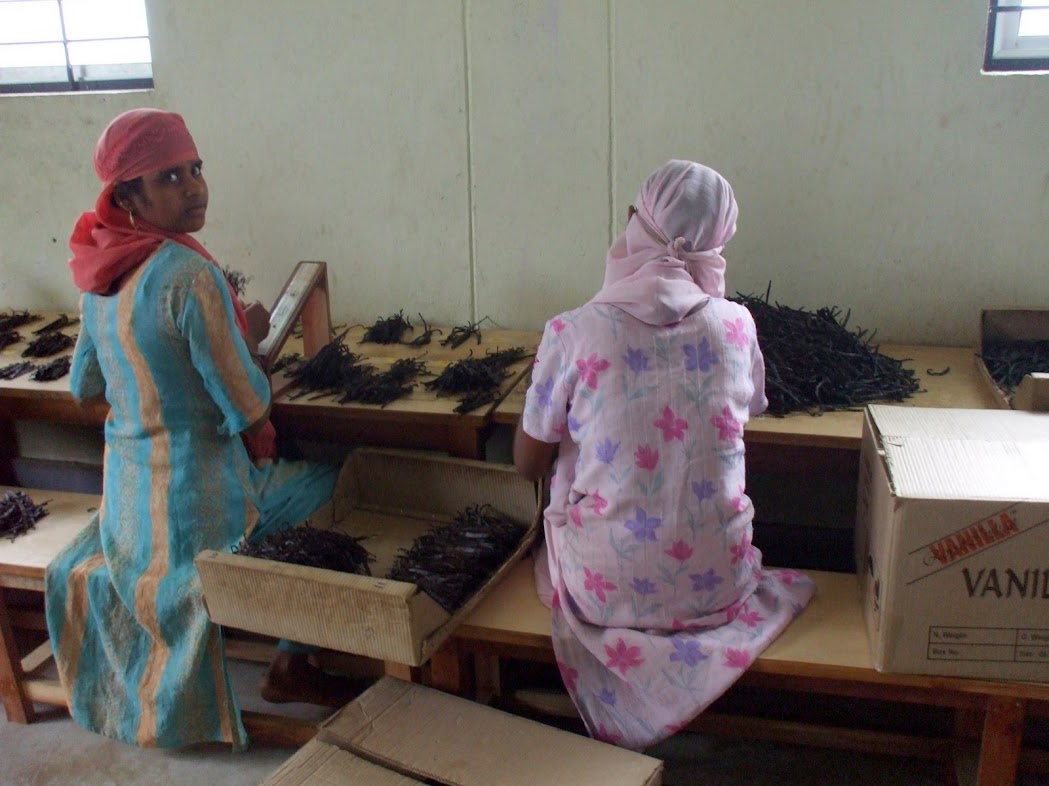
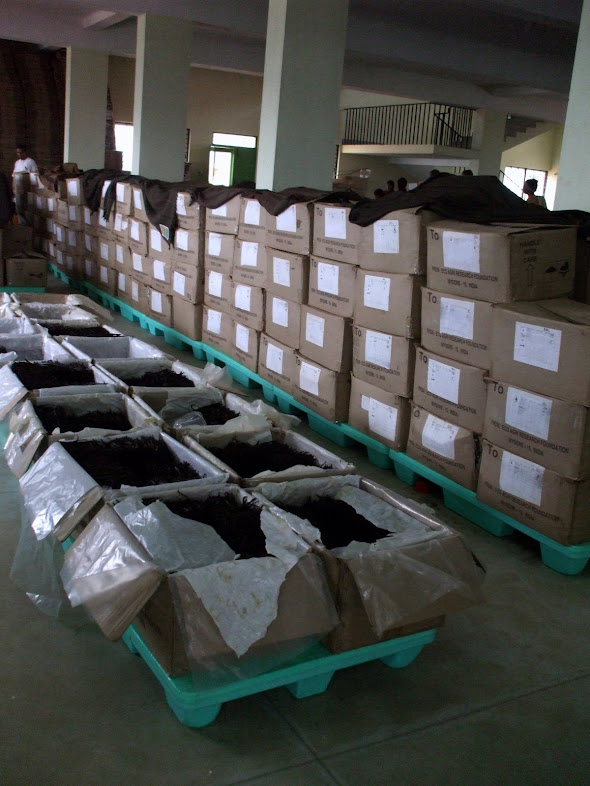
BASIL exists to promote biodynamic farming, investing heavily in teaching small farmers.  They were very convincing about their techniques of using cowhorn etc and certainly have fine results.  They showed us a film which went on far too long, and then, as we’ve come to expect, offered us a wonderful lunch.  Discussion afterwards, then a tour of the farm and the vanilla packaging works.  A whole shed full of vanilla pods, many being quality and size-graded by a band of women.

A lazy late afternoon, then an auto-rickshaw to Simon’s choice of restaurant, Park Lane Hotel, which I found noisy and not much fun.  Until sundry Indian families all took a shine to this strange group of English and tried to make friends, asking our names and pinching our cheeks.  M took photos of the event.  Oh, on the way there, Simon and C’s rickshaw got seriously lost, and had to be guided home via Simon’s mobile and the man at the gate.

Indian Friday: Kracadawna

I rather enjoyed re-visiting India via my blog the other week. So I went and dug out the diary I faithfully kept. The events it describes have never yet seen the light of day. For the first ten days I was with the group of people my ex-brother-in-law had put together, to explore aspects of rural Indian life, focussing on small producers working in traditional and organic ways. We had no internet access during that period.

I’ve decided to share my diary with you. This will take several Fridays. I’m pleased that I kept such a detailed record of a piece of personal history, and of a country I’d never visited. I wonder how dated this account would seem to the current traveller?

Kracadawna

Sunday 18th February

But at 5.00 a.m. there was a great hammering at the door anyway. I lay in bed for 20 minutes, then thought I’d get up for a walk.I wandered down to reception, and found the jungle lot still waiting.  So I joined them.

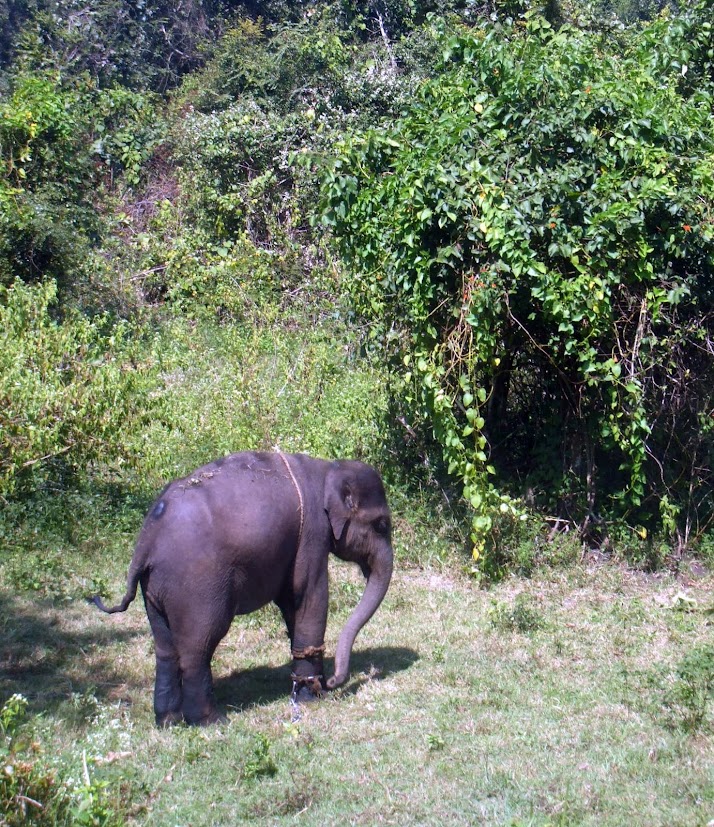
Much bounding around in the jeep off-road, but we saw a young elephant delicately feeding from young leaves, two mongooses haring across the road, a herd of bison, warthogs, and so many spotted deer we became quite blasé.

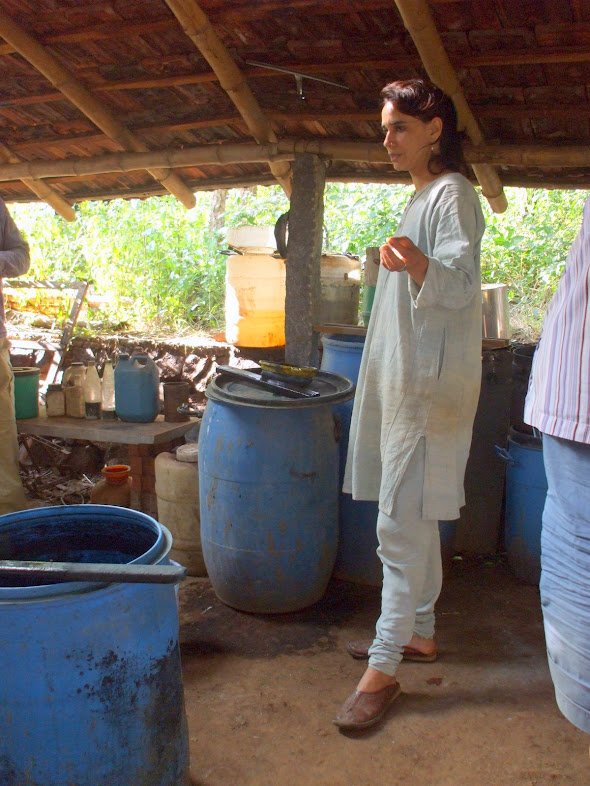
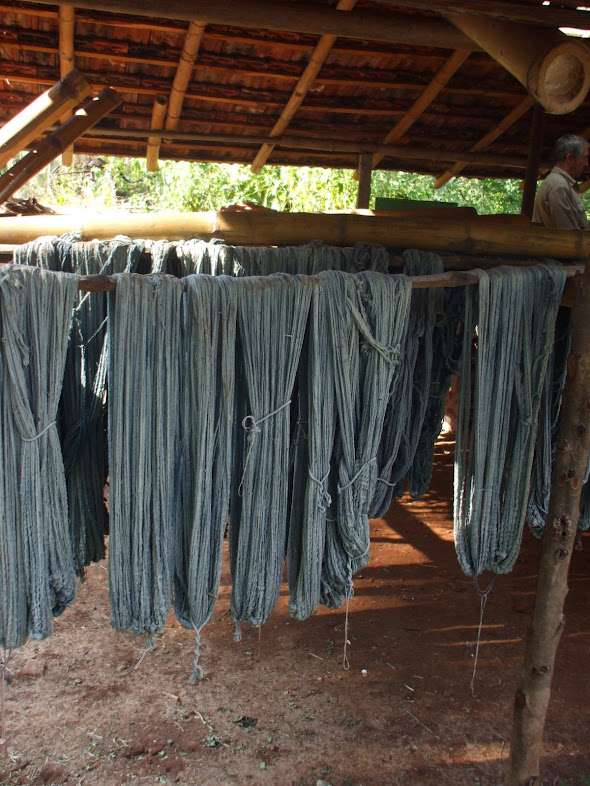
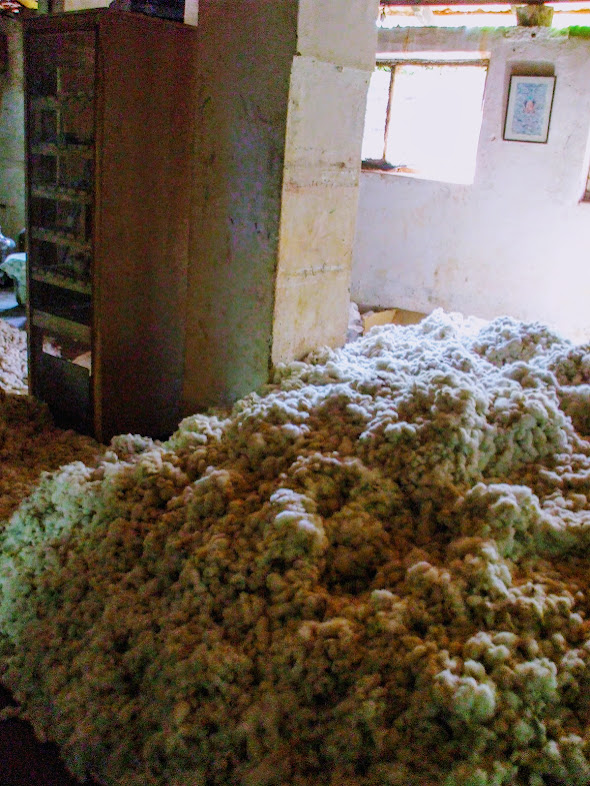
The main point of the day was to visit Kracadawna organic farm. What a place! The couple, Julie (Indo-American) and Vivek met at university, and decided, against parental opposition, to realise their dream and to farm.  They’ve built it up with their two sons and daughter  (home educated), and now farm a rich variety of crops, from fruit and veg. to spices and cotton.  They are virtually self-supporting: what they sell is not fresh produce, but manufactured in some way.  Julie makes wonderful jams, chutneys and preserves.  She’s researched traditional plant dyes.  They produce their own cotton, hand-dye it and with a small team of local women, produce quality organic garments. Sadly, I couldn’t find anything I wanted – they have little left so late in the season.

They farm biodynamically, and after all their scepticism are thoroughly convinced of the results.

A completely stunning lunch – bright crisp salads, greenish hummus, a great red rice dish, lots of chutneys and veg. dishes and a milky red-tail millet pudding.

Then a hairy – and I mean hairy – drive into Mysore and the Green Hotel, and a room each.  Quiet evening, and to bed …

My featured photo shows the family cat we saw that day. Unusual, eh?


India Friday: Moving on to Cicada Kabini

I rather enjoyed re-visiting India via my blog the other week. So I went and dug out the diary I faithfully kept. The events it describes have never yet seen the light of day. For the first ten days I was with the group of people my ex-brother-in-law had put together, to explore aspects of rural Indian life, focussing on small producers working in traditional and organic ways. We had no internet access during that period.

I’ve decided to share my diary with you. This will take several Fridays. I’m pleased that I kept such a detailed record of a piece of personal history, and of a country I’d never visited. I wonder how dated this account would seem to the current traveller?

Moving on to Cicada Kabini

Saturday 17 th November.
Early to rise.  I’m on the water tower, where I’ve been watching the sun rise from 5.45 a.m. I even heard the whistling thrush.

By the way, they eat so well here, and nobody is overweight.

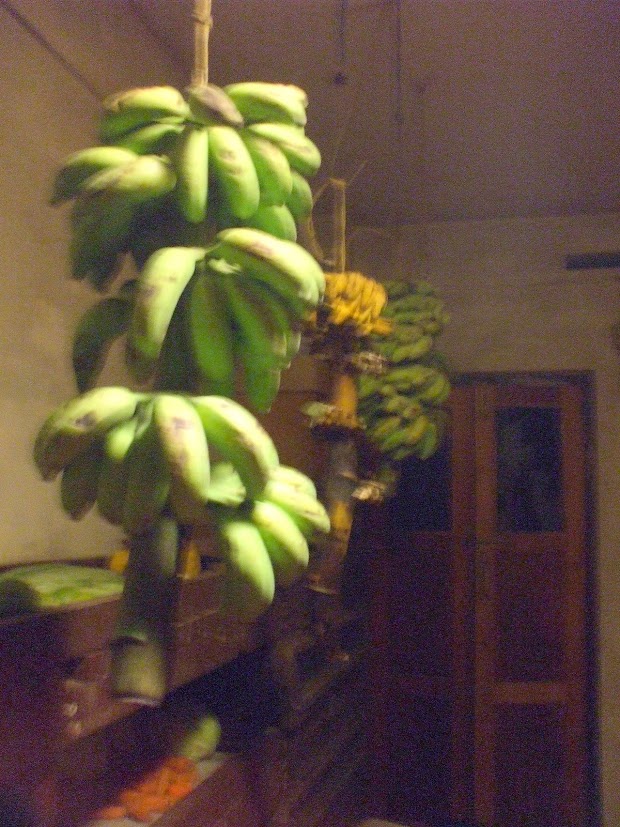
From 6.30 a.m.: coffee and tea, and bananas and fruit to ‘put you on’ if you need it.

10.00 a.m.: cooked breakfast.

1.00 p.m.: ‘light lunch’ (cooked)

5.30 p.m.: tea – masses of fruit and a few snacks – biscuits and savouries like Bombay mix.

9.00 p.m.: dinner: big cooked meal.

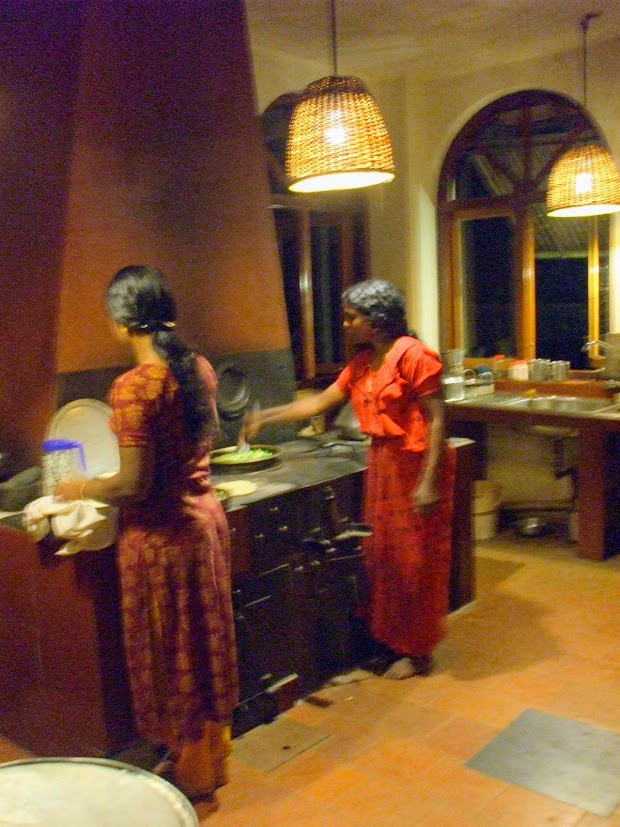
Breakfast and lunch is served to 40 – 50 people, dinner to the core ‘family’ and whoever is staying.  Unsurprisingly, there is a team of women cooking all day.

And then – what a morning! We left before breakfast of course, so we had that en route.  Parathas, roti, all kinds of puffed breads served with various dishes of vegetables.  Great stuff!

Then Prince, under instructions from Supi took us to a textile shop so I could choose several plain lunghis to be made up by a tailor in Mysore into salwar kameez.  Ch and C joined in the fun.

Then the journey!  Wow! Even 4 x 4s might find it a challenge in what passes for roads in the National Park.  We could perhaps have walked more smoothly.  But it was fun, even though we didn’t see all the wildlife we hoped for,  Two wild peacocks, spotted deer, two elephants – not wild.

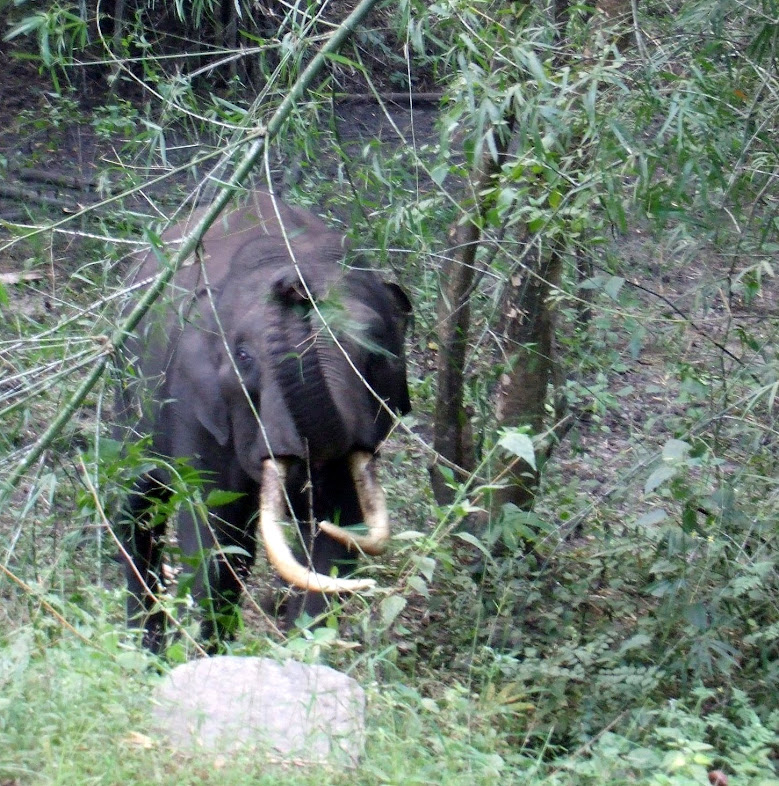
Elephant spotted on the way to Kabini

Checking into Cicada Kabini was a rude culture shock: a sort of Centre Parcs for the Indian middle classes.  Staff all in Securicor type uniform, & individual chalets all around the stunningly beautiful River Kabini,  which looks like a lake  at this point, it is so wide.  But eco it isn’t.  Nescafe in all the rooms, jacuzzis and all the trimmings we had become unused to.

Outside our bungalow

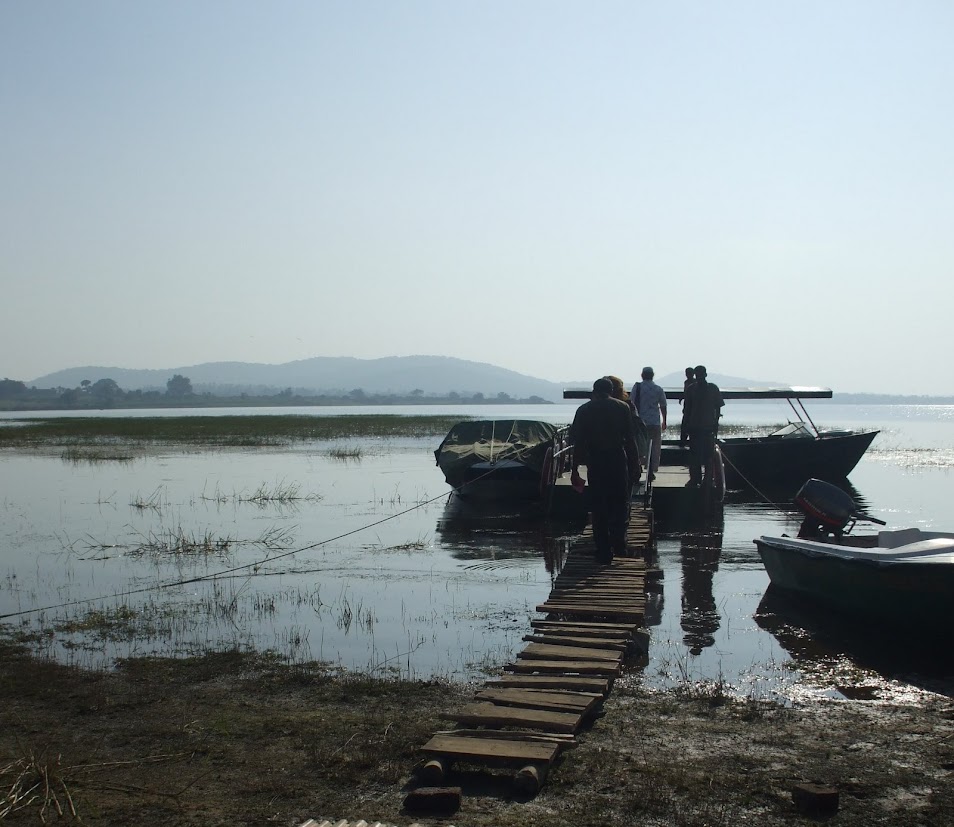
The afternoon though brought with it a boat safari.  We nearly all went, with a few other guests, and we set off in the noisiest motor boat ever, frightening off any wildlife for miles.  But the bird life was stunning! From things we all knew about already, such as cormorants, to the gorgeous Brahminy kite (brilliant glossy chestnut apart from a pure white head, and five – FIVE – kingfishers, some of them Indian varieties.

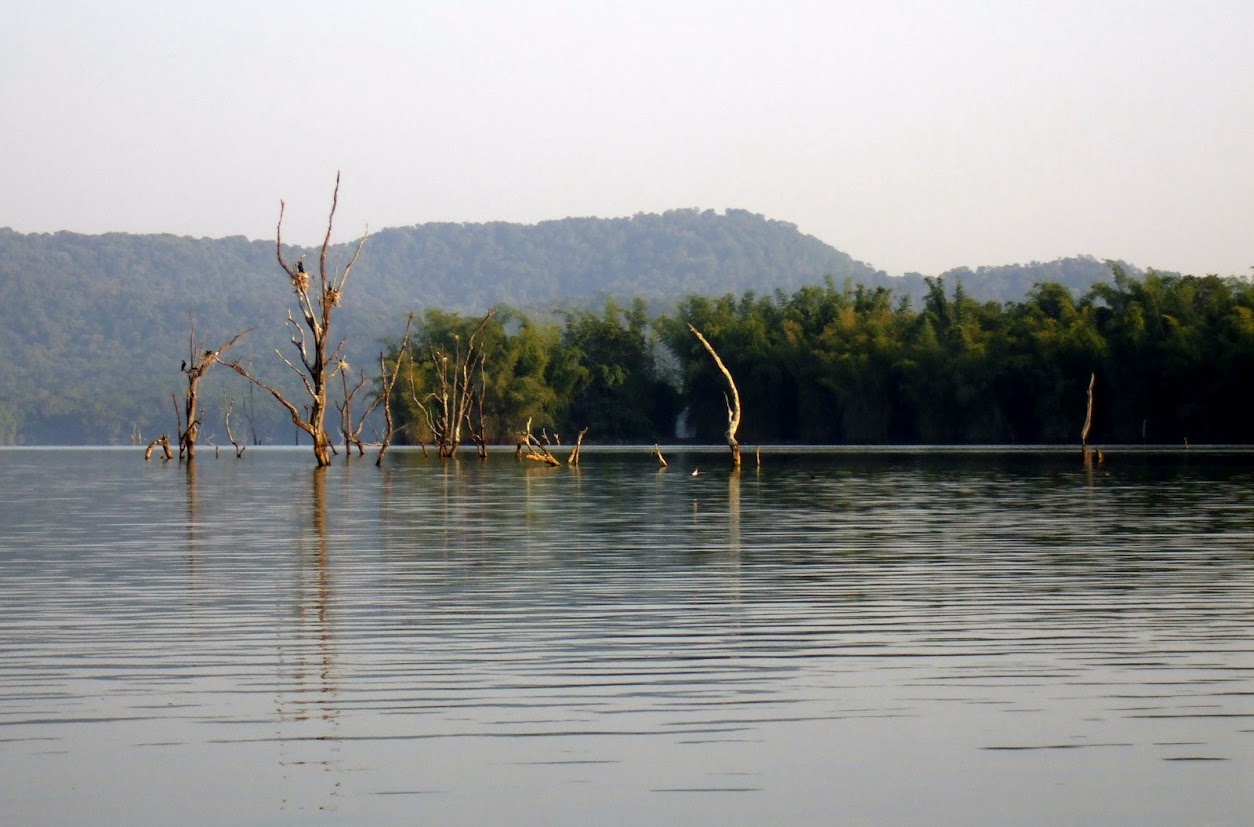
Many of the birds roosted, hunted or nested in the skeletal dead trees in the water: lots of ‘Kodak moments’, as M would put it (on the whole, my camera wasn’t up to the job).

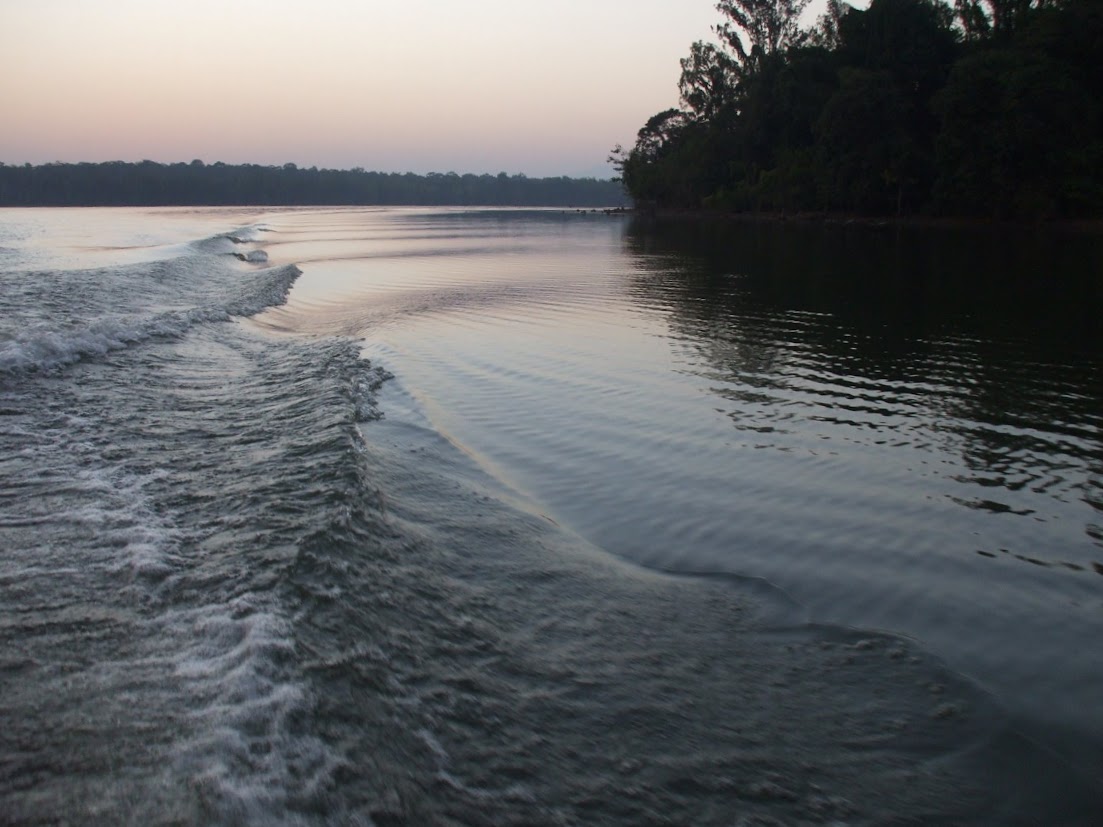
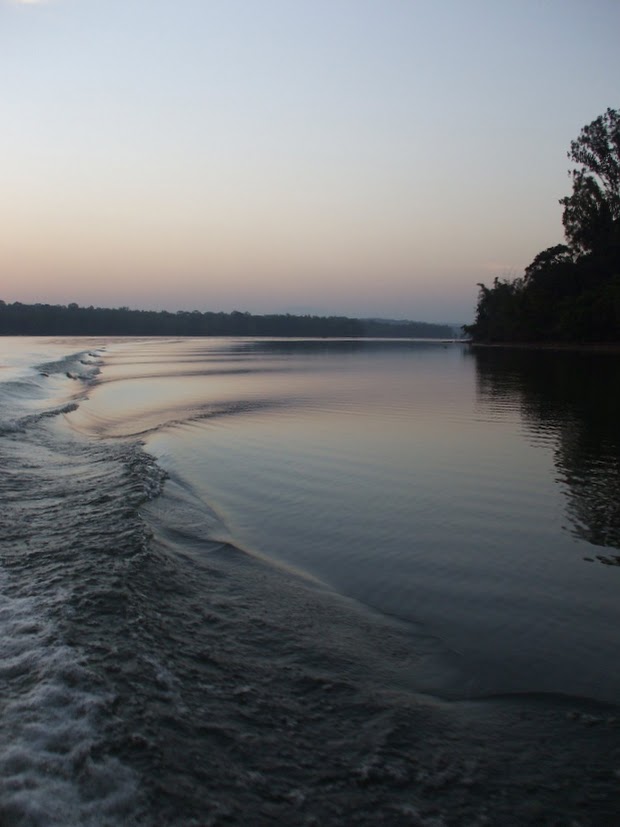
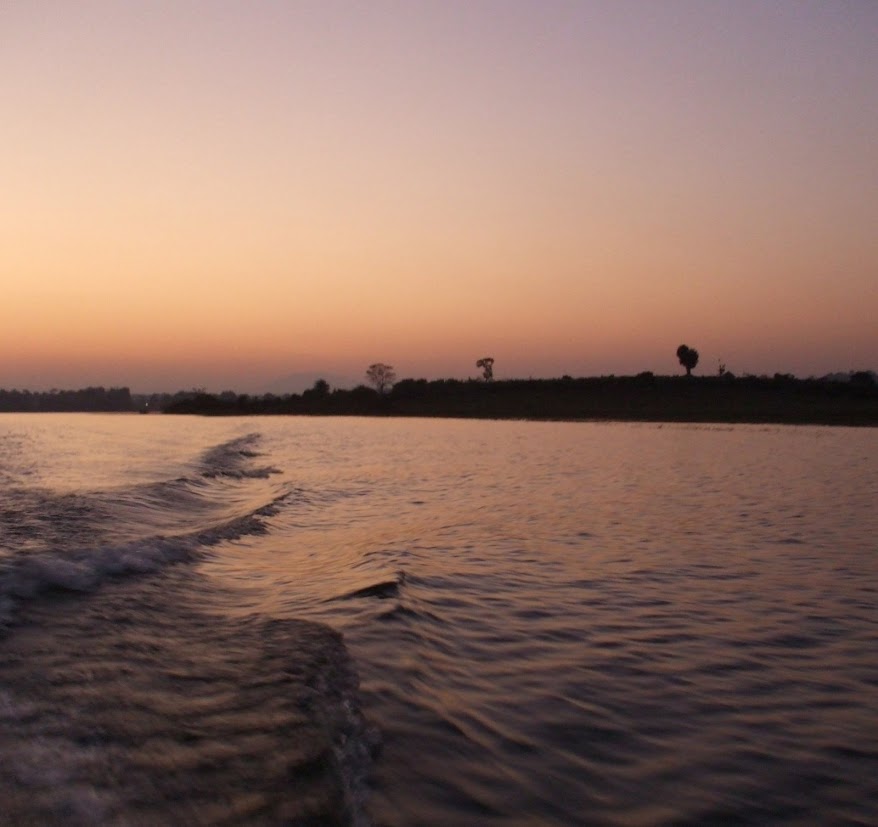
Not so many animals though. An elephant silhouette distantly glimpsed drinking on the shore, some wild boar, spotted deer, and positively no crocodiles, as virtually promised.  Coming home, a truly wonderful sunset.

Then dinner (the food is very good here) and an early night all round.  I decided, as did most of the others, not to do the Jeep safari early next morning, with a wake up call at 5.45….

Indian Friday: The Wildlife Day

I rather enjoyed re-visiting India via my blog the other week. So I went and dug out the diary I faithfully kept. The events it describes have never yet seen the light of day. For the first ten days I was with the group of people my ex-brother-in-law had put together, to explore aspects of rural Indian life, focussing on small producers working in traditional and organic ways. We had no internet access during that period.

I’ve decided to share my diary with you. This will take several Fridays. I’m pleased that I kept such a detailed record of a piece of personal history, and of a country I’d never visited. I wonder how dated this account would seem to the current traveller?

The Wildlife Day

Friday 16th November

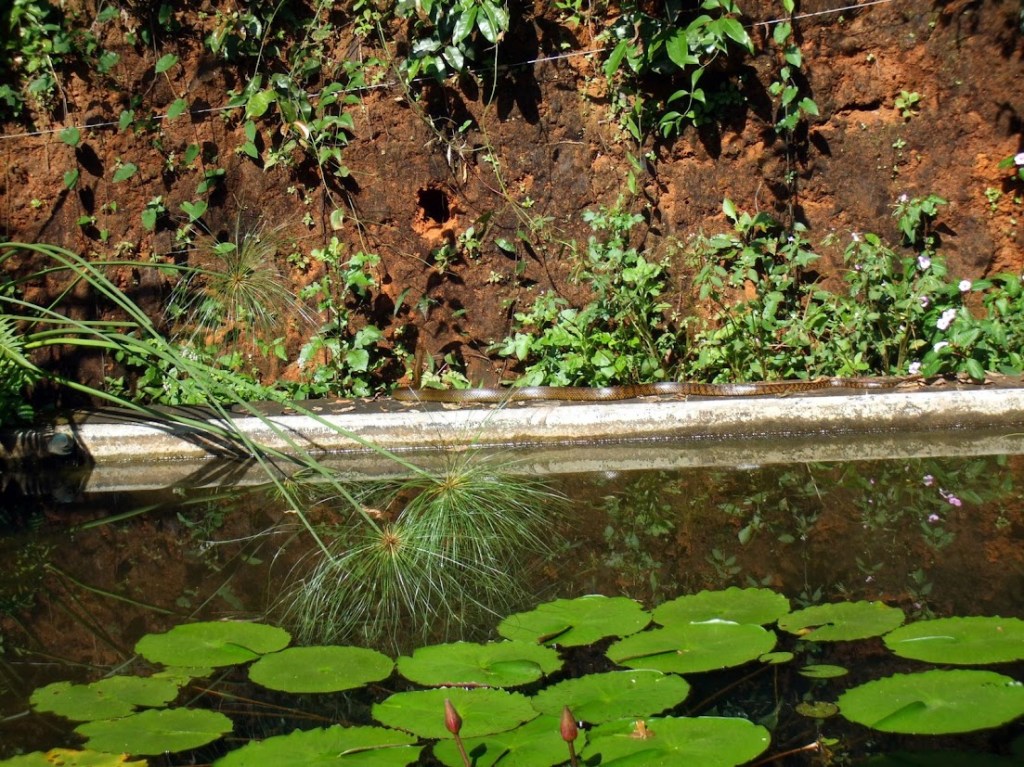
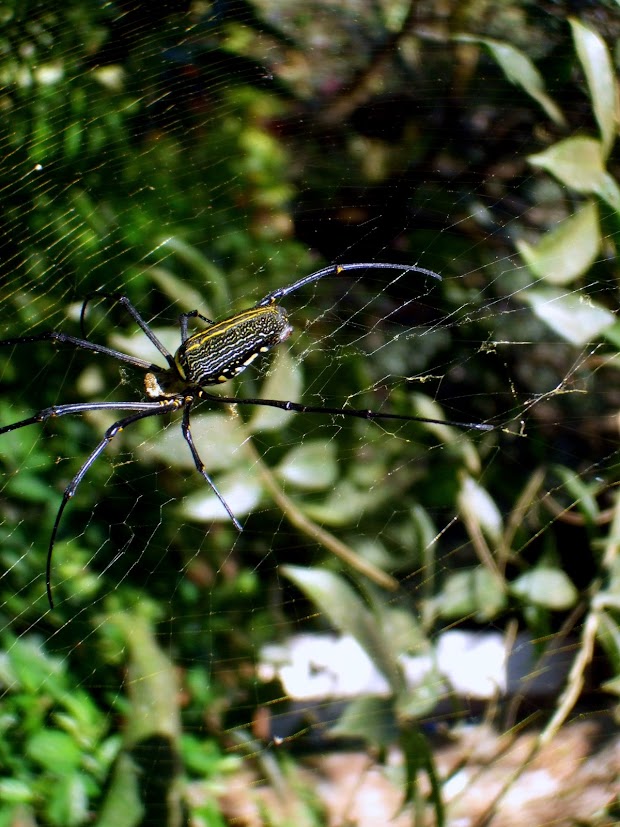
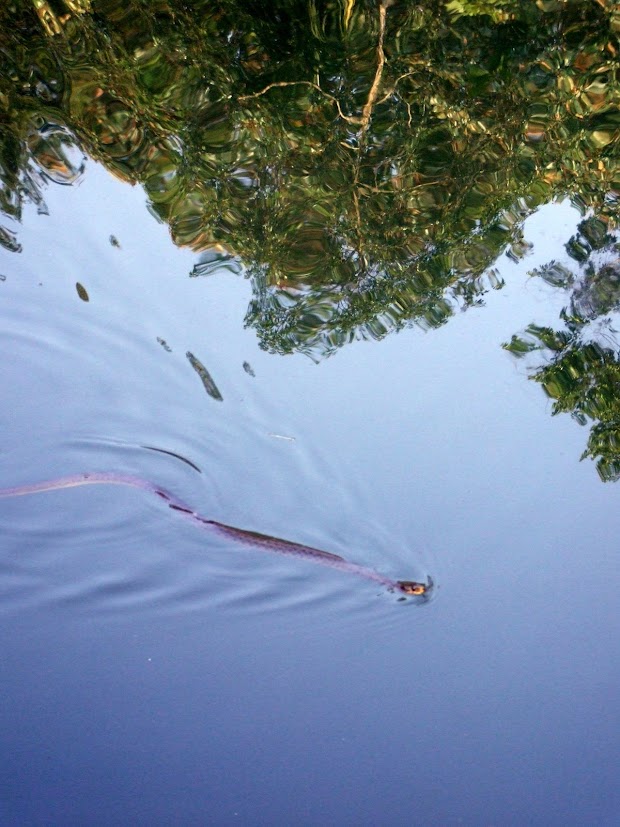
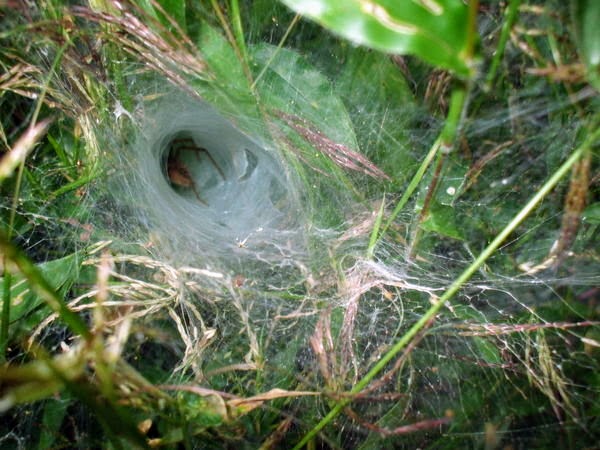
What a wildlife day so far! Rat snake at breakfast, pond heron in the trees in the rainforest, and a rufous-bellied eagle (rare).  Lots and lots of different frogs – not bright coloured but fun to see anyway.  L  and I had had fun shining our torches to see those on lily pads very late yesterday.  Immense spiders safely attached to their webs.

Sandy took us on a rainforest walk this morning.  He began by the river, virtually a guided meditation, to help us tune in with the natural sounds, particularly by the water. It was wonderful throughout to hear the forest sounds – the water, the trees, the monkeys (macaques and …..) whom we couldn’t see. 
Crossing the river

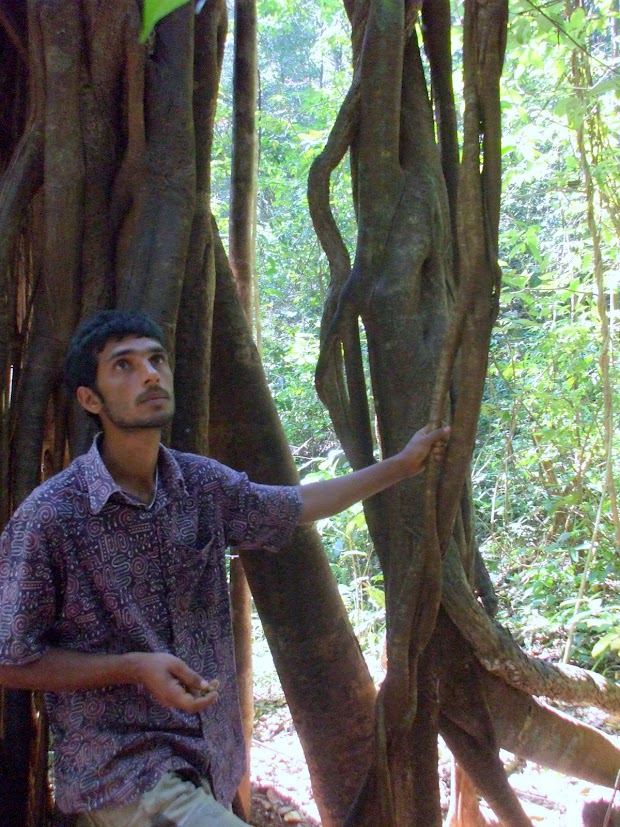
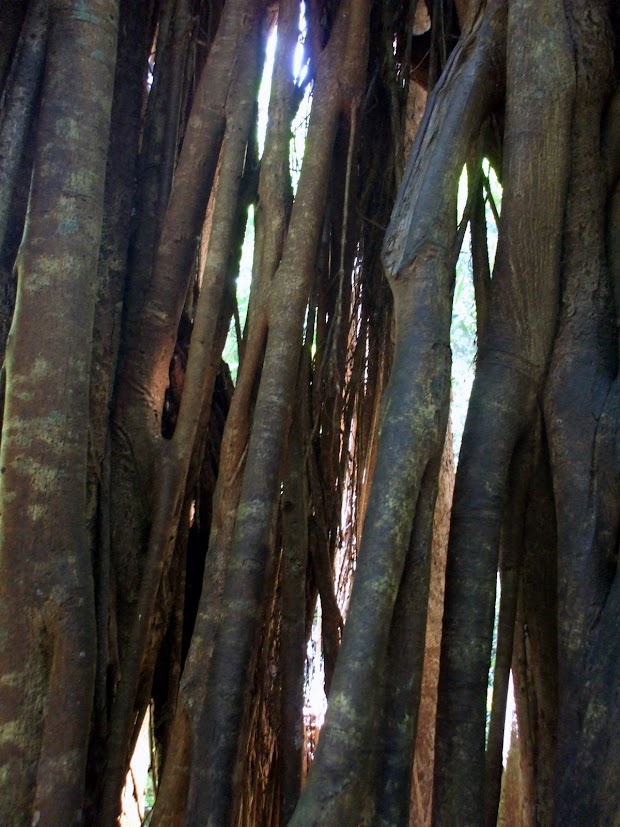
Some strange plants – the strangler fig lands half-way up its host as a seed, and grows down and up, enveloping and feeding from the host trunk. Eventually the host dies, leaving a tracery of woven branches – which is the fig.  Several of us tried to climb up with Sandy’s help: I was one who failed.

Leeches hugely enjoyed our being there.  They seemed to feast on those who hated them most, while pretty much ignoring those like me, who didn’t care.  The poor bitten victims were pretty bloodied by the end.  Still, I copped for the biting ants instead.

I’m currently on the water tower  enjoying the hordes of dragonfly overhead.

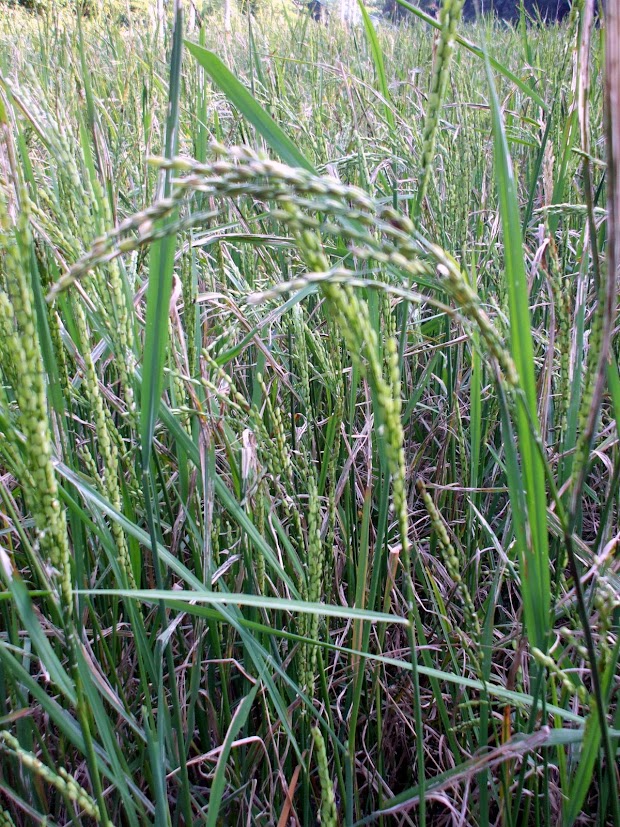
Later.  But then I came down.  Supi had organised another walk.  Down to the water tanks (where we saw two water snakes) and the red rice fields.  They grow old varieties which are slow growing but more nutritious.

Then it was on to the village: no village green around a church (though there was a church) but houses, on the whole well strung out from each other, with crops and land between. During the late 1940s(?) the Keralan Government freed all landowners to sell their land cheaply and all citizens were entitled to 7.5 acres per person (or 15 acres per family).  At first everyone worked the land in a diverse way, growing varied crops for their own use, then selling the surplus.  Now there is more of a monoculture, with families taking whatever subsidy is on offer to plant the latest crop – till it all goes pear-shaped.  A few years back, tea was getting Rs 20+ on the open market: now it’s only Rs 3. And so on.  So we saw tea, coffee, rubber, bitter gourd, banana – various things – all grown as monocultures, and the consequence is that families, without the rich variety of crops, are less well-nourished. 90% literacy means people are fleeing the land too. Young people choose to work in, for example, call centres rather than continue in the family farm. 

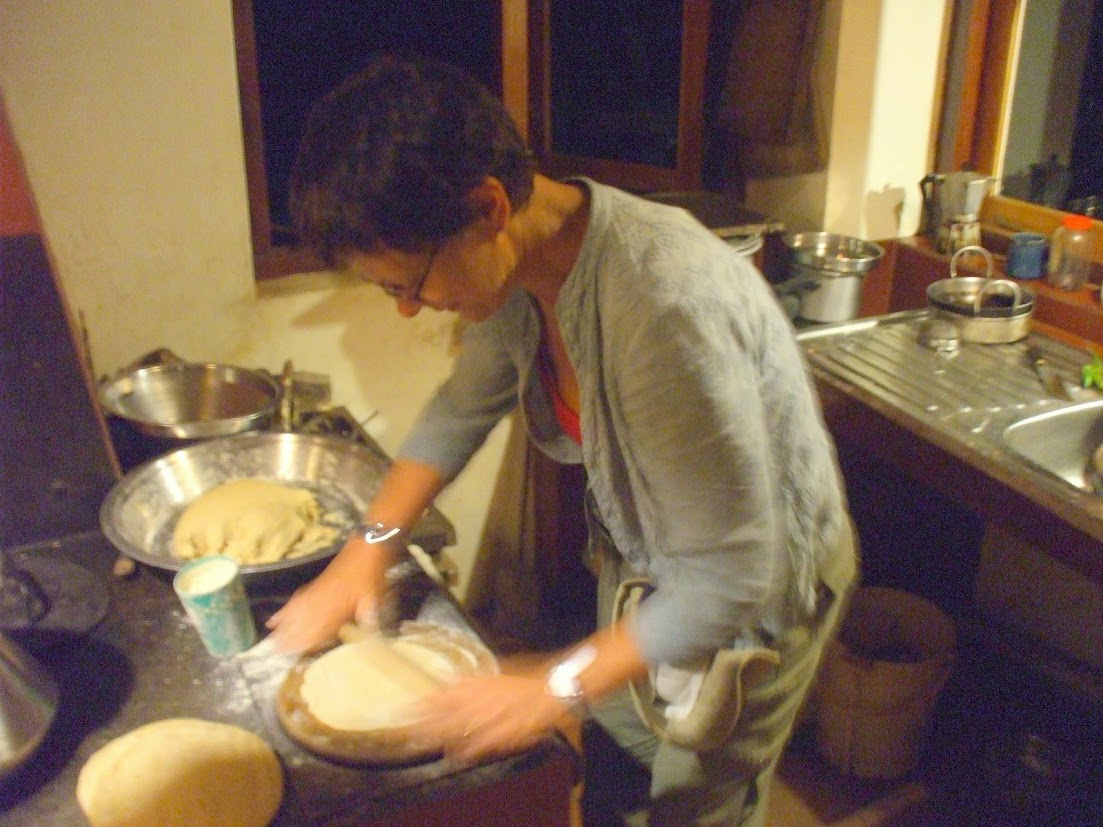
Later, M and I offered to help cook.  We chopped onions, tomatoes, okra, and rolled out chapattis, but other than that didn’t feel too useful or learn massive amounts.  But it was fun. 

Later still, M, C and I were taken for a moonlight walk by Lorenzo: rather fast for C’s and my taste, but listening to all our frogs, and stargazing was fun.  Late bed and …. (to be continued in my next….)

Indian Friday: Off to Gurukula

I rather enjoyed re-visiting India via my blog the other week. So I went and dug out the diary I faithfully kept. The events it describes have never yet seen the light of day. For the first ten days I was with the group of people my ex-brother-in-law had put together, to explore aspects of rural Indian life, focussing on small producers working in traditional and organic ways. We had no internet access during that period.

I’ve decided to share my diary with you. This will take several Fridays. I’m pleased that I kept such a detailed record of a piece of personal history, and of a country I’d never visited. I wonder how dated this account would seem to the current traveller?

Off to Gurukula

Thursday 15th November

Well, it’s only 6.20, and as usual I haven’t slept much.  But the compensation is to hear for the last time the dawn song of the Whistling Thrush.  Just the one bird, who at early dawn sounds just like some very contented man, hands in pockets, ambling down the street, whistling carelessly and happily without bothering to keep to any particular kind of tune.  We sometimes hear it briefly in the evening too.

The thrush doesn’t start singing at the very beginning of this recording, so just hang on a few seconds!

8.05.  We’ve had much of a day already – setting off in the minibus (late as usual) after affectionate goodbyes to Sujata and Ann and the staff such as Harish.  Check the bald tyre on the spare!   Stop off at Madekeri to photocopy our documents for the Kerala police, comfort break and so on, then … ever onwards.  The roads were terrible and the scenery and towns were what we had come to expect and enjoy though we did seem to be descending.  Finally, the Kerala border and frontier posts and all that goes with that, and a flurry of communist flags.  Not too long before we stopped again for petrol, comfort breaks and chai.  By the way, the scenery changed immediately we got through the border to forests of bamboo.  We were straight into a National Park, briefly better roads and apparently a slightly better standard of living. 

The road up to Gurukula was … worrying.  Finding it was one thing.  Ascending the single-track with sharp descent one side (my side …) another.  The forest however was so lush.  Once we arrived in this place – a Botanical Sanctuary – undeveloped for tourism in the way that, say Kew, has been, we were immediately welcomed to lunch (by now 2.30 ish) – 2 veg. curries, homemade yoghourt and poppadoms, twice cooked rice in the Keralan style, followed by yoghourt with wild honey.  All v. democratic, so do your own washing up,  and then down to inspect the simple accommodation.

A tour of part of the sanctuary in the afternoon (‘Please pee in the garden to nourish the plants’), then tea at 5.30: hunks of watermelon, local oranges, homemade savouries and sweetmeats, and meet everyone. 

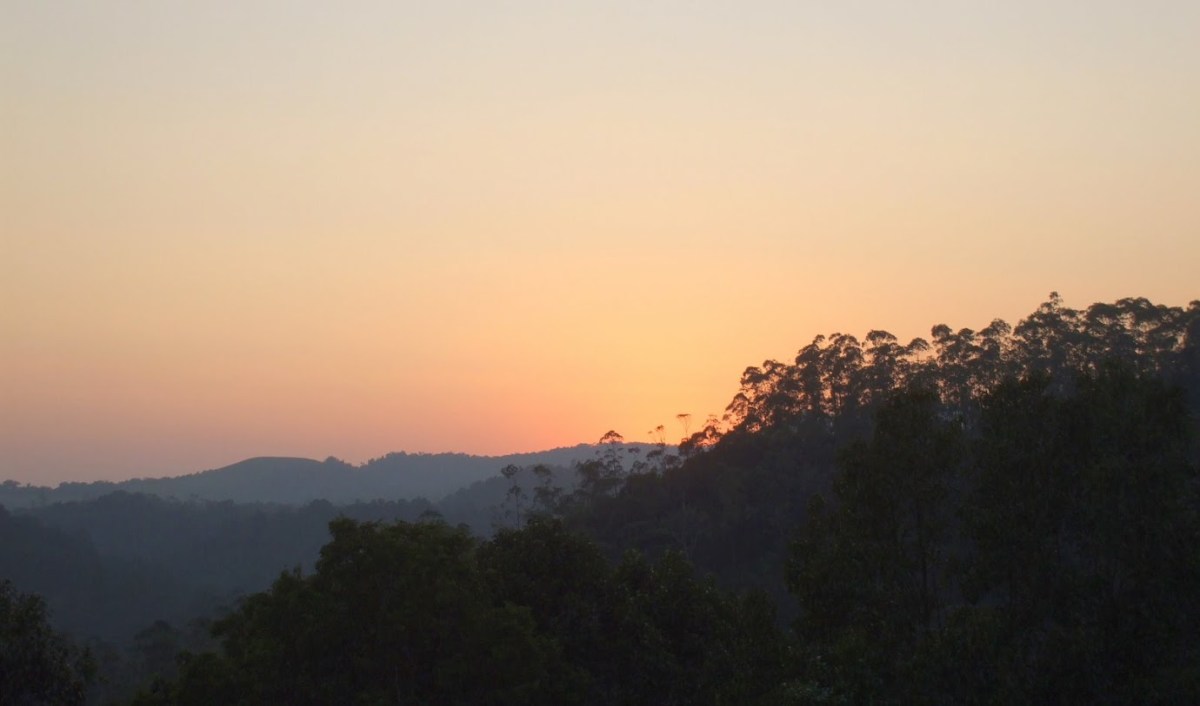
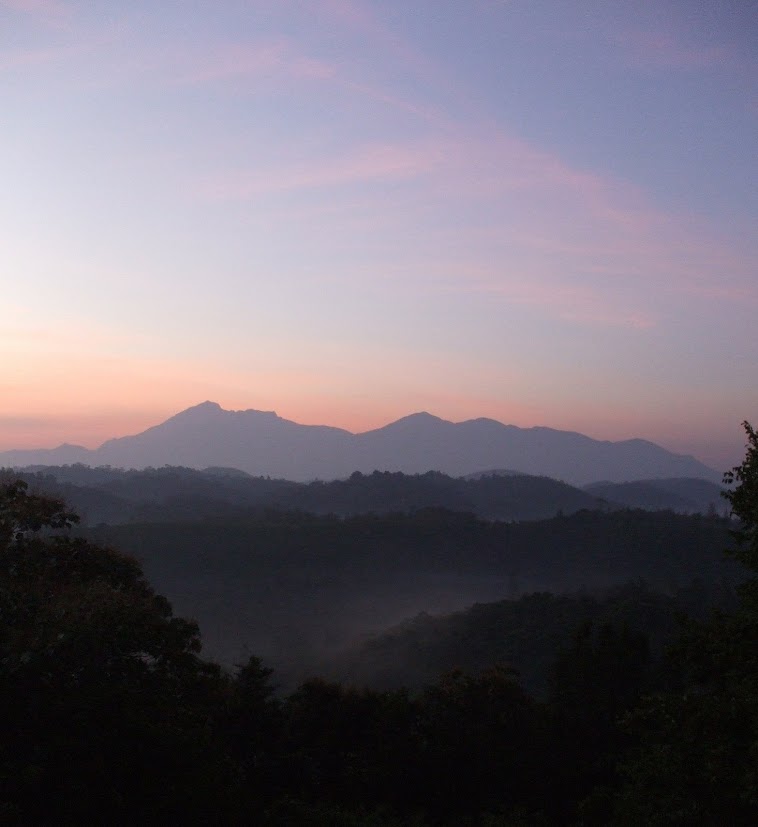
Then Supi took us up the water tower … one of the most magical experiences of my life.  We watched the sun set over the Western Ghats, and the moon rise as the sky darkened and the stars emerged.  Silence fell as the night sky intensified.  It was wonderful simply to be there. Mullahs from two distant mosques did their Call to Prayer, admittedly using a microphone, but it still provided atmosphere.  Others saw shooting stars, though I didn’t … it didn’t matter: I was still enveloped in enchantment.

Meal, as always, was wonderful- mountains of fluffy paneer curry, sourdough chapattis, red rice, dhal, veg. curries (two sorts).  Then fill in forms for the Keralan police, and so to bed, if not to sleep …

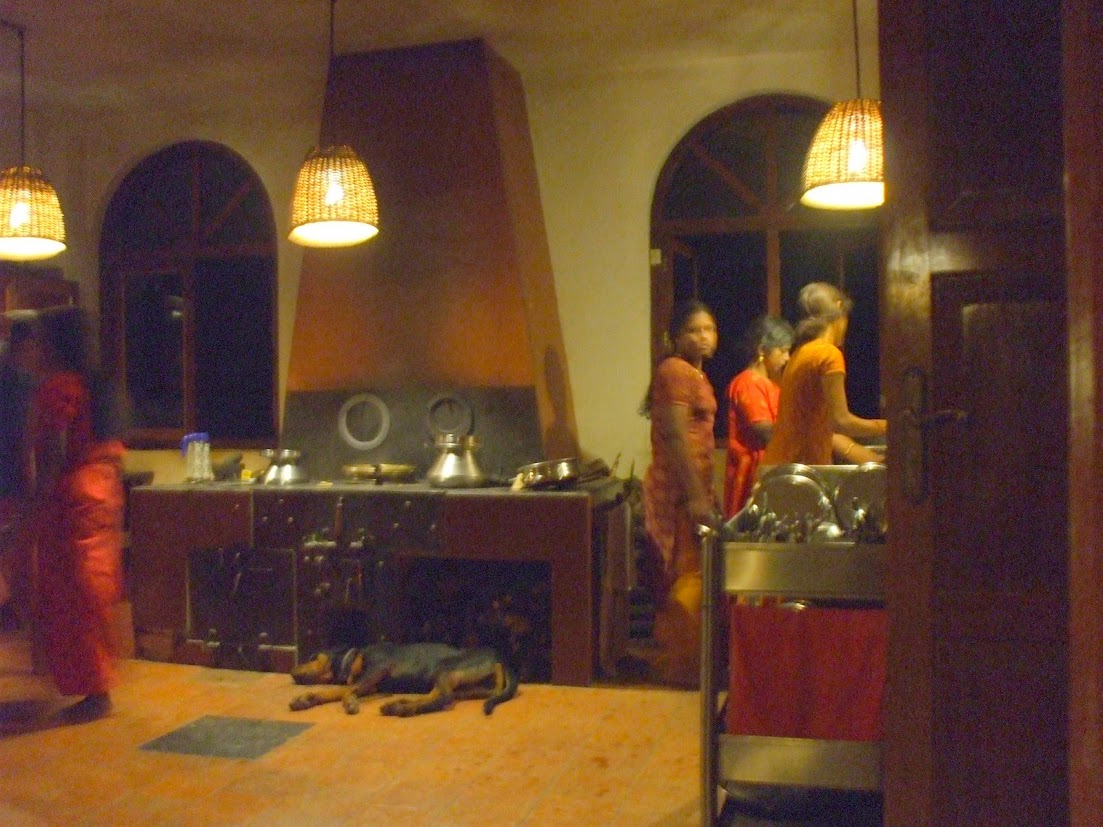
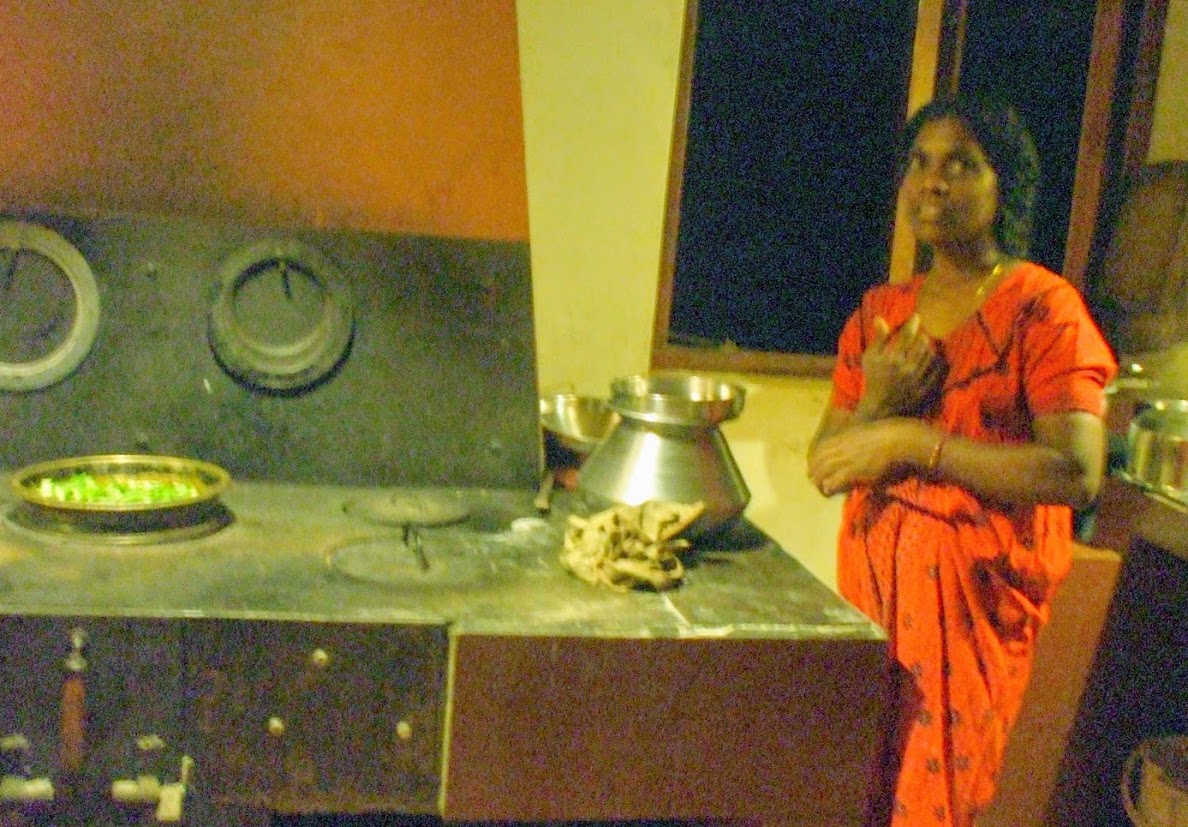
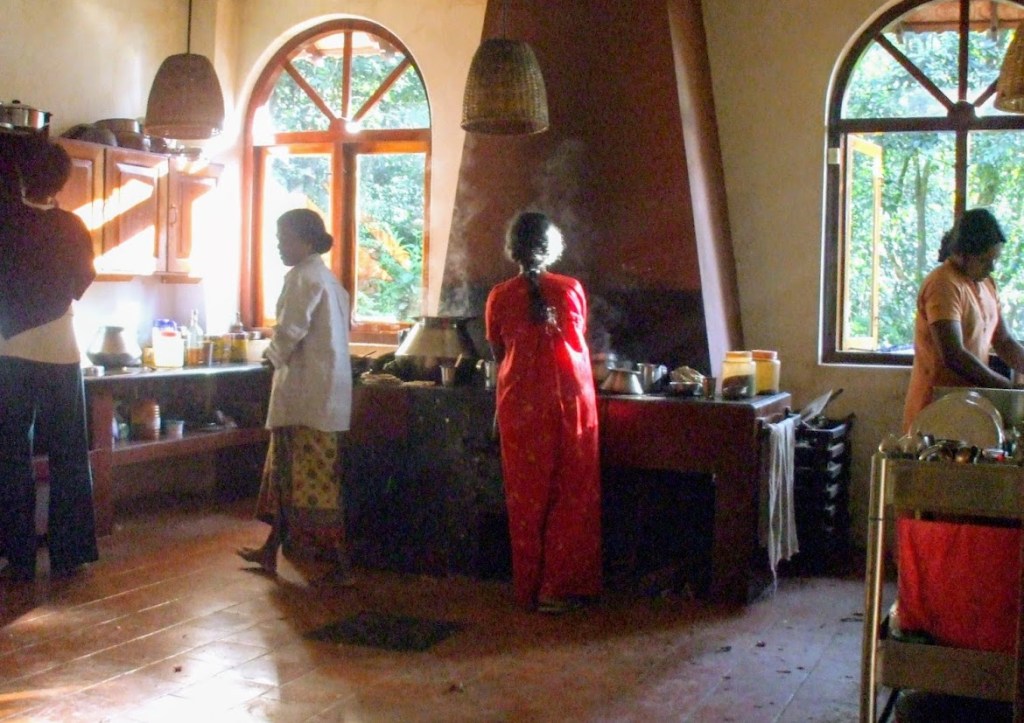
Kitchen at Gurukula

Indian Friday: Last Day at the Rainforest Retreat

I rather enjoyed re-visiting India via my blog the other week. So I went and dug out the diary I faithfully kept. The events it describes have never yet seen the light of day. For the first ten days I was with the group of people my ex-brother-in-law had put together, to explore aspects of rural Indian life, focussing on small producers working in traditional and organic ways. We had no internet access during that period.

I’ve decided to share my diary with you. This will take several Fridays. I’m pleased that I kept such a detailed record of a piece of personal history, and of a country I’d never visited. I wonder how dated this account would seem to the current traveller?

Last Day at the Rainforest Retreat

Wednesday 14th November

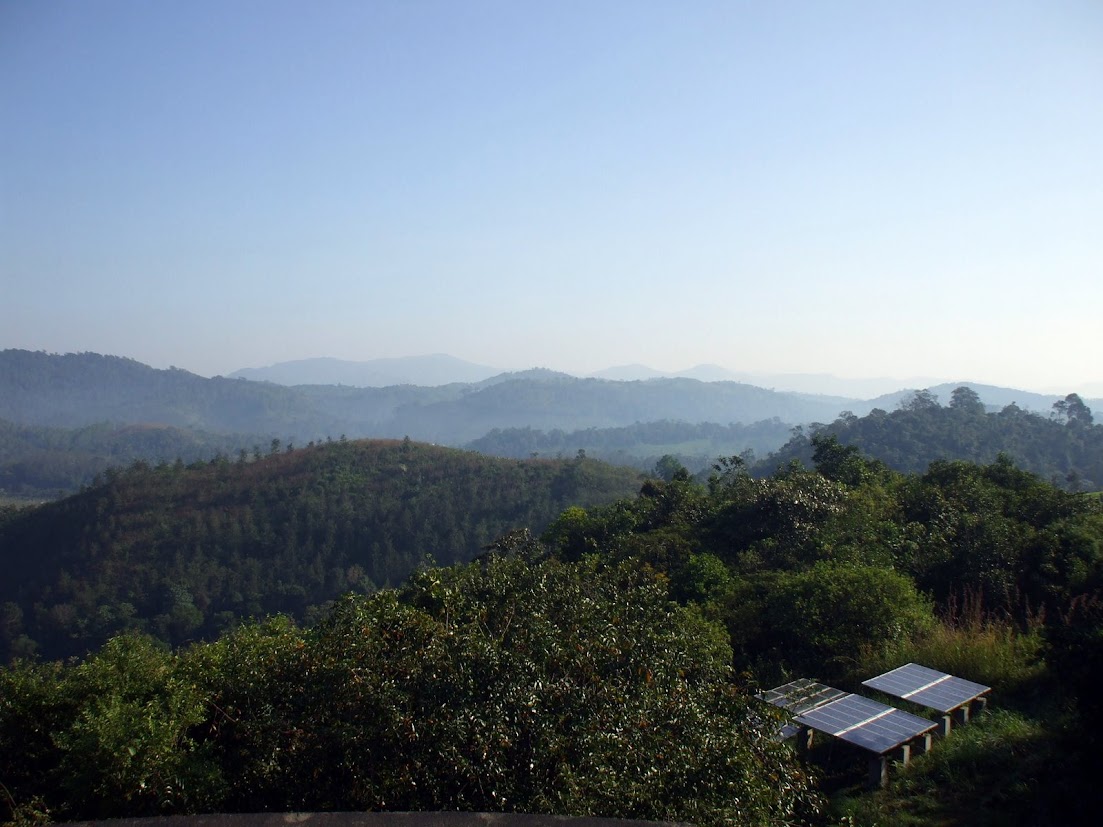
Dhosas with potato curry and scrambled egg Indian style (i.e. spicy) for breakfast.  Then off with Ravi and Nak for the Ridge Walk.  This involved serious climbing through the rainforest till we rose above it to the hilltops with pasture, bracken and smaller foliage plats.  Wonderfully bright acid green paddy fields below – such a contrast with the darker green of the plantation trees.  One or two cattle here too. More of the same, passing a few settlements on the way down……

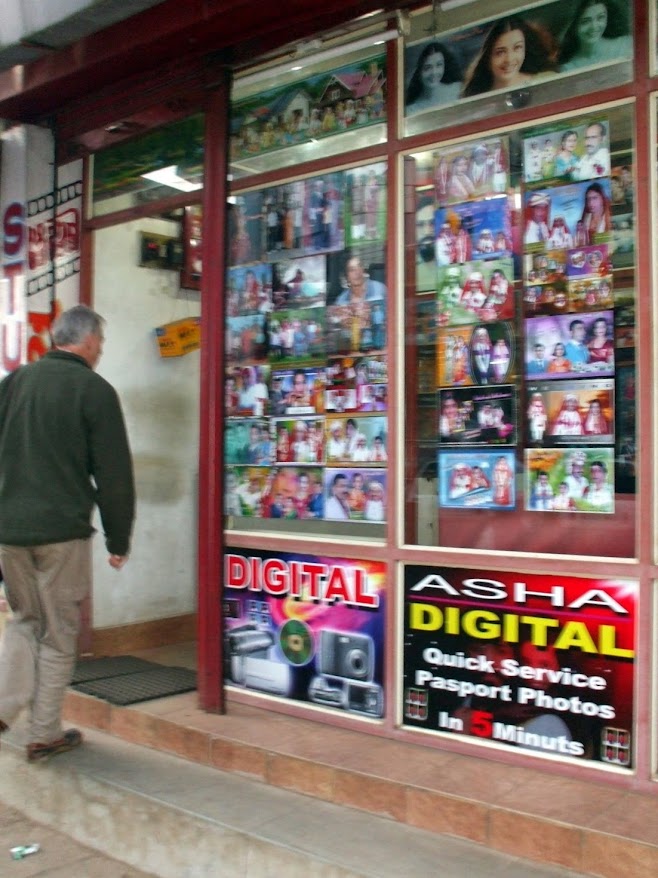
….. Later, M, C, L  I had a few jobs to do in town so we had a lift in.  We enjoyed pootling around.  I left an answerphone message for Malcolm and spent Rs60 on a hat (about 54 pence).  We bought chocolates for Sujata and A (Cadbury’s, made in Poona and unavailable in England) and waited and waited for our photos to be downloaded.

…and waht you can buy there

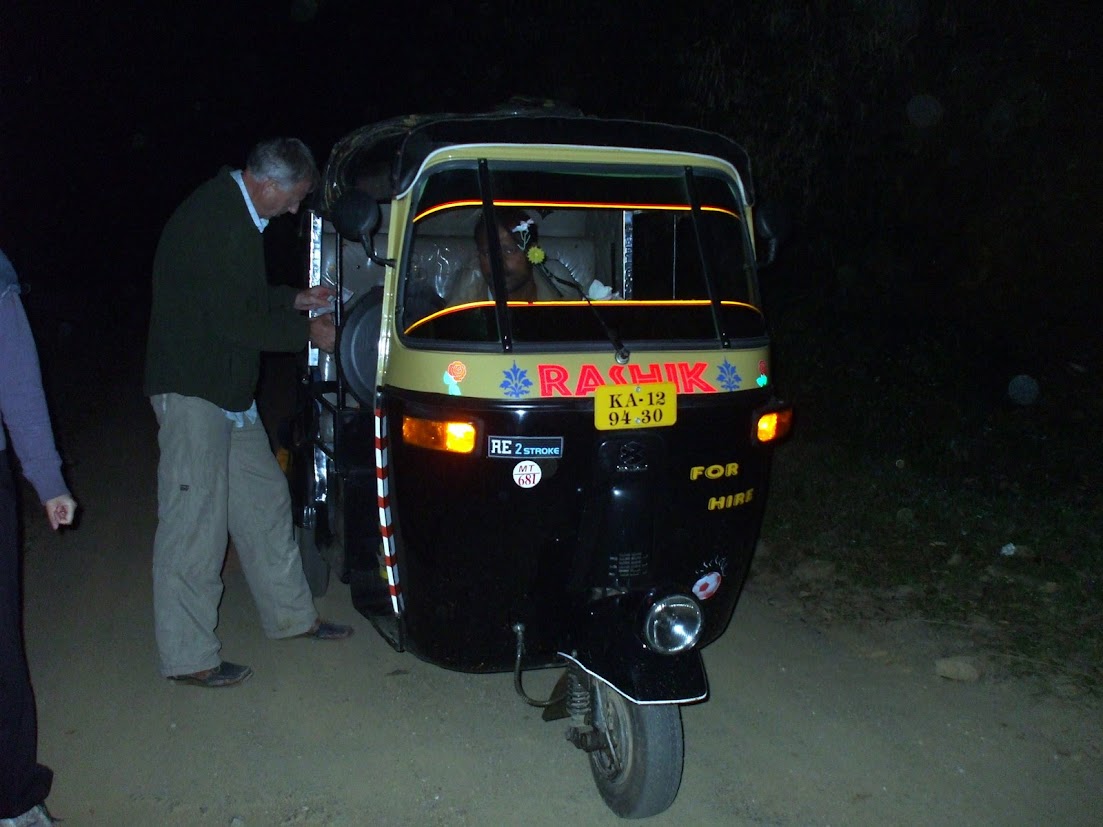
It was dark by now, and we started to worry we wouldn’t be back for 8.00 and our farewell dinner, but M made friends with someone in a shop who took my letter which I’d found no postbox for, and got us an auto-rickshaw.  Well! Health and Safety need not apply.  4 of us plus luggage somehow squeezed in with L on M’s knee and all of us bulging out all over.  We admired the artificial flowers decorating the driver’s dashboard while M negotiated the price (Rs 150 – £1.35 – for a 10 km. ride) and off we hurtled, through puddles and over potholes (easier perhaps in a rick, with its smaller wheelbase) only grinding to a halt once.

Home just in time to make the journey up the hill to S&A’s house where we sat round a bonfire with A’s blues music in the background, eating dish after dish of all kinds of curry.  Ludwig was there too.  Home by 10.30, looking at a sky fuller by far of stars than we can ever manage in light-polluted Europe.

the barbecue

Indian Friday: Tea Plantation Day

I rather enjoyed re-visiting India via my blog the other week. So I went and dug out the diary I faithfully kept. The events it describes have never yet seen the light of day. For the first ten days I was with the group of people my ex-brother-in-law had put together, to explore aspects of rural Indian life, focussing on small producers working in traditional and organic ways. We had no internet access during that period.

I’ve decided to share my diary with you. This will take several Fridays. I’m pleased that I kept such a detailed record of a piece of personal history, and of a country I’d never visited. I wonder how dated this account would seem to the current traveller?

Tea Plantation Day

18th November 2007

Tea Plantation day! We set off later than we should have – who knows why? Led by Ravi, who pointed out vine snakes, trees, all sorts.  We were VERY late at Ludwig’s and he had to go out soon.  I was pretty annoyed, and I suspect L was too.  He’s German, but has lived and worked here for many years.

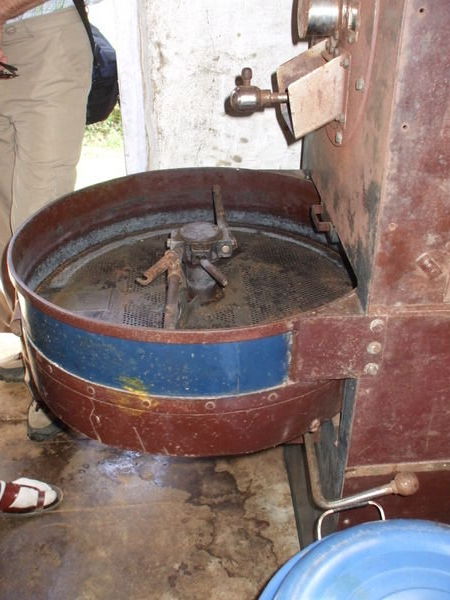
Still, he showed us the coffee production process: collect beans, dry them, rub off ‘cherry’ coating (big producers wash this off – superior, but expensive), winnow, size-grade by riddling and store till roasting.  His roasting machine, powered by gas, is the sort you still see from time to time.

A coffee roaster, just like the ones that used to be common in England

We were shown the tea sheds, but that, it seemed, was that, apart from seeing the tea-picking, then seeing a Hindu temple.  Ludwig offered that we could see tea processing in the afternoon and I accepted straight away, and so did C and M. L offered a simple lunch.

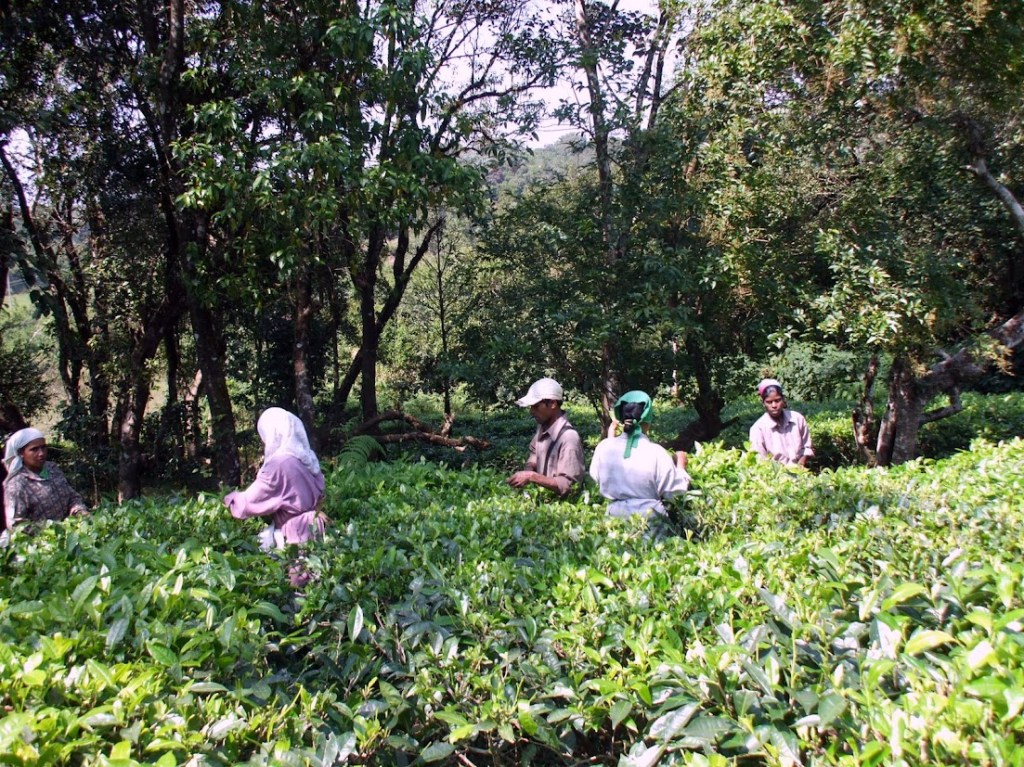
Tea production is not well-established here, so the pickers don’t have the experience of those in other areas. When we saw the workers, we were surprised to see them take more than the first couple of leaves, and it proved we were right – this batch will only be fit for lower-grade tea.

Picking tea

Then along another long walk to see the Sacred Grove and Temple.  It’s been long neglected, but its bright colours are still evident.  We had to approach, shoeless, via a long green passageway which was apparently the established home of a crew of leeches (which we found out about the hard way).

On the way back, Ci felt ill, so we stopped at a village shop for refreshments, and to phone for a taxi for her. After that, our paths divided.  The others went home, and M, C and I returned to Ludwig’s. He was out, but had arranged a simple lunch which we ate at one of his guest lodges (he’s currently building another, out of mud bricks).  

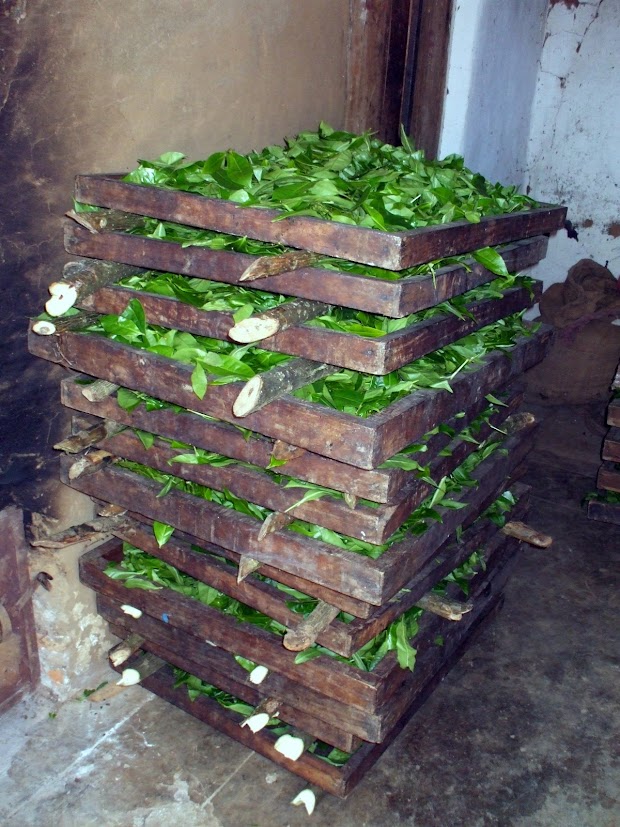
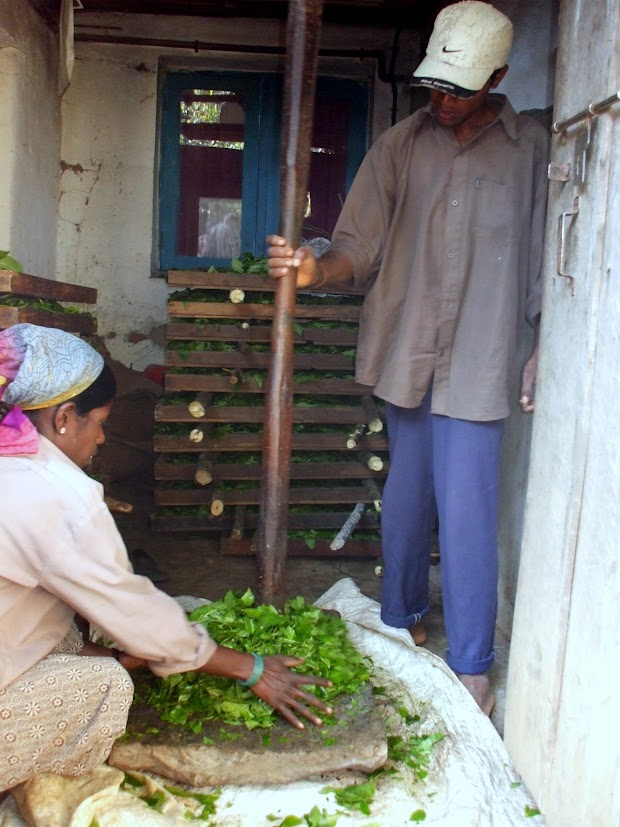
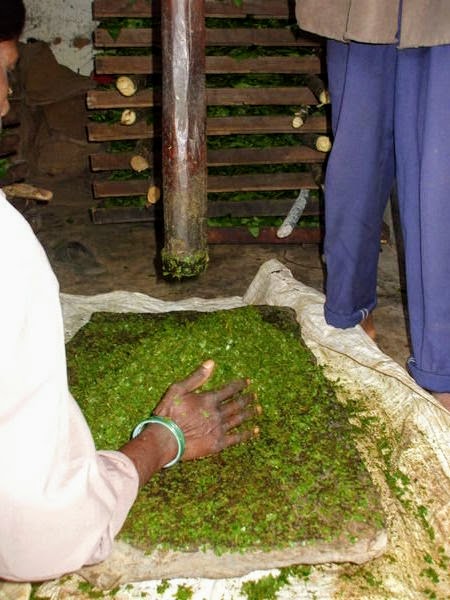
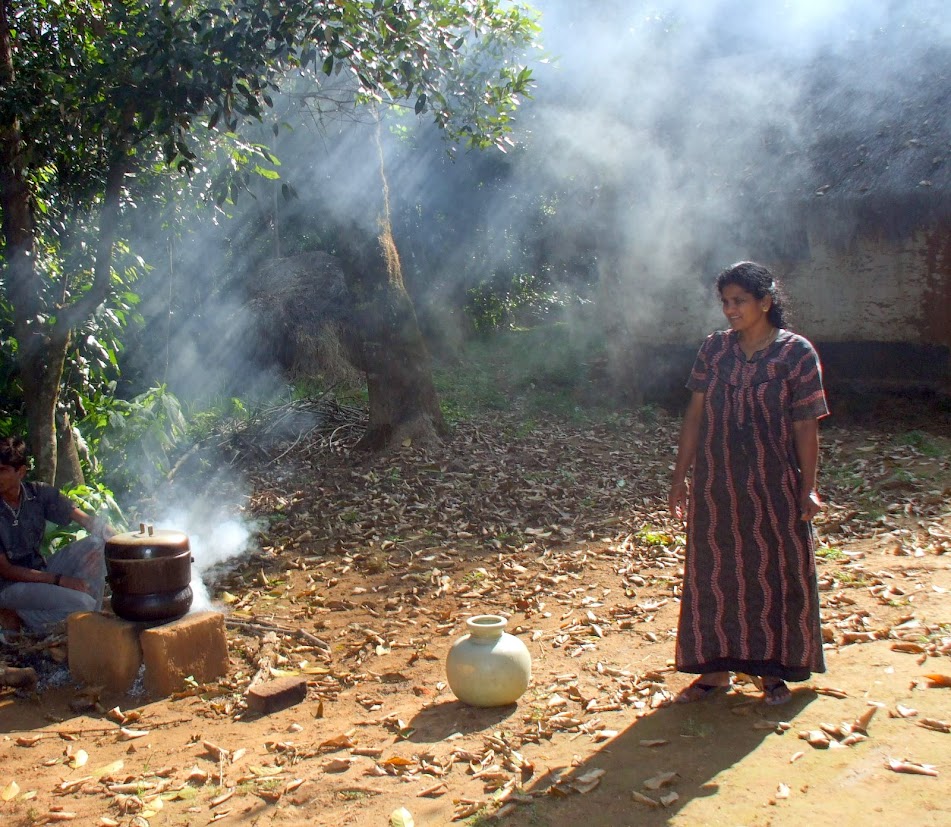
After that, the women began work on the tea leaves.  For green tea, you steam the leaves briefly.  This arrests the fermentation process.  Then the leaves are pounded – this doesn’t take long – till they become shredded.

Steaming the tea leaves

For conventional tea, the leaves are first dried – only for an hour or two, before the pounding process.  This is long and hard, and involves a huge three and a half foot long pestle, and the woman at the mortar beneath constantly moving the material from the edges to the centre.  Then the mixture is dried.

There is enough of a local market for this organic tea to make it viable for Ludwig to employ  ten people all the year round.  They also work in his paddy field and care for his cattle.  Typically, workers in larger plantations are only employed seasonally. Ludwig doesn’t own his farm: as a non-Indian, he can’t, but he has an Indian sponsor from whom he rents it.

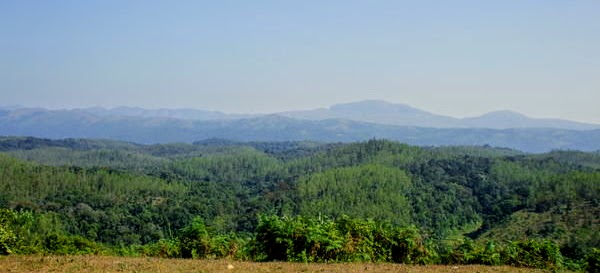
A view from Ludwig’s Golden Mist Plantation

On our way home we saw egrets, parakeets and various birds we couldn’t identify, as well as lots of frogs.  Hornbills too.

Oh yes!  In the afternoon, while talking to L, we suddenly heard the cicadas in the trees.  The noise grew and grew, reaching a crescendo so loud we had to raise our voices: then as suddenly died down.  Extraordinary. This YouTube video gives some idea of it.

Indian Friday: From an Elephant Camp to Madekeri

I rather enjoyed re-visiting India via my blog the other week. So I went and dug out the diary I faithfully kept. The events it describes have never yet seen the light of day. For the first ten days I was with the group of people my ex-brother-in-law had put together, to explore aspects of rural Indian life, focussing on small producers working in traditional and organic ways. We had no internet access during that period.

I’ve decided to share my diary with you. This will take several Fridays. I’m pleased that I kept such a detailed record of a piece of personal history, and of a country I’d never visited. I wonder how dated this account would seem to the current traveller?

From an Elephant Camp to Madekeri

Monday 10th November 2007

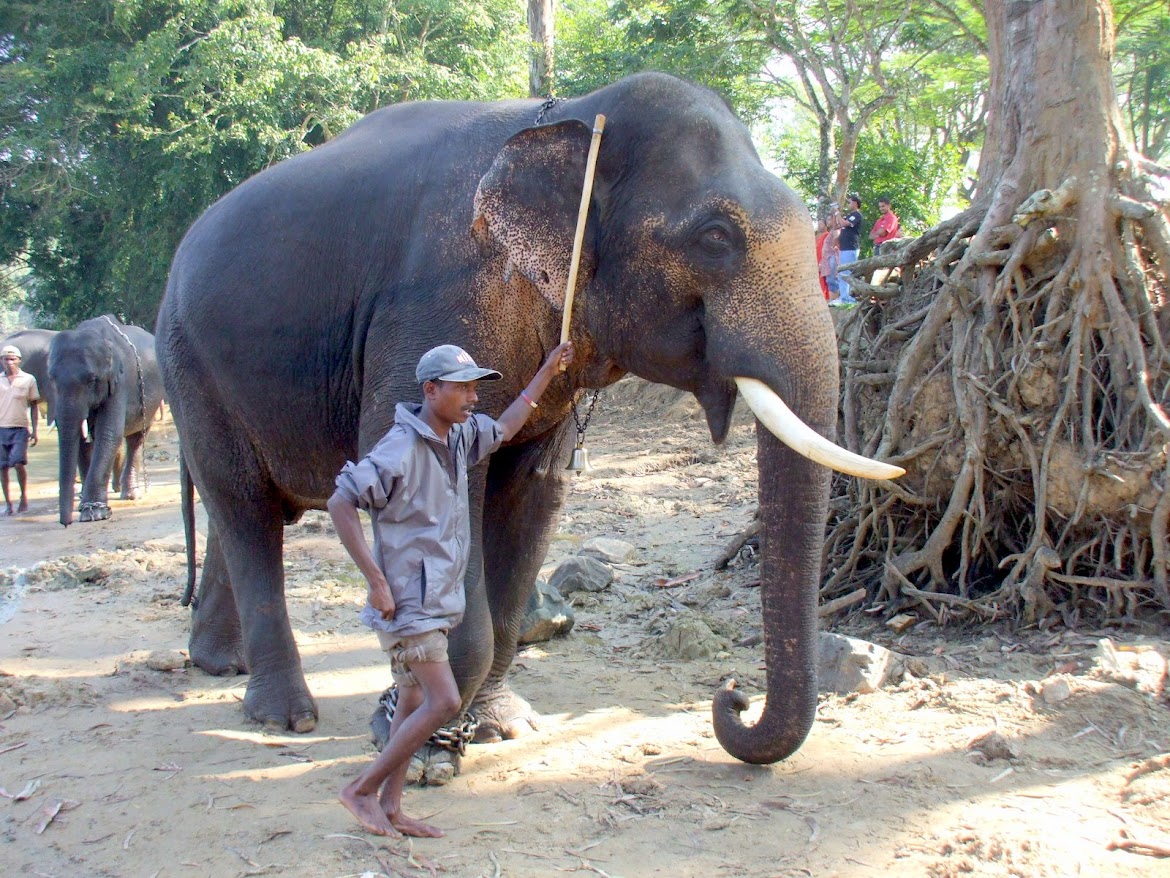
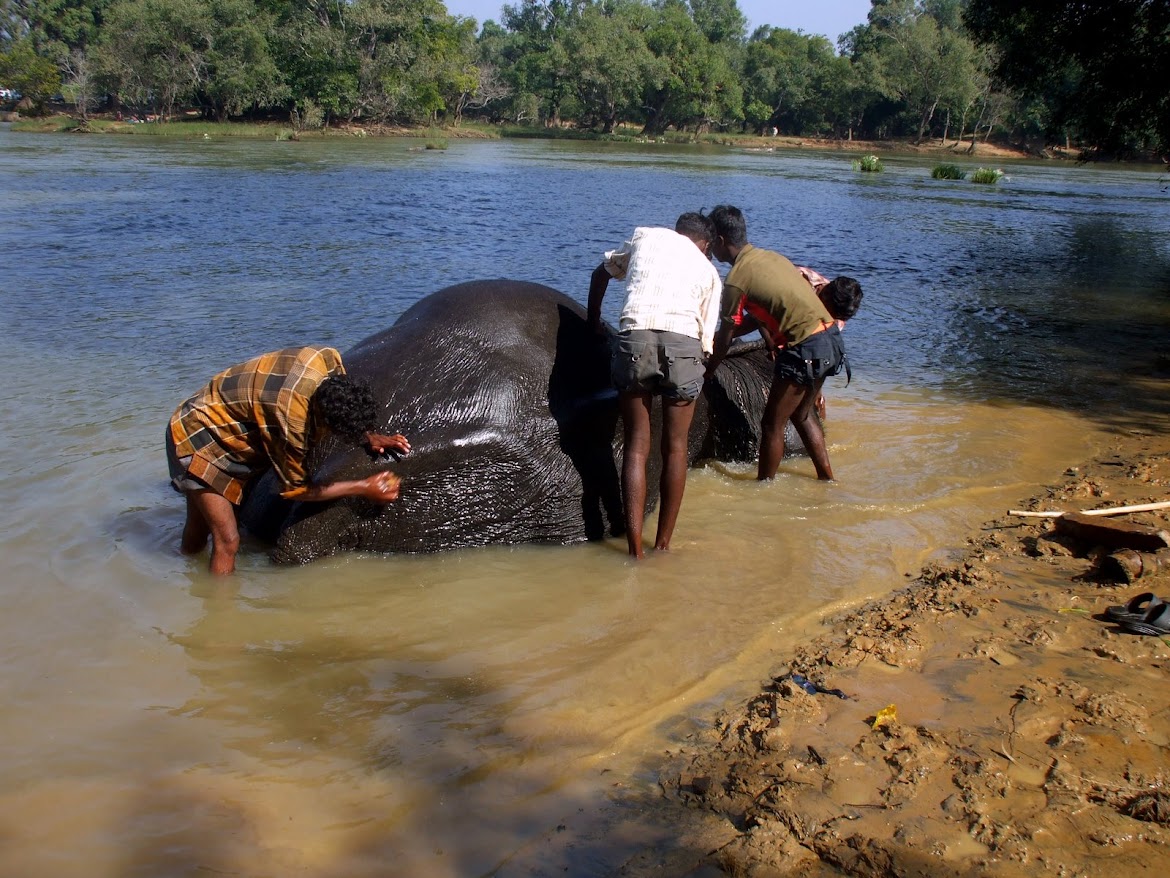
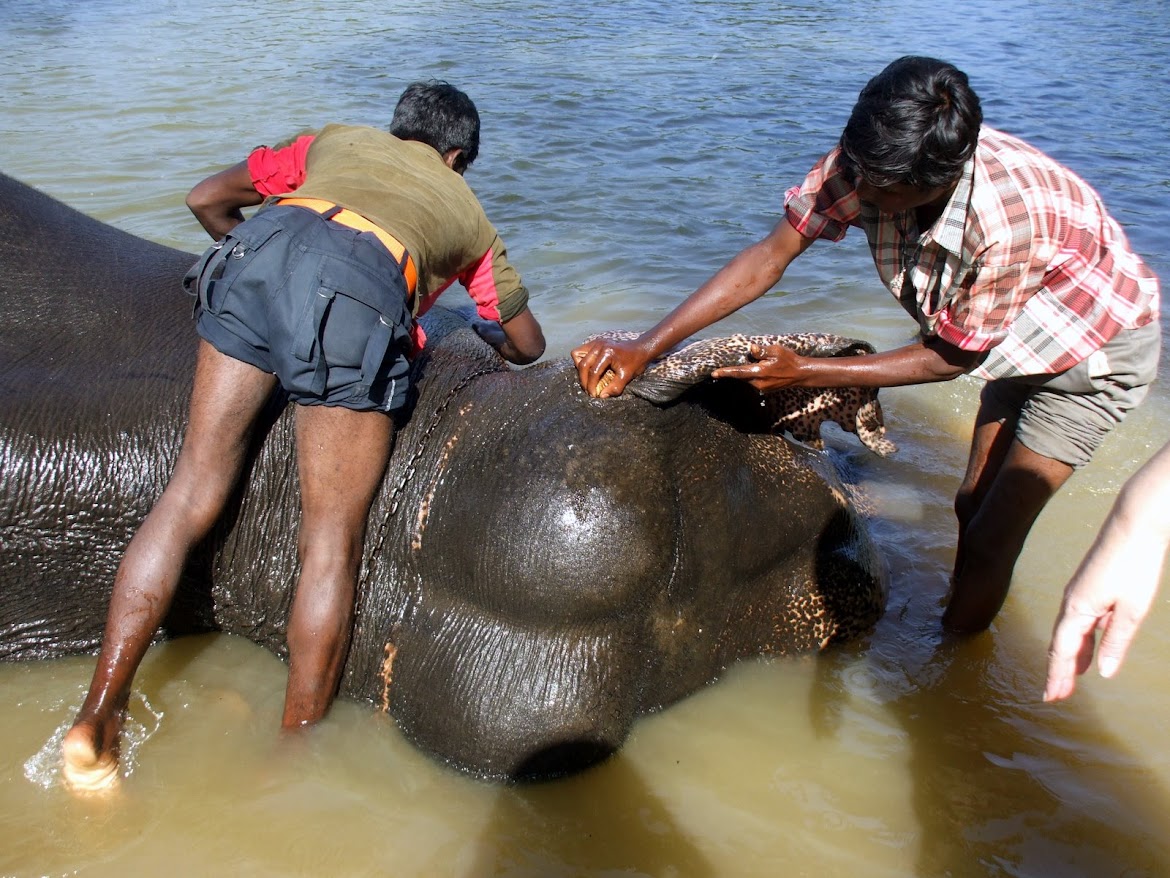
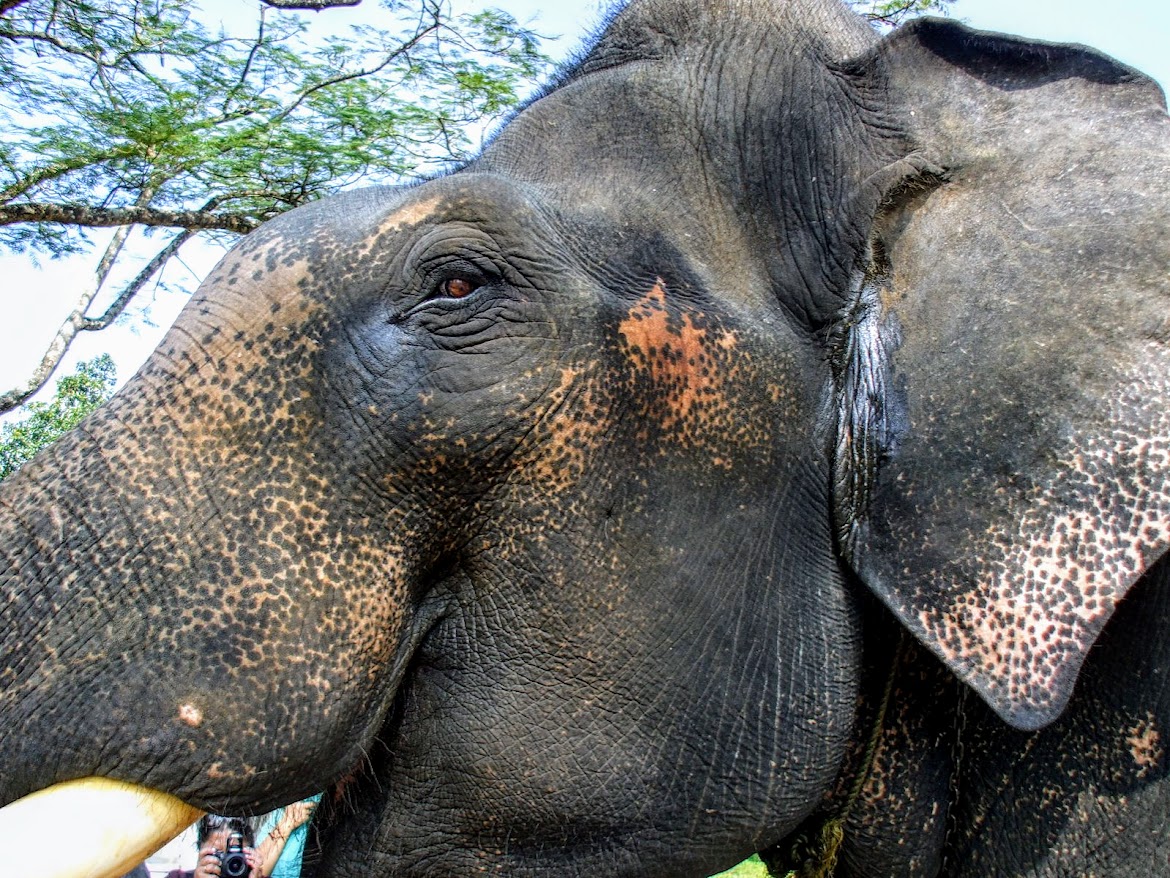
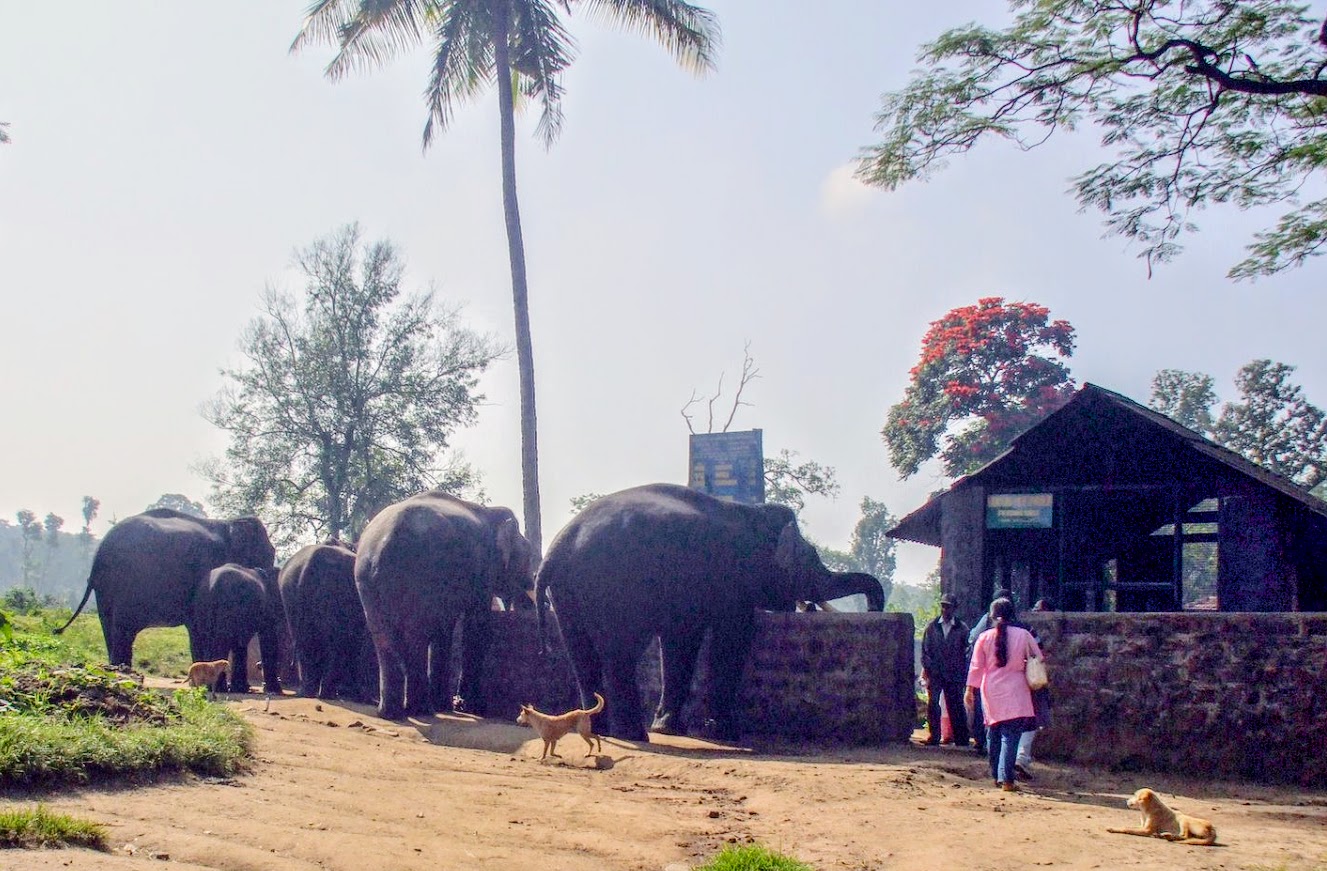
Elephant day.  So we were up good and early and set off in two taxis.  On the way, we enjoyed seeing school children going to all their various seats of learning – they all looked so smart in their English style uniforms c. 1958 (that was the year I started grammar school, and I looked smart at first too).  Dubare Elephant Camp however, was a disappointment. We  arrived at about 9.30 to find the washing of the elephants nearly over.  Nevertheless it was good to give that hard leathery hide with hard bristly hair a good scratch. 

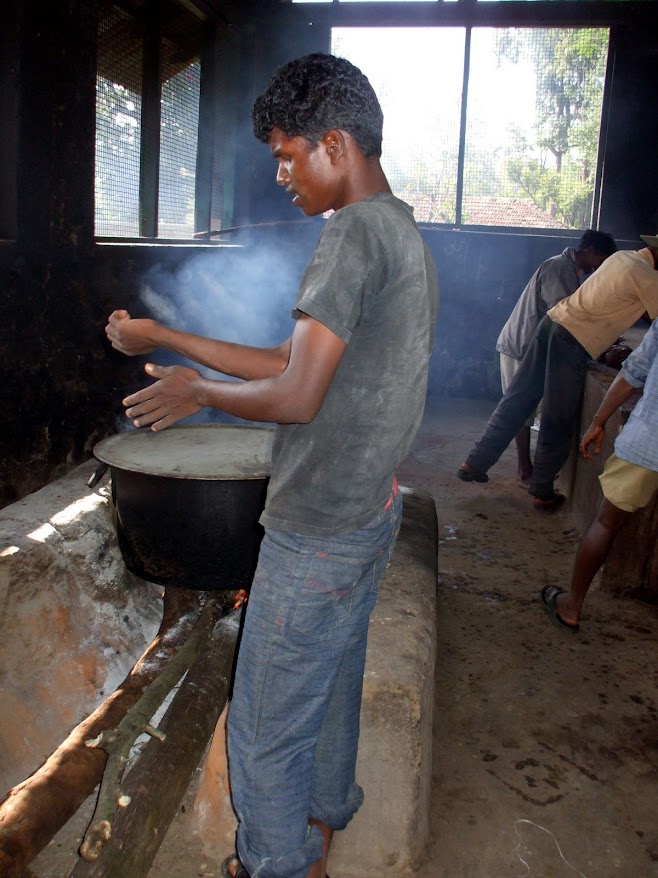
We went to watch them have their breakfast.  There’s a sort of cookhouse where they boil up an appetising concoction of jaggery (a traditional caramel coloured unrefined sugar), millet and vegetation, and roll it into gigantic balls which the men feed to them.  And sadly, that was it really.  They went off into the forest to work, and we went off in our taxis, and fetched up at Sujata’s summer house (she owned Rainforest Retreat).  Rest, tea, relaxing in the garden full of pepper plants, hibiscus, coffee, poinsettia.

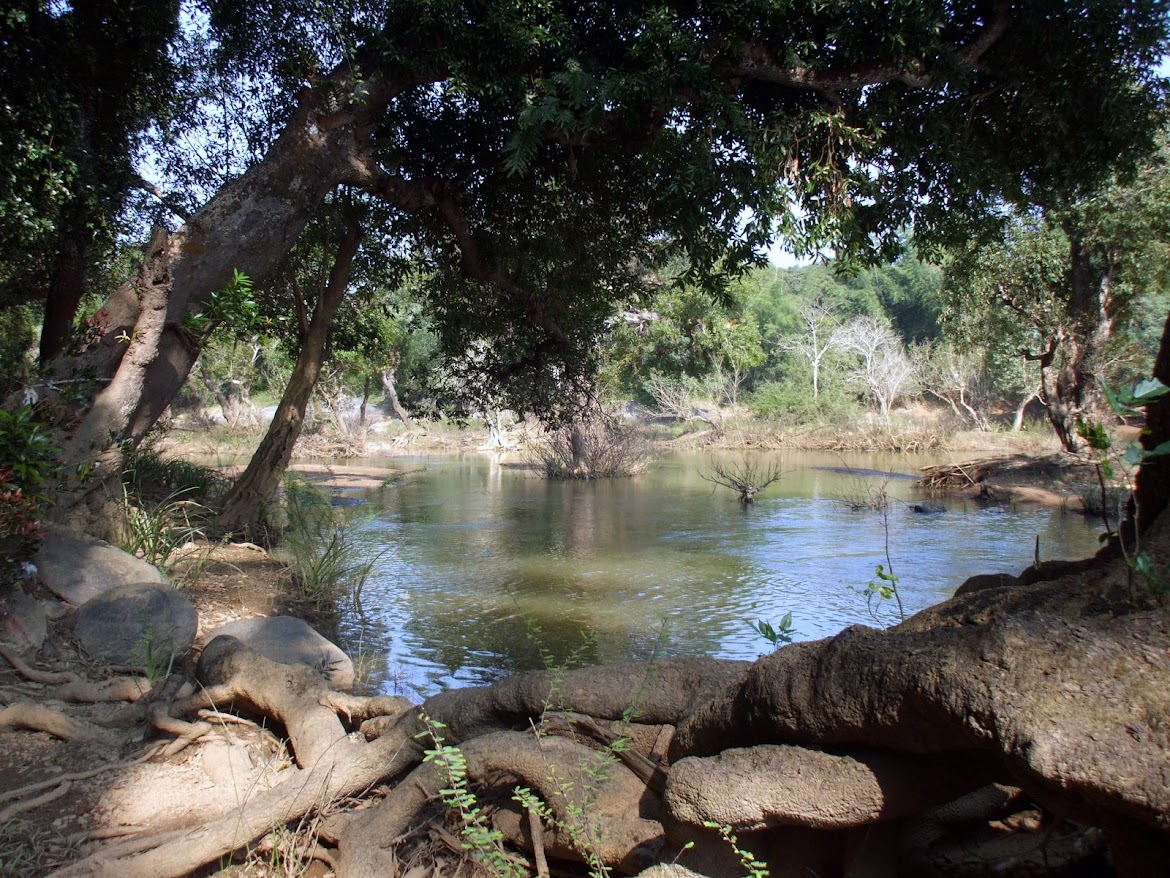
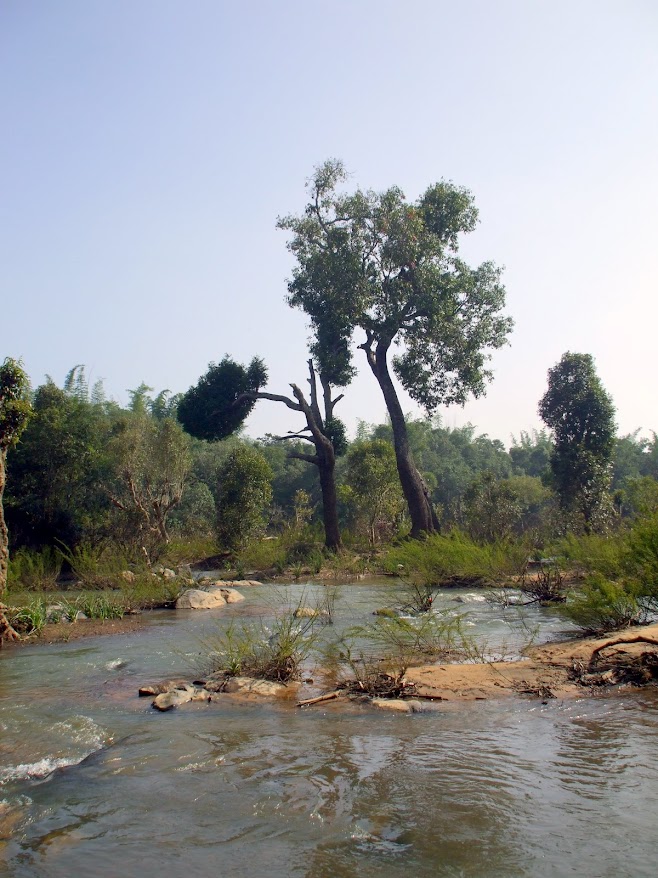
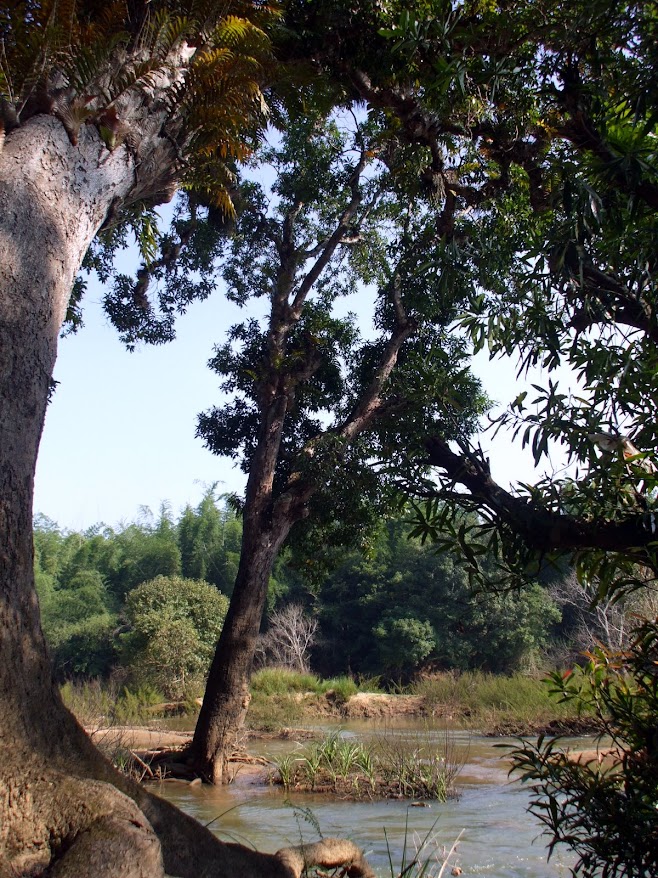
Then a country walk down to the River Cauvery.  It’s just what you see in all the travel documentaries.  Tall palm trees, intricate knotted tree roots, and little islands set among the fast-flowing currents of the Cauvery.

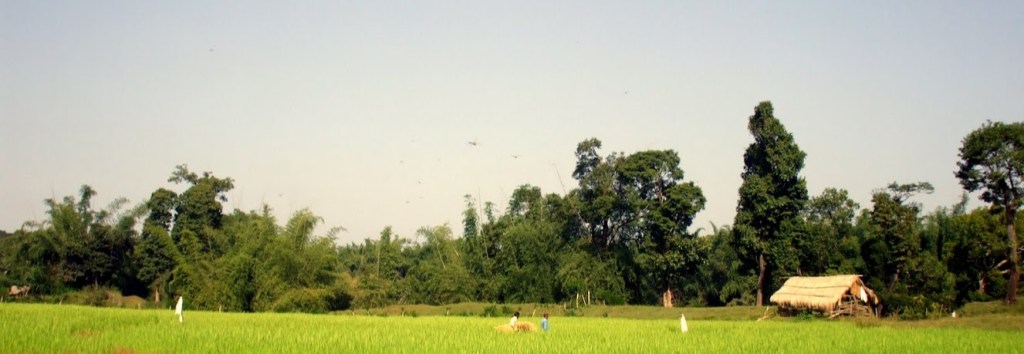
We walked through the paddy fields – the green of the young plants is so green, vivid and vibrant: and then with some difficulty, we waded through the waters.  We were glad to get down to our cozzies and plunge into the river – muddy, but otherwise clean.  There was quite a current, but staying close to the edges was ok.  The stronger swimmers swam across to the other bank, but I had a go and wasn’t up to it.

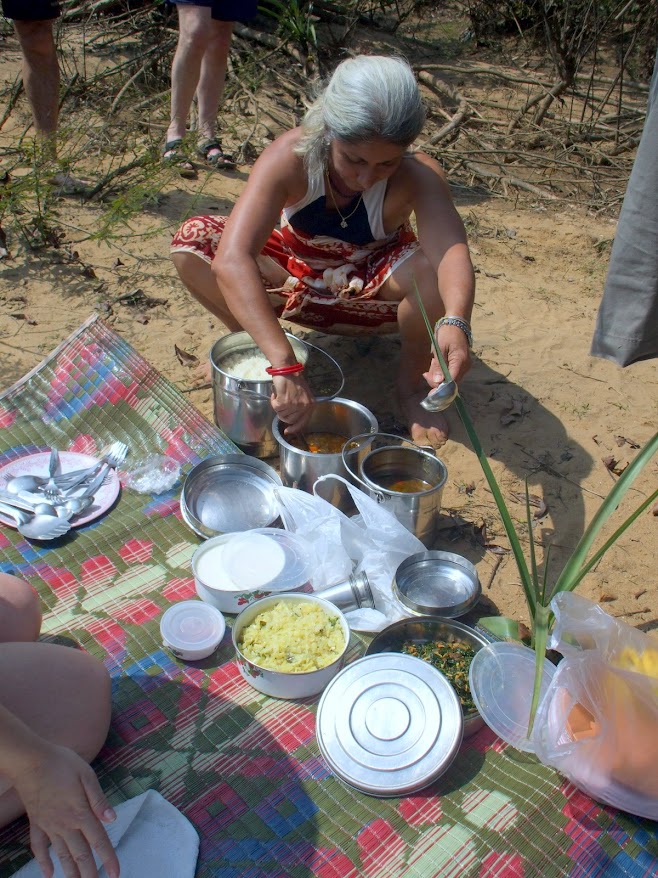
The picnic was something special.  Great metal pails were clanked down the hillside by the ‘staff’ at Sujita’s residence.  Rice, sambal; a wonderful bitter curry made out of some dark green tree leaf also used to dose children who have worms; chicken curry; a sour and bitter dark red chutney; curds and a gorgeous buttered cabbage curry.  Further swimming after, further baking in the sun, then back across the fields, and taxis home.

The walk back home

A stop-off at Madekeri.  It’s a largish town, with rows and rows of tiny shops – the usual mixture.  Indian shopping streets are standard in their own way: no MS, Boots and Costa Coffee certainly, but still a uniformity in the small shop fronts with goods stacked and hanging outside, and with pedestrians, bullocks and auto-rickshaws and cars all jockeying for position in the crowded streets.  I got all my photos onto a CD so was well pleased even though I had to buy a CD holder separately( Rs 17! About 15p) and had 10 minutes at an internet centre.

Got home to find them building a BBQ outside – BBQ chicken, and for us two veggies, potatoes in the embers.  Two new guests appeared – a Swiss monk and his mum.