Britain on the Edge

Britain is one of the most nature-depleted countries on earth, according to the fourth State of Nature (SON) Report, the product of a collaboration of environmental NGOs, academic institutions and government agencies, including Natural England. Depressingly, England, Wales, Scotland and Northern Ireland are on the edge, as far as much of the natural world is concerned.

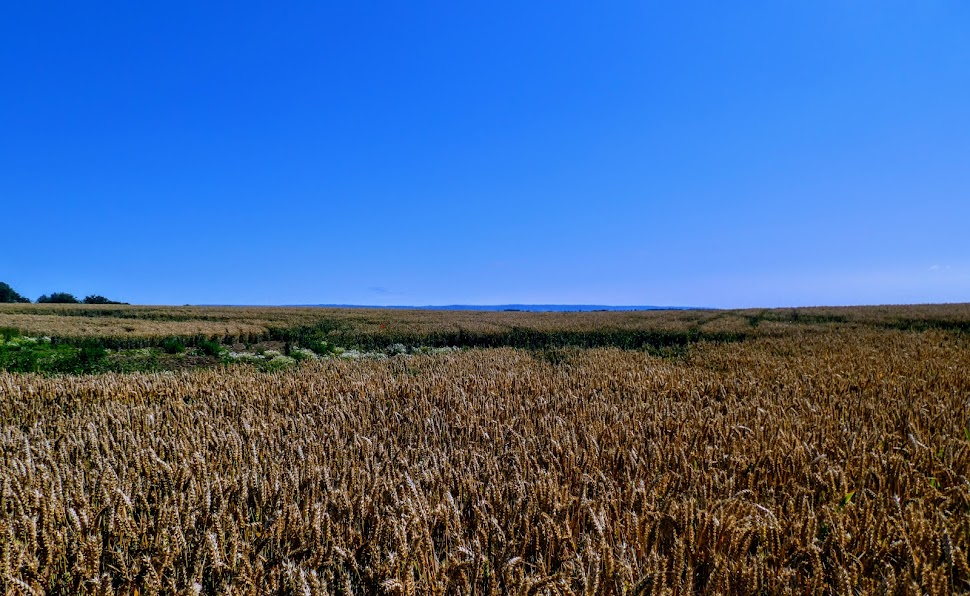
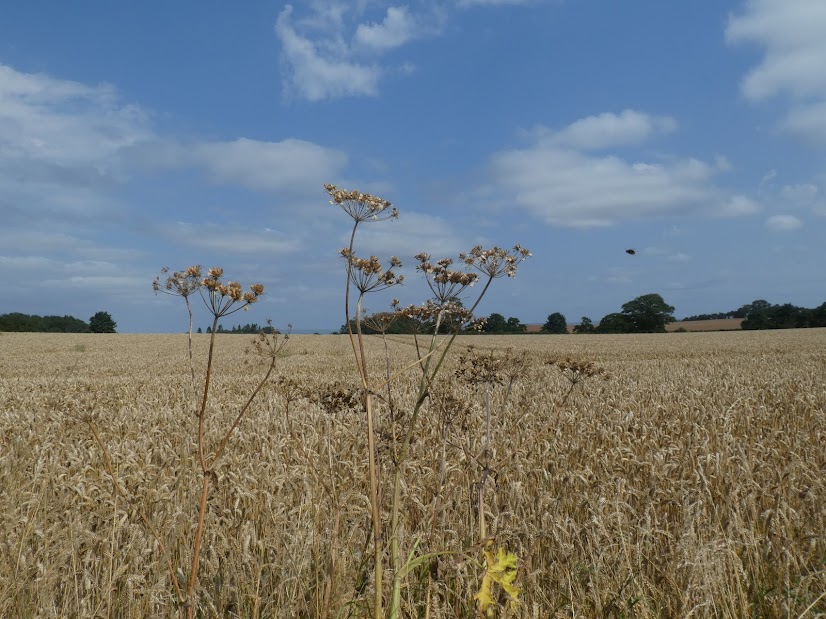
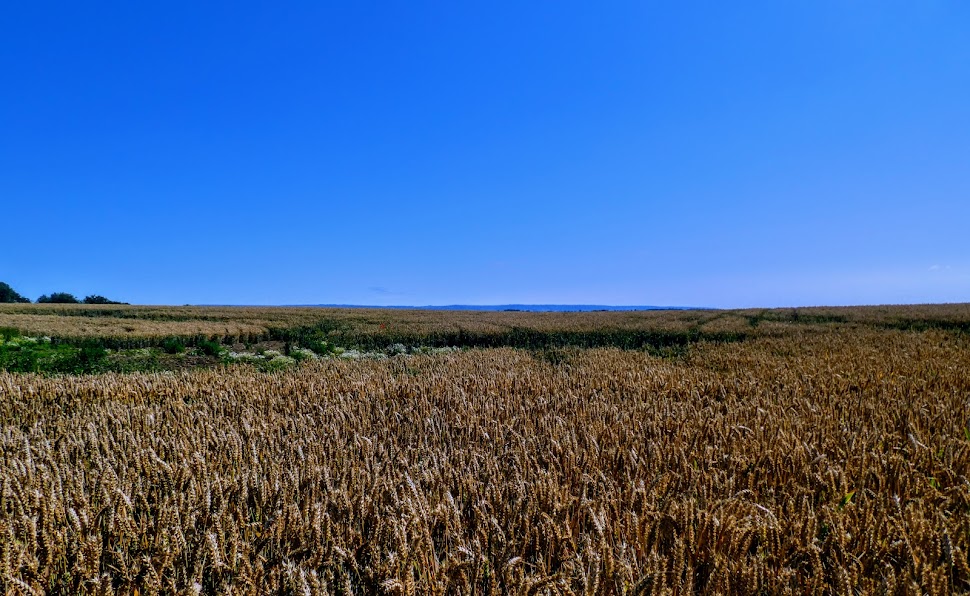
Look at the featured photo for instance, taken on one of those in-glorious-technicolor days of high summer, with an impossibly blue sky, and fields of golden wheat just waiting for harvest. It really shouldn’t be like that. There should be poppies, cornflowers, wild flowers in general poking their heads above the crop. There should be generous field margins and hedges, offering home, food and shelter to whole varieties of insects, small mammals and birds. Where can all this wildlife call home these days? Many of them are on the very edge of sustainability. Here’s another field, even nearer to home, equally mono-cultured.
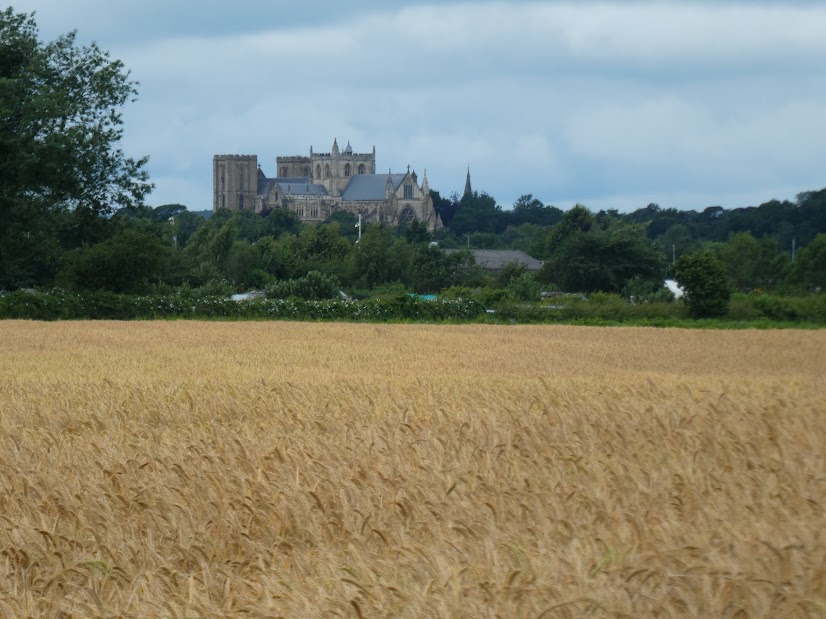
Part of the Sanctuary Way path skirting the edges of Ripon.

These days grass grown for hay-making as winter feed is just that. Grass. Meadowland used to be so different, crammed with wildflowers that made much richer, more interesting fare for the cattle that rely on it as winter feed. And a mecca for insects : all-important bees among others – during its growing season. These days, it’s so rare that it’s not just meadowland, but a Site of Special Scientific Interest.
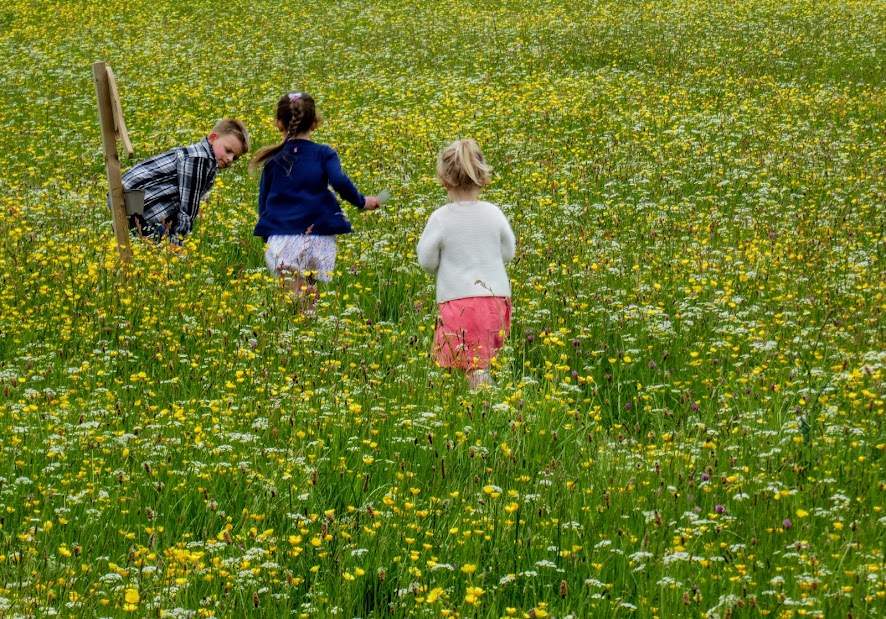
Rock House Farm, Lower Wensleydale, and one of its SSSI meadows.

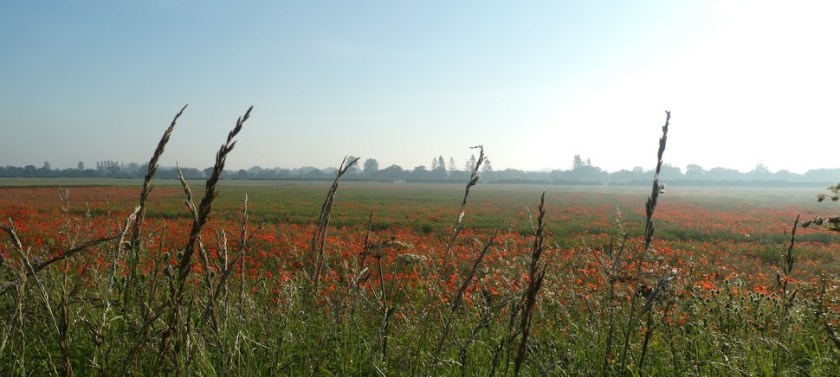
The farms nearer to our house have chosen to make do with narrow jumbles of poppies squeezed into narrow field margins, or at the edge of paths.

Poppies find a quiet corner along a field in West Tanfield.

See these? These are swallows on a telegraph wire in mid-September one year recently, assembling prior to their big autumn migration. It didn’t happen this year. Swifts and swallows are on the edge of viability here, from habitat loss.
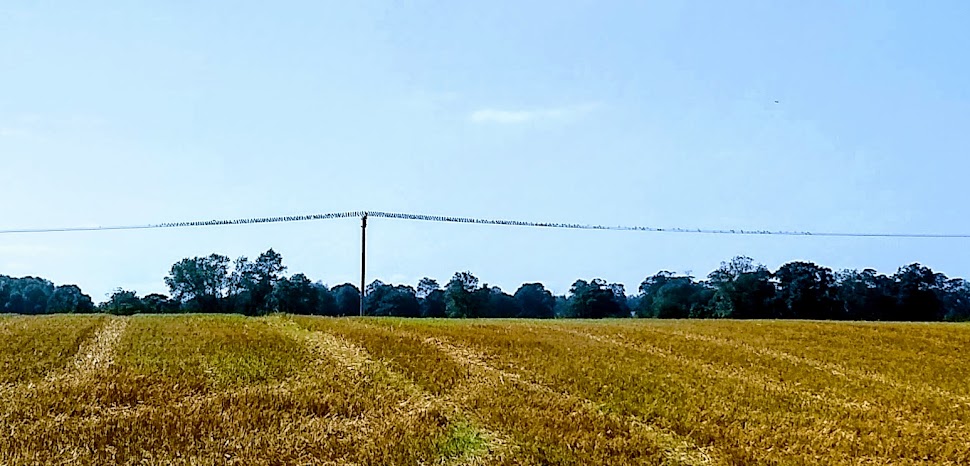
Waiting to depart on that journey to Africa

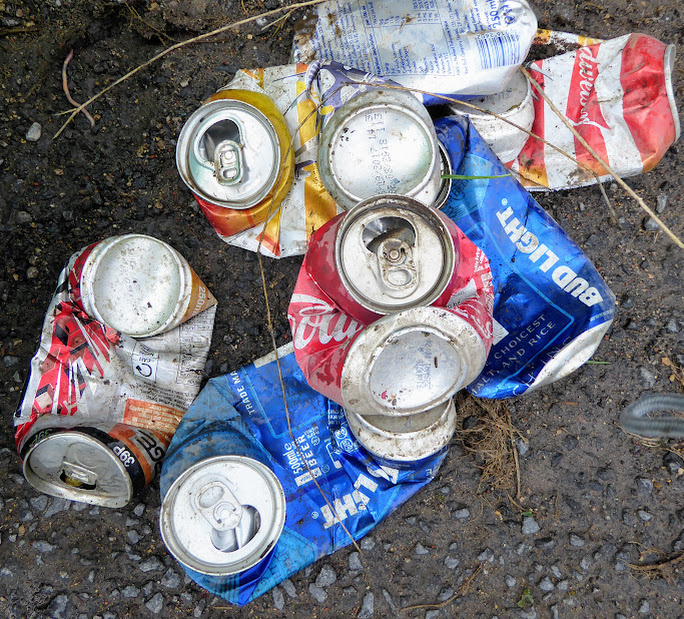
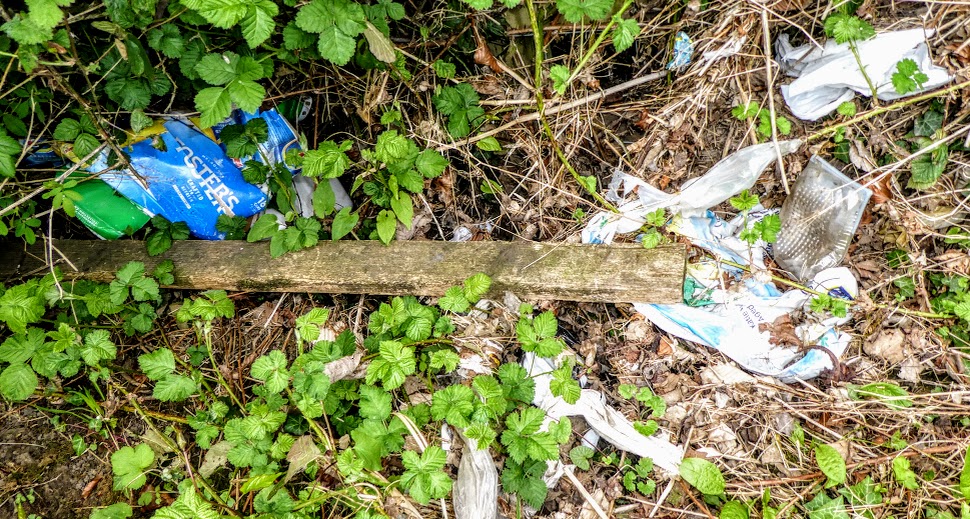
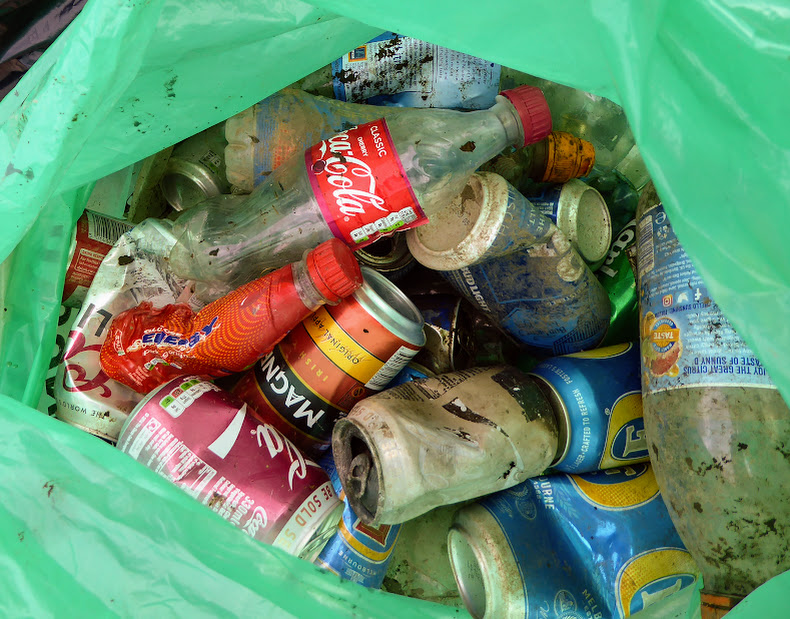
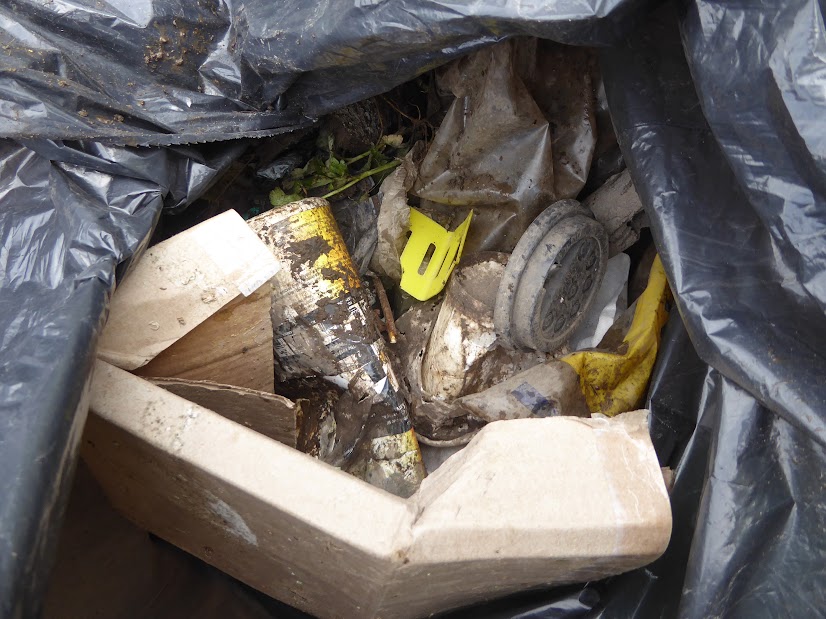
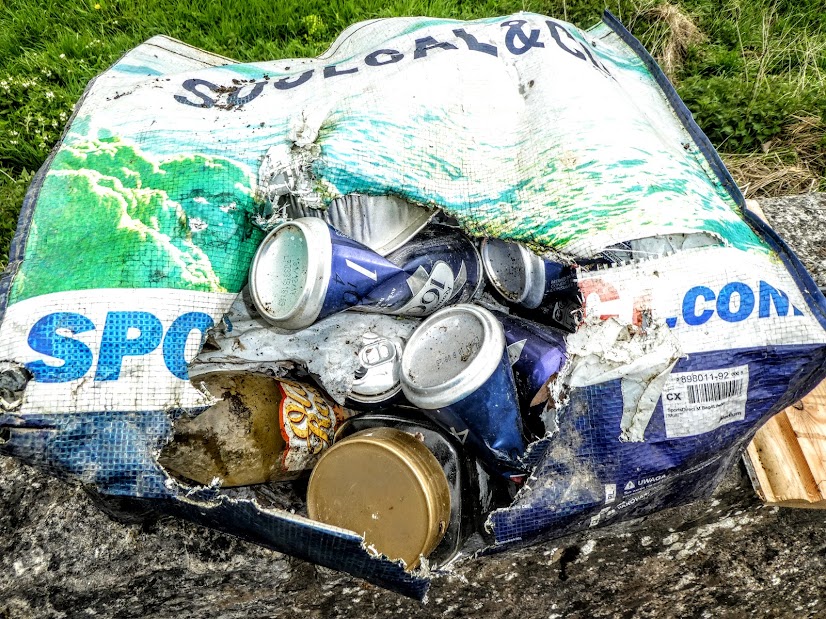
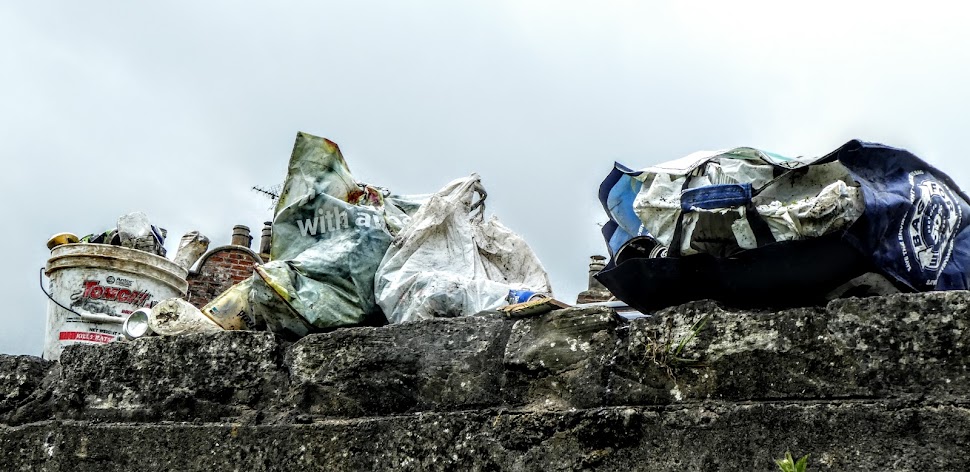
Let me show you something all-too common though, both in town and country. Litter. These images are hauls from litter-picks we’ve done not just in town centres, but down country lanes. Everything from a carelessly-tossed can to rather toxic rubble and waste illegally dumped in a hedge margin. Not just an eyesore, but habitat-damaging and a danger to the many small species that call such areas home.
This is meant to be a photo challenge, not a diatribe, so I’ll leave it there. There’s a lot more I could say, but I don’t have the images to support the argument. It’s for Patti’s Lens-Artists Challenge #269: On the edge. And it was inspired by Susan Rushton’s post for the same challenge. If you pop over and read it, you’ll see why.
Some Favourite Photos

This week, for the Lens Artists Challenge, Tina invites us to show off ten of our all-time favourite photos. Not only must we explain why we like them, but they have to be technically top-hole too. I can’t do it. When an image is freighted with memories, whether happy or exciting or astonishing, unpicking these from technical considerations is something this snap-shot-ist can’t do. I shall be disqualified. I can live with that.

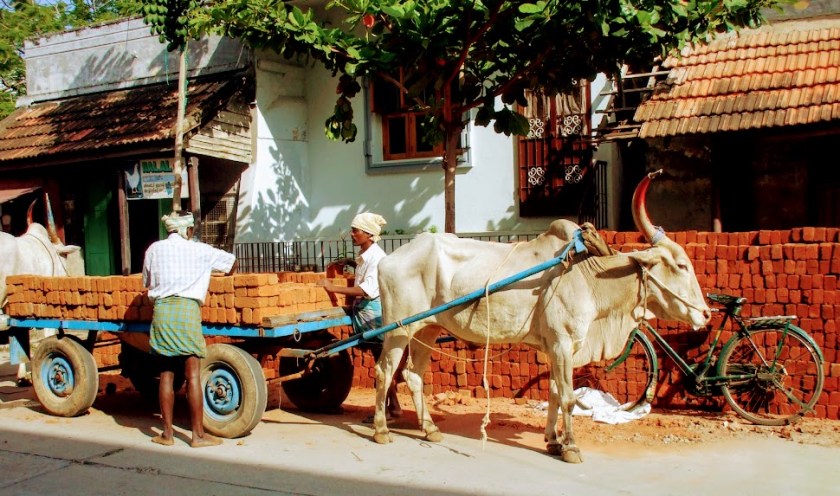
I first ‘needed’ a camera when I had the chance to spend a month travelling in India in 2007. I was even more point-and-shoot than I am now. Here’s just one memory, taken from my hotel window in the French quarter of Pondicherry (as it was then called), Builders, both men and women, unstacking their consignment of bricks to begin their day’s work at 6.00 a.m. Some of my best memories come from staring out of that window: such as the women who cleaned the streets at night, sitting right in the middle of the road at 2.00 a.m. cheerfully chattering during their break.

Delivery from the Builder’s Yard

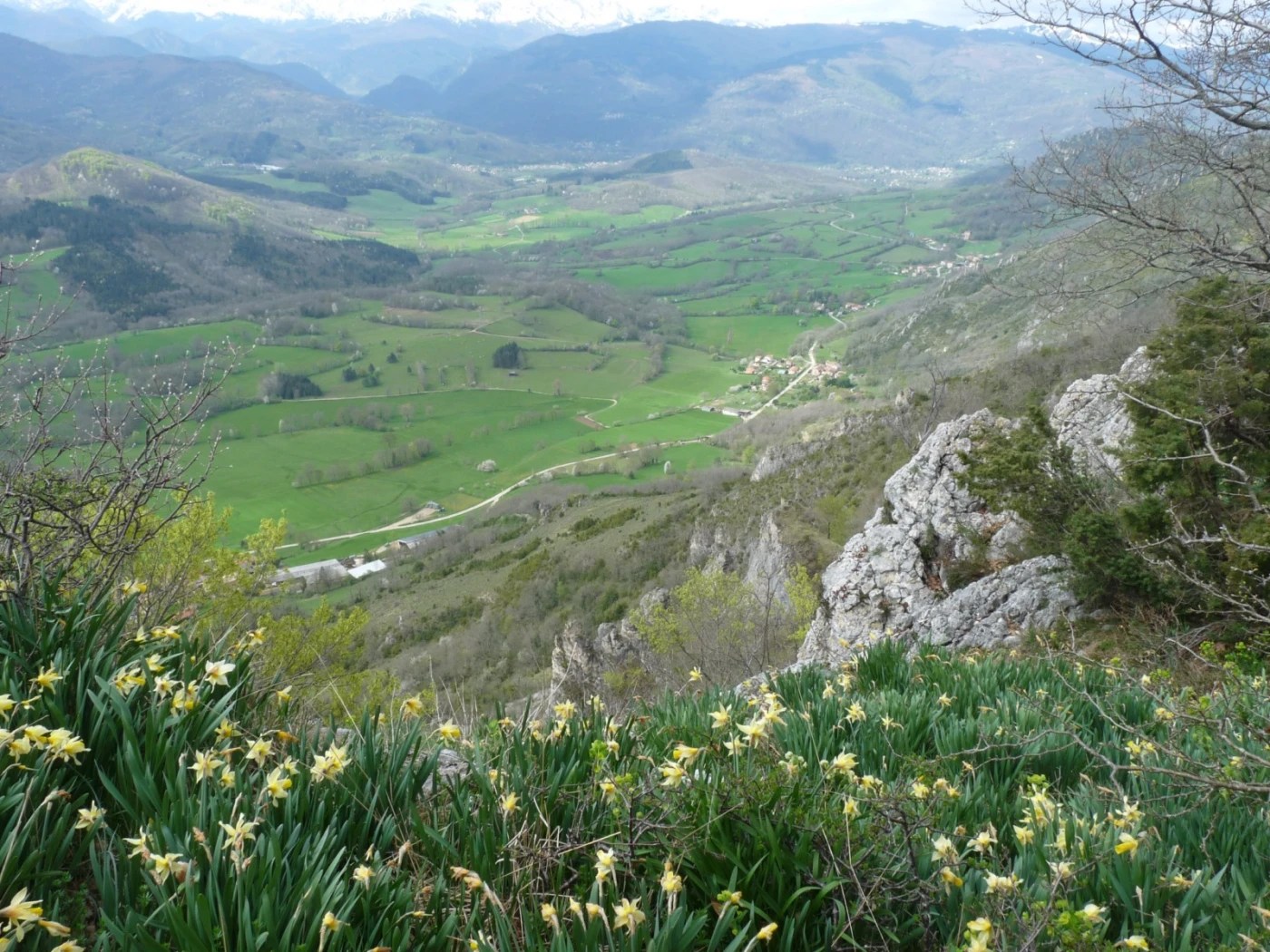
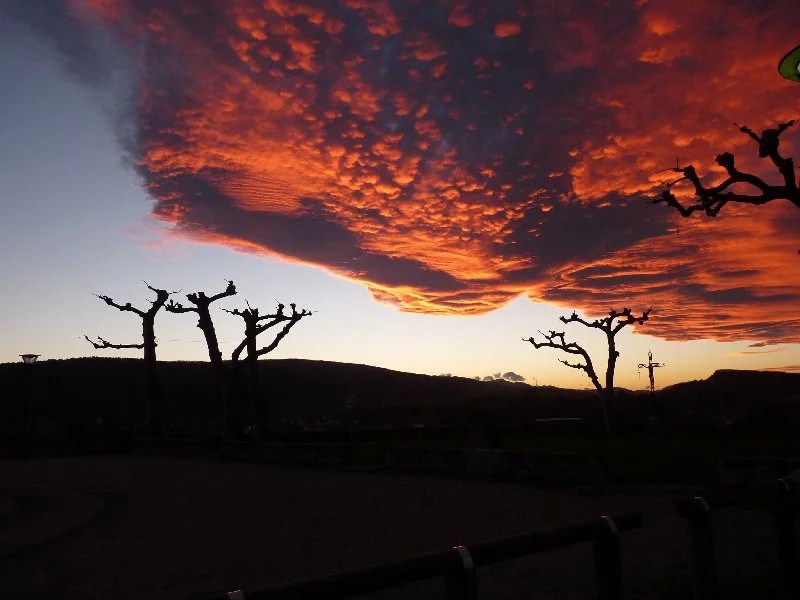
By then, we were already living in France. How to pick just a few shots from that period? Let’s have a go. I’ll choose pale and delicate wild daffodils in the mountains just outside Foix, in such profusion it was almost impossible to avoid treading on them. I’ll choose pristine snow, many feet deep, just waiting for a Sunday snow-shoeing outing. The only sound was the snow itself, squeaking softly as we trod it down with our raquettes. I’ll choose a dramatic , never-repeated sunset which glowered over our small town one spring evening.

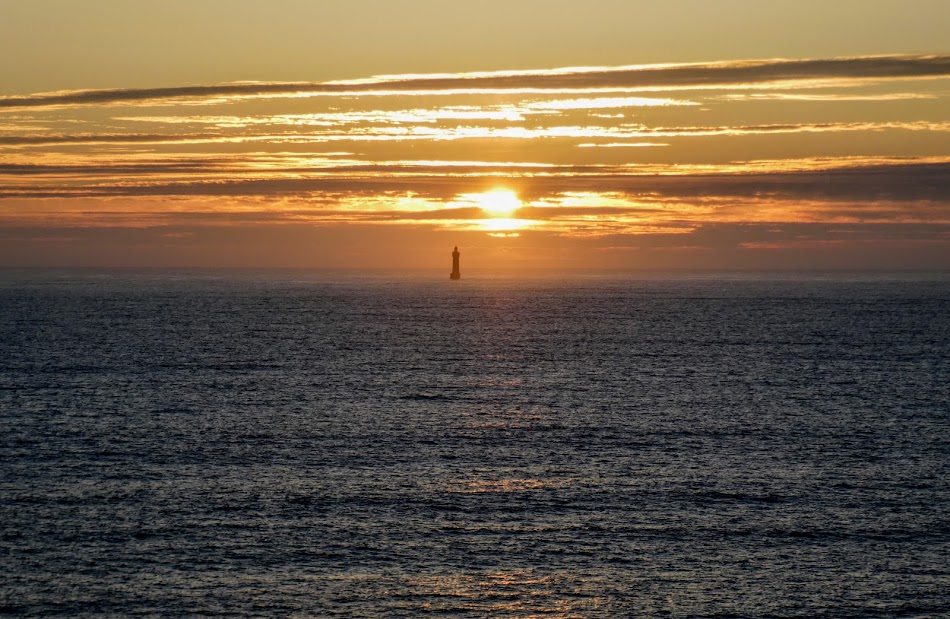
And sea-voyages. We’ve had a lot of those – back and forth to France when we lived there and came back here often to see family. Nowadays it’s because we need to get to Spain where my daughter and her family live. There’s often a dramatic skyscape.

Sunset near Santander

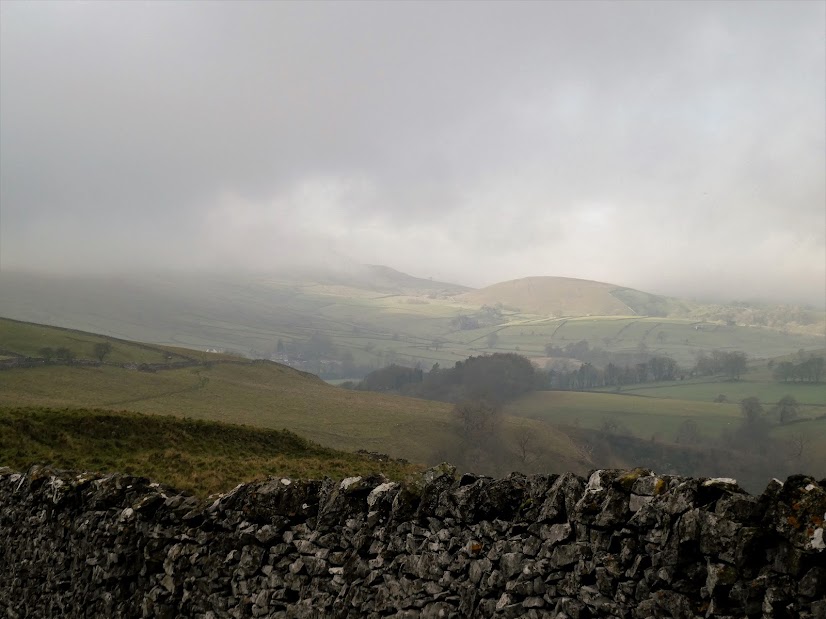
And now North Yorkshire’s home, with its stone-walled Dales, its meadows and hills, its autumn fogs.

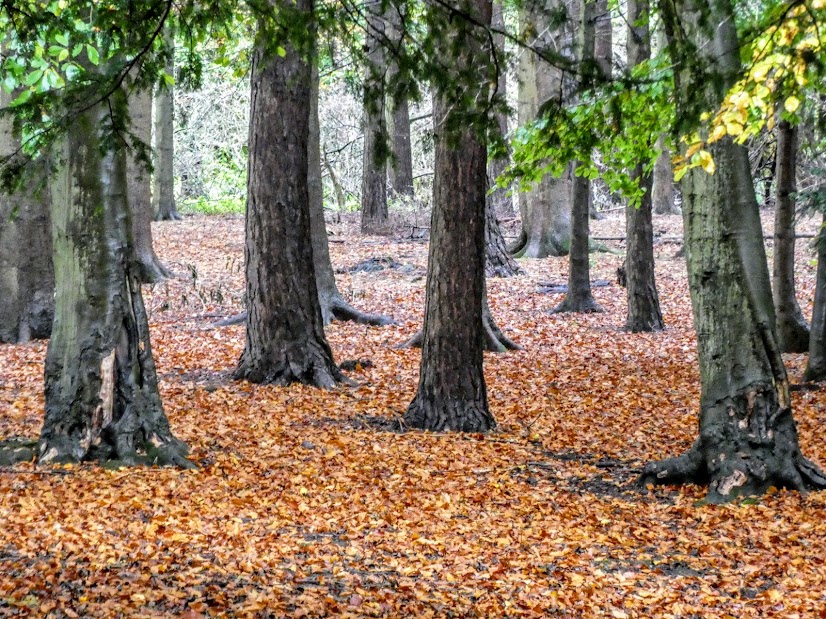
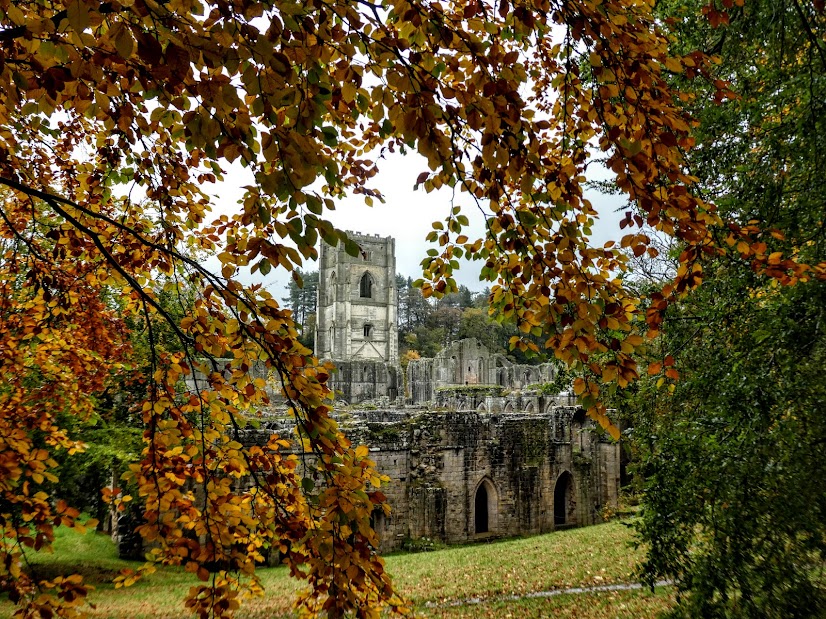
And then there’s Fountains Abbey, where I spend so much time volunteering. Can’t leave that out. We’re just coming into autumn, which may be my favourite season there. So the Abbey in Autumn in my featured photo.

So these are my choices today. Yesterday I might have chosen differently. Tomorrow I’d choose other shots.

PS. Can anybody tell me why WP is no longer always allowing me to centre my photos? Or – now that WP have made it impossible to comment directly onto a post, how to comment on a post that’s more than a couple of days old, such as Tina’s one about this challenge, and which is no longer reachable on the Reader?

Spider alert!

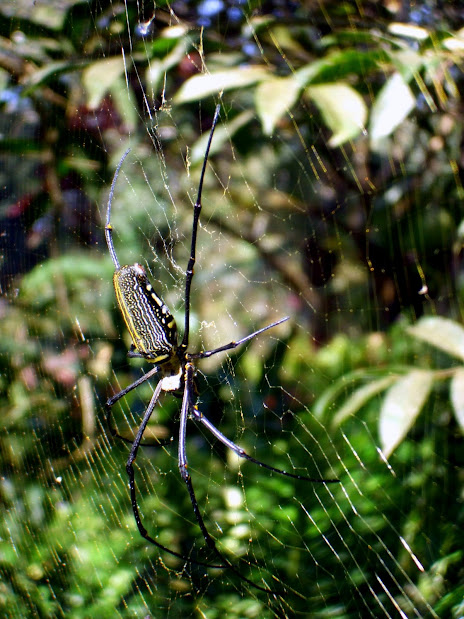
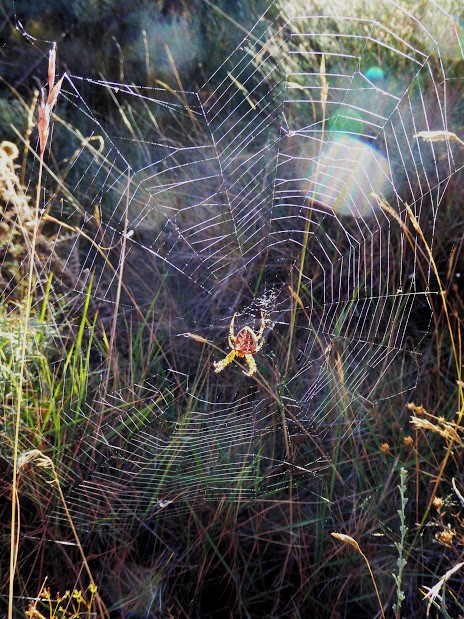
Denzil, in this week’s Nature Photo Challenge, asks us to hunt for spiders and their webs – something that it’s easy to do at this time of year in Britain. Only yesterday, a huge specimen was standing guard over the shoe-rack. But by the time I’d got my camera, he’d vanished. These then, are all archive photos, and unidentified. Helpful suggestions welcomed.

The first one is from India. Perhaps I J Khanewala can help? And the second is also not from England, but from La Rioja in Spain.

The third is from Masham Parish Church, and it’s dead. Is it even a spider?

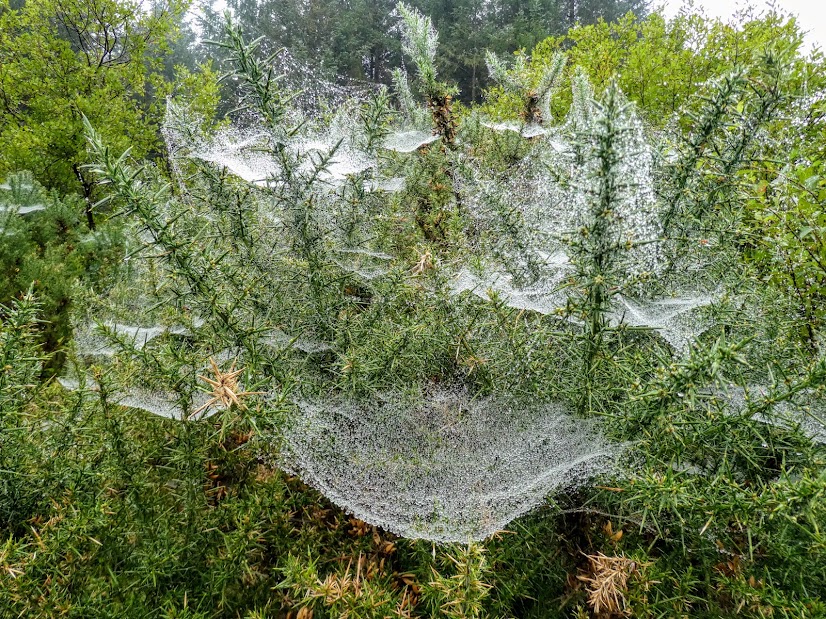
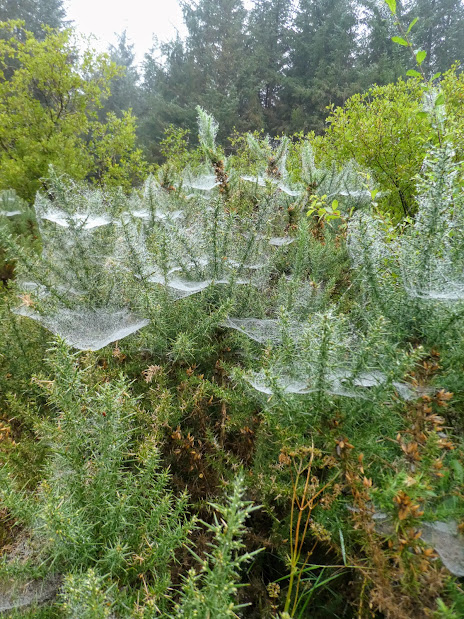
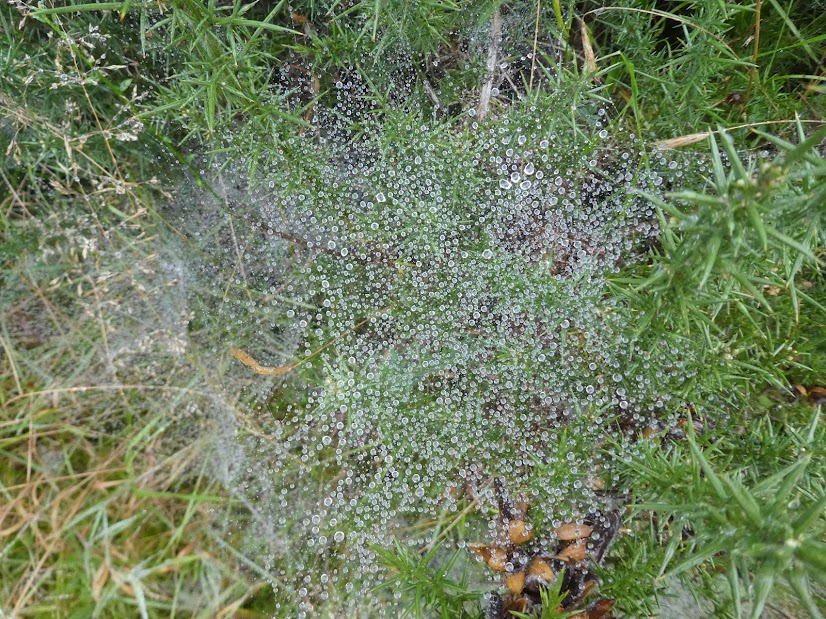
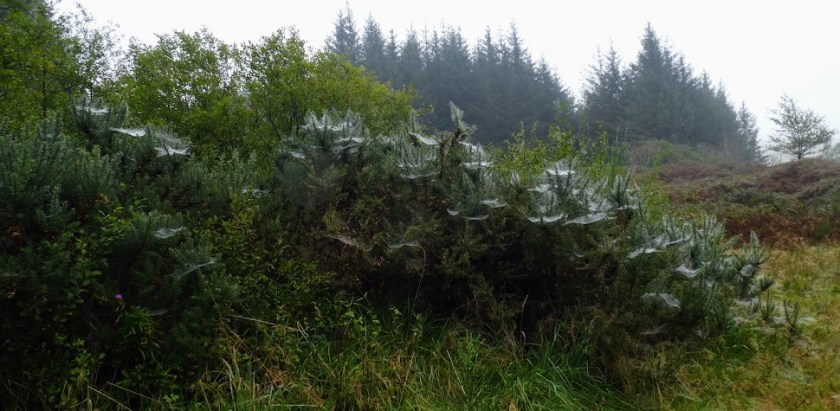
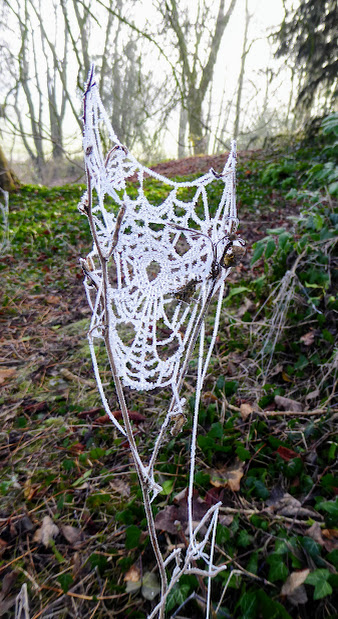
For the rest, I offer a gallery of webs, mainly taken on misty moisty mornings, or in fog, lending them a mysterious and often ethereal quality.

These were taken in Dumfries and Galloway, in Cairnsmore of Fleet National Nature Reserve. As is the header photo.

The next group come from just down the road, near Sleningford Hall.

And lastly, we return to India, where a tunnel spider has made his complex lure.

Tunnel spider’s nest

Wild Animals in the Neighbourhood

This week, Denzil, in his Nature Photo Challenge, is eager to see what shots of wild animals we can come up with. Let’s see what I can find round here in the UK.

Squirrels, for sure. Grey squirrels certainly. They were first introduced to England from America in 1876 as an ornament to the gardens of stately homes, and by 1930, had largely eliminated our native red squirrels: though I have seen them, rarely, in parts of the Lake District and in Scotland. I have to admit this red squirrel was spotted in Spain.

What else?

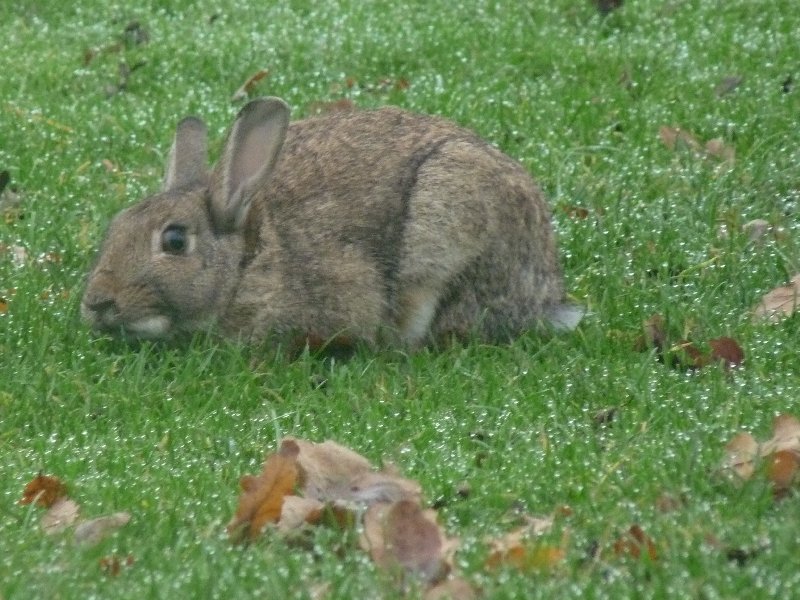
  • Rabbits by the score emerge at dusk to start nibbling.
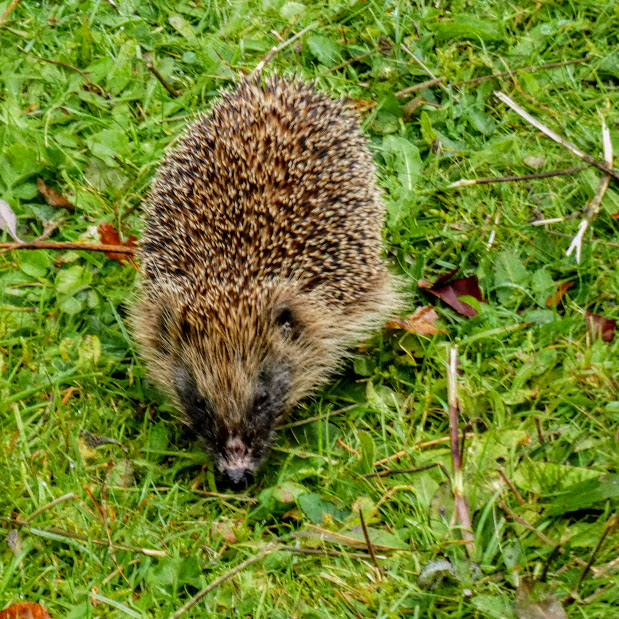
  • Hedgehogs have become depressingly rare. This photo is older than I’d like it to be.
  • I came upon this toad on a riverside walk near home.
  • One photo is very close to home. Field mice start to move into our kitchen as autumn arrives. This fellow is in a humane trap before being moved on and out. We don’t kid ourselves that this is super-humane. Dumping the poor creature in nearby but unfamiliar countryside is not likely to end well. But what to do?

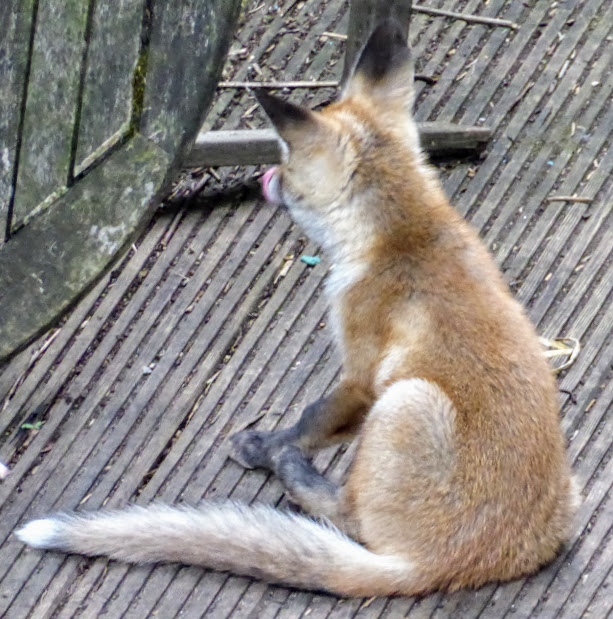
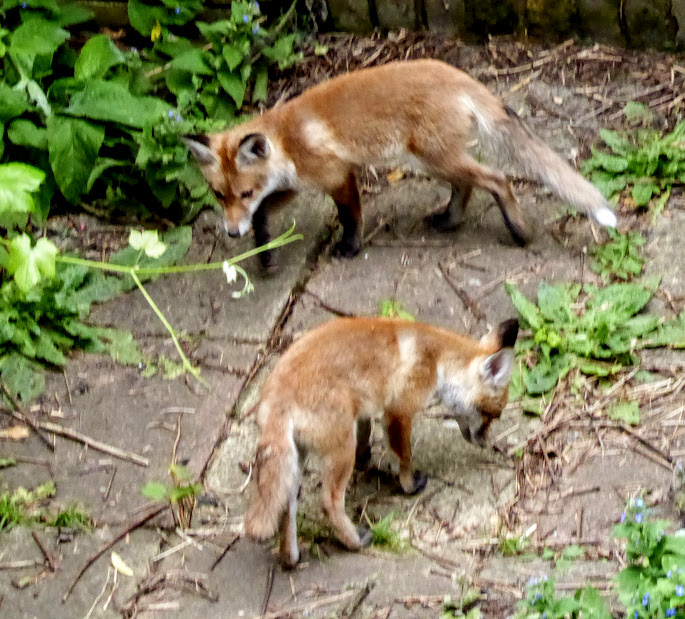
I’m going to visit my son and family in London for the next two shots, because I see far more foxes there than here in the countryside. Recently, the house next door to them remained empty for a few summer weeks. A fox family took advantage.

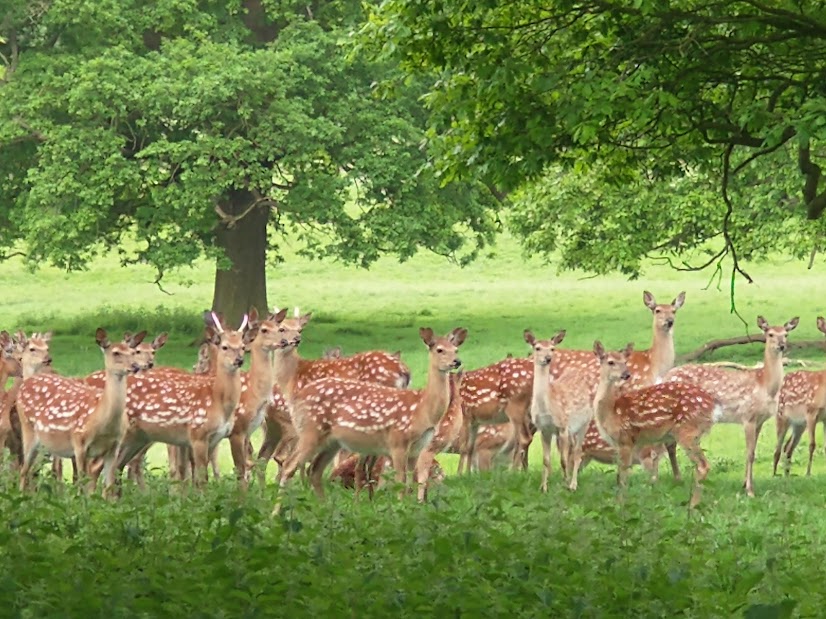
The deer in nearby Studley Royal Deer Park are not exactly wild – but they’re not tame either- they’re never handled by humans: and some stags escape into the wild for their holidays before returning in time for the rut. Truly wild deer are common here, but not keen on photo opportunities: so here are two groups from the Deer Park: fallow deer in the shot below, and red deer stags in the featured photo.

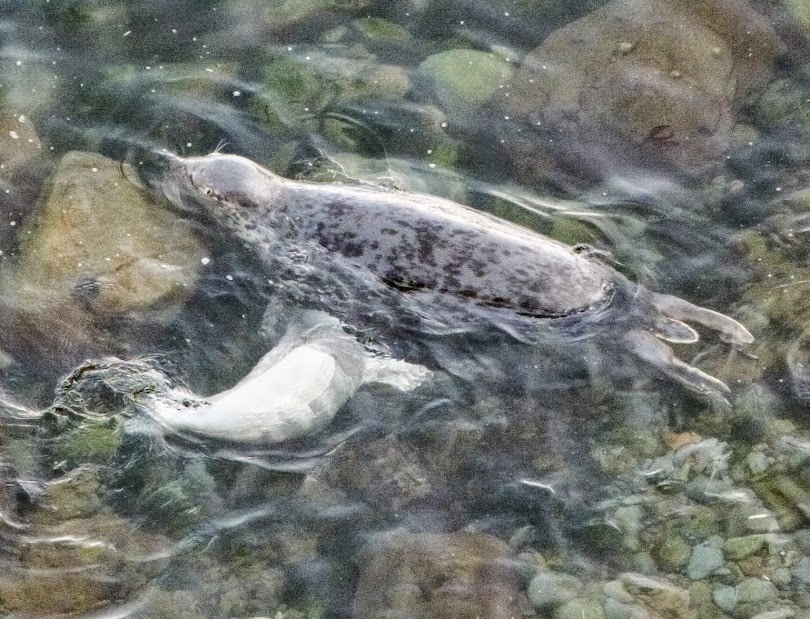
We shouldn’t end though without a trip to the seaside. Let’s go to the Farne Islands and then to Pembrokeshire to do a spot of seal-spotting.

I’ve found that visiting posts from fellow-bloggers in far-flung parts of the globe has produced sights of -to me- very exotic creatures. I hope at least some of these shots will seem different to them.

Oh, I almost forgot. I seem to have given myself a task: collective nouns for the animals and creatures I feature. Here goes.

Squirrels: a scurry, a dray, a colony, and a squad.
Rabbits:  colony, nest, down, warren, bury, kindle, leash, trace, trip, drove, herd, fluffle, flick, husk, and wrack.
Hedgehogs: a prickle, array.
Toads: a knot,  lump, a nest, a knab, a knob, a squiggle.
Mice: horde, mischief, nest.
Fox: earth, leash, skulk.
Deer: herd, bunch, mob, rangale, bevy, parcel.
Seals: bob, pod, herd, harem, colony, rookery, plump, spring, crash.

Time to Celebrate

This week’s Lens-Artists Challenge, set by Donna, asks us to look at Time. So … I’ve decided to focus on traditions: traditions about celebration – long enjoyed, long maintained, and still meaningful in the communities where they take place.

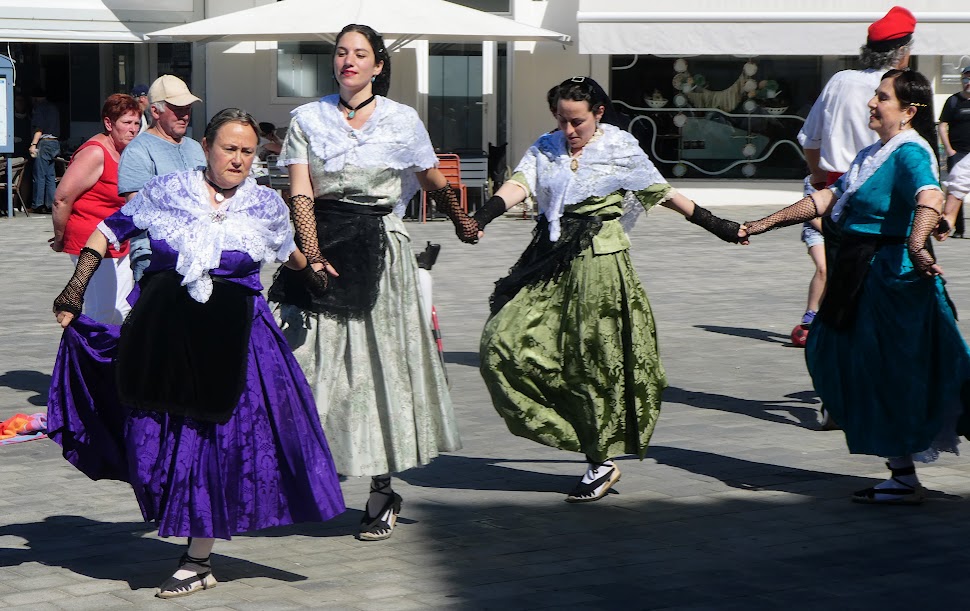
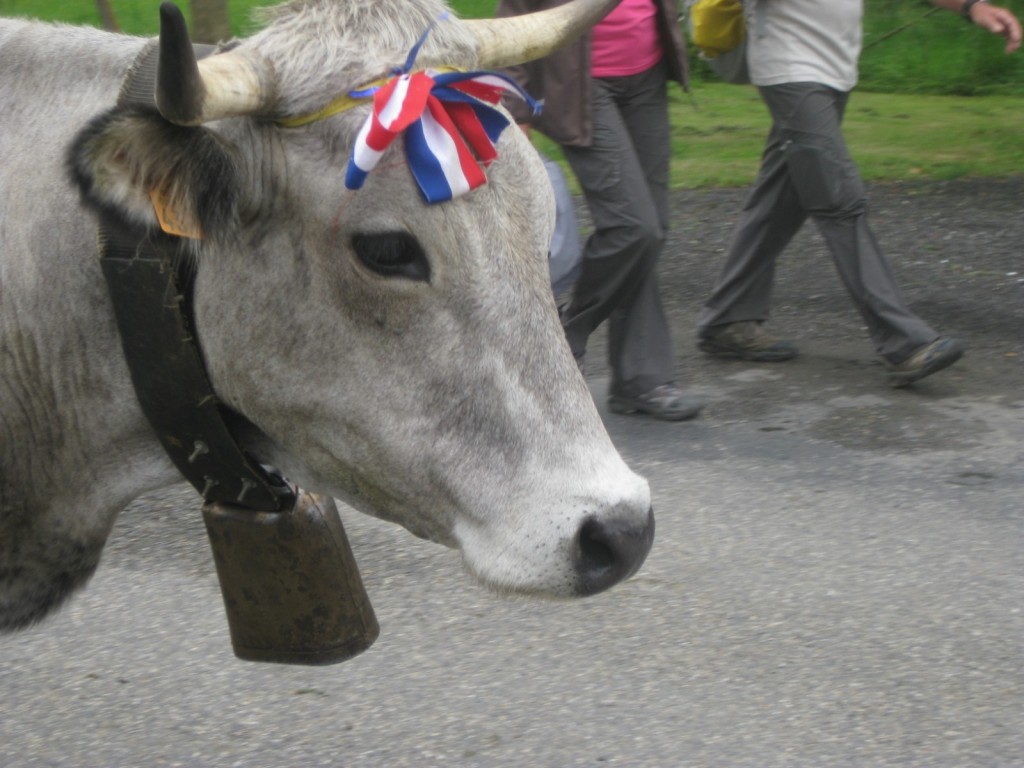
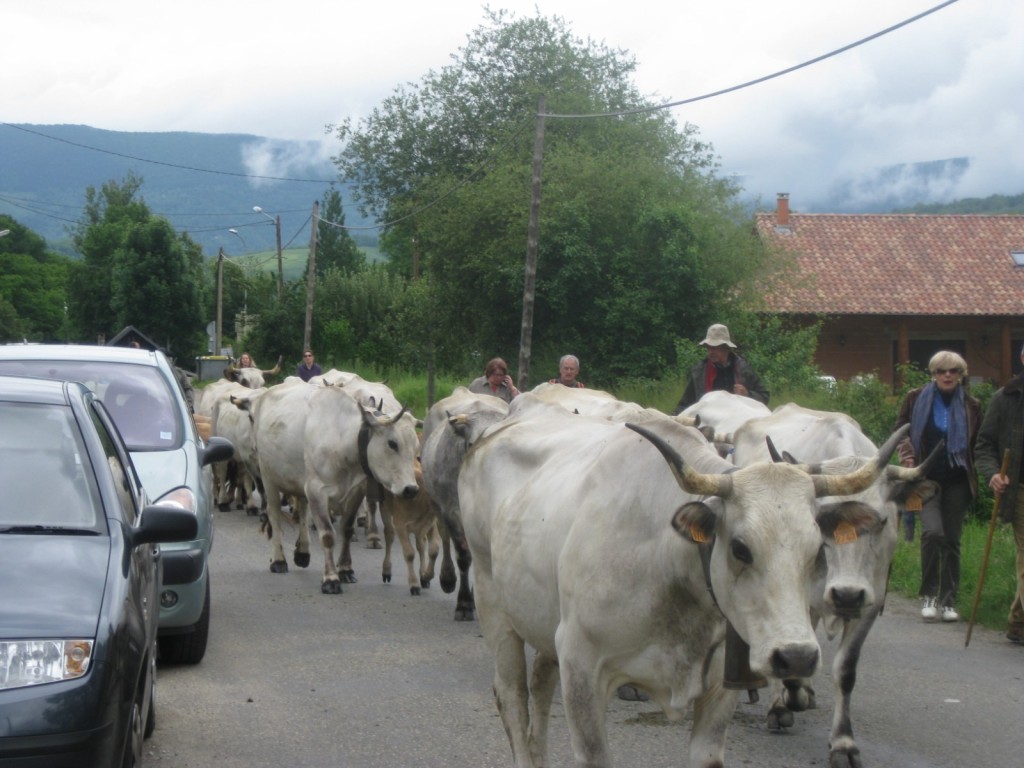
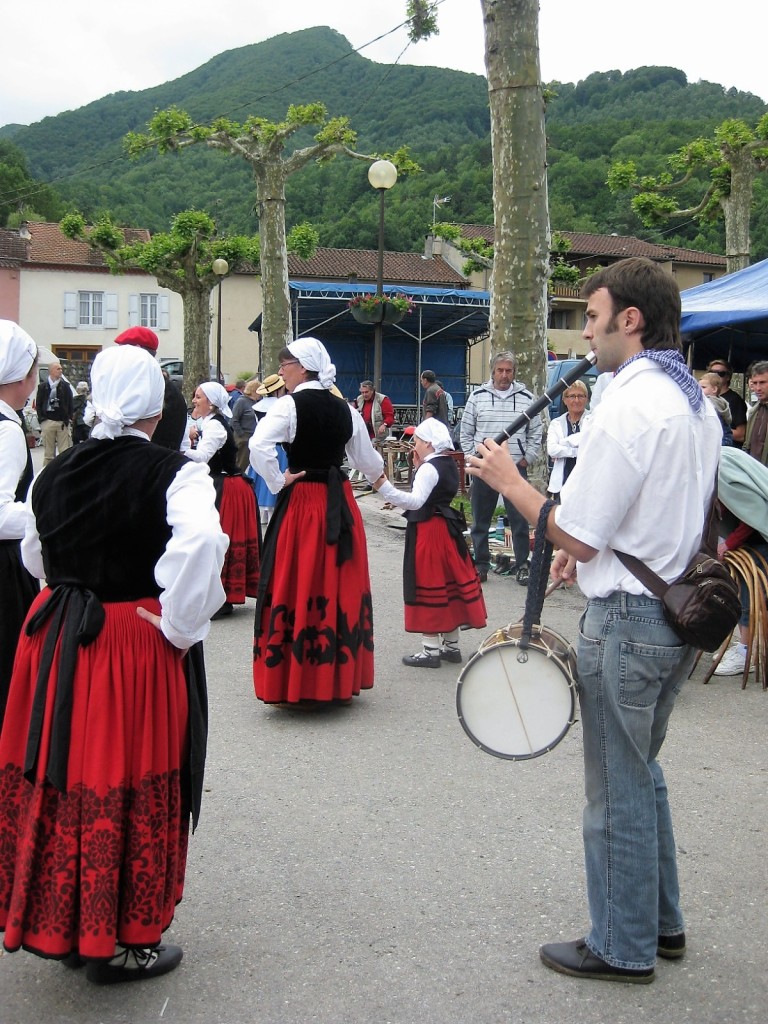
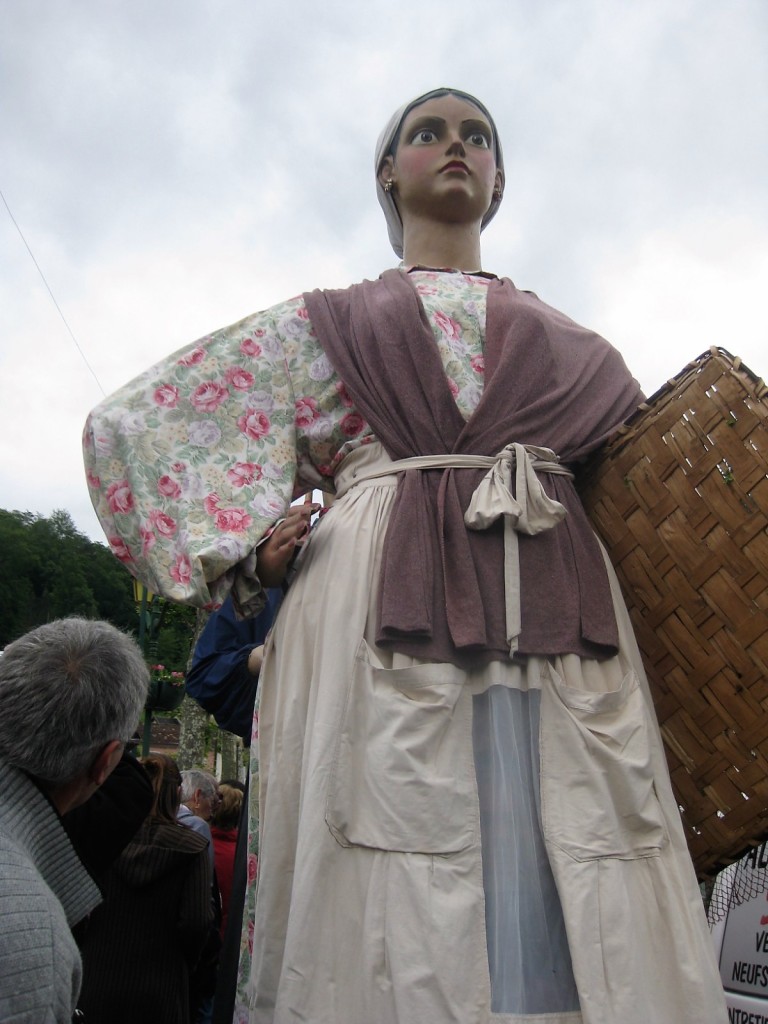
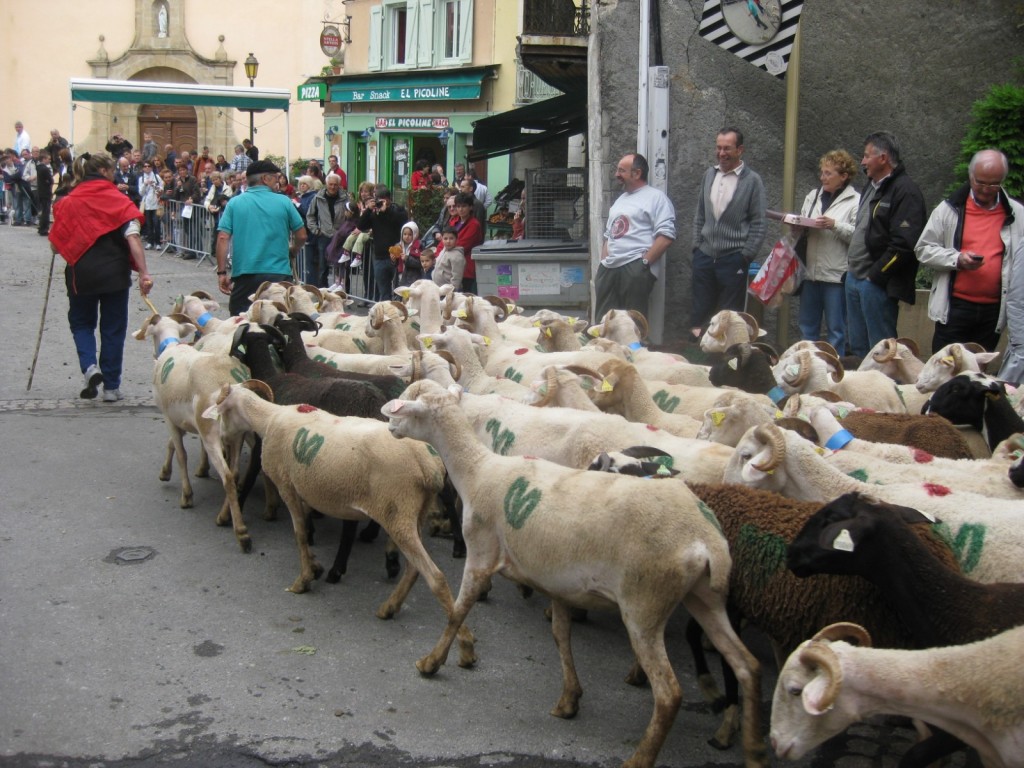
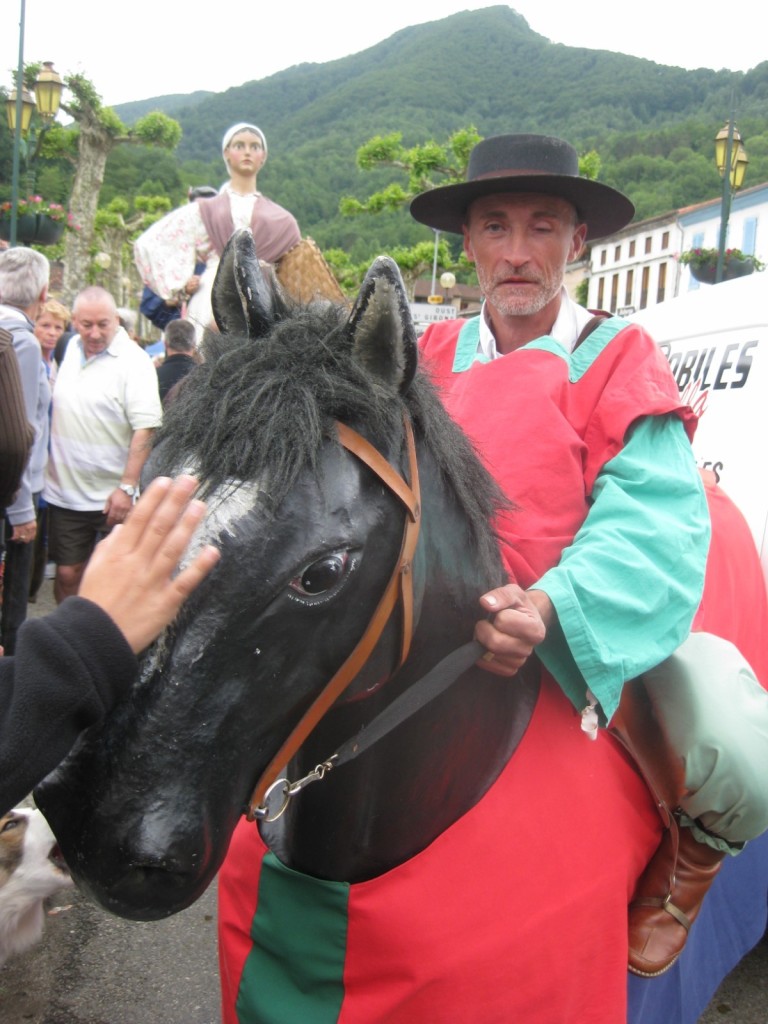
Transhumance for instance.  It’s that time of year when in the Pyrénées (and in other mountain regions too), near where we lived in France, the cattle and sheep are moved from the lush summer pastures in the mountains down to their winter quarters down on their lowland(ish) farms .  They stay there till spring, and then they’re taken up again.  And each time, it’s the excuse for a party. Here are some scenes from Seix a few years ago, of the upward part of the year.

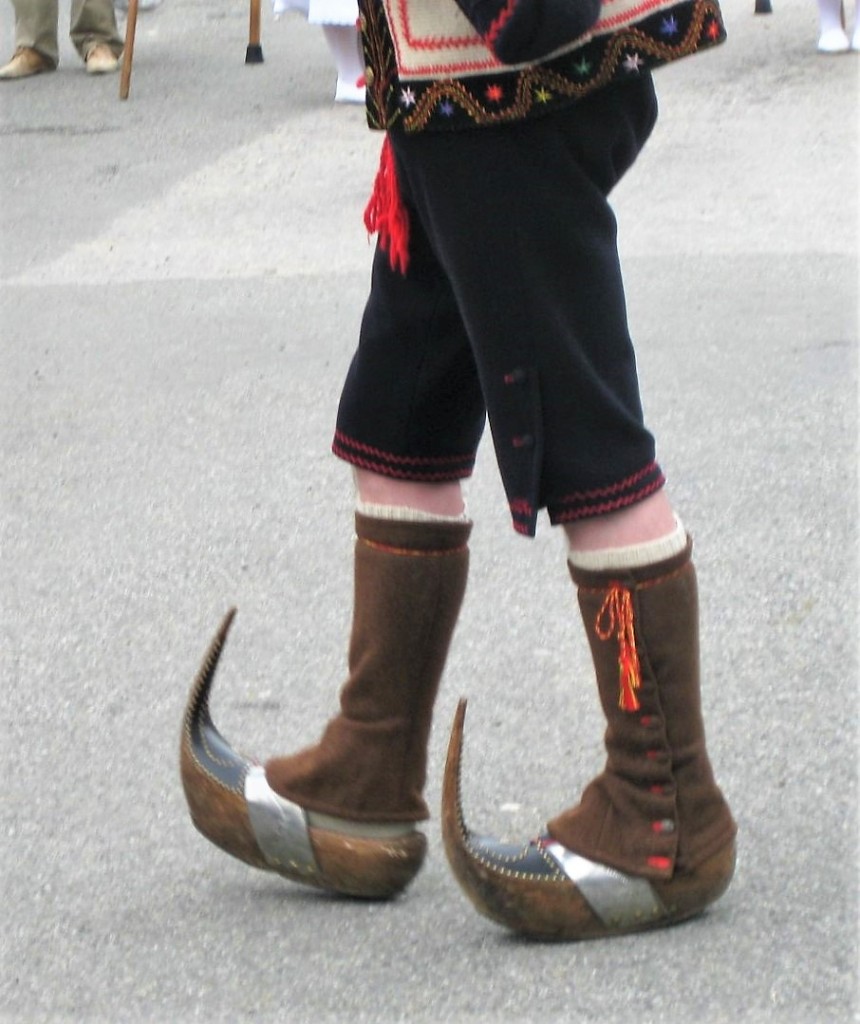
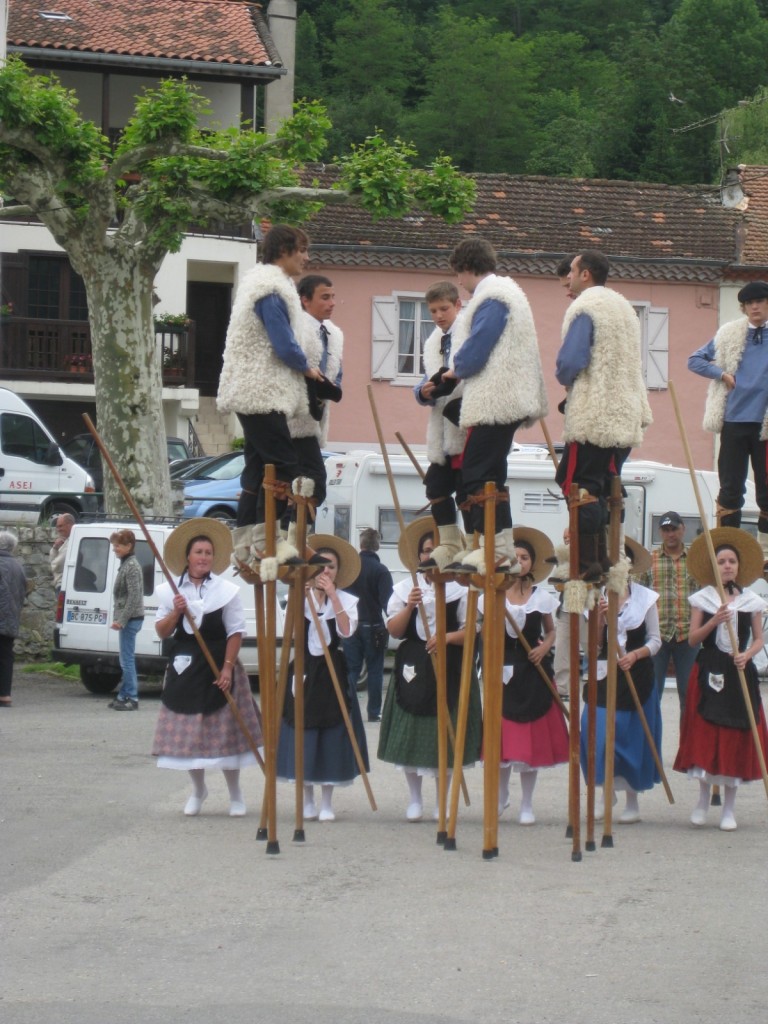
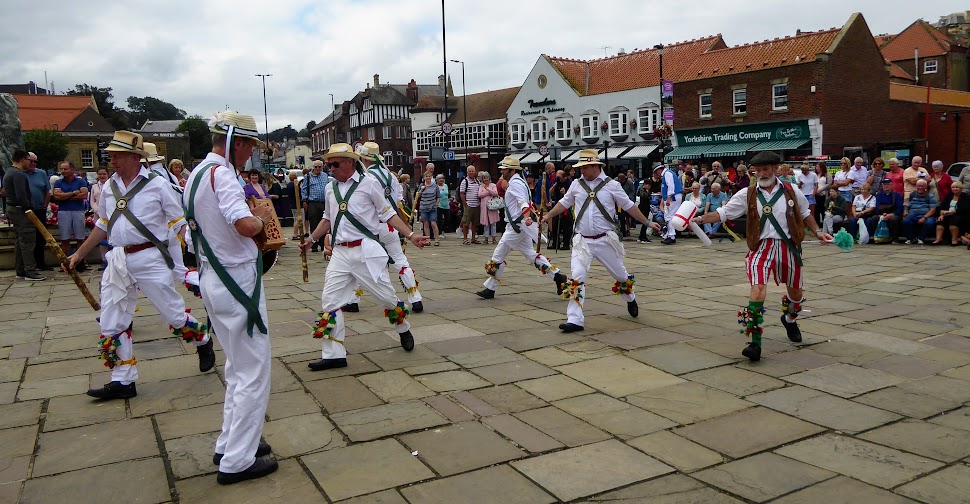
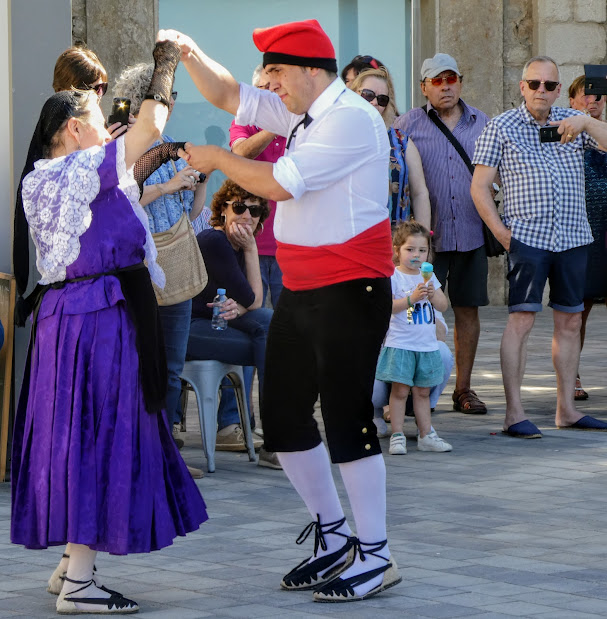
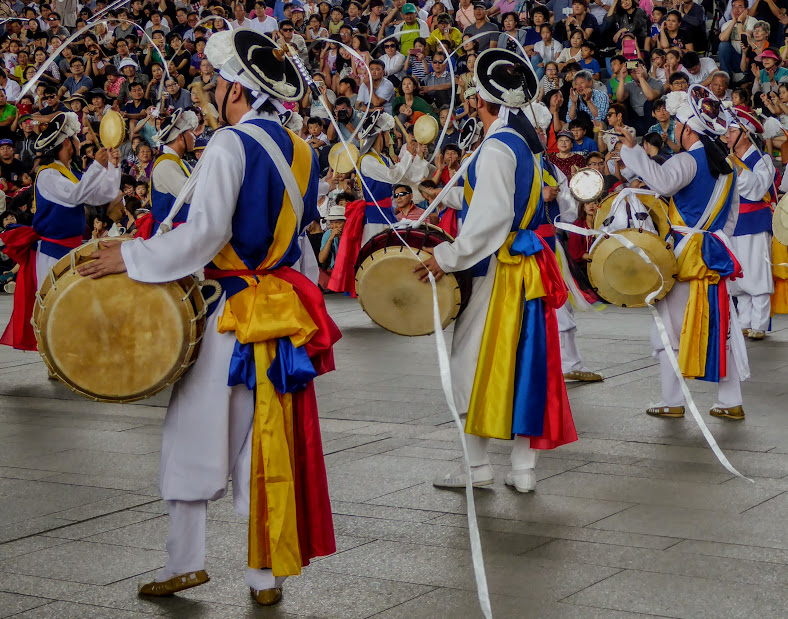
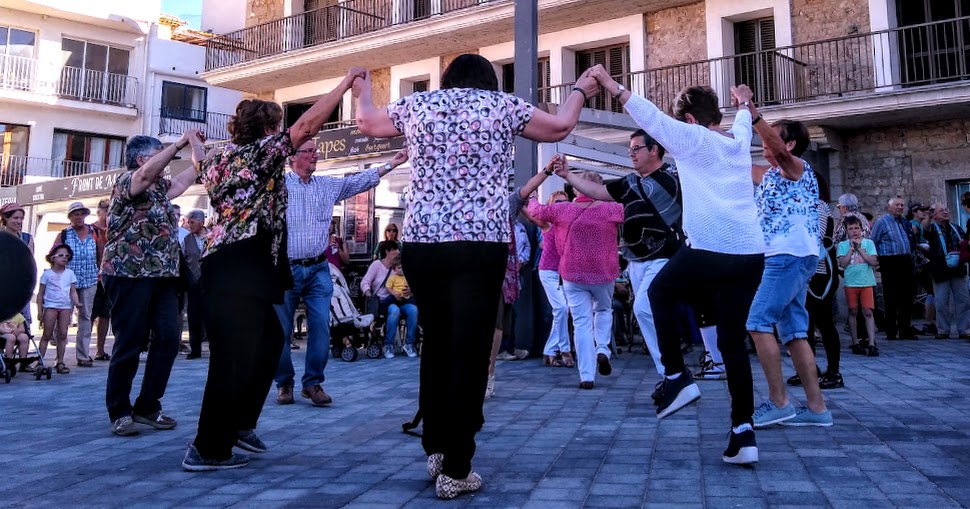
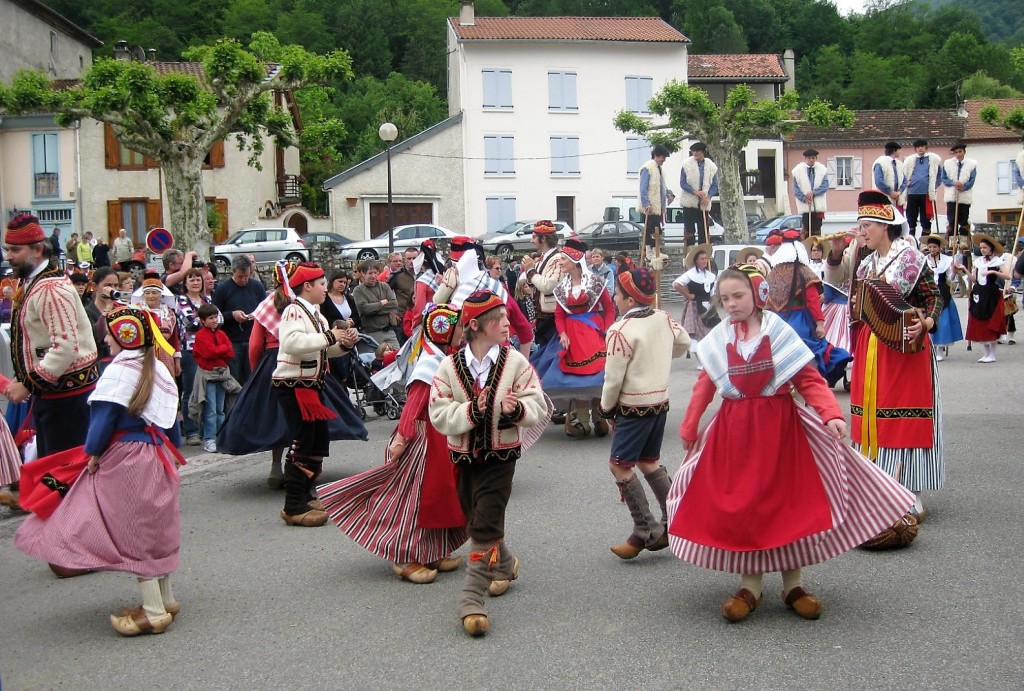
They were dancing in Seix. We dance to celebrate wherever we live – always have. Here are Morris Dancers in England, traditional dancers in Catalonia (and more of them in the featured photo) and dancing for the big Harvest celebration of Chuseok in South Korea.

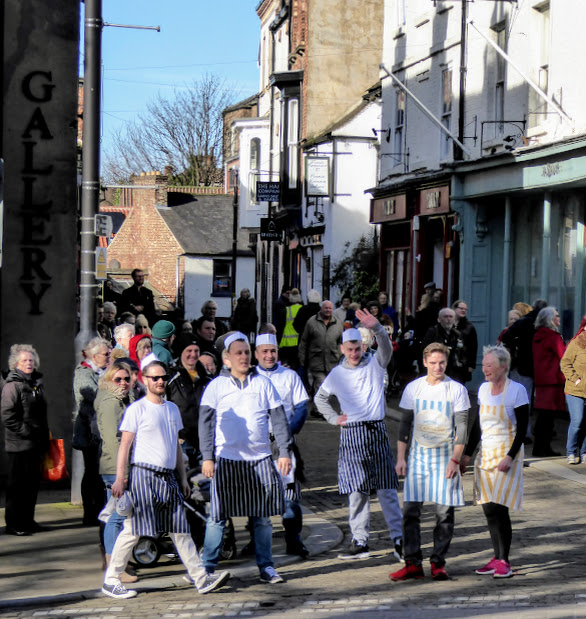
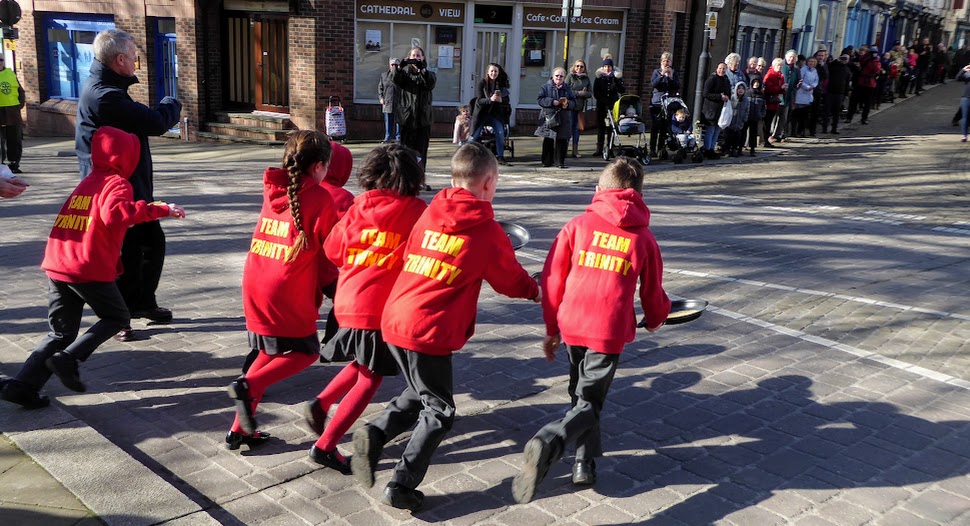
What next? How about Shrove Tuesday, the day when it’s the last excuse to have a bit of fun before the privations of Lent? The day when eggs and butter and other indulgences get used up in the making of pancakes, some of which end up in a race. Participants run the course, pan in hand, tossing their pancakes as they run towards the finishing line. It’s part of every Shrove Tuesday, as it has been for hundreds of years here in Ripon, and in towns and villages throughout the land.

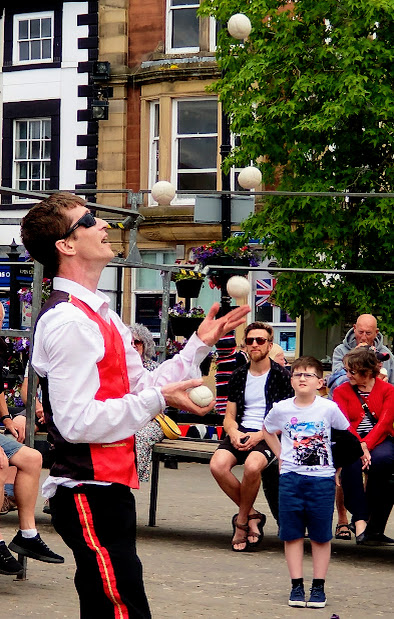
Street entertainers have engaged out attention as long as there have been streets. Jugglers, Punch and Judy shows … anything goes.

Anyway, let’s finish off with a dance, the Sardana, dear to Catalonians for … well, centuries. It’s easy enough – join in the circle and just copy the person opposite you. Come on – you don’t even need a partner!

Friends and strangers enjoy the Sardana in a Catalan square.

Further Adventures of Major General Algernon Gove

Poor Algernon (if I may be so familiar). I abandoned my Major General last month as he planned further destinations in a trip to invigorate him in his old age. He’s my stooge as I attempt to complete Paula’s Pick a Word Challenge. The five words Paula offers us are intended to be a stimulus to us to choose five appropriate photos: I decided a bit of verbal silliness would add a little extra difficulty. Not ‘alf. These are Paula’s chosen words: distinctive; floating; fortified; playful and saddle. Make something of that, Major General!

In case you’re not familiar with him, this is how his saga began …

A retired Major General from Hove
with the moniker Algernon Gove
said ‘Before life unravels
I must finish my travels.’
And forthwith he made plans to rove.

But it gets worse …

His next plan was to go pony-trekking.
He booked something in Wales without checking.
It might be quite a chore ?
He could get saddle-sore?
Oh dear no - there’s a plan that needs wrecking.

Our old chap nursed a long-term ambition
to explore sites with years of tradition.
A castle, he voted,
fortified, or deep-moated.
He’d find one - he'd make that his mission.

Perhaps all his plans were restrictive?
He should aim now for something distinctive.
Something playful and fun.
‘Cos when all’s said and done
to enjoy life should just be instinctive.

He knew he’d no taste for long trips
that took him o’er oceans in ships.
But he’d go in a boat
floating nowhere remote -
while enjoying some fresh fish and chips.
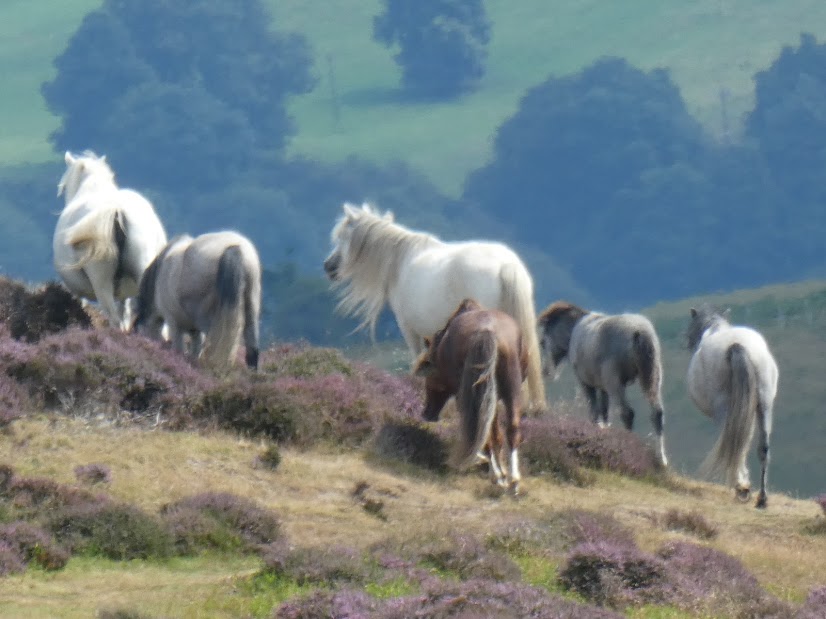
When the Major General saw frisky ponies like these, he knew he’d never be able to stay in the saddle.
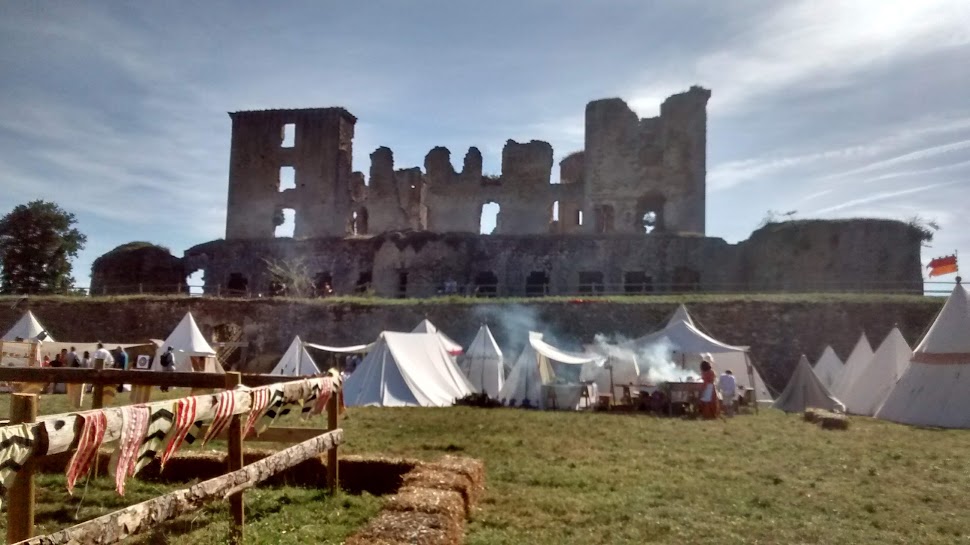
He started off at Dunstanburgh Castle in Northumberland. Not very adventurous. So he went to the Château de Lagarde in the Ariège, France, shown in the featured photo, and then…
… Sagunt, near Valencia.

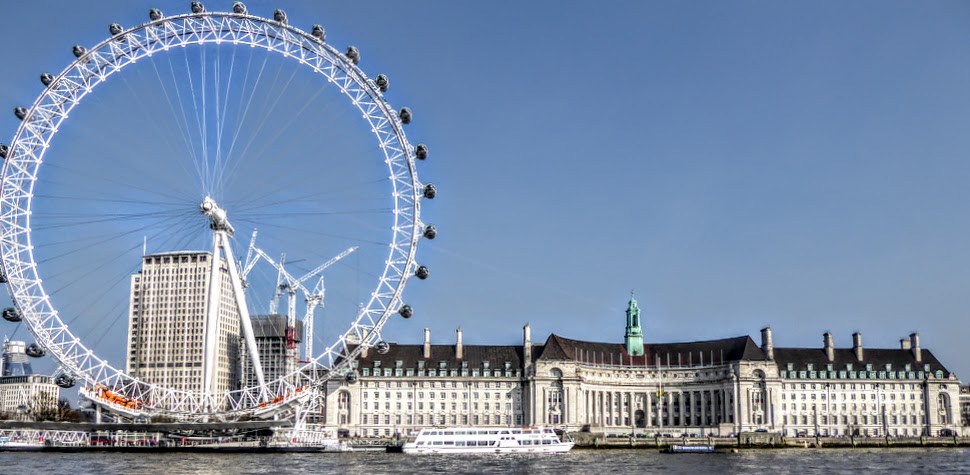
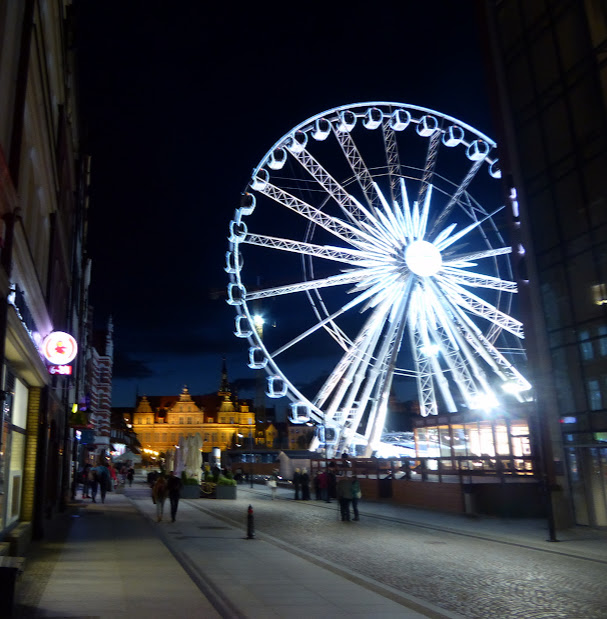
You can have a playful time on London’s South Bank, and at the London Eye. But it’s more distinctive to discover pastures new – at the evening fair in Gdansk, perhaps.

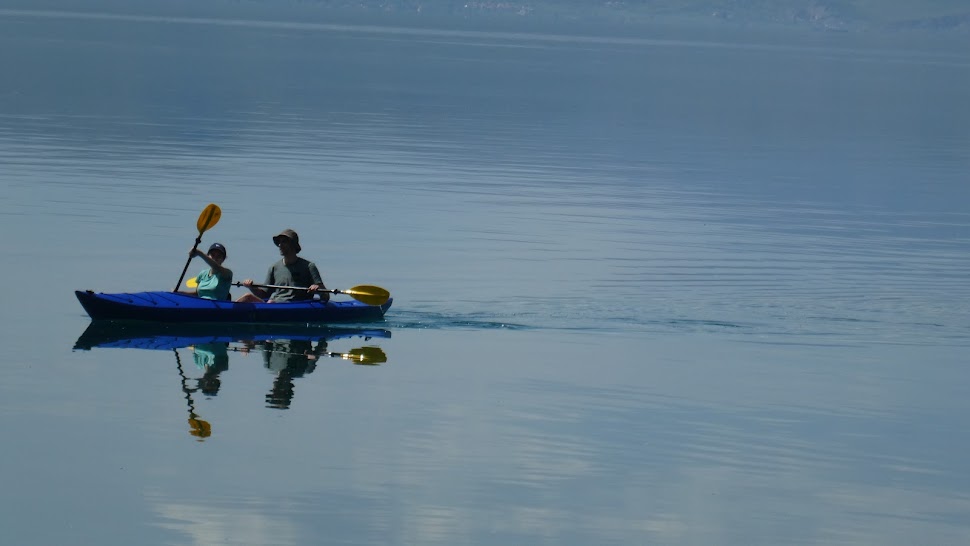
That’s more like it. Floating quietly on Lake Ohrid, North Macedonia. He had the fish he’d caught in the lake later, where they cooked it for him at the lakeside restaurant.

WP is being very irritating today. It won’t let me centre some of my photos, or alternatively to align all my shots to the left, whatever I try, and however loudly I shout at my laptop. So I have to admit defeat.

Wild(ish) life in the city

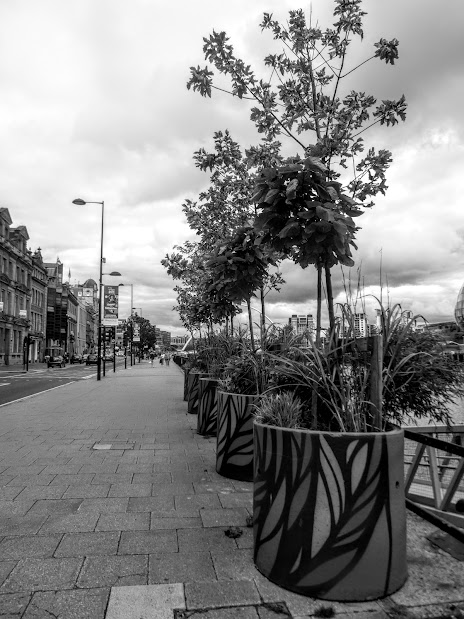
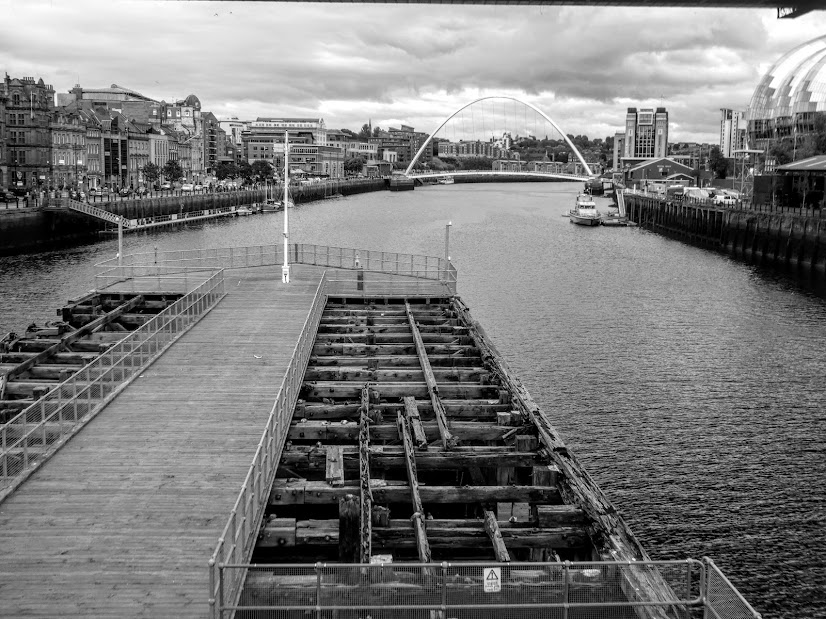
Our day in Newcastle earlier this week wasn’t just about people-watching. We’d come to walk the banks of the Tyne, weaving back and forth over at least some of its seven bridges. Let’s take a bird’s eye view of the scenes we saw.

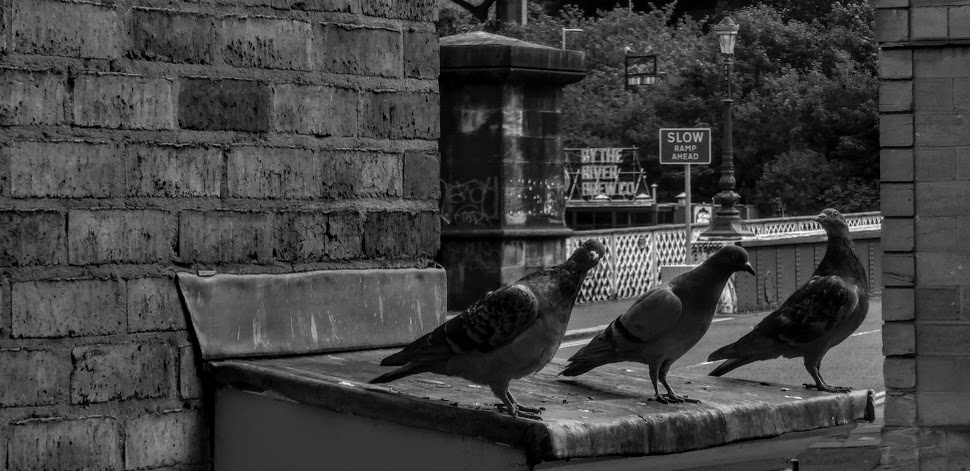
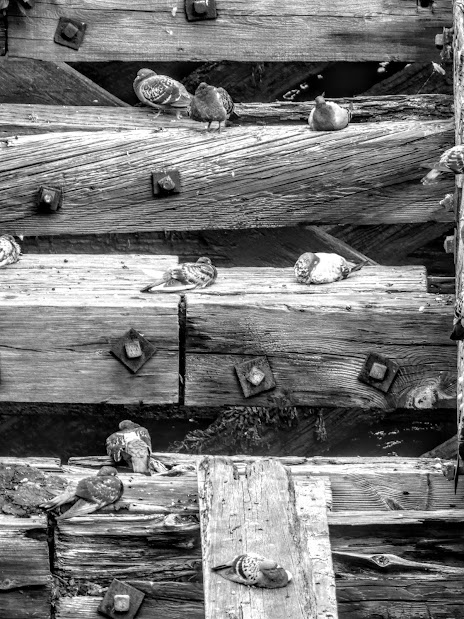
This is what those pigeons in the header photo were looking for.

This is the Tyne Bridge, with just beyond, the Sage Gateshead and the Baltic Centre.

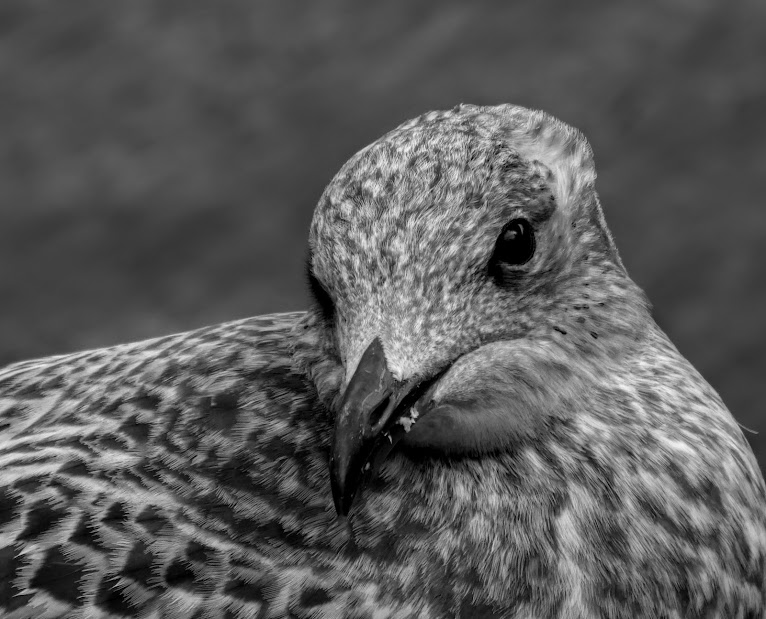
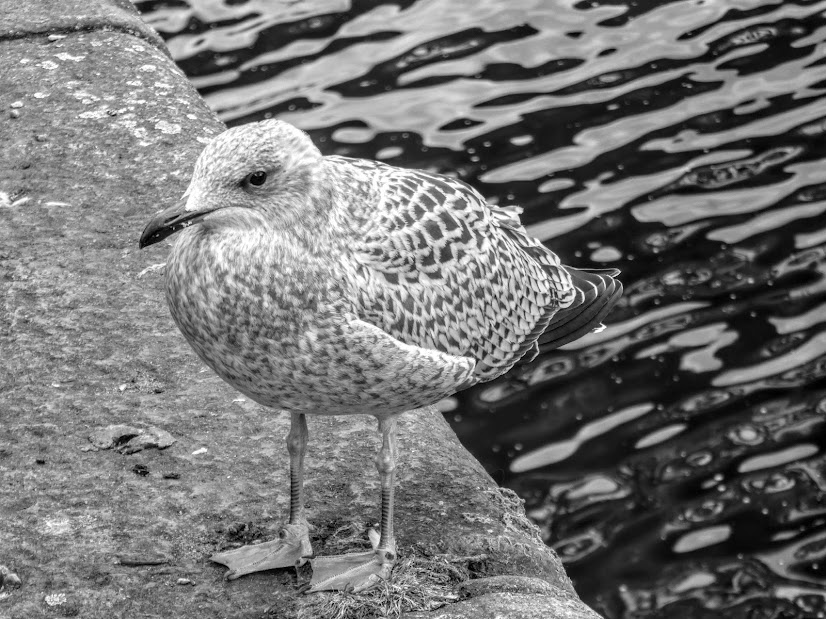
This young herring gull was inspecting me as I inspected him. He was tucked behind a railing just beyond that first planter.

We wandered onto the Swing Bridge, which luckily didn’t want to open to allow river traffic through. Its elderly wooden jetties provided the perfect resting place for gangs of pigeons.

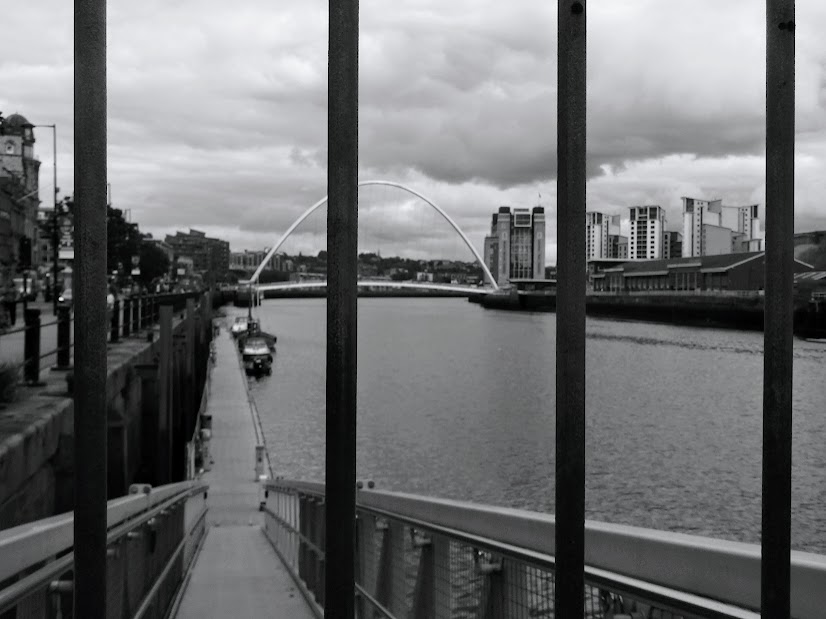
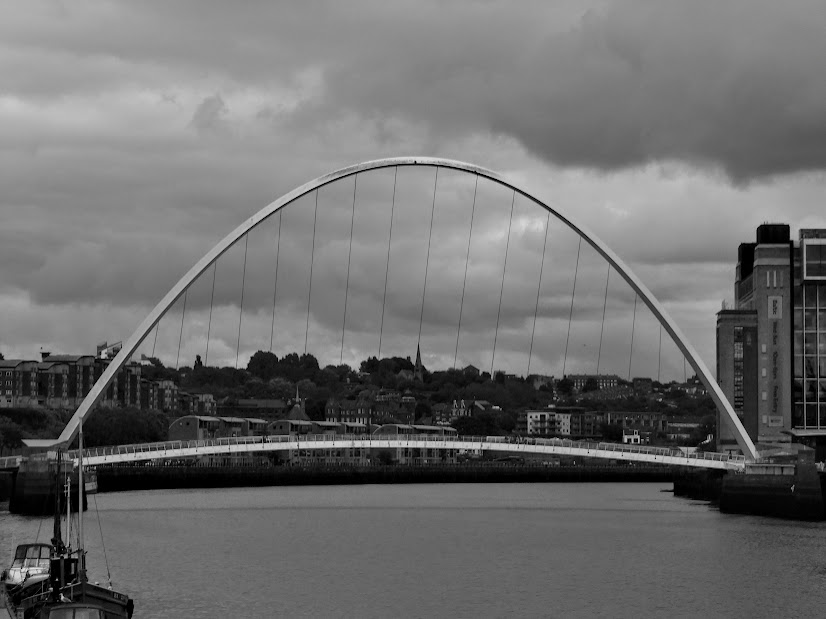
Then we walked down this walkway, for another view of the Millennium Bridge …

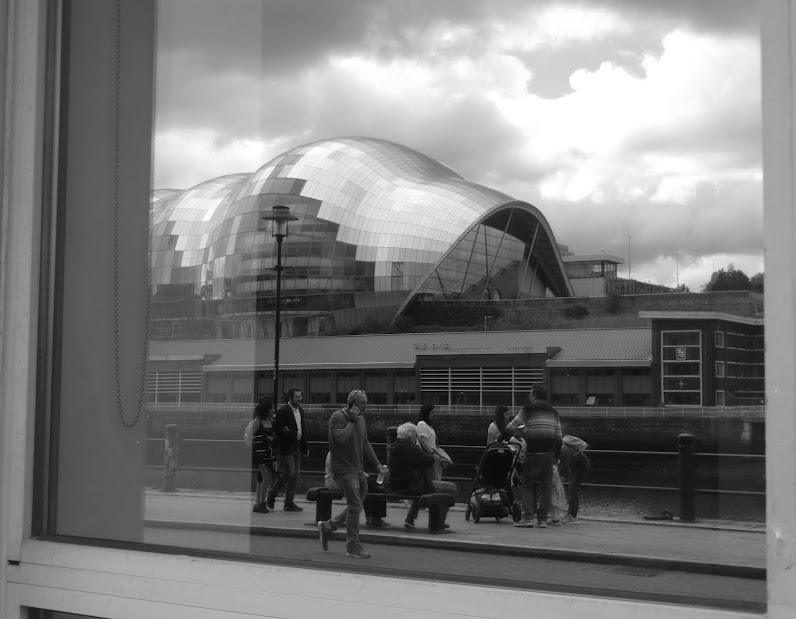
… but one of our views of the Sage was reflected in a nearby office window.

We didn’t really see any more wildlife. Unless this counts.

I’ll see if I’m allowed to sneak both the pigeons and the herring gull into  I. J. Khanewala’s Bird of the Week.

Faces in a Crowd

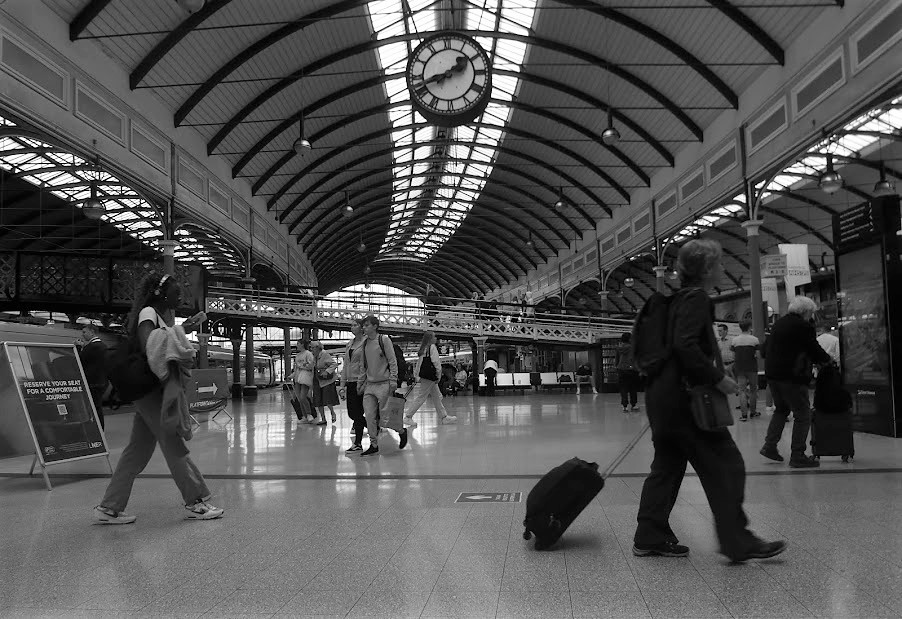
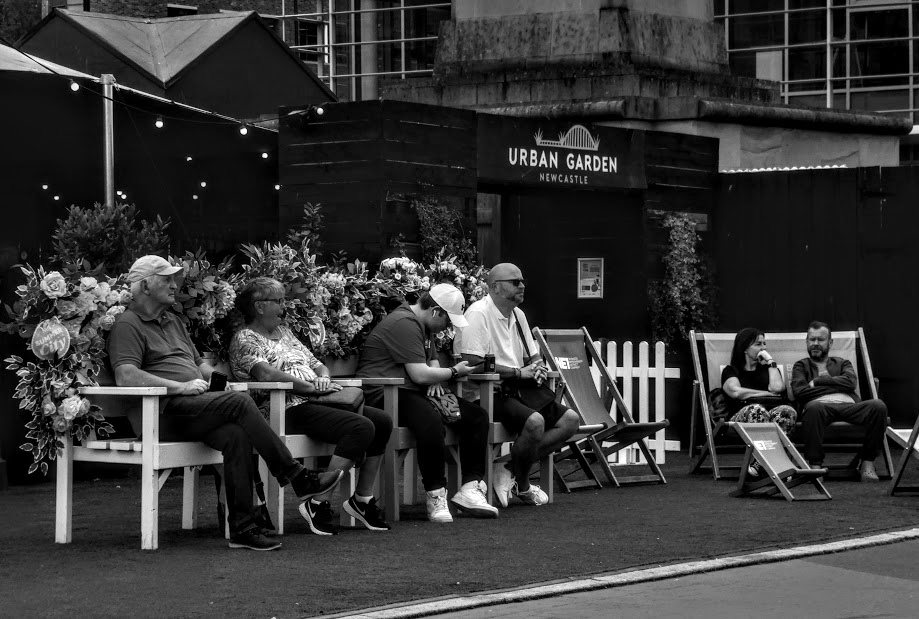
On Tuesday, Country Mouse (me) went to the Big City (Newcastle). Big cities are busy, full of life, of people. And that’s why I was there. A friend in my fairly-newly-joined photographic club had offered to take me in hand, get me over my diffidence in photographing people I don’t know, and communicate as well his affection for black-and-white photography. Newcastle was the place to go.
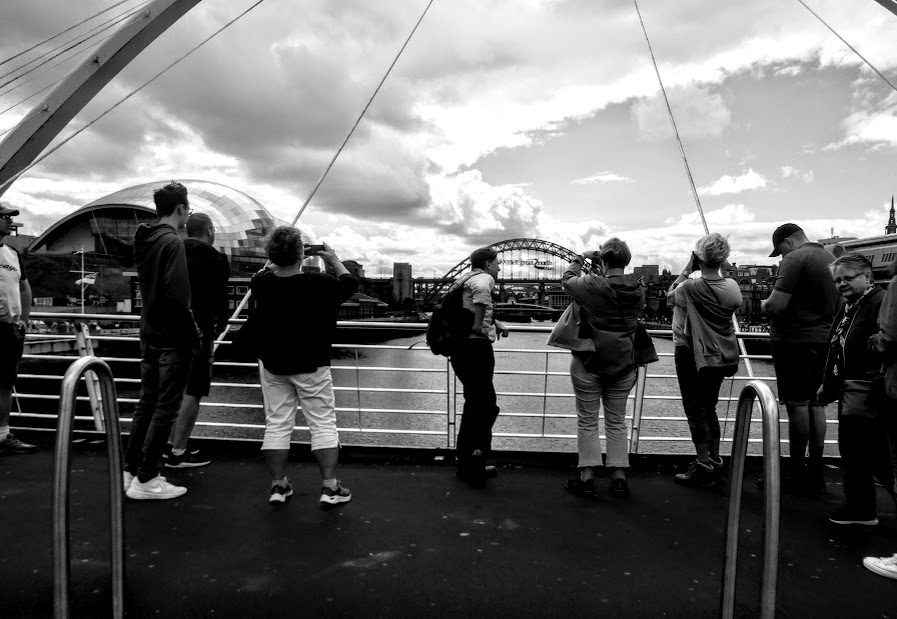
We started in the station. We walked along the banks of the Tyne. We criss-crossed several of the seven – yes seven – bridges spanning the river between Newcastle and Gateshead. The shots we took there are for another day.
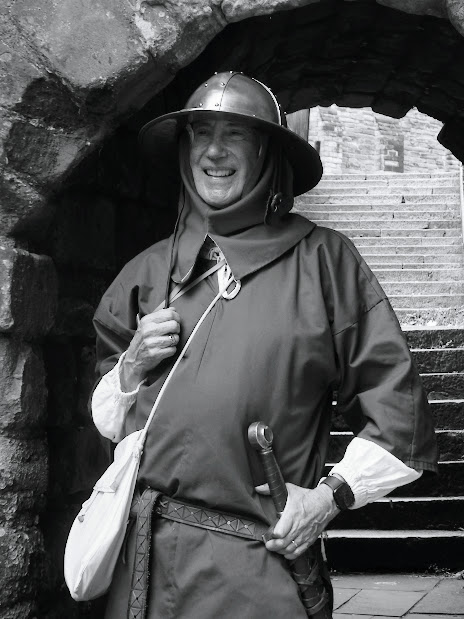
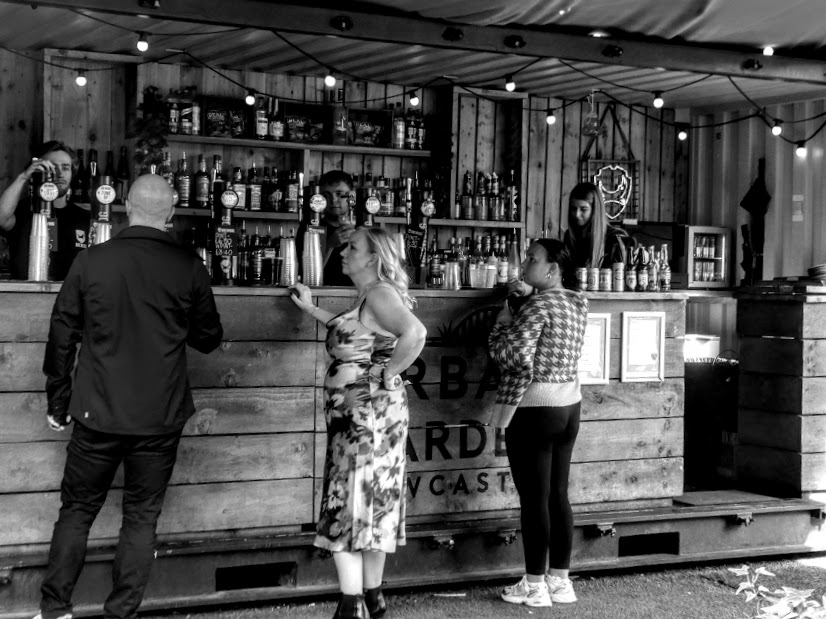
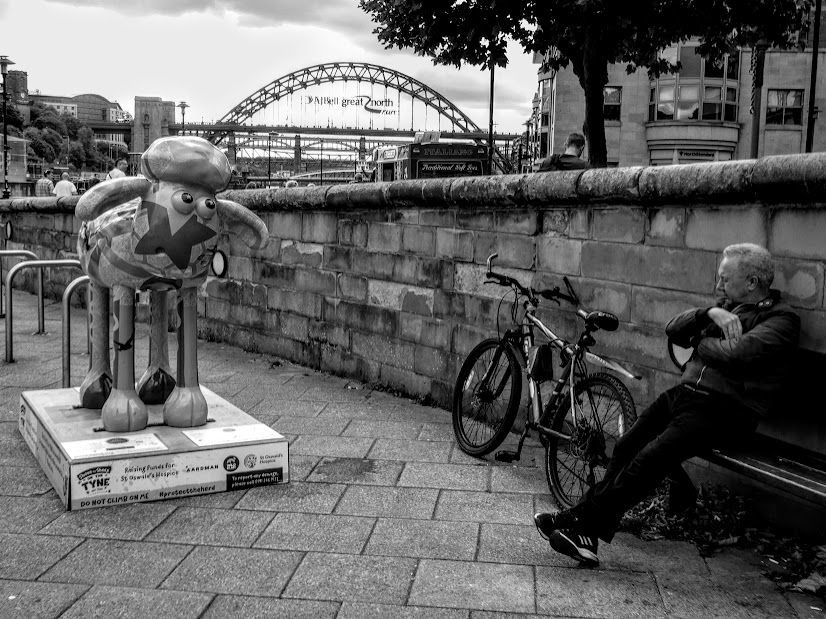
We took pictures of bridges, buildings, windows, shadows, gulls, pigeons, statues, rotting wood, city swank and urban decay. And we took shots of people click on any image to see it full-size.
Man meets sheep
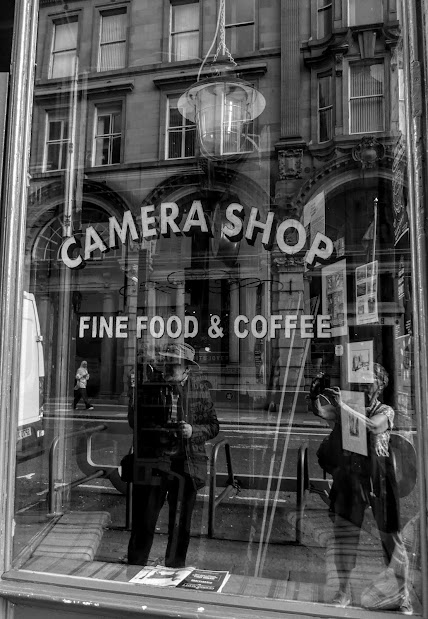
The two of us take our last shot of the day -reflected in a shop window.

It occurred to me that I might get away with offering these for John’s Lens Artists Challenge: Faces in a Crowd.

Going to Seed

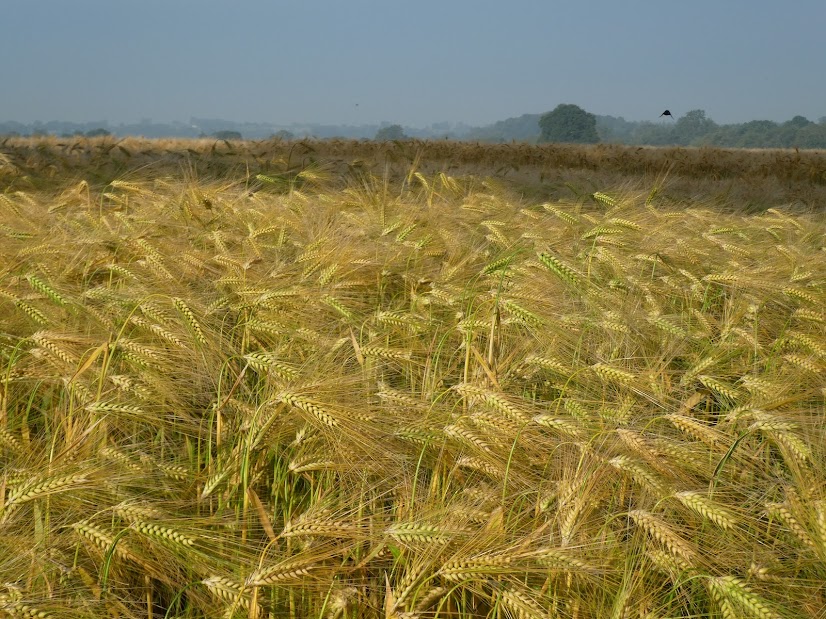
In this week’s Nature Photo Challenge, Denzil has asked us to focus on seedheads. You won’t get any more ripened seeds in one place than in a field of cereal crops awaiting harvest. Here’s a local example in my header photo.

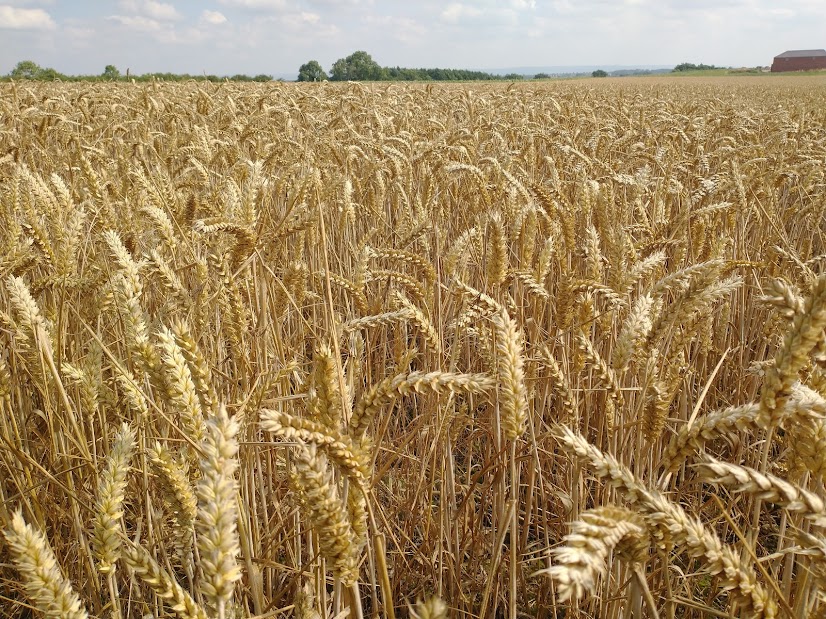
And here are some close-ups of barley and wheat.

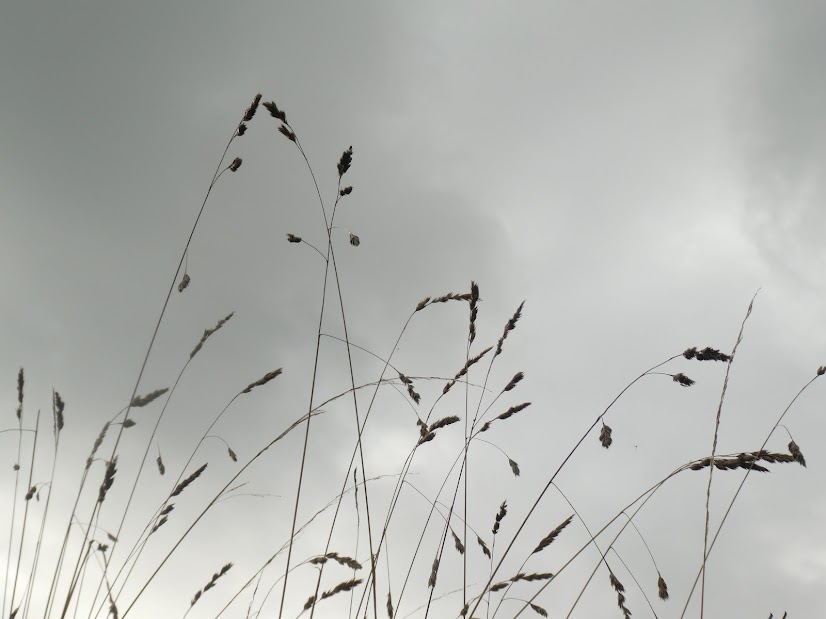
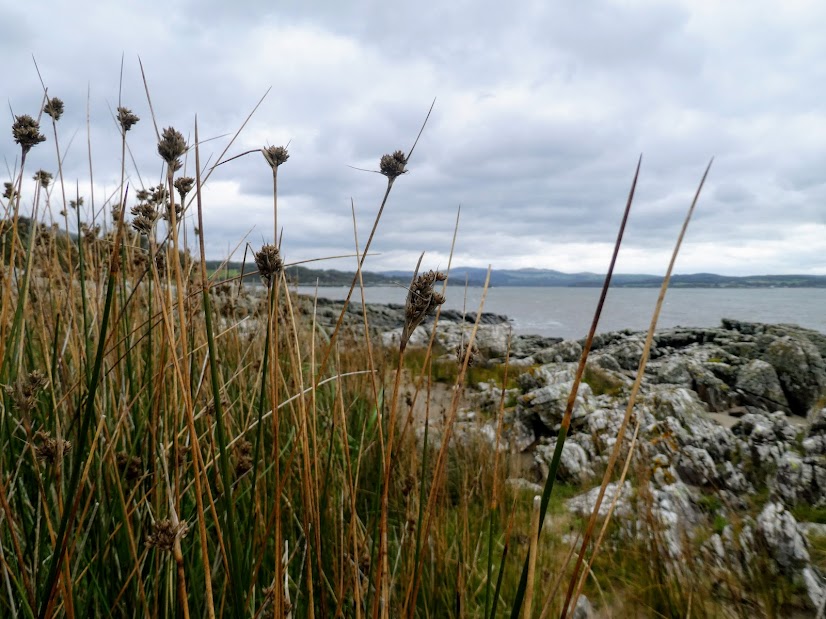
And here’s a gallery of their wild cousins – grasses. Not one of which I can more accurately identify. Any offers?

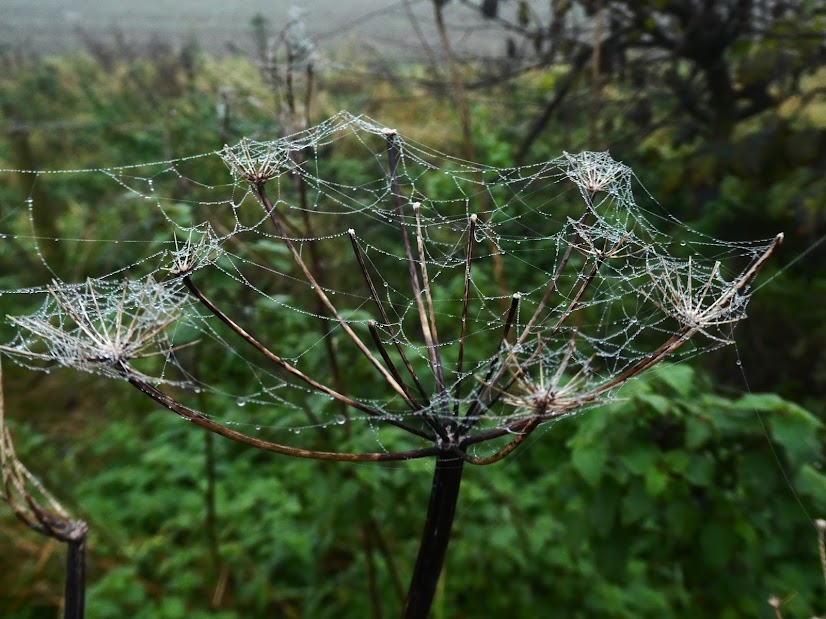
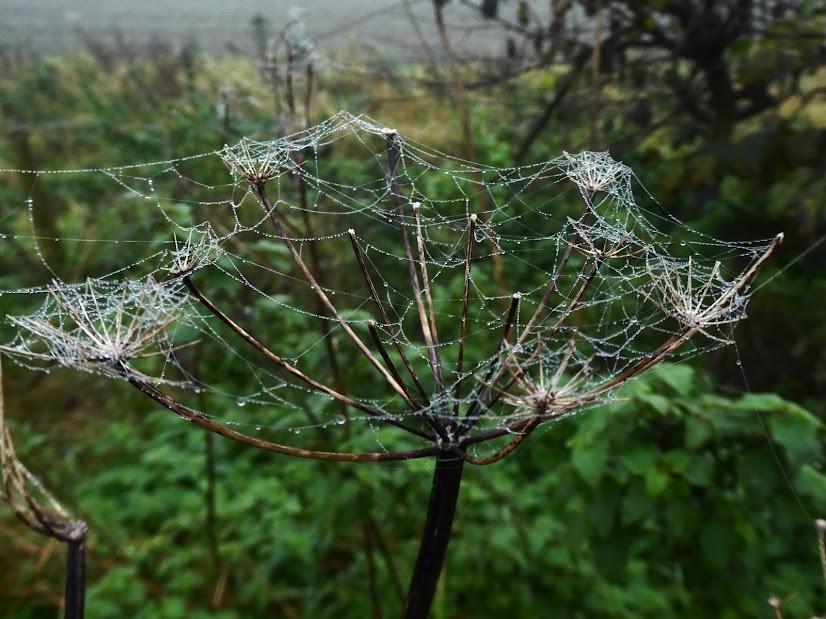
Then there’s cow parsley -or a close relation. It can be yielding its seed, perhaps in the midst of a field of crops round about now, or picturesquely hosting a spider’s web in misty November.

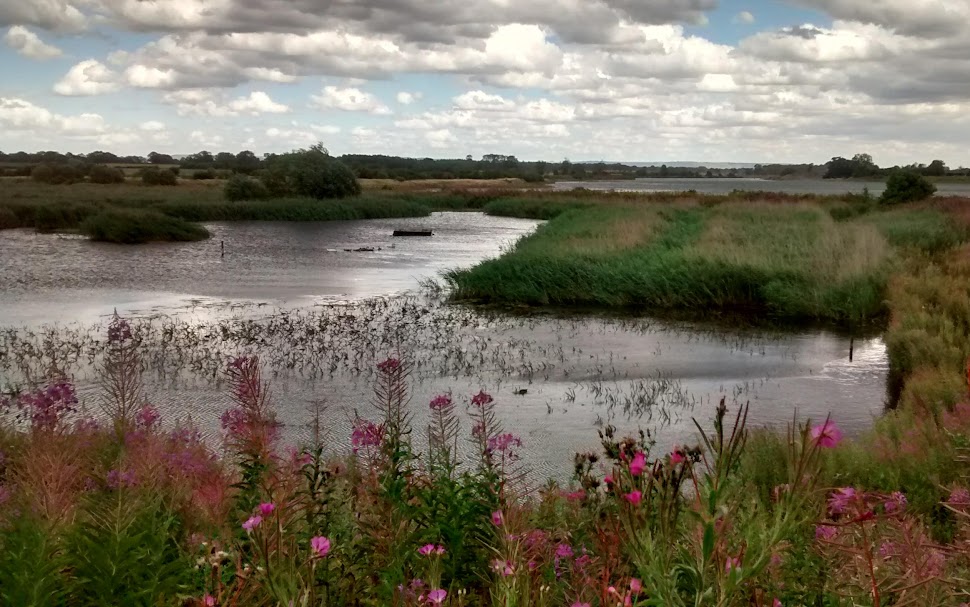
At this time of year too there’s rosebay willow herb: it seems to develop seed pods earlier every year. Here are some at a local reservoir, Grimwith.

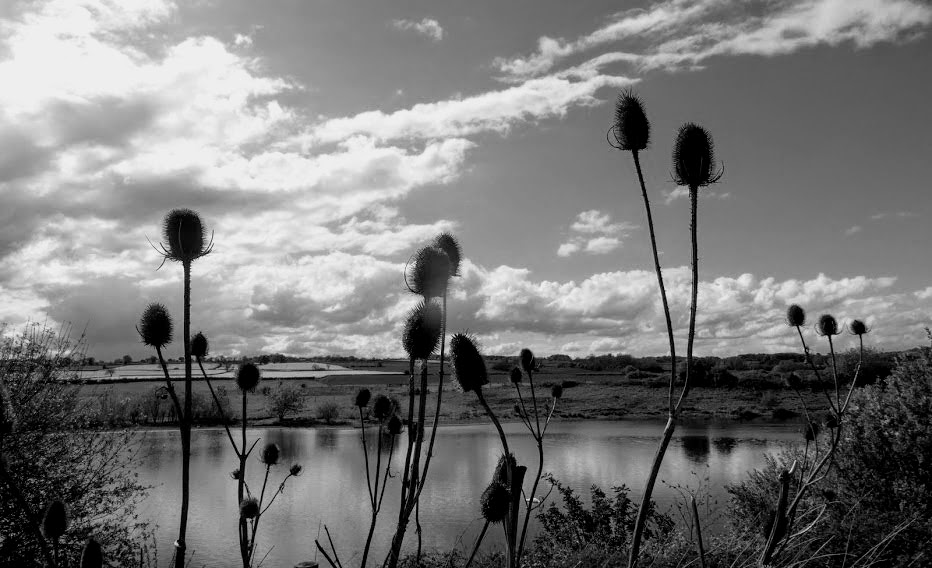
And finally and almost inevitably, teasel.