England comes to Laroque d’Olmes

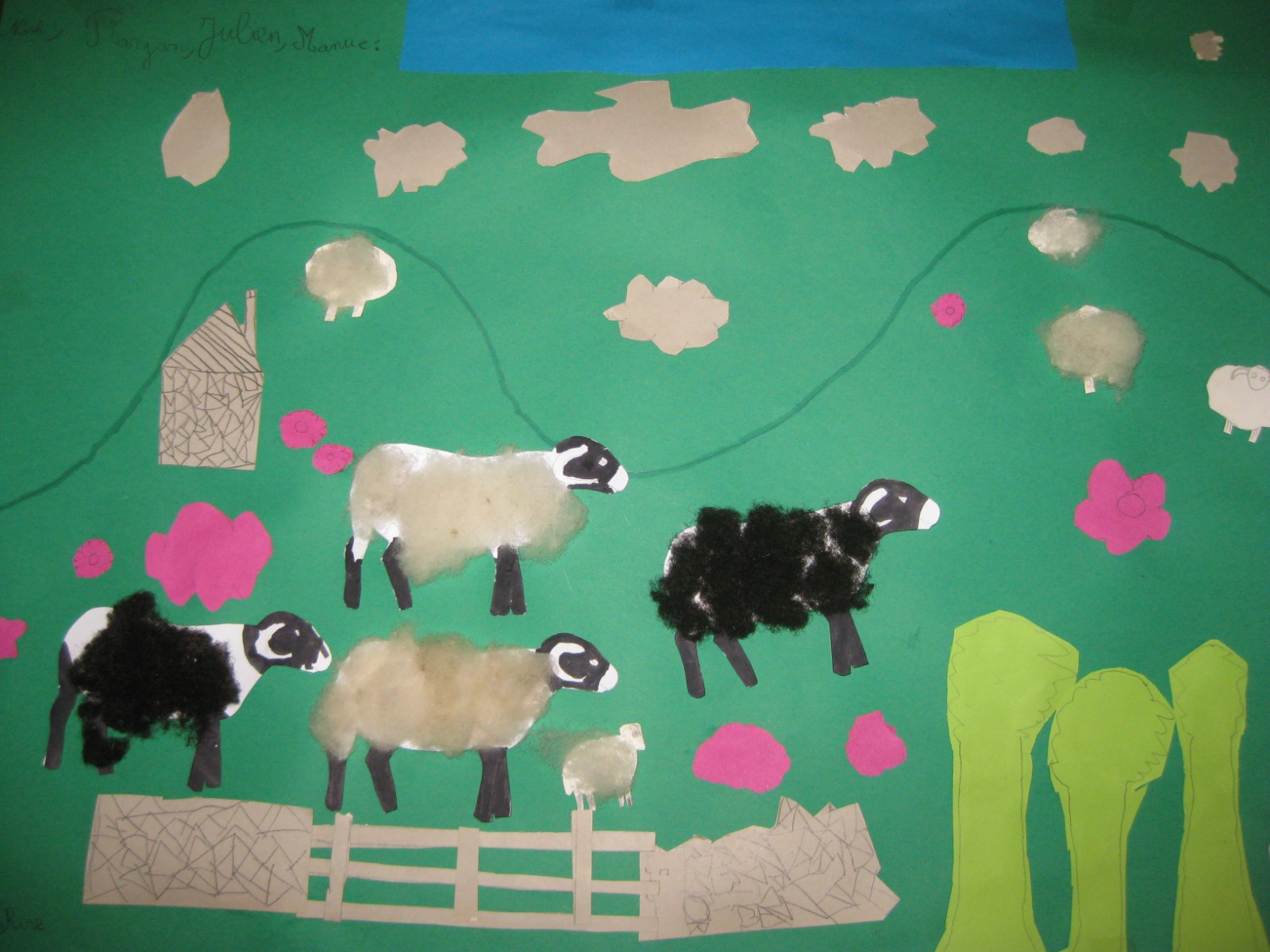
Yorkshire Dales: as interpreted by the children at the Centre de Loisirs, Laroque.

Yesterday afternoon was the best fun.  20 odd-children (that’s ‘about 20 children’, not ‘Twenty Odd Children’) here in Laroque spent the day in England, courtesy of  ‘Découverte Terres Lointaines’,  without setting foot outside town.

These children spend their Wednesdays, a no-school day, at the Centre de Loisirs.  Their parents are probably out at work, and here is somewhere they can spend the day having purposeful fun, without its costing their parents too much.

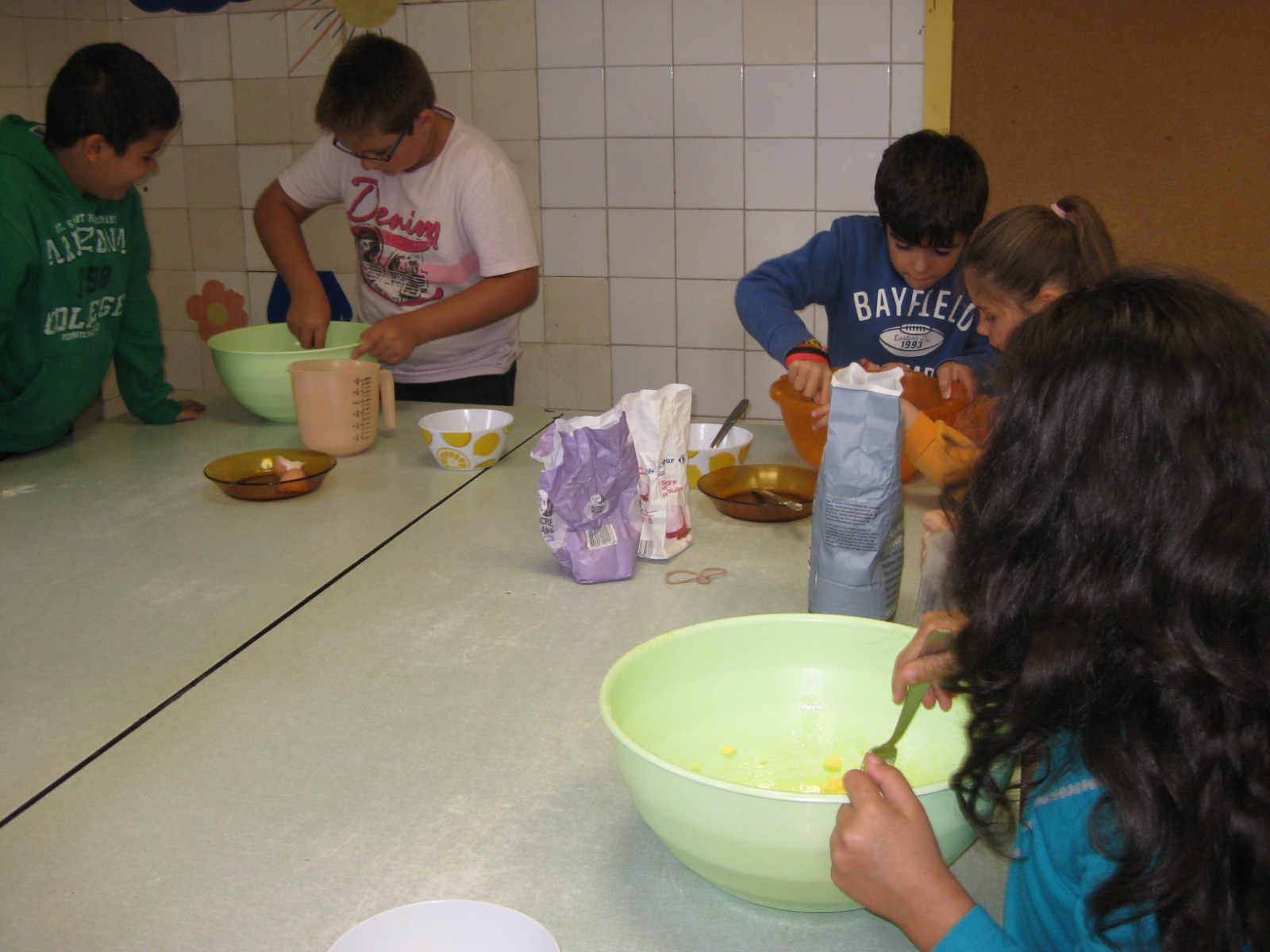
We turned up with bag full of groceries, and spent half the morning baking biscuits, basic English everyday crunchy biscuits.  It was great to see them, girls and boys alike carefully measuring out flour, sugar, butter and so on, stirring, mixing, watching a dough come together from these simple ingredients.

Let the baking begin.

A bag full of cutters and a rolling pin meant that they could transform the mixture into stars and circles, miniature gingerbread-style people, bells and flowers.

Upstairs, another group had been talking about the green moorlands of the Yorkshire Dales, then making a mural of a Daleside landscape, complete with Swaledale sheep, farm gates, and obligatory grey cloud (it’s England after all).

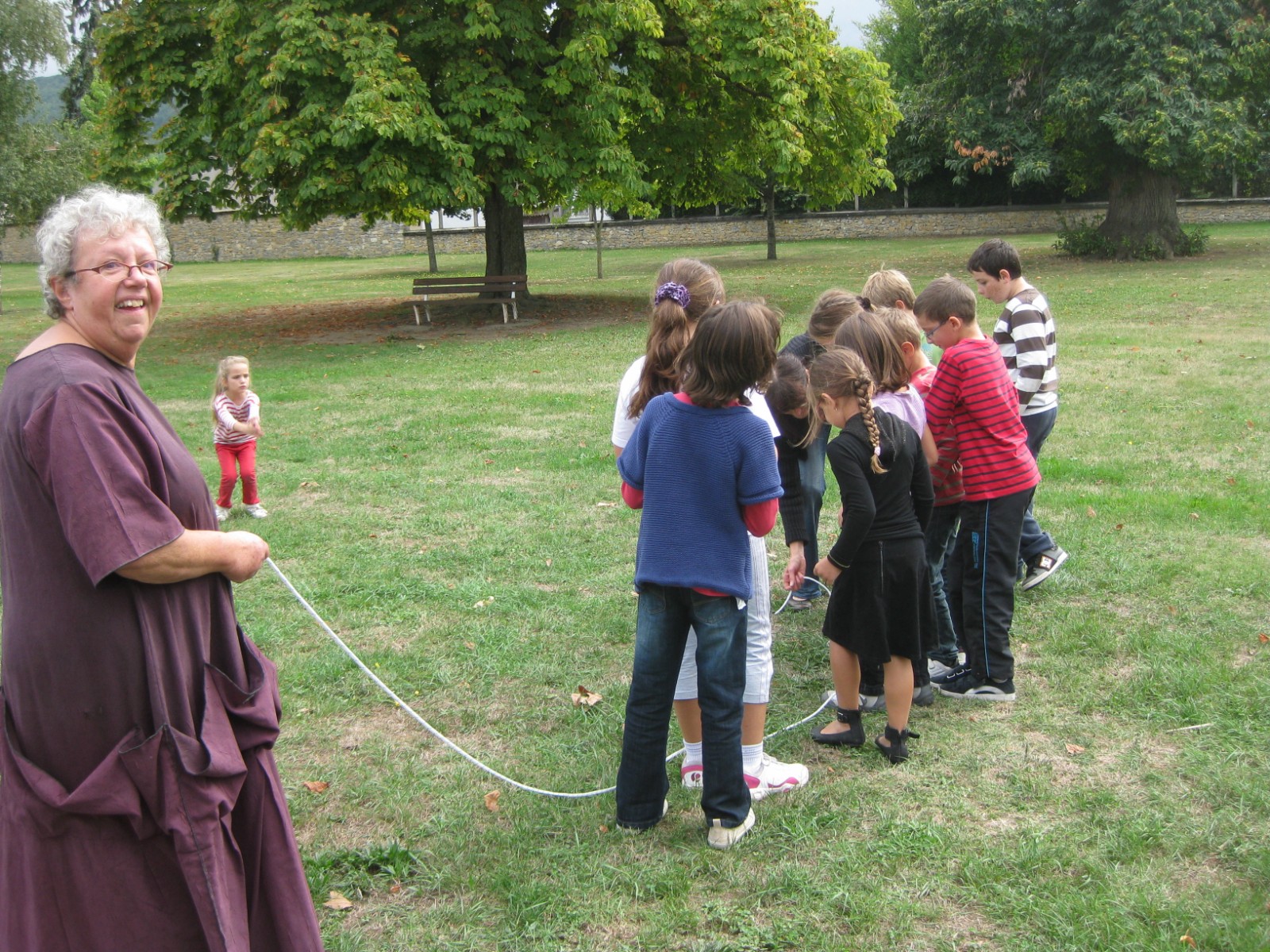
Lunch break.  Afterwards, the children came to see our long-prepared exhibition looking at North Yorkshire, which has so many features in common with the Ariège: mountains (OK, the best Yorkshire can manage is Whernside’s  736 metres.  Ariège’s Pic d’Estats is 3143m); textile and mining industries past their glory days; wide open spaces home only to sheep…. and so on.  They enjoyed an extract from Roald Dahl’s ‘George’s Marvellous Medicine’, and then it was back to the Centre de Loisirs.  Where we produced a long skipping rope with the idea of teaching them a couple of English skipping games…

‘I like coffee, I like tea

I’d like, er, Nadine, to jump with me’.

Getting started with skipping.

They loved it.  Unfortunately they couldn’t skip at all and tripped and fell all over the place, and all the adults mourned that it was a lost art. As in England (Is that so?  Not sure.) children don’t skip any more.

Back into the kitchen, it was time to decorate those biscuits.  They tinted their bowls of icing in lurid shades, and made free with all the sugary decorations we provided.  ‘Glorious Technicolor’ doesn’t begin to do it justice.  Once decorated, they ate the lot, and we sent them off to their parents for the evening crammed full of enough e-numbers to see them through the week.  One lad, as he set off home, was heard to say ‘I’ve had a great day’.  So had we.

Glorious Technicolor biscuits.

Spitalfields Life: and a recipe from Boundary Estate

Despite the fact I didn’t nominate it as a ‘Lovely Blog’ (perhaps because I feel the Gentle Author is a real professional, not someone who turns out posts only when time permits) Spitalfields Life is definitely a favourite.

Every morning without fail, his daily offering drops into my in-box, usually as I check my mail before breakfast.

And in it will be some tale of life in London’s East End.  The story perhaps of a neighbourhood shop, or a resident who arrived some years ago from a different continent, or another whose family has been deep-rooted in the area for endless generations…. anyone and everyone has a story to tell the Gentle Author.  The posts I look forward to most are those when he showcases the atmospheric photos taken in the 1960’s by John Claridge, of a way of life I remember well, but now seems so very distant.  Or those introducing newly- published work by the witty illustrator Paul Bommer.  The Gentle Author will show us 18th century trade cards, ancient  graffiti from the Tower of London, transsexuals from Bethnal Green – anything or anybody who takes his sympathetic yet enquiring fancy.

The other day he and photographer Sarah Ainslie went to the Boundary Women’s Group, and found a group of women of Asian heritage cooking lunch to share.  They shared their recipes too, and one in particular took my eye, contributed by Julie Begum.

Sardine curry

This is my favourite quick home cooking recipe after a long hard day’s work.

Ingredients –

500 g. sardines

2  tomatoes

1 onion

3  green chillies

1 teaspoon of red chilli powder

½  teaspoon of turmeric powder

1 teaspoon of coriander

1 piece of ginger

 8 cloves of garlic

1 dessert spoon of lemon juice

Salt as required.

 Method

  • Cut and clean the fresh sardines (score on both sides) or just open the tins (I prefer the ones in tomato sauce).
  • Heat oil in a pan.
  • Add sliced onion, green chilli, ginger, garlic and sauté well.
  • To this, add red chilli powder, turmeric powder, salt, lemon juice and tomato slices. Sauté well until tomatoes are done and add fish.
  • Add water as required and until fish are cooked.
  • Serve with fresh coriander and a slice of lemon with white basmati rice. Yum!’

Julie – I can confirm that it’s ‘yum’ indeed, and easy, and quick…and the kitchen doesn’t stink of sardines for hours afterwards, as can be the case with this otherwise wonderful fish.

‘I remember, I remember the House where I was born….’ *

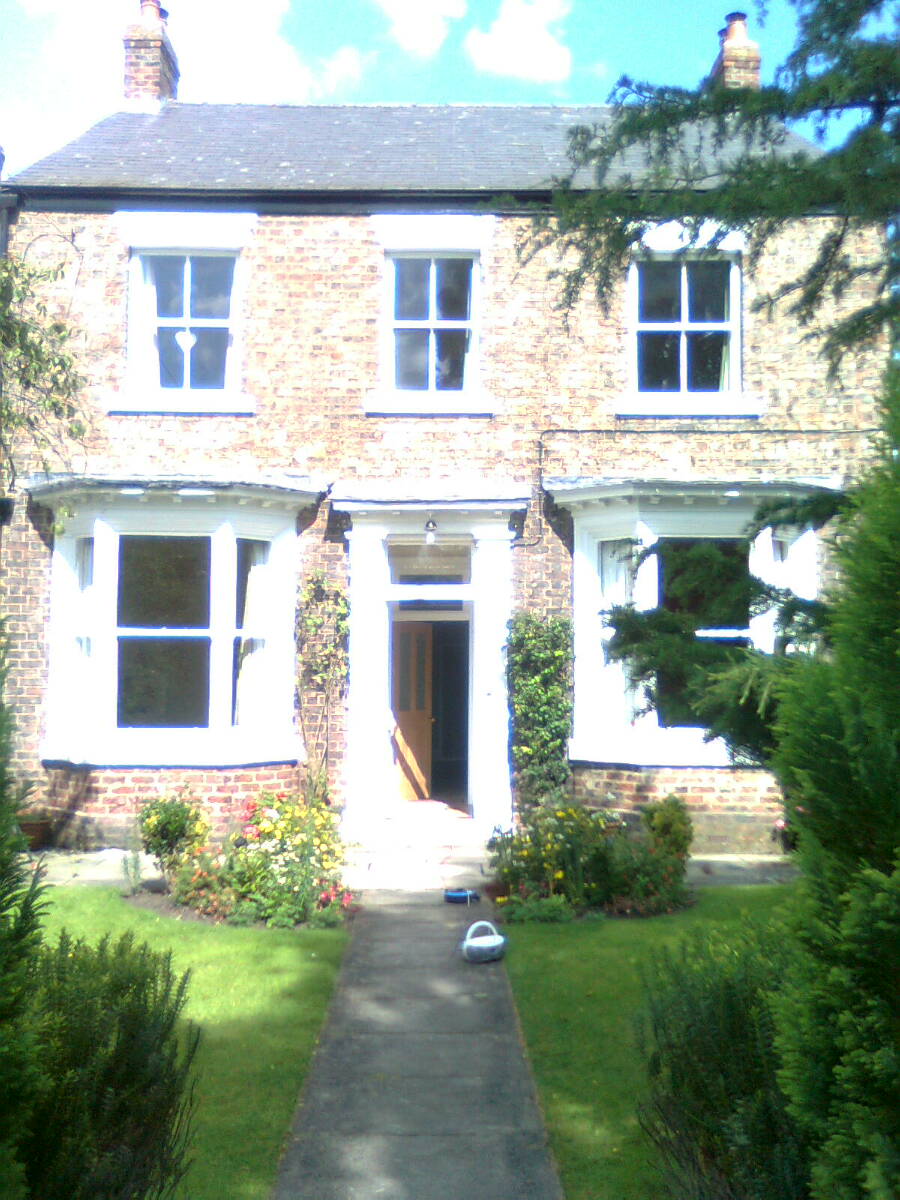
The house where I lived in Alne

I don’t actually.  I was only six months old when we moved away from York to Alne, near Easingwold in North Yorkshire.  And today I visited Alne again.

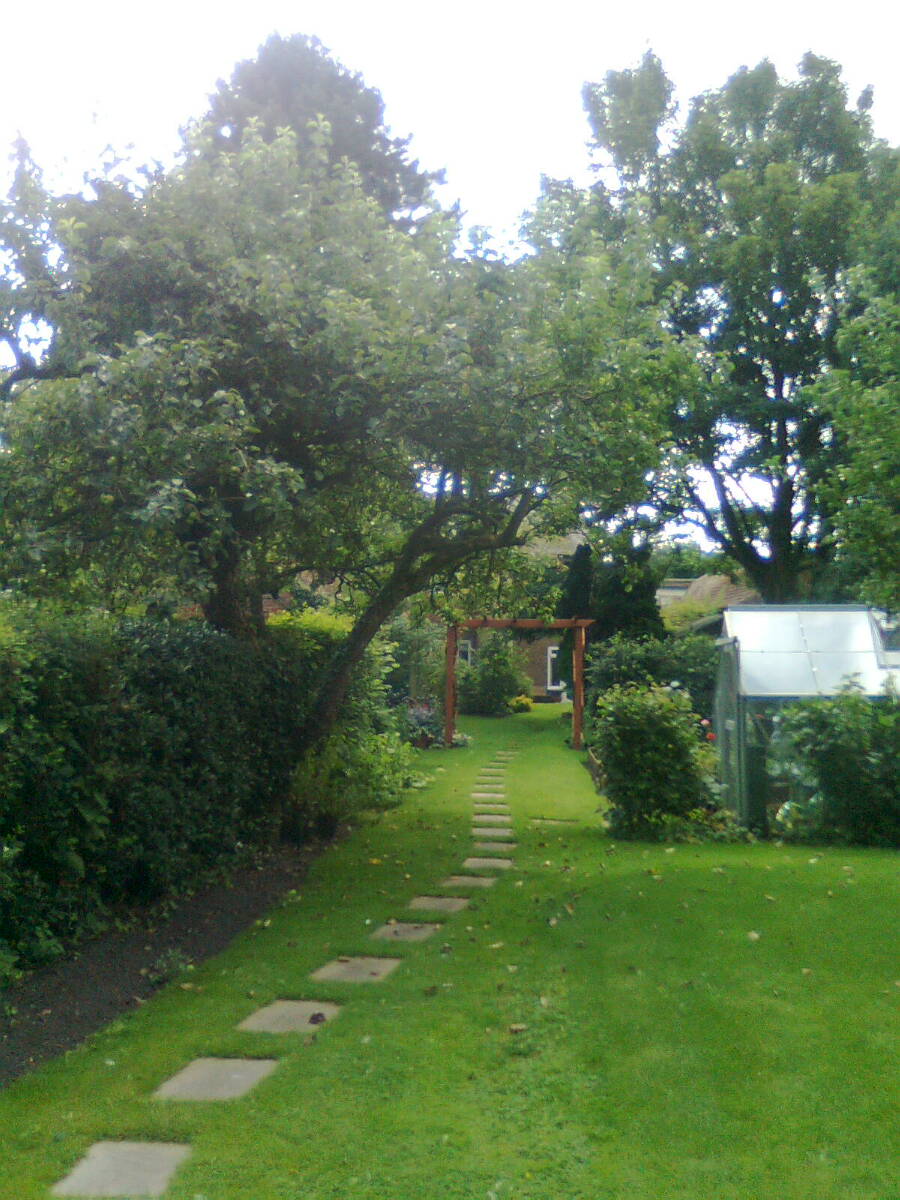
I lived there till I was 4, and my earliest memories come from there.  I remember our house having a long garden, with an espalier apricot tree growing against an ancient brick wall.  I remember my father gardening and growing vegetables towards the bottom of the garden, spending hours doing this hated task because he couldn’t find paid work.  My mother had no choice but to be the only breadwinner, and as a female teacher, earned less than her male counterparts.  Every weekday, she would cycle the 12 mile journey to York, where she taught, with me strapped firmly behind her.
 
My very earliest memory of all dates from the time when, aged about 2, I wanted to pick my mother a bunch of flowers from the garden.  I chose the best tulips, and carefully snapped them off with about an inch of stem attached.  I couldn’t understand my mother’s fury and the hiding that followed from my father.  I must eventually have been forgiven though.  When I came downstairs on my 4th birthday, there was a home-made swing hanging from the branches of the apple tree.  I used to spend hours playing on it, but then, as now, I never learnt to propel myself up and down in a satisfying rhythmic swinging motion.

The back garden today: not so very different from the back garden I remember.
 
We weren’t at all well off, but this house, like so many others in the village is now only affordable by someone with means.  When we found it today, the owners were out, but a painter was tackling the garden gate and invited us to look round the garden.  He assured us the owners wouldn’t mind.  The old stone-flagged kitchen, where my mother had to skin the rabbits my father used to catch must have been re-vamped, and there’s a modern extension at the back of the house.  The fields at the bottom of the garden have been built over.
 
Some things remain.  The Village Hall is still there.  I can just remember that about twice a year, a mobile cinema came to the village.  I was too young to see the films, but I remember everybody turning to to arrange hard wooden benches in the hall so the villagers could gather round the screen.  I remember too the very occasional visit of an ice-cream van.  Cornets or ‘sandwiches’, 2 flavours, vanilla or ‘pink’ (Yes, I do mean ‘pink’.  ‘Strawberry’ doesn’t cover it at all).  There was a wood at the edge of the village, and it’s this wood that to this day illustrates the tales of Hansel and Gretel or Little Red Riding Hood in my imagination.  I used to half long for, half be scared witless by the prospect of being irrevocably lost in this forest, which I now realise was little more than a glade of trees.
 
Alne’s become quite ‘twee’ commuter country I think.  Back then it was a fairly isolated community offering housing to farm labourers and other country workers.  I’ve just found our old home on Rightmove, because it changed hands some 5 years ago, and there’s not a chance we, or anyone else in our family could afford to think of living there now.
* Thomas Hood

Olympic Fever?

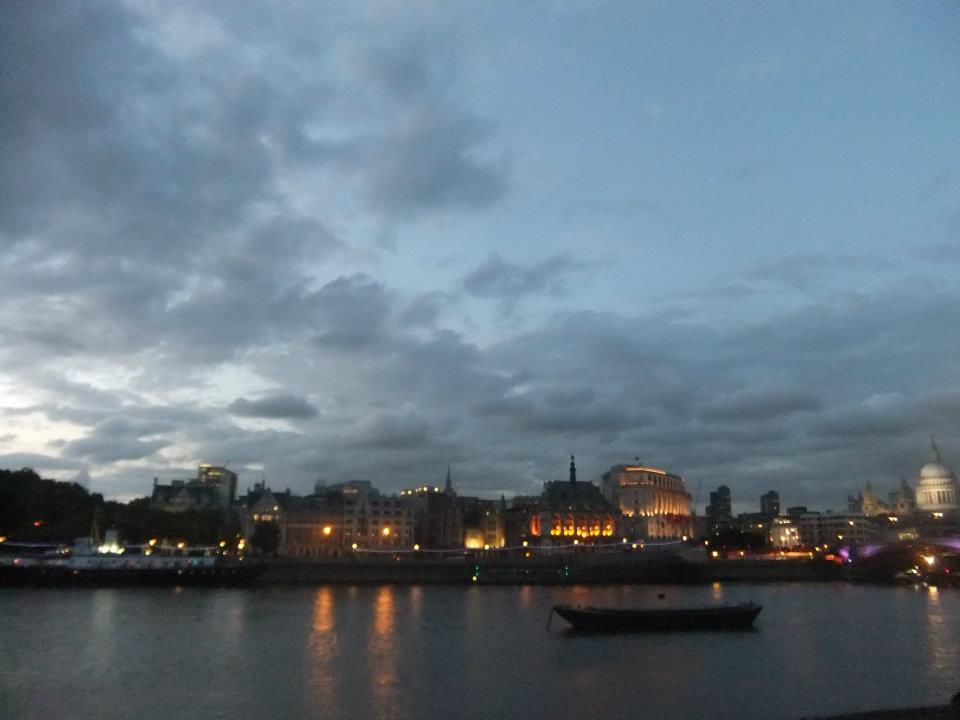
The Thames at sundown

A fortnight ago, our local paper, La Dépêche du Midi had ‘Londres, capitale du monde!’ as its banner headline.  The story was, of course, the Olympics.  We’re unaccustomed to this particular paper taking much notice of anything that occurs outside south-west France, but ‘les  JO’ (Jeux Olympiques) have been big news.

Not as much as in England though. When we arrived in the UK, we were unprepared for Olympic Fever.  Red white and blue banners and flags hang from houses.  Shops have Olympic-themed window displays, and if you want to buy mugs, some paper napkins, or fancy a new cushion, you’d better want them plastered with the Union Flag.

Across the Thames: a view of St. Paul’s Cathedral

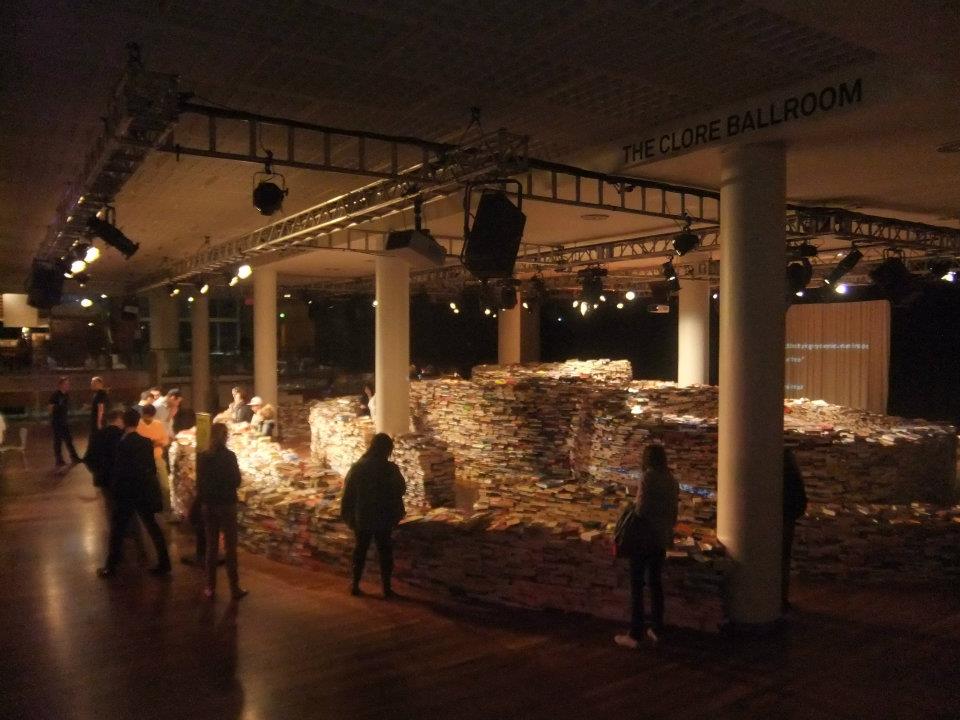
Still, we enjoyed staying with Tom and Sarah in Olympic-happy London, and spent an evening round the South Bank area.  Eat near Borough Market and you’re sure of a tasty meal cooked with decent ingredients: the convivial and cheery atmosphere comes free.  Wander along from there to the Festival Hall, and you’ll be in the company of Olympic visitors from just about every country you can think of, as well as locals, just out to enjoy being alongside the Thames and all that this particular stretch of river offers.  Tate Modern and the Globe weren’t open for business at that time of the evening, but there’s still plenty to see.  The National Theatre has a slightly zany pop-up bar, the Propstore, furnished with props from popular productions.  We were aMAZEd by the book maze we found in the South Bank Centre, constructed from some 250,000 books, most of which we found we wanted to read, if we hadn’t already.

The aMAZEing maze of books

And as part of the Festival of Britain retrospective, there was a retro-funfair with fearsomely-clanking roller-coaster as well as all the rides of a traditional 50’s fair.

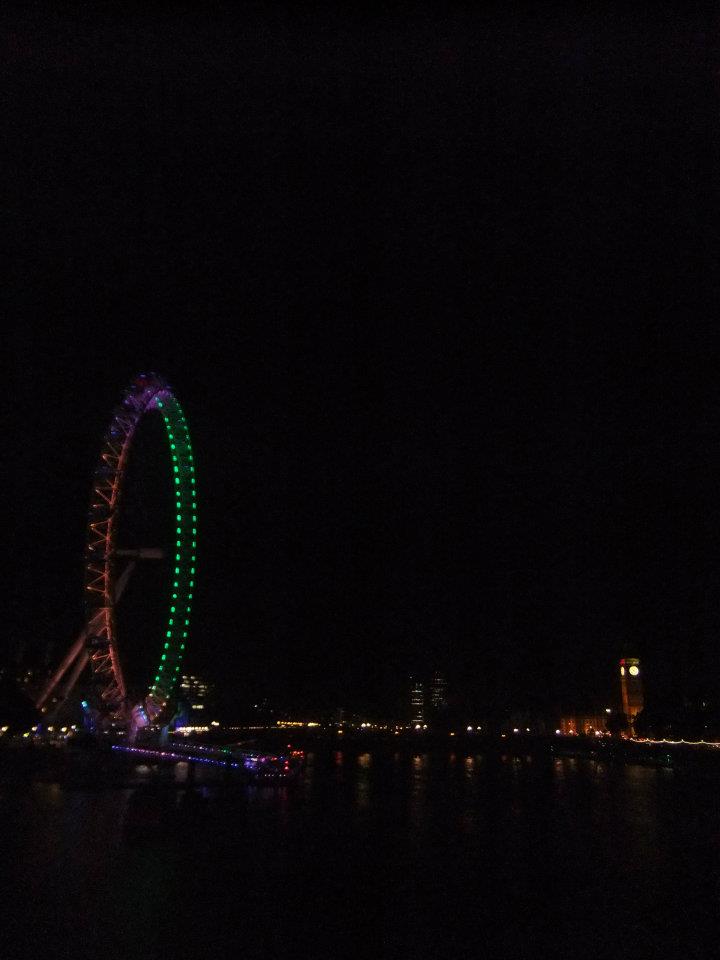
As night fell, we simply mooched along the Thames-side nightscape.  We felt lucky to be there and  lucky to have shared, if not as excited sports spectators, London’s Olympic August.

Nightfall over the London Eye

“Why, Sir, you find no man, at all intellectual, who is willing to leave London. No, Sir, when a man is tired of London, he is tired of life; for there is in London all that life can afford.”
— Samuel Johnson

Bluebell woods

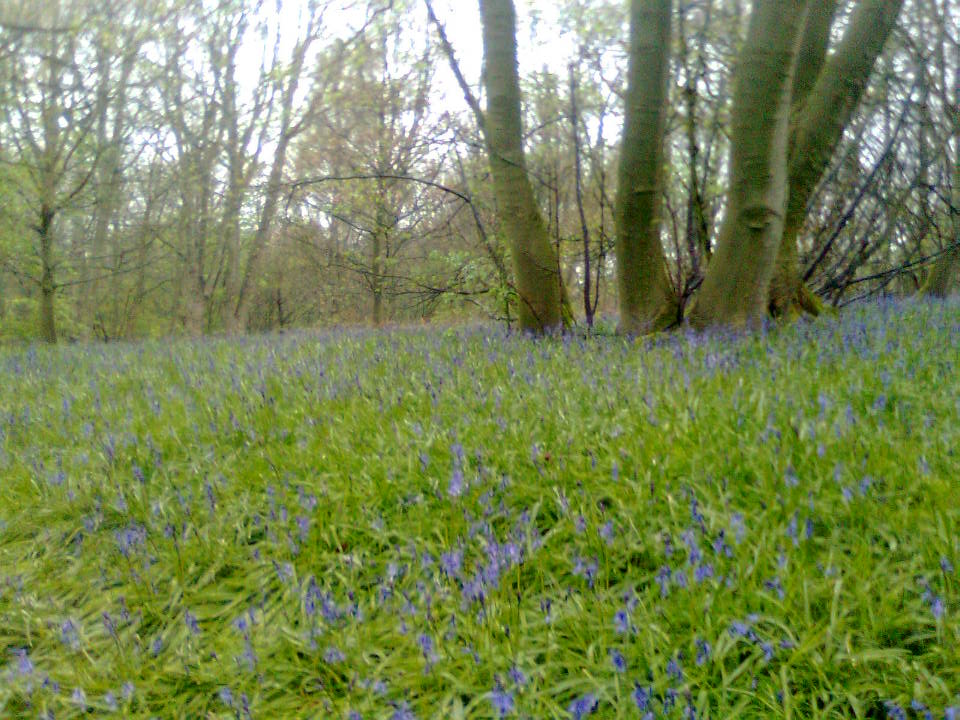
Bluebell woods at Ripley, North Yorkshire

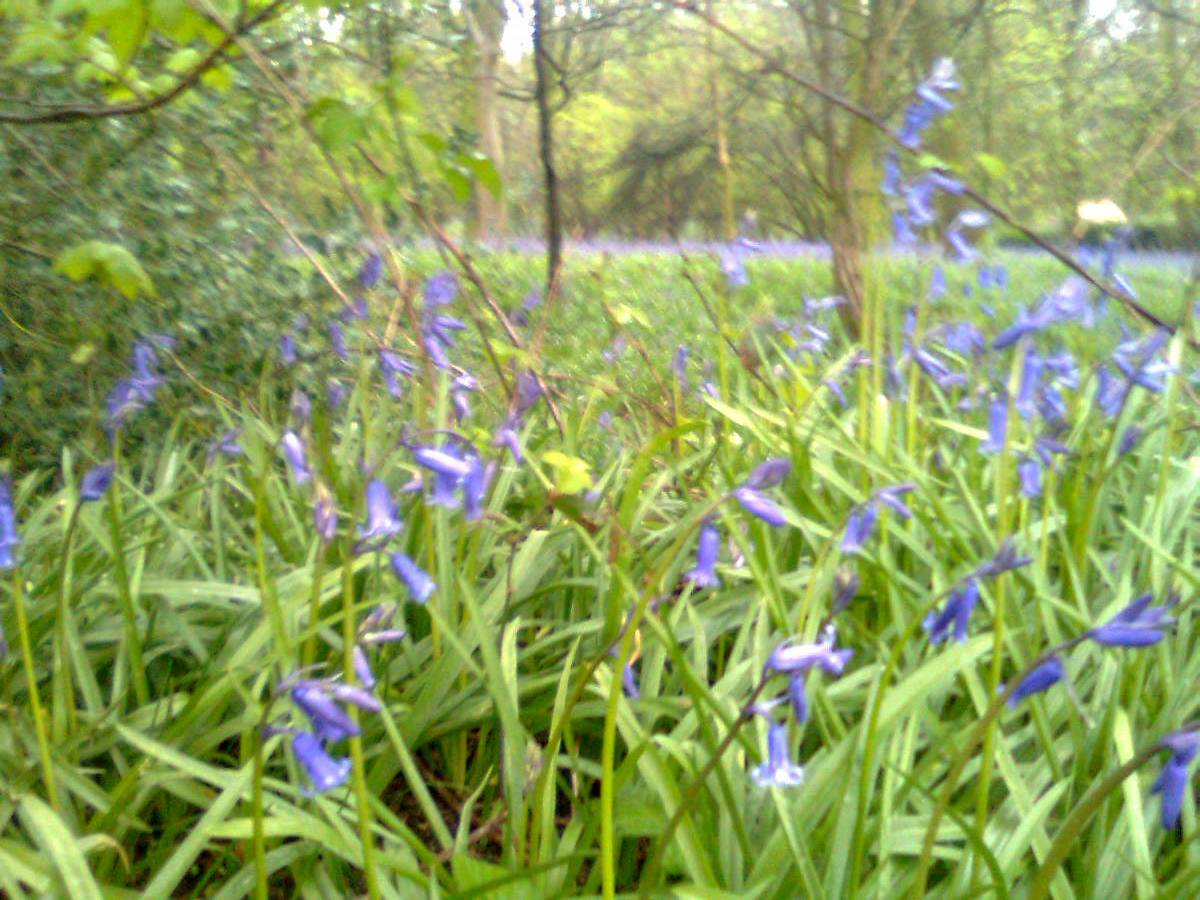
I was ticked off this week by a Laroque friend in an email conversation.  I’d been waxing lyrical about the woods here in the UK which are starting to be carpeted in that rich blue which indicates that bluebells are in flower.  She pointed out, rightly, that she has a clump in her own garden.  I can’t deny it of course.  But I’m still delighted to have been in England long enough to catch this very special sight of bluebells flowering in such profusion that the whole woodland floor becomes an almost violet-blue which no camera ever seems able to capture accurately.

Bluebells near Ripley
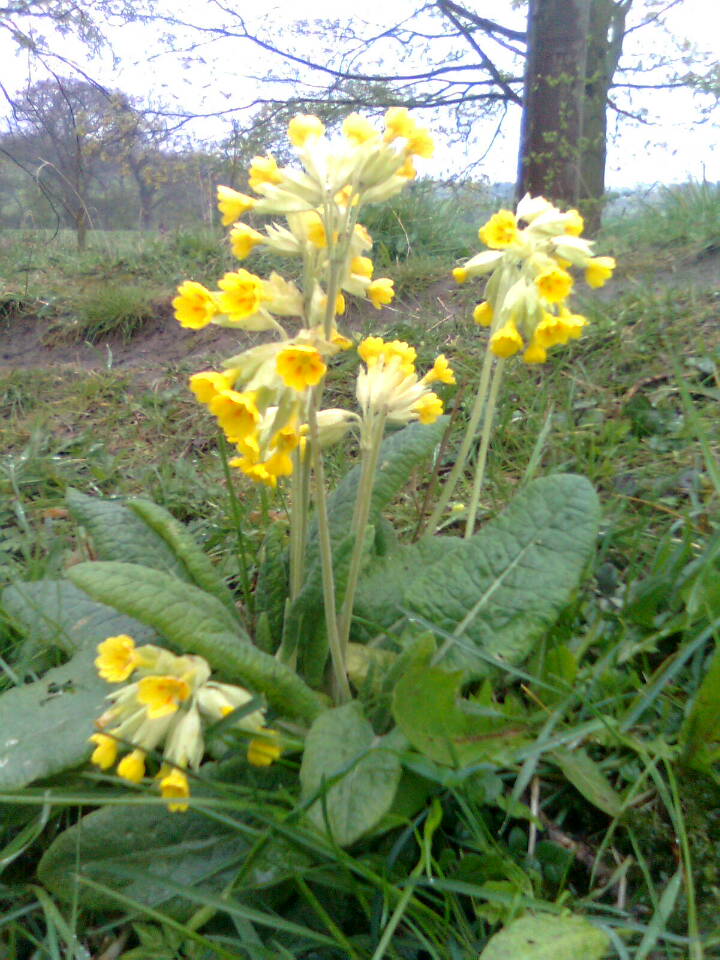
There was room for a few cowslips too

Their presence apparently is a sign of ancient woodland.  Adapted to this territory, the young shoots are good at piercing thick leaf mould before the deciduous leaves of the woodland canopy close in late spring.  They’re native to Atlantic Europe: apparently somewhere between 25 – 50 % of all common bluebells are found here in the UK.  That’s an astonishing statistic for our small island, since the bluebell can be found in so many other parts of Europe, and has been introduced to many parts of the United States as well.

It’s a shame it’s turned rainy and a bit cold.  We need the rain, and lots of it.  But there’s something very special about a walk in the woods at this time of year, with the mild sunshine penetrating through the newly-leaved branches to reveal the bluebells as they march unhindered as far as the eye can see.

An image sent to the BBC 'PM' programme last year during bluebell season

A country childhood

We went to Thirsk, our next nearest market town this week, to the cinema.  Nothing remarkable about that – to anyone but me.

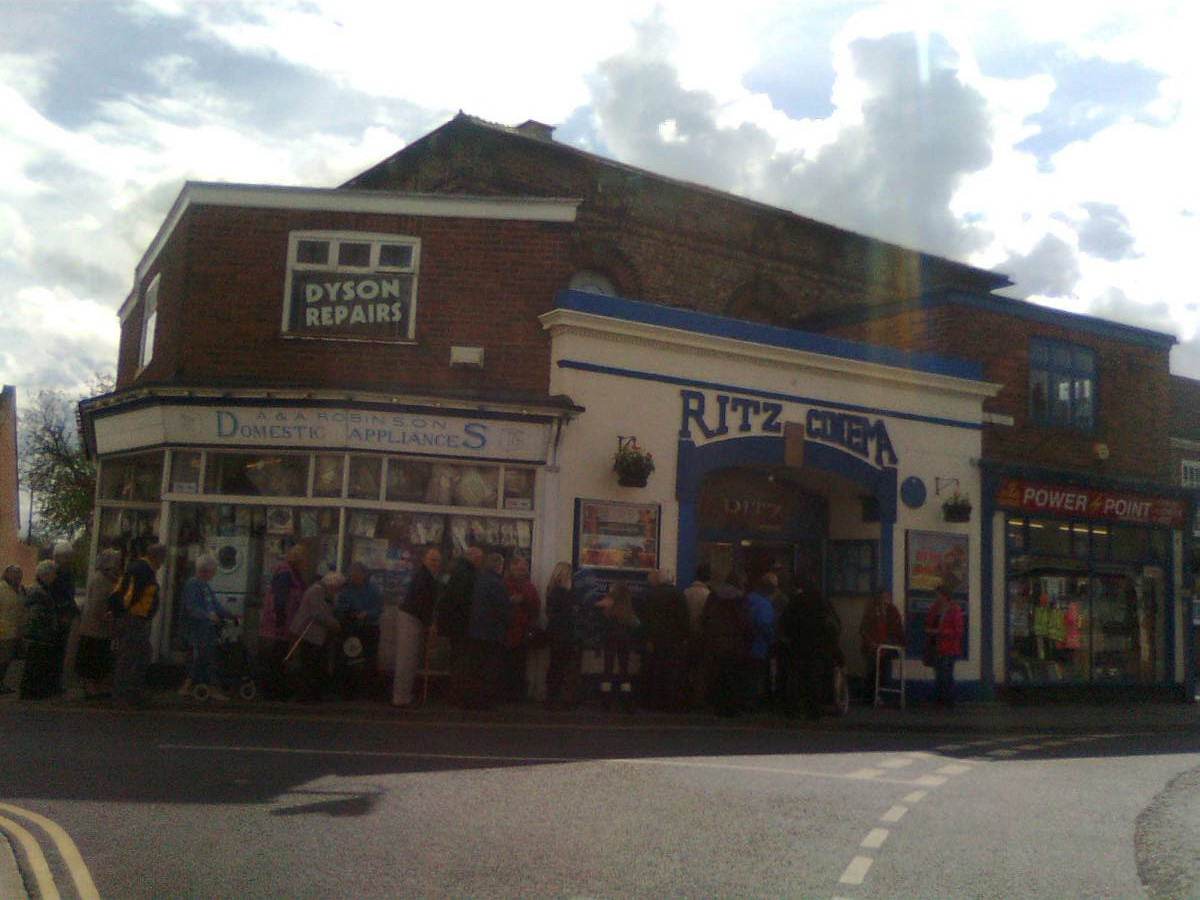
The Ritz: and the queues waiting to see the film

I last went to the Ritz almost exactly 60 years ago, my very first visit to this, or any other cinema. I’d gone with the whole school – about 40 of us – to see the newsreel showing the Queen’s coronation.  I remember queuing with all my classmates, quietly and slightly over-awed, outside this vast building and going up dark stairs to an even darker and cavernous auditorium.  I remember the excitement of seeing that screen, so large it filled our entire view, with its flickering black and white images of the Queen’s horse-drawn carriage processing with regiments of  bearskin-helmeted soldiers marching before her.  But I can’t remember how we got there or how we got back: yet it must have been quite an expedition from our village school in Sandhutton, some 2-3 miles away, normally connected to Thirsk only by a twice-weekly bus.

So it was quite a shock the other day to discover that the Ritz is far from palatial in size.  In these days of the multi-plex, it has room for only one screen.  It feels small, intimate and cosily shabby, much loved by its team of volunteers of a certain age.

As part of our day out, we simply had to visit Sandhutton, the village where I’d spent several years and begun my school career.  It looked much the same as I’d remembered it.  There was the endearingly small parish church (I remember cathedral-like proportions) at one end of the village green, the pub at the other: it’s like a stage set for the Archers.  Nowadays, the farm labourers who were our near neighbours seem thin on the ground.  We called in at the village shop and found it selling an eclectic collection of fine wines, decent cheeses and craft-bakery cakes rather than more workaday essentials.

And my school, originally outside the village, but now joined to it by a street of modern housing, has become a community hall.

The school at Sandhutton

Back in the early 1950’s, my mother was head of a two-teacher school, and we lived in the school house behind.  Now it’s a handsome family dwelling.  It always was, but it looks as though the privy is no longer at the bottom of the garden.  Nor is the school’s row of outdoor toilets still in use.

The school had two classes.  I was in the one for 5 – 8 year olds.  Our teacher was Miss Burnett, and a recently found photo confirms that she was  slender, white-haired and elderly.  The high point of the day for the little ones was when we gathered round the school wireless to listen to that day’s broadcast of ‘Listen with Mother’.  That same wireless broadcast ‘Music and Movement’ twice a week, and we pushed our desks to one side to prance around pretending to be storm-tossed trees, nymphs or dragons.

Sandhutton Board School, built 1892

My mother had the 9 – 15 year olds. Those who passed their 11+ could go off to Grammar School.  Few passed, and none went to the Grammar School in any case, as they were expected to leave school at 15 and get farm work.  There were days designated as holidays from school when the older children went potato-picking.

And in those post-war vitamin C starved days, we would have whole afternoons when the entire school would go rosehip-gathering for the syrup producers such as Delrosa. Expert pickers could aspire to a tin badge for their efforts, but we 5 year olds had no hope of this exciting prize and our work went unrewarded.

I wasn’t at Sandhutton school for very long.  My father was Polish, and like many of his countrymen had fled to Britain and joined the RAF during the war.  Unable to find a job locally afterwards, despite his degree and excellent English, he’d gone to London.   When he found work, he sent for us.  London became my home until I left school.

My father’s work turned into his life-long business.  My mother was able to return to her preferred option, teaching Classics in a Grammar School.  And I tried to keep my head above water in a large inner-city primary school with as many children in a single class as we’d had in the whole of Sandhutton school: oh, and to lose my northern accent pdq.

Daffodil time

On the road from Ripon to Harrogate

I had a very pressing reason for wanting to come back to England for a few weeks.  I couldn’t wait for April, much less May.  The March heat wave made me worry that already I might be too late: I needed to see daffodils.

Of course the French have daffodils in their gardens too. Well, some people do.  You can even find them, delicate and lemon-hued up in the woods.  But nothing to compare with our English exuberance.

Here, regiments of daffodils march down the edges of inner-city dual carriageways.  Swathes of them along the verges announce the entrance to almost every town.  Shopping centres have great tubs full.  Gardens, whether tiny gravelled spaces in front of town terraces, cottage style plots, or more extensive lawned affairs, all boast generous clumps of brilliant yellow trumpets swaying in the breeze.

From the top of the bus passing through Ripley

Nothing else makes me so aware that winter’s on the way out.  Not the blossom slowly unfurling on the trees, nor the spears of green thrusting through the soil and moss on every country walk, and in every garden.  Of course I love these too.  But for me, nothing but those bright assertive confident flowers can state quite so definitely – even defiantly – ‘Spring is here!’

The Old College, Ripon

Snow 2

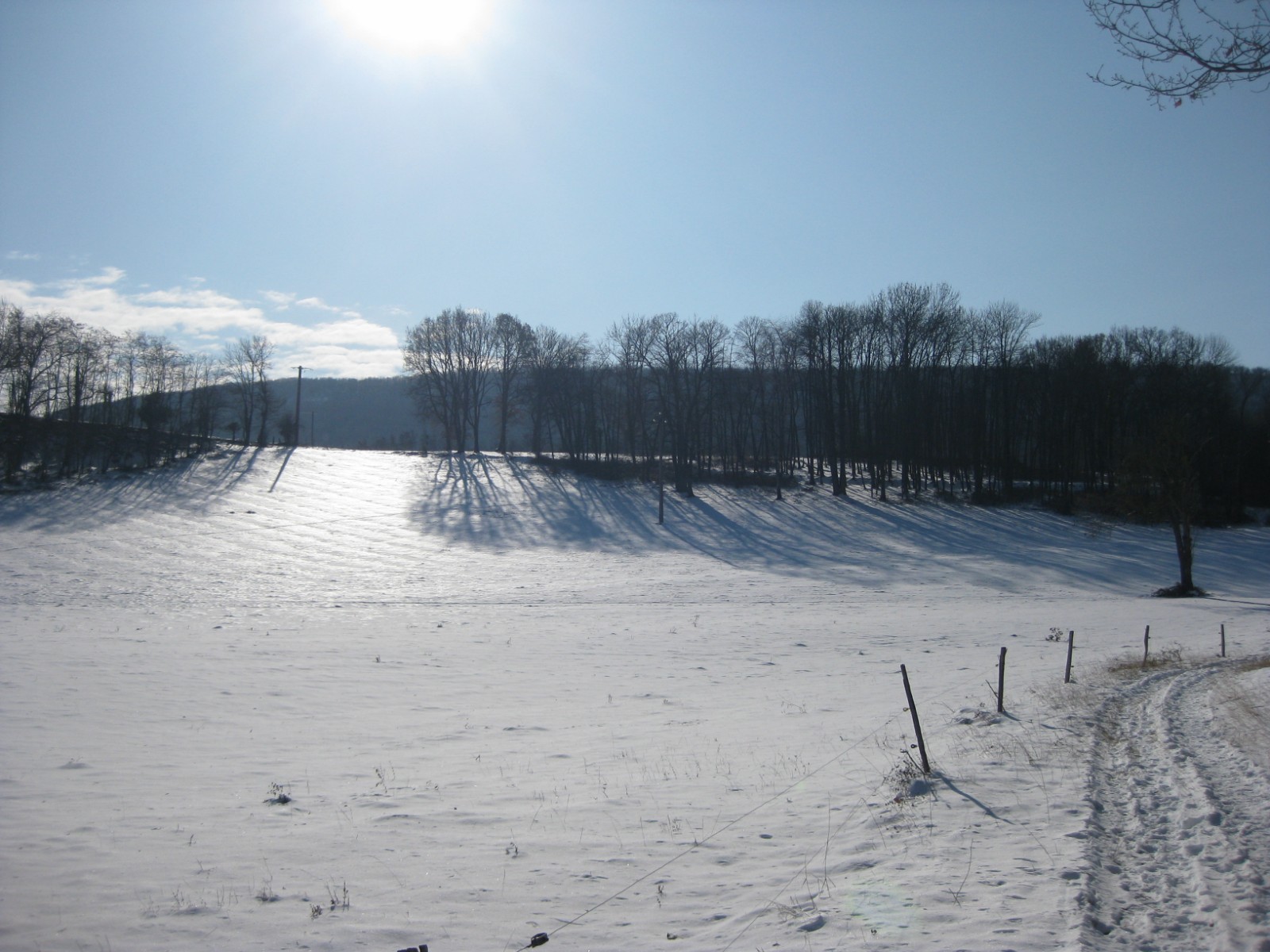
Mid morning sun near Laroque

We Brits are famous for complaining when the Wrong Kind of Snow snarls up the networks.  The trains don’t run, schools shut, and there’s a run on store-cupboard ingredients in the shops.  The Daily Mail or some other self-styled Voice of The People is sure to announce that ‘We’re the laughing stock of Europe and America’.

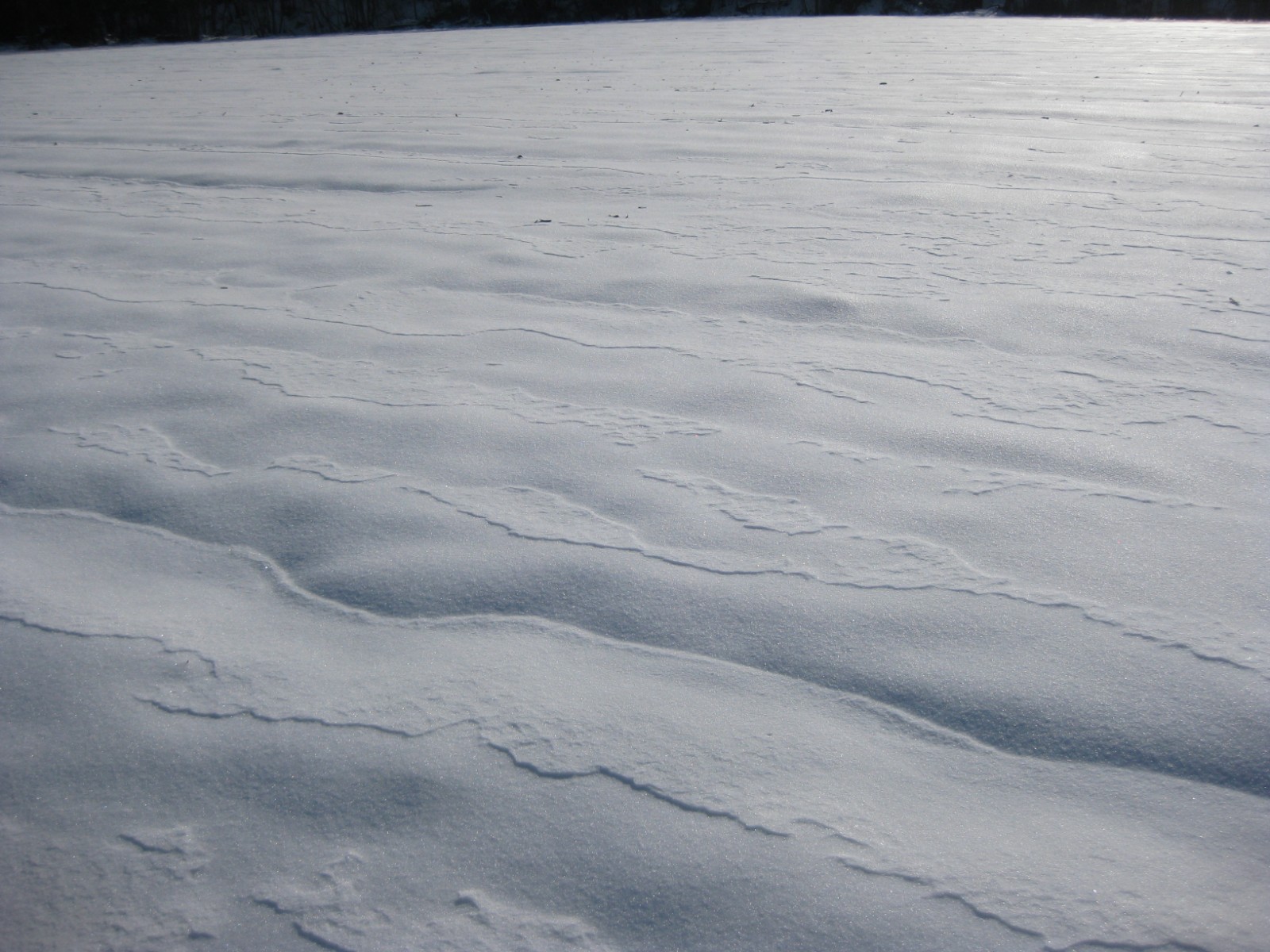
A deserted field

Well, actually, life grinds to a halt when it snows in some parts of Europe too. Here for instance.  There has been no schools’ transport all week: and with many children living out in the sticks, schools have been half empty.  Markets, where we go to shop, catch up with jobs in town and to meet everyone we know, have pretty much not functioned for 10 days or more.  Clubs and walking groups, concerts lectures and meetings: all have been cancelled or postponed.  We’ve all left our cars at home and confined ourselves to doing what we can on foot.

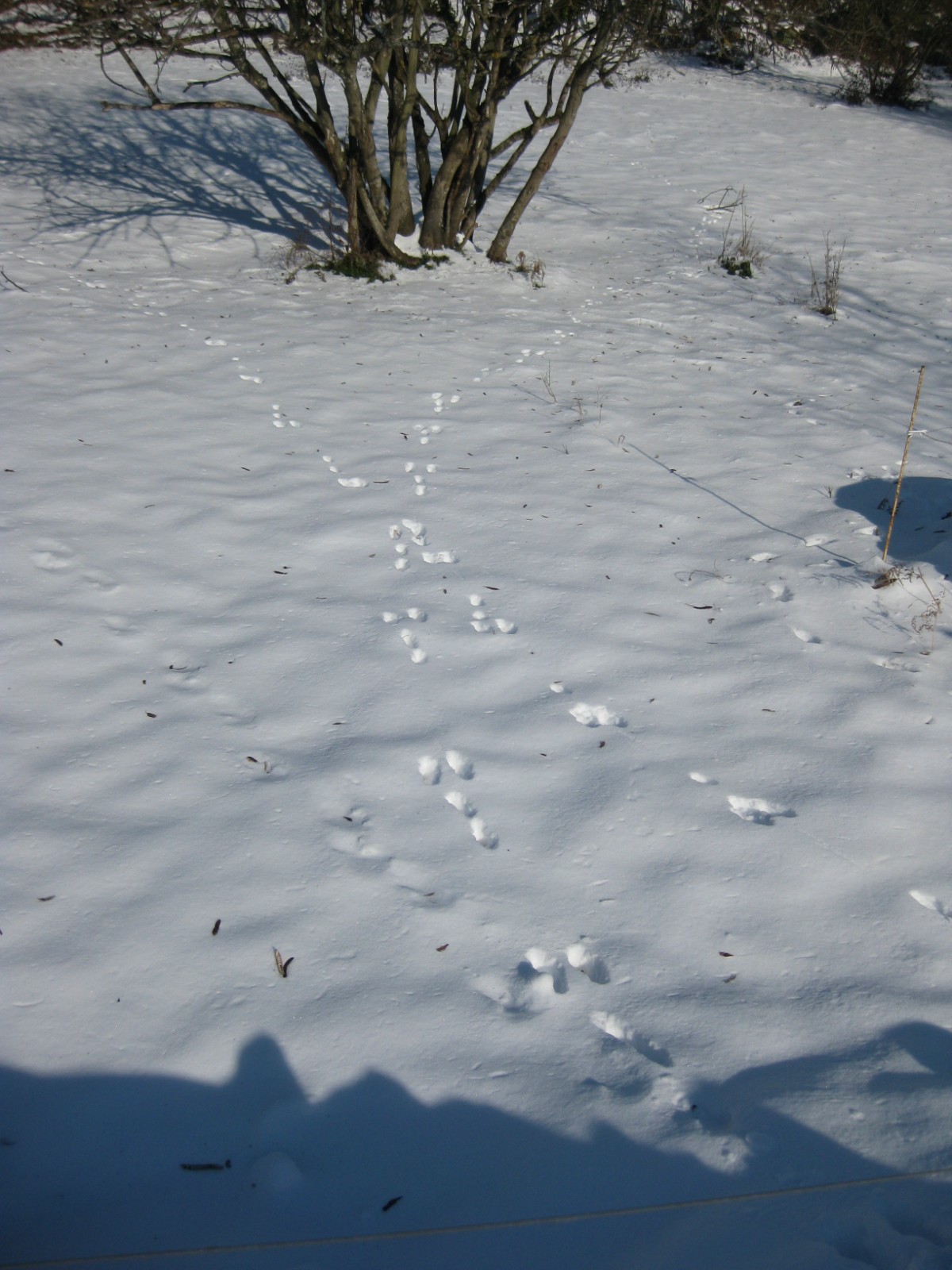
Rabbit cross roads

Don’t we have snow ploughs here?  Well, of course we do.  In big communes like ours (there are 2000 of us you know), council workers do the job.  In more rural spots, farmers may be pressed into service.  But either way, they’ve all been to the same training school.  After they’ve done their rounds, the ploughs leave an inch of hard-packed, glossily polished snow especially for drivers to enable their cars to take up skating.  Lethal stuff.

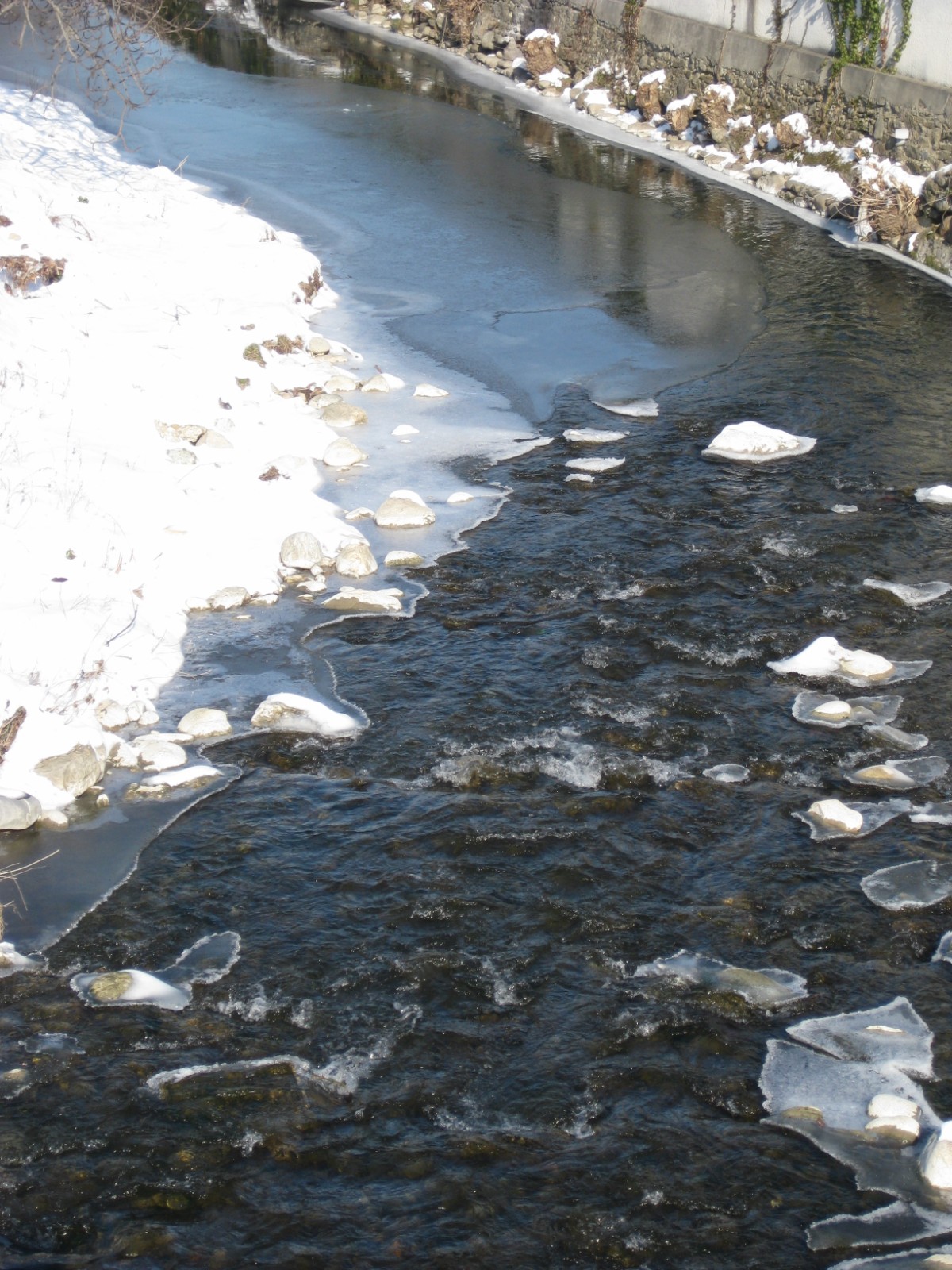
The fast-flowing River Touyre begins to freeze

We’d hoped to drive to Barcelona this weekend to see Emily.  Reading the local government website’s travel section soon changed our minds.  We were recommended to use snow chains on several of the roads on our route.  On others we’d be required to use them.  Conditions are described as ‘very snowy’, ‘difficult’, and everyone we know says ‘Don’t go’.  So we shan’t: not till the snow goes anyway.

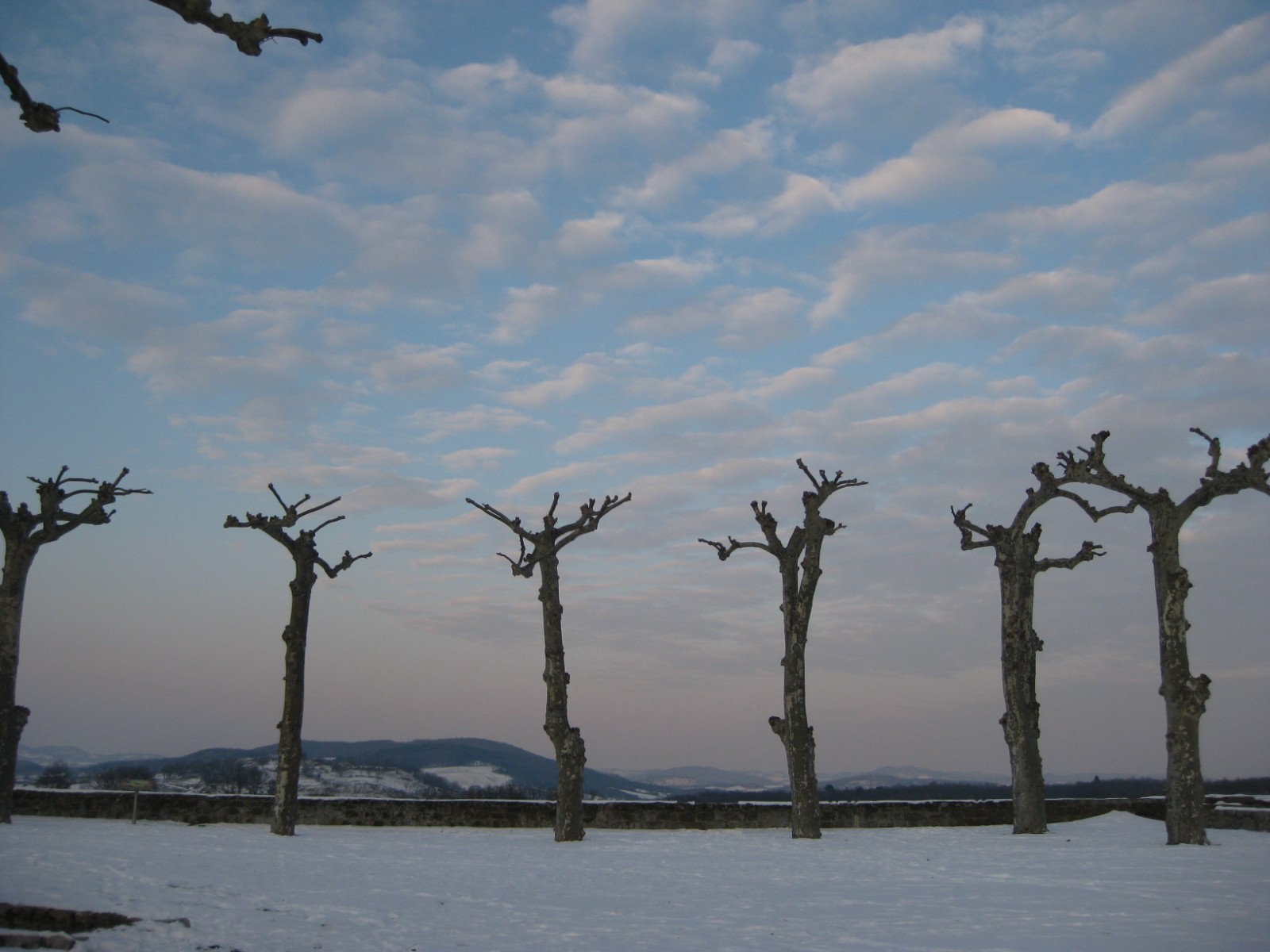
Pollarded plane trees by the church before sunset

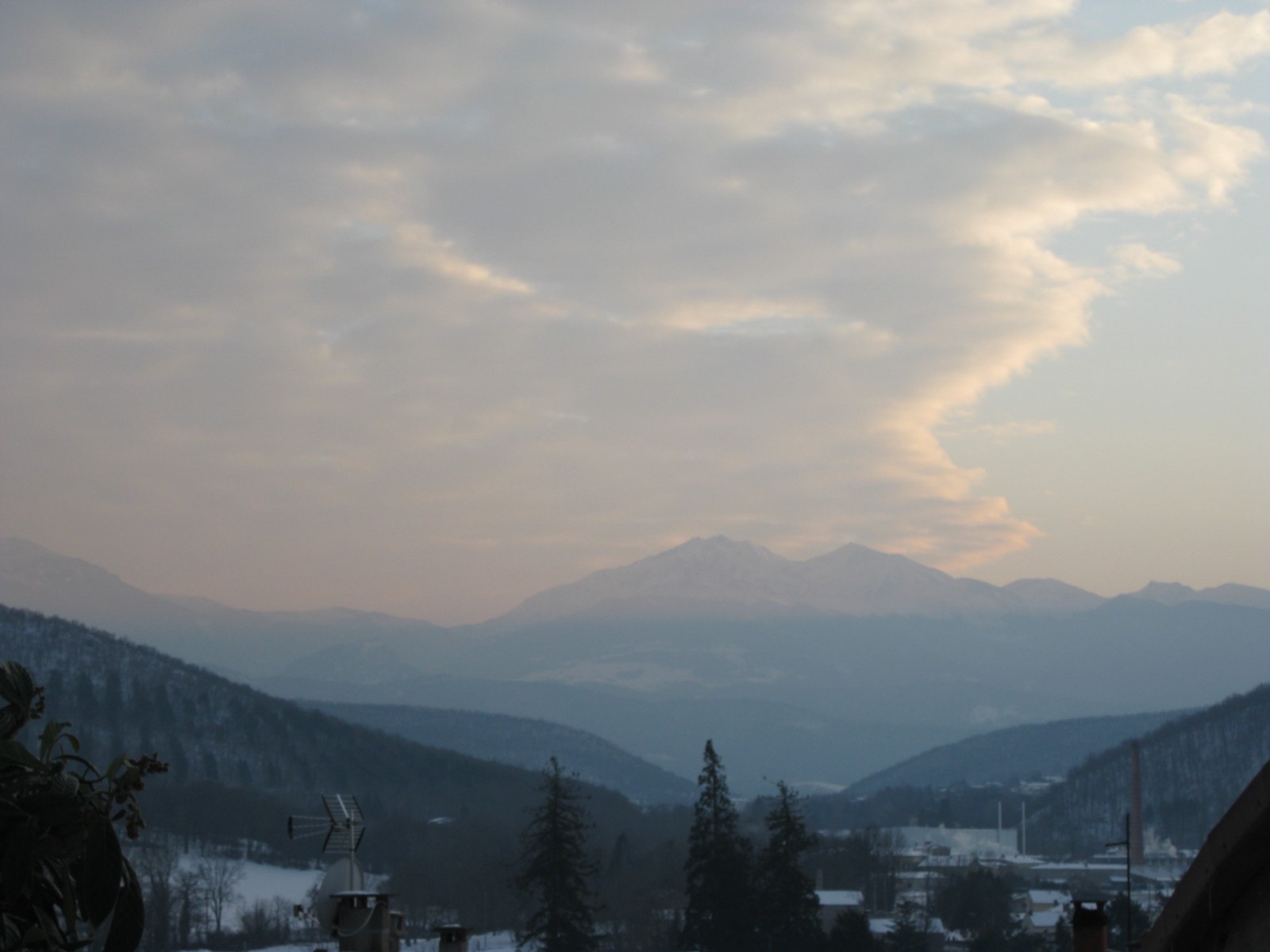
As in the UK, radio TV and the local papers are filled with stories of the Big Snow.  The empty roads, the jack-knifed lorries (actually though, HGVs are kept off many of the main arteries and have either to turn back or make use of temporary lorry depots opened up for their use), the utilities failures, the heart-warming human interest stories – they’re all there.  The snow stopped some days ago, but the sub-zero temperatures remain, and so the snow’s till here.  What is different from England though, is the sky.  Through the day, we’ve enjoyed a cloudless duck-egg blue sky.  And that’s something to be relished.

Sunset viewed from la Castella at Laroque

Volunteering, French style

I’ve had a professional life working in Public Service – employers included the Probation Service and local authorities.  So there’s nothing you can tell me about politically correct, right-on in-service training.  Some of it was good – very good – some of it was bad, and some was even horrid, but over the years, there was plenty of it.

Well, I retired.  I came to France, and put that part of my life behind me.  I assumed.  Wrongly.  I’ve written before about Découverte Terres Lointaines, and now I’m a co-President.  So I thought I should join the other co-president, Sylvia, and do my bit by attending a training evening in Foix for people involved in working with volunteers.

Billed erroneously as a ‘Round Table’ it turned out to be a series of presentations to more then 100 of us packed into a hot room too small to accommodate us.  Sample subject: ‘ Financial relationships between voluntary organisations and statutory bodies’.  Between the heat, the poor sound system and the generally ungripping nature of the subject matter, and stuck in the back row unable to see much, I soon lost interest, and fell to musing instead about how I’ve perceived the differences between volunteering in France and in England.

Back in the UK, most towns of any consequence have a Council for Voluntary Organisations which is an umbrella organisation offering all kinds of support to huge numbers of charitable organisations: advice, support for those with life changing conditions and diseases or other difficulties, concerned with trees, animals, people, volunteering indoors, outdoors, by day and by night.  Would-be volunteers are offered help in matching their skills and enthusiasms with organisations who would welcome their time and effort, whether they want to roll their sleeves up and get stuck in, lend a listening ear, or take further training to enhance their skills for the voluntary sector.

Here in this part of France – and I understand things are very different in the north – there seem to be few opportunities for the would-be volunteer outside sporting and similar physical pursuits for young people.  ‘Secours Populaire’, ‘Secours Catholique’ , ‘Emmaus’, Croix Rouge  and ‘Restos du Coeur’ all offer much-needed practical help to the very poor and those at the margins of society: but despite my best efforts, I’ve not found other volunteering opportunities.  This is in part because there is a strong belief that the state should provide those essential back-up services which the UK largely relies on the voluntary sector for.  There’s a strong belief too that if you offer those services, you should expect to be paid.  There’s a lot in this of course.

But my experience of the voluntary sector in England is that it’s no longer about Lord  and Lady Bountiful doing their bit for those less fortunate than themselves, if it ever was.  It’s a two-way street in which the volunteer receives as well as gives: fellowship, new skills, new confidence, a sense of worth, even a chance to polish the CV.  Judging by the scrum at the meeting in Foix last night, perhaps this is happening in France too.

Tourist information: Bath and beyond

We’re back in France, to rather strange mid-January scenes.  Our local skiers’ playground at Mont d’Olmes appears to have only a dusting of snow, though it claims to have 5 pistes open.  Our garden’s full of marigolds flowering alongside the snowdrops, and on a walk yesterday afternoon, dressed in light pullovers, we heard birds singing ceaselessly, apparently to welcome the spring as they busily seemed to be putting winter behind them.

And so it was in England too.  We rarely wrapped up warmly, and enjoyed being out and about in the balmy conditions.

Best of all was our trip to the part of the country that includes parts of South Gloucestershire and Witshire and Somerset, to stay with my daughter-in-law’s family.  They took a dim view of our lack of knowledge of their end of the country, and set about putting things right.

Everyone knows Bath as a Roman stronghold and as a wonderfully intact 18th century city much visited by Jane Austen.  No wonder it’s an UNESCO World Heritage site.  We had to be content with a taster session. And we began with a stroll across Pulteney Bridge, which has shops on it, like Florence’s Ponte Vecchio, and along the Avon to enjoy the views of the Abbey and Parade Gardens.

Bath Abbey’s an ancient church, but what we see today- a light graceful building soaring upwards to spectacular stone fan vaulting – is largely the work of the Victorian Gilbert Scott.  Every wall is covered with memorials: so many people came to Bath to ‘take the waters’ and then upped and died.  Plumbers, admirals, sugar plantation owners, soldiers – they’re all here.

Time for a coffee break.  Where else but the 18th century Pump Room, where we decided a Bath Bun was a good idea, a sulphurous glass of spa water a very bad one?

We can’t recommend the Roman Baths Museum highly enough.  After spending several hours there, we feel as if we’ve had a real taste of the life of a Roman citizen living, working, playing and praying in Bath during that period.  The baths themselves have been very sensitively and imaginatively interpreted.  If near Bath, just go!

After that, a quick stroll round the 18th century.  The graceful symmetry of streets like the Royal Crescent is so impressive: just don’t look round the back, you’re not meant to.

Next day, we were tourists too. England at its most picturesque.  Cotswold villages with solid stone-walled, stone tiled cottages.

Back in the medieval period and beyond, Castle Combe used to be a centre for the local woollen industry.  Now, more often than not, it’s a film set, the scene of many a period drama on TV or at the cinema.  And Lacock is so picture-postcard perfect that almost the whole village is owned by the National Trust. Great for a relaxing visit.  I wonder what it’s like to live there.

We’d mooched happily round these two villages for some while.  But after all that we needed to step out and stretch our legs.  Kennet and Avon Canal anybody?  Brian and Sue chose for our walk the Caen Hill Locks, a flight of 16 locks packed tight together, one after the other, with ponds at the side to store the water needed to operate the locks.  We thought our walk up the canal banks used quite enough calories.  What if we’d been taking a canal boat up the entire flight and beyond, through lock-gate after lock-gate? This 100 mile canal has more than 100 of them in total…..

A wonderful couple of days then, steeped in history and splendid views and countryside.  We’ll be back – if Brian and Sue’ll have us.

This slideshow requires JavaScript.