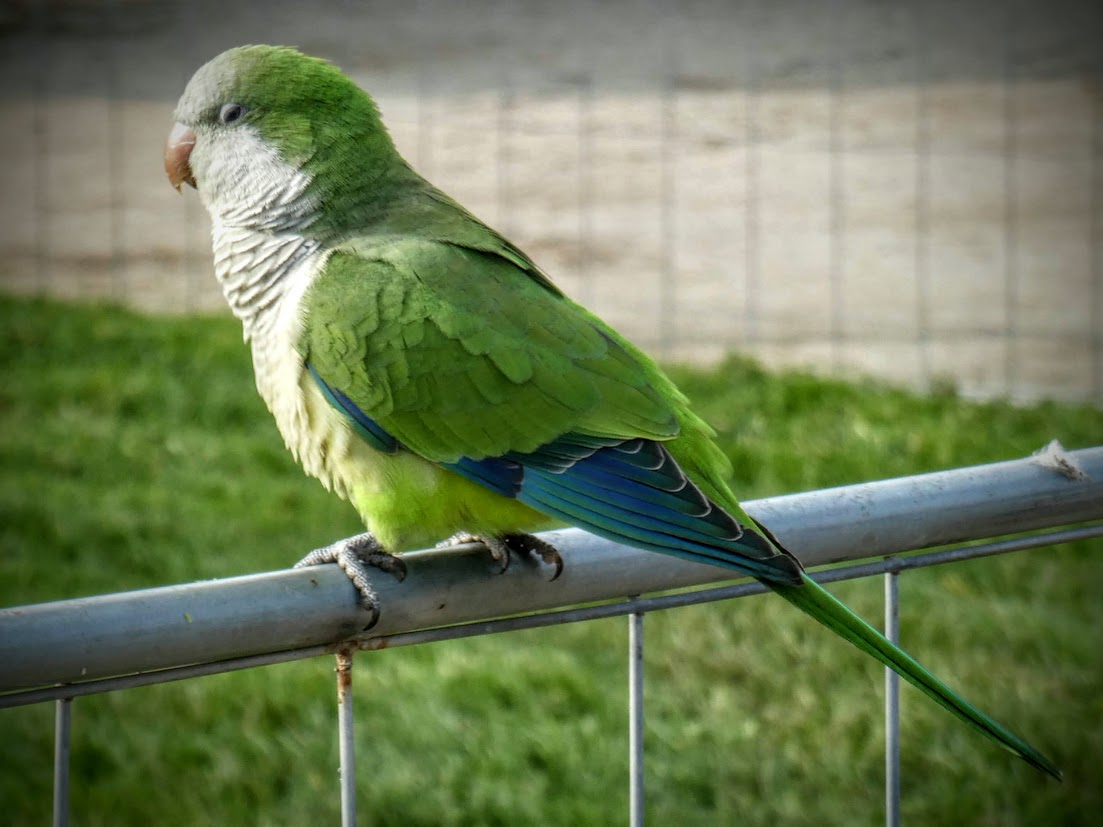
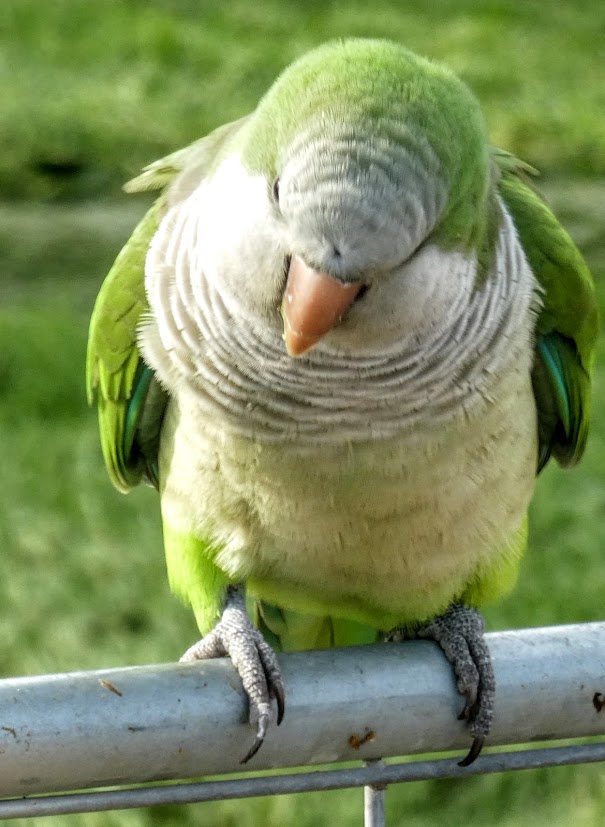
The parakeets that live round and about Ciutadella Park in Barcelona are opportunists. They know that all they have to do is hang around tourists, looking winsome, and the next meal will appear. If they’re lucky, maybe specially purchased nuts and seeds from equally opportunist street vendors. Otherwise, croissant crumbs and biscuits. They don’t seem fussy.
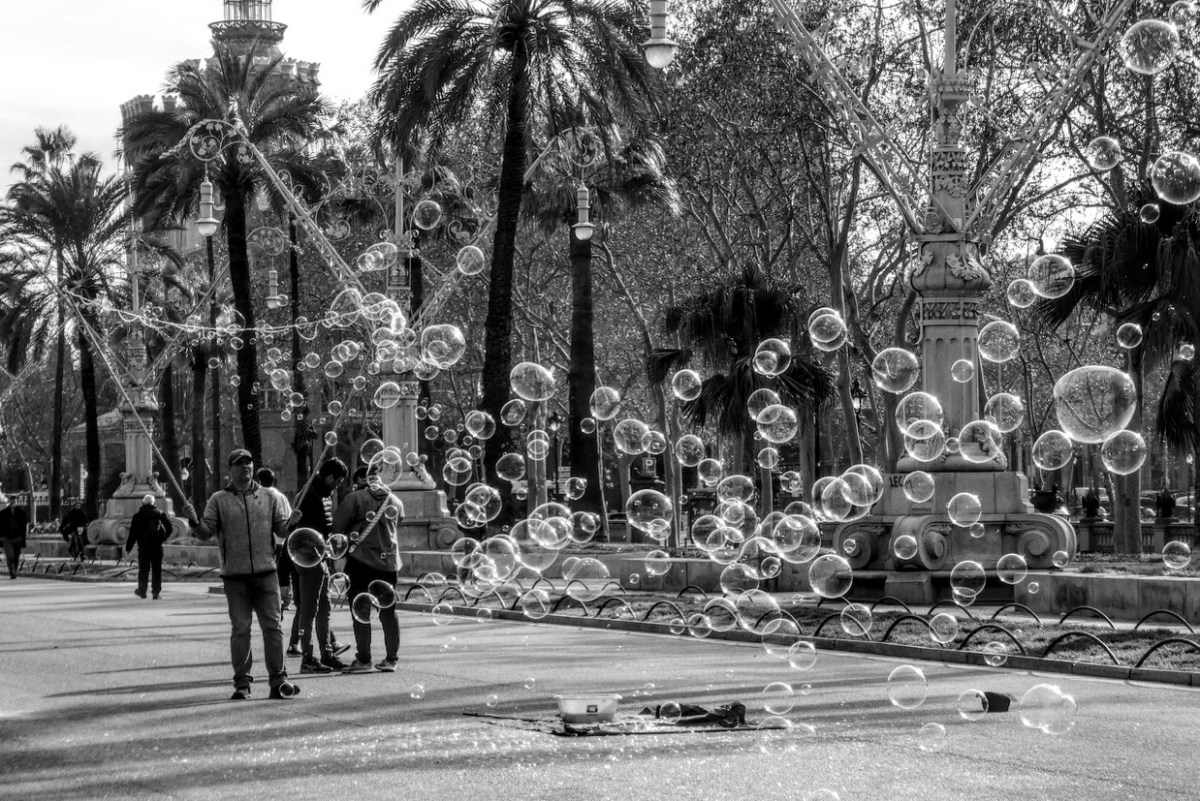
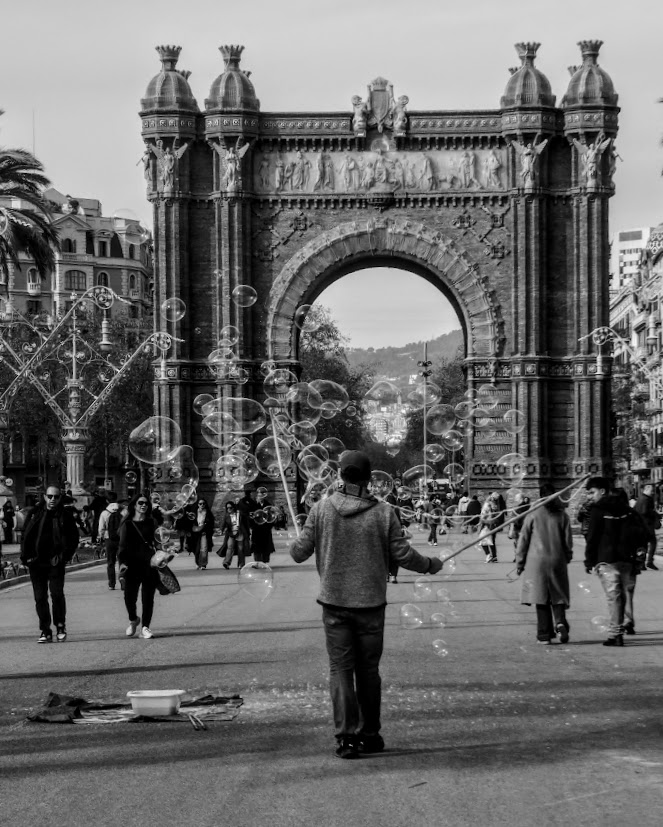
Arc de Triomf is slap-bang in Tourist Central in Barcelona. It is nevertheless a part of the city I enjoy, because it’s spacious enough never to feel crowded, and is near one of the city’s green lungs, Parc de la Ciutadella with its tropical garden the Umbracle, and its winter garden – the Hivernacle.
Parakeets sit around waiting to be fed, and street entertainers ply their trade. The other day, it was a man floating bevies of bubbles into the skies.
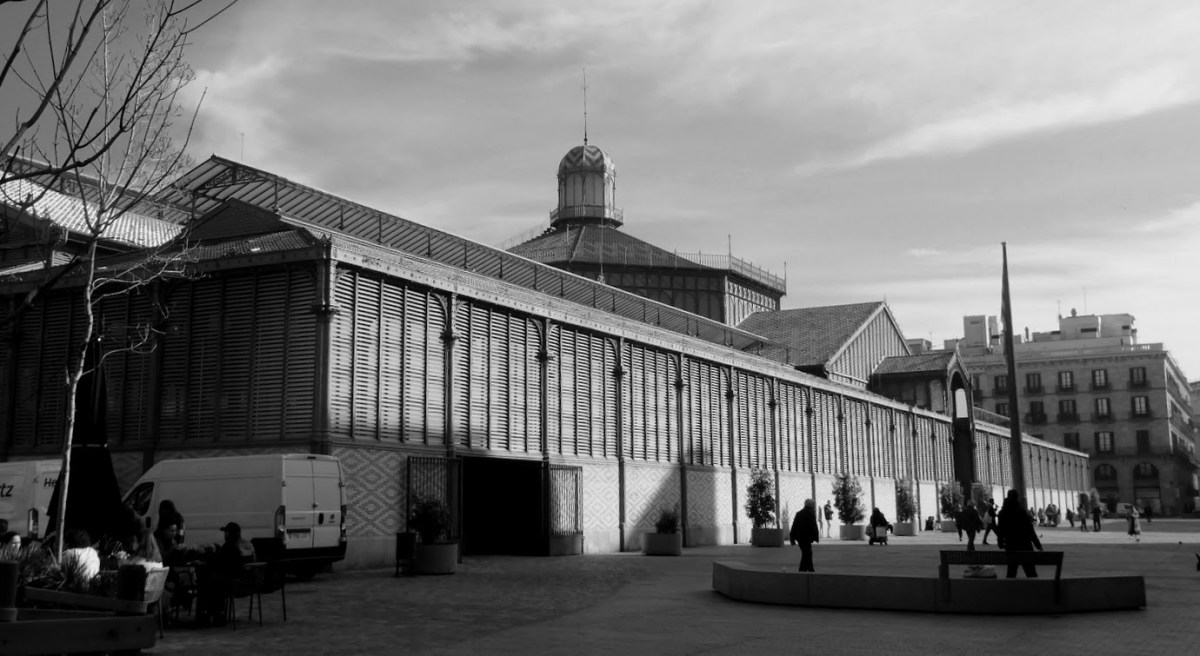
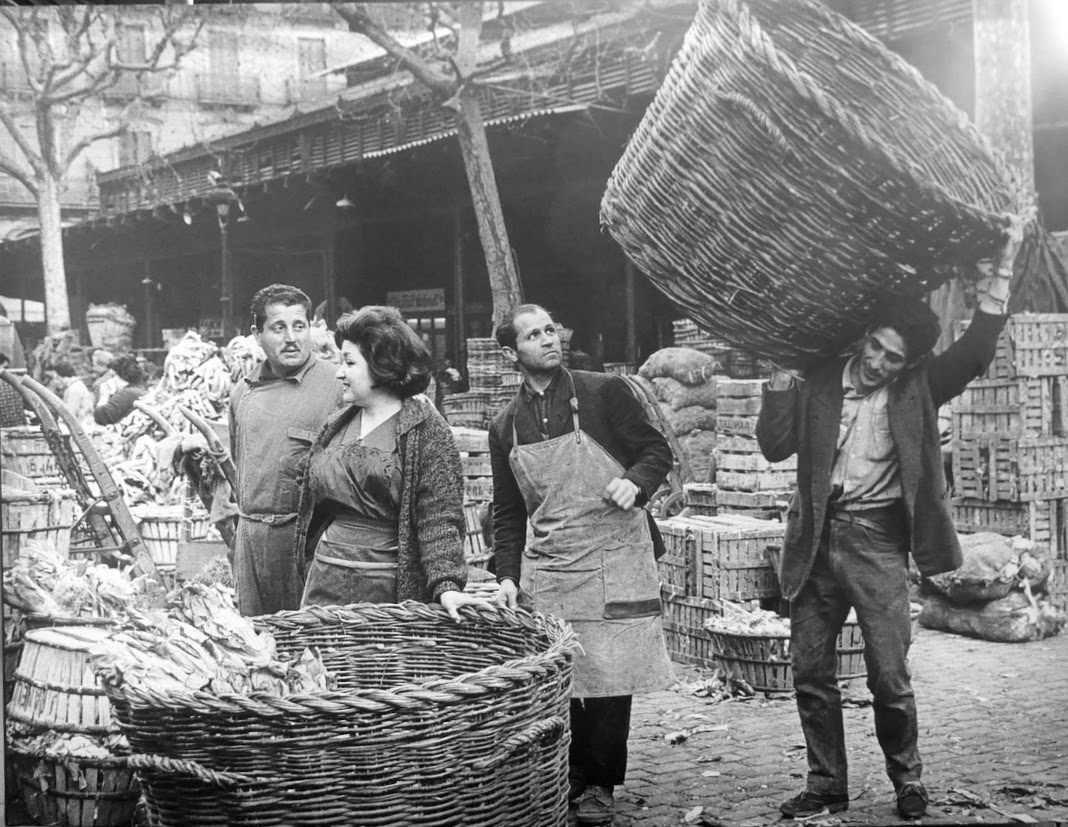
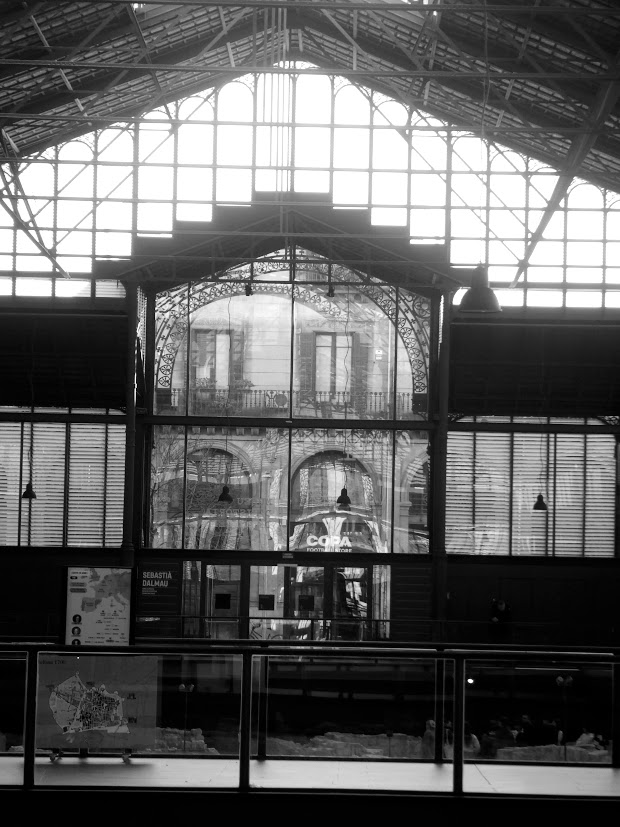
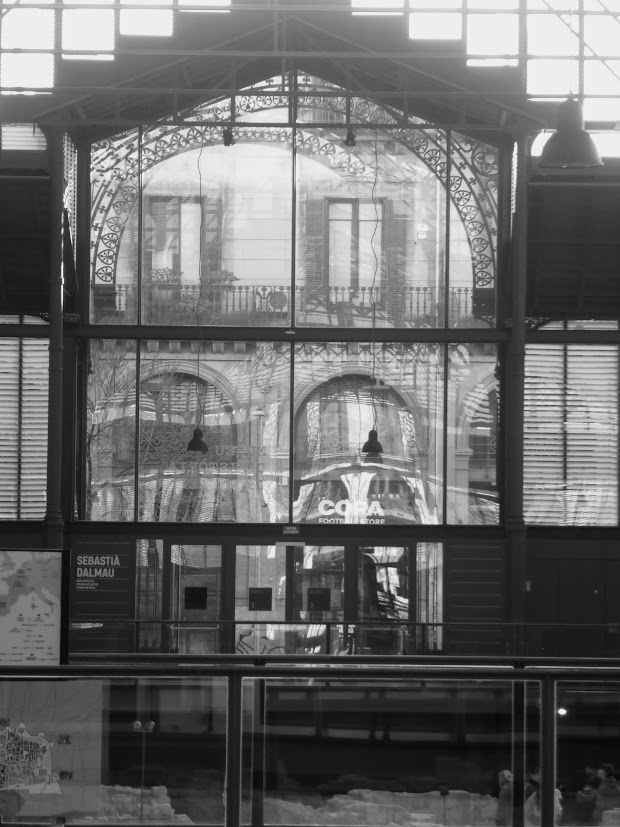
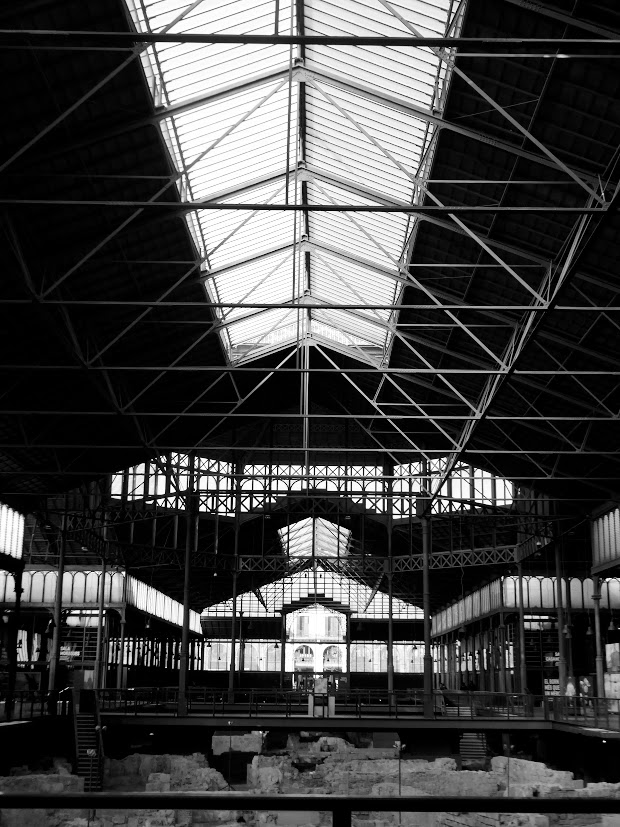
Answer? When it’s a museum – more or less about itself. That’s Born Market in Barcelona. Built in 1876 as Barcelona’s first large-scale cast-iron building, it was a local market, then a wholesale fruit and vegetable market which closed in 1971. But what to do with this fine structure? The problem more or less solved itself when in 2001, more than 60 houses dating from the 1700s were found below ground level. Painstakingly uncovered, they reveal the life of this busy neighbourhood, where tripe-sellers and violin makers, leather-tanners and glass blowers, and food producers of every kind jostled together in this bustling, flourishing part of the fast-growing city. Their story, this city’s story is now told here in El Born Centre de Cultura i Memòria.
Here are two photos-of-photos showing the market in its heyday.
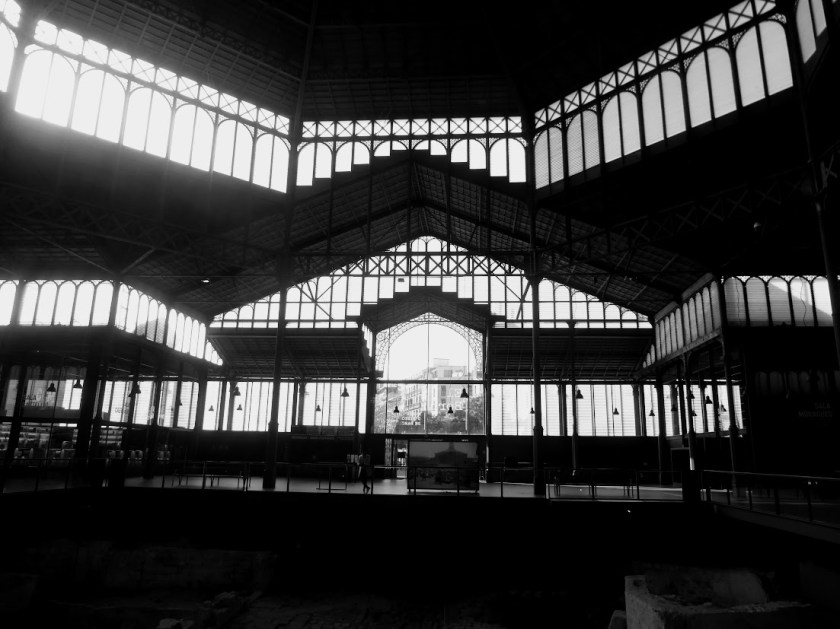
And here are a few shots of the building as it looks now: a quiet and spacious place to pass away an interesting hour or two away from bustling Barcelona, just beyond its doors.
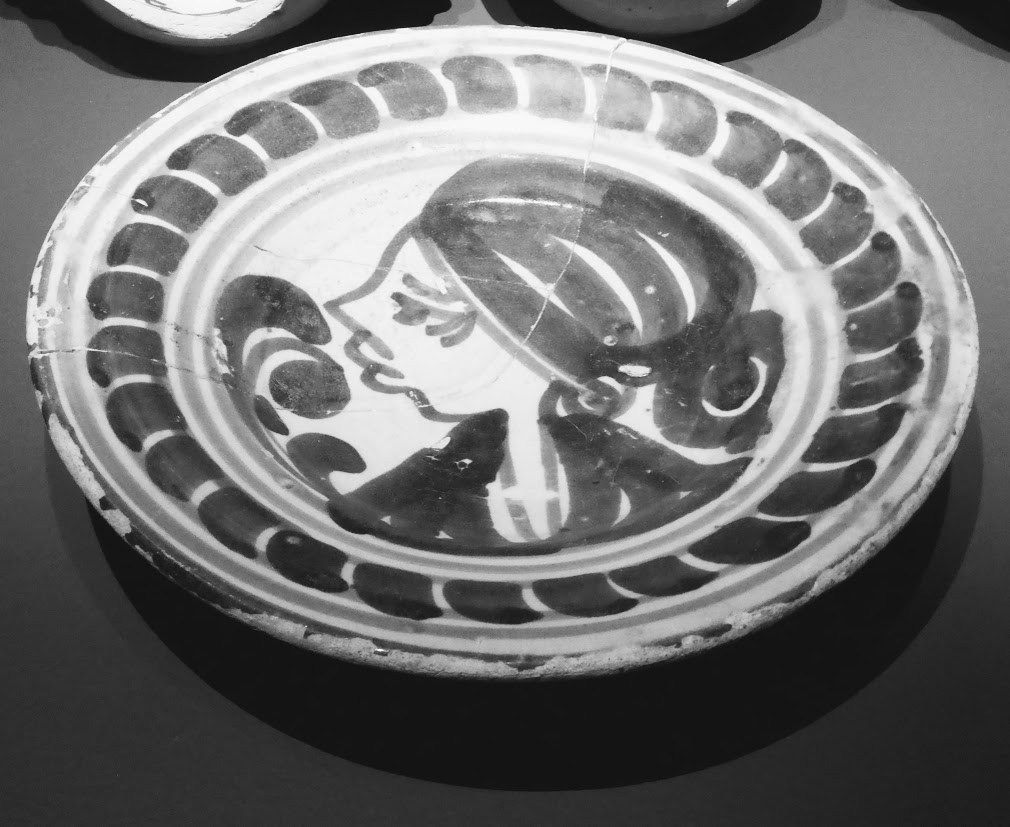
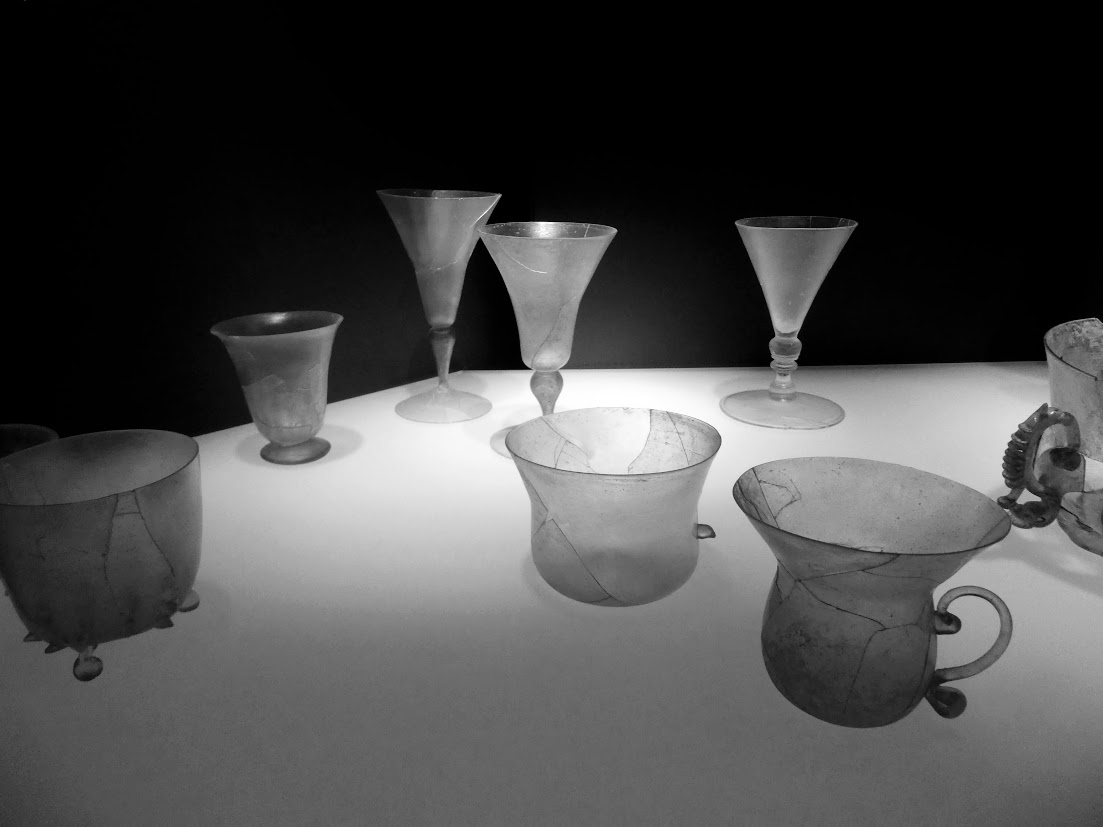
In the last image above, you can see at floor level the excavated city beneath. Here are some of the everyday objects the archaeologists found: plates, chocolate cups and glassware, all made locally.
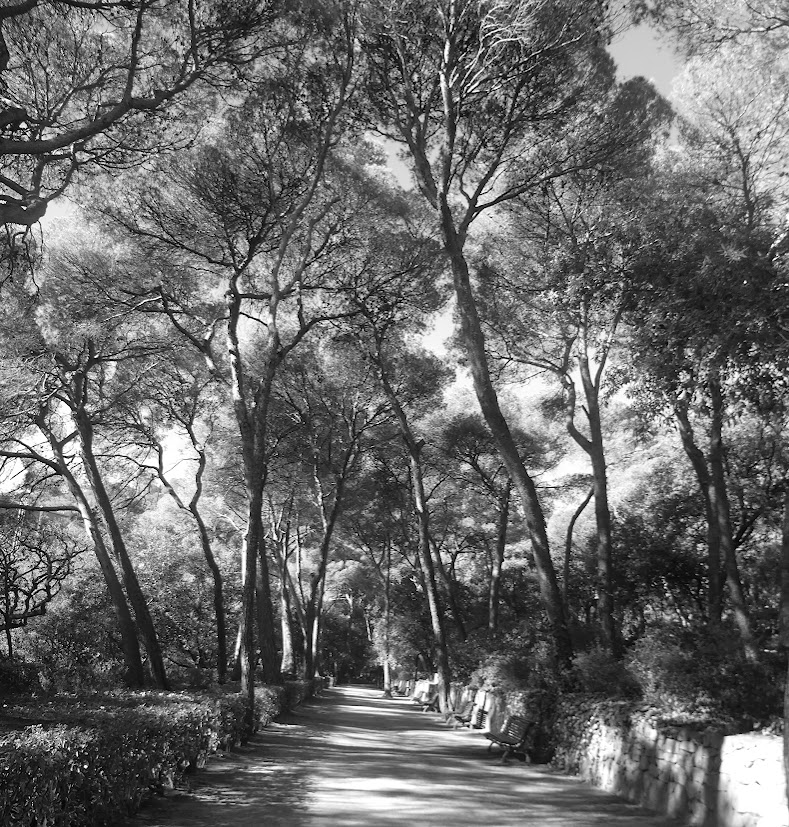
Exactly two years ago, staying with Team Catalonia, I took myself off to Parc del Labirint d’Horta in the outskirts of Barcelona, and wrote about it here. I remember a balmy day, even though it was November, with tree-lined avenues casting shadows before me as I walked.
Oh, and there was a maze too. But I wrote about it in that post I’ve just mentioned.
PS. I’ve just had a birthday card from WordPress. I’ve been blogging for sixteen years! Apparently. Thanks to all of you who’ve been ‘blogging pals’ for much of that time. You’re the ones who make it all such fun.
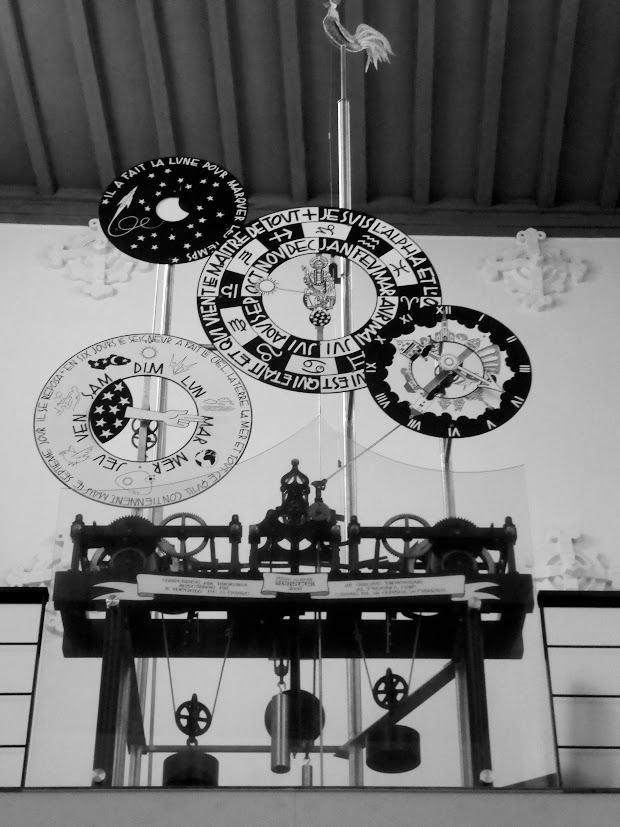
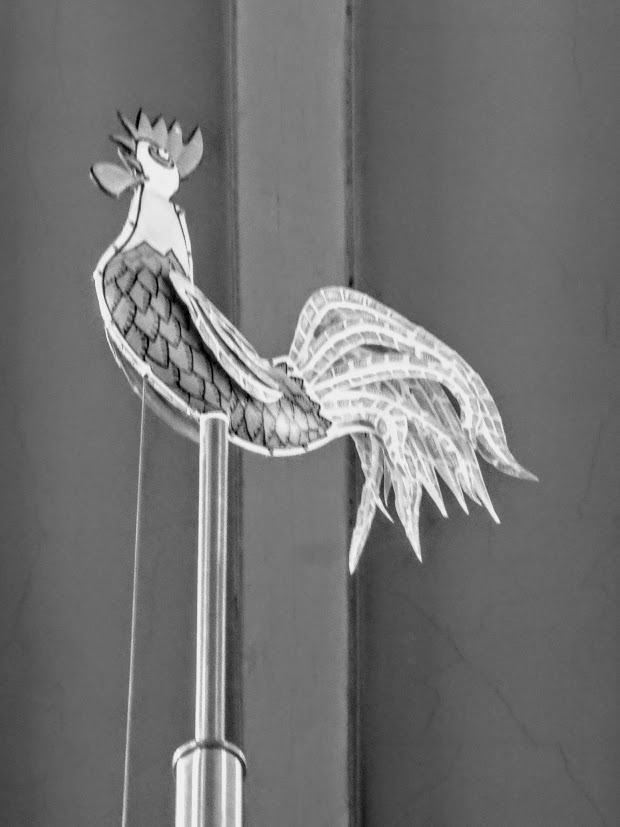
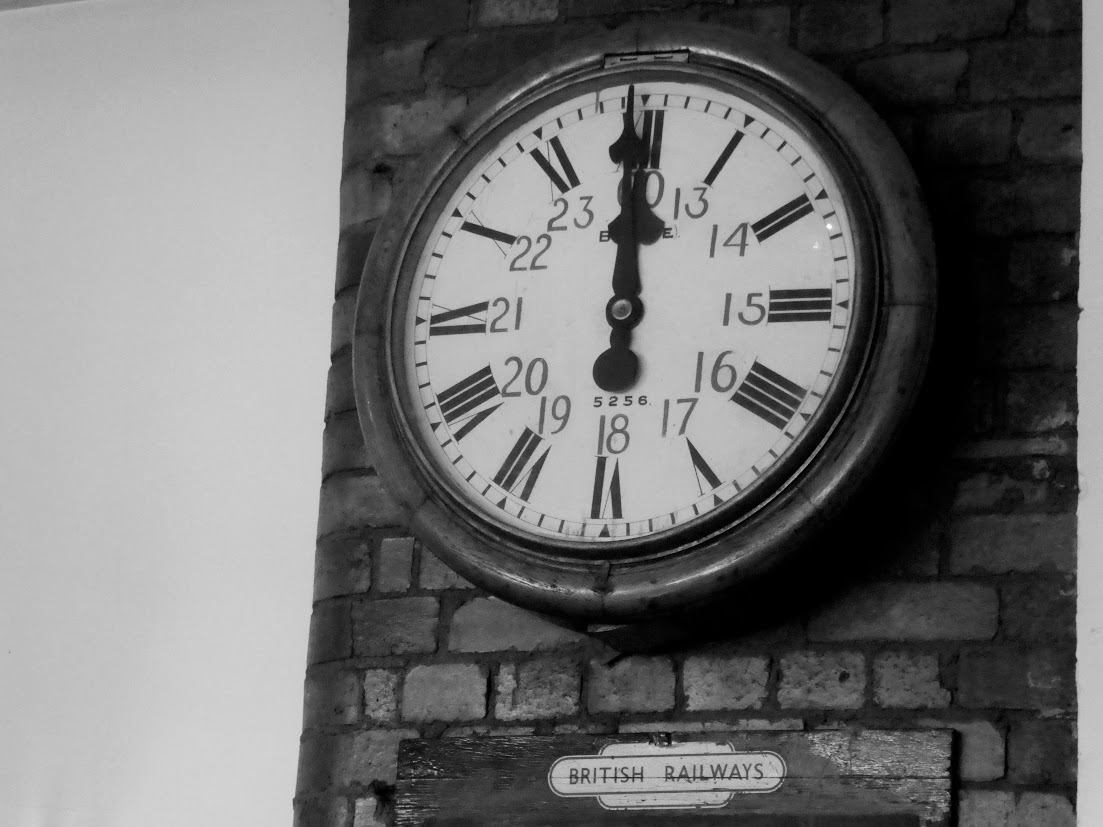
This week, it’s my turn to host Leanne’s Monochrome Madness. I decided on Clocks and Timepieces. Easy, I thought. Well, up to a point. There are plenty of clocks in towns, in stations, on churches and on public buildings. But too often they’re bit samey-samey. So I’m starting with one that we came upon by chance on our last day in Alsace, in Munster’s Catholic Church. It’s a modern Horloge de la Création, installed at the behest of André Voegele from Strasbourg, who has made it his ambition to install unusual timepieces. This one is interesting alright. It tells the time: hour by hour, minute by minute. But it also counts the years down, month by month; the days of the week; and the phases of the moon. It’s topped by a splendid cockerel, whom I chopped off a bit in my header photo. So here he is. I’m sure he’s a reliable alarm clock. Cocks usually are.
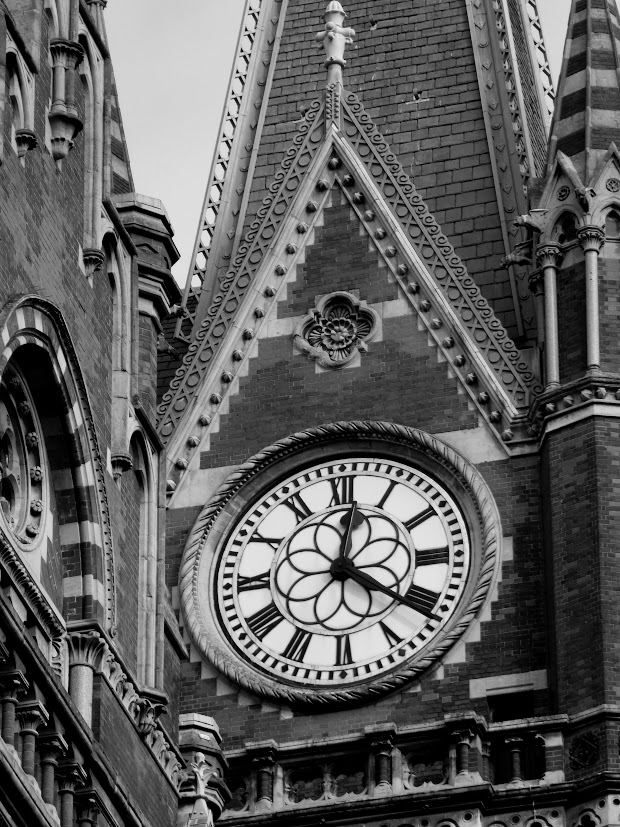
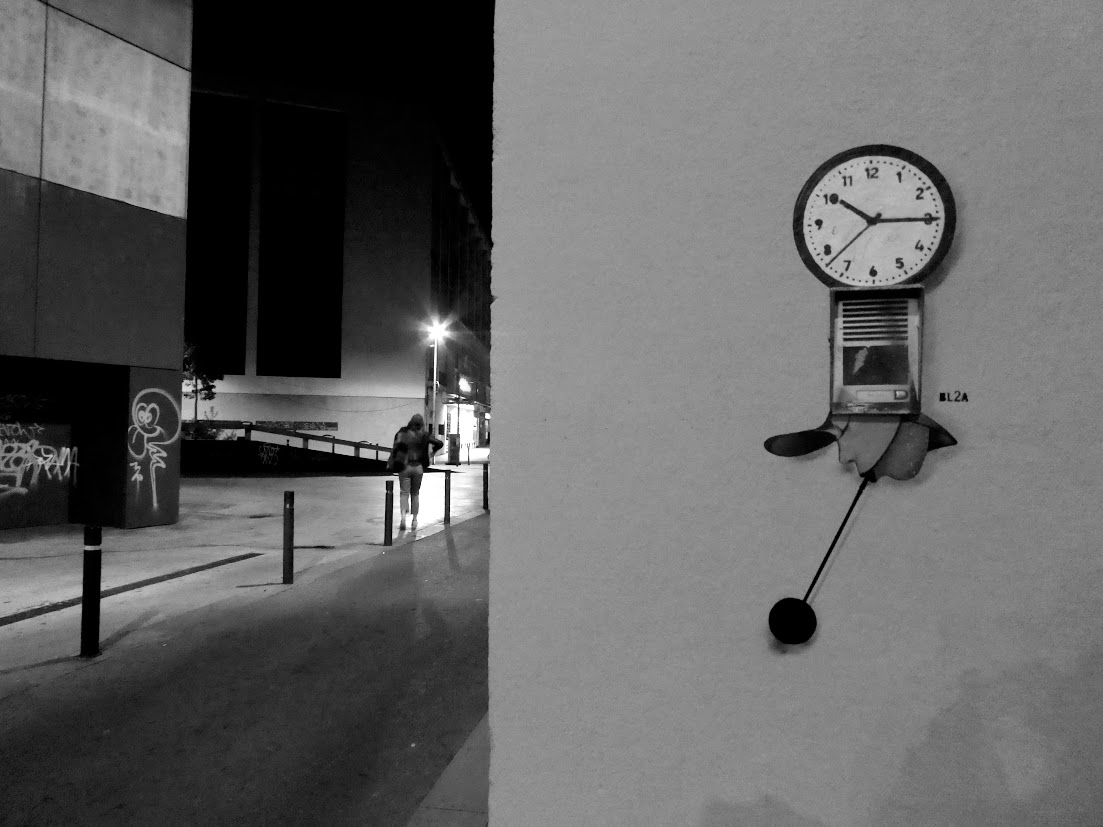
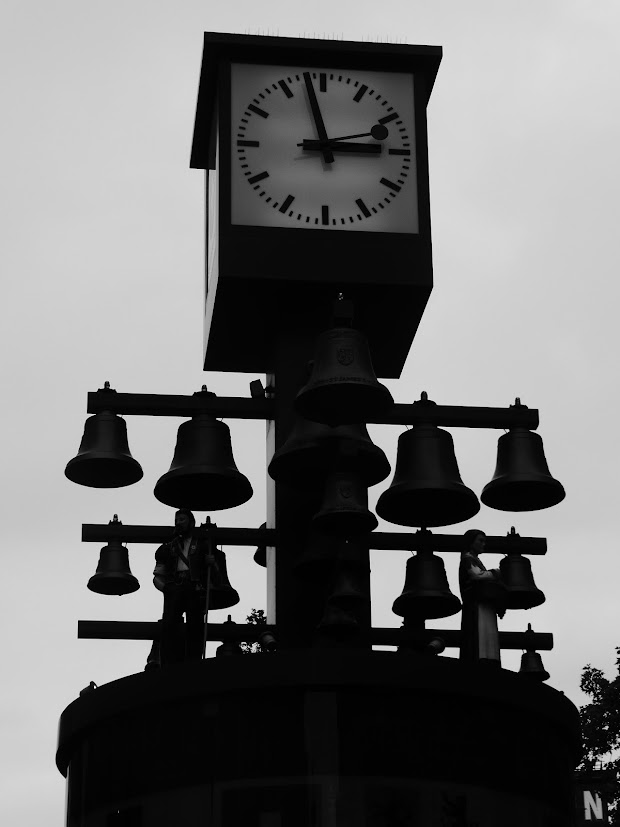
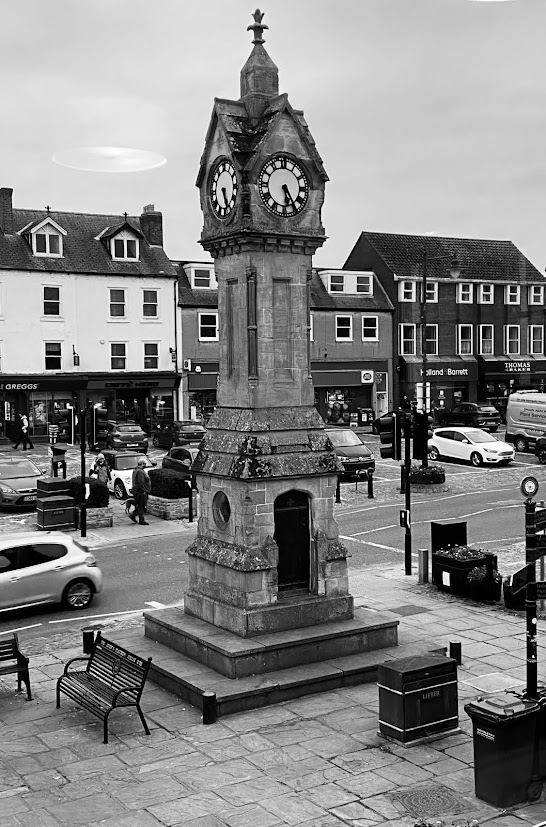
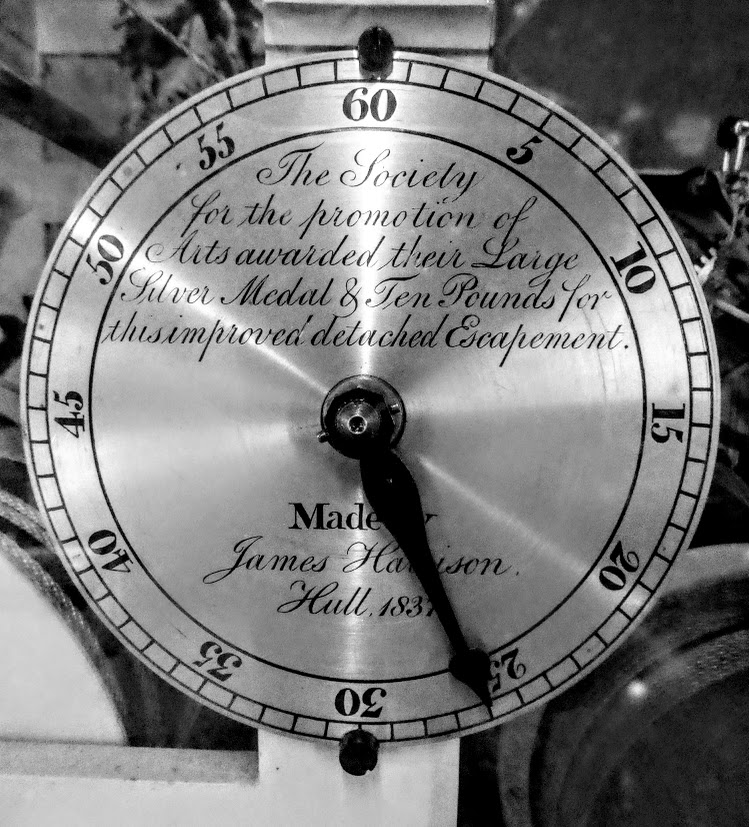
As to the rest. I have an indifferent photo of a clock that hasn’t functioned since 2007 – the Swiss Glockenspiel Clock in London; a clock outside St. Pancras Station; one from a station waiting room in Keighley; an intriguing one spotted outside an apartment block in Barcelona; the centrepiece of Thirsk’s Market Square; and a clock which is not a clock, but helps to govern the workings of the one high up outside Masham’s Parish Church. Now. Can you tell which is which?
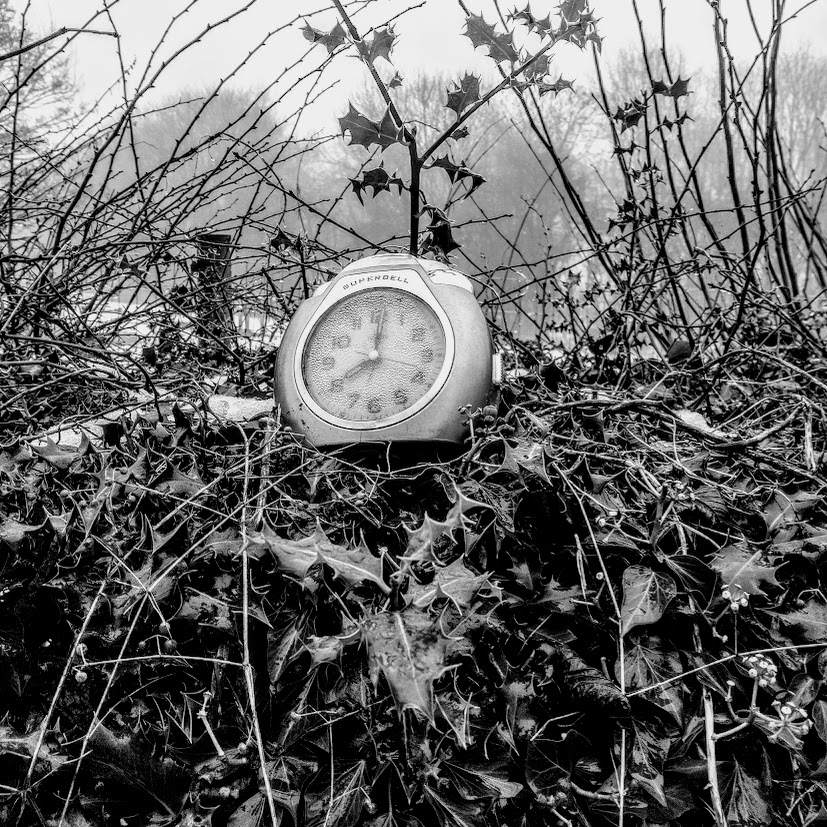
And finally. A clock which is a shadow of its former self. This alarm clock sat in a hedge on a country road which I often passed during Daily Exercise in Lockdown. It stayed there for months after Normal Sevice had been resumed. It was always 8 o’clock. Then one day it disappeared. Life has not been the same since. I offer it to Becky for NovemberShadows.
The lonely alarm clock of Musterfield. Tells the correct time twice daily, but the alarm never rings.
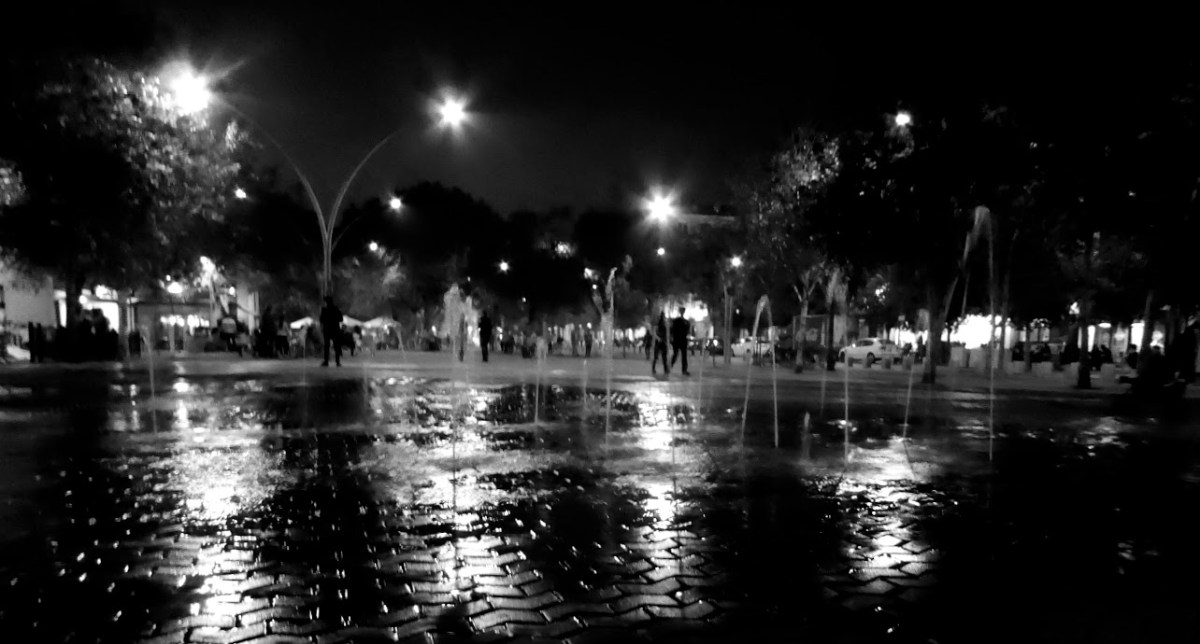
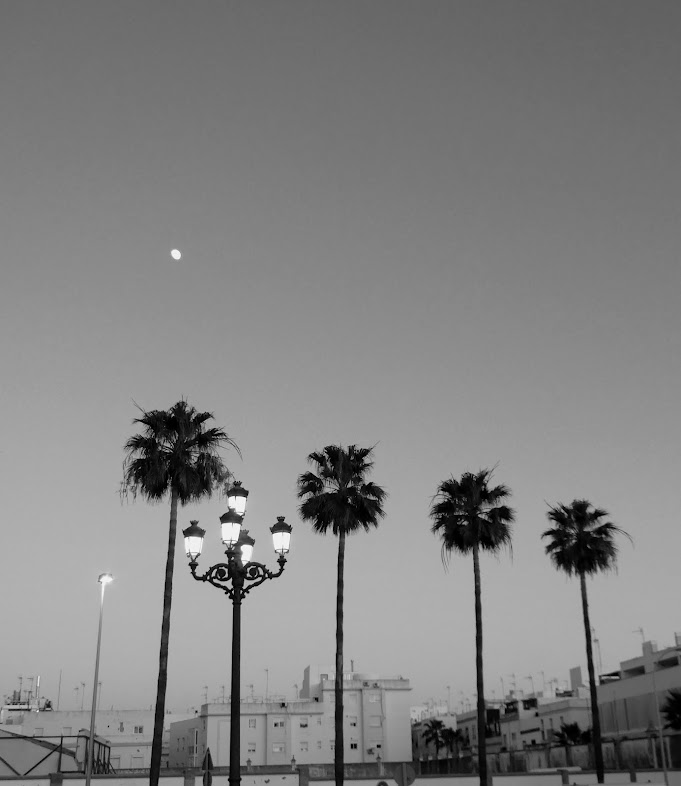
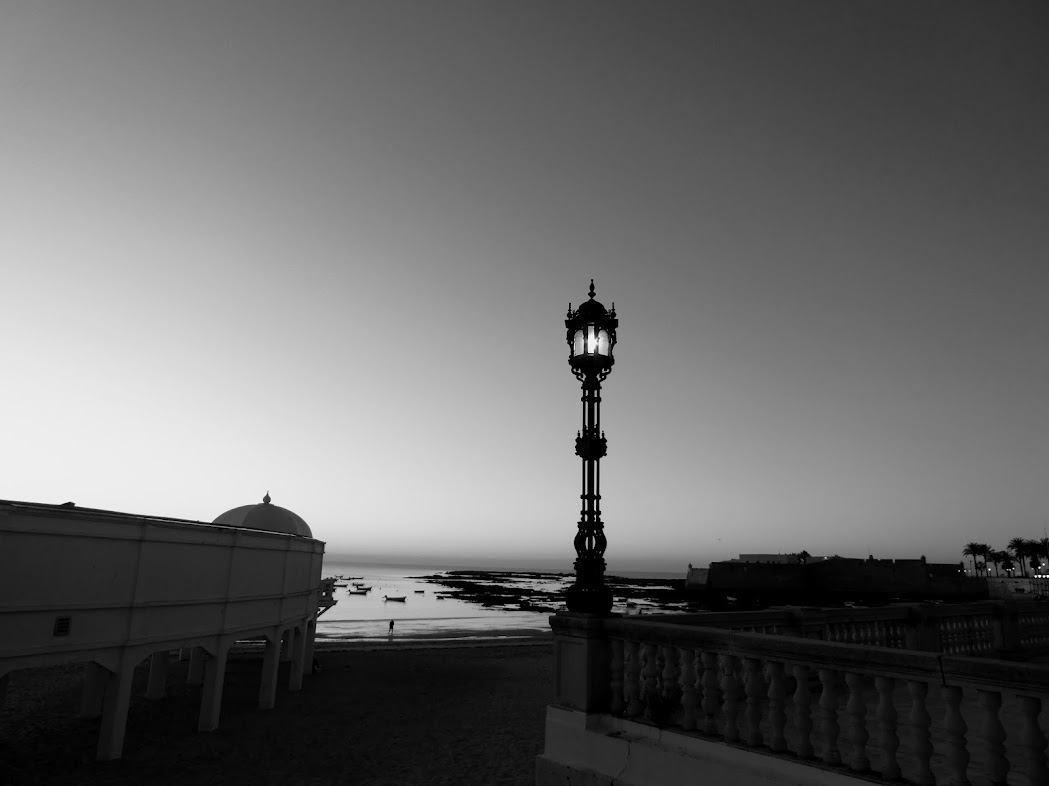
For this week’s Monochrome Madness, This week’s host Brian of Bushboy’s World has asked us to consider Street lights. I assembled a clutch of them, and realised that they all come from Spain.
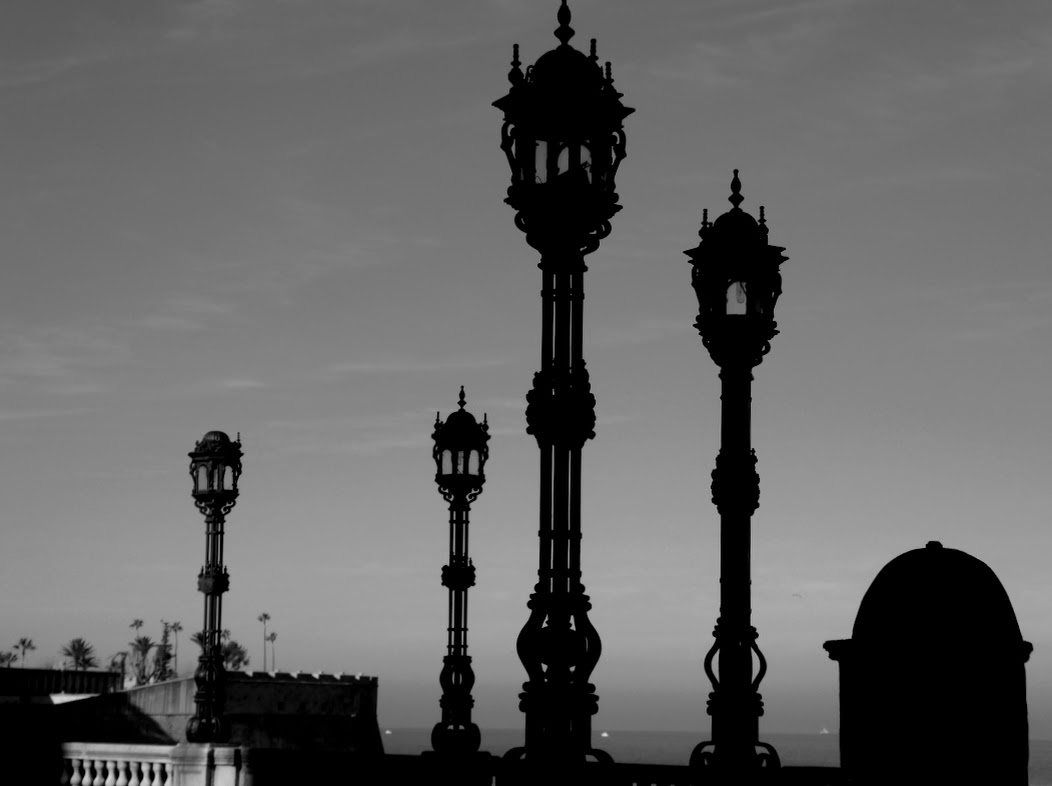
The featured photo was taken one evening near our hotel in Seville. This next batch all come from Cádiz.
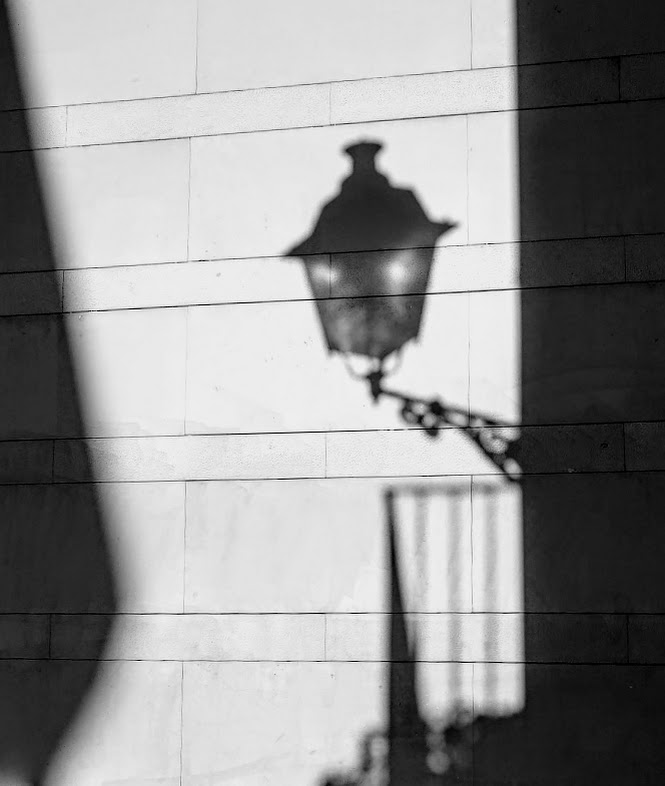
… and one of them is merely a shadow of a streetlight.
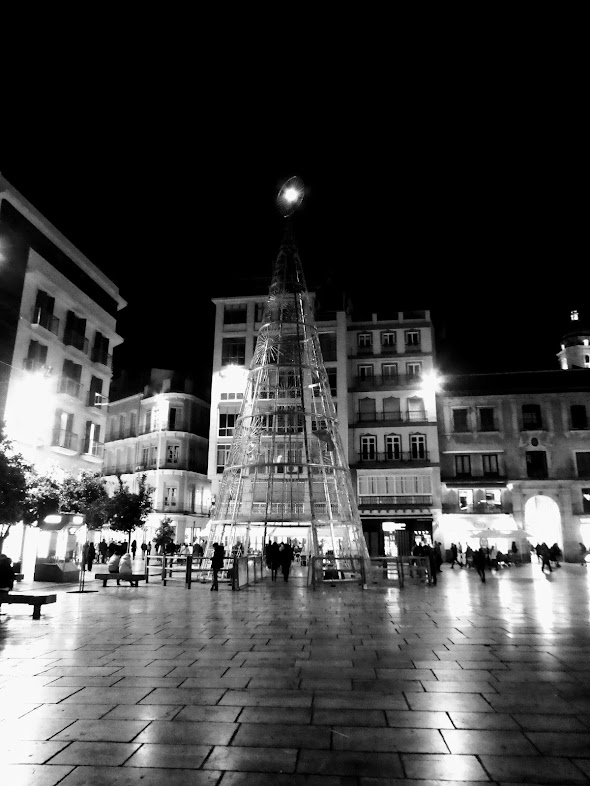
Off to Málaga now, just after Christmas.
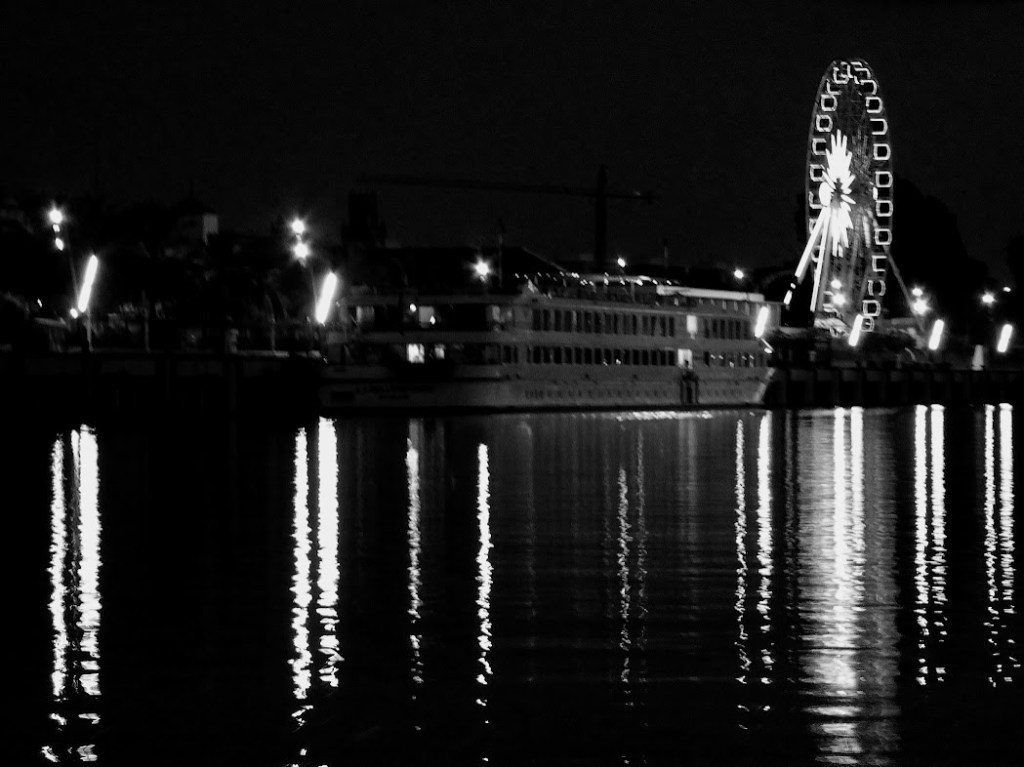
Another one from Seville …
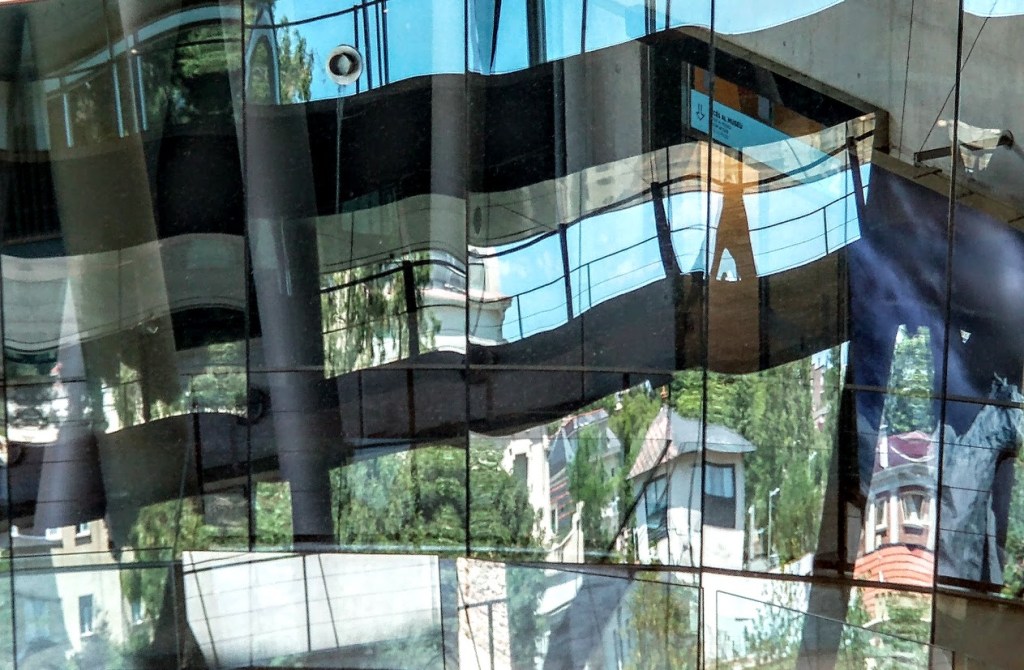
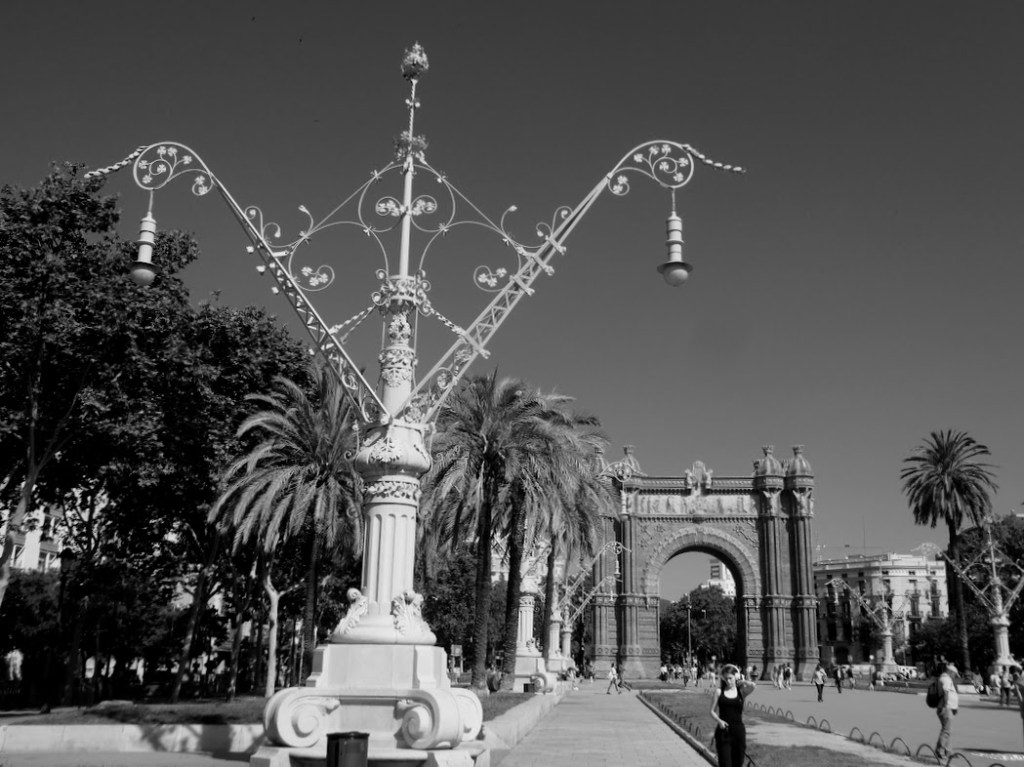
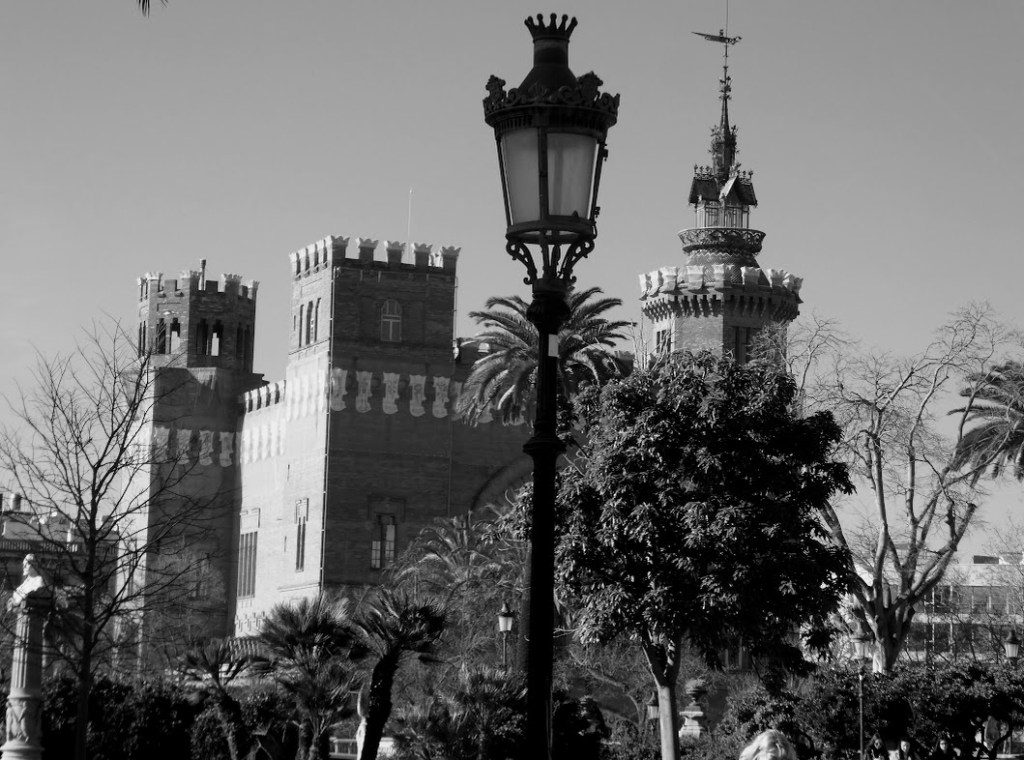
And the city I know best, Barcelona? Well, not a single night time shot. Instead, here are two taken in broad daylight.
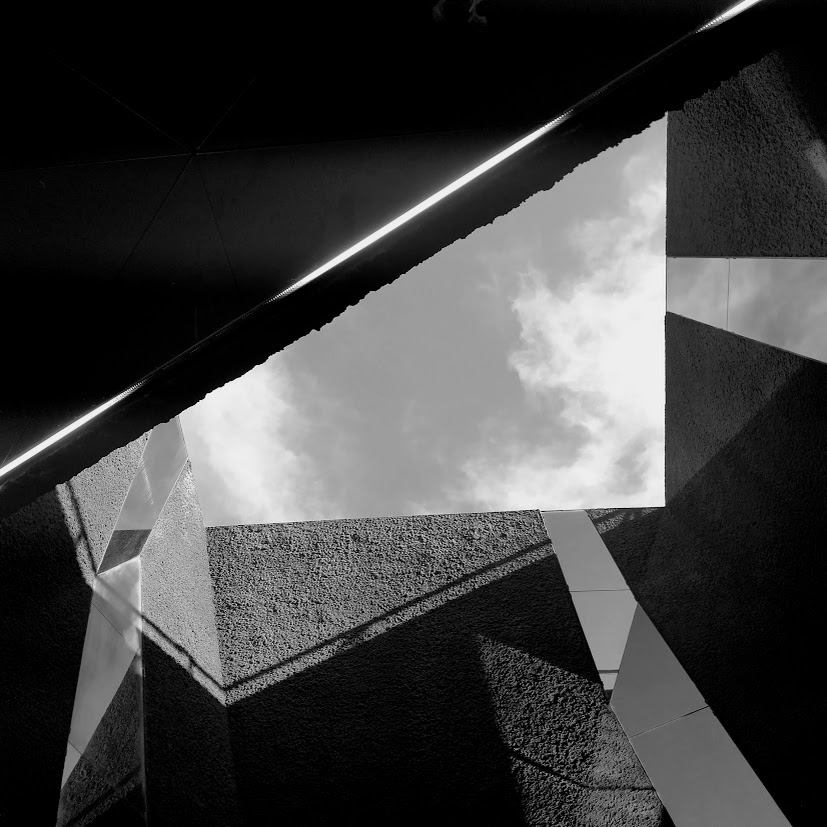
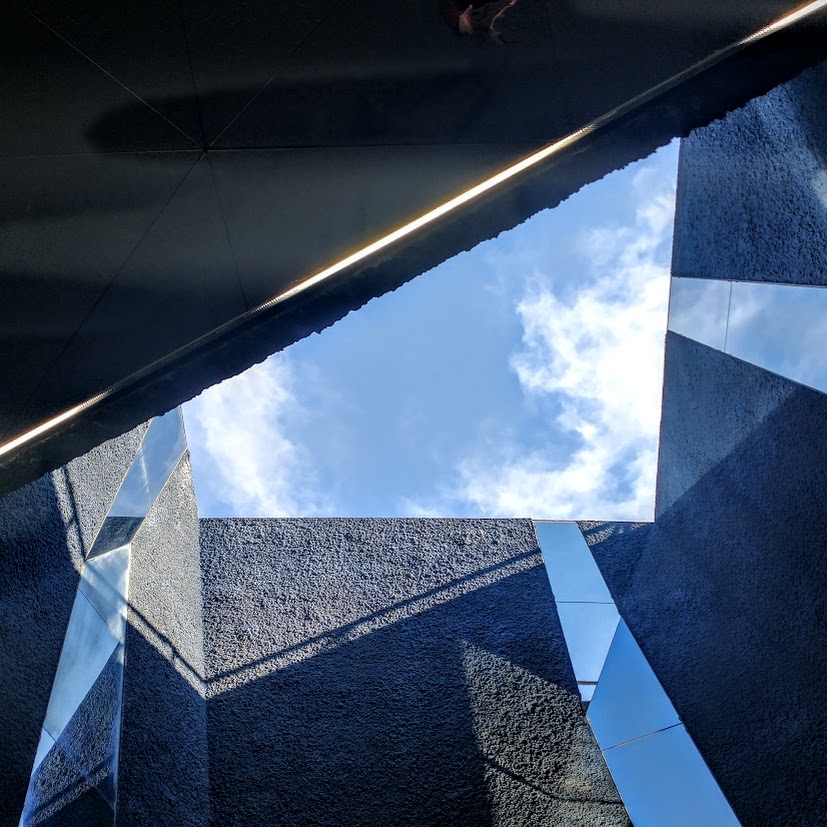
Near the Arc de TriomfNear the Cosmo Caixa Museum.
I’m away for a few days, so this post, and the next few are scheduled. So – sorry – I may be slow in commenting, and even slower at reading your posts.
Chairs. That’s what Brian of Bushboy’s World fame, and host this week of Leanne’s Monochrome Madness wants us to get our cameras out for. And I’ve decided to show Chairs in the Service of Art
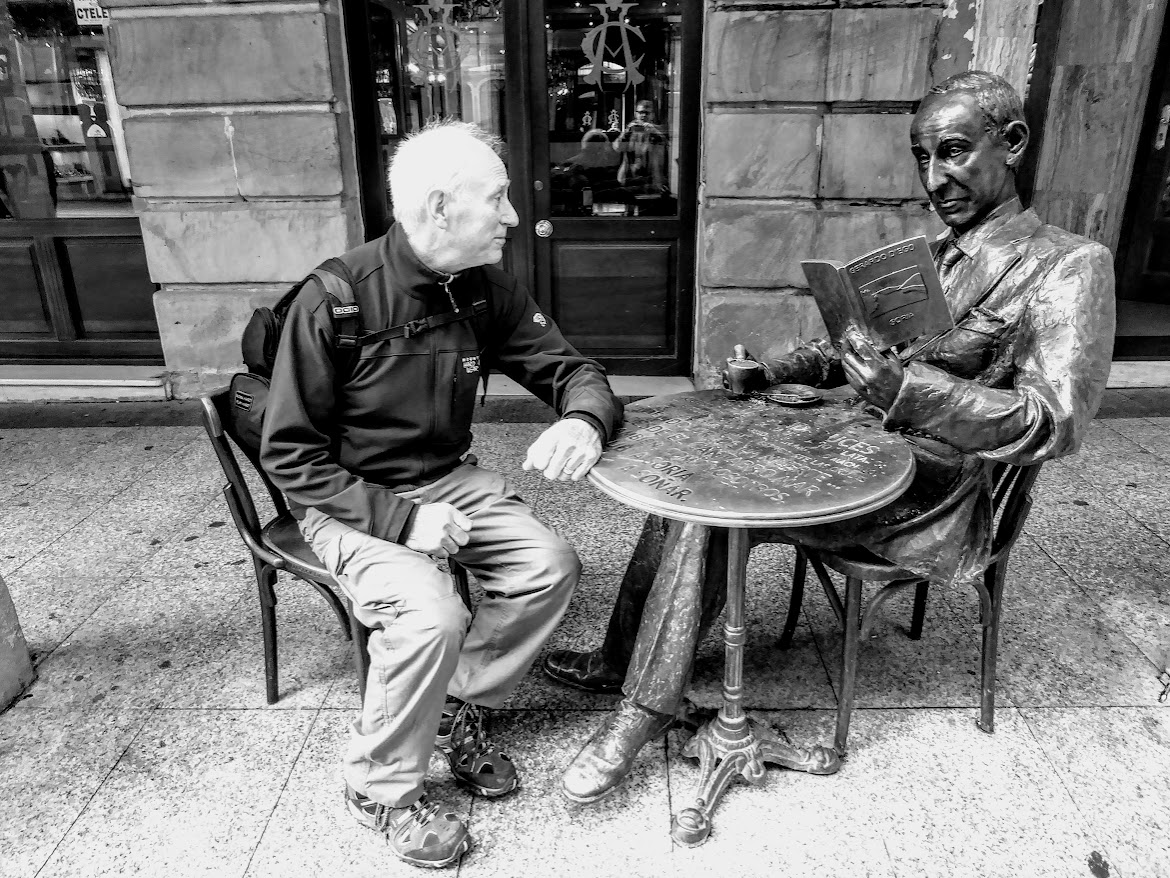
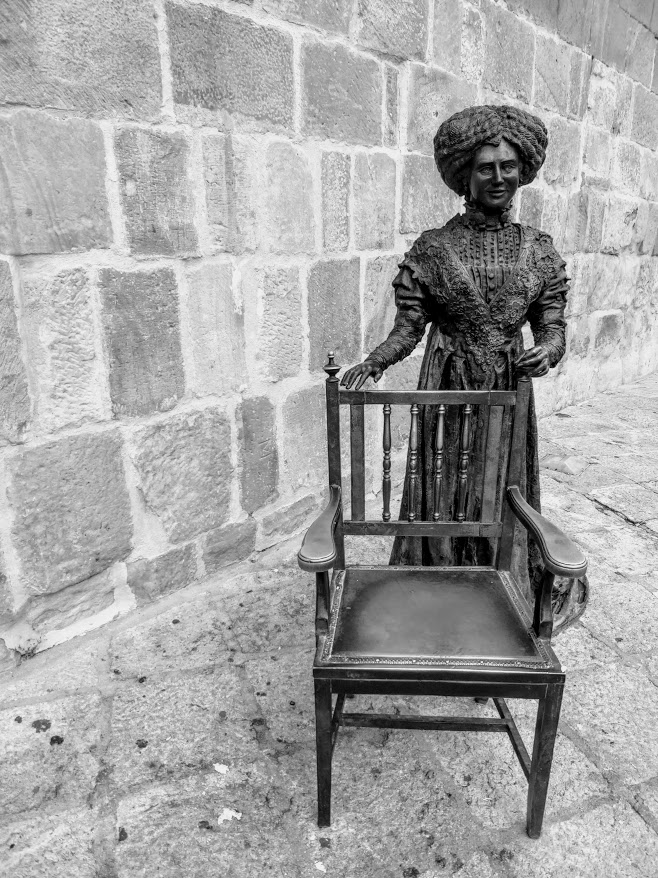
My first clutch of photos all come from Spain. A day out in Logroño, la Rioja, yielded some street sculpture featuring chairs and those who sit in them, whether alive or sculpted.
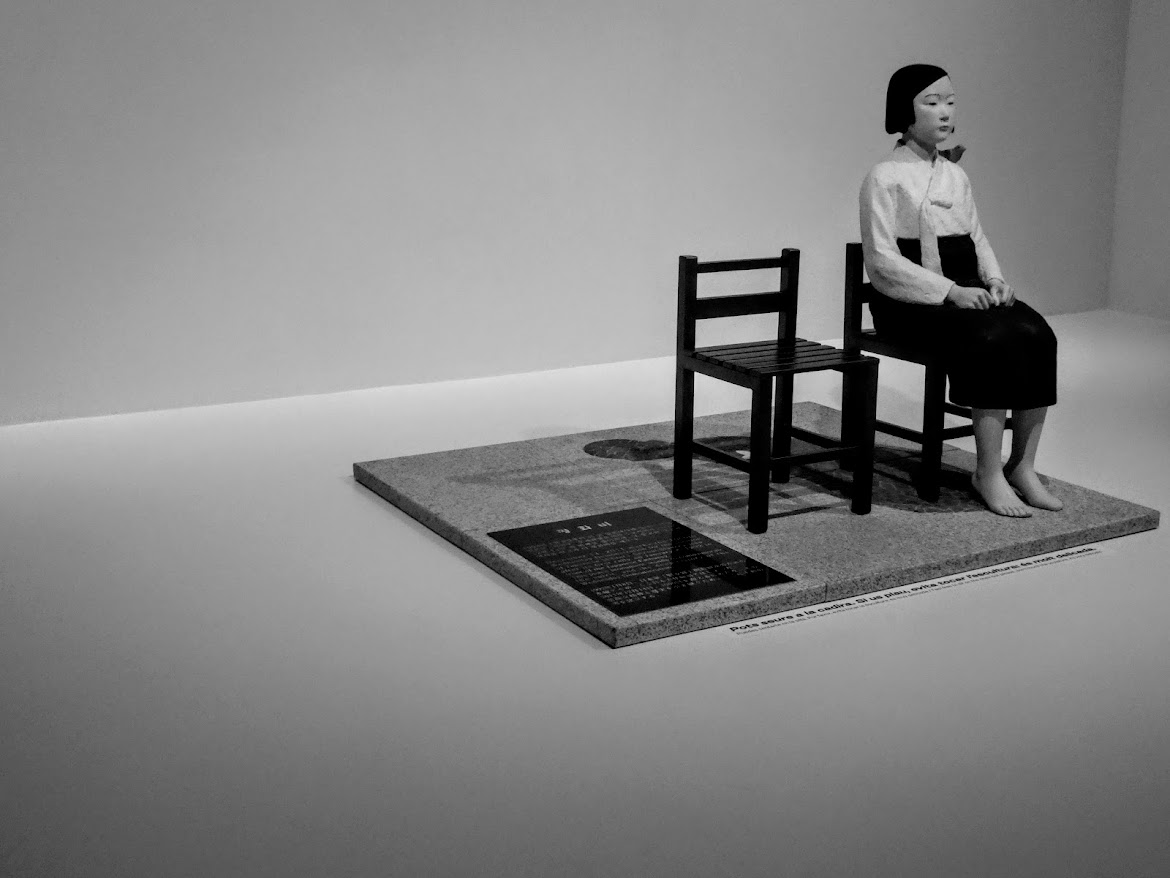
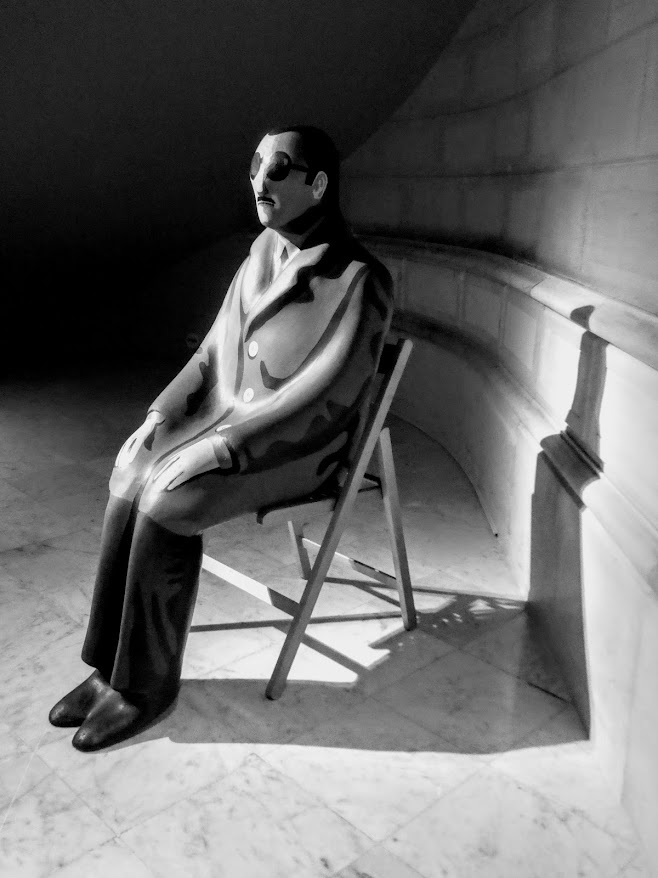
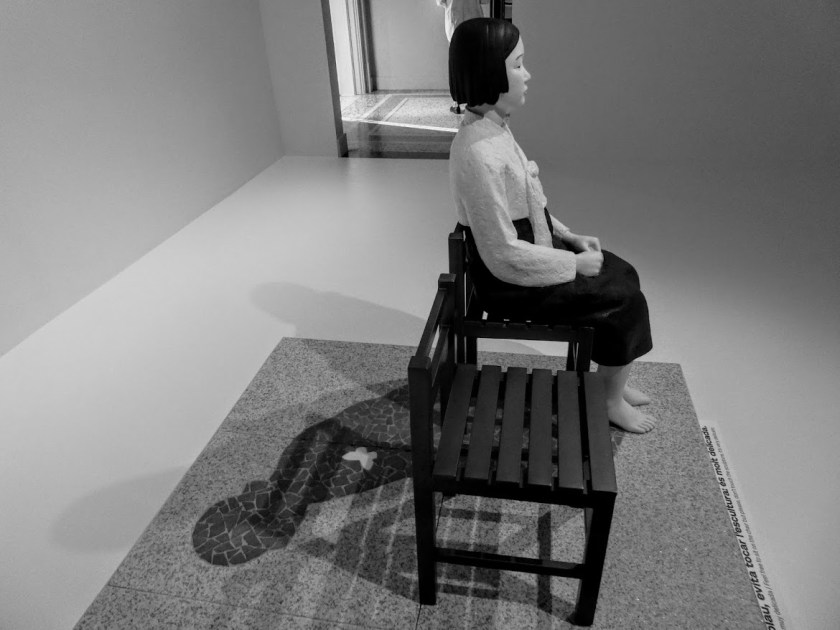
More recently, in Barcelona, I visited of of its newer museums, Museu de l’Art Prohibit – the Musem of Censored Art. It covers political, religious and sexual themes, and is not for the faint-hearted, but I found it fascinating and enlightening.
The first image here was exhibited at the Pamplona Festival in 1972 – a brave thing to do, as Spain was still in the grip of Franco’s dictatorship. This depicts one of Franco’s secret policemen.
The second is by the South Korean artists Kim Eun-Sung & Kim Seo-Kyung, and shows a Girl of Peace. It was exhibited as part of the Aichi Triennale 2019 in Japan, and received threats of attack for being anti-Japanese propaganda. The exhibition was closed but reactions against its censorship forced it to be reopened. This artwork has caused various diplomatic incidents between Japan and South Korea. For its creators, it is an icon of peace. There’s another view of it as my featured photo.
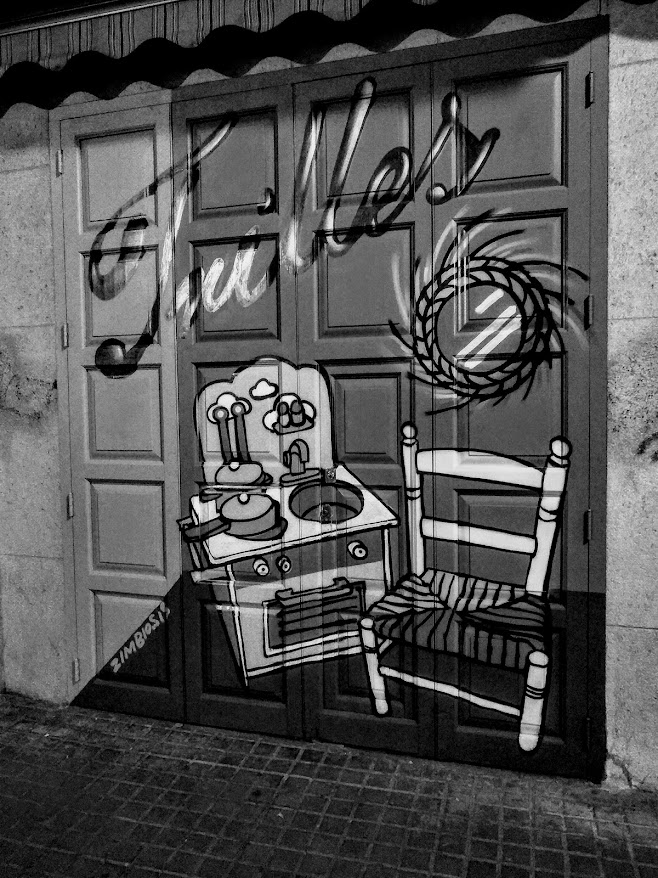
My final Spanish shot is of a chair (and the kitchen stove?) painted on a garage door in a back street in Seville.
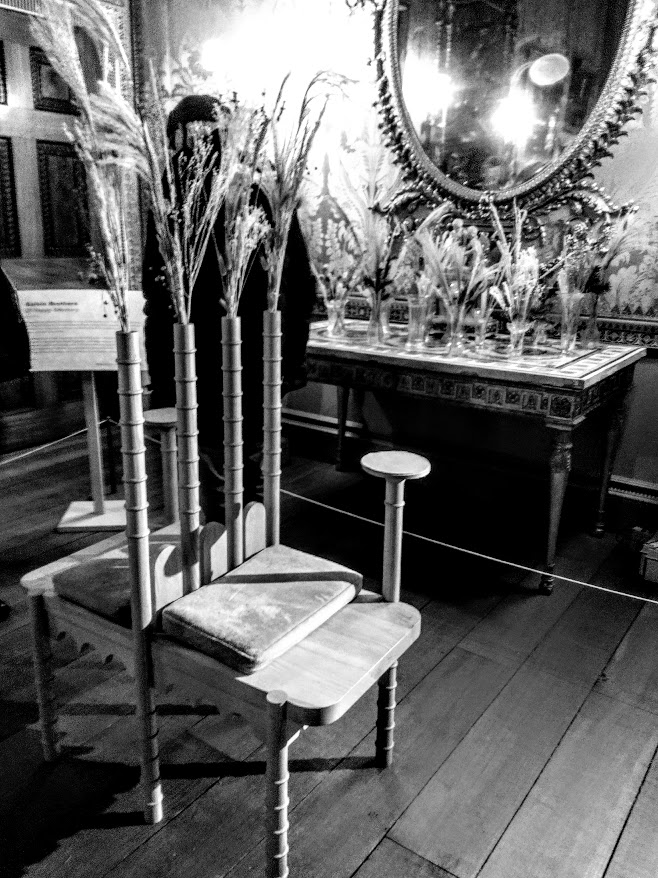
Back in the UK, to visit Harewood House near Leeds, and show an image of a chair constructed by the Galvin Brothers specifically for the house’s Yellow Drawing Room – a place to sit, talk, reflect, share, remember. Created at the time of the death of Elizabeth II, this chair was intended as a sober reflection on her reign. Its design, featuring maturing crops as part of the backrest, references the transient and intangible.
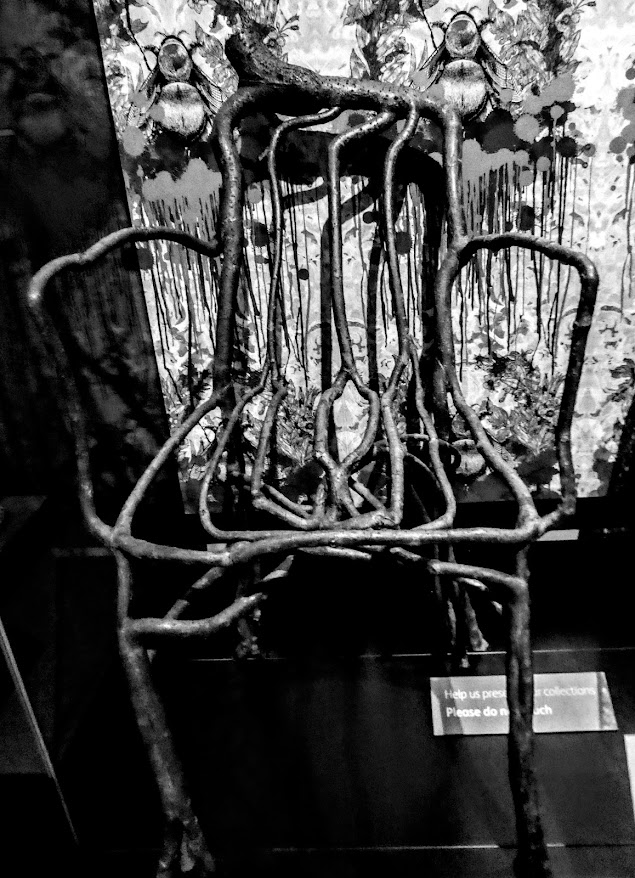
Lastly, I’ll take you to Edinburgh, to the National Museum of Scotland. This is where we saw this chair. An astonishing chair. It began its life as a simple willow tree, but was obliged to convolute itself as it grew into the form of a chair by Gavin Munro. Do have a look at his website.
Well, this hasty tour has turned up quite a few different chairs. It’s perhaps the simplest ones that convey the most potent messages.



 From Pyrenees to Pennines
You must be logged in to post a comment.