Foraging Food for free

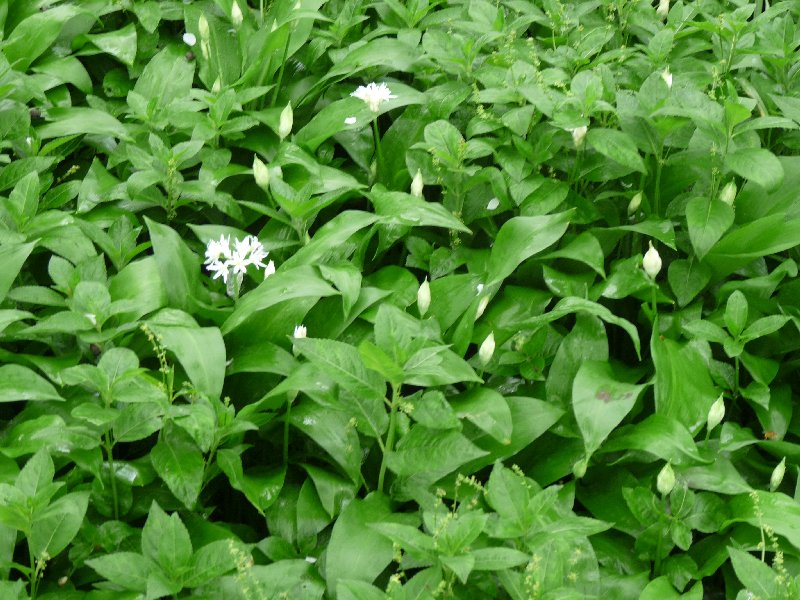
As regular readers know already, I’m a huge fan of Food for Free. Especially at this time of year, I never leave the house without a useful ‘au cas où’ bag stuffed in my pocket . This is a bag that any rural French person will have about their person always – just in case they find something useful – a few nuts, berries, fungi or leaves to add interest to the store cupboard. At the moment, this is all about the apples, blackberries, bullace and mirabelle plums all growing wild locally. At other times it might be young nettles, wild garlic or other leaves. Soon it will be puffballs. I’m not especially knowledgeable, but I do my best. Yesterday’s haul? Windfall apples (simple stewed apple) mirabelles (frangipane and jam) and bullaces (crumble and bullace cheese – think a plum version of membrillo – very labour intensive).

Although I was brought up foraging, my commitment to it was sealed when we lived in France. Here’s a post I wrote in October 2012.

‘All is safely gathered in, ere the winter storms begin’*

October 25th, 2012

Well, at this time of year, it isn’t really a case of ‘au cas où’ .  You’re bound to find something.  A fortnight ago, for instance, Malcolm and I went on a country stroll from Lieurac to Neylis.  We had with us a rucksack and two large bags, and we came home with just under 5 kilos of walnuts, scavenged from beneath the walnut trees along the path.  A walk through the hamlet of Bourlat just above Laroque produced a tidy haul of chestnuts too.

Yesterday, we Laroque walkers were among the vineyards of Belvèze-du-Razès.  The grapes had all been harvested in the weeks before, but luckily for us, some bunches remained on the endless rows of vines which lined the paths we walked along.  We felt no guilt as we gorged on this fruit all through the morning.  The grapes had either been missed at harvest-time, or hadn’t been sufficiently ripe.  They were unwanted – but not by us.
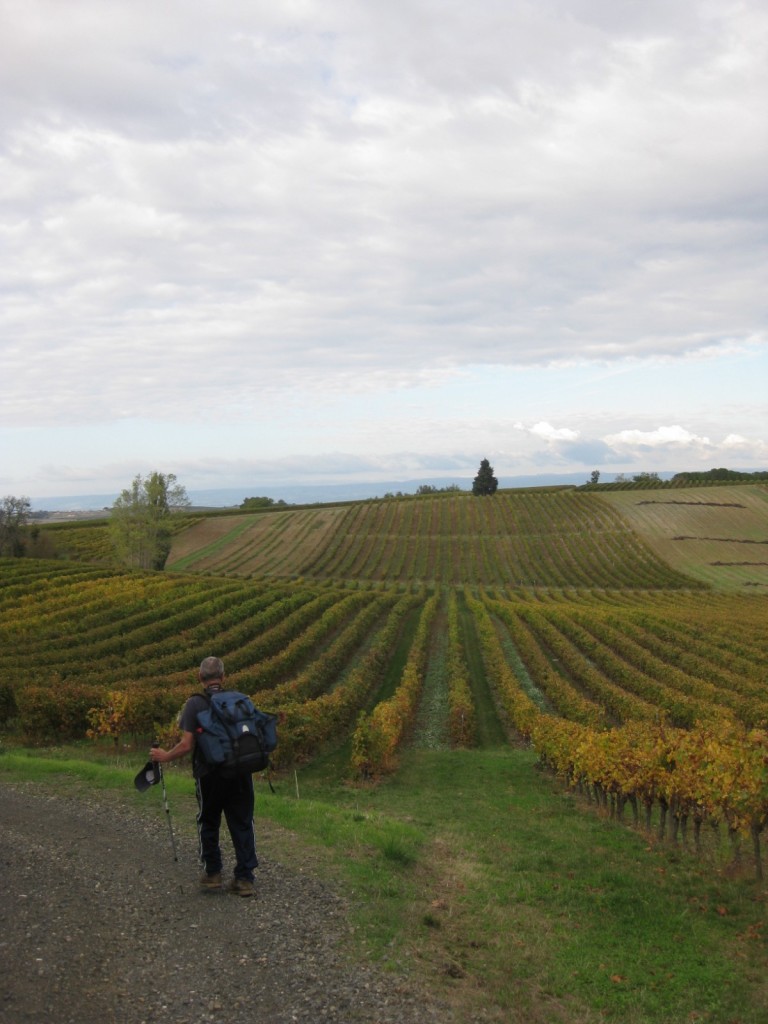
So many vines: there’ll be unharvested grapes there somewhere.

The walnuts we’re used to in the Ariège are replaced by almonds over in the Aude.  You have to be careful: non-grafted trees produce bitter almonds, not the sweet ones we wanted to find.  But most of us returned with a fine haul to inspect later.  Some of us found field mushrooms too.
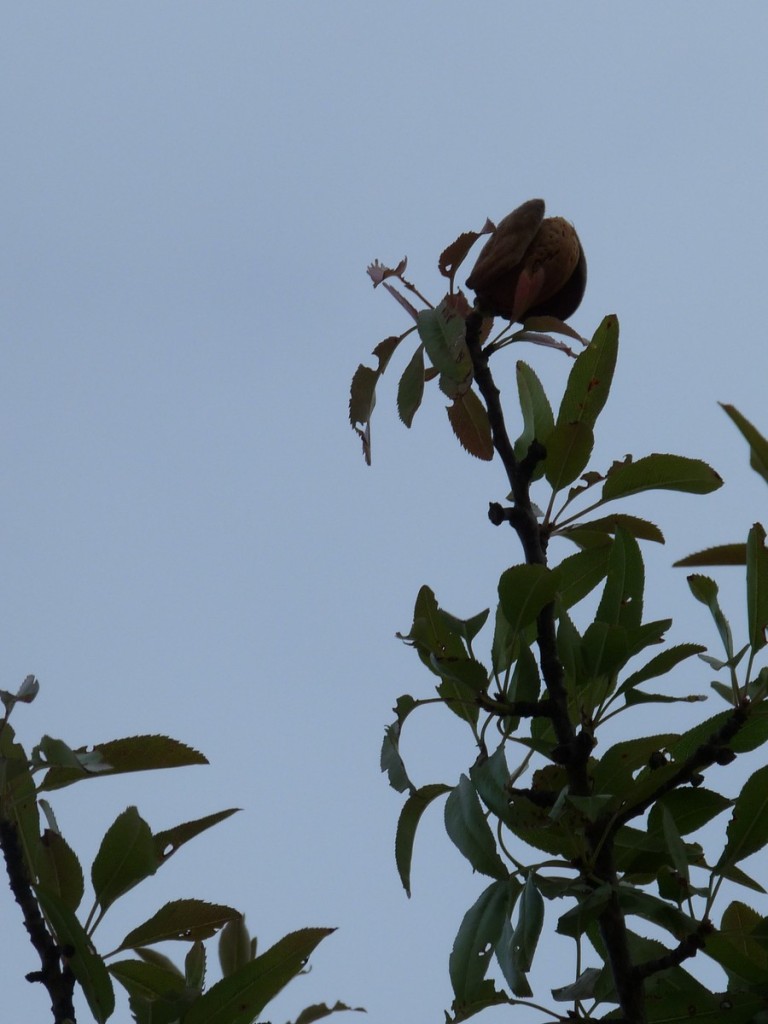
A solitary almond

Today, the destination of the Thursday walking group was the gently rising forested and pastoral country outside Foix known as la Barguillère.  It’s also known locally as an area richly provided with chestnut trees.  Any wild boar with any sense really ought to arrange to spend the autumn there, snuffling and truffling for the rich pickings.  We walked for 9 km or so, trying to resist the temptation to stop and gather under every tree we saw.  The ground beneath our feet felt nubbly and uneven as we trod our way over thousands of chestnuts, and the trees above threw further fruits down at us, popping and exploding as their prickly casings burst on the downward journey.
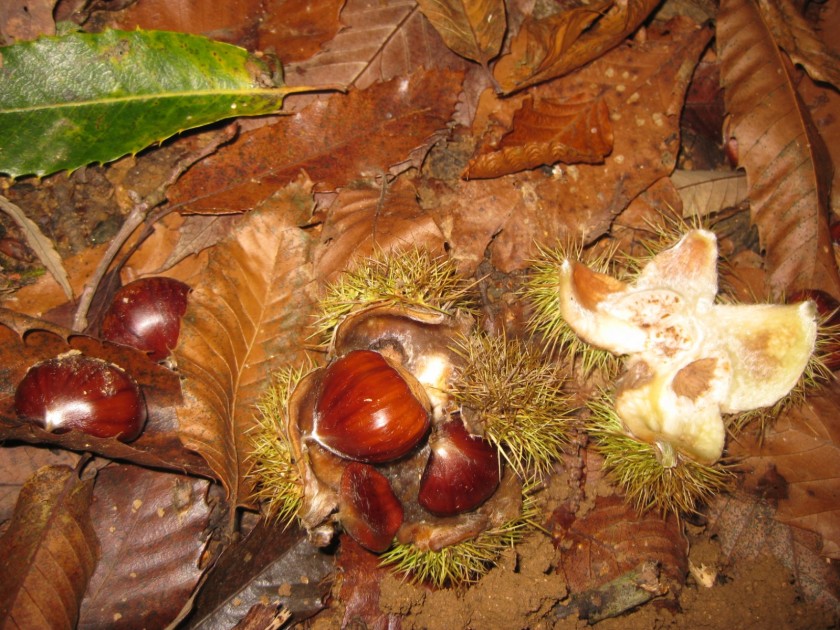
Just picture whole paths, thickly covered with chestnuts like this for dozens of yards at a time.

As our hike drew to an end, so did our supply of will-power.  We took our bags from our rucksacks and got stuck in.  So plentiful are the chestnuts here that you can be as picky as you like.  Only the very largest and choicest specimens needed to make it through our rigorous quality control.  I was restrained.  I gathered a mere four kilos.  Jacqueline and Martine probably each collected three times as much.  Some we’ll use, some we’ll give to lucky friends.
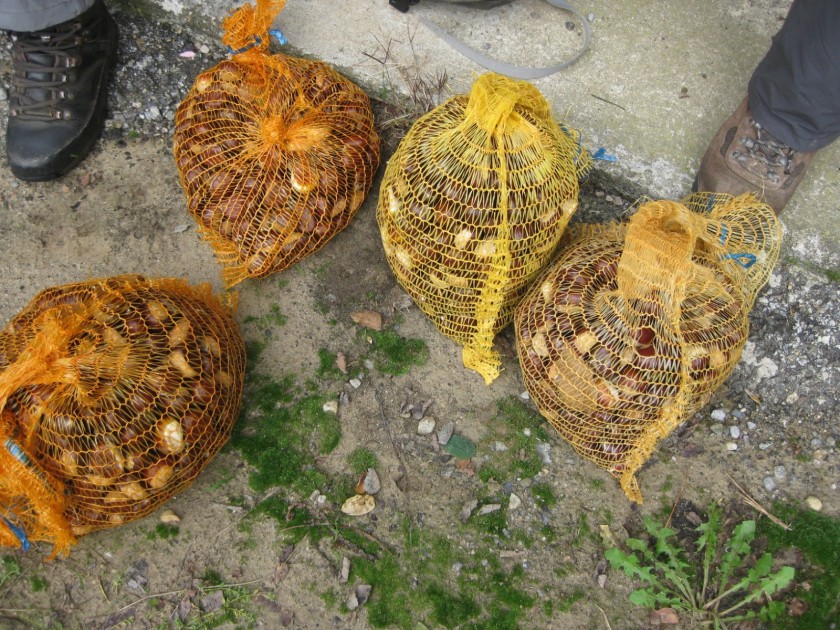
I think these chestnuts represent Jacqueline, Martine and Maguy’s harvest.

Now I’d better settle myself down with a dish of roasted chestnuts at my side, and browse through my collections of recipes to find uses for all this ‘Food for Free’.

*From the words of an English hymn sung during Harvest Festival.

For Denzils’ Nature Photo Challenge #24: Edible.

And Jo’s Monday Walk: even though Jo is taking a break.

Mountain Apollo Revisited

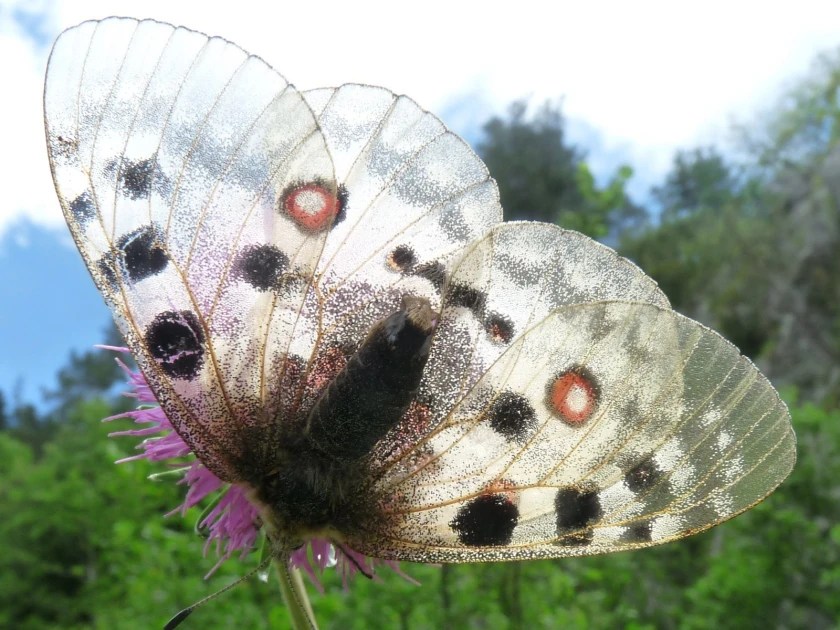
I had my photos of the much-loved butterflies of an English summer day all lined up to display for Denzils’ Nature Photo Challenge 13# Butterflies. Then I realised I wanted to share something else instead: a photo of a rare butterfly I first saw in the Pyrenees, ten years ago now: the Mountain Apollo.

Mountain Apollo

July 31st 2013

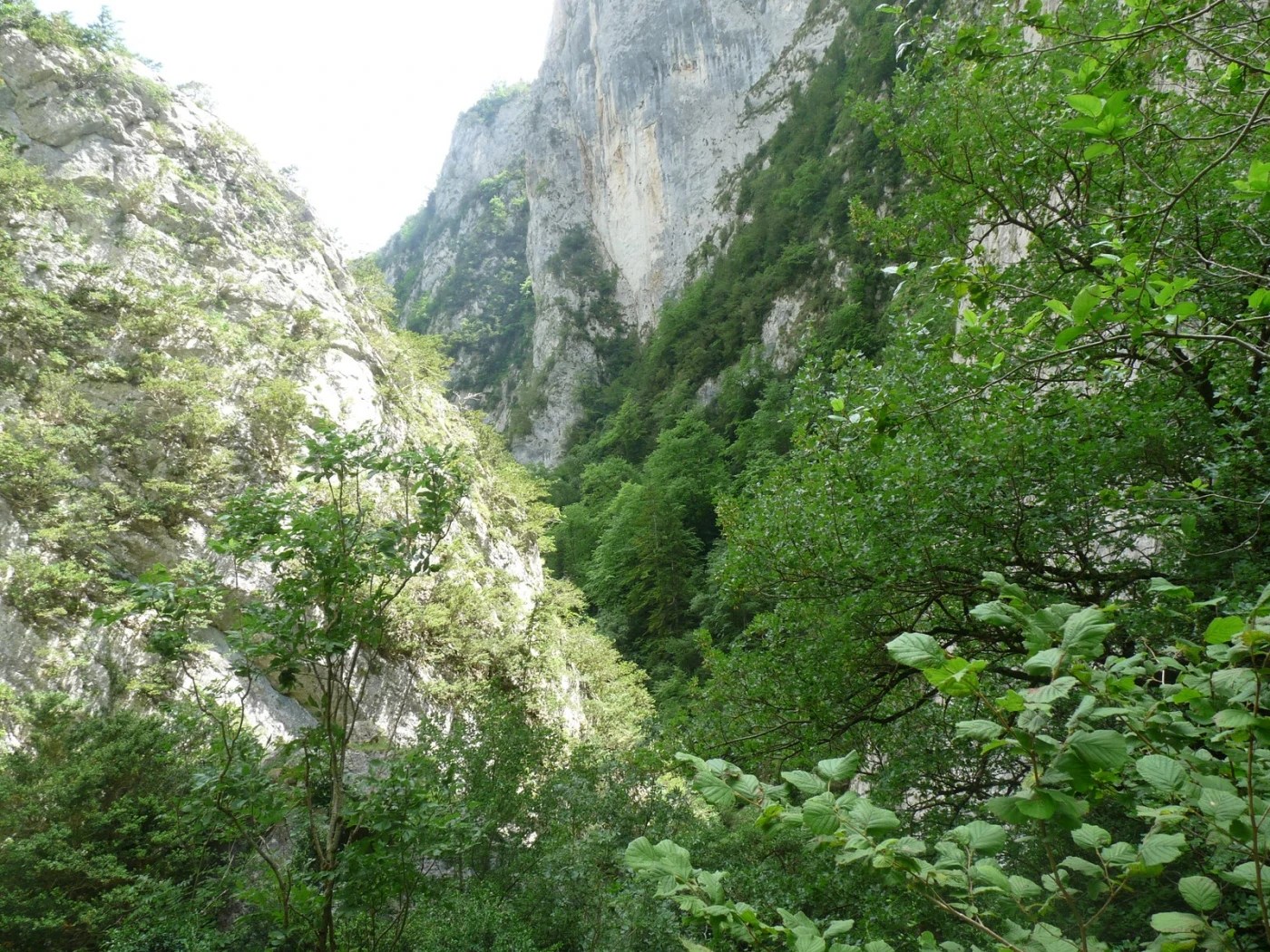
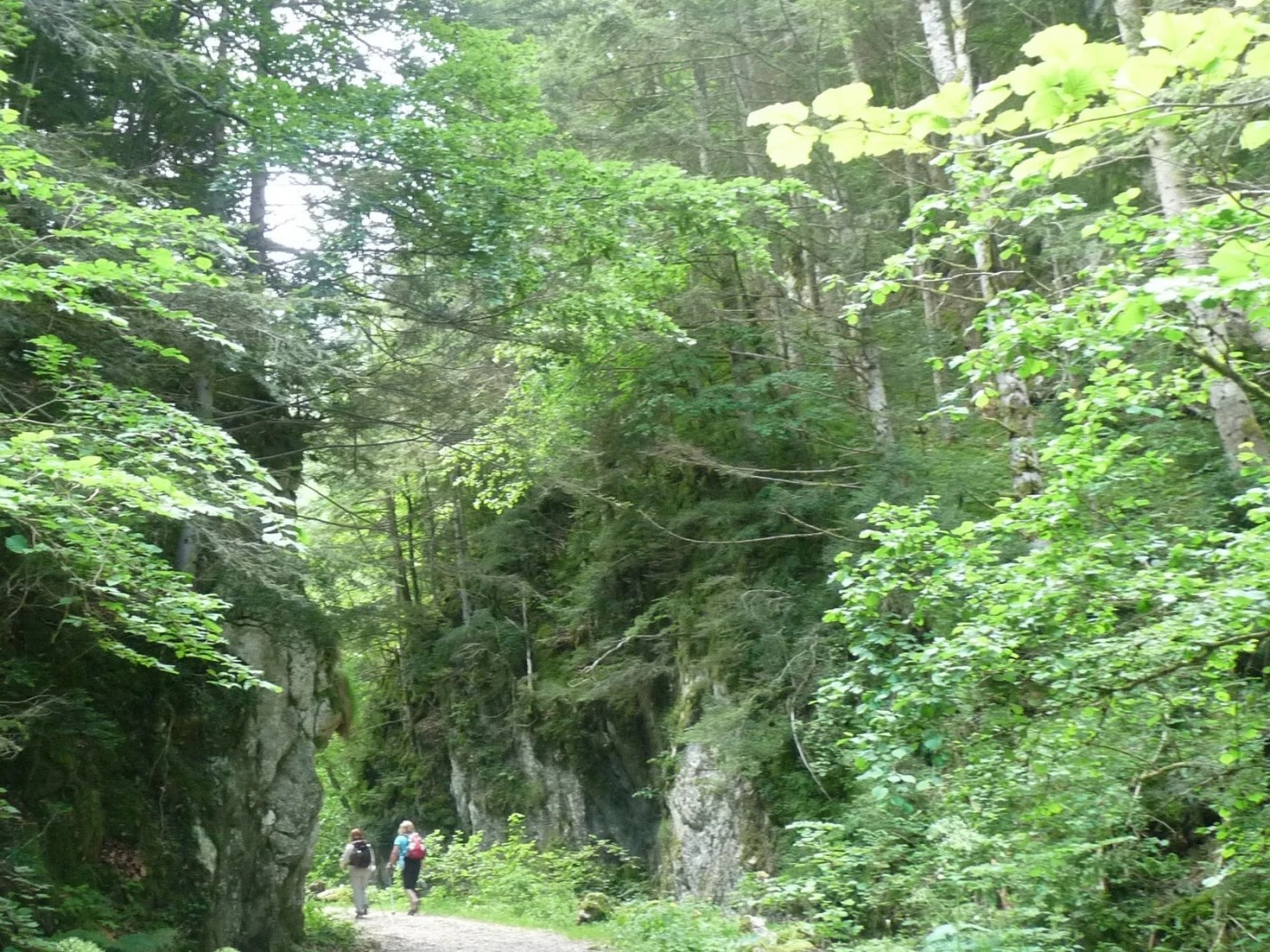
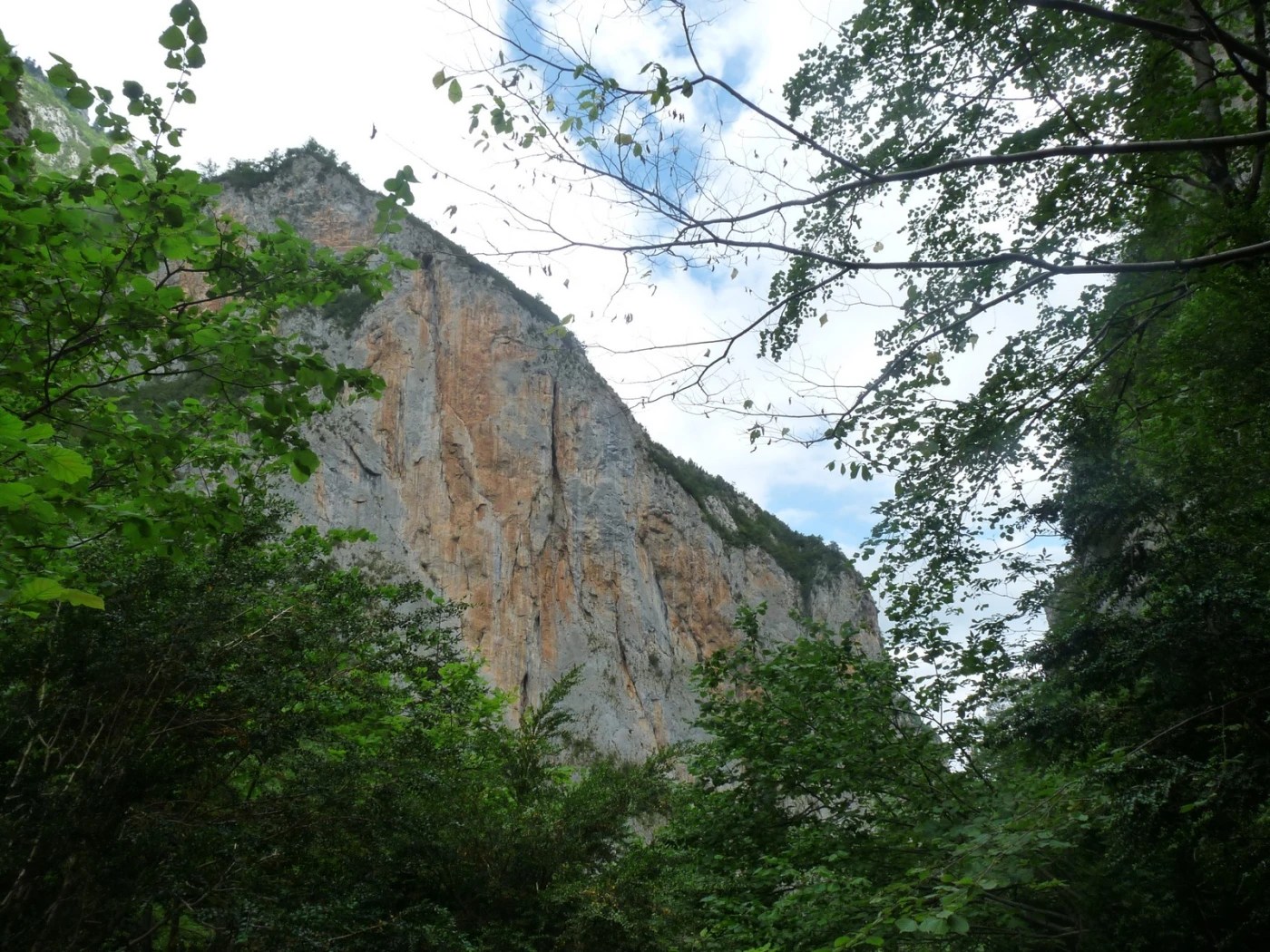
I just want to share a photo I took on our walk on Sunday, when we went to the Gorges de la Frau.  This butterfly seduced us all with its distinctive spots and white grisaille wings.  It turns out to be rare, a protected species, and known only in mountain regions, mainly in Southern Europe.  The French know it as Apollon, and its Latin name is Parnassius Apollo.  If your French is up to it, you can read about it here.  

And here’s a small taste of the Gorges de la Frau, only a few miles from our house.

Last news from Laroque revisited

As you read this post, we’re on the road, heading for France, then Spain to see the Spanish branch of the family, and even to attend a wedding. Please expect little in the way of responses to comments, whether on your own blog or this one for the duration. But nine years ago, on 20th March, we were leaving our home in Laroque for the very last time…

Last news from Laroque

23rd March 2014

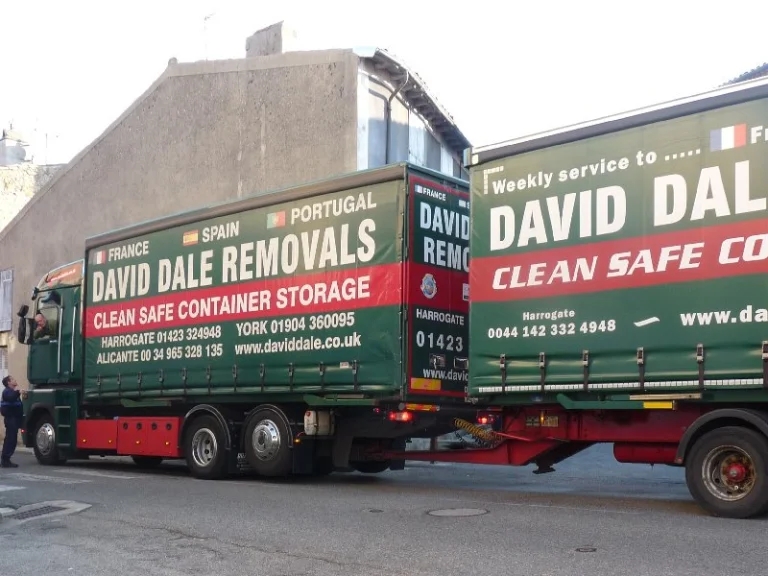
You’re making your last visit to Laroque today, for the time being.  We left 3 days ago, and now we’re in Ripon.  Those last days were a furore of packing, cleaning, ‘goodbyes’ (though never, never final farewells), and two visits from the removal firm, who couldn’t fit everything in, first time round.  At this moment, perhaps, the person who bought our house is planning his own removal to Laroque.

I never told you, probably out of sheer superstition, the story of the house sale.  The housing market’s incredibly tough in the Ariège just now.  House prices have tumbled 25% since 2008.  Properties remain unsold for one, two, three years, as unhappy owners reduce the price of their homes in hopes of at last attracting a buyer.

Whereas we had nothing but luck.  A man from near Paris, house-hunting here, in the area where he’d grown up, saw our house, arranged to view, and said he liked it.  A week later he came again, showing his ‘coup de cœur’ off to his mum and dad.  He made a low-price offer, as you do.  We refused it, as you do.  But we offered him our non-attached garden, being sold separately, at a generous discount, and said we’d include some of the furniture in the house sale.  Reader, he offered full price, and the rest is history.  Vue-vendue.
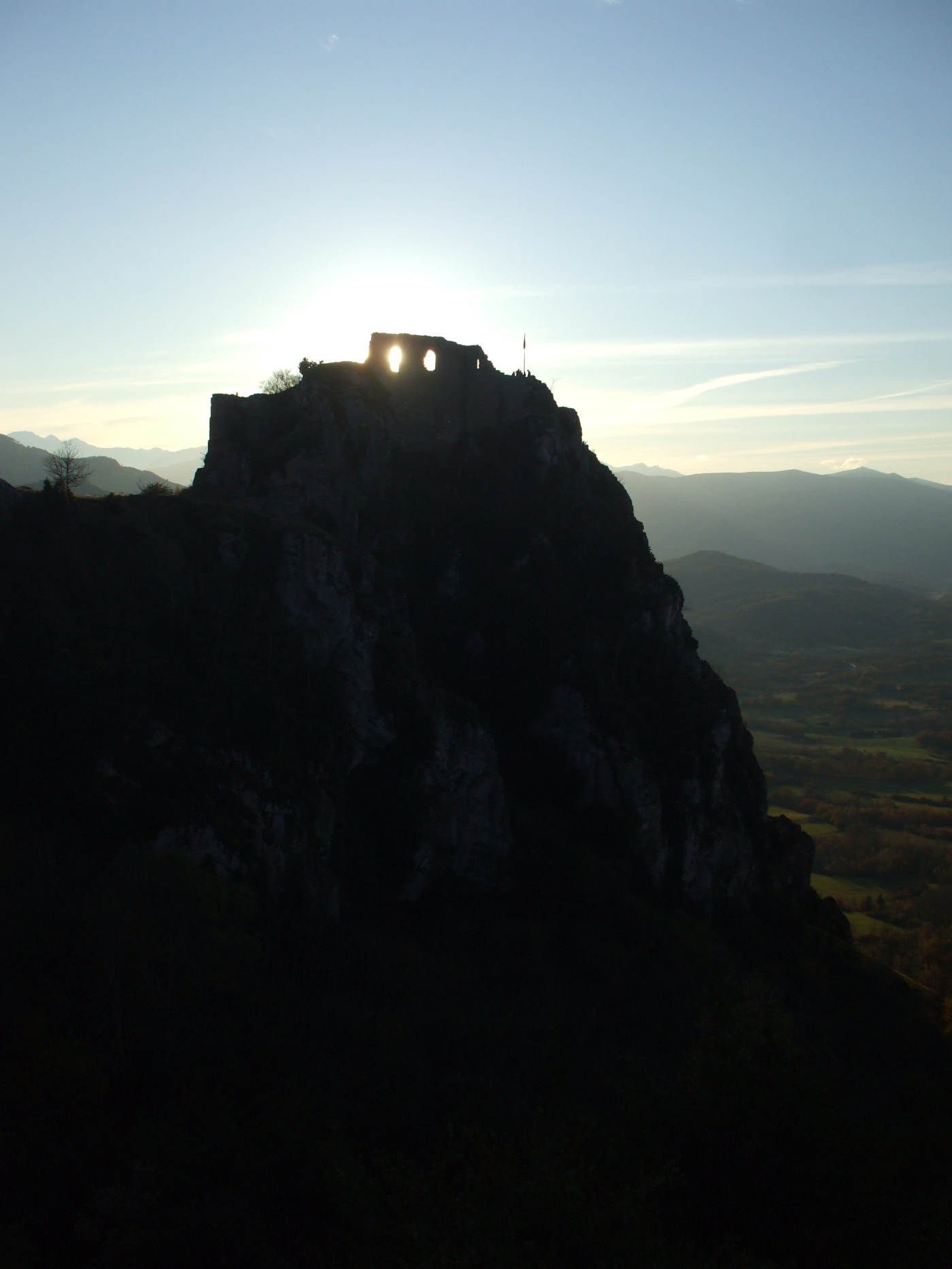
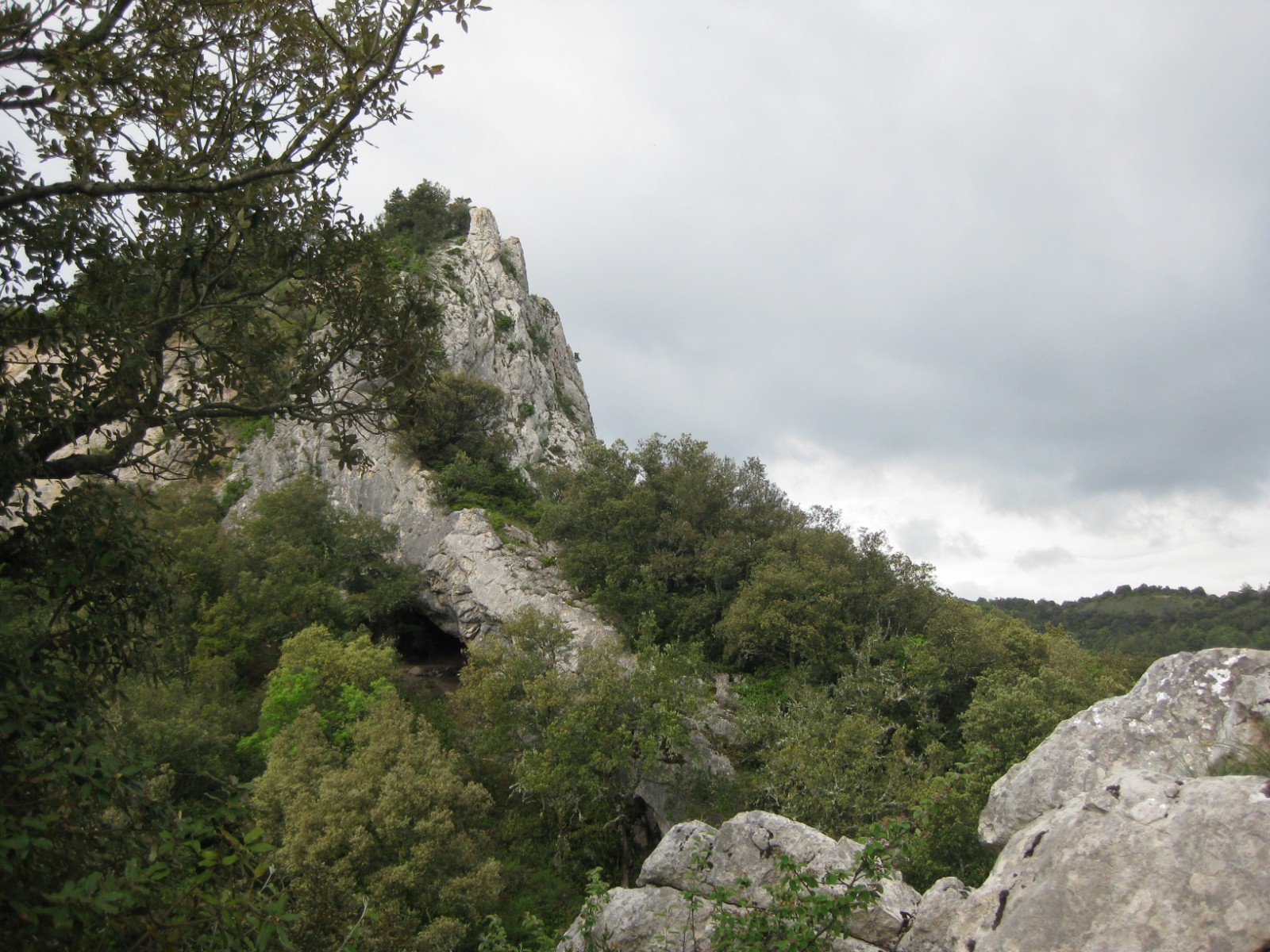
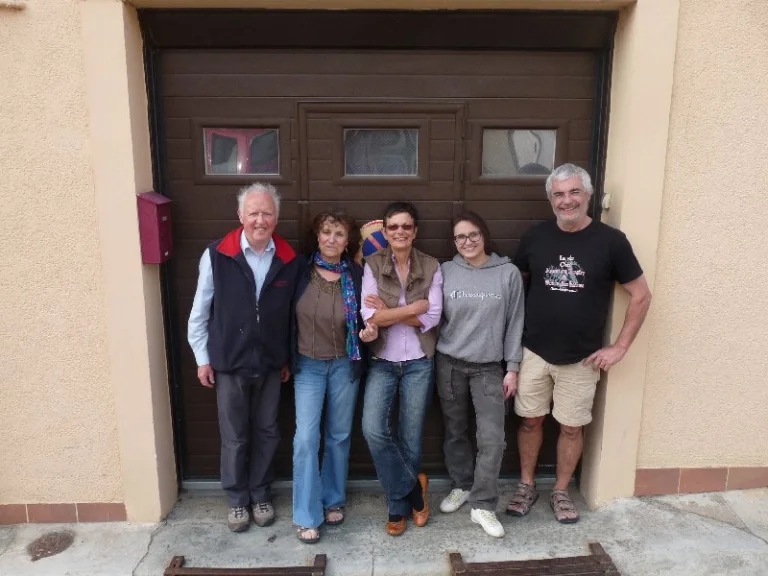
We’d just locked the door for the last time. And helping us wave ‘Goodbye’ are Martine, Francis and Anaïs, almost the very first friends we made when we arrived. Nine years on, we have a granddaughter called Anaïs.

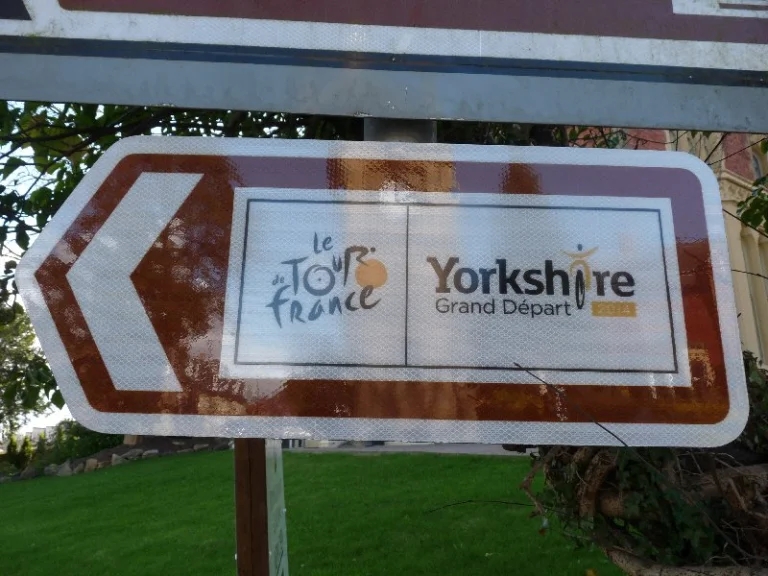
So here we are in Ripon, ready to house hunt and begin our new lives here.  Oh, and there’s the Tour de France starting in Yorkshire too, in a couple of months.  We’ll keep you posted.

Our luck continued here in England. The very first property we viewed to rent – as a temporary measure while we house-hunted for somewhere suitable – was the house we are still living in nine years on, with no intentions whatever of leaving.

Fandango’s Flashback Friday

Give us this day our daily bread revisited

I often used to make our own bread. These days, with the cost of fuel, and because we have a fabulous two-person-band bakery in town, not so much. And back when we lived in France, we certainly never bothered. Here’s a post from our days when we lived there which may explain why.

Give us this day our daily bread

February 25th 2010

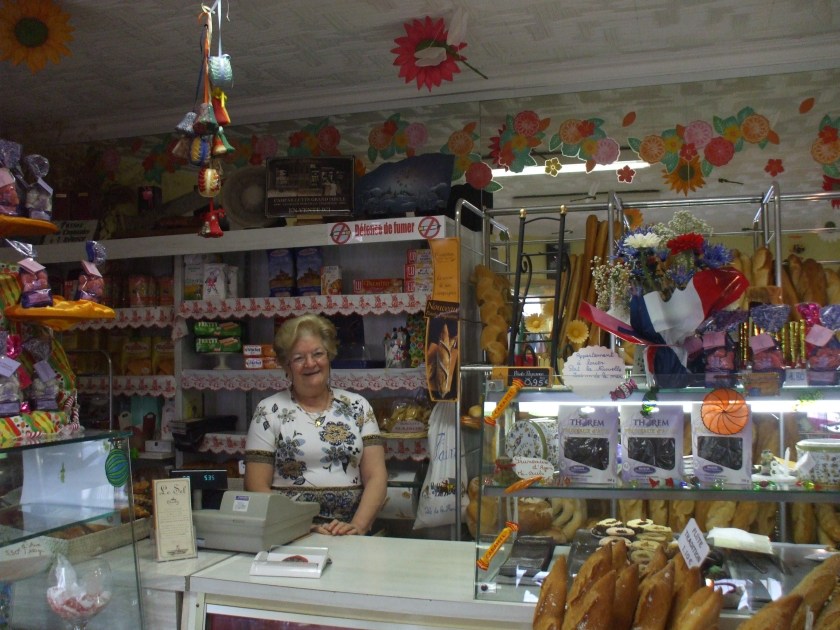
Mme. Fonquernie, Mater Familias

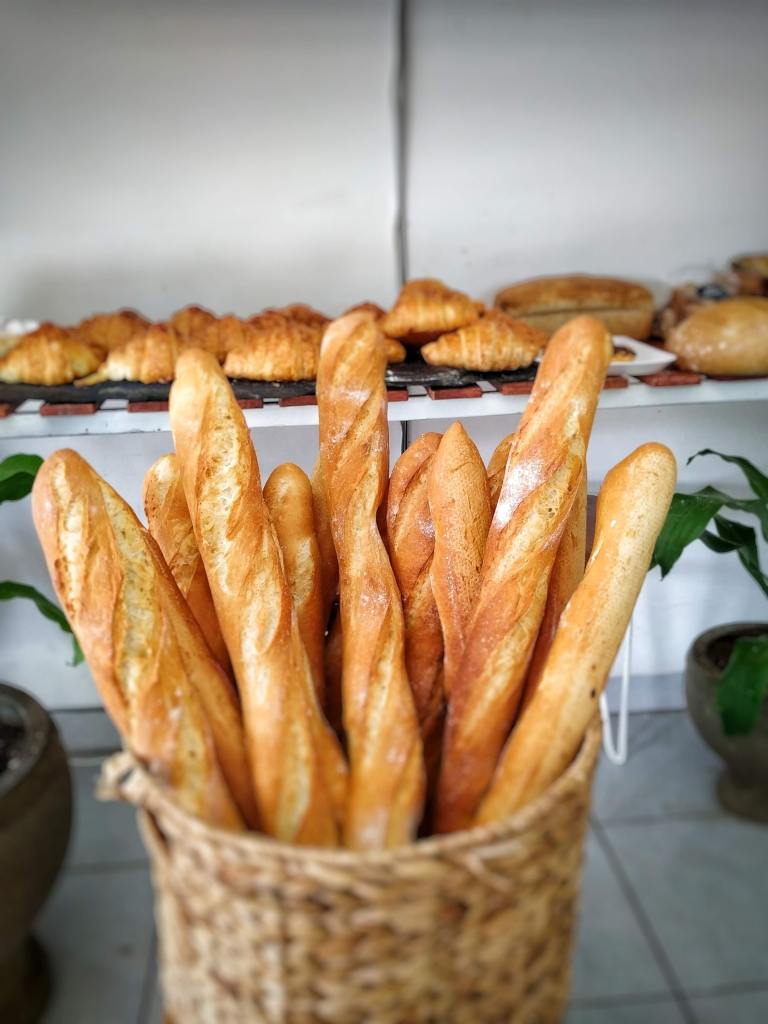
How could they?  I mean, what ARE they playing at?  All last week, and most of this, the baker’s shop down the road has been closed.  Instead of rising at 2.00 a.m. to get busy making baguettes, flutes, ficelles, baguettes a l’ancienne, flutes tradition, pain noir, chocolatines, croissants and so on and so on, our bakers have chosen to lie in till – ooh, 7 o’clock perhaps – and then spend the day catching up with their families – the children are on half term.

It’s a family business, our baker’s shop.  M & Mme Fonquernie owned it, and now, although officially they’ve retired, they help out all the time .M. Fonquernie is the one who drives his little white van round the local villages which have no shops, selling bread. Their two sons have now taken over the day-to-day baking.  One is responsible for all those loaves, while the other specialises in patisserie.  Their wives divide the work of running the shop between them with Mme Fonquernie Senior’s help.

So our morning routine has been disrupted.  First thing each day, one of us usually walks down the road to get our favourite pain noir, hot and crisp still from the oven.  The other day, the baker forgot the salt.  The bread wasn’t half so nice, but I rather liked this very human error.  It proved that our loaves are still ‘artisanale’, rather than being churned out by some computer-assisted machine.  There’s usually someone in the shop to chat to, or to walk back along the street with, and so neither of us looks on getting the bread in as a chore.

We’re lucky, I suppose, that there are three bakers in town.  Last week, we went to the shops at Castellanes to the baker there.  No pain noir at this shop, so we chose their unbleached white.  The small one’s a slender baguette shape – an Ariegeoise – but buy the larger butch version, and you must ask for an Ariegeois.

But then what happened?  A notice appeared in the shop: from Sunday, they too would be closed for a holiday. So for a few days this week, we have to patronise shop number three. Everybody moans ‘C’est pain industriel ça’.  It’s true. It comes all the way from Lavelanet, from a bakery which has three shops.  That’s mass production, and it shows.  Roll on Thursday, when the Fonquernie family re-opens its shop doors.

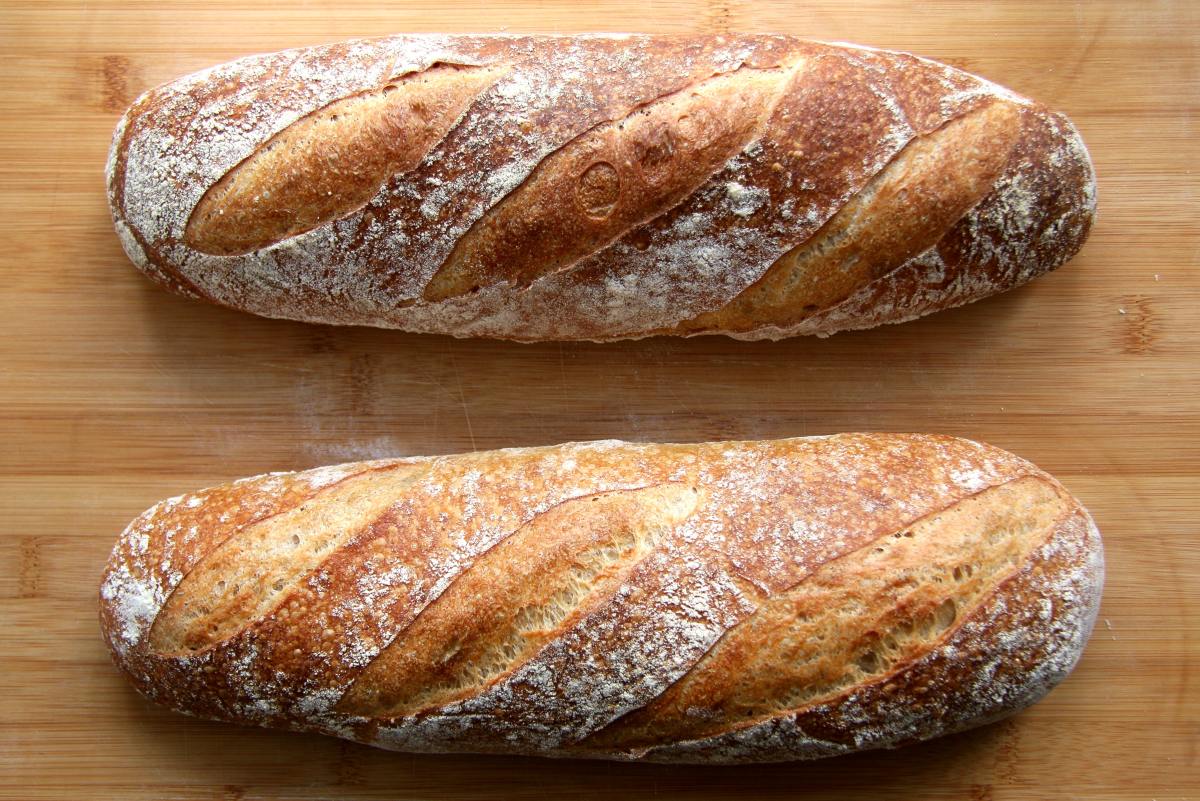
Sergio Arze, Unsplash. The featured photo is also courtesy of Unsplash, Tomasso Urli

For Fandango’s Flashback Friday

Butterflies III: Half an Hour of My Life revisited

It’s time for Flashback Friday again, and as butterflies have so far been in fairly short supply this year, I thought I’d return to a happy moment in France, in August 2013, when we had friends from England to stay …

Butterflies III: Half an Hour of My Life

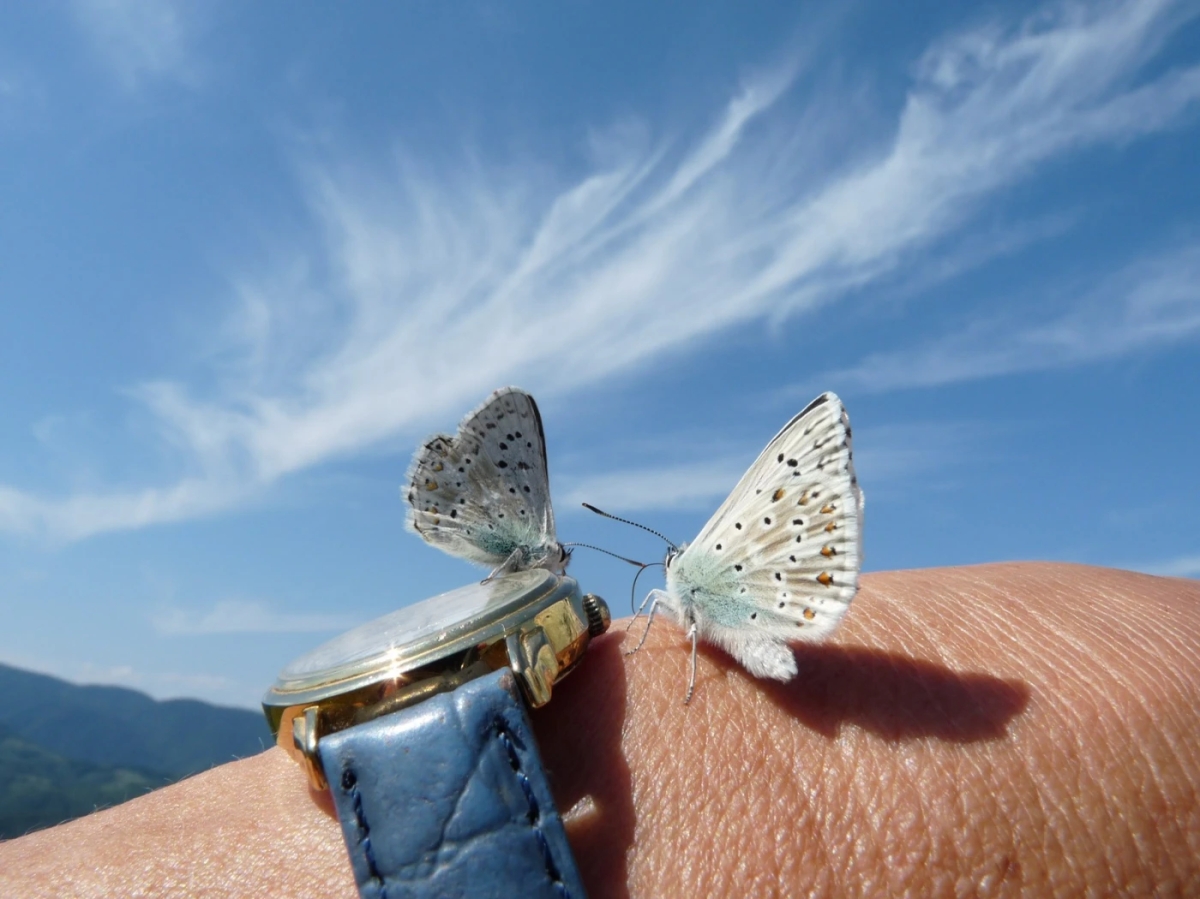
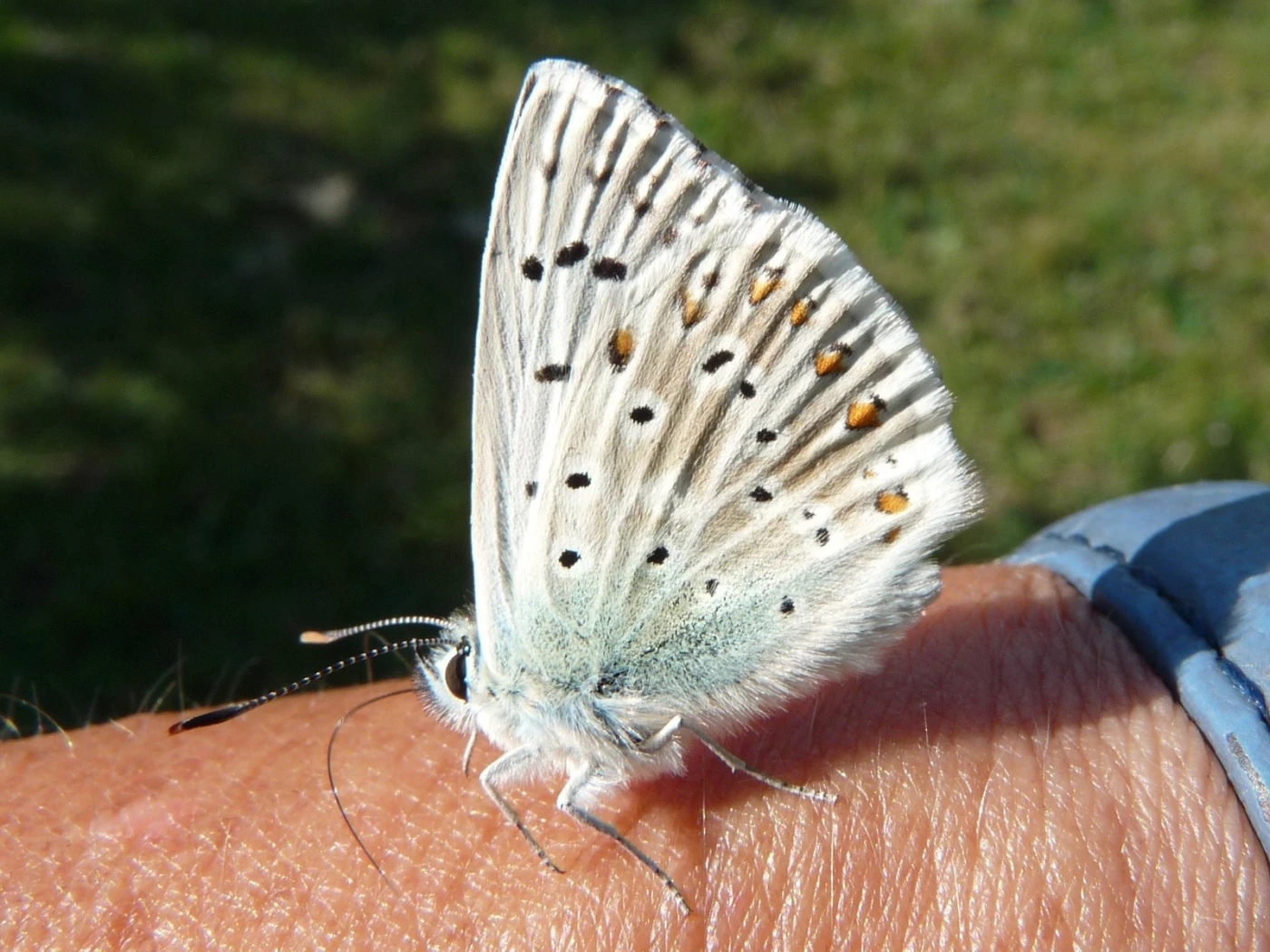
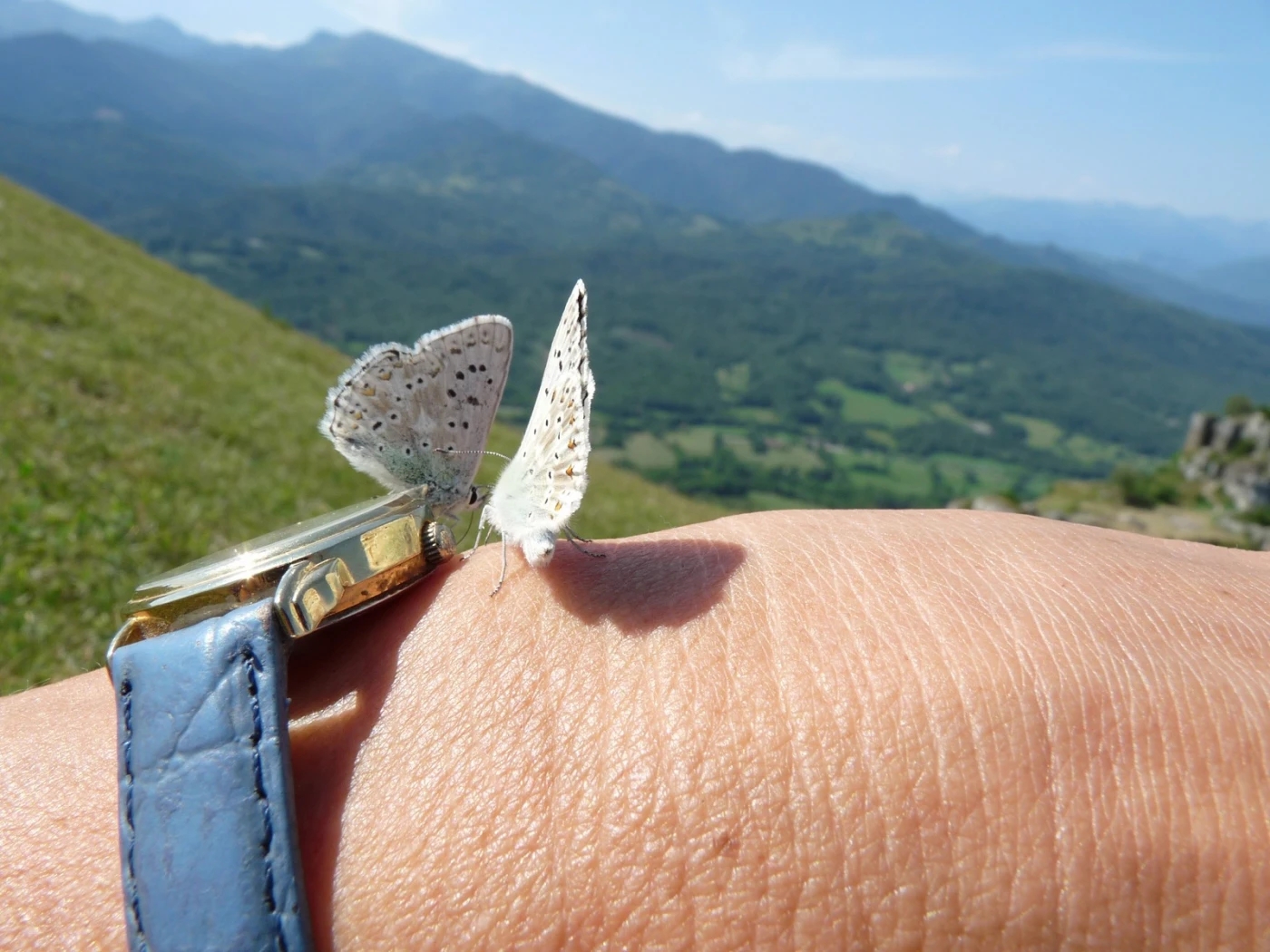
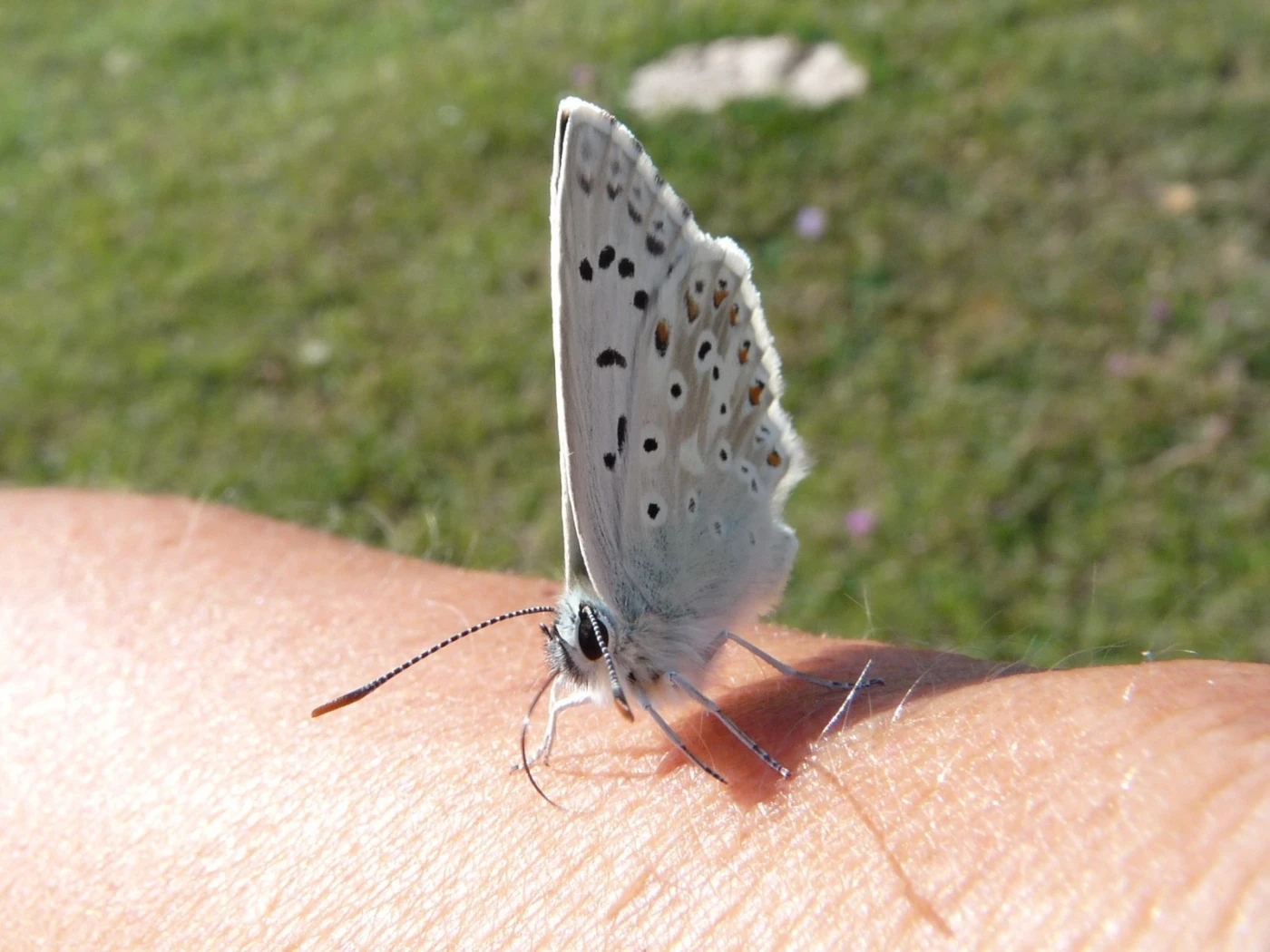
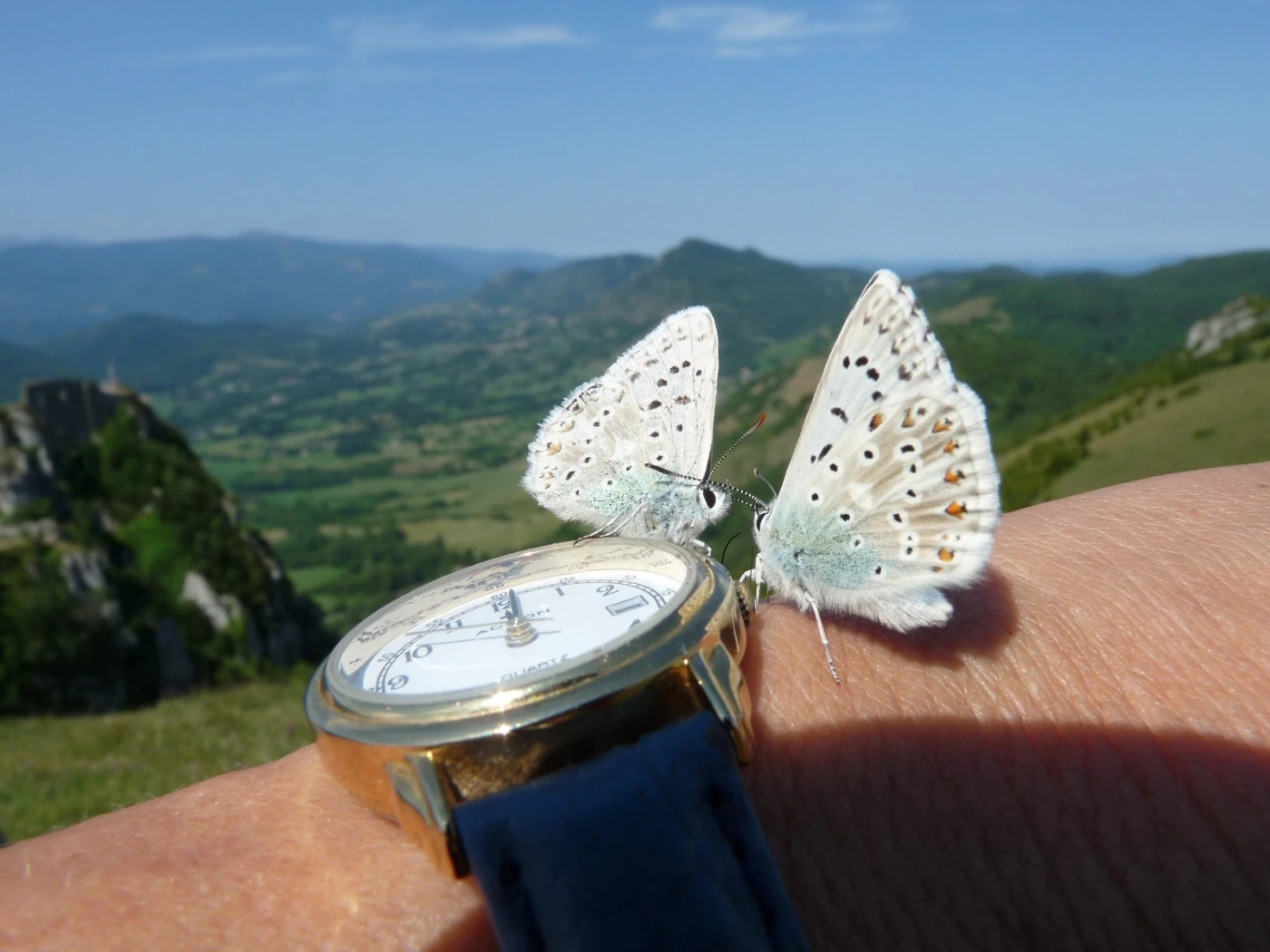
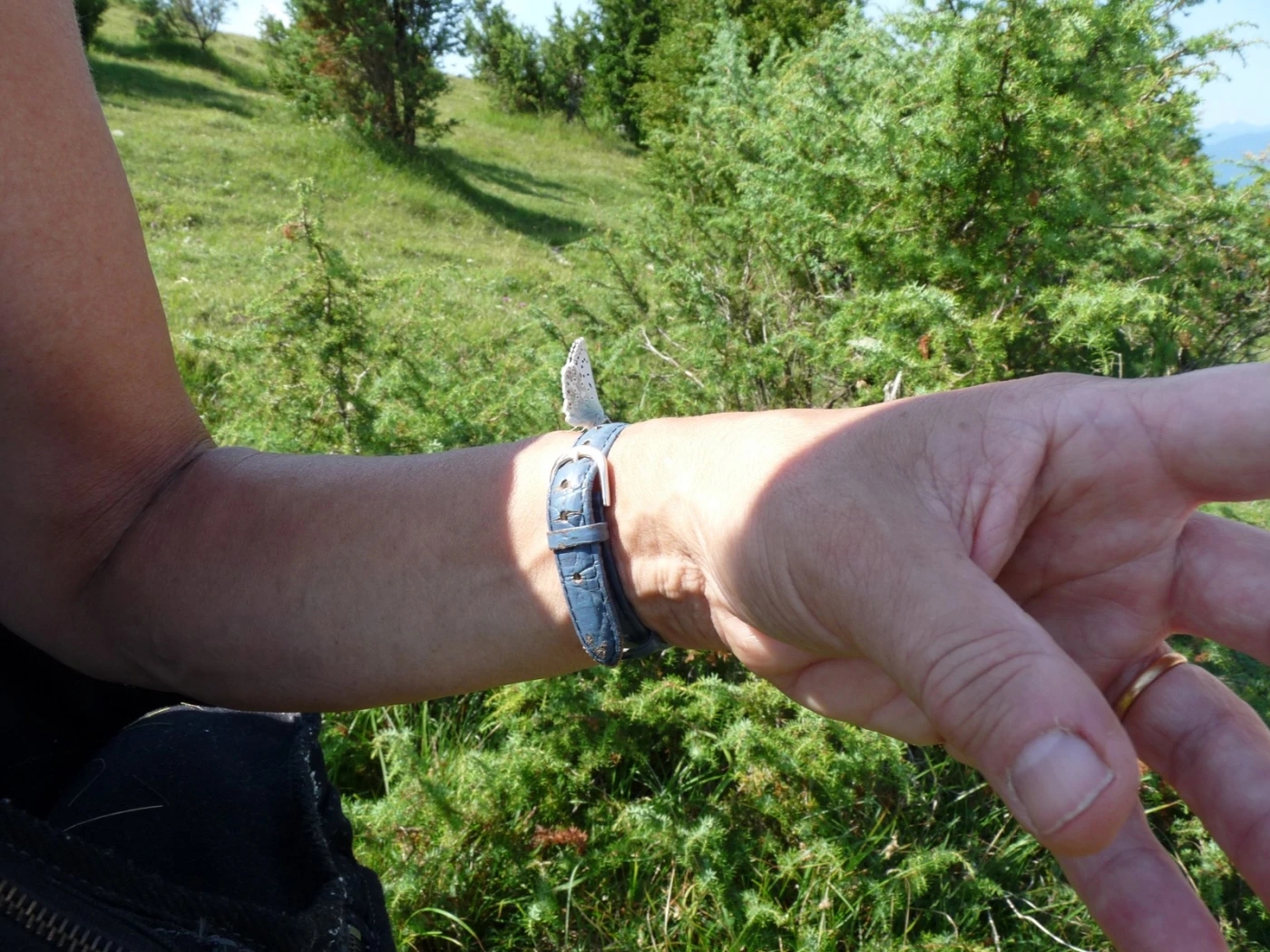
There we were at Roquefixade, showing our favourite walking destination off to two of our Harrogate friends, when a butterfly discovered me.  Then another.  These two creatures played round my wrist for more than half an hour before finally dancing off into the sunshine.  They made our day.

I’m thinking they’re the Common Blue (Polyommatus icarus).  Any dissenters?

And if you’re wondering why this post is called Butterflies III, here’s why …

In the same month, I wrote about a Butterfly Bonanza, and at the end of July, about the rare Mountain Apollo

For Fandango’s Flashback Friday

Three favourite photos?

Choose my three favourite photos? What kind of a task is that? Hopeless, I’d say, because so many favourites rely on the memories that surround them, that only matter to those who shared the moments.

But Sarah, of Travel with Me fame, has asked us to do just that for this week’s Lens-Artists Photo Challenge.

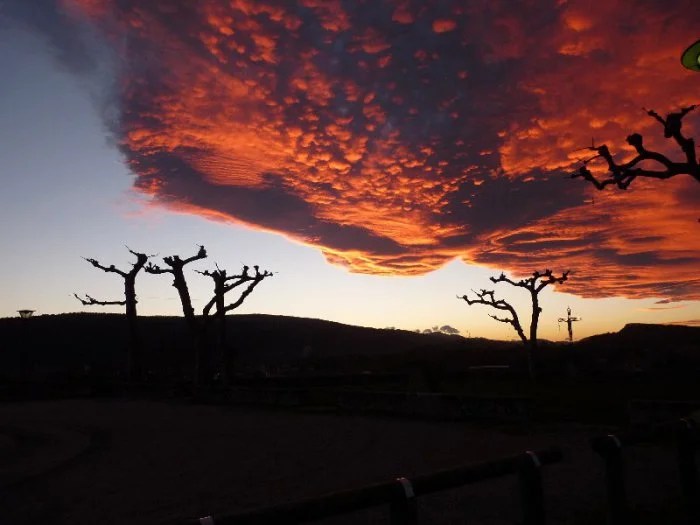
Anyway. Let’s go. This photo dates from years ago, when we lived in France, and once, just once, there was an astonishing and dramatic sunset which we’ve never forgotten, even ten years after the event.

You can perhaps guess from the cross on the right that we’re looking up at the churchyard on the hill above the town, edged with the heavily pollarded plane trees you can see silhouetted against the sky.

Living as now we do near Ripon, we have two ‘back yards’. One is Fountains Abbey and Studley Royal, where I volunteer. And the other encompasses the paths, fields and woodland near our home.

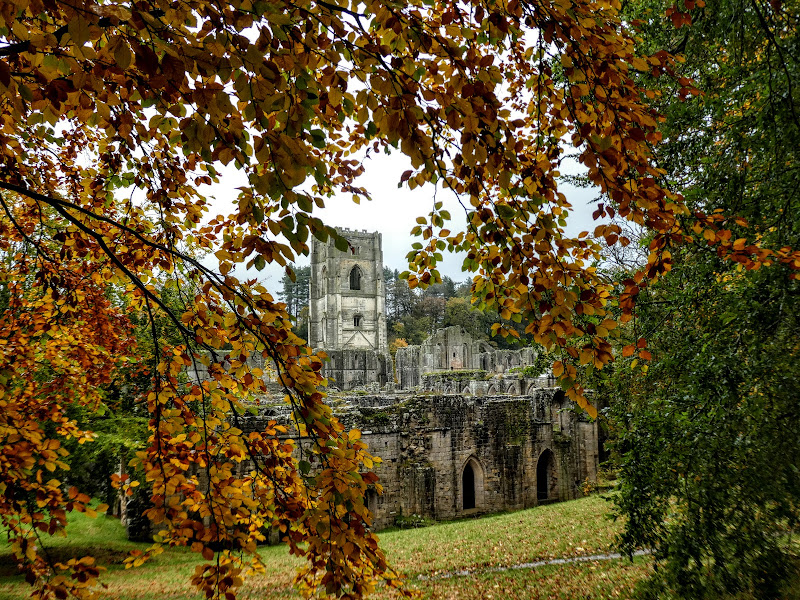
Because I’m so often in both these places, I’ve been able to photograph them in every season, and at every time of day. Here’s an autumn favourite of Fountains Abbey.

I like how the beech leaves frame Huby’s Tower, while their warm russet tints contrast with the austere grey of the abbey’s stonework.

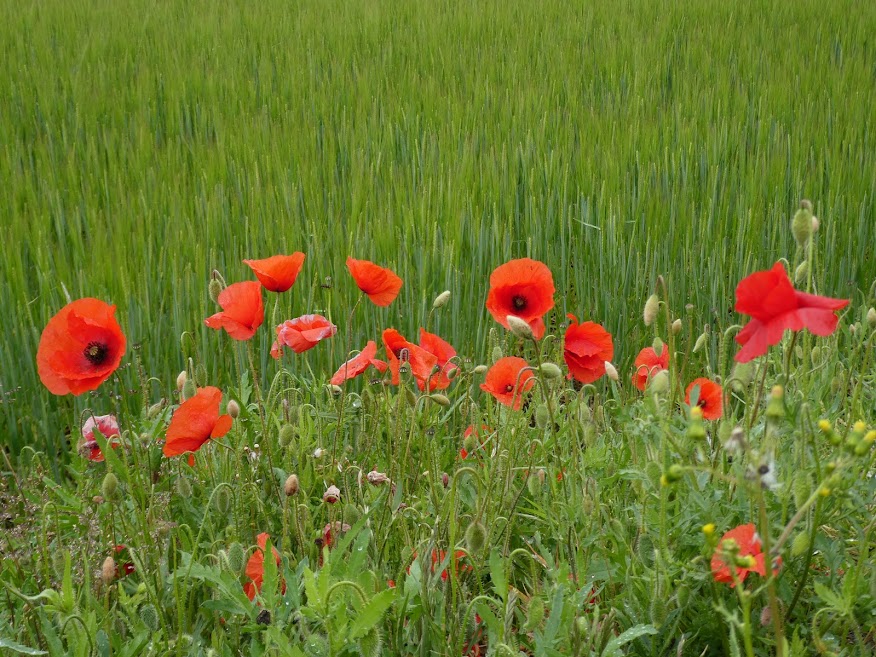
Meanwhile, during the summer months I like to photograph the drifts of poppies in the fields of crops near our house. It was hard to choose just one, but in the end I settled for this one. I like the poppies tumbling about in the foreground, set against the much more organised stems of wheat in their vertical serried ranks.

Ask me to choose three favourites tomorrow though, and you can bet they’d be entirely different shots.

Monday Portrait meets Post from the Past

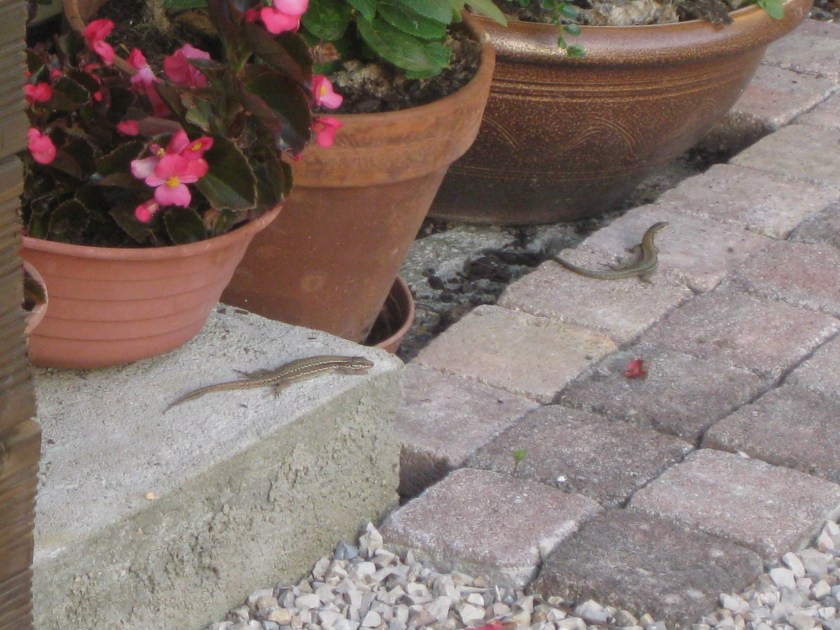
With what joy we greeted the lizards we encountered on our recent Balkan Journey! How we miss the companions who shared our daily life in France, during the summer months, at least.

Here‘s what I wrote about them, ten whole years ago:

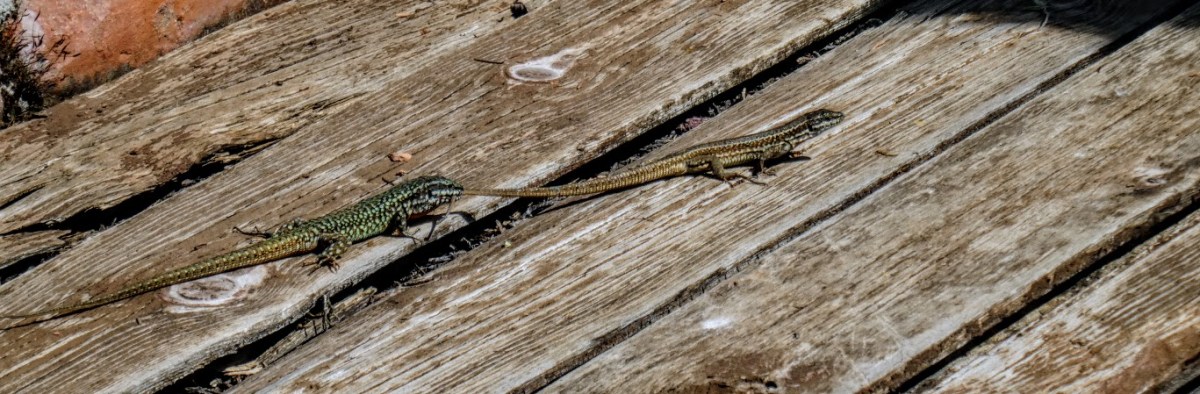
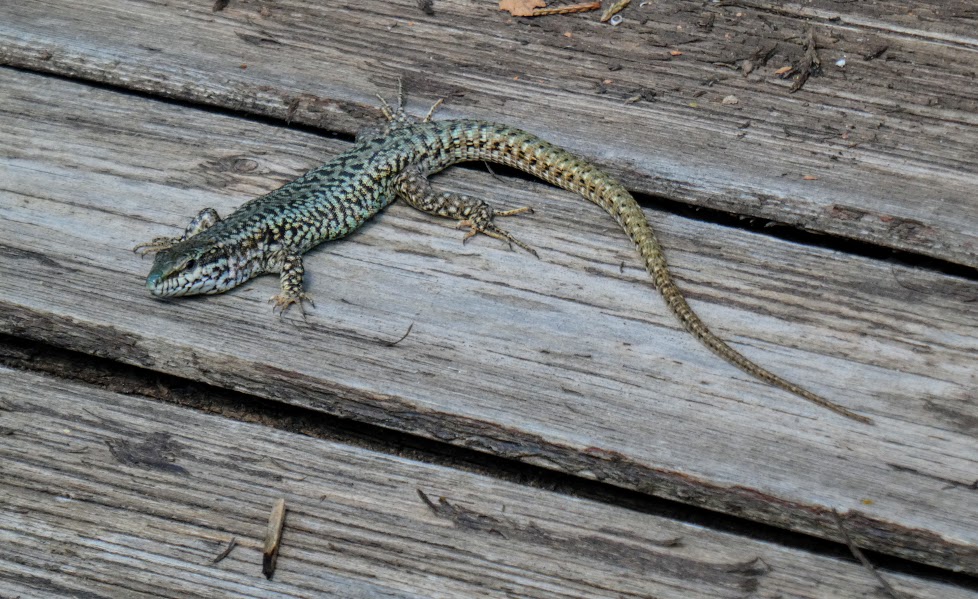
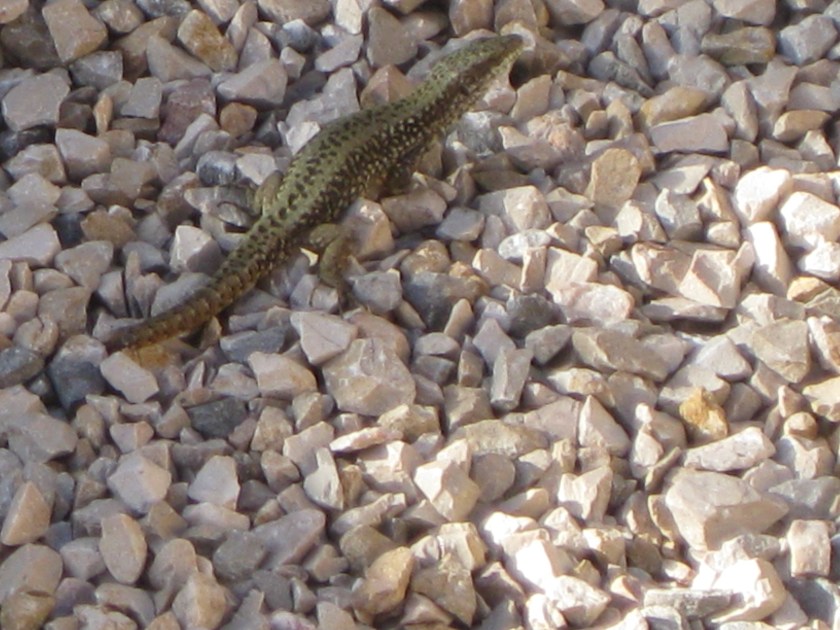
Summer’s arrived: well, this week anyway.  So from before breakfast until long after the evening meal we’re spending as much time as we can out in the garden.  And we have plenty of company.  Lizards.  Common wall lizards, podarcis muralis.  They are indeed spectacularly common here.  We have no idea exactly where they live, but there are plenty who call our garden ‘home’.  We’re beginning to get to know a few.

Easily the most identifiable is Ms. Forktail, she of the two tails.  She’s the only one we’ve been able to sex conclusively as well, because we caught her ‘in flagrante’ with Mr. Big behind the gas bottles recently.  And then the next day she was making eyes at a younger, lither specimen, and the day after that it was someone else.  She’s lowering the moral tone of our back yard.

Then there’s Longstump, who’s lost a tiny portion of tail, and Mr. Stumpy, who hasn’t got one at all, though it seems not to bother him.  Redthroat has a patch of crimson under her chin.  There are several youngsters who zip around with enthusiasm and incredible speed.

Longstump

In fact they all divide their time between sitting motionless for many minutes on end, and suddenly accelerating, at top speed and usually for no apparent reason, from one end of the garden to the other, or vertically up the wall that supports our young wisteria. On hot days like this  (36 degrees and counting) they’ll seem to be waving at us.  Really they’re just cooling a foot, sizzled on the hot wood or concrete.  Sometimes you’ll see them chomping their way through some insect they’ve hunted, but often they’ll step carelessly and without interest over an ant or other miniature creepy-crawly in their path.

‘Our’ lizards on their personal sun-loungers

Mainly they ignore one another, but sometimes there are tussles.  These may end with an uneasy standoff, or with the two concerned knotted briefly together in what could scarcely be described as an act of love.

Happy hour for Longstump

We could spend hours watching them, and sometimes we do.  But there is still a bathroom to build, a workroom to fit out, and a pergola to design.  The kings and queens of the yard have no such worries.  They can do anything: they choose not to.

From the Pennines to the Pyrenees

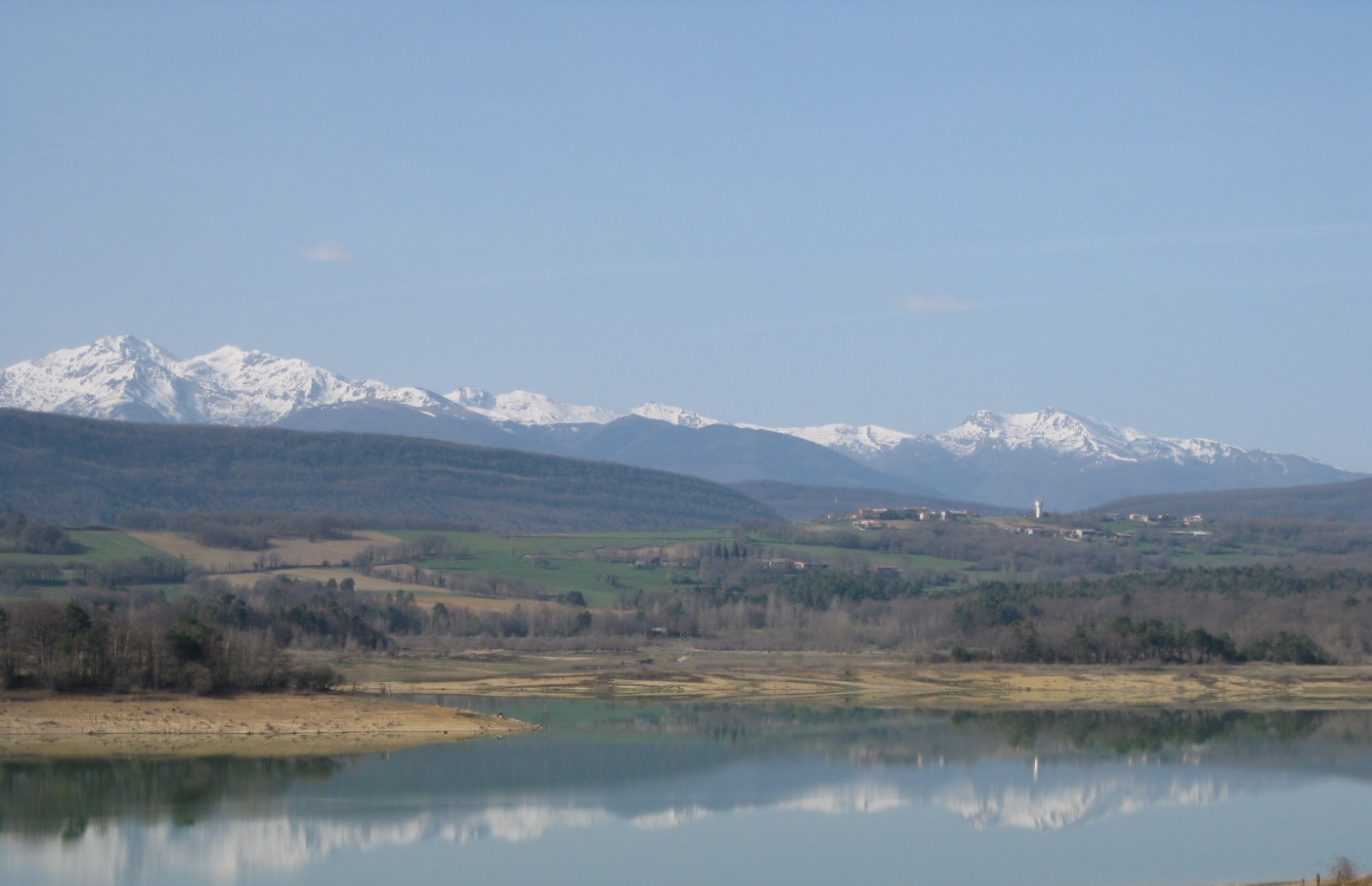
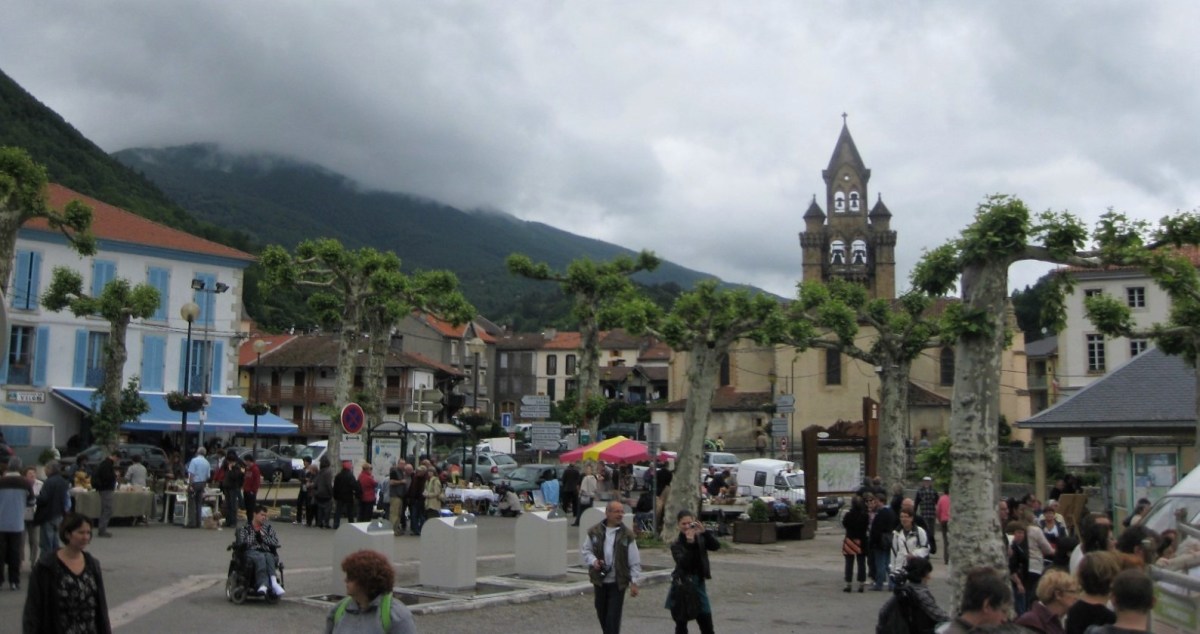
You’d have to have been following me a long time to know why I call my blog ‘From Pyrenees to Pennines‘. I began writing it in 2007, to record our big adventure in moving to the foothills of the French Pyrenees, to a small town, Laroque d’Olmes whose glory days as a textile manufacturing centre were long over, and where we were (almost) the only English . There we stayed till 2014, involving ourselves in local life from politics to choirs to walking groups, and falling ever deeper in love with the Pyrenees which formed the background to our lives.

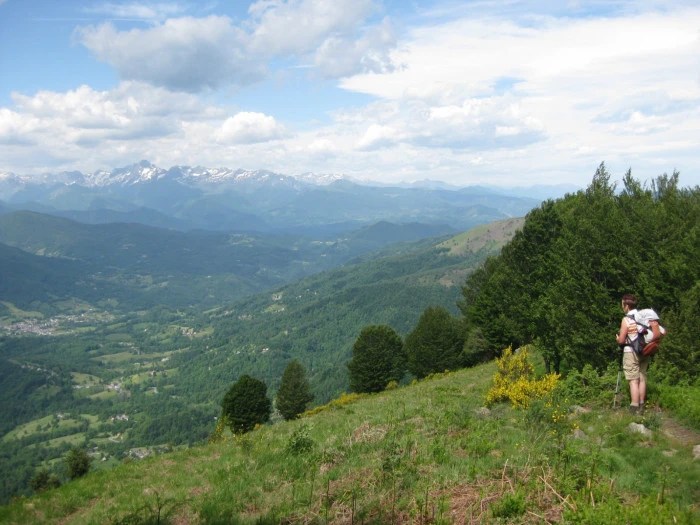
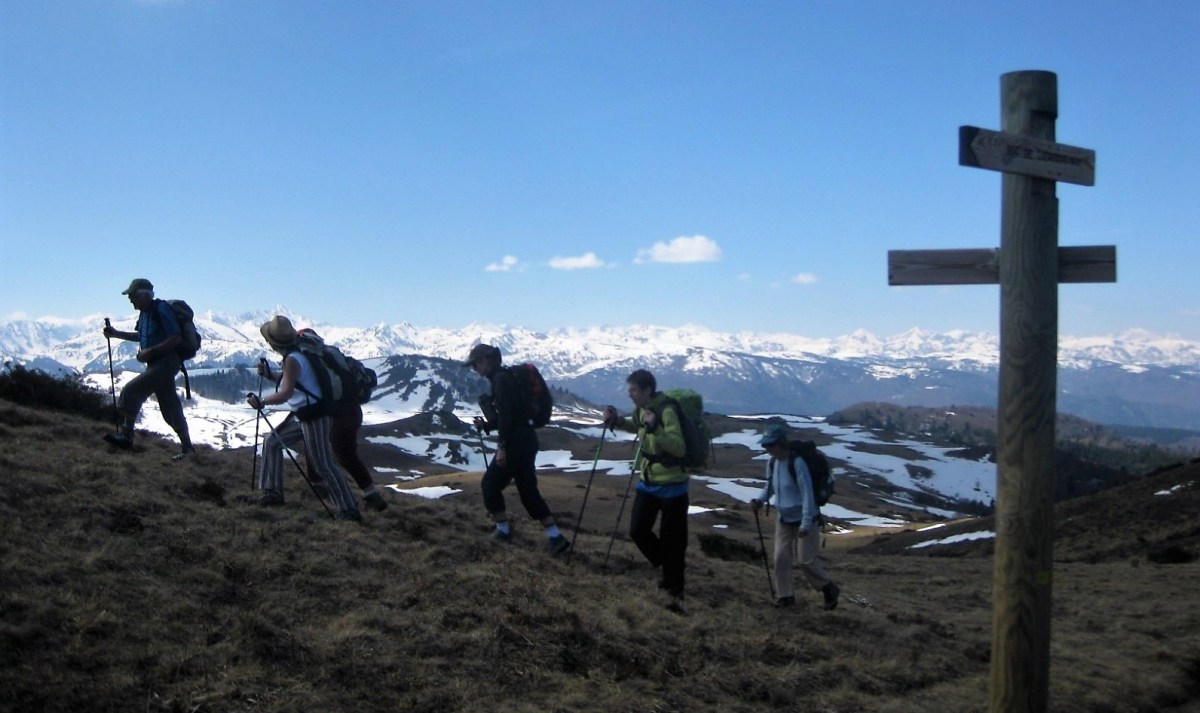
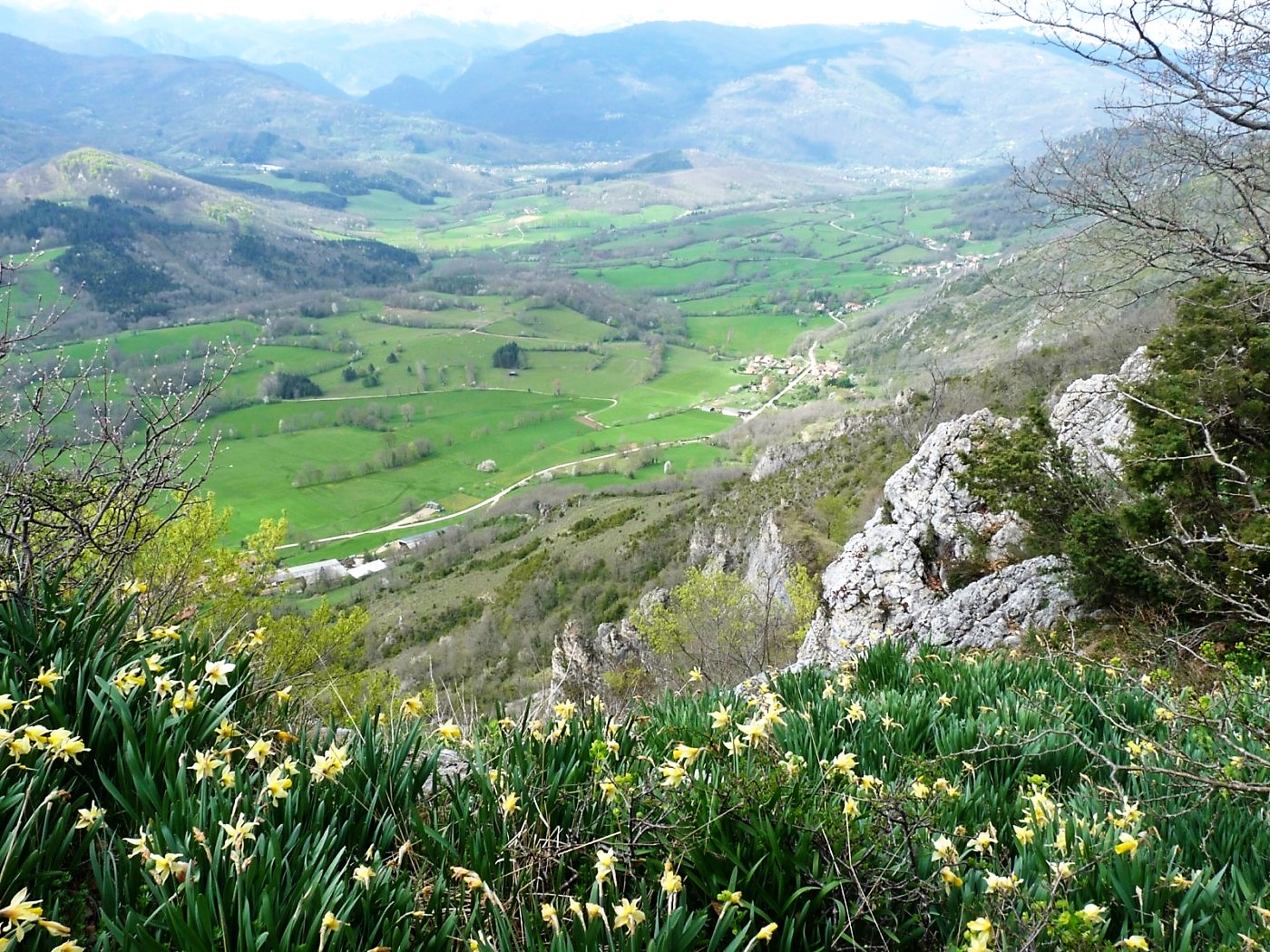
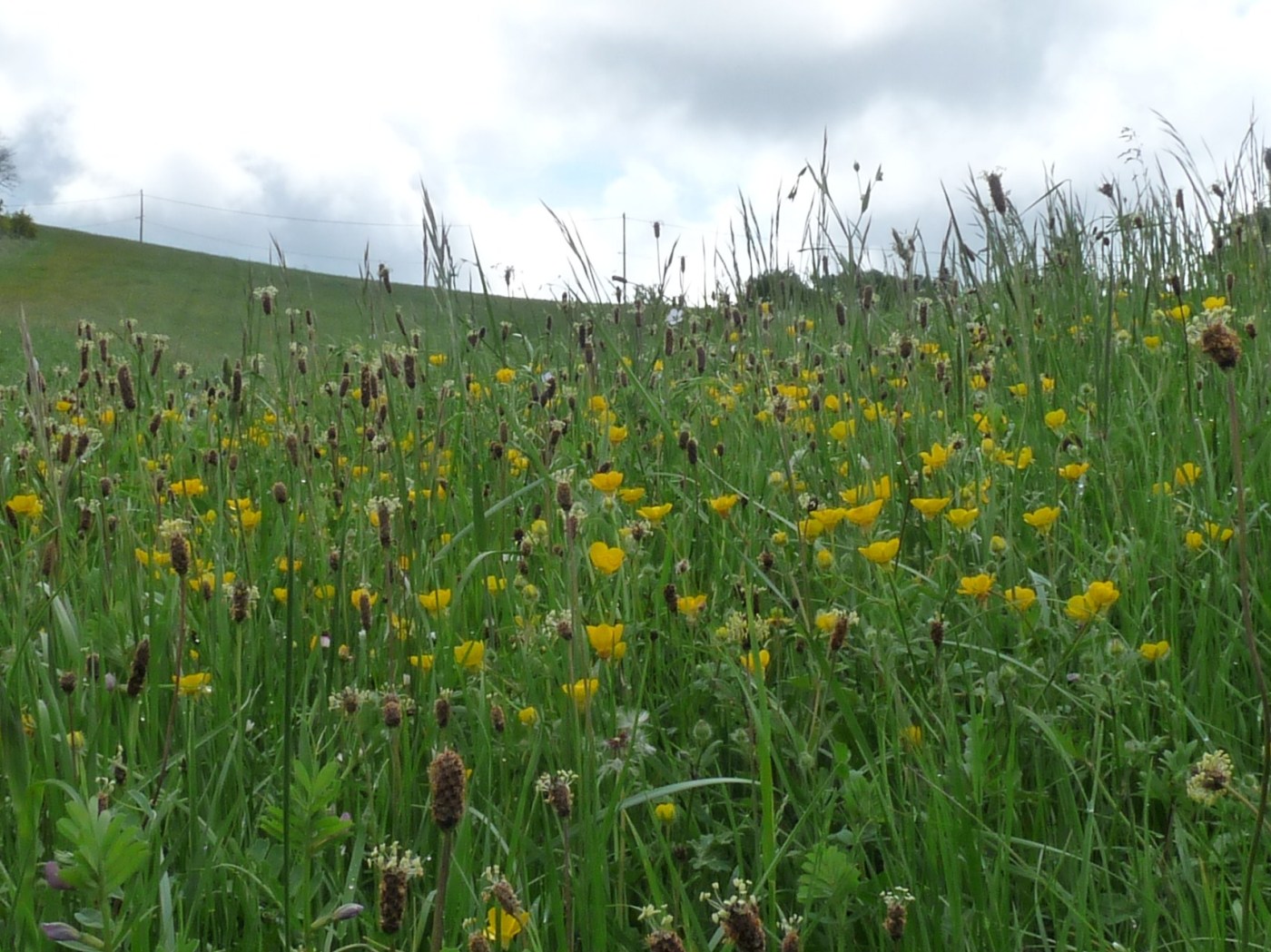
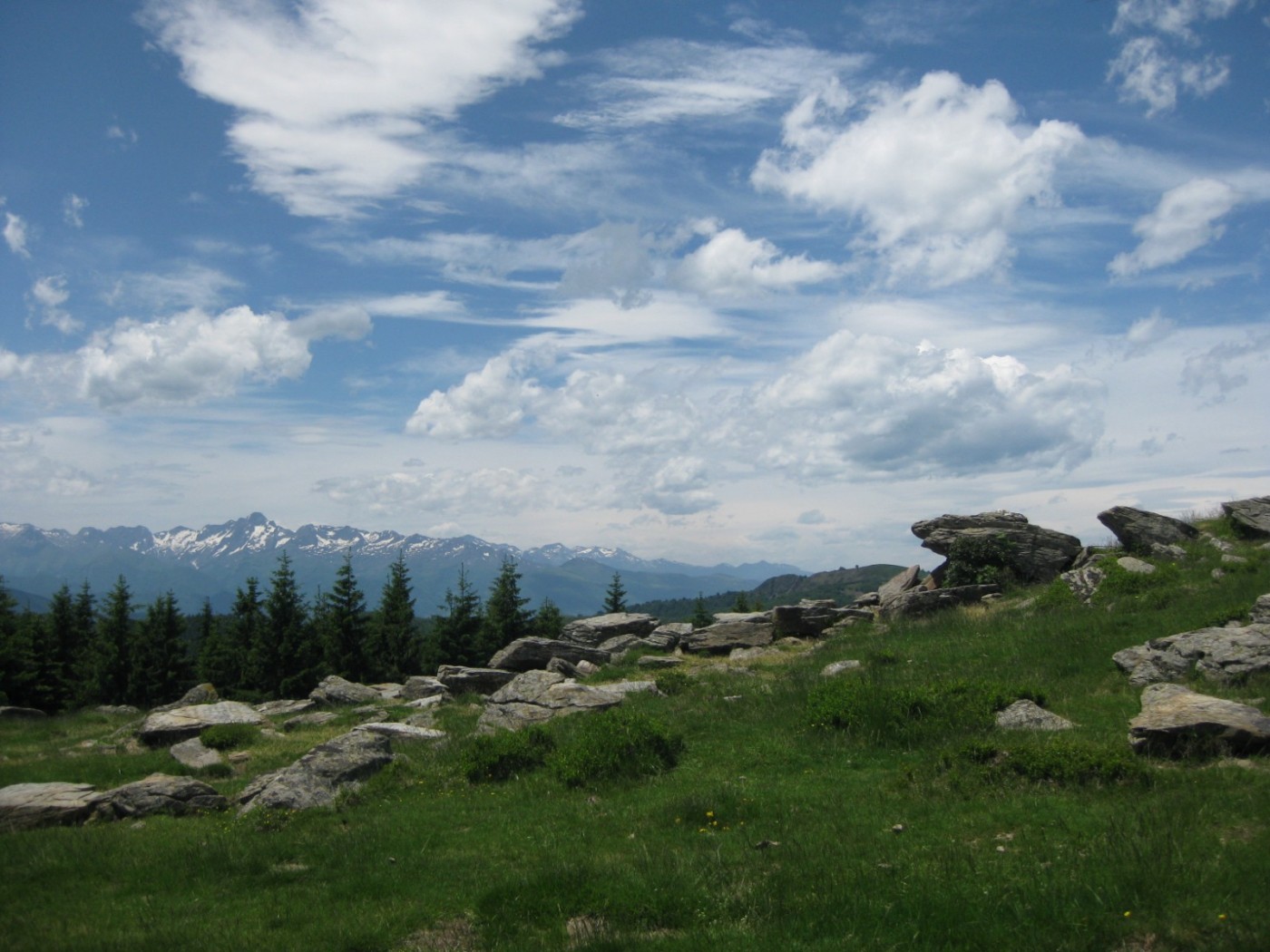
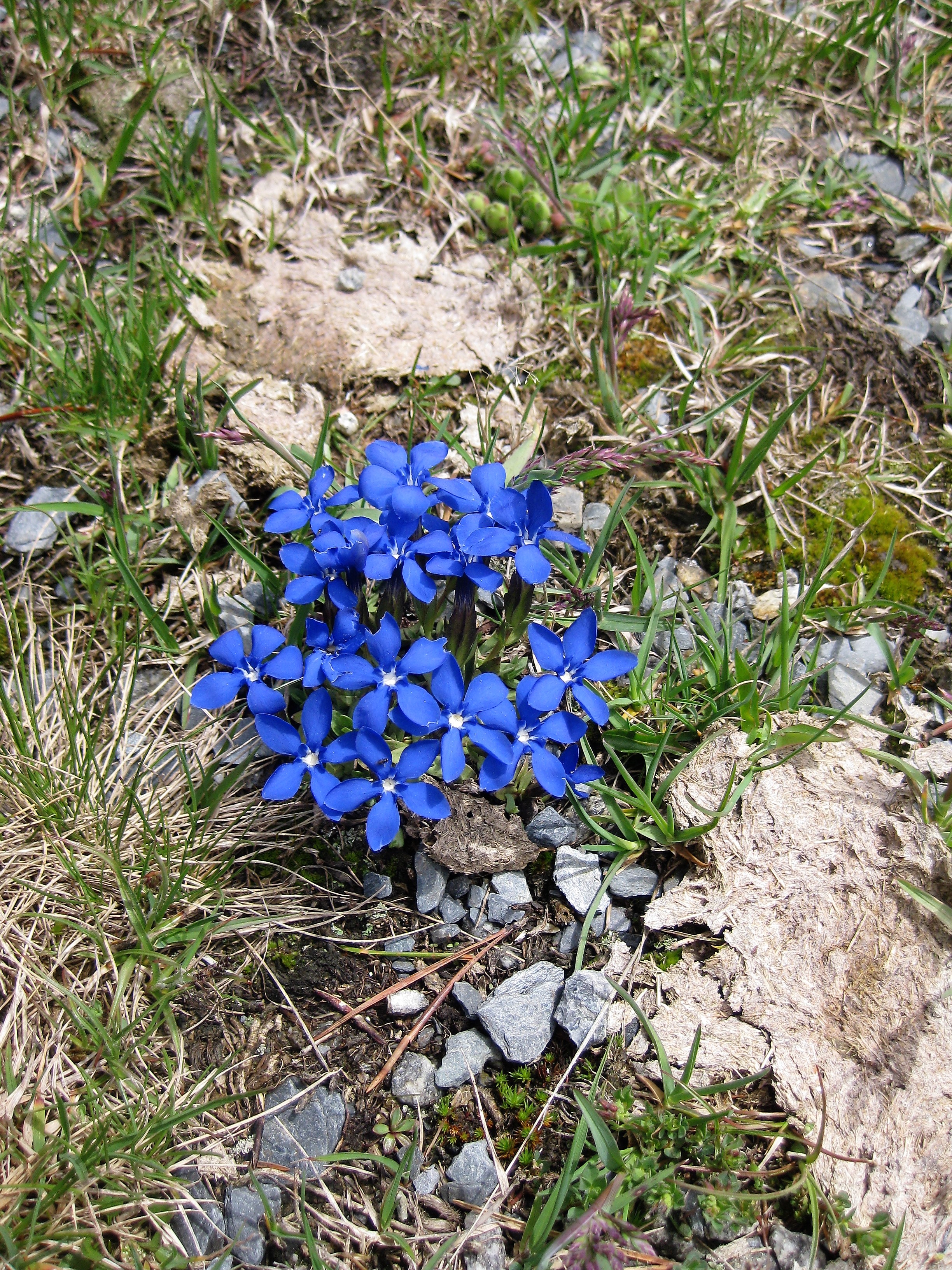
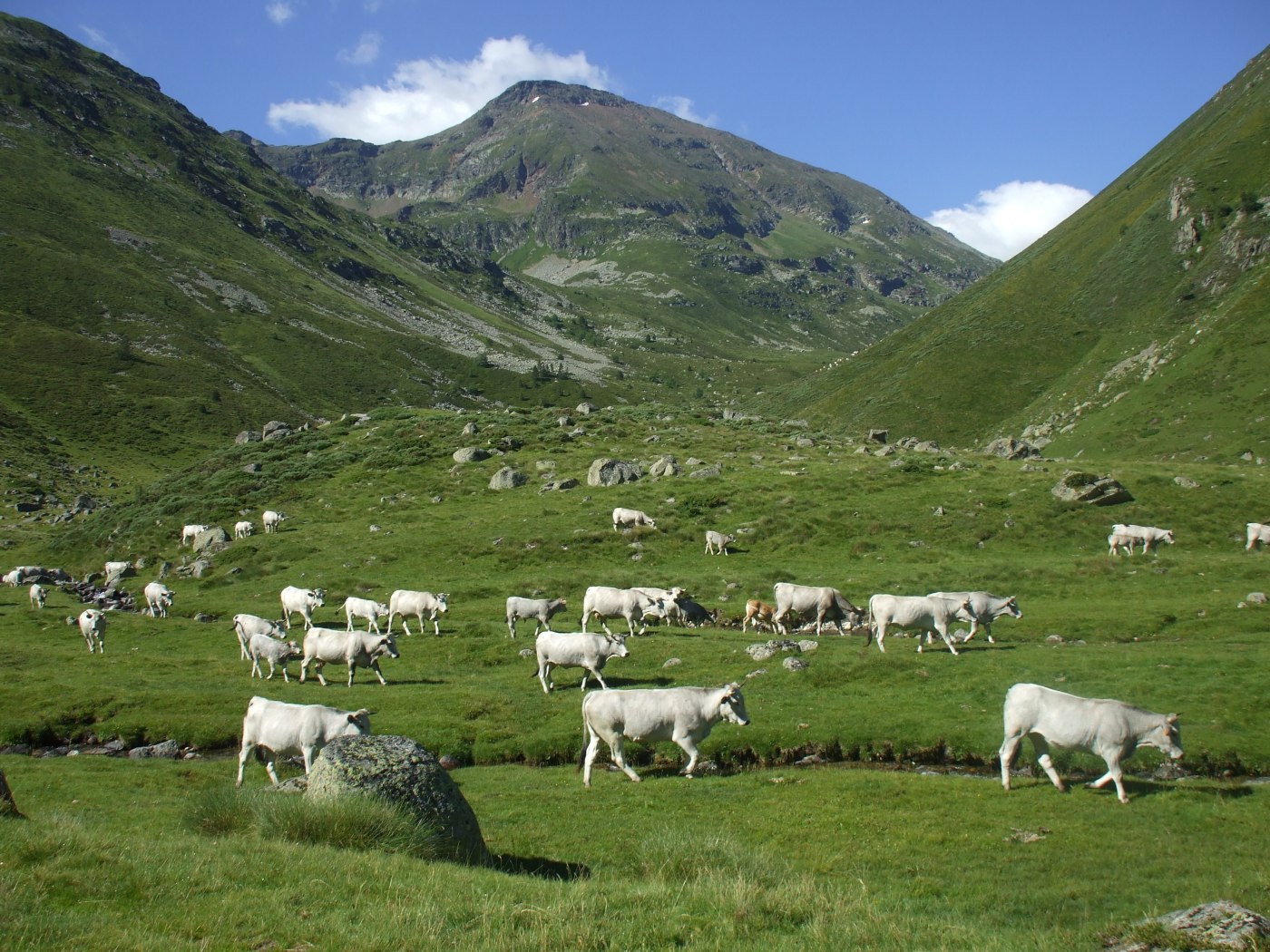
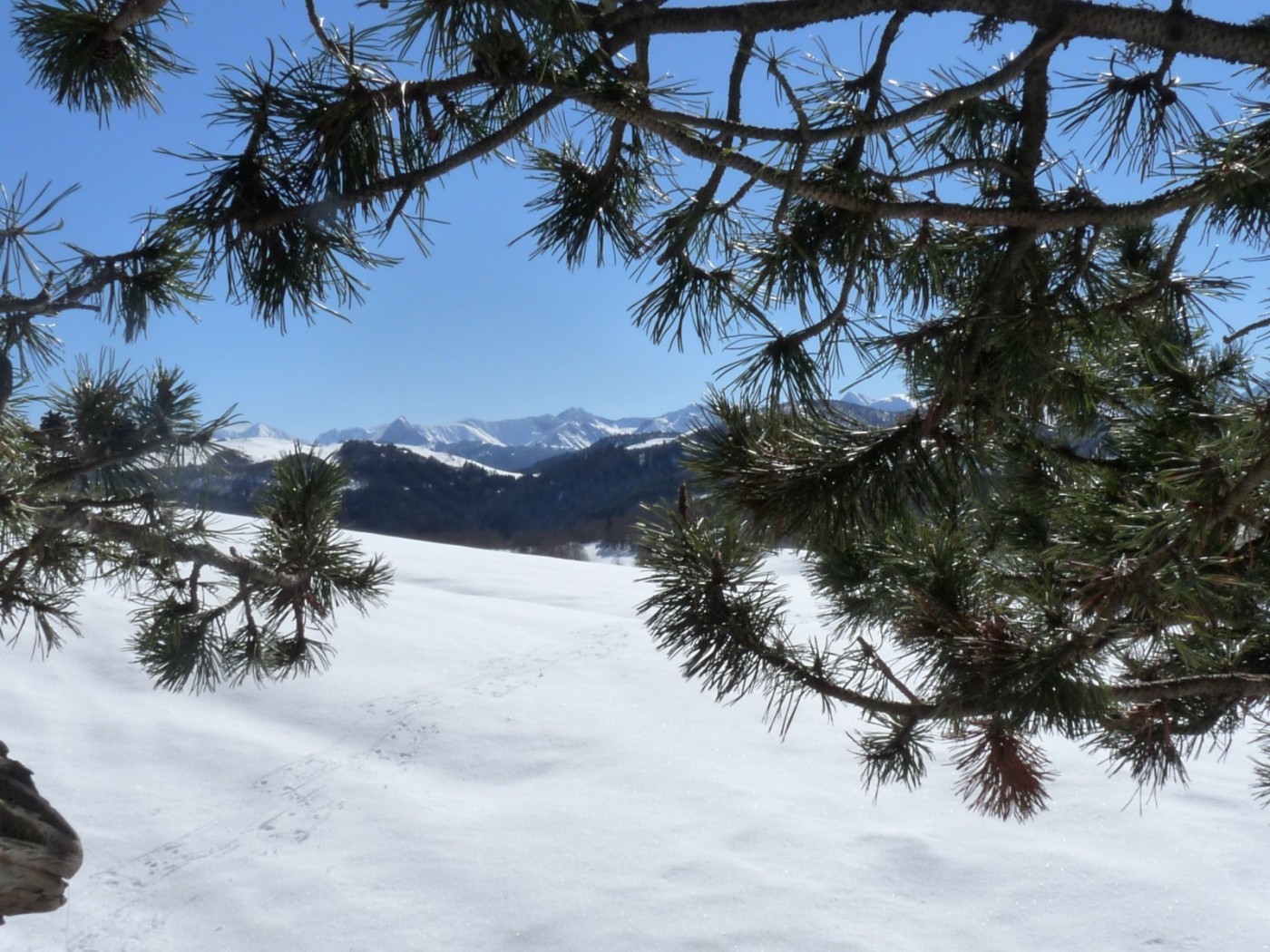
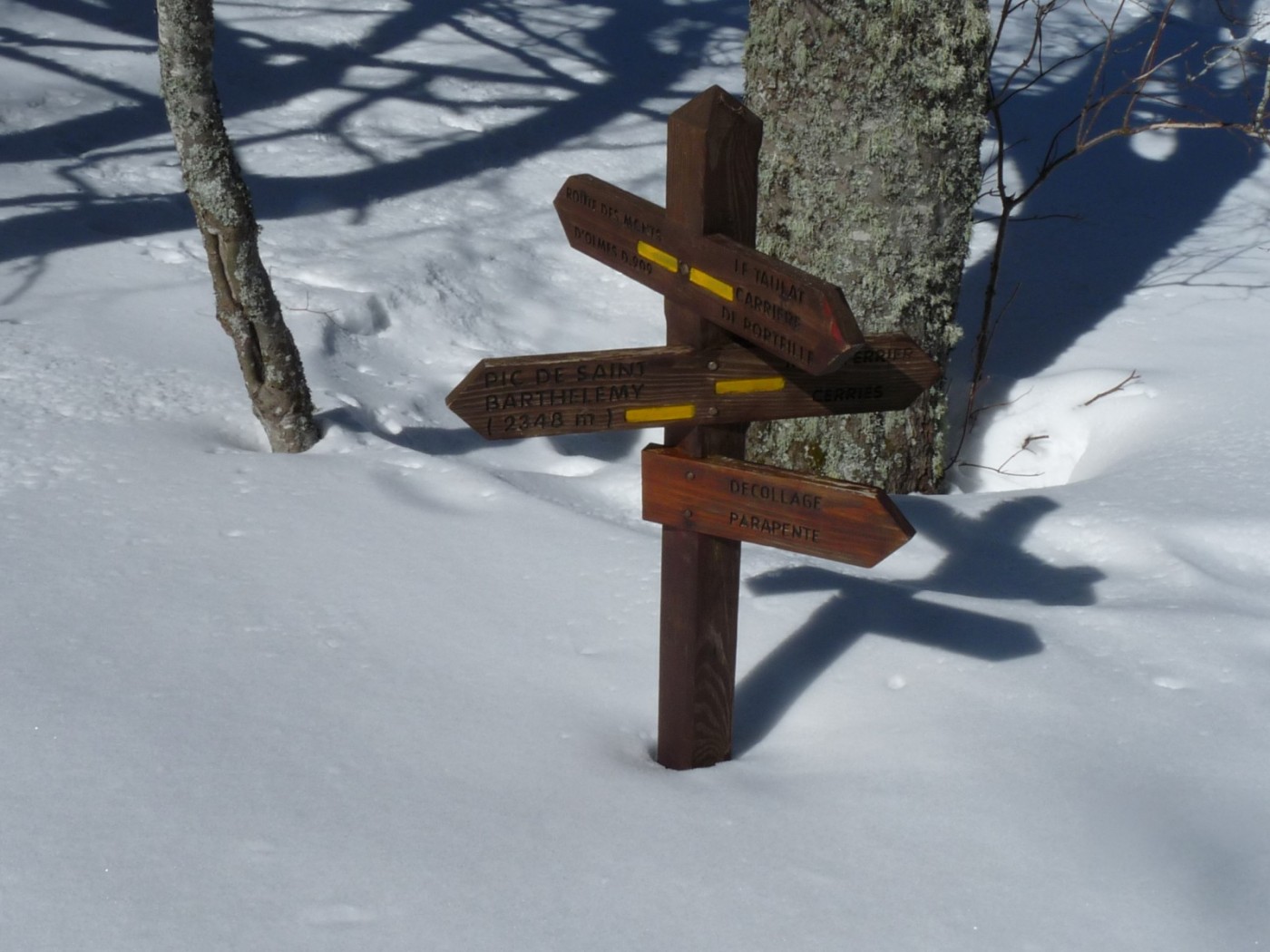
Through the walking groups we came to know the mountains in every season. The abundance of meadow flowers and orchids in the spring: the relief from lowland heat in the summer: rich autumn colours that could compete with any on the planet, and deep snow in winter. We welcomed the physical challenge of yomping upwards to some high peak or plateau, and earning our panoramic picnic, and learnt to respect the mountains’ moods.

Here’s a selection of virtual postcards, which may help explain why the Pyrenees will always remain for us our Special Place.

And finally …

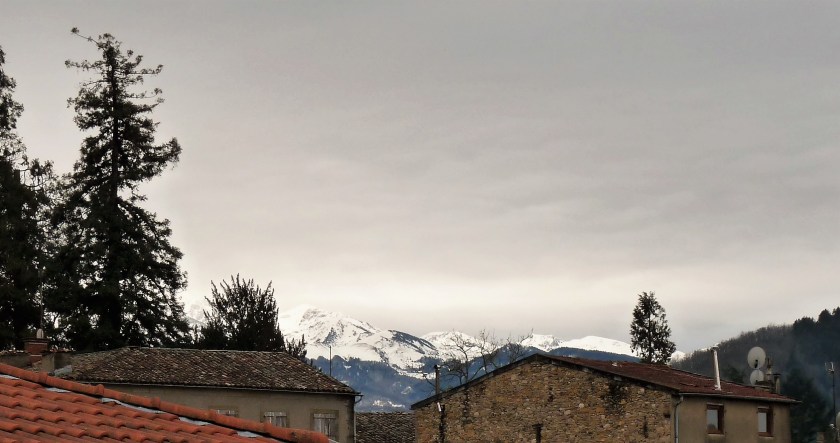
The view from our roof terrace. Going up to hang out the washing was no hardship.

For Karina’s Lens-Artists Photo Challenge #188: A Special Place

Celebrations aren’t just for Christmas …

We’re asked to celebrate celebrating this week, in the Lens-Artists Challenge. I’ve decided not to focus on Christmas, but instead take us to a small town in France, in the Pyrenees – to Seix – in June, where every year, like so many other mountain settlements, they celebrate Transhumance. Here’s what I wrote in June 2011:

CELEBRATING TRANSHUMANCE IN THE HAUT-SALAT

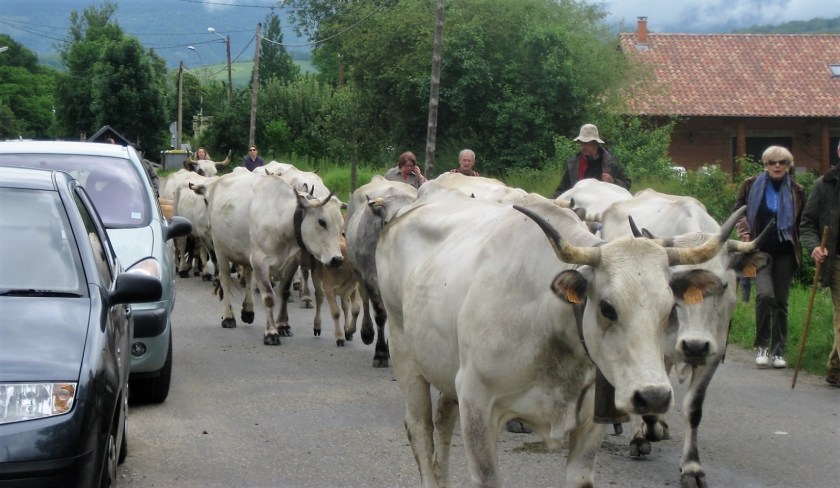
Transhumance.  It’s that time of year where here in the Pyrénées, the cattle and sheep are moved from their winter quarters down on their lowland(ish) farms up to the lush summer pastures in the mountains.  They’ll stay there till Autumn, and then be brought down again.  And each time, it’s the excuse for a party.

On Saturday, we joined in, and went over to Seix to meet friends who live there.  The Transhumance celebrations in Haut Salat last three days, but we made do with Saturday morning.  We nearly arrived late – very late – because we found ourselves behind a herd of cattle making their steady way along the road.  Overtaking’s not an option: the cows commandeered this route hundreds of years ago.  But we managed to zip down a side road and make a detour.  A whole hour later, after coffee with our friends, the herd reached the edge of Seix and passed their door….

…and finished their long walk into town.  We went too, and arrived just as the last flocks of sheep were arriving, to be corralled like the cattle, at the edge of the town square.  For a while, and probably much to their relief, they were no longer centre stage.

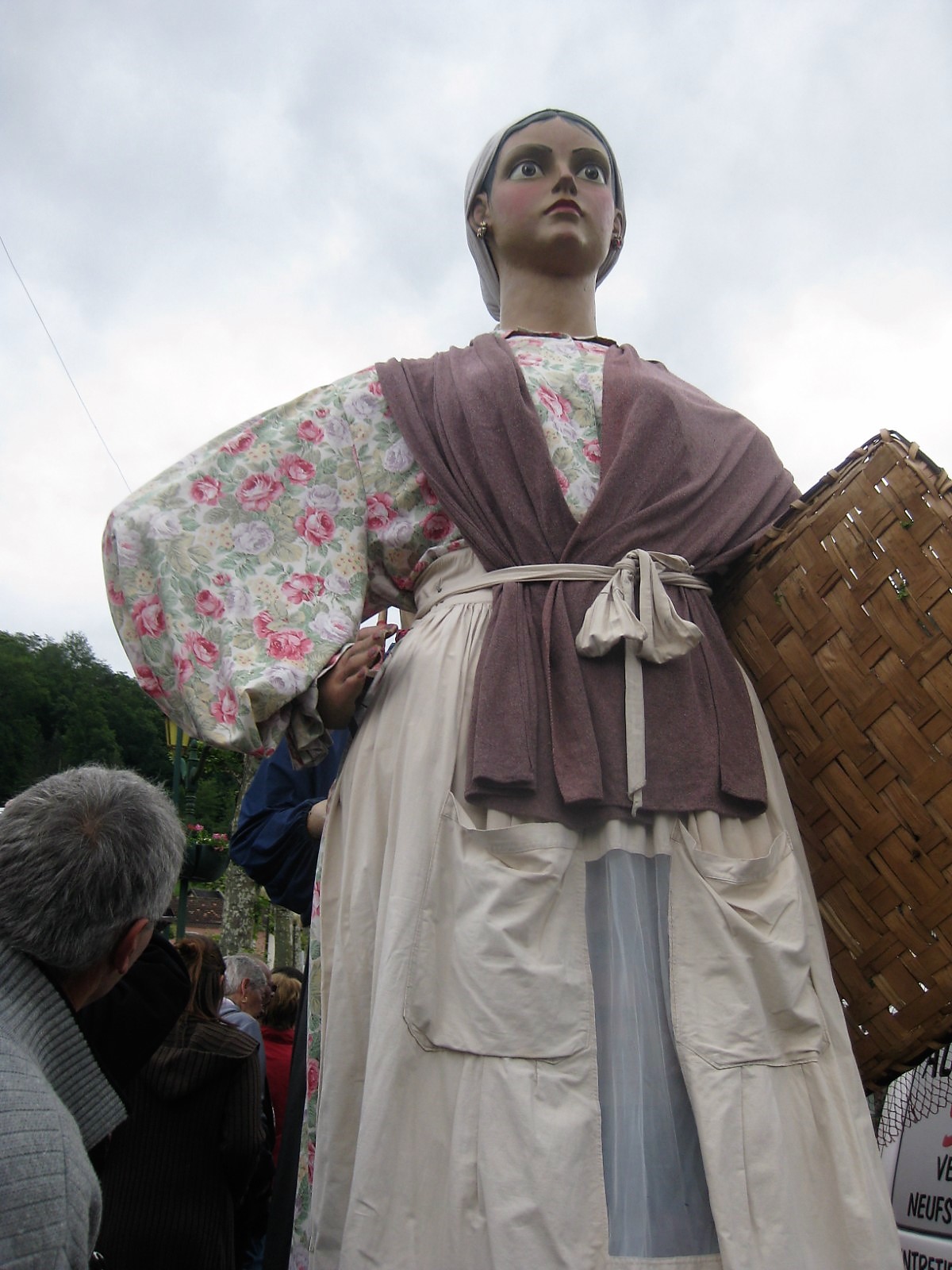
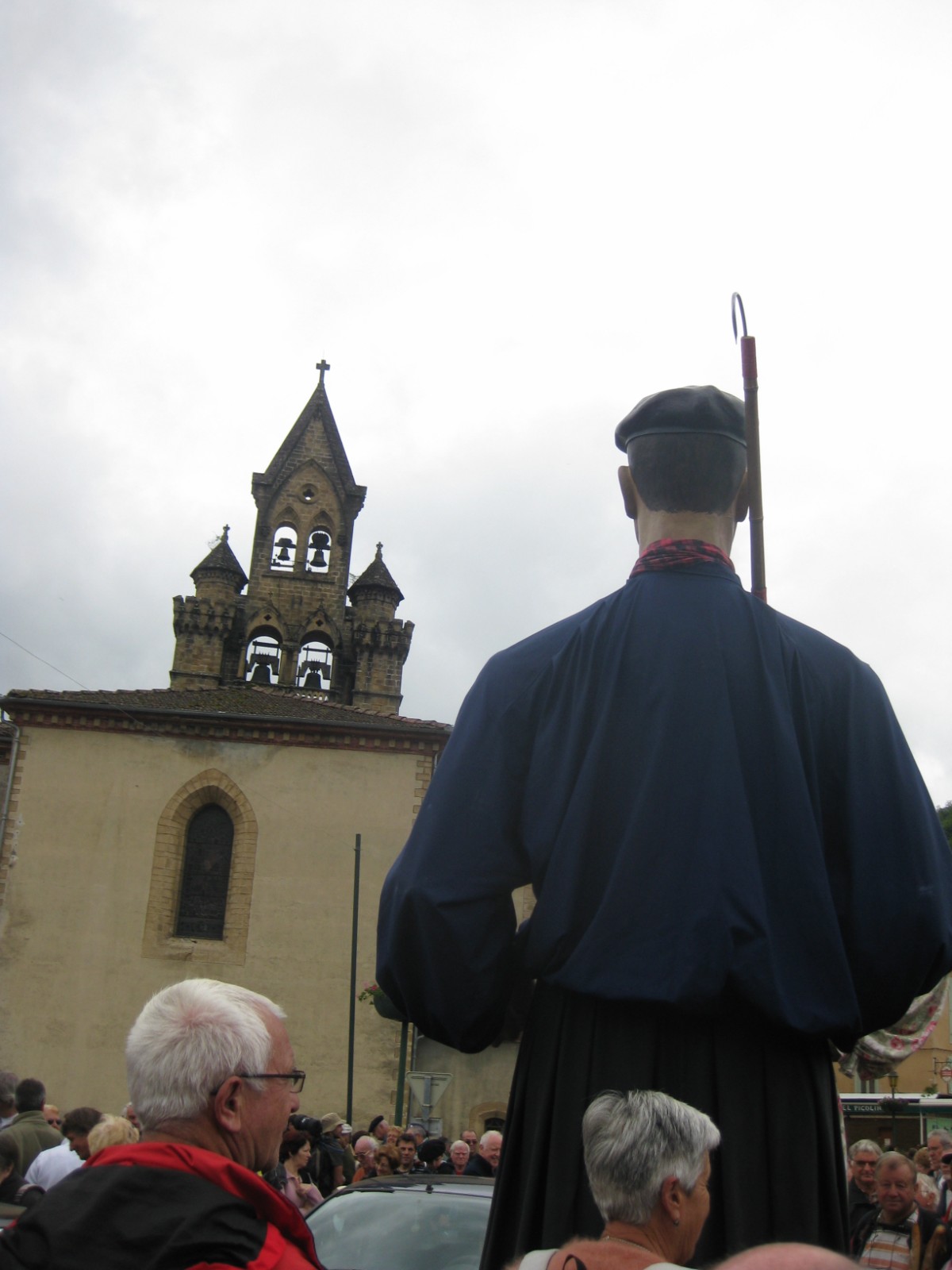
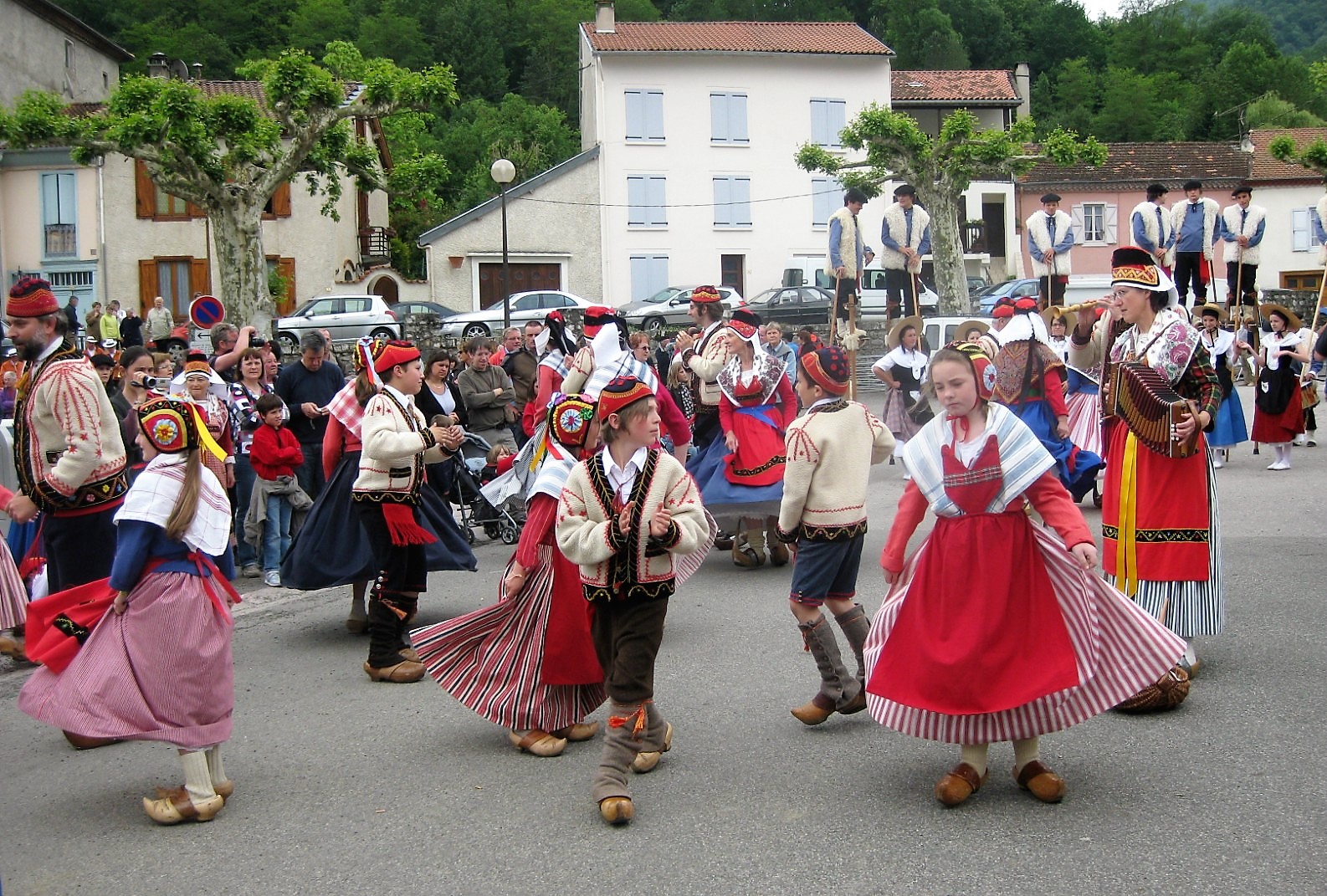
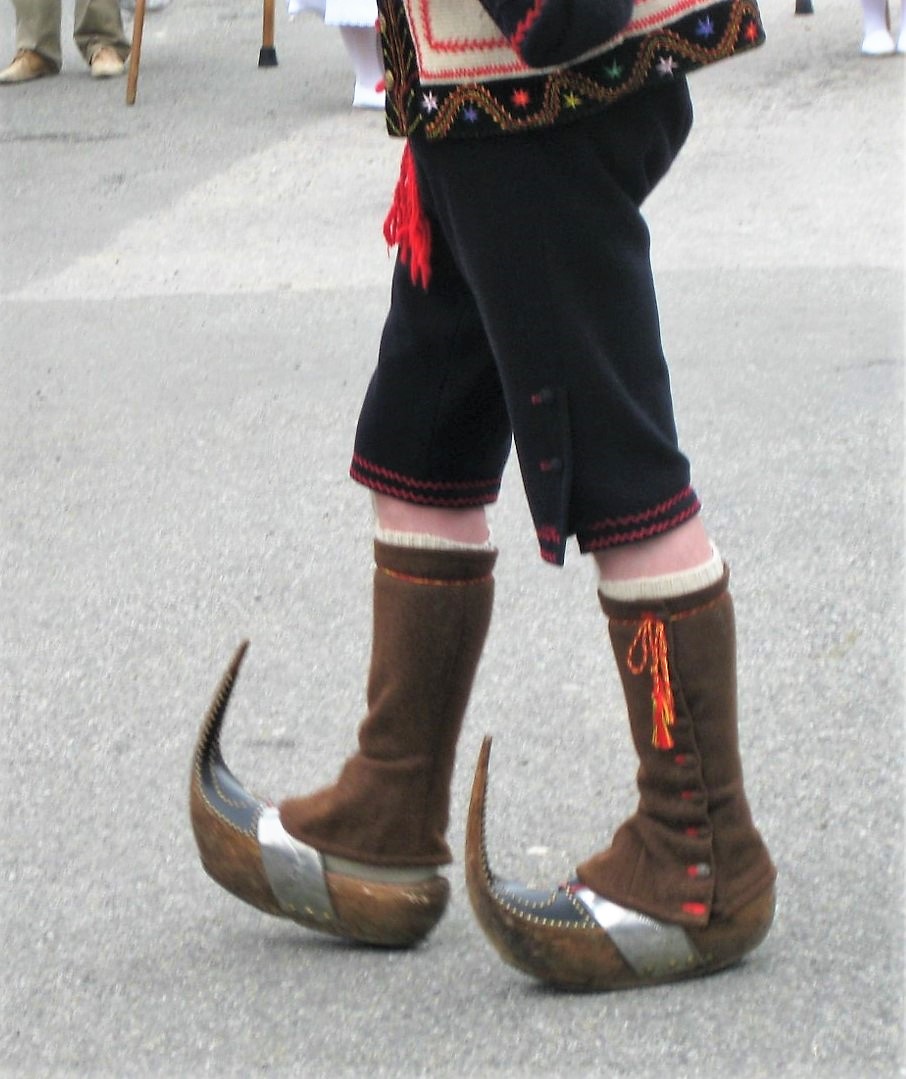
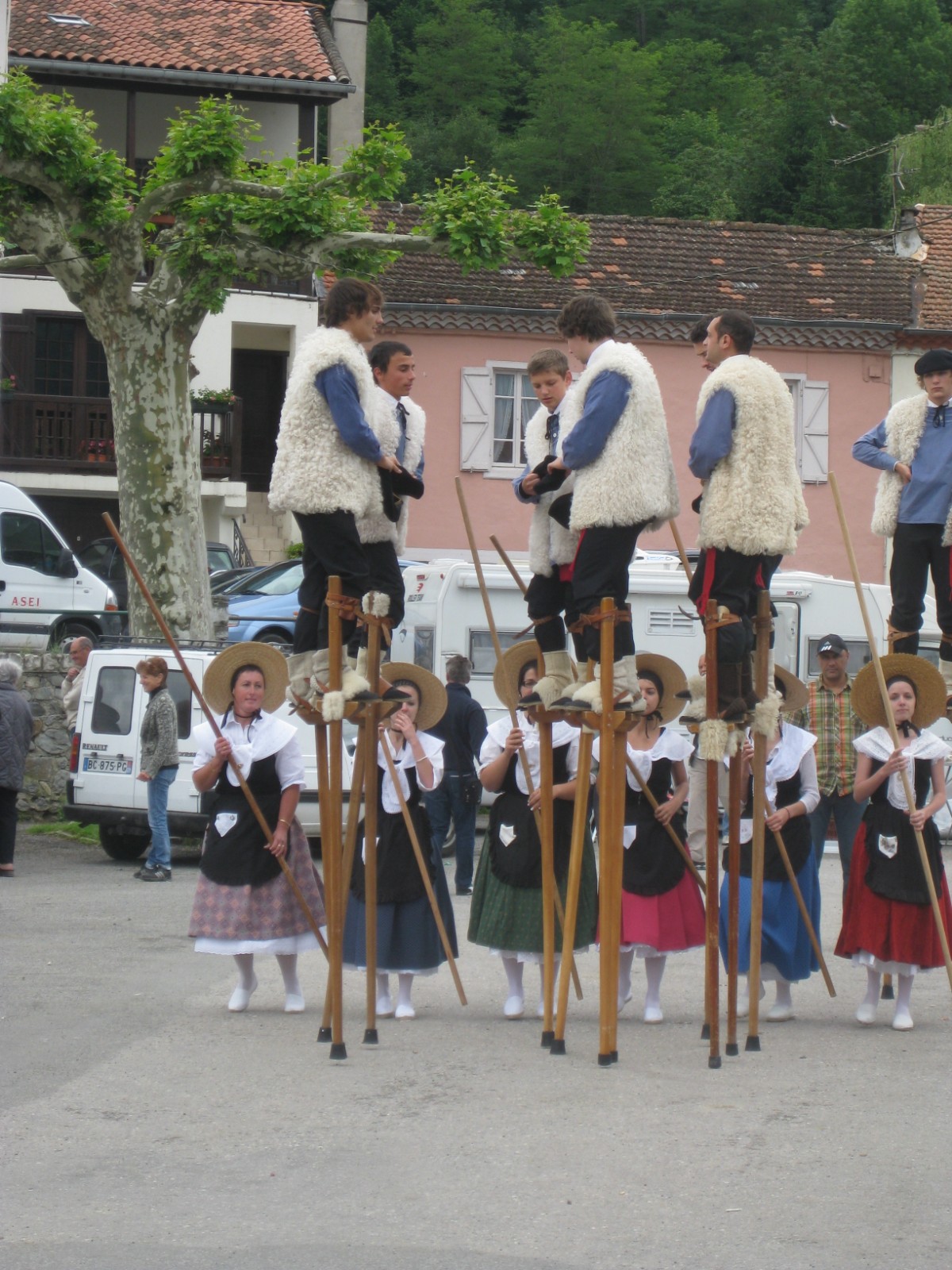
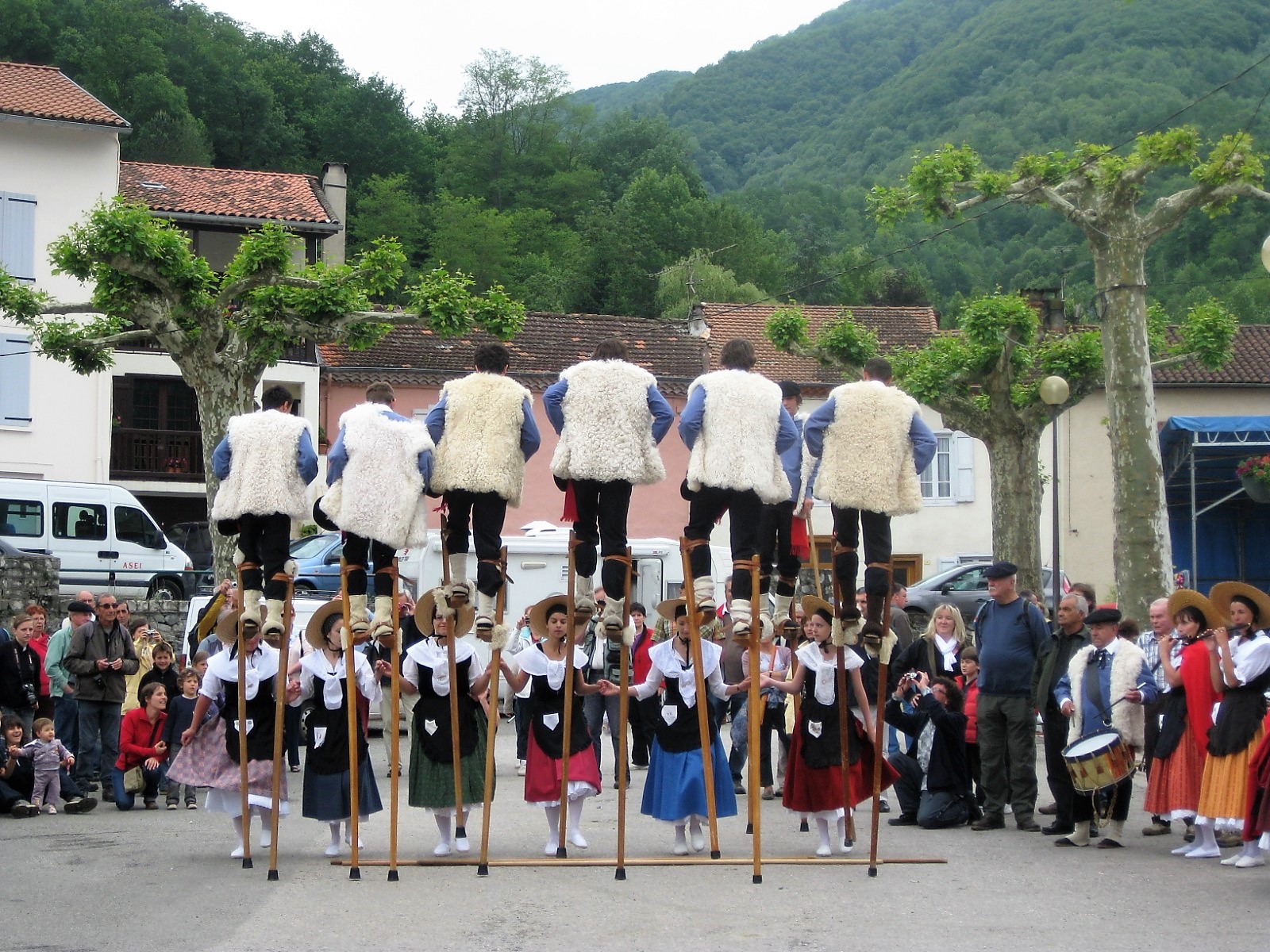
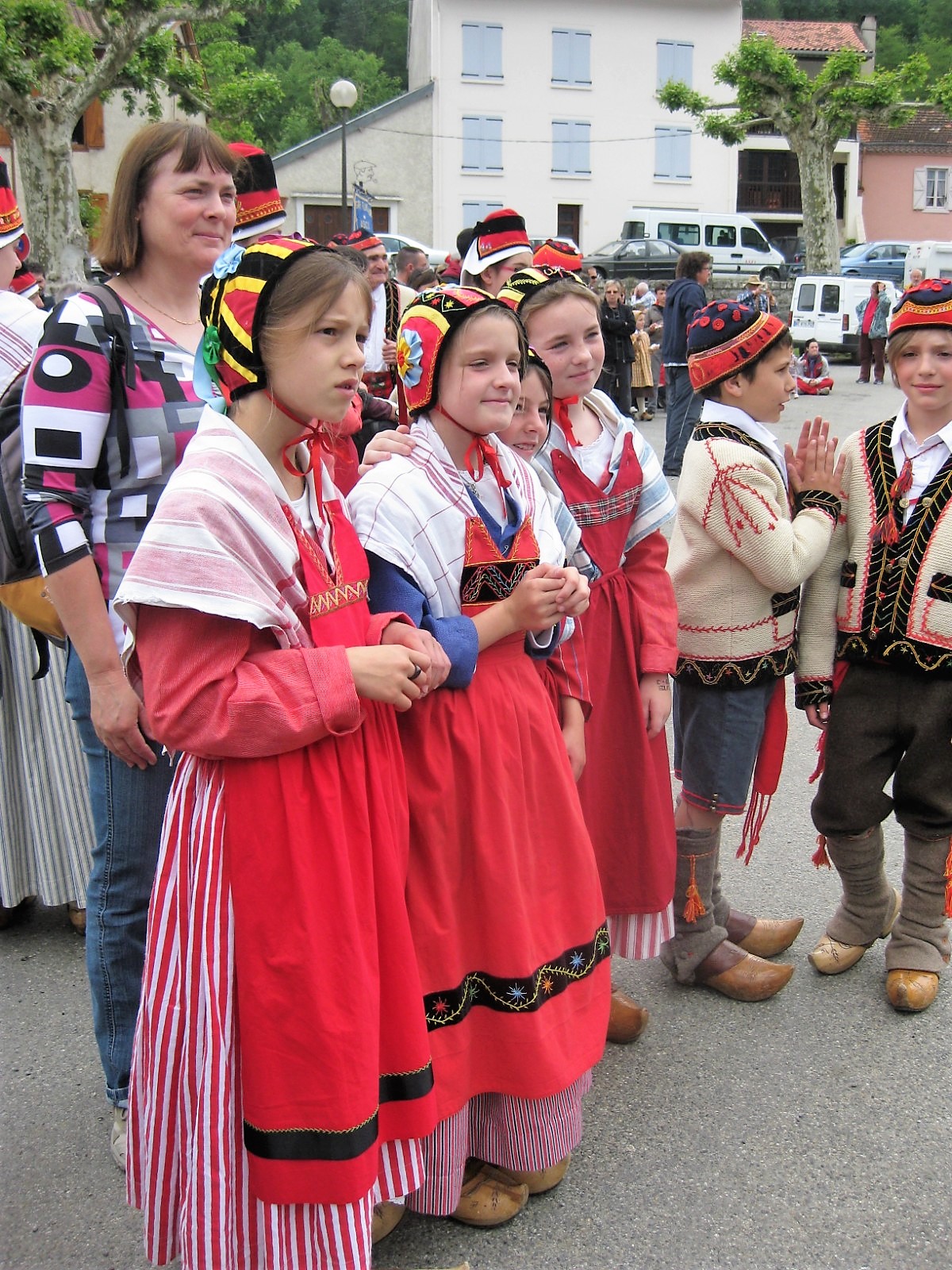
Instead it was jollity of the traditional kind. There were processions of large solemn plaster effigies, local bands.  Dancers from Gascony, the Basque country, the Landes made sure we all had fun, and Malcolm and I even joined in some Basque dancing.  Stars of the show for us were the shepherds from the Landes.  Theirs is flat, marshy country, and they used to keep their eyes on their roving flocks by ranging round on stilts.  But this was a day for dancing, and that’s just what they did, up high on those stilts.  Have a look at the photos.

We went off for lunch at the end of the morning.  But there was more celebrating, more meals to be shared, particularly by those farmers and country people who over the centuries have welcomed the fellowship of Transhumance as a break from the routines of an often lonely life.

A Flashback to the Orange Man

Here’s a blast from the past: from November 2012 in fact, when we were hunkering down for winter in France. It was round about now that The Orange Man arrived …

THE ORANGE MAN

Winter has arrived.  How do I know?  Although the nights are cold, the afternoons are still for going walking or tidying up the garden wearing a tee-shirt, beneath a duck-egg blue sky. So until the other day, I thought we were clinging on to autumn.

But on Thursday, the Orange Man arrived.  This is exciting enough news for it to be worth phoning a friend.  Every year, once winter kicks in and the orange harvest is well under way in southern Spain, a huge container lorry arrives in Lavelanet. It parks up at a disused petrol station on the main road into town and becomes an impromptu shop.

The man with the lorry, the Orange Man,  speaks only Spanish, and sells only oranges.  Not singly or by the half-dozen, but in large 10 kilo boxes.  10 kilos, 10 euros.  What a bargain.  These oranges, though sometimes a little knobbly and in irregular sizes, are the juiciest and tastiest you’ll ever eat, and it’s no wonder that whenever you pass, you’ll see someone pulling up their car and opening the boot for a case or two.  Our Spanish friend won’t have to stay long.  In a few days the entire container-load will be sold, he’ll return to Spain …. only to return when he’s loaded up again.

When he departs for the last time at the end of the season, we’ll know for sure that spring has arrived.

For Fandango’s Flashback Friday: a chance to go down Memory Lane and give an older post an airing.