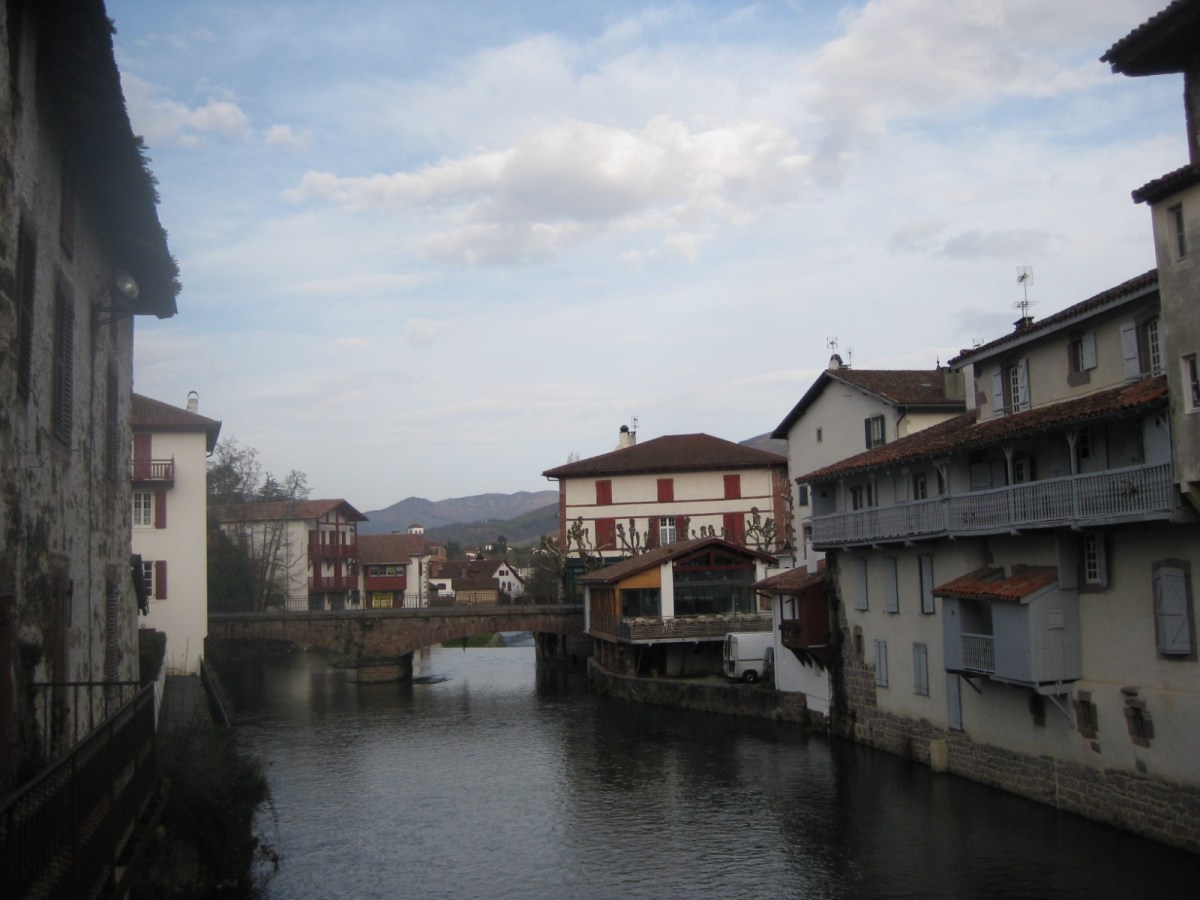
I was sorry, when we left France, that we hadn’t made more than a couple of visits to its Basque Country. It’s such a different part of France, for all kinds of reasons, some of which may become apparent in this post I wrote – gosh – fourteen years ago.
Euskal Herria meets the Yorkshire Dales
March 10th 2011
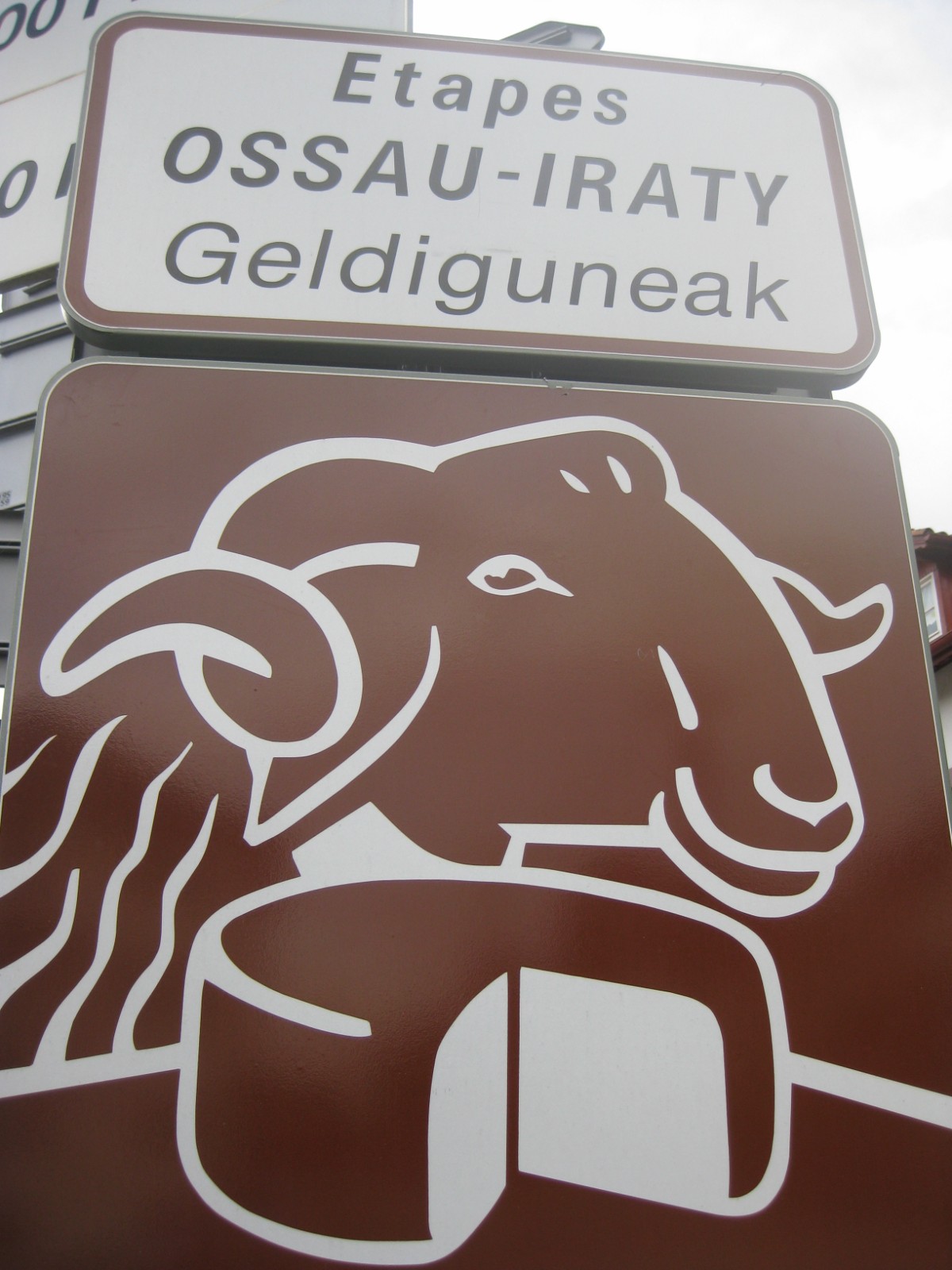
This week was a first for us, when we made a quick visit to the Basque country (Euskal Herria), way over to the west . When we got there, there were no frontier posts, but we knew immediately that we’d arrived. Suddenly, houses, instead of being colour-washed in creams and beiges and ochres, or not at all, were all tidily painted white, every single one, with ox-blood coloured shutters and paintwork. Place names were in French and Basque, and quite a lot of other signage too.
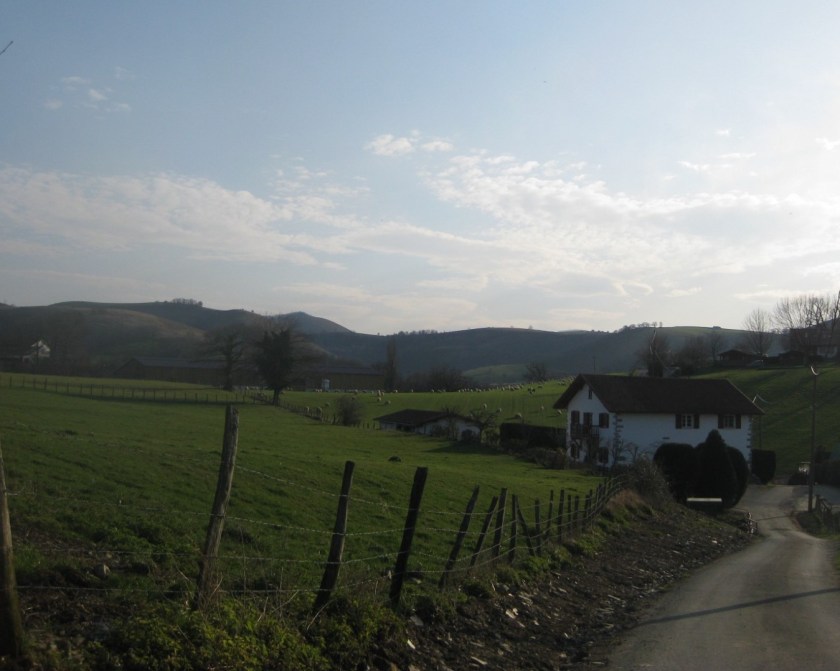
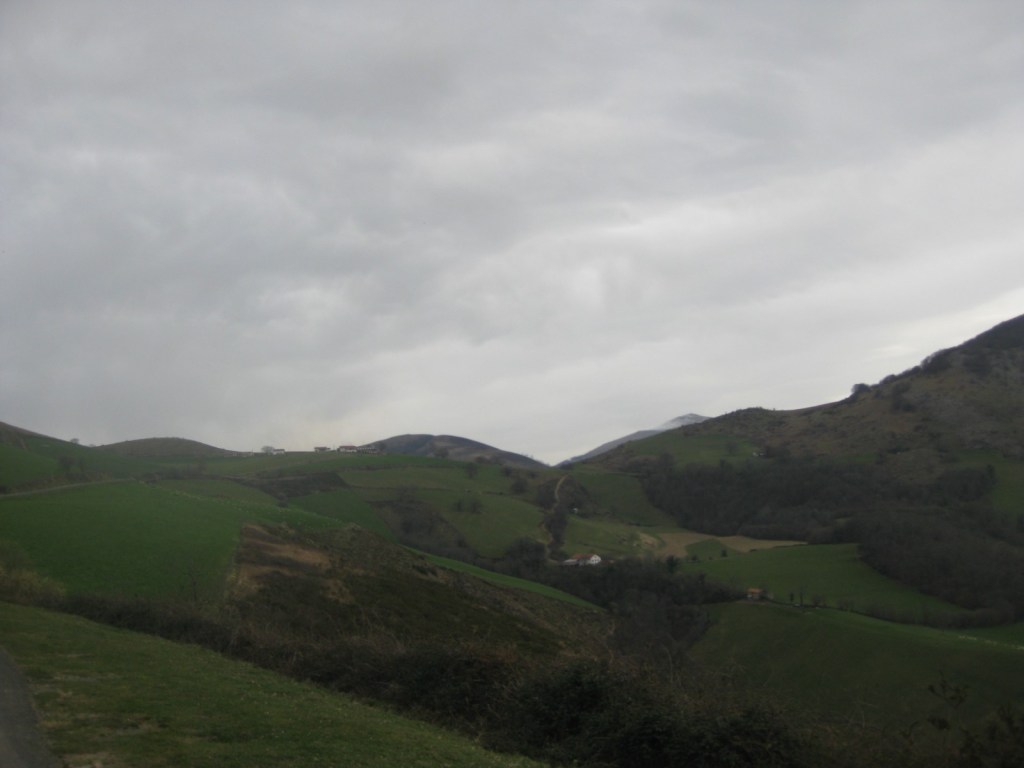
But the thing is, despite all that, we thought we’d arrived in Yorkshire, or Lancashire, or somewhere in England at any rate. Softly rambling ranges of hills, so very green, and studded with sheep. Roads which preferred to ramble gently round the contours instead of going straight in the French style. Take away the Pyrénées in the background, their jagged peaks still white with fresh snow, add in a few drystone walls, and – voilà! – the Yorkshire Dales.
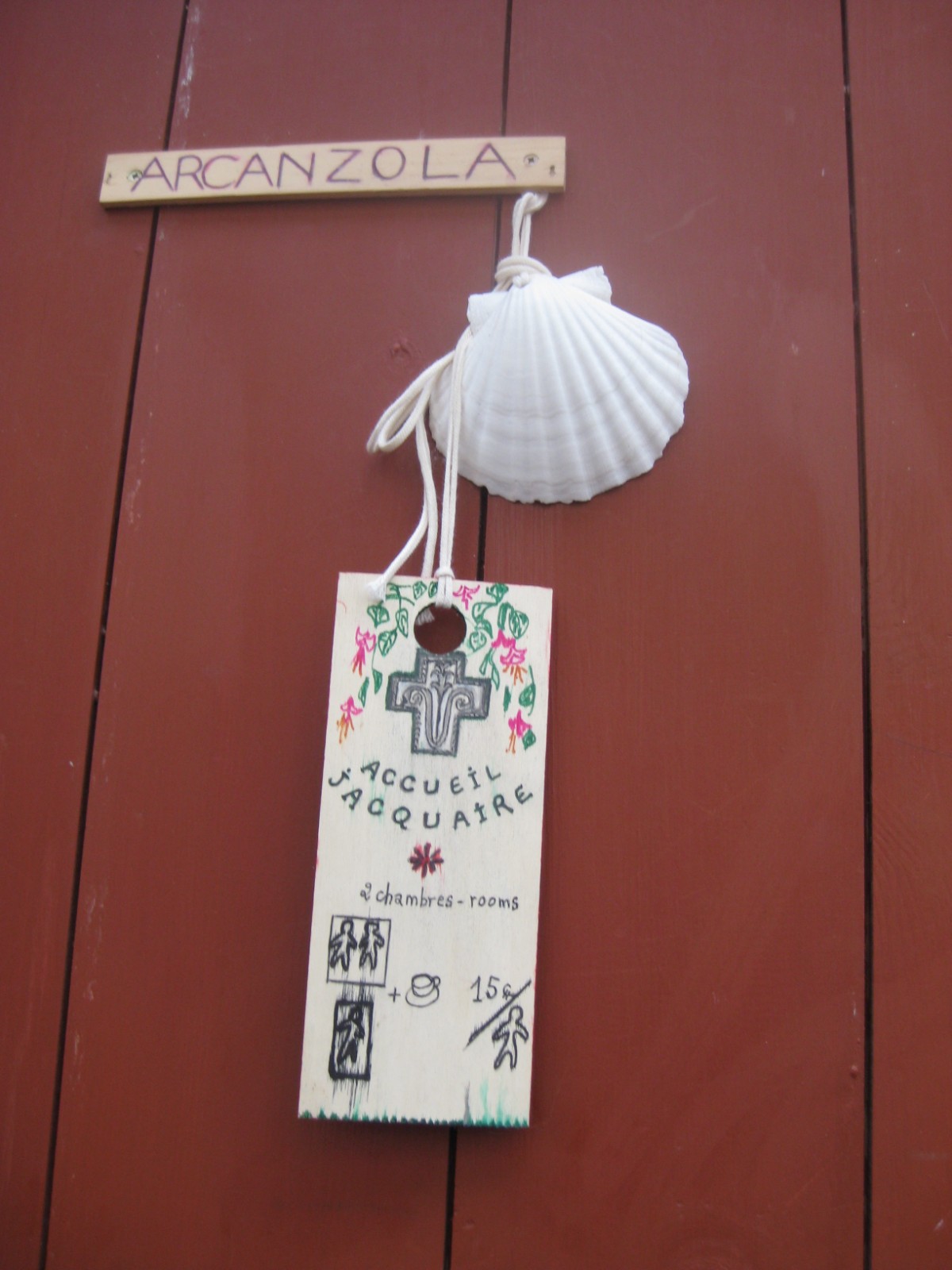
After all the hard work back at the house, we needed the peace of the countryside, so we’d chosen to stay at an Accueil Paysan farm. We knew that meant that we’d be welcomed into simple comfortable accommodation at the farmer’s house, and share a family meal with them in the evening. Always good value in all sorts of ways.
The welcoming committee in this case turned out to be six cheerily noisy pigs, a gang of chickens, and a sheep dog. The humans were no less friendly, and we settled in by exploring the small farm with its 30 or so cattle, and about 300 sheep. Sheep’s cheese is the big thing round here, and throughout the autumn and spring, when there’s plenty of milk, this family makes cheese every morning (far too early for us to be there, it turned out: all over by 7 o’clock) in their fine new cheese-production shed.

Our hosts are Basque speakers. Their children only learnt French when they went to school. Now that one of these children has a son of his own, he and his wife (who’s not a Basque speaker) have chosen to have the boy educated at one of the many Basque-medium schools, so that he will be among the 30% of Basques who are comfortable using their language. It’s an impenetrable and complex one. Its roots are a bit of a mystery, and certainly it’s not Indo-European. With French, Italian and Latin at our disposal, we can make a good stab at understanding Occitan, the language of our region, but Basque remains impenetrable to anyone who hasn’t been immersed in it.
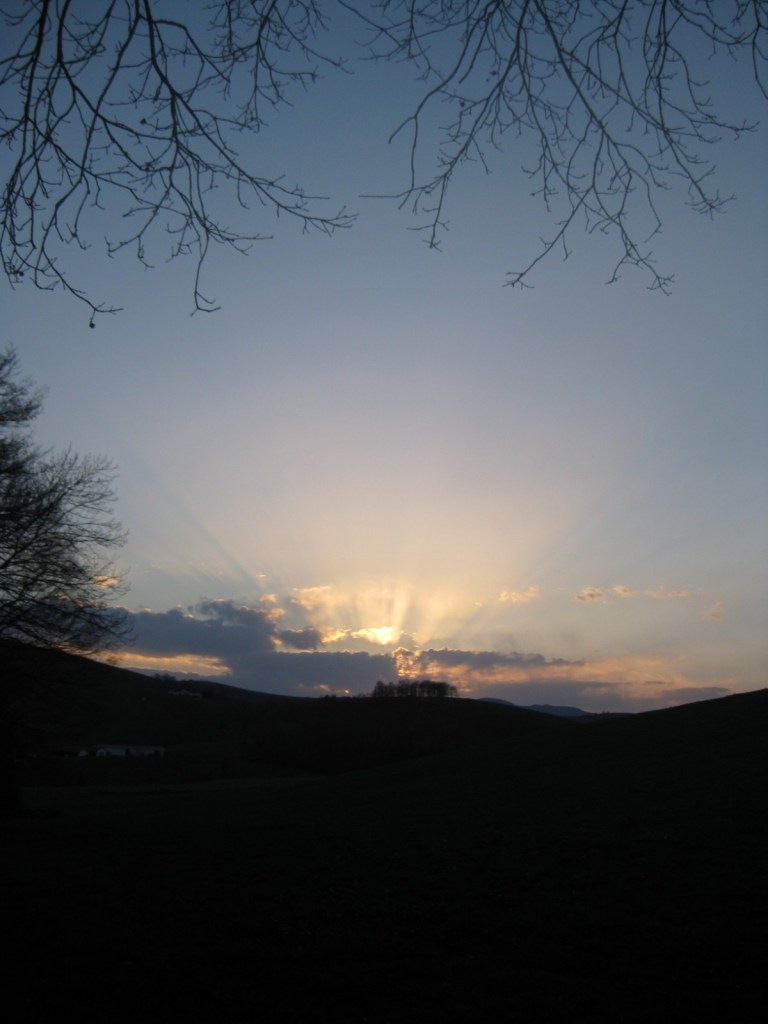
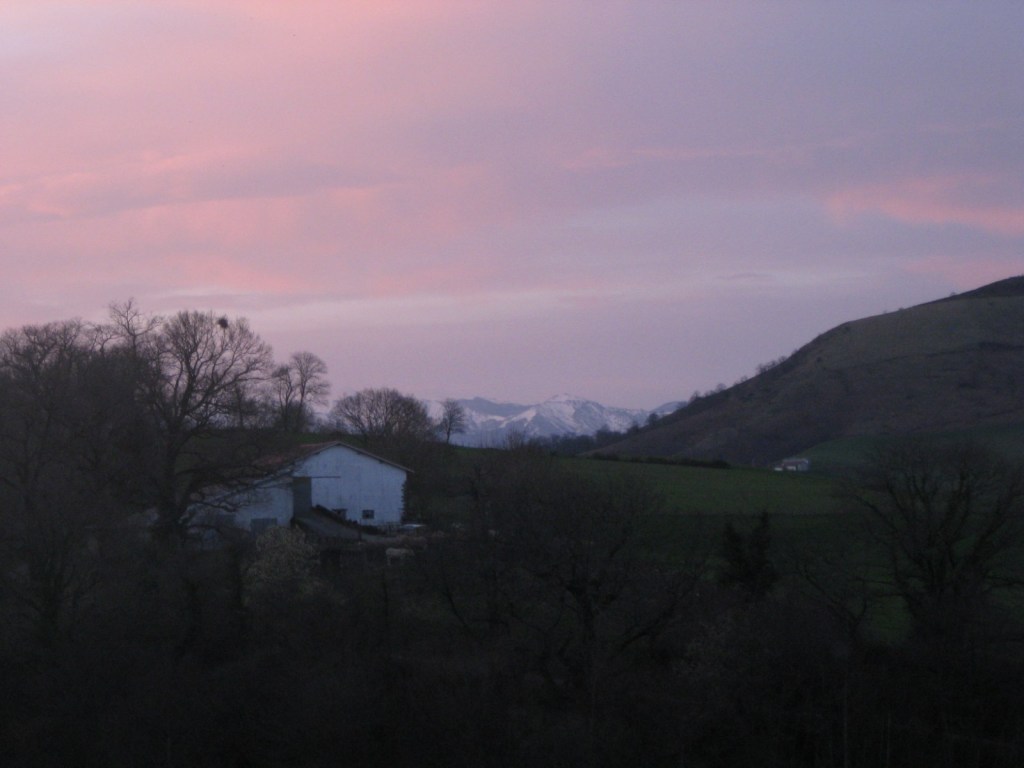
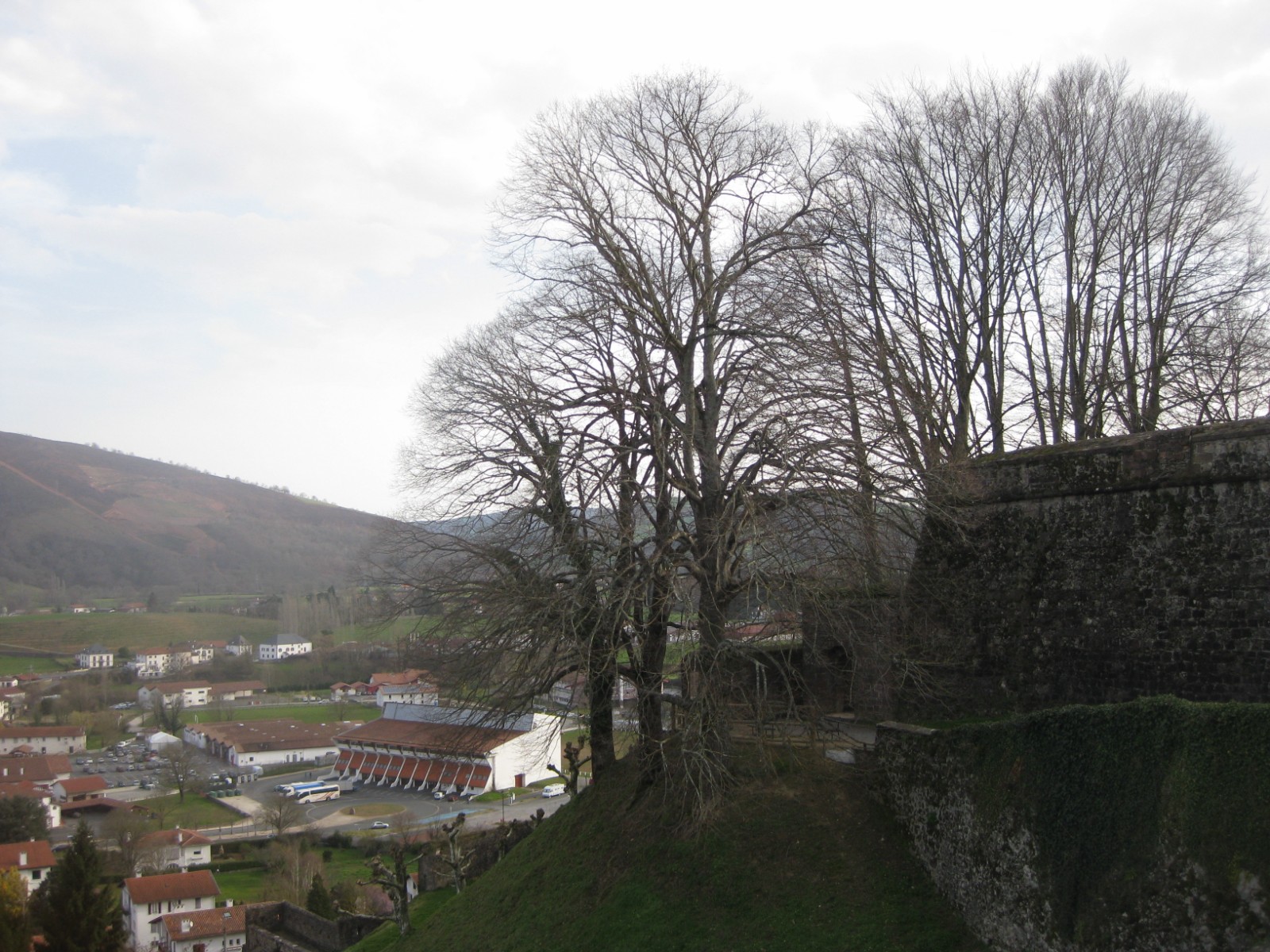
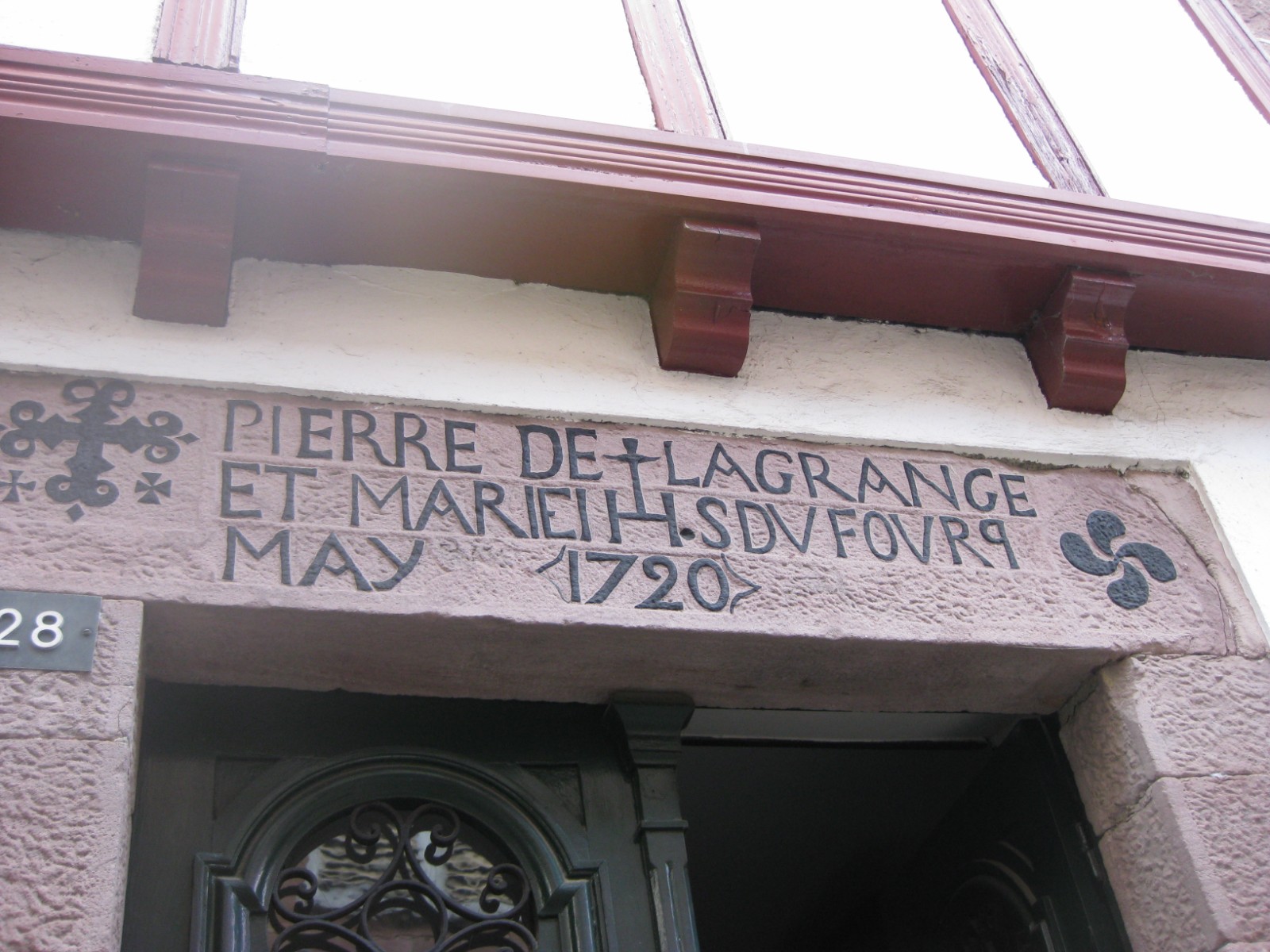
The next day, we explored St. Jean Pied de Port. From before the time of the Romans, it’s been a market town, an important jumping off point for Spain. It’s been a garrison too, and an important stop-over for pilgrims on their way to Compostella. Now it’s a tourist centre too, for walkers in the region. It’s an attractive town, surrounded by ramparts. We pottered around, enjoying views from the ramparts, pilgrim-spotting, ancient doorways, and watching the river, before setting off for a leisurely journey home.
And next time we stay, we’ll make it much longer than 36 hours.
The featured photo is a view of St. Jean Pied de Port.

 From Pyrenees to Pennines
Funnily enough I always say that the Basque Country reminds me of Yorkshire for the same reasons. Though, much as I love it, I couldn’t live there because of the weather.
LikeLiked by 1 person
I know what you mean Sheree. Though I have been lucky on our Basque country visits. Unlike our visits to Ireland …
LikeLiked by 1 person
Ah yes another place that’s green for a reason
LikeLiked by 1 person
Amazing. I went to the Basque Country in 2018, but the Spanish side (st Sebastian) that felt more tropical and exotic, almost like being in Brazil.
LikeLiked by 1 person
Really? I too visited San Sebastian more recently than that, and didn’t feel a tropical vibe at all. Perhaps because it rained for every second we were there!
LikeLike
It was the middle of summer… the wooded hills felt very lush and cool.
LikeLiked by 1 person
Certainly the mountainous area surrounding it felt cool and fresh – but more Nordic than anything else – where we were anyway!
LikeLiked by 1 person
Lovely memories, Margaret. Hope you’re out today making some good Yorkshire ones xx
LikeLiked by 2 people
Singing with my choir this morning at a city-wide bonanza. With any luck I’ll get out this afternoon. You?
LikeLike
Dithering, as is the weather! Walks being cancelled left, right and centre but I think t’ai chi is still on so I’ll chance it. Then a lunch with lovely friends. Have a great weekend, hon xx
LikeLiked by 1 person
Thanks. You too.😊
LikeLiked by 1 person
We once passed through St Jean Pied de Port, staying just one very rainy night a bit too close to the river for comfort. It did look very pretty even in the rain.
LikeLiked by 1 person
Oh dear. They do rain rather well though.
LikeLiked by 1 person
Ah, St Jean Pied de Port….ages since I visited, an d rainy
LikeLike
What a beautiful post. Apart from the sheep, it could be a place in Switzerland too. To me sheep are the most English of ‚things‘. And the cheeses, I love them all.
The link of ‚Paysan‘ b&b is no longer valid. A loooong time ago, we used to sleep at Gîte de France places, not sure that they still exist. Those were the ones with 1-3 cheminées. Always a surprise. The ‚funniest‘ was when we arrived at a place and the farmer, not overly friendly, enquired across a fence: You eating red meat? in lieu of saying Bonjour…. I didn‘t understand a word but HH quickly said: Oui, bien sur!! I‘ll never forget their offered bed either: Huge bed (certainly for French places!) with a heavy pure linnen ‚drap‘ the size and weight of a family tent. I still wonder how the woman could possibly lift that thing into a washing machine and drag it out to dry – but so many wonderful memories. (and it was true, they were cattle farmers and in the evening we got a tremendous slice of red meat, less than ‚medium rare‘, rather very sanglant. In fact, I asked HH in Swiss German if it had hit the griddle at all or whether it was just sawed off the cow 😉
LikeLiked by 2 people
Sadly, I think Gîtes de France de France is defunct. Perhaps Accueil Paysan is too. I forgot to check the link. Ooops. Sorry. I definitely couldn’t cope with a slab of meat these days – particularly red meat. But I miss GdF= like you, we stayed in some memorable places.
LikeLiked by 1 person
Thank you for sharing your memories! Lovely the sheep and the beautiful” the “road to farm”. Ah… the sunset and dawn.
LikeLiked by 1 person
You can never have too many sunset – or dawn – pictures!
LikeLiked by 1 person
Love the sheep! What a pretty place this is!
LikeLike
What a lovely trip down memory lane. I have never been anywhere near Basque country so it is interesting to learn about it.
LikeLiked by 1 person
I love it. Just one problem. It’s so lush because … it rains so much.
LikeLiked by 1 person
I wouldn’t know what that’s like!
LikeLike
🤣
LikeLiked by 1 person
This is a beautiful post and excellent information. It was fascinating to read about the Basque language and culture. Your field photos are dreamy!
LikeLiked by 1 person
Ah thanks. I’d like to get the chance to revisit and do some of those shots again!
LikeLiked by 1 person
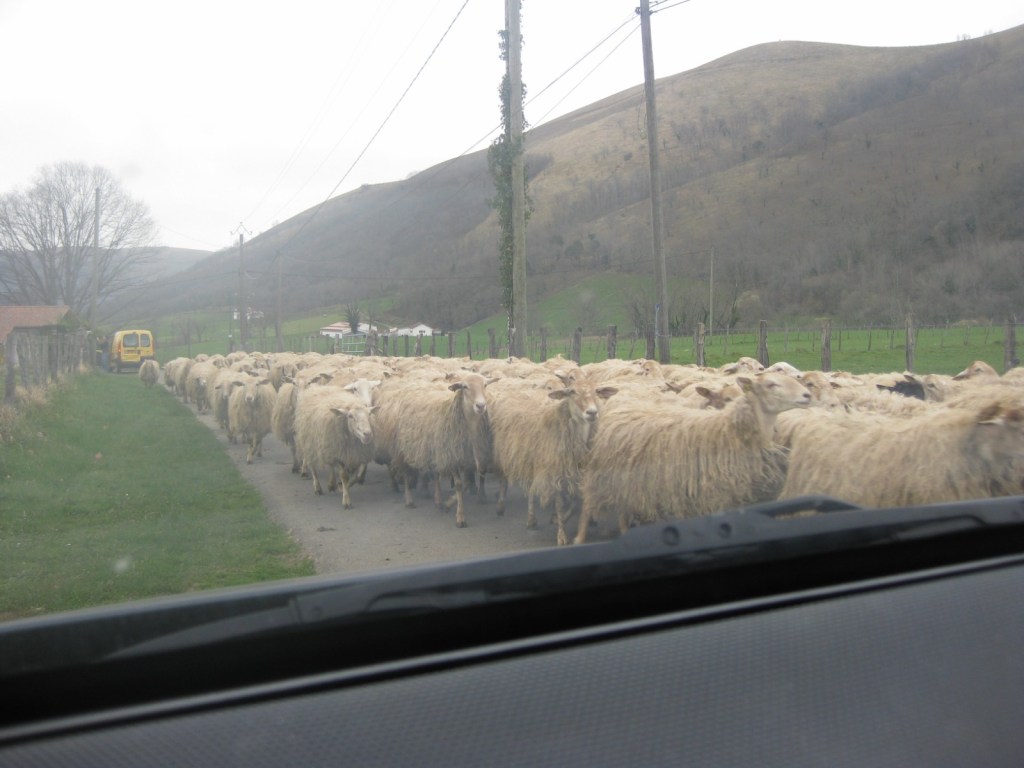
That sheep traffic jam really does look like Yorkshire! And the farm sounds a lovely place to stay and unwind 🙂
LikeLiked by 1 person
It was great. And in fact we have rarely met sheep traffic jams while living here. Just one or two in 11 years. Ditto cattle.
LikeLiked by 1 person
Absolutely love the Basque traffic jam of sheep. Plenty enough to count yourself to sleep.
LikeLiked by 1 person
And time enough to do so as you waited for them to pass!
LikeLiked by 1 person
Great write up on Euskara and happy you had a stab at Occitan. Yes, the Pyrénées are a bit higher than the Pennines. Cheers.
LikeLiked by 1 person
Oh, thanks for visiting and commenting on a happy memory!
LikeLike