On the first Saturday of every month, a book is chosen as a starting point and linked to six other books to form a chain. Readers and bloggers are invited to join in by creating their own ‘chain’ leading from the selected book.
Kate: Books are my Favourite and Best

I haven’t managed to read this month’s choice yet: Long Island by Colm Tóibín. I want to, because I loved its precursor, Brooklyn.
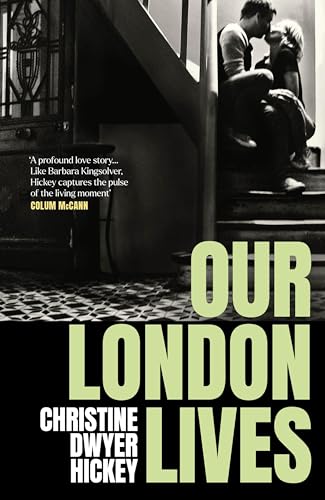
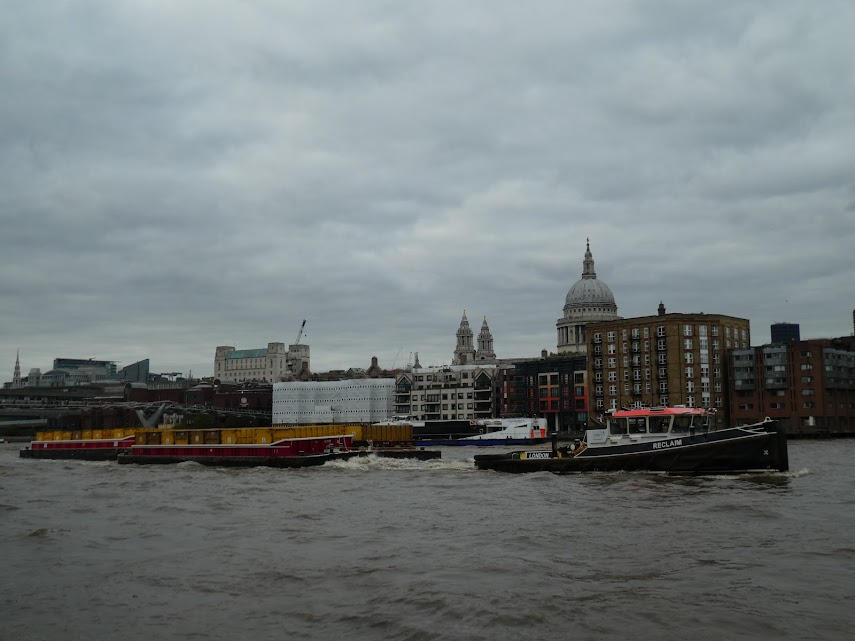
It’s about a young Irish woman who leaves Ireland to have a fresh start in America. I’ll begin my chain with a young Irish woman who leaves Ireland to have a fresh start in London. As told in Christine Dwyer Hickey‘s Our London Lives. This could easily turn out to be my Book of the Year. It features three main characters: Millie, who’s run away from Ireland; Pip, an aspiring boxer who drinks at the pub where Millie finds work; and London itself, seen at its best and its worst – its vibrancy, its diversity, but also its expense, its violence and its diminution as a community in the face of capitalist redevelopment.The chapters pass between Millie and Pip. Millie’s story begins in 1979; Pip’s not until 2017 when, a recovering alcoholic, he’s just been released from prison. We don’t read a continuous narrative. Rather it’s a series of vignettes, from which we are able to work out the un-narrated years for ourselves. Real events pepper the narrative: the release of the Guildford Four; the Grenfell Tower disaster, and this contrubutes to the novel’s very real sense of place. Here is a story of flawed individuals who make, and fail to make choices; who miss opportunities and fall through the cracks, but about whom we come to care. I was involved for every one of the book’s 500 pages.
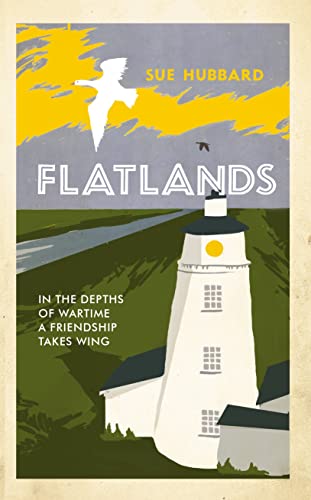
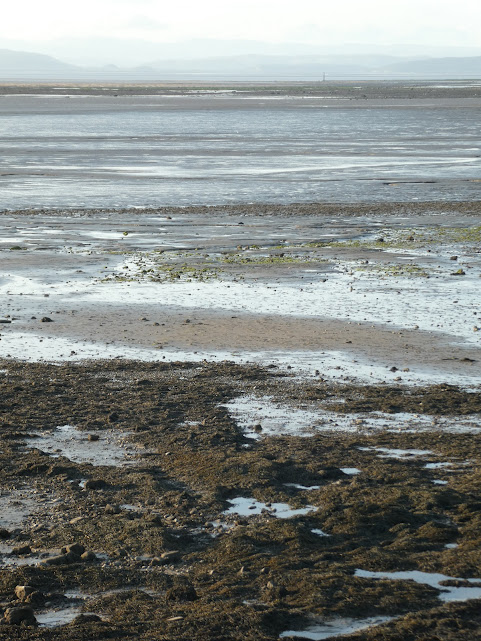
My next book starts with a young girl born in London, Frida -in Flatlands, by Sue Hubbard. A quietly powerful piece of storytelling, set in the flatlands of Lincolnshire near the Wash during WWII. The narrative is divided between 12 year old Frida, evacuated to an impoverished and unfriendly farming couple whose house is also remote: and the more privileged young adult Philip, who as a consciencious objector is working as a farm labourer while developing his painting skills in his spare time. Despite their differences, the two have much in common – their loneliness, their apparent abandonment by those who should love them, their poverty. The wetlands which are their temporary home is also a character: their savage beauty, their harshness. A moving tale, well told.
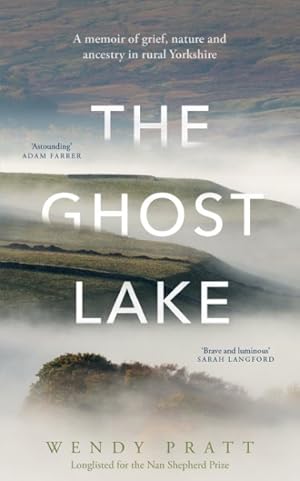
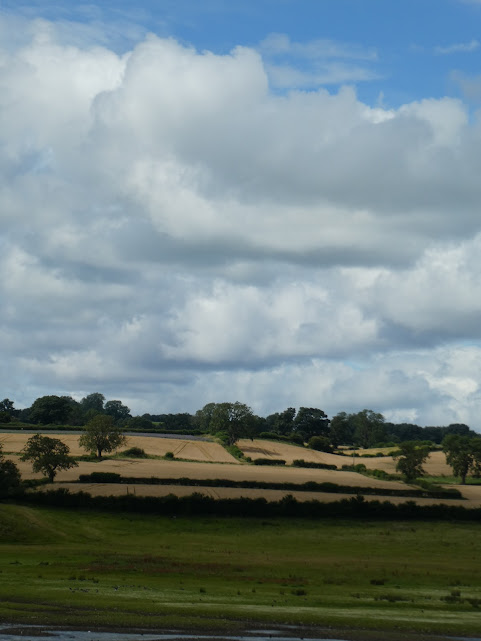
My next book is also deeply rooted in the landscape, whose main character, the author, has barely moved at all. This is an intensely personal and lyrical memoir from poet Wendy Pratt. The Ghost Lake is embedded in two things: her deep connection to the part of East Yorkshire where she has lived her entire life; and the death, at the moment of her birth, of her much-wanted daughter. She focuses each chapter on a different community surrounding the Paleolake Flixton. This now-vanished lake provides an epicentre to her story. Throughout the book she dwells on its own history; and her own – though not in order. Her father’s decision not to continue the family tradition of farming; her own ‘oddity’ and inability to mix, to shine – despite her intelligence – at school; her chequered job and personal life; her conversion from working class girl to educated and successful – though always working class – career as a facilitator and poet. And always, threaded through the narrative, the much mourned dead baby daughter. A haunting, powerful and poetic memoir, bringing to life the natural world and landscape of her home patch, as well as exploring belonging, and loss.
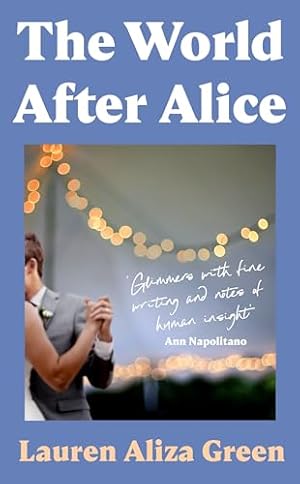
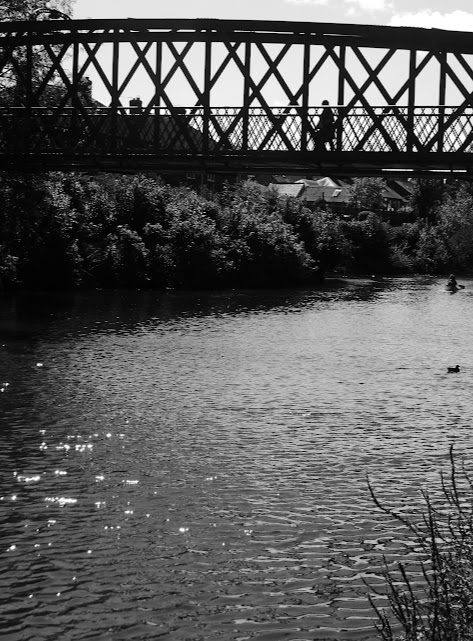
Death is central to The World After Alice, by Lauren Aliza Green. On page one of this book, teenage Alice stands on a bridge … jumps … and dies. Then the story proper starts, 12 years later. Morgan, once Alice’s best friend is to marry Benji, Alice’s brother, after a courtship long kept secret. In a series of visits to the present day and flashbacks to the period both before and after Alice’s death, we gradually build up a picture of the turmoil her death effects in two increasingly disfunctional families and those who are closest to them – that of Alice, and that of Morgan. This is a story of family dynamics, of love, of loss, of secrets, of individuals who have lost their ability to trust, to communicate. A deftly written and immersive book, and not at all as irredeemably depressing as I have undoubtedly made it sound.
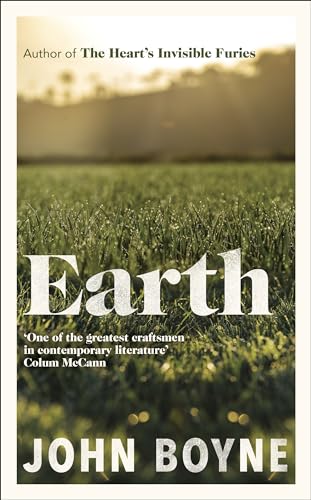
Another story about how life is complicated, and about how past events can cast a long shadow. John Boyne‘s Earth. ‘I became a different boy than the one I was supposed to be. I wanted to be a painter. I wanted to be good. I wanted to love someone, and to be loved in return. But none of those ambitions came to be.’
This is Evan, a young Irish would-be abstract painter – only he wasn’t good enough; impossibly handsome; gay. He’s a top-class football player, against his inclinations – but it brings him money and lots of it. One of his (sort of) friends in the team is Robbie, an arrogant young man whom Evan can’t take his eyes from, as heterosexual Robie is well aware of. After a party in Robbie’s flat, Evan is accused of filming his friend’s rape of a young woman. This is far from a simple narrative. It explores several themes: the long shadow of upbringing; class; homophobia; moral corruption; the way the legal system treats alleged sexual offences. In doing so, it drops several bombshells into the narrative, none more shocking than the one revealed in the last pages of the book. A thought-provoking and well-turned out read.
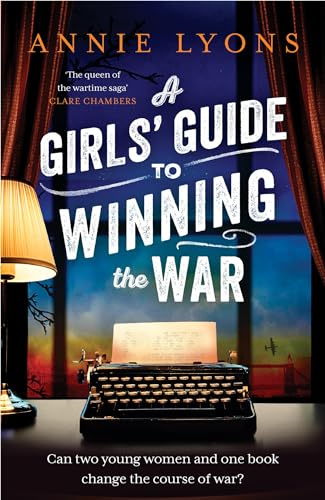
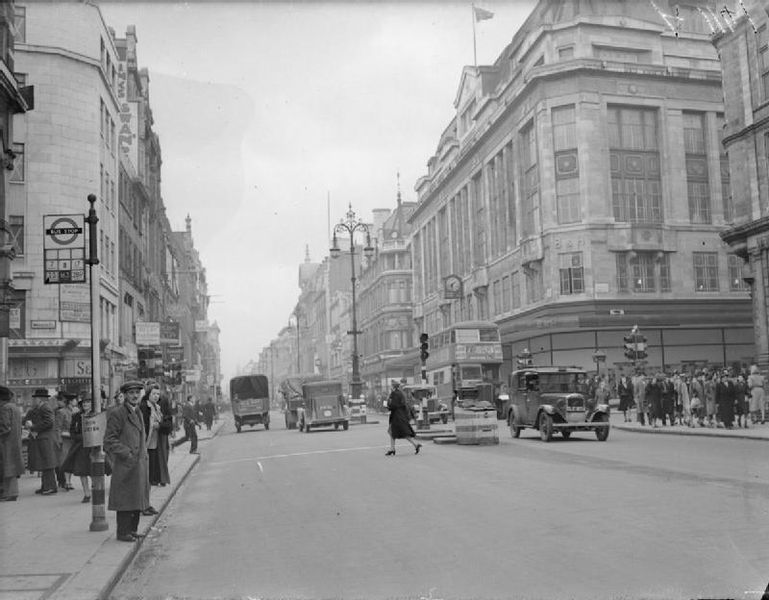
I’m choosing my final book, because perhaps we need to lighten up a bit. Life doesn’t always turn out as expected, but it doesn’t have to be awful. A Girl’s Guide to Winning the War, by Annie Lyons. This was an entertaining read, and the pages turned themselves easily enough. It’s about how clever, bookish but working class Peggy, and her titled side-kick Marigold become the darlings of the Ministry of Information with their writing and photographic skills, producing heart-warming books about aspects of the war as experienced by ordinary peple, whether serving in the forces or on the home front. Although I enjoyed it, I found the characterisation a bit stereotypical. Warm, loving working class family. Formal, buttoned up, emotionless public school types. Everyone however, if you look hard enough, has a Heart of Gold. A book to curl up with and race through on a foggy winter evening. And to bring us back to London, where I began my chain.
We’ve had a bit of a gallop through a series of books that in different ways touch the heart strings. Next month the chosen book is Intermezzo by Sally Rooney.




































 From Pyrenees to Pennines
You must be logged in to post a comment.