When I first joined Six Degrees of Separation last month, I was quite delighted at how far my chain of books stretched from the original. This time, I’ve gone on a changed journey. Each of my books links together. And yet they are all so different. Have a look.
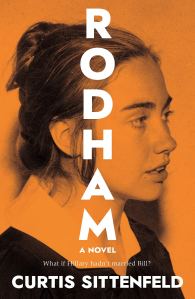
I haven’t yet read Rodham. I’m a huge fan of Sittenfeld’s writing, but the reviews for this latest book, featuring Hillary Clinton, are very mixed. Kate, who hosts Six Degrees wasn’t all that keen. This book is a re-imagining of a life, that of a known individual, so that’s my starting point.
Here’s another re-imagining, this time from Greek mythology: Circe, by Madeline Miller. Immortal Circe tells her story through the hundreds of years of her life. She’s known Prometheus; Daedalus and Icarus; Ariadne and the Minotaur; Jason of Golden Fleece fame, and most importantly, Odysseus, and has stories about all of them. Over the years – the centuries – she develops her skills as a witch, We witness her growing independence; her satisfactions as she develops her spells; her joys and loneliness. She takes lovers as they come her way, but never abandons herself to them: until Odysseus .. and Telemachus …
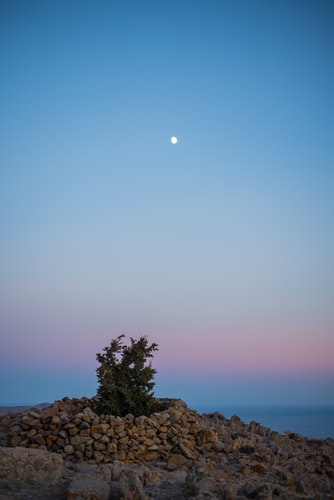
Next is another strong, independent woman: A real one, telling her own story: Stories of the Sahara. The writer Sanmao was a Chinese/Taiwanese woman married to a Spaniard, who realised her obsession to live in the Sahara desert. She was feisty, opinionated, driven, and made it her business to get to know the locals and understand their lives in a way no tourist can.
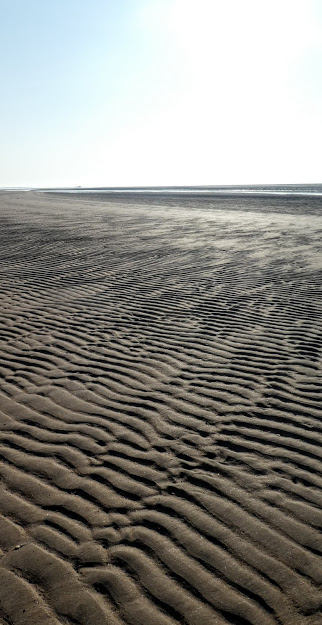
It dawned on me that there’s a theme developing here. These are all stories of women, by women. So let’s stick with it, and look at another independent woman’s story: Raynor Winn’s The Salt Path. It’s the account of a long distance walk undertaken by Ray and her husband when everything that possibly could go wrong in their lives had gone wrong. They’d lost their home, their livelihoods, and in her husband’s case, his health. In one sense they walked away from their problems, spending a year living rough and walking England’s South West Coastal Path. It became their journey towards a new life.
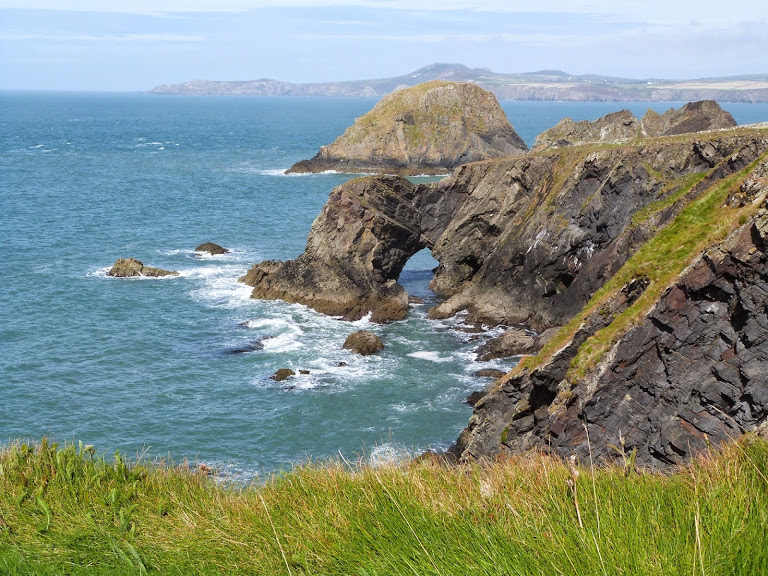
More strong women, more sea, more difficult times: the diving fisherwomen – haenyo – of Jeju Island, South Korea. The Island of Sea Women by Lisa See tells an involving story following the story of two women whose lives develop through their membership of the haenyo culture, as they live through a twentieth century defined in Korea by occupation, internal conflict, deprivation and rapid change.
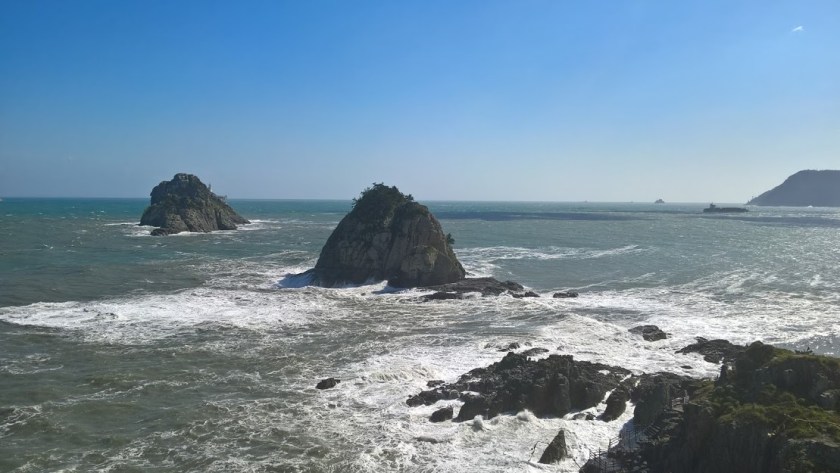
Over to Russia. Zuleikha by Guzel Yakhina. This story, with a young uneducated Tatar woman at its heart, does much to bring to life the gulags and their unhappy part in Soviet history. Zuleikha is the young wife of a prosperous young farmer. After his murder she’s taken prisoner and survives an apparently endless train journey and real physical, emotional and economic hardship, into a previously unpopulated part of Siberia where against the odds, she builds a life.
Gina’s life is very different. She’s a spoiled, headstrong, privileged 14 year old Hungarian who for her own protection during WWII is sent away to a puritanical isolated boarding school where she has some hard lessons to learn. But what has Abigail, a classical statue in the school’s grounds, and who will receive messages from the pupils got to teach her? Read Abigail by Magda Szabó to find out.
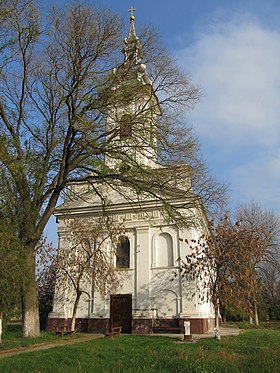
We’ve been to three continents and six countries, gone back in time and remained in the present. We’ve met rich women, poor women, privileged women, and those who often feel without hope. Here’s a chain with six strong links.


 From Pyrenees to Pennines
You must be logged in to post a comment.