
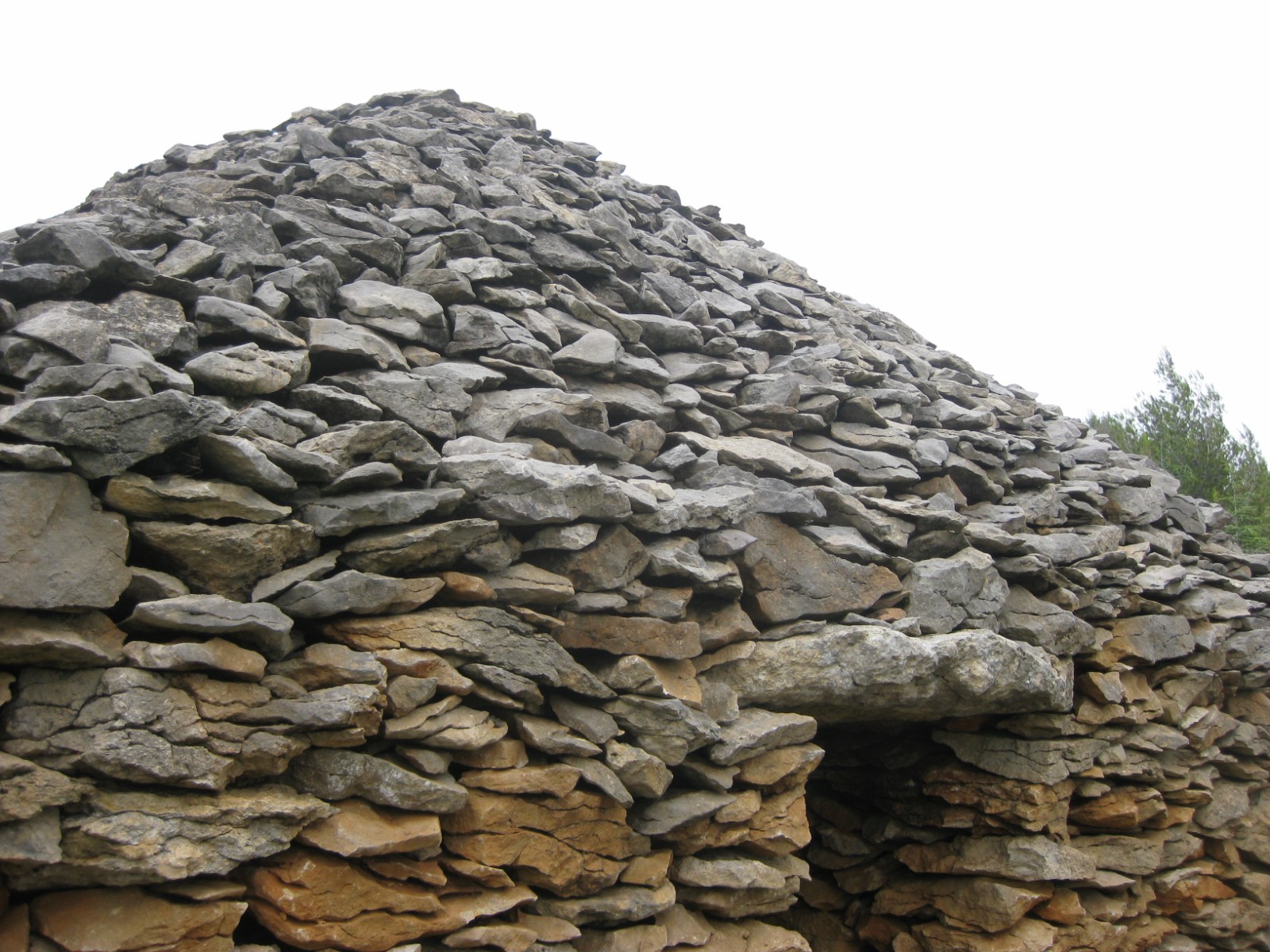
We’ve been walking north of Carcassonne today, with our friends Barbara and Tim, holidaying in the Aude from North Yorkshire. When we decided to go and explore the curious stone huts called capitelles in the scrubby garrigue near Conques sur Orbiel, we assumed they were something like the orris of the Ariège. These too are small sturdy dry stone wall huts: but orris were used by upland shepherds.

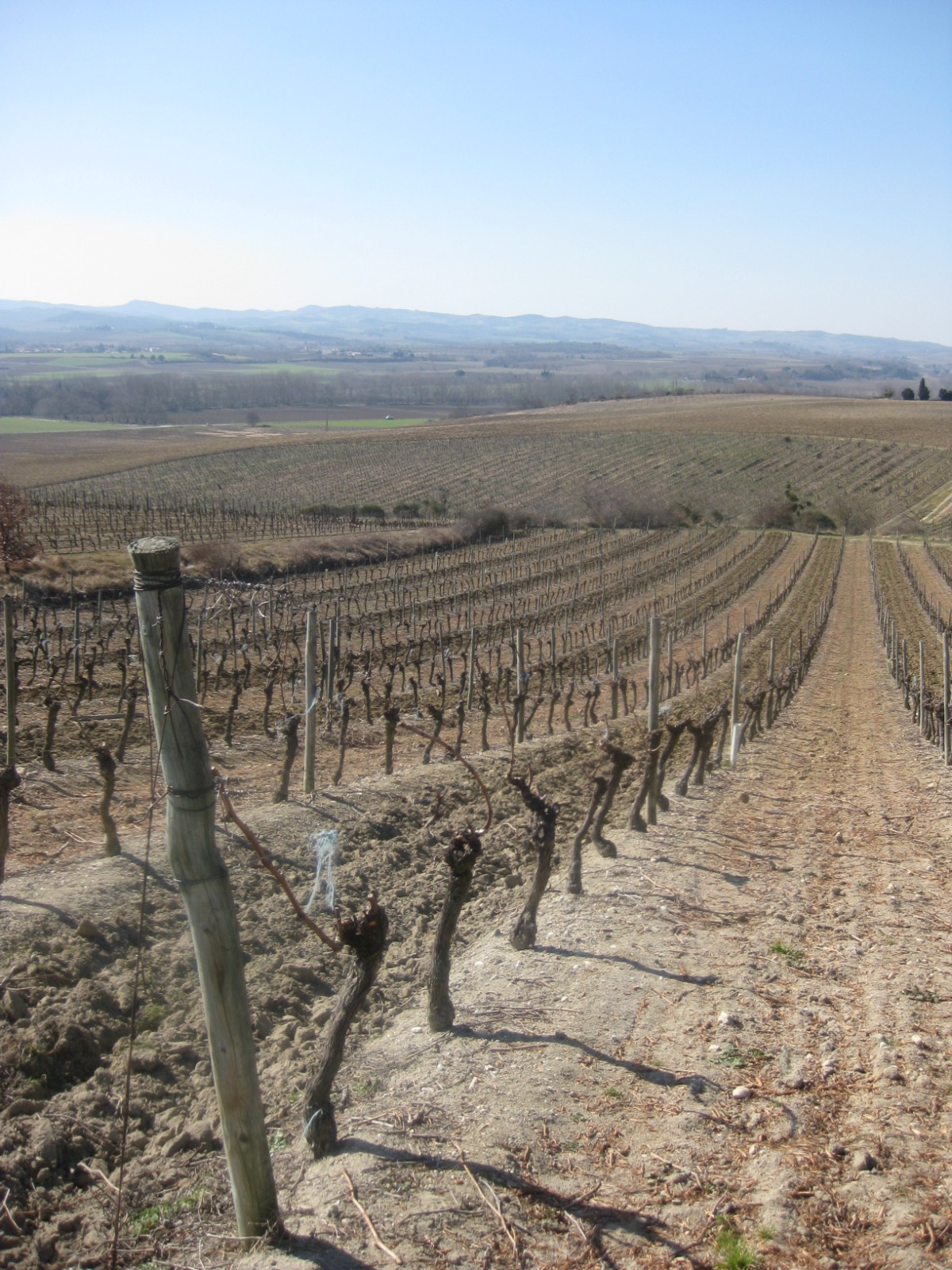
Capitelles are quite different. Following the formation of France’s Second Republic in 1848, everyone wanted something to call their own. Here in Conques, the poorest members of society looked beyond the village where they lived for some way of acquiring a bit of land and earning some extra money. They realised that the dry impoverished soils of the garrigue were good for only one crop: vines. As the peasants started to work the land to plant their vines, they dug up stones – hundreds of stones. And they used them in the first place to make low stone walls marking the limit of their territory.

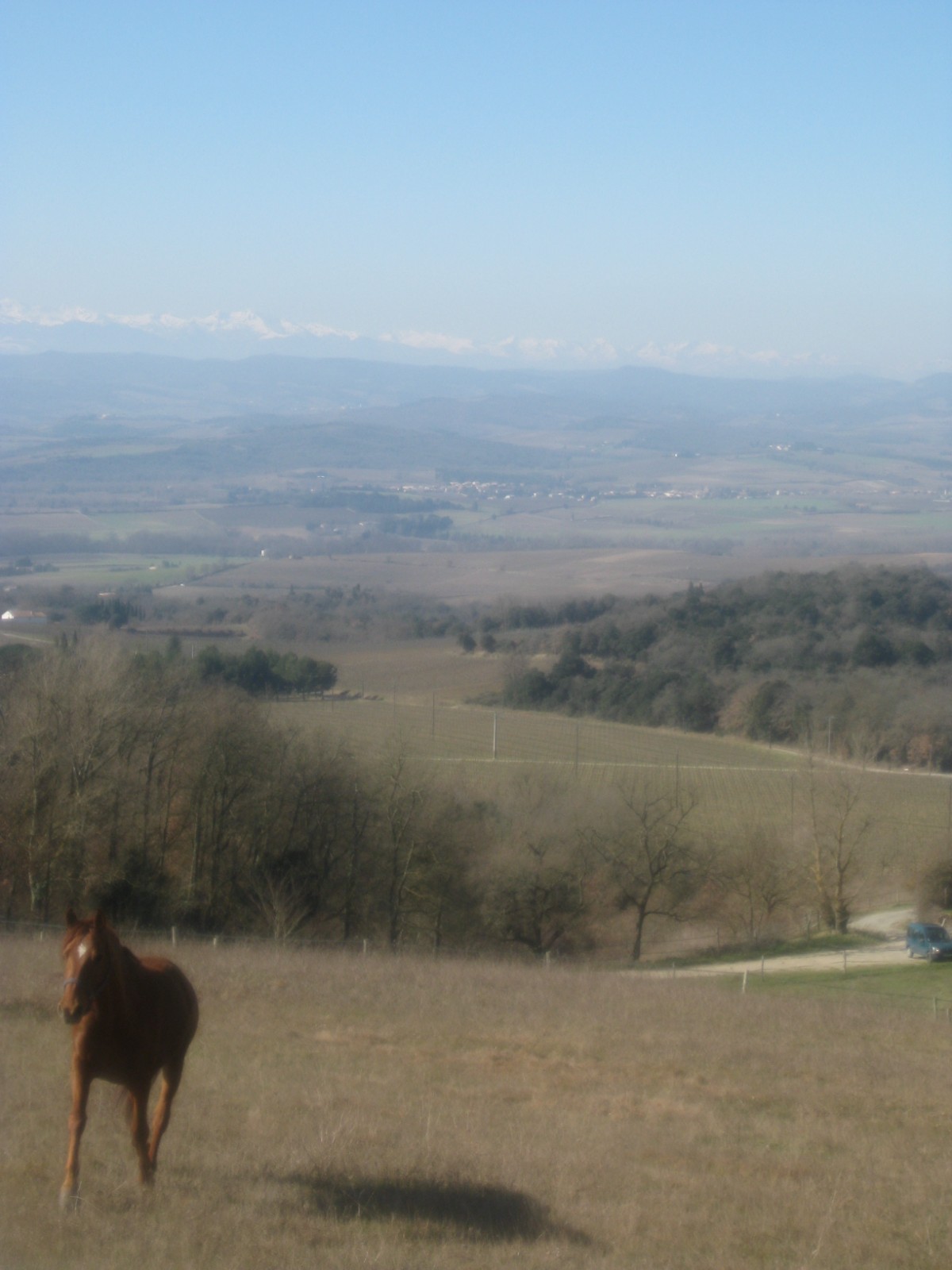
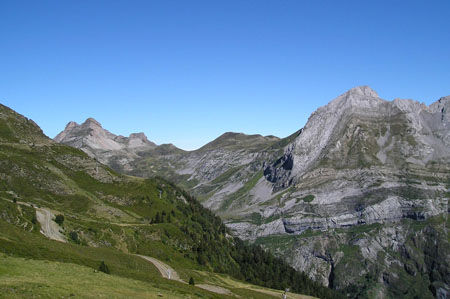
After that they built small huts to shelter from bad weather. These round or square huts are in the form of a dry stone wall rising to a semi-circular vaulted roof also in stone: no mortar, no foundations, a bare earthed-floor and a single small door, always facing south. They were all built by1880 or so, and the peasants who built the huts and worked the land here would have done so in any spare time left from their ‘day jobs’ as farm labourers. And this continued till the Fist World War. Men left to become soldiers, and at much the same time phylloxera struck. This double blow meant the area returned to uncultivated garrigue, and only recently have the capitelles been restored. They add interest to a stony landscape characterised by scrubby vegetation, low trees and shrubs and bright ground-hugging summer flowers. I’d have said distant views of the Pyrenees too, but today was misty and overcast, so Barbara and Tim had to take our word for it.











 From Pyrenees to Pennines
You must be logged in to post a comment.