‘No Bird Soars Too High if He Soars with His Own Wings’

It was William Blake who said that. And as this week’s Lens Artists Challenge, hosted by Beth is all about Wings, I thought I’d focus on birds.

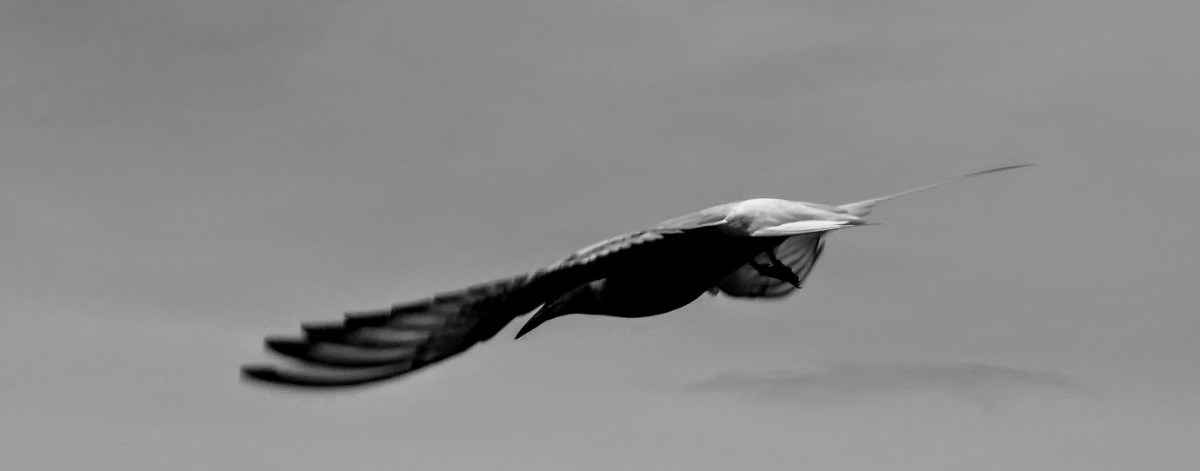
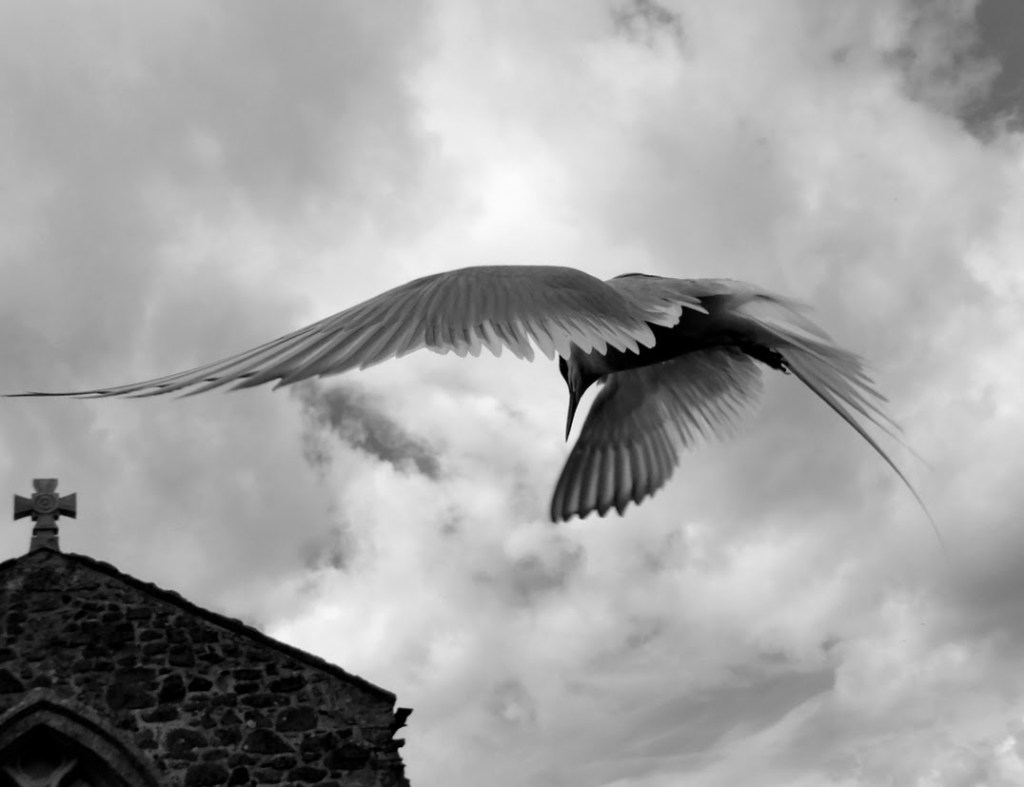
And they’d better be flying, to illustrate William Blake’s thoughts. Here’s an Arctic Tern. There’s another as the featured photo.

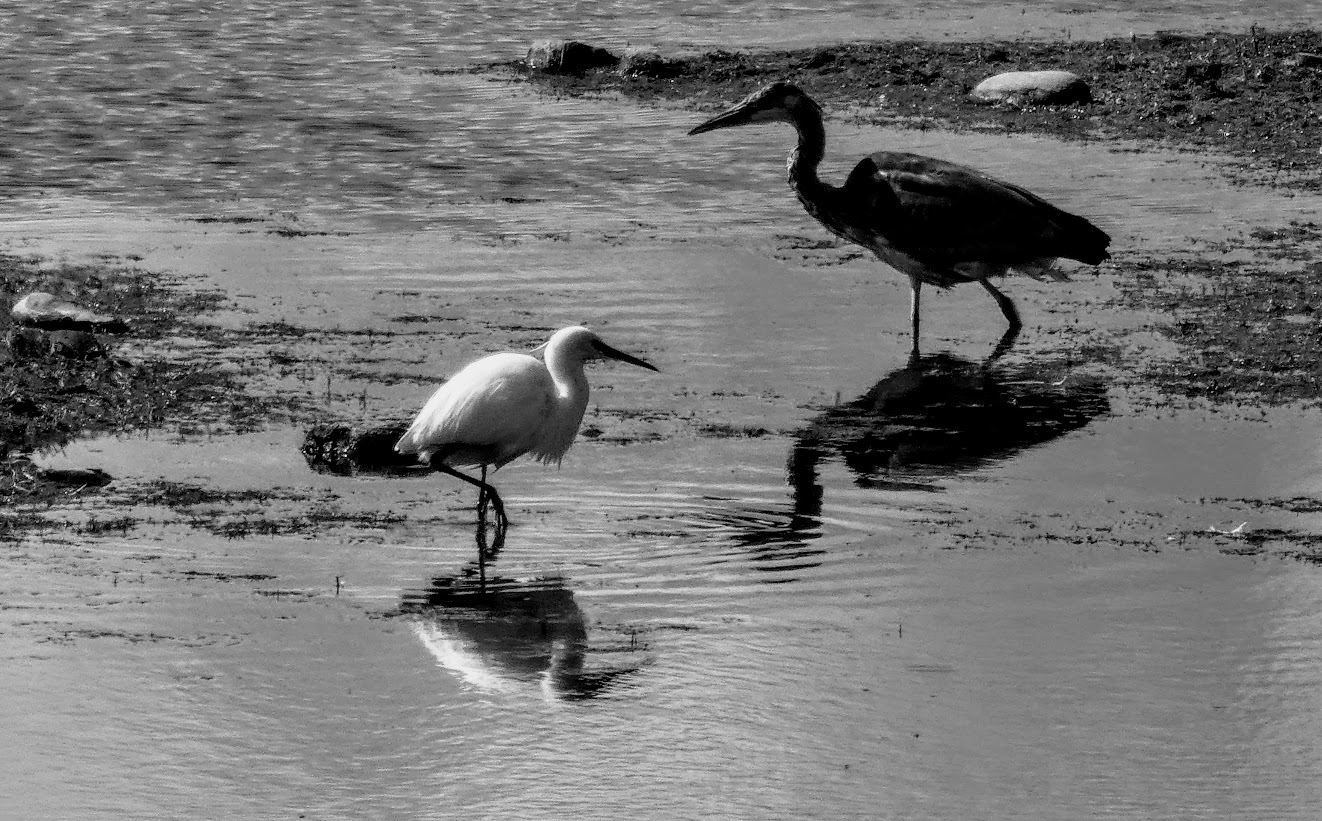
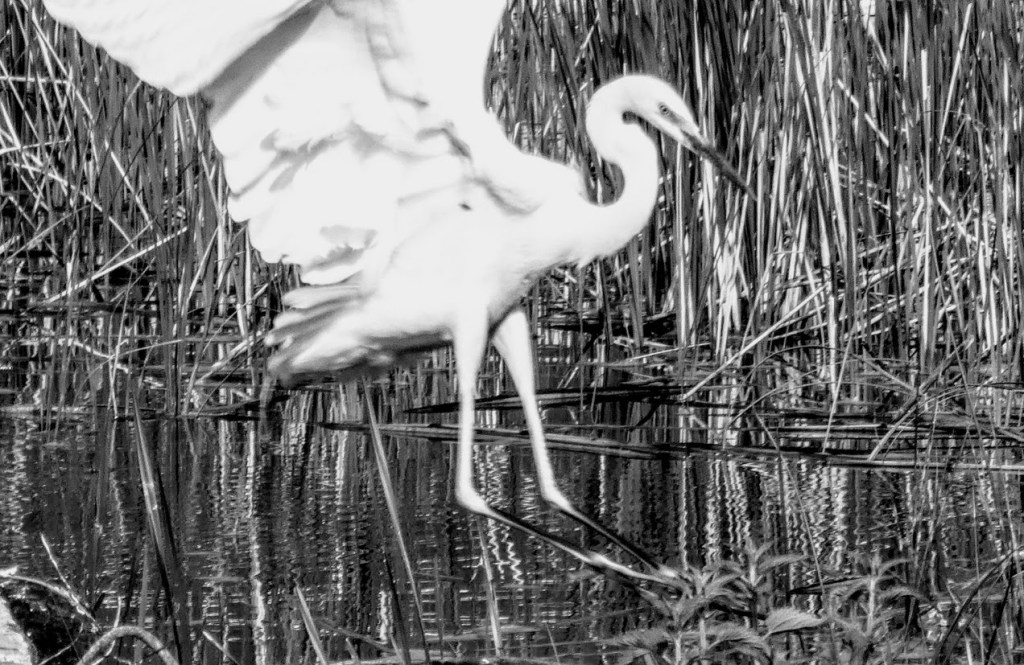
Here’s an egret landing. It caught me unawares, so not the whole of its wings made it into the image.

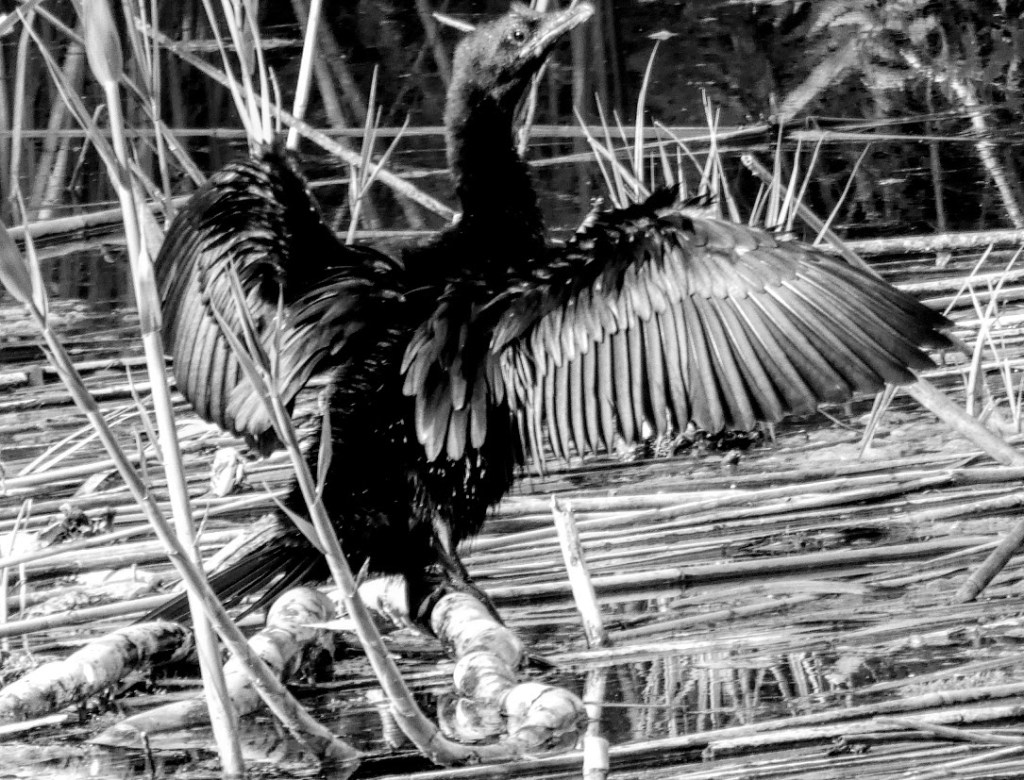
But most of my shots will feature birds at rest – all the better to demonstrate their plumage. Although here is a cormorant with wings extended. Not flying though.

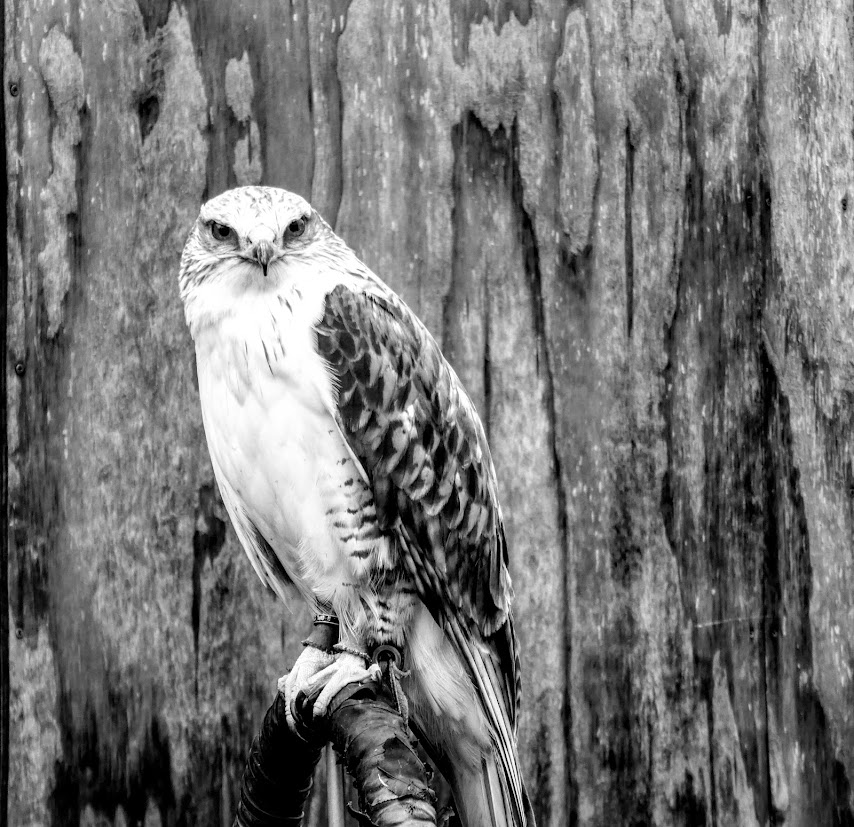
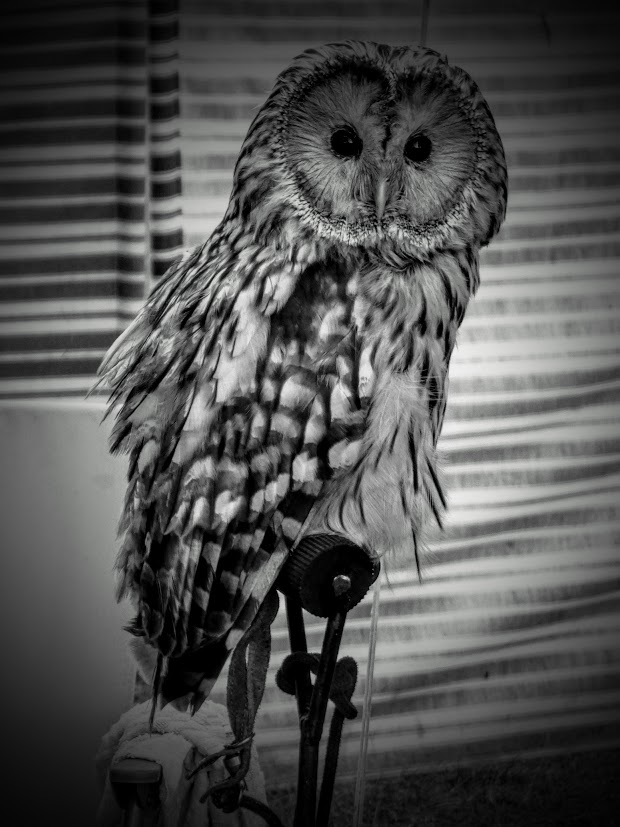
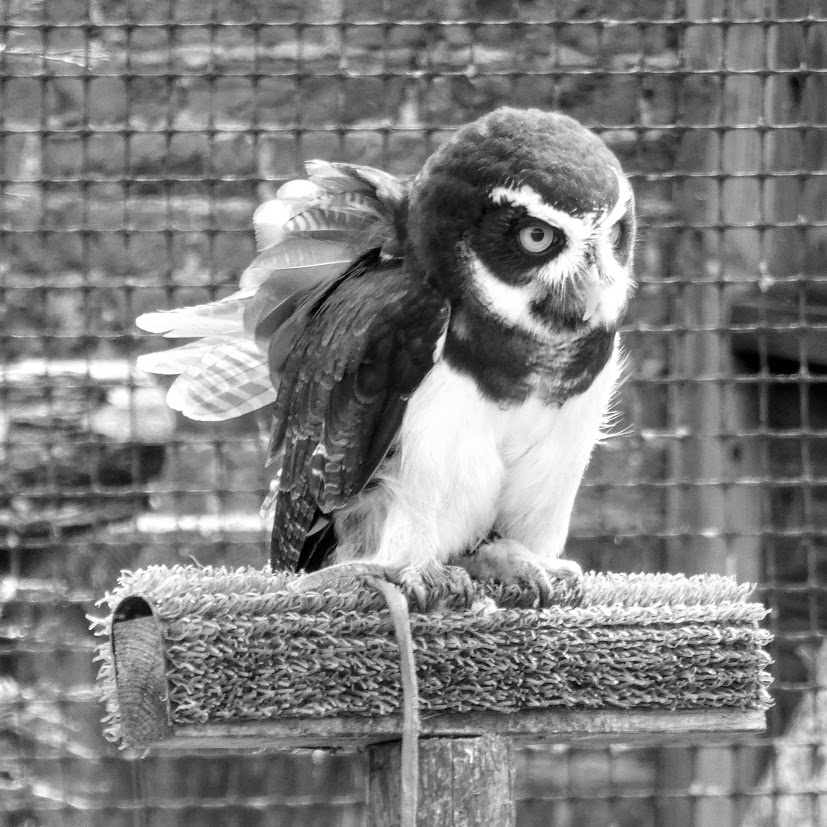
Here are some of the rest. These images were taken at a demonstration at Thorpe Perrow, and while I know the first one is a ferruginous hawk, I didn’t note the owl names. Can anybody help?

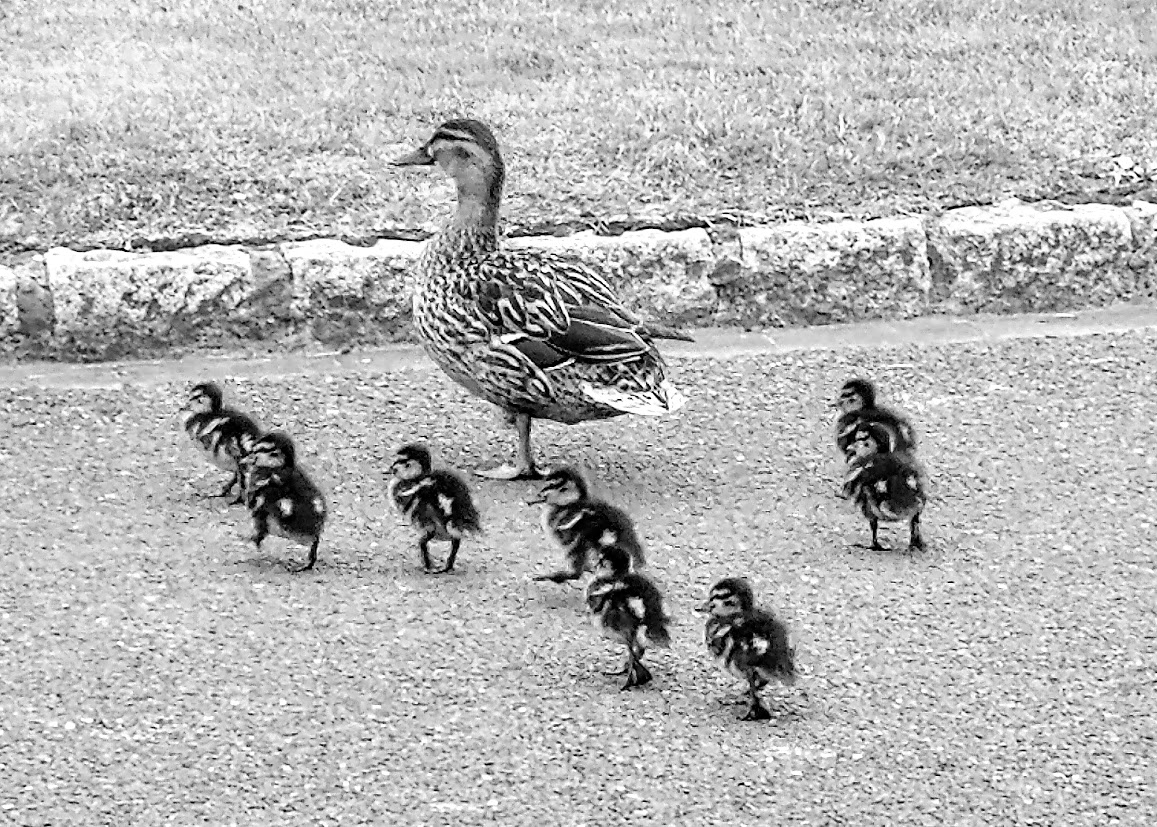
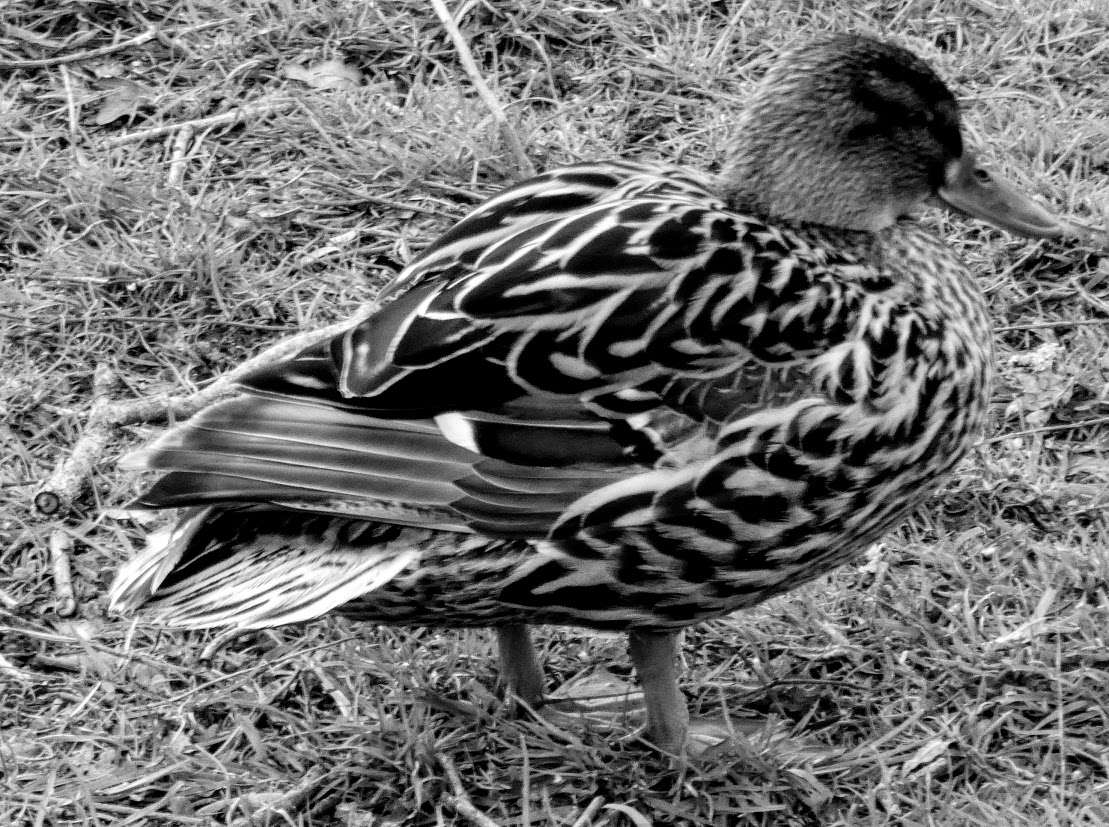
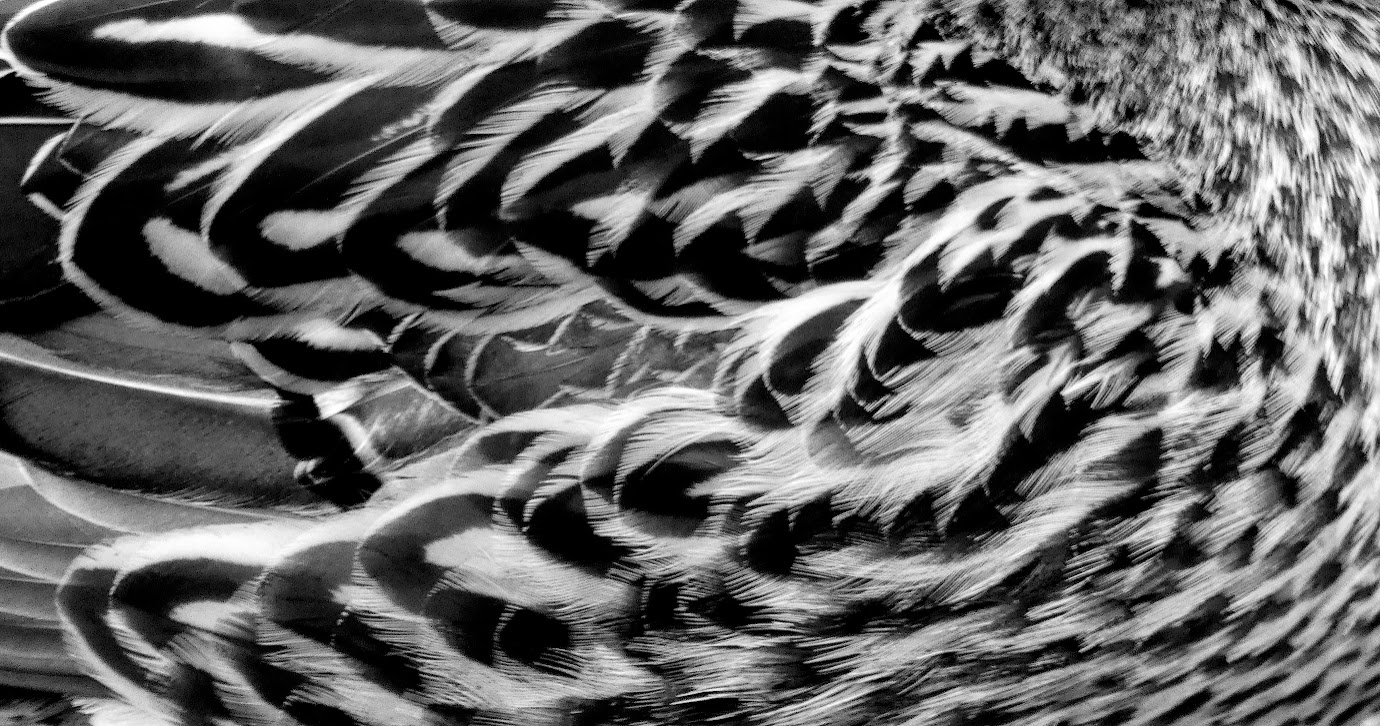
I thought this female mallard deserved a close-up of her wing feathers.

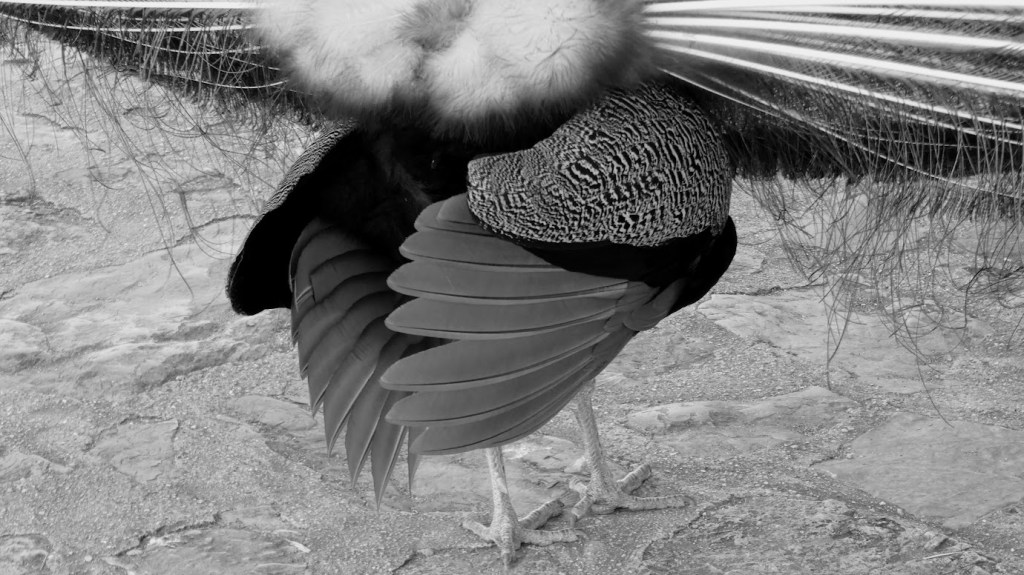
Just as I thought this peacock could afford to show off his wing feathers, and I could for once ignore his splendid tail display.

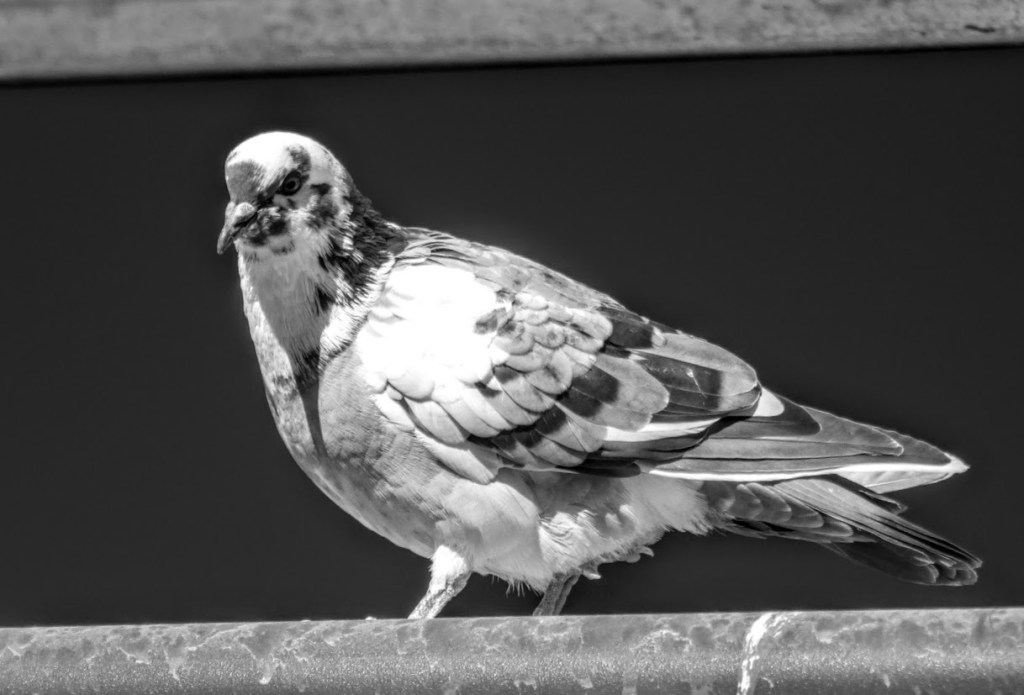
And finally – a pigeon with slightly OTT wing markings.

Also for Leanne’s Monochrome Madness.

... and I. J. Khanewala’s Bird of the Week – even though I have birds, plural.

Tick-Tock

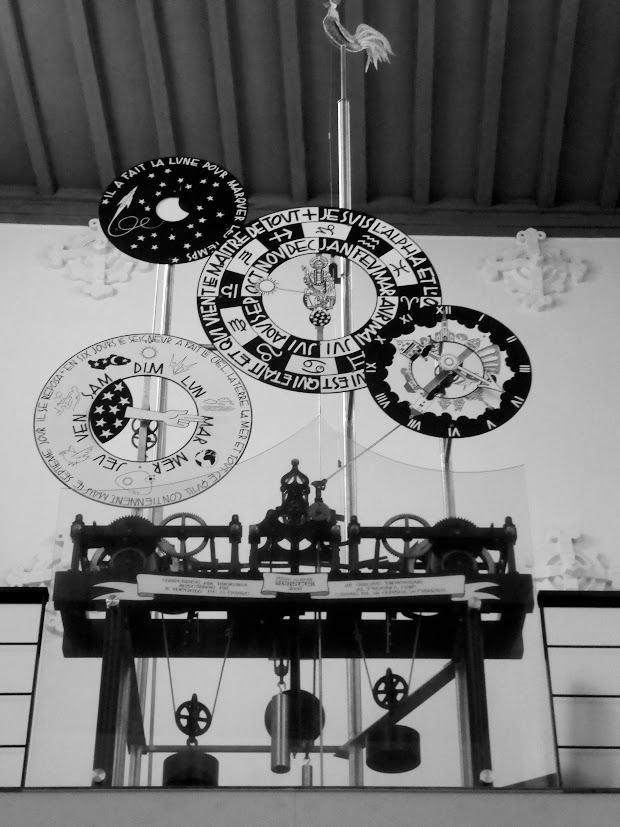
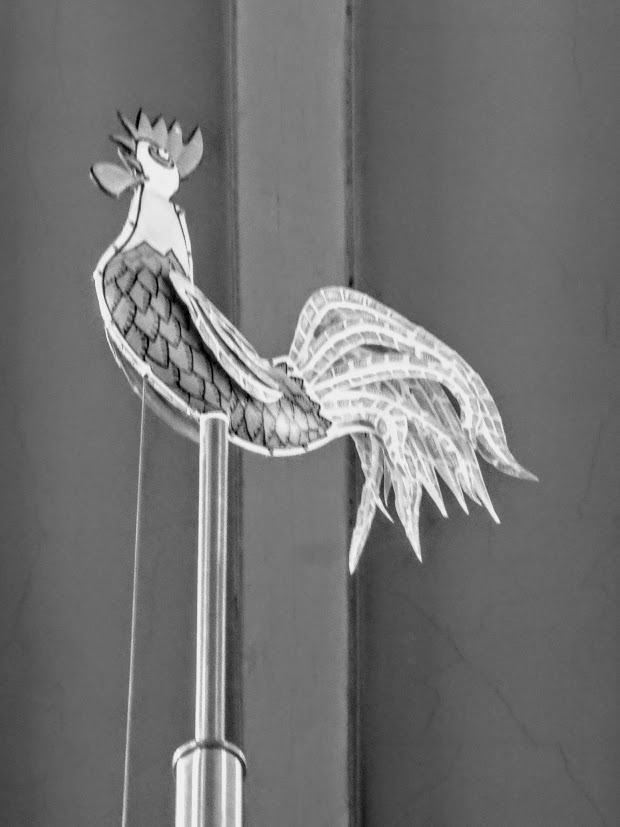
This week, it’s my turn to host Leanne’s Monochrome Madness. I decided on Clocks and Timepieces. Easy, I thought. Well, up to a point. There are plenty of clocks in towns, in stations, on churches and on public buildings. But too often they’re bit samey-samey. So I’m starting with one that we came upon by chance on our last day in Alsace, in Munster’s Catholic Church. It’s a modern Horloge de la Création, installed at the behest of André Voegele from Strasbourg, who has made it his ambition to install unusual timepieces. This one is interesting alright. It tells the time: hour by hour, minute by minute. But it also counts the years down, month by month; the days of the week; and the phases of the moon. It’s topped by a splendid cockerel, whom I chopped off a bit in my header photo. So here he is. I’m sure he’s a reliable alarm clock. Cocks usually are.

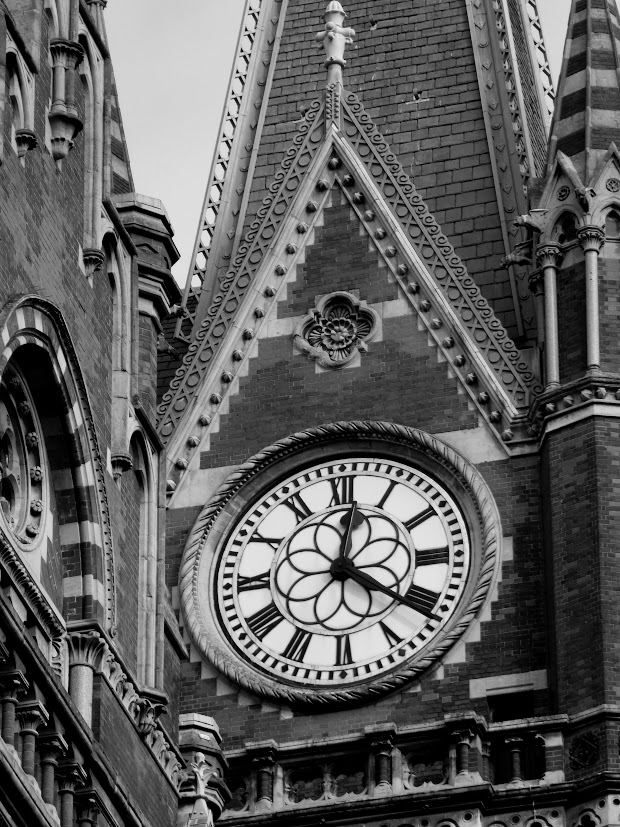
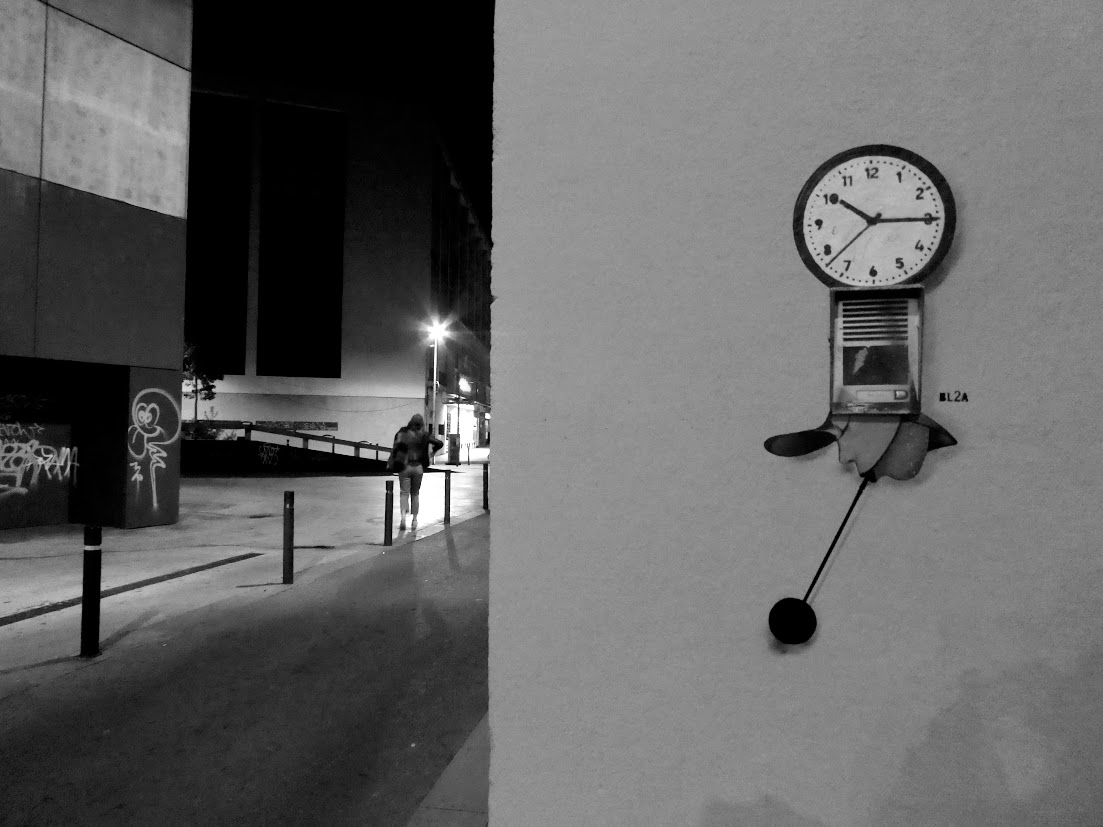
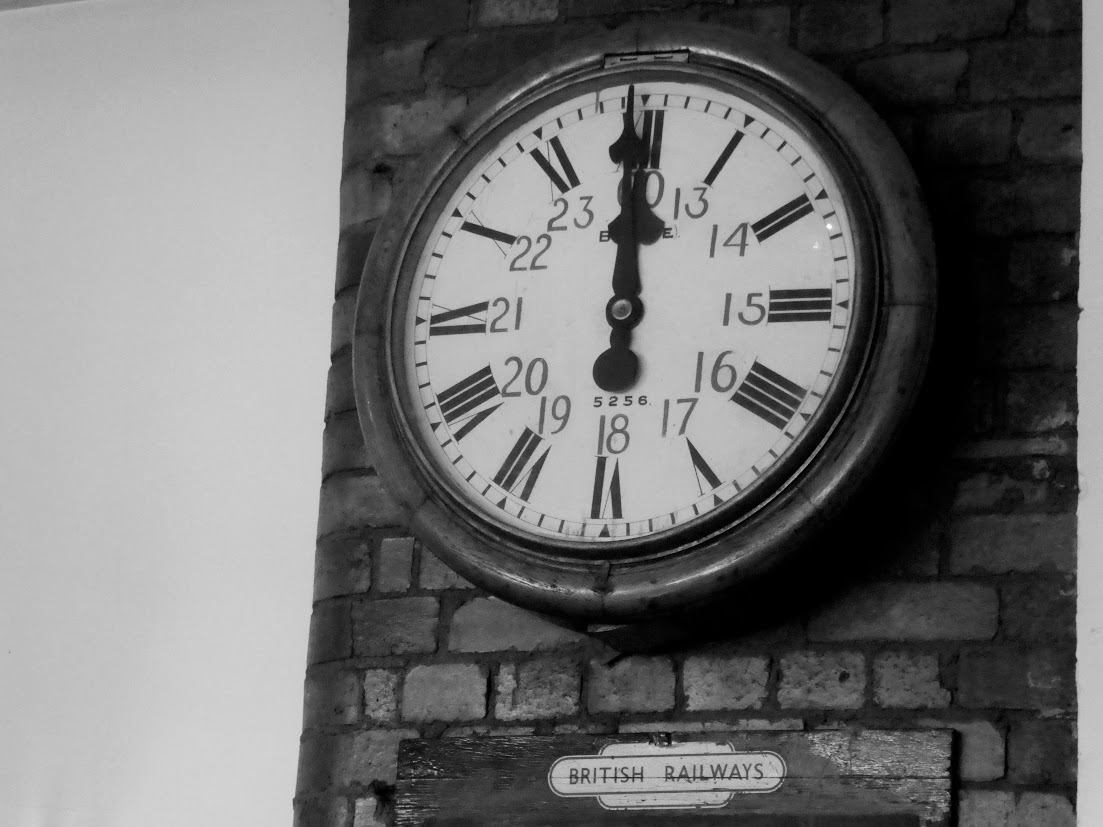
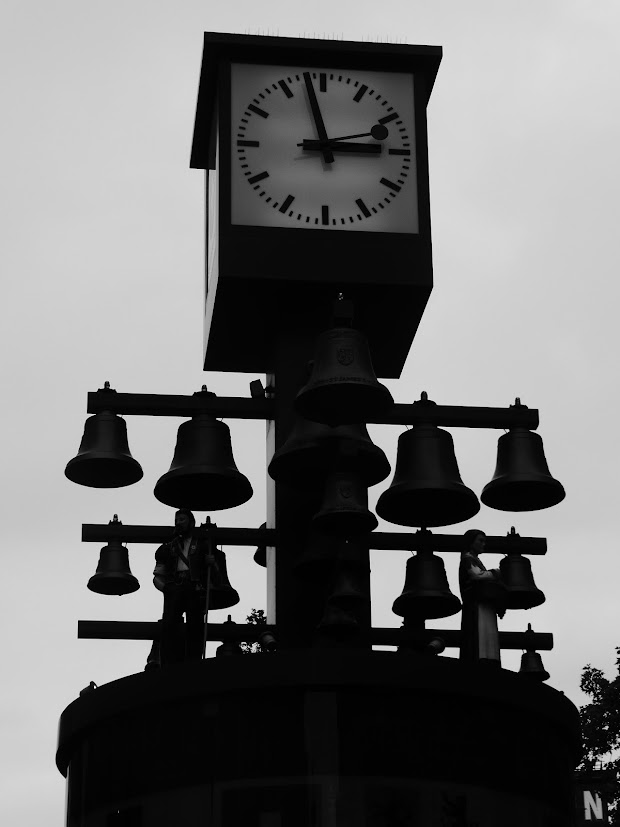
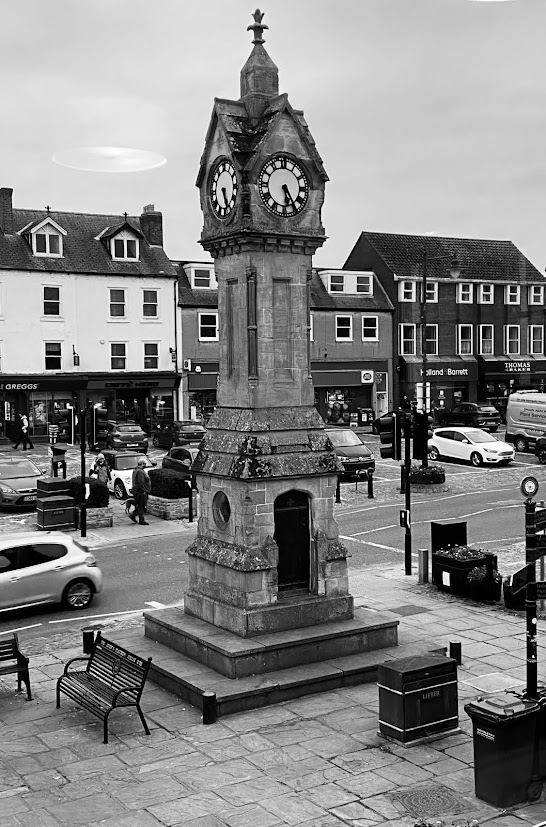
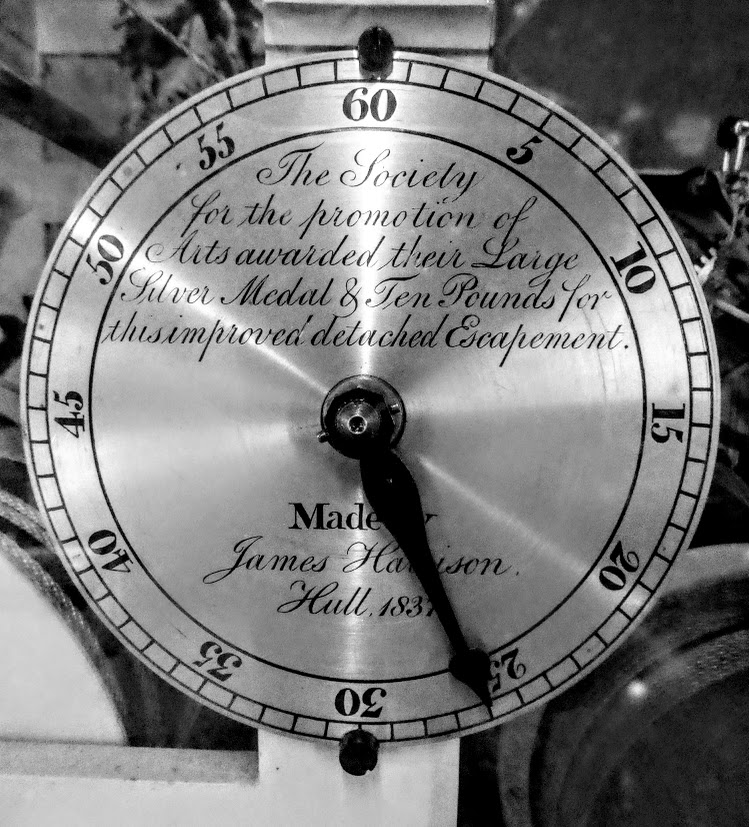
As to the rest. I have an indifferent photo of a clock that hasn’t functioned since 2007 – the Swiss Glockenspiel Clock in London; a clock outside St. Pancras Station; one from a station waiting room in Keighley; an intriguing one spotted outside an apartment block in Barcelona; the centrepiece of Thirsk’s Market Square; and a clock which is not a clock, but helps to govern the workings of the one high up outside Masham’s Parish Church. Now. Can you tell which is which?

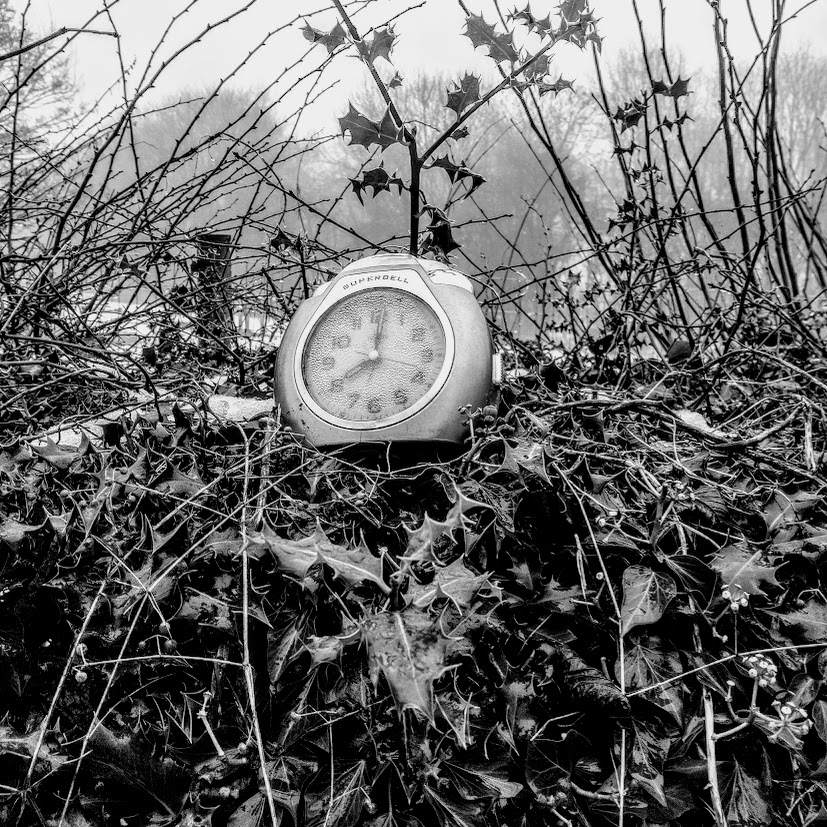
And finally. A clock which is a shadow of its former self. This alarm clock sat in a hedge on a country road which I often passed during Daily Exercise in Lockdown. It stayed there for months after Normal Sevice had been resumed. It was always 8 o’clock. Then one day it disappeared. Life has not been the same since. I offer it to Becky for NovemberShadows.

The lonely alarm clock of Musterfield. Tells the correct time twice daily, but the alarm never rings.

Ruined Statuary

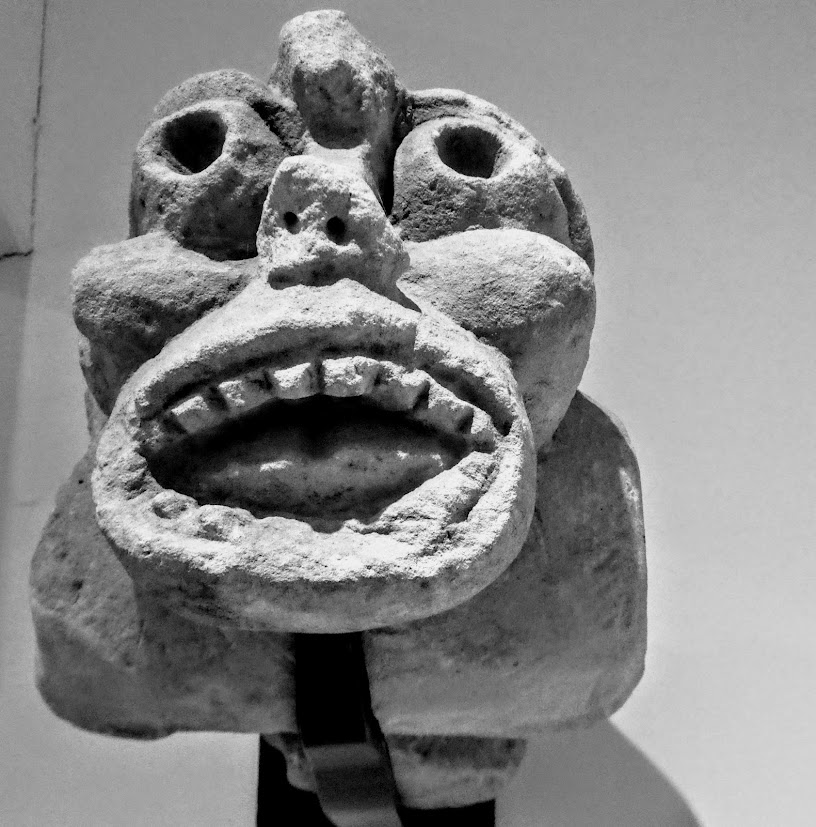
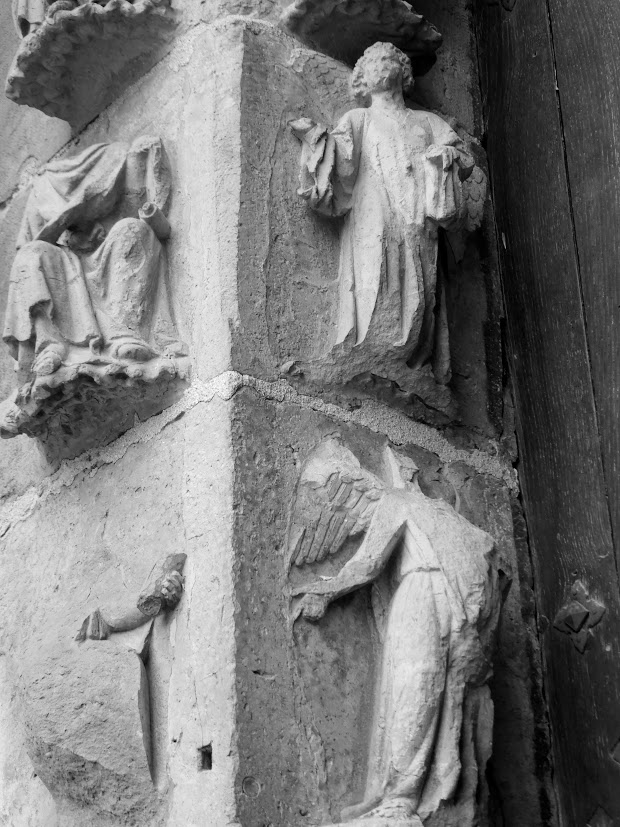
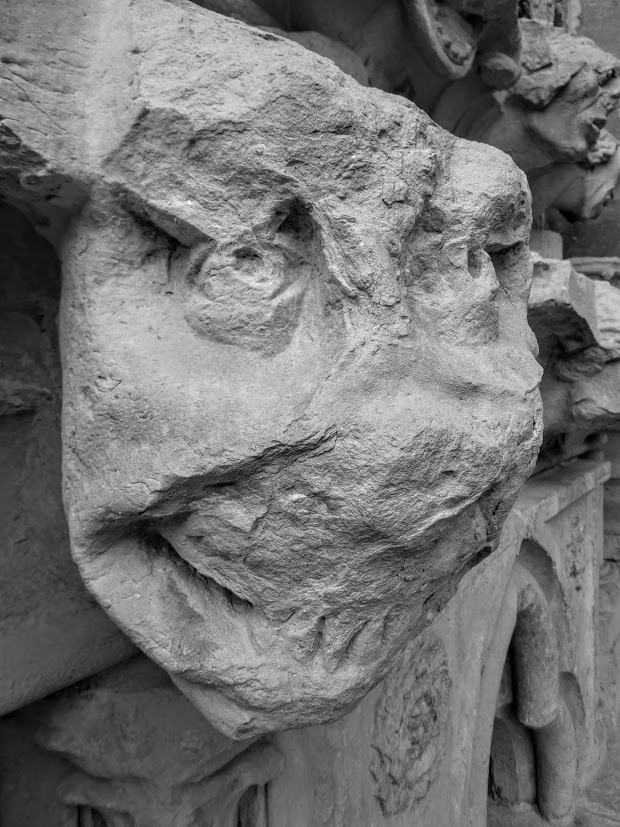
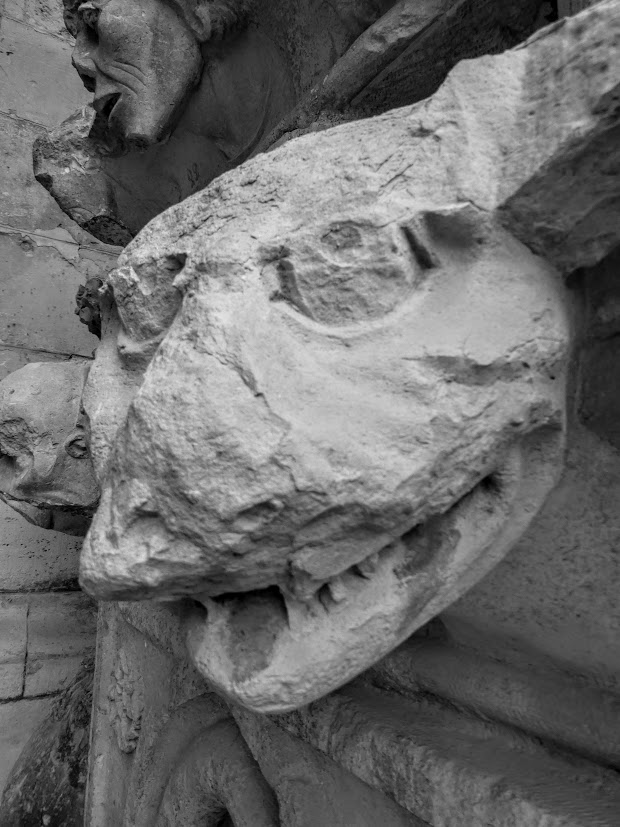
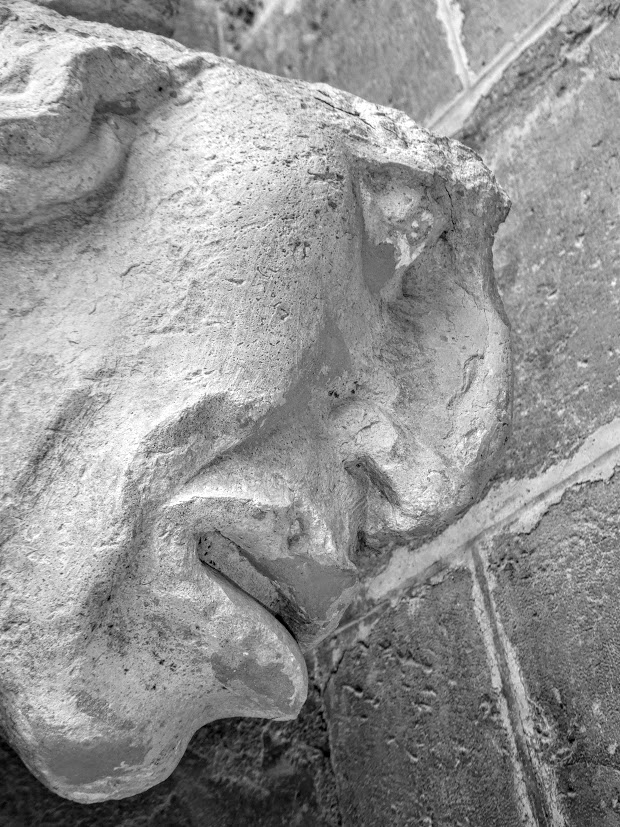
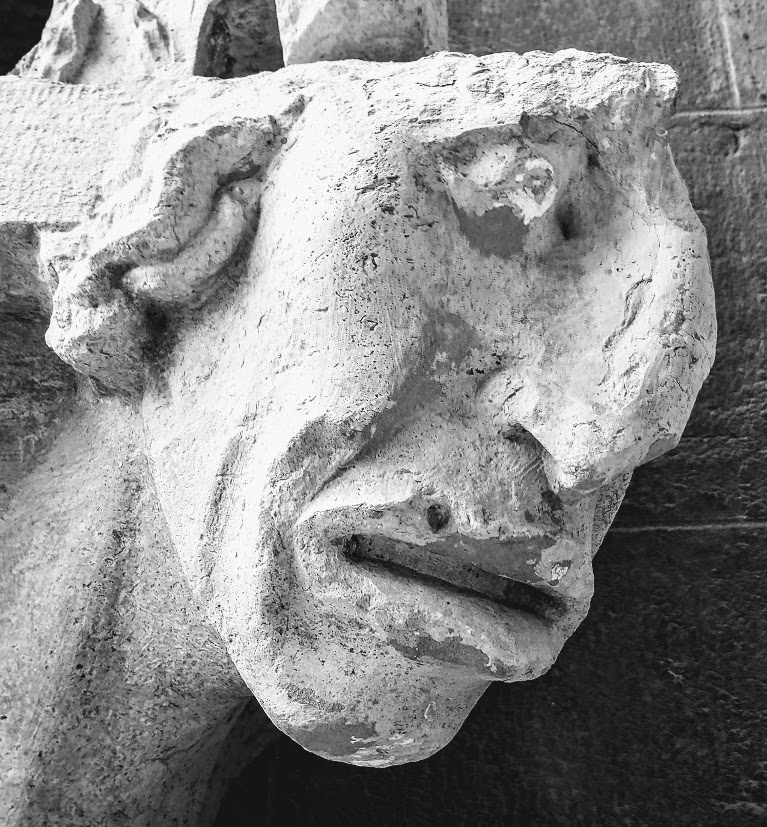
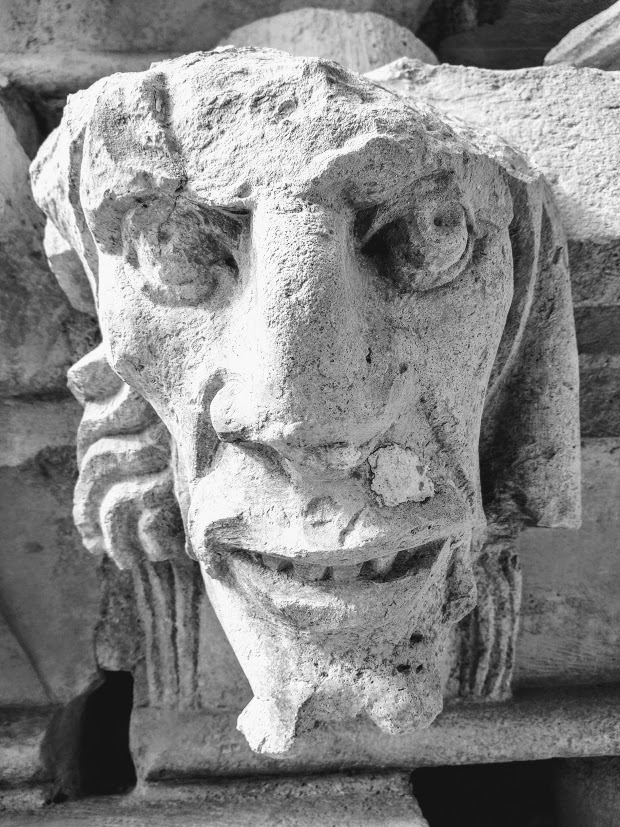
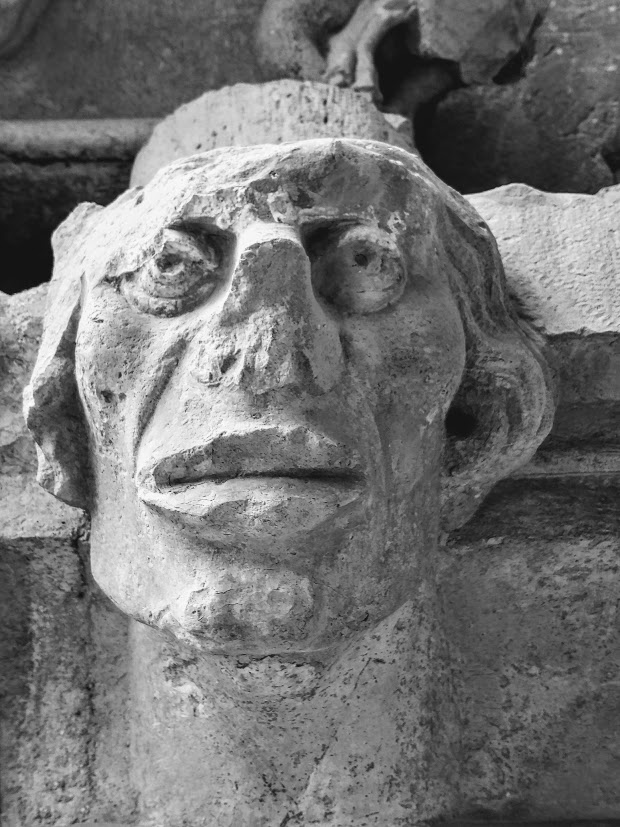
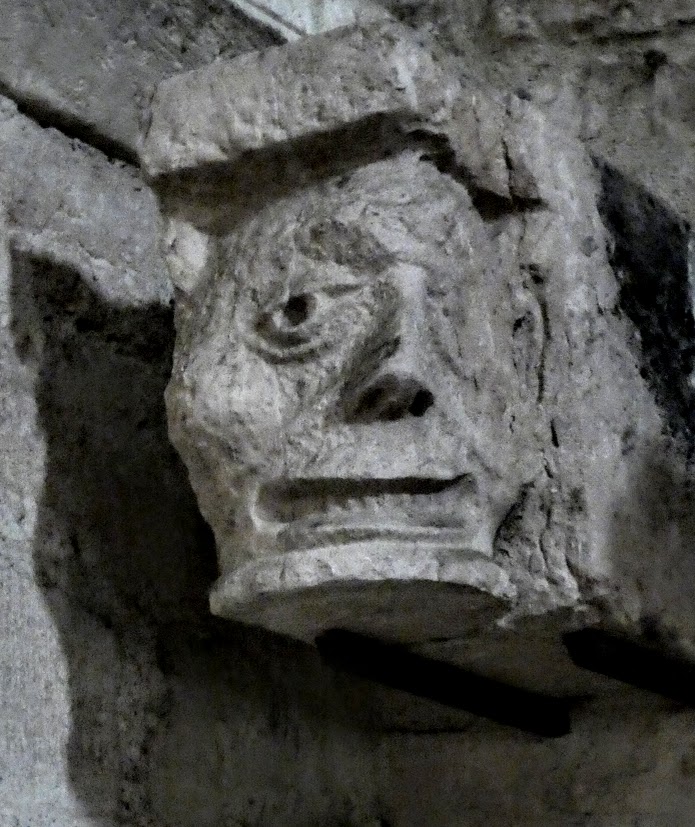
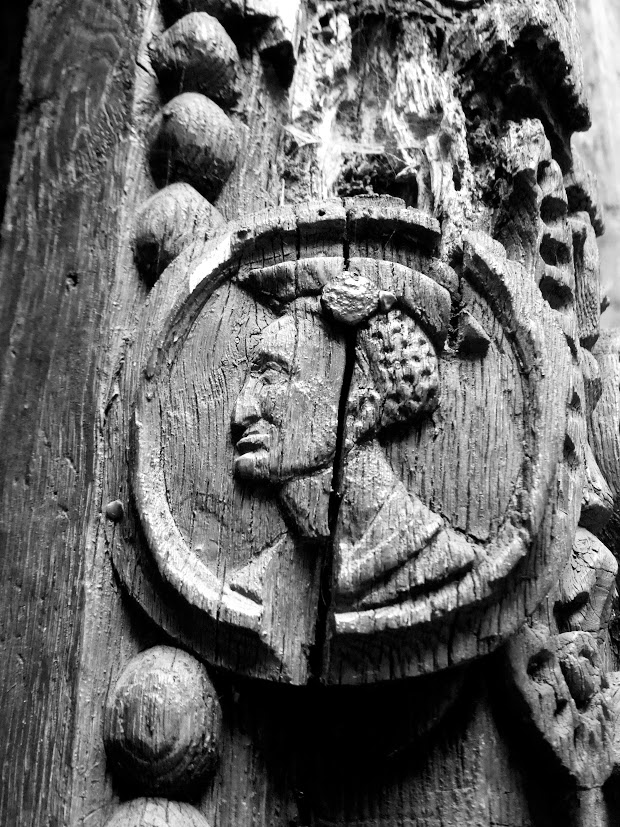
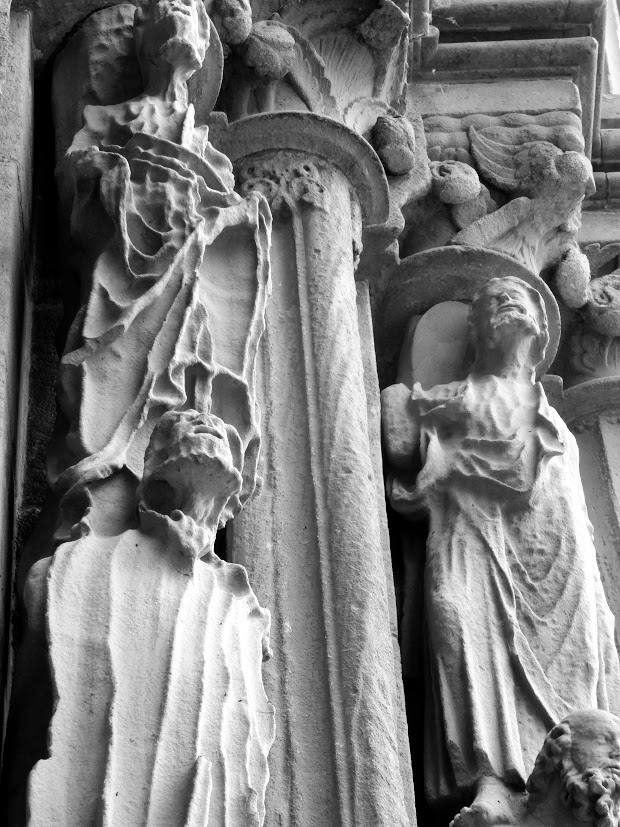
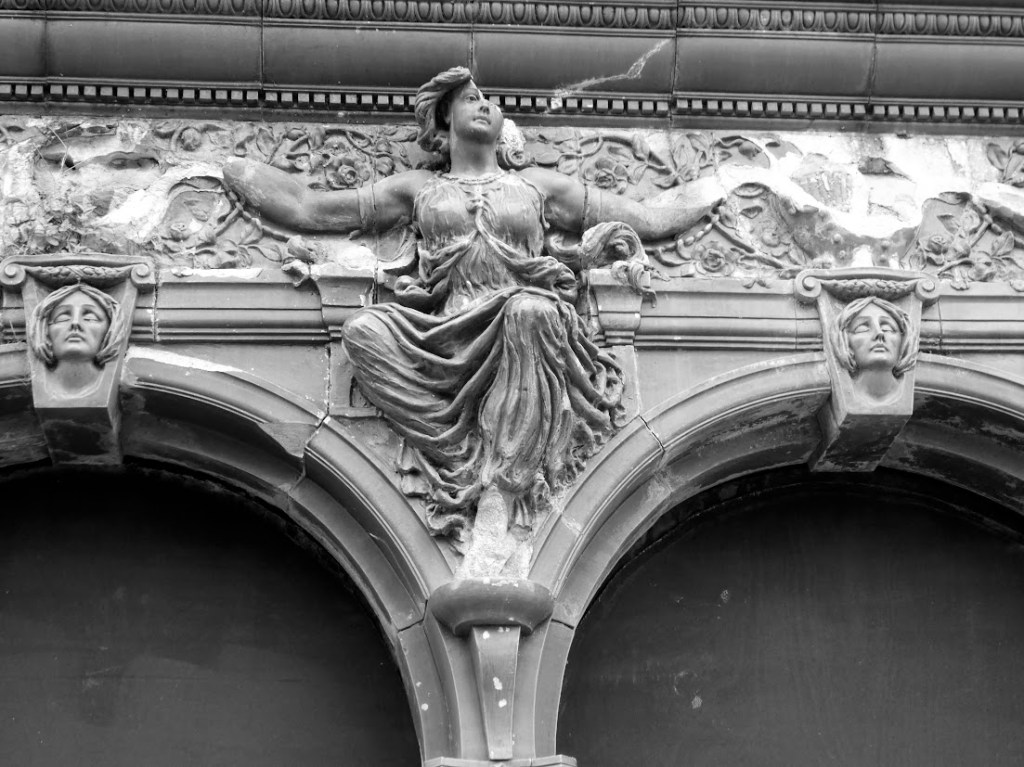
Today, for Leanne’s Monochrome Madness, Sarah of Travel with Me invites us to photograph ruins. I could so easily take you (yet again) to my favourite ruined abbeys: Fountains Abbey, Jervaulx, or Rievaulx. But Sarah herself has shown Fountains Abbey off in her post. I could take you to ruins all over this country and beyond. Instead, I thought that I’d show you not buildings, but their statues, often ruined by weather, by warfare, or quite simply the passage of time.

Best start in Rievaulx though, where carvings in its museum gave me the idea.

Off to North Eastern France, where the churches and cathedrals of Rheims, Laon and Tournus (to name but a few) have all mightily suffered from the weather eating into into the local limestone from which these were built.

And in Troyes, wooden buildings have taken a weather-beating too.

A church in Bamberg has suffered mightily from having been contructed from limestone.

But even more recent buildings have been ruined a bit. Come to Hartlepool with me.

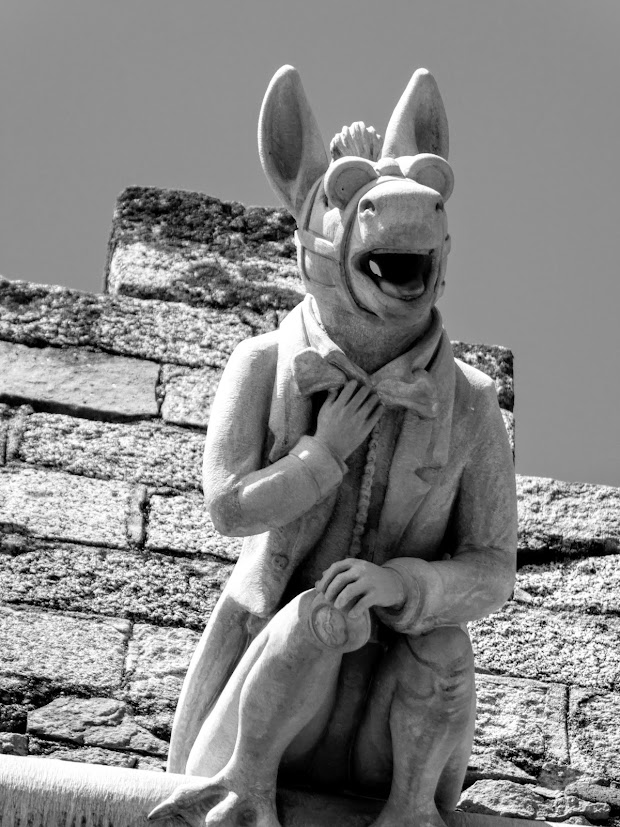
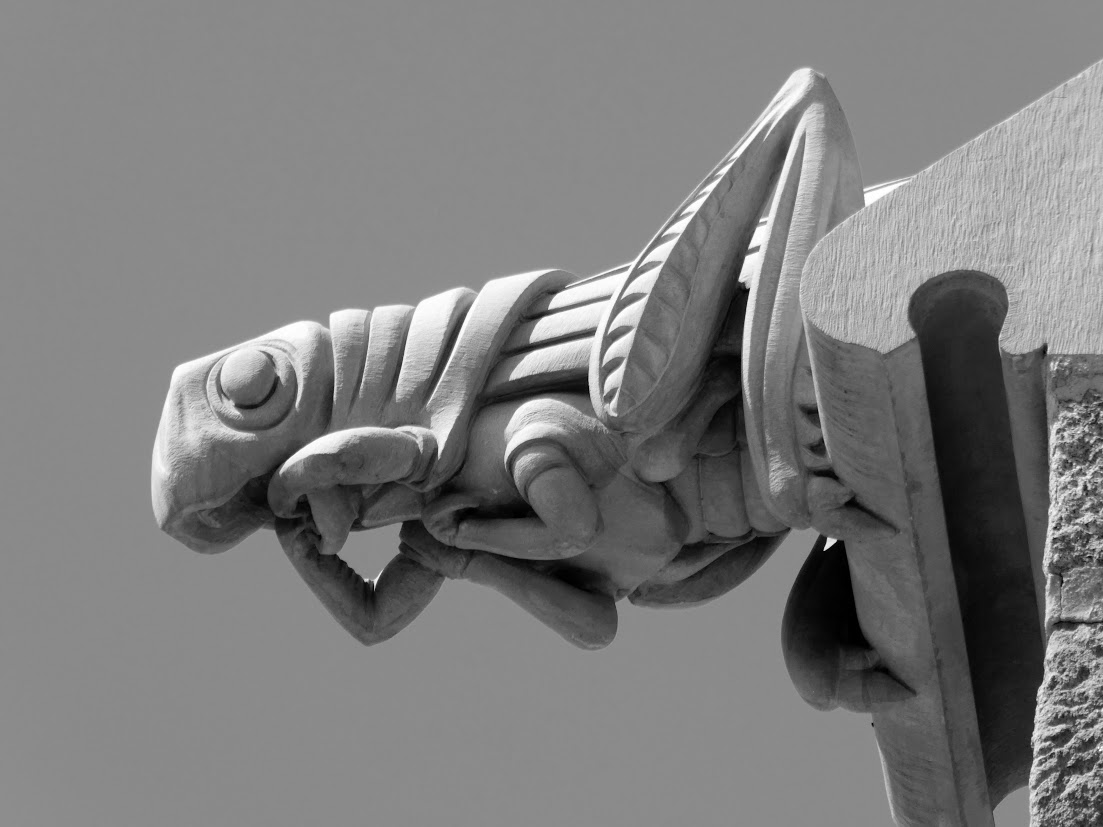
Let’s finish off by disobeying the challenge completely, at Sant Julia church, in Argentona, Catalonia. Its gargoyles were so ruined they pulled them down. And replaced them. Like this.

By the time you read this we will be at least half way down England, in transit for eastern France – Alsace. So you won’t get prompt responses to any comments I’m afraid, as we shan’t finish travelling till Friday. But I will send a postcard before the weekend is out!

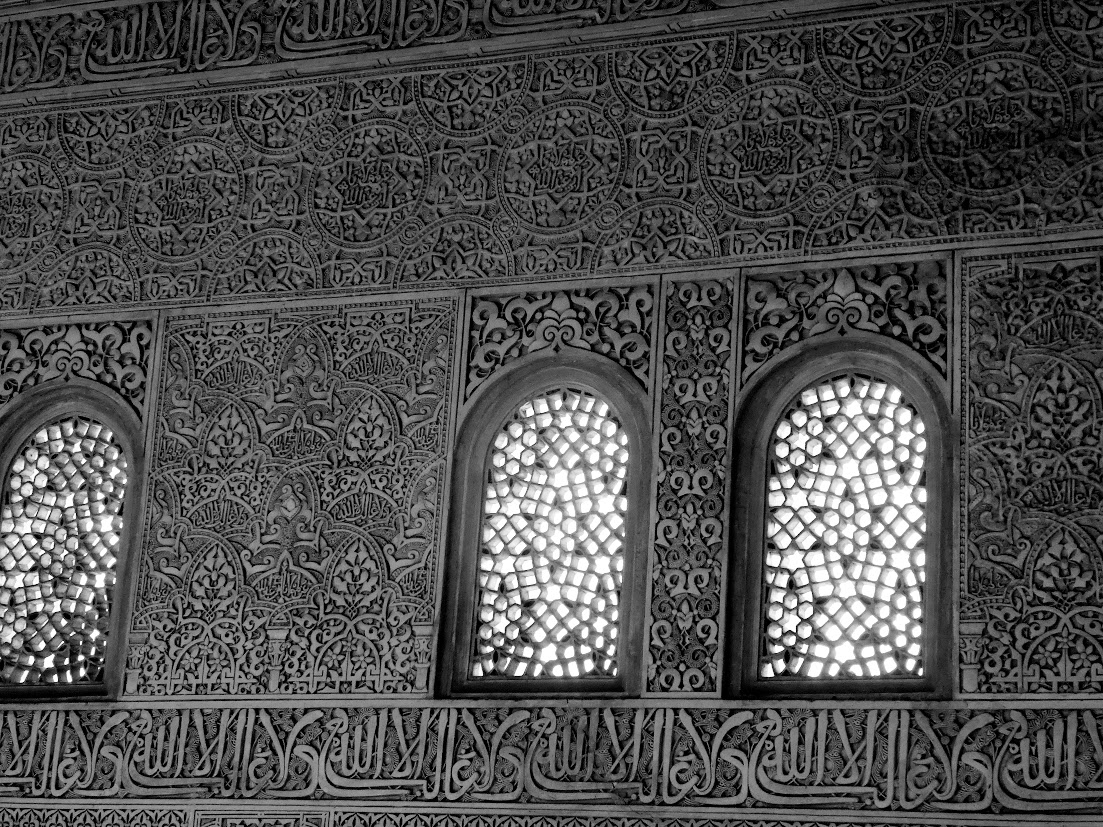
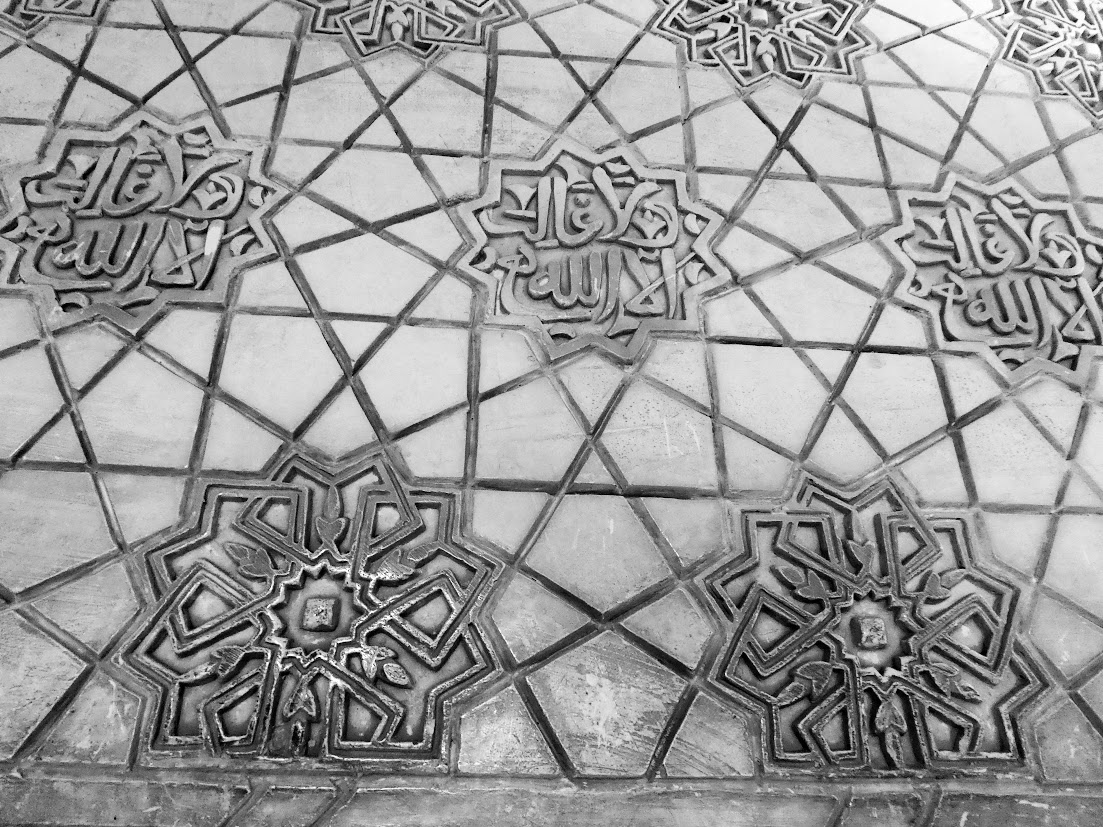
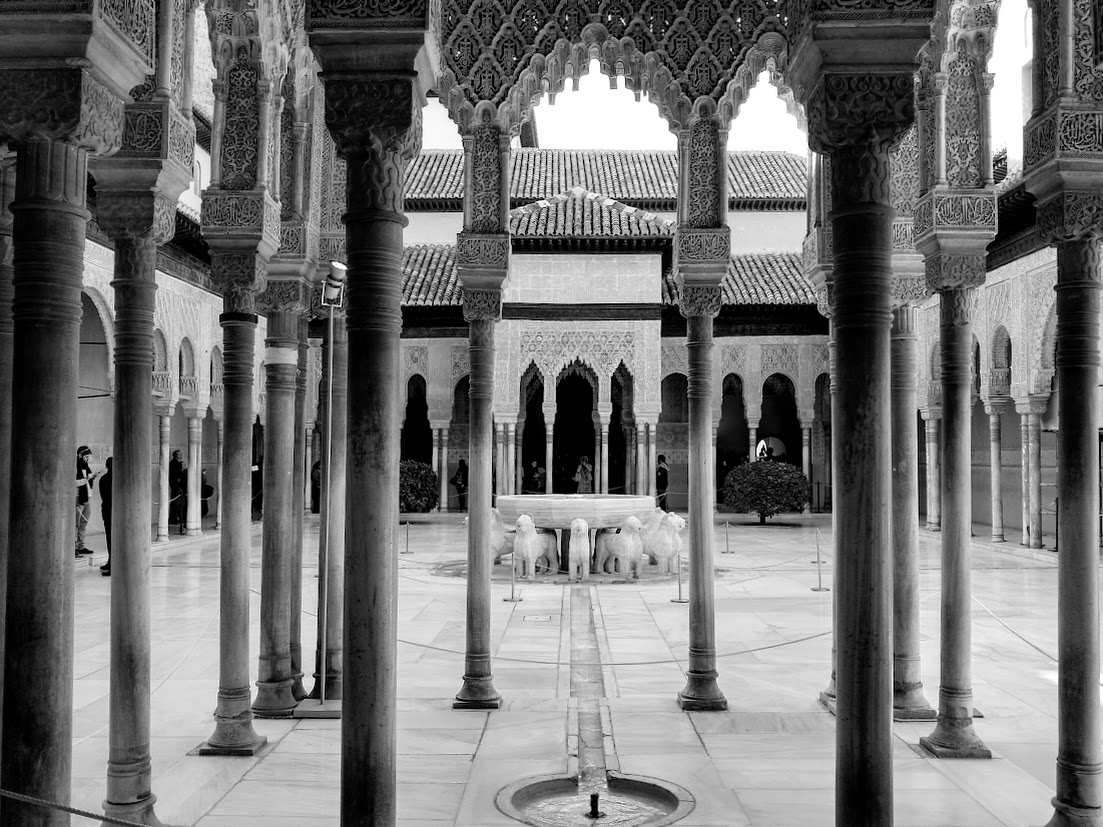
The Eternal Symmetry of the Alhambra

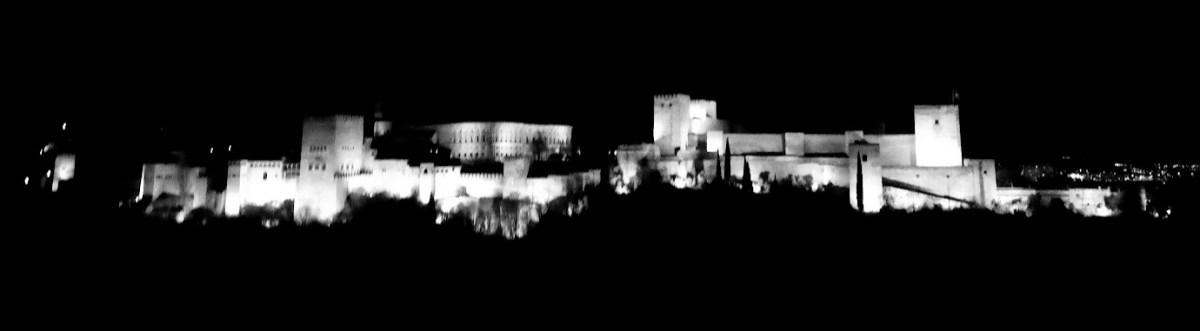
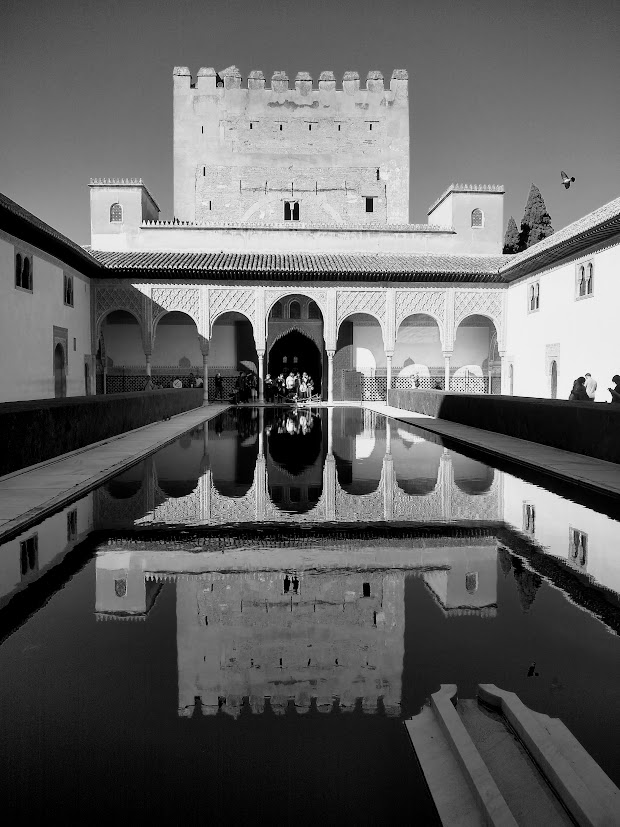
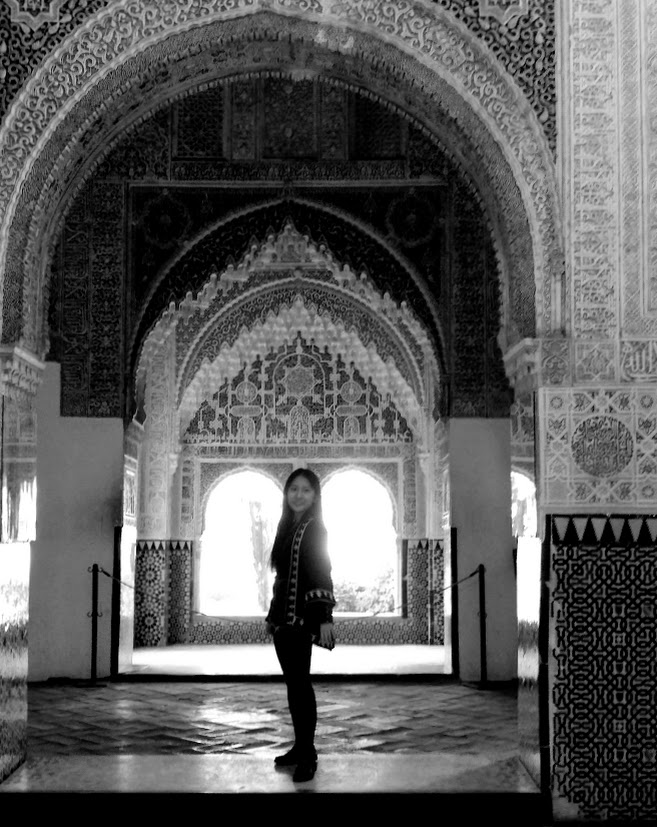
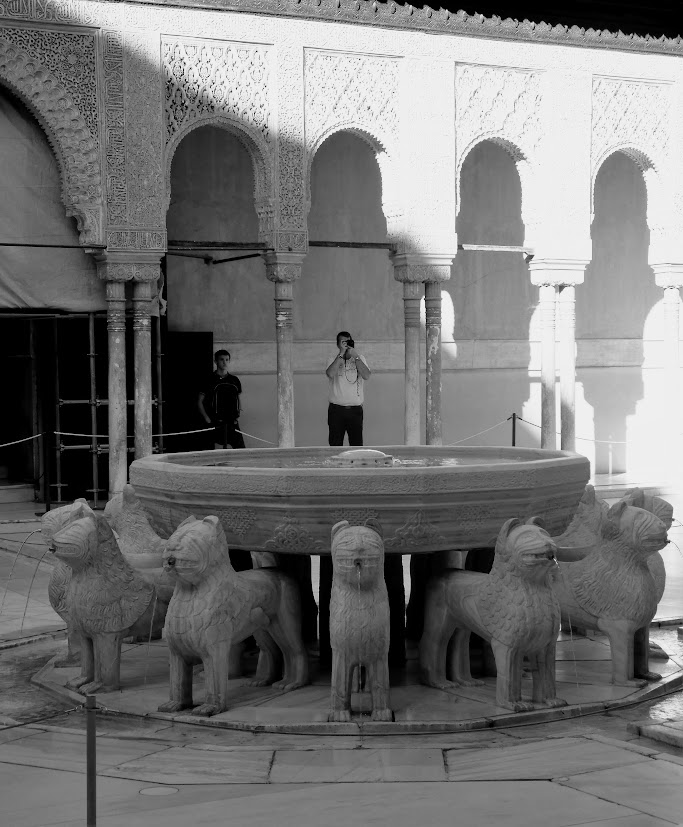
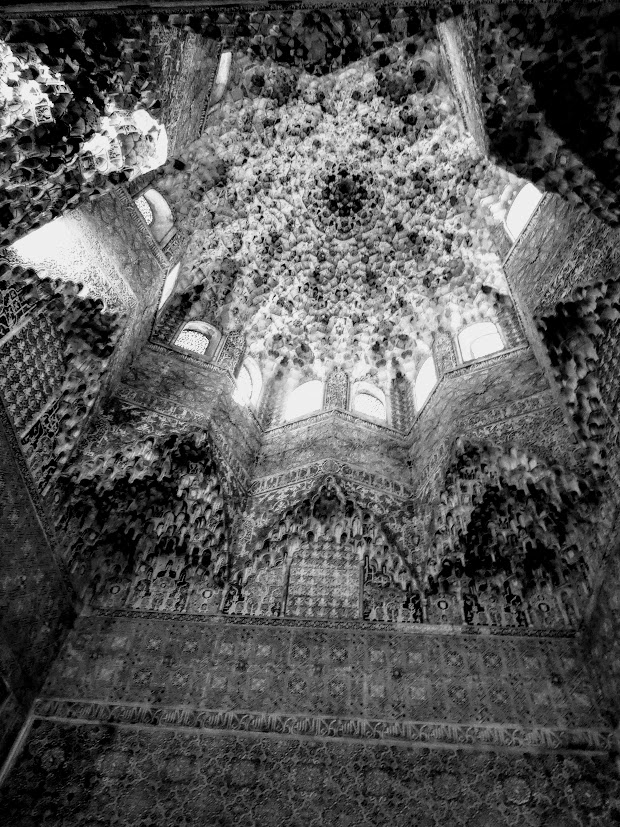
The Alahambra in Granada has a history going back to the 11th century. It was a Zirid fortress, then a 13th and 14th century Nasrid royal palace and fortress complex. Like all Nasrid palaces, it’s a harmonious blend of space, light, and water, featuring intricate decorations and inscriptions, and it’s quite wonderful. Despite the crowds and the selfie-seekers, one of whom is immortalised below. We couldn’t get rid of her.

But in 1492 (the same year, as any English schoolchild knows, that ‘Columbus sailed the ocean blue‘), Catholic monarchs captured Granada, the last bastion of Moorish rule in Spain. It became a royal court for some time before falling into disrepair, was damaged by Napoleon’s troops, and was eventually discovered by 19th century Romantic travellers. Rediscovered, restored, it’s now a UNESCO World Heritage site.

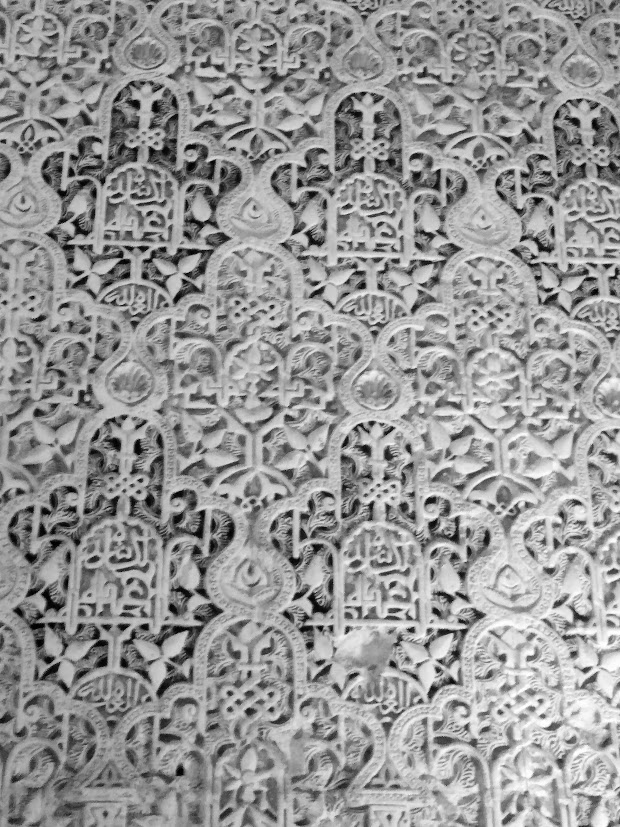
Here’s some decorative detail. Also symmetrical.

And so it’s here I’ve come to celebrate symmetry for Leanne’s Monochrome Madness, hosted this week by Dawn of The Day After. We visited in 2019.

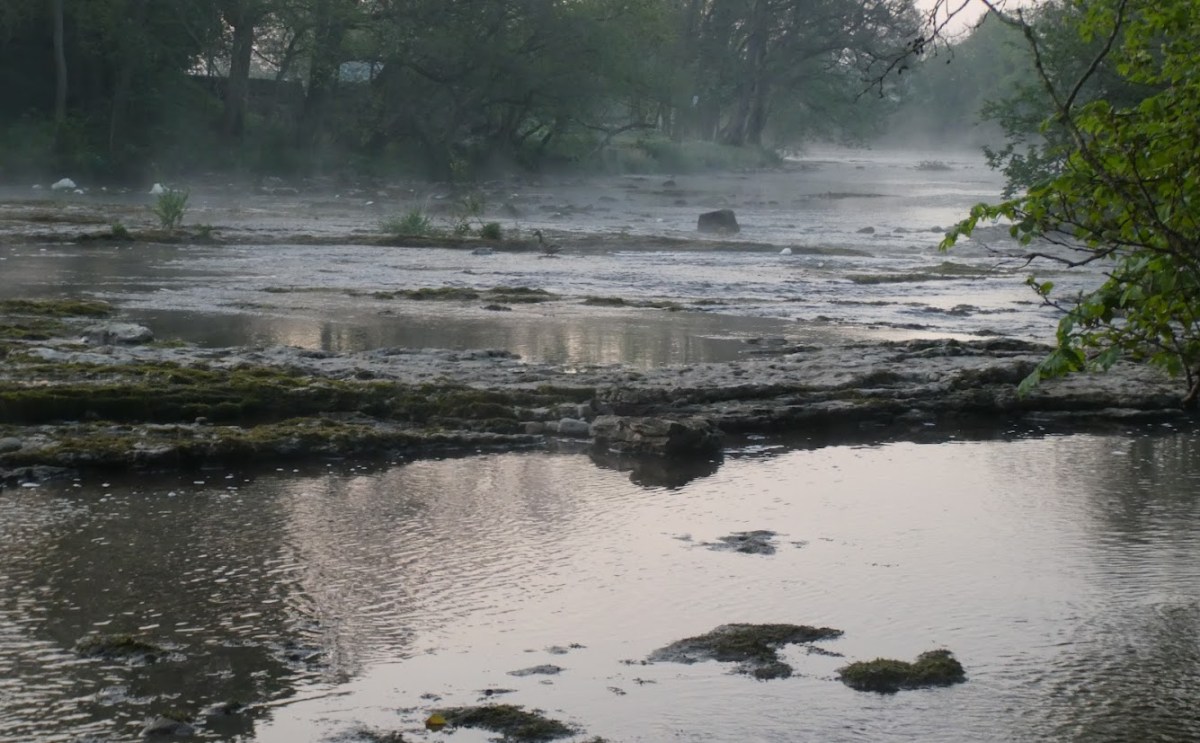
Quiet Fog

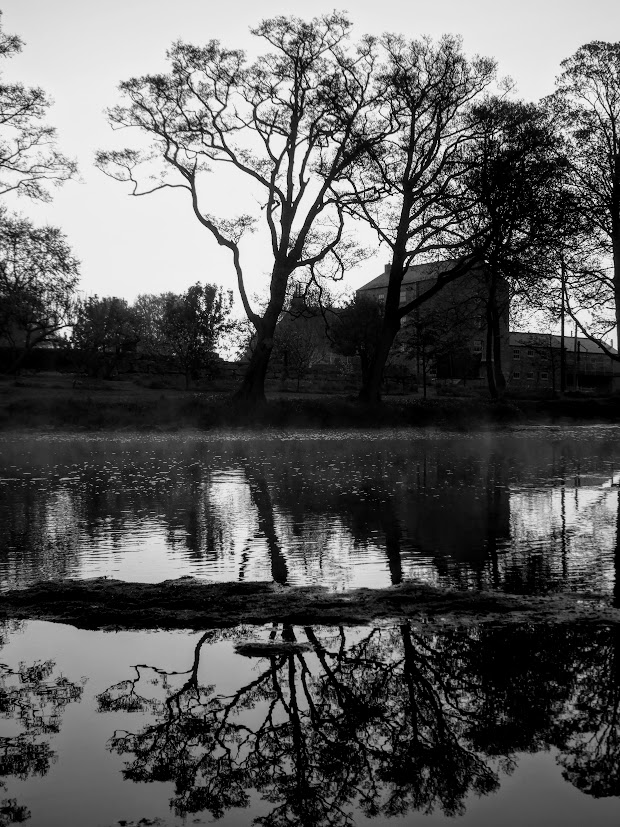
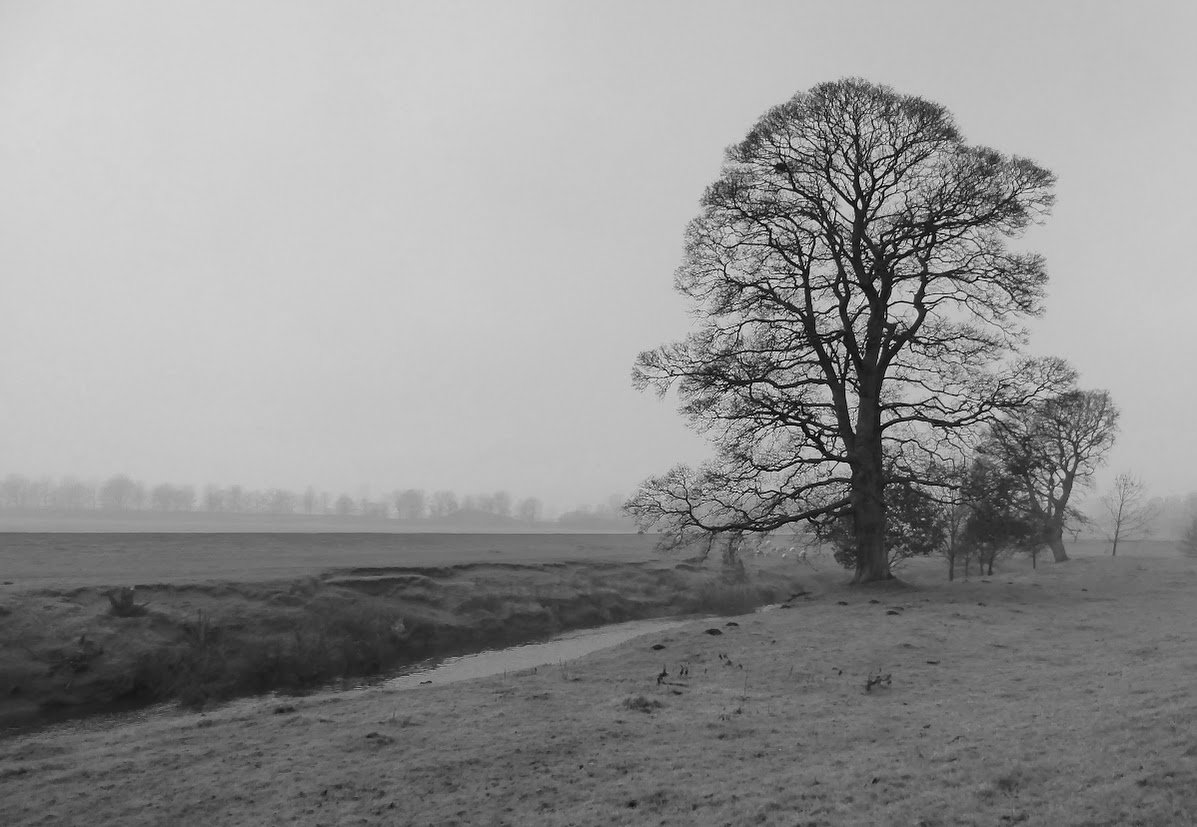
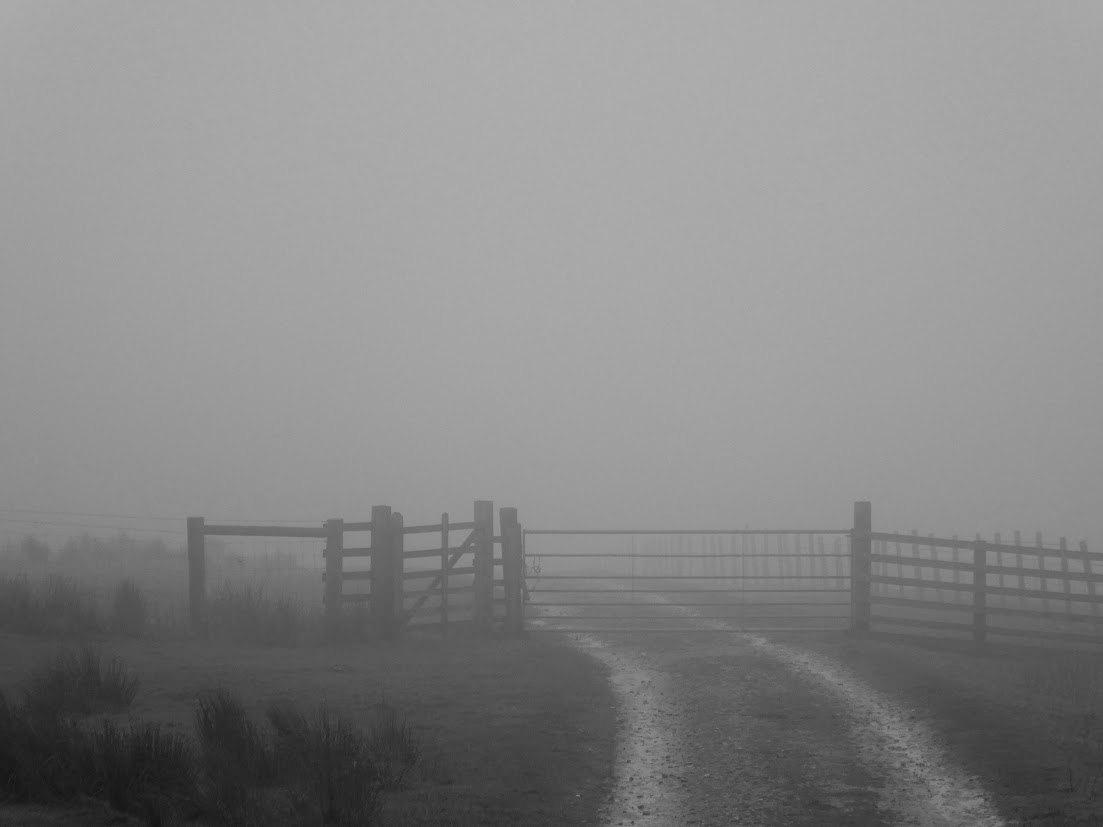
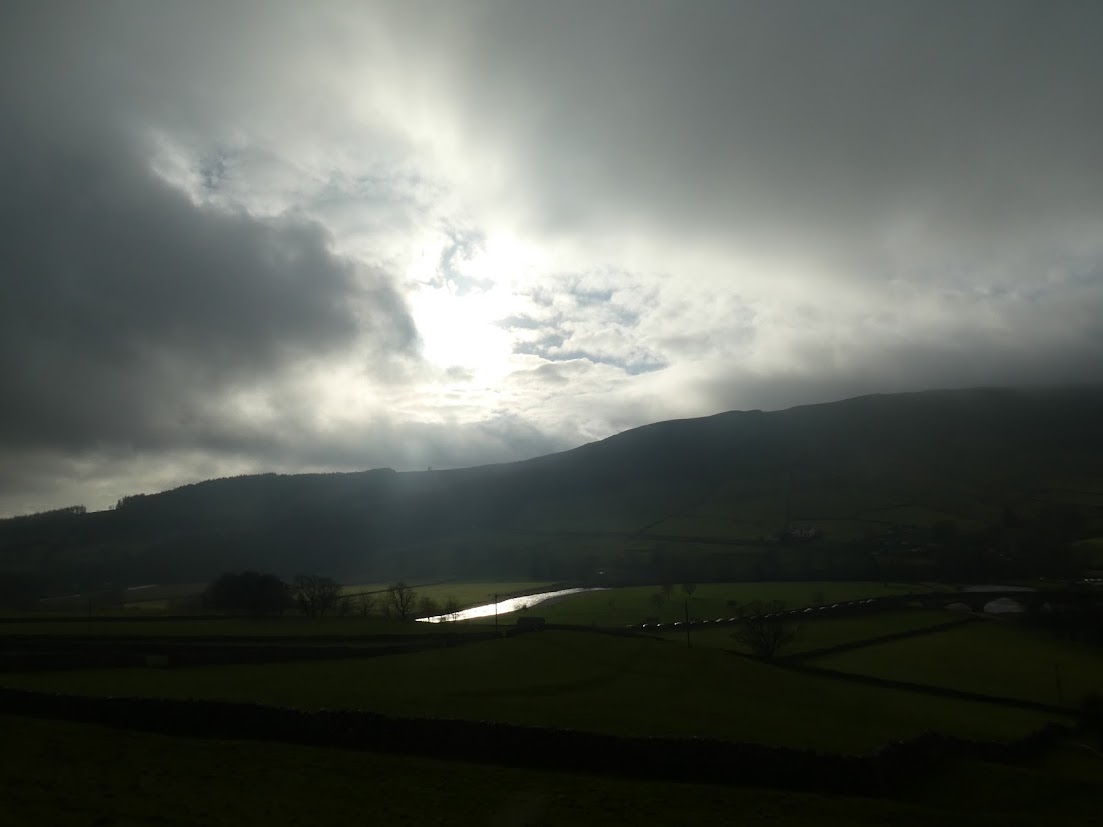
Ours is a land of rivers. Nearby, the Ure, the Skell and the Laver all course through Ripon, and the Ripon Canal peacefully splices the town in two. Local gravel pits end their working lives transformed into watery nature reserves. We’re approaching the time of year when, because of the surrounding water, morning mists envelop the landscape. I relish those early hours when quiet descends with the mist, muffling sound, slowing us down and encouraging us to savour these peaceful moments.

For Ritva’s Lens-Artists Challenge #364: Quiet Moment.

And Leanne’s Monochrome Madness.

Monochrome Madness Goes to the Woods

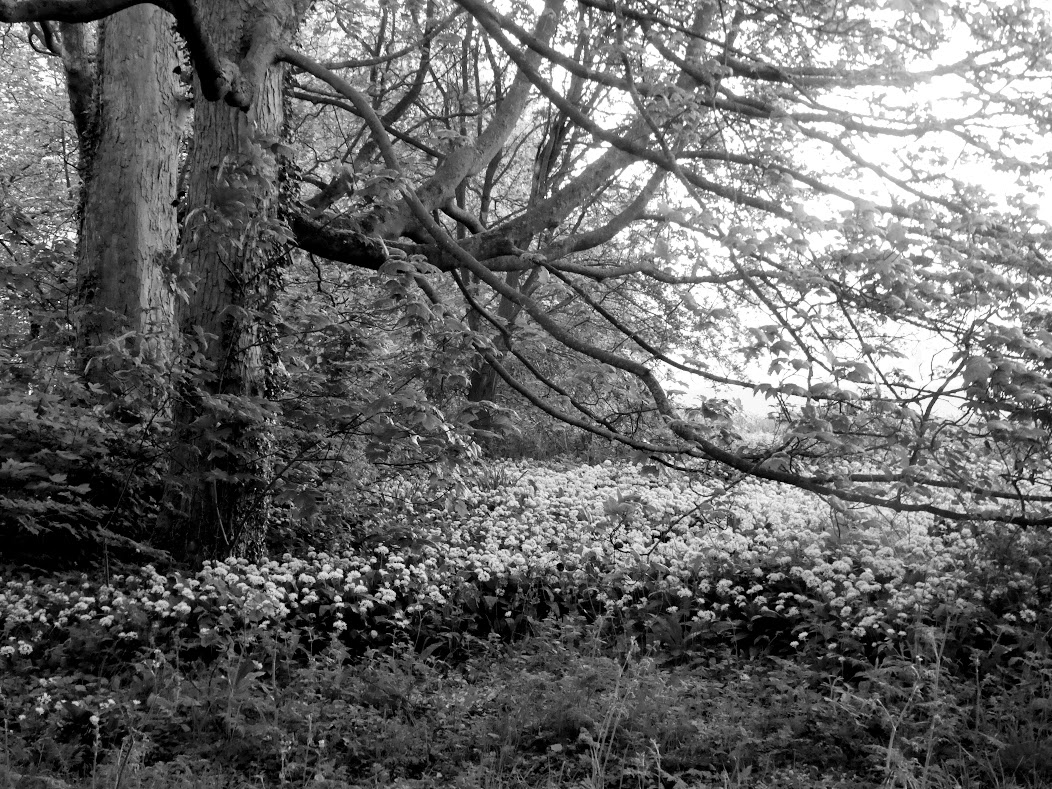
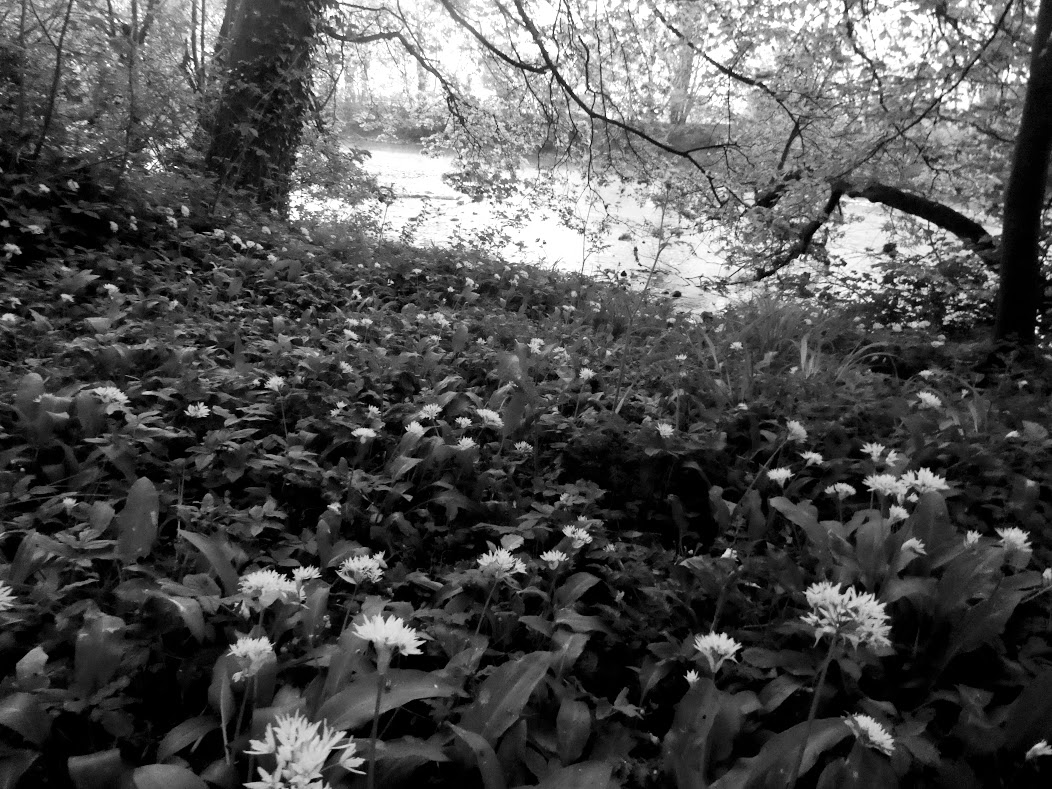
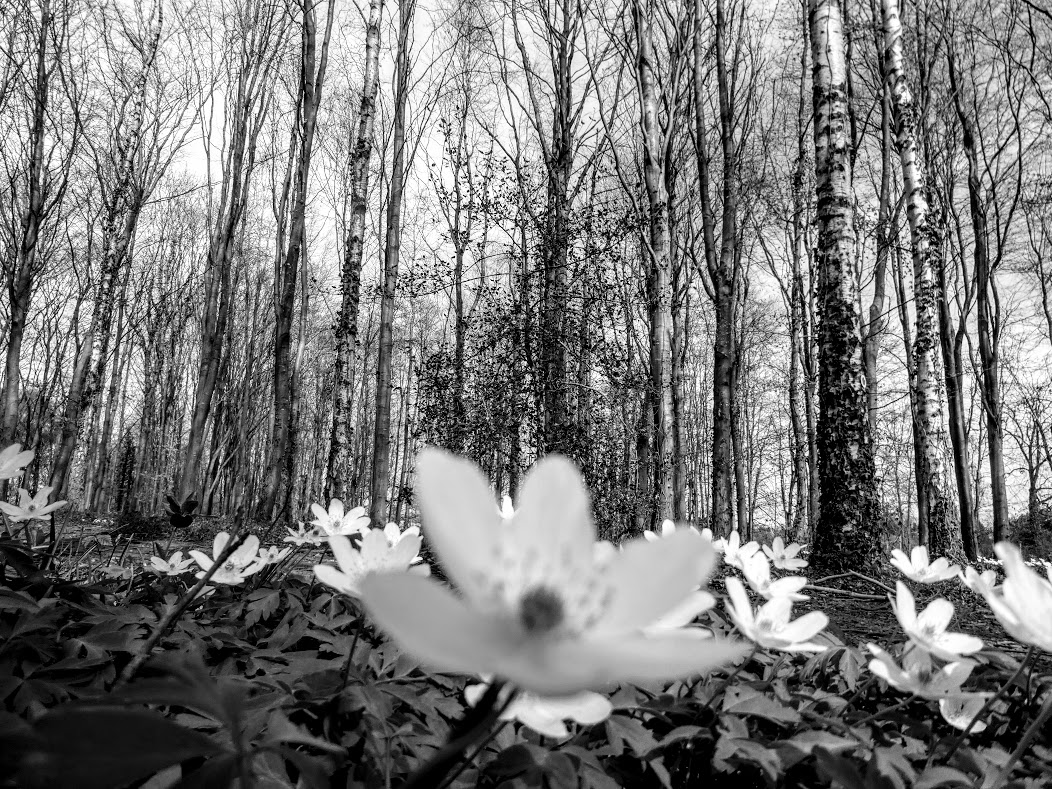
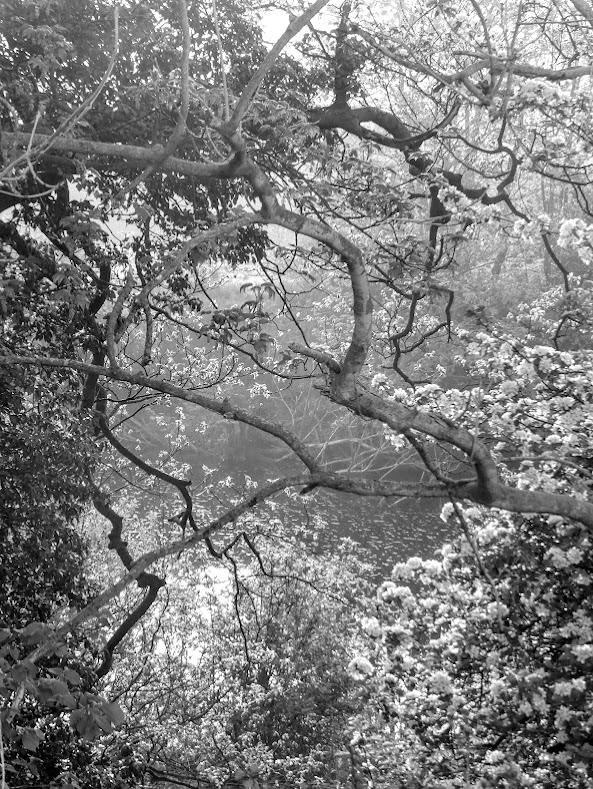
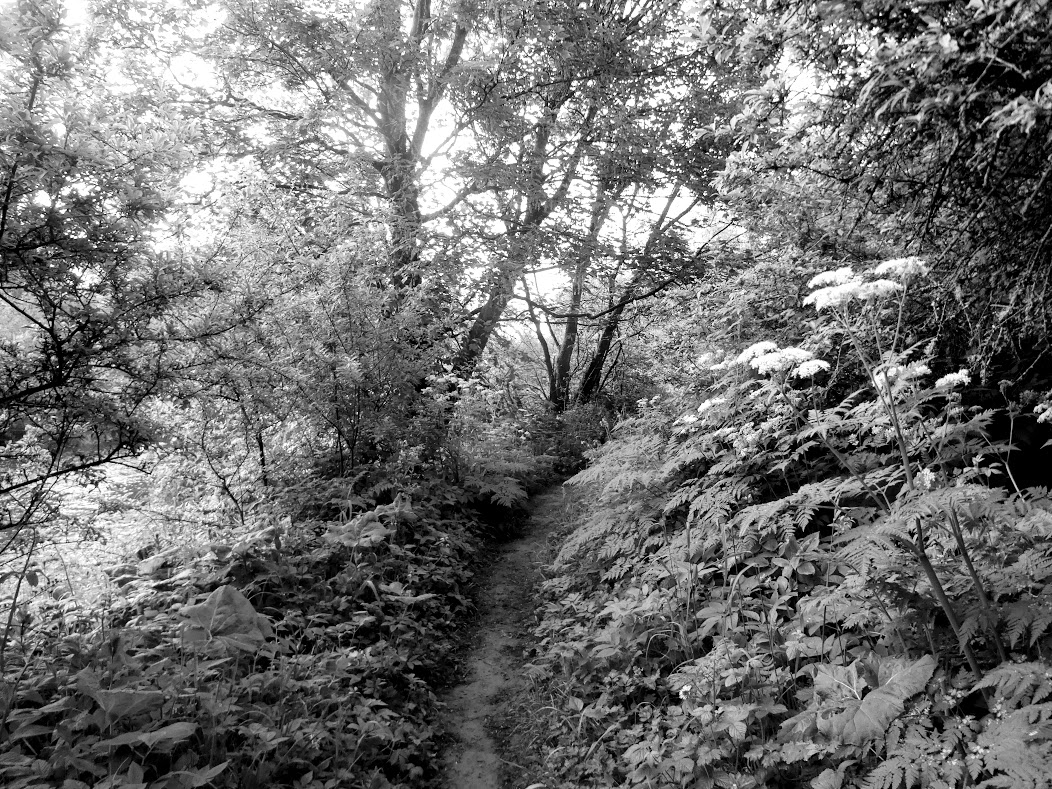
We’re lucky to have so much woodland here where I live. In recent weeks I’ve taken my camera round and about to capture fresh new growth emerging – pungent wild garlic, delicate wood anemones .. and last of all, the trees’ fresh new growth, optimistically unfurling from their tights buds of winter.

For Leanne’s Monochrome Madness #35 – Woods, Rainforests and Bushland.

Over and out. Nothing now (maybe a Virtual Postcard?) until the back end of next week. Even commenting and reading your posts may be a bridge too far with my phone as my only tool.

A Walk near Rievaulx – in Glorious Technicolor or as Old School Newsreel

The other day, a friend and I took ourselves off to the Ryedale countryside to reconnoitre a route. It turned out to be not only the Longest Day, but the First Day of Summer, in the sense that the weather was wonderful – hot and sunny .

Setting off on a shaded woodland path, we criss-crossed a flowers-edged stream several times.

We forged our way up a steep – unending – hill. Is that even a path?

We exchanged woodland for fields and open views, with clouds above:

We met a ford which lapped along a long stretch of road. Luckily there was a footpath through a field nearby, and edged with iris too.

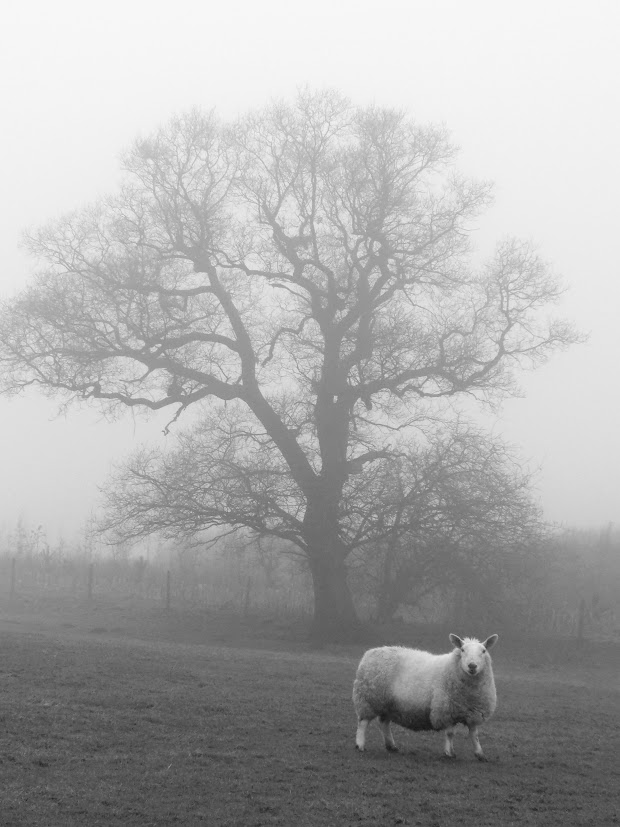
Sheep looked on, and ancient walls often marked our way.

And at last, below us the ancient ruined Cistercian Abbey of Rievaulx.

Now let’s run this in black and white.

We criss-crossed a stream:

… and later, the woods opened out into farmland. Crazy sky!

Luckily, we were able to dodge fording the ford: or testing our brakes.

As an alternative to sheep-watching, we chose shadow-watching on the narrow road that was part of our route.

And soon after that, Rievaulx Abbey was no longer below us, but alongside.

And as our walk finished, the road sign confirmed that we had indeed seen Rievaulx.

For Jo’s Monday Walk.
And for Leanne and Dawn‘s Monochrome Madness: Roads, Lanes, Paths and Tracks.