The Big Plastic Count

Honestly, we do try. Our weekly vegetable shop is a seasonal organic veg. box from Riverford, which arrives in a re-useable cardboard box and nowt else. We supplement this with a trip to the market, taking our own packaging. Household and bathroom products such as washing up liquid and shampoo come from the refill station at our local GreenHouse. But still plastic packaging enters the house – every time we visit the supermarket actually. The cheese that’s packed in plastic: the odd box of blueberries: the package of pitta bread … and so on and so on.

This week The Big Plastic Count invited us to join in and count all our plastic waste for one week only. So we did. It was tricky, because the family from Spain was here, and spending our time with our three year old granddaughter and her two month old baby sister was the priority. But we bunged everything in a sack, and with the family now gone, made our inventory this morning.

And it was shocking. The smoked mackerel we can’t buy loose; the toothbrush pack (I haven’t embraced the bamboo toothbrush); the pizza bases bought for an easy supper that three year old Anaïs could help create … and so on. Here’s what we learnt.
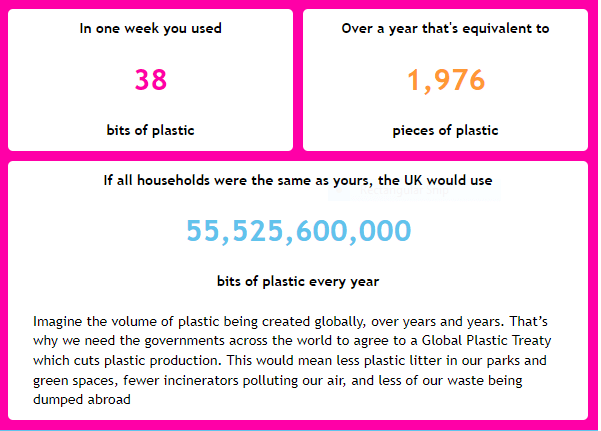
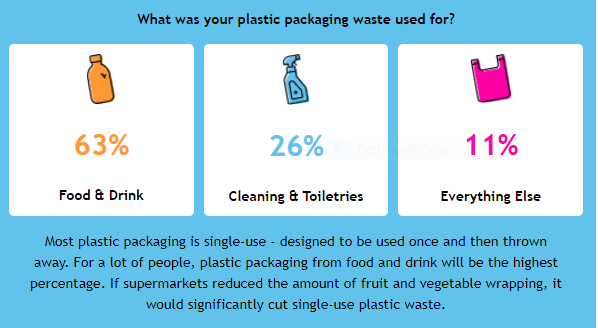
Like almost everyone who took part, I imagine, we do try to think about what we buy, and avoid packaging where we can. Yet our plastic footprint is huge – larger this week no doubt because of our visitors. What about those who because too busy or lacking motivation have an even larger footprint? Shops – especially supermarkets – and manufacturers don’t make it easy for us. Who, for instance, needs to have their bananas packaged in plastic? Why can’t supermarkets sell us the number of apples we actually want, rather than supplying them packaged in units of six or so?
We take any plastic bags we do acquire to a supermarket recycling point, but that’s a faff too. It’s usually full to bursting point.
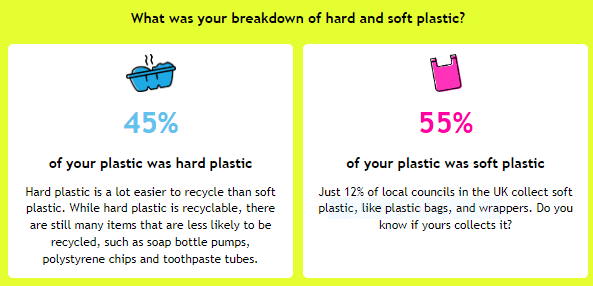
And here’s what happens to it.

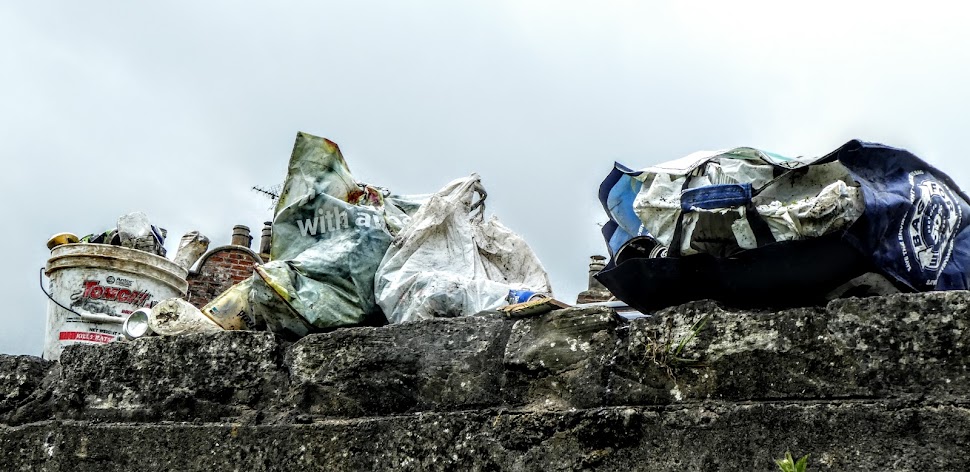
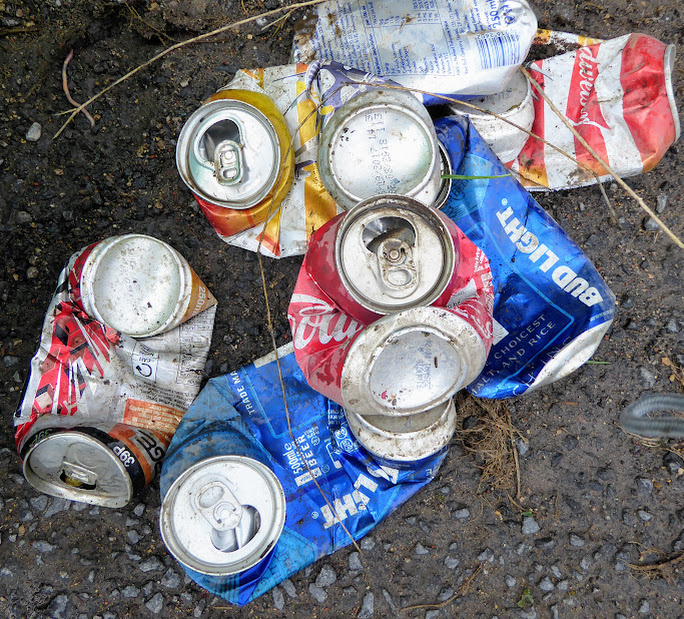
But even that’s better than this horribly common sight, a tiny proportion of the result of an urban litter pick. …

The Big Plastic Count is being conducted among individuals like us, and in some schools as a project, as a means of raising awareness among children. And the results are being fed to the Government. Individuals and groups, however well meaning. really can’t effect much-needed change alone. And we have an election in the offing. I can’t imagine lobbying by The Big Plastic Count will make an impact on a dying-throes government chaotically falling apart. Another year of inaction. Another year wasted.
Britain on the Edge

Britain is one of the most nature-depleted countries on earth, according to the fourth State of Nature (SON) Report, the product of a collaboration of environmental NGOs, academic institutions and government agencies, including Natural England. Depressingly, England, Wales, Scotland and Northern Ireland are on the edge, as far as much of the natural world is concerned.

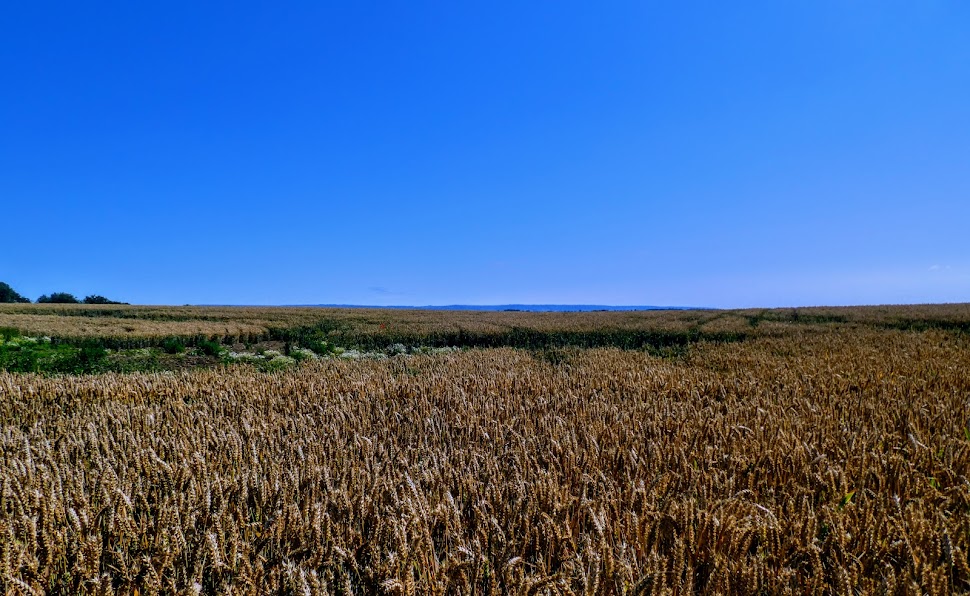
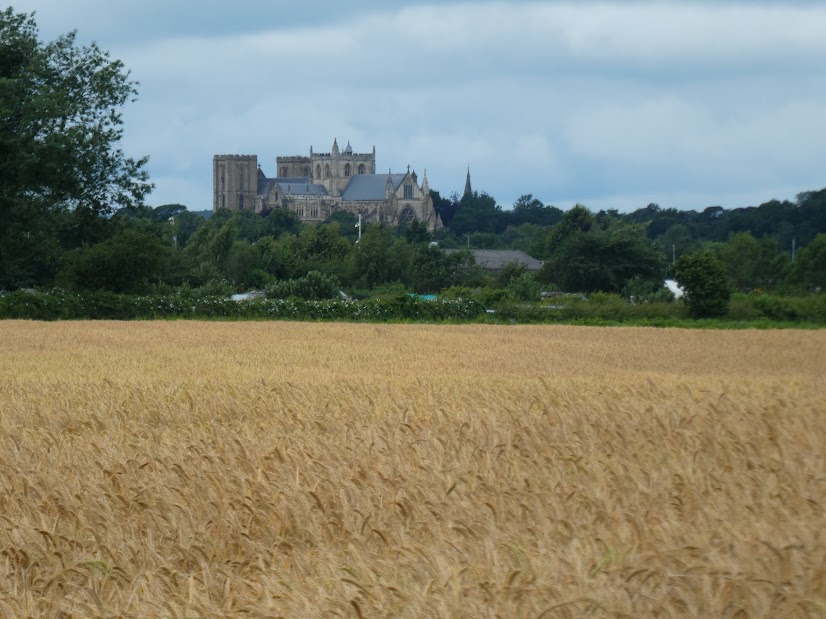
Look at the featured photo for instance, taken on one of those in-glorious-technicolor days of high summer, with an impossibly blue sky, and fields of golden wheat just waiting for harvest. It really shouldn’t be like that. There should be poppies, cornflowers, wild flowers in general poking their heads above the crop. There should be generous field margins and hedges, offering home, food and shelter to whole varieties of insects, small mammals and birds. Where can all this wildlife call home these days? Many of them are on the very edge of sustainability. Here’s another field, even nearer to home, equally mono-cultured.

Part of the Sanctuary Way path skirting the edges of Ripon.

These days grass grown for hay-making as winter feed is just that. Grass. Meadowland used to be so different, crammed with wildflowers that made much richer, more interesting fare for the cattle that rely on it as winter feed. And a mecca for insects : all-important bees among others – during its growing season. These days, it’s so rare that it’s not just meadowland, but a Site of Special Scientific Interest.

Rock House Farm, Lower Wensleydale, and one of its SSSI meadows.

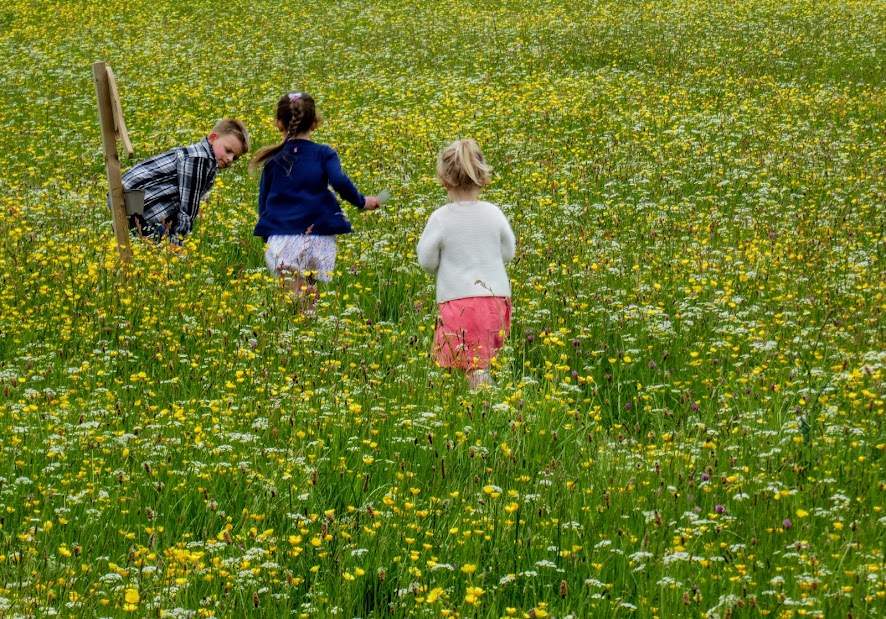
The farms nearer to our house have chosen to make do with narrow jumbles of poppies squeezed into narrow field margins, or at the edge of paths.

Poppies find a quiet corner along a field in West Tanfield.

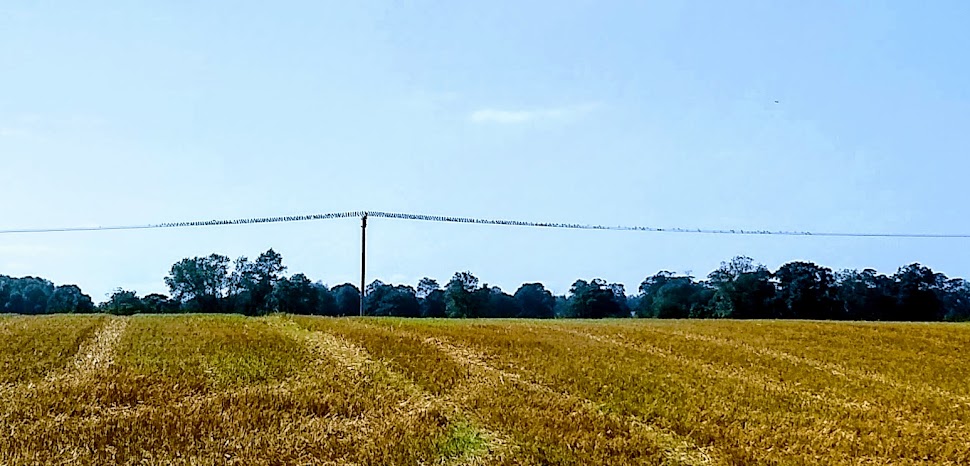
See these? These are swallows on a telegraph wire in mid-September one year recently, assembling prior to their big autumn migration. It didn’t happen this year. Swifts and swallows are on the edge of viability here, from habitat loss.

Waiting to depart on that journey to Africa

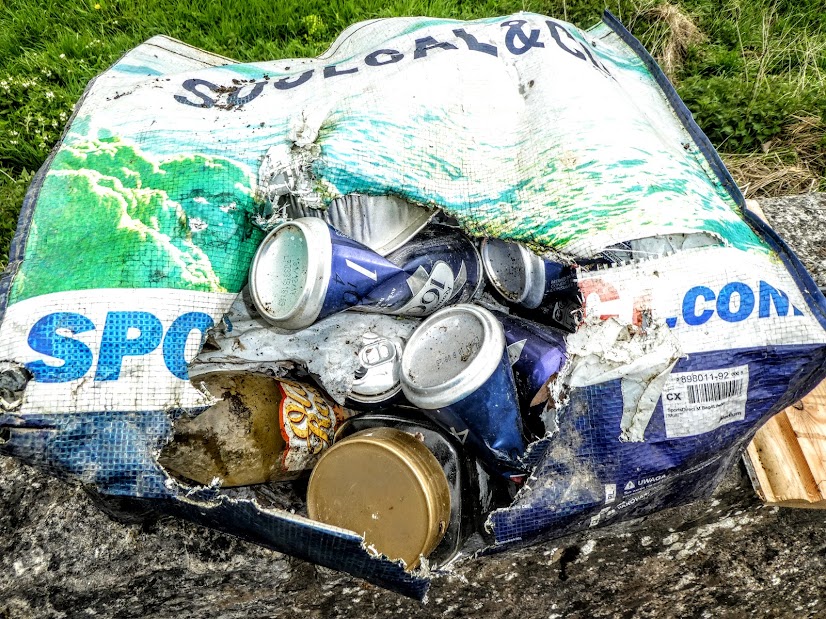
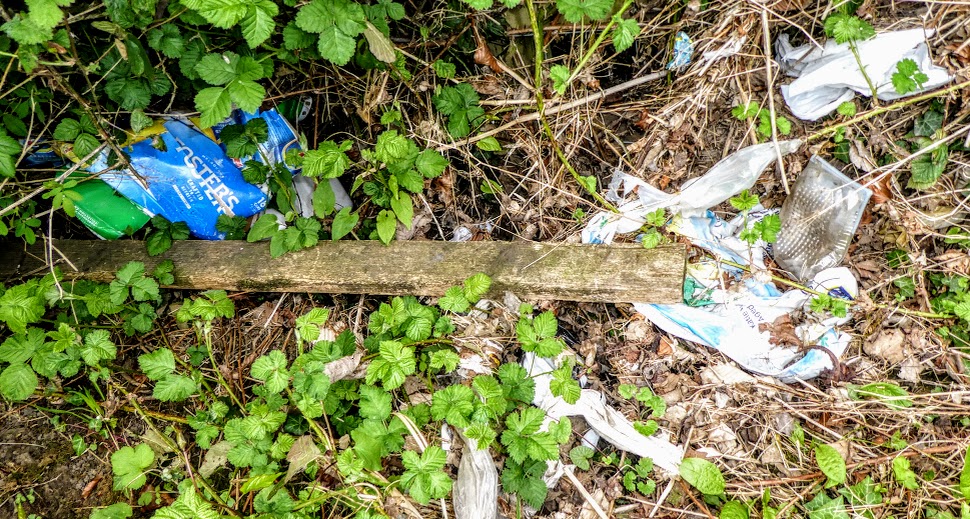
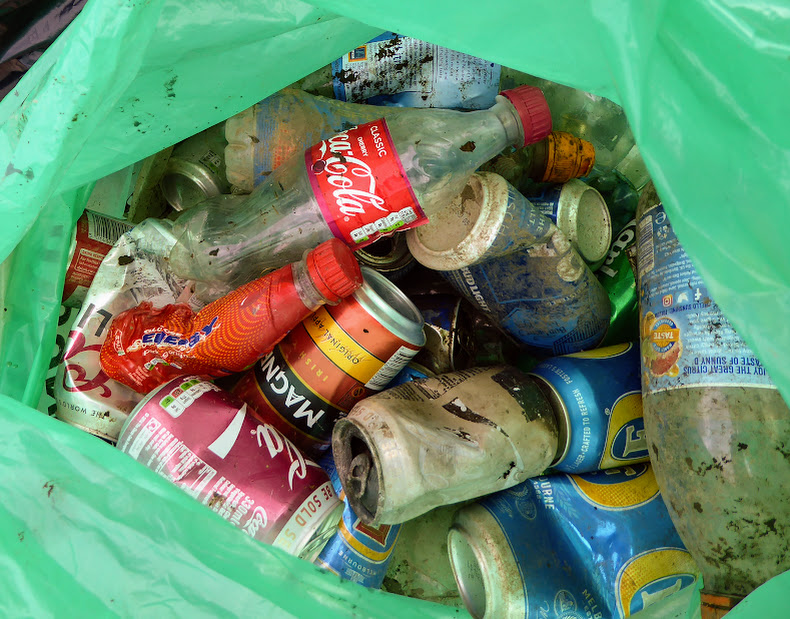
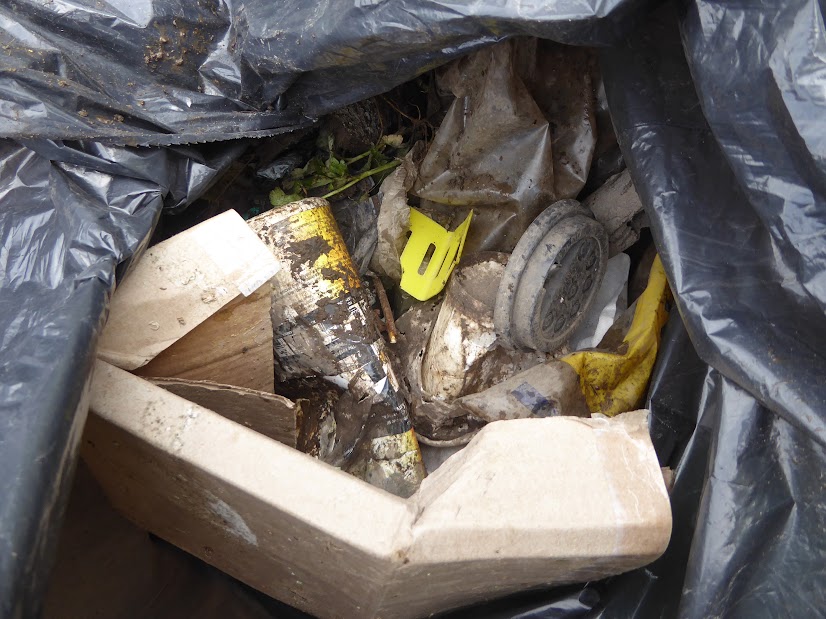
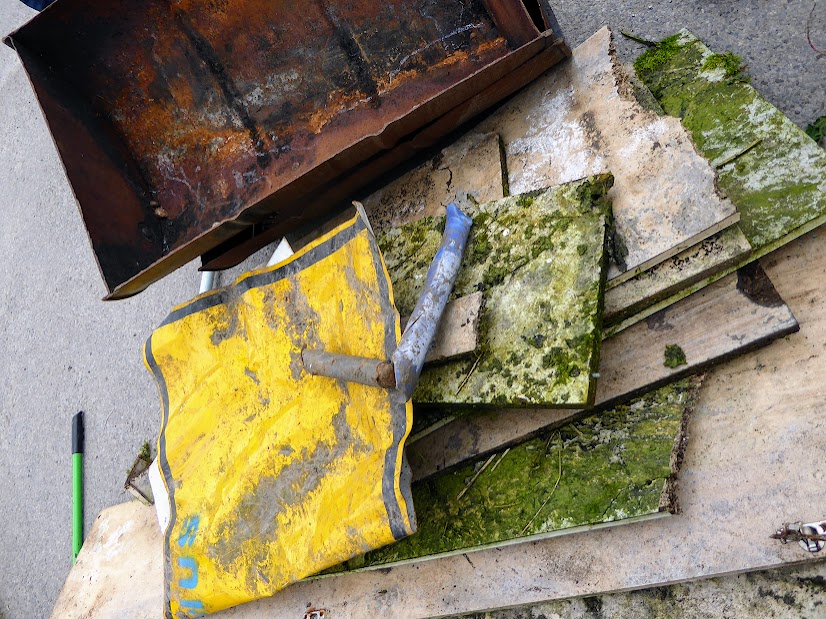
Let me show you something all-too common though, both in town and country. Litter. These images are hauls from litter-picks we’ve done not just in town centres, but down country lanes. Everything from a carelessly-tossed can to rather toxic rubble and waste illegally dumped in a hedge margin. Not just an eyesore, but habitat-damaging and a danger to the many small species that call such areas home.

This is meant to be a photo challenge, not a diatribe, so I’ll leave it there. There’s a lot more I could say, but I don’t have the images to support the argument. It’s for Patti’s Lens-Artists Challenge #269: On the edge. And it was inspired by Susan Rushton’s post for the same challenge. If you pop over and read it, you’ll see why.