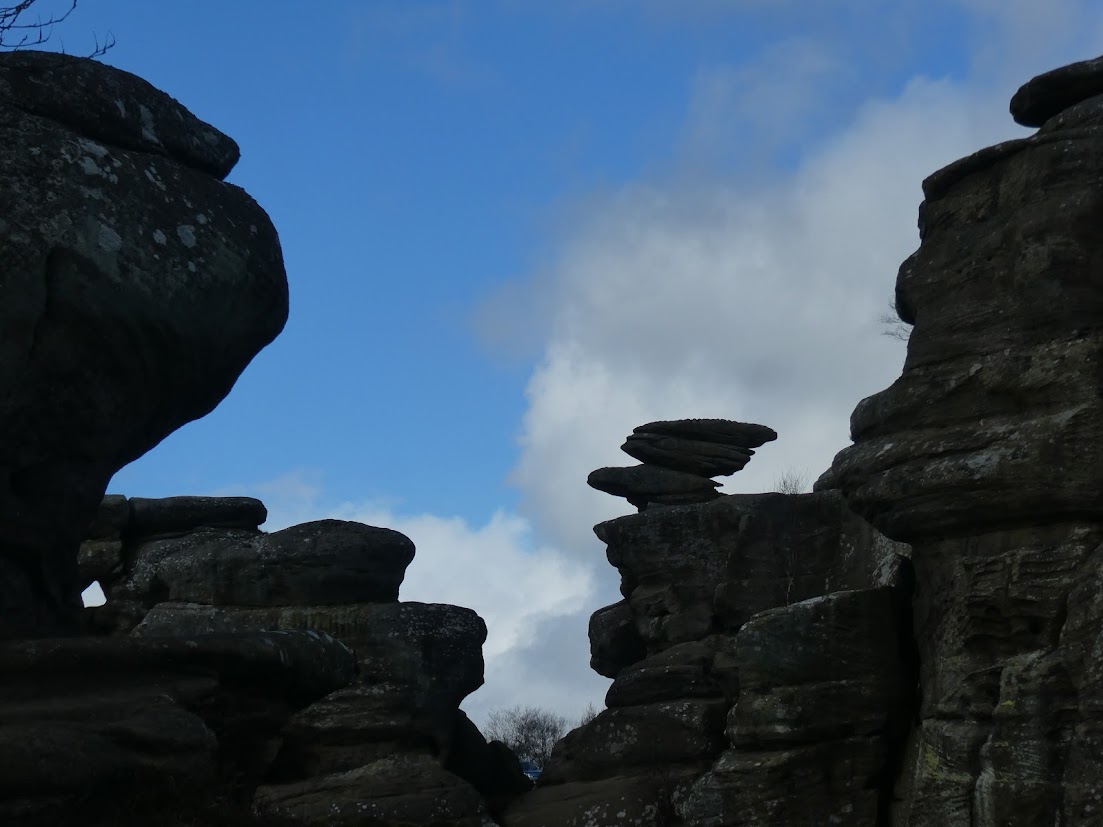
I have posted several times about Brimham Rocks – mainly about its function as a challenging and wonderful playground for the grandchildren. The other day, however, I went on my own, to explore its history.
In Victorian times, it was believed that the Druids were reponsible for carving many of the fantastical shapes dominating the landscape.
They weren’t. Blame geology instead. About 320 million years ago, this corner of the planet was dominated by an immense river, splitting into many deltas spilling over the land here, often changing course. As it travelled, it deposited layers and layers of sand and grit which over the millenia formed layers of rock we now call millstone grit. The area was eroded by water, by wind sand-blasting the rocks, by earth movements: and by the Ice Age, when – more than 10, 000 years ago – slow-moving glaciers sculpted and moved the rocks.
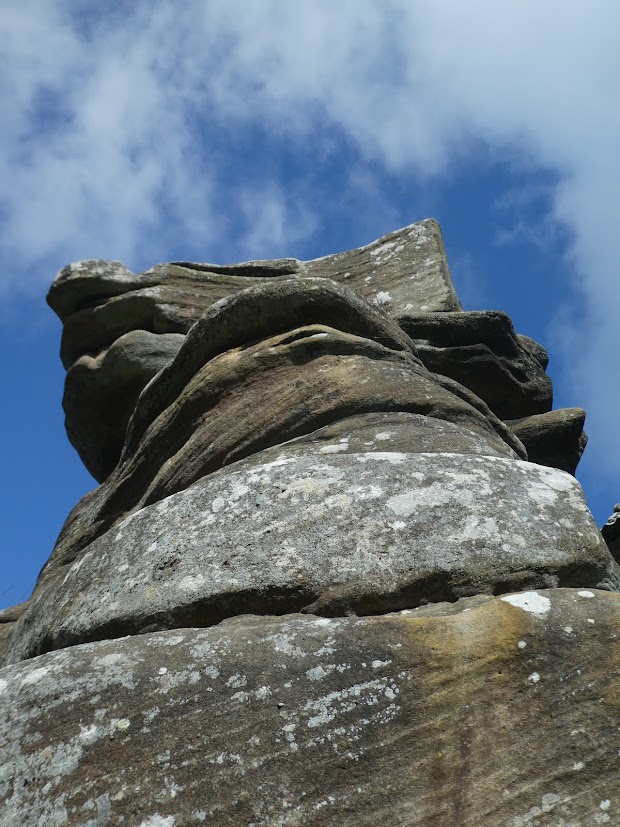
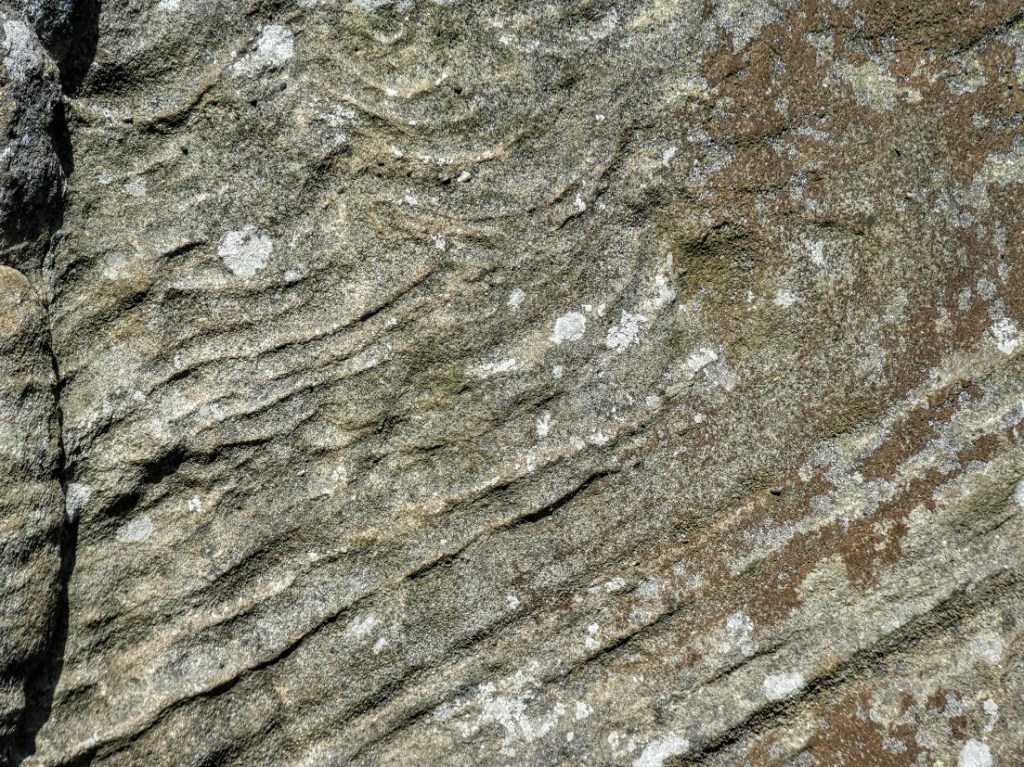
Earthquakes, millenia ago liquefied the rock, forcing boiling water upwards through the layers that had been laid down. You can see that phenomenon here.
There’s one particular rock, known as The Idol (because the Druids must have carved it!) Just look:
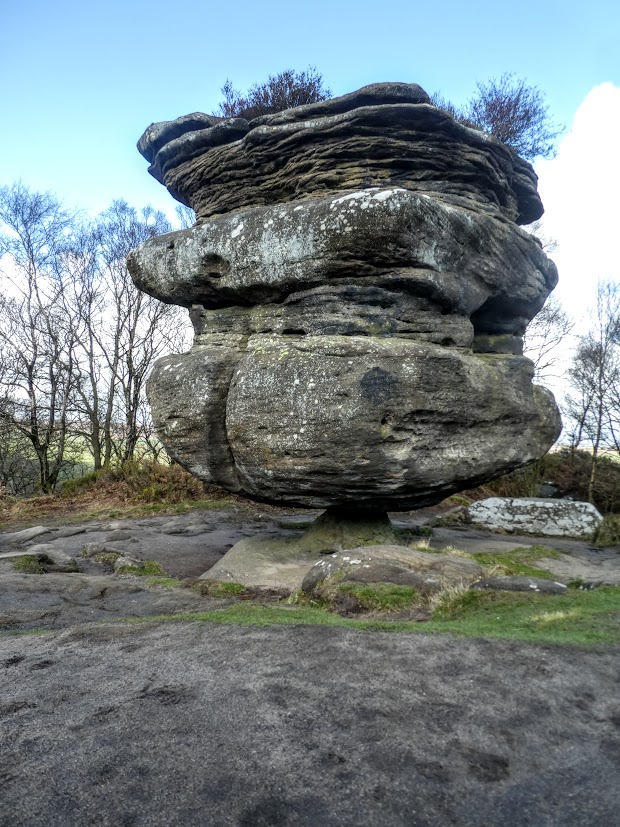
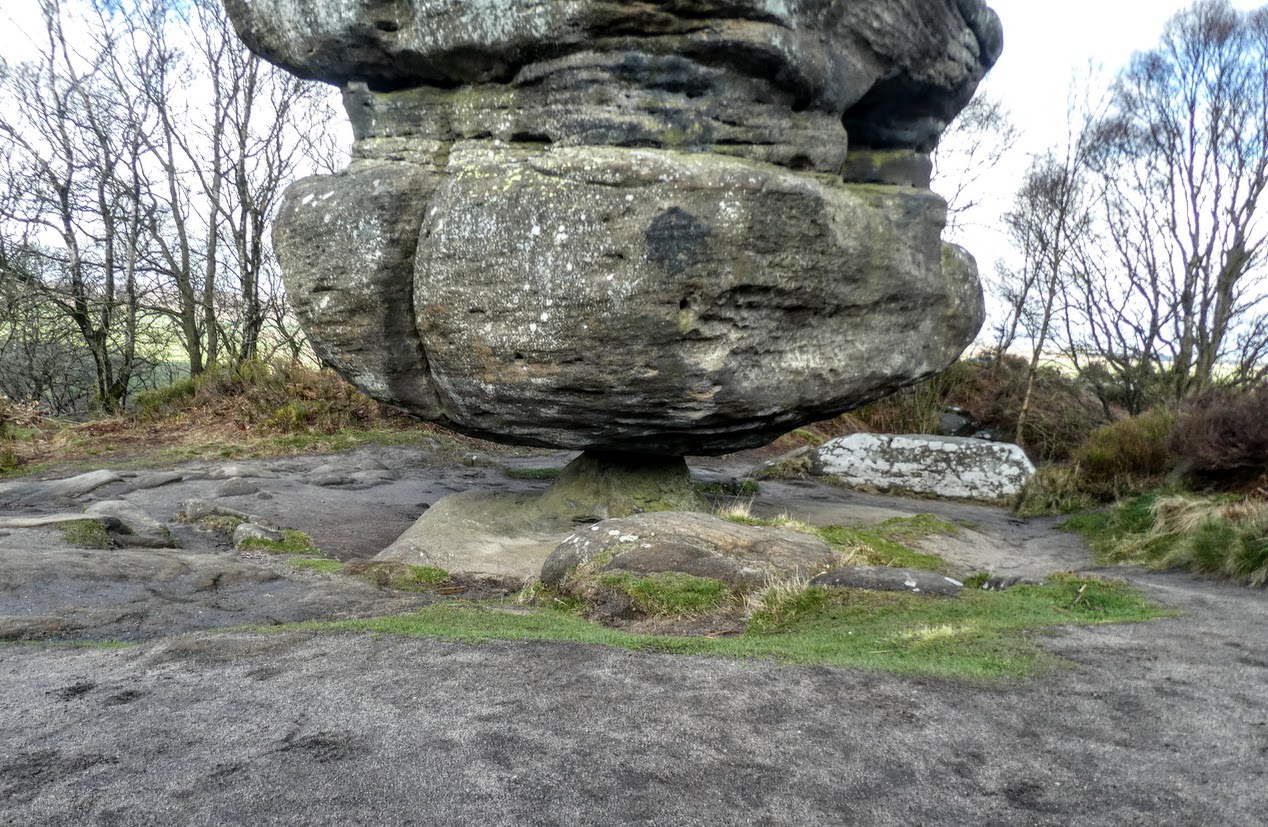
Can you see how this inmmense rock , all 200 tons of it, is supported on the tiniest of pillars? It’s quite safe – for now.
And here’s an oak tree in direct competition with another rock. It continues to grow and thrive, somehow, with a rock that declines to split any further and give it extra growing room.
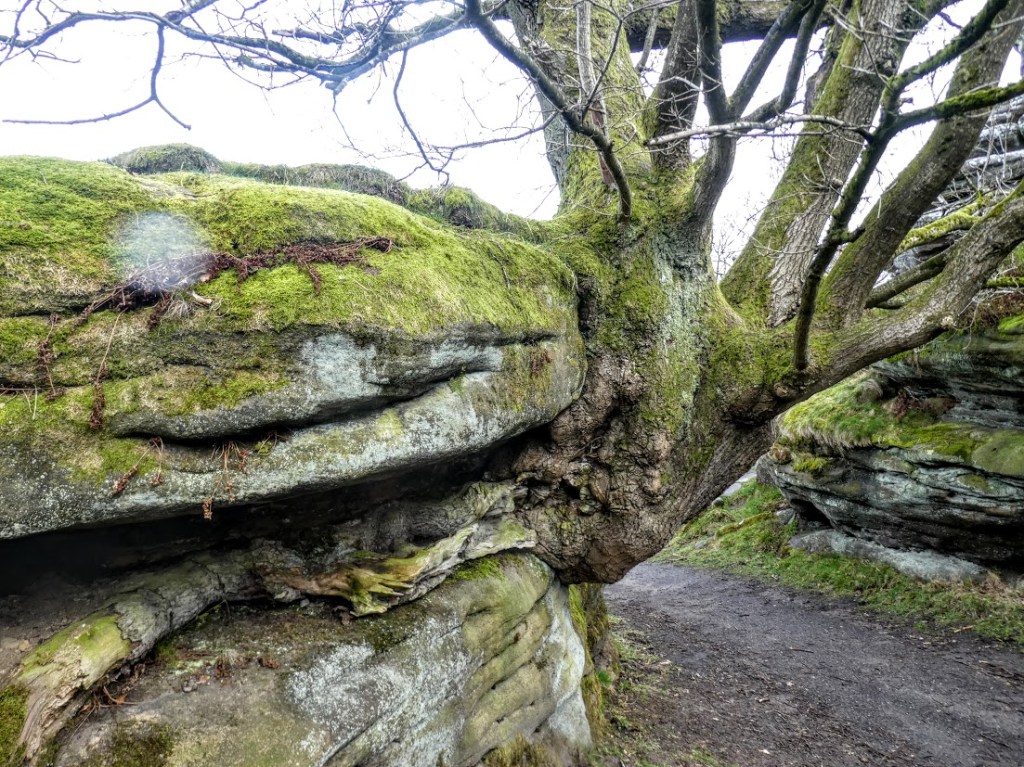
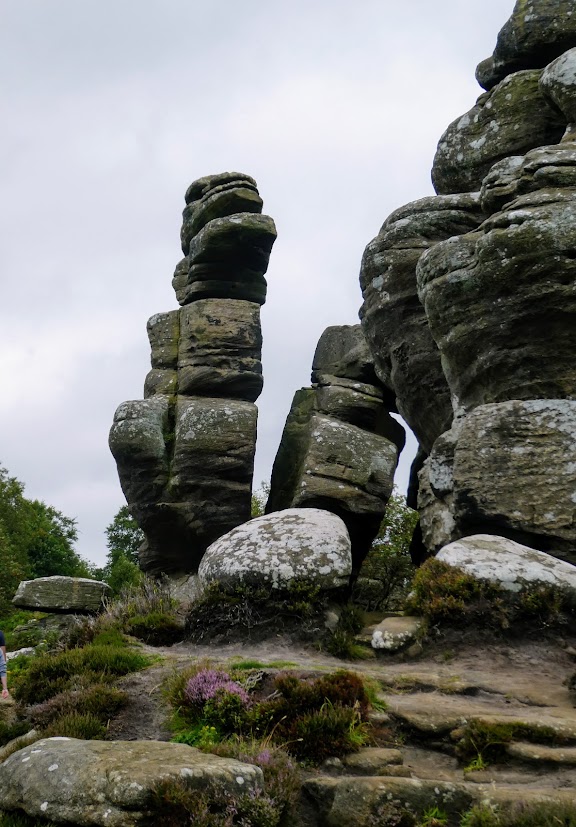
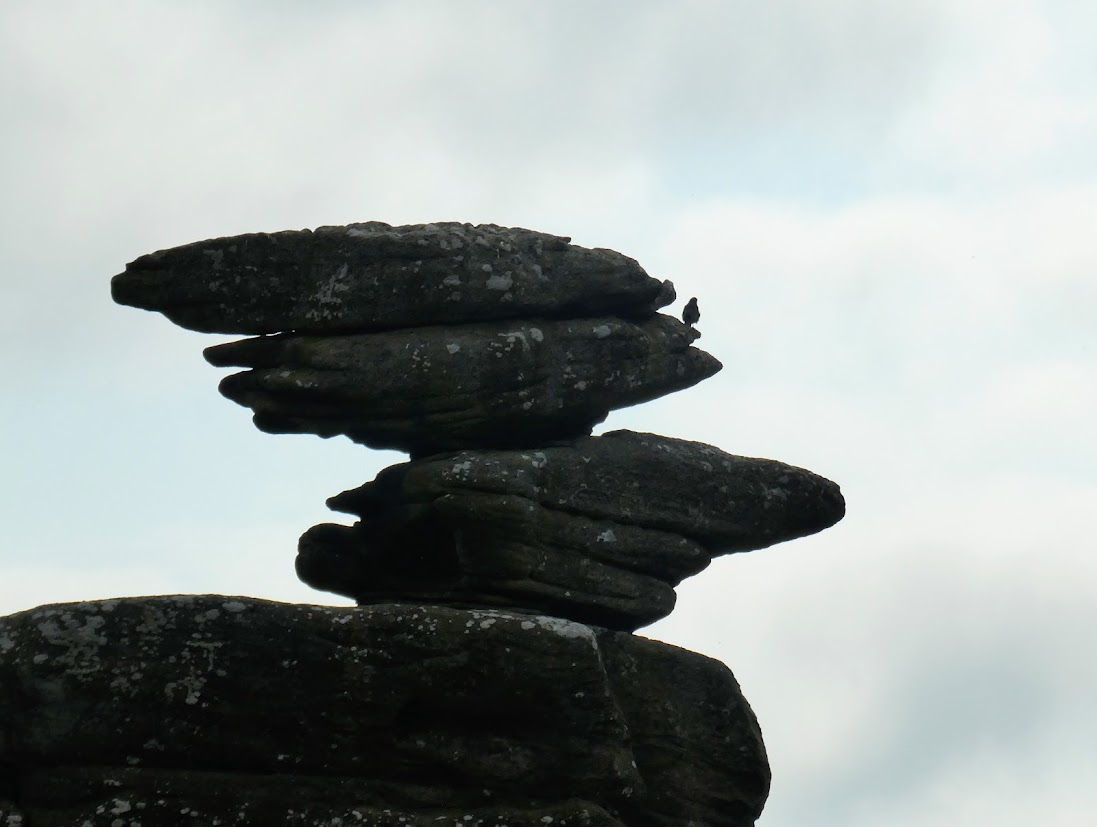
All this is a rather long-winded way of saying that Brimham Rocks is the wildest place I know, and therefore a suitable candidate for Egidio’s Wild Lens-Artists Challenge

 From Pyrenees to Pennines
You must be logged in to post a comment.