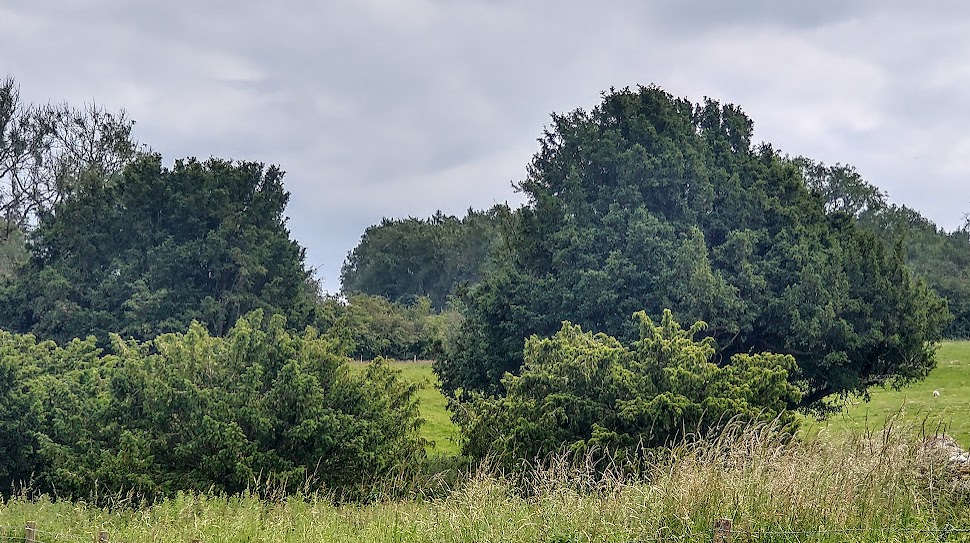
Just beyond the walls surrounding Fountains Abbey estate is a farm rented by a tenant farmer. It includes a small patch of land, untended and fenced off, because several trees got here first. They’re yew trees, and they’re thought to be about 1400 years old.
Think how long ago that was. It was only a couple of hundred years after the Romans had finally left these isles. It was several hundred years before the Norman invasion of 1066. By the time a group of monks from York had come to the site to build a Cistercian community here in 1132, those trees were already some 500 years old. This area would have been wooded, wild and interspersed with occasional farms. There would have been wolves, wild boar, lynx, otters, red and roe deer. But no rabbits. There’s no archaeological evidence for rabbit stew in any of the nation’s cooking pots from those days. They probably came with the Normans.
Those trees – once seven, now only two – would have been witness to the monastic community maturing: to the abbey and all its supporting buildings and industries developing. They would have seen the community grow, then all but collapse during the Black Death in 1248: and slowly prosper again. Until Henry VIII dissolved all the monastries, and Fountains Abbey’s roof was hauled down in 1539, leaving it pretty much the ruin it is today. By then, the trees were working towards being 1000 years old.
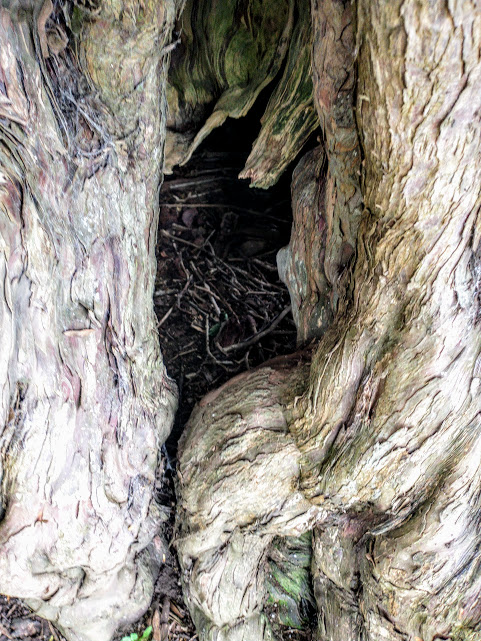
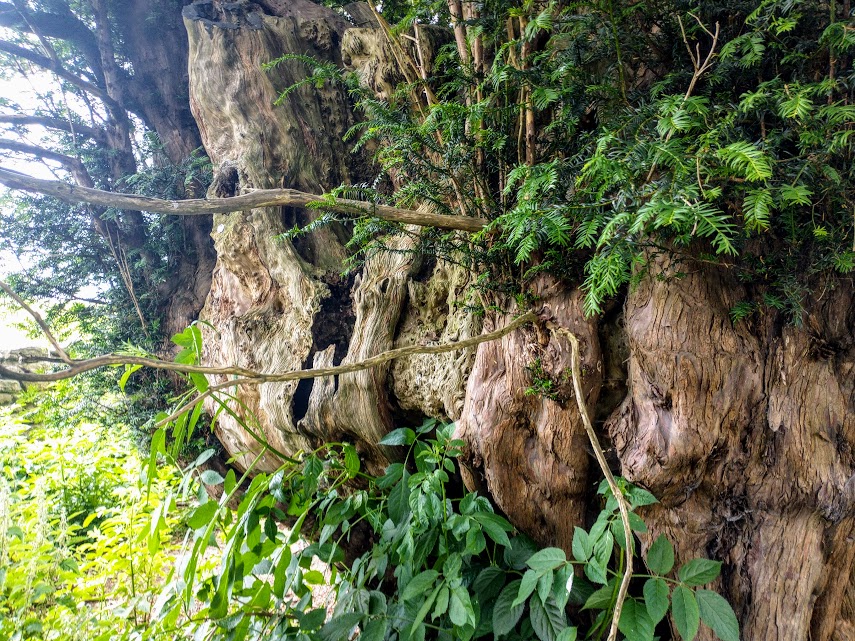
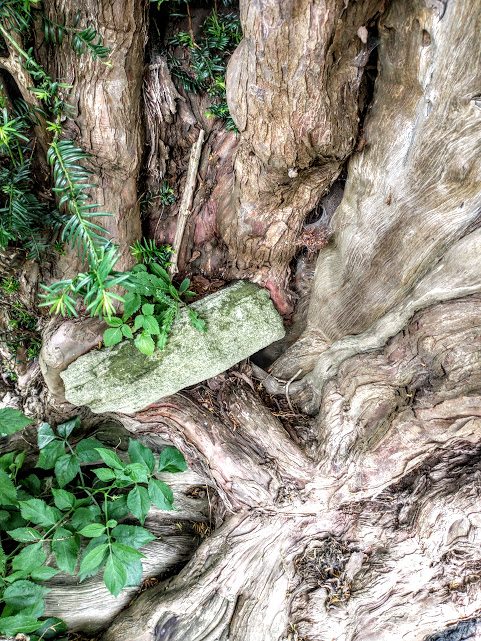
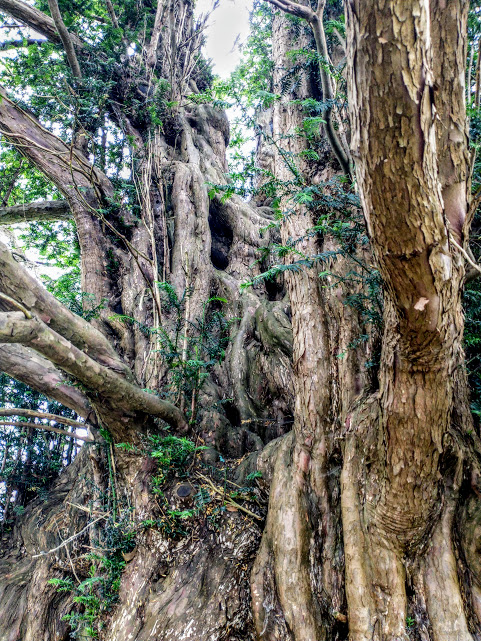
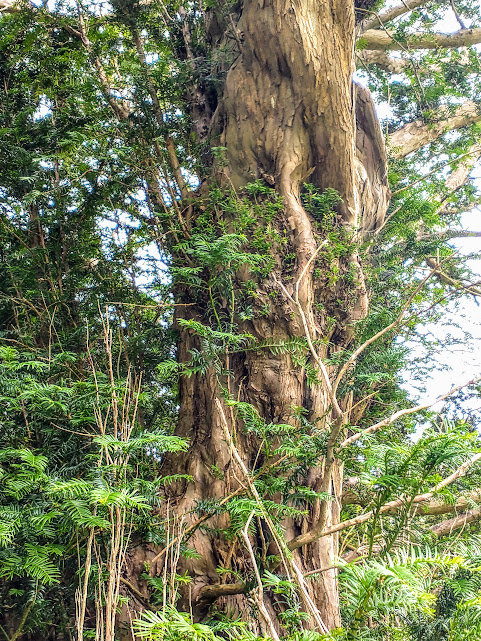
They’ve always been a bit out on a limb, these trees, and that’s what has made them such a rich habitat. They offer protection and nest sites for small birds, who can also eat their berries . Caterpillars feast on the leaves. These days, they’re home to eight species of bat, and a wide variety of owls. Yew trees are famously toxic to most animals – that’s why they’re fenced off – but badgers are able to eat the seeds, and deer the leaves.
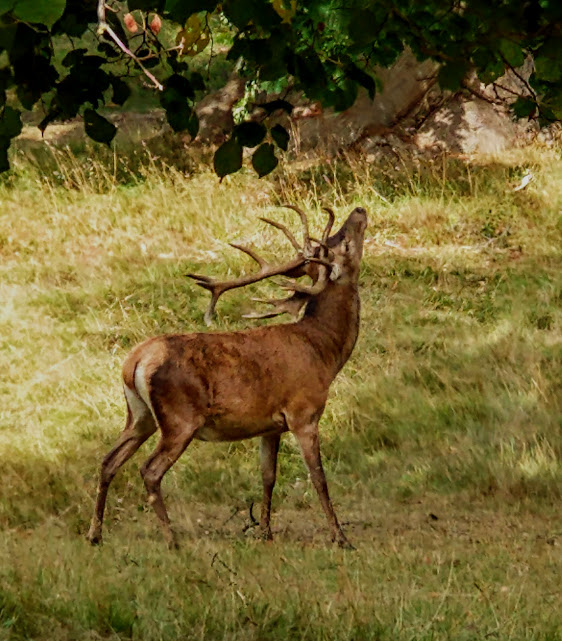
I can’t show you any of the creatures for whom these trees are their neighbourhood – apart from a grazing deer at nearby Studley Royal. Just the ancient trees themselves, the nearby Fountains Hall, built in late Elizabethan times when they were already 1000 years old, and a slightly more distant view of Fountains Abbey itself. My featured photo, the last image I took in June, is of those yew trees, looking as though they’re ready for the next 1000 years.

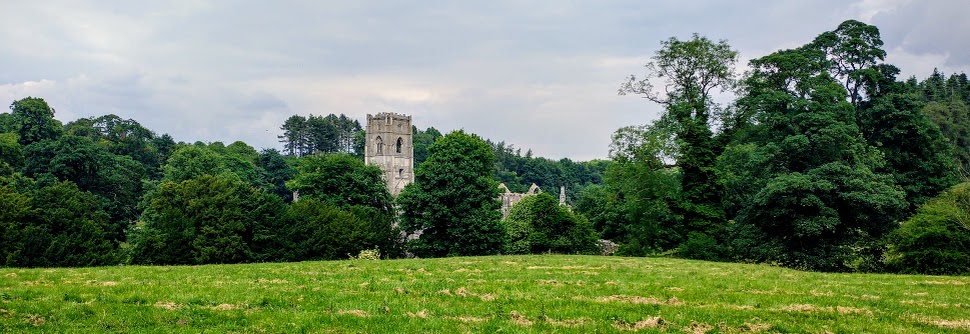
This is for Brian’s Last on the Card, and – somewhat tenuously – for this week’s Lens-Artist Challenge from Tina: Habitat.
The phrase ‘Half as old as time’ was actually coined by John William Burgon in 1845, in his poem ‘Petra’.
 From Pyrenees to Pennines
You must be logged in to post a comment.