A Morning with the Deer of Studley Royal

This wasn’t the post I intended to make. But an accident turned into an opportunity..
Yesterday morning saw me with a friend, completing our tour of duty as volunteer Roaming Rangers in the Deer Park at Studley Royal. This involves doing a low-key census of the deer, looking out for noteworthy wildlife, answering questions from the public, and occasionally asking dog-owners to put their pets on a short lead, especially now, when female deer are busy giving birth. And I took my camera. Accidentally, I left it on black and white setting. But I find I don’t mind. I’ll share some of my images with you.
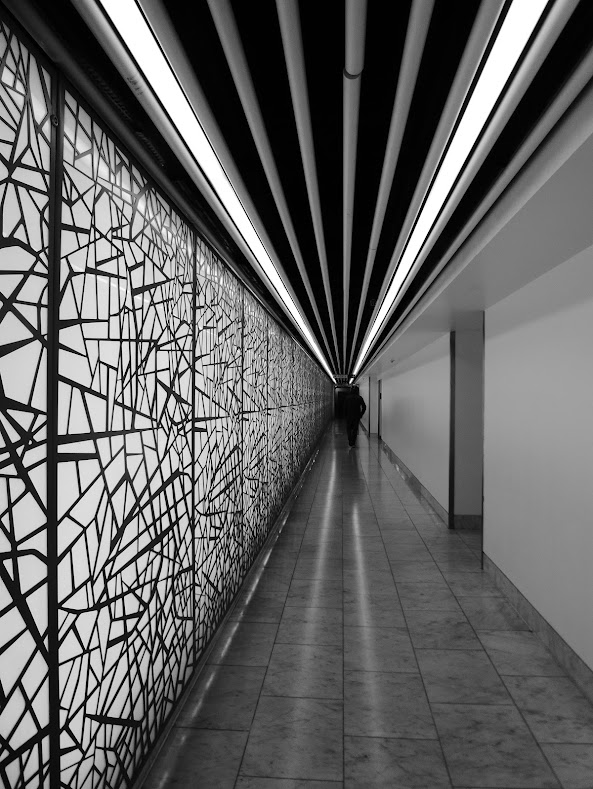
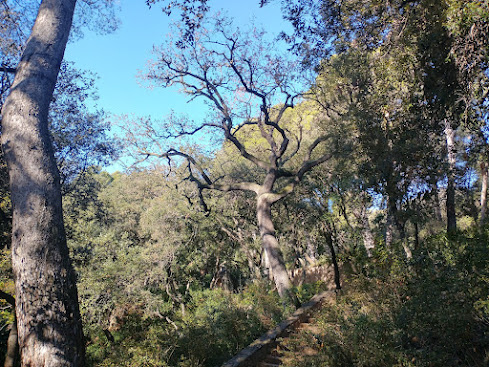
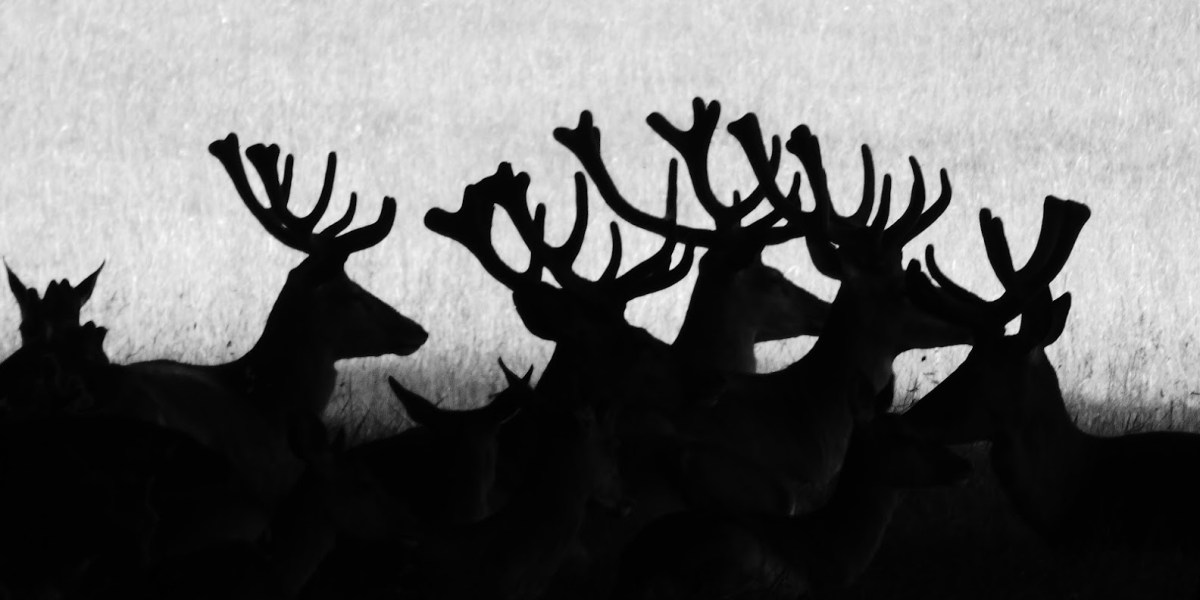
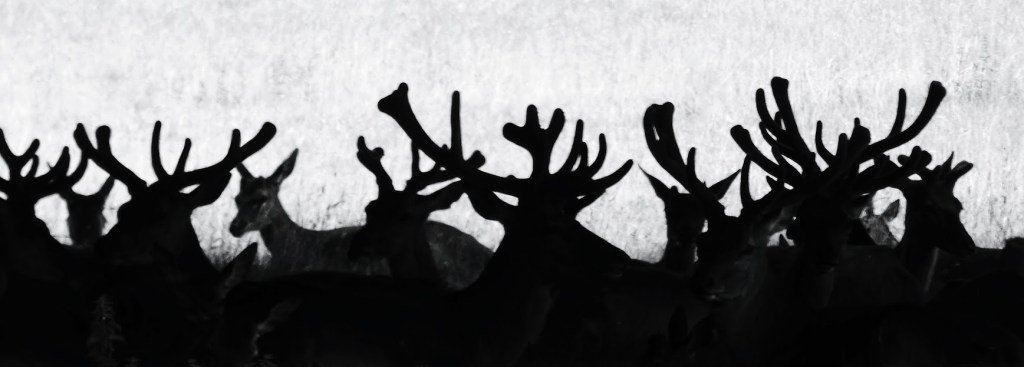
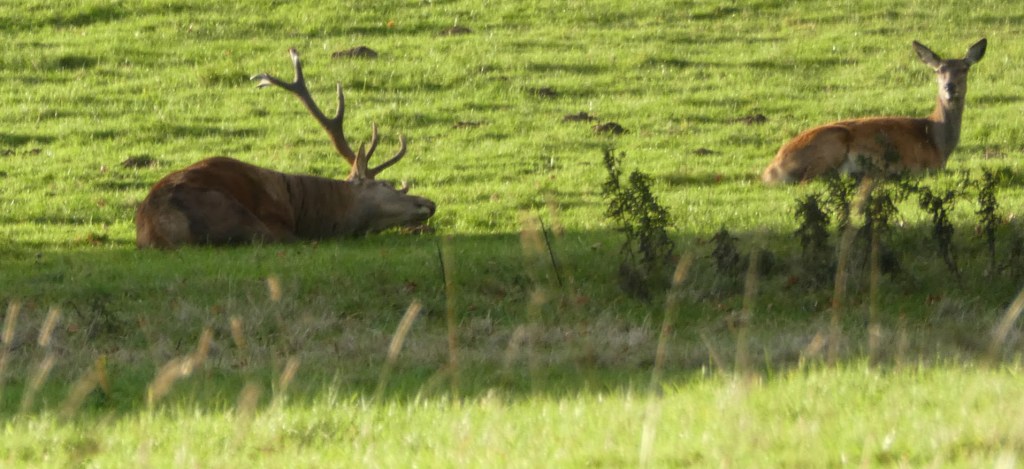
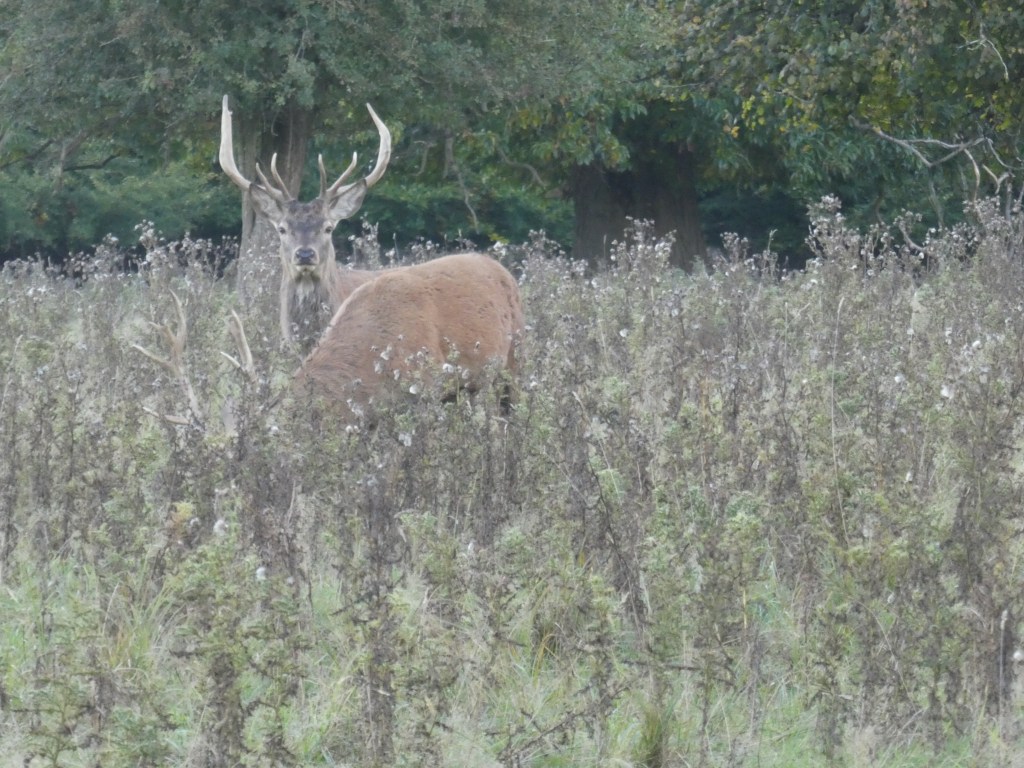
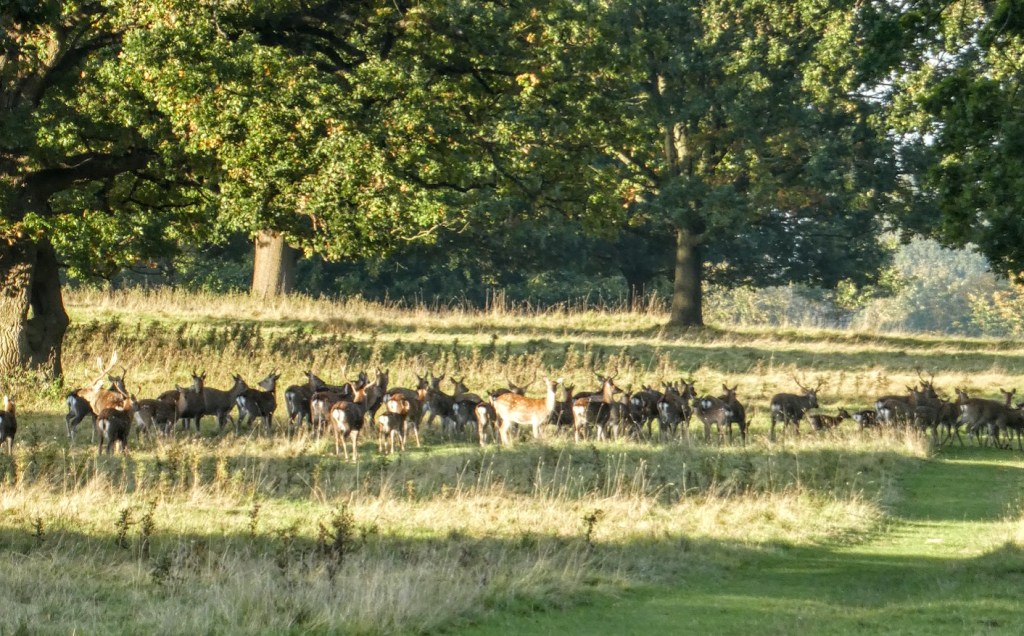
The featured photo shows the first scene we saw: red deer stags all sitting resting beneath the trees. This is their languid time of year, when they eat and rest, building up their strength for the autumn rut.

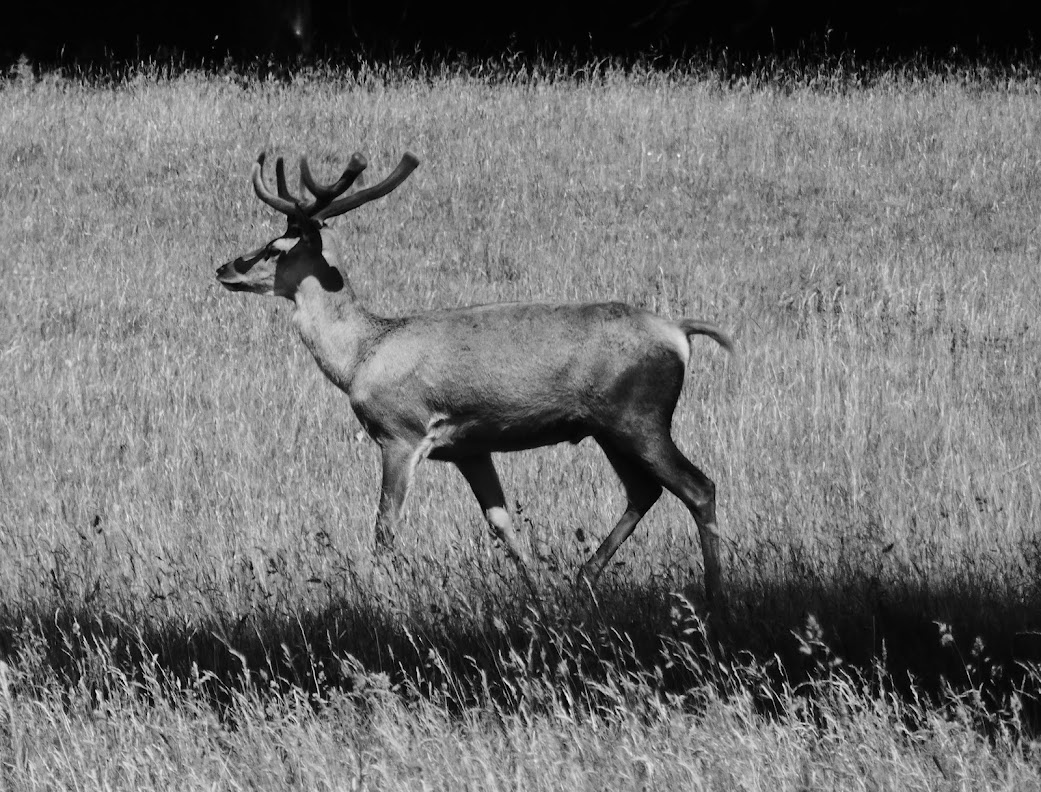
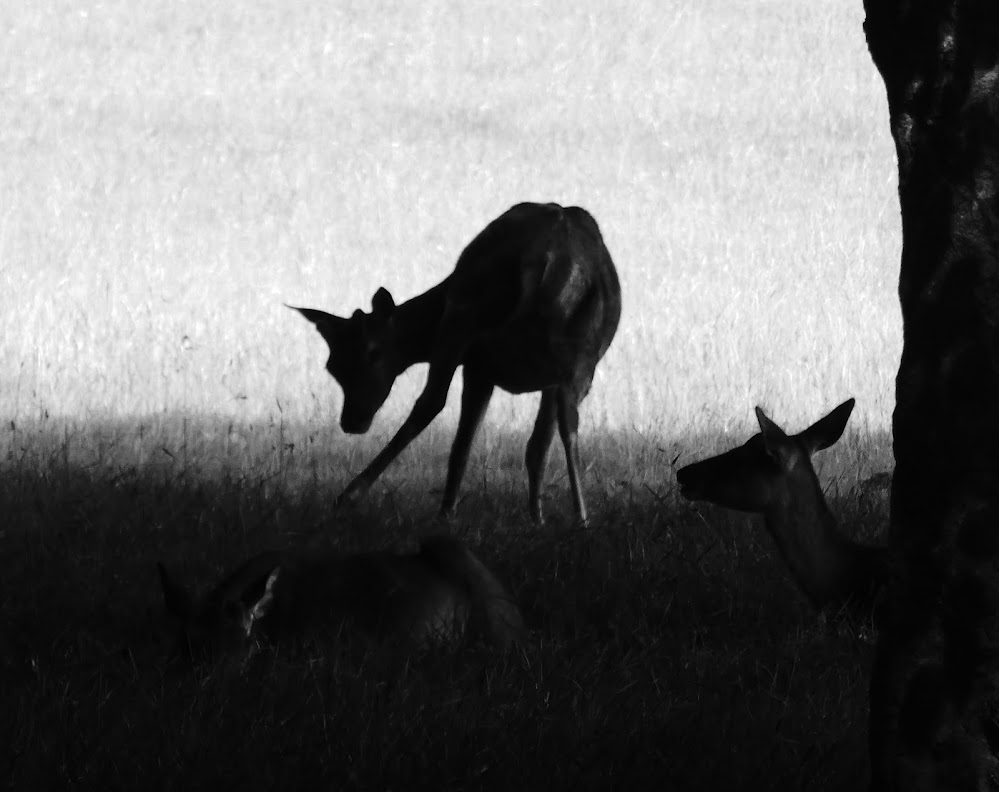
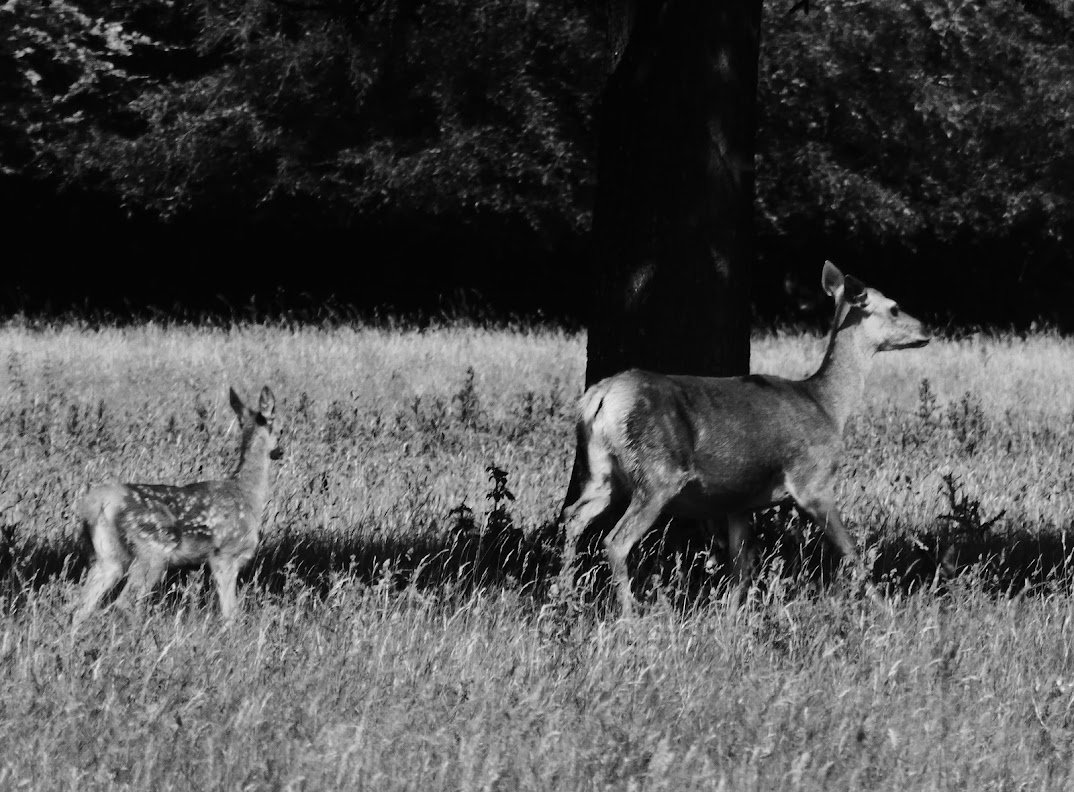
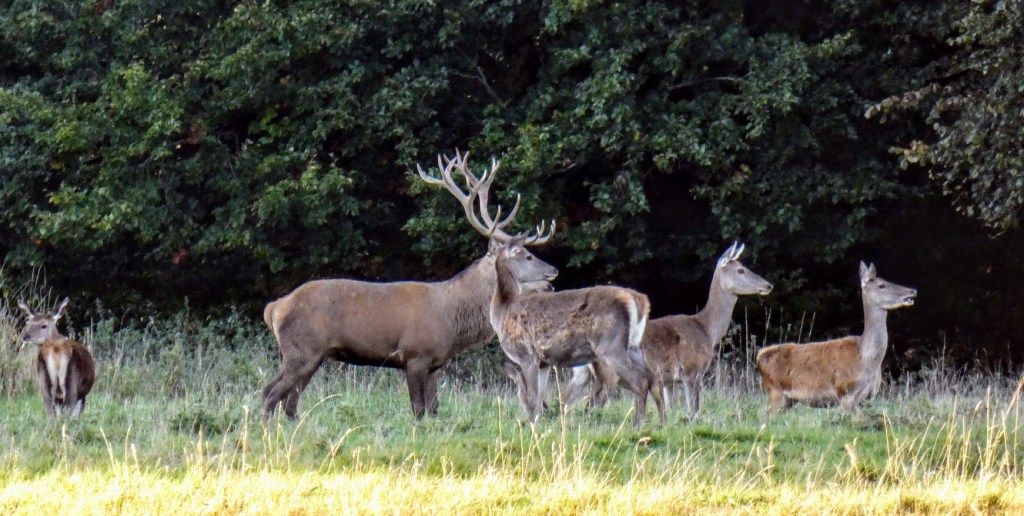
And here’s a stag; a young calf; and a hind with her calf.

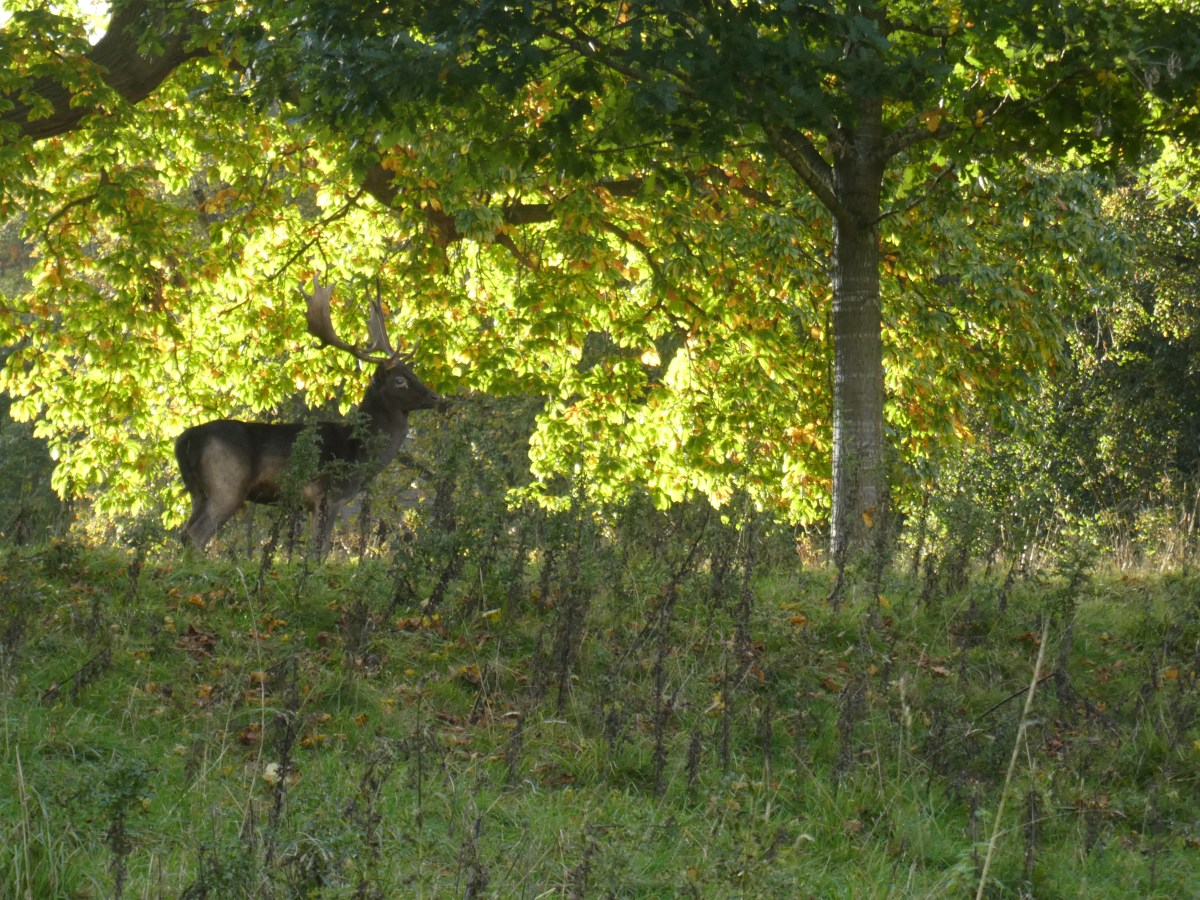
We’re just about to change terminology, because we’re leaving red deer behind, and joining the fallow deer. The male is a buck, the female is a doe, and the youngster a fawn.

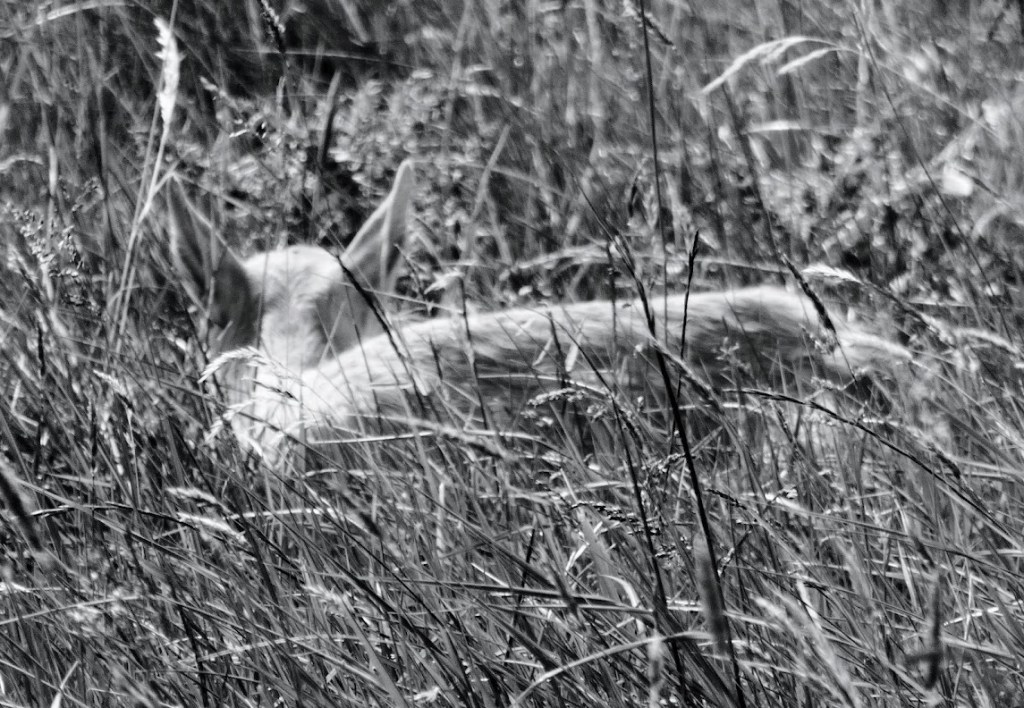
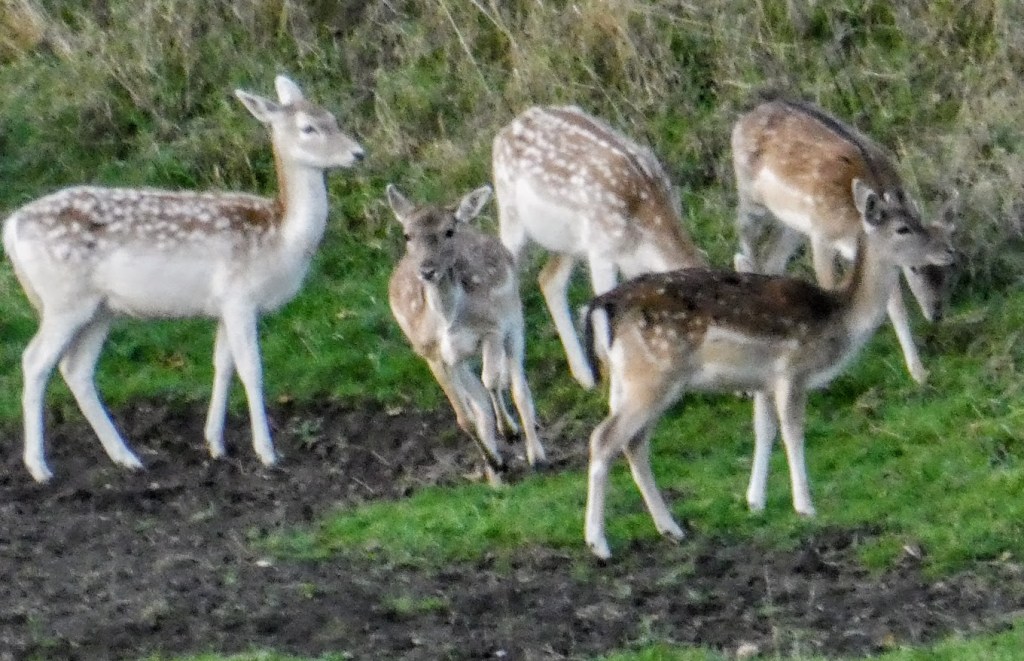
As we spotted fallow deer ahead of us, we all but walked into the youngest of young fawns, left sleeping by its mum far too near an – admittedly little-used – path. I snatched this photo, but we hurried away, not wanting to cause distress to the little creature’s mother.

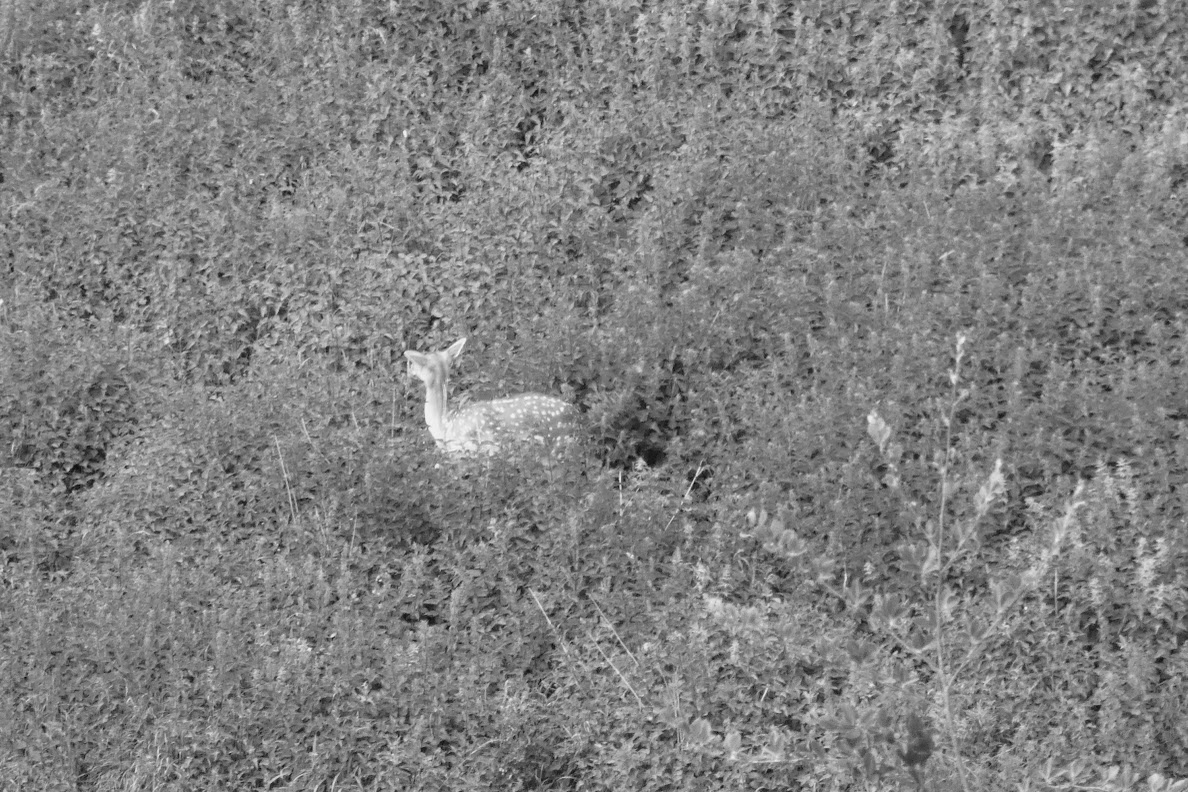
Then we had a wonderful twenty minutes or so, staring across a deep dry valley much loved by the deer because of its relative inaccessibility, and watching a young fawn gambolling through the long grass, dashing back from time to time to see its mum.

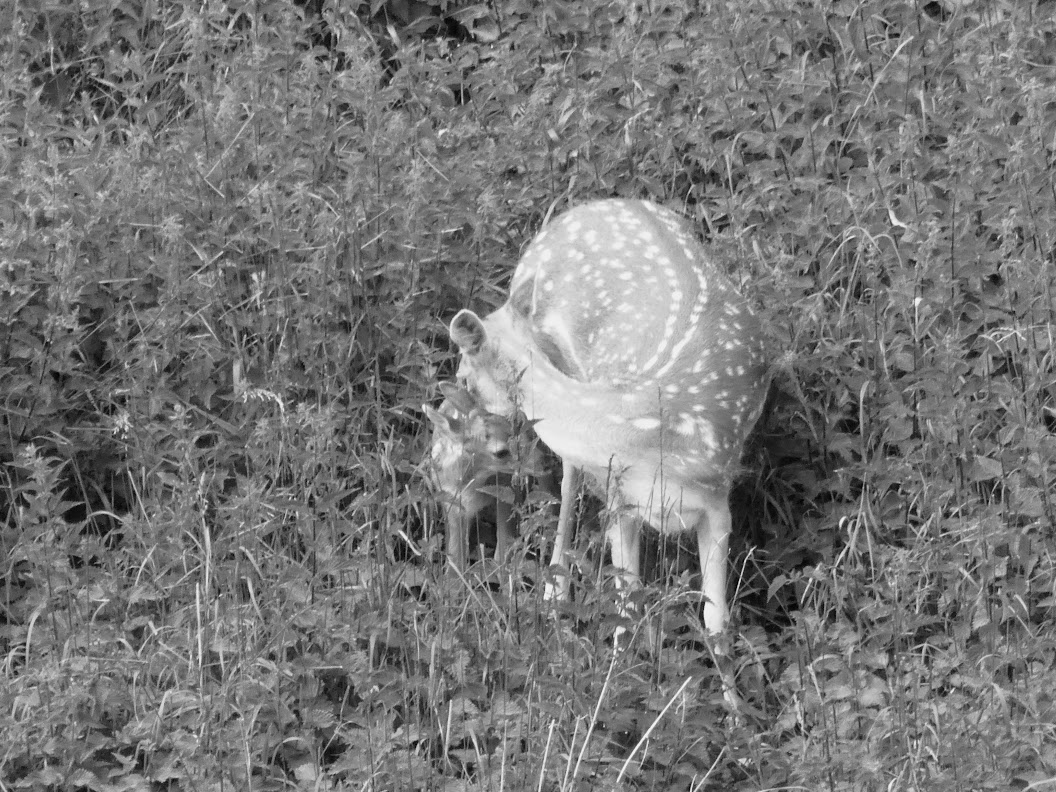
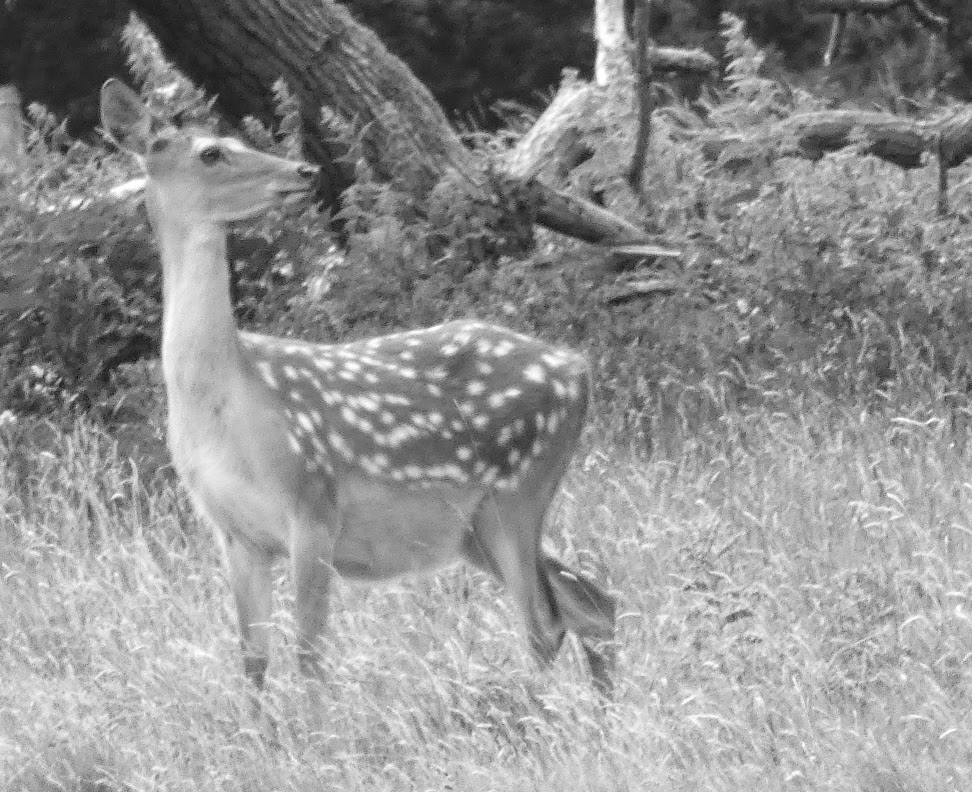
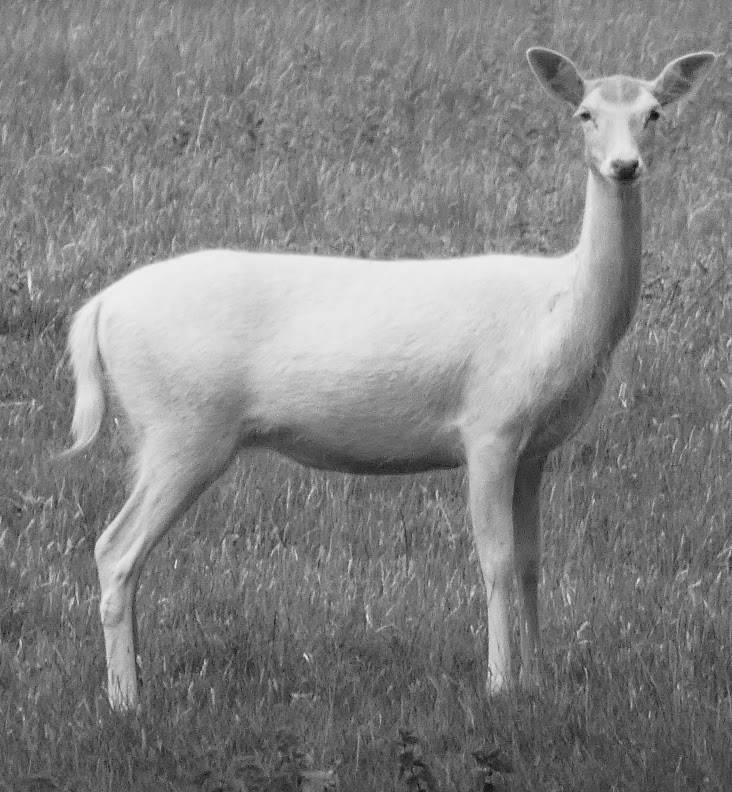
And here are two typical does: one looks ‘normal’, but the white one is too. She’s not albino, but leucistic: she has reduced pigentation in her coat: it’s a pretty common variation – as is melanistic, where the opposite is true, and over-production of melanin leads to a black coat.

But I’ll leave you with a further set of silhouettes from those utterly relaxed stags.

For Leanne’s Monochrome Madness …

… and Jo’s Monday Walk

A Morning in El Masnou

El Masnou is the nearest town to Premià de Mar, and somewhat nearer to Barcelona. Probably because of this, it has a slightly grander recent past. In the 19th century, wealthy families looked from Barcelona to its wide sandy beaches and the hilly countryside beyond, and commissioned Modernista architects to build them a residence away from the bustle of the Big City. Over in Premià they just got on with fishing and a spot of market gardening as usual.

One day last week, during my Spanish stay which was emphatically NOT a holiday, but Granny as housekeeper, au-pair and what’s the next job? I nevertheless awarded myself a day off, and walked the 6.5 km. there along the seaside path.

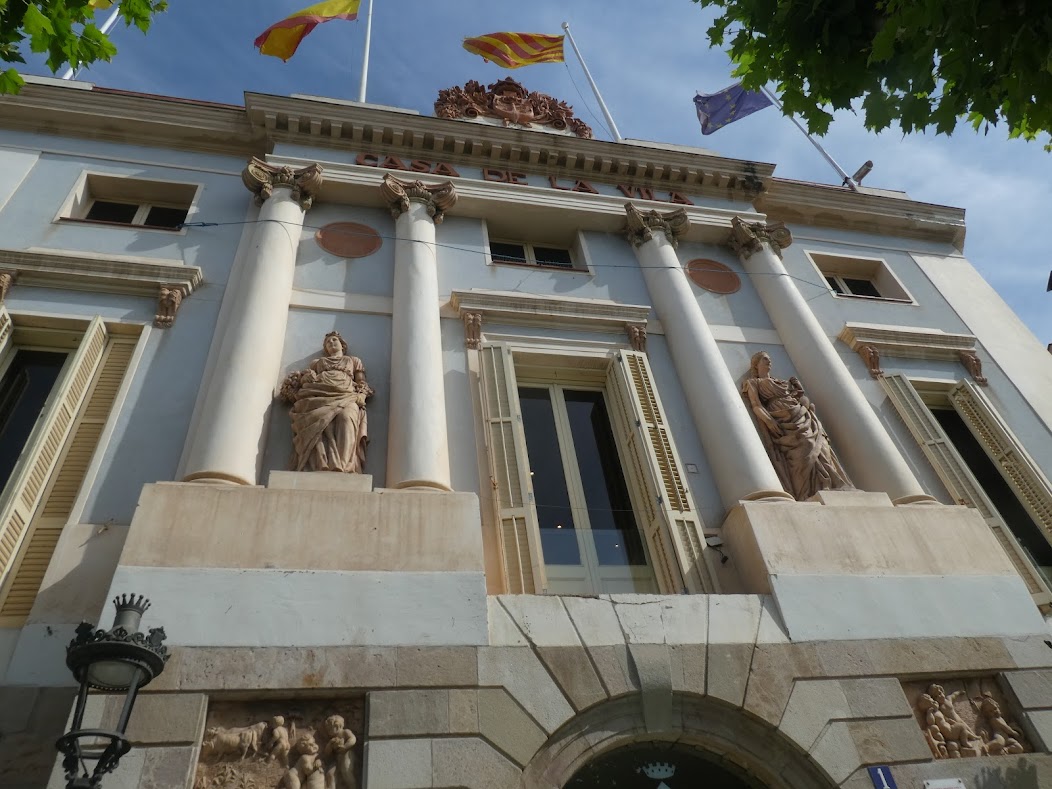
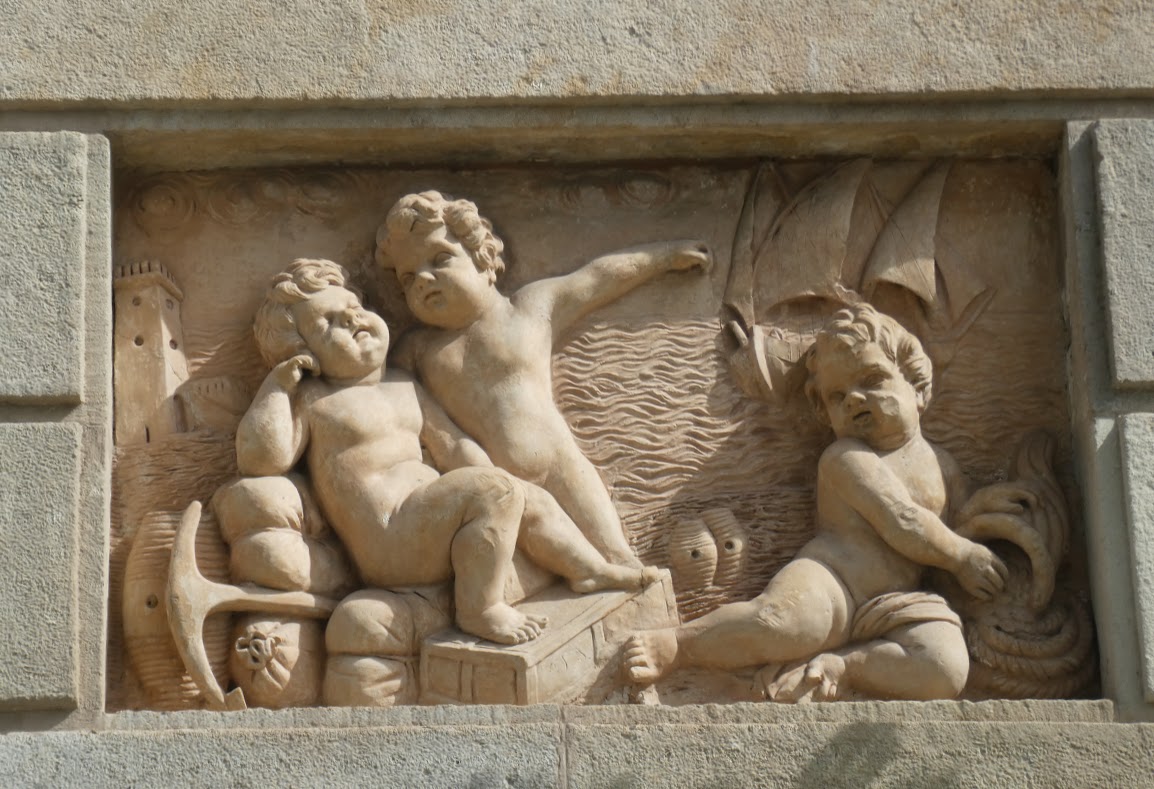
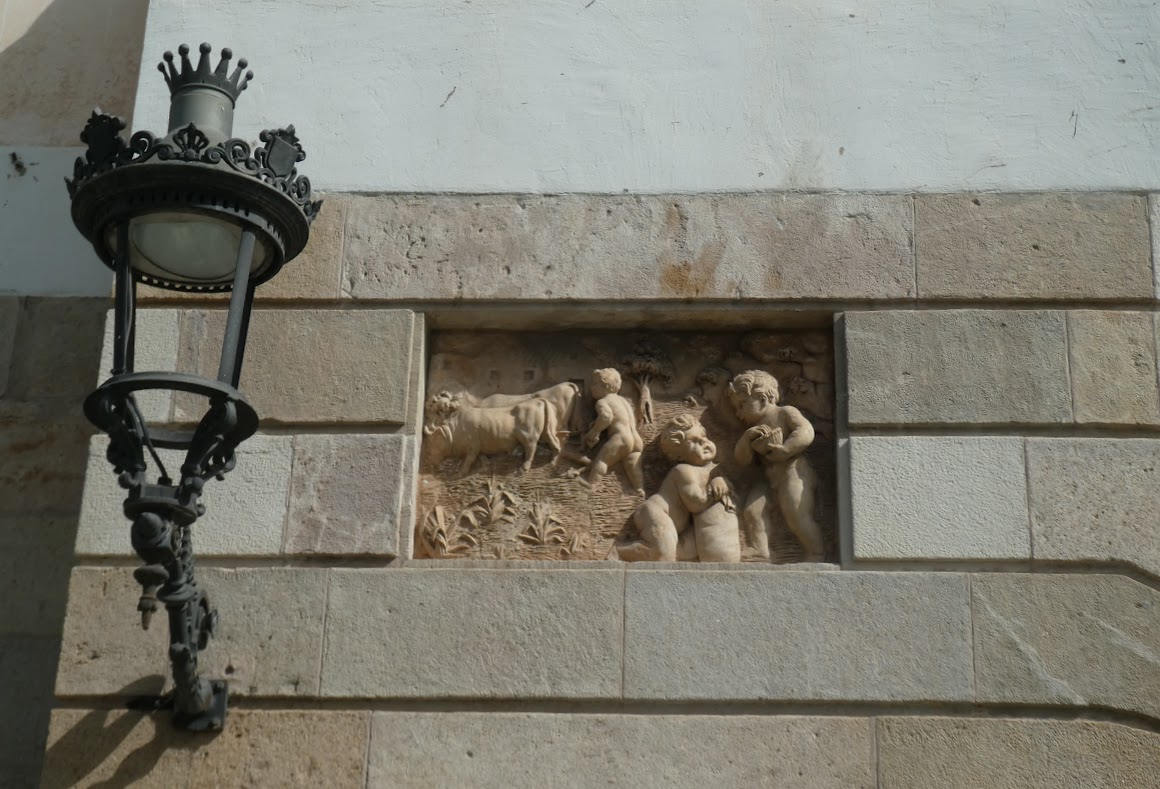
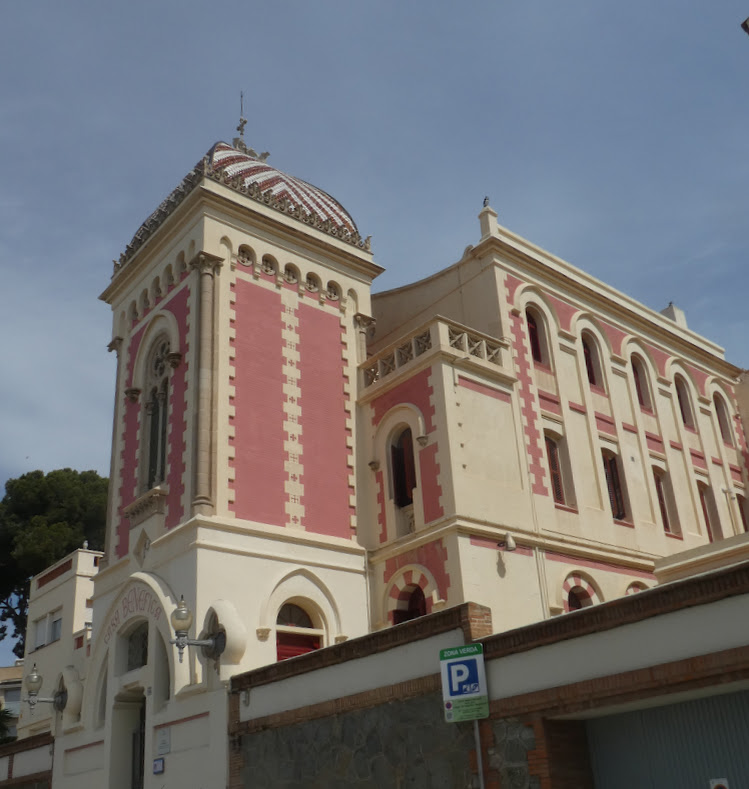
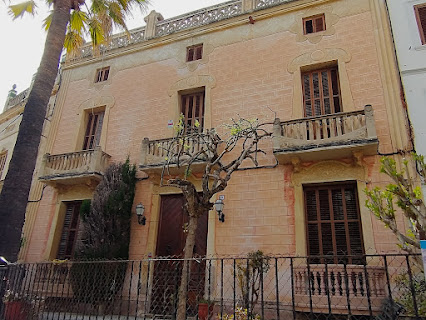
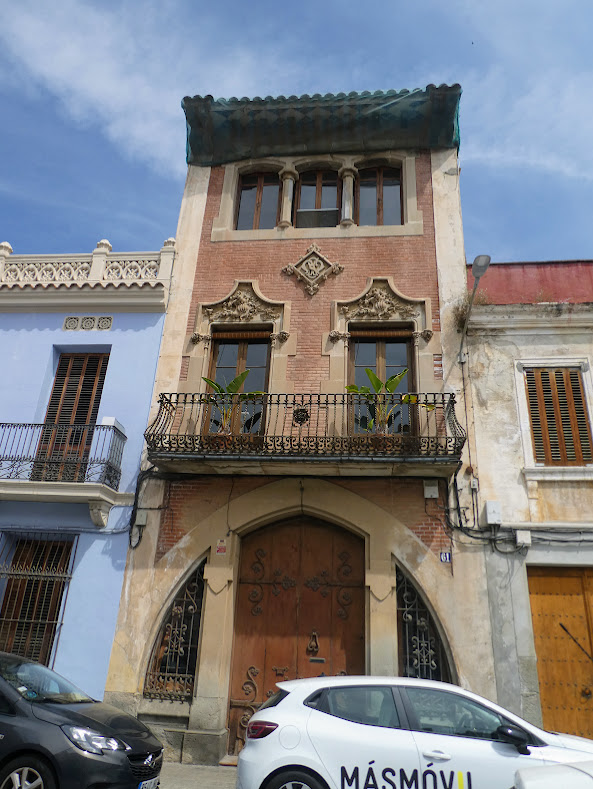
I wanted to track down a few neo-classical and modernista buildings, and I did. but they were hard to photograph, being – often – in narrow streets.

Click on the images to reveal the captions.

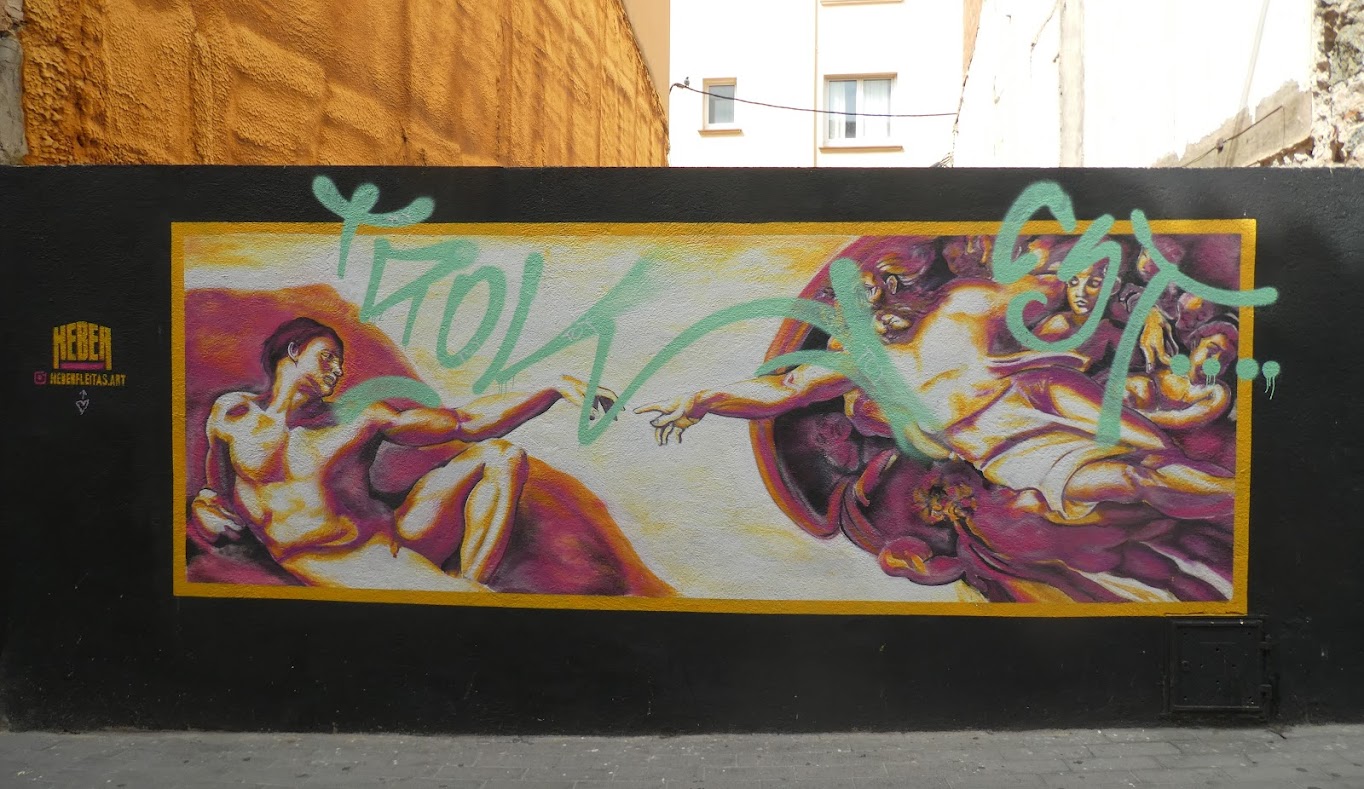
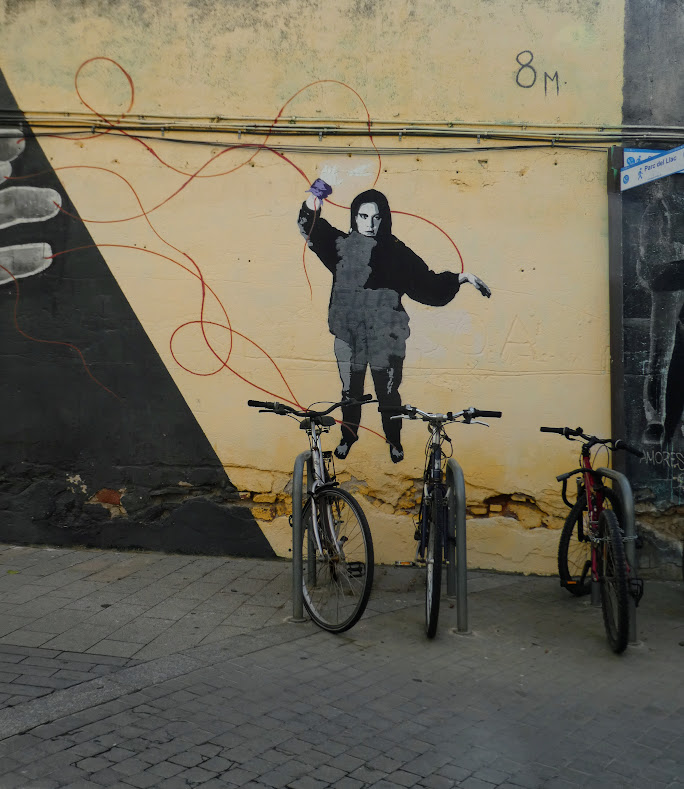
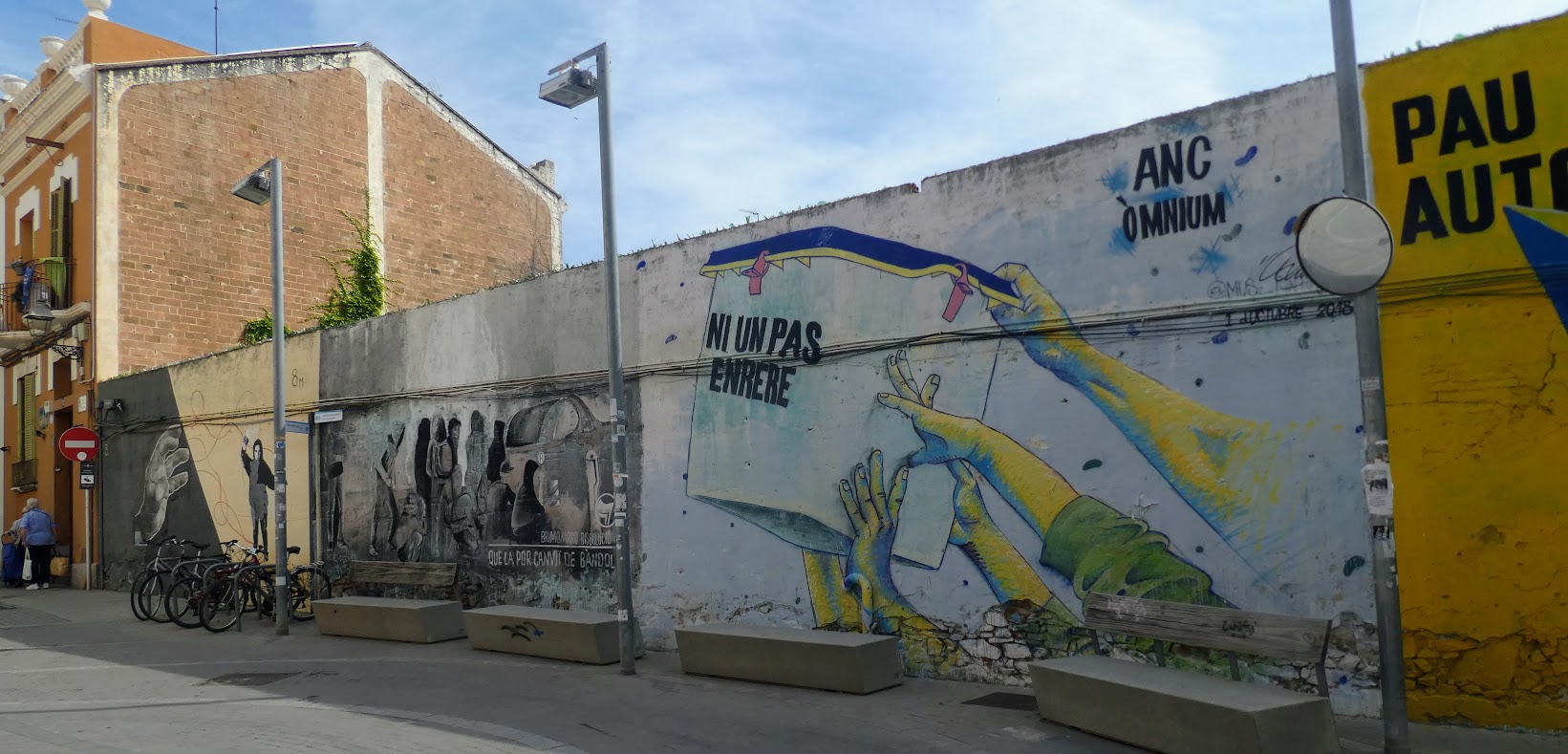
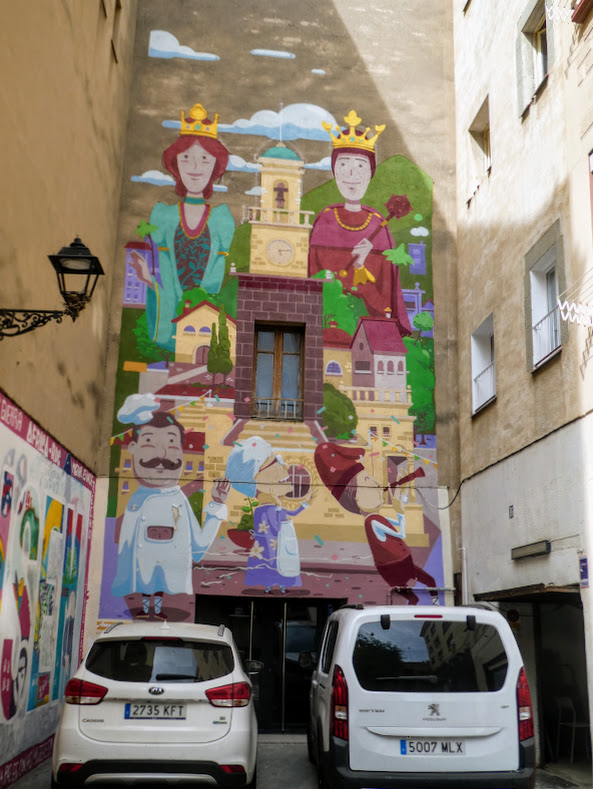
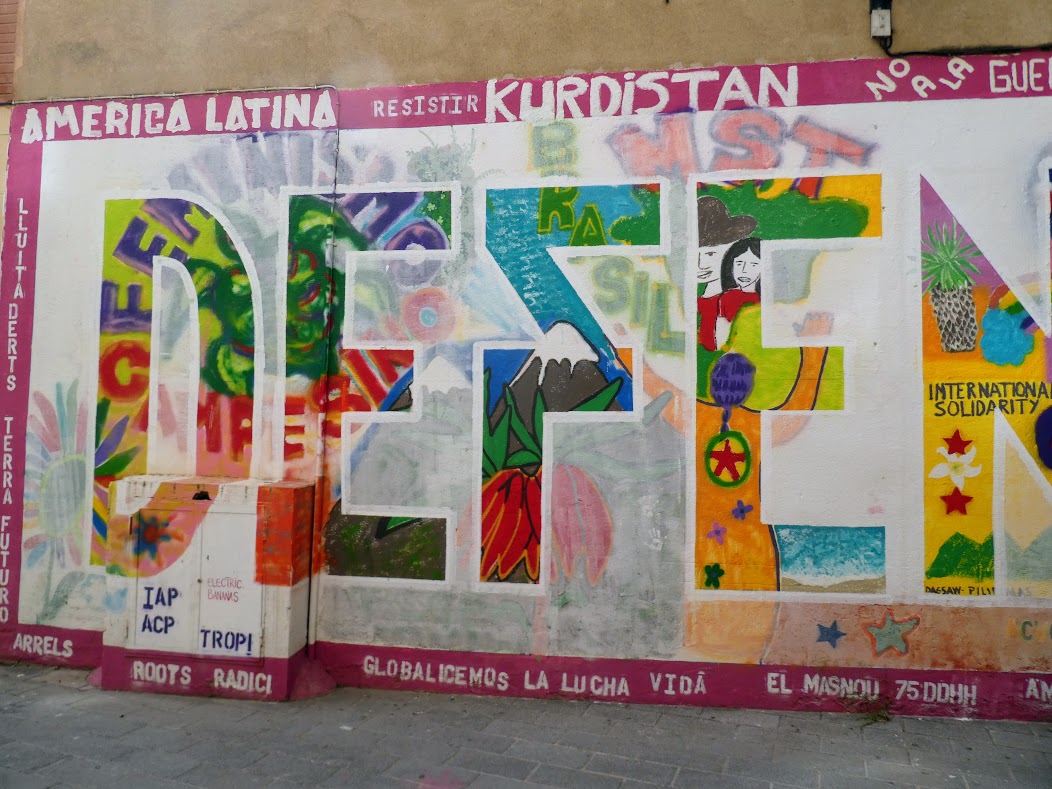
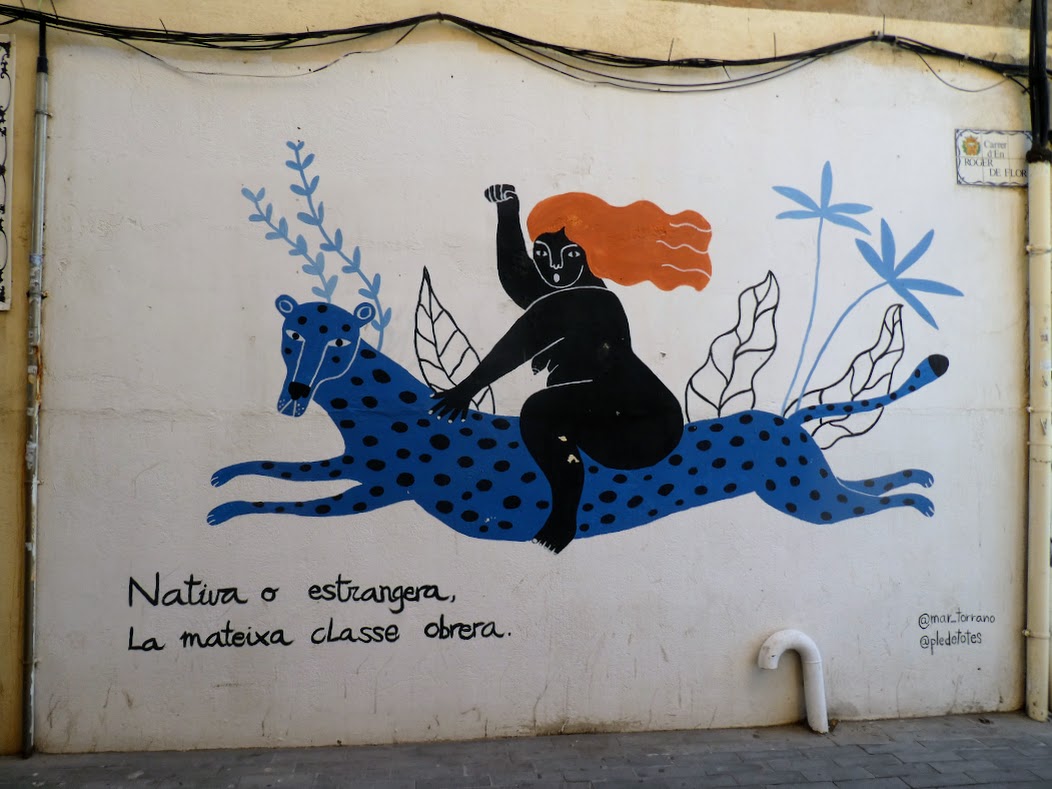
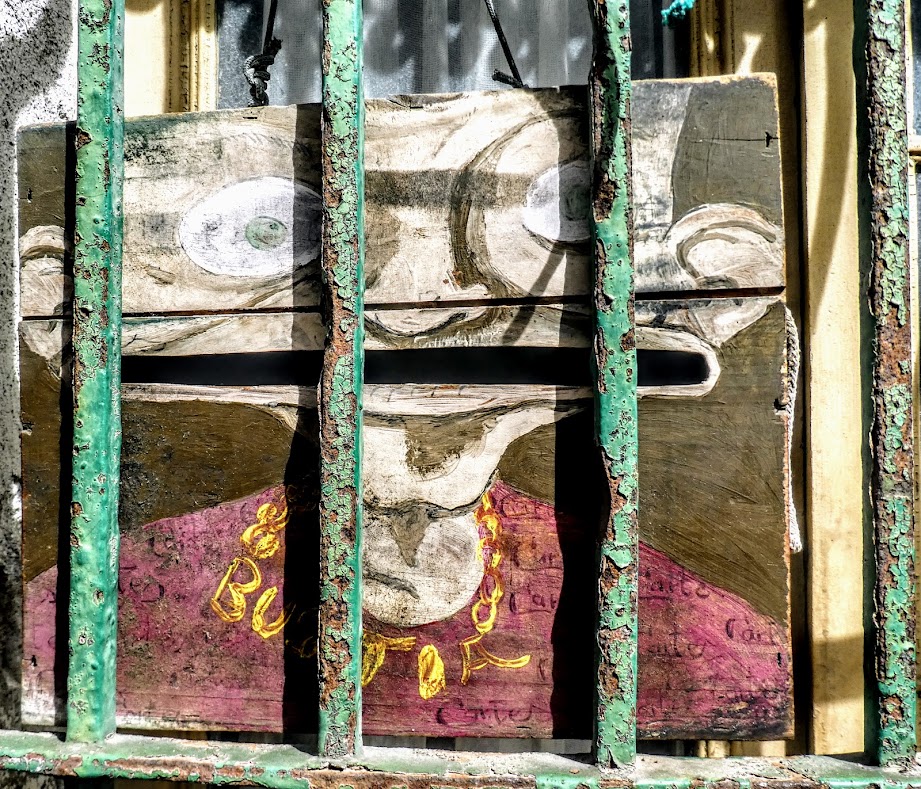
I wanted to track down street art. It’s often assertively political here, defending Catalan independence, the rights of the dispossessed, and celebrating female pioneers of the last couple of centuries.

Click on the images to read the captions (on some of them).

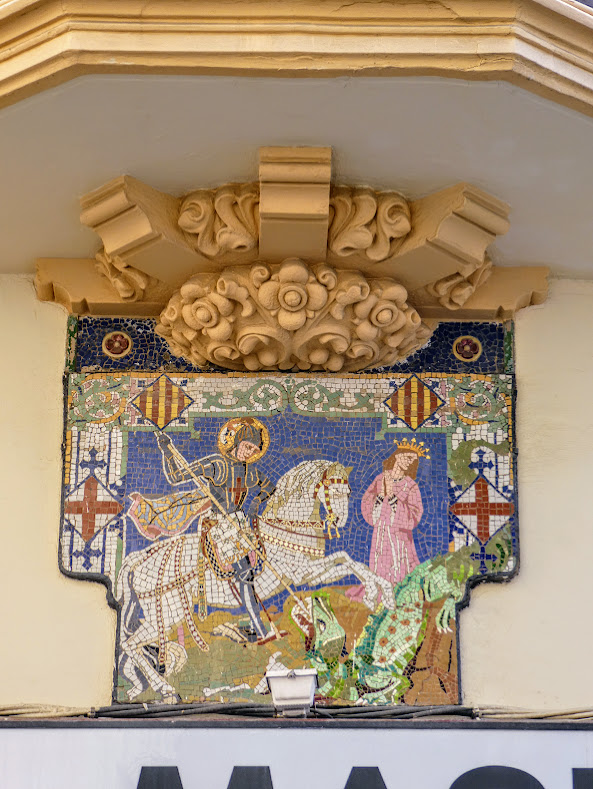
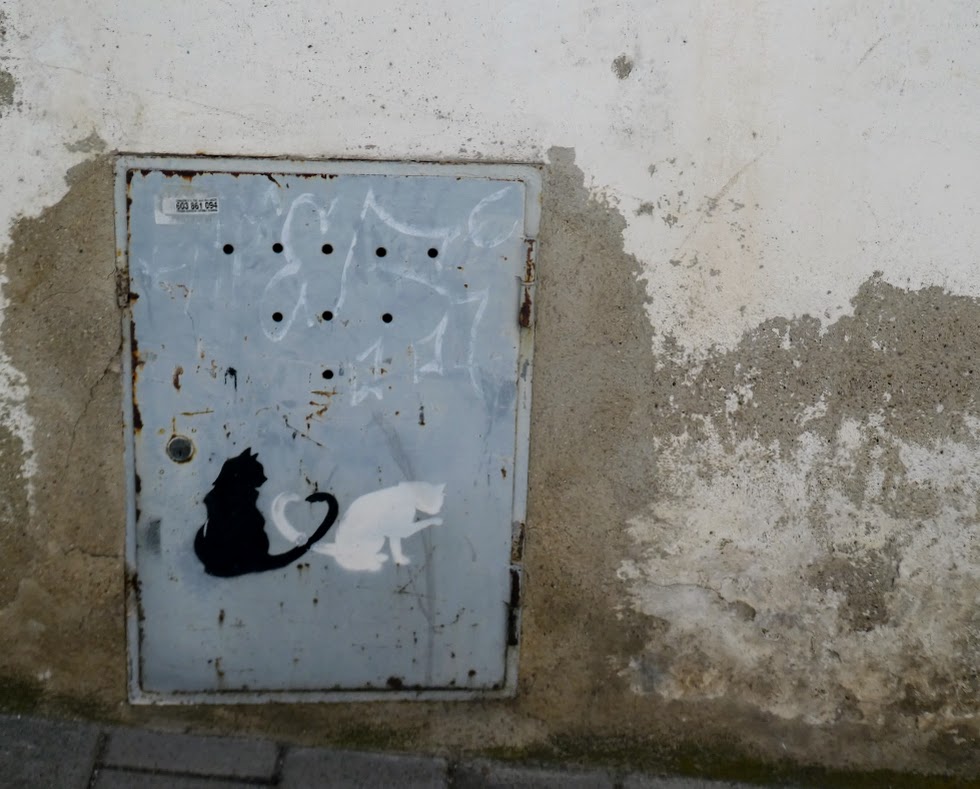
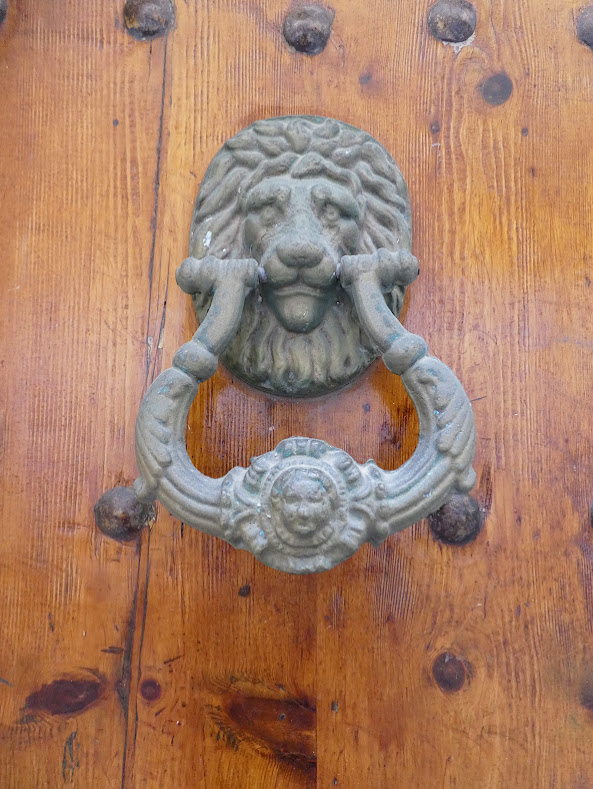
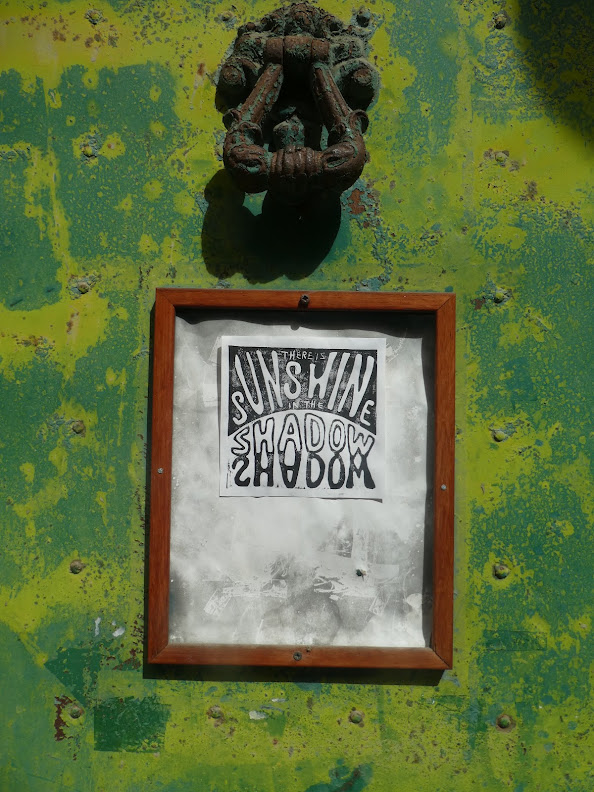
Then there are the charming details every town must have: the mosaic of St. George, Catalonia’s patron saint (and also of England; Aragon; Georgia; Lithuania; Palestine; Portugal; Bulgaria; Ukraine; Malta; Ethiopia; Russia; Bosnia; Kosovo & Serbia. To name but a few). The little cats painted at pavement level. The gaping mouth letter box (but how to get a letter in?). The door knockers.

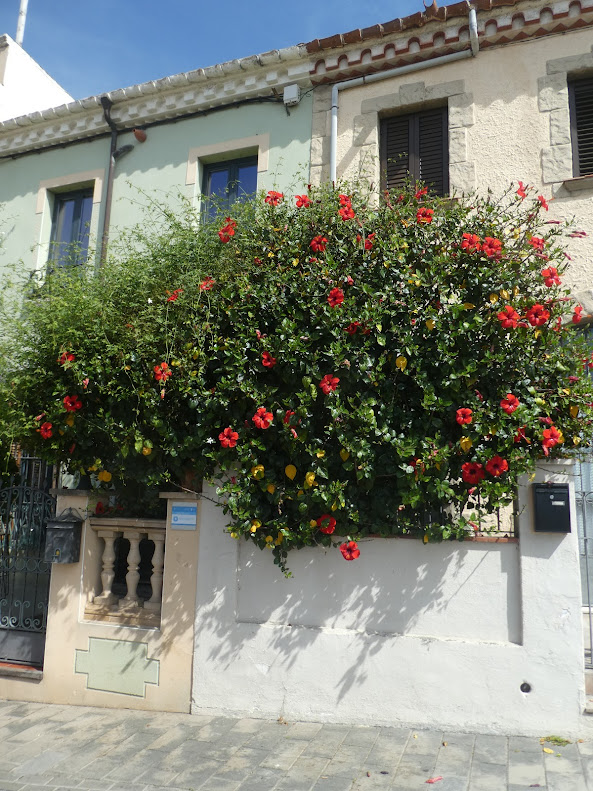
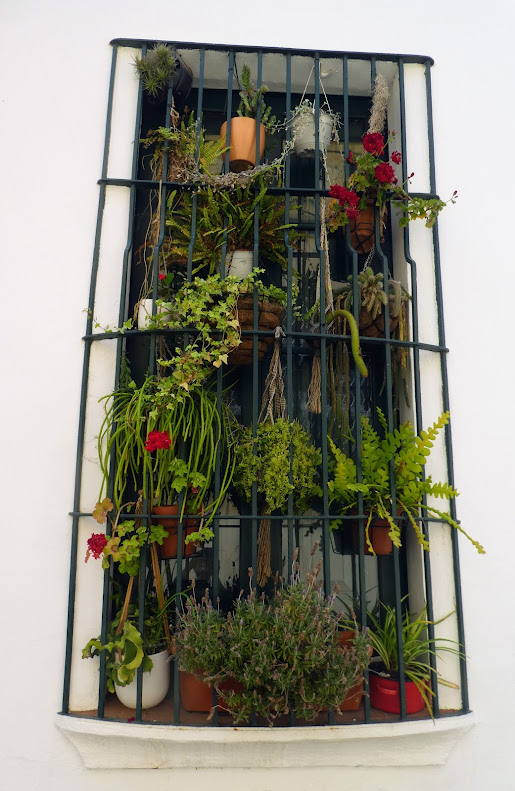
Then there are the ordinary streets, with ordinary houses. Or not so ordinary houses.

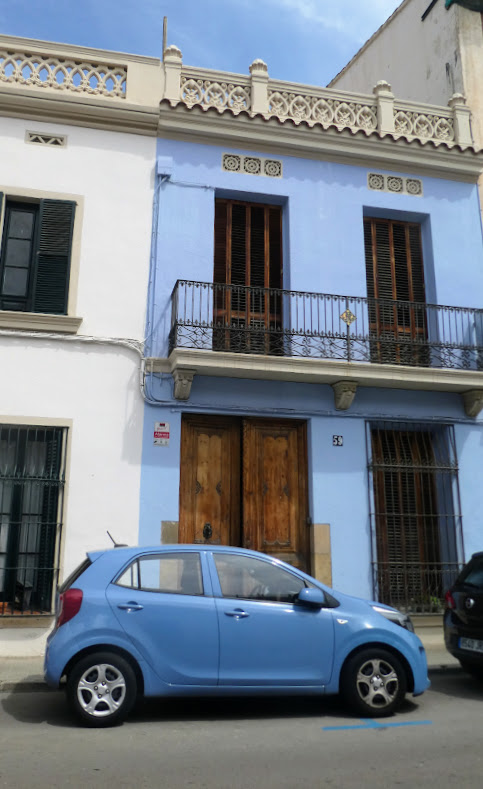
And my favourite. The house with the matching car parked outside. In this image, they don’t seem quite to match. Trust me, they did.

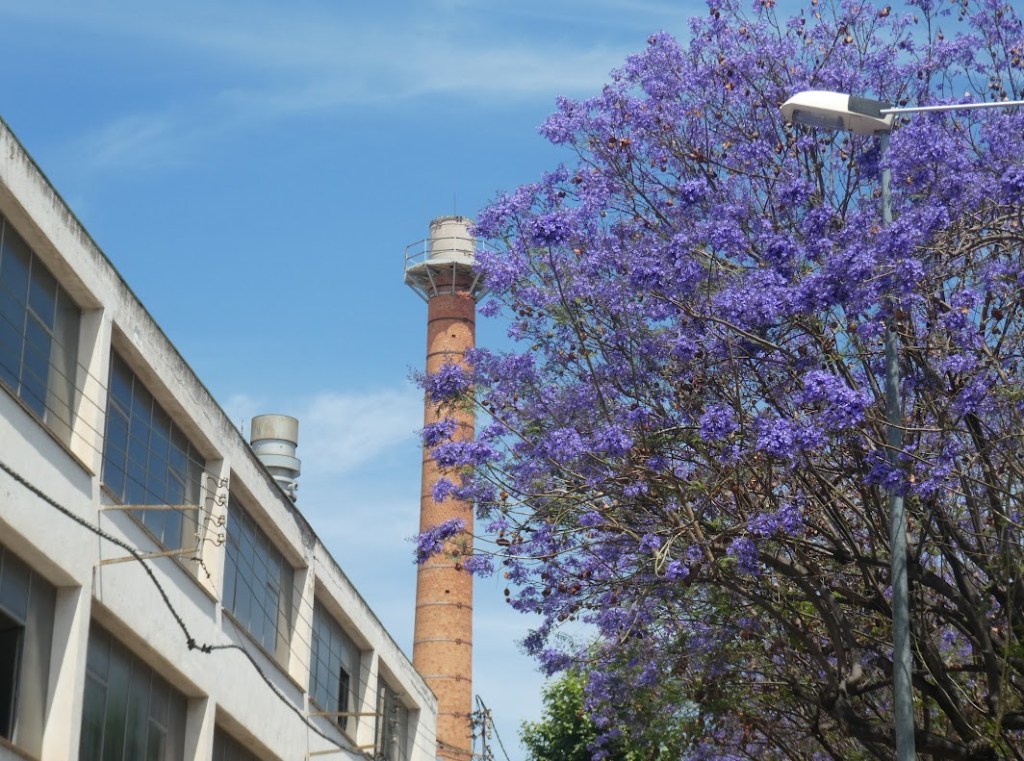
I left the town, walking through its industrial quarter. Even industry seems pleasant enough when every street is lined with jacaranda trees in flower.

After that, it was a drink in the quiet square I showed ten days ago, and a walk home inland through the market gardening area. A morning well spent.

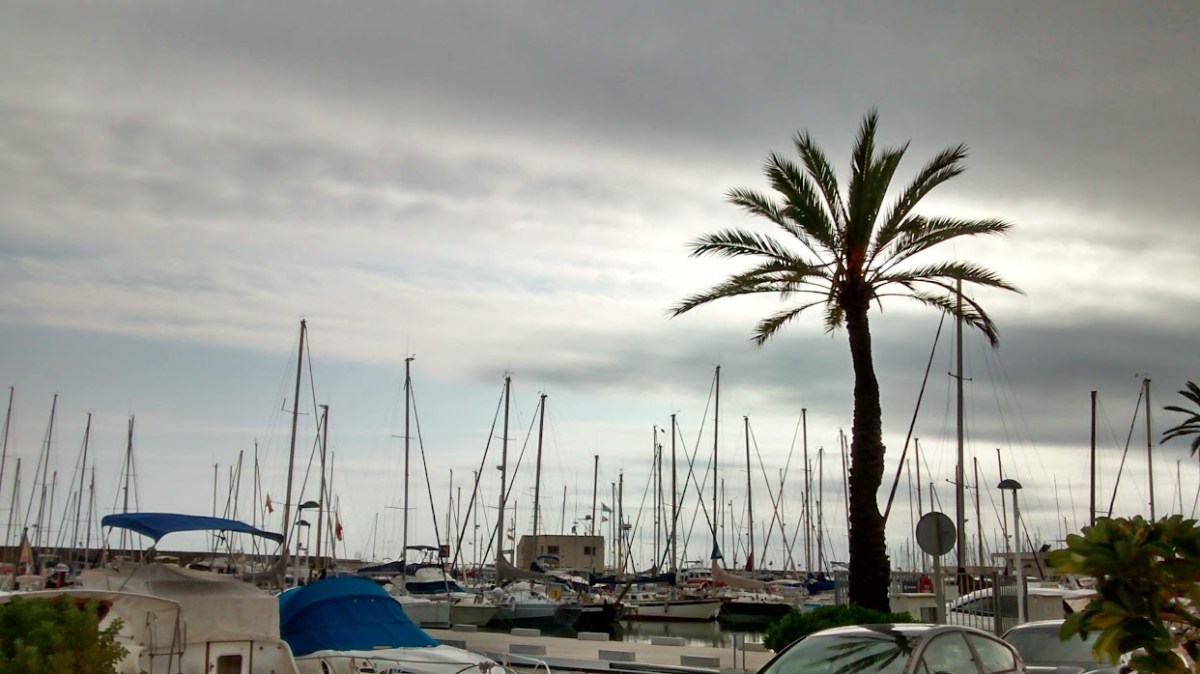
PS. The featured photo of the busy port wasn’t taken last week, but on a greyer day last spring. My walk was on a strictly bright blue sky day.

For Natalie’s Public Art Challenge.

And Jo’s Monday Walk.

The Thames Path: From Canary Wharf to Tower Bridge

I went to London last week. But it wasn’t all about seeing family. I enjoyed a few hours with Sarah of Travel with Me fame, and the day after that, walked part of the Thames Path. This route does exactly what it says, and offers you the chance to walk from where the river rises in the Cotswolds, to where it joins the North Sea: that’s 215 miles. Which must seem pretty small beer to most of you living outside the UK, but it’s our second longest river.

I opted for the stretch between the assertively twentieth century business district of Canary Wharf – along the north side – to Tower Bridge, before returning on the south side. A walk of some eleven miles.

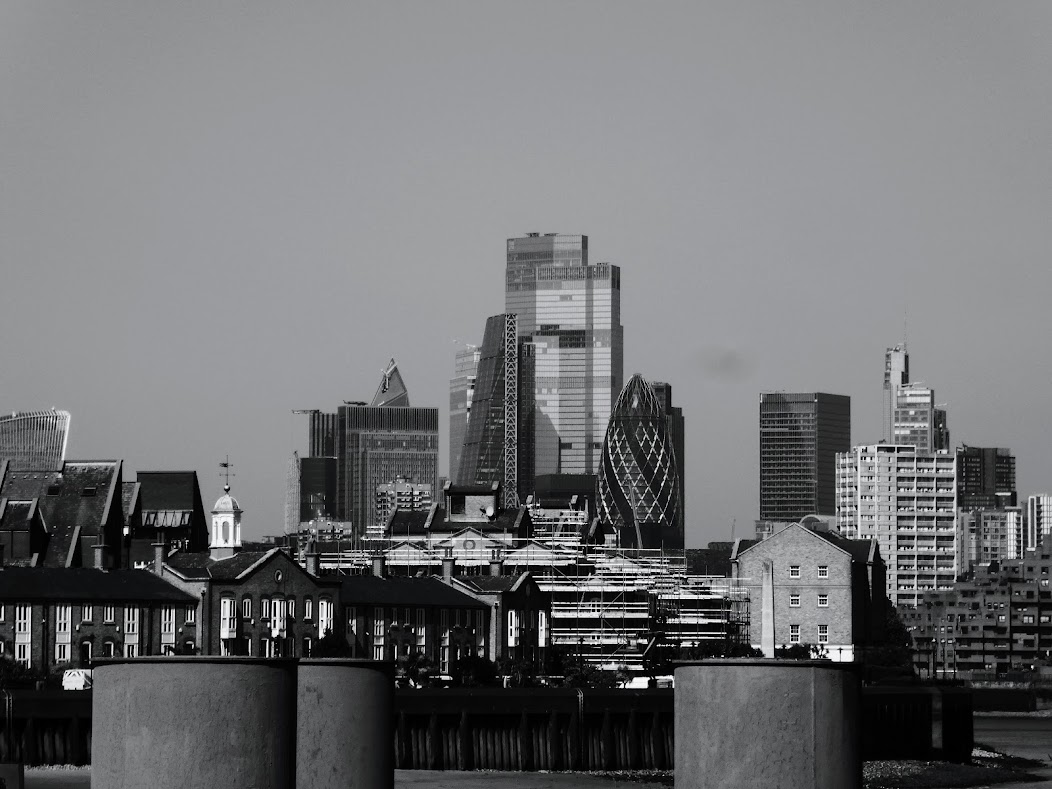
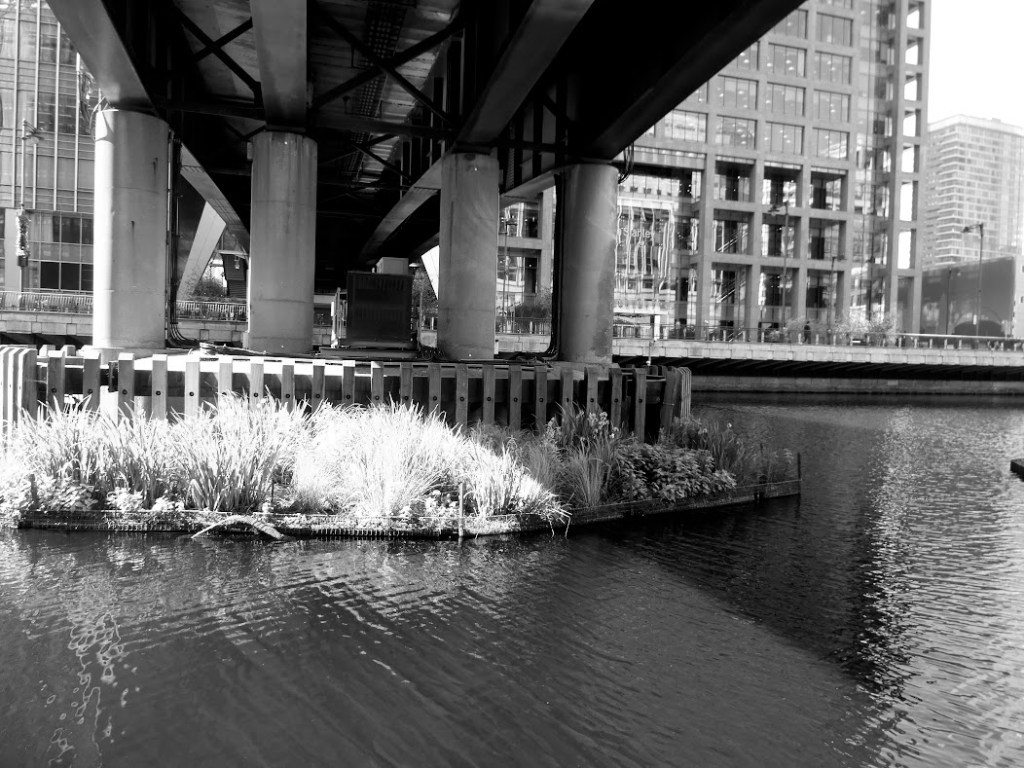
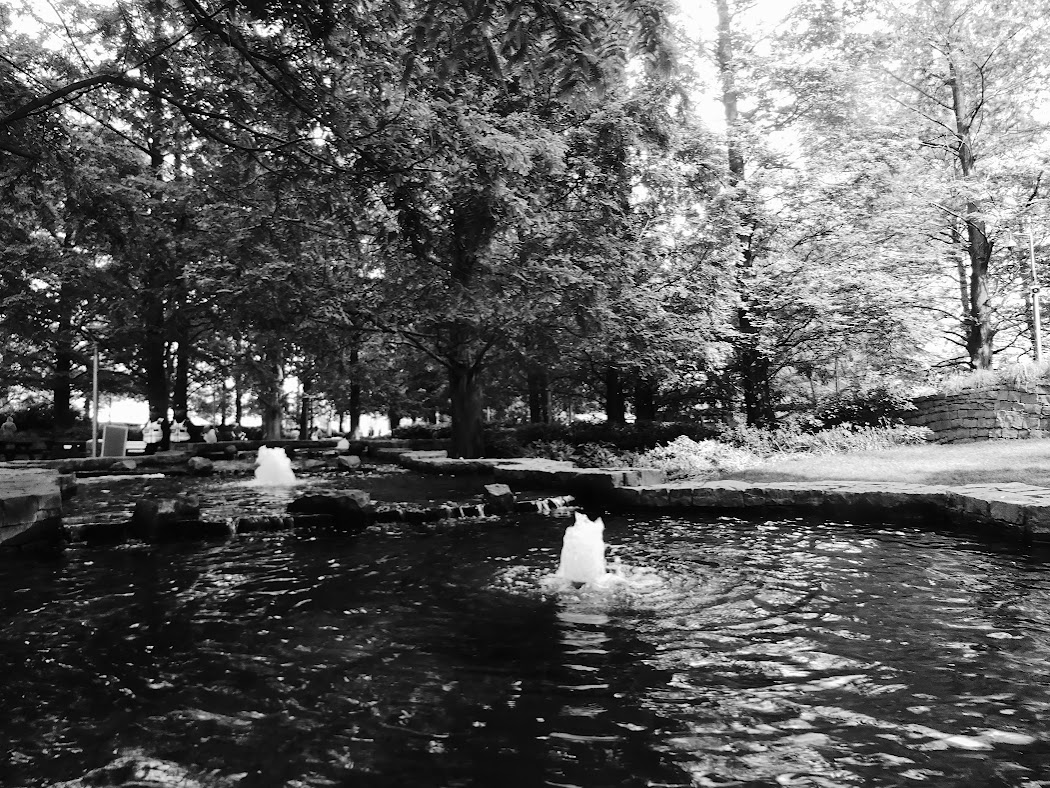
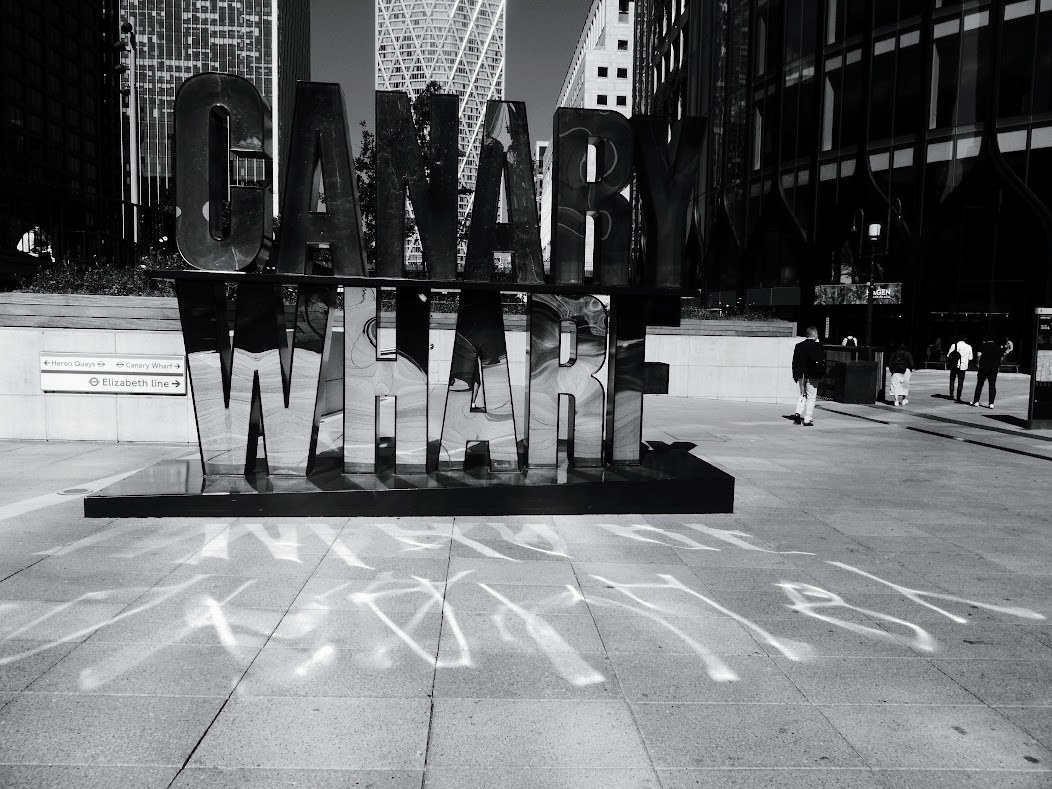
I rather enjoy Canary Wharf. It’s high rise, everywhere. But there are – slightly self-conscious – efforts to make it human-friendly. I found sculpture trails, and massed plantings in an around the various waterways. There are parks, and even mini woodlands with water tumbling about in mini waterways. Even the public toilets are interesting, as my third photo here shows.

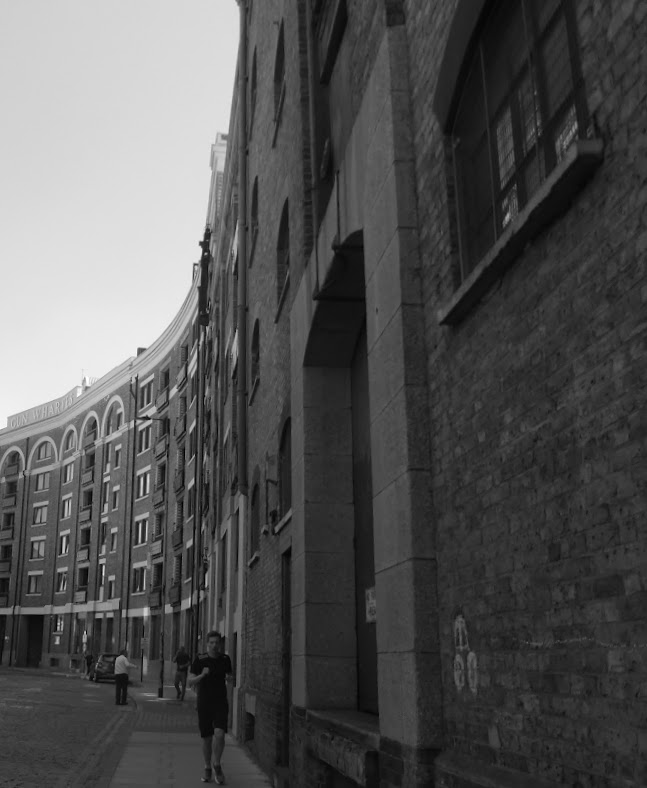
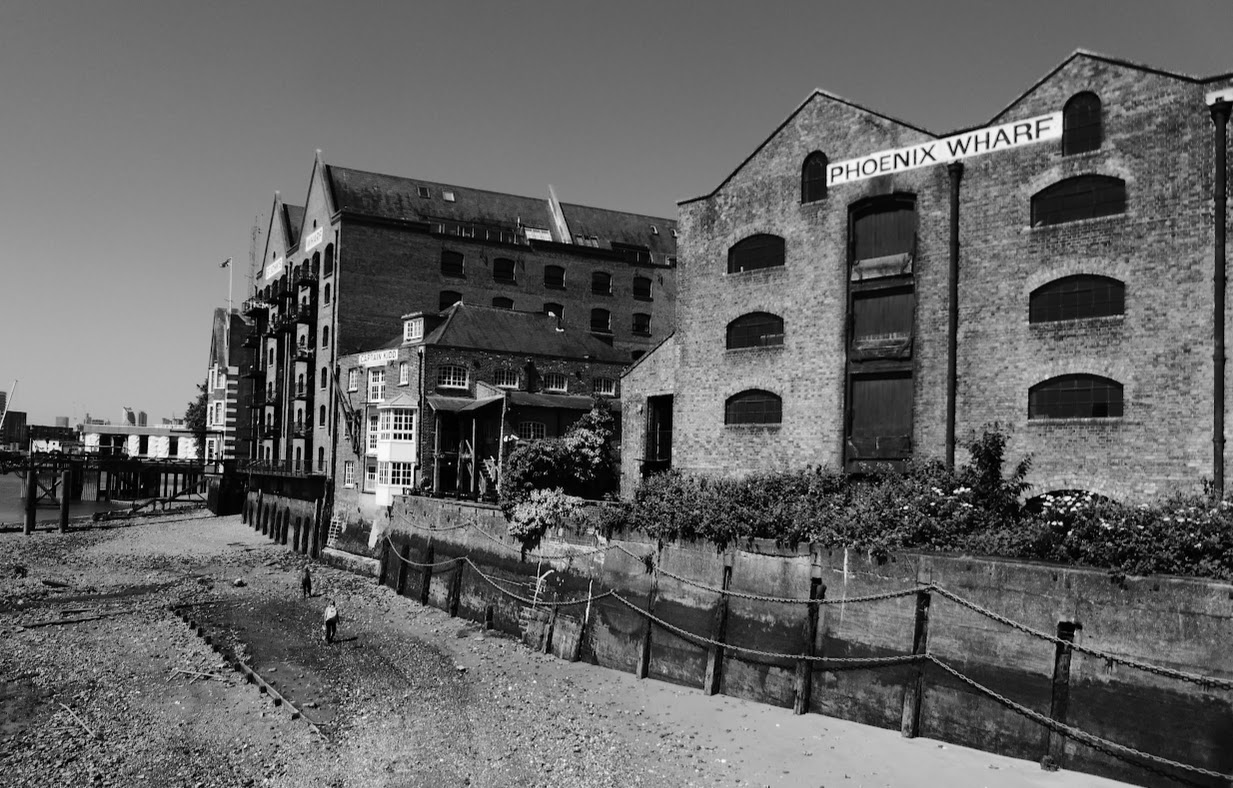
But then it’s the Thames Path. And the water’s edge round here means wharfs and warehouses: reminders of a time when London was an epicentre for receiving tobacco, cotton, sugar, coffee, tea, porcelain, silk ….: offering hard and poorly paid labour to thousands in the Docklands and industrial towns throughout England, trade and prosperity to many beyond, and slavery to many of those who produced the goods we were happy to import.

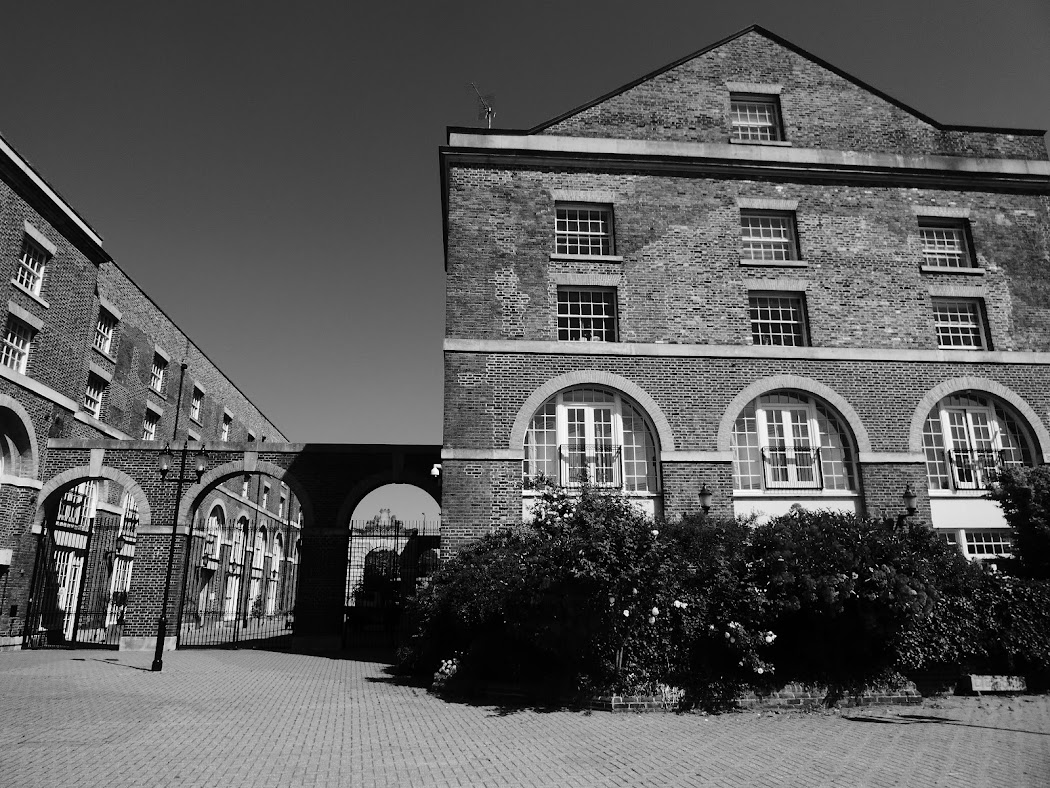
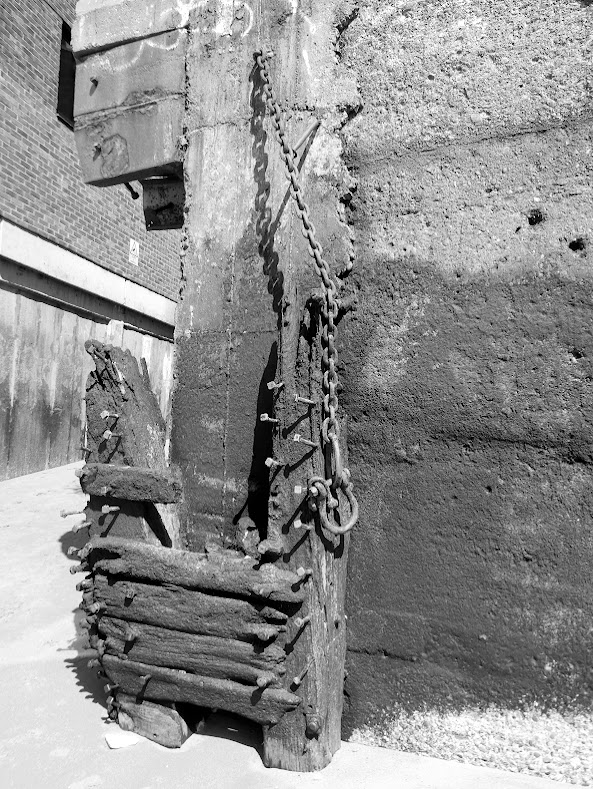
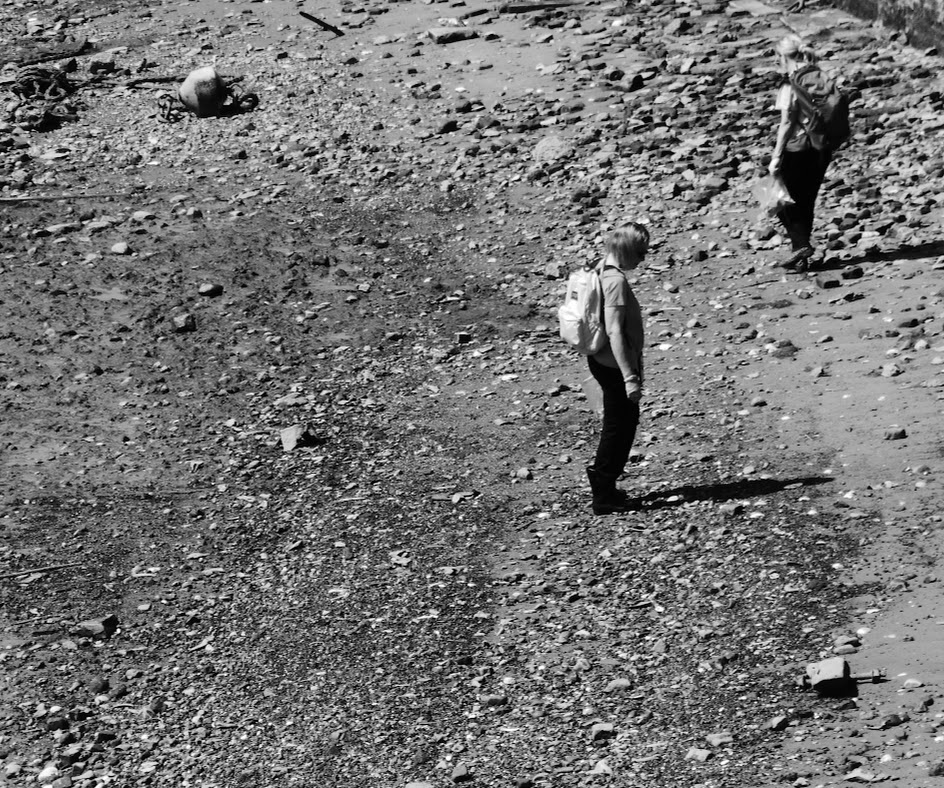
Now these warehouses – handsome buildings – are repurposed, often as sought-after apartments overlooking the Thames. I saw too pillars of rotting wood poking through the foreshore- evidence of once-upon-a time busy jetties and quays. There were even a few mudlarkers: hunters for souvenirs of London’s past as a settlement even back to Bronze age times. And always the contrast between old and new in a single glance.

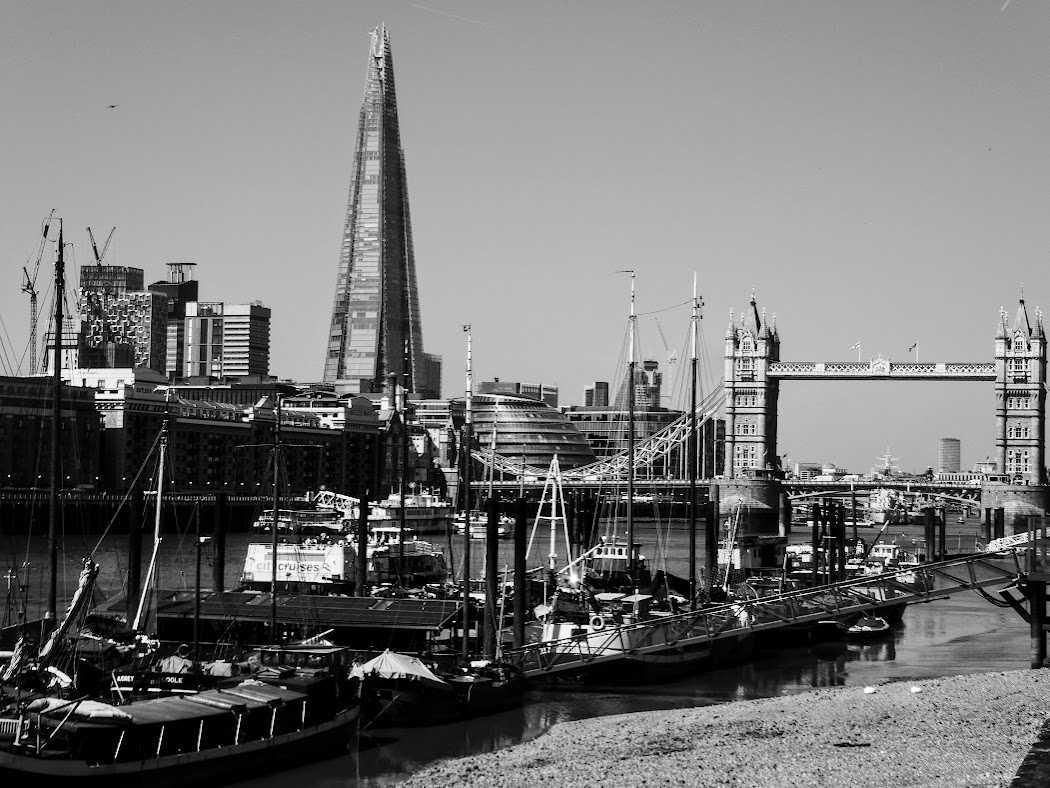
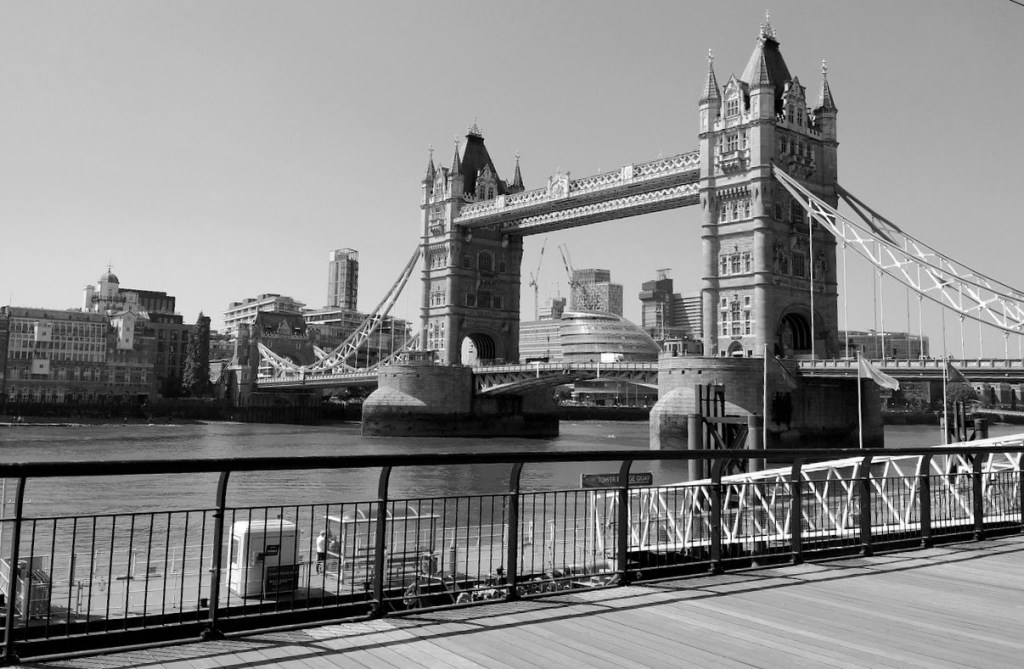
I arrived at Tower Bridge just in time for a lunch time sandwich. The area is glutted with tourists, but take yourself only a few yards away down the path and you can have a bench with this view all to yourself.

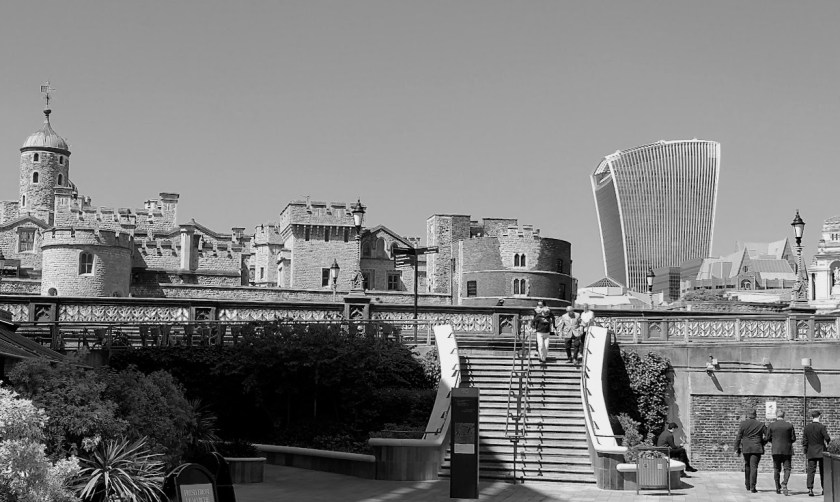
I didn’t stay long near Tower Bridge, built in 1886 or the Tower of London, built in 1066, both log-jammed with visitors. But the contrast between the very old and the extra-new captured in this shot appealed to me.

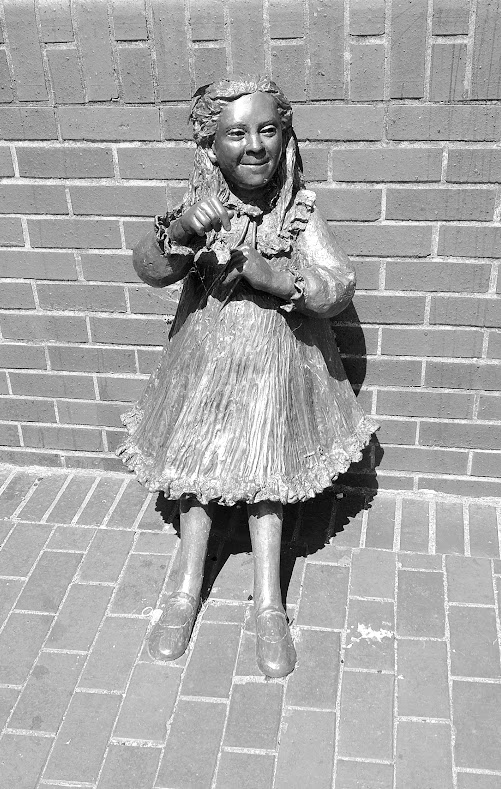
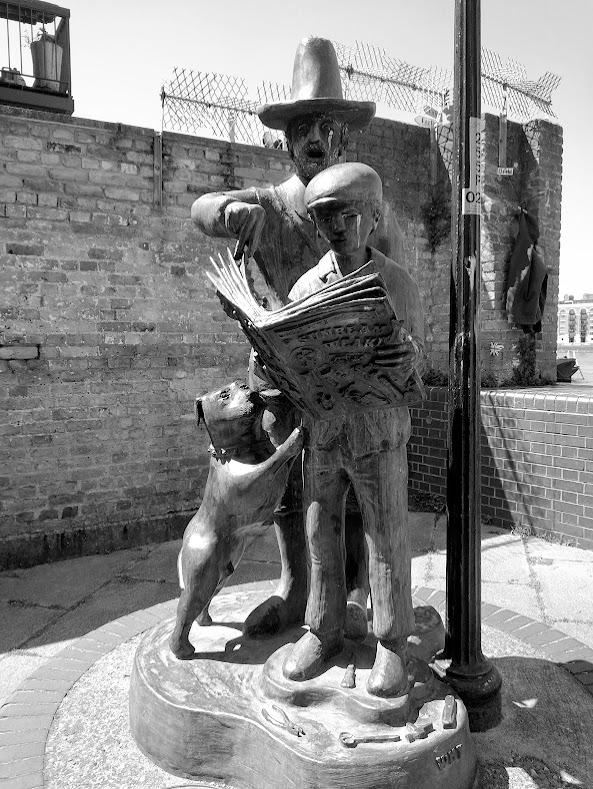
It was time to head back along the southern shore. This was easier. My morning journey had been hampered by diversions as a giant sewage system was being installed along the route of the path. My return through the evocative-sounding communities, reminiscent of Dickens (Bermondsey, Rotherhithe) was straightforward. It was here that I learnt about Alfred and Ada Salter, both born into relative privilege, who over a hundred years ago, devoted ther lives to alleviating the tough lives of the poor in Bermondsey. Quakers, Alfred was an outstanding doctor who treated poor patients for free and imported into Bermondsey all the latest medical clinics and facilities, creating in miniature an ’NHS before the NHS’. In 1922 Alfred was elected as MP for Bermondsey, representing Labour. Ada devoted her life to the demolition of slum housing. She built a model housing estate at Wilson Grove, campaigned against air pollution as early as 1913, and on the London County Council carried through a programme for the beautification of all of London Borough parks, children’s playgrounds and tree-lined streets. She became the first female Mayor of London – and the first Labour mayor! They insisted on living amongst the poor they devoted their lives to, and in 1910, their only child Joyce died of scarlet fever: a tragedy they never got over. Alfred and Ada earned the unending trust, support and love from the community they devoted their lives to. Somehow though, I only seem to have a photo of the statue of Joyce, playing by the Thames. The Salters were, I think, the kind of couple to gladden the heart of Anabel, The Glasgow Gallivanter.

A little further along is another group: commemorating this time the intrepid band we call the Pilgrim Fathers. They were a group of English separatists – Protestants with extremely severe principles – who in 1620 sailed to America on the Mayflower to establish a colony where they could practice their religious ideas freely. Very bright sunshine made it impossible to photograph them easily, so you’ll have to make do with this one .

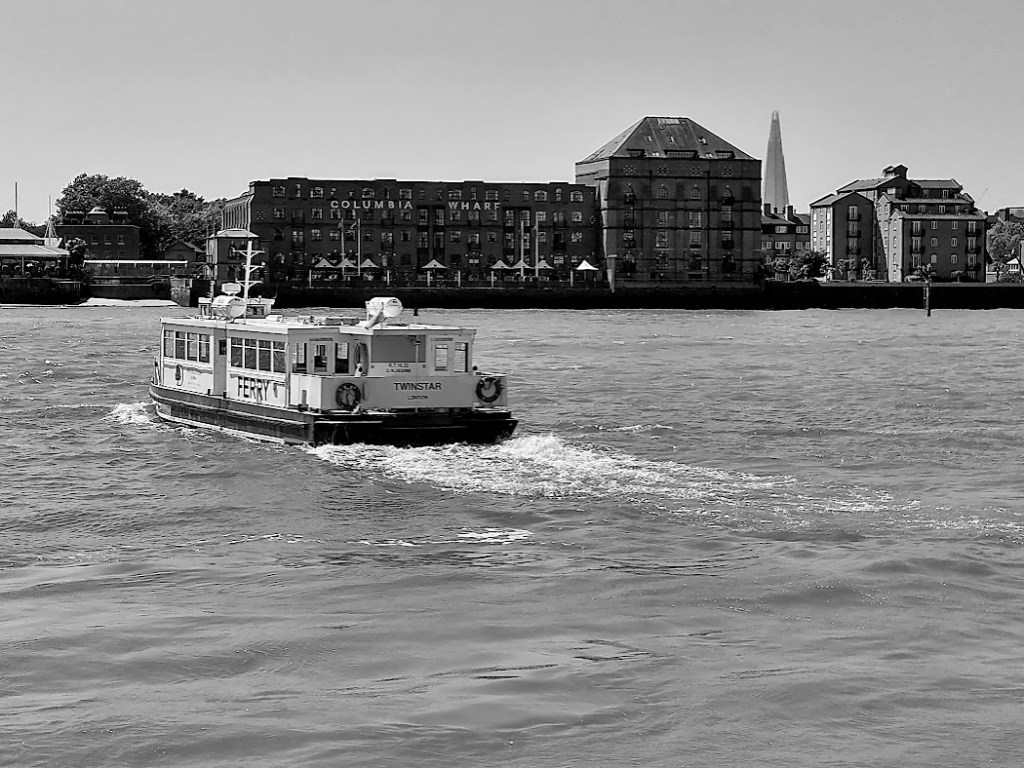
As I approached Canary Wharf again from the opposite bank, it suddenly occurred to me there is no bridge there. Aagh. Transport links from this side weren’t ideal for me. Cogitating my conundrum, I noticed signs for a ferry that would do exactly the journey I needed. Here is my saviour ferry boat. But salvation comes at a price. My two minute journey cost over £7.00. The ferry company knows a captive passenger when it sees one.

But I had a day filled with interest and exercise. And a plan. Over my next few visits to London, I’ll be walking the Thames Path. I’ll start from – not the sea itself. That’s too complicated. But at Crayford Ness. It’ll be unlovely: but interesting. From the Thames Barrier at Woolwich I’ll walk the river’s course through London. Using my son’s family’s home as my overnight base, my quest may end as London peters out. But we’ll see … Watch this space.

For Jo’s Monday Walk

and Leanne’s Monochrome Madness.

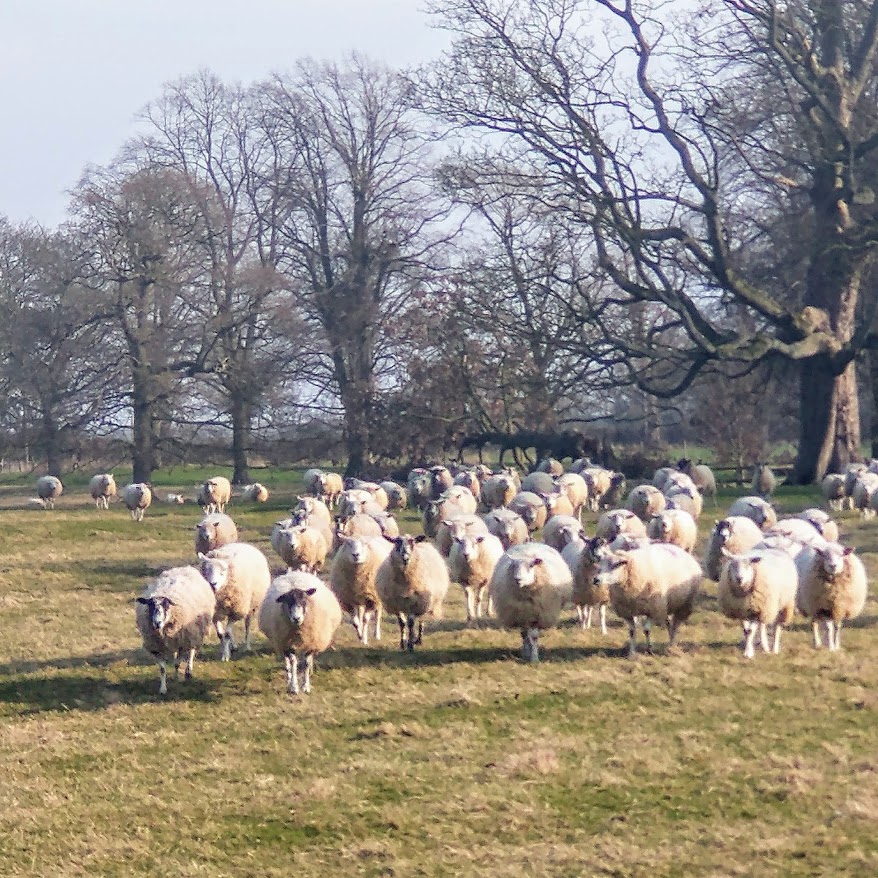
My Sheepish Fan Club

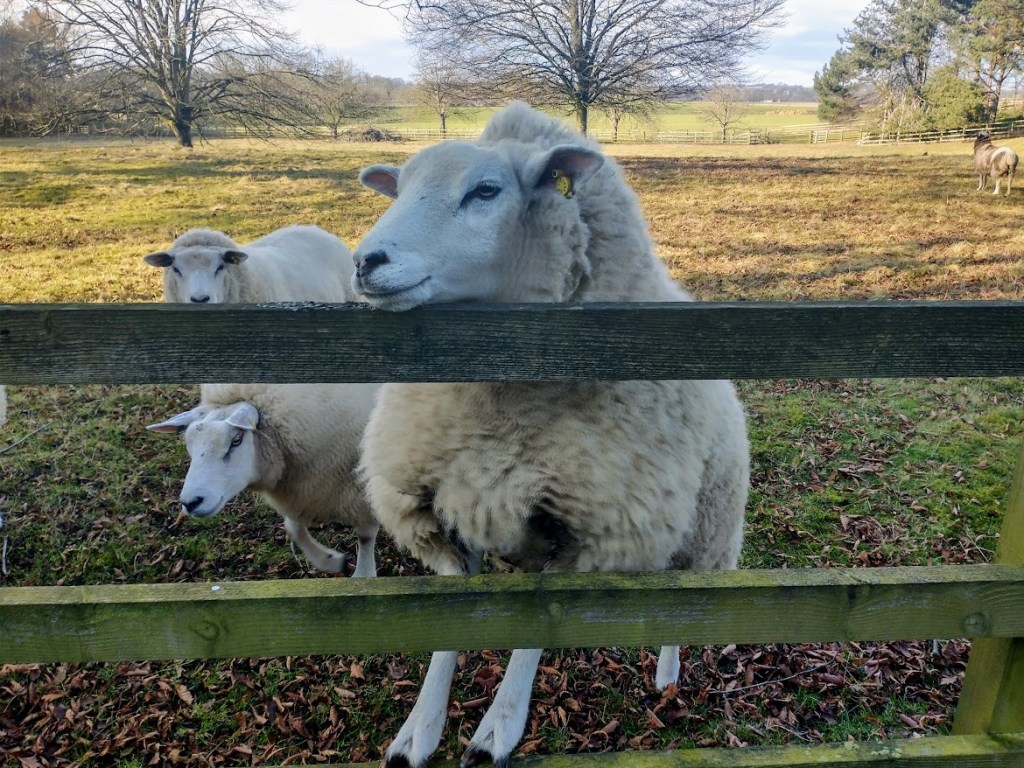
Next door to us is a field with six sheep. They’re not part of a farm. They’re siblings, and each one belongs to somebody different in the village – don’t ask, haven’t a clue. They’ve taken to galloping up to me every time I pass, hoping for a snack. A couple of times a week they get lucky. A cabbage leaf or two. Some chunks of celeriac or carrot. Broad bean pods (yum!). They never fail to live in hope, sometimes as often as four times day. I call them my Fan Club.

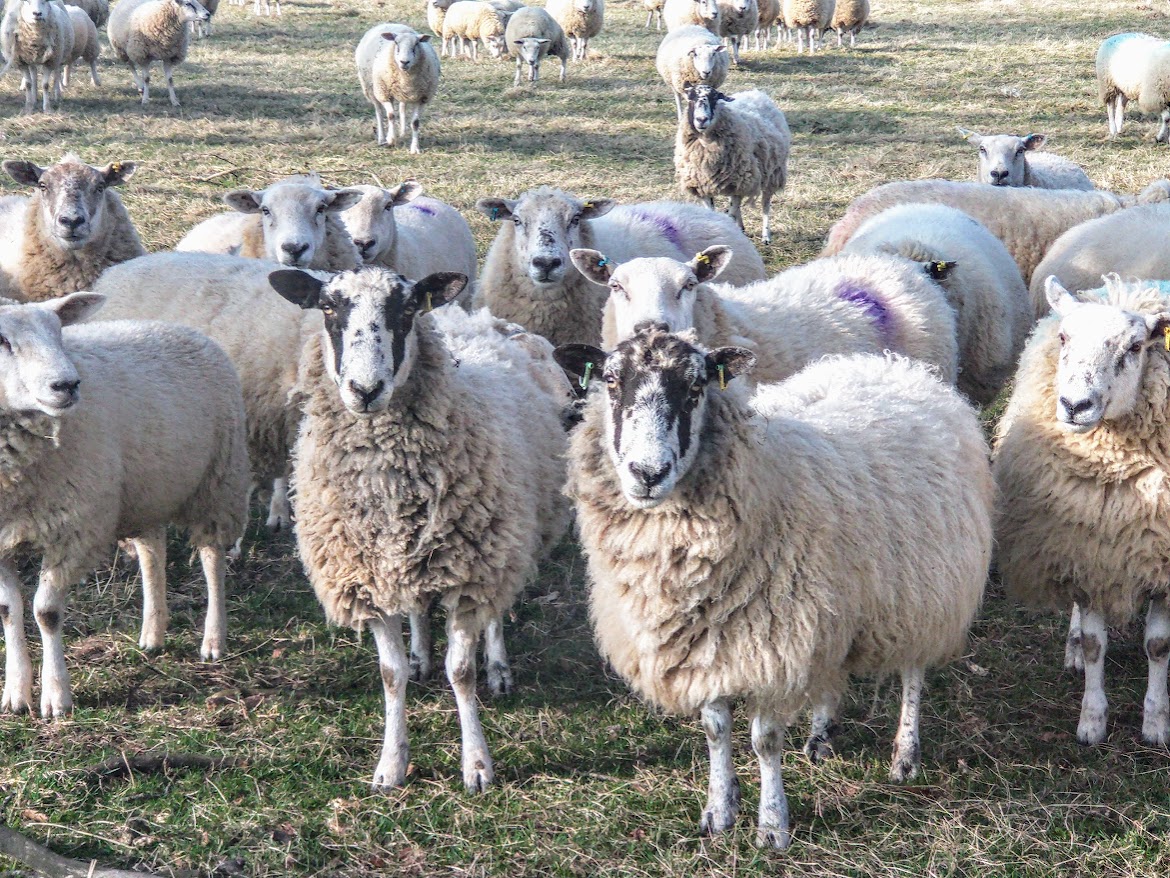
Yesterday, out for a local walk, I passed another nearby field, with perhaps a hundred sheep. A few of them noticed me, and just like their sheepy cousins next door to us, they set up a baa-ing announcement. ‘Possible food alert! Come on guys!’ And every one of them turned towards me and galloped to see what I had. Which was nothing.

The baas turned to complaints, but still they followed me. Noisily.

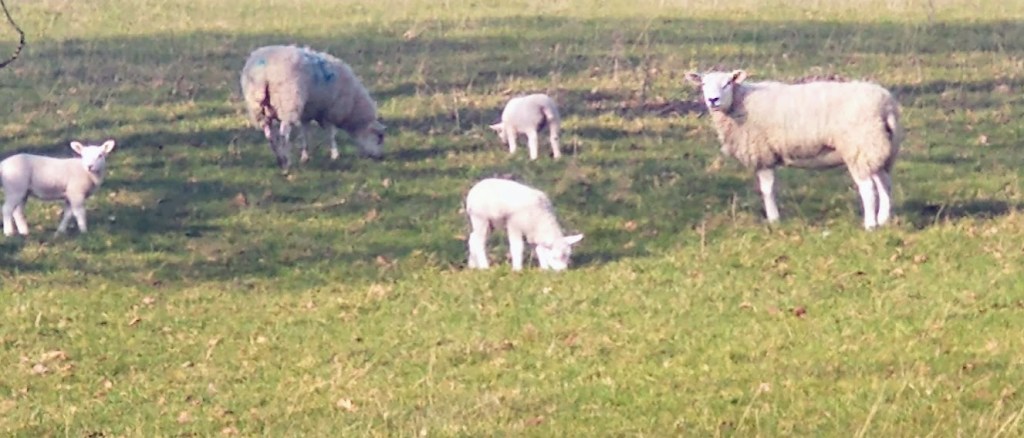
On I walked. Oh look! Lambs! The first I’ve seen this year.

And my walk took me slap through the centre of their field. Lambs and mothers normally skitter away. But no. They followed me. They chased me.

I tried to video this thrilling event, but dropped my phone. So that tiny clip is all you’re getting.

I went on. I was quite relieved that the next field was filled with a young crop of winter wheat, silently doing its thing and taking no notice of me. And that’s how it went on. Another field of sheep. They ignored me. A riverside walk along the Ure which took no notice either, but prattled and chattered its way along to the next village. A quiet woodland path where snowdrops are slowly being succeeded by wild garlic and bluebell shoots pushing their way through the soil, preparing for a fine show next month. Then home, choosing the path that wouldn’t take me past our demanding sheepy neighbours.

For Jo’s Monday Walk.

PS. WordPress’s oh-so-helpful AI has suggested tags for this post. It recommends …. ‘Jesus’.

Deer Walk at Dusk

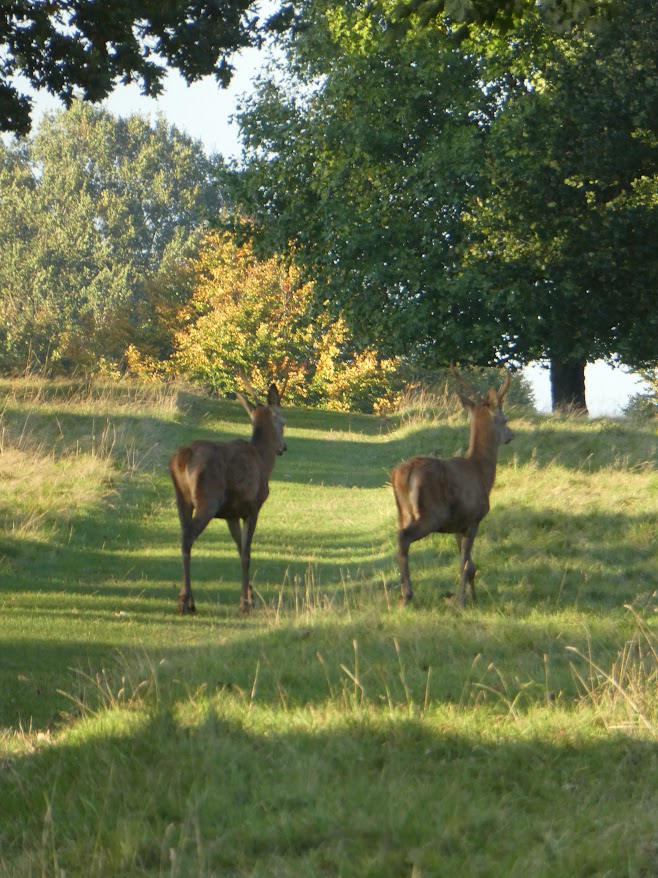
On Friday afternoon, I was back on duty in the deer park at Studley Royal. This time as a sheep dog. Two of my colleagues were leading interested members of the public on a walk round Studley Royal at a time of day when deer tend to be more active. I was there to make sure nobody got left behind: and to enjoy this particularly lovely autumn afternoon.

Red deer are rutting. The stags are collecting themselves a harem so they can breed the next generation. They roar loudly to attract females, and to deter other males from seducing ‘their’ does. If necessary they’ll fight – noisily – with those heavy antlers. We saw harems, which included a few males who, though they had antlers, were too young and inexperienced to have a hope of breeding ths year. It’s a hard life being Top Stag.

Top Stag has a rest.

We saw a stag chasing females on whom it had Breeding Ideas. Mainly, they lost the race, but a couple of does succumbed – briefly and reluctantly – to being impregnated. The act is so brief – no pictures. Anyway, who wants to be a voyeur?

Sika deer, originally from China, are not even thinking about the rut yet. They’re handsome creatures, with simpler antlers than the red deer. We spotted them in smallish groups, but here are a couple of stags.

Sika stags grazing

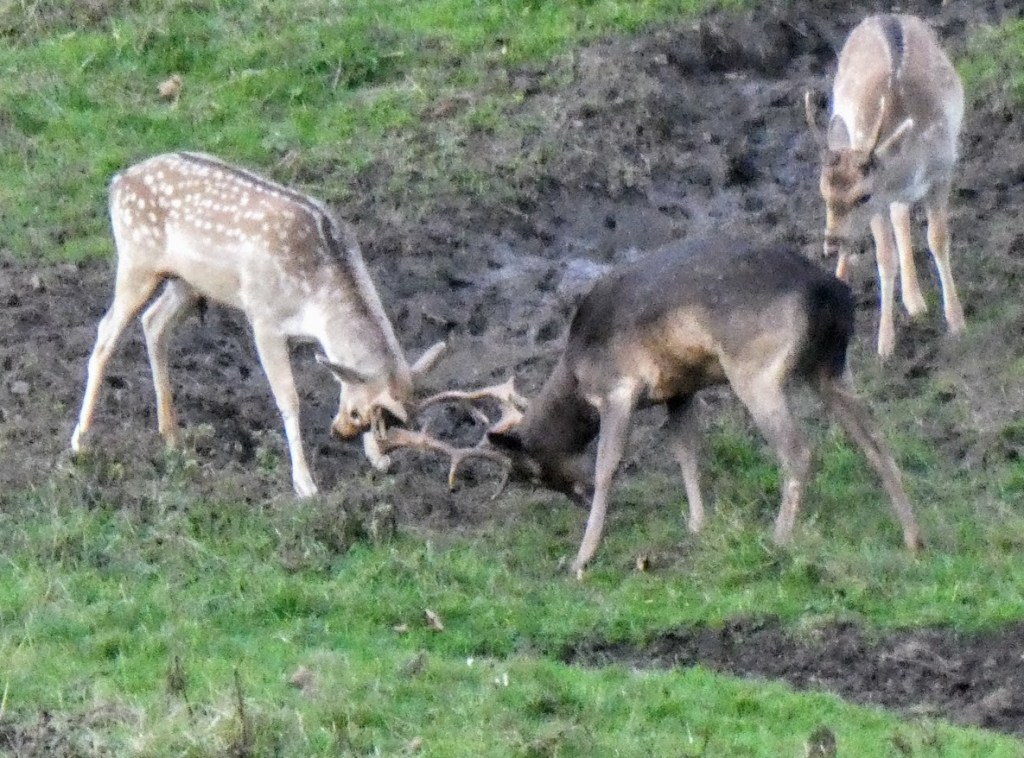
Fallow deer – living on this site since the 1600s -are only just beginning to think about the rutting season. We saw two young bucks practising: heads down, their antlers clacked and clattered noisily together. No harm done. They’ve no chace of a harem this year.

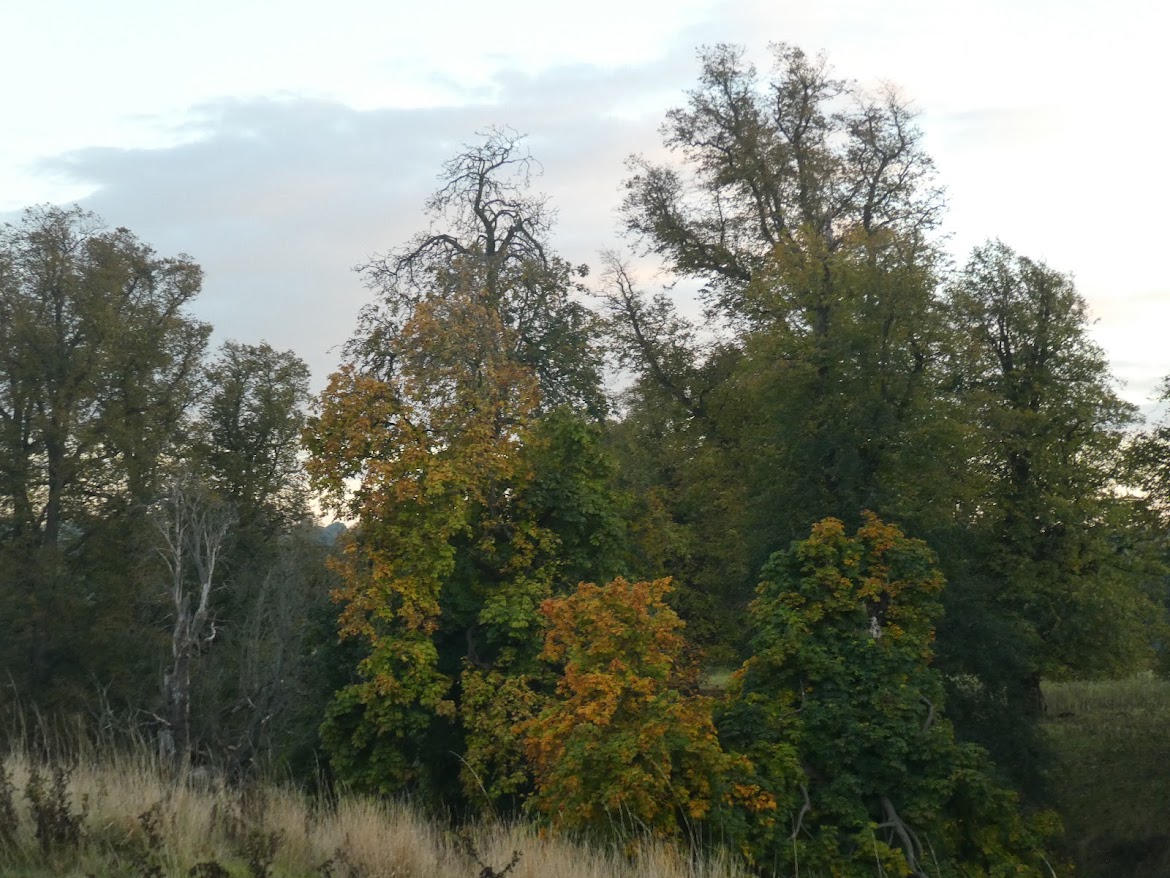
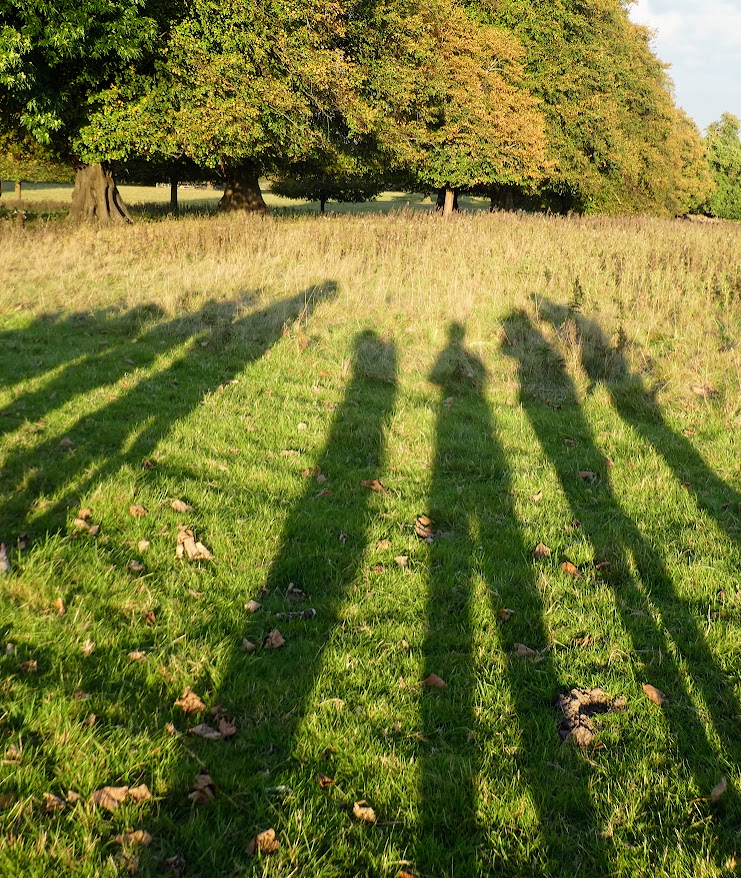
But our walk was’t just about the deer. We enjoyed the trees, just now decking themselves in autumn finery. We relished the afternoon shadows, striping the fields: and enjoyed seeing long-legged versions of ouselves as we deer-stalked. And sky too, streaked with evening colours as the sun began to set.

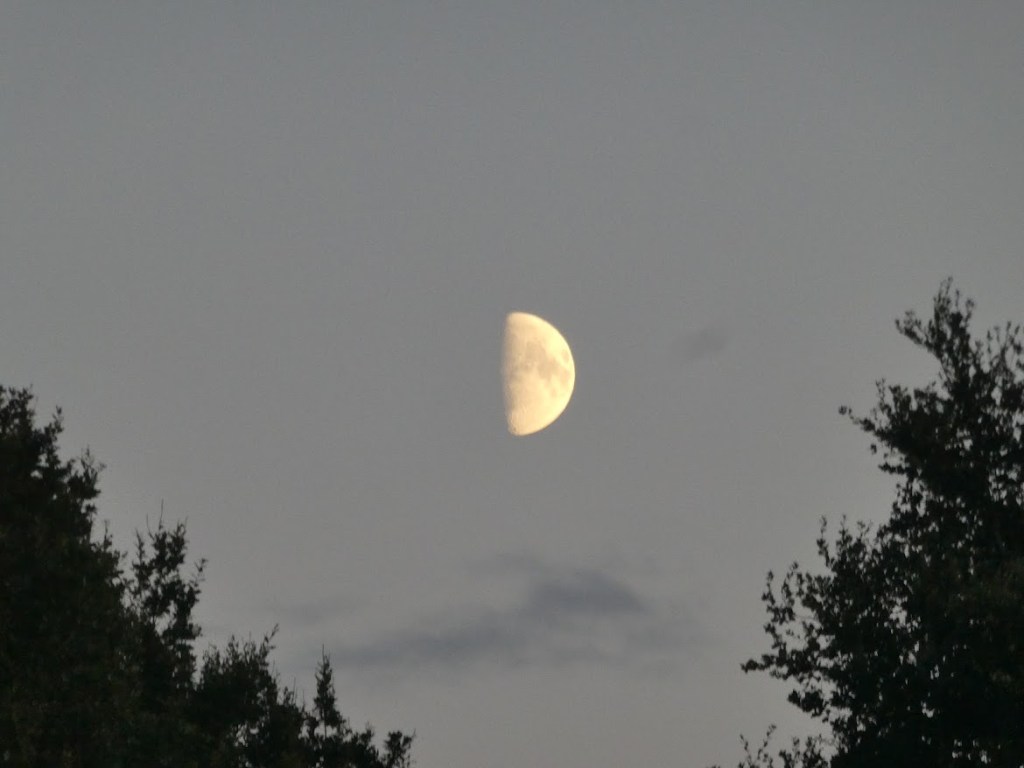
As we finished our walk, and dusk was indeed beginning to fall, the moon was rising between the trees. A fitting finish.

A few last images. The quality isn’t great, because my camera was on Zoom on a high setting. But they record memories of a happy autumn afternoon.

For Jo’s Monday Walk

Lots of Postcards from Bishop’s Castle

Not on the main road to anywhere much, Bishop’s Castle (nowadays it no longer has a castle) may be somewhere to settle if you’re something of a creative type: an artist, a musician, a writer or a craftsperson. It’s an interesting town for a day trip – in our case because we were going to meet fellow blogger Tish Farrell, whose blog Writer on the Edge is one I know many of you read (And if not, why not?). We both enjoyed a morning with Tish and her husband before they waved us off to discover the town under our own steam.

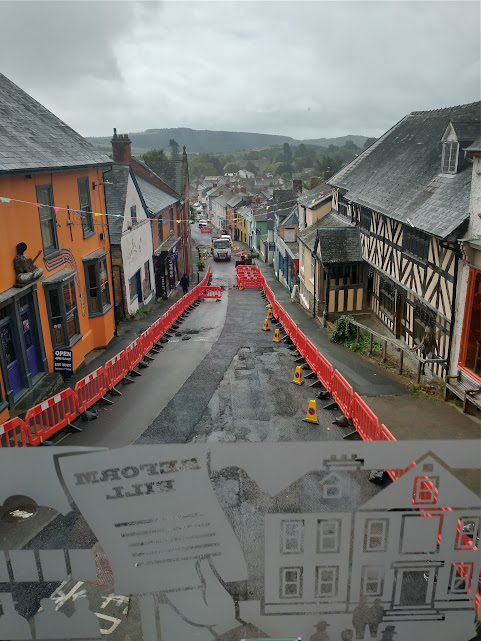
I’m settling for a few postcards. Here’s the view from the Town Hall down the main street. If only they hadn’t been digging the entire length of the High Street up! No fun at all.

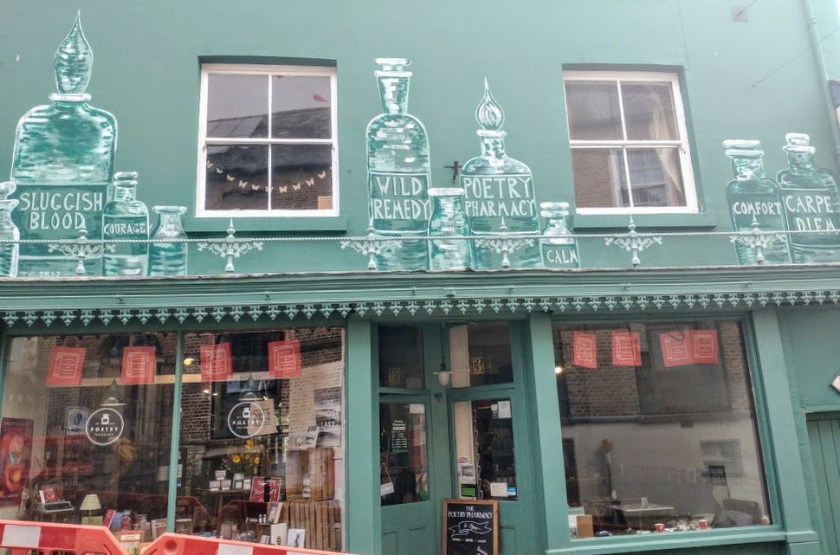
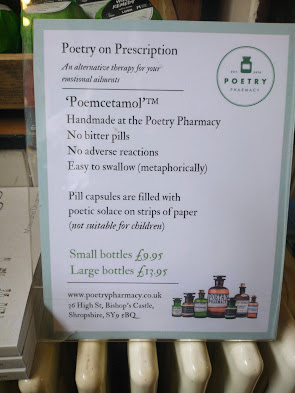
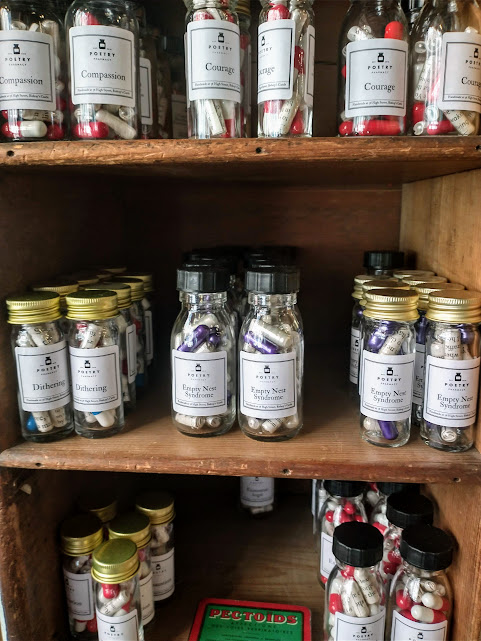
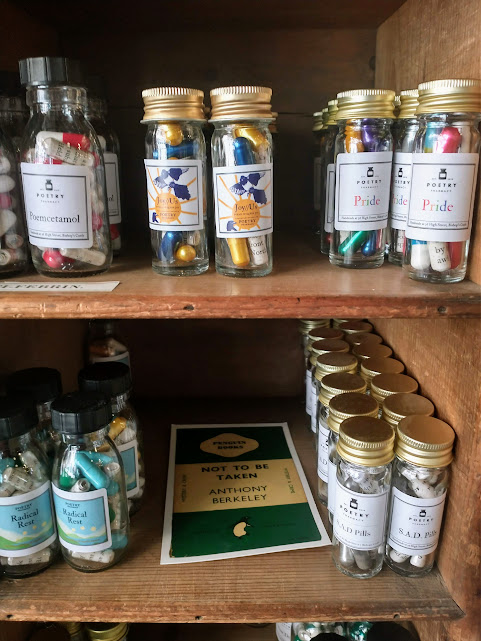
We pottered around quirky independent shops. Here’s our favourite – The Poetry Pharmacy.

The world’s first ever Poetry Pharmacy offering walk-in prescriptions, literary gifts, and books to address your every emotional ailment.  Visit our beautiful Victorian shop in the small town of Bishop’s Castle, Shropshire, to browse the bookshop or pause in the Dispensary Café to be prescribed coffees, tisanes, sodas & sherbets to lift the spirits.

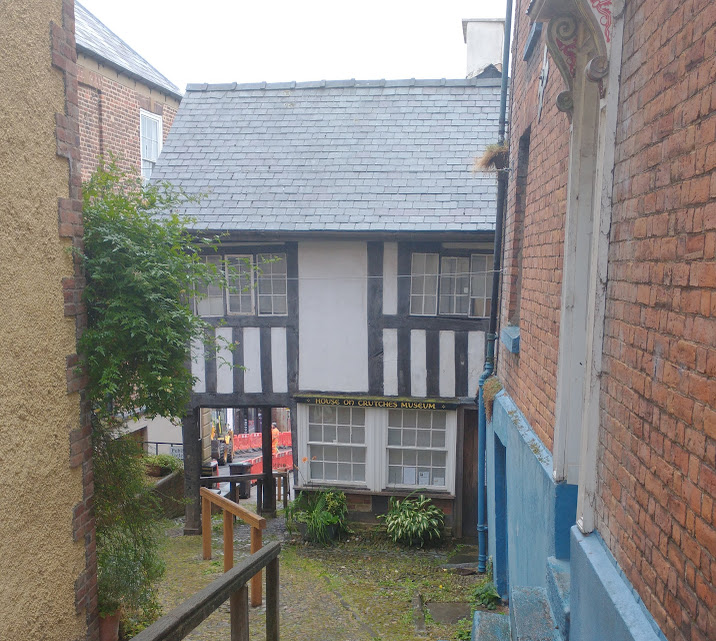
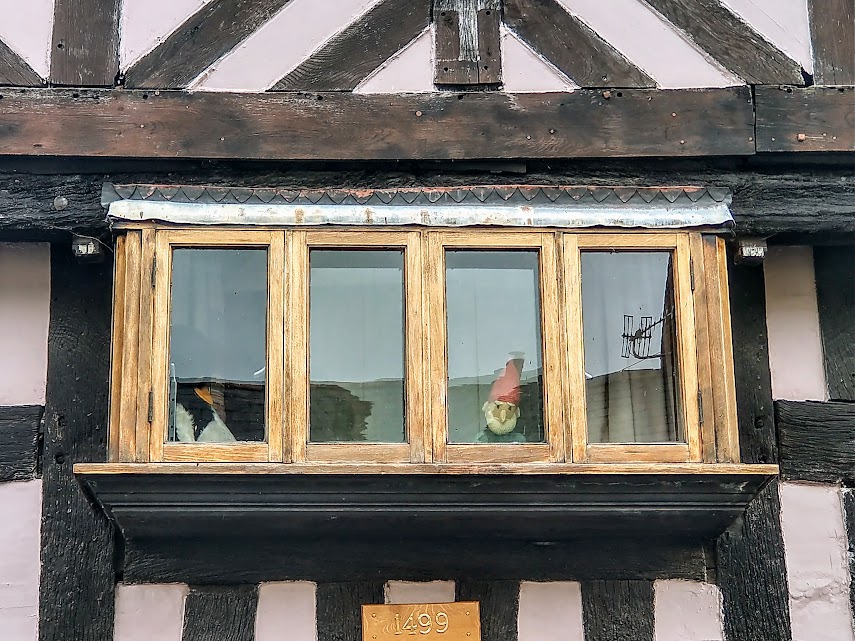
There was the House on Crutches Museum – sadly, closed that day: and so many charming buildings worth a second glance.

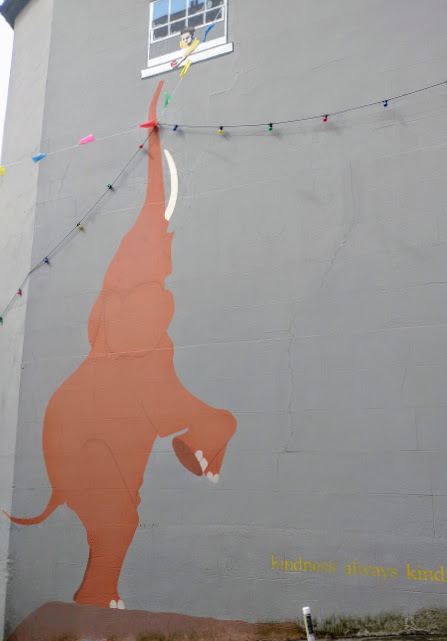
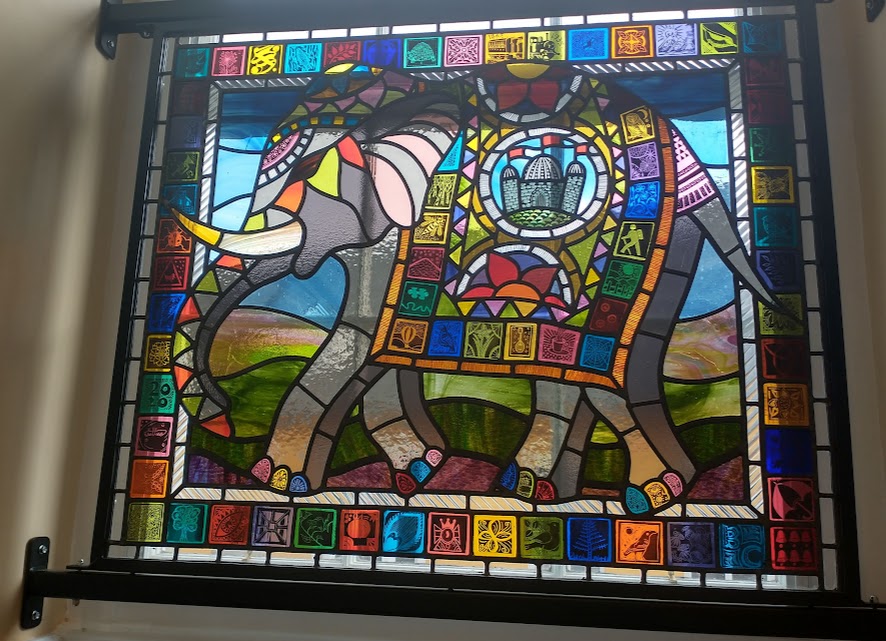
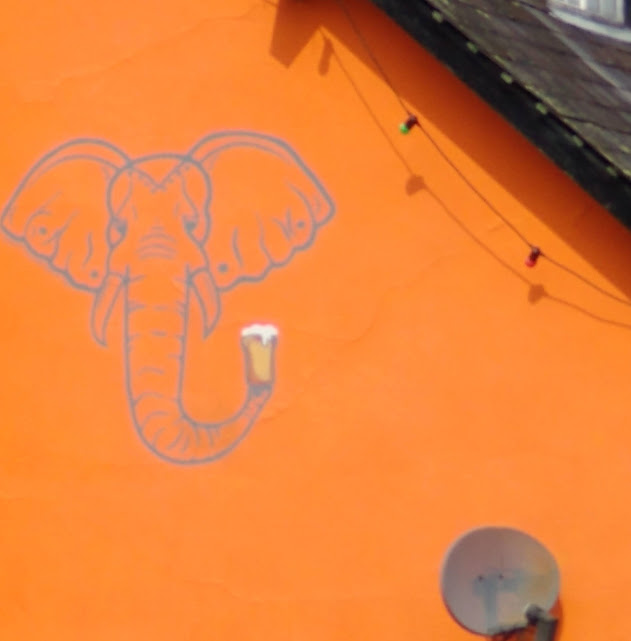
Or you could go looking for images of elephants, a reminder of two things. First, that Clive of India, whose family Coat of Arms included an elephant, once lived here. More memorably, during WWII, several circuses moved their animals out of the cities to Bishop’s Castle to avoid the air raids. A good few elephants were housed in local stables …

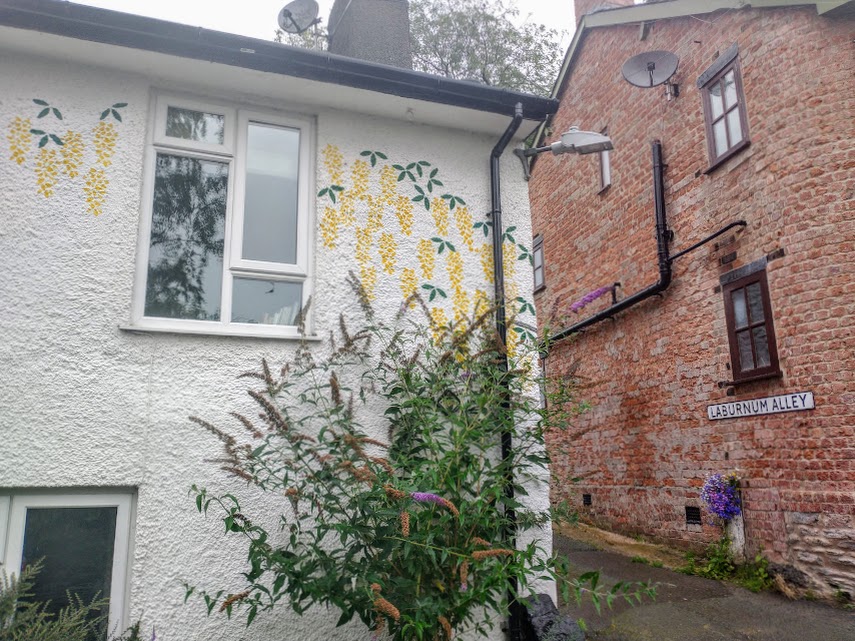
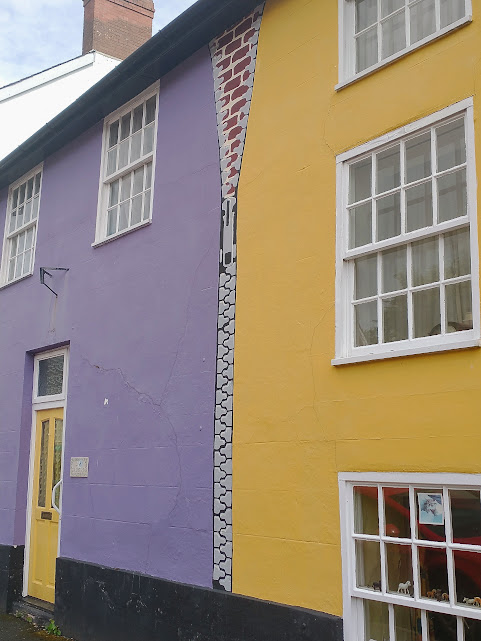
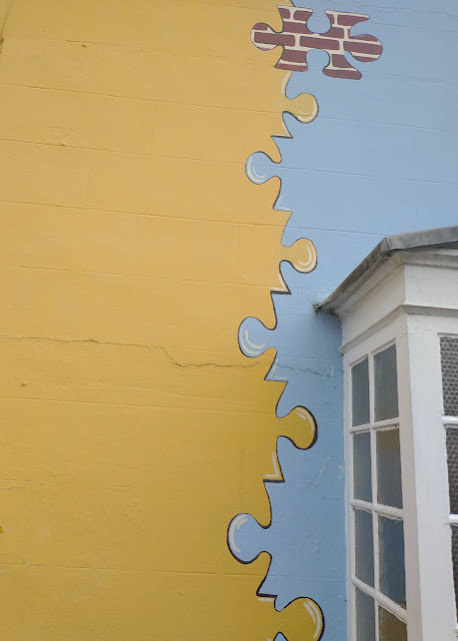
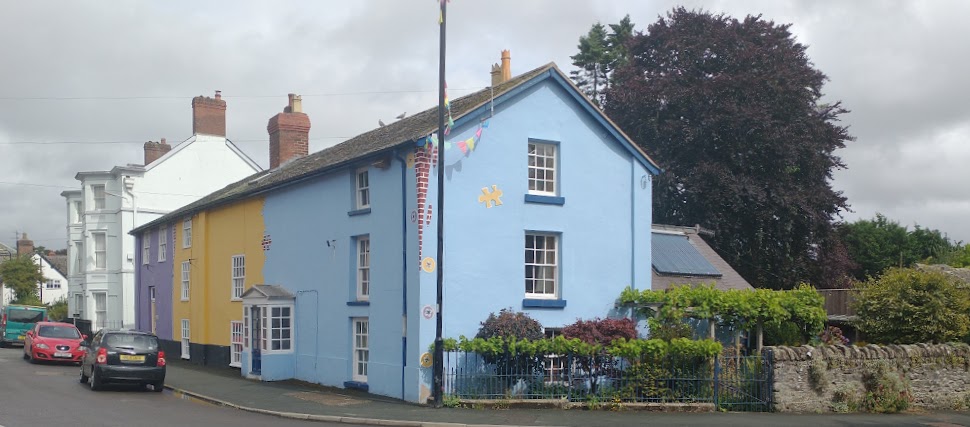
Perhaps my favourites were three houses at the bottom of the street. Terraced, and each painted a vibrant, different colour, the first was ‘zipped’ to the second, which was the ‘jigsawed’ to the third.

And that was pretty much it. A rewarding day that lived up to its promise. The featured photo shows almost the very first house we spotted on our way to find Tish. The first of many cheering sights.

A multi-tasking post.

For Natalie’s Photographing Public Art Challenge

and Jo’s Monday Walk

and Debbie’s Six Word Saturday.

A Walk near Rievaulx – in Glorious Technicolor or as Old School Newsreel

The other day, a friend and I took ourselves off to the Ryedale countryside to reconnoitre a route. It turned out to be not only the Longest Day, but the First Day of Summer, in the sense that the weather was wonderful – hot and sunny .

Setting off on a shaded woodland path, we criss-crossed a flowers-edged stream several times.

We forged our way up a steep – unending – hill. Is that even a path?

We exchanged woodland for fields and open views, with clouds above:

We met a ford which lapped along a long stretch of road. Luckily there was a footpath through a field nearby, and edged with iris too.

Sheep looked on, and ancient walls often marked our way.

And at last, below us the ancient ruined Cistercian Abbey of Rievaulx.

Now let’s run this in black and white.

We criss-crossed a stream:

… and later, the woods opened out into farmland. Crazy sky!

Luckily, we were able to dodge fording the ford: or testing our brakes.

As an alternative to sheep-watching, we chose shadow-watching on the narrow road that was part of our route.

And soon after that, Rievaulx Abbey was no longer below us, but alongside.

And as our walk finished, the road sign confirmed that we had indeed seen Rievaulx.

For Jo’s Monday Walk.

And for Leanne and Dawn‘s Monochrome Madness: Roads, Lanes, Paths and Tracks.

You’ve ‘done’ Barcelona.  Now what? (Part Two)

Nobody could accuse Barcelona of being a spot of ‘rus in urbe‘.  Oh, it’s tremendously good at public open space to relax in and at tree lined streets.  But shady expanses of groves and avenues of trees, of busy little streams and placid ponds?  Not so much. 

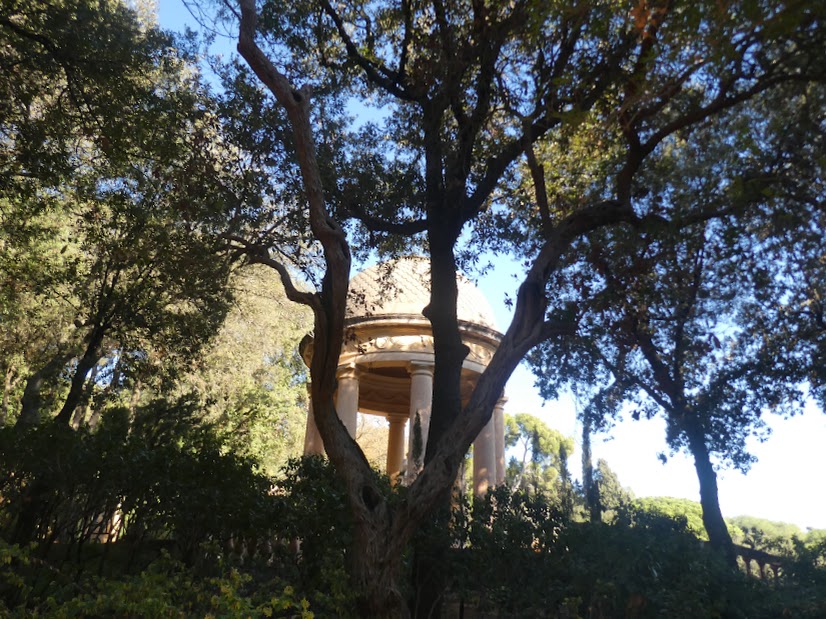
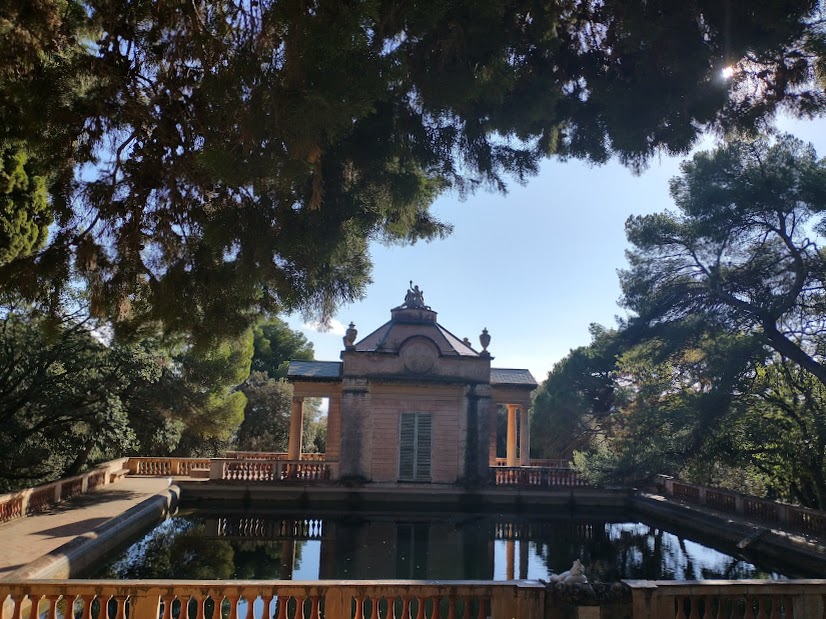
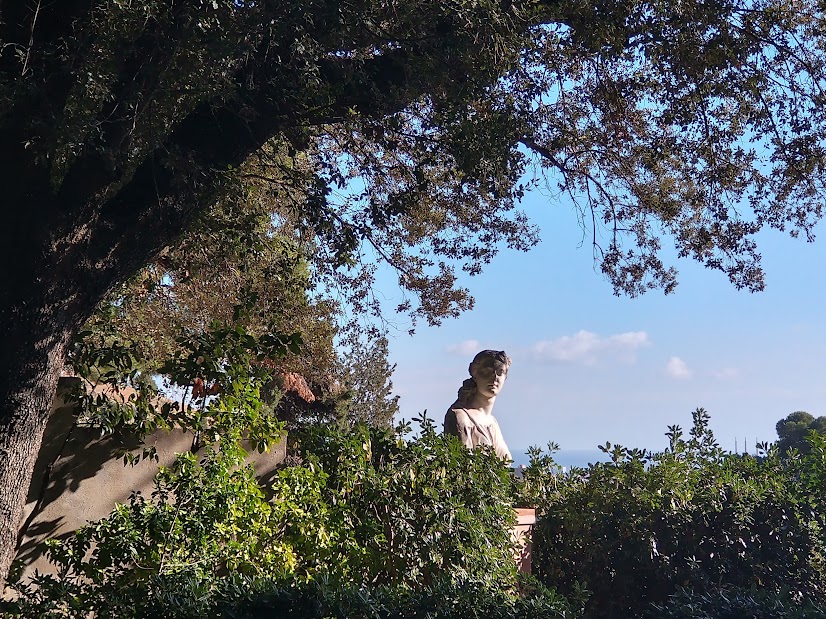
Except for one place, quite unique in the city.  The Parc del Laberint d’Horta (Labyrinth Park of Horta) has been here since 1791, when the Desvalls family had it built as a Neoclassical park, and one featuring a maze – hence the park’s name – and any number of classical statues of Greek deities.  In the mid 19th century a more free-flowing Romantic woodland park was added.  And in the 1960s it became a public park, hidden from the view of many of the city’s inhabitants, let alone tourists.  It costs the very odd sum of 2.23 Euros to get in, except on Wednesdays and Sundays when it’s free: or if your an old fogey like me, it’s always free.

Come with me for a stroll.  When we feel up to it, we’ll attempt the maze.  They say it’s harder than it looks.

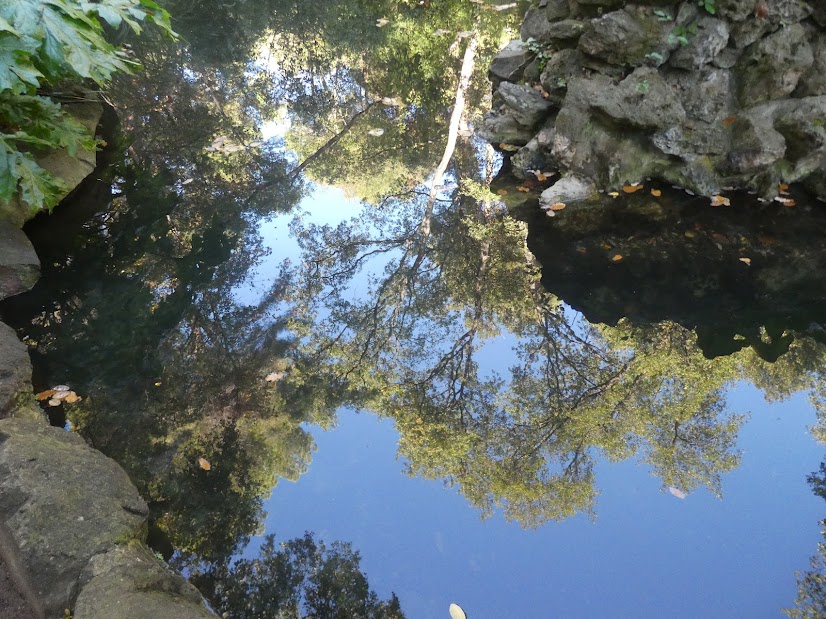
We’ll begin with a rather hearty climb among woodland glades interspersed with pretty reflective pools.

Soon, we realise we must have skirted the very heart of the garden, now lying below us.

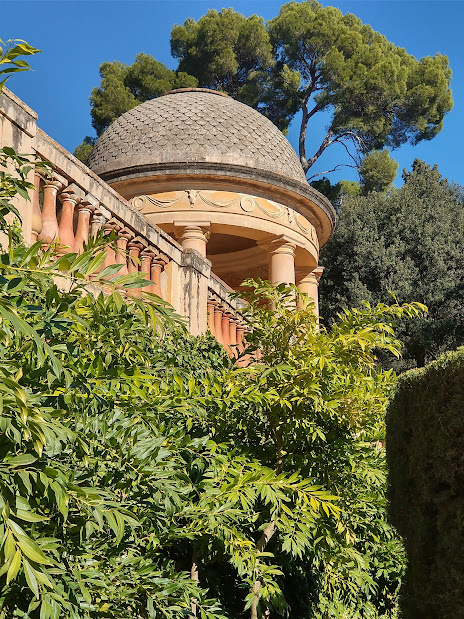
Oh look. There are balustrades, and statuary, and pavilions and … that must be the maze in the centre? Let’s go along and look.

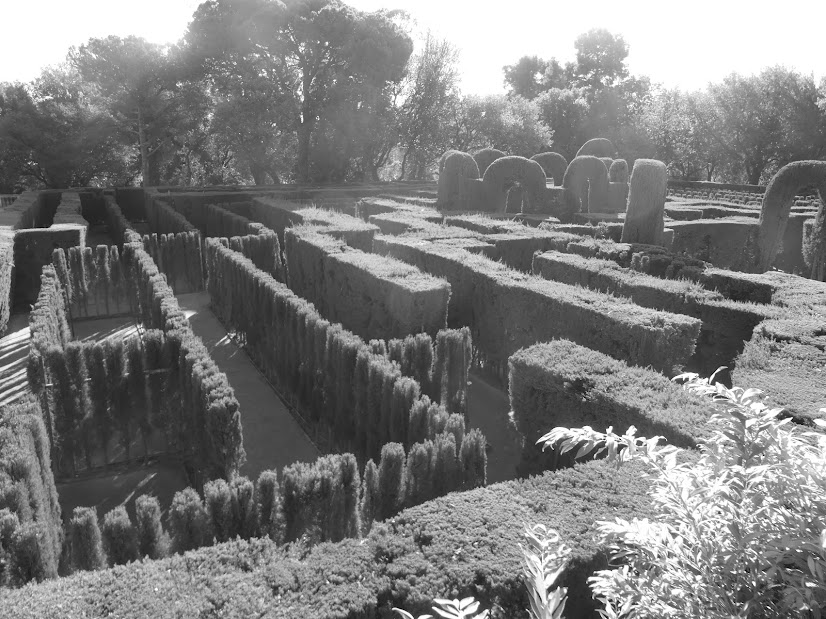
A final look at the maze from above, before we plunge in.  Black and white white might make it easier to sort out. You’d sooner not try it? Your choice.

Oh, this won’t take long.  Look, I can see through the branches easily.  In fact I can see the centre from here …

Oh hang on.  I want to go left, and I can’t.  OK, right, left and left again.  Hmm. I seem to be near the beginning again.  Right, let’s take this slowly …

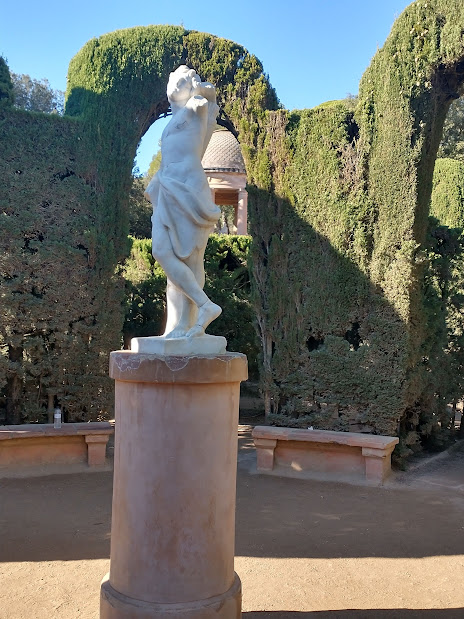
And I did.  Eventually, I met Eros in the centre and sat with him for a while.

Getting out was worse than getting in.  I kept on fetching up with Eros again, or finding myself up yet another blind alley.  But I made it out eventually, and decided that I really would have liked your company as I thrashed helplessly around. 

I’d nearly explored the whole site, but went for a final stroll, encountering various characters, identity unsolved, on the way.

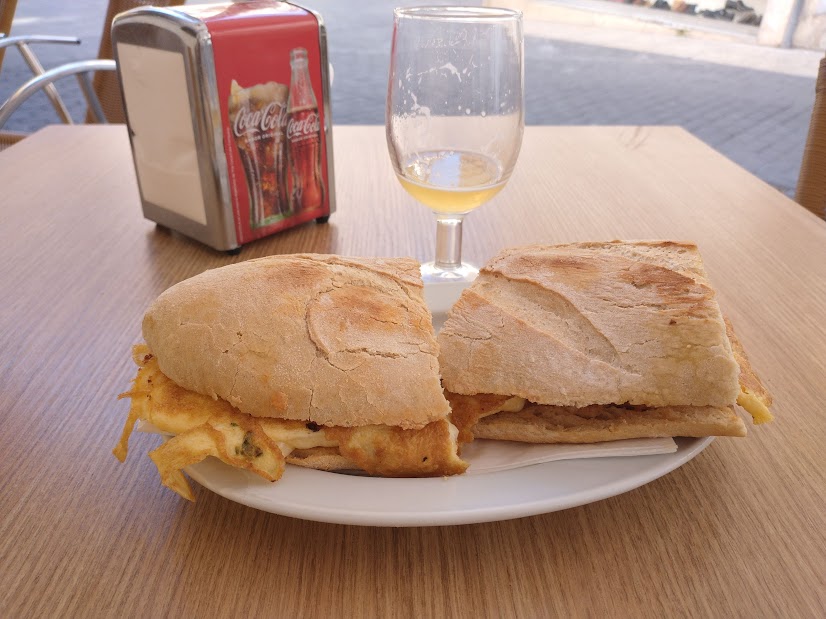
At this point, I could have gone home.  Instead, I walked into the Horta district, roughly a kilometre away: a well-established community where ordinary citizens live and work, and where there is no possible reason for a tourist to venture. Except I’d had a tip-off.  I should have my lunch at Quimet d’Horta.  This unique bar has been serving the locals its signature dish for almost 100 years.  An omelette sandwich.  A bit weird? I thought so.  But I was wrong.  A cheesy, herby omelette enveloped into half a crisp-crusted baguette, and helped down by a clara turned out to be just the thing I needed.  And as I was eating at the ridiculously early hour of 1 o’clock, I had the place almost to myself.

This is a multi-tasking post.  First of all, it’s part of my Barcelona series.  Then it’s for Amy’s Lens-Artist Challenge #288: Unique.  And then, despite the fact that no cake was consumed in the expedition, it’s for Jo’s Monday Walk.

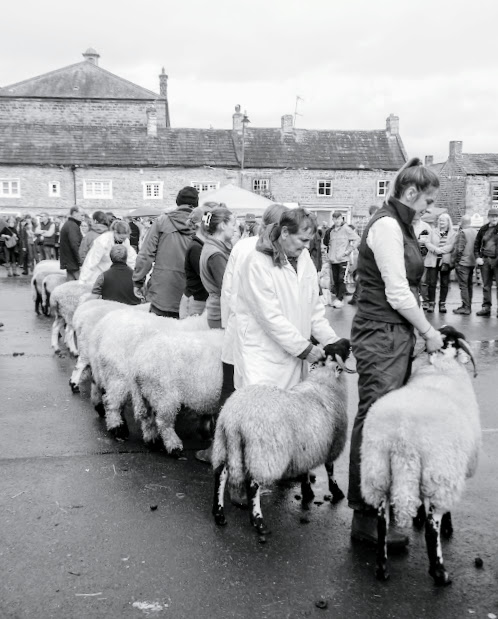
Sheep on Display

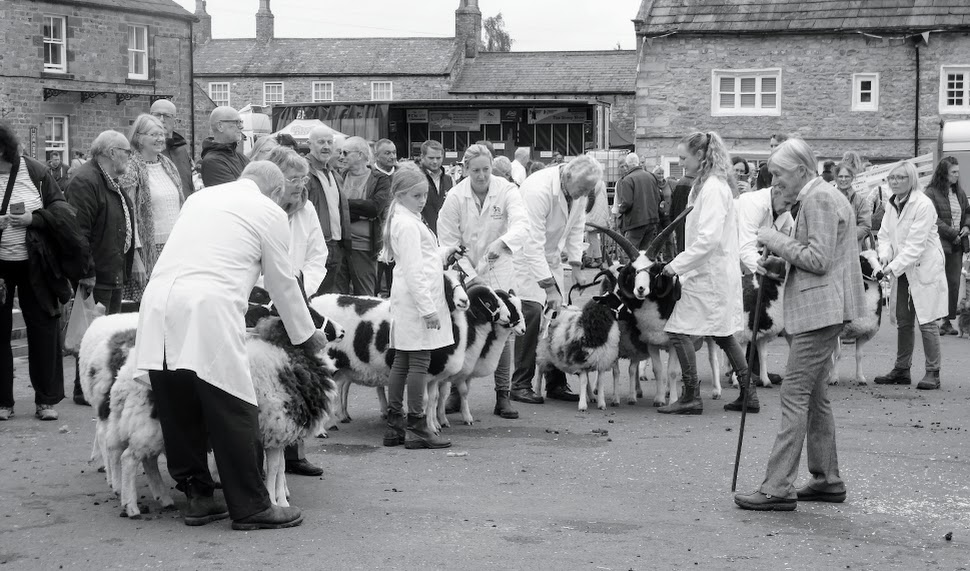
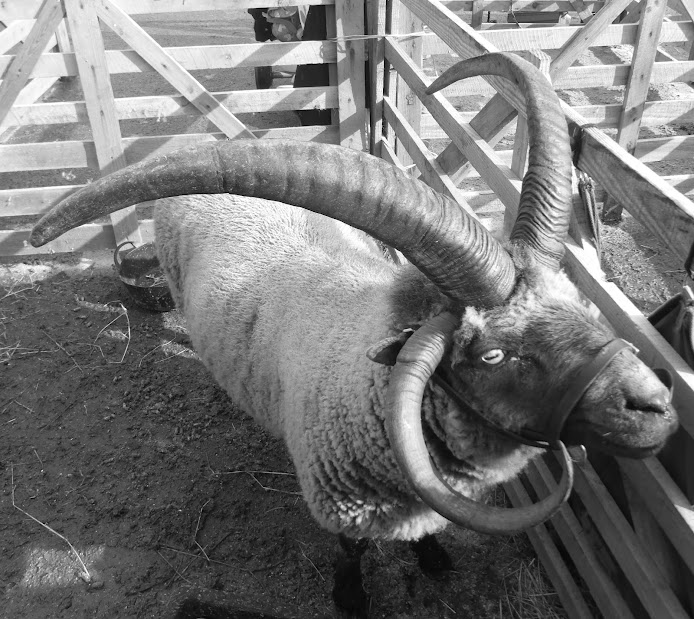
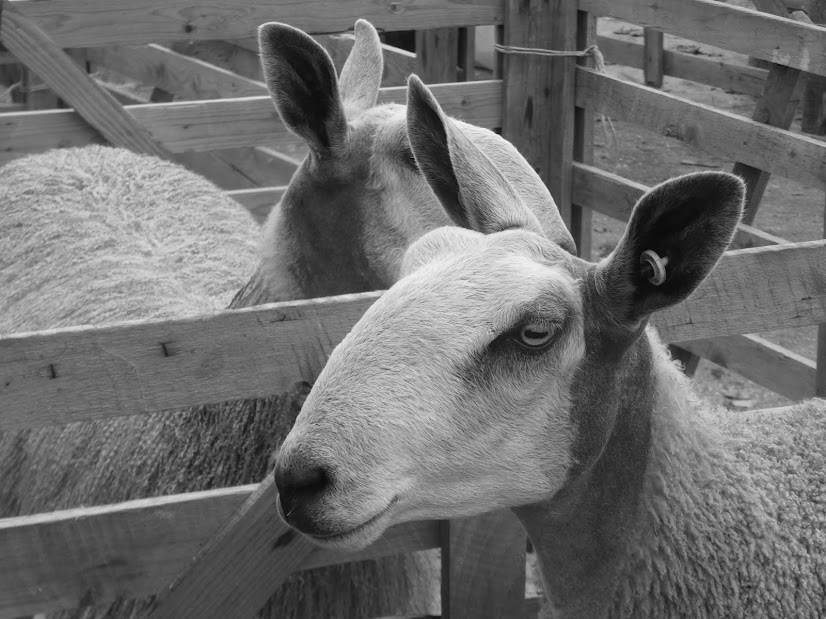
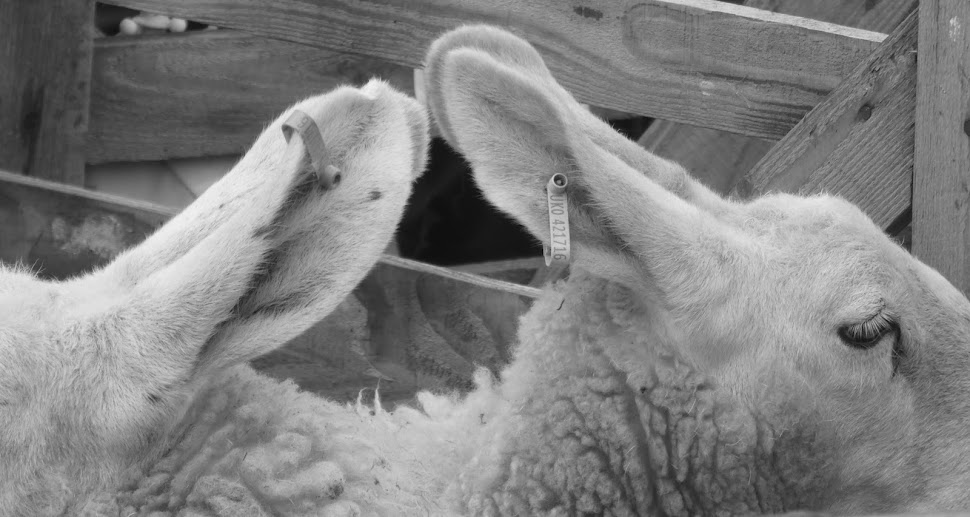
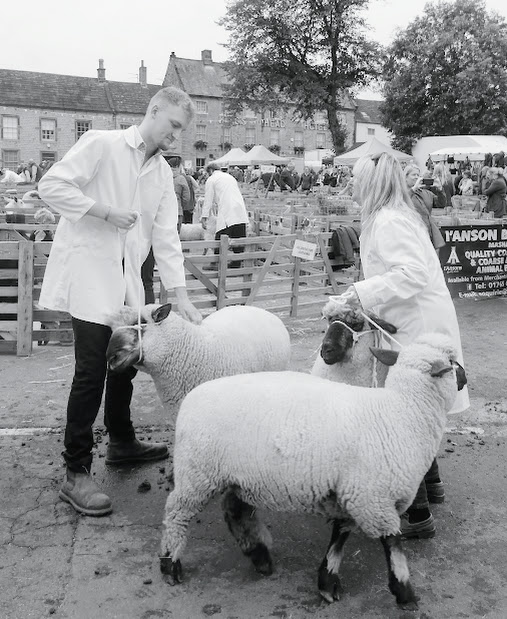
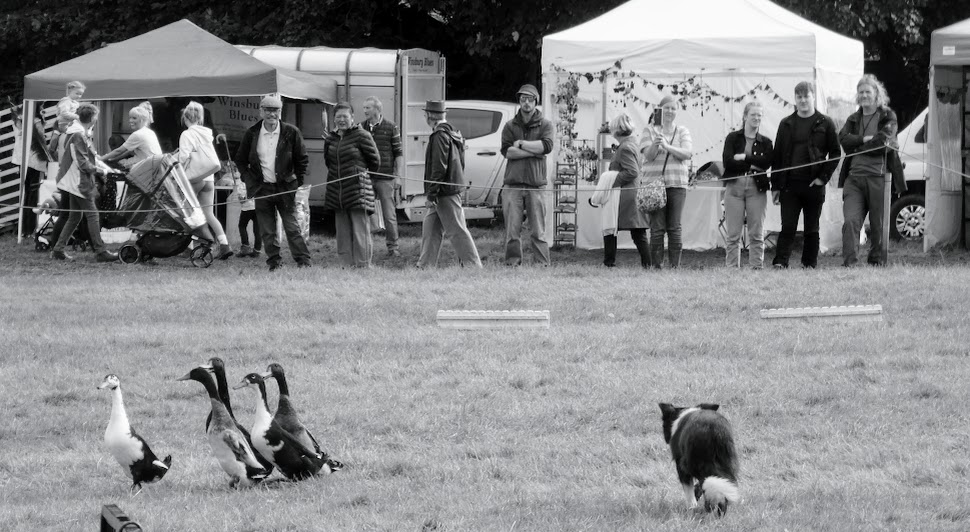
Just over a week ago, I showed you an image of Masham gearing up for its annual Sheep Fair. It’s a weekend when the town itself is on display, and sheep in their hundreds turn up to be examined by judges who come from all over the kingdom and beyond to this special event. We go without fail. Our first visit had us astounded at the sheer variety of types of sheep on display. At other times we’ve focused on watching sheep dogs doing what they do best … herding … ducks.

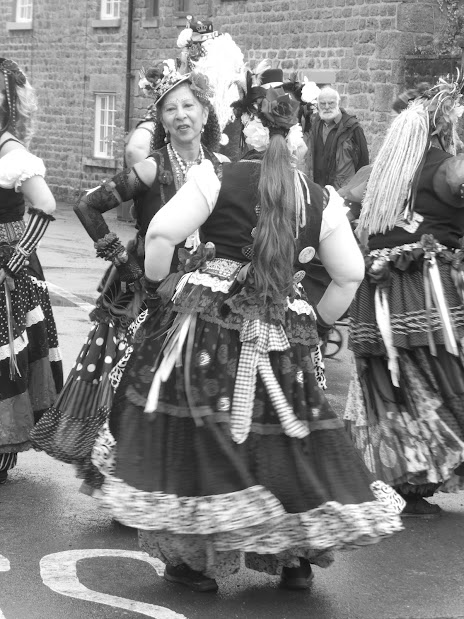
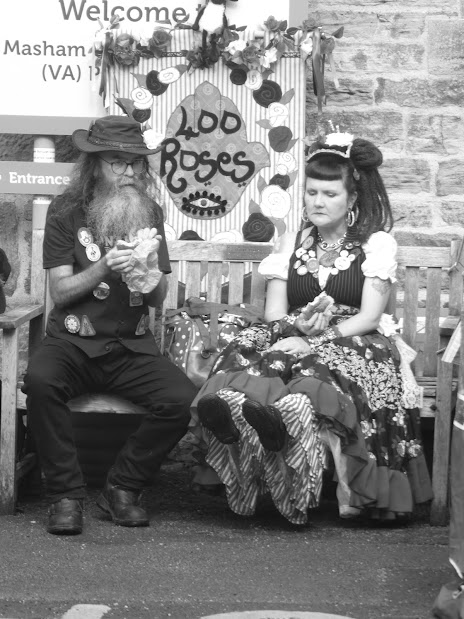
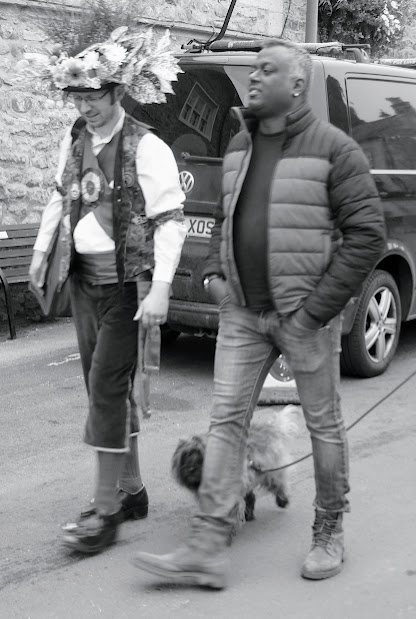
So I have photos by the score. This year, then, I thought I’d limit myself to black and white. I’d look for sheep on display, the humans who handle them, some as young as five years old. I’d look at dancing displays, at those sheep dogs, and at humans also worth a second glance. And show them to Ann-Christine, and to you, for this week’s Lens-Artists Challenge: On Display.

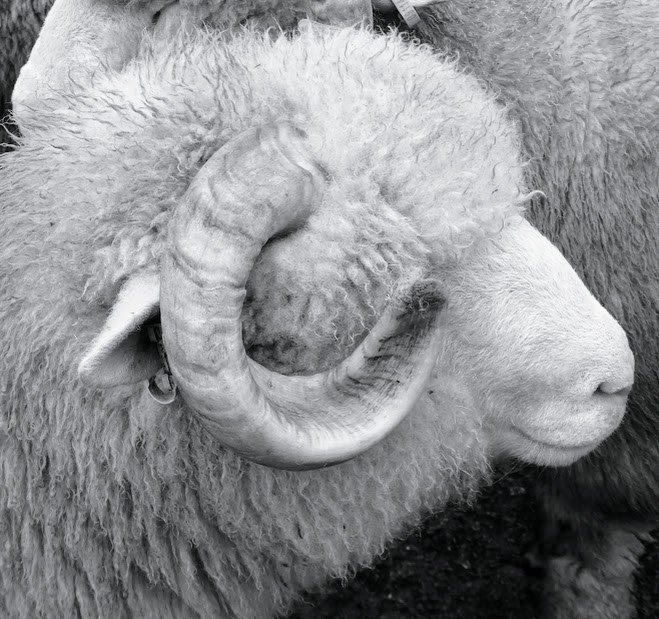
Sheep first then, of course…

… then their handlers…

… then there were dancers. You can see they’re not happy putting up with black and white photos. We’ll revisit them another day in glorious technicolor.

There were the passers by…

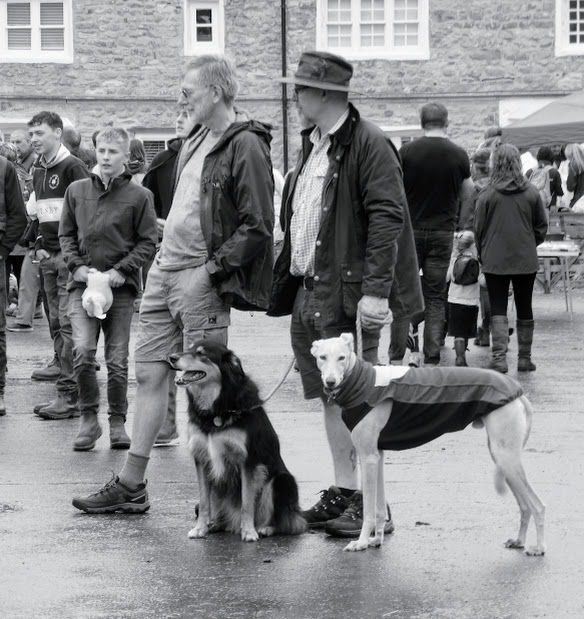
… and not forgetting the duck-dog.

And after that the walk back through the town, through fields of sheep who’d somehow dodged presenting themselves in town to the car, parked in the Nature Reserve car park.

I’m offering this to Jo as a Monday Walk too. Of course the WI had tasty soup and home-baked cakes on offer. We scoffed everything down without thinking even once of the photo-opportunity they represented.

Brick Lane is the Best Gallery

I was in London last week. And the highlight – apart from being with family of course – was a day mooching round Spitalfields with fellow blogger Sarah of Travel with Me fame. We’d planned to meet, and I’d appointed Sarah as Tour Guide. Good plan. She knows Brick Lane and the area well.

We started in Spitalfields Market, and immediately spotted Morph, well known to all British children and their parents of a certain age (1970s) through the TV series Take Hart. He and his acolytes are making guest appearances throughout central London this summer for the charity Whizz-Kidz.

Coffee next. You’ll never be short of a refreshment stop round here, though the one shown here wasn’t ours. We chose somewhere cosier.

Spitalfields was once the heart of the Huguenot community in London – Protestant refugees from persecution in 17th and 18th century Catholic France. They brought their skills as weavers with them, and formed a community here, which still has the houses from that era at its heart. For many, these houses have now become a desirable address.

We chanced upon the Town House Gallery here, and rather wished we’d stopped here for our coffee and cake. Another time.

Spitalfields has gone on being an area welcoming those seeking a fresh life away from persecution and poverty, more recently Bangaldeshi citizens who’ve now made their own mark on the area.

All the same, it was street art we’d come for, and that meant Brick Lane, and the streets round and about. Sarah’s already posted about our walk, and as so many of you already read her (and if you don’t already, you should – link above) I’ve tried to choose different images from those she shows: click on any one to enlarge.

You don’t even need a spare bit of wall:

We didn’t just have street art to keep us amused. There was filming going on. A documentary? A drama? We don’t know. Maybe we’ll find out one day.

Then under a railway bridge …

… a promising back street – a couple of street artists preparing the ground for a new work. I’m just going to show you the preparations in action. We popped back a couple of hours later to inspect progress, but were underwhelmed.

A lunch stop, then we retraced our steps. Don’t forget to look up! We were intrigued by the lines of broccoli we kept on coming across, above eye level, but they remained a mystery.

Should we instead have stopped here for lunch? We’d both have settled for Italian food. Or Korean. But that particular fusion?

Just a couple more images, of passers by oblivious to their surroundings. Which we certainly weren’t. A day full of interest. A day well spent. Thanks Sarah!

Oh, hang on. This bit’s for Jo. We found the all-important cake shop, but it wasn’t a coffee-stop too. We contented ourselves with gazing through the window, and I got an oddly surreal image of us both, with Sarah having another woman’s head superimposed on her own.

For Jo’s Monday Walk, and Natalie’s Photographing Public Art Challenge