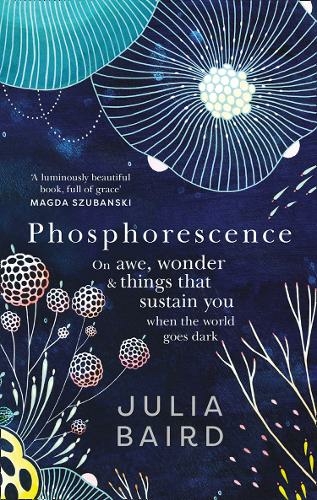
I haven’t yet read the book which starts this month’s Six Degrees of Separation chain for the very good reason that it hasn’t been released in the UK yet. However, Phosphorescence, by Julia Baird is apparently about finding grace and awe in the ordinary and in the world around us.
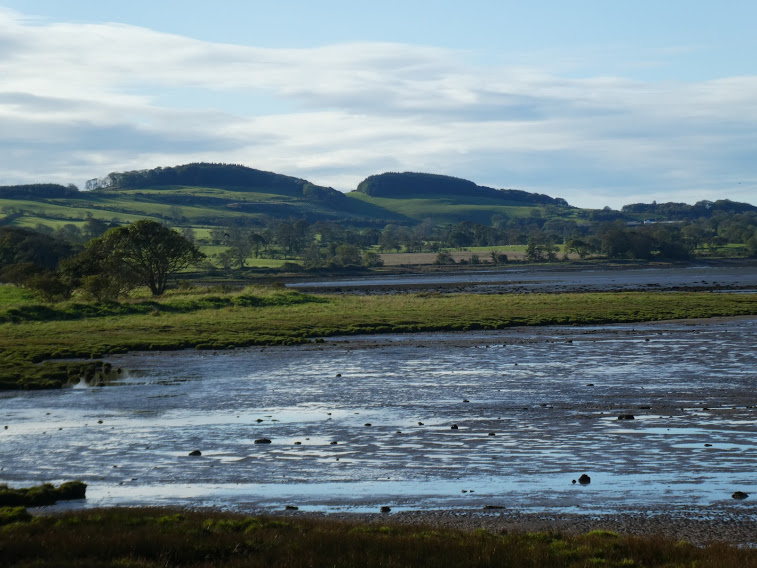
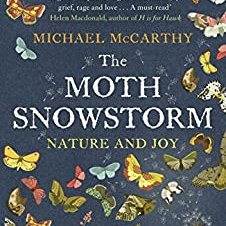
So I’ll start with Michael McCarthy’s Moth Snowstorm: Nature and Joy. How to describe this book? It’s part nature writing, part memoire, part polemic, and a powerful and affecting read. The book first got under my skin when defining ‘joy’, which McCarthy sums up as a moment of true happiness, with a spiritual, selfless, outward looking dimension. McCarthy’s first experience of joy was as a boy, learning to love the landscape and wildlife of the Dee Estuary. His nature writing is richly observed, pictorial, highly sensory. He is angry at the galloping pace of destruction of so many species and habitats. He demands that we observe too, and experience joy in our own ways as we explore the natural world.
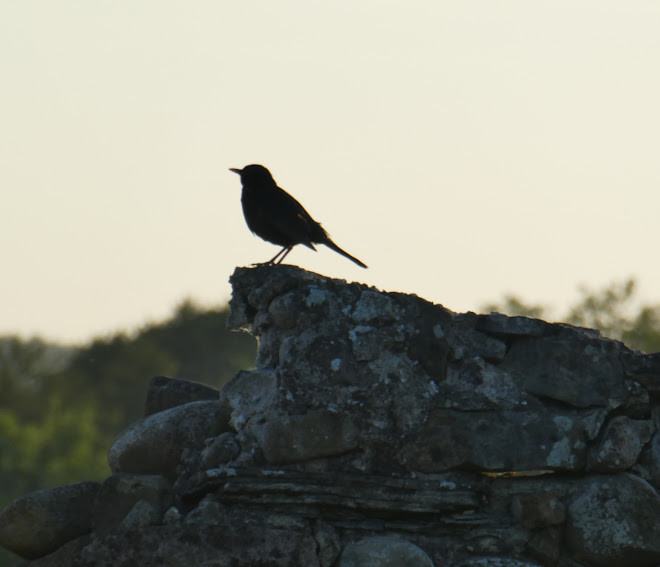
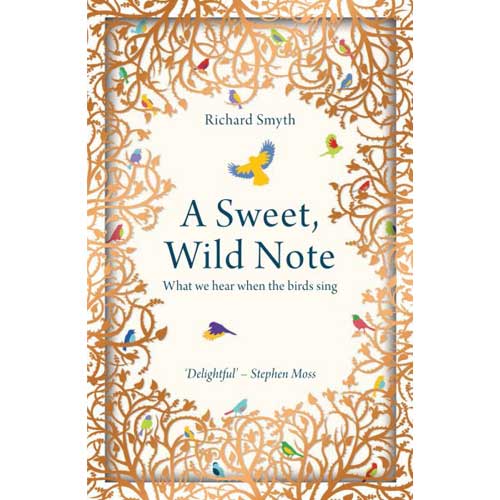
Richard Smyth’s A Sweet Wild Note: What we Hear when the Birds Sing is a delightful, idiosyncratic and fascinating book about the place of bird song in our lives. Smyth is a wry, self-deprecating writer who draws not only on his own experience, but on music – all kinds of music from every period, on literature, on social history, on science, on previous students and lovers of birds, on landscape, to develop this entertaining yet well-researched read.
This leads me to my only nod to fiction this month: Helen Humphreys’ The Evening Chorus. I picked this book from the library shelf on a whim. What a gem. Inspired by, though not based on three true events, this lyrically told story sees the war and its aftermath from the perspective of three people, each intimately bound in each other’s lives, but ultimately dealing with what confronts them in their own way, alone. It begins with James in his German POW camp, finding solace in his intimate record of the lives of the birds, the redwings he can just about see from the camp confines. There is Rose, his wife in an English village; Enid, his sister, living and working in London. Constance, Rose’s difficult mother … and the POW camp’s Kommandant. All have their roles in this story in which the actual horrors of war have no place, but which illustrates vividly its power to alter lives, to constrain, and yet to offer hope too.
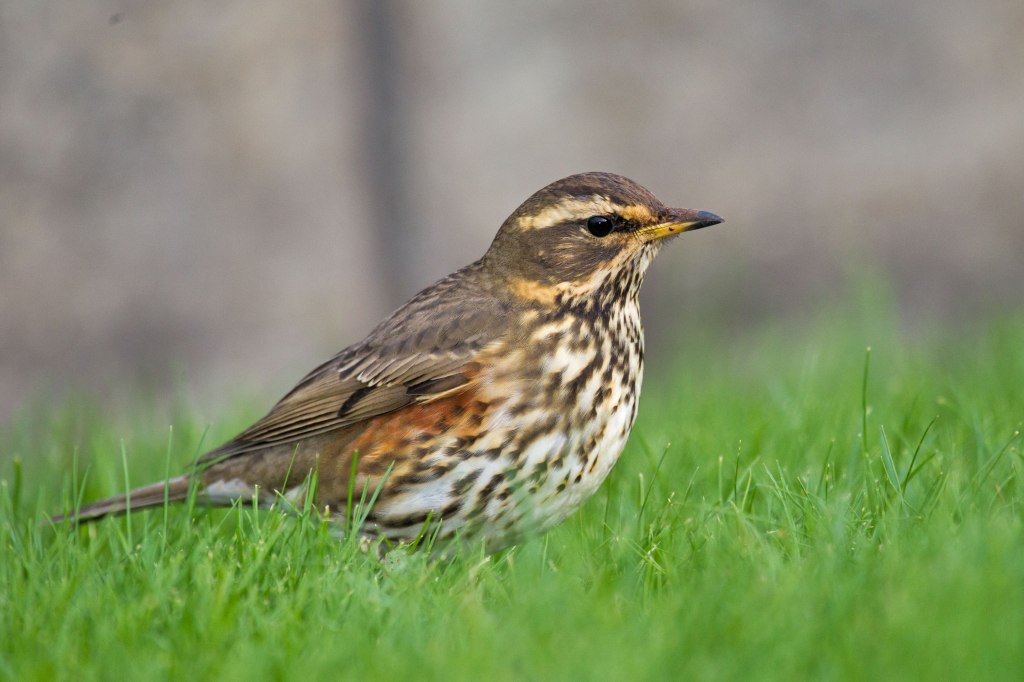
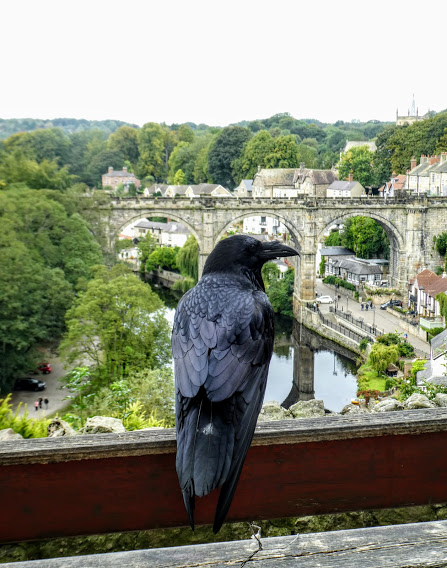
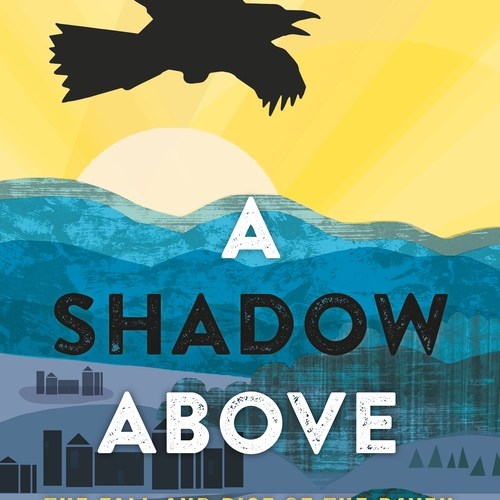
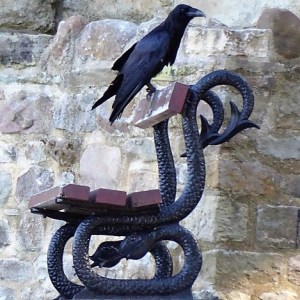
From redwings to ravens: A Shadow Above: The Fall and Rise of the Raven, by Joe Shute. Shute loves ravens. I loved this book. Part natural history, part history, part an exploration of the many legends that this bird has fostered, part investigative journalism, part personal history, this is an engaging, immersive read that goes a long way towards explaining why ravens have a special place in our history, and that of many other nations – even giving many locations their place name. It’s beautifully, often poetically written (though it could have had a better proof-reader) as well as being informative. I finished this book with an increased respect for an intelligent, fascinating bird, besides understanding why it inspires fear and loathing in almost equal measure.
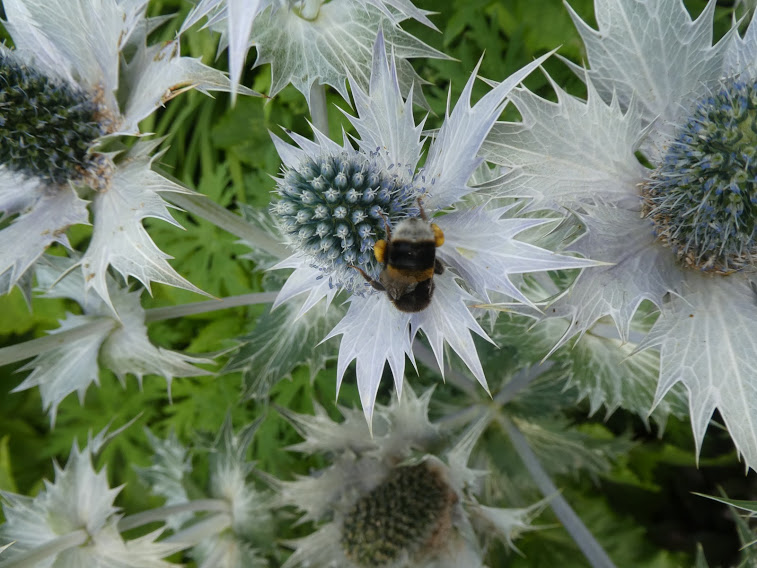
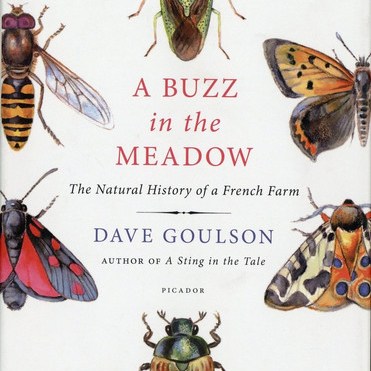
And now from birds to bugs: A Buzz in the Meadow: The Natural History of a French Farm by Dave Goulson. This book is a delight from beginning to end. The catalyst for writing it is Goulson’s home in the Charente, bought so he could provide home, in the form of an extensive meadow, to a huge variety of wildlife, specifically insects. This is no Aga saga of a Brit in France, but a mixture of reminiscence, hard scientific fact, vivid stories of his own experiments and research, and the work of others. It’s a page turner and a tale well told with humour, and an eye for the telling detail. I’m no scientist, but I was absorbed from start to finish.
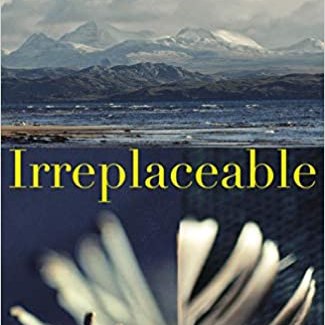
My last book is Irreplaceable: the Fight to Save our Wild Places, by Julian Hoffman. An important book, lyrically written, about our disappearing habitats. Hoffman has travelled the world in search of such places. But whether it’s an Indonesian island with exotic flora and fauna, or a London allotment, the message is the same. Once the habitat has gone, it’s gone. He describes such losses eloquently and movingly. Ultimately though, there is hope. And this hope is vested in ordinary people who care about the piece of the planet that they live on, and who campaign, and simply roll their sleeves up and do whatever is practically necessary to ensure the continuing diversity and richness of the area they know and cherish so well. Some are educated scientists or campaigners, but more are simply citizens, doing what they can to ensure the continued future of the habitat they love. Read this book.
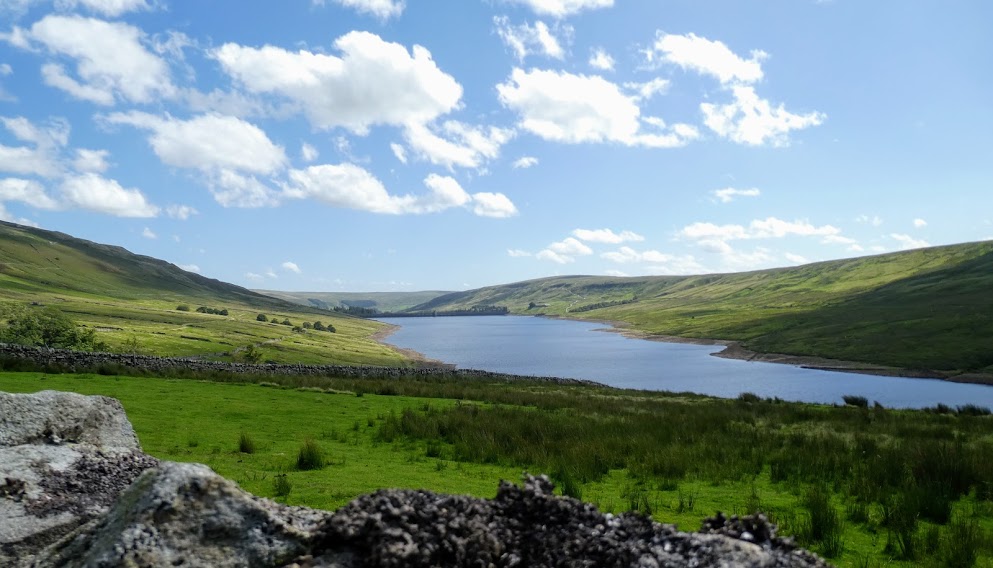
I didn’t expect to produce a non-fiction bonanza about the natural world, but here we are. If you never normally choose books like these, I urge you to give any one of these titles a try. They’re each as absorbing as any good work of fiction, and they all tell stories that are important for us, and for the planet.





 From Pyrenees to Pennines
You must be logged in to post a comment.