Exactly nine years ago today I wrote a post about a trip we’d only recently returned from. I thought I’d give it another outing.
Saint Valery sur Somme
24th June 2015
Here’s a town we Brits should know. It’s where 1066 And All That really began. William of Normandy and his troops set sail from here, landed on the English south coast and won the Battle of Hastings. William became King of England, introduced a whole new French vocabulary into the English language (‘Pork or beef, madam?’), and his brother Odo commissioned the first strip cartoon, the Bayeux tapestry, to record and commemorate the event. Later though, in 1431, the English held Joan of Arc captive here, before conveying her to Rouen to be burnt at the stake.

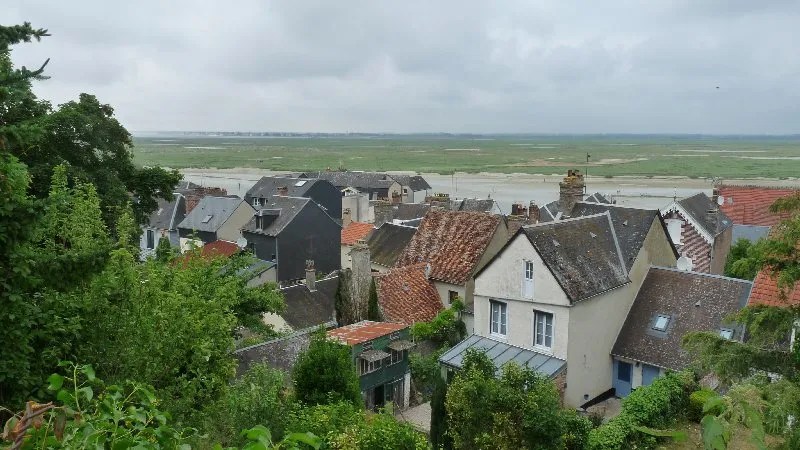
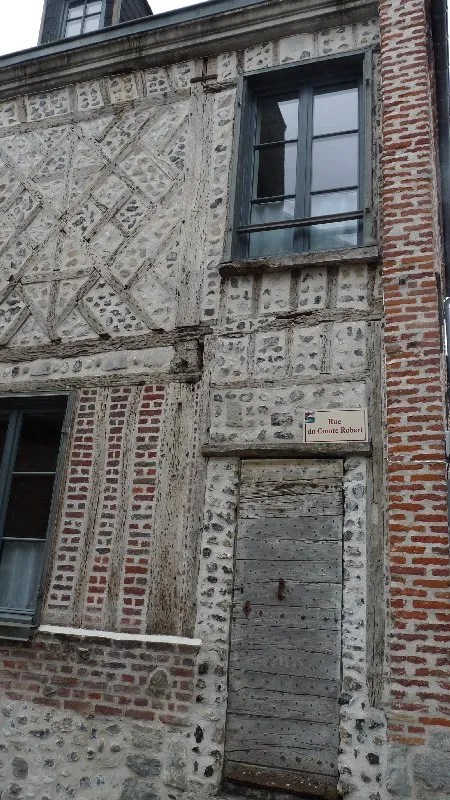
Even without those compelling reasons to make a pilgrimage, Saint Valery is worth a detour. It was and is a harbour and a fishing town with a picturesque mediaeval centre. Like many pretty towns on the coast, it’s popular with writers and artists: Victor Hugo, Jules Verne, Alfred Sisley and Edgar Degas all had homes here, and we spent a pleasant day exploring, poking round the (rather touristy) Sunday market, choosing a restaurant-stop, and generally enjoying the pleasures of a seaside town.



While we were there, something special happened. After lunch (moules, what else?) we wandered down to the beach. There, on the other side of the estuary, were sheep, paddling. Dozens of sheep, scores of sheep, hundreds of sheep. They’re unique. They’re bred from English Suffolk and Hampshire sheep, and they spend their lives grazing the salt marshes., which gives them a highly regarded flavour, rich in mineral salts, and the name ‘Estran salt meadow lamb’. The life of those sheep, and their shepherds, and sheep dogs, is an energetic one. They have to keep moving each and every day to avoid getting stuck in the damp and boggy sand. Their shepherds keep an eye on them, oiling their feet to prevent foot rot, and every night the flock returns to pens with fresh straw via a special tunnel under the road.

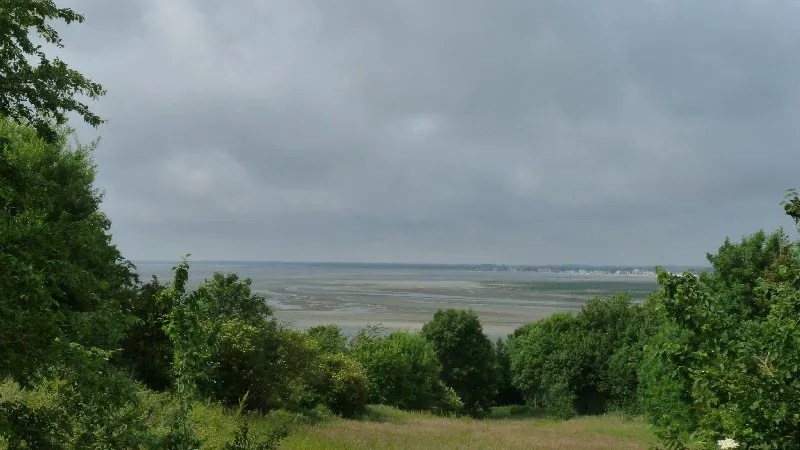
Before we left, we wandered through the harbour, and up to the Chapelle des Marins, a neo-Gothic building, built on the site where the hermit-saint Gualaric, who gave his name to the town, once lived. It’s a good place from which to say ‘Goodbye’ to the town and get some final views of the bay.


 From Pyrenees to Pennines

You must be logged in to post a comment.