On the Second Day of Christmas …

But hang on a bit! We have the first day to worry about first …

On the first day of Christmas, my true love sent to me -
A partridge in a pear tree.

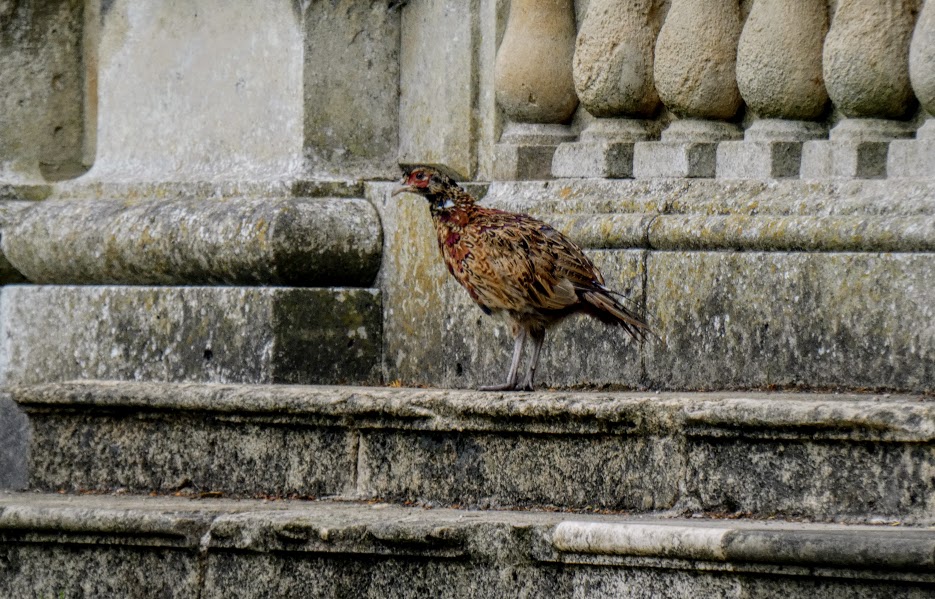
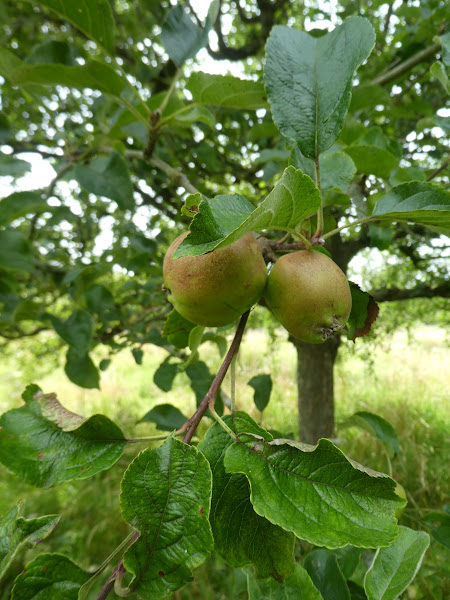
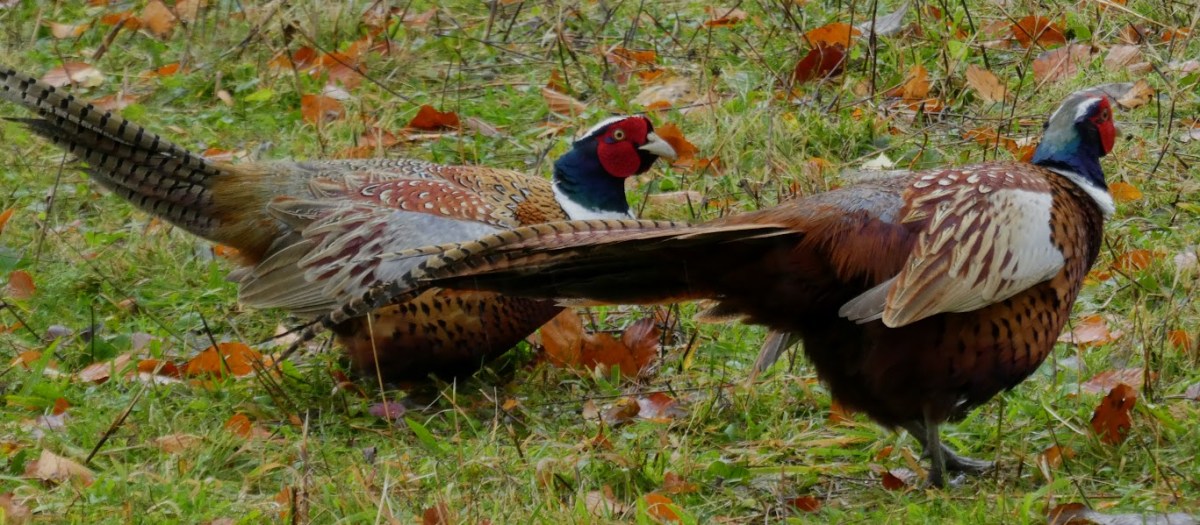
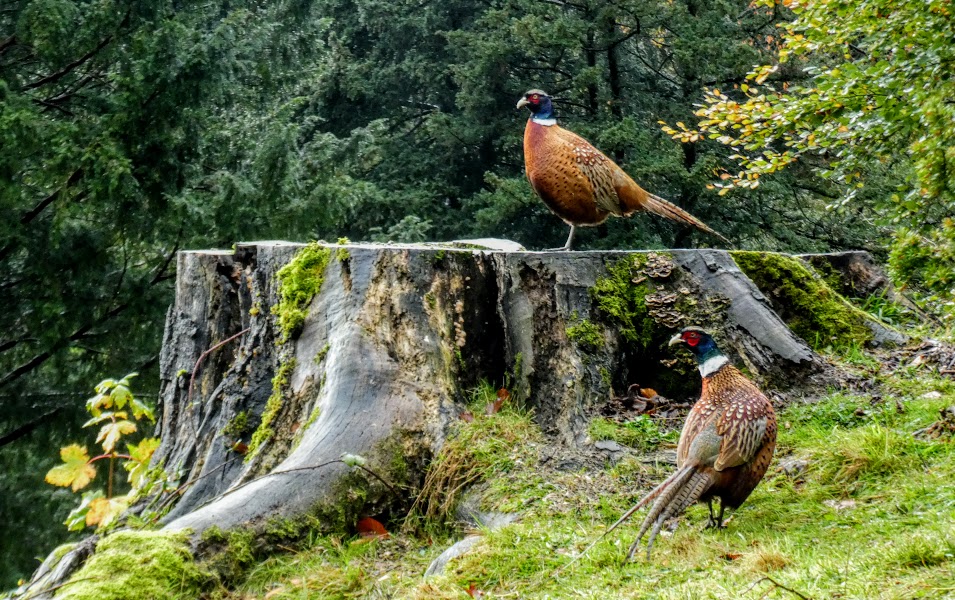
Um, I can’t do a partridge. Will another game bird, a pheasant, do? And I can’t do a pear tree either. Here’s an apple tree.

On the second day of Christmas, my true love sent to me -
Two turtle doves...

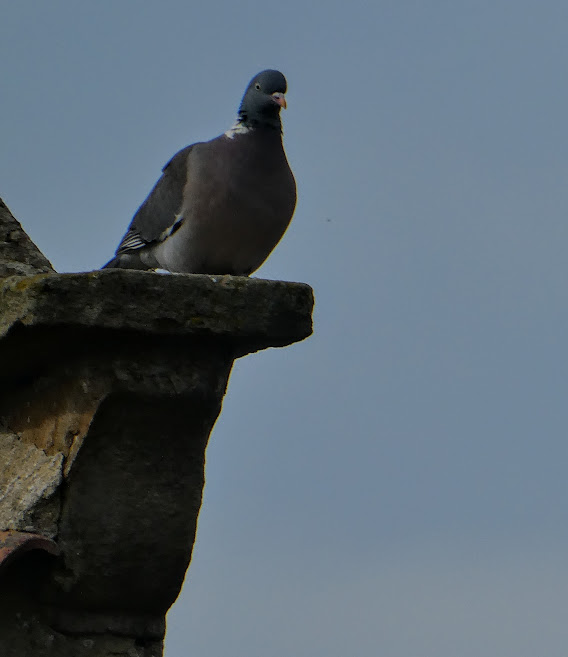
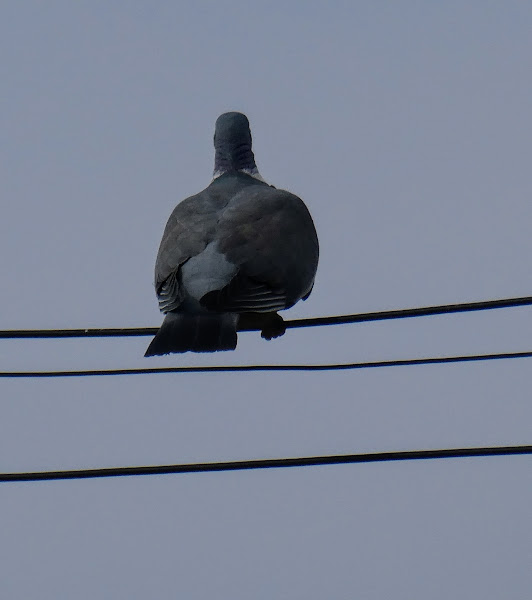
I offer you instead two common-or-garden wood pigeons.

I've an awful feeling I shall come to regret starting this: my photo archive is not stuffed with images of milkmaids - or lords a-leaping. Among other items mentioned in the song. I shall seek to rise to this self-imposed challenge.

A Monday watery portrait

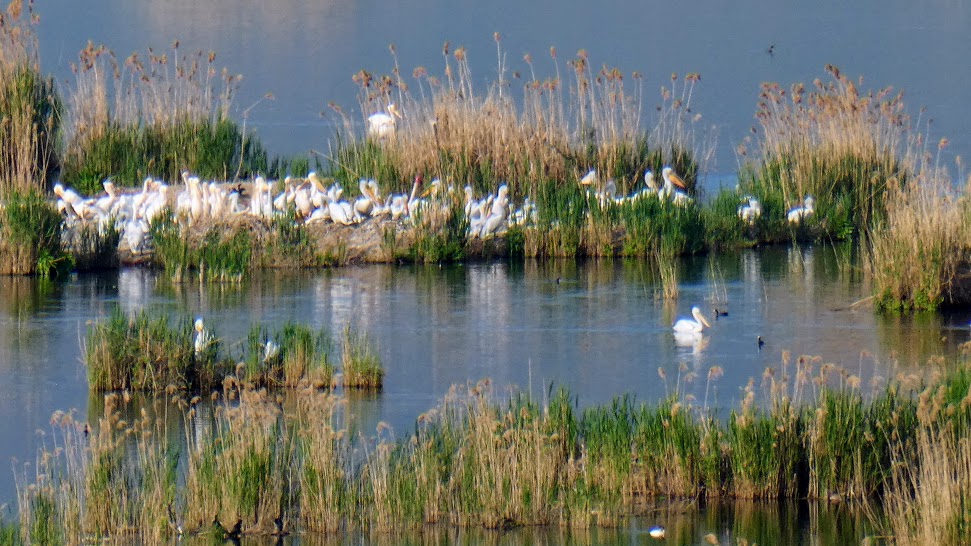
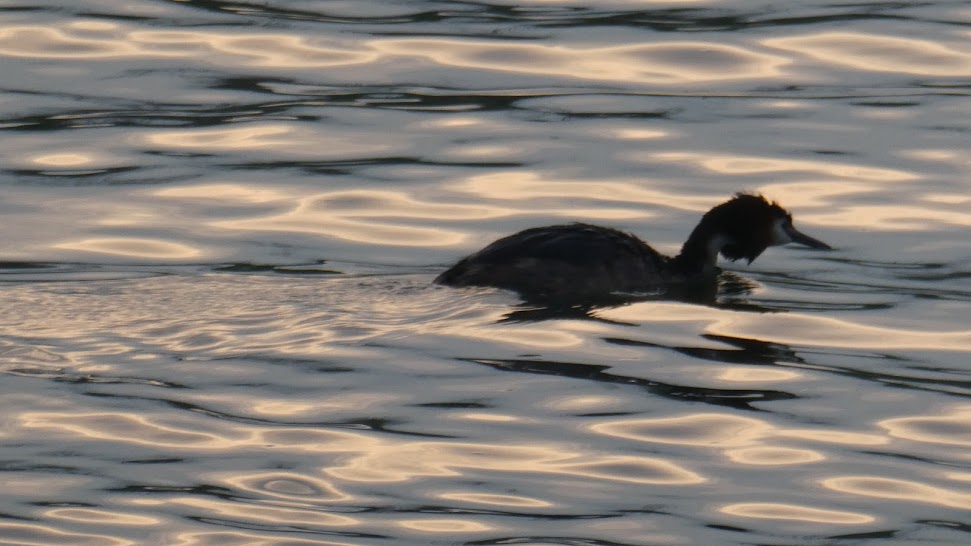
Was it really six months ago that we were in the Balkans? Was it then that we spent our days exploring Lake Prespa, bounded by Greece, Albania and North Macedonia? Apparently so. And these days, the news from there isn’t good. The pelican population, already catastrophically hit by avian flu, has seriously declined again since then. The Great Crested Grebes are still doing well though. Here’s one, featuring as a Monday Portrait, and for Water, Water Everywhere.

Wildlife close to home

This week, for the Lens-Artist’s Challenge, Anne asks us to look at our local wildlife. Well, I’ve been admiring raccoons, coyotes, skunks, kangaroos and other exotica from the posts other bloggers have already contributed, and … I can’t compete.
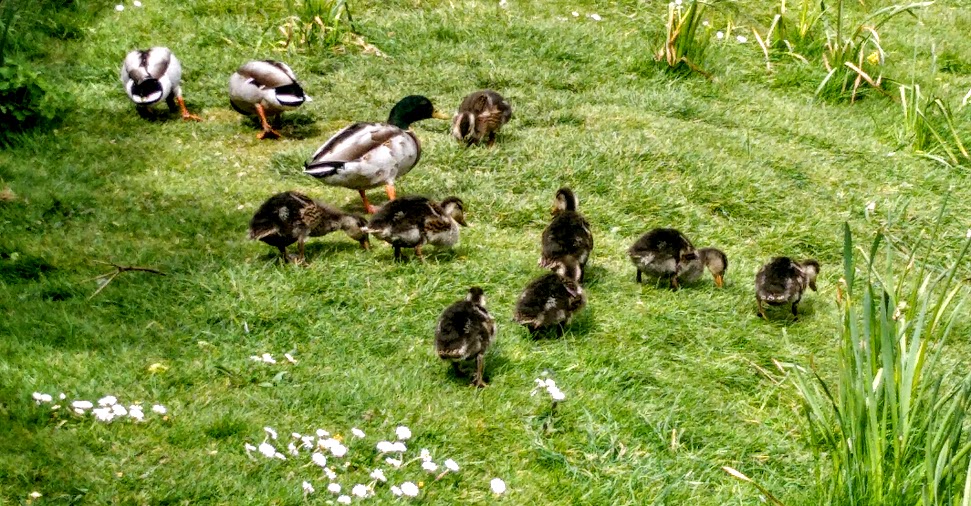
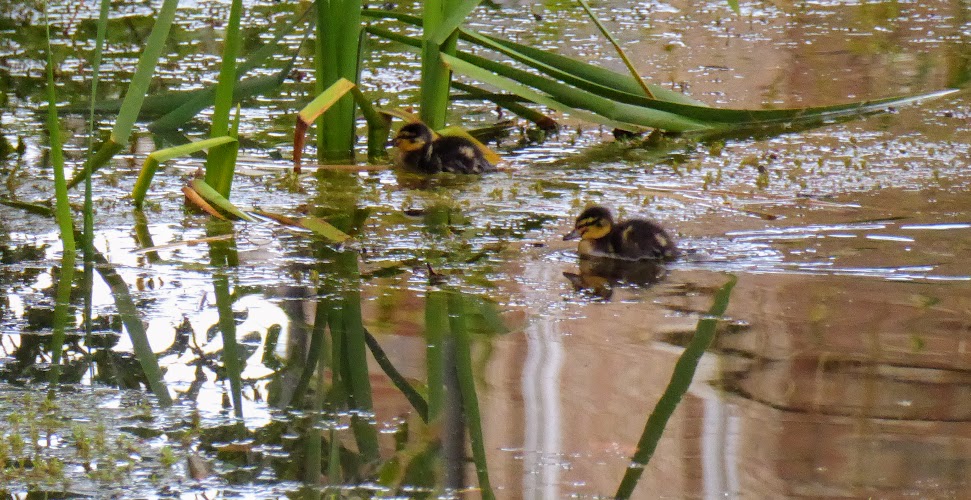
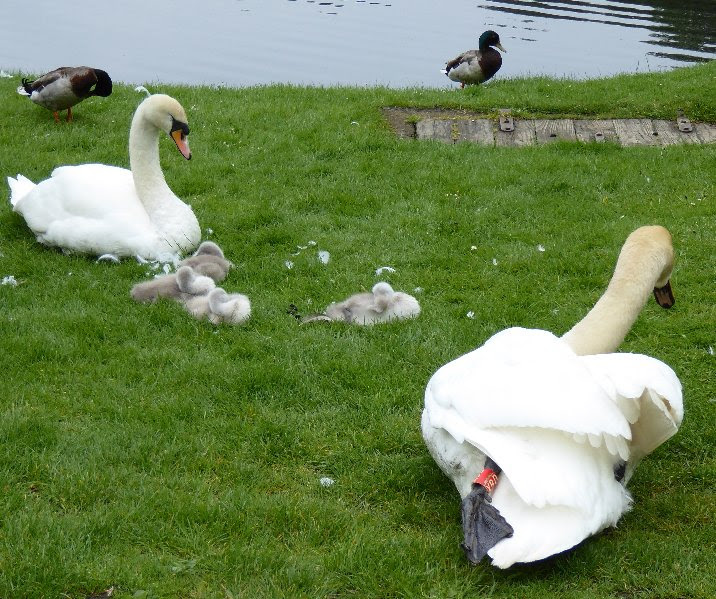
Still, our local wildlife has charms of its own. Take our own village. Like many round here it has a pond (well, three in our case). Here’s a little showcase of what you’ll find there any time you’re passing.

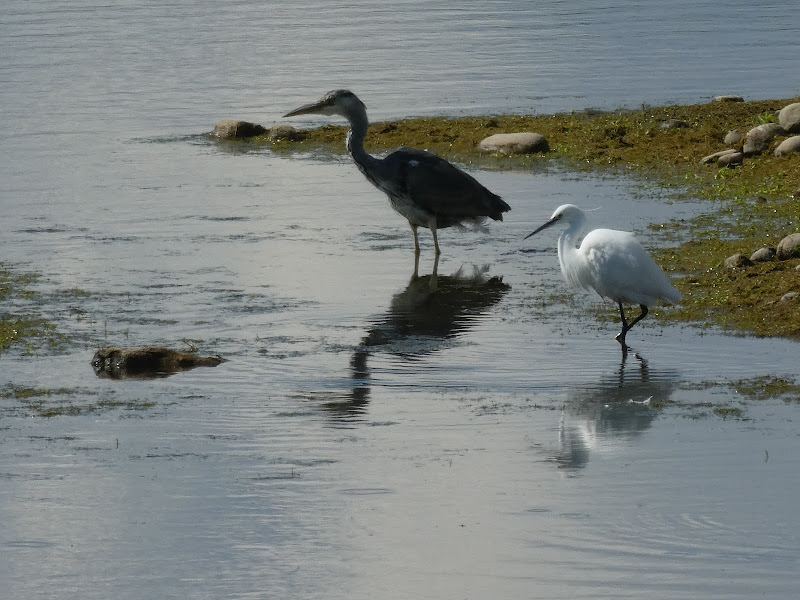
We have a river nearby too, and a nature reserve too. That means that we see herons often, sometimes egrets.

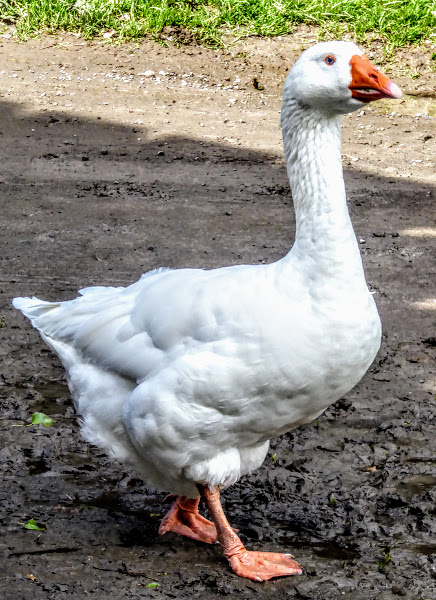
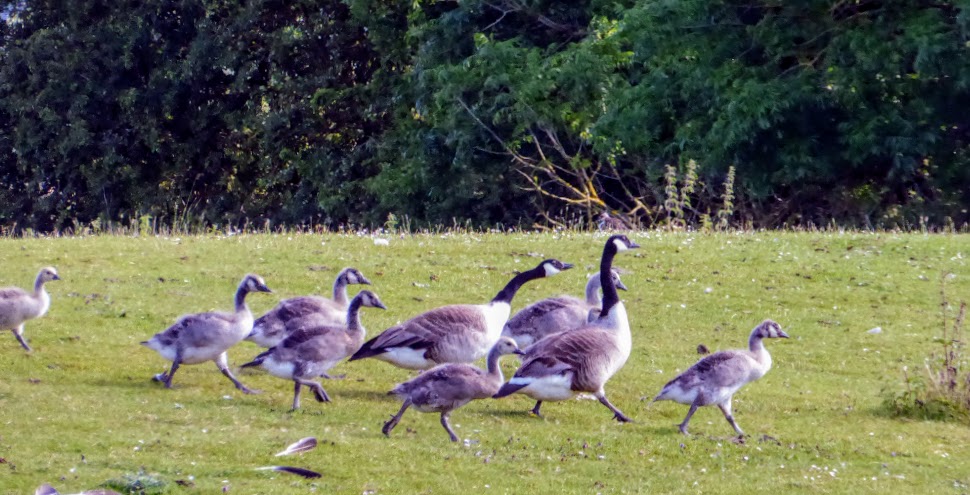
And Canada Geese. Always Canada Geese.

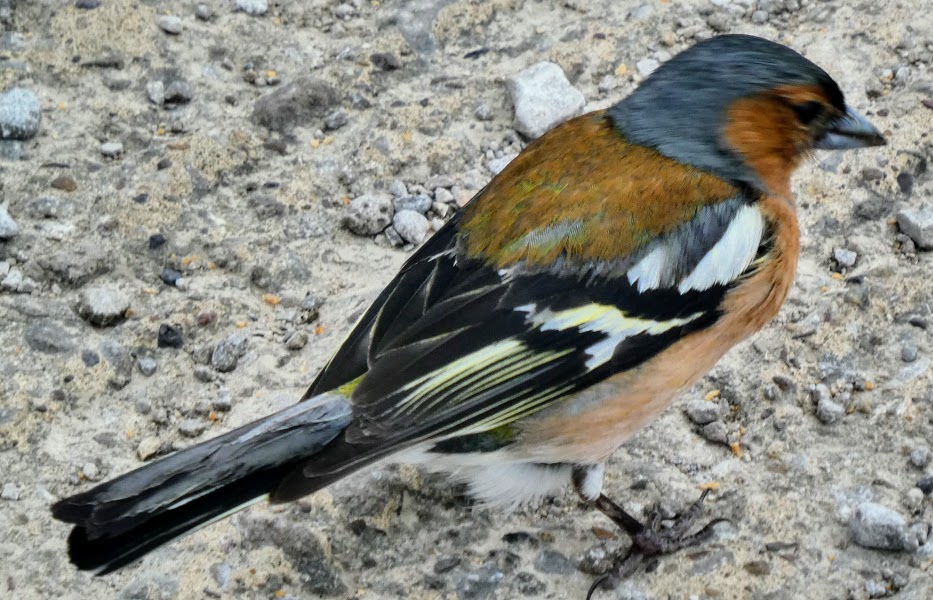
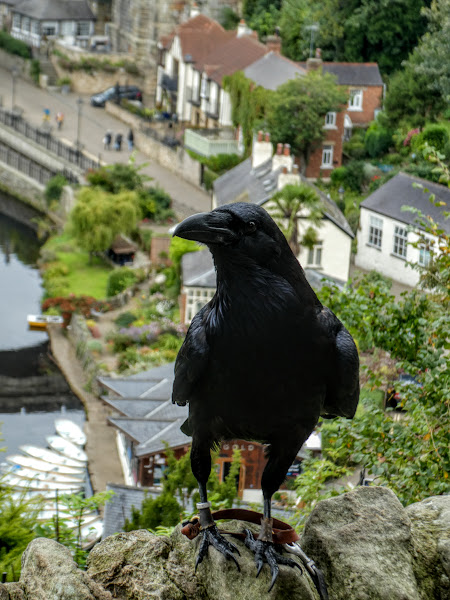
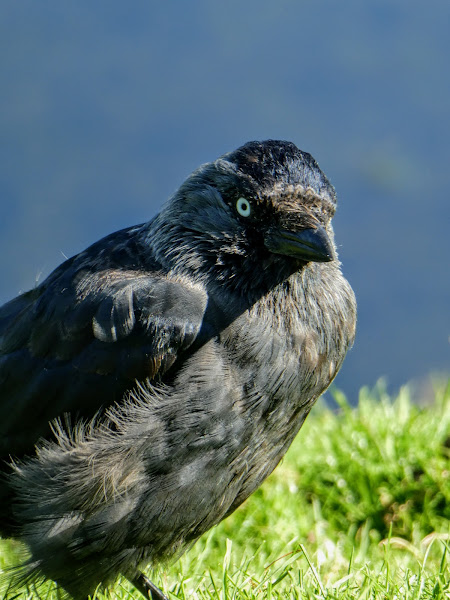
We can do other birds too. Here’s a small sample:

Here you are: a chaffinch, a raven, a jay and a house sparrow…. and everyone’s favourite ….

… a robin.
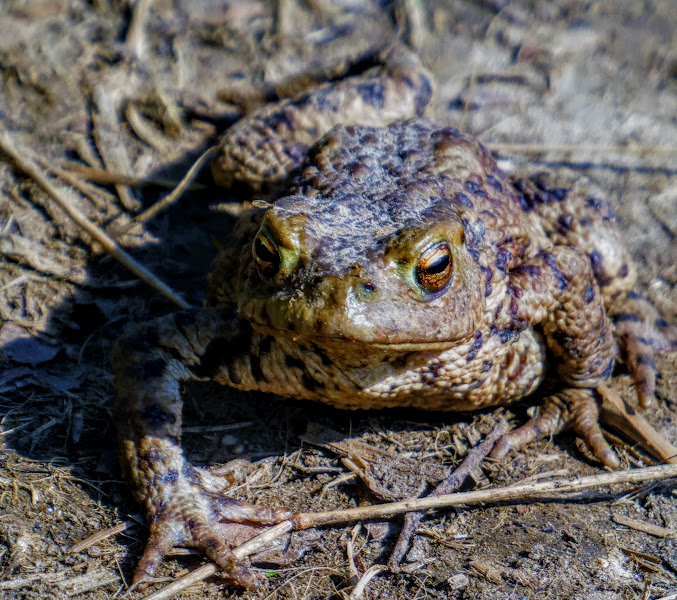
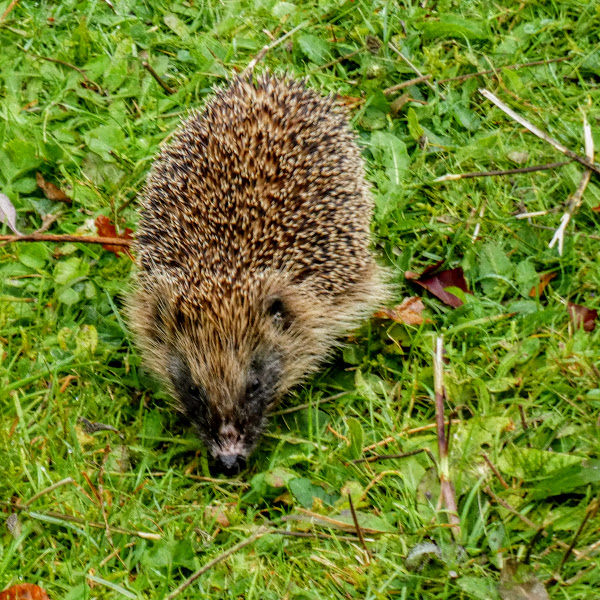
In the animal world, here are two creatures we see all too rarely: a toad and a hedgehog. And I haven’t even got any images of badgers or foxes.

I mustn’t forget the omni-present grey squirrel and pheasant.

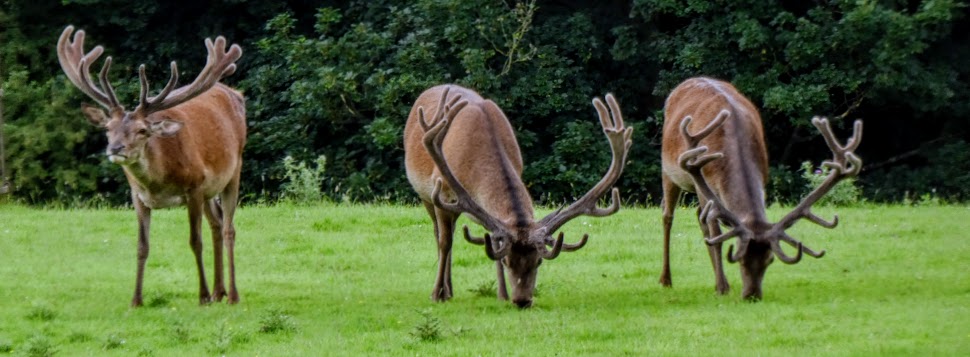
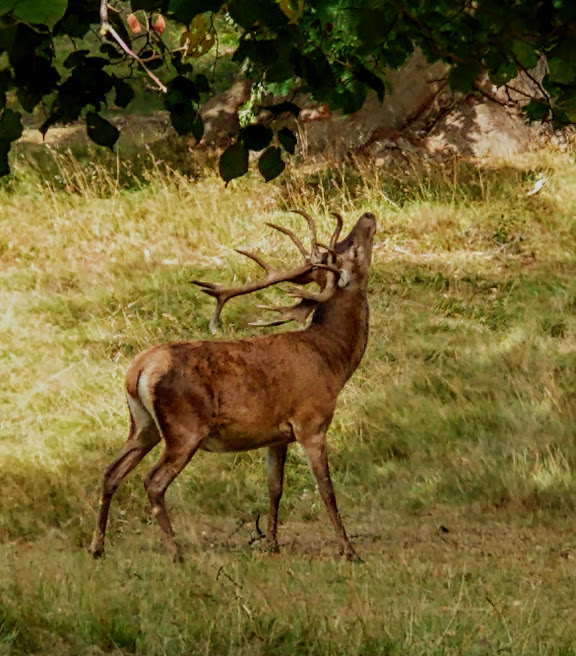
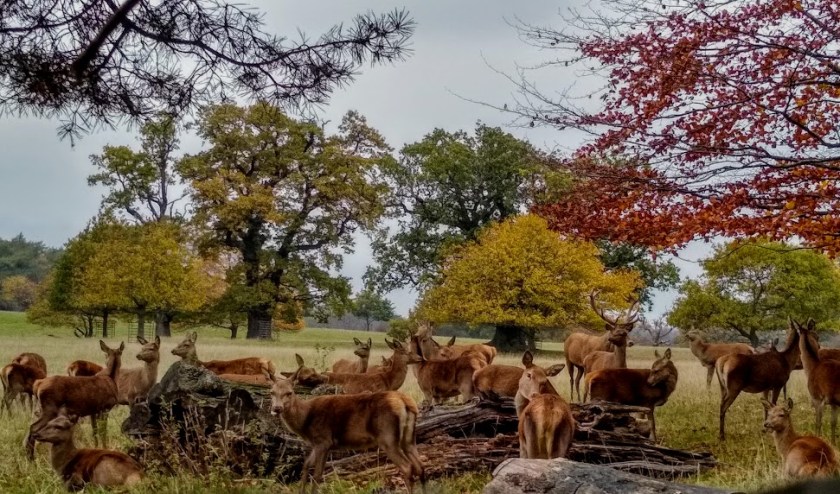
I can’t leave this though without a couple of pictures of the deer which, though I usually see them in the parkland of Studley Royal, are common enough sights on country walks too.

PS. All these creatures are seen when I’m out walking. I therefore dedicate the robin to Becky and her Walking Squares.

An appetising walk?

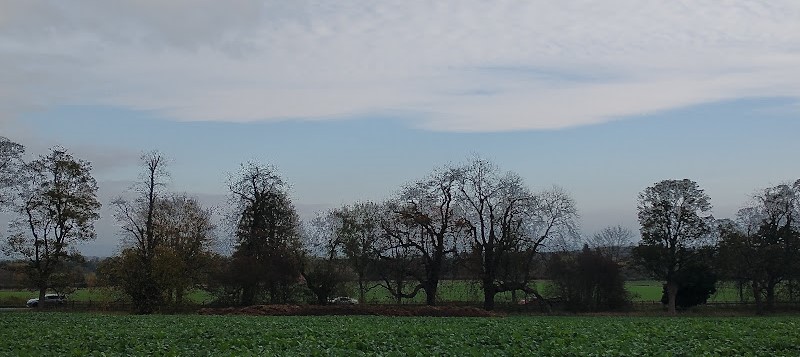
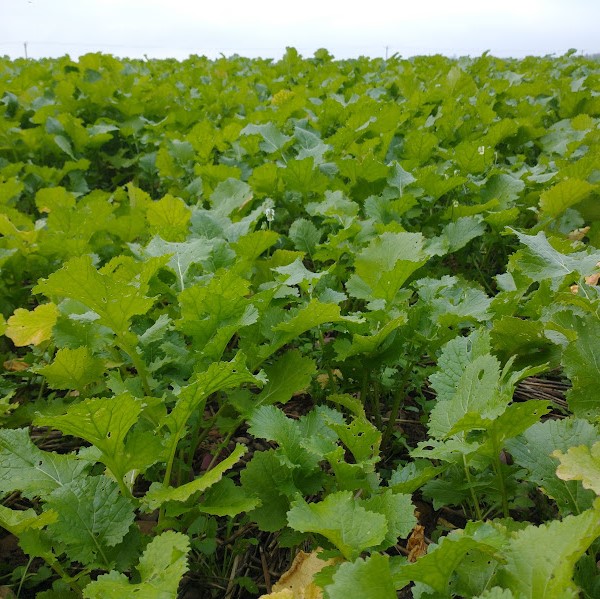
Out for a walk yesterday, I fell to thinking about food – well, it wasn’t far off lunchtime. It was this field of beets – mangelwurzels perhaps – that did it: soon to be winter fodder for sheep.

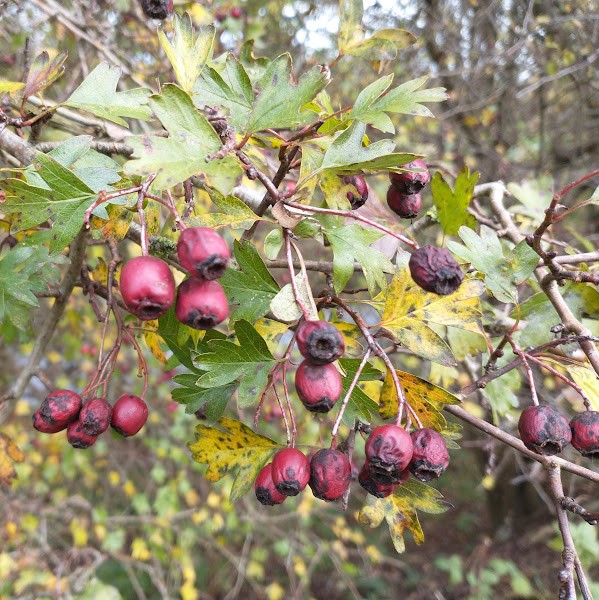
Then I saw hawthorn berries. We can use them in jellies and fruit wines, but I find them too bitter. Not so the birds.

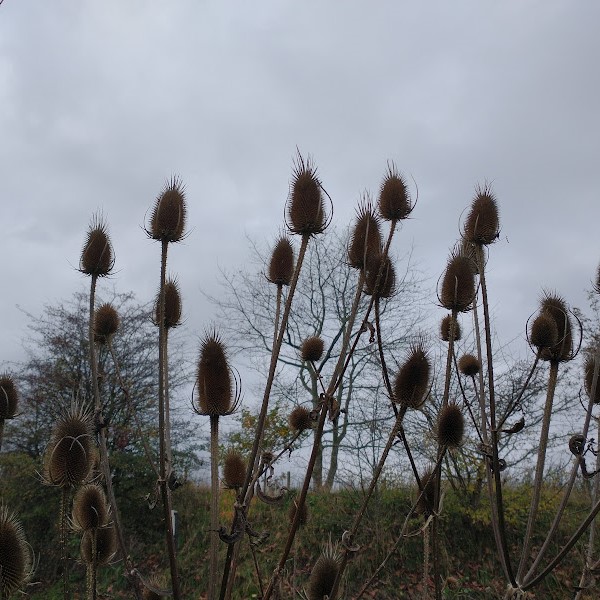
Through the meadow, edged by teasels: the goldfinch would have had their fill by now.

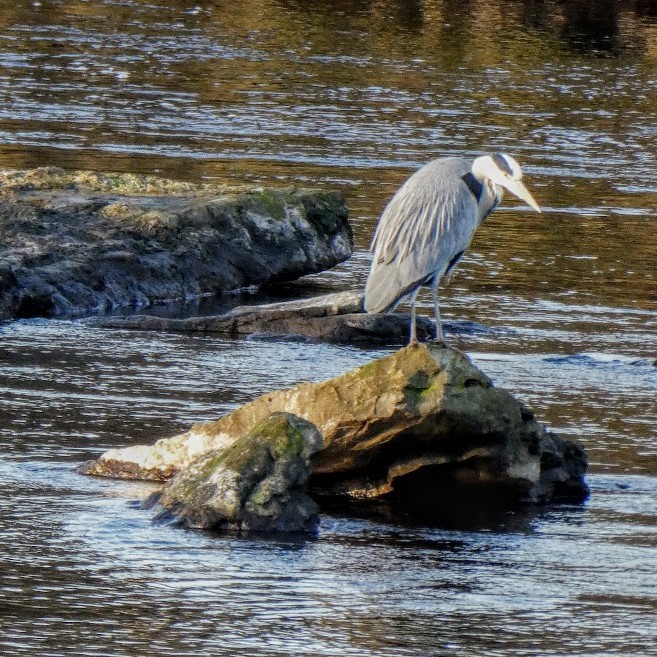
The heron was on his usual rock on the river: waiting patiently for fish.

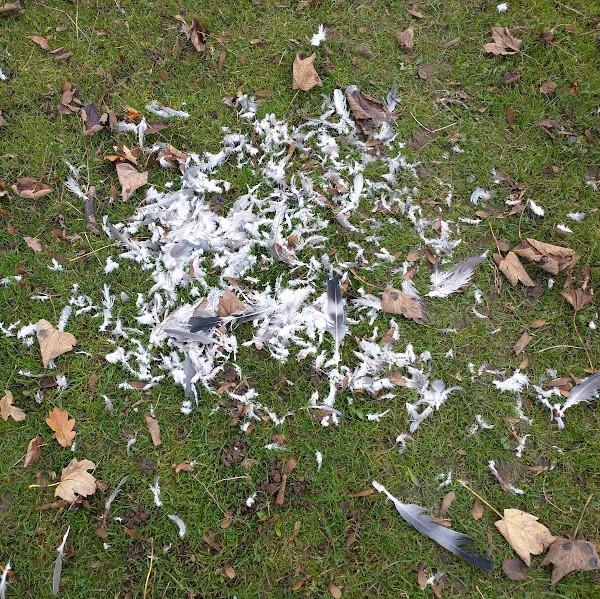
The last meal I saw had been eaten hours before: nature red in tooth and claw.

Hmm. Time to head home for lunch I think. No creatures were harmed in the preparation of our meal.

For Becky’s Walking Squares.

A Daily Walk’s an Adventure in Serendipity

Lockdown in 2020 taught us to value the tiny slivers of the unexpected in our necessarily limited ‘Daily Exercise’. Here’s yesterday’s unexpected: a cluster of tiny mushrooms in autumn-leaf red, cheerfully growing in the middle of the village cricket pitch. I don’t know what they are. Do you?

They’re multi-tasking mushrooms, because they’re here for Becky’s Walking Squares, as well as for Brian’s Last on the Card for October. Brian insists that we don’t edit our photos, but if I need a square photo, I’ll just have to make a subtle clip, top and bottom. I might get away with it.

It’s a worm’s life

Recently, I’ve started to follow a few poetry blogs, and last week, David of The Skeptic’s Kaddish, accepted a challenge: to write a Quatern.

A what? This …

Not just any old quatern however. This one has to contain the word ‘quiet’. I thought I’d have a go too. It happens that this fits quite nicely into my self-imposed challenge, set as I looked yet again at my geological map of Great Britain. What’s it like for worms? Some of them contend with sandy soil, others heavy clay. Some soil is chalky, some loamy, and what must soil up in the old coalfields be like? Or that thin acid soil of the moorlands?

I’ve written a gaggle of poems about worms, each one living in a different kind of soil: I obviously don’t get out enough. Each poem uses a different verse form. So why not sum the whole worm thing up in a quatern?

Quiet - can you hear a sound? 
The barley rustles in the breeze.
A buzzard mewls, the crows confer,
The rabbits waken. Dusk descends.

Below the ground it’s different though -
Quiet - can you hear a sound?
There are no noises from the worms
who turn the earth, eat leaves and chaff.

Their world of darkness is not ours.
They churn the soil by night and day.
Quiet - can you hear a sound
as worms keep soil in rude good health?

There’s life above, there’s life below -
each dependent on the other.
Do not dismiss the lowly worm:
quiet - can you hear a sound?

We’re going on a Deer Walk …

I went on a bit of a safari yesterday. Only down the road to Studley Royal’s deer park. Here are some snippets from the afternoon.

Autumn is the time of the rut, when stags compete to get the biggest and best harem of does, to secure their own blood like survives to the next generation. They wallow in the mud to leave their sexy scent behind, score trees and trash vegetation- they may even aim to toss leaves and grasses to their antlers to make them look even more imposing. We saw none of these behaviours. But we did hear them roaring and making that strange loud roaring belching noise that can be heard from quite a distance, and which warns other males that They Mean Business.

It doesn’t pay to get too near to deer at this – or indeed at any other – time of year, so all of my photos use zoom at its highest setting, which doesn’t make for the crispest of images. But you’ll know you’re in the deer park when you see trees looking like this. That horizontal finish you can see is the browse line – the highest that a red deer on its hind legs can reach to get a mouthful of leaves.

We saw these fellahs next. They’re young stags. They know they haven’t got a hope this year of attracting the females, so they just sit it out. Maybe a bit of play-fighting to get a bit of practice in, but really … it’s just not their party. That first one posed for Monday Portrait.

On we walked. Over the old bridge where females often give birth and shelter their young, to the crest of a hill where we have far-reaching views over to Ripon and the North York Moors beyond, And below, deer: fallow deer and sika deer, browsing and grazing together, with their stags keeping a proprietorial eye on them. We kept our distance and just enjoyed watching them.

Younger, older, does and stags …

Then onward, past the sweet chestnut trees they love so much at this time of year, for their tasty chestnuts, past a popular wallowing place (oops, forgot to take a photo).

So let’s finish our walk with a few shots of those views I mentioned.

In the shot above, that’s Ripon down below. The eagle-eyed will just be able to spot the cathedral in the centre of the shot, in the distance.

For Monday Portrait and Jo’s Monday Walk.