The Thames Path: From Canary Wharf to Tower Bridge

I went to London last week. But it wasn’t all about seeing family. I enjoyed a few hours with Sarah of Travel with Me fame, and the day after that, walked part of the Thames Path. This route does exactly what it says, and offers you the chance to walk from where the river rises in the Cotswolds, to where it joins the North Sea: that’s 215 miles. Which must seem pretty small beer to most of you living outside the UK, but it’s our second longest river.

I opted for the stretch between the assertively twentieth century business district of Canary Wharf – along the north side – to Tower Bridge, before returning on the south side. A walk of some eleven miles.
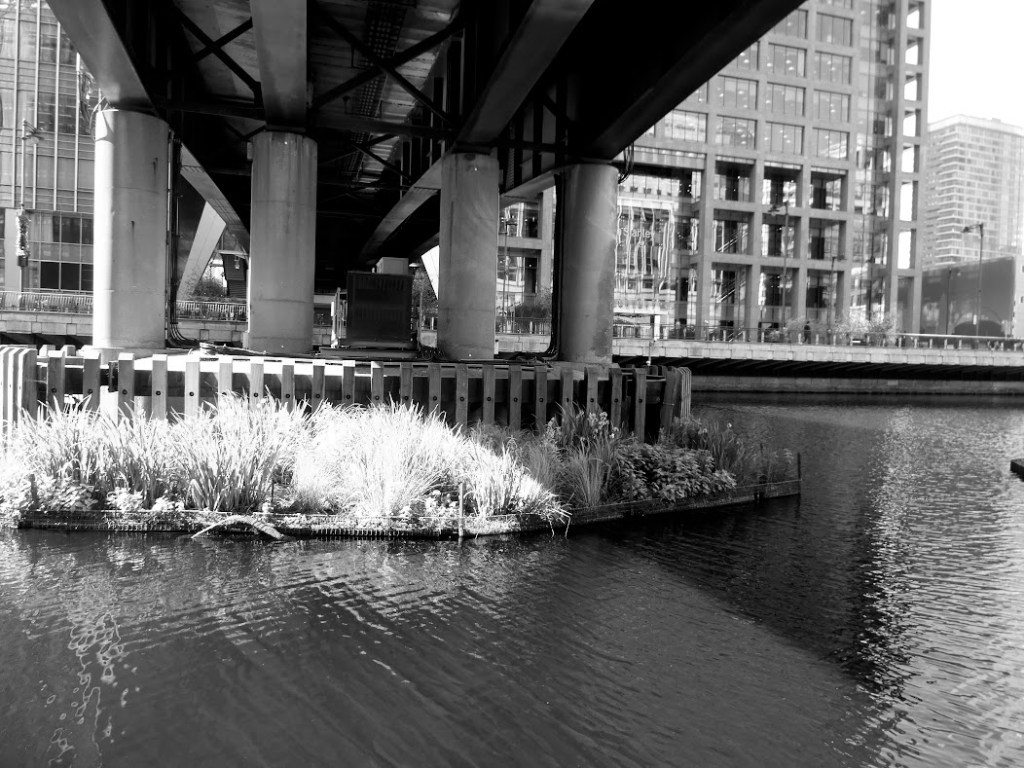
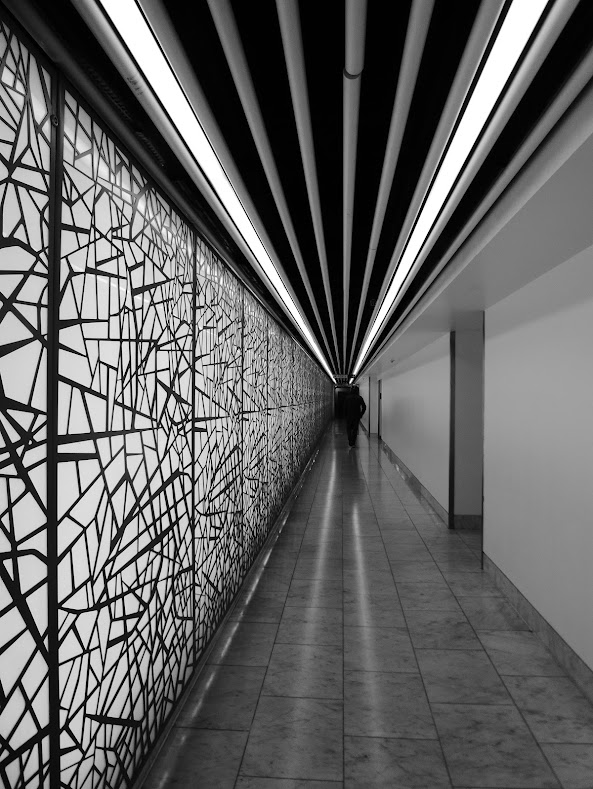
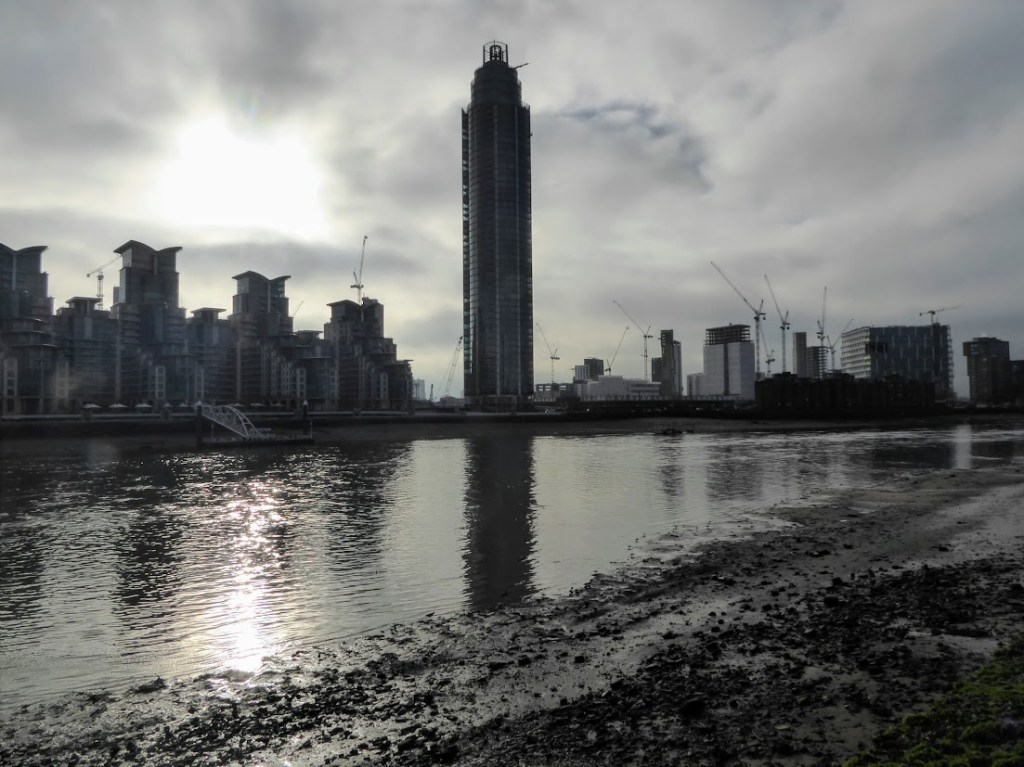
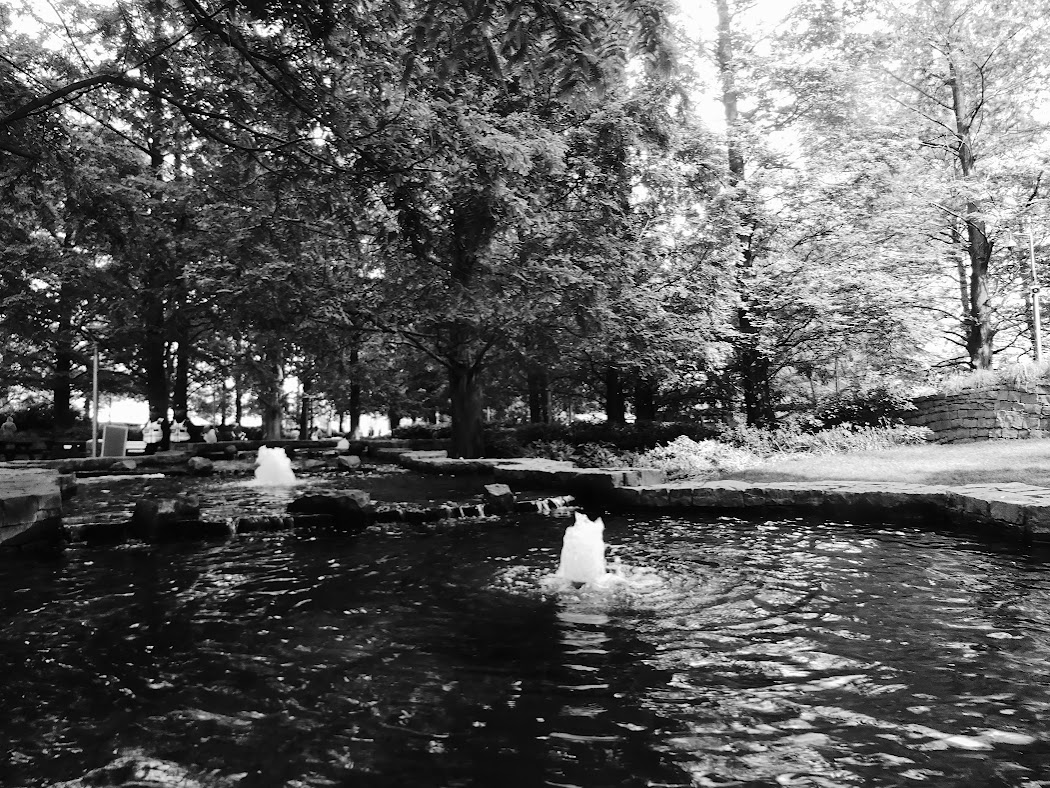
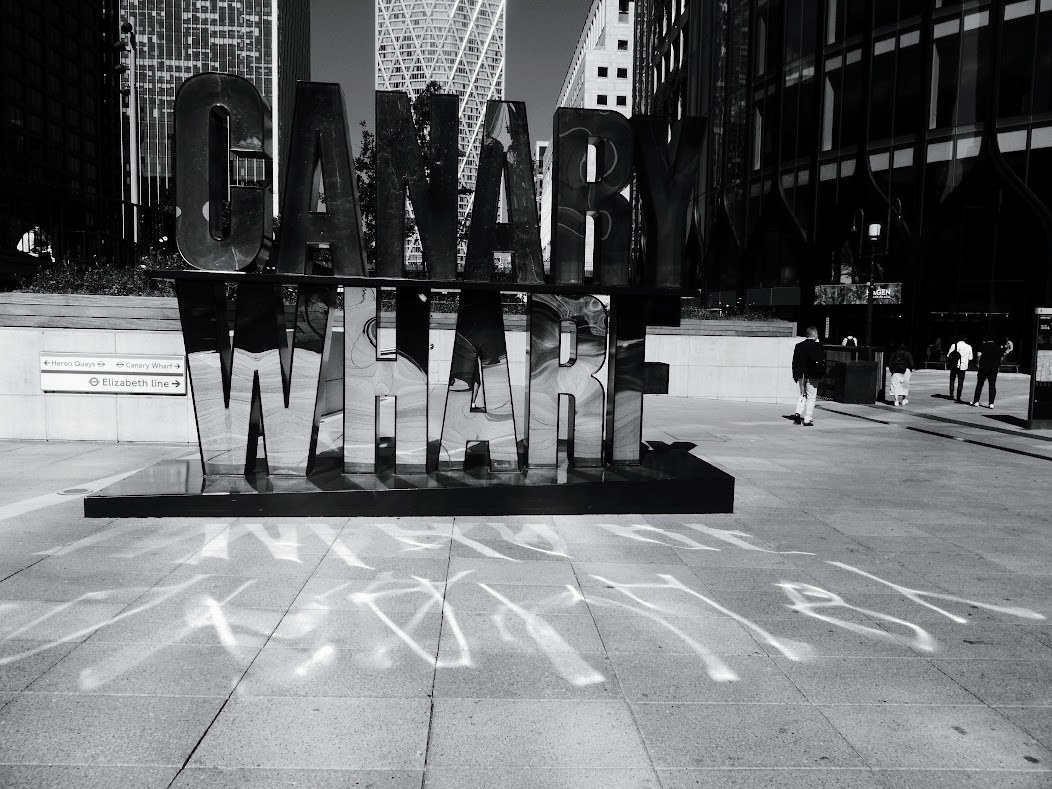
I rather enjoy Canary Wharf. It’s high rise, everywhere. But there are – slightly self-conscious – efforts to make it human-friendly. I found sculpture trails, and massed plantings in an around the various waterways. There are parks, and even mini woodlands with water tumbling about in mini waterways. Even the public toilets are interesting, as my third photo here shows.
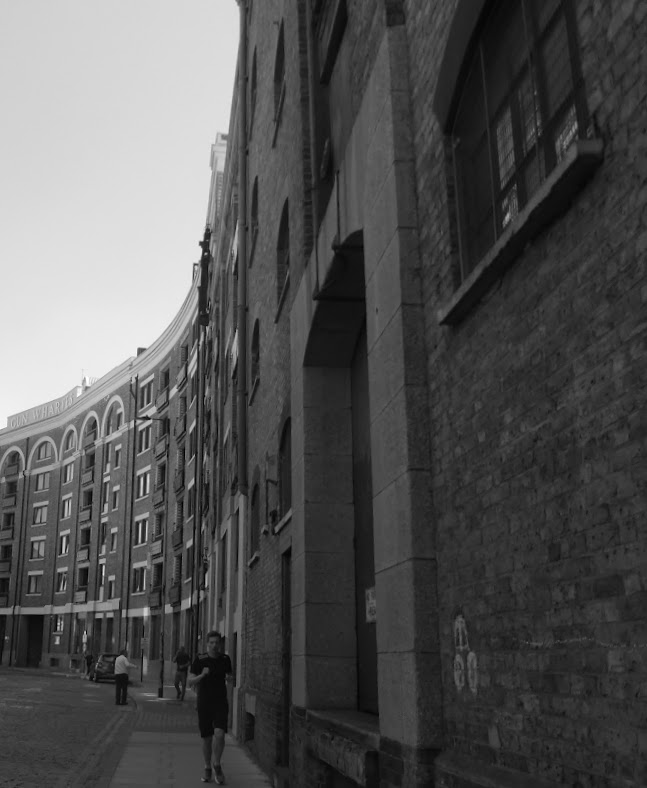
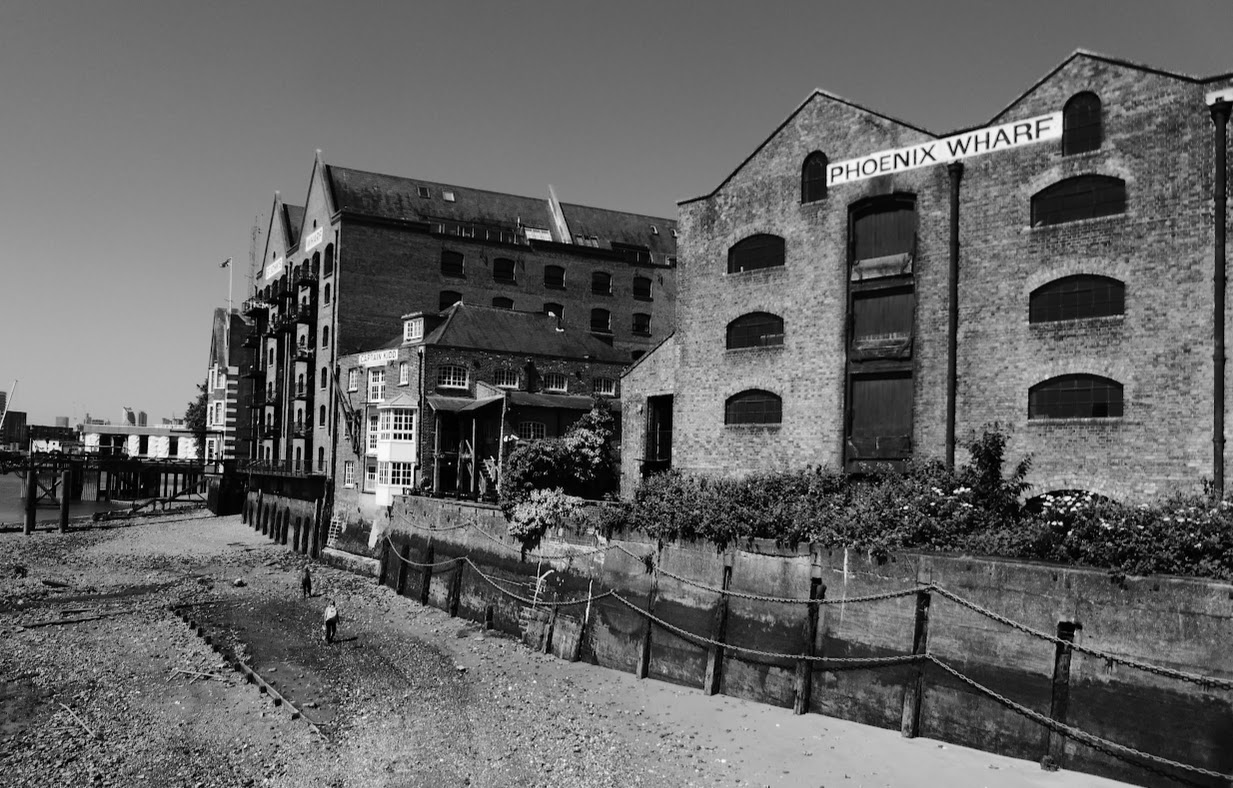
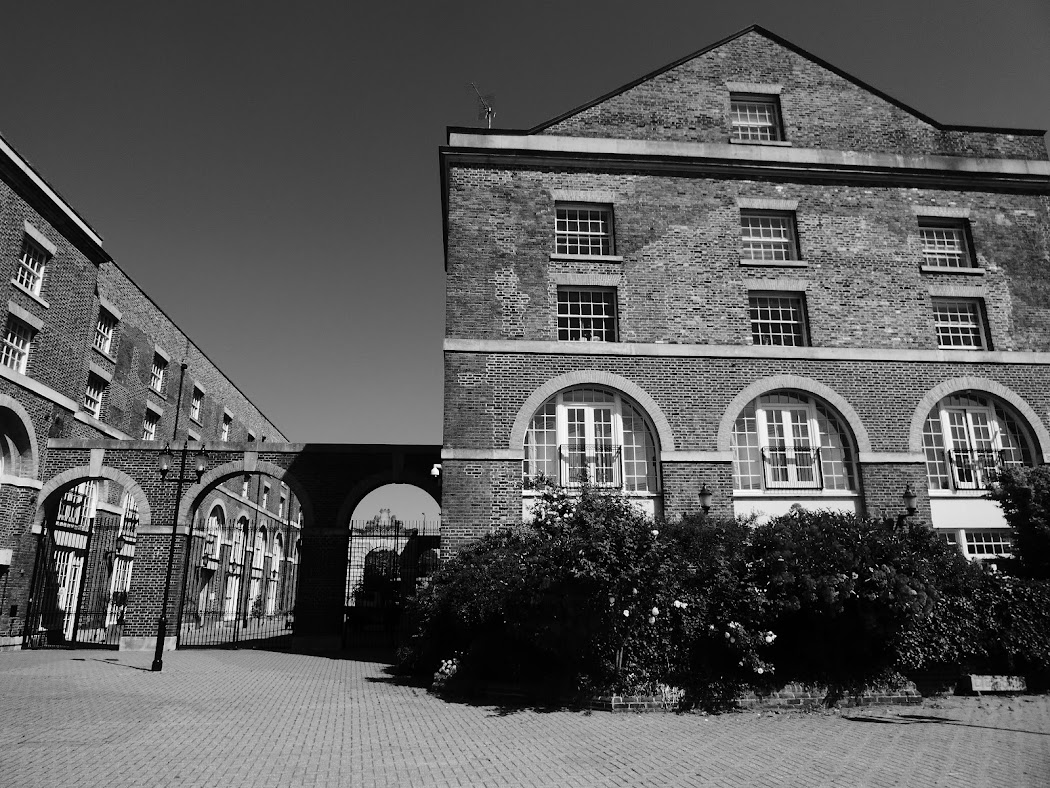
But then it’s the Thames Path. And the water’s edge round here means wharfs and warehouses: reminders of a time when London was an epicentre for receiving tobacco, cotton, sugar, coffee, tea, porcelain, silk ….: offering hard and poorly paid labour to thousands in the Docklands and industrial towns throughout England, trade and prosperity to many beyond, and slavery to many of those who produced the goods we were happy to import.

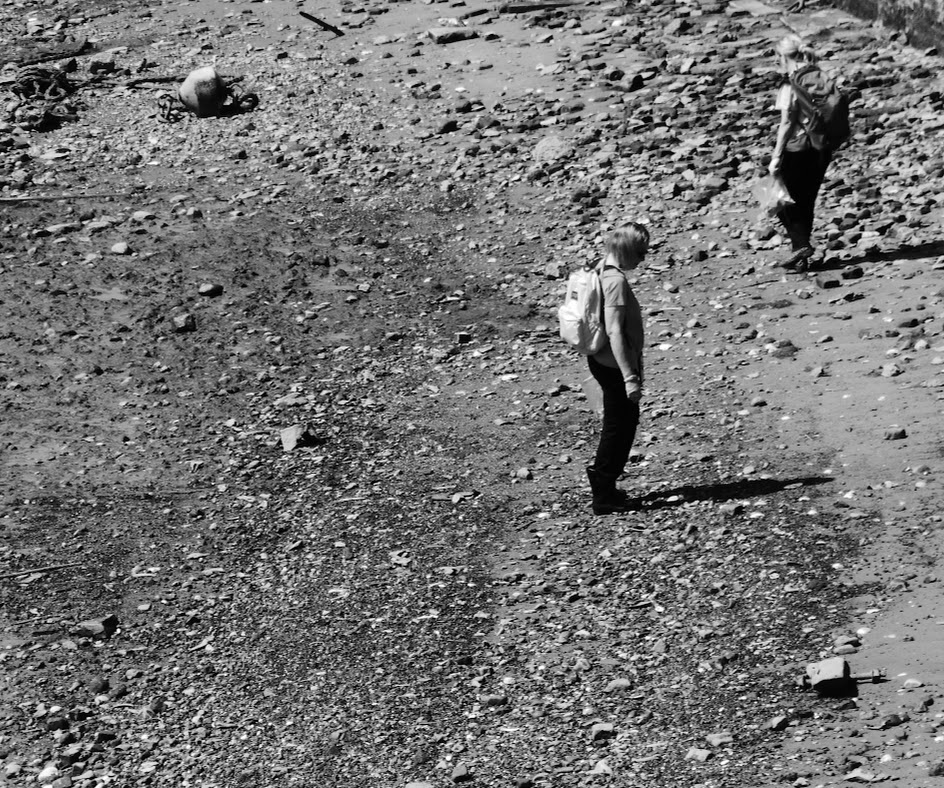
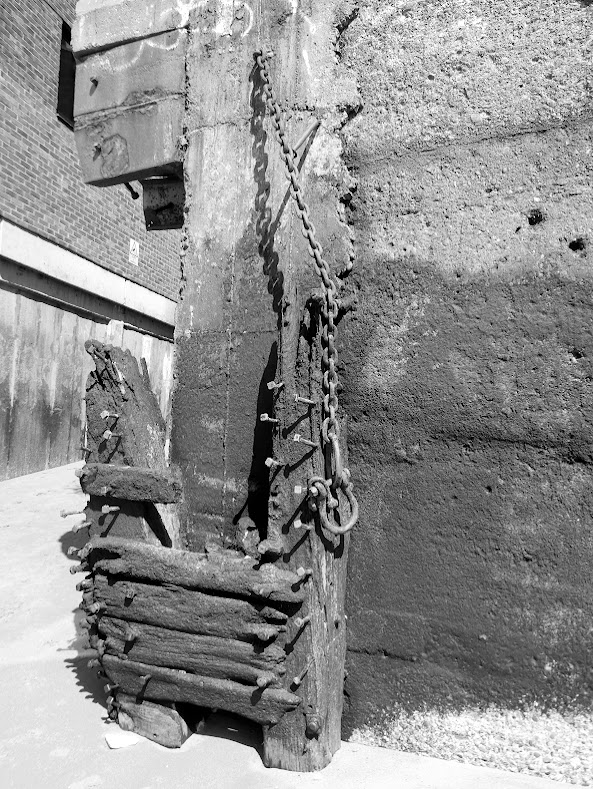
Now these warehouses – handsome buildings – are repurposed, often as sought-after apartments overlooking the Thames. I saw too pillars of rotting wood poking through the foreshore- evidence of once-upon-a time busy jetties and quays. There were even a few mudlarkers: hunters for souvenirs of London’s past as a settlement even back to Bronze age times. And always the contrast between old and new in a single glance.
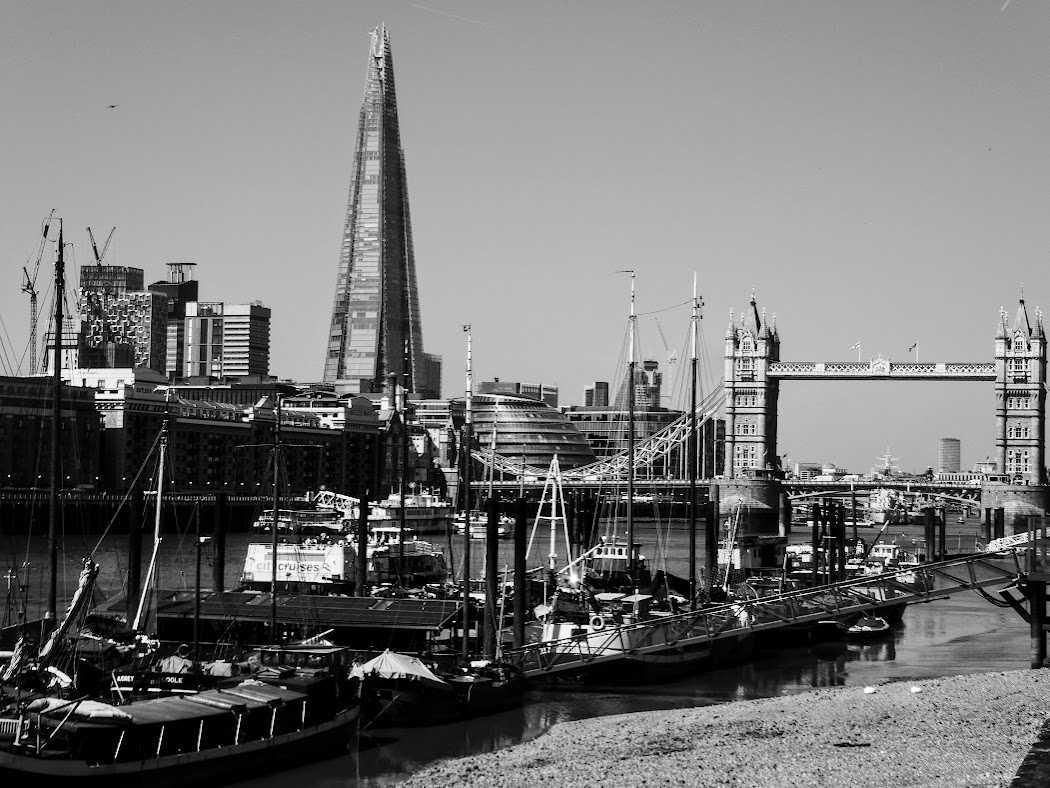
I arrived at Tower Bridge just in time for a lunch time sandwich. The area is glutted with tourists, but take yourself only a few yards away down the path and you can have a bench with this view all to yourself.
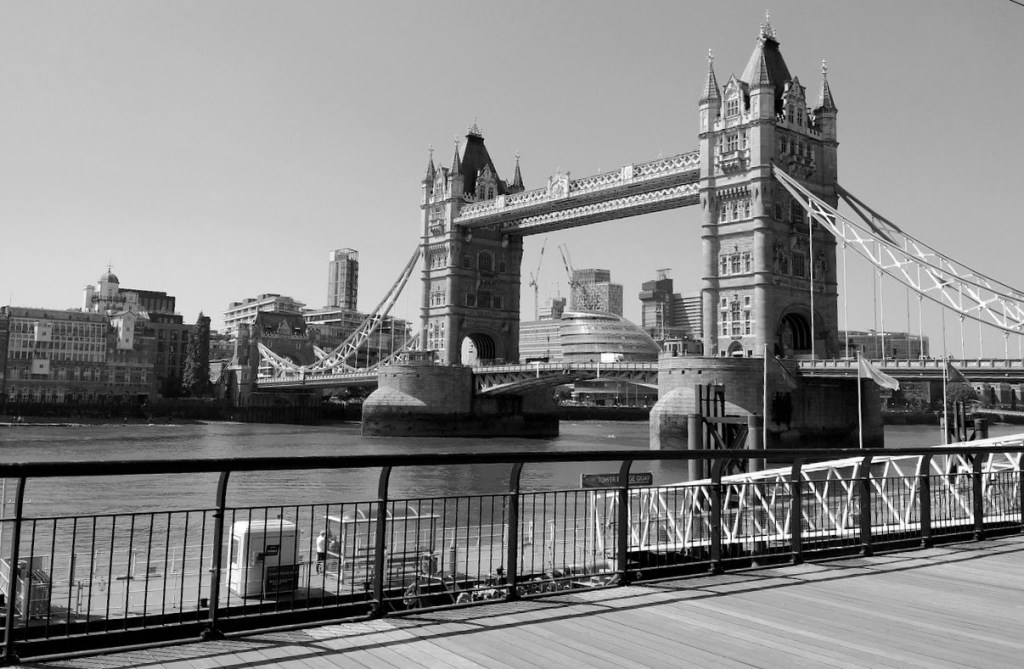
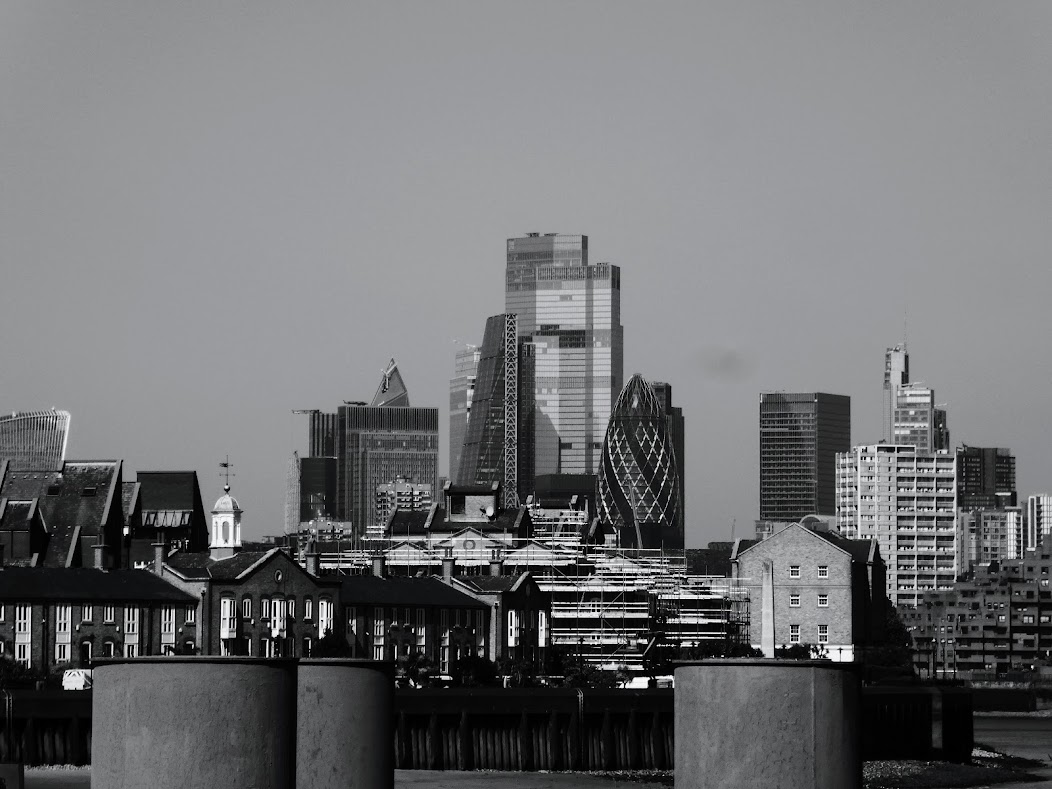
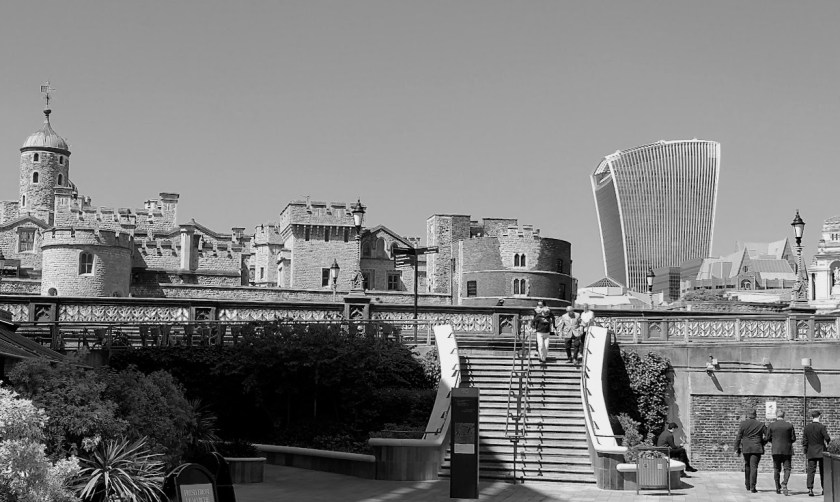
I didn’t stay long near Tower Bridge, built in 1886 or the Tower of London, built in 1066, both log-jammed with visitors. But the contrast between the very old and the extra-new captured in this shot appealed to me.
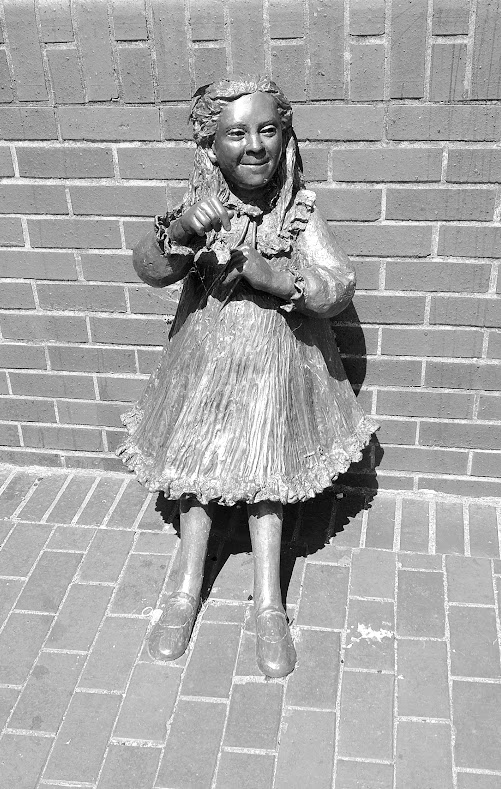
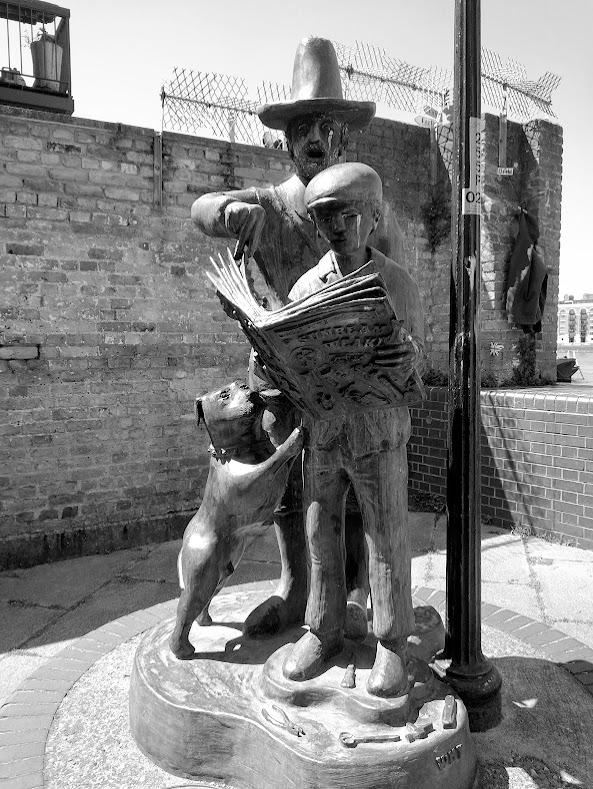
It was time to head back along the southern shore. This was easier. My morning journey had been hampered by diversions as a giant sewage system was being installed along the route of the path. My return through the evocative-sounding communities, reminiscent of Dickens (Bermondsey, Rotherhithe) was straightforward. It was here that I learnt about Alfred and Ada Salter, both born into relative privilege, who over a hundred years ago, devoted ther lives to alleviating the tough lives of the poor in Bermondsey. Quakers, Alfred was an outstanding doctor who treated poor patients for free and imported into Bermondsey all the latest medical clinics and facilities, creating in miniature an ’NHS before the NHS’. In 1922 Alfred was elected as MP for Bermondsey, representing Labour. Ada devoted her life to the demolition of slum housing. She built a model housing estate at Wilson Grove, campaigned against air pollution as early as 1913, and on the London County Council carried through a programme for the beautification of all of London Borough parks, children’s playgrounds and tree-lined streets. She became the first female Mayor of London – and the first Labour mayor! They insisted on living amongst the poor they devoted their lives to, and in 1910, their only child Joyce died of scarlet fever: a tragedy they never got over. Alfred and Ada earned the unending trust, support and love from the community they devoted their lives to. Somehow though, I only seem to have a photo of the statue of Joyce, playing by the Thames. The Salters were, I think, the kind of couple to gladden the heart of Anabel, The Glasgow Gallivanter.
A little further along is another group: commemorating this time the intrepid band we call the Pilgrim Fathers. They were a group of English separatists – Protestants with extremely severe principles – who in 1620 sailed to America on the Mayflower to establish a colony where they could practice their religious ideas freely. Very bright sunshine made it impossible to photograph them easily, so you’ll have to make do with this one .
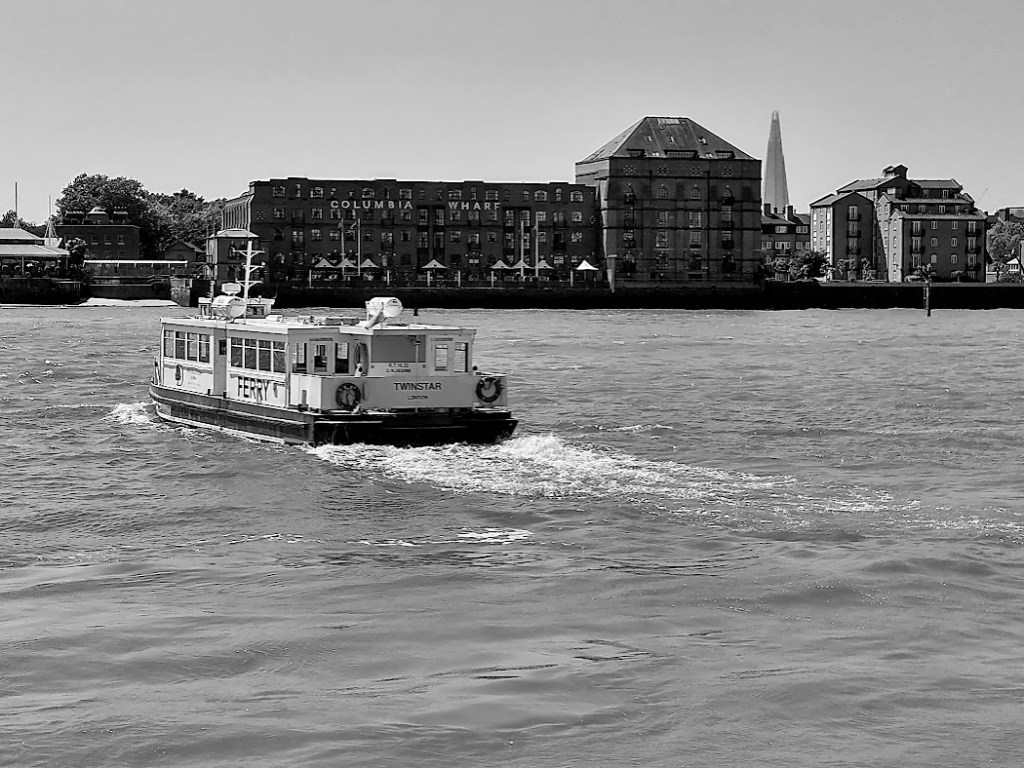
As I approached Canary Wharf again from the opposite bank, it suddenly occurred to me there is no bridge there. Aagh. Transport links from this side weren’t ideal for me. Cogitating my conundrum, I noticed signs for a ferry that would do exactly the journey I needed. Here is my saviour ferry boat. But salvation comes at a price. My two minute journey cost over £7.00. The ferry company knows a captive passenger when it sees one.
But I had a day filled with interest and exercise. And a plan. Over my next few visits to London, I’ll be walking the Thames Path. I’ll start from – not the sea itself. That’s too complicated. But at Crayford Ness. It’ll be unlovely: but interesting. From the Thames Barrier at Woolwich I’ll walk the river’s course through London. Using my son’s family’s home as my overnight base, my quest may end as London peters out. But we’ll see … Watch this space.

For Jo’s Monday Walk

and Leanne’s Monochrome Madness.
Mirror

Today, it’s my turn to offer a theme for Leanne’s Monochrome Madness. And I’ve chosen Mirror.
‘Magic mirror on the wall, who is the fairest one of all?’ So asks the evil queen in the classic 1937 Disney film Snow White and the Seven Dwarfs.

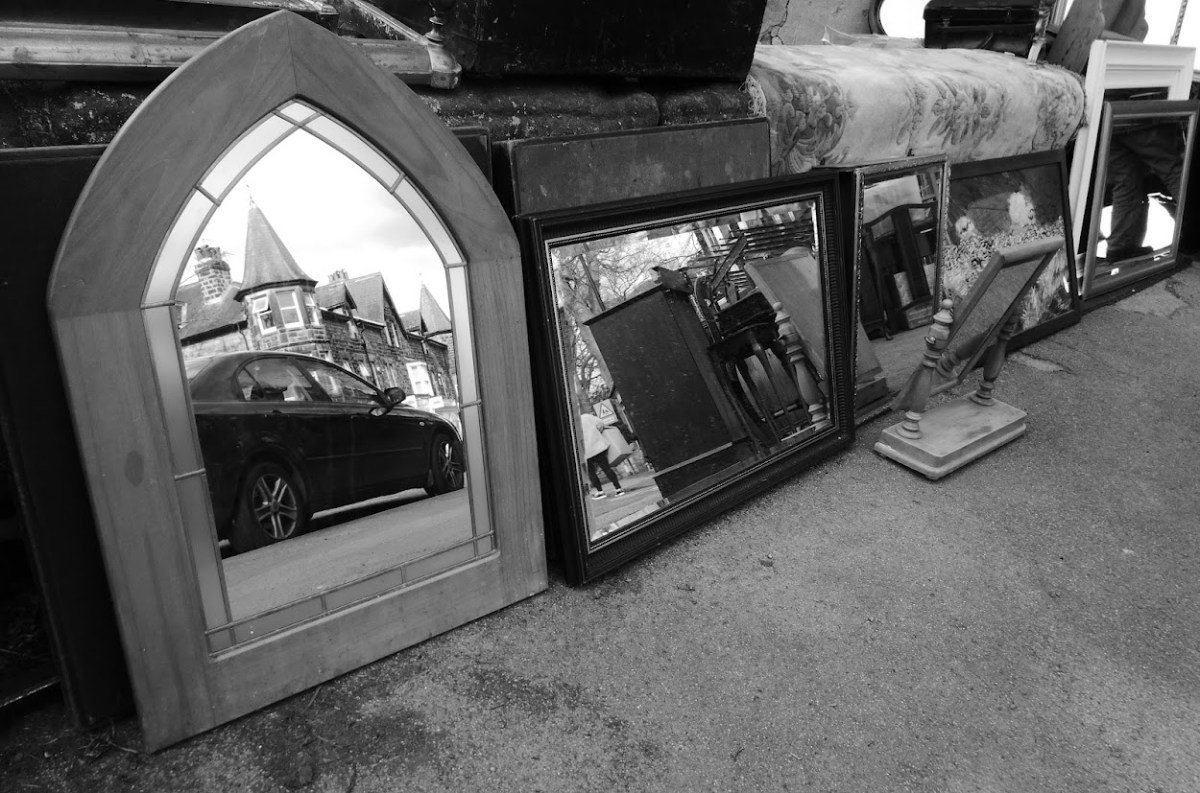
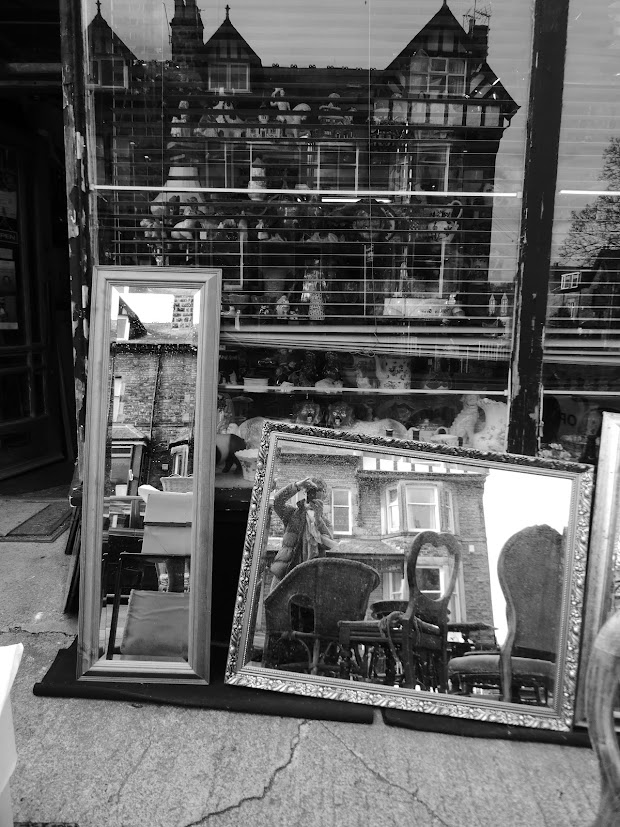
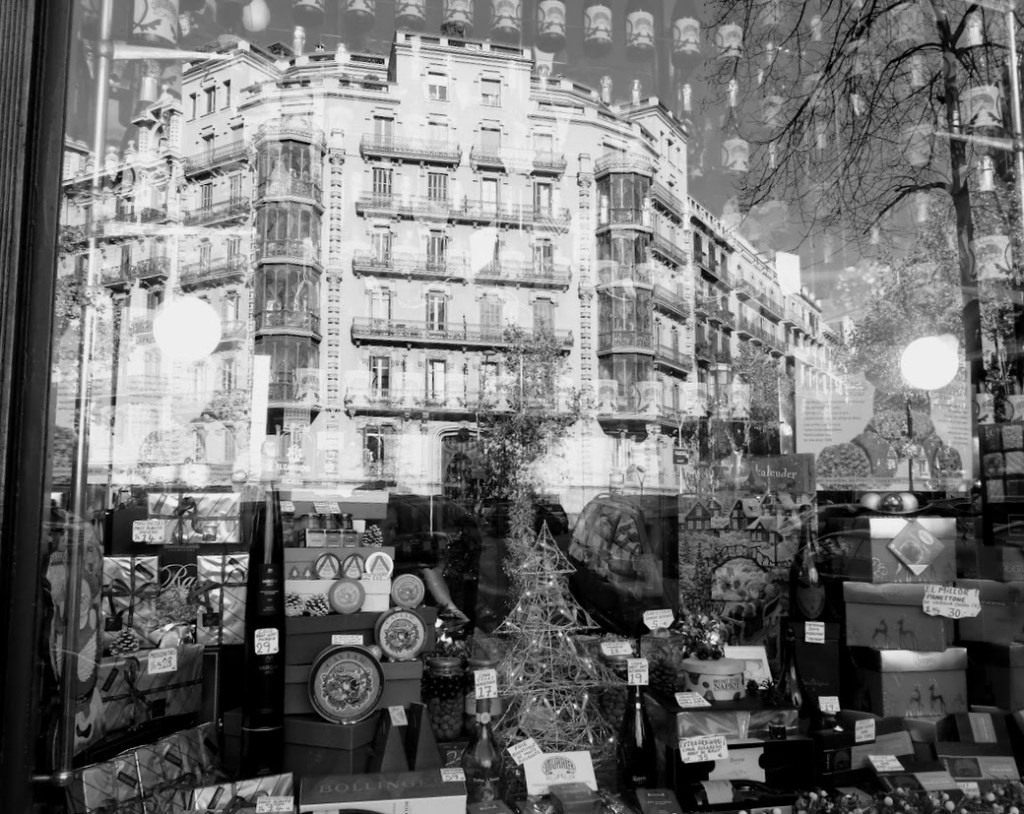
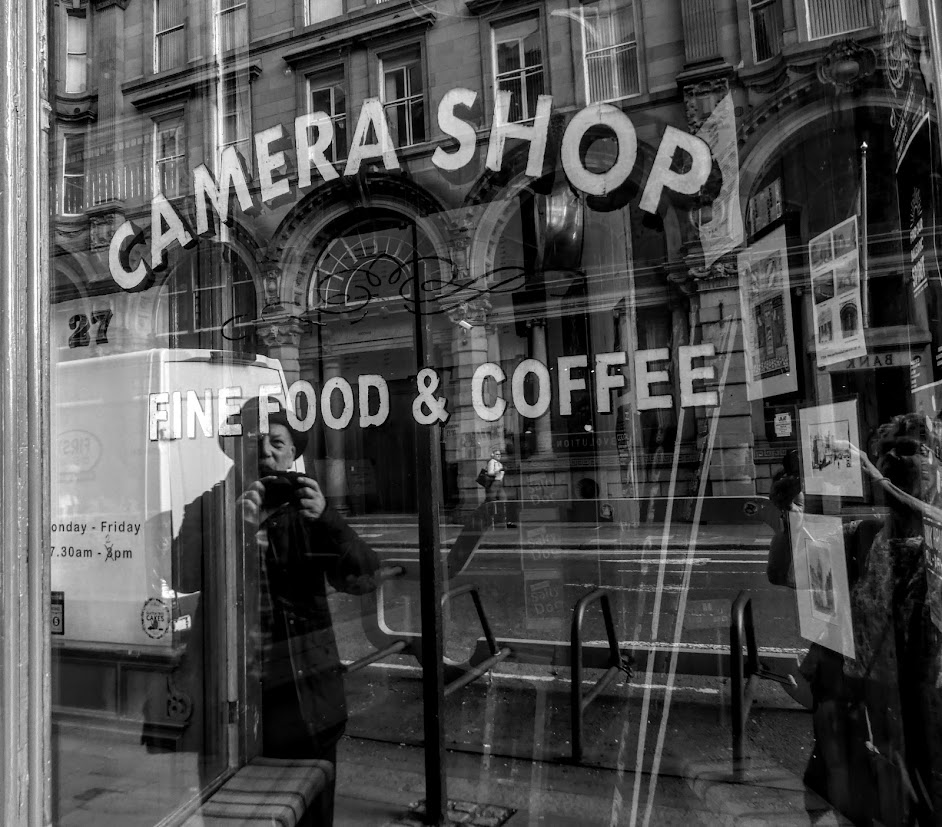
I haven’t used my mirror to find the answer to this question, largely because I haven’t got a magic one. But I have found some mirrors in a junk shop in Harrogate, reflecting both some of the goods on offer, and the Victorian street where you’ll find it. In fact the shop window itself serves as an extra mirror.

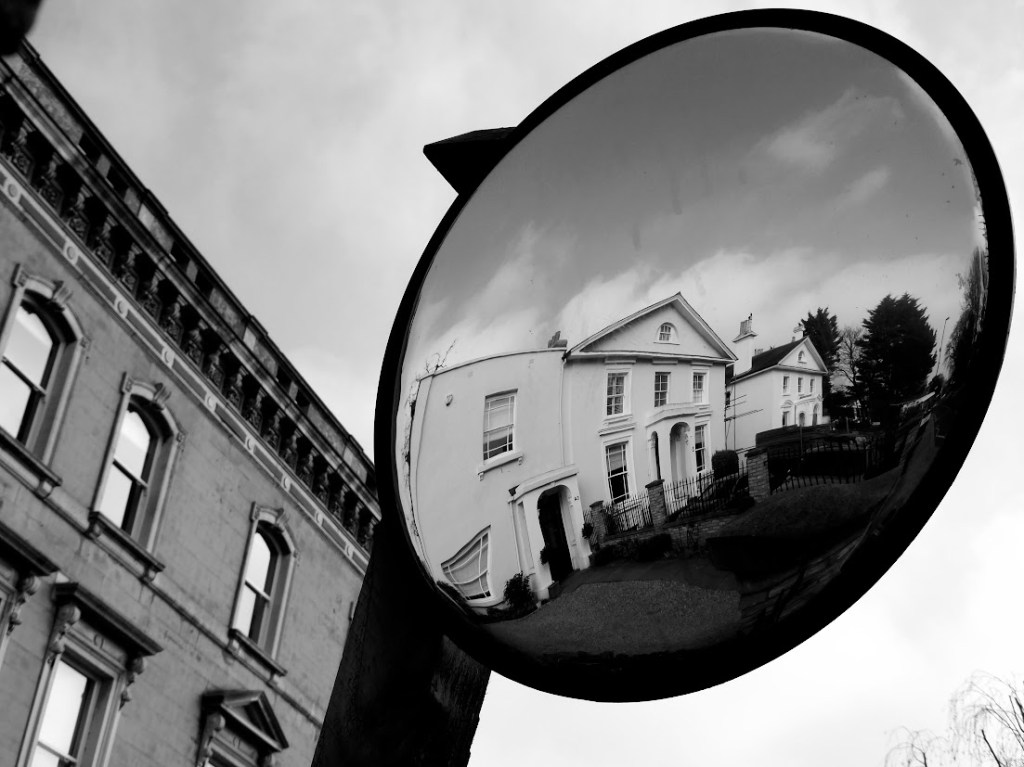
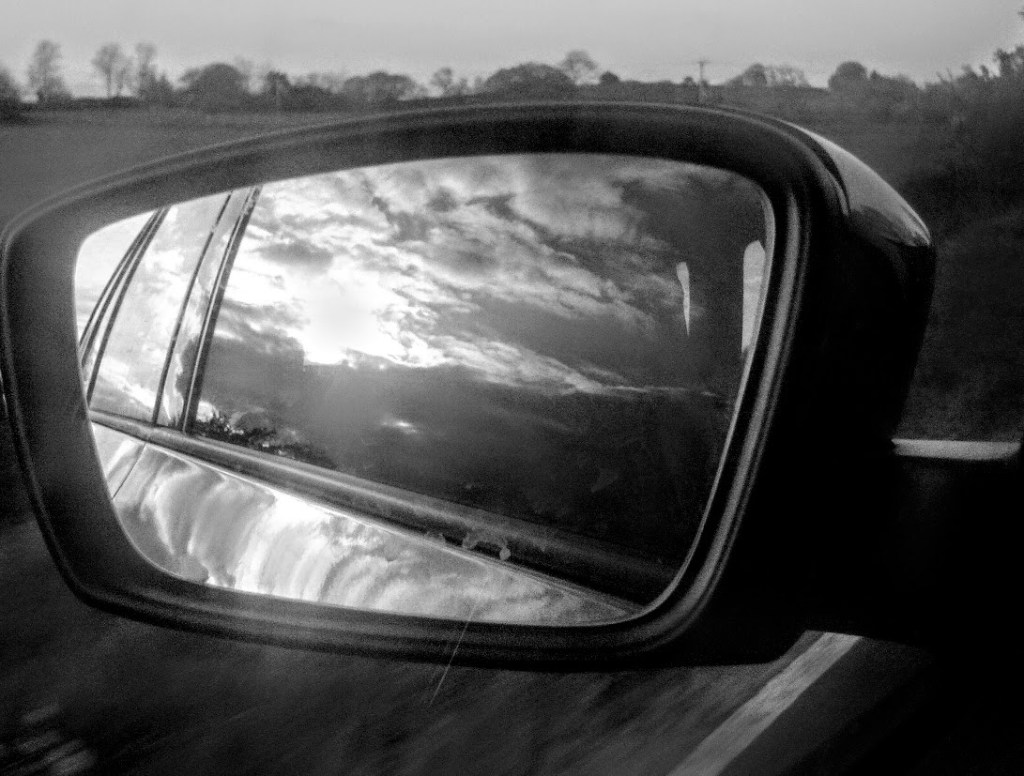
And here’s another street mirror, helping the motorist out into a busy road. And a car’s passenger-side mirror in Lancashire one winter’s morning.

Let’s default to shop windows as mirrors.

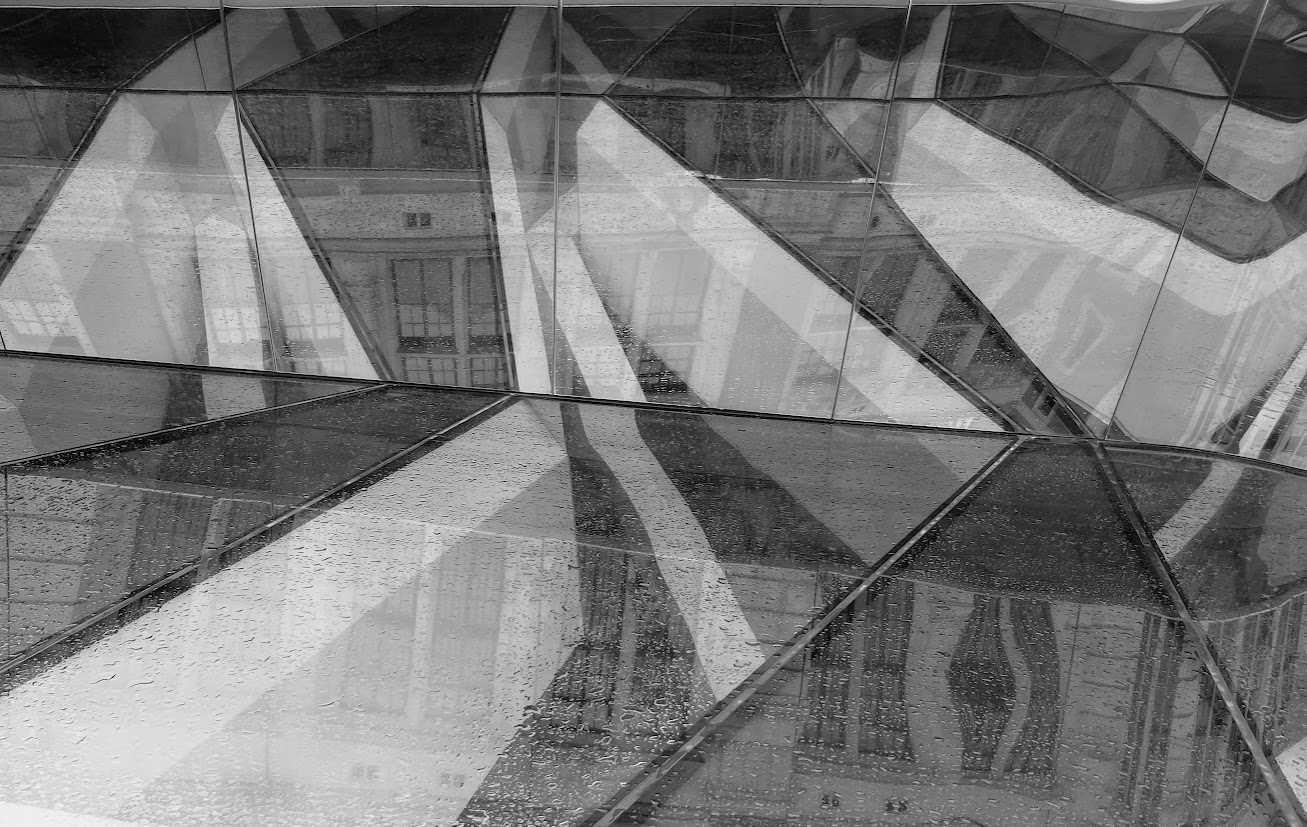
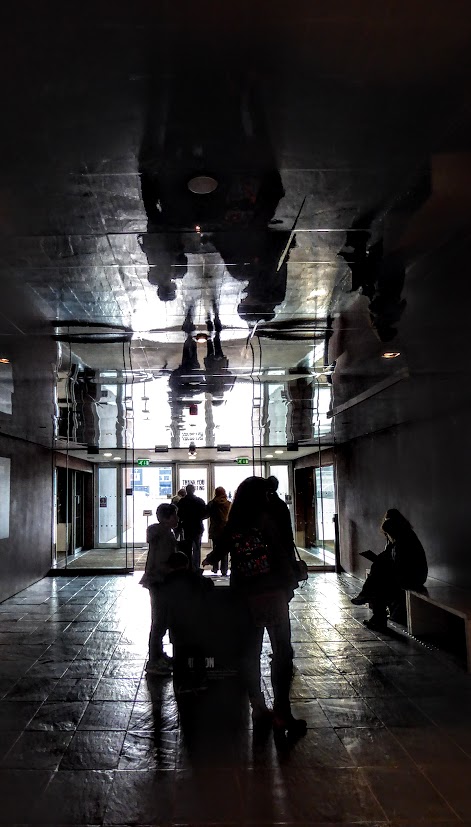
And the Baltic Gallery in Gateshead makes a ceiling into a mirror, while outside the VA in London is one in marble……

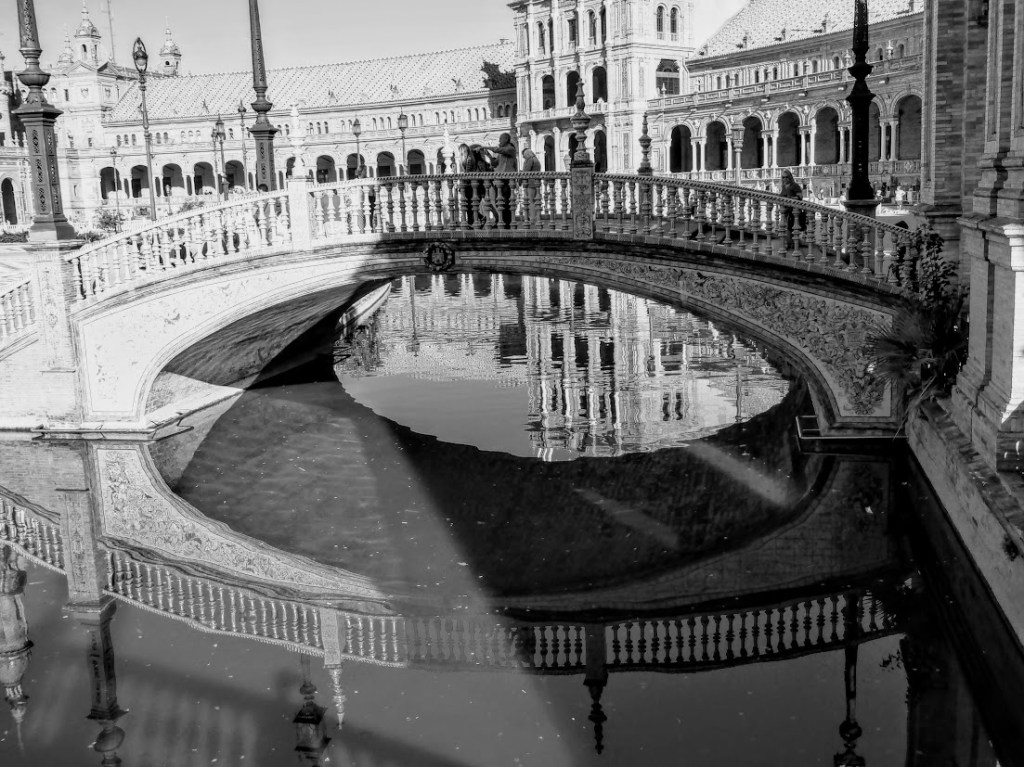
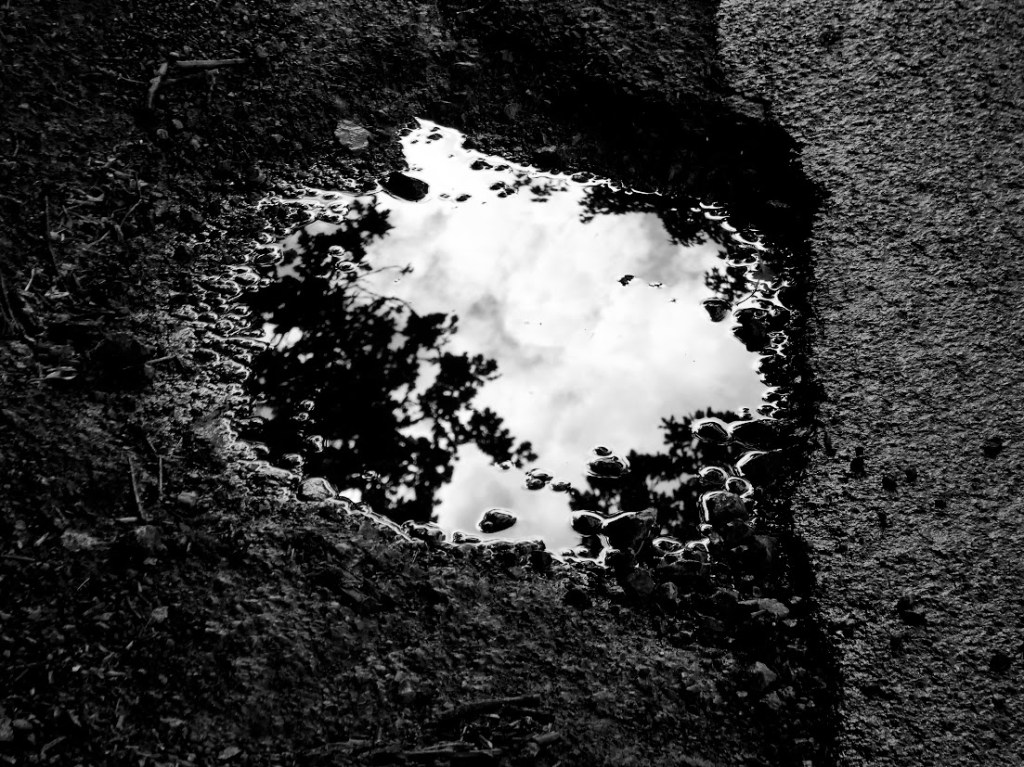
Water is an old favourite for a reflective surface. Let’s go to Studley Royal, Seville, a humble puddle in Masham, and the Leeds and Liverpool Canal in Gargrave.

…. and finally, an impromptu wintry lake mirror near home.

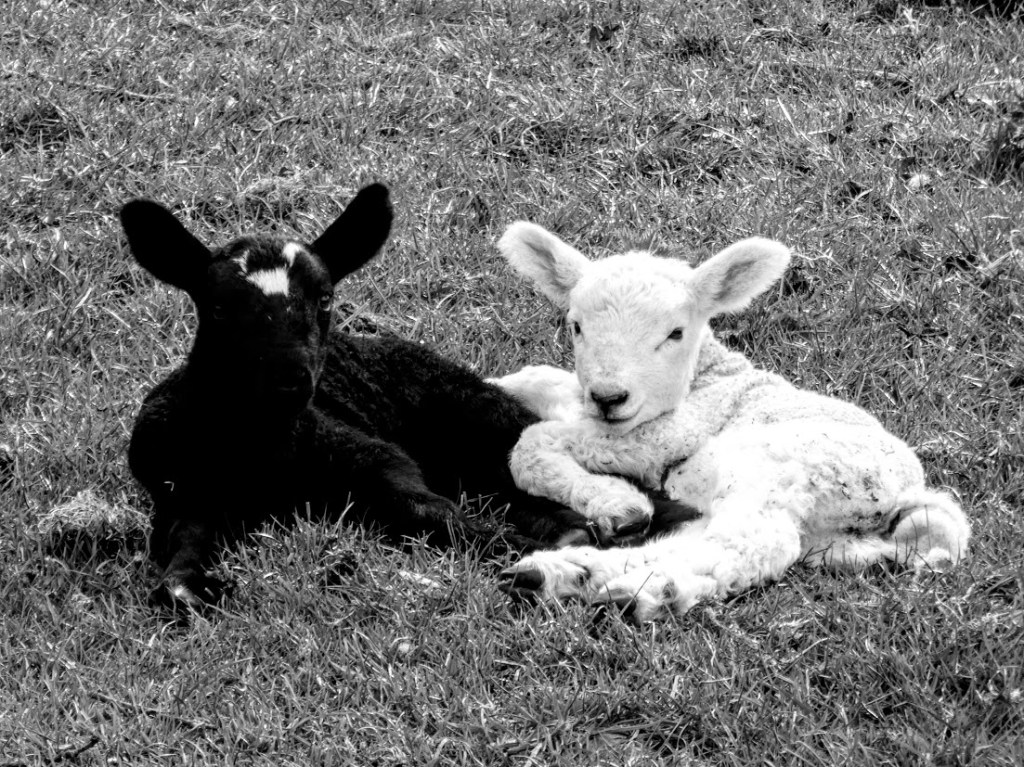
Oh, and finally finally, a bit of fun. Two little lambs spotted last week. Using a pre-digital film analogy, one’s a negative of the other. Not quite mirror images, but please don’t quibble when they’re so sweet.

Night Time

Night photography isn’t really my thing, so Elke, this week’s host for Monochrome Madness, provided me with a real challenge when she proposed Night time as her theme.

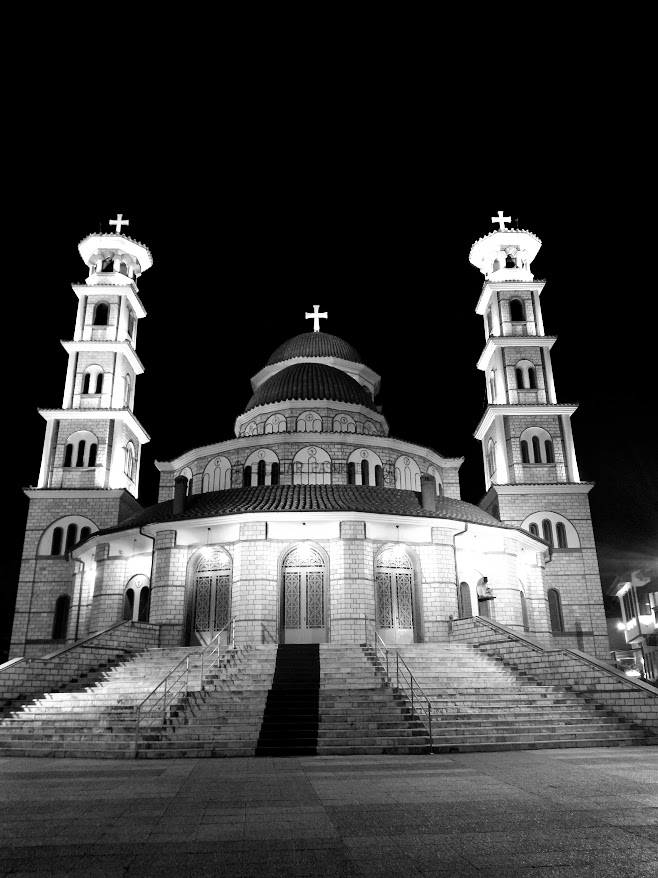
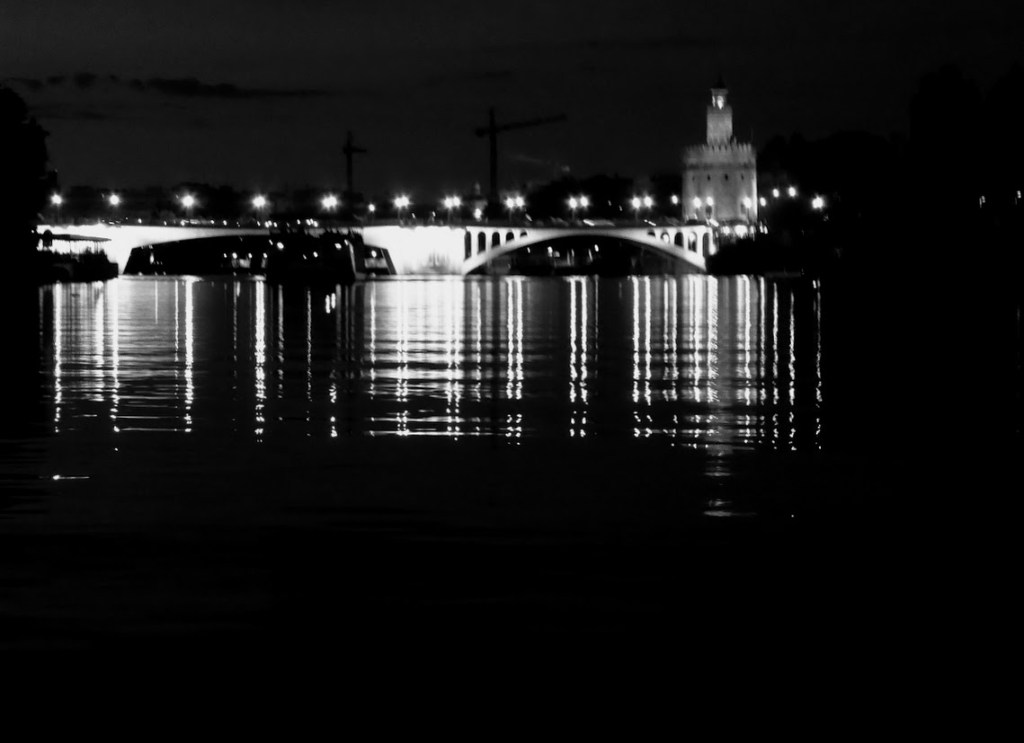
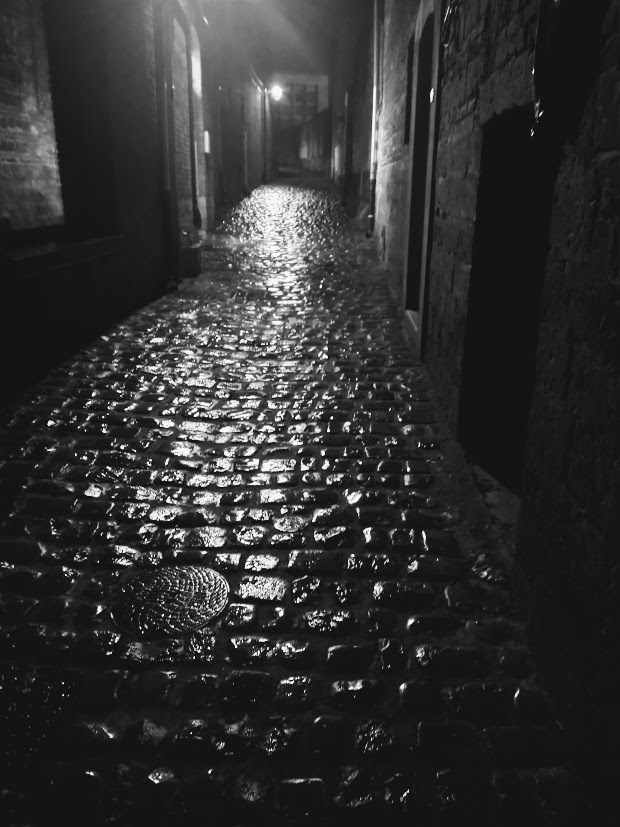
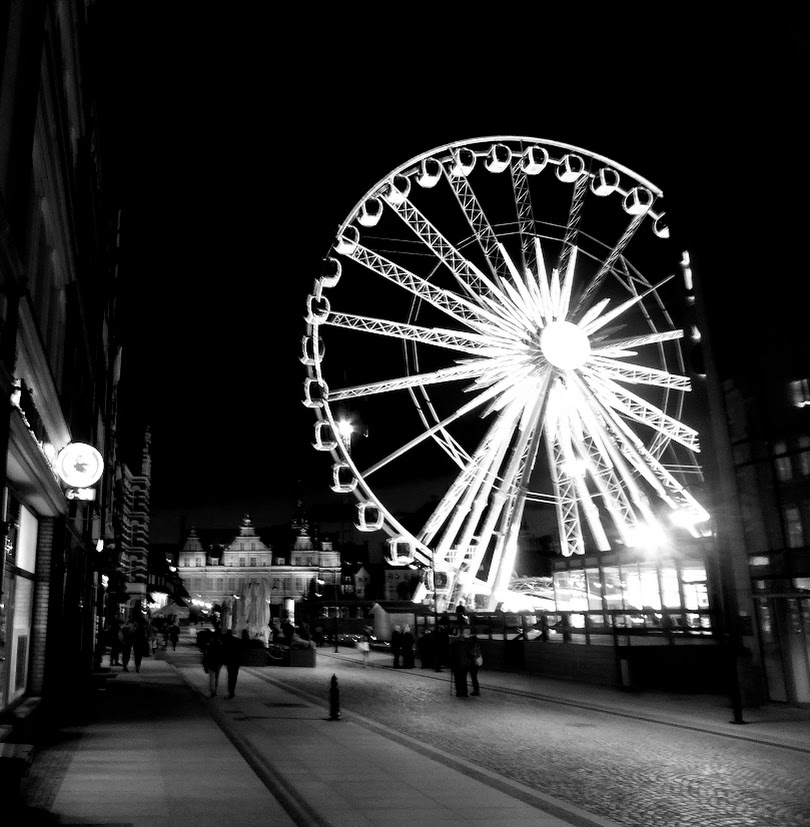
Unsurprisingly, towns and cities provided me with a few ideas. Let’s go on a quick tour. Let’s visit Albania, England, Spain, France, South Korea and Poland…

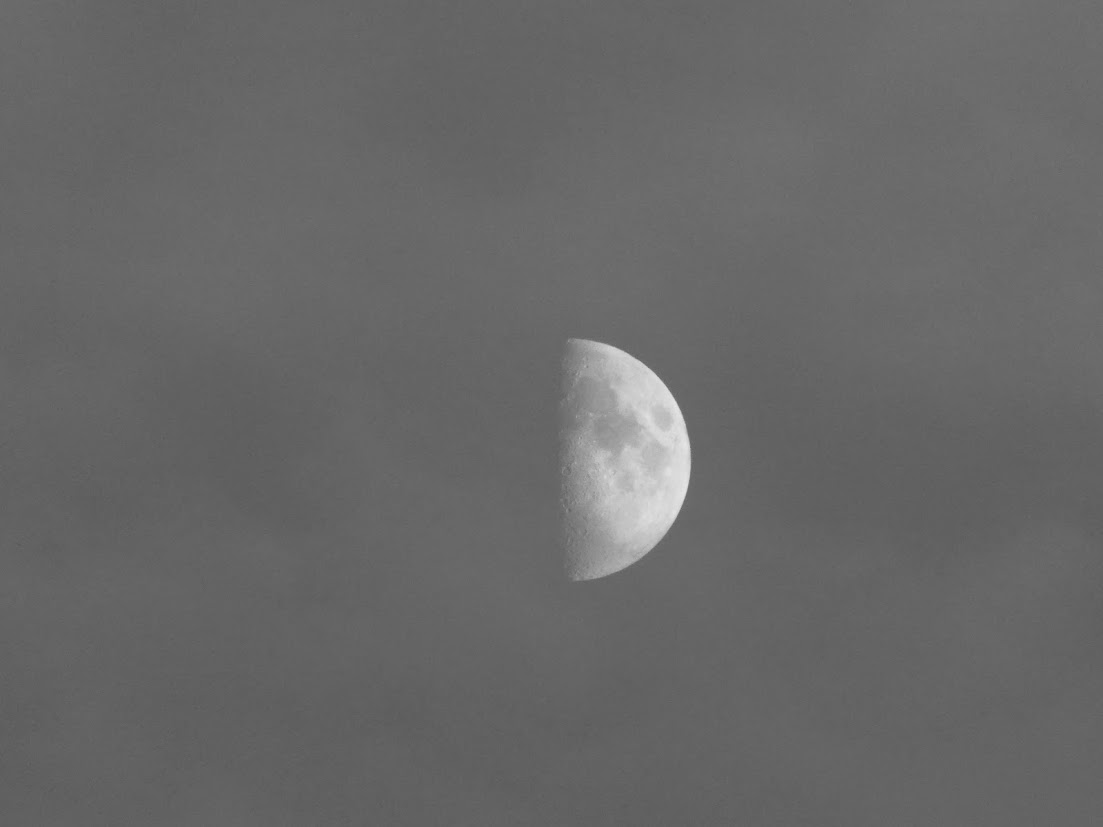
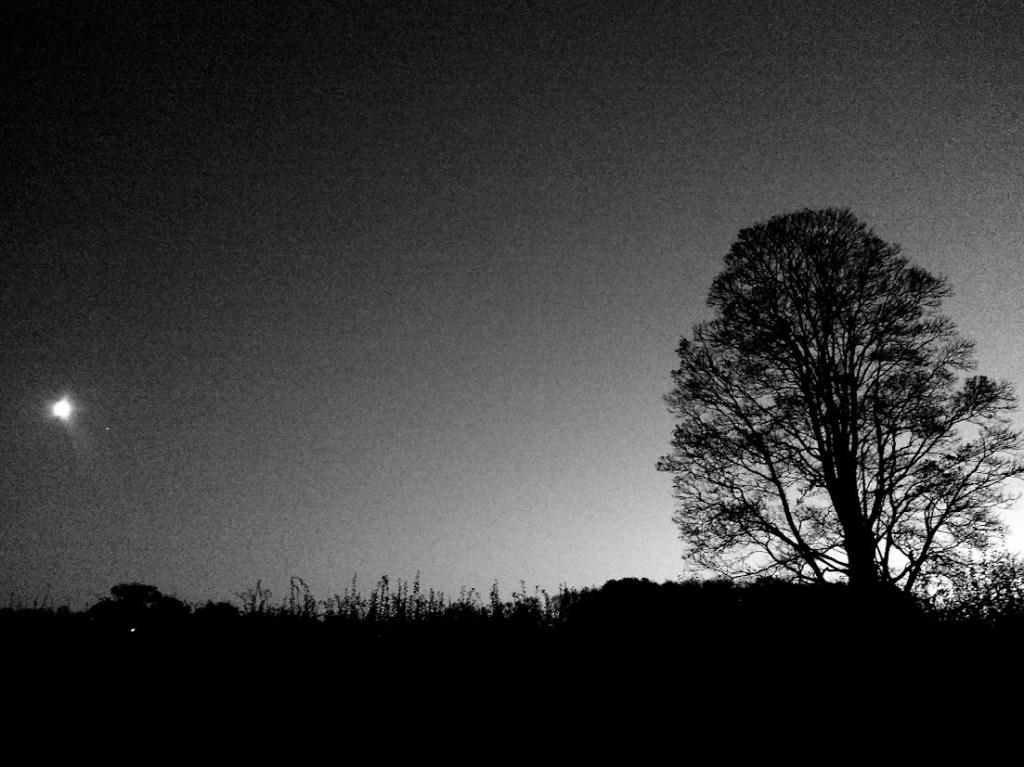
Really though, Country Mouse prefers to dodge big cities. My featured photo is of the moon as darkness fell recently, while the photo below was taken just at the end of the road.

Boy, Benches, Pelicans

When I was a schoolgirl living in London, I often walked through Saint James’ Park. I liked the waterbirds on the lake, and sometimes fed them. In the far corner of the lake was a small island. And on this island were pelicans.. Such an exotic sight! But they made sure we saw little of them, and kept themselves strictly to themselves.

More than half a century on, something has happened. The descendants of ‘my’ pelicans have become bold, and saunter round the park , making their presence felt. As you see. Before long, they’ll be sitting on those benches.

For Jude’s Bench Challenge.

Bench at the Gasholder

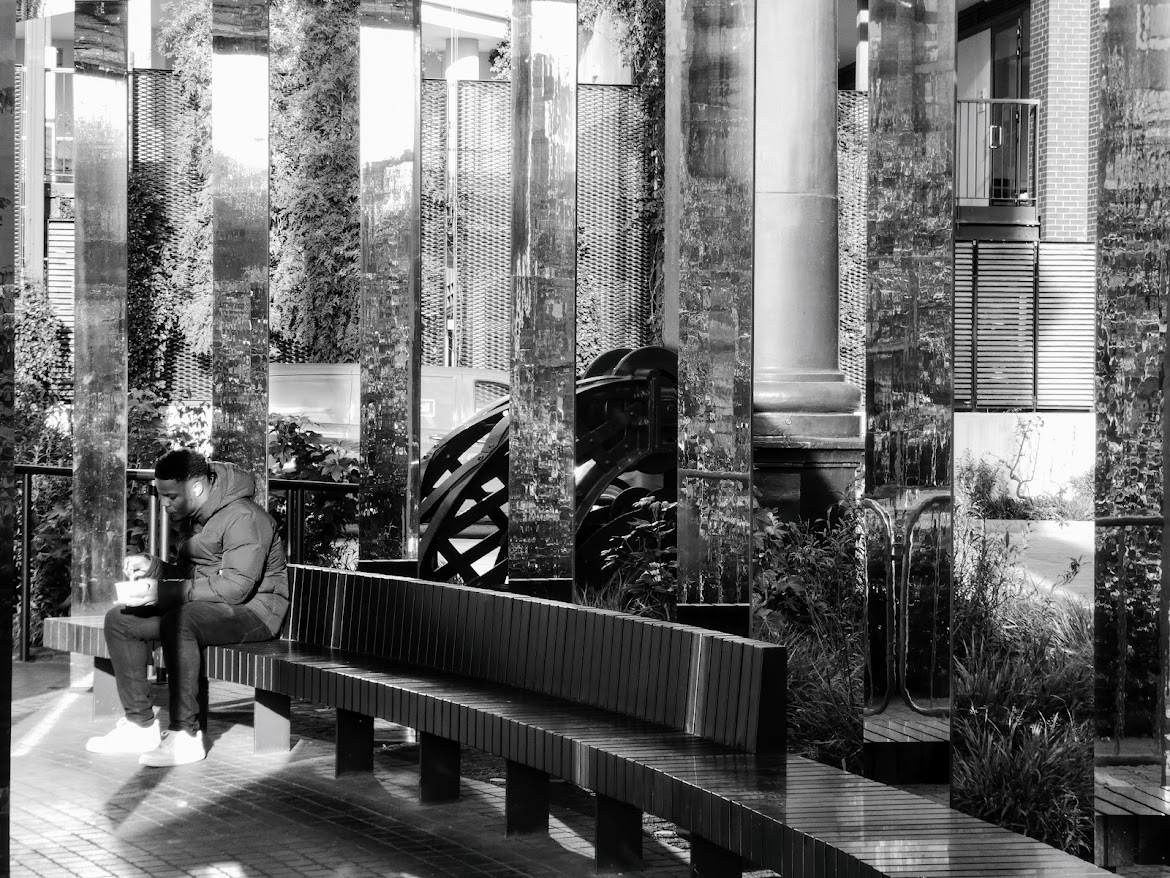
Once upon a time, round about the 1850s, gasholders started to become a part of the urban ladscape, storing gas which was then sent on to bring light and warmth to local homes. Their distinctive presence came to be loved and loathed in equal measure by those who lived within sight of them. Many have now been destroyed, but some have been repurposed and redeveloped as up-market housing: as here , near Kings Cross in London. These are a couple of people enjoying a quiet moment in one of the urban gardens here, protected from the rigours of English weather. I rather like the slightly hard-to-read nature of these images, where shadows battle with columns to confuse the eye.

For Jude’s Bench Challenge.

Winter Trees

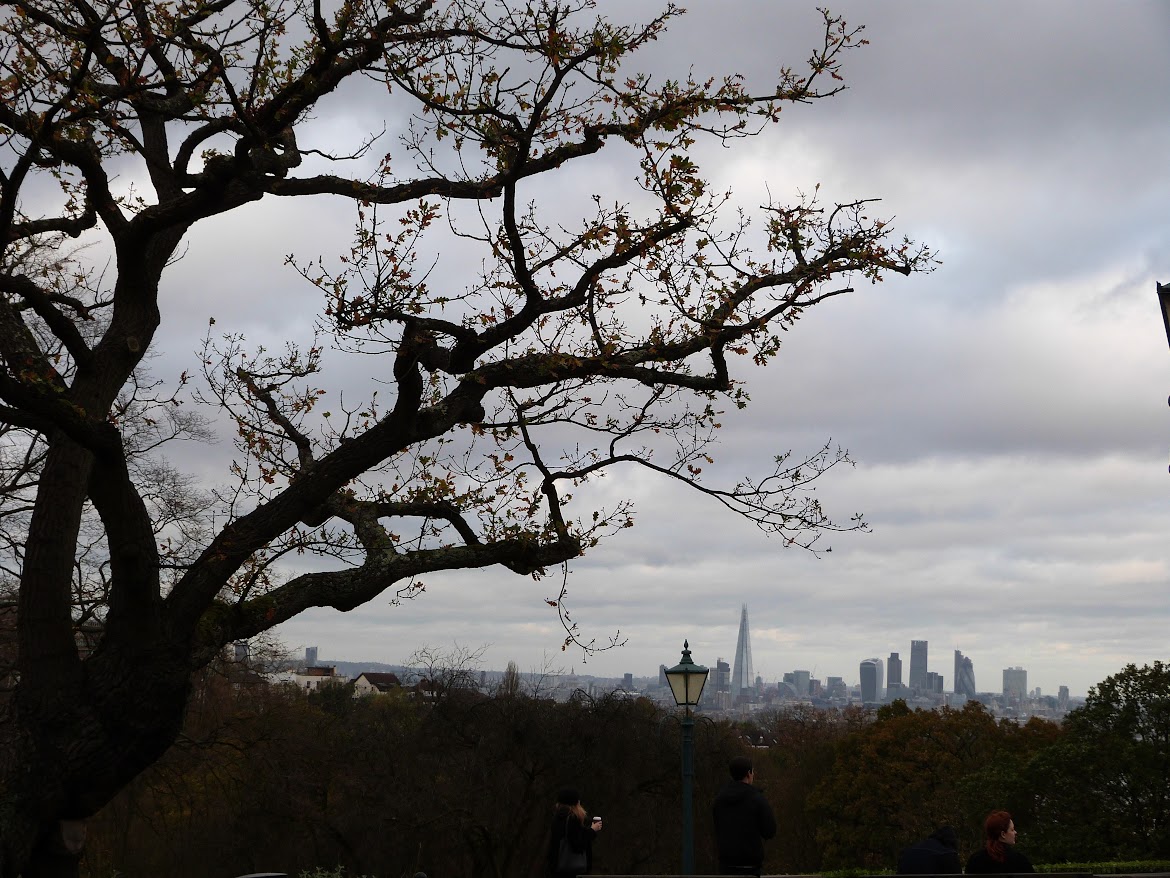
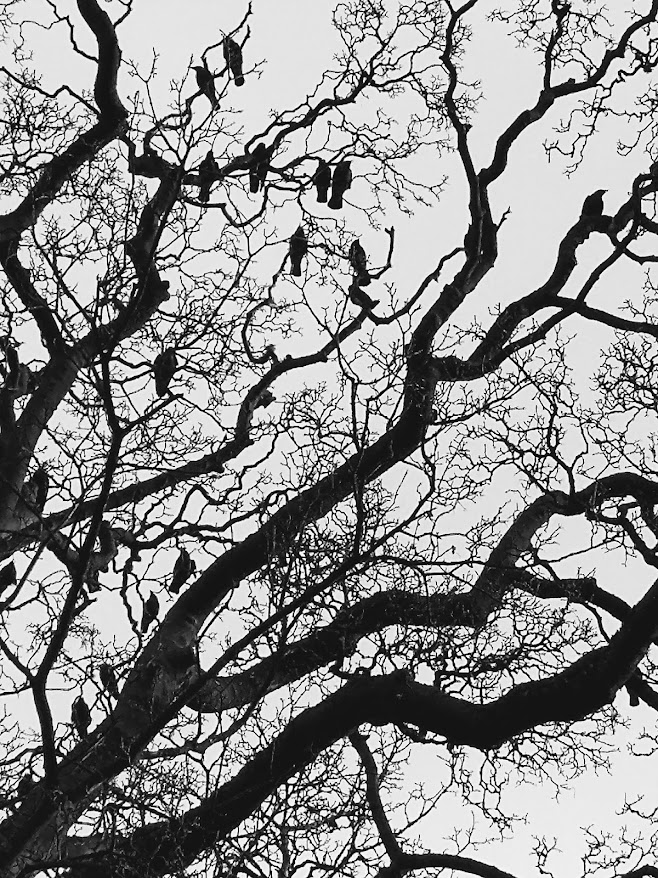
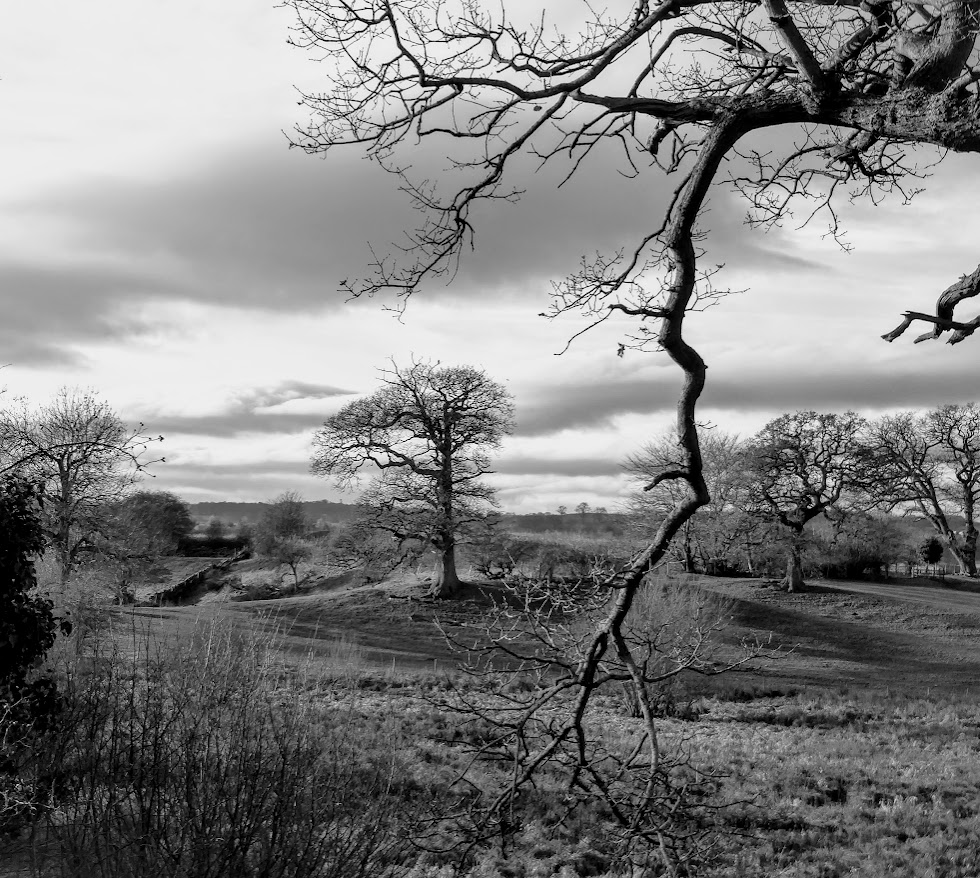
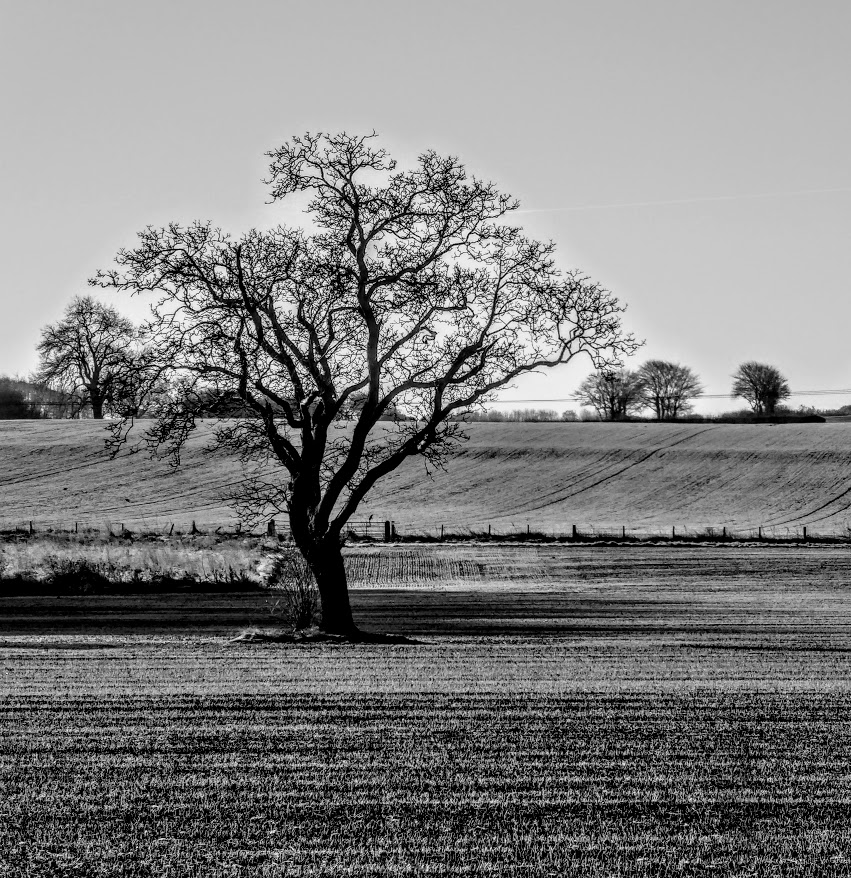
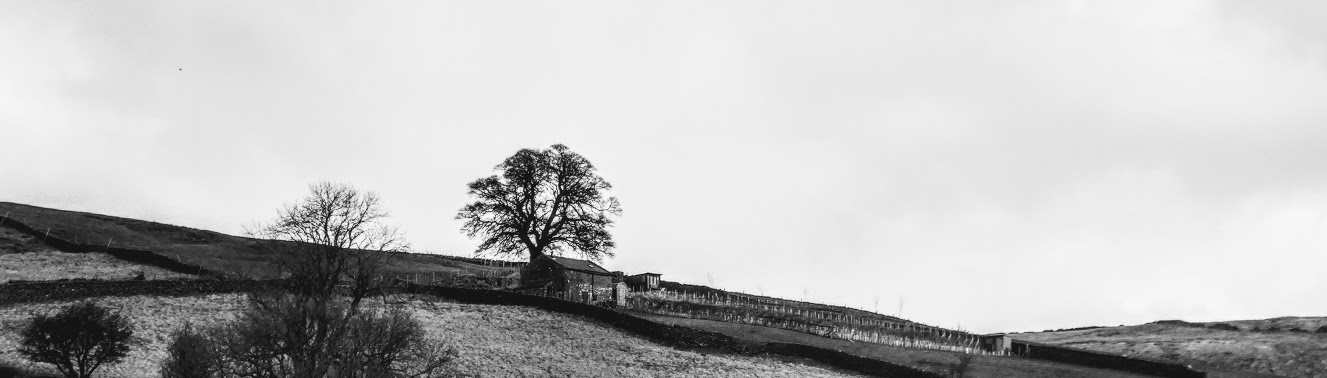
This week is perhaps the first one in which winter trees came into their own here in North Yorkshire. Recent high winds have snatched the very last scraggy leaves from their boughs, and now their austere skeletons are revealed in all their – often handsome – characterfulness. Here’s a small selection for Leanne’s Monochrome Madness. The header image, taken in Horniman Gardens, Forest Hill is not a true monochrome, but I’ve left it just as it is, to remind us that winter days – in London especially – can be black and white indeed. It’s the only image here not from North Yorkshire, or as we might call it today, The Frozen North.
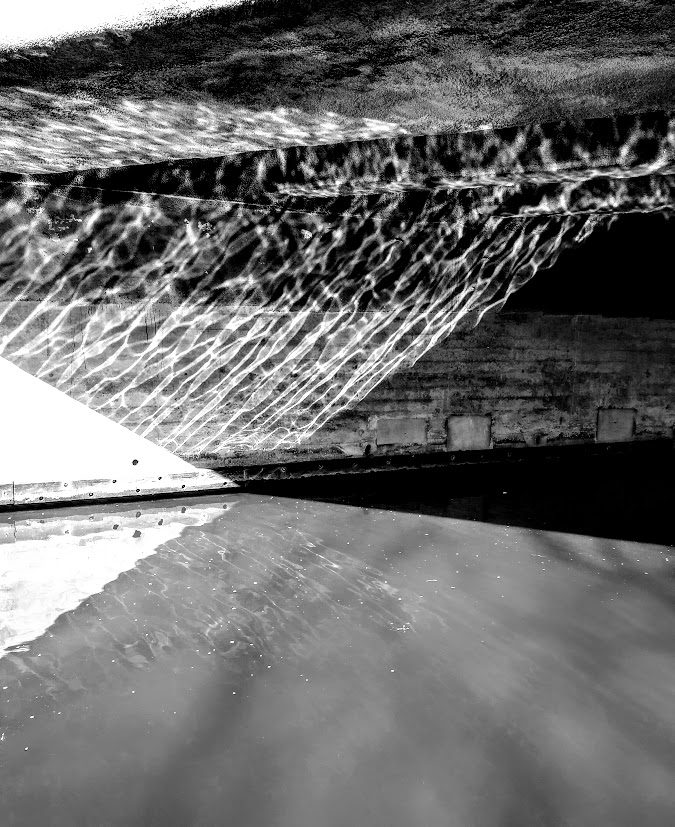
Why the long face? Winter’s not ALL bad.

Swinton Park Estate, North Yorkshire.

The Meeting Place -the Details

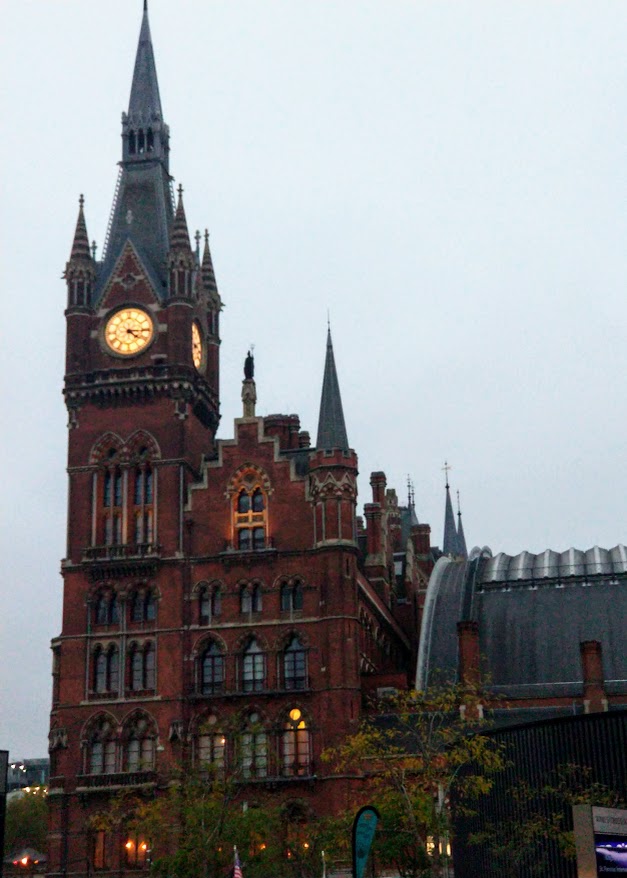
On my way to and from London, we often pass through the Victorian Gothic masterpiece which is St. Pancras Station. The featured photo shows the sight that greets us as we emerge into the open from the adjacent and much less interesting Kings Cross Station.

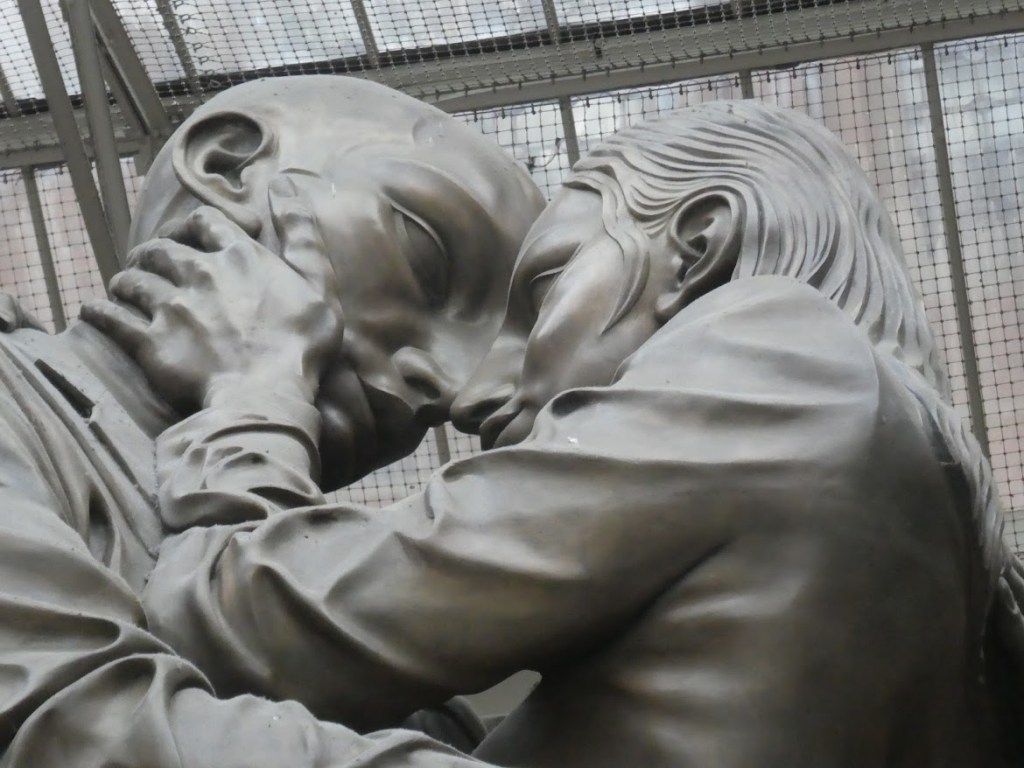
This time, we had a little time to mooch round St. Pancras, and I’ll share some photos another time. But today, for Patti’s Lens-Artists Challenge, I’m going to focus on the statue that I love to hate, and that greets us as we enter the station. It’s Paul Day’s The Meeting Place , and it’s been here since 2007. The design brief at the time asked for a statue that would ‘capture the spirit of romance once associated with train travel‘ and ‘be iconic like the Statue of Liberty‘. Two young lovers, one a soldier, exchange a farewell embrace. I find it cloying and sentimental: something to do with the monumental size of this essentally private moment offends me. And as for being iconic. Imagine replacing, for example, Michelangelo’s David, or indeed the Statue of Liberty with this statue. I think not. I know this is a minority opinion, so I was delighted to find this article from the Guardian, published in November 2007.

Patti wants us to home in once – twice – and focus on the details of our chosen object. So here are the faces of this young couple.

Personally, I’d sooner glimpse down to their legs and look at the architecture beyond.

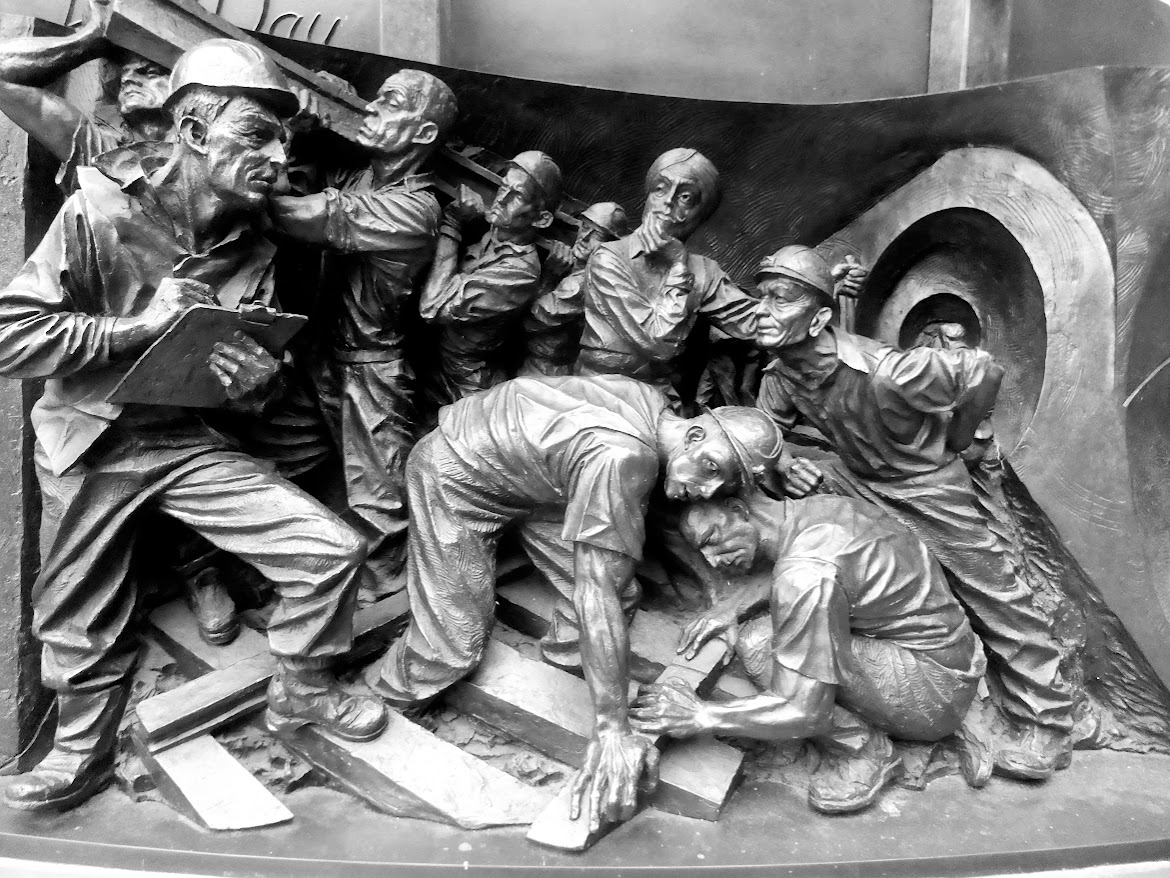
The plinth beneath was added slightly later, and is a collection of rather sombre scenes about which I have managed to find out little. In particular, the subject matter of the two scenes I show here eludes me. Perhaps the second one shows the evacuation of the underground after the terror attacks on the tube on July 5th 2005. But the first?

I never expected I would ever give this couple star billing. But sometimes, when you give your focus to something you haven’t appreciated, you discover what it is that other people have enjoyed, and that you have missed. It hasn’t worked for me with this one. Ah well.

PS. WP is having a moment again. Despite repeated attempts both yesterday and just now, it won’t allow me to add tags to this post. Anybody else?

Statuary for Small People to Enjoy

Monochrome Madness this week asks us to feature statues. I could show you Michelangelo’s David. I could feature statues of The Great and The Good, as featured in all big cities everywhere. Or Nymphs and Greek Gods from set-piece fountains everywhere. But I’ve decided to go low-brow and show you pieces destined to appeal to children, or adults in search of their inner child.
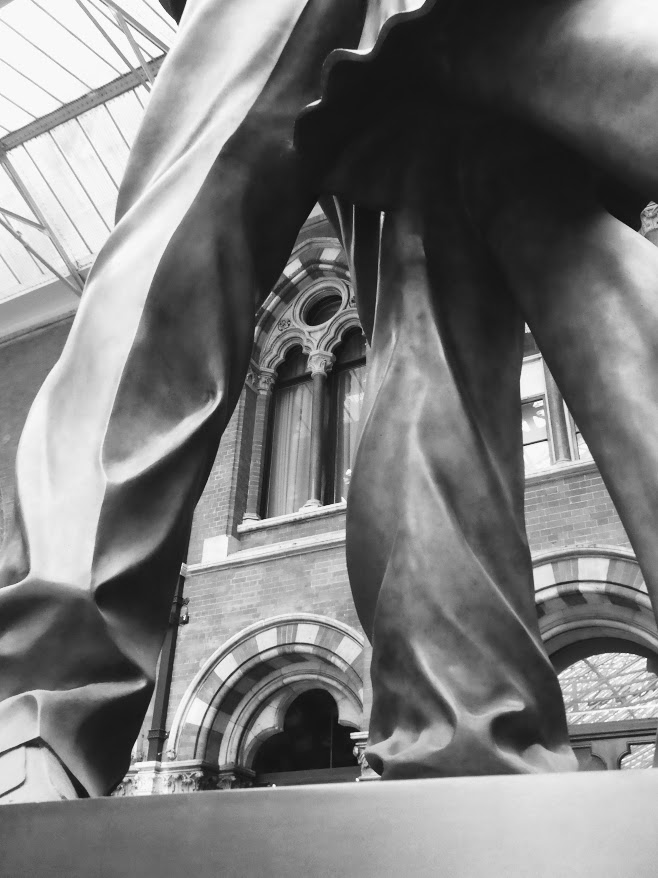
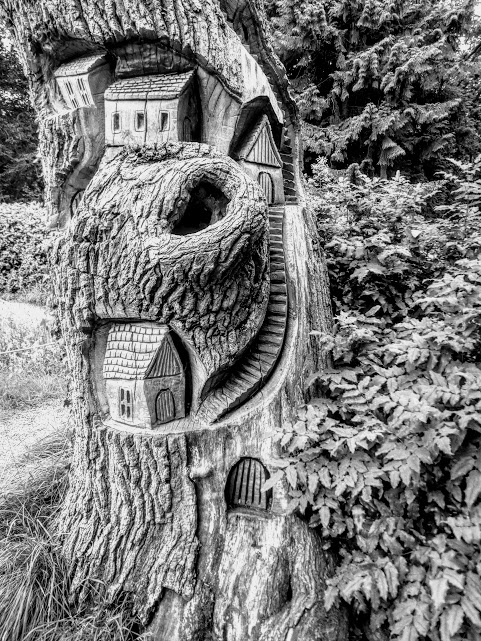
Let’s begin at the Arboretum at Thorp Perrow.

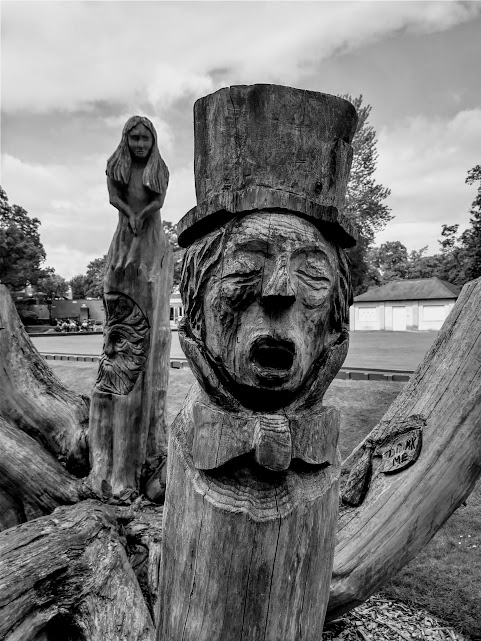
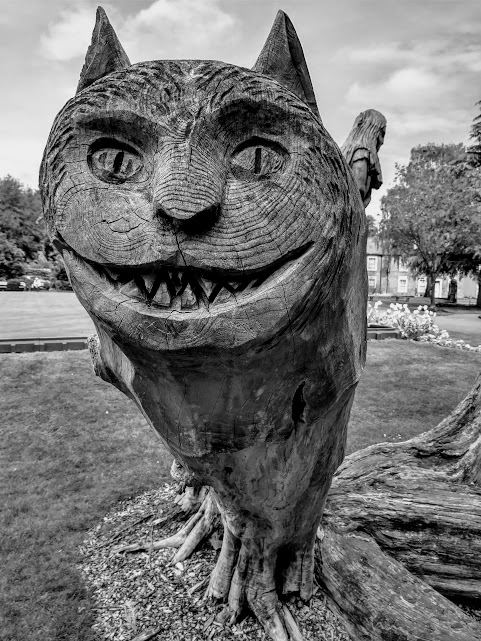
Then we’ll stay local and inspect the Alice in Wonderland characters you’ll find in Ripon Spa Gardens. Lewis Carroll spent part of his childhood in Ripon, because his father was a canon at the cathedral here.

I hope you recognise the Mad Hatter, the Cheshire Cat and the Queen of Hearts.

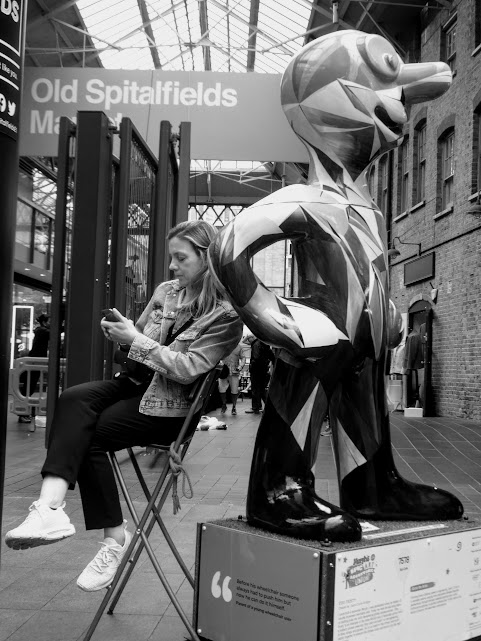
Then there’s this fellow, part of a sculpture trail promoted recently in London by the children’s charity Whizz Kidz.

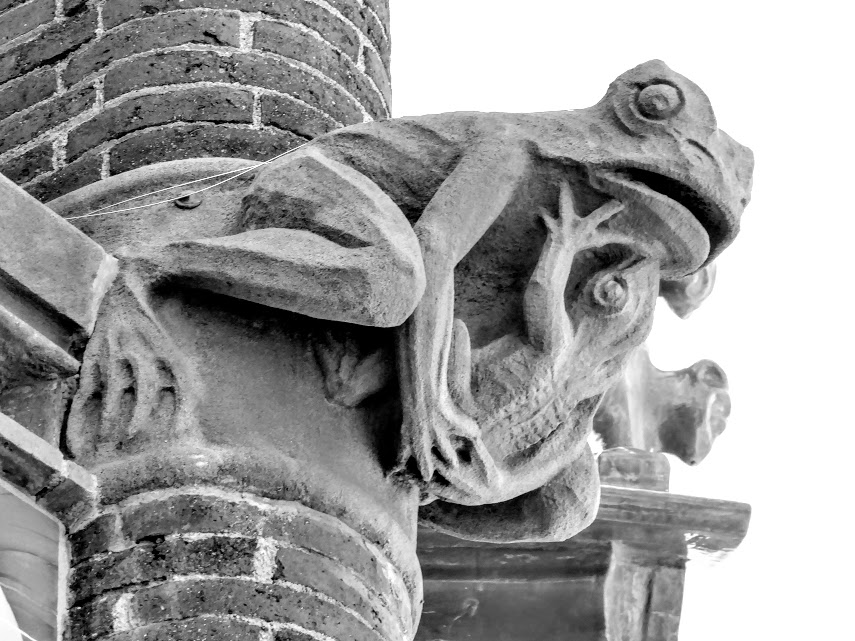
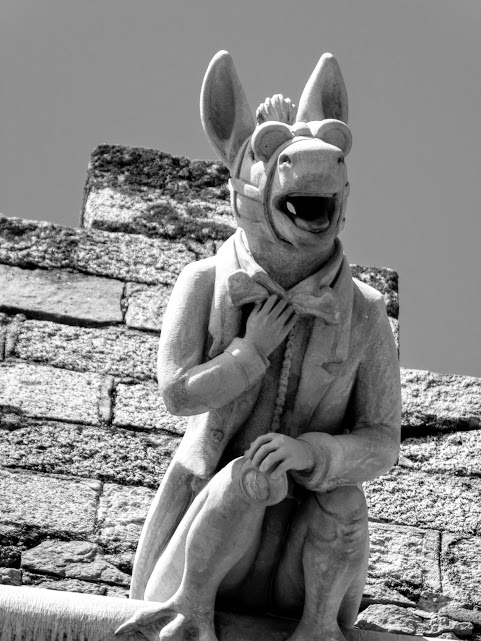
Here are some gargoyles, not necessarily designed for children, but certainly appealing to them: from the Hospital de Sant Pau, Barcelona, and the Església de Sant Julià in Argentona.

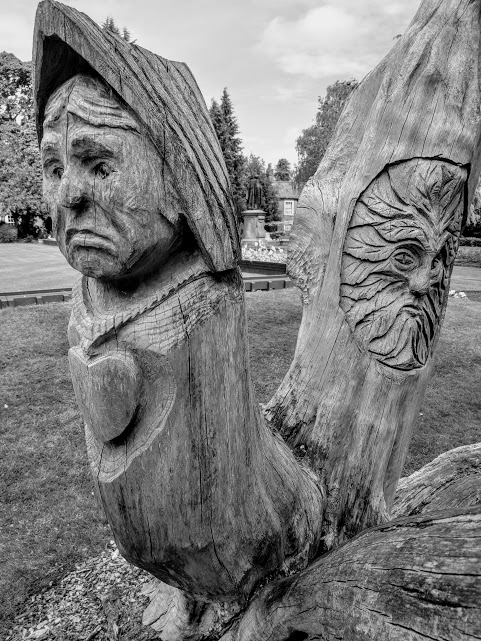
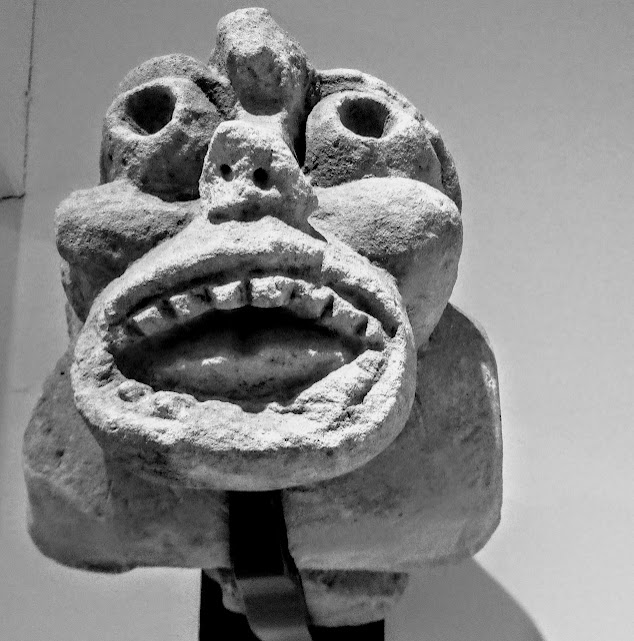
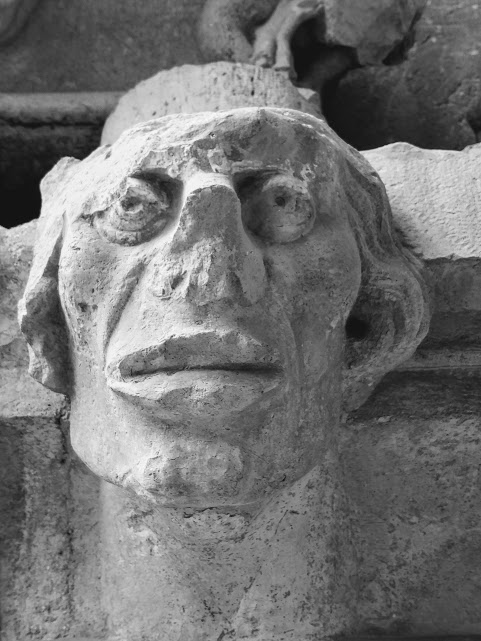
Monks and the Christian faithful – or certainly the masons working for them – generally weren’t above fashioning satisfyingly scary pieces. Here are two battered relics: one from Rievaulx Abbey, and the other from Rheims Cathedral.

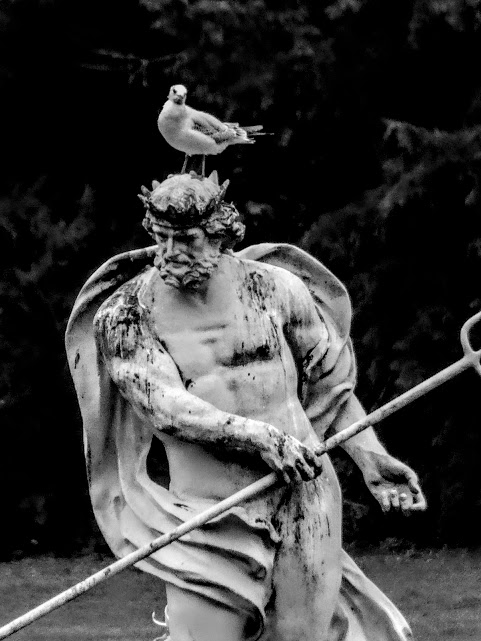
My last image isn’t of a statue designed to be amusing. But Neptune at Studley Royal always makes me and any children I happen to be with laugh when the poor fellow is sporting a seagull headpiece.

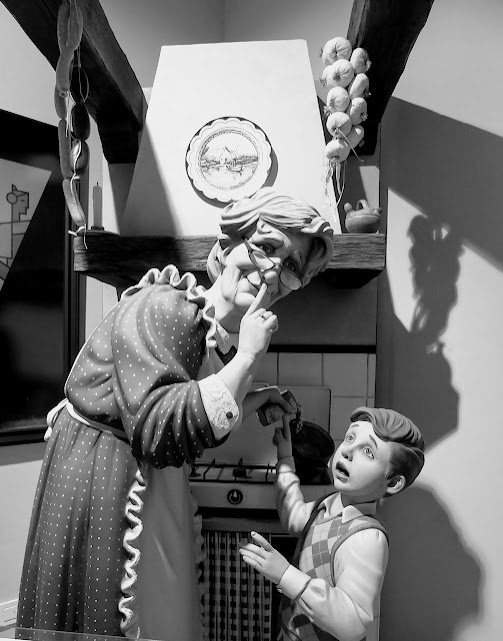
And my feature photo? Are they even statues? Well, I don’t know what else to call these two. They’re from Valencia’s annual Fallas Festival, where humorous figures, originally made of wood, are toted round town in March each year to celebrate the arrival of spring.

For Leanne’s Monochrome Madness, hosted this week by PR, of Flights of the Soul.

And Debbie’s Six Word Saturday.

And Natalie’s Photographing Public Art Challenge (PPAC).

Pick a Word – then Pick a Photo

Here’s a challenge and a half. Take five words, chosen monthly by Paula of Lost in Translation, and illustrate them. Here are the words: MONASTIC; ABANDONED; CRYSTAL; ECHOING; AFFABLE.

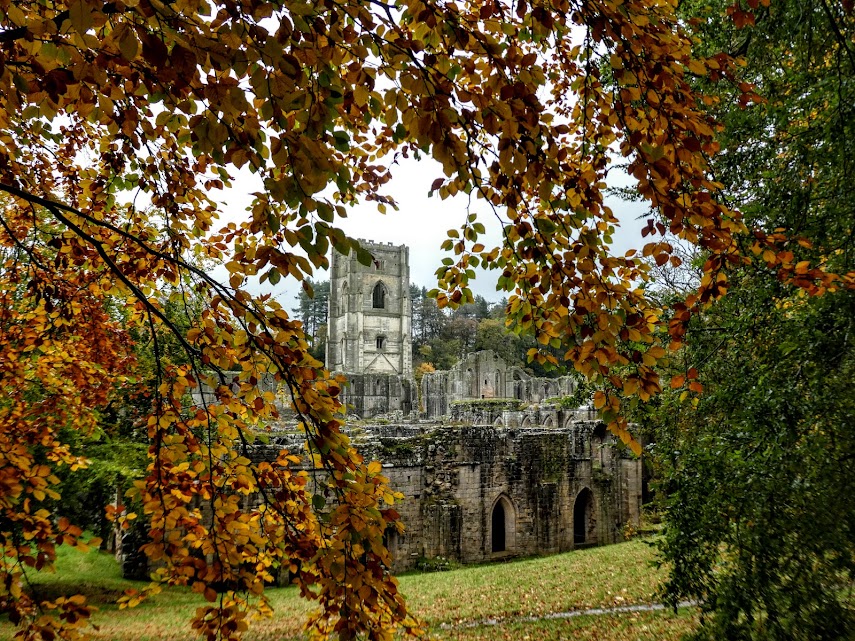
Monastic was easy. Of course I chose Fountains Abbey, a religious community from 1132 until Henry VIII caused it to be surrendered to the crown in 1539, under the Dissolution of the Monasteries. It’s where I have the privilege of volunteering, so it’s almost become my back yard. Here, in my featured photo, is the Abbey in autumn.

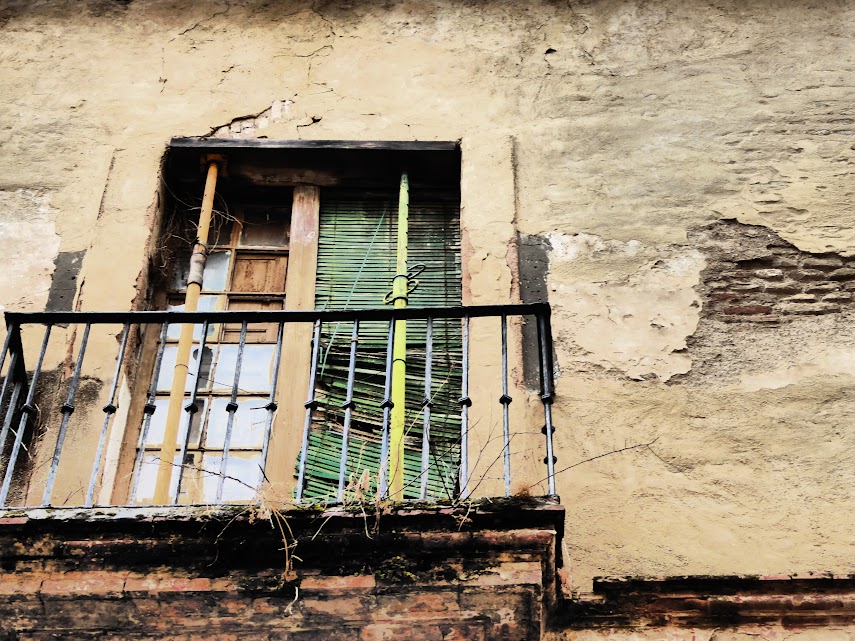
Abandoned? So much choice. I’ve picked a rather wrecked house in Seville.

Crystal was trickier. I don’t move in the right circles. But here is a crazed plate glass window on a ferry bound for Spain which has a slightly crystal-ish look.

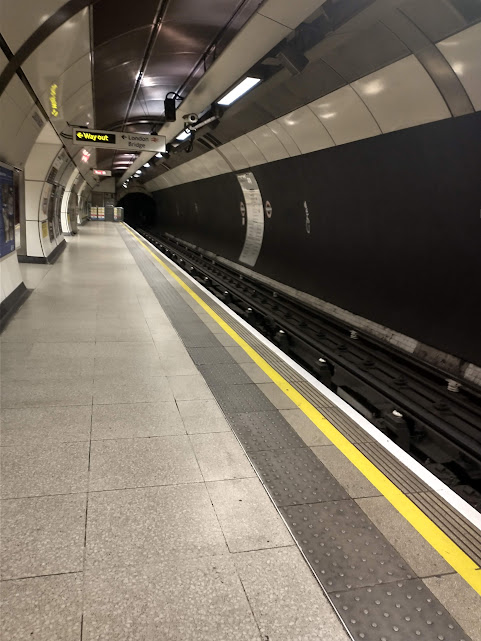
You may not think my next photo illustrates ‘echoing‘. But trust me – it does. I was among the first passengers to arrive at London Bridge Underground Station just after 5.00 a.m one morning recently. There was not another soul on my platform. Only me. It echoed.

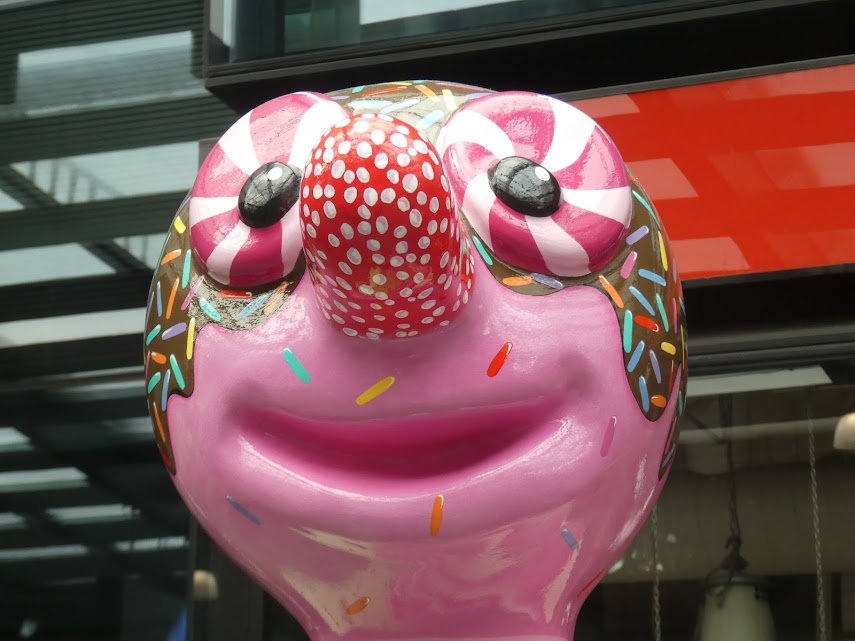
And we’ll stay in London for my last image, a cheery one. This affable chappie was snapped on a day out with Sarah of Travel with Me fame. He was part of a fun sculpture trail for children’s wheelchair charity Whizz Kidz.

So there you have it. Following the links to Paula’s and Sarah’s posts will show you very different interpretations, and perhaps you’ve seen others in blogs you follow too.