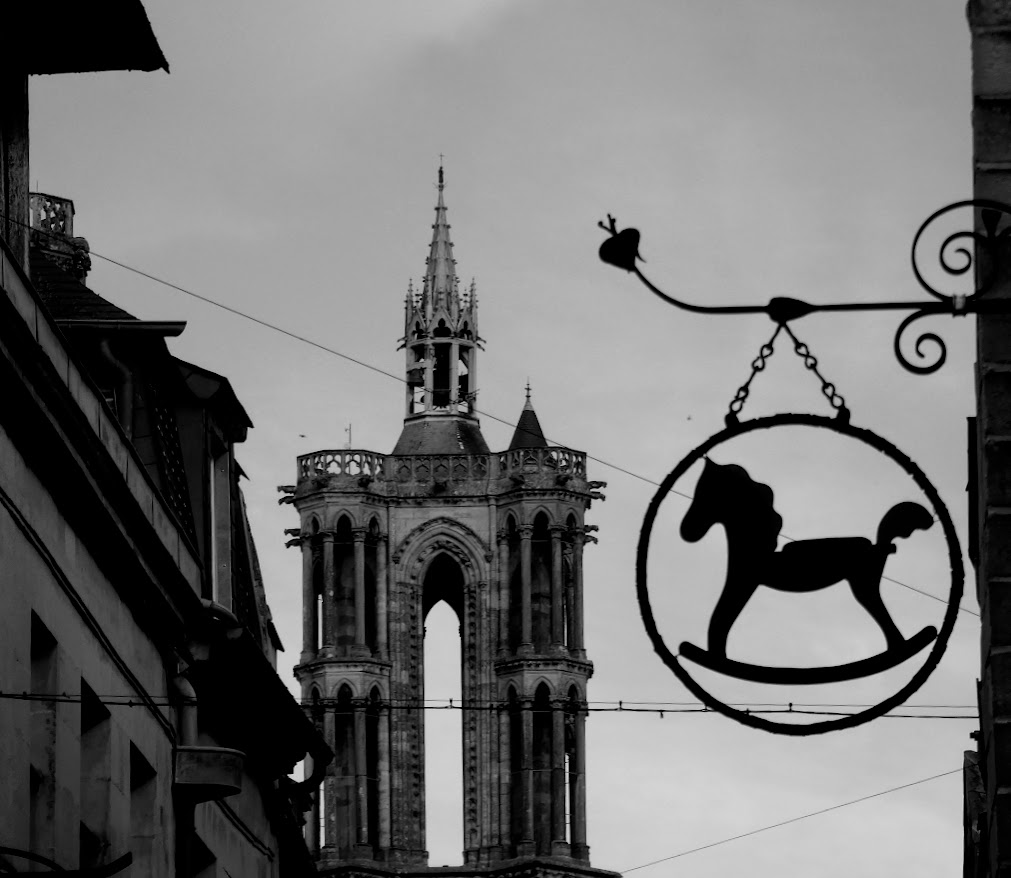
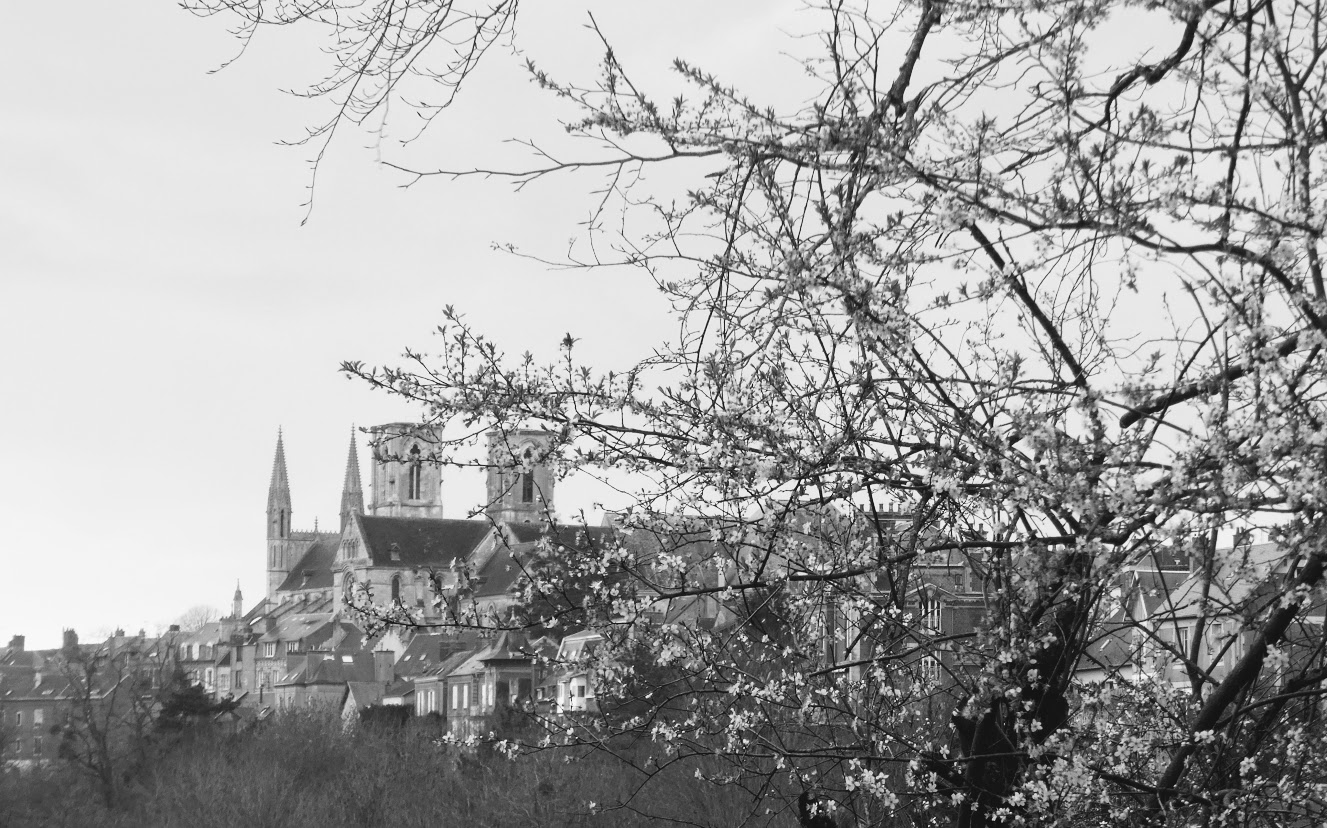
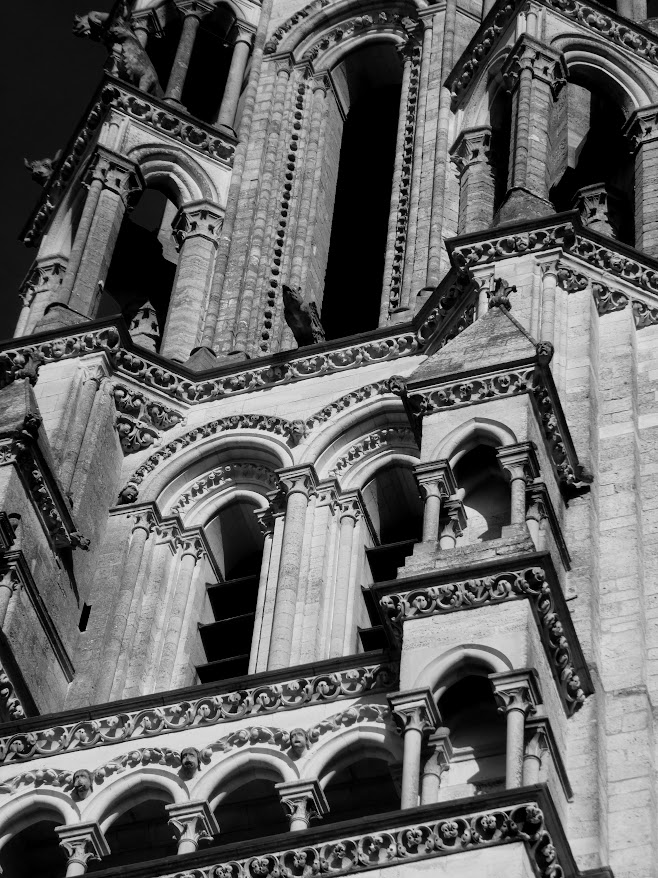
Laon, as we made our way down eastern France towards our daughter’s family in Spain. This is a lovely place. We zig-zagged our way up the steep slopes of a hill straight out of a children’s picture book and found ourselves in a perfect mediaeval town. It used to be quite a place. Important in Roman times; a hub of the Carolingian Empire, it was capital city of this part of France – until 987 CE, when the baton passed to Paris. The 12th century cathedral testifies to the fact that the city remained a religious hub for long after that. These days it’s an administrative centre and modestly-sized industrial hub, and well worth a day of your time as a tourist.
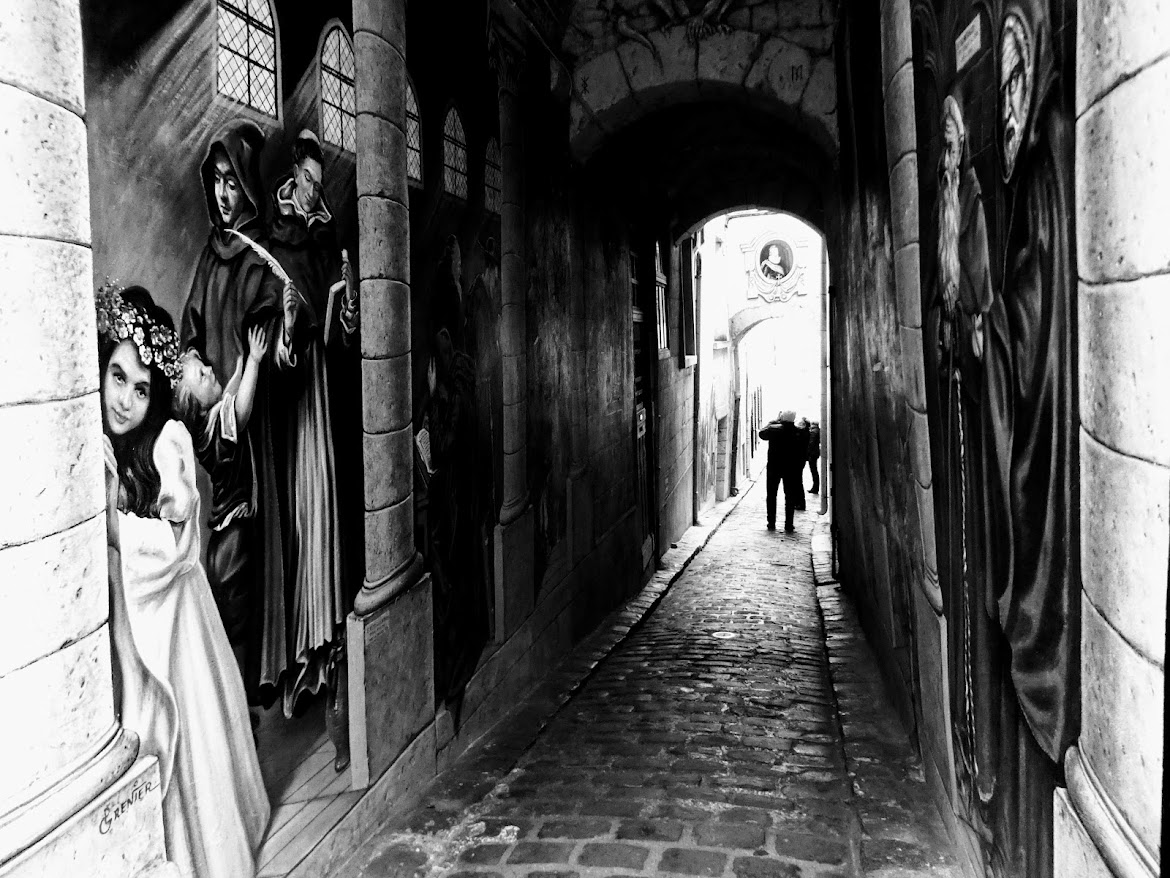
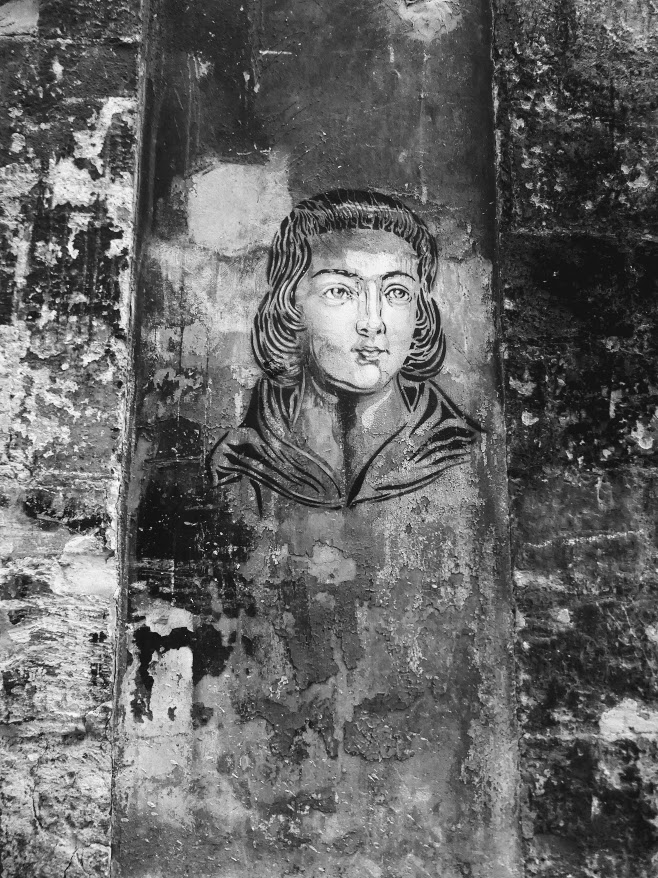
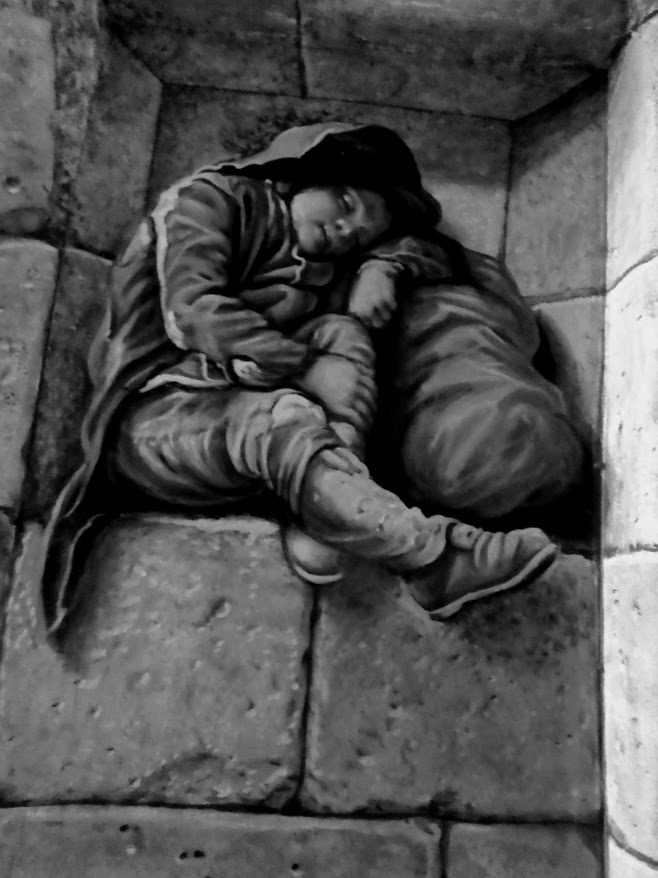
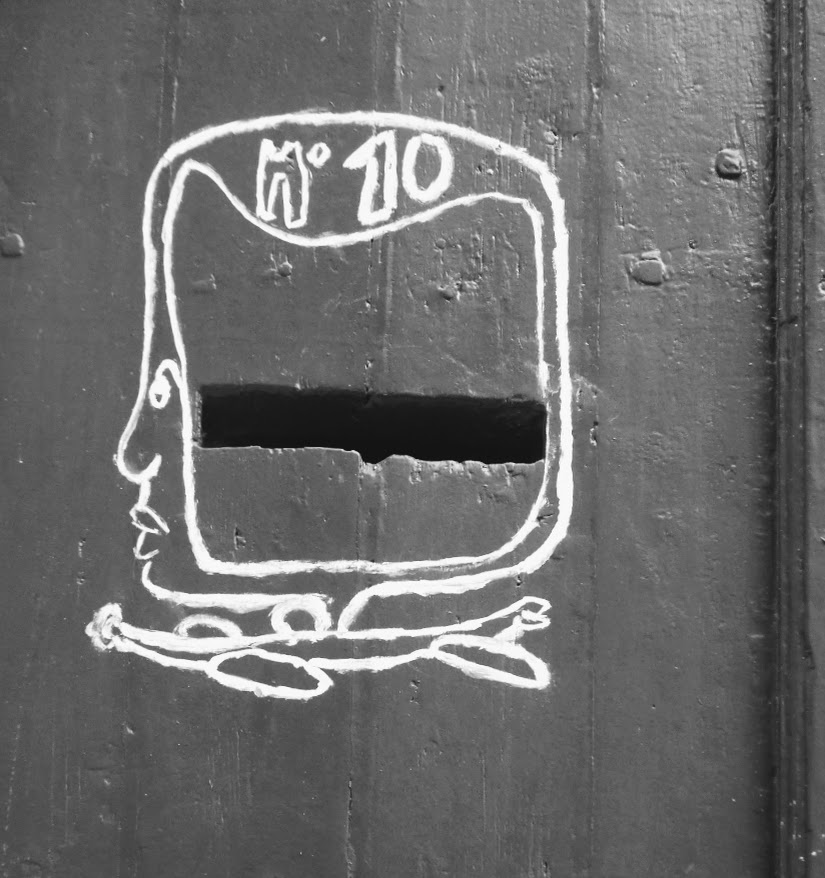
I’m focussing, for today’s Monochrome Madness on some of the more quirky recent features of the town – the mediaeval-style signs above the shops announcing their trade, some street art – some formal, and other more idiosyncratic items. The cathedral barely gets a look in – we weren’t allowed to visit much of it it inside, and it was raining outside. But I’ve given you a glance at it.
A final image from an unloved corner, where ancient buildings had been deserted before they tumbled down an eroding cliff-face.
I was sorry, when we left France, that we hadn’t made more than a couple of visits to its Basque Country. It’s such a different part of France, for all kinds of reasons, some of which may become apparent in this post I wrote – gosh – fourteen years ago.
Euskal Herria meets the Yorkshire Dales
March 10th 2011
This week was a first for us, when we made a quick visit to the Basque country (Euskal Herria), way over to the west . When we got there, there were no frontier posts, but we knew immediately that we’d arrived. Suddenly, houses, instead of being colour-washed in creams and beiges and ochres, or not at all, were all tidily painted white, every single one, with ox-blood coloured shutters and paintwork. Place names were in French and Basque, and quite a lot of other signage too.
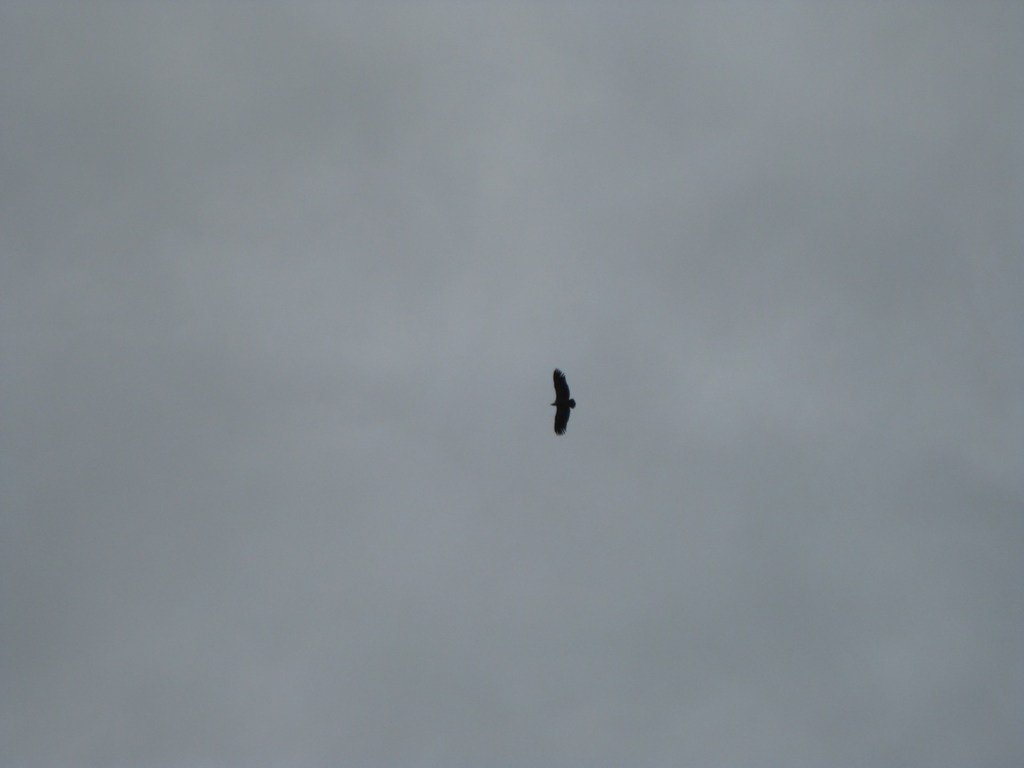
Not a Yorkshire view. A vulture wheeling overhead.
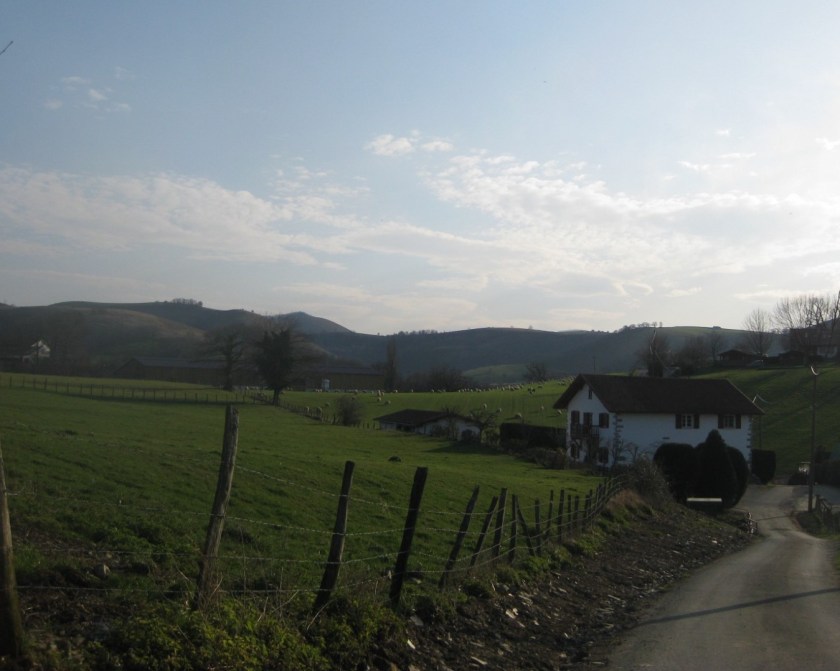
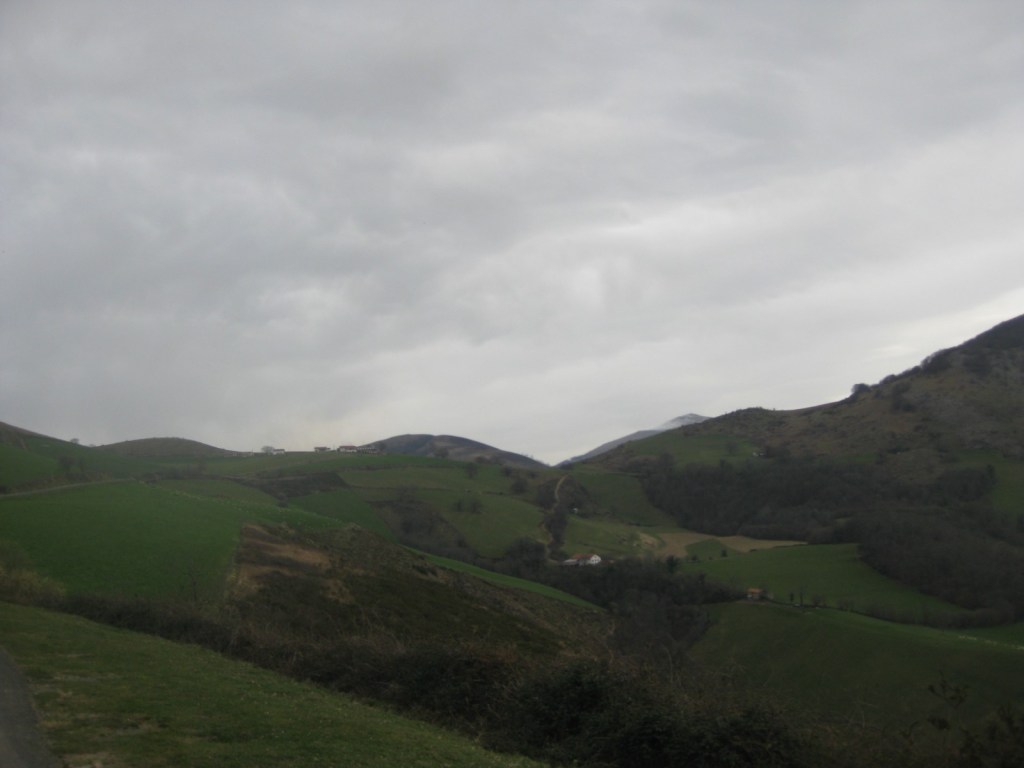
But the thing is, despite all that, we thought we’d arrived in Yorkshire, or Lancashire, or somewhere in England at any rate. Softly rambling ranges of hills, so very green, and studded with sheep. Roads which preferred to ramble gently round the contours instead of going straight in the French style. Take away the Pyrénées in the background, their jagged peaks still white with fresh snow, add in a few drystone walls, and – voilà! – the Yorkshire Dales.
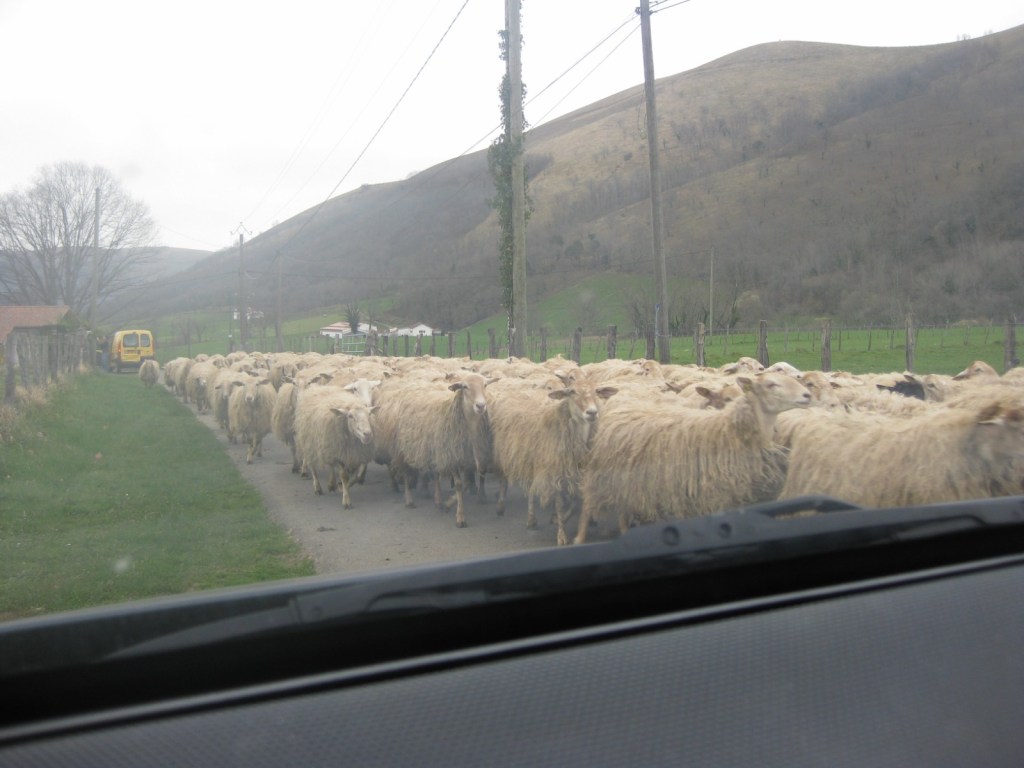
Traffic jam, Basque style
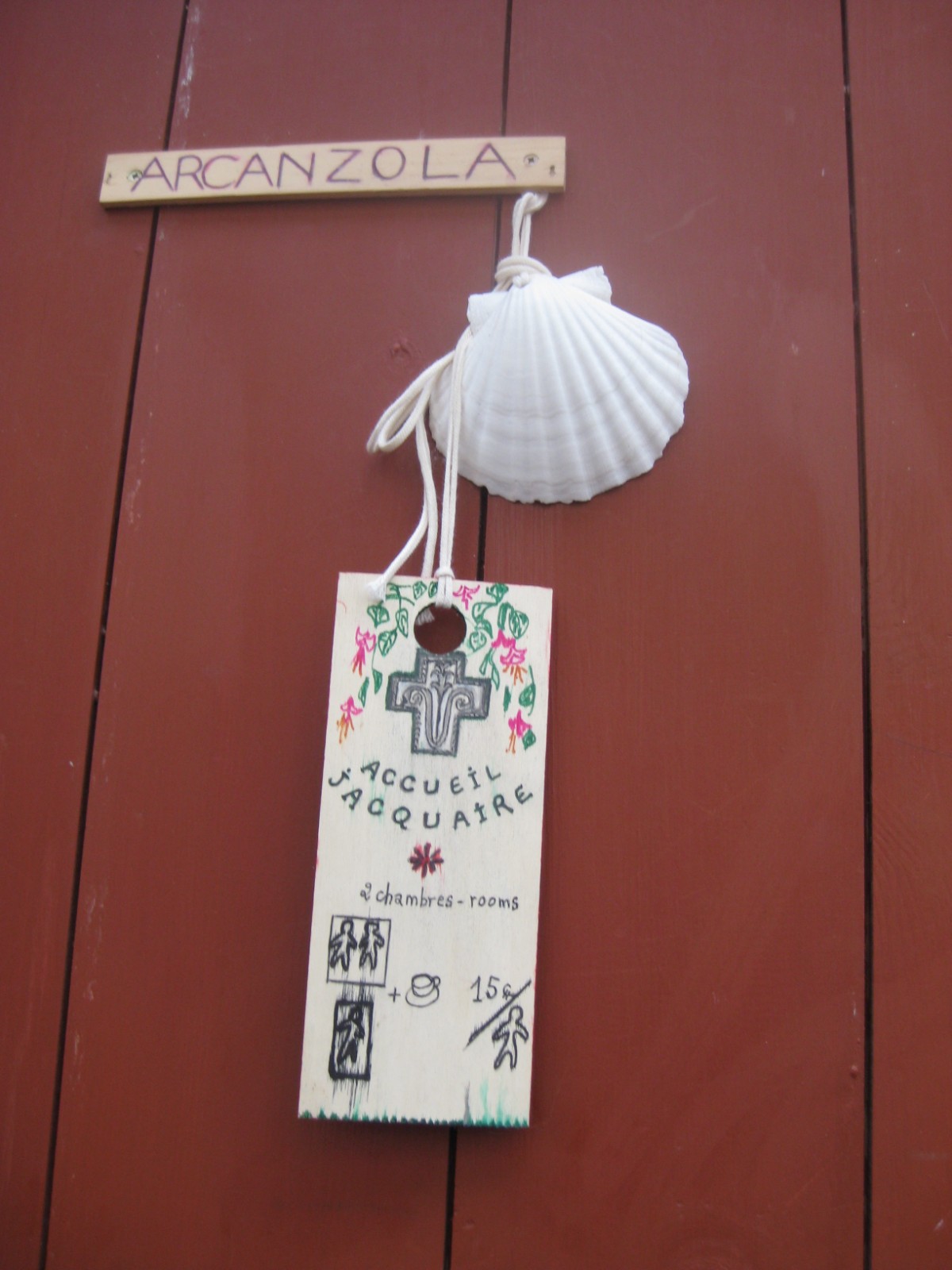
After all the hard work back at the house, we needed the peace of the countryside, so we’d chosen to stay at an Accueil Paysan farm. We knew that meant that we’d be welcomed into simple comfortable accommodation at the farmer’s house, and share a family meal with them in the evening. Always good value in all sorts of ways.
The road to the farm where we stayed …
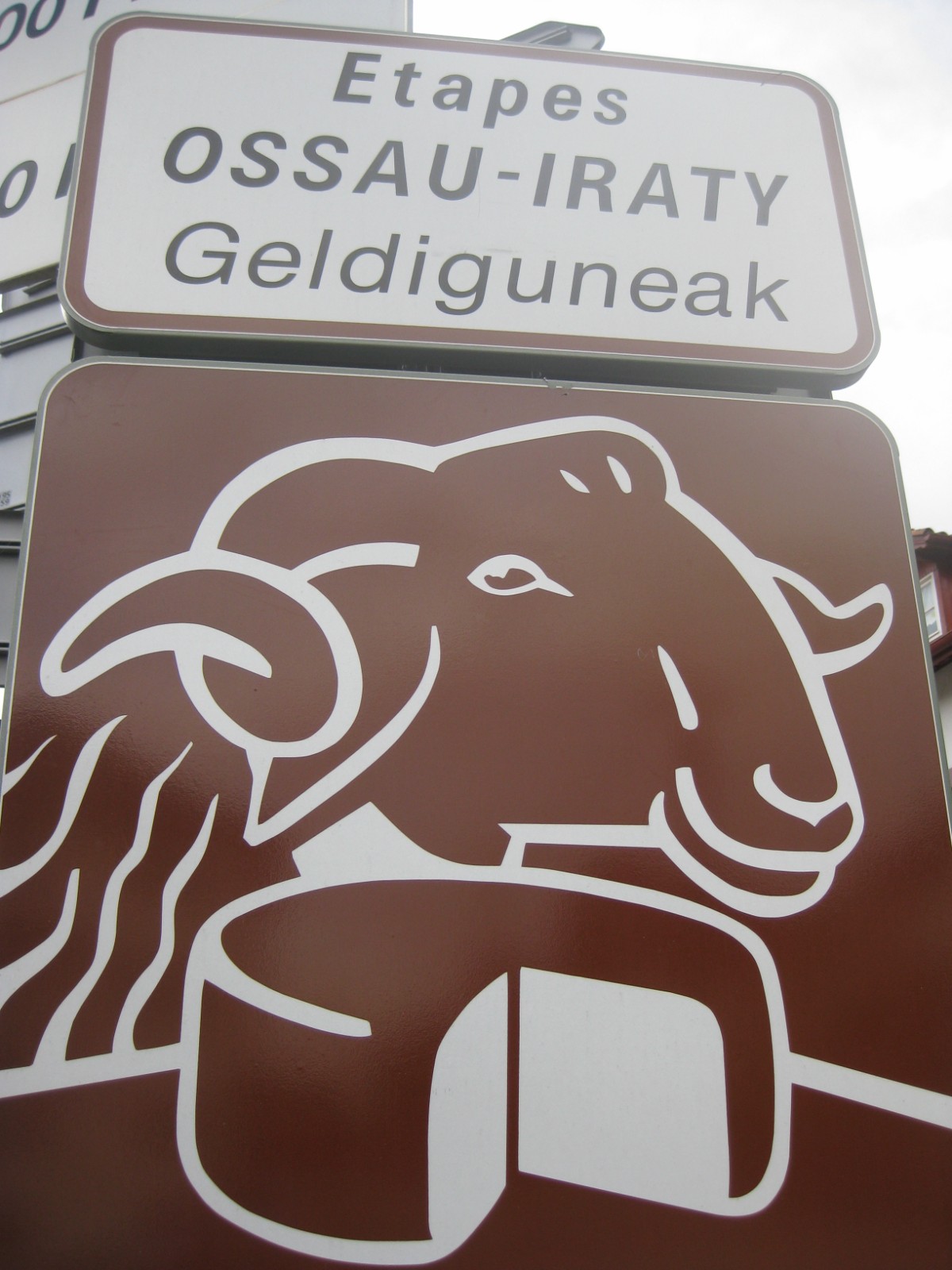
The welcoming committee in this case turned out to be six cheerily noisy pigs, a gang of chickens, and a sheep dog. The humans were no less friendly, and we settled in by exploring the small farm with its 30 or so cattle, and about 300 sheep. Sheep’s cheese is the big thing round here, and throughout the autumn and spring, when there’s plenty of milk, this family makes cheese every morning (far too early for us to be there, it turned out: all over by 7 o’clock) in their fine new cheese-production shed.
Pigs doing what pigs do best
Our hosts are Basque speakers. Their children only learnt French when they went to school. Now that one of these children has a son of his own, he and his wife (who’s not a Basque speaker) have chosen to have the boy educated at one of the many Basque-medium schools, so that he will be among the 30% of Basques who are comfortable using their language. It’s an impenetrable and complex one. Its roots are a bit of a mystery, and certainly it’s not Indo-European. With French, Italian and Latin at our disposal, we can make a good stab at understanding Occitan, the language of our region, but Basque remains impenetrable to anyone who hasn’t been immersed in it.
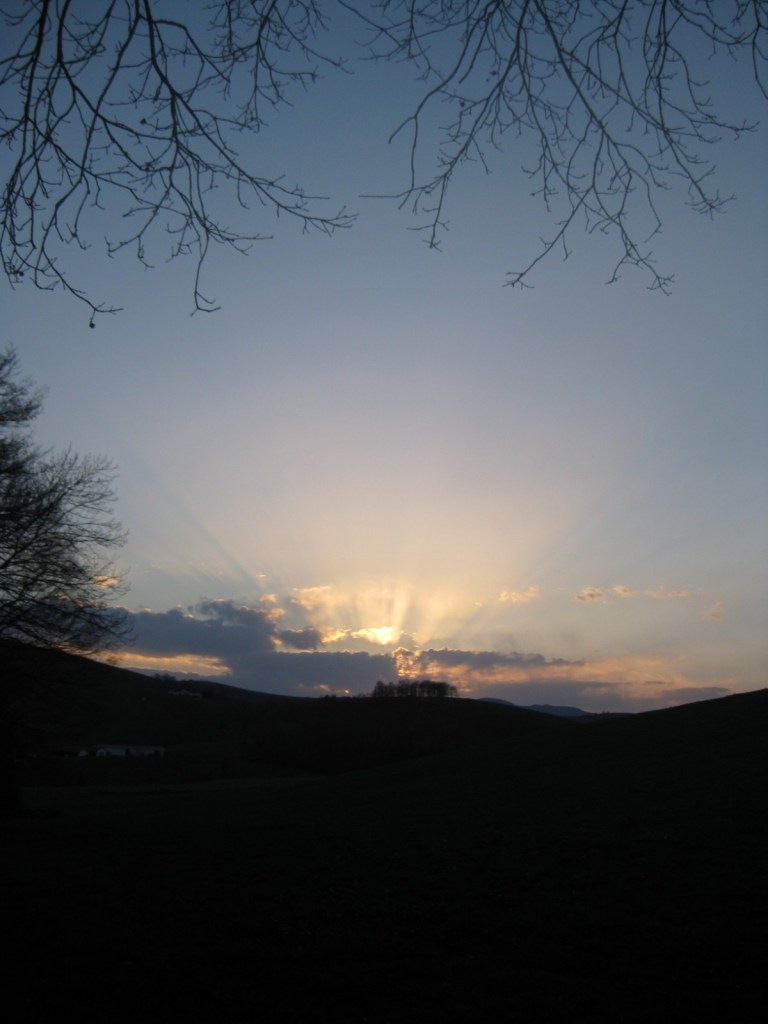
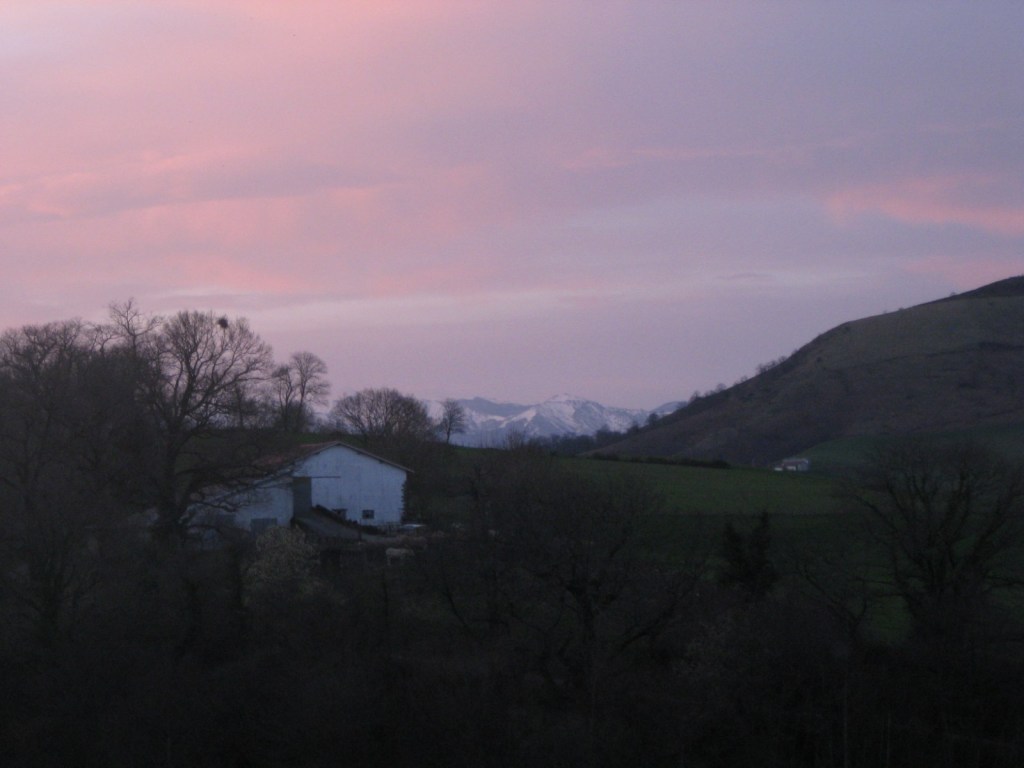
Sunset …… Dawn
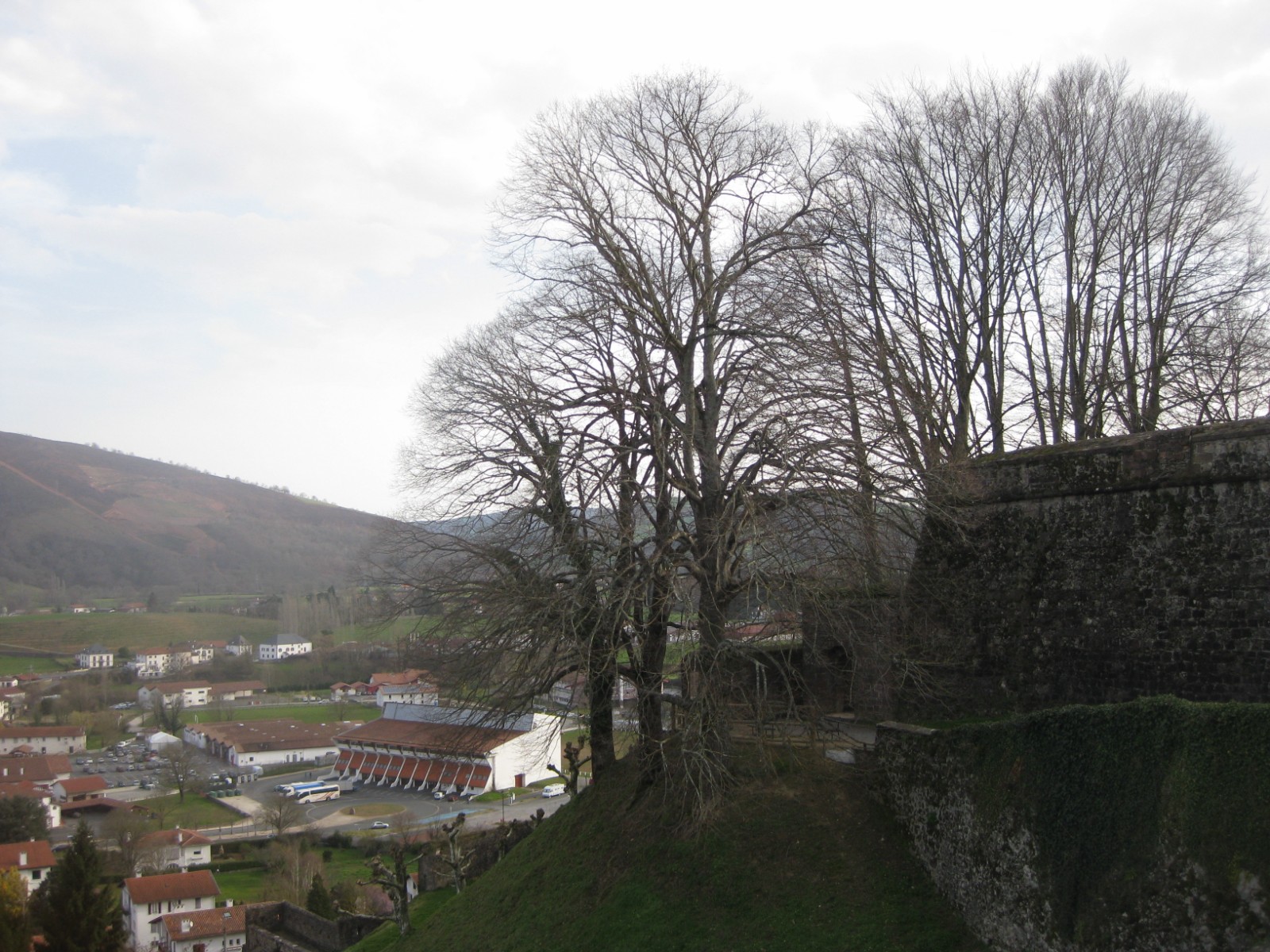
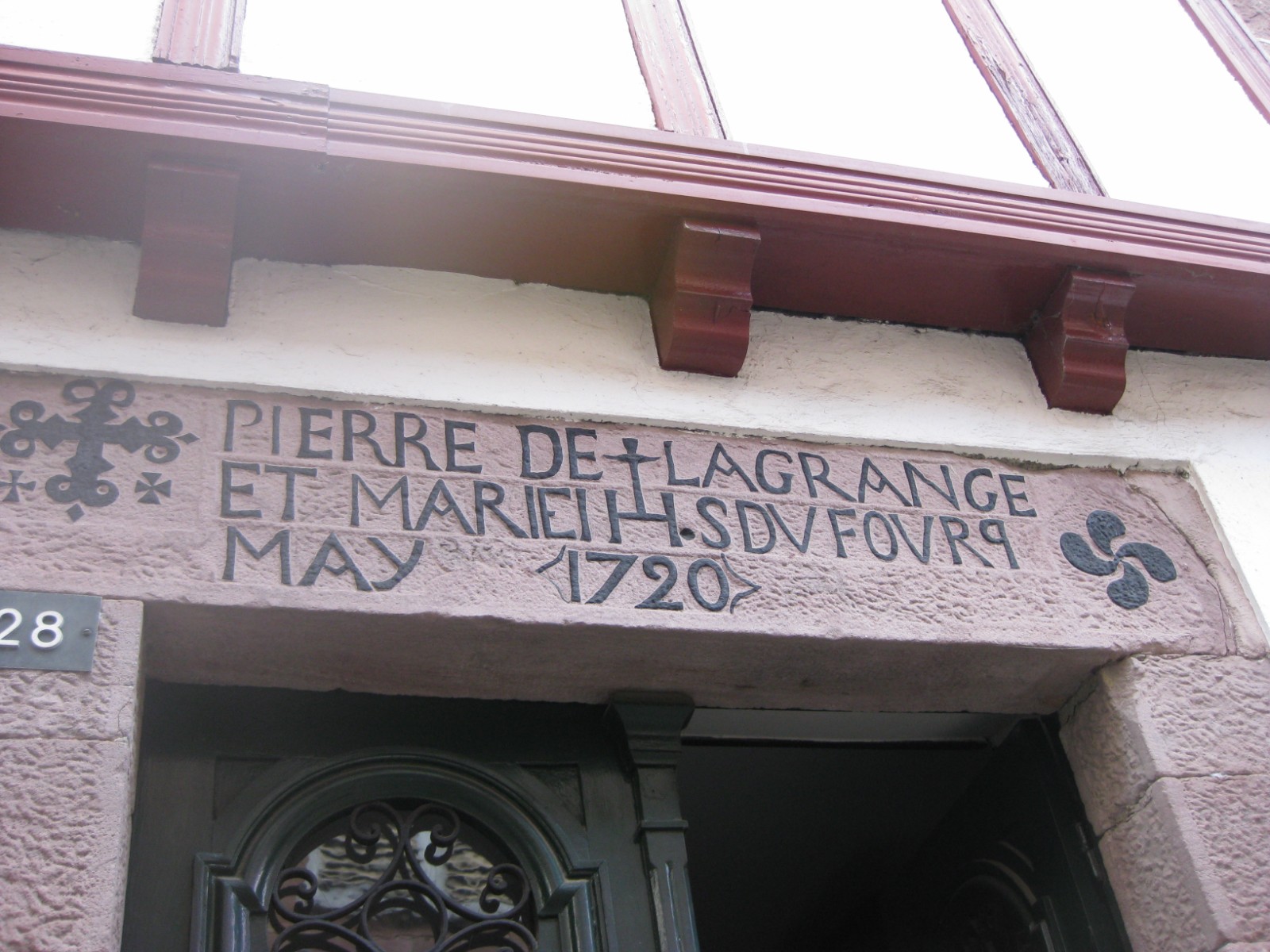
The next day, we explored St. Jean Pied de Port. From before the time of the Romans, it’s been a market town, an important jumping off point for Spain. It’s been a garrison too, and an important stop-over for pilgrims on their way to Compostella. Now it’s a tourist centre too, for walkers in the region. It’s an attractive town, surrounded by ramparts. We pottered around, enjoying views from the ramparts, pilgrim-spotting, ancient doorways, and watching the river, before setting off for a leisurely journey home.
And next time we stay, we’ll make it much longer than 36 hours.
A final view, on the way home
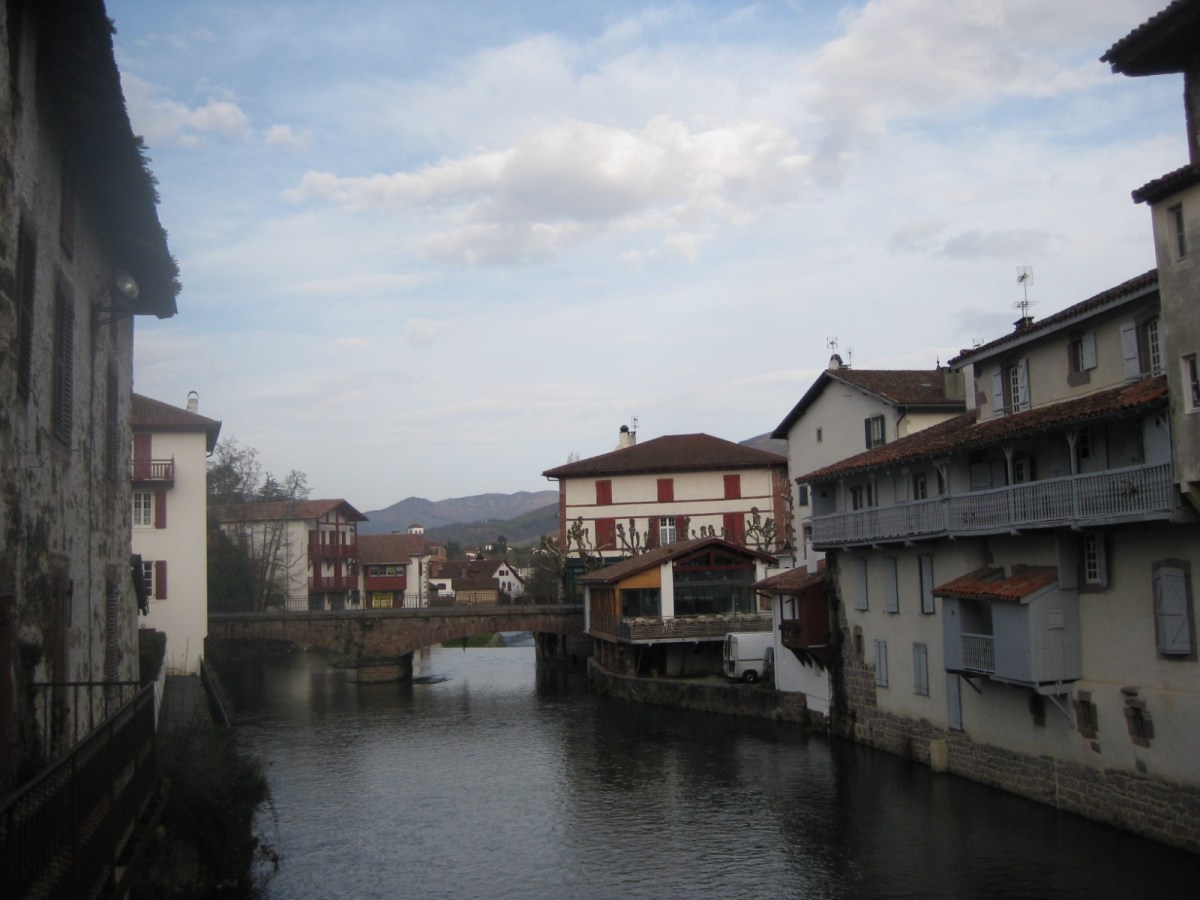
The featured photo is a view of St. Jean Pied de Port.
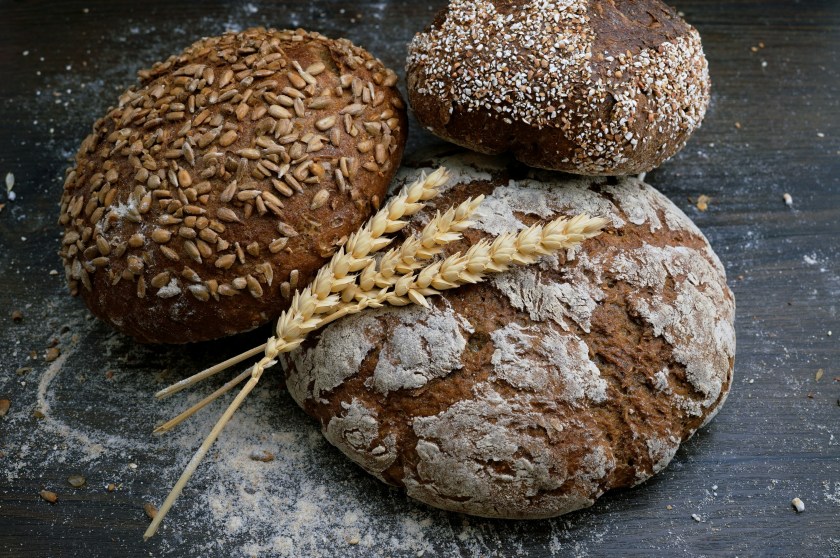
Here’s a post which I wrote fifteen years ago, when we lived in France. At the time, it pointed up the difference between bread-buying in England, where bread had too often become an industrial product, and the more home-spun approach we appreciated in our small French town. Now however, artisan bakers in England are two a penny. Their stuff is good, but when we want to frighten ourselves to death, we comment to eack other ‘What WOULD our mothers have said at handing over just shy of £5 for a loaf of bread?’ That’s was Malcolm’s dad’s entire weekly earnings.No wonder I’ve taken to making my own.
Give Us This Day Our Daily Bread
25th February 2010
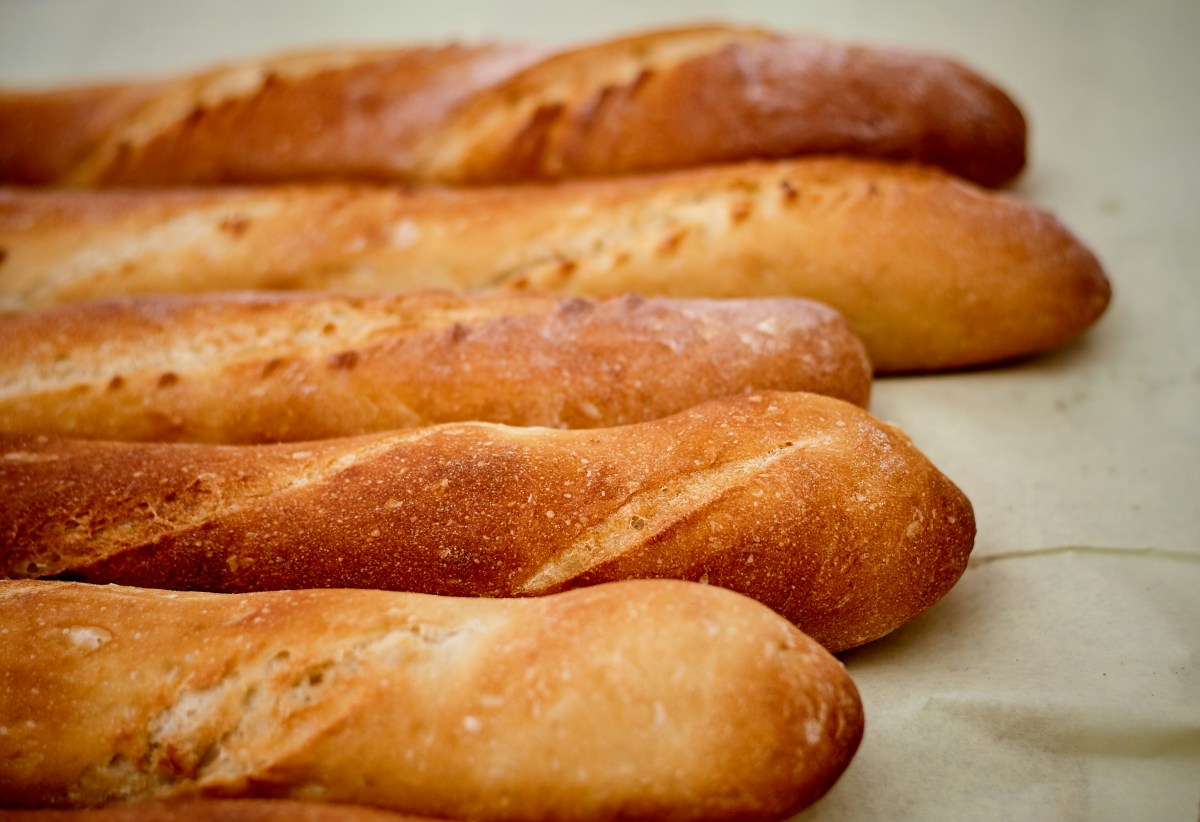
How could they? I mean, what ARE they playing at? All last week, and most of this, the baker’s shop down the road has been closed. Instead of rising at 2.00 a.m. to get busy making baguettes, flutes, ficelles, baguettes a l’ancienne, flutes tradition, pain noir, chocolatines, croissants and so on and so on, our bakers have chosen to lie in till – ooh, 7 o’clock perhaps – and then spend the day catching up with their families – the children are on half term.
It’s a family business, our baker’s shop. M & Mme Fonquernie owned it, and now, although officially they’ve retired, they help out all the time. M. Fonquernie is the one who drives his little white van round the local villages which have no shops, delivering bread. Their two sons have now taken over the day-to-day baking. One is responsible for all those loaves, while the other specialises in patisserie. Their wives divide the work of running the shop between them with Mme Fonquernie Senior’s help.
Mme. Fonquernie presides over the shop on most days.
So our morning routine has been disrupted. First thing each day, one of us usually walks down the road to get our favourite pain noir, hot and crisp still from the oven. The other day, the baker forgot the salt. The bread wasn’t half so nice, but I rather liked this very human error. It proved that our loaves are still ‘artisanale’, rather than being churned out by some computer-assisted machine. There’s generally someone in the shop to chat to, or to walk back along the street with, and so neither of us looks on getting the bread in as a chore.
We’re lucky, I suppose, that there are three bakers in town. Last week, we went to the shops at Castellanes to the baker there. No pain noir at this shop, so we chose their unbleached white. The small one’s a slender baguette shape – an Ariegeoise (female) – but buy the larger butch version, and you must ask for an Ariegeois (male).
But then what happened? A notice appeared in the shop: from Sunday, they too would be closed for a holiday. So for a few days this week, we have to patronise shop number three. Everybody moans ‘C’est pain industriel ça’. It’s true. It comes all the way from Lavelanet, from a bakery which has three shops. That’s mass production, and it shows. Roll on Thursday, when the Fonquernie family re-opens its shop doors.
And here’s a short scene from the baker’s about 18 months later, exposing the use of the most useful word there is in French …
Voilà!
7th September 2011
Here’s what happened at the baker’s this morning. Translations appear in brackets.
Me: Oh! Isn’t the pain bio ready yet?
Madame: Voilà! (Nope. Quite right)
Me: So if I call in after 9, you’ll have some? Could you please save me a loaf?
Madame: Voilà! (Yes, and yes). Would you like to pay now, then it’ll be all done and dusted?
Me: Voilà! (Makes sense. I’ll do that)
By the way, I was all grottily dressed in my oldest paint-spattered, holes-in-the-knee-ready-to-face-a-morning’s-tiling gear. This is Laroque after all: no shame in working clothes here.
Madame: You’re looking very chic today, if I may say so.
Me: Voilà! (And don’t I know it).
Why bother to learn more French? Voilà donc!
Only the photo of Mme Fonquernie is my own. The rest come courtesy of Unsplash, and are (reading from top to bottom) by Sergio Artze;Wesual and Markus Spiske.
I feel a little sad. This month’s Squares, cheerfully and positively initiated and choreographed by Becky is drawing to a close. For me, it’s been a great chance to record a whole special month of family time in Spain, and travels in France. The downside to my travels has been I’ve had less chance than I would have liked to explore everyone else’s contributions.
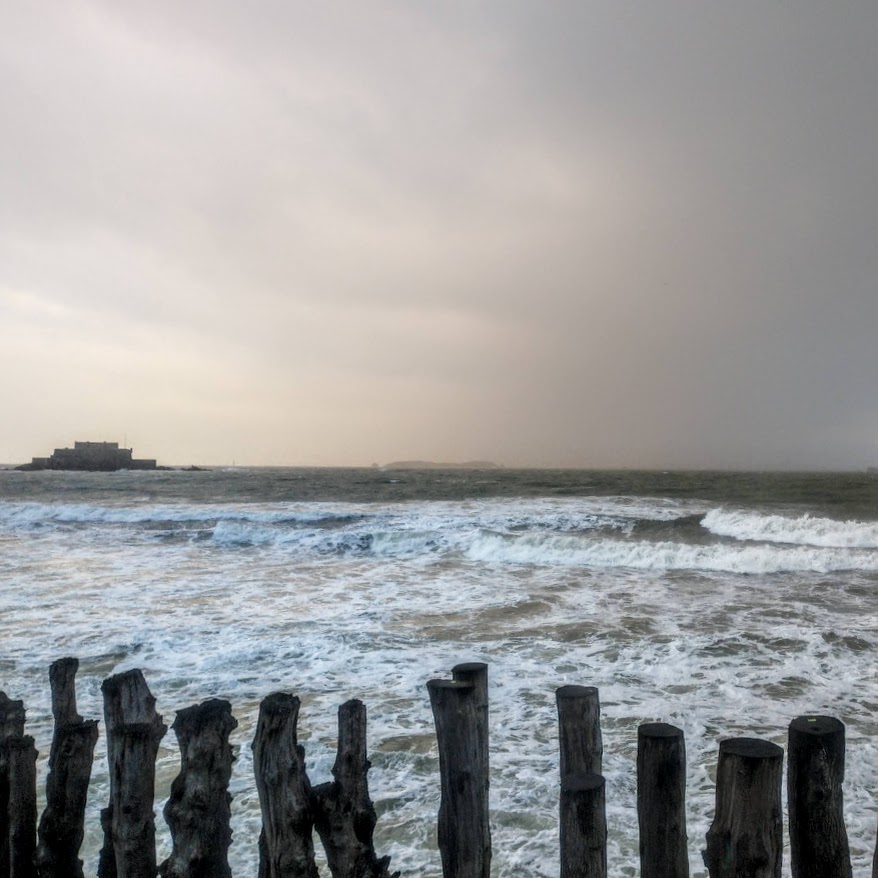
But we’ve reached the last day. I showed you shots of Vitré yesterday, so now it’s time to show you a few of Saint-Malo, our point of departure from France. We arrived in time to sightsee: but heavy rain, falling more-or-less horizontally because of the high wind rather put a stop to that. Here are a few shots I took during odd minutes when the rain stopped, and I scuttled out with my phone to try my luck..
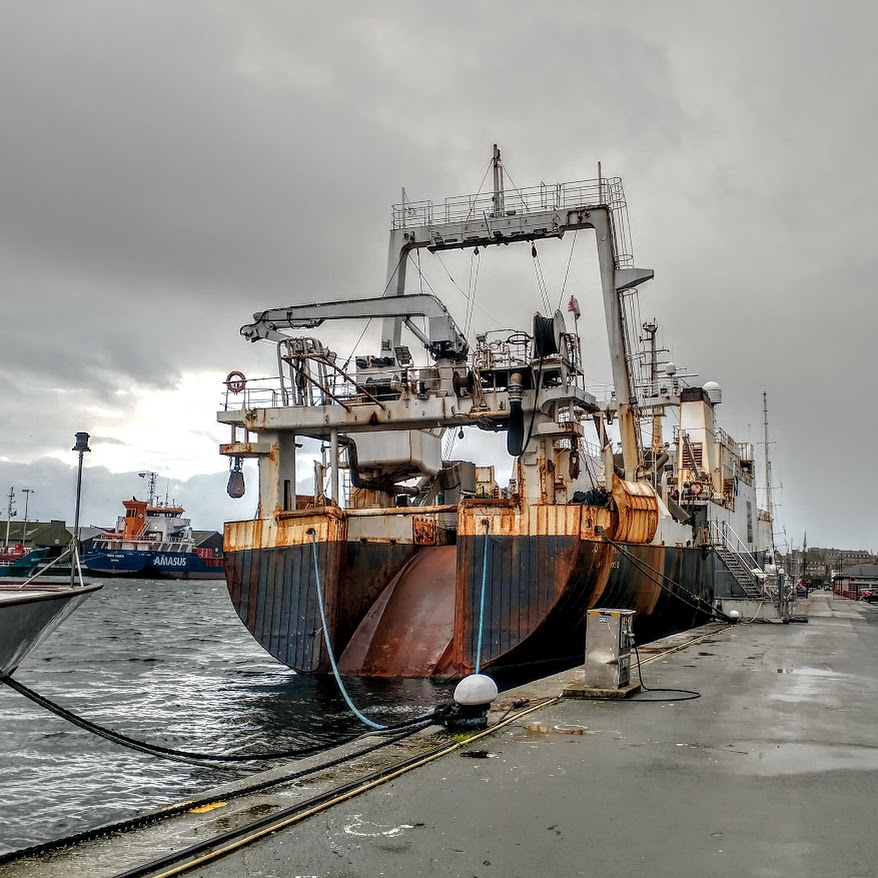
Ships rely a great deal on geometry, so here’s a large and well used fishing vessel …
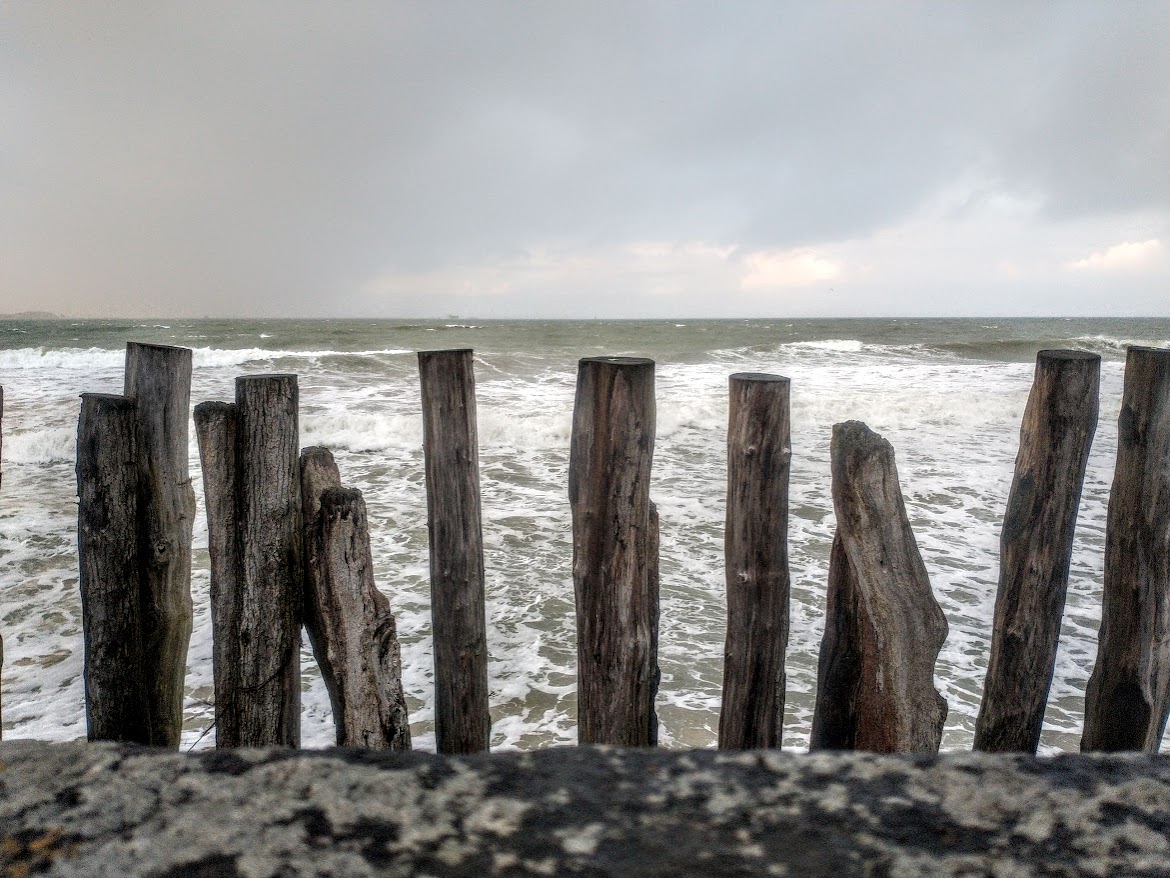
And here are breakwater poles, parallel-parked in the sea. Which was rough enough to worry this reluctant matelot. Inexplicably, though the night of our journey to England was turbulent, I survived intact.
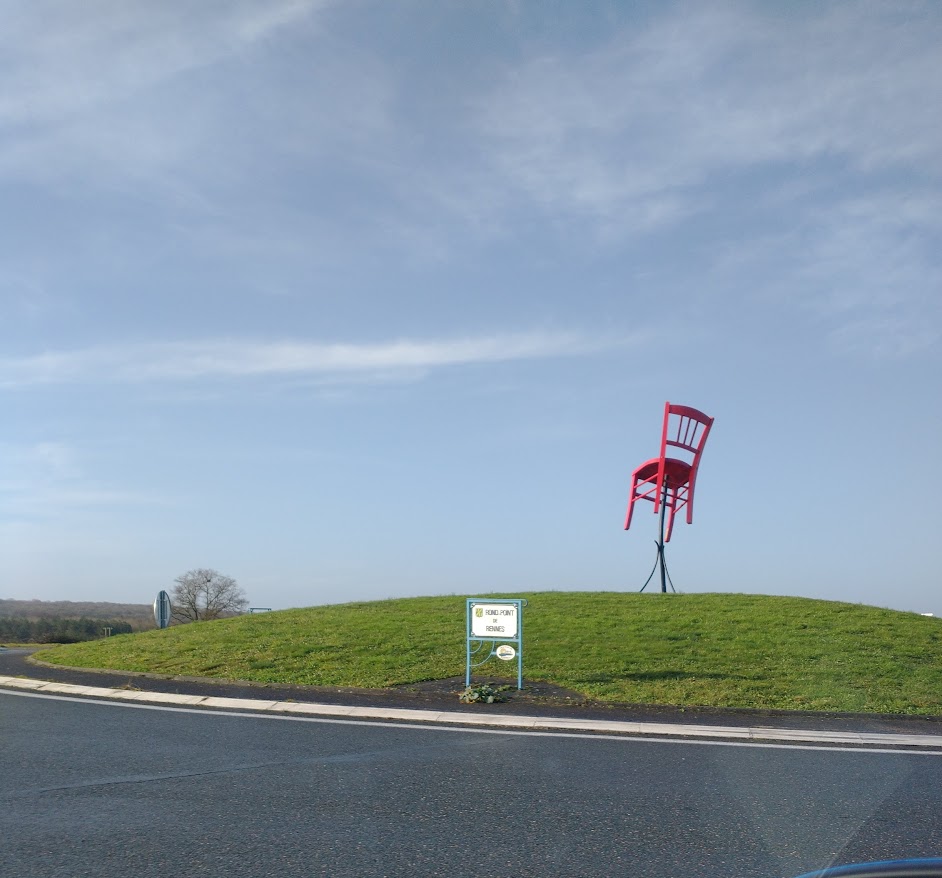
I can’t leave you though, without sharing an image I snapped as we drove round a roundabout not too far from Angers. Is it geometry? Is it art? Or is it simply … a chair?
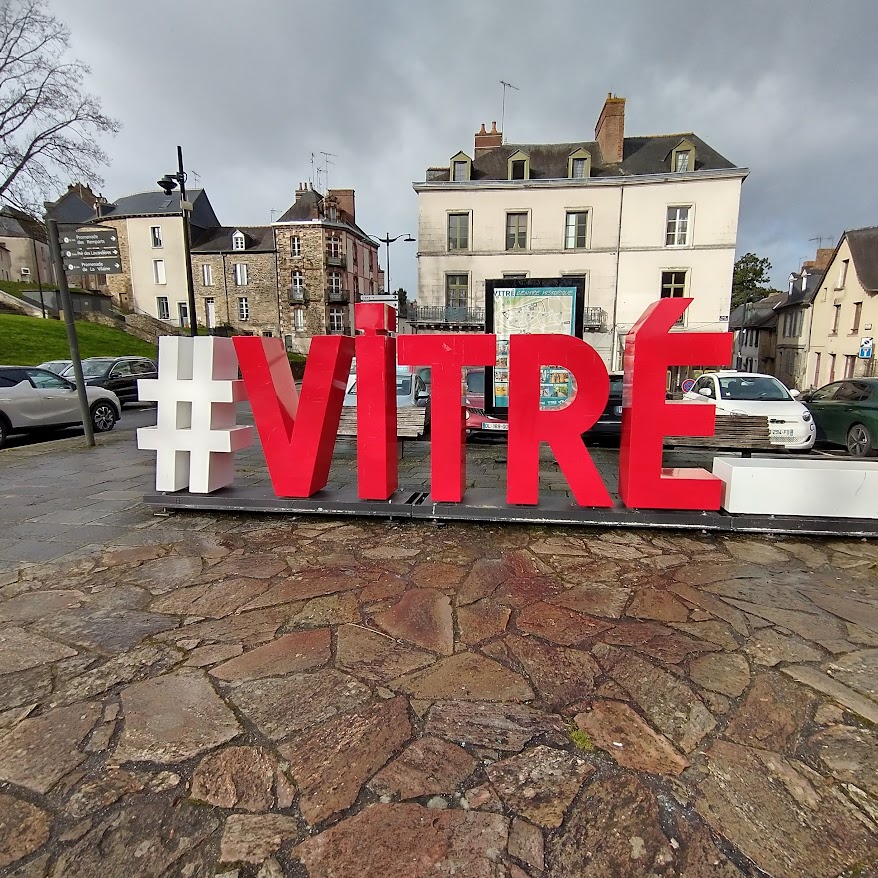
We arrived back home yesterday afternoon – and by gum, it’s cold. Brrrr. A house in January, unlived in for a month, is Not The Place To Be. So I’ll warm myself up by showing you some pictures of a town we enjoyed visiting for just a couple of hours on our last day.
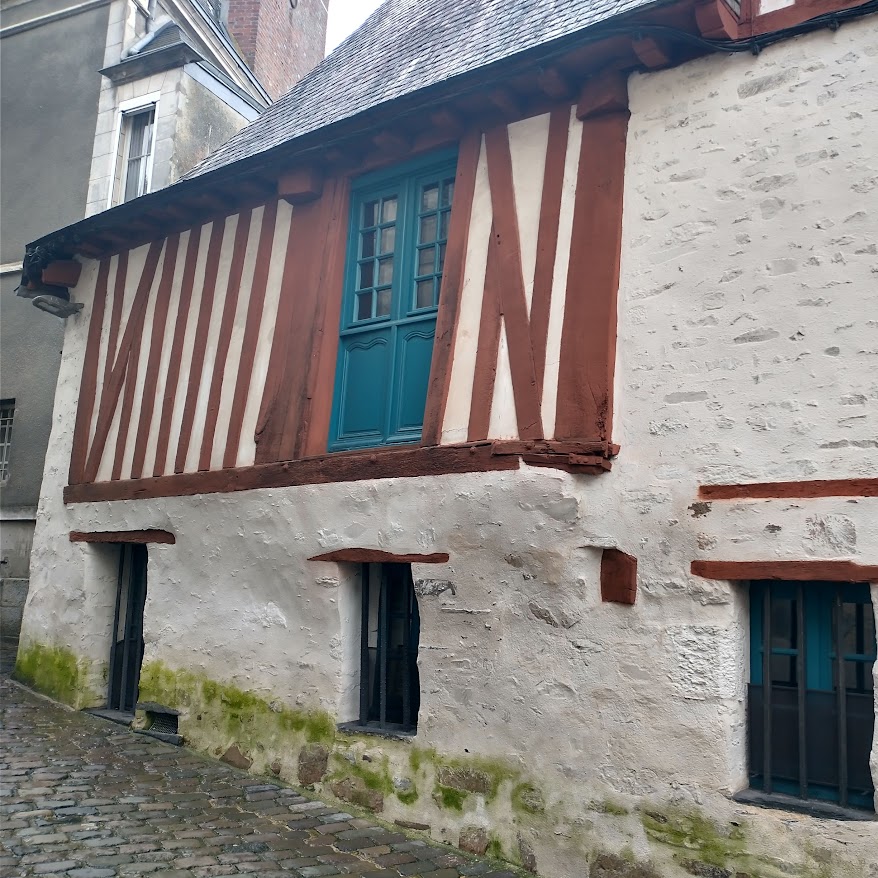
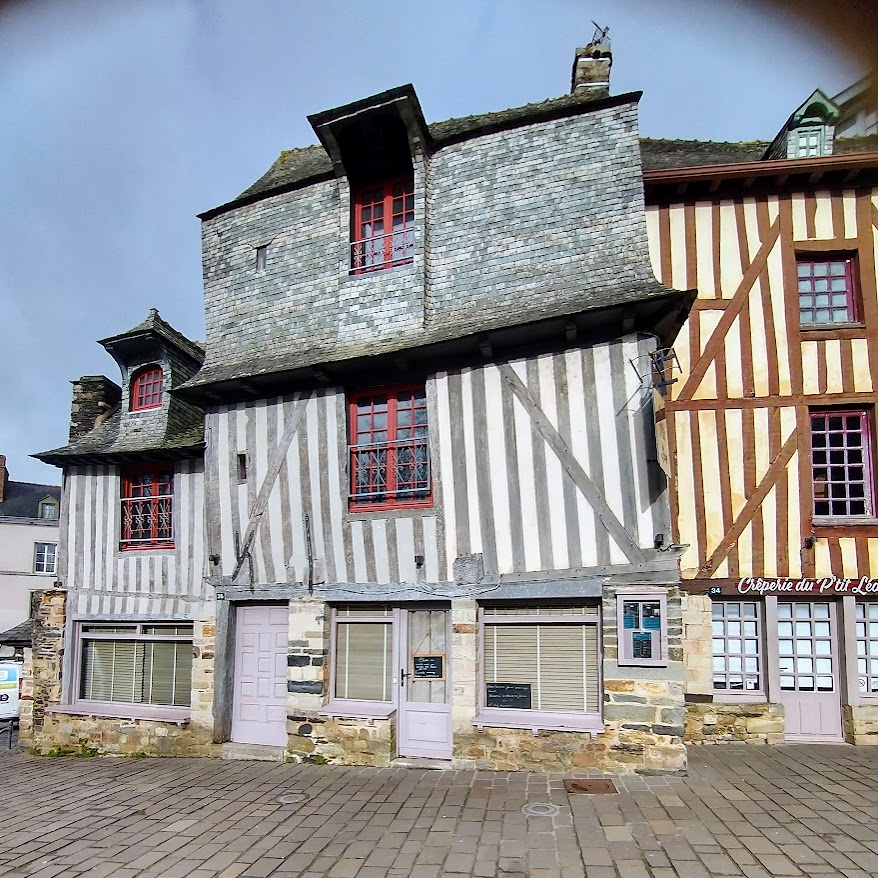
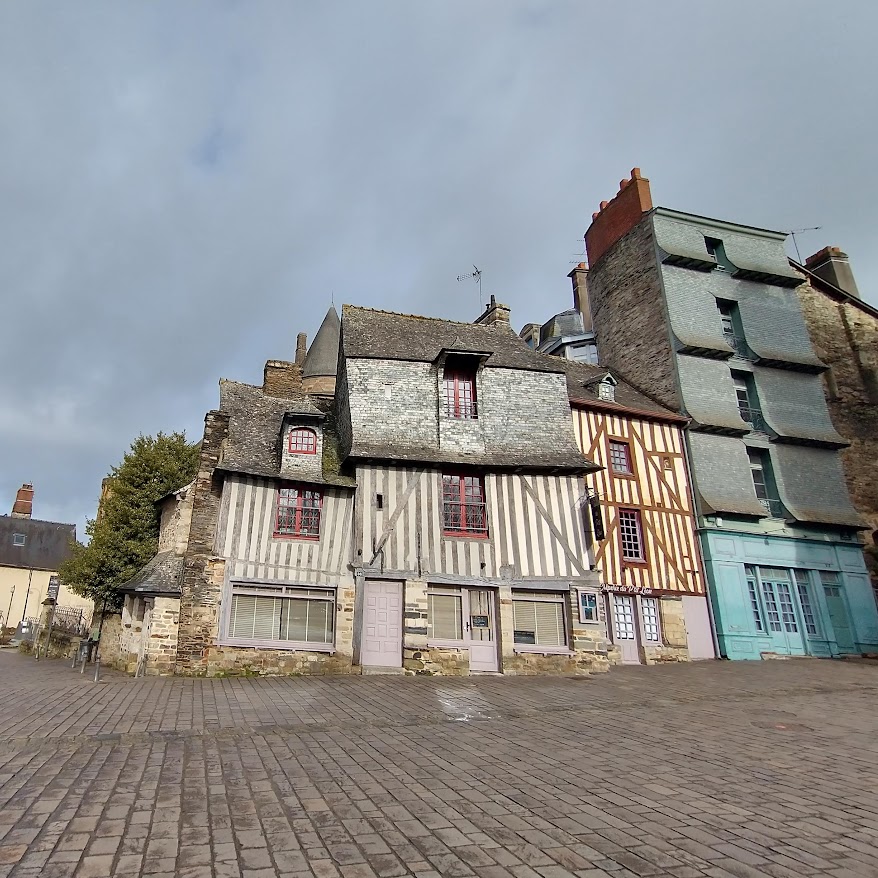
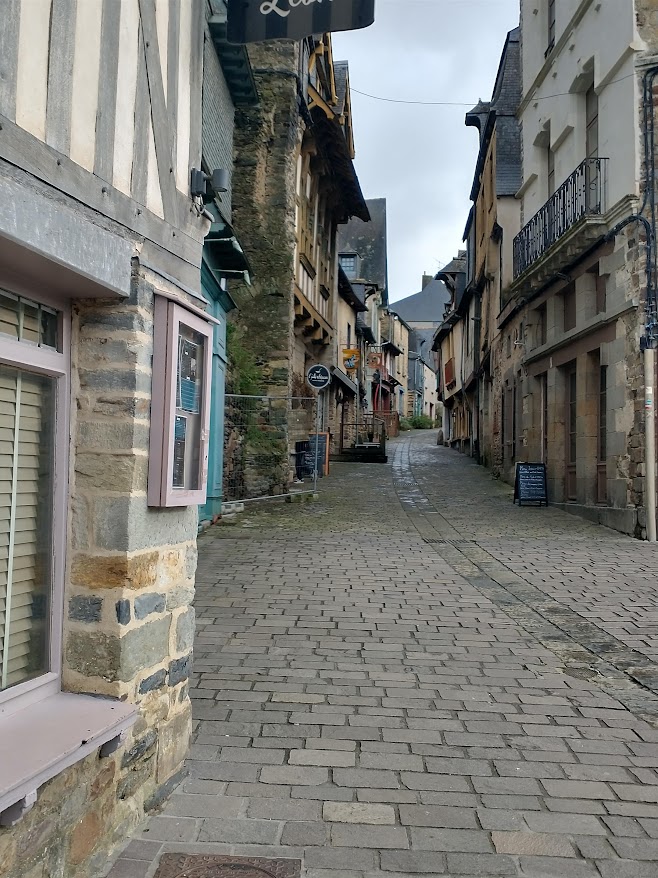
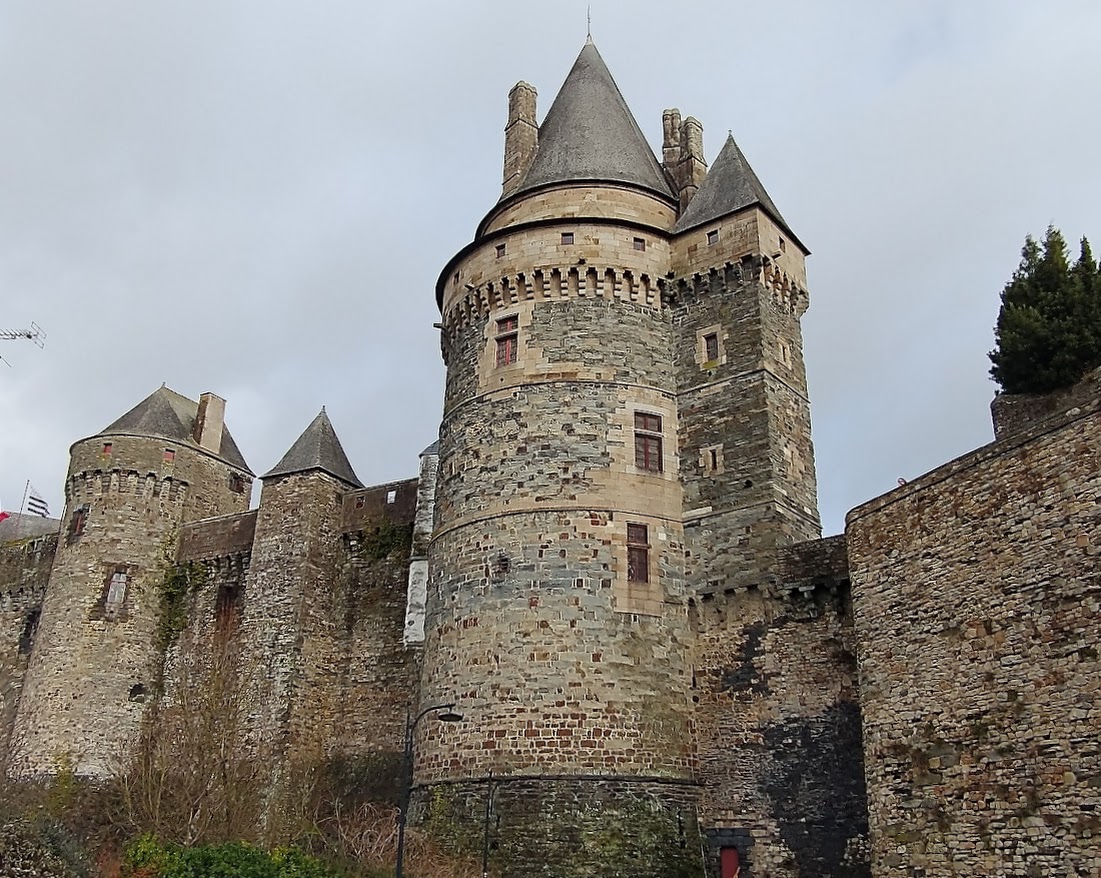
It’s Vitré, a town in Brittany that still has not only an impressive castle, but a preserved town centre dating from mediaeval times. It was both a prosperous trading centre for wool and woollen goods, and a bit of a military hotspot. That castle, commanding from its hilltop site views all over the Vilaine valley below saw frequent military action.
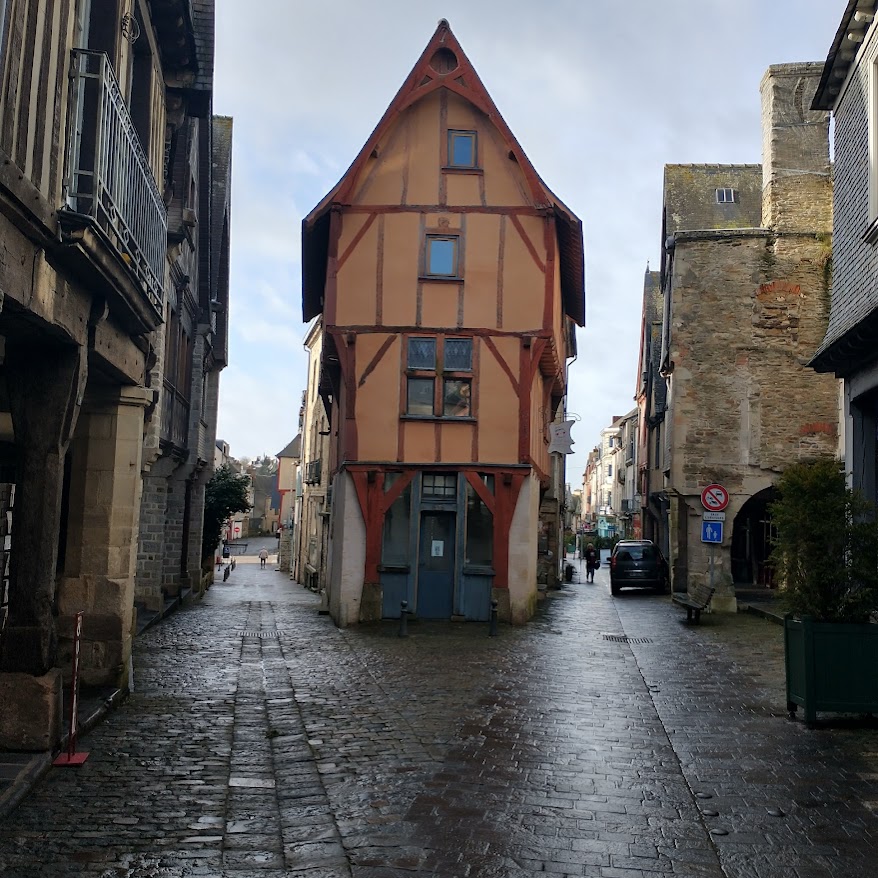
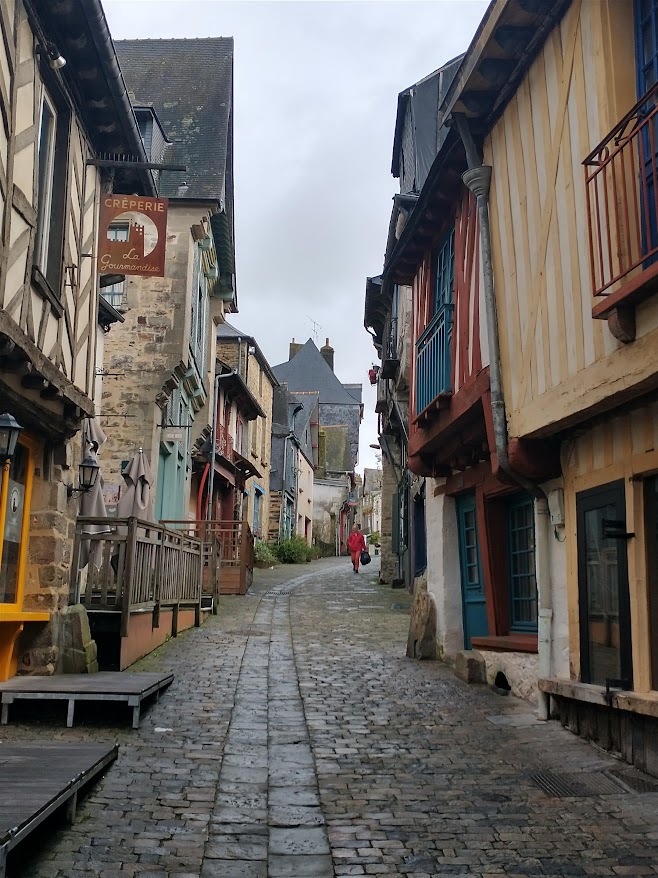
Today, the town is charming, picturesque – and wonkily geometric. Just enjoy a quick stroll round its narrow streets with me:
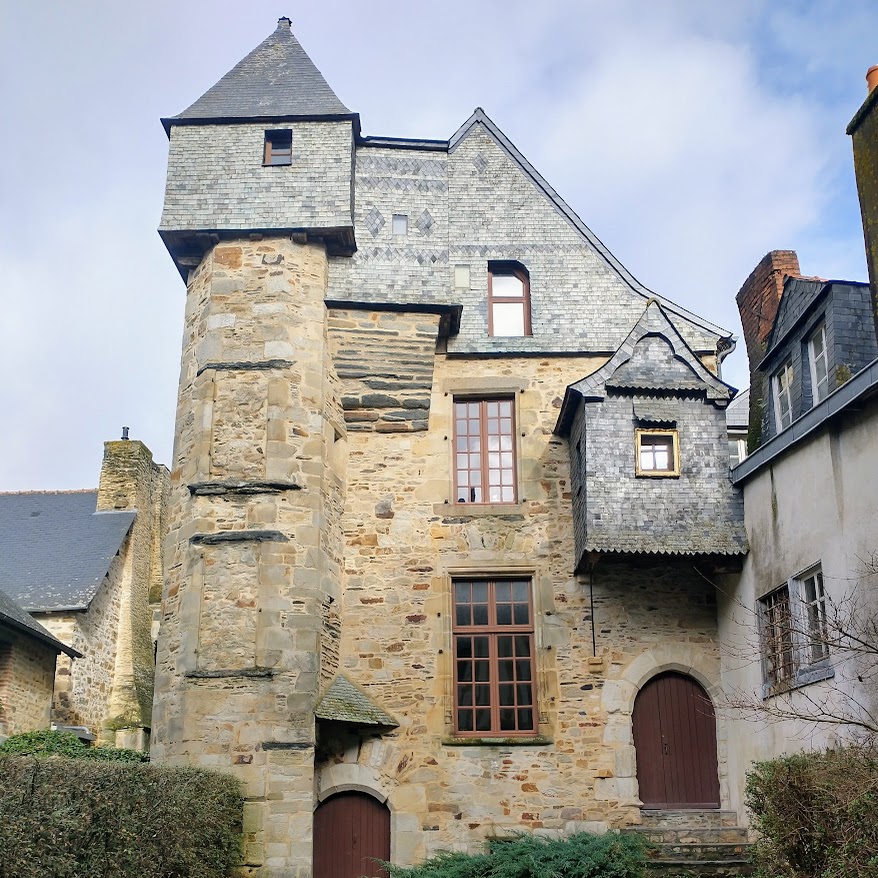
Do you think Rapunzel lived in the dwelling below?
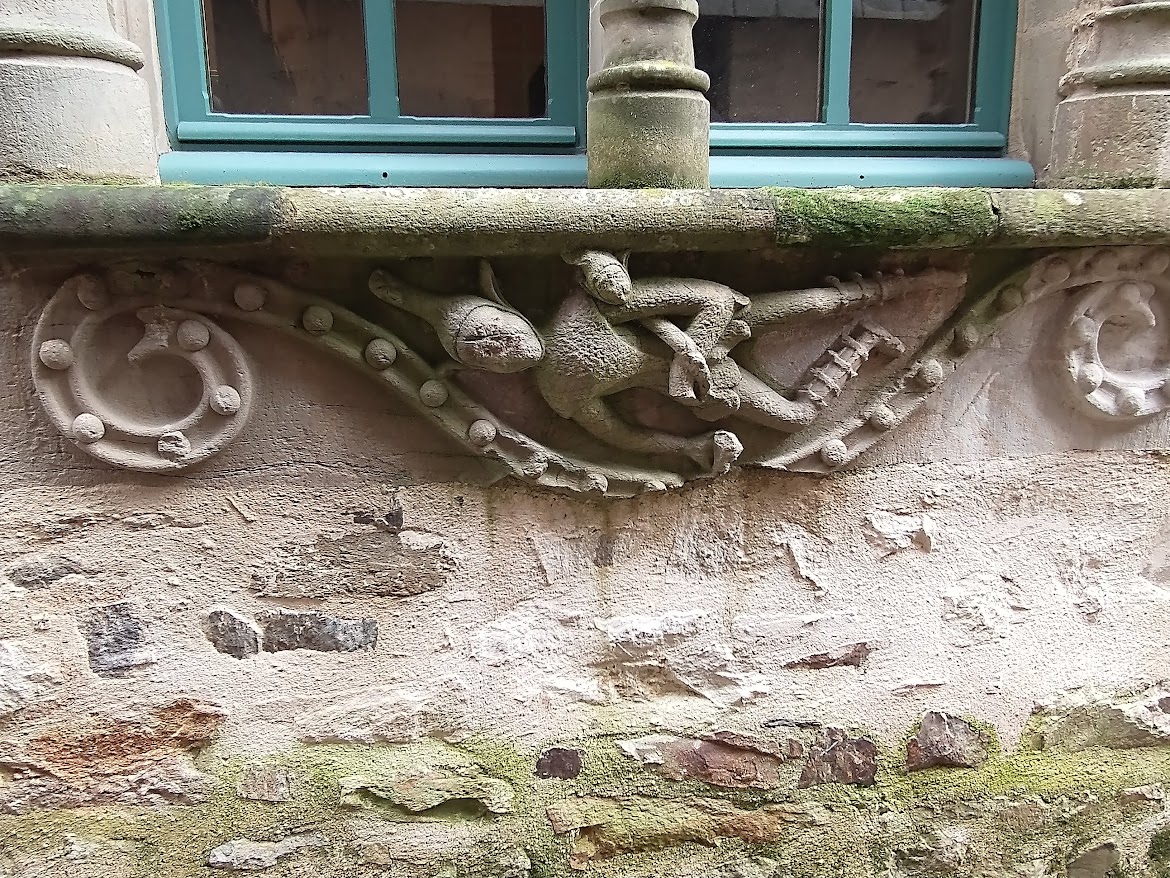
A couple more streets, and a charming decorative detail beneath a window …
…. and finally, the castle.
We didn’t visit the castle or the museum housed there – they were both closed. A good enough excuse to go back another time and explore a little longer.
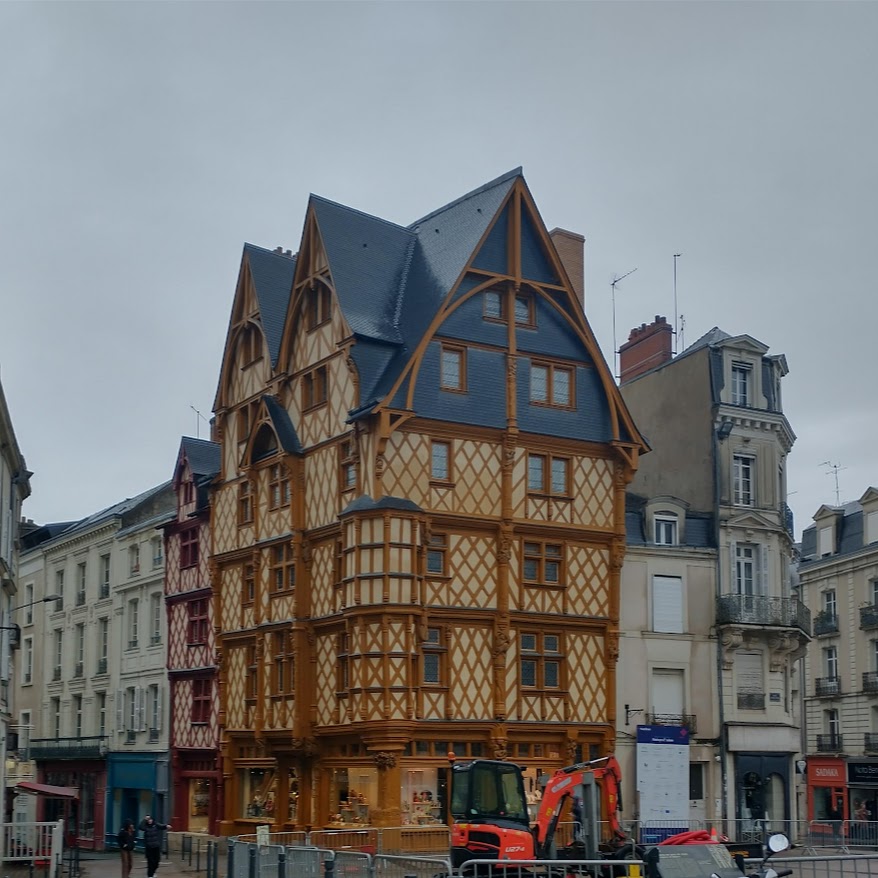
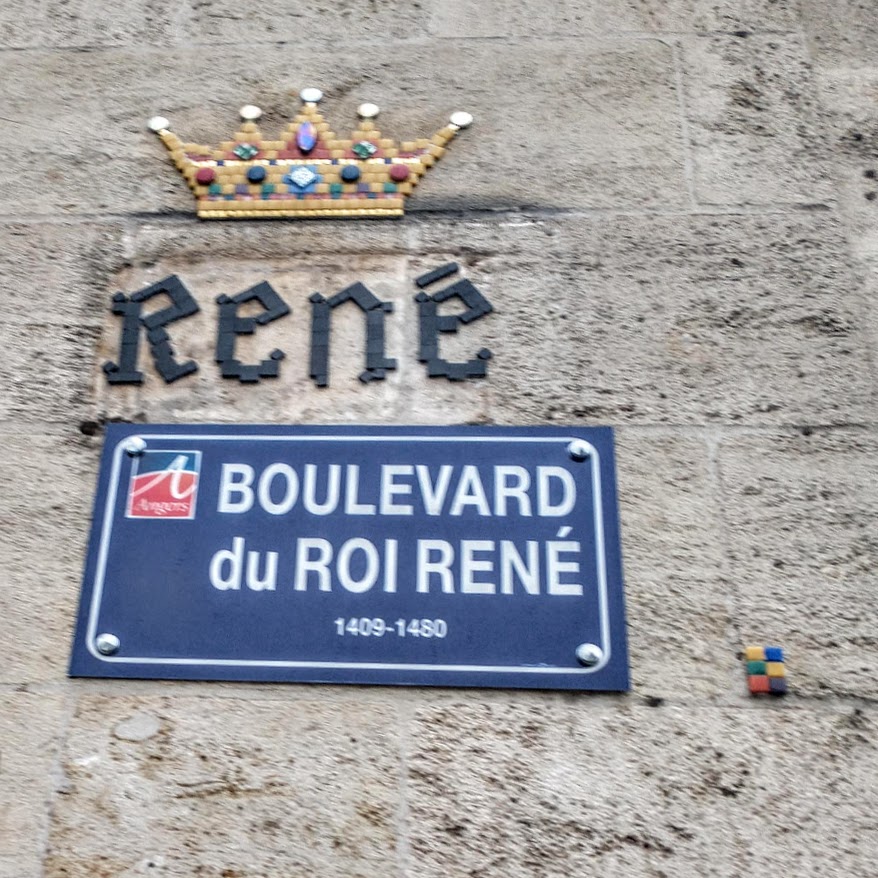
I had various ideas for today’s post, our last day in Angers. In the end, a late afternoon walk made my decison. A couple of shops, and a street-name sign with a commentary provided a bit of light-heartedness among the rain-dodging of the day.
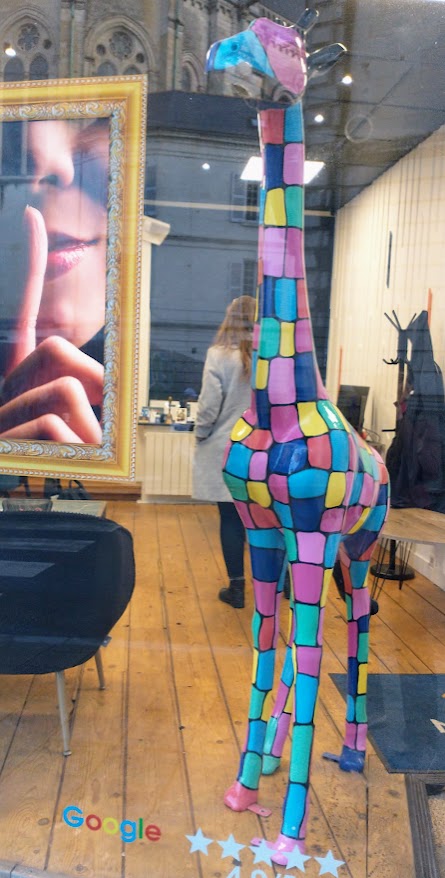
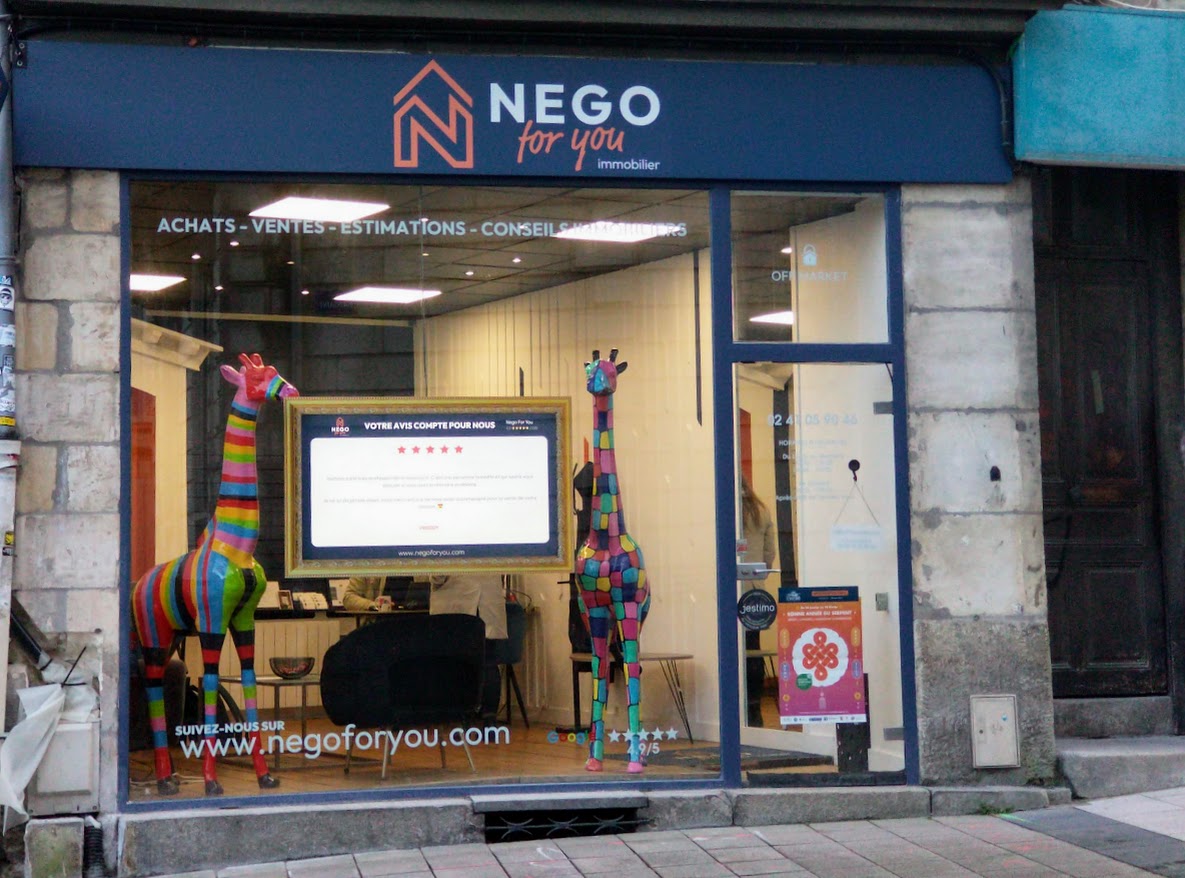
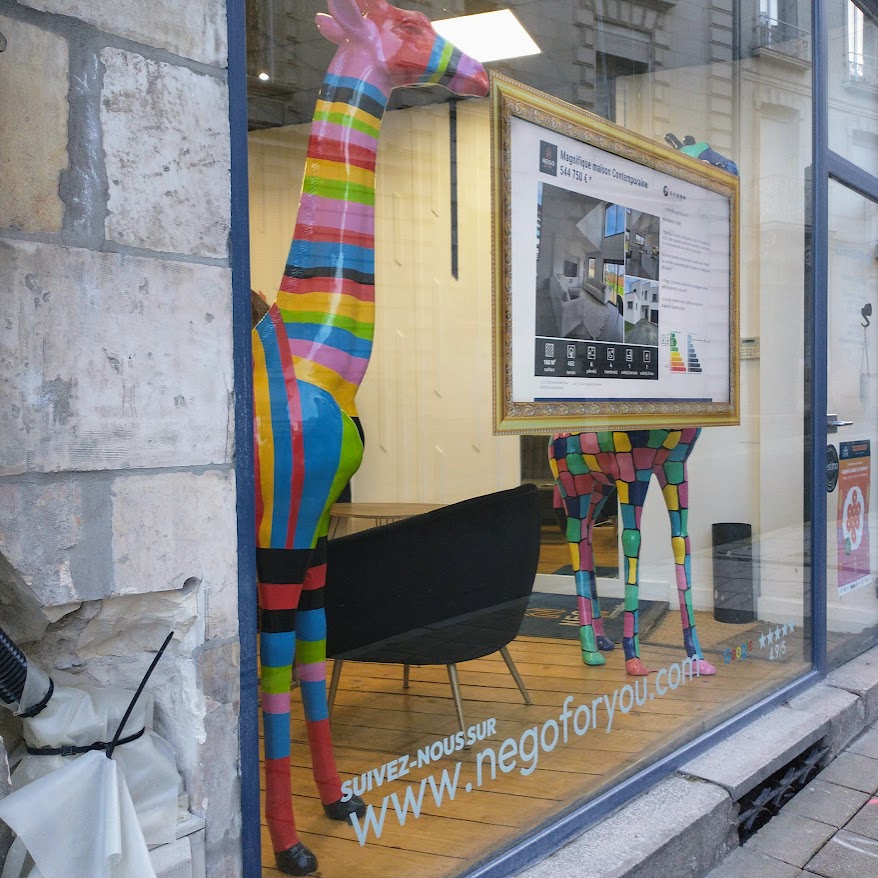
First, an estate agent. Who knew that giraffes sell houses? Vaguely geometric giraffes, anyway.
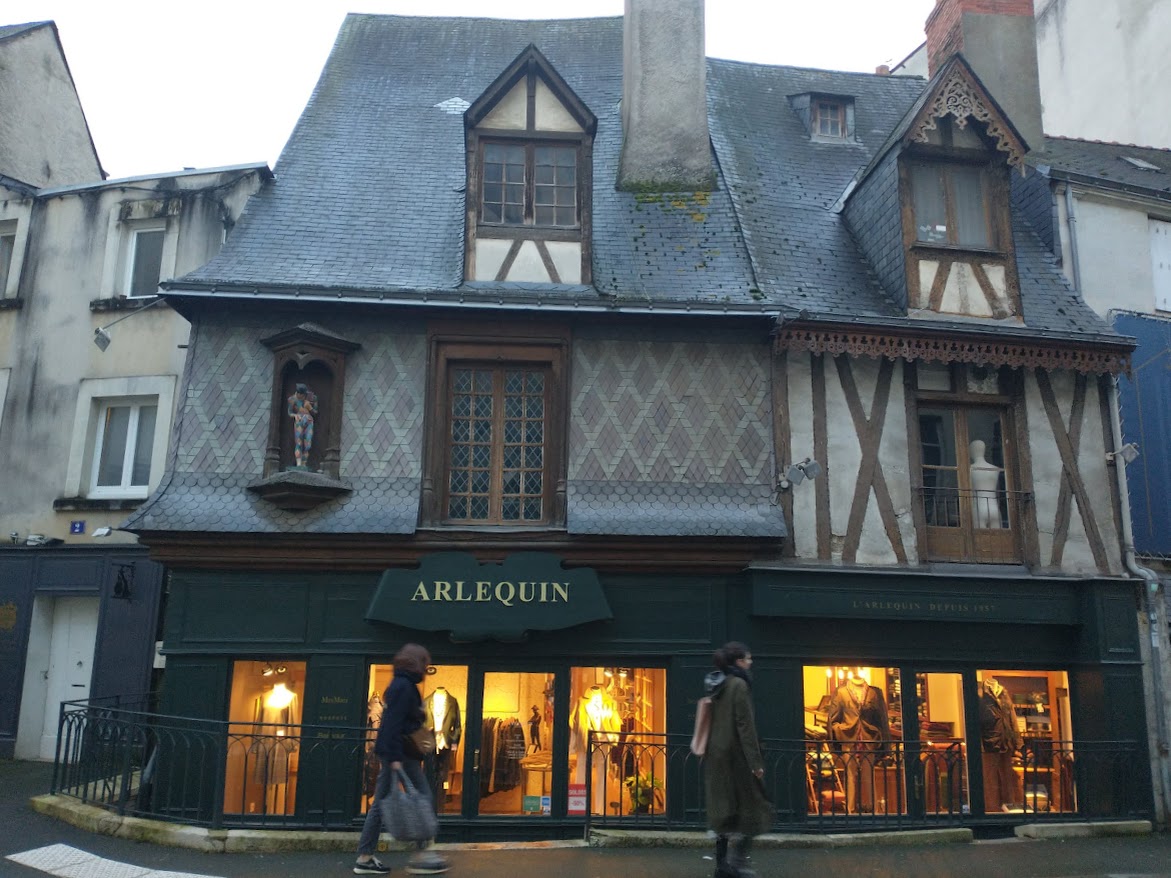
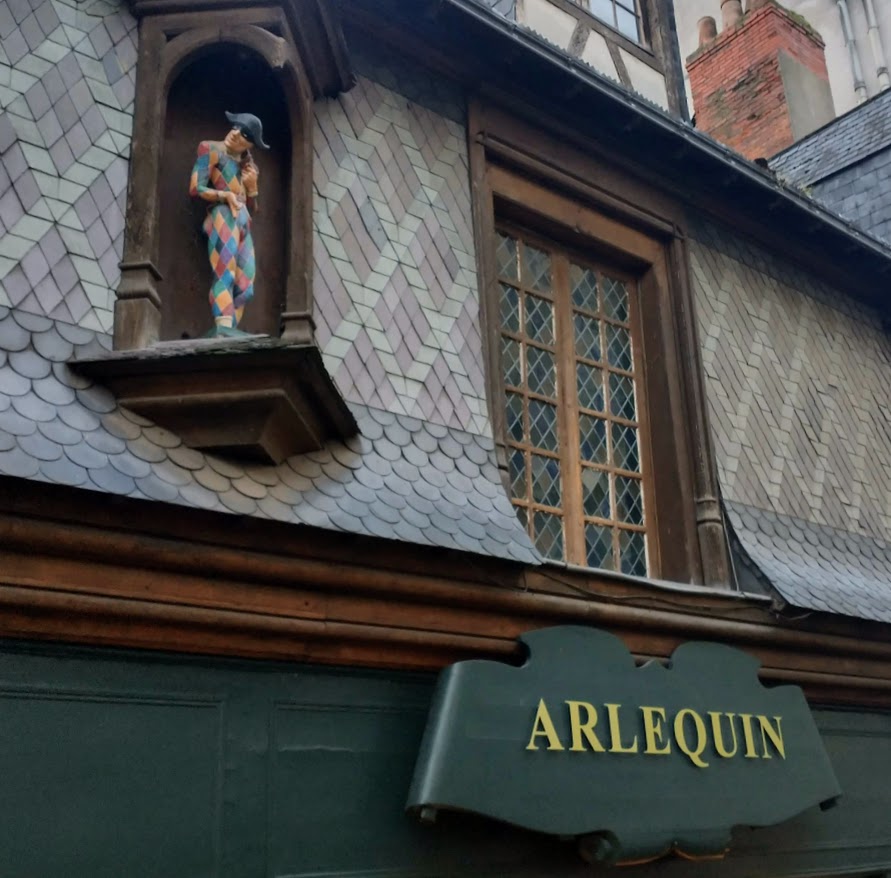
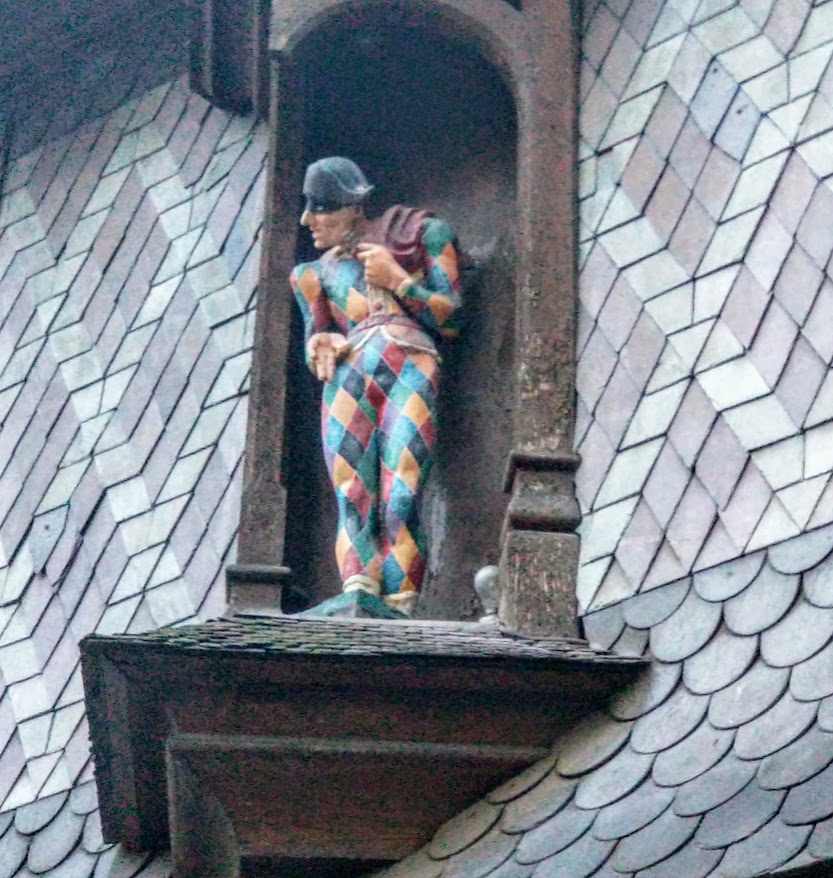
Or that Harlequin was a men’s outfitter? In a niche in a very geometric building.
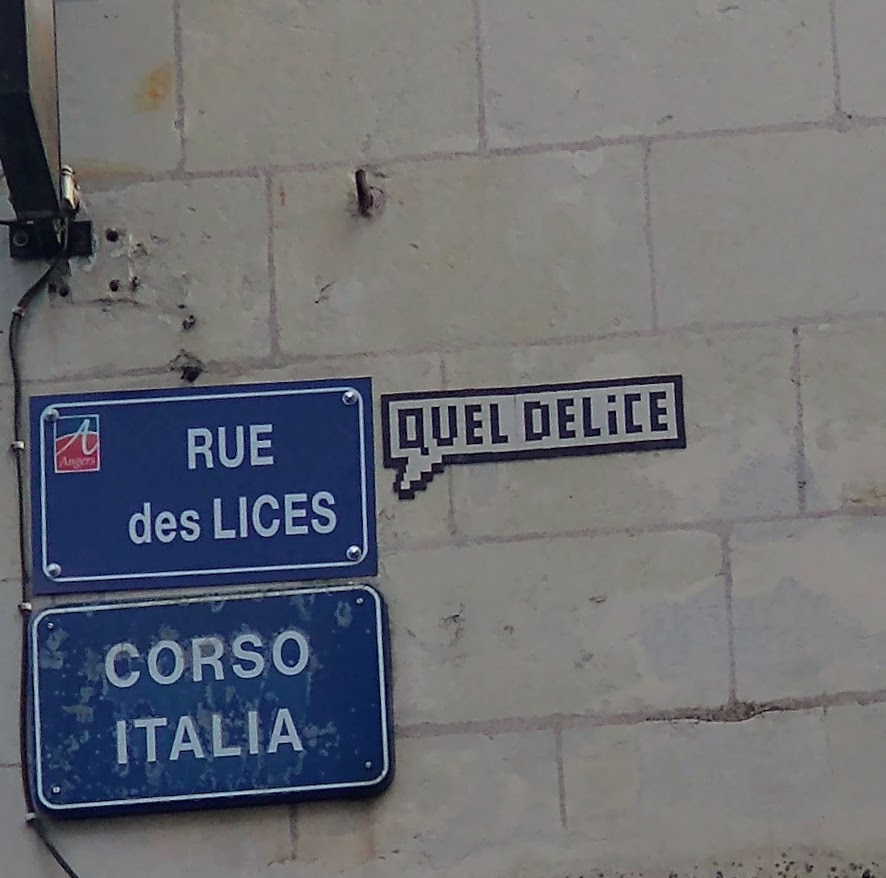
Or that some wag thought a modified name might work better on one city street? Said wag prints in nicely geometic lettering…
Later today, we’ll be in St. Malo for an overnight sailing to Portsmouth. Here’s hoping the scheduled wind will have dropped by then 🙄
I expect not one word of sympathy from British readers when I say that yesterday in Angers was very cold, very wet and very windy. My camera got creaky from the damp, and we didn’t walk around as much as planned. But we had a good day. We ‘did’ the castle and will report back later. I ‘did’ the David d’Angers Gallery, and will report back later. And here are geometric views from the streets, including geometric chocolate which, trust me, you can’t afford.
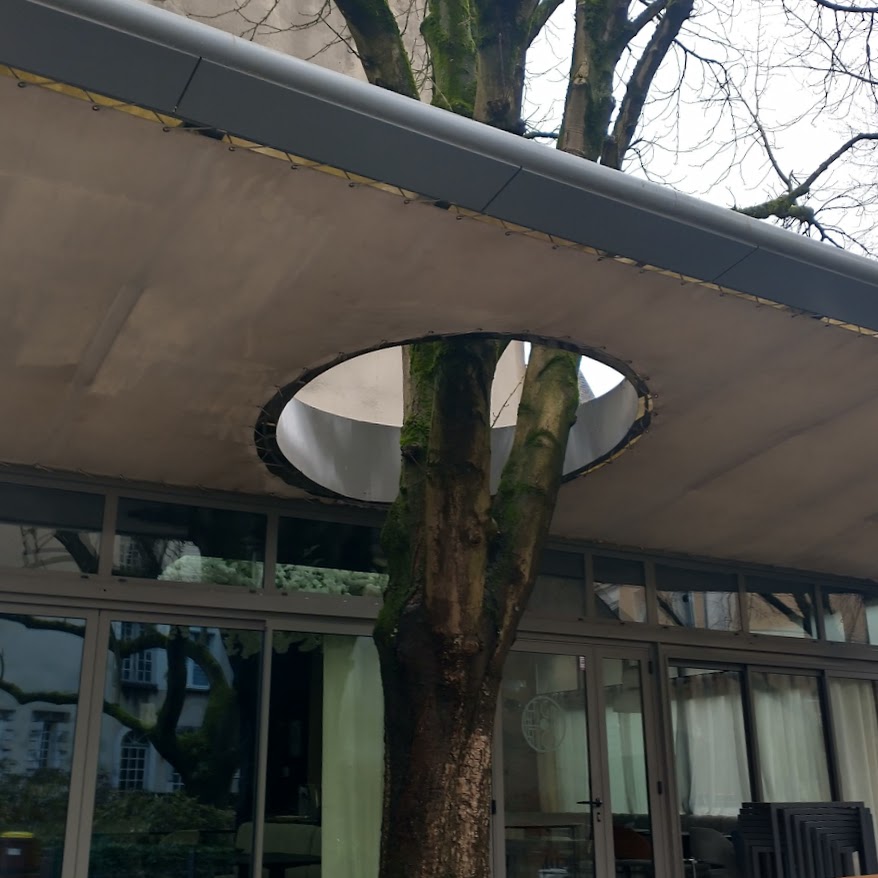
I definitely need to include this: a building whose canopy had a circular hole built into its design, to allow the pre-existing tree to continue to flourish, as it always had.
We’ve arrived in Angers. Irritatingly, Sally SatNav pronouncs it just like that. Angers. In fact, it’s ‘On-jay’.
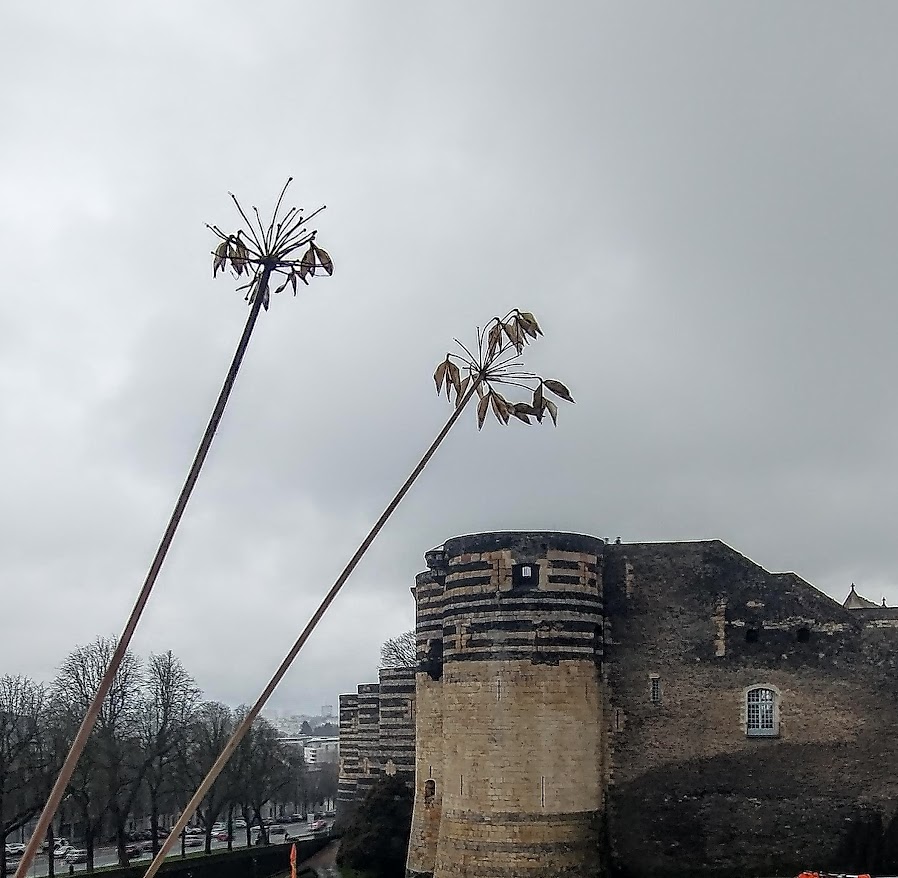
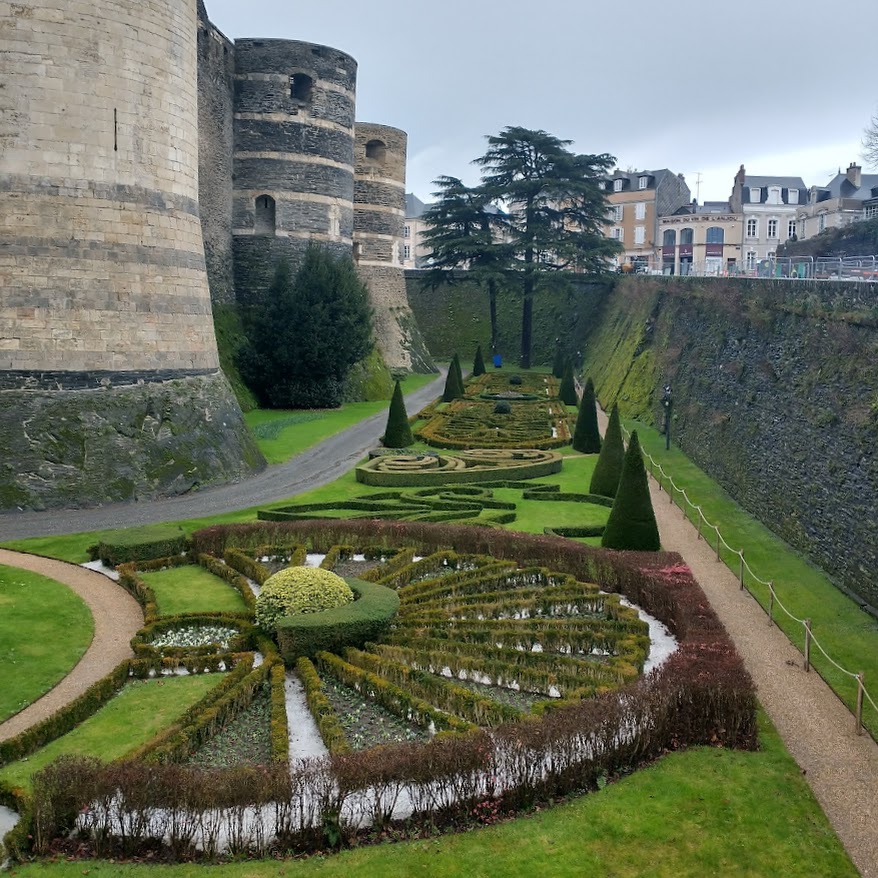
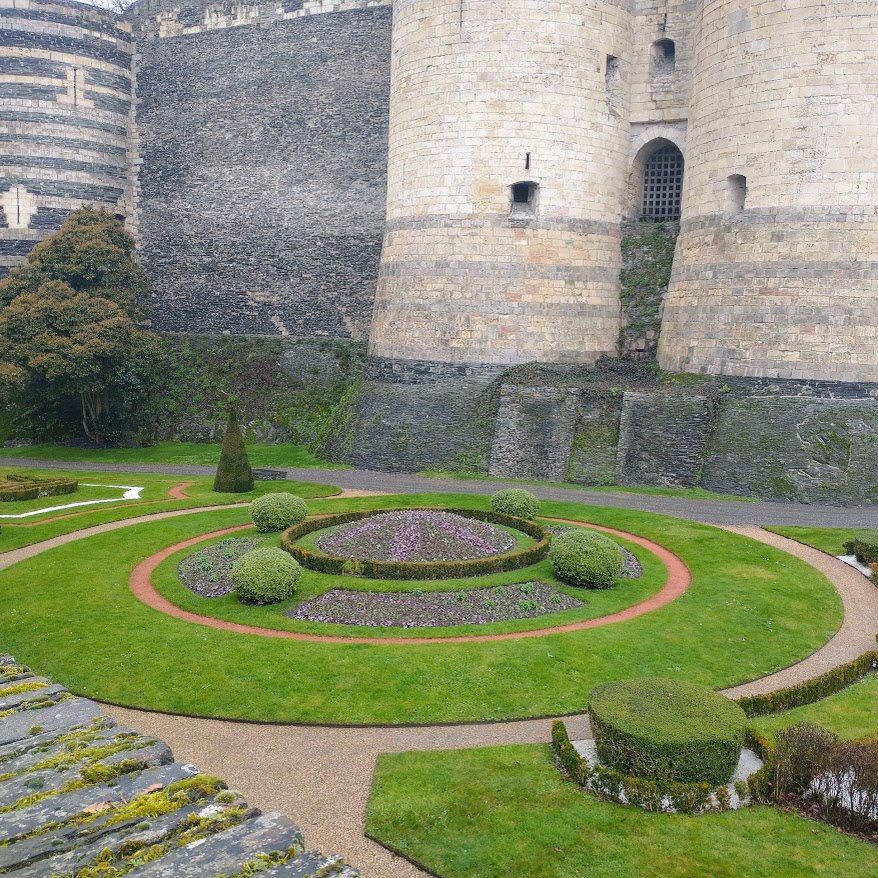
Any right-thinking Brit should have this town on their travel itinierary when in France, because (to quote Wikipedia) ‘Angers was the seat of the Plantagenet (or Anjou) dynasty, and for over 300 years English monarchs had Angevin blood, from Henry II in 1154 to Richard III in 1485. The Angevin Kings of England had strong claims to the French throne, which eventually plunged the two nations into the Hundred Years War.’ And our hotel is opposite the seat of much of the action. Le Château d’Angers, built in the 9th – 13th centuries. We’re going to visit it today, and I dare say I shall have plenty more to say, either in my next post, or more likely once we get home. For now, we’ll look at a few outside views, and also admire the stylised geometry of the formal gardens now filling the moat.
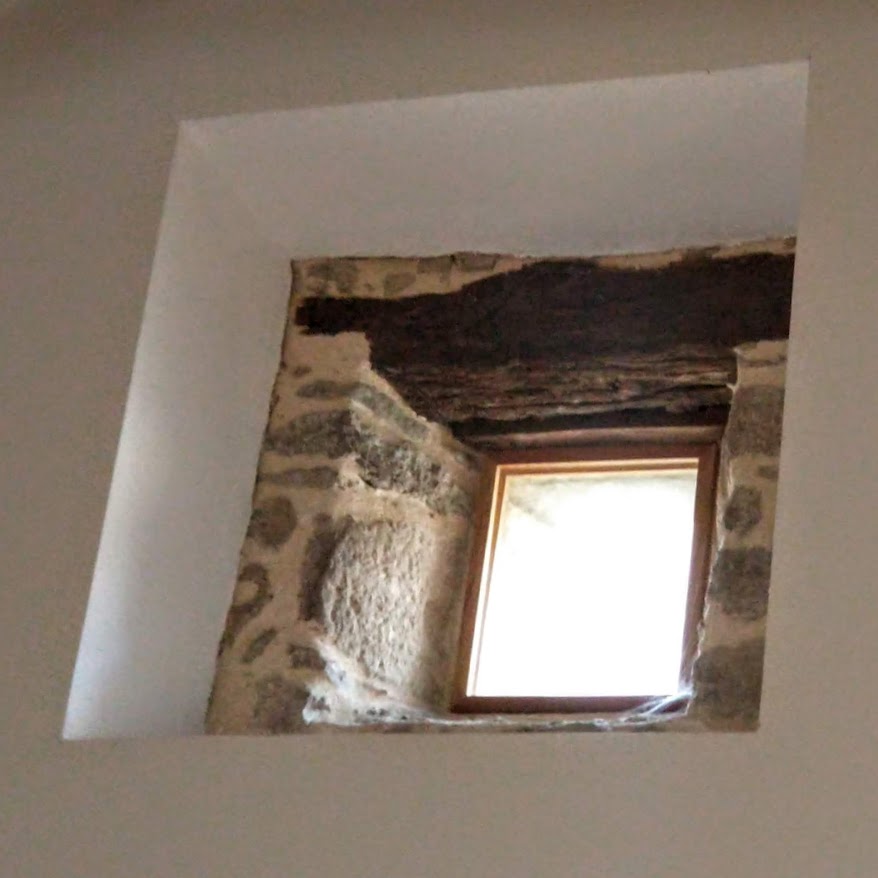
We called in on two sets of friends today, journeying through France. The first set have been busy renovating an old and lovely village house in the Corrèze. My eye was caught by a small window above eye level. Just how many squares can you see here? And how thick, exactly, is that wall?
We’re spending so much time travelling and generally not bring near a computer that I’m finding it impossible to read posts at the moment. Sorry. I’ll catch up one day …











 From Pyrenees to Pennines
You must be logged in to post a comment.