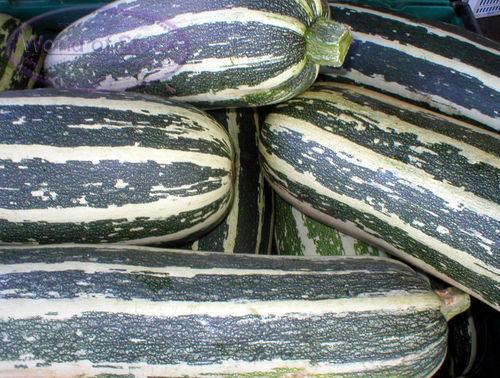
Just now, as September begins, the vegetable patch is at its most productive. The beans, the cabbages, the tomatoes, the new potatoes…… It’s all so very satisfying…apart from one thing. Courgettes. They never give up.
It’s a far cry from a few weeks ago, when the flamboyant yellow flowers first announced the appearance of just a few of those tiny delicately flavoured green fingers, waiting to be celebrated as the centrepiece of a light summer meal. Exciting times.
Now they’ve become something of a trial. Day after day we courgette-farmers haul dozens of the things back to the kitchen. We comb recipe books and scour the net, seeking yet more inspiration. I think we have to support each other. It’s time for every blogger with a veg. patch or allotment to offer inspiration to us all. Even if you normally write about politics, music or the vagaries of the fashion industry, you and your ideas are needed as a service to the whole courgette-growing-community.
Here’s a recipe to start things off. This dish is good as part of an Indian-style meal, or as a complement to, say, simply grilled meat.
Courgettes cooked in pickling spices: a recipe from Hyderabad.
2 tablespoons oil or ghee
I tablespoon pickling spices
½ tablespoon ground turmeric
½ tablespoon chilli powder
½ tablespoon ground coriander
2 large tomatoes, skinned and chopped
450 g. courgettes, diced
Salt
Chunk of fresh ginger, grated
2 green chillies, finely chopped
½ tablespoon Kashmiri masala
I tablespoon fresh coriander
Heat the oil in a deep pan and temper with the pickling spices. Reduce the heat and add the turmeric, chilli and ground coriander. Sauté for one minute and add the tomatoes. When the mixture has thickened, add the courgettes and season to taste. Cook till the courgettes are soft. Just before the end of cooking time, add the ginger, chillies and Kashmiri masala. Garnish with fresh coriander and serve.
Both the pickling spices and Kashmiri masala can be made in batches and used as required. They’re useful additions to the store cupboard if you enjoy Indian food.
Pickling spices:
1 tablespoon cumin seeds
1 tablespoon black cumin seeds
1 tablespoon kalonji
½ tablespoon mustard seeds
Kashmiri masala
2 tablespoons fennel seeds
1 tablespoon cardamom seeds
6 bay leaves
2 tablespoons mace
Grind to a powder and keep in an airtight container
Actually, though, we’ve just come back from a week in Italy. That’s far more exciting, so…….to be continued in our next
We’ve finally made it back to France, after 4 weeks of family, fun, and titivating our house there for marketing purposes. When we arrived, stocking up with food was a problem. The shop was closed: the baker’s was closed: holidays you see. Then I remembered the evening market at La Bastide sur l’Hers.
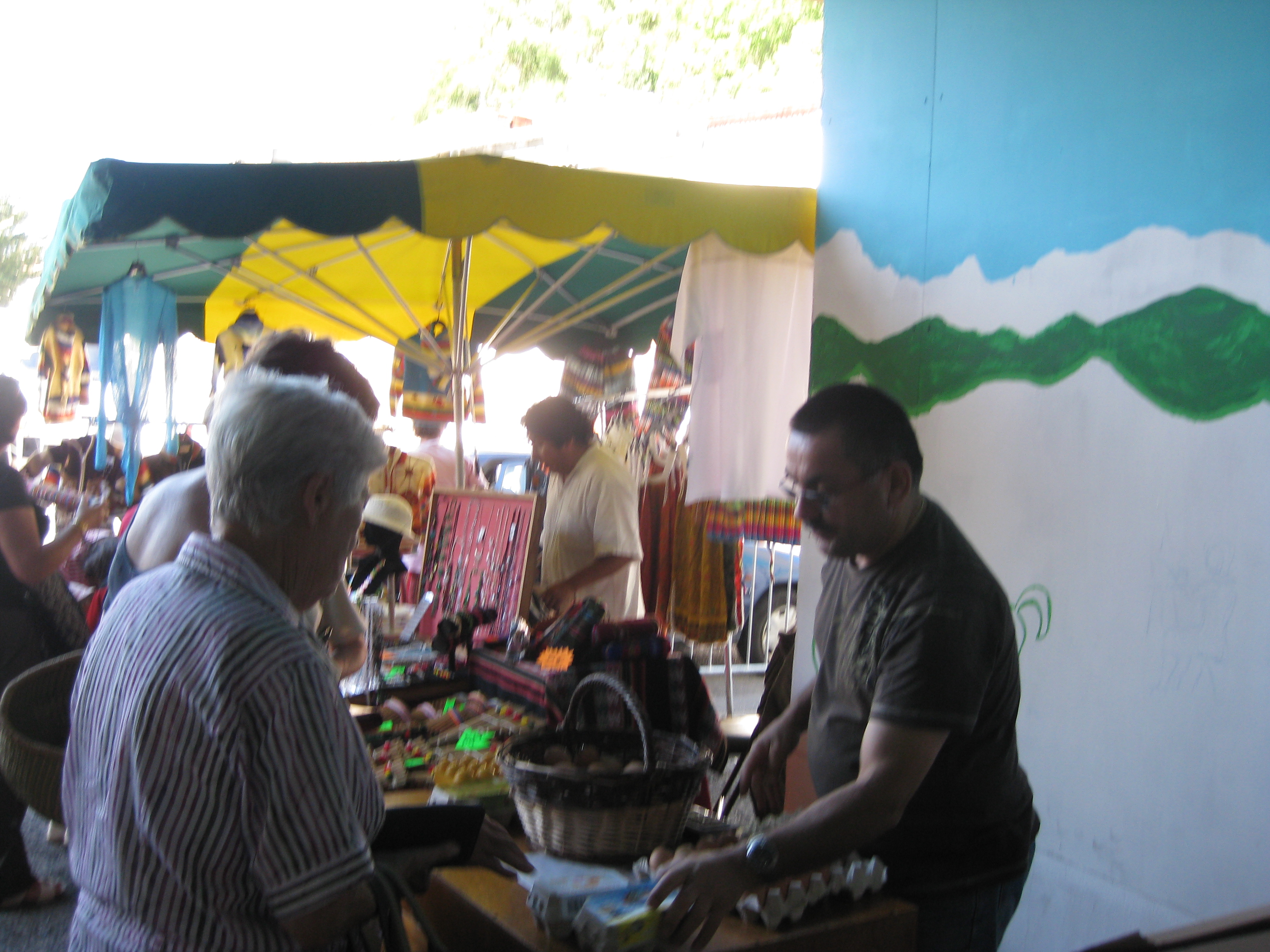
Over the last few years, during July and August, evening markets have grown in popularity in the towns and villages in this part of the world. Originally, the idea was to attract people in to spend a pleasant hour or two browsing at the stalls offering hand-crafted goods and bits of this and that. Increasingly, they’ve become somewhere to come to have a night off cooking, and spend a cheerful hour or two eating or drinking with friends. There are always plenty of food stalls: couscous, paella, oriental stir fries, pizzas, barbecued meats….. Bring your own knives and forks, don’t forget the corkscrew, find a place at a communal table, sit down and enjoy!
Well, that was what we planned for yesterday. Then it started to look grey. Soft warm raindrops slowly started to drop intermittently from the sky. With no food in the house, we had to go anyway. We knew we’d be alone. The French seem to have no appetite, like we Brits, who are used to such things, for hiking in the rain, or market shopping in a storm. In the past, we’ve been victim of the cancelled walks, we’ve seen the empty market squares.
This time, we were wrong. We chose a spot at a table under a row of plane trees which sheltered us from the worst of the rain, bought our food, opened our wine, and tucked in as we got gradually damper and damper. We people-watched: there were plenty of people to watch. We saw others doing the same. We saw families arrive with their cool boxes, determinedly striding through the puddles. We saw chivalrous men standing with opened umbrellas protecting the rest of their party from the worst of the weather. We laughed and shared the fun with our neighbours at table as the rain got heavier and heavier. Obé’s paella has never tasted better.
Some lucky people - including the musicians - kept dry under the shelter of the market hall
With a house to sell in England, we’re still here in the UK. So let’s make the most of it, particularly at mealtimes. Here’s how.
Apples:
With any luck, Discovery, the very first apples of the season will appear any day now. I love their bright red skin, their crisp white crunchy flesh. They’re hopeless keepers, but for just a very few weeks, their bright fresh flavour presents a real contrast to the departing soft summer fruits.
And when they’re over? Well, there are James Grieves, Laxton Supreme, Laxton Superb, Worcester Pearmain, Lord Lambourne, Cox’s Orange Pippin and so many others to look forward to…if you can find them. And of course Bramley Seedlings too, so wonderful to cook with.
I was brought up to anticipate and celebrate the heady variety of taste, texture and appearance of all our English apples. These days I mourn the uniformity of the standard few varieties that stock the supermarket shelves, year in, year out. Often as not, they’re imported from New Zealand, South Africa, the USA, and France, while our own traditional varieties have become heritage items whose very existence is protected by Reading University’s National Fruit Collection at Brogdale
Blackcurrants:
I KNOW they’re available in France, but when we got back this time, we discovered a small blackcurrant bush had been secretly prospering in a forgotten corner of the garden. And there it was, laden with big dark purple berries, over a kilo of them, just asking to picked and enjoyed
Gooseberries:
Gooseberries, white, red and blackcurrants
Hardly seen in France, I love their crisp sour flesh, and eat them any way I can. Gooseberry fool is best of all: gently stewed fruit folded in with equal portions of good custard and double cream.
Raspberries:
They DO exist in France, but can’t compete with the big, juicy, tasty berries we have here: the best ones come from the garden of our friends Richard and Jonet here in Harrogate (and the best jam too). The rest come from Scotland.
Repeated pleasures:
Back in southern France, broad beans are long over. Here they’re at their best, so I’ve had two goes this year at my almost-favourite vegetable. OK, not a fruit. But very good anyway.
Summer pudding:
Surely the quintessential English pud? Gently cooked quantities of soft summer fruits, spooned into a basin that’s been lined with pappy English sliced bread, left for the flavours to mingle before turning out and serving with cream doesn’t sound too exciting maybe. But it is. Summer in England really isn’t summer until you’ve had your first helping. And as many helpings as you can manage before the season’s over
Summer Pudding
Ingredients
1kg (2lb) mixed berries (use a combination
of raspberries, blackberries, blueberries, redcurrants or blackcurrants)
160g (5½oz) caster sugar
10 thin slices stale white bread, crusts removed
Method
Place the berries, sugar and 60ml (2fl oz) of water in a saucepan. Bring to a gentle simmer on a low heat and cook, stirring to dissolve the sugar, for 3-4 minutes, or until the fruit has softened and produced lots of juice. Set aside to cool.
Pour the juice into a flat dish, reserving the fruit.
Cut one slice of bread into a circle small enough to fit the base of a 1.5l (48 fl oz) pudding basin, and another large enough to fit the top. Cut the remaining slices into triangles. Dip both sides of the smaller circle of bread quickly into the juice and place it in the bottom of the pudding basin. Dip both sides of each triangle of bread into the juice, then line the inside of the basin with the juice-soaked bread, overlapping them slightly to make sure there are no gaps.
Fill the bread-lined basin with berries, drizzle with any remaining juice and top with the larger circle of bread, trimming it to fit if necessary.
Cover the top of the pudding with clingfilm, then place a saucer or small plate that just fits inside the rim of the basin on top. Press the plate in, then weigh it down with a heavy can or two. Place the basin in a shallow dish to catch any juice that might overflow, and refrigerate for at least 12 hours.
To serve, run a thin knife around the inside of the basin and invert the pudding on to a serving plate. Cut into wedges and serve accompanied with plenty of thick cream.
Chicken is a bit of an occasional treat for us, but first….. source your hen.
We buy our eggs from a man with a stall in Lavelanet market. He’s a rather dour chap with a tendency to tell you off if you forget to bring an egg box for your purchases. But our friend Mireille has seen all his chickens pottering about in their huge field in the countryside south of Toulouse. She assures us they lead a thoroughly idyllic, bucolic existence, with nothing to do but feed, fossick for grubs and lay eggs for all the customers, until one fine day…. it’s all over, for one of them. Killed, plucked, gutted, packed up, and brought into market for someone like me. They’re only killed to order. On one Friday, you’ll tell him what you’d like to have, and the following week, he brings it to market for you.
And the 11 euros or so we pay is such good value. His birds are so tasty, a little goes a long way: and once we’ve picked every scrap of flesh off, there’s all that wonderfully rich stock from the bones.
This is one of our very favourite recipes: and it’s easy too. Good hot or cold, summer or winter
Put the chicken into a flameproof casserole, tagine or saucepan in which it will fit snugly. Add the onion, garlic, butter, ginger, cinnamon stick, turmeric and saffron; season. Pour in 700ml water, cover and bring to the boil over a medium-to-high heat. Reduce the heat and leave to simmer, spooning the sauce over the chicken and turning it over now and then until it is just cooked through – about 40 minutes. Lift the chicken onto a plate and cover with foil.
Add the lemon juice to the casserole, increase the heat once more and simmer the sauce rapidly until reduced by about two-thirds. Return the chicken to the casserole with the olives and pieces of preserved lemon, cover with a well-fitting lid and simmer for a further 20–25 minutes until the chicken is tender. Lift the chicken onto a large, warmed platter.
Add the chicken liver to the sauce and simmer for 5 minutes. Add the herbs and adjust the seasoning if necessary. Spoon the sauce over the chicken and serve.
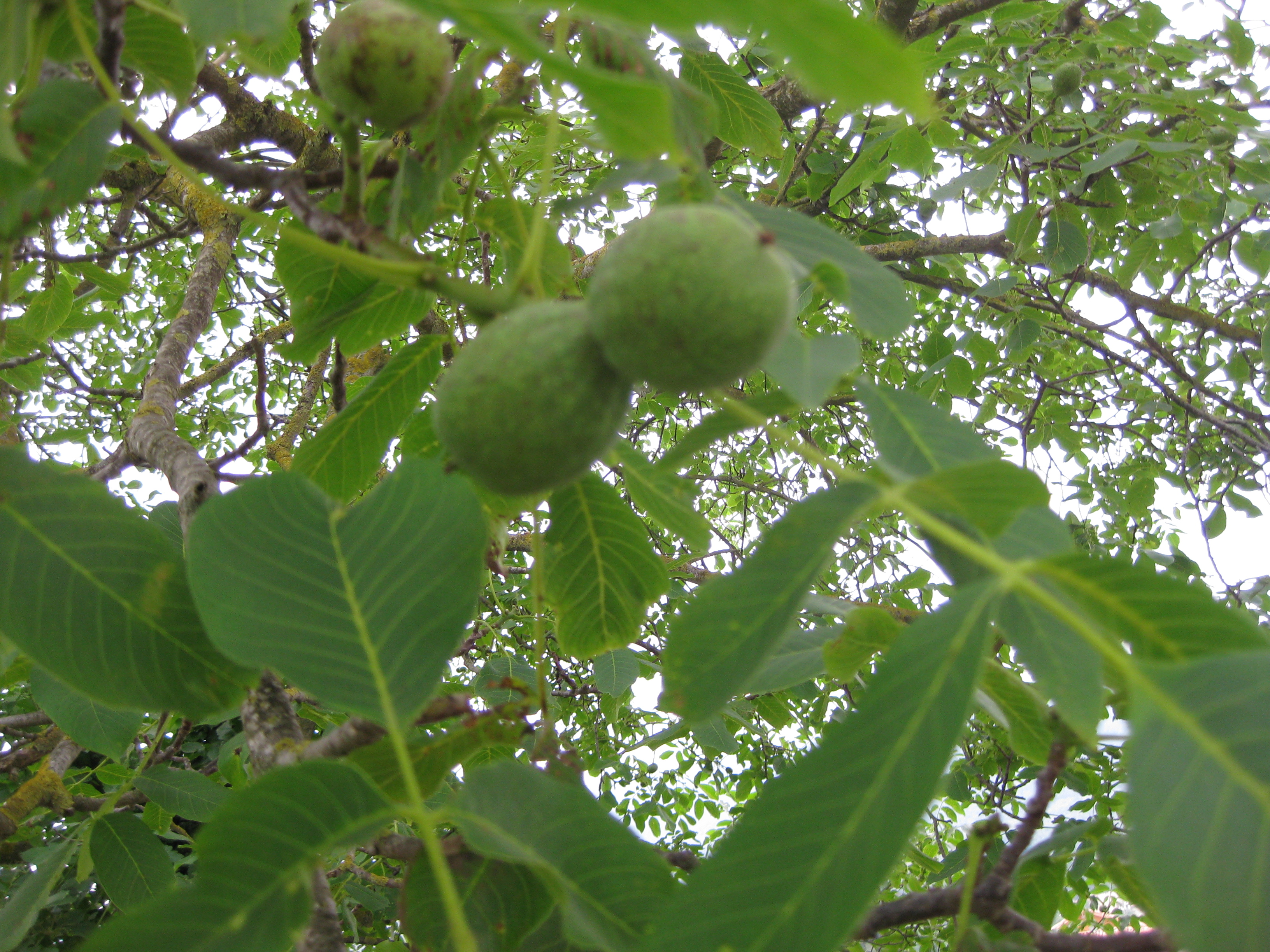
Léonce has a walnut tree outside her house. On the 24th June, she picked just 40 baby walnuts.
Why 24th June? Well, it’s traditionally Midsummer Day, celebrated here by huge pagan bonfires, but named for John the Baptist whose birthday it’s said to be (le Feu de la St. Jean). On this day, summer fruits are at their most perfect, and just asking to be picked. So they say.
And why pick the nuts when they’re still green, the fruit within unformed? It’s to make a Christmas treat – vin de noix. This year, Léonce asked me to come and be part of her select manufacturing team of two.
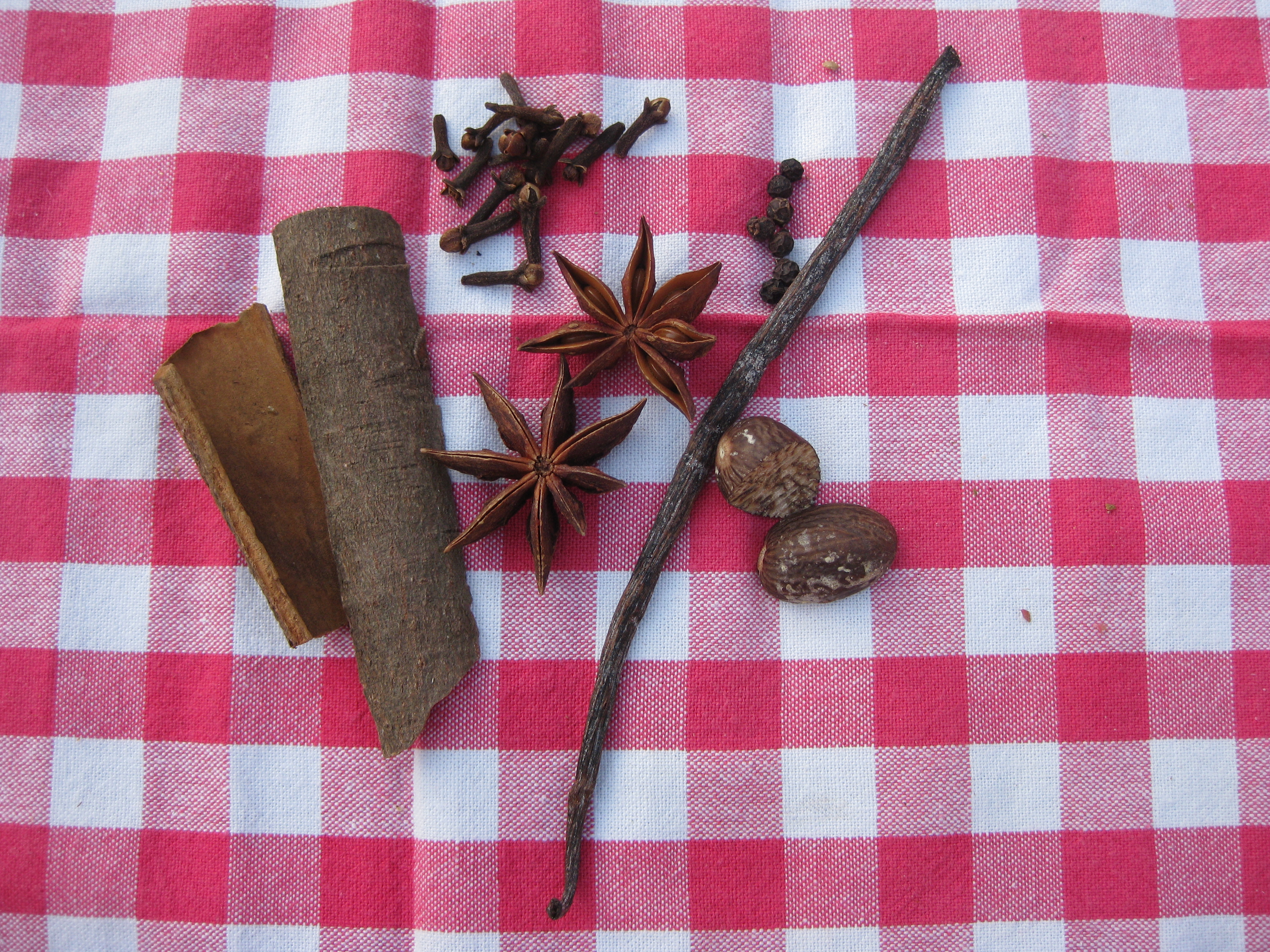
Spices at the ready
When I arrived at her house, with my demijohn (or bonbonne), red wine and eau de vie, her kitchen table was already crowded with all the other ingredients we needed:
Brown sugar cubes – Oranges – Star Anise – Vanilla – Cinnamon sticks
Cloves – Nutmeg – Peppercorns.
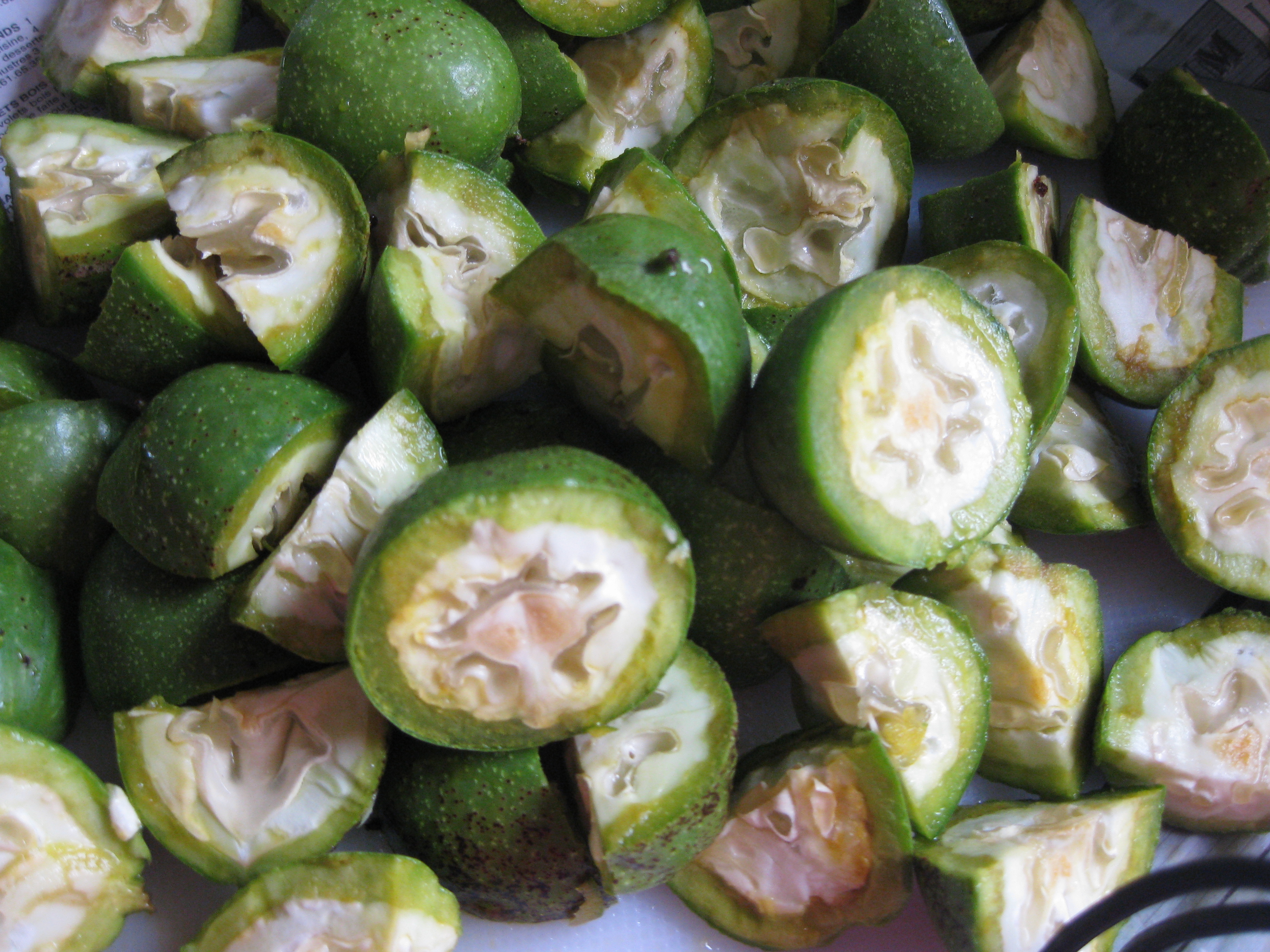
They don't look much like walnuts, do they?
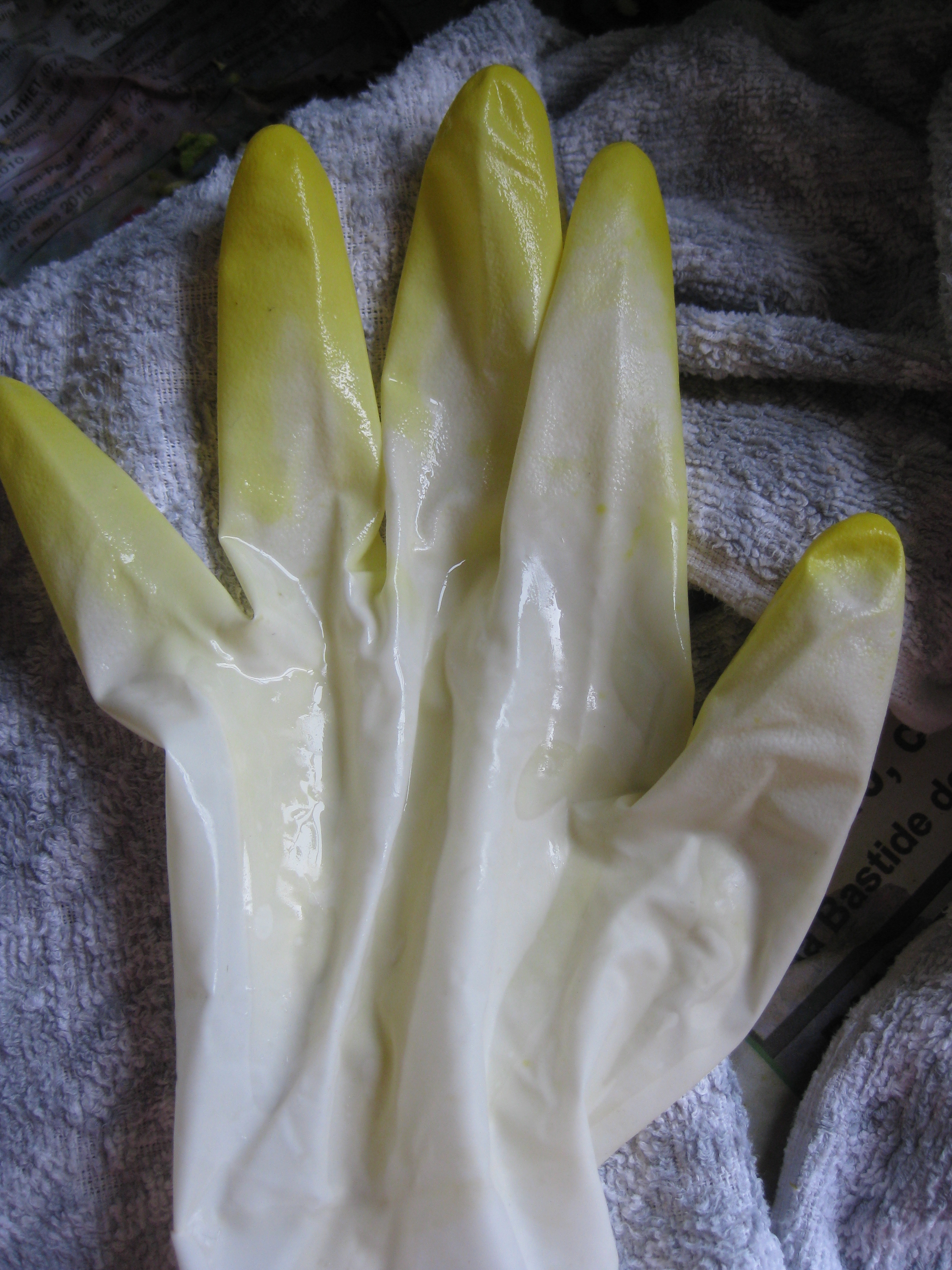
I got the job of cutting the walnuts into four. You need rubber gloves for this. Without them, your fingers would be stained a vivid orangey yellow, like those of a lifelong heavy smoker.
These are the hands that cut the nuts.....
Meanwhile, Léonce sliced oranges, measured and crushed spices, and opened bottles of wine – we needed 4 litres each, and one litre of eau de vie.
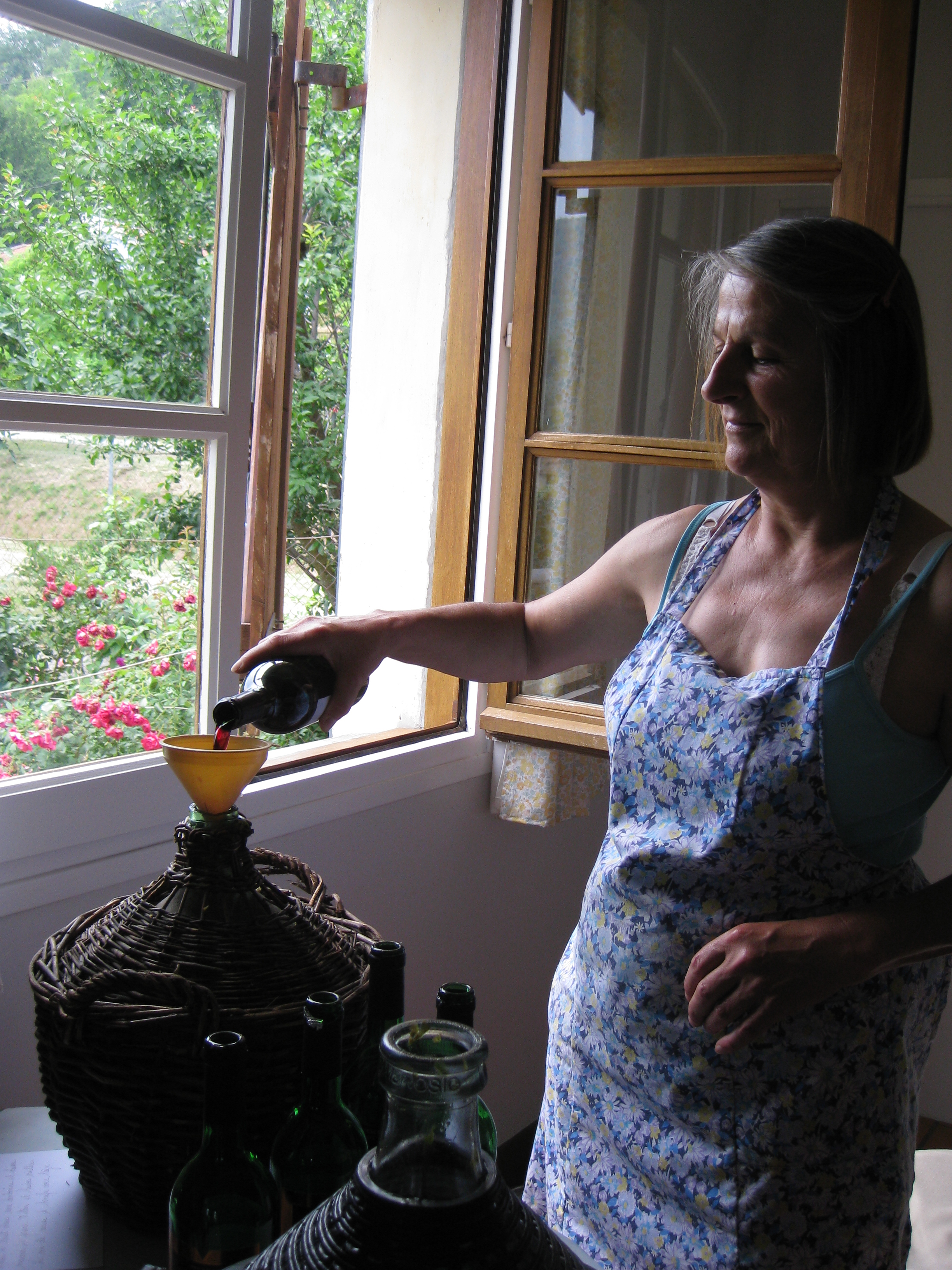
Finally we were ready. We pushed the walnut segments into our large jars, followed by chunks of orange, the sugar cubes, and then the spices. All those bottles of wine, all that eau de vie glugged down to mix with everything else, and then all we had to do was cork our bonbonnes, and lug them to a dark cool storage room.
in goes the wine....
We’ll leave them there for 6 weeks for the flavours to blend and develop, then we’ll strain and bottle our concoctions, and leave them again to mature as long as possible. Don’t do as I do. Every time I pass, I uncork the bonbonne and have another quick sniff. Quite wonderful.
You’re not expecting vin de noix from me in your Christmas stocking this year are you? Oh no, sorry, that’s far too soon. It’ll be Christmas 2011 at the earliest. It takes a long time to produce a decent vin de noix.
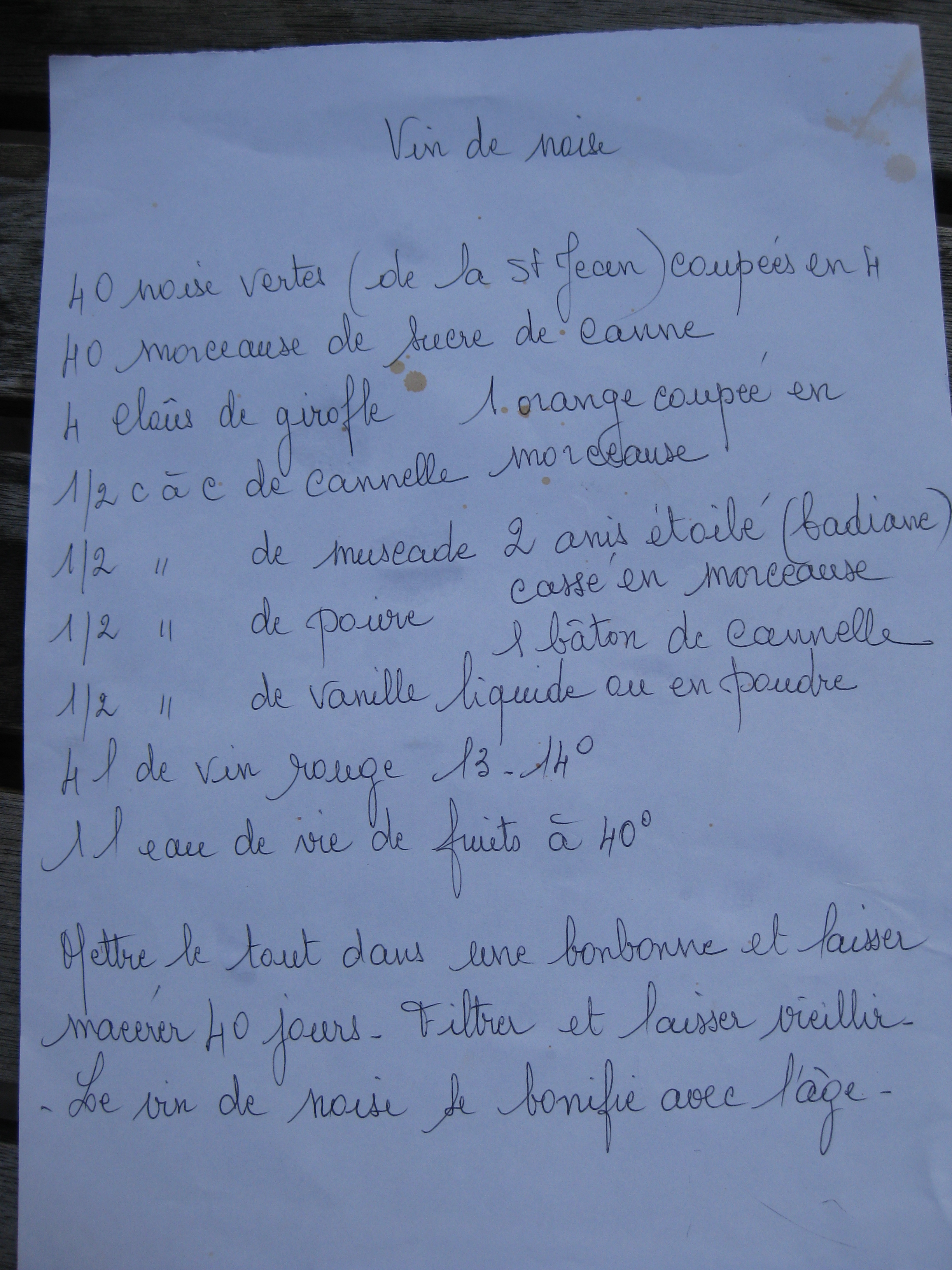
So here’s the recipe…
Vin de noix
The recipe: french version
40 green walnuts, each chopped into 4
40 brown sugar cubes
1 orange, chopped into chunks, peel and all
4 cloves
1 cinnamon stick
½ tsp. grated nutmeg
½ tsp. black pepper
½ tsp. vanilla essence, or a small vanilla pod
2 star anise, crushed
4 litres of red wine (13 – 14%)
1 litre eau de vie de fruits (40%)
Put the lots into a demi-john and leave for 40 days. Filter and bottle and leave to mature for at least a year. The older the better.
Yesterday, it was the last day of term at Clé des Chants, one of the choirs I belong to. As usual, we finished the year with a shared meal.
In the course of the evening, I was chatting to Bernard and Pierrot, mildly teasing them that as usual, the women had cooked food to bring, while the men had brought the wine. After they’d defended themselves with some vigour, they asked me about English food.
I always find this question quite difficult to respond to, now that we English are more likely to sit down to spaghetti Bolognese, a Chinese-style stir-fry, or a pungent curry, than steak and kidney pudding with two veg. followed by jam roly-poly and custard. So I talked about the English love affair with curry, and said how we liked ’em spicy.
Bernard: ‘Oh, cooked with saffron – that sort of thing’
Me: ‘No – chillies, cumin, turmeric, ginger – that sort of thing’
Bernard: ‘In that case, I had a curry once, chilli con carne I think it was called. Didn’t like it.’
Which is, in one way, surprising. The French colonial heritage means that the warm, rich flavours Morocco, Algeria & Tunisia – tagines and couscous are now a standard and much appreciated part of French cuisine.
Still, you couldn’t call these dishes mouth-burningly hot. Any more than the curries served in this part of France are, to the English palate. ‘Careful! It’s lethal’, you’ll be warned, as a tempting plate is set before you. ‘Erm, thanks. This is a jolly nice stew’ is not the correct response.
PS, and nothing to do with spices at all. If the French have not embraced curries, they have fallen in love with ‘le crumble’, and whole recipe books are devoted to the subject. We were delighted to pass a pâtisserie in Agen the other day, with lots on display. They were helpfully labelled ‘Grumble’.
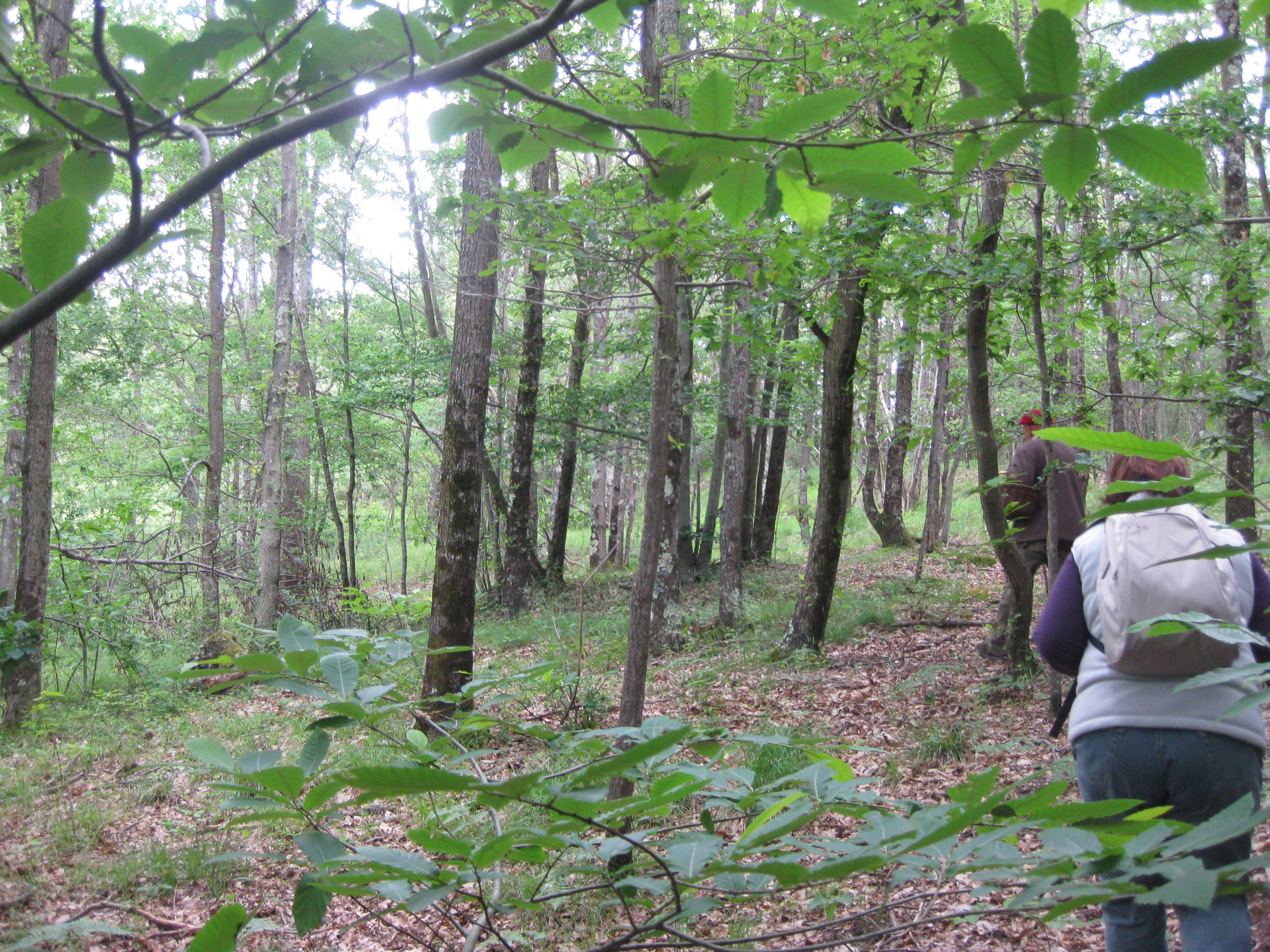
Yesterday, members of Atout Fruit went mushrooming. ‘ You couldn’t have!’, I hear you cry, as several people I mentioned it to did, ‘Autumn’s mushrooming time. On the whole’. Well, yes, up to a point. But our guide Francis, an organic farmer near Chalabre, keeps his family in mushrooms every single week of the year. He knows where to look.
The hunters set forth
And so he took a group of about 10 of us to the woods. Where? I’m not going to tell you that silly. Somewhere near Lavelanet. That’s all you need to know.
He told us some of the lore and laws surrounding mushrooming. That you can gather 5 kilos per person per day in the Aude, but only 3 kilos here in the Ariège . I wish. I’m ecstatic generally if I find as many as three mushrooms. That about 85% of land is in private ownership. That you may have the right to gather in the Fôret Communale of certain communes if you are resident there. That you must have written permission if a landowner gives you permission to go mushrooming on his land in case the police stop you as you carry your haul home. Theoretically, you could be stopped as you return from the shops with an extra-big bag of them.
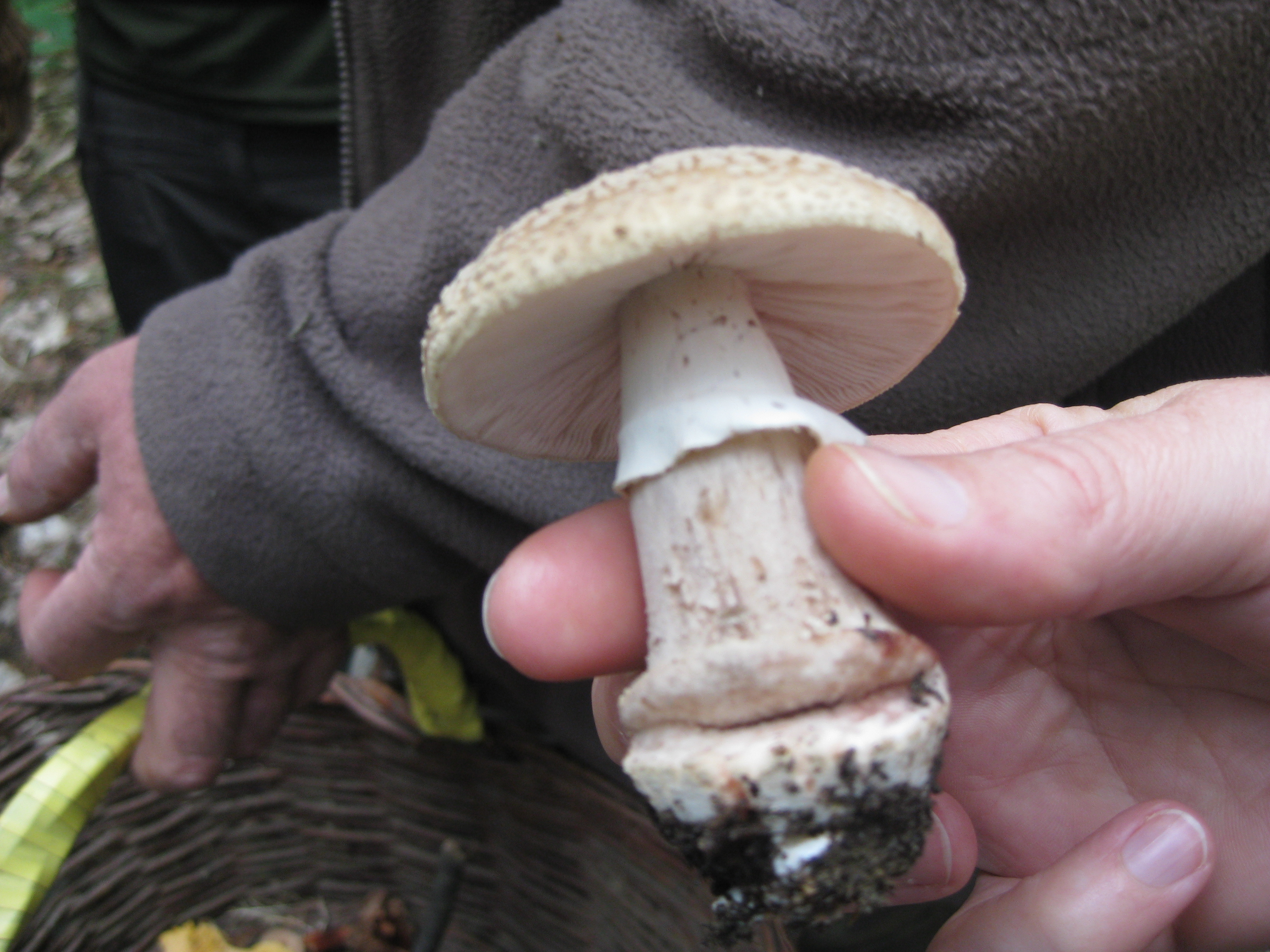
An inedible amonite
Mushrooms in the woods, pushing steadily through the thick thatch of decaying leaves, are surprisingly hard to spot, clinging to the base of tree trunks, bulging through the crust of impacted dry foliage. We quickly divided into a hit squad of those who seemed to have an eye for it, and others, who like me, were destined to remain in the B team. Francis showed us edible girolles, gariguettes and russules, and warned against the attractive-but-not-to-be-eaten family of amanites.
Look at the whole thing to identify it correctly
We’d trot over to him with our finds, to be disappointed when he warned us against putting them in the pot, triumphant on those occasions when he said they were ‘delicieux’. We could guess after a while which ones were delicieux. The slugs and worms had got there first and eaten little circles out of them. No matter. Plenty left for us.
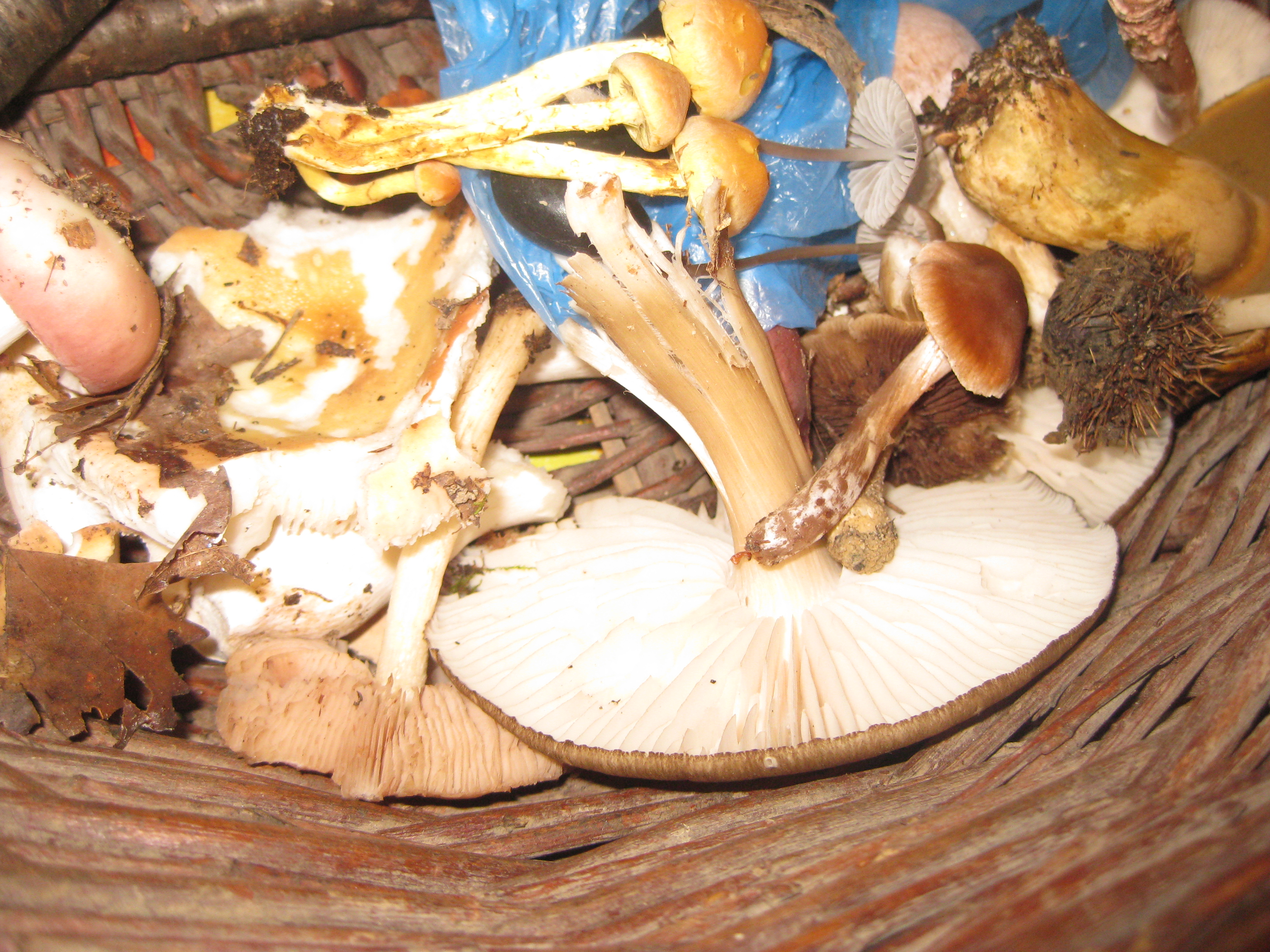
After a couple of hours, we wandered back to his mum’s kitchen (she’d lent her house for the afternoon), got out the textbooks, and discussed our finds. Not many mushrooms are dangerous, but unfortunately, they do tend to look rather like their edible cousins, and it only takes one……
Some of our haul
The family takes its mushrooms seriously. The ones they can’t immediately eat are preserved in oil, or dried, and the surplus sold to discerning customers. We spend a happy time exchanging our favourite ways of preserving, drying and bottling all the fruits of the seasons – this sharing is always my favourite part of an Atout Fruit gathering.
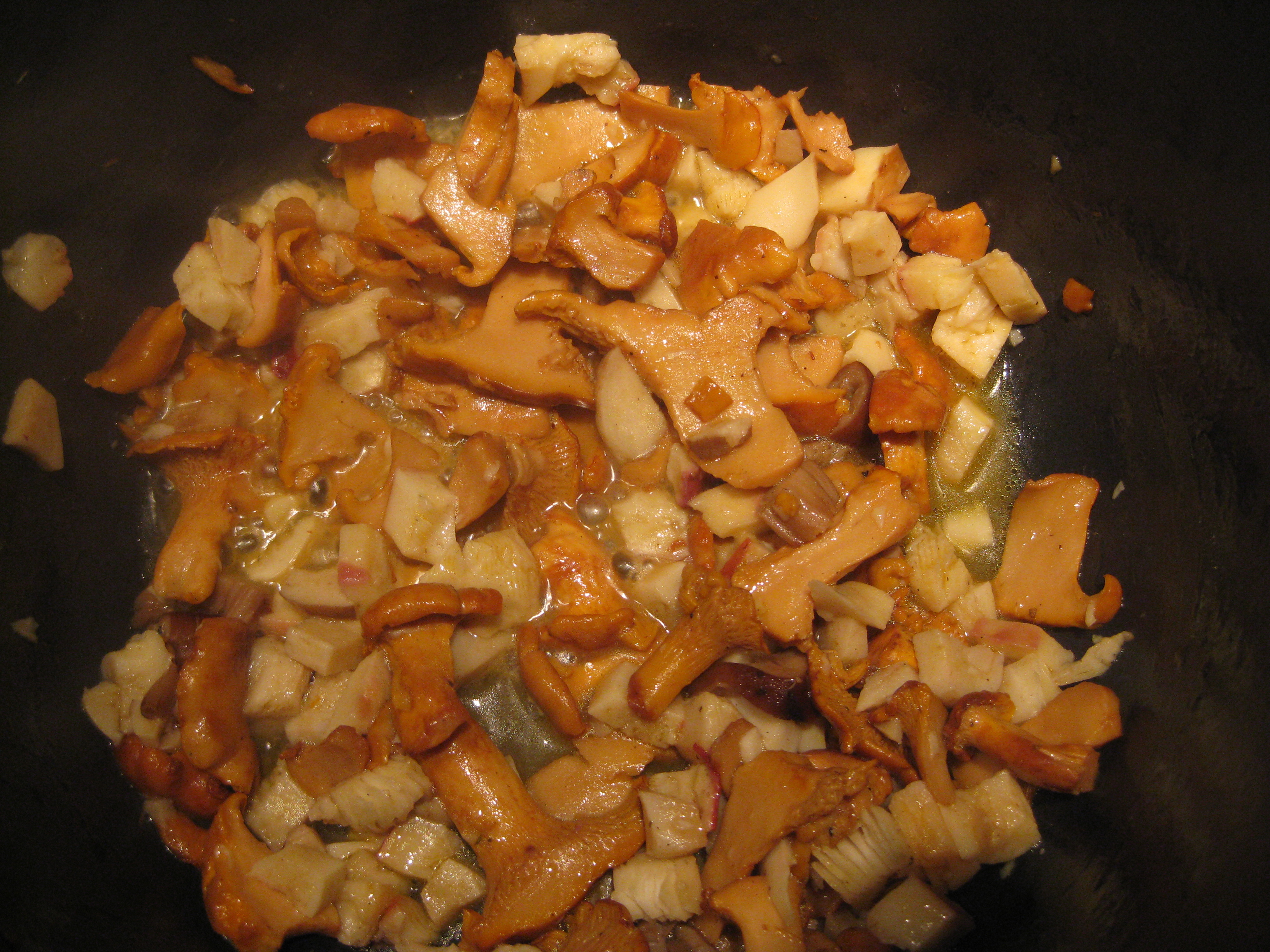
Together, we disposed of a big pot of sautéed mushrooms, the juices sopped up with bread, and helped down with a glass of wine, before reluctantly setting off home, our baskets more or less filled with our afternoon finds. When I got home, Malcolm and Henri were drinking coffee. ‘Whaddya mean, you’re not telling where you got those mushrooms?’ Henri grumbled. ‘You’re a right proper Ariègoise you are’.
We look forward to Wednesdays. It’s the day when our local shop gets in a delivery of fresh fish. And if you think that getting excited about fish is terminally sad, you haven’t met our friends who live in a hamlet in the Charente. The high spot of their week is the day the rubbish lorry comes.
Still, back to that fish. Generally, I keep things simple with such good quality fresh ingredients. But there are days when only spicy will do. This recipe by Atol Kochhar always hits the spot. Though you may prefer to use only half the chilli paste if you don’t want numbed lips for several hours….It really IS very hot.
When we first understood that Laroque is twinned with Melgven in Brittany, we were nonplussed. Surely twinning arrangements are with England, Germany, Spain – or anywhere abroad. What’s the point in twinning with a town in your own country?
Well, quite a lot as it turns out. As part of the twinning arrangements, citizens from Melgven come for a long weekend here in Laroque , while Laroquais have the chance of a few days’ stay there in May. This year, we signed up for the 10 hour mini-bus trip to Finistère
Straight away, we began to see the differences. As we arrived, we were welcomed to enjoy poking round their fundraising ‘Troc et puces’ fair in the Sports hall. The Bretons are a Celtic race, and it shows in their physical appearance. Meanwhile, down here, there’s a long tradition of Spanish immigration, most recently in the Spanish Civil War, and the Second World War, so many locals here are olive-skinned and not very tall. A tannoyed announcement for M. Garcia and M. Sanchez to report to the desk in a public hall somewhere near here would have nearly half the room scurrying to reception.
And then there’s the food. Brittany, like Britain, favours butter, and unlike the rest of France, the salted variety. Out to a meal on Saturday, the lunchtime bread came with pats of butter, something that never happens down south. In the Ariège, cooking’s done in duck fat, and more recently, olive oil. No part of Finistère is very far from the sea, so fish and seafood are an important part of the diet. Down here, duck in all forms is king. But pork, lamb, game, beef are all welcome on the dinner plate. If it moves, eat it.
When we looked round a market in Concarneau on Saturday, we were struck that there was little charcuterie or cheese on sale, and what there was came from elsewhere. It seems as if every other stall in our local Ariègois markets is one selling cheese and charcuterie, much of it from just a few miles away.
Brittany – cider and beer. Southern France – wine. As part of our welcome apéro, we were served kir made with cassis and cider. After sipping it suspiciously, we accepted refills with enthusiasm.
So…what were the highlights?
The welcome. Of course. Some Laroquais have been going on these exchanges for several years, and the warmth of the relationships forged is clear to see.
A change of scene: the countryside. Our host, Albert, took us on several walks, and we were struck with how very British this part of Brittany looks: softly rolling hillsides, woodland and meadows. We traded orchid spotting in the Ariège for enjoying the swathes of bluebell glades in the woods.
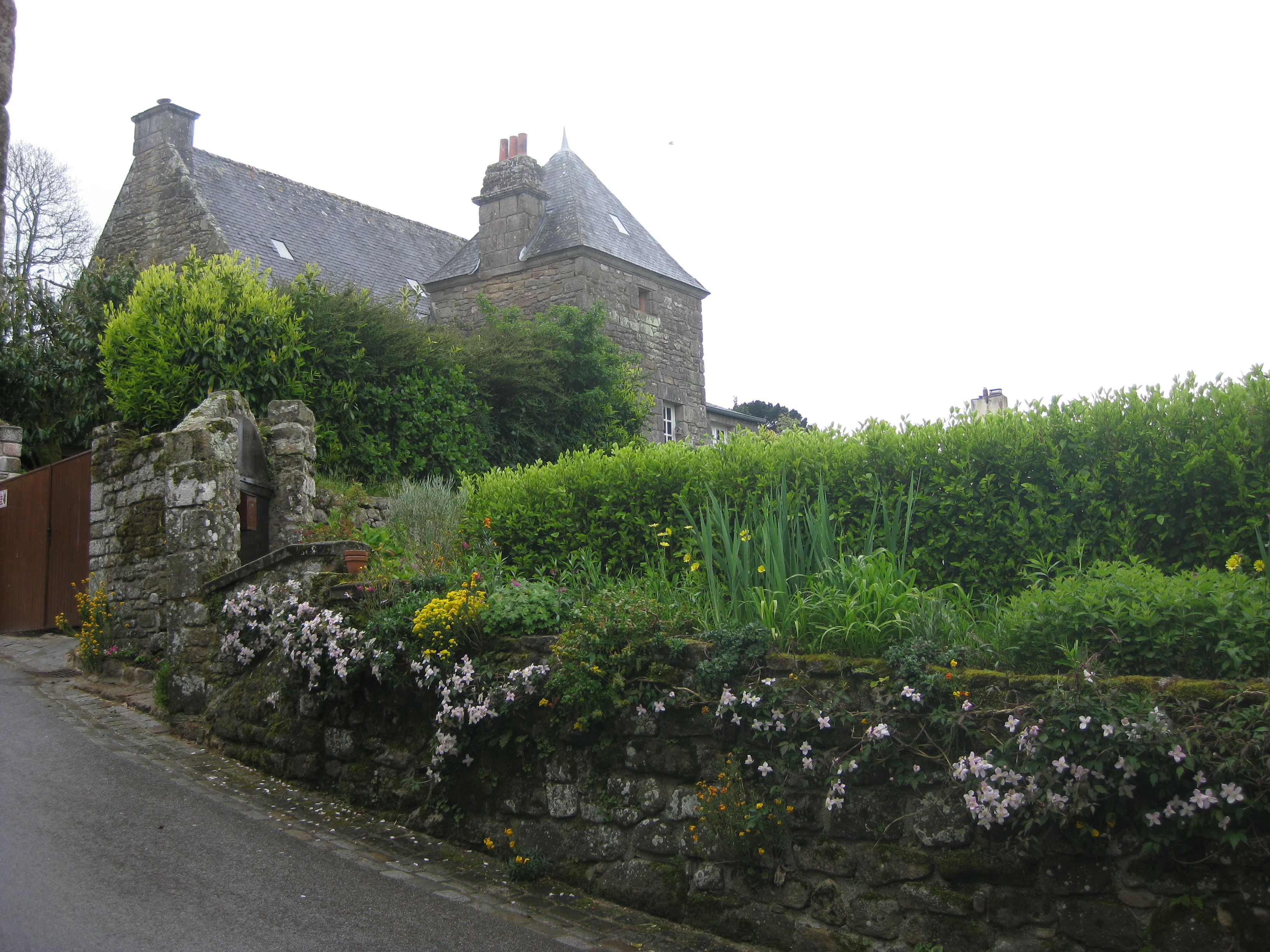
A change of scene: the town. We exchanged the shallow-roofed, unpainted or pastel coloured houses of the south for the tall white narrow pitched roofs of Brittany. Down here, we’re used to our towns and villages being shabby. Brittany’s are clean, sparklingly so, with flower boxes, neat gardens, and a general air of pride in the community. And then there are the churches. No clochers-murs in Brittany, but rather complicated steeples instead.
The seaside. Concarneau was at its sparkling best, with breezes tugging at the flags, clouds pluming across the sky, an early pre-season freshness to the narrow streets of the historic quarter. Their fishing museum there shows all too graphically just how very tough the life of the fisherman was – and is. But it’s a picturesque sight for the tourist
Sightseeing: Our first treat was to visit Locronan, a beautifully preserved granite built 16th & 17th century village, with a mighty central church, and a small chapel at the end of a charming walk.
Next was Trévarez, a chateau that might look Gothic, but is in fact a 19th and 20th century construction. Its brickwork gives it the name “château rose”. We spent more time in the gardens though. Apart from a formal area near the house itself, the garden is informal in the style we’re so used to from English stately homes, and glorious at the moment with azaleas and rhododendrons
Celtic music: Friday night was concert night: the chance to listen to an hour or two of traditional Breton music. Malcolm and I particularly enjoyed hearing those favourite Welsh hymns – Land of my Fathers, Cwm Rhondda in Breton– they sounded very different, but just as good
Story telling: Such a treat. Michel Sevellec enchants audiences in Finistère and beyond with his tales drawn from many traditions. On Saturday, as part of a local festival, we joined local children to hear his interpretation of Native American and other stories. Can’t wait for him to come to Laroque in a fortnight!
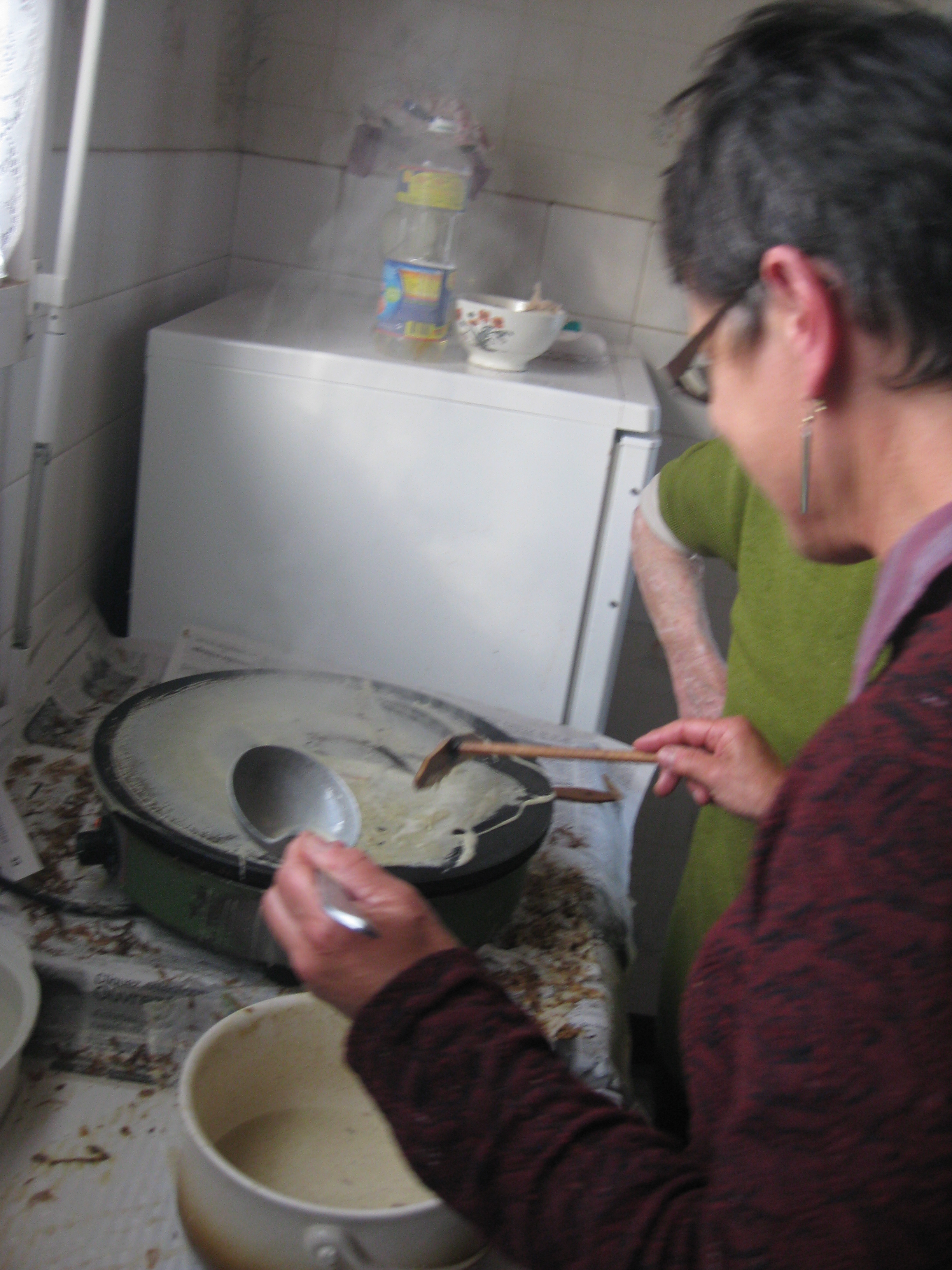
Crêpes:Everyone knows they make crêpes in Brittany. Lots of us have watched them being turned out on those special round hotplates. I always assumed it was easy-peasy. Until we went to eat crêpes at Albert’s mum’s house and she let me have a go. First, carefully pour the batter with your left hand while equally carefully drawing the batter round the plate with a special wooden spatula – not too fast & not too slow, not too thin & not too thick.
Expert at work
Then flip the delicate creation, so thin you could read a newspaper through it, over onto its other side to finish cooking. It was lucky there were hungry dogs to eat all my cast-offs. Lucky for us too perhaps: we’d still be eating them now. Malcolm and I thought 6 crêpes each ought to have been enough for anybody. Our hostess disagreed.
So….we discovered in Brittany an area very different from our own in languages, customs and appearance, and had a chance to be more than simply tourists. We now have new friends in Melgven but also in Laroque as a direct result of this weekend. A good experience.
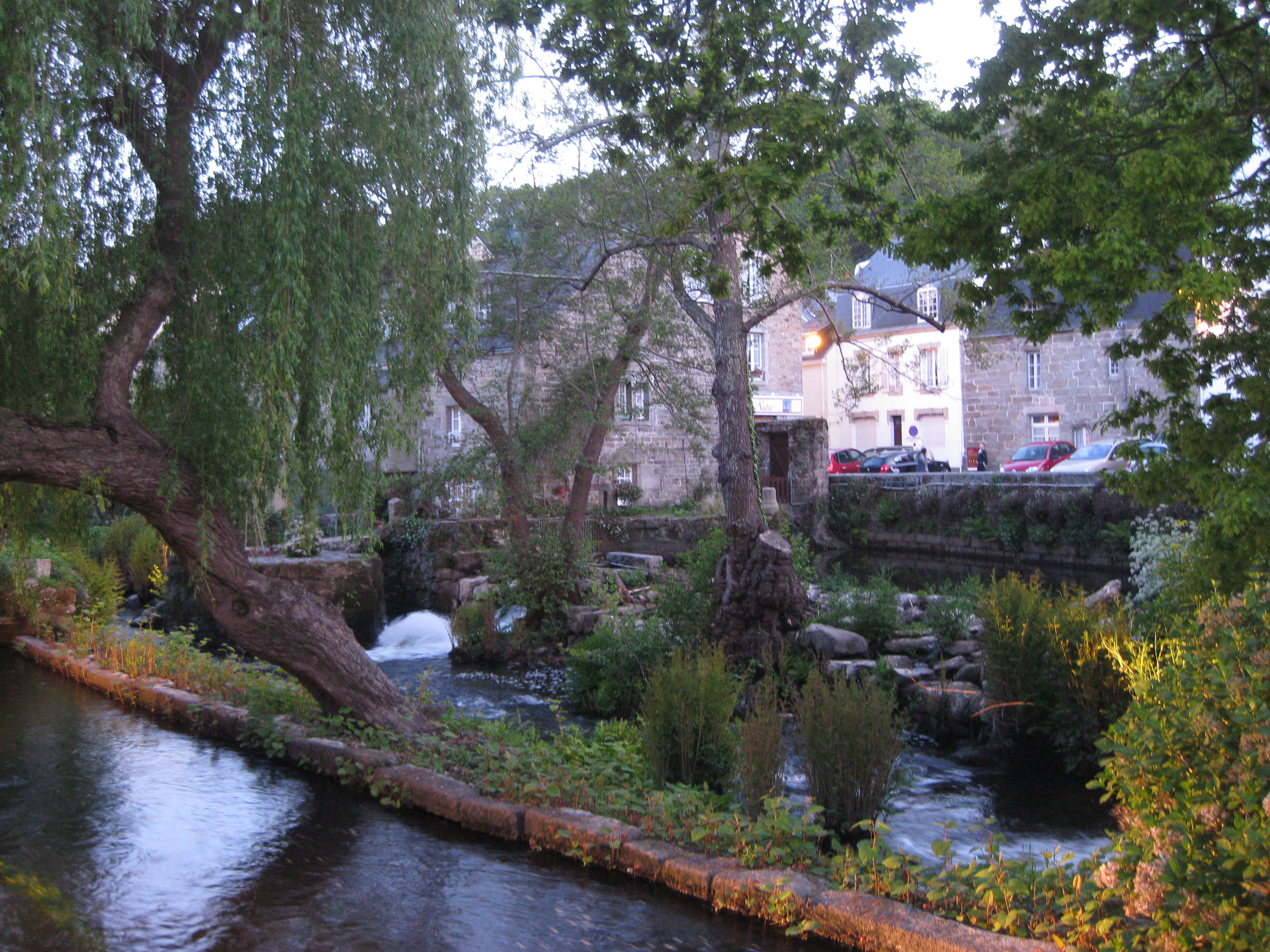
Pont Aven: I didn’t even mention this lovely little town, did I?
Back in the UK, I’ve noticed that in the media, topics, like buses, come in threes. For instance, I’d flick through an article in the second section of the Guardian: maybe about female circumcision, education-other-than-at-school, or some other equally right-on Guardian topic. Two or three days later, listening to say Women’s Hour on Radio 4, they’d be discussing exactly the same subject, with exactly the same slant. Then the following week, maybe on Channel 4, it would appear yet again.
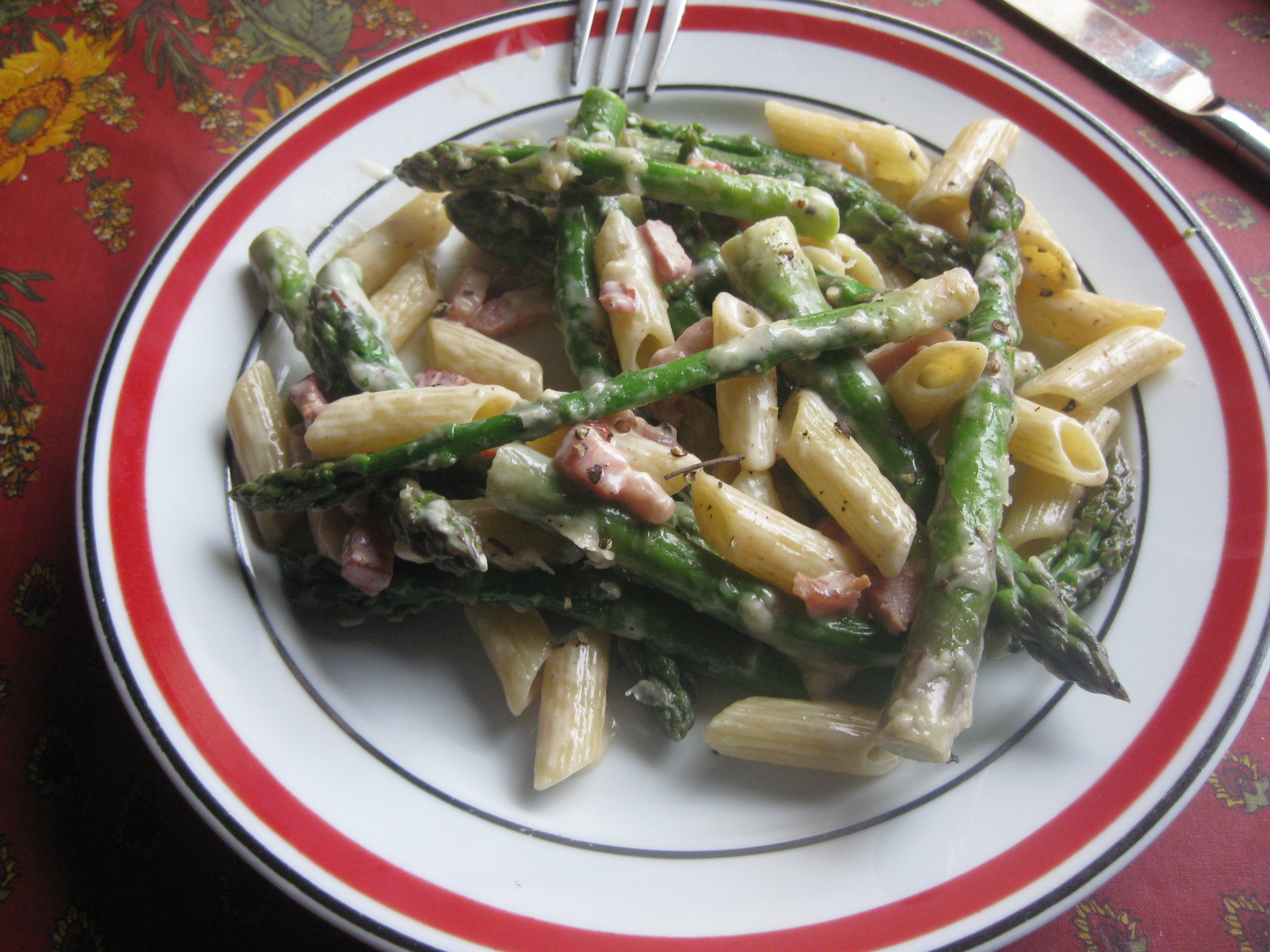
Recipe from Kalba's blog. Recommended.
And so it has been in the world of blogging. On April 24th, Kalba’s blog dropped into my in-box. I complained immediately. It was about asparagus, and I could have written it myself. Not all of it. I’ve never run a restaurant, and I’ve never lived in Norfolk. But like her, I do like green asparagus, the thinner the better: I don’t like the blanched, thick white spears favoured by the French and throughout most of mainland Europe.
Then on the 30th April, Bloggerboy, the writer of my other favourite blog, Welcome Visitor, pitched in with an account of the German love of asparagus. He even convinced me to have another go with the white stuff.
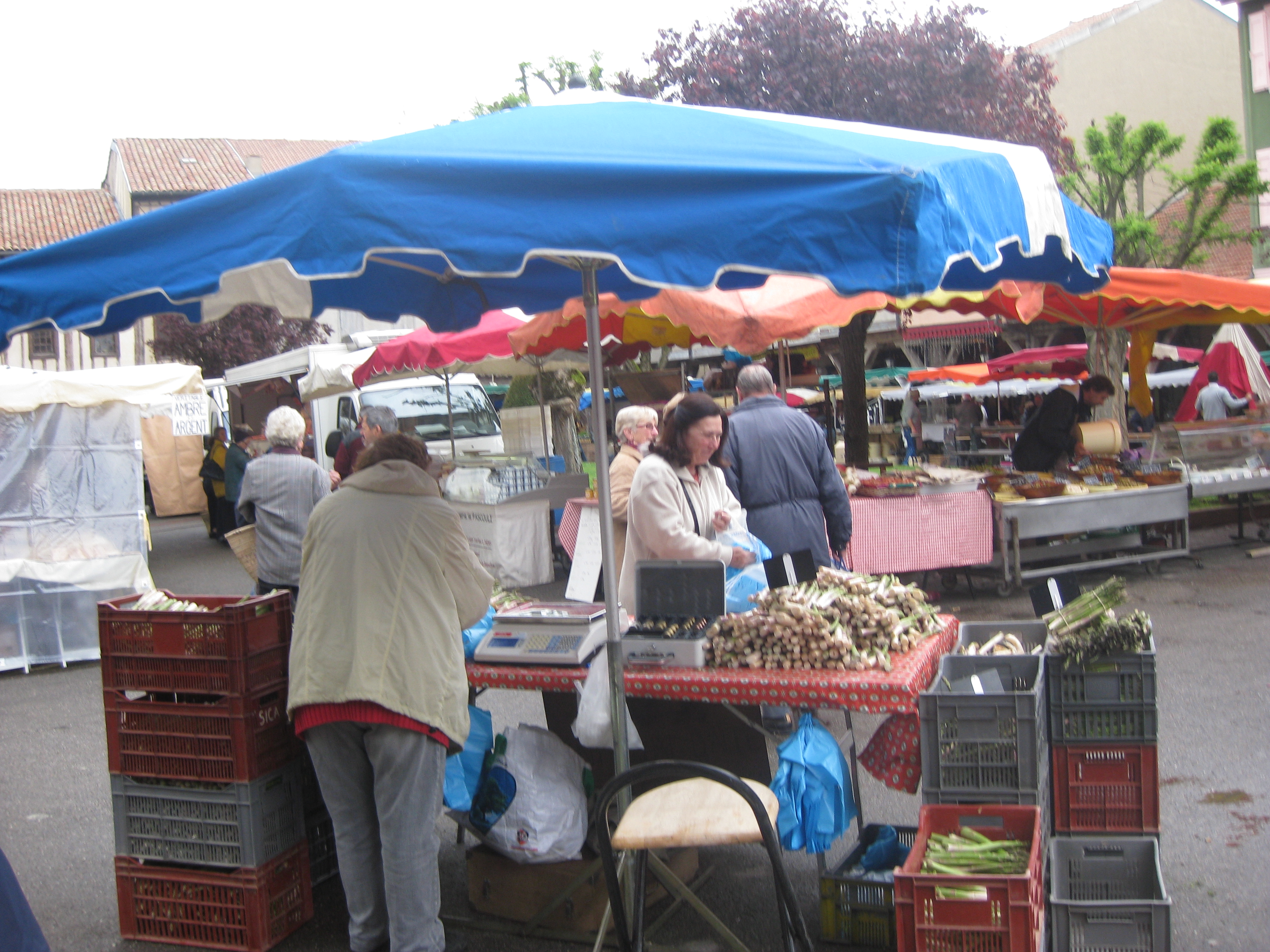
An asparagus stall at Mirepoix
So now it’s my turn to write an asparagus blog. In Mirepoix market yesterday morning there were quite a few asparagus stalls, and I picked the one where I could buy thin and thick green spears, and white too. ‘I’m not too keen on the white spears’, I confided to the stall holder, ‘but I’m sure I must be wrong when you all seem to like them so. How do you like to cook them?’. If I’d expected to have my hand wrung in gratitude at my acknowledgement of his expertise: if I’d expected him to call over his wife to share her culinary tips, I would have been disappointed. What I got was a Gallic shrug. He was mystified by the stupidity of my question. ‘Well, you could use them in tarts, or omelettes. Whatever you like really’. I realised our conversation was at an end.
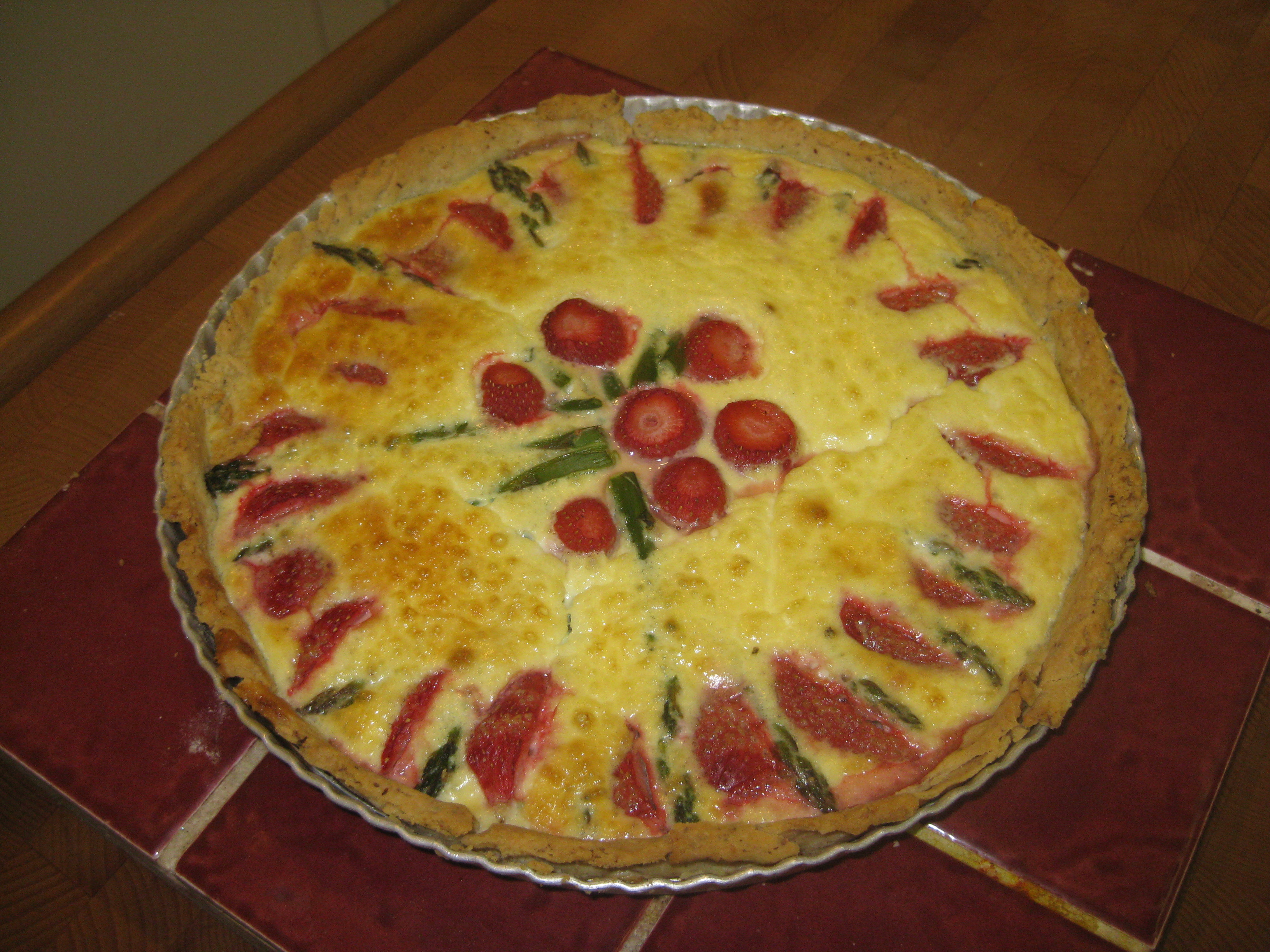
Asparagus & strawberry tart
Luckily, there are recipe books, and there are other blogs. I’ve just tried a suggestion from another blog I enjoy, ‘Chocolate and Zucchini’, which is available in English and French. Asparagus and strawberry tart. A very odd idea indeed, but it works. In fact it was memorably good.
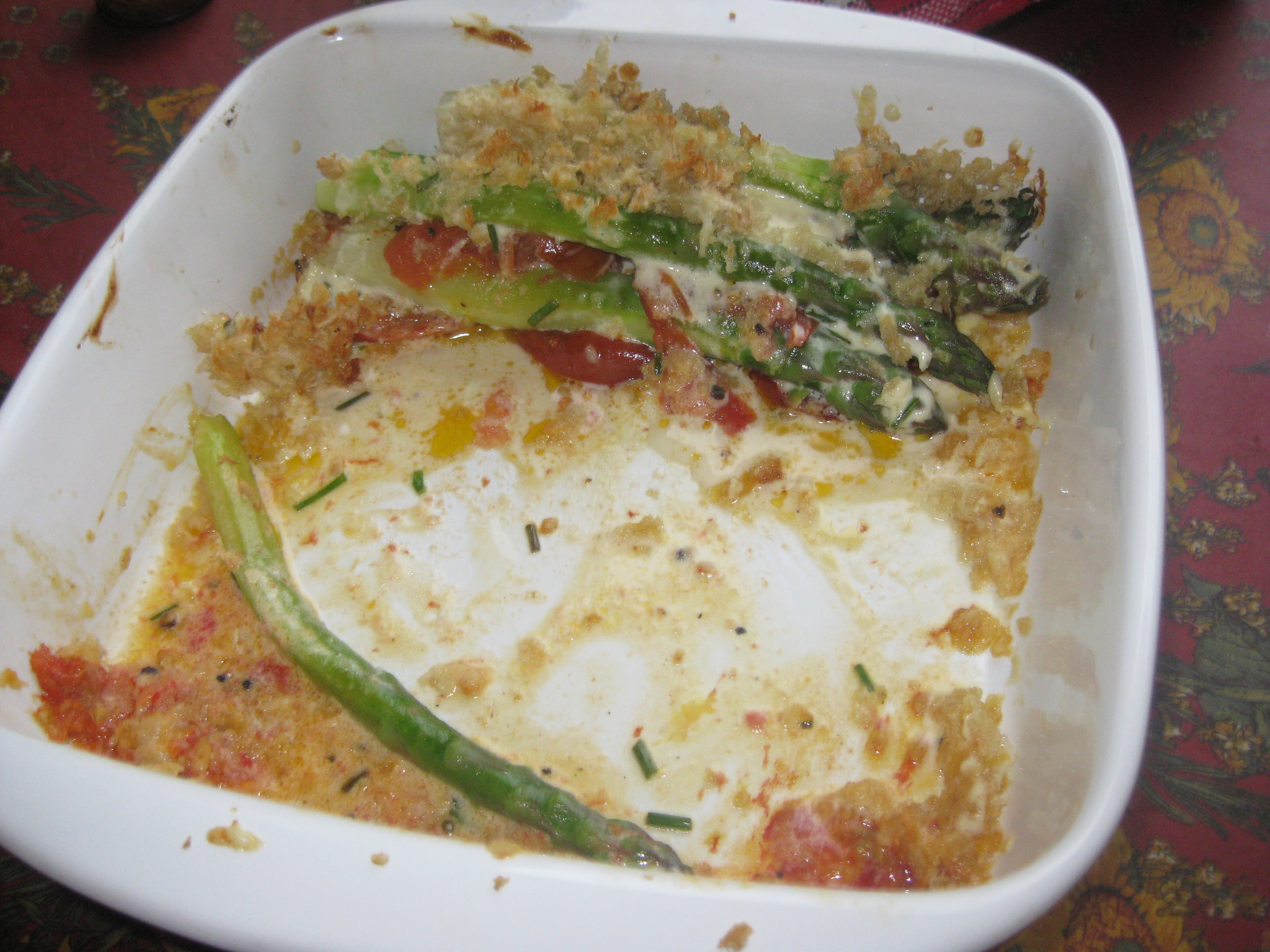
This is what we ate yesterday evening, from Denis Cotter’s wonderful vegetarian book, ‘Paradiso seasons’.
Gratin of Asparagus, Roasted Tomatoes and Gabriel Cheese with Chive and Mustard Cream.
Ingredients – for 2
4 -5 large tomatoes
Salt and pepper, to season
Drizzle of olive oil.
40g. fine breadcrumbs
40 g. Gabriel cheese, finely grated. I can’t get this, unsurprisingly, and maybe you can’t either. Settle for a hard, densely textured cheese.
1 sprig thyme
I tablespoon butter, melted
30 ml. vegetable stock
30 ml. white wine
150 ml. cream
Small bunch of chives, chopped
½ tsp. hot mustard
16 asparagus spears
Heat oven to 190 degrees. Cut tomatoes into 3-4 thick slices each. Place on oven trays lined with baking parchment, season and drizzle with olive oil. Roast until lightly browned and semi-dried – you may need to turn them once.
Mix the breadcrumbs with the thyme, the butter, and most of the cheese. Season.
Boil the stock and the wine until reduced by half. Add the cream and mustard, bring it back to the boil and simmer for 2 – 3 minutes until pouring consistency.
During this time, briefly cook the asparagus.
Heat a grill. On each plate, place 6 slices of tomato, lined up 3 x 2, and cover with 5 asparagus spears. Place a single line of tomatoes on top, then 3 more asparagus spears on top. Spoon a little mustard cream over the top, then finish with a generous sprinkling of the crumble. Cook under a hot grill for 2 – 3 minutes until the cream is bubbling, and the top is crisp and brown. Put remaining cream back on the stove, whisk in the rest of the cheese and chives, and pour round the finished gratins.
Just enough for a second helping?
Alternatively (and this is more my style), arrange the ingredients in an oven dish instead of individual plates, and bake for 10 minutes until the cream is bubbling and the top is crisped and brown.
This too is a really tasty simple dish, well worth adding to the regular asparagus repertoire.
Um, have you noticed, I still haven’t got round to thinking about those wretched white spears?
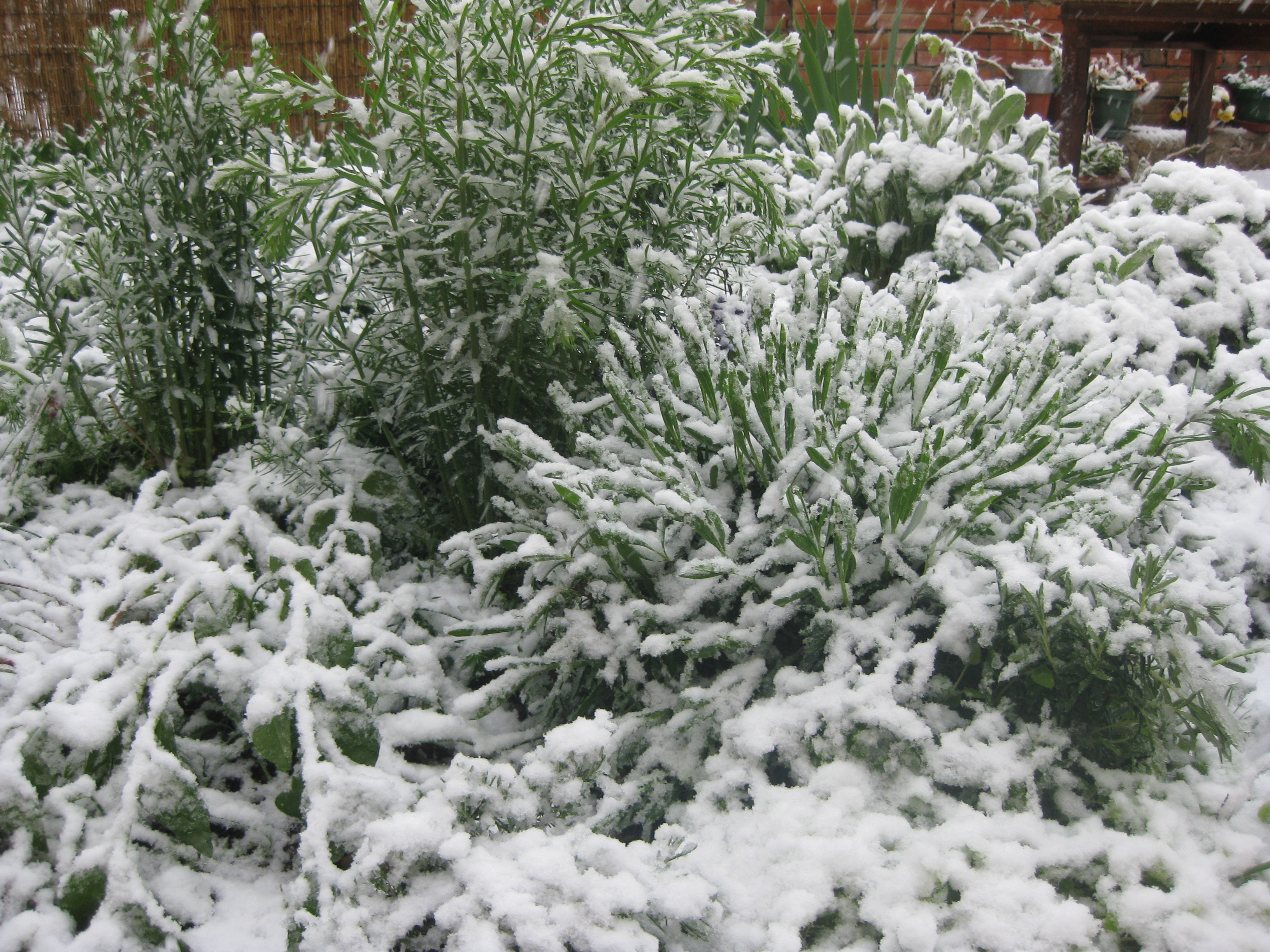
Nothing to do with asparagus. Our garden, south of France, 4th May 2010
 Now they’ve become something of a trial. Day after day we courgette-farmers haul dozens of the things back to the kitchen. We comb recipe books and scour the net, seeking yet more inspiration. I think we have to support each other. It’s time for every blogger with a veg. patch or allotment to offer inspiration to us all. Even if you normally write about politics, music or the vagaries of the fashion industry, you and your ideas are needed as a service to the whole courgette-growing-community.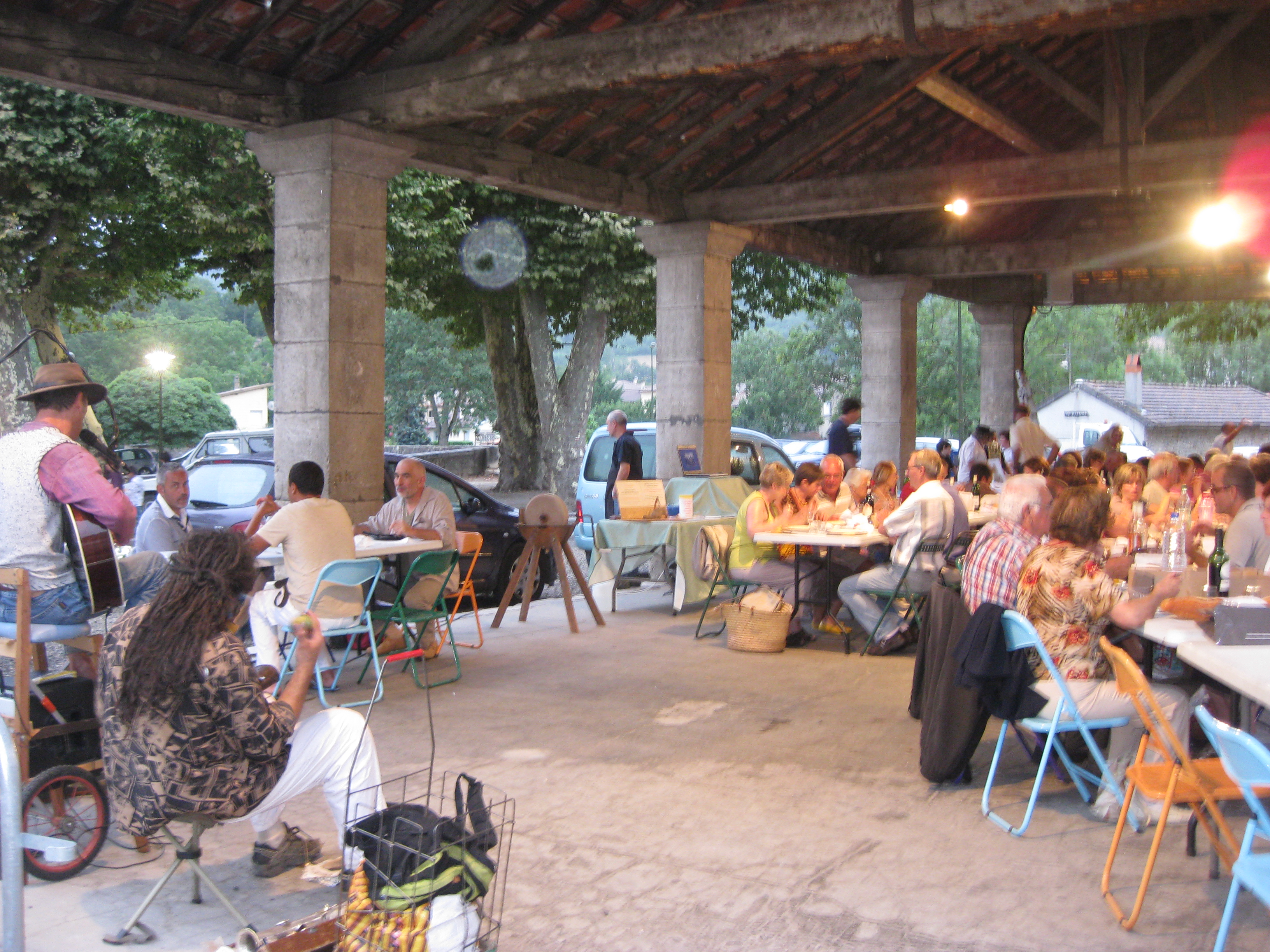












 From Pyrenees to Pennines
You must be logged in to post a comment.