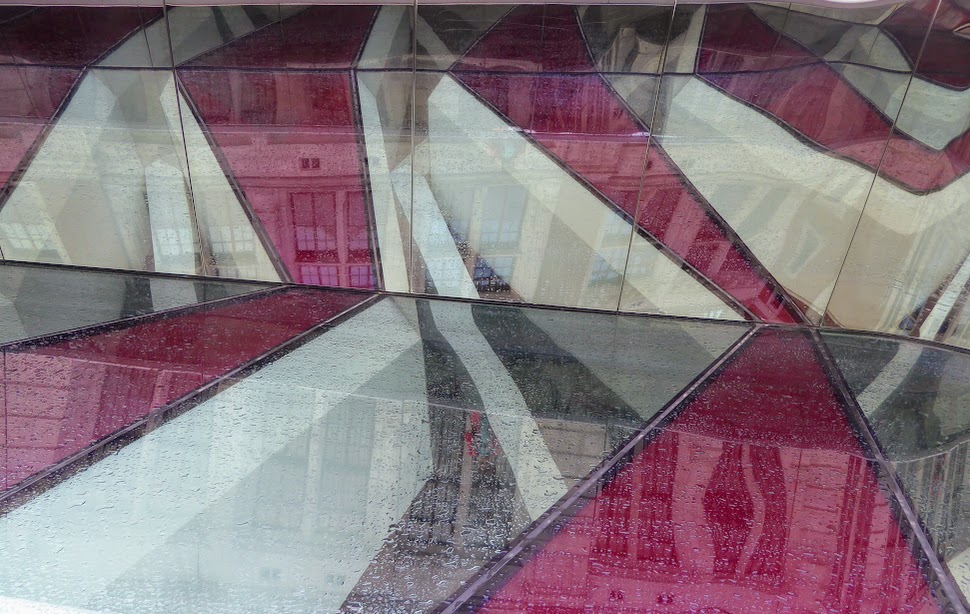
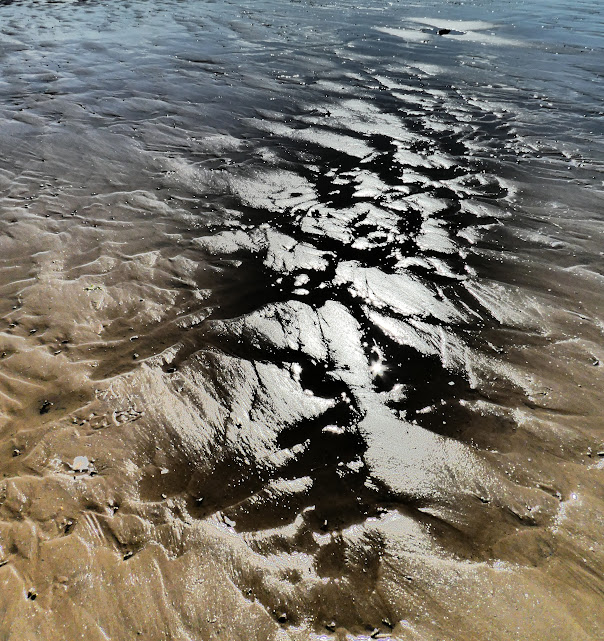
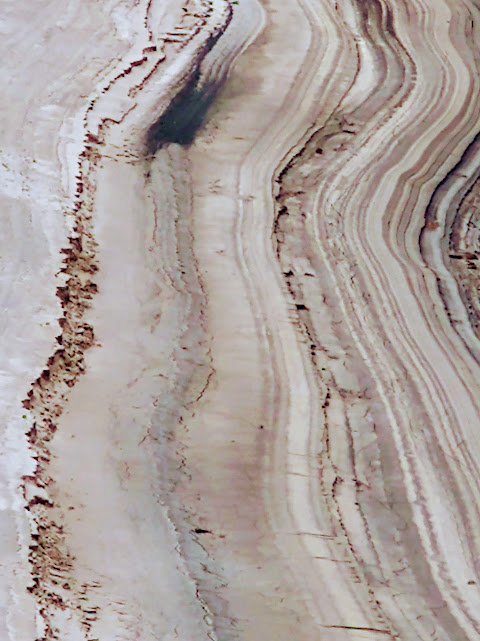
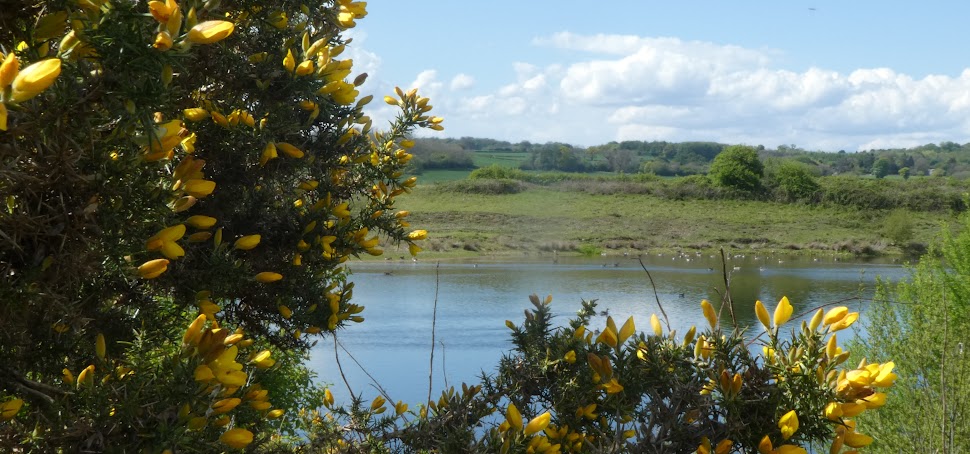
Finding abstract images from among my collection of photos has been quite the challenge. And yet this is what Ritva has asked of us for this week’s Lens-Artists Challenge. I’ve never been all that good at playing with all the dials of my camera. I’m no expert at ICM – Intentional Camera Movement, though rather excellent at its opposite, UCM (work it out …) – I usually delete those. Nor do I do much processing of my images. Nevertheless, I came across this little batch of abstracts in my search through my photos. Can you guess where each is from?
My feature photo was deliberately taken for its abstract qualities. As was this one …
Water’s often good at being abstract, and in different moods too. Look.
And it doesn’t have to be deep water either.
… or look at these …
Perhaps even the absence of water …
Here’s a little glossary of where each image was taken, in order:
a: An entrance to the Victoria & Albert Museum, London.
b: A bridge over the Leeds-Liverpool Canal at Gargrave, North Yorkshire.
c: Albert Dock, Liverpool.
d: Reservoir, Nosterfield, North Yorkshire.
e: Lake Ohrid, North Macedonia.
f:  A winter puddle on a track near home.
g:  The beach at Filey, North Yorkshire.
h: An aquarium at the Horniman Museum, London.
i: A display of bubbles on the South Bank London.
j: Scar House Reservoir, North Yorkshire during the drought of 2020.
People photos. That’s Tina’s Lens-Artist Challenge #292. This is difficult. I’m only just learning to be less shy about making snapshots of innocent strangers, with or without their permission. One way or another though, people at work is an easier ask, so I’m off to see who we can find doing just that.
We’ll start at the second biggest fish market in the world: Jagalchi Fish Market, Busan, South Korea. Here’s someone who’s probably been filleting fish for decades. She could probably do it with her eyes closed.
An experienced ajumma at the fish market
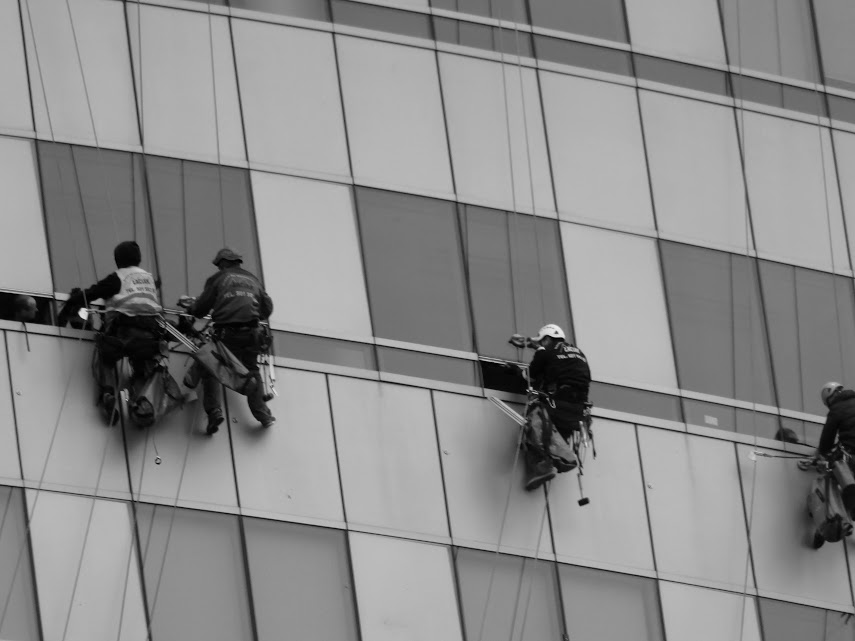
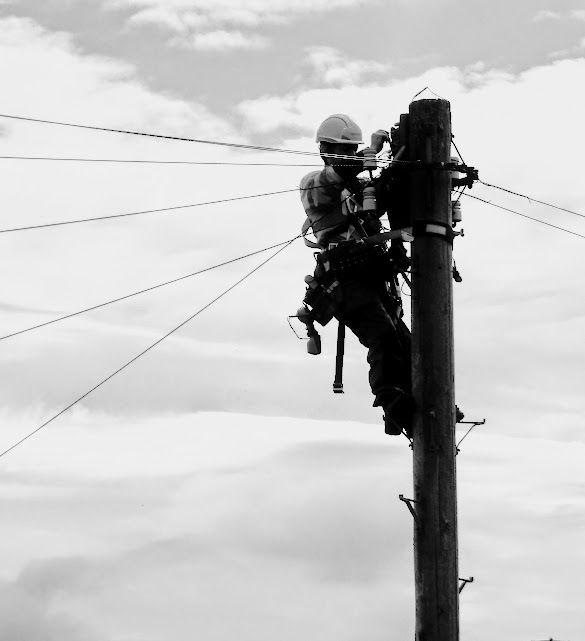
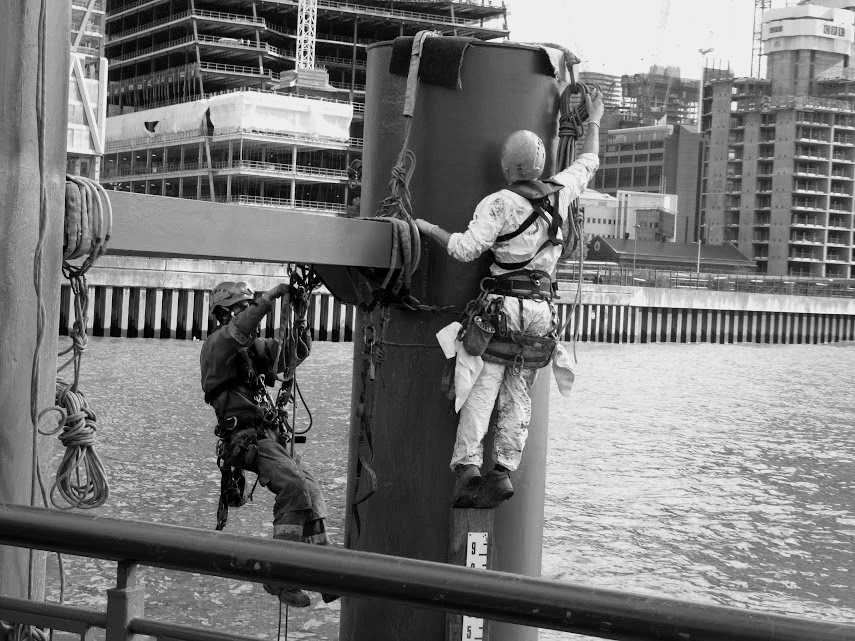
Here are some workers who have a head for heights: Window cleaners in Warsaw; a telephone engineer in Wensleydale; and two workmen doing something useful at a Thames-side structure.
This auto-rickshaw driver isn’t working at the moment. He’s proud to have taken a very green, very-jetlagged-but-too-wired-to-sleep English tourist (me) on an informative two hour whistle-stop tour of Bengalaru, and is cheerfully posing for a photo.
My first friend in Bengalaru: the rickshaw driver who took me on a tour of the city
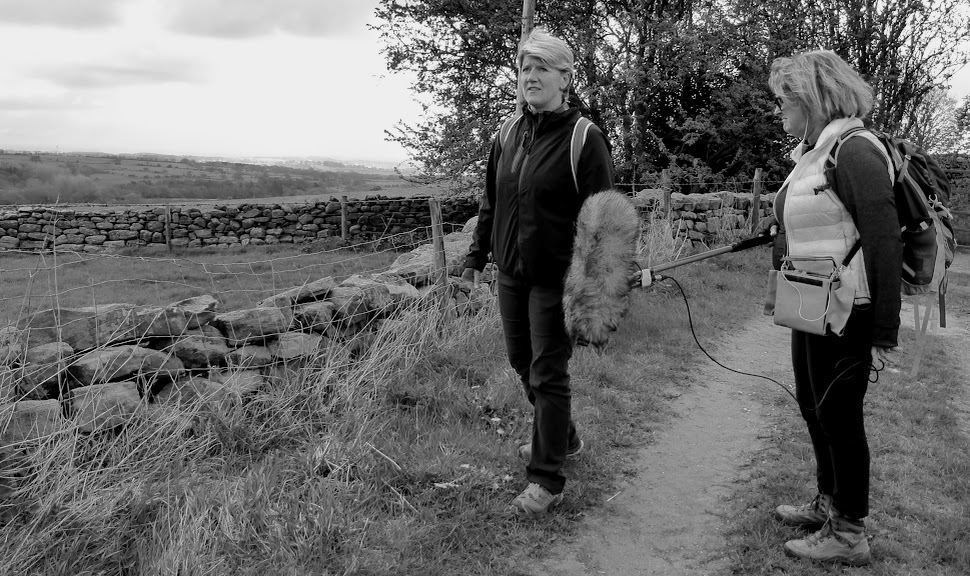
Here’s a different kind of job. Most Brits have heard of Clare Balding, radio and tv presenter. One of her jobs is presenting a BBC Radio 4 programme, ‘Ramblings’ about the joys of walking. A few years ago, two friends and I had the pleasure and privilege of walking part of the Nidderdale way with her. You can read all about it here. And here Clare is describing the scene before her, as her producer and sound recordist Lucy saves her every word on that muff-on-a-stick while we hover in the background.
Clare and Lucy on the Nidderdale Way
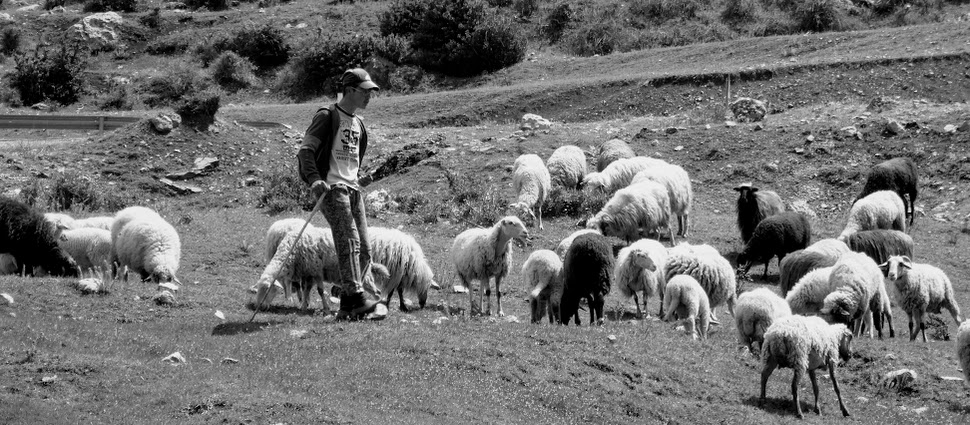
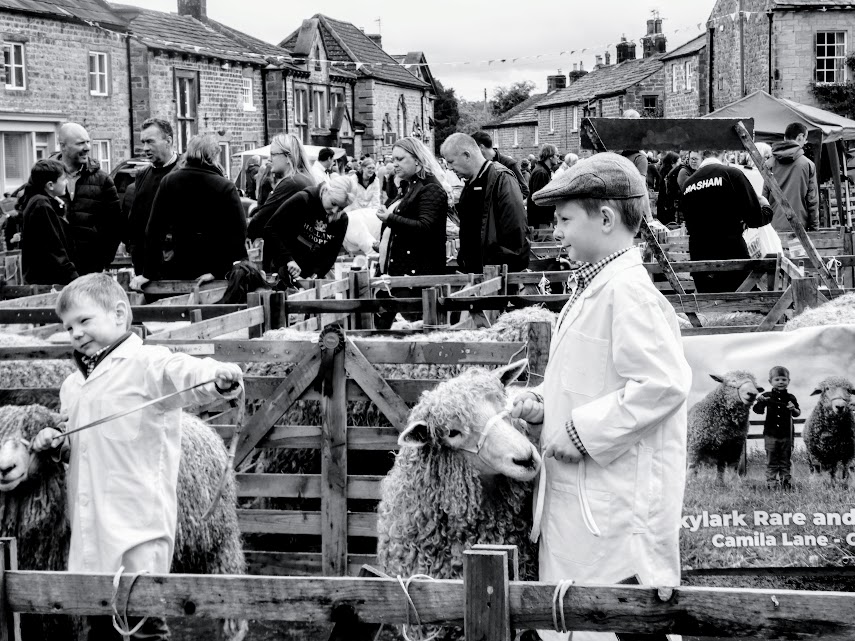
Not all work is paid of course. Every year, sheep farmers from all over the north of England and beyond gather for Masham Sheep Fair, to show their sheep off at their very best. Some of the keenest contestants for honours are under ten, the farmers of the future. But the featured photo shows someone who is paid – very little I suspect – for his work: A herdsman in Albania, constantly moving his herd of sheep and a few goats in quest of lush pasture.
Waiting for their sheep to be judged, two young contestants.
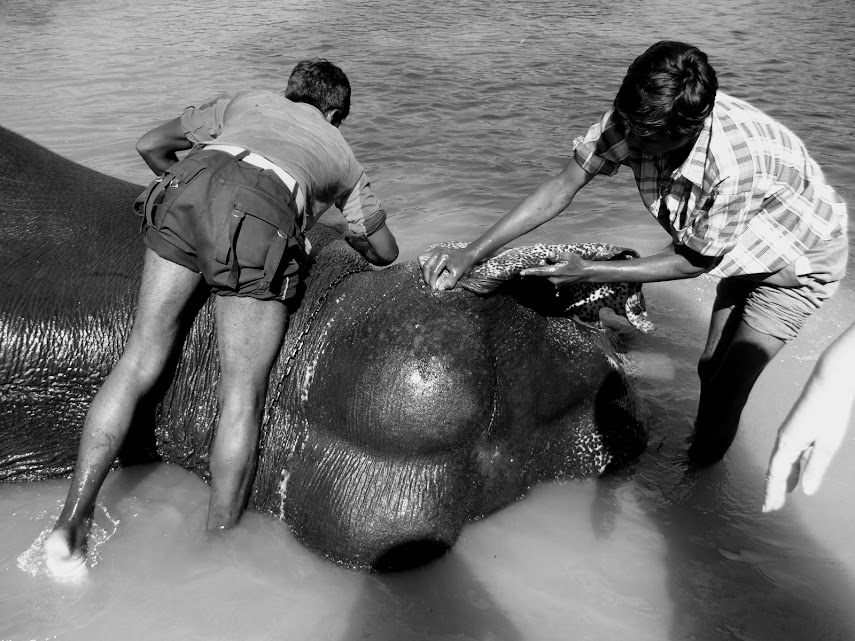
But over in India, you could be working with different animals -elephants, perhaps at Dubare Elephant Camp. You might be washing them in the river, or cooking their next meal of jaggery, millet and vegetation.
You might be a waiter. Here are two French ones. Only they’re not really French, or serving at table. They earn a crust as actors – in this case at Ripon’s annual Theatre Festival.
Zey kept ze crowds amused at Ripon Theatre Festival
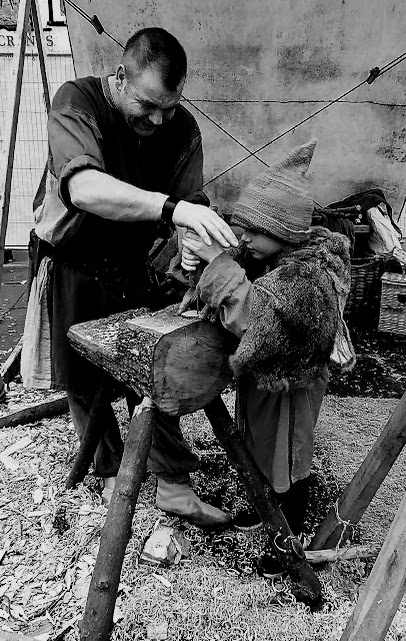
Or you might be a slave. A willing one. At half term, my grandson was taken on – for half an hour only – to be enslaved to a Viking master who turned out to be extremely personable, and even helped him with some of his tasks, such as wood turning. Well, it was part of York’s annual Jorvik Viking Festival.
Children can be good at working for free – unless you want them to tidy their room. Catch ’em while you can.
Here’s a post I wrote at the very end of February 2014, shortly before we moved from France back to England….
Hundreds of Books, Thousands of Books …
Facing the task of packing and moving our library, I was reminded of that wonderful book I used to read with my children, Wanda Gag’s ‘Millions of cats’.
‘Hundreds of catsbooks, thousands of catsbooks and millions and billions and trillions of catsbooks’.
Oddly, I no longer have the book, though I hope one of the offspring has. ‘Oddly’, because I seem to have most of the others that have accompanied me through life. Both of us is incapable of downsizing when it comes to books. Till now.
We realised that much of what we own has remained unopened since the day it arrived in France and probably for some years before that: our days of writing essays about mediaeval history are long gone. We realised something had to change. Jettisoning them was unthinkable. And where in France could we re-home so many books in English?
By chance, I was browsing on the web one day, and realised that many of these old faithfuls have a value. They could be sold. So that’s what we’ve decided to do. But it’s really not about the money. It’s about knowing that these books will end up with someone who has chosen them and wants them, rather than in some charity shop where, as we know from experience, some would simply moulder or even be thrown before reaching the shelves, even though many would be snapped up.
So…… we now have three kinds of book. The central core: books we can’t think of doing without – mainly reference books and other much-used non-fiction, with some of our best-loved fiction. The second kind, the saleable ones, are now boxed up to send to England. And the last, and smallest group: the ones we’ve decided to do without, and which have little apparent value. We’ve opened doors to all-comers who want to browse, and we’ve probably re-homed about half. There are still some 450 still remaining. They’re heading to Amnesty International in nearby Castelnaudary, who raise funds by selling to both English and French customers. We know how excited we get when we get the chance to browse a new collection of English books, so we hope they’ll be a good money-raiser for them. (Addendum, 2024. When they were collected, by a woman with her two teenagers, she filled her boot, the empty seats, and even slotted books in and about her passengers’ bodies. They finally drove off, the back axle nearly grinding the road beneath)
Come and look at some of our books – rejected and selected.
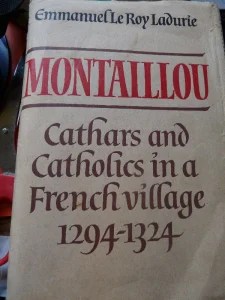
You can tell how long I’ve had this one: it was priced in pre-decimal days, before 1972, so even many British readers may have difficulty in deducing that this scholarly work of non-fiction cost me….. 57 ½ p.
A history book that’s now history
This book was given to me as a leaving present from work back in the mid ’70s. It was a good read then, but even more so now as a history of the area we now live in.
A modern classic describing thirty years of the history of our own little corner of France.
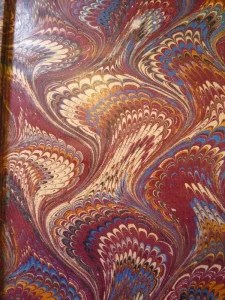
This book belonged to my grandfather, a man who died long before I was born. Beautiful marbled end papers such as this often came as standard in the 19th century.
Handsome endpapers
And finally, a book which though incomplete, is a real piece of history. It includes handwritten recipes for making ink, polish, peppermint cordial, stove-blacking. Here’s how to keep your brass and copperware in tip-top condition.
Handy housewife tips from another age.
It includes just one newspaper cutting. By snooping around on the net and looking for this particular (and unsuccessful) cure for cholera, I surmise it comes from the 1820s.
Cholera cure: a suggestion.
Surely even the most die-hard minimalist will forgive me for keeping this book firmly among the family treasures?
And now the books are packed. Every single one – apart from a few bedtime stories for the next three weeks. One room done, seven to go.
All gone …
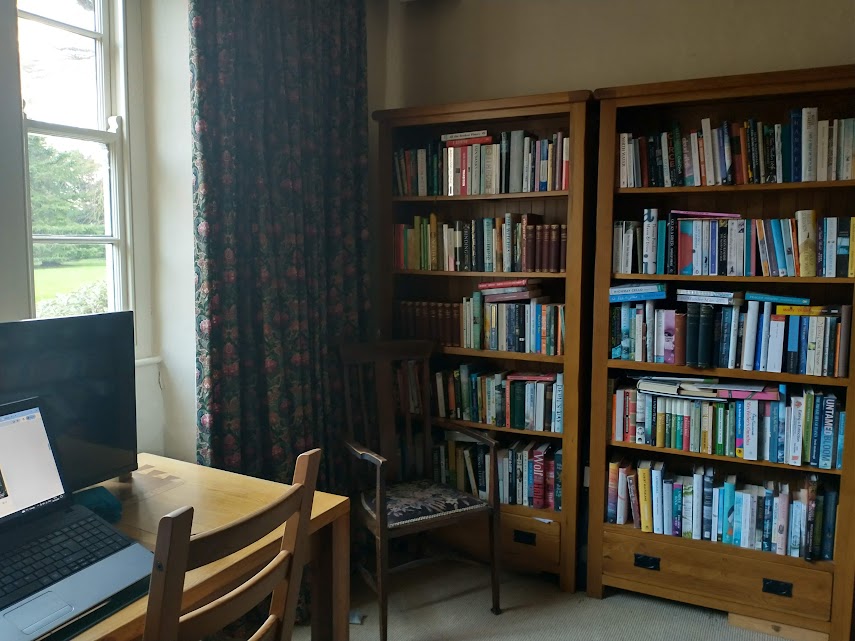
And back in England, we realised we really did have to continue the downsizing. It took weeks and weeks. Some we sold, but most went to Oxfam books, and we still regularly get updates telling us how many have been sold and how much they’ve raised. The featured photo shows that we are running out of space again …
There are dozens of quotations about shopping, and most of them don’t fit me. I can’t agree with Marilyn Monroe – ‘Happiness is not in money, but in shopping.’ nor with the words from a film I haven’t seen, Confessions of a Shopaholic: ‘When I shop, the world gets better.’ I’m more with Franklin Jones: ‘A bargain is something you can’t use at a price you can’t resist.’ My title quotation is by AJ Lee.
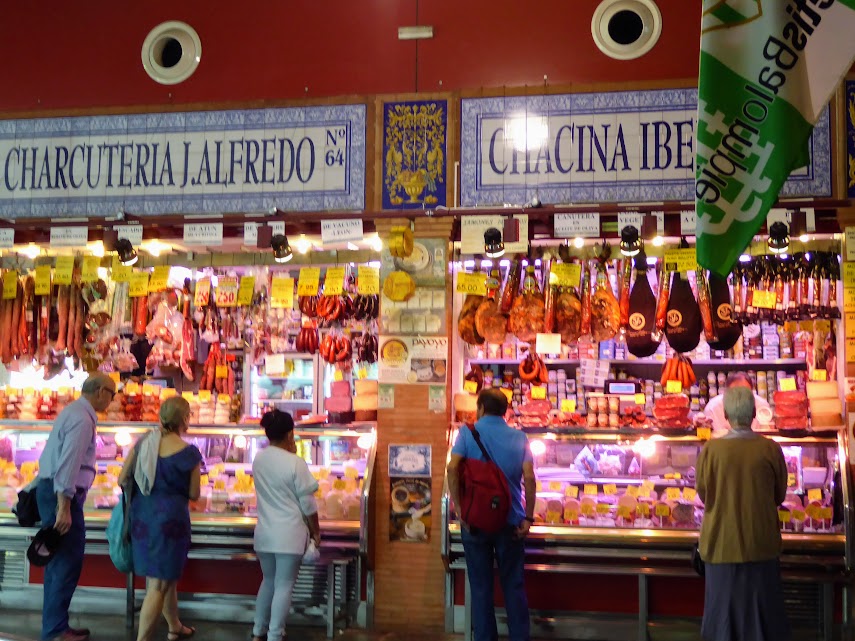
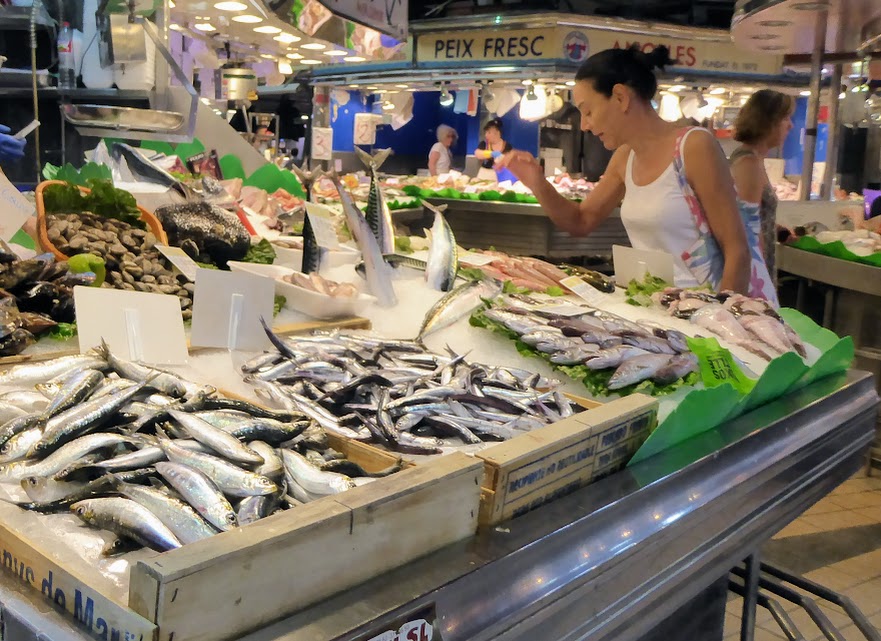
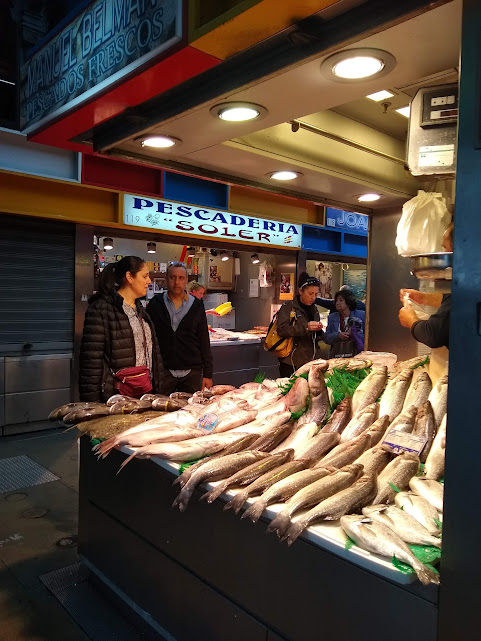
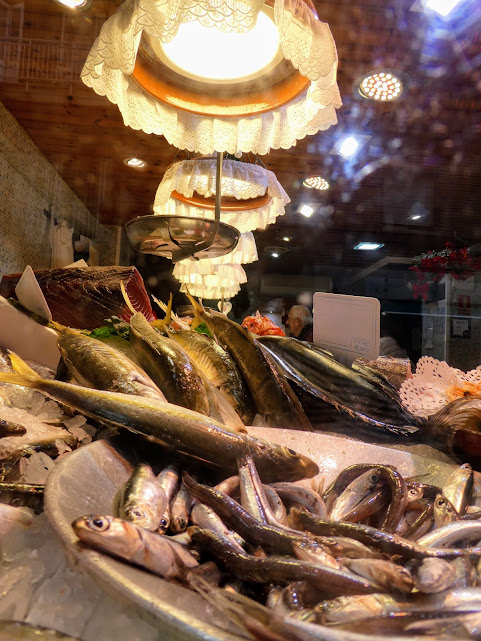
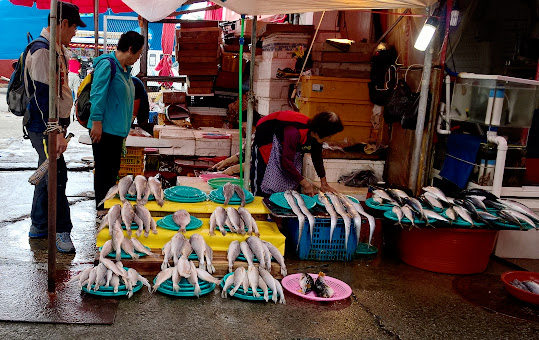
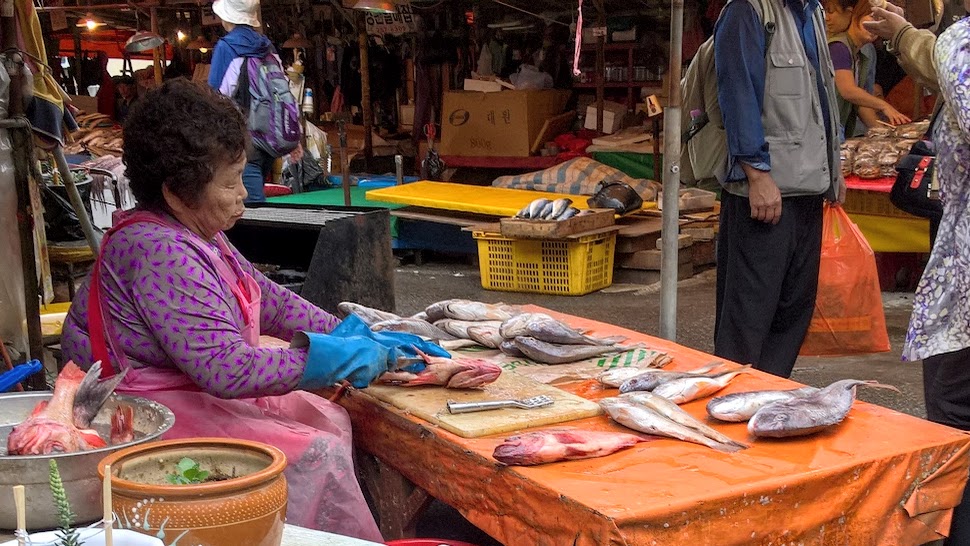
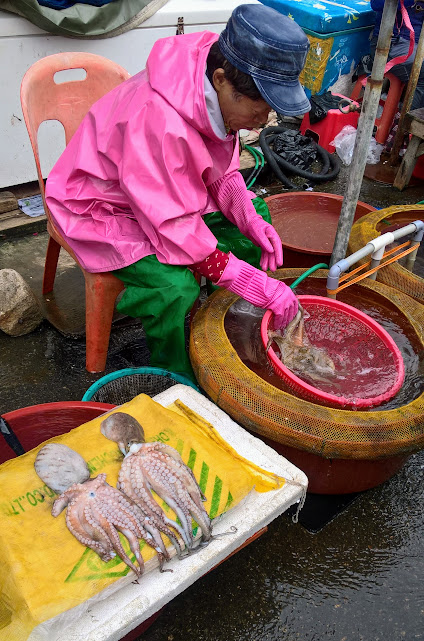
I make an exception though with food shopping- especially abroad, and especially in markets. And even more especially in fish markets. In this country, we seem hardly to extend our reach beyond cod, plaice and haddock, with tuna and salmon as well these days – and even those may be tinned . So a visit to a fish market in Europe or Asia is a revelation. Here are some shots taken in Spain and South Korea, where they seem to catch enough daily to empty the oceans.
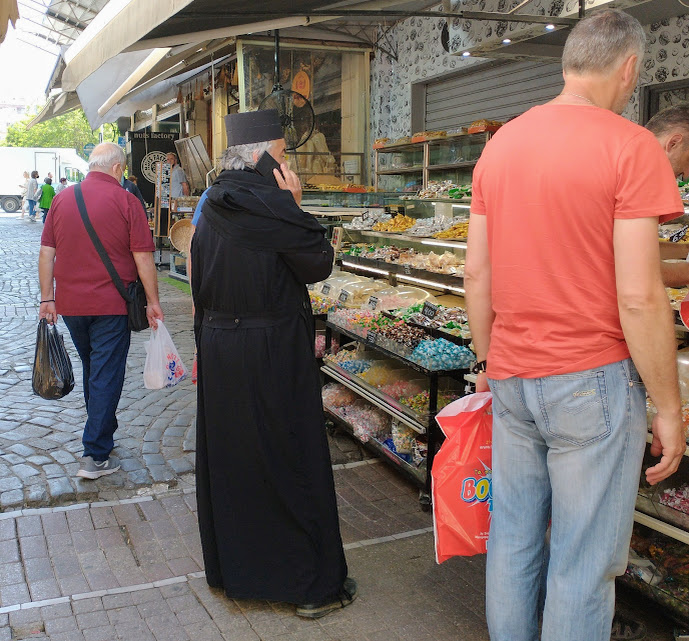
Fruit and veg and groceries seem more interesting in a sunny spot: especially if a fellow customer in Thessaloniki is a Greek Orthodox priest busy on his mobile phone.
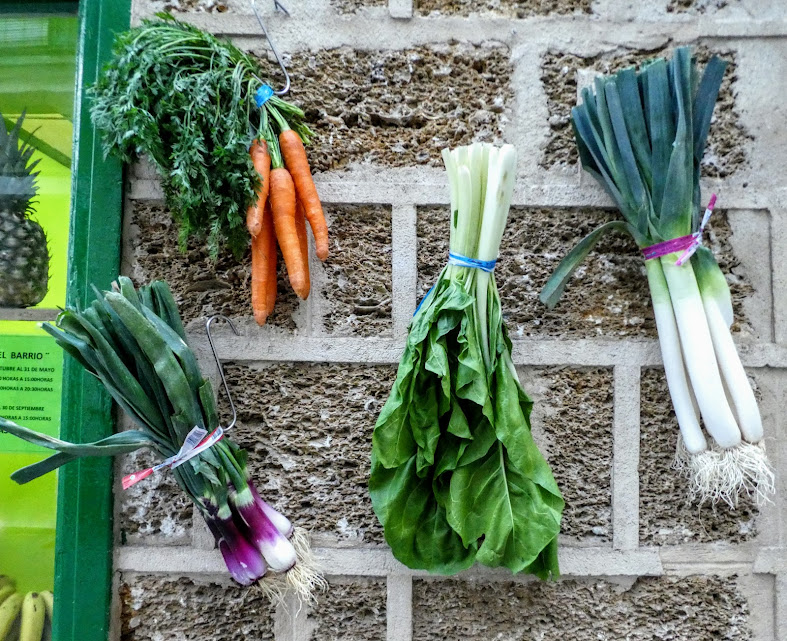
Or if the shopkeeper has made a point of announcing his wares in a very original way, as here in Cádiz.
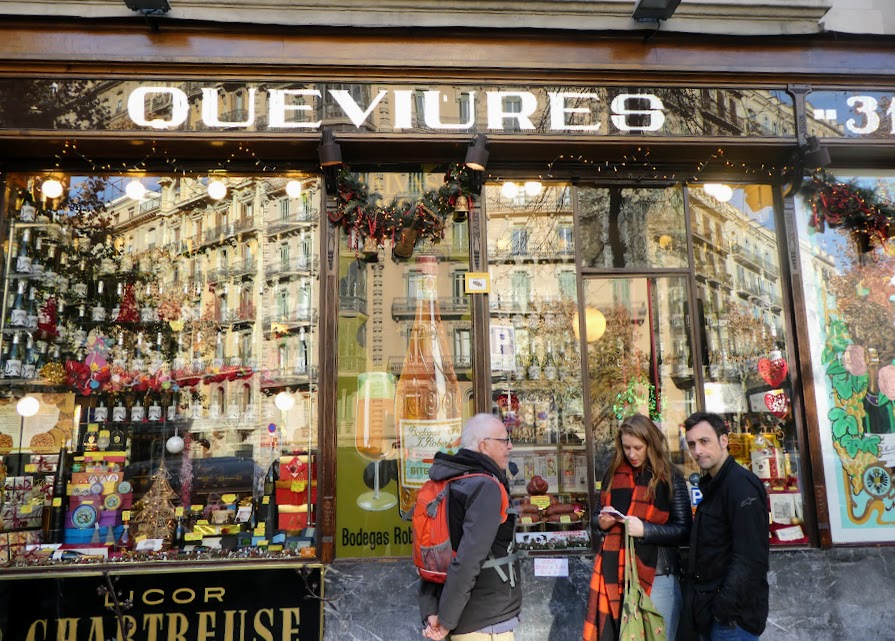
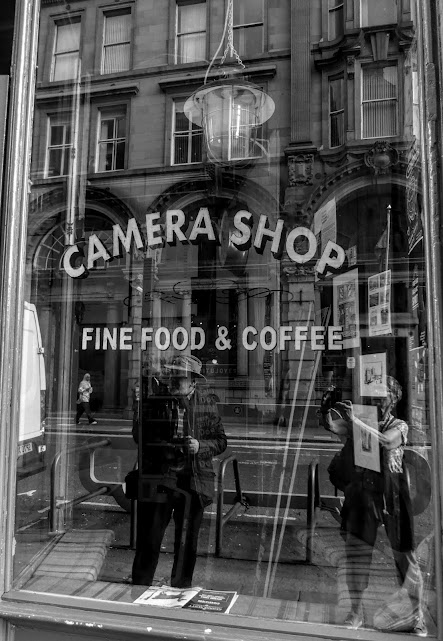
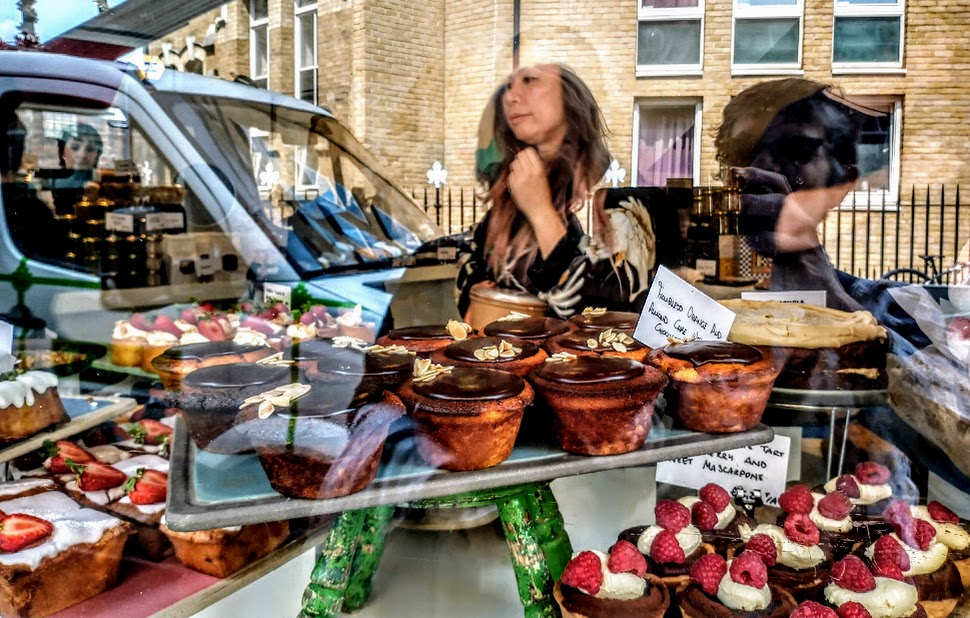
Some shops are so handsome they simply invite browsing. This shop in Barcelona, Queviures, is thinking of charging an entrance fee to those who mumble ‘just looking‘. And look – you get a view of the street behind in the window reflections – for free.
Here’s another – in Newcastle this time – also providing a view of the street it was in.
It’s no longer a camera shop. But that day, it wasn’t selling fine food and coffee either. But we had fun photographing it for free.
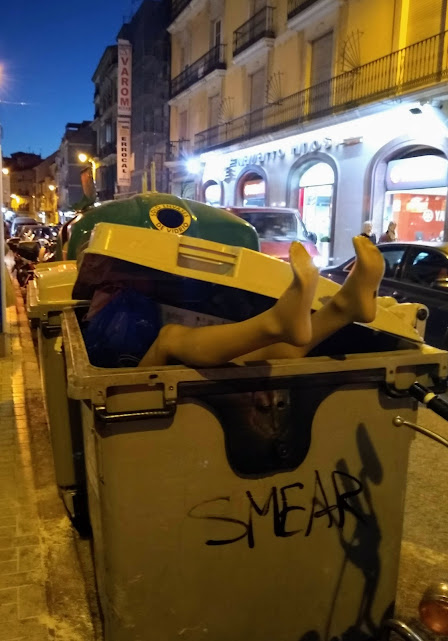
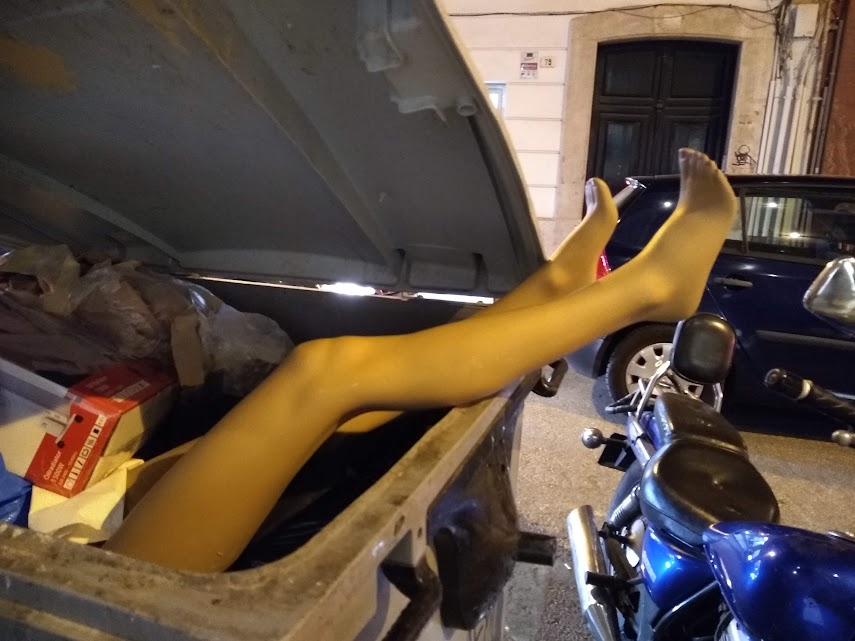
No clothes shops here. I’ve shopped for clothing exclusively in charity shops for five or six years now – yes, even for my outfit as mother-of-the-bride. And I didn’t look like a bag lady. So I’ve been told. I therefore have no shots of elegant and fashionable clothes emporia. Just this. Once upon a time, this mannequin was the clothes horse for many a stylish window display in Málaga. Her glory days are over.
Despite my lack of enthusiasm for retail therapy, I’ve thoroughly enjoyed strolling round markets and shops at home and abroad for Ritva’s Lens-Artist Challenge #288. I’ll never be keen to shop-till-I-drop, but ‘you can always find something you want‘ (Sophie Amurosa). Especially if it’s edible.
My featured photo is from the indoor market in Seville.
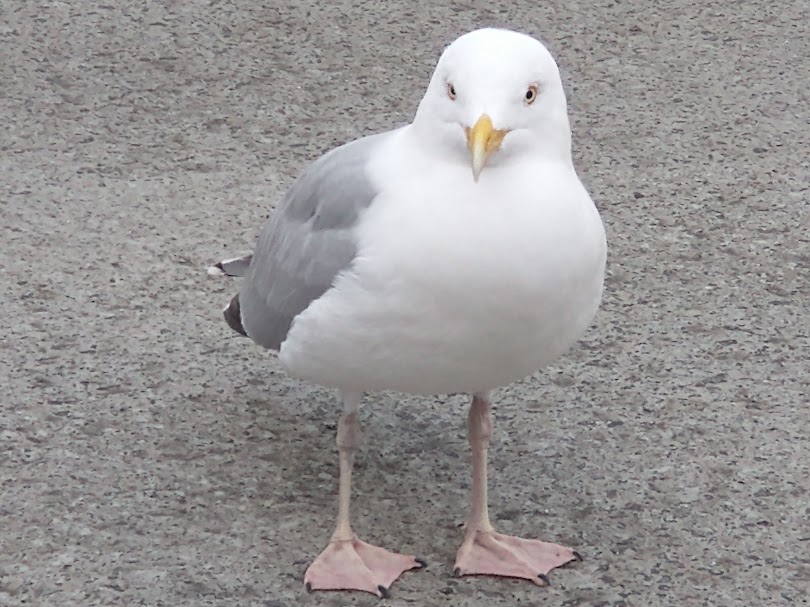
The featured image is of a herring gull who paraded obstreperously outside our car – only our car – as we waited to board the ferry at Dover. It was elevenses time-ish, but we displayed no evidence of snacking, so I don’t know what it was all about.
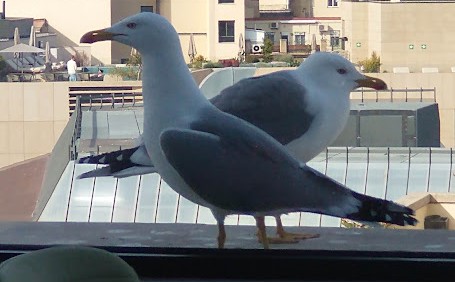
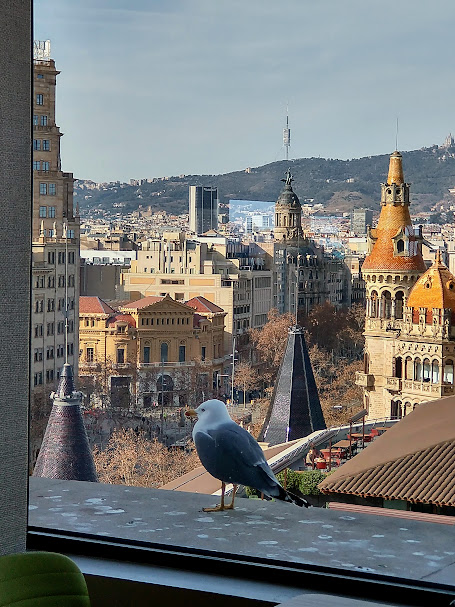
These other gulls are, according to Google Lens, yellow-legged gulls, and closely related to the herring gull. These specimens were loitering on the window ledge of the roof top café from which we were enjoying the view in the centre of Barcelona.
Thank you, everybody who identified last week’s creature as an Egyptian Grasshopper. It is good to know what this impressive creature is.
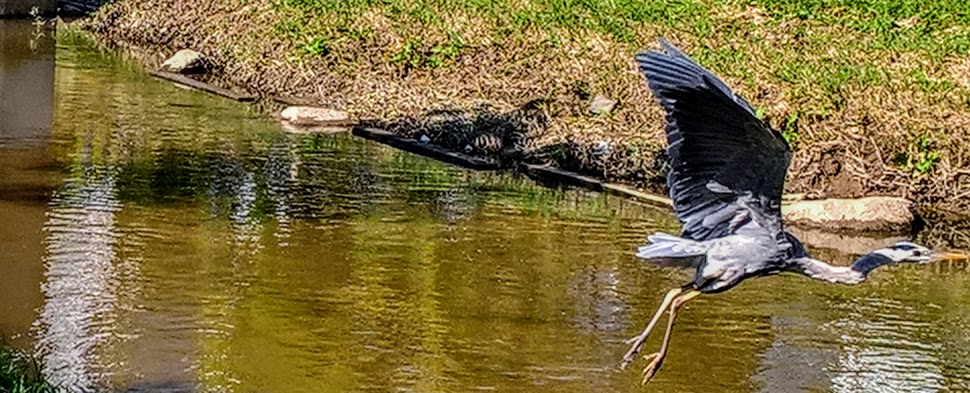
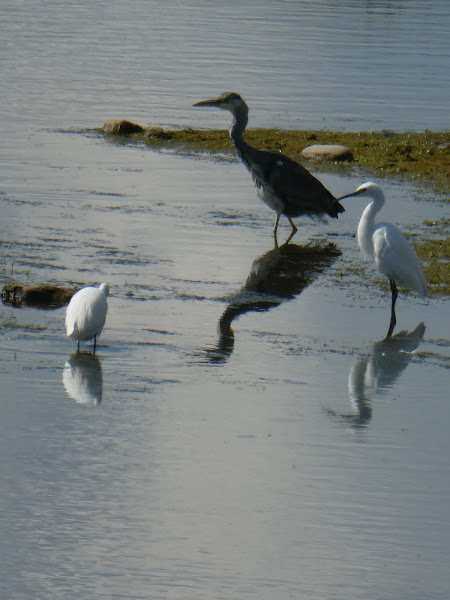
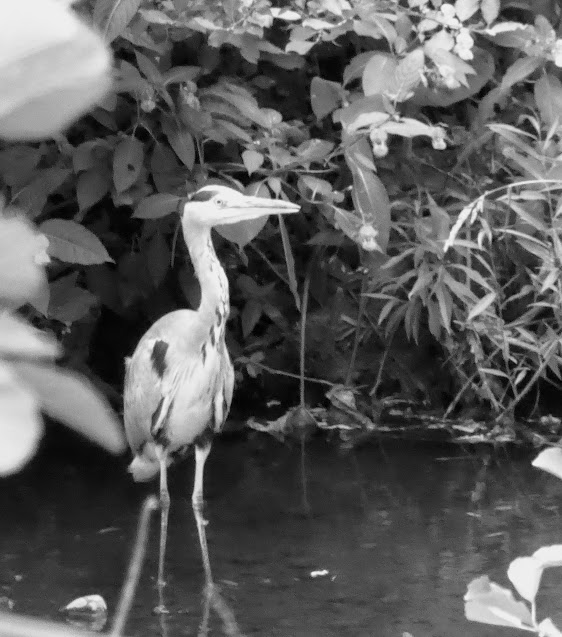
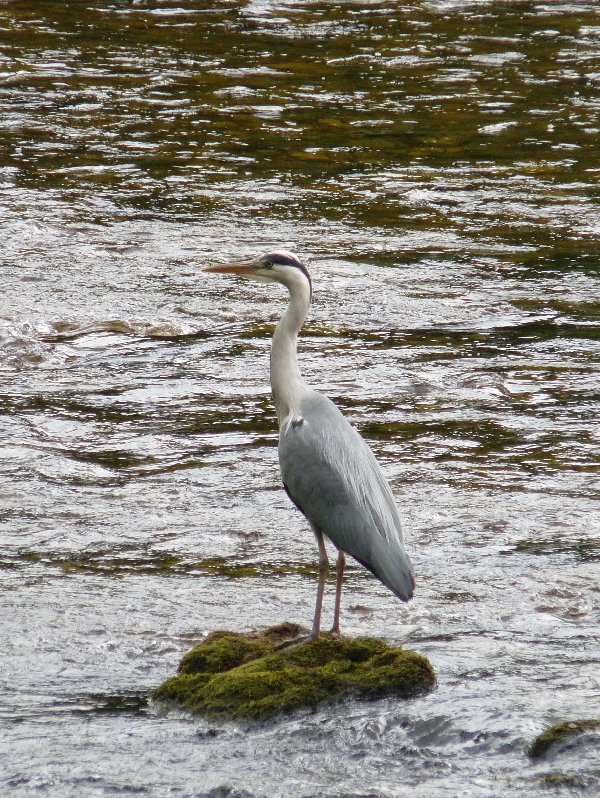
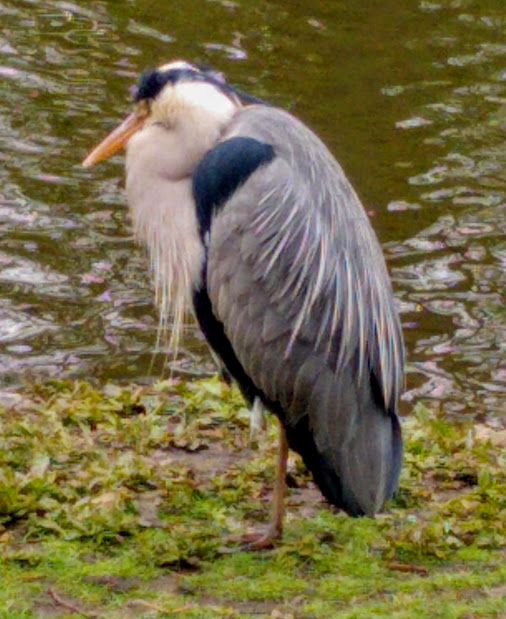
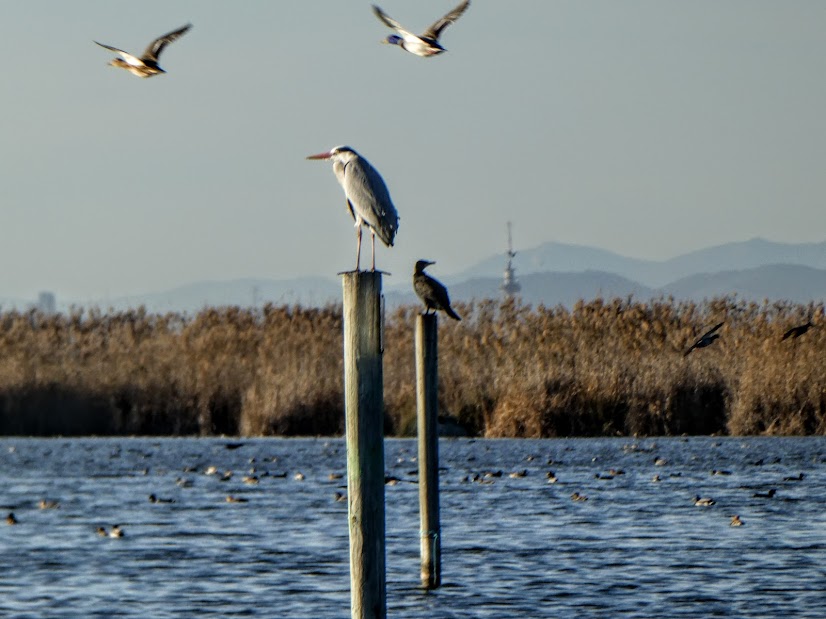
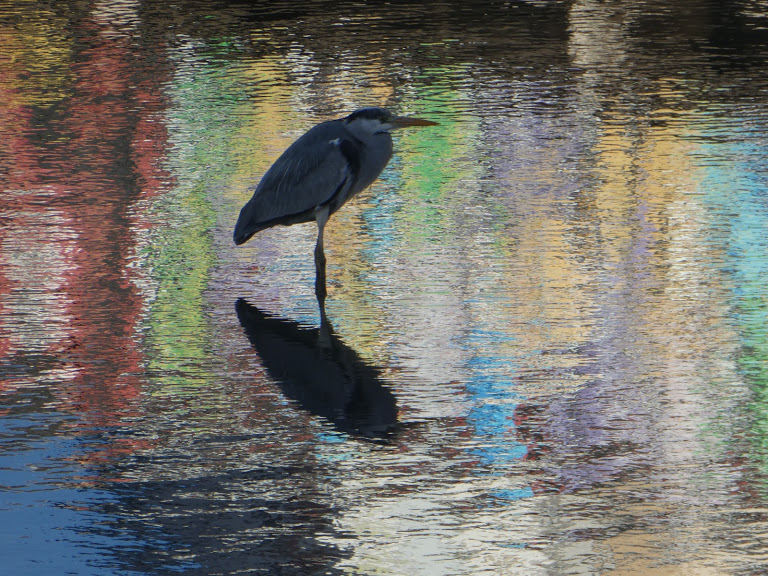
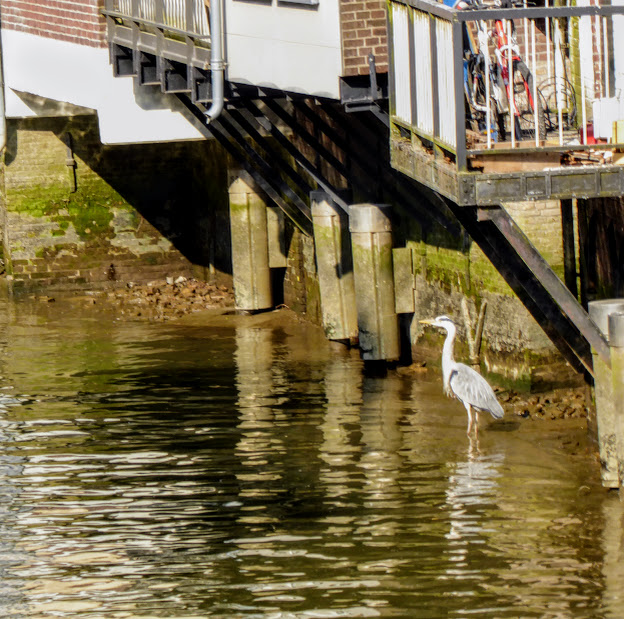
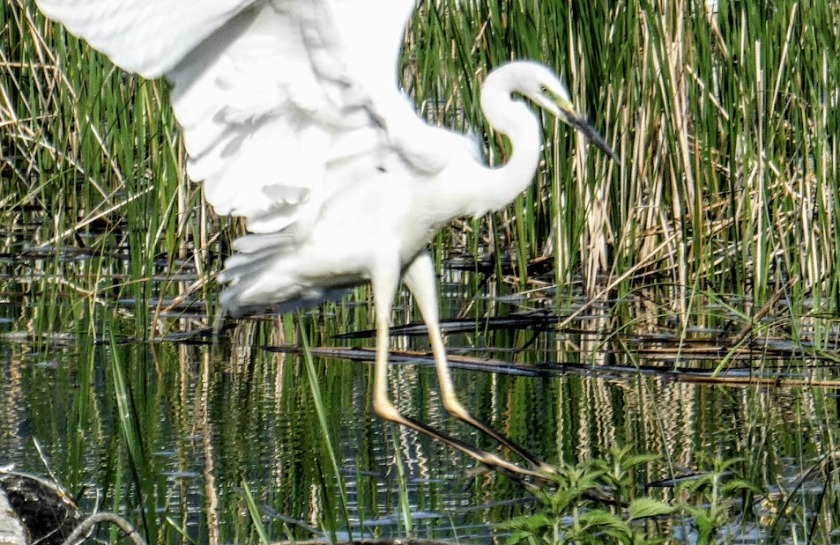
Over at Don’t hold your Breath, IJ Khanewala features an Indian Pond Heron as his Bird of the Week. I remarked to him that herons get everywhere. And here’s the proof. I can’t claim to show examples from anything like every continent, much less every country where you’ll find herons, but here are just a few.
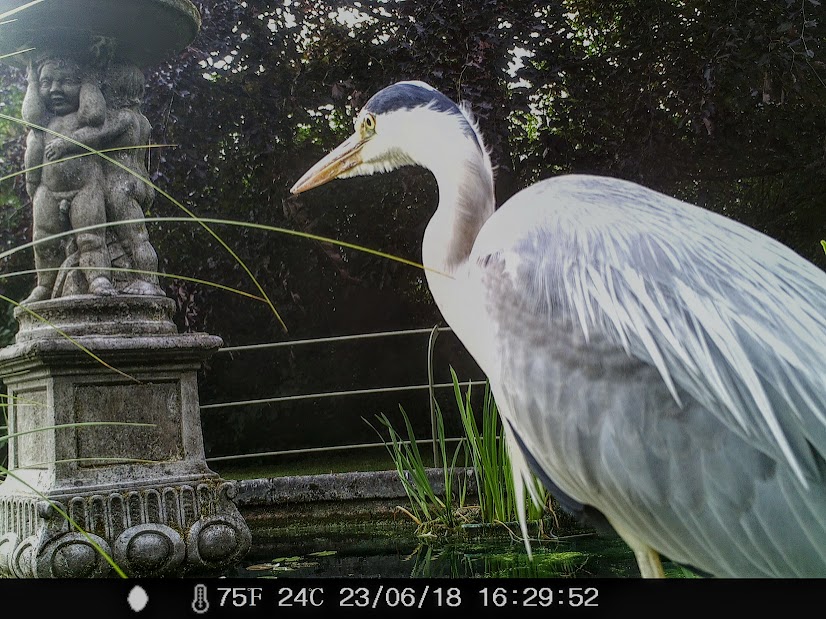
This one was after an easy catch in our landlord’s garden and noticed by our trail camera.
These are all from England: click on an image to find out where.
These two come from Spain, from l’Albufera near Valencia, and from Córdoba.
Dordrecht in the NetherlandsLake Prespa in Greece (but it’s an egret?)
And the featured image comes from Busan in South Korea.
Not exactly a world-wide survey. But I go a small way towards proving my point.














You must be logged in to post a comment.