Wuthering Heights: Tourist Destination

This week, A Canadian blogging pal, Rebecca of Rebecca’s Reading Room reflected on re-reading Emily Brontë’s Wuthering Heights. It made me think of a post which I wrote six years ago, in which I described a walk in Emily’s footsteps. Now it’s not really playing fair to re-post something I published before for the Lens-Artists Challenge: Tourist Attractions Near and Far. But I’m going to do it anyway. How many walking routes does anyone know in the UK where the way-marking is in any language other than English? Here, they’re in Japanese. This wild and often unforgiving part if England has become an unlikely tourist Mecca for devotees of Brontë’s story of the passionate and tumultuous love affair between Heathcliff and Catherine Earnshaw.

Wuthering Heights

28th July 2018

Haworth: a charming village on the top of a high and steep hill, in an area of high, bleak and steep hills; home to the Brontë sisters and the surrounding moorland countryside of Wuthering Heights.

Cottages near Haworth. Cosy now: possibly less picturesque back in the Brontë’s time.

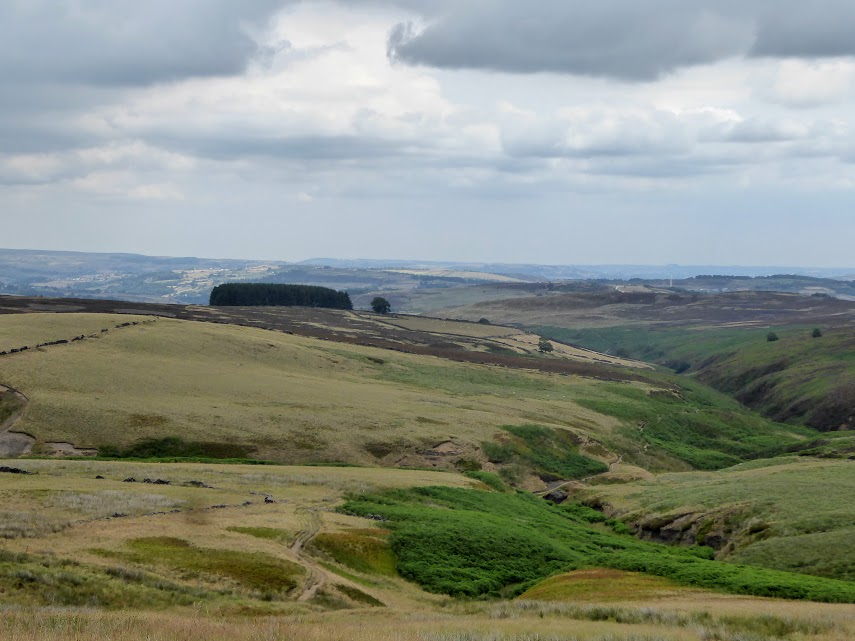
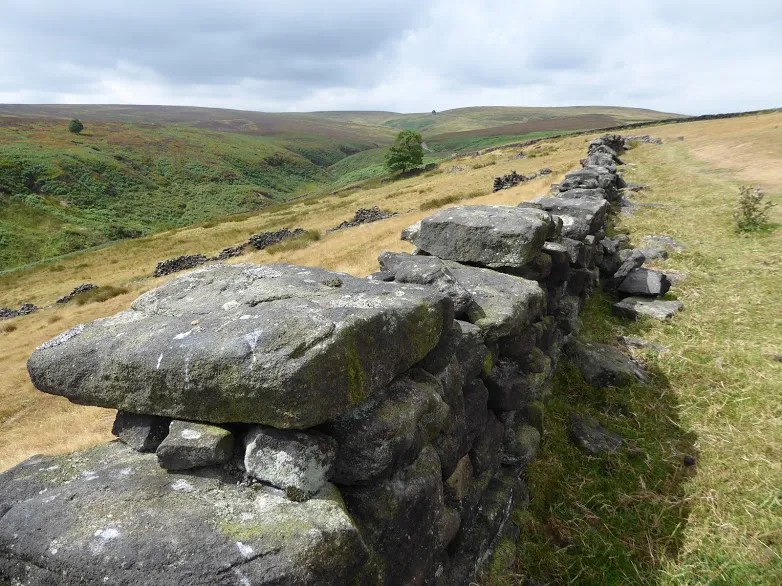
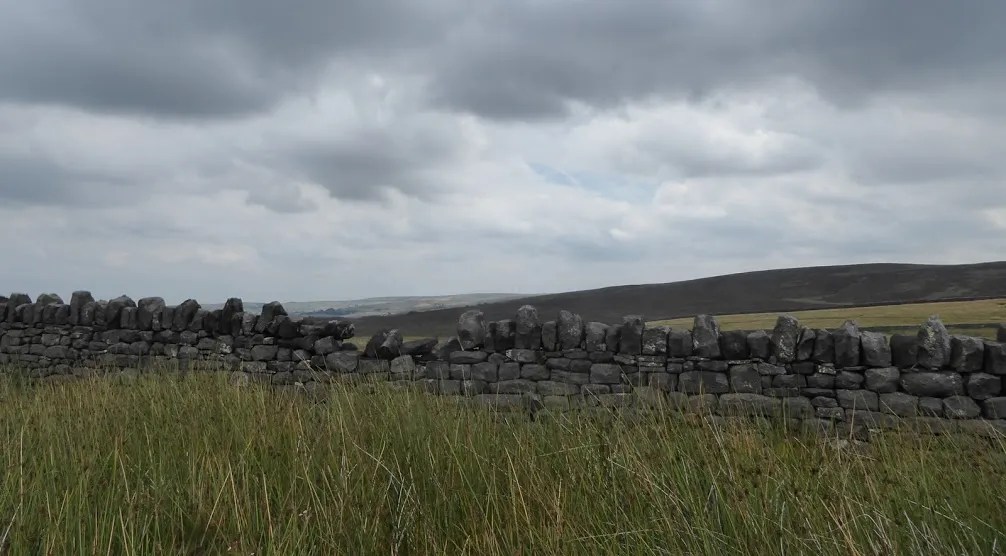
Everyone knows that you can expect ‘weather’ when you come here,  whatever time of year you arrive.  As you stumble along the church path to leave the village, slashing rain tumbling from sullen hostile skies needles your skin, slicks your hair to your face and saturates your clothes.  As you set your face against the wild wind, your boots sink into the sodden peaty turf as you trudge onto the moor.  If you dare to glance up, you see unending moorland before you: bleak, barren and bare, with sheep huddled against the dry stone walls which march across the landscape.  This is Nature-in-the-Raw, and we expect no different.

I went there earlier this week.  None of the above applied.

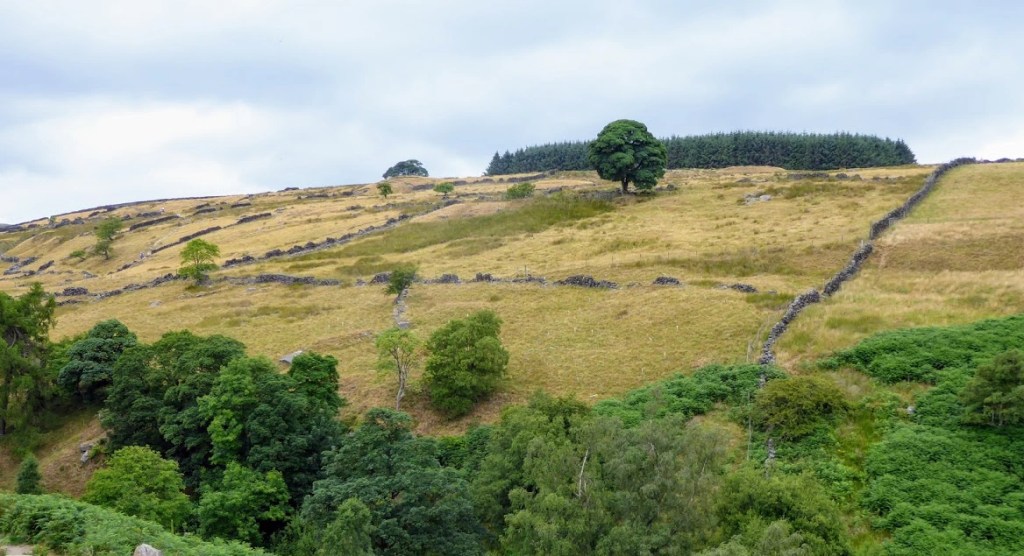
We are in Week Five of a heatwave.  I doubt if either the Brontës or even Heathcliff himself had ever seen the like.   Brittle coir matting now carpets the brooding moorland fells: and several weeks early, the heather is almost in flower, rich and purple.  Yellowing grasses replace the dense green turf the sheep prefer, whispering and rustling in the light breeze.

Beyond Howarth, coir matting stands in for moorland turf.

There’s a little brook in the valley here.  Angry peaty water jostling officiously along its path has been replaced by still, clear shallow pools.

The brook by Brontë bridge.

The Brontë sisters would cheerfully have paused here to rest, reflect and write a little.  Then, like me, they would have slogged on, up the peat-and-stone pathway that leads upwards, ever upwards, towards Top Withens.

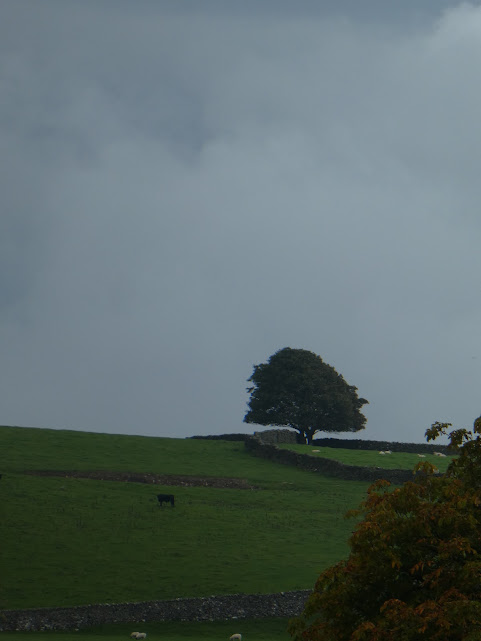
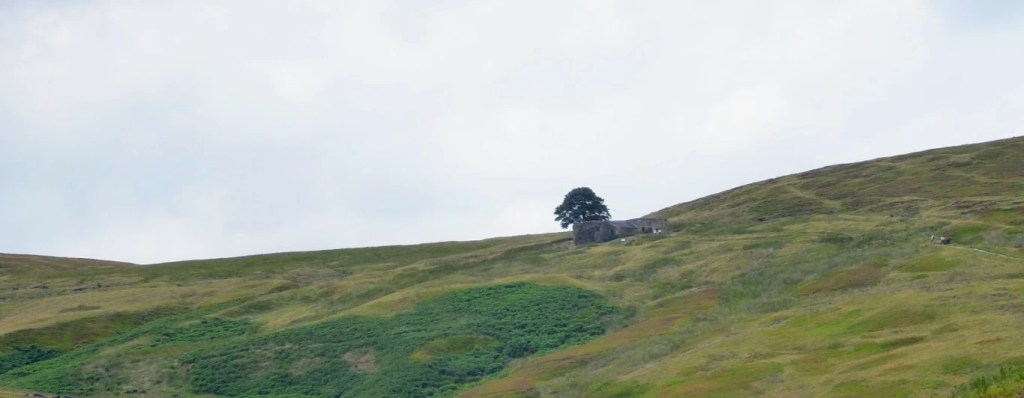
There’s Top Withens, up there. Beside that solitary tree.

Top Withens may have been the isolated upland farmhouse that Emily Brontë pictured Cathy Earnshaw and family living in when she wrote Wuthering Heights.  It’s a ruin now, the roof torn off in a violent thunderstorm in the 1890s.  Just as you’d expect.

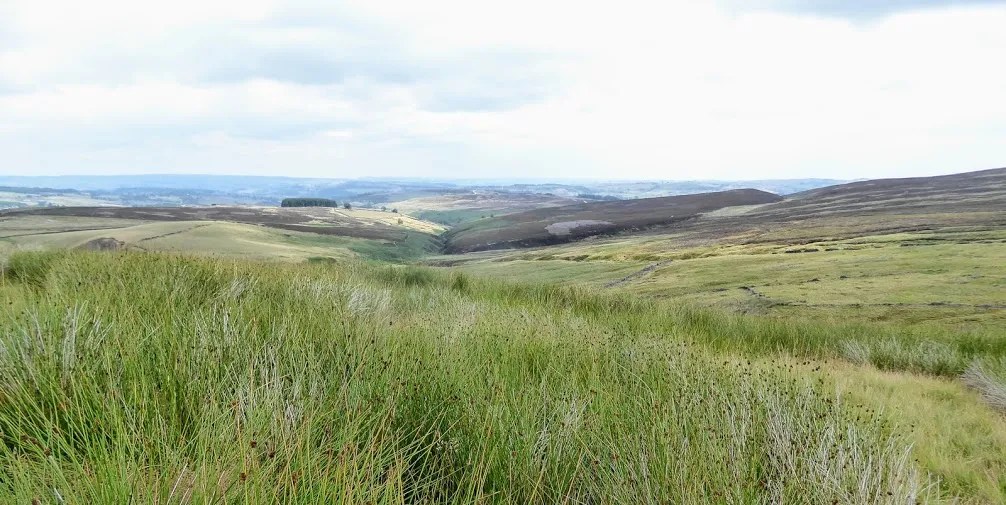
It was the perfect picnic spot for me.  The moorland stretched before me, its hillsides rhythmically rising and falling.  The world was silent: not that silence in which there is no sound, but that of the living countryside: the low susuration of the swaying grasses; the humming of the wind in my ears; the occasional complaint of a bird sweeping overhead.  Beyond the moorland, greener fields lay, chopped centuries ago into rough rectangles by drystone walls.  Some held sheep, some cattle, others recently cut hay. The sun warmed my rocky seat, and I was perfectly content.

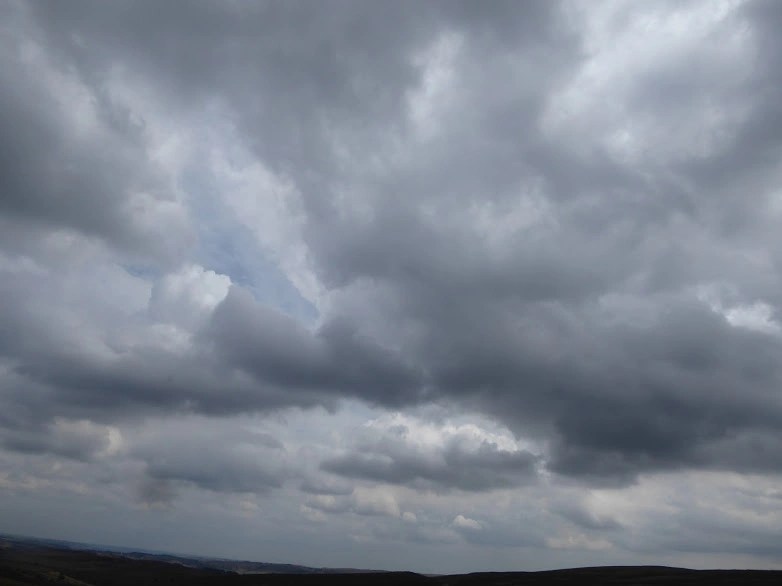
Except for the sky.  The day was sultry, sweaty, but freshened by a soft breeze.  I knew the sun might be chased away by gusty rain.  Ash-grey clouds swelled and receded, revealing granite tones behind: and beyond that, cornflower blue once more. It was a signal.  Haworth takes weather seriously.  Never be tempted to climb these uplands without a very capable waterproof in your kit.


 The moorland I saw this week was not the Brontë’s moorland.  It’s been a little sanitised.  There are helpful finger posts pointing the way at every junction, in English and … Japanese.  

Top Withens or Top Withins? Take your pick. I don’t know which the Japanese choose.

The pathways the sisters trod are no longer springy peat tracks, or sticky muddy gullies.  Instead, heavy slabs line the way, to prevent footfall damage to this fragile area from the hundreds of people who tramp these paths looking for the Real Brontë Experience.

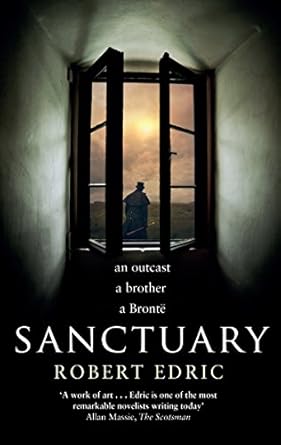
My day was far too comfortable for that.  I was not returning to a draughty parsonage with self-destructive brother Branwell to worry about.  If you want to see the Brontë’s life through his eyes, read Robert Edric’s ‘Sanctuary’. You’ll be glad to get back to bustling tourist-destination Haworth for a nice cup of tea.

This post should qualify for a mention in Jo’s Monday Walk, I hope.

Six Degrees of Separation: from Kairos to The Little Man from Archangel

On the first Saturday of every month, a book is chosen as a starting point and linked to six other books to form a chain. Readers and bloggers are invited to join in by creating their own ‘chain’ leading from the selected book.

Kate W: Books are my Favourite and Best

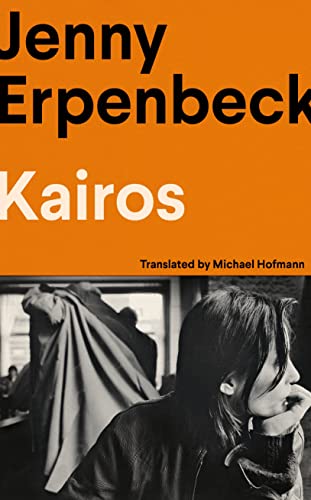
This month’s chain began with Jenny Erpenbeck‘s Kairos, translated by Michael Hoffman, which as it happens I reviewed in my post in May. It gave me the idea though that I would make works in translation this month’s focus.

My first choice is Adania Shibley‘s Minor Detail, translated by Elisabeth Jaquette: another story about living with the consequences of war. The first part of this book is set in 1949, in Israeli- Egyptian border country, and a platoon of Israeli soldiers are seeking unsuccessfully for hidden weapons. They kill a group of Bedouin nomads whom they encounter. Only one young woman – a girl really – survives. She is taken back to camp, and systematically gang-raped before being killed. We hear all this from the point of view of the commanding officer – clipped, without emotion, without judgement. 25 years later a nervy young woman, living and working in Ramallah steps in and takes over the narrative. She’s read about this crime and wants to find out about it by travelling to and investigating it on site – difficult and risky to achieve. This quixotic journey doesn’t end well – how could it? This is – intentionally – an uncomfortable and unsettling read, written with suppressed passion by its Palestinian author.

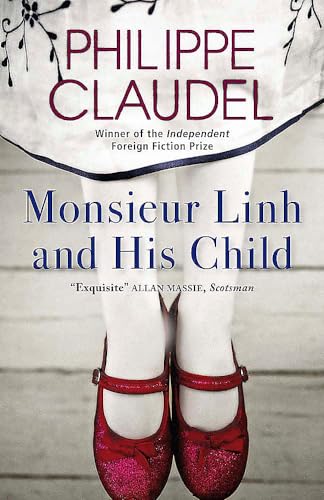
My next choice is also about living in the aftermath of war. Philip Claudel‘s Monsieur Linh and His Child, translated by Euan Cameron. This is a haunting book that will stay with me. Monsieur Linh is in an unnamed country, living in a refugee centre for those who have, like him, fled on an elderly ship from his homeland which has become a war zone – surely Vietnam? His family members have all been killed – except for his baby granddaughter, whom he keeps close and cares for every second of the day and night. One one of his daily wanderings, he meets Monsieur Bark, similarly lonely and isolated since the death of his wife, and the two men, despite having no shared language, develop a deep bond of friendship. Then Monsieur Linh has to be re-homed … This is a restrained and simply told story, which evokes a compelling picture of a gentle man, deeply traumatised by the loss not only of his community and family, but of his homeland, landscapes and daily rhythms. A compassionate, moving book, with an unexpected twist that reveals even more about the losses this elderly man has sustained.

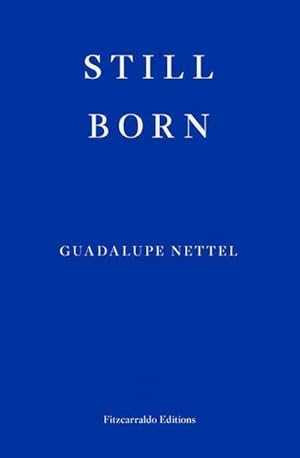
Guadalupe Nettel‘s  Stillborn, translated by Rosalind Harvey also has a child at its heart. Two young women, Laura and Alina, know for a fact they don’t want children. So Laura, the narrator, has her tubes tied. While Alina enters a relationship, and changes her mind, even to the extent of having fertility treatment when pregnancy just doesn’t happen. Life gets in the way. Alina becomes pregnant but before the birth, is given the awful information that her grossly disabled daughter will not live. This book is one which looks a the wider definition of parenthood, through the omniscient eye of Laura, who seems to know every intimate detail of Alina’s life with her partner Aurelio and daughter Inés, as well as of their childminder who’s unable to have children of her own, and of Alina, of her own mother, and her neighbour Doris and son. It examines the emotional conflicts and burdens of motherhood: their overwhelming presence in each woman’s life. A startling and forceful story.

My next book also has children at its core. Homesick, by Jennifer Croft is not translated. She wrote the book first in Spanish, then in English … This book is a haunting one, presenting the childhood of Amy and her younger sister Zoe in a series of vignettes, often extremely short. We gradually build a picture of two extremely close siblings: the elder gifted, the younger dogged by frightening ill-health – a rare but benign brain tumour. Tragedy after tragedy strikes -indirect, but significant. Then Amy gets into University aged only 15. A much shorter section details Amy’s post-graduate life until her mid 30s. Like the earlier part of the book, it’s fragmented, yet intimate and sensitive. I was kept at a distance from the two girls: I felt something of a voyeur, though a sympathetic one. I was privy to some of the many disasters that had struck the girls, without really getting to know either of them. Which felt appropriate. Complex lives make for complex characters. How can we really know what goes on in someone else’s head?

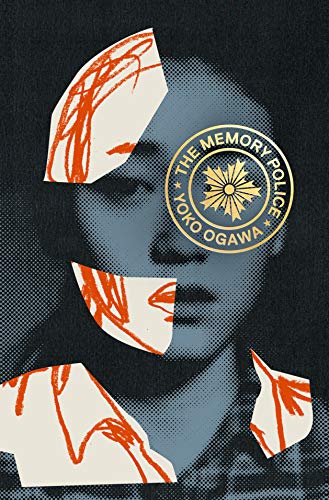
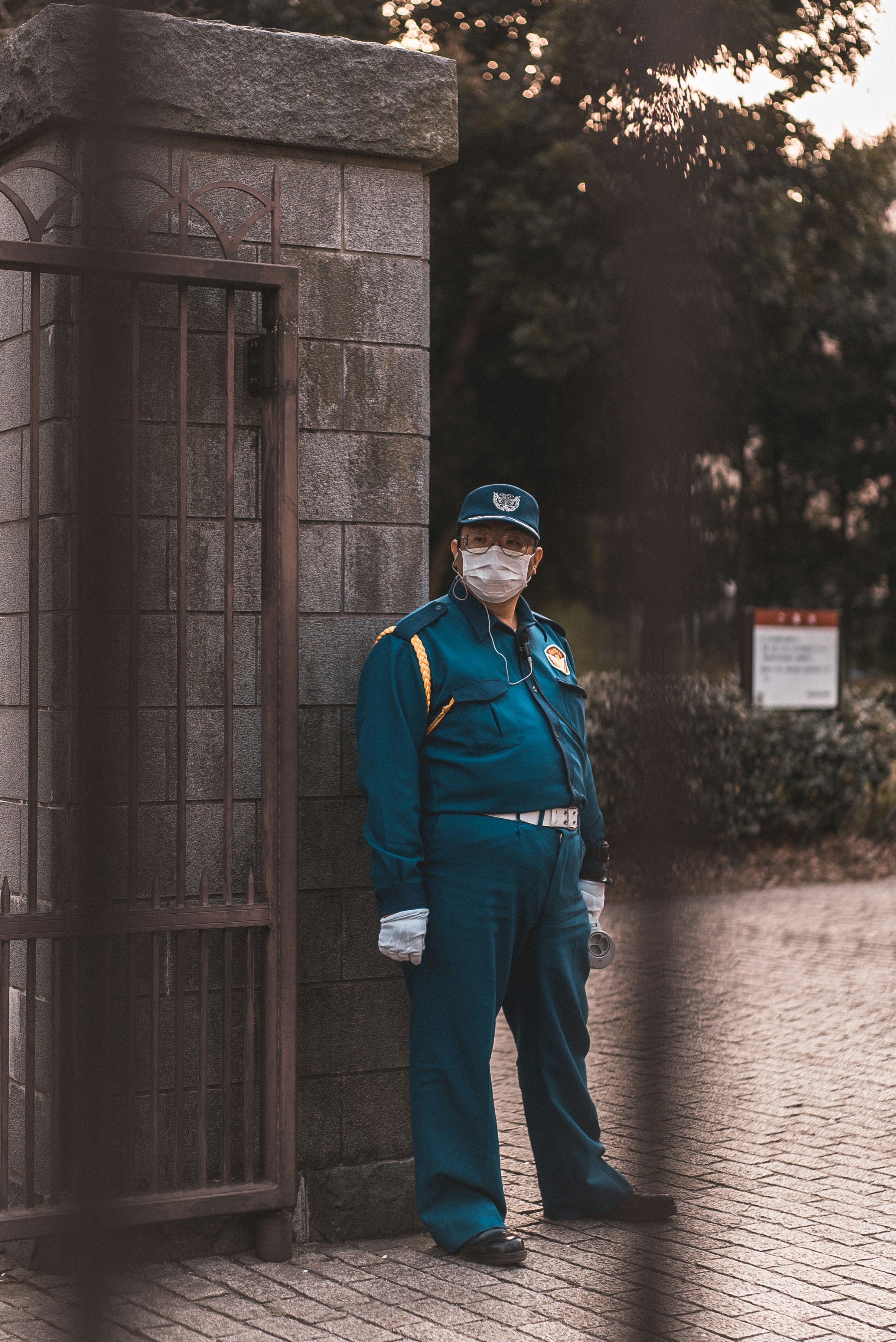
We leave Amy as a young woman, and it’s a young woman who is centre stage in my next choice. I’m not normally a fan of dystopian fiction, but I found Yoko Ogawa‘s  The Memory Police, translated by Stephen Snyder to be a powerful and unsettling read. Simply yet lyrically written , the writer – this is told in the first person – lives on an island in thrall to the Memory Police. Things comprehensively disappear: in the early days, simple things like roses, and the inhabitants soon lose any memories of the things that have vanished. Those unfortunate people who find they do not forget – and the writer’s parents seem to have been among them – simply are removed by the Memory Police and never seen again. The ‘writer’ of this book is herself a novelist, and we are privy to her efforts. We never find out more about the Memory Police, or know to whom they are answerable. But we are left with a lot to think about – totalitarian regimes, life, death and the process of letting go and of dying. I’ll go on thinking about this book.

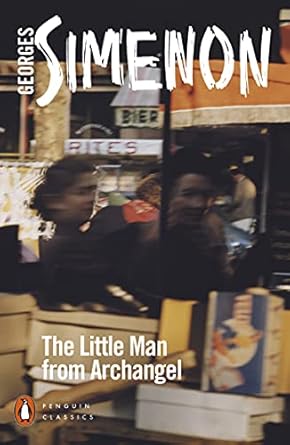
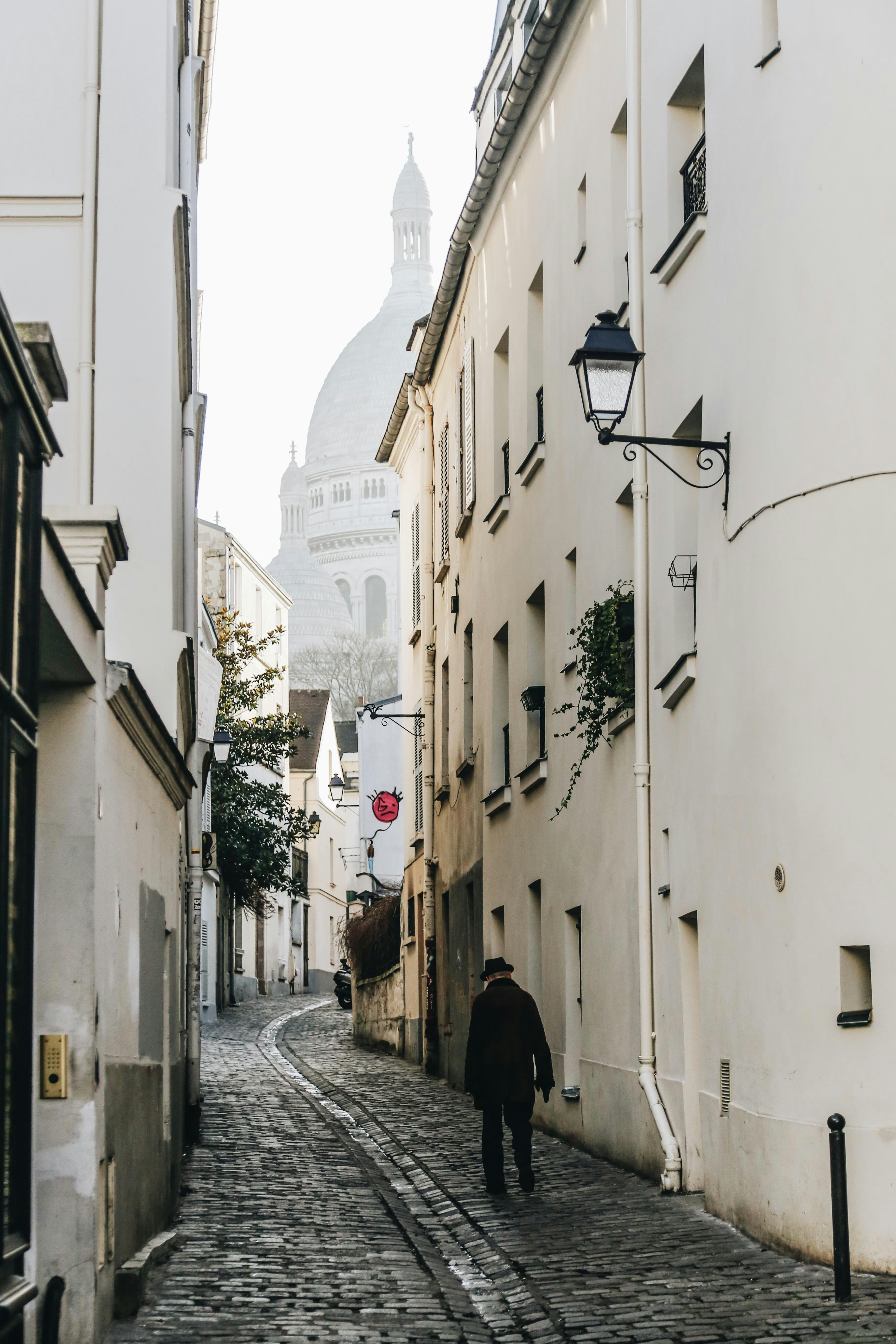
My last book also looks at a life where things are not as they seem: Georges Simenon‘s The Little Man from Archangel, translated by Sian Reynolds. When Gina, the free-loving and much younger wife of Jonas Milk, Russian emigre, small-time bookseller and stamp dealer disappears, Jonas lies, and says she’s away visiting a friend. It’s almost immediately clear that this isn’t true, and Jonas has impotently to realise that his soon-disbelieved untruth has consequences. He’s increasingly made aware that his experience of being both Jewish and a migrant has accounted for his being less integrated into society than he had believed. A powerful evocation of 1950s small-town French life, which though bleak, is also atmospheric and elegantly told.

With my last book, we end where we began: the far-reaching consequences of long-over war. I’m aware that my choices this month have a touch of earnestness about them: they’re not beach-read territory. But they’re well-worth your time.

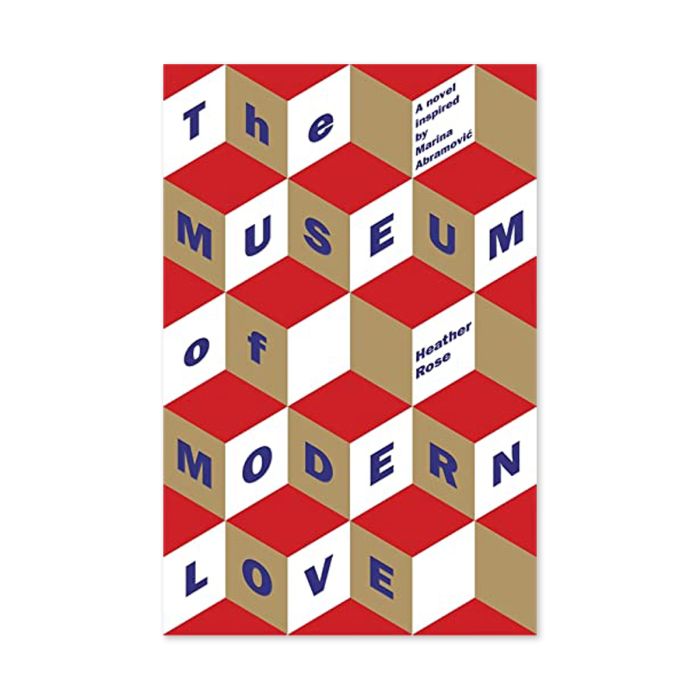
Next month’s starting point is Heather Rose‘s The Museum of Modern Love.

All illustrations are from Unsplash: Ben White; Jewad Alnabi; Redd F;Omar Lopez; Tom Morbey; Giuseppe Mondi.

Six Degrees of Separation: from The Anniversary to Romantic Comedy

On the first Saturday of every month, a book is chosen as a starting point and linked to six other books to form a chain. Readers and bloggers are invited to join in by creating their own ‘chain’ leading from the selected book.

Kate W: Books are my Favourite and Best

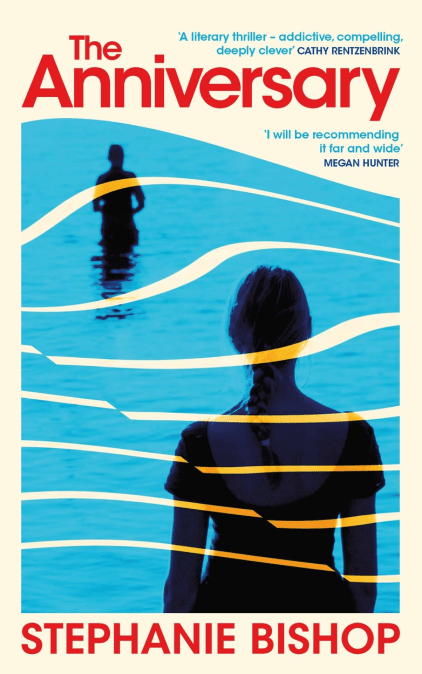
Yet again I  haven’t read the starter book: Stephanie Bishop’s The Anniversary. I gather though that it’s a forensic examination of marriages and relationships.

That gives us plenty to choose from then.  I’ll start with Jenny Erpenbeck’s Kairos, a compelling story of a doomed love affair, set against the background of the crumbling of the GDR in the 1980s. A young student meets by chance a very much older married man and they fall into a tumultuous, torrid affair, fuelled by their love of music and art. He’s had several affairs during his marriage, but when she strays for a single night, he submits her to cruel and demeaning punishments, picking over her confession for weeks and long months. This is not a tidily wrapped up book, though we learn from the prologue and epilogue that the affair does in fact end. As did the GDR. Though that wasn’t tidy either. One quibble – in a society where spying on one’s neighbours was expected, how did this couple keep secret their affair, conducted in full public view?

My next choice might have had a married man having an affair as its subject.  Not quite.  How to Make a Bomb by Rupert Thomson was a surprise to read. Instead of full stops, there are line breaks. Sentences are often short – staccato even, giving the book something of a feel of a prose poem: this choppy presentation suits the book and its main unable-to-stick -with-an-idea protagonist well. Philip Notman is an acclaimed historian who’s been to a conference in Bergen. He’s happily married to Anya. From nowhere, apparently, he start to question life itself – it’s ‘artificial’, ‘unbearable’. His solution is to go away for a while – to Cádiz, where a woman – Inés – whom he met at the conference lives, and for whom he has formed an attraction. No adultery takes place, and soon he is off to Crete, because some chance acquaintances have lent him their holiday home there. He dabbles with integrating himself into local male society, with religion, before moving back to London, but not to his wife. He still loves her, still needs time. His rather self-indulgent and self-aggrandising quest to solve the ills of society via his Notmanifesto (see what he did there?) is rather a mish-mash of received ideas. His grandiose ideas amount to very little and we leave him on the last page no further forward than he was when he embarked on his unlikely quest. Unconventionally written, with its absence of punctuation, this is an immensely readable book whose subject is a Privileged White Male living out a cliche.

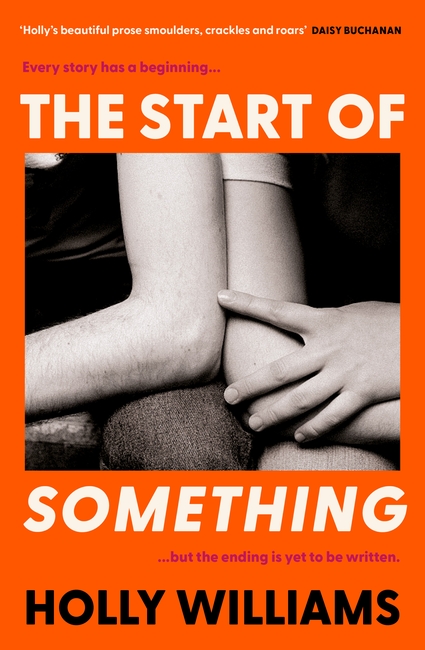
Next, Holly WilliamsThe Start of Something concerns a group of people also exploring relationships.  It’s a cleverly constructed novel – or is it a set of short stories? in which ten characters in turn have their inner stories revealed. Each character has slept with the one before. Several are exploring or questioning their sexuality: some are lonely, because or in spite of their relationship; some are heartbroken: all are seeking – something. One chapter is coming to an end for each of them, another is beginning. And at the end, there is hope for the two people with whom the book closes.

More exploration of sexuality in The Sleep Watcher by Rowan Hisayo Buchanan.  A young woman, Kit, uses this book to address her lover to explain how her teenage self has made her who she is. She lived with her parents and younger brother in an unnamed seaside town in southern England and became prone to out-of-body nighttime wanderings as she slept. This device should have had me slamming the book shut, never to open it again, but it worked. Able to travel round the town at will, she witnesses her parents in private moments and realises their relationship is increasingly fragile, her father not the happy-go-lucky man she thought she knew. She’s also exploring her own sexuality with her closest school friend, Andrew. The satisfaction of reading this book lies in the evocation in just a few phrases of her home town, her teenage companions, her family, and the things they did. Her conflicting feelings about her parents – especially her father – whom she thought she knew are well portrayed. Kit is a convincing, if enigmatic character. An intriguing read.

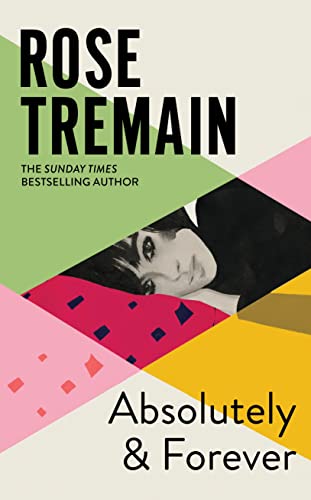
Here’s another book written in the voice of the main protagonist reviewing her past. Absolutely and Forever by Rose Tremain, of whose writing I’m usually a fan. But while this book was, as expected, a page-turner, I didn’t warm to it much. It’s written in the voice of Marianne, whom we meet as a 15 year old boarding-school girl, with self-obsessed parents whom I found to be caricatures. She’s helplessly in love with 18 year old Simon. She knows they’ll soon marry and she willingly loses her virginity to him. Life gets in the way, and he’s despatched to Paris when he disappoints himself and his parents. She never forgets him, despite a decent marriage, which is detailed in all is downs and ups. The denouement, when it comes, isn’t a surprise, to me at least. I found most of the characters to be ciphers, and the characters slightly unbelievable. An easily-read and well-written, but slightly unsatisfactory read.

There’s quite a bit of serious stuff here.  Let’s finish in a lighter vein.  Curtis Sittenfeld’s Romantic Comedy.  An engaging and highly readable … romantic comedy. Sally is in a team of writers and other creatives who collectively and separately write a popular Saturday night TV sketch show. It feels as if Sittenfeld has accurately brought to life this high-octane, stressful environment where very close friendships sustain the team, and the lively portrayal of a-week-in-the-life-of was eye opening as well as entertaining. But this story is that which develops between Sally, and one of the guest hosts, wildly popular singer Noah. We follow their tentative first mis-steps towards romance, through an e-mail relationship that develops in lockdown through further mis-steps to … well read it and find out. The story is sustained by cameos of the relationship Sally has with her two closest women friends, and with her now-widowed step father. A rewarding romantic novel with the added edge of giving an insight into aspects of the world of show business.

That’s it for this month. My last book doesn’t link back to my first, but all of them this month deal with the search for, or life with A Significant Other. Next month’s starter is Butter by Asako Yuzuki. Apparently it’s a crime novel with a difference.

The first, second and fourth images in the text of this post are my own. The third is by Valentin Antonucci of Pexels. The sixth is by Penin Thibault of Unsplash, and the seventh is by This is Engineering of Unsplash.

Six Degrees of Separation: from India to the Arctic

On the first Saturday of every month, a book is chosen as a starting point and linked to six other books to form a chain. Readers and bloggers are invited to join in by creating their own ‘chain’ leading from the selected book.

Kate: Books are my Favourite and Best
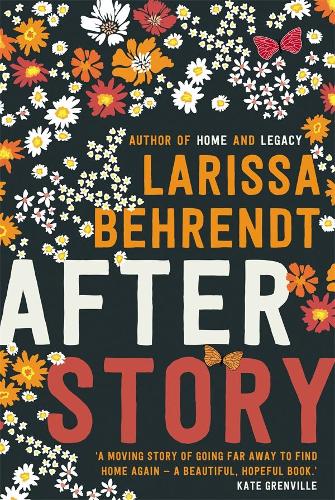
This month’s Six Degrees of Separation Challenge invites us to start with a favourite Lonely Planet travel guide. I rarely use physical guide books any more, but one old friend I won’t be parted from, even though I’m unlikely to travel there again is their guide to South India. This was my bible when, newly retired, I spent a month there, largely solo, in 2007. My travels there began my blogging career, though on a different platform.

I’m taking an easy option for this month’s post. I’m whizzing us to six different countries or regions via a book set in each of them.

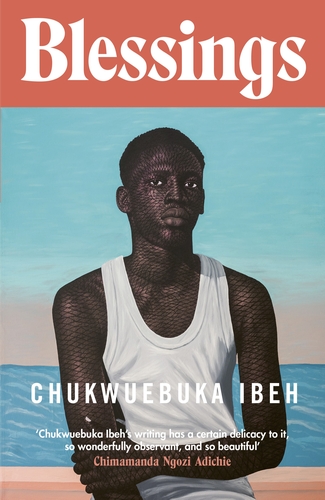
We’ll start not in Asia, but in Africa: Nigeria. Blessings, by Chukwuebuka Ibeh. Obiefuna is the elder son of a couple who had long waited for a child. He’s doing well at school, but isn’t the football-playing, loud and gregarious lad his parents expected. The arrival of a live-in apprentice arouses unexpected feelings in the boy, and his father catches them heading towards an intimate moment. We follow Obiefuna’s adolescence as he’s banished to a strict Christian seminary. We watch him grow into young adulthood where his homosexuality is always a source of shame, even danger in Nigeria’s deeply homophobic society. Obiefuna is a sensitively drawn and rounded character, whose future is uncertain as the novel ends. A compassionate, understated and beautifully written book.

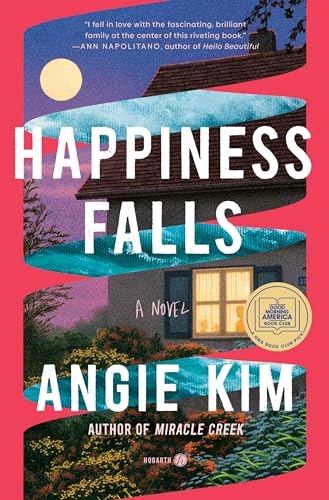
I’ve chosen Happiness Falls by Angie Kim, because this too has a young person as its main protagonist, but her family, besides being American, is also of South Korean heritage. This story, ‘narrated’ by Korean-American Mia is hard to categorise. A young adult, she lives with her parents, her twin brother John and her younger brother Eugene who is both autistic and a sufferer from a rare genetic disorder, Angelman syndrome which leaves him unable to communicate verbally, and with severe motor control difficulties. Mia is very bright, intense, prone to careful analysis and scattering her writing with footnotes. She recounts the family drama in which her father disappears while in the park with Eugene, who arrives home bloodied and distressed. What’s happened? It’s complex, high octane stuff. And while I probably wouldn’t survive for ten minutes in Mia’s company face to face, she’s an engaging, thoughtful narrator with a passion for forensic detail and analysis. Provocative, heartfelt, compelling.

Another book with a family drama at its heart is by the Swedish author Alex Schulman (transl. Rachel Wilson): Malma Station. This was a book I had to finish and stand back from before I could appreciate it. Three sets of people are on a train heading towards Malma. We begin to learn their stories. And we begin to realise that these three sets are not travelling at the same time – years separate them. Yet these sets- father-daughter; wife-husband; daughter are all related. And the story slowly unfolds of how damaged they each are, and how this damage has passed – multiplied even – from one generation to another. It’s a tough, emotional read, with unlikeable characters whom we slowly begin to understand.

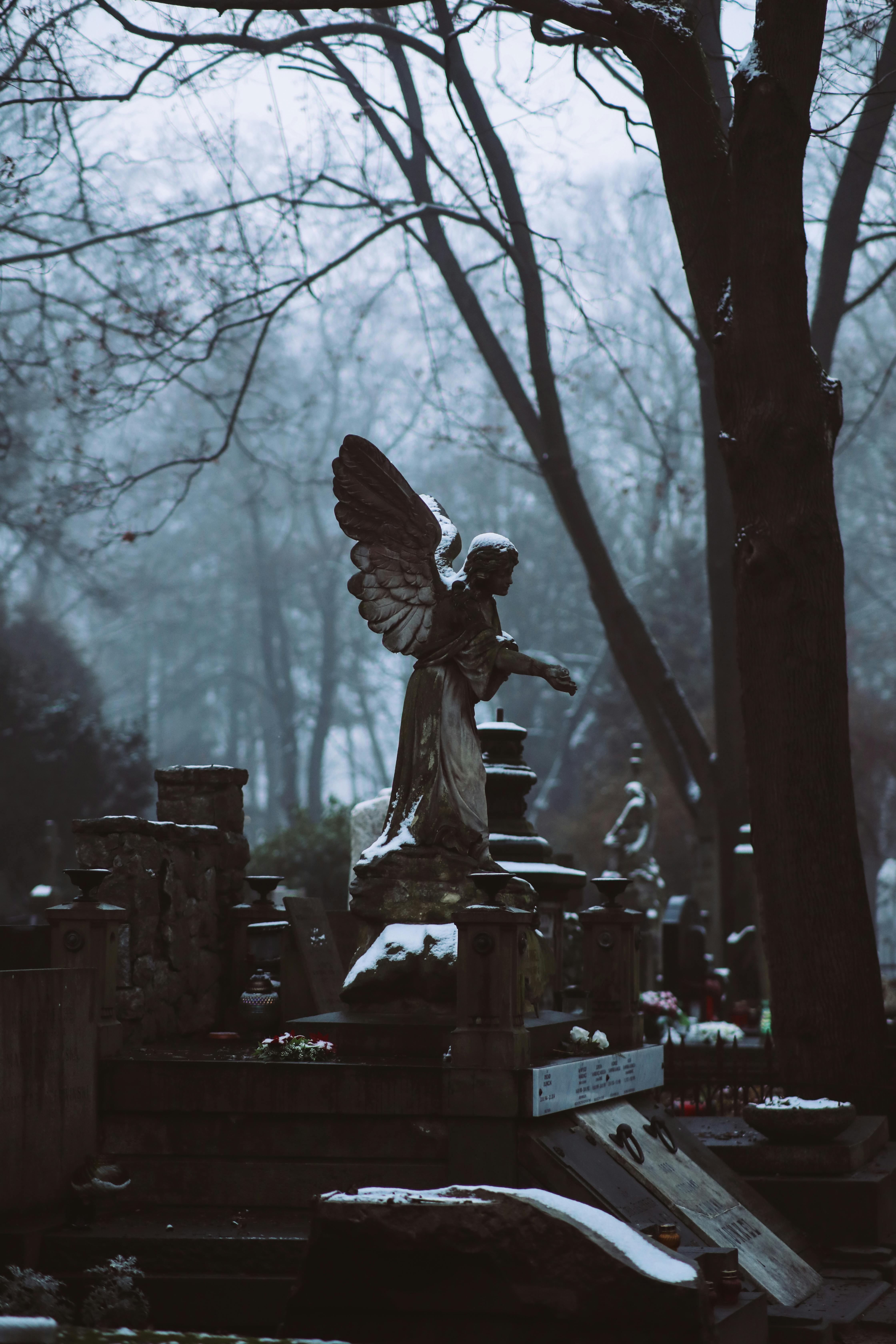
A story about a woman who’s a cemetery keeper in France – yes really – is a complicated family drama too. Fresh Water for Flowers, by Valérie Perrin (transl. Hildegarde Serle). Violette Toussaint had a childhood passed from foster-carer to foster-carer. Illiterate as a young adult, she taught herself to become a skilled reader. She married the sexiest man around, and had an unhappy marriage. The couple were level crossing keepers for many years, then they – and ultimately only she – became a cemetery keeper in the Bourgogne. It’s here that she gets over the tragedy that befell her, and finds friendship and meaning in life. There is a complex web of characters to become immersed in – or not. I think I’ll have to read it again, as I didn’t enjoy this book as much as its many devoted readers.

Now to another woman with a difficult life. Restless Dolly Maunder by Kate Grenville. Another work of fiction? Not quite. Dolly was born in the 1880s, at a time when women knew their place and had to stay there. But during Dolly’s life time, with two world wars forming part of it, things began to change. Enough to make her dissatisfied with her lot. But by sheer hard work and cussedness, she got herself and her husband on in life. It didn’t make her as easy person to get along with. Dolly was Kate’s grandmother, and this book is heavily based on the known facts of her life. An interesting exploration of the life of a woman during a period of huge evolution and change, written with sympathy and some understanding of a somewhat bitter, difficult individual.

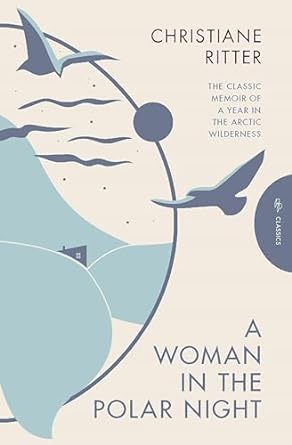
Finally, another story – a true one – of a woman with a difficult challenge. Austrian Christiane Ritter wrote an account of her year in the Arctic in A Woman in the Polar Night (transl. Jane Degras).In 1934, Ritter, a painter, left her ordinary life with a teenage daughter to join her husband in his life as trapper in Arctic Spitsbergen. It turns out to be as cold and inhospitable as we all imagine, and twice as primitive. Seals have to be caught and processed: birds too, and these fatty unfamiliar meats form much of their diet. Husband and Norwegian friend and housemate are often out trapping, looking for animals whose fur they will sell. That’s enough to tell you what much of this book is about. It’s tough in this unforgiving climate. But it’s beautiful too, and Ritter dwells on this. Straightforwardly yet engagingly written, this book offers an insight into the strange world which she chooses for a year to inhabit, and leaves reluctantly.

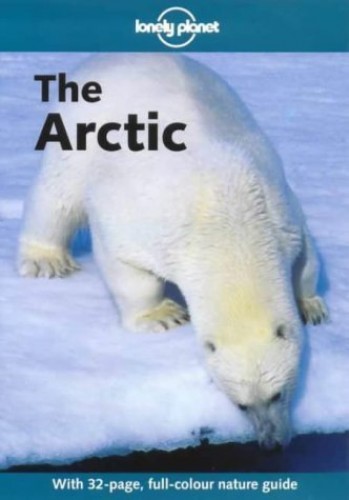
I wouldn’t presume to connect my experiences in India with Ritter’s in the Arctic, but being a woman travelling often alone is what links us. The advantage I had was in owning a guide book. The Lonely Planet Guide to the Arctic wasn’t available then.

And next month? Our chain will begin with Stella Prize 2024’s long listed The Anniversary, by Stephanie Bishop.

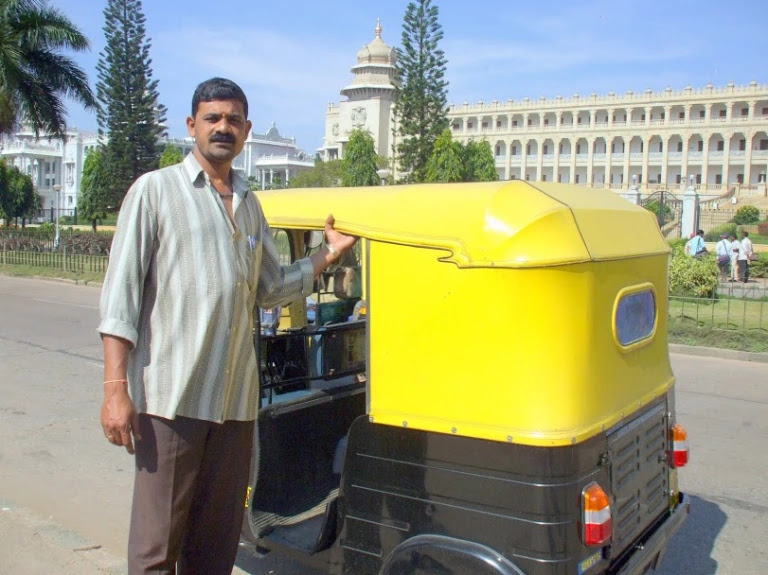
All my illustrations this month, apart from the Indian photo, which is my own, come from Pexels. With thanks to the photographers Emmanuel Slope, Kindel Media, Koolshooters, Efrem Efre, Pat Whelen & Kristaps Ungurs.

100s of Books, 1000s of Books Revisited …

Here’s a post I wrote at the very end of February 2014, shortly before we moved from France back to England….

Hundreds of Books, Thousands of Books …

Facing the task of packing and moving our library, I was reminded of that wonderful book I used to read with my children, Wanda Gag’s ‘Millions of cats’.

‘Hundreds of cats books, thousands of cats books and millions and billions and trillions of cats books’.

Oddly, I no longer have the book, though I hope one of the offspring has. ‘Oddly’, because I seem to have most of the others that have accompanied me through life.  Both of us is incapable of downsizing when it comes to books.  Till now.

We realised that much of what we own has remained unopened since the day it arrived in France and probably for some years before that: our days of writing essays about mediaeval history are long gone. We realised something had to change.  Jettisoning them was unthinkable.  And where in France could we re-home so many books in English?

By chance, I was browsing on the web one day, and realised that many of these old faithfuls have a value.  They could be sold.  So that’s what we’ve decided to do.  But it’s really not about the money.  It’s about knowing that these books will end up with someone who has chosen them and wants them, rather than in some charity shop where, as we know from experience, some would simply moulder or even be thrown before reaching the shelves, even though many would be snapped up.

So…… we now have three kinds of book.  The central core: books we can’t think of doing without – mainly reference books and other much-used non-fiction, with some of our best-loved fiction.  The second kind, the saleable ones, are now boxed up to send to England.  And the last, and smallest group: the ones we’ve decided to do without, and which have little apparent value.  We’ve opened doors to all-comers who want to browse, and we’ve probably re-homed about half.  There are still some 450 still remaining.  They’re heading to Amnesty International in nearby Castelnaudary, who raise funds by selling to both English and French customers.  We know how excited we get when we get the chance to browse a new collection of English books, so we hope they’ll be a good money-raiser for them. (Addendum, 2024. When they were collected, by a woman with her two teenagers, she filled her boot, the empty seats, and even slotted books in and about her passengers’ bodies. They finally drove off, the back axle nearly grinding the road beneath)

Come and look at some of our books – rejected and selected.

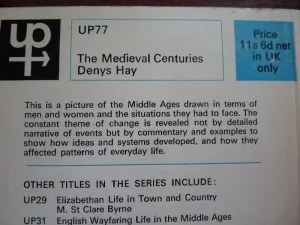
You can tell how long I’ve had this one: it was priced in pre-decimal days, before 1972, so even many British readers may have difficulty in deducing that this scholarly work of non-fiction cost me….. 57 ½ p.

A history book that’s now history

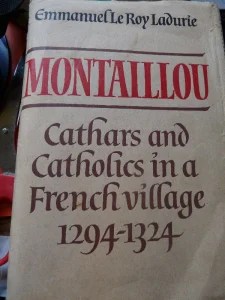
This book was given to me as a leaving present from work back in the mid ’70s.  It was a good read then, but even more so now as a history of the area we now live in.

A modern classic describing thirty years of the history of our own little corner of France.

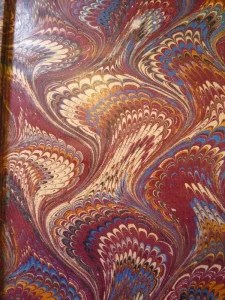
This book belonged to my grandfather, a man who died long before I was born. Beautiful marbled end papers such as this often came as standard in the 19th century.

Handsome endpapers

And finally, a book which though incomplete, is a real piece of history.  It includes handwritten recipes for making ink, polish, peppermint cordial, stove-blacking.  Here’s how to keep your brass and copperware in tip-top condition.

Handy housewife tips from another age.

It includes just one newspaper cutting.  By snooping around on the net and looking for this particular  (and unsuccessful) cure for cholera, I surmise it comes from the 1820s.

Cholera cure: a suggestion.

Surely even the most die-hard minimalist will forgive me for keeping this book firmly among the family treasures?

And now the books are packed.  Every single one – apart from a few bedtime stories for the next three weeks.  One room done, seven to go.

All gone …

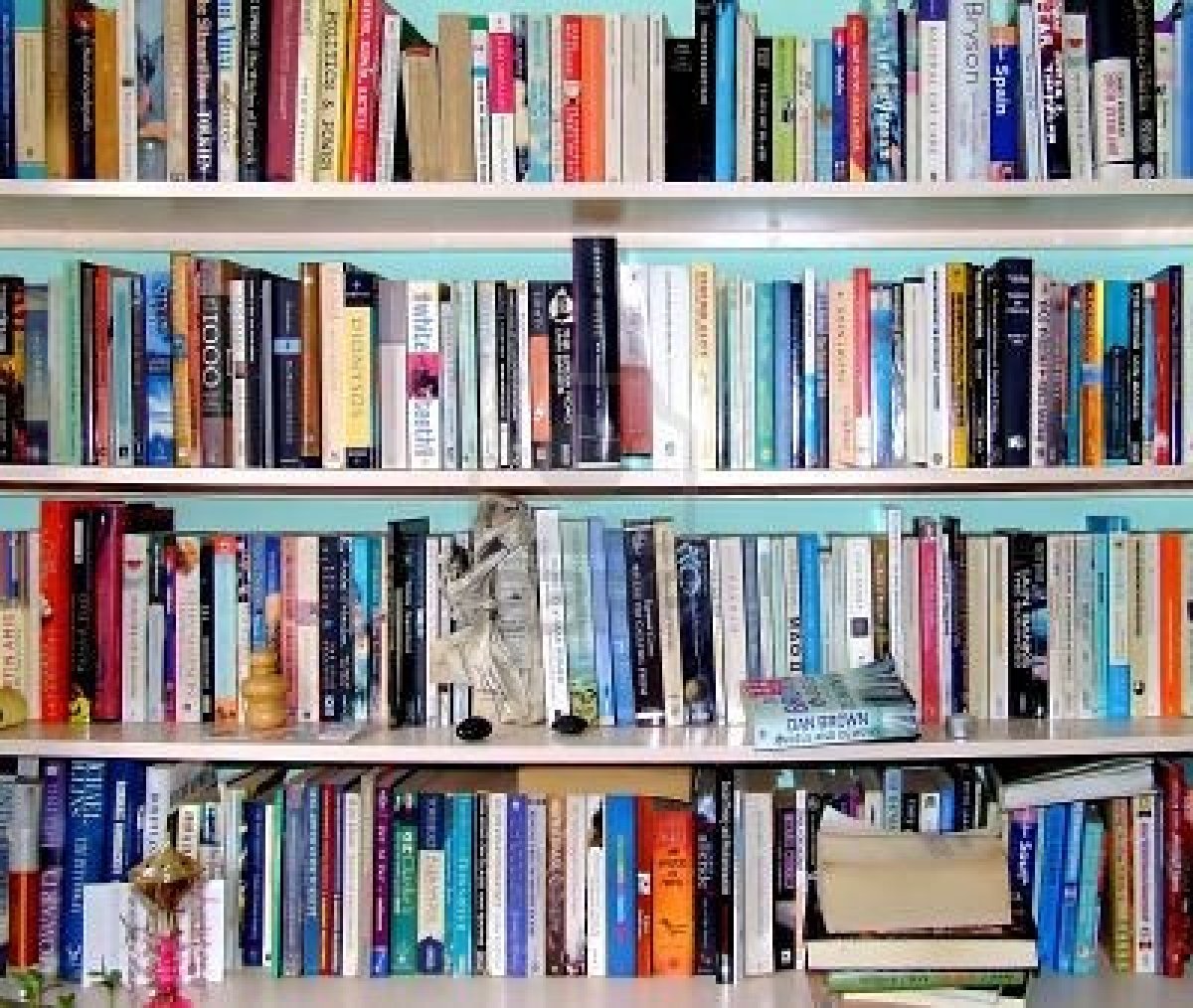
And back in England, we realised we really did have to continue the downsizing. It took weeks and weeks. Some we sold, but most went to Oxfam books, and we still regularly get updates telling us how many have been sold and how much they’ve raised. The featured photo shows that we are running out of space again …

Six Degrees of Separation: from Tom Lake to Meadowland

On the first Saturday of every month, a book is chosen as a starting point and linked to six other books to form a chain. Readers and bloggers are invited to join in by creating their own ‘chain’ leading from the selected book.

Kate’s: Books are my Favourite and Best

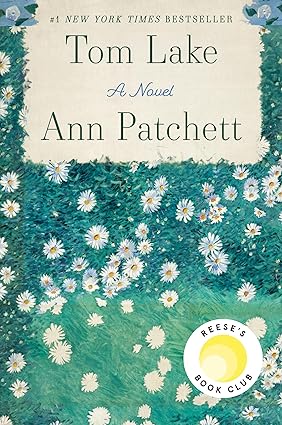
I haven’t read the starter book, Tom Lake by Ann Patchett, which is set in small-town Michigan. Here’s how Book Browse summarises it: ‘Tom Lake is a meditation on youthful love, married love, and the lives parents have led before their children were born. Both hopeful and elegiac, it explores what it means to be happy even when the world is falling apart’. It sounds to me as though it also reflects upon how in the end we are alone, even if living in an established family or community.

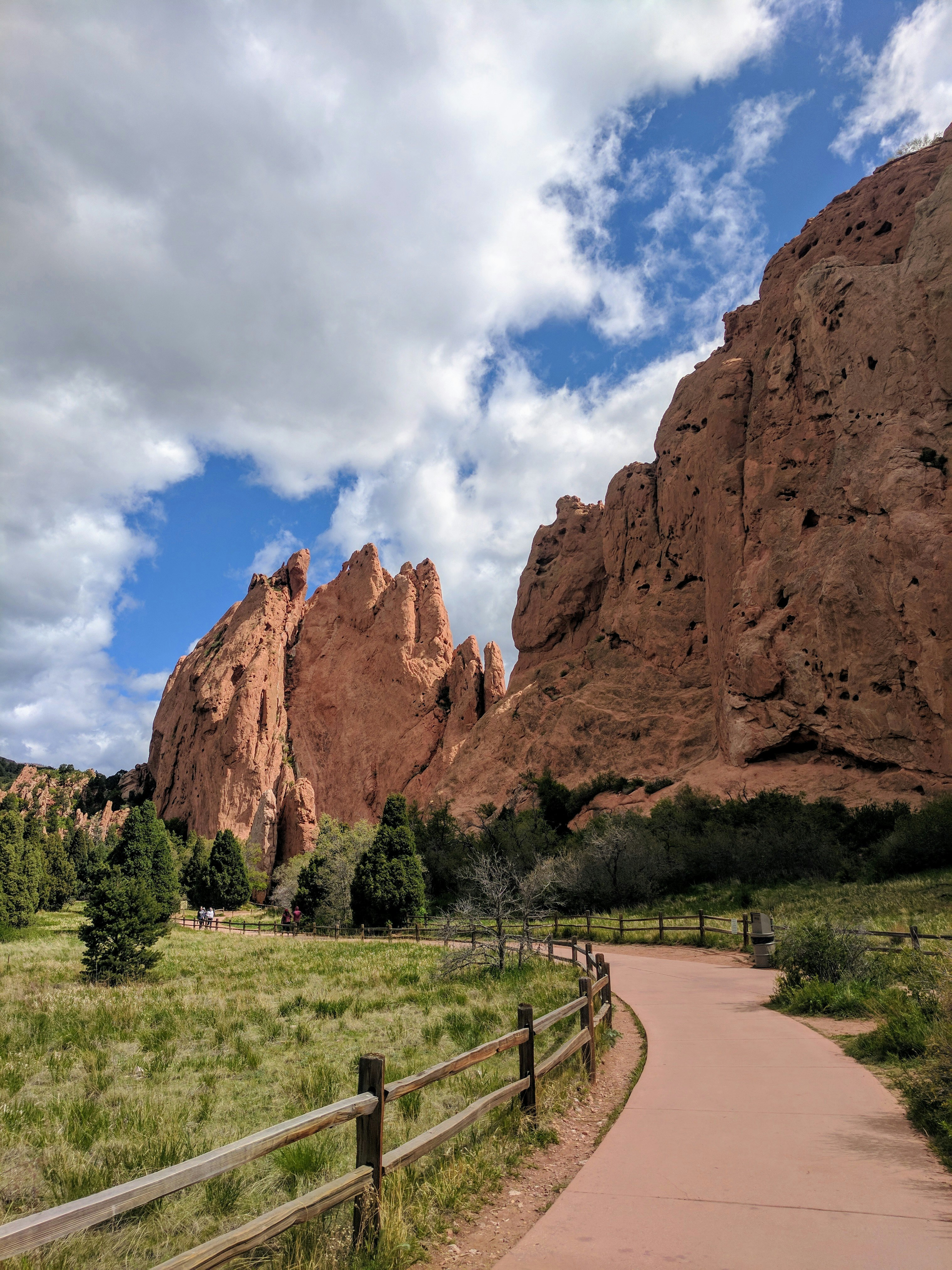
Kent Haruf’s Plainsong is set in small town Colorado.  This beautifully written, spare, stark book takes as its theme the loosely intermingled lives of various abandoned souls who live in the imagined town of Holt, Colorado.  There’s teenage Victoria, pregnant and abandoned by her boyfriend;  Tom Guthrie, whose wife has retreated into deep depression, leaving him with the care of his young boys, Ike and Bobby; the elderly McPheron brothers; infirm Iva Stearn.  These isolated people display dignity and stoicism in their difficulties, and struggle towards some sense of connection and community.  Holt seems a pretty bleak town, and the landscape that surrounds it too.  Haruf’s descriptions are always understated, always telling.  His characters maintain their privacy, whilst allowing us to care about the ultimately optimistic conclusion of the book. 

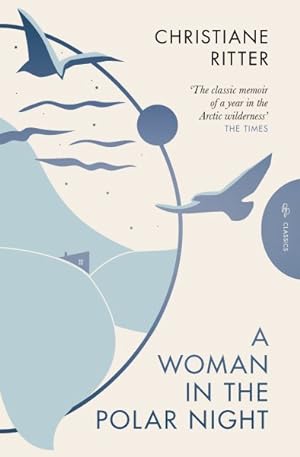
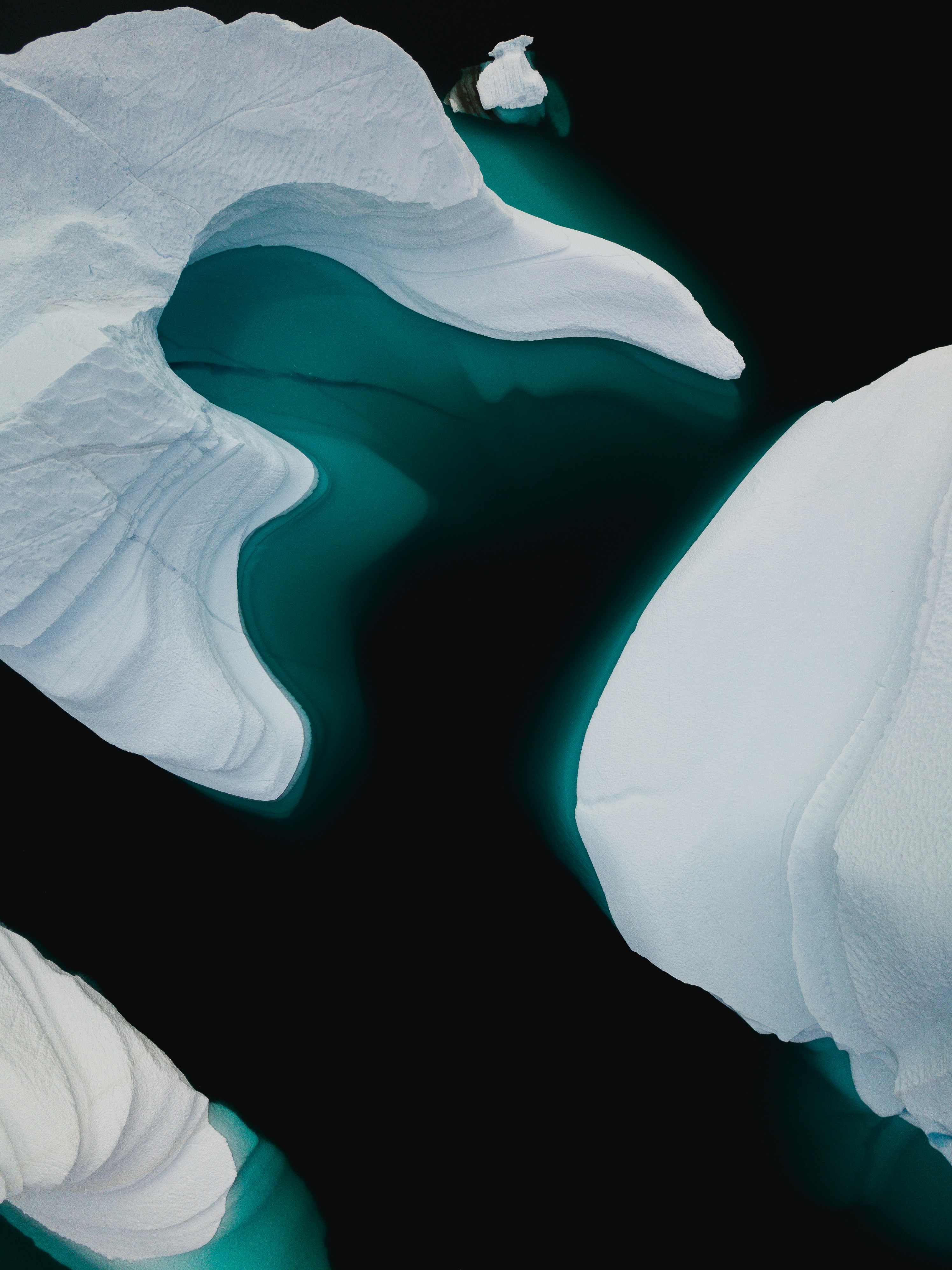
From a bleak town to a bleak continent: let’s go to the Arctic with Christiane RitterA Woman in the Polar Night.  In 1934, Ritter, a painter, left her ordinary life with a teenage daughter to join her husband in his life as trapper in Arctic Spitsbergen. It turns out to be as cold and inhospitable as we all imagine, and twice as primitive. Home is little better than a shack, the stove is primitive and unreliable, and all fuel needs to be found and collected by them, The same applies on the whole to food. They have only a few basic supplies. Animals and birds have to be caught and processed, and these fatty unfamiliar meats form much of their diet. Husband and Norwegian friend and housemate are often out trapping, looking for animals whose fur they will sell. That’s enough to tell you what much of this book is about. It’s twice as tough as it sounds in this unforgiving climate. But it’s beautiful too, and Ritter dwells on this. Straightforwardly yet engagingly written, this book offers an insight into the strange world which she chooses for a year to inhabit, and leaves reluctantly.

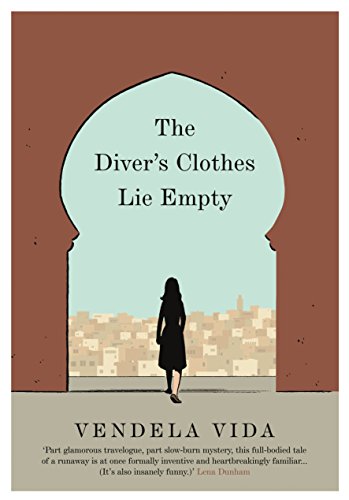
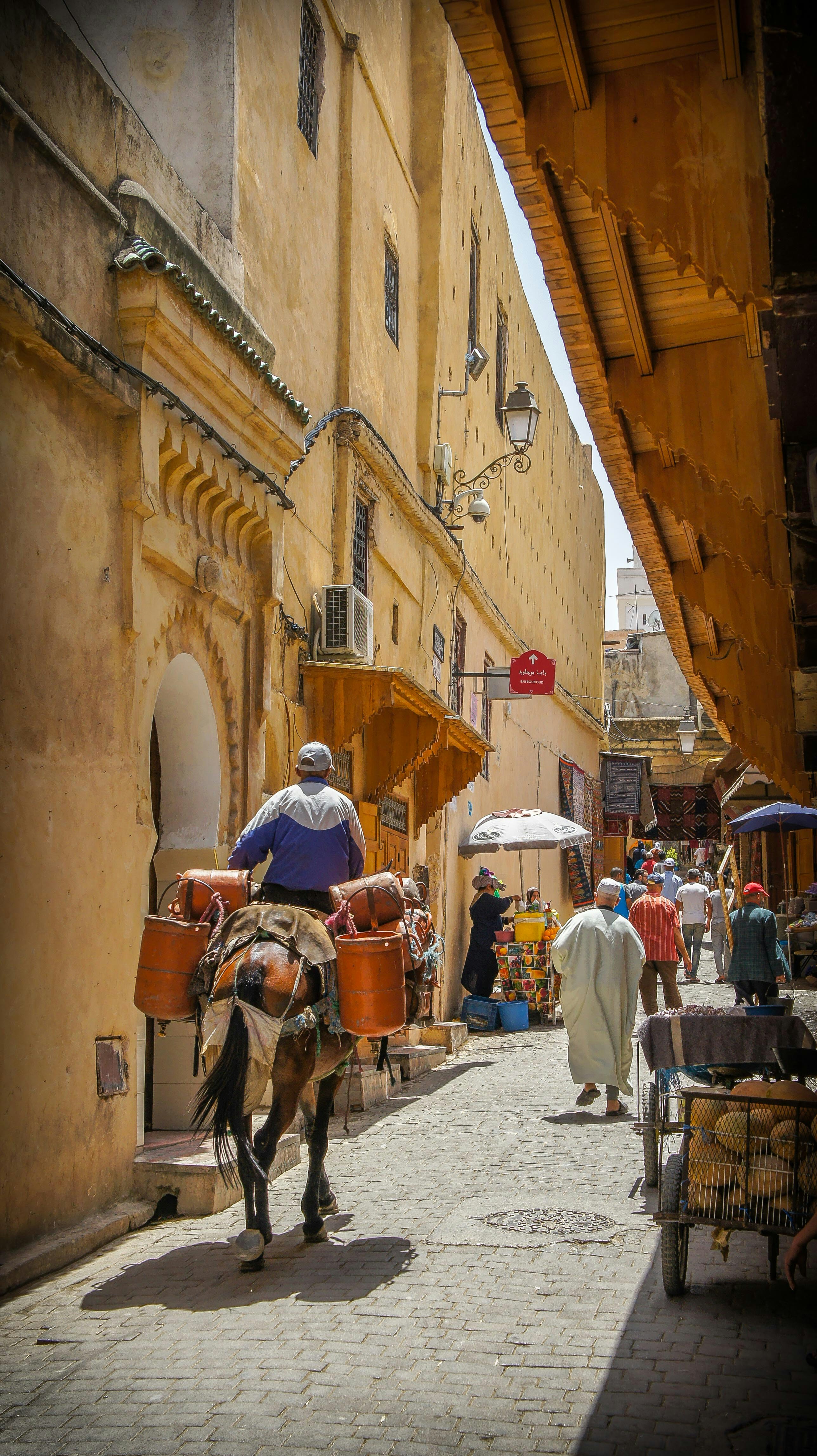
Here’s another book about a woman alone:  The Diver’s Clothes Lie Empty, by Vendela Vida. This book is written in the second person, and it distances us from a protagonist who wants to stay distant. She’s a young unnamed woman who’s come – fled perhaps – from Florida to Casablanca. Checking into her hotel, her backpack with all her important documents is stolen. The police ‘find’ it, but it’s not hers, the woman whose documents it contains is not her. But she accepts it. In many ways, losing her given identity suits her. She soon changes her identity again… and again. Her need for anonymity runs deep, perhaps partly from her wish to escape her own face, disfigured by teenage acne. Perhaps because of what we come to know of her story – no spoiler alerts here though. Through what little agency she has, she time and again shifts the ground beneath her feet. This is a novel of profound unease and bewilderment, and distancing our heroine from us by simply calling her ‘you’ is a part of that bewilderment. An unsettling reading experience – recommended.

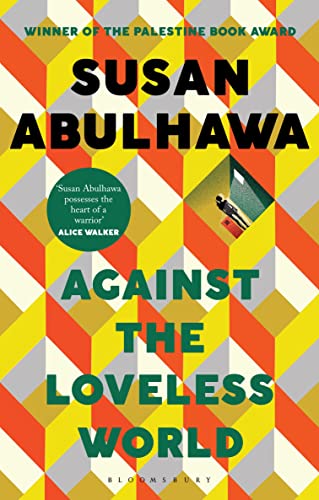
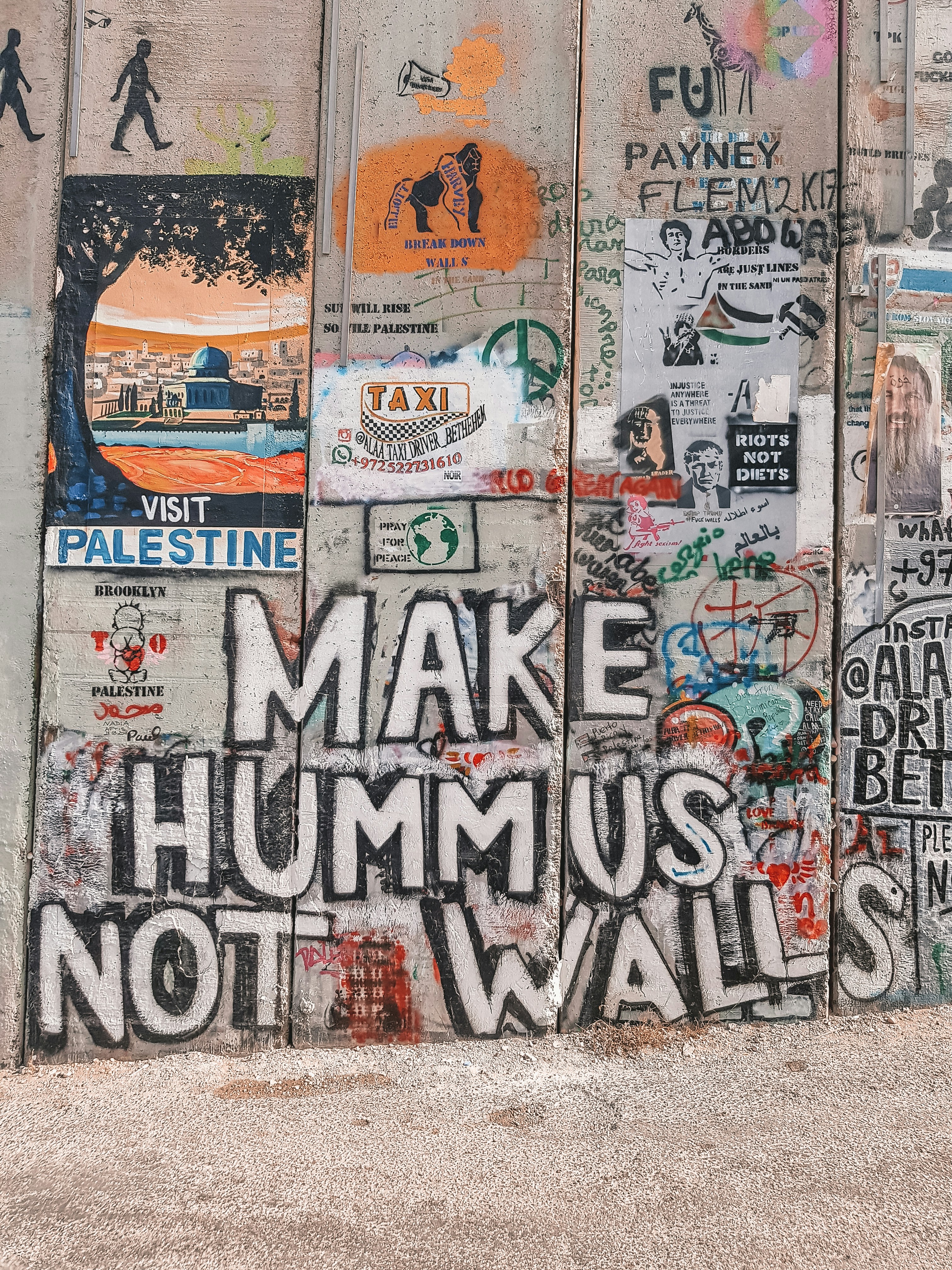
Nahr is another isolated woman, who tells her (fictional) story in Susan Abulhawa’s Against the Loveless World.  A powerful story, told by Nahr, a Palestinian woman in solitary confinement for an unnamed act of terrorism. Her time in the Cube, as she calls her cell is recounted in short chapters interleaved with longer accounts of her life thus far. Much of her early life was spent in a Kuwait ghetto where many Palestinian refugees, dispossessed by the Gulf War fetched up. After an unsuccessful school career, Nahr works hard at menial jobs to save up so that her brother can avoid her fate by going to medical school. She meets an older Kuwaiti woman who blackmails, prostitutes but also loves her, propels her into high-end prostitution. Marriage to a freedom fighter saves her reputation – and his – but he’s a closet homosexual who soon deserts her for his lover. I don’t want to reveal more of the story, but eventually she returns to Palestine and finds close relationships and a political awakening that changes her life forever. This timely read, detailing the brutal legacy of Israel’s ongoing occupation of Palestine is both powerful and thought-provoking. Though it is of necessity one-sided, it should be required reading for anyone wishing to understand recent Palestinian history. The shock waves of recent events continue and escalate.

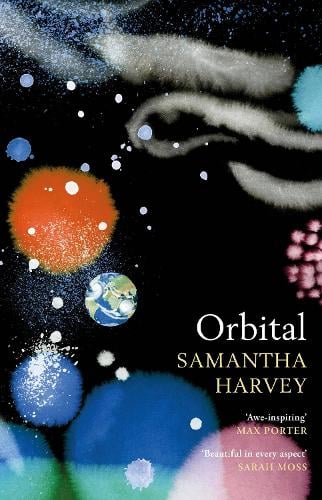
Isolation seems to be developing as a bit of a theme here.  Here’s isolation of a completely different kind.  Orbital, by Samantha Harvey. Six astronauts (two of them are cosmonauts), all from different countries, some male, some female, orbit the earth in their International Space Station.  We visit them for one day only, as they travel 16 times round the globe.  We experience with them the wonder of this journey:  the brush-stroke beauty of the landscapes they view from afar, as well as tiny detail – headlights, fishing boats.  We accompany them as they go about their often mundane daily experimental tasks. Or using the treadmills that are part of their daily routine.  Or we see their sleeping bags, billowing in weightlessness: the spoons they eat with, attached by velcro to the cabin wall.  We perceive aspects of their life back on earth – children, a loveless marriage, a trusting partnership.  The book moves through the spectacular and the ordinary, distance and intimacy and invites us, the readers, to wonder too.

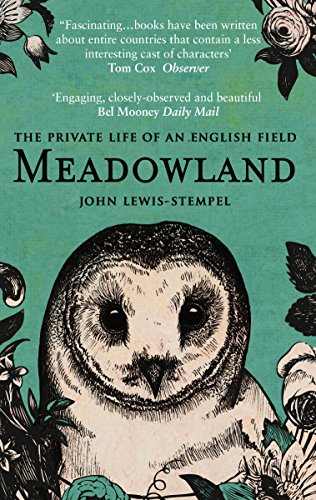
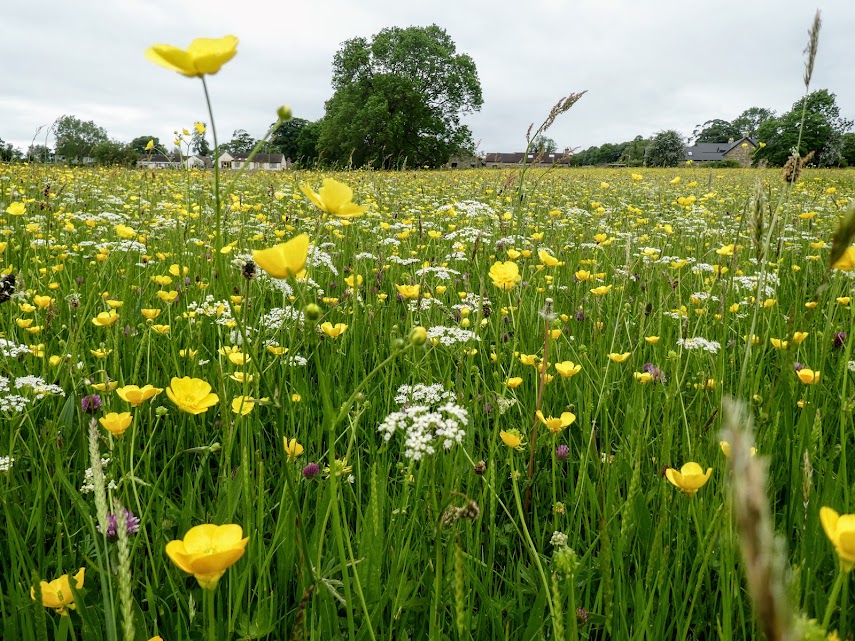
Wonder at the earth? Let’s look at Meadowland: The Private Life of an English Field, by John Lewis-Stempel.  An utterly absorbing account of a year in the life of an English meadow.  From harsh January, through the months in which warmth and life returns, to busy summer and autumn and back to chilly dormancy again, John Lewis-Stempel notices and absorbs everything.  He sees birds, insects, animals and plants in microscopic detail.  He relishes smells, tastes and sights.  He enters fully into the life of his traditional meadow, one that may have existed for many hundred years.  A celebration of traditional country scenes, leaving the reader with a campaigning zeal to preserve the rich variety of life it contains if sympathetically managed and left to itself.  As he himself says: ‘To stand alone in a field in England and listen to the morning chorus of the birds is to remember why life is precious.’

Isolation seems to be a theme here. Will that continue next month, when we’re invited to start our chain with a favourite travel guide?

My first five photos come courtesy of Unsplash: Alexander Andrews; Levartravel; Vince gx; Annie Spratt; Gallindo Bailey. The final shot is my own.

Six Degrees of Separation: Nine Lessons to The Farmer’s Wife

On the first Saturday of every month, a book is chosen as a starting point and linked to six other books to form a chain. Readers and bloggers are invited to join in by creating their own ‘chain’ leading from the selected book.

Kate: Books are my Favourite and Best

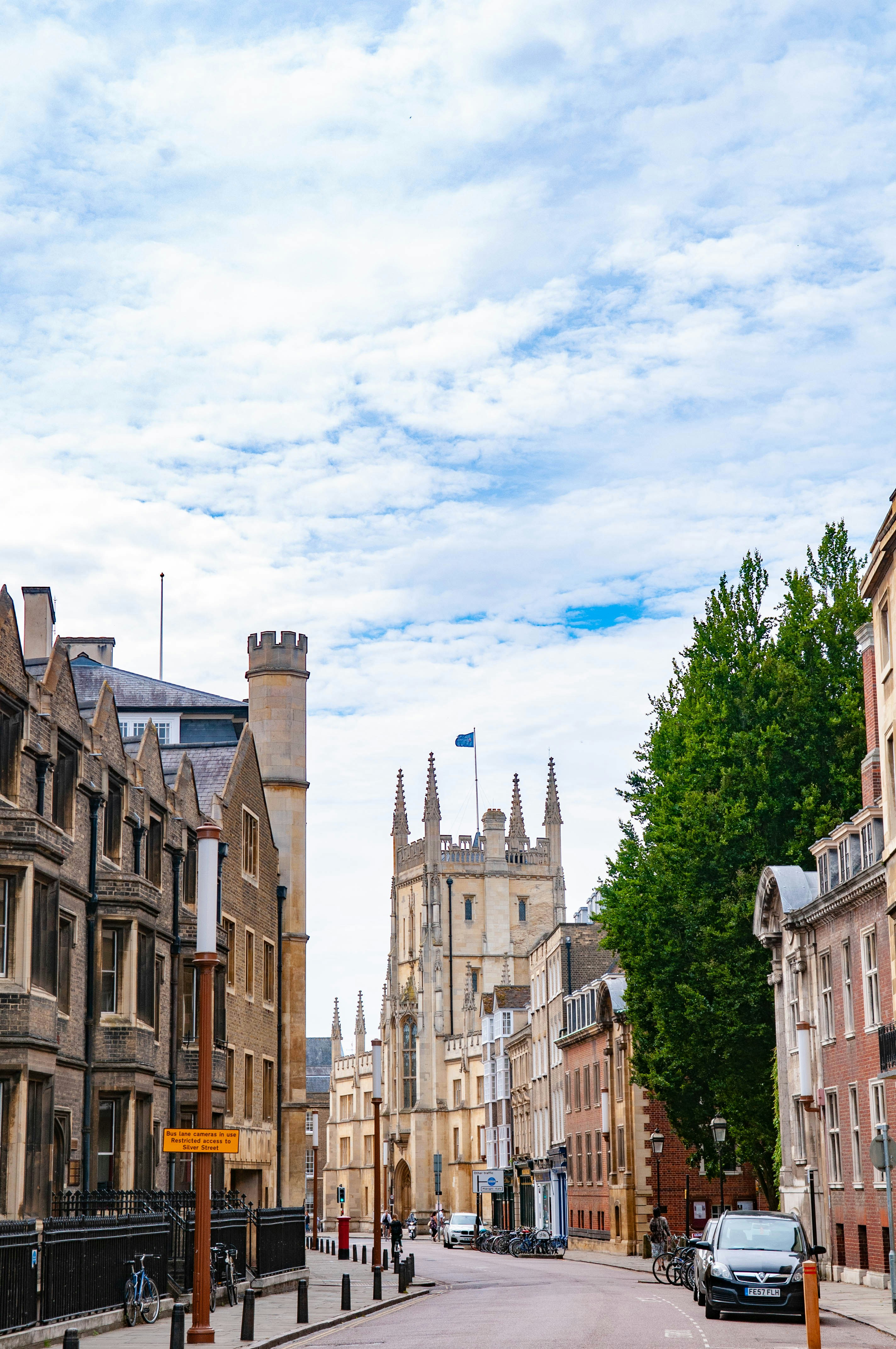
This month, I have to begin where I left off last time, with Nicola Upton‘s Nine Lessons. I described it here, so now I’ll confine myself to saying it’s a detective story set in Cambridge.

So. To another detective story set in Cambridge, and one I read a long time ago. I’m always up for reading Kate Atkinson, but it took me a while to try the Jackson Brodie series. Then I read Case Histories. In many ways I enjoyed this unusual approach, in which several different lives and families from Cambridge are introduced, long before a crime becomes apparent. Yet inexorably and inevitably they come to the attention of private detective Jackson Brodie. I found some of the characters stereotypical: mad-as-a-hatter cat-lady; eccentric middle aged sisters and so on – there are more. Jackson solves everything, inevitably, but more by luck than judgment. There were so many characters I got somewhat muddled. I seem to be damning this book, yet at the time I turned the pages easily.
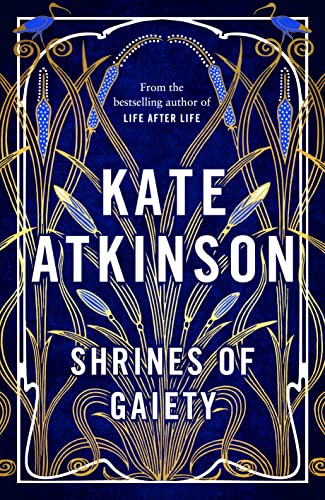
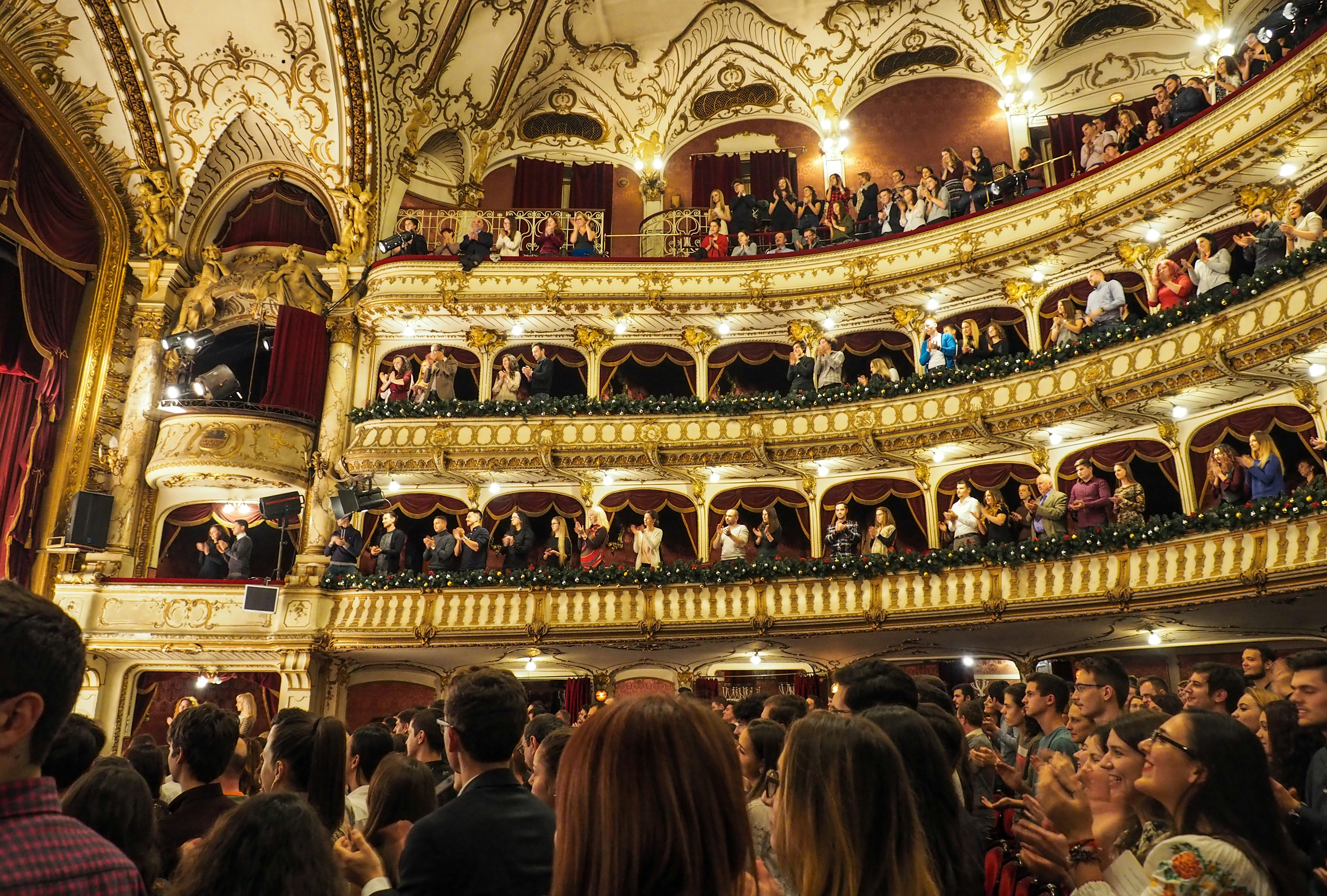
Let’s try Kate Atkinson in different form in Shrines Of Gaiety. She takes us to 1920s London, to a place of hedonistic gaiety where Nellie Coker is queen of a whole series of nightclubs, each appealing to a different kind of pleasure-seeker. Her family is essential to her enterprise and the story, with two Cambridge educated daughters (a Cambridge link again!) and a twit of a son in the mix of six. Add in a Yorkshire librarian on furlough, two young Yorkshire runaways, police officers who are variously dutiful and bent and you have a complicated and atmospheric Dickensian yarn. I enjoyed it: This is Kate Atkinson after all, but I also found it a little wearisome and forced, with not all the characters well-developed. I read through it quickly and with some enjoyment, but also feeling somewhat cheated of Kate Atkinson at her best.

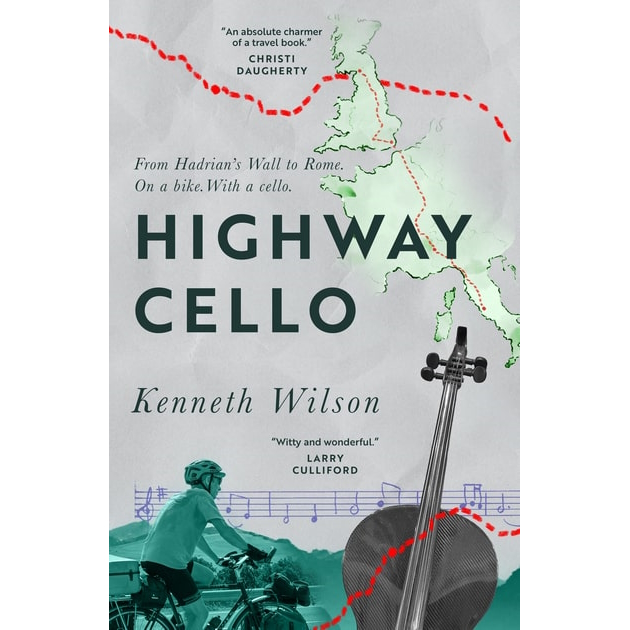
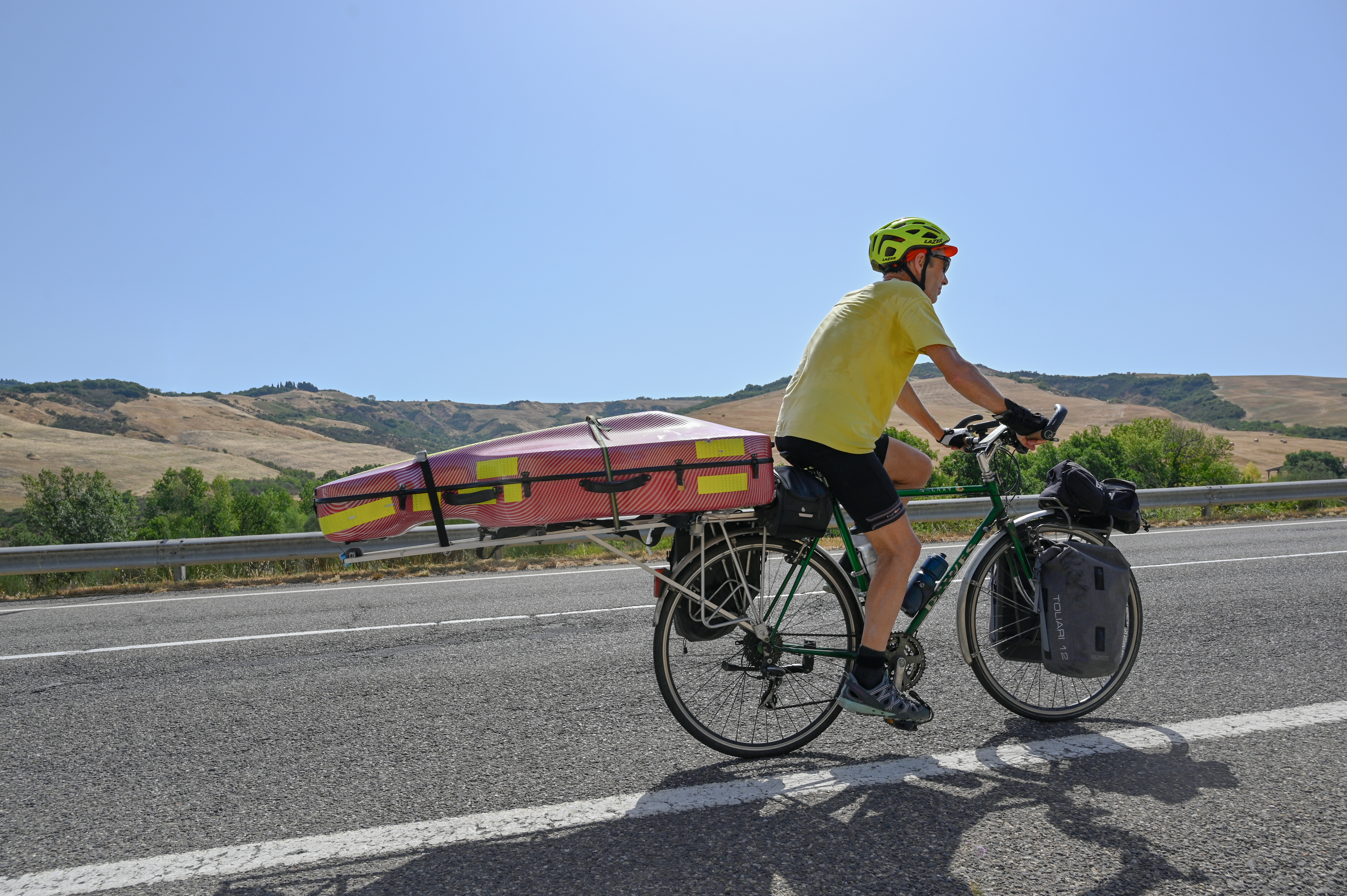
From one form of public entertainment to another. Kenneth Wilson’s Highway Cello.  It’s an account of Kenneth Wilson’s decision to load a cello onto the back of a trusty old bike and cycle from his home in Cumbria, via England, France and Italy to Rome, playing to impromptu audiences in town squares, and lightly-planned concerts in homes, halls and cafes. In among this part of the tale, he discusses the whys and wherefores of his trip, and always with a light touch. It’s an uplifting, amusing and undemanding book, the perfect accompaniment to a holiday: that’s why I’ve only just read it. Though it’s a couple of months since he came to our local Little Ripon Bookshop, played his cello and read from his book with verve and good humour.

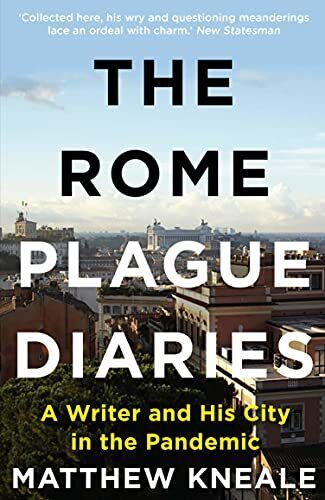
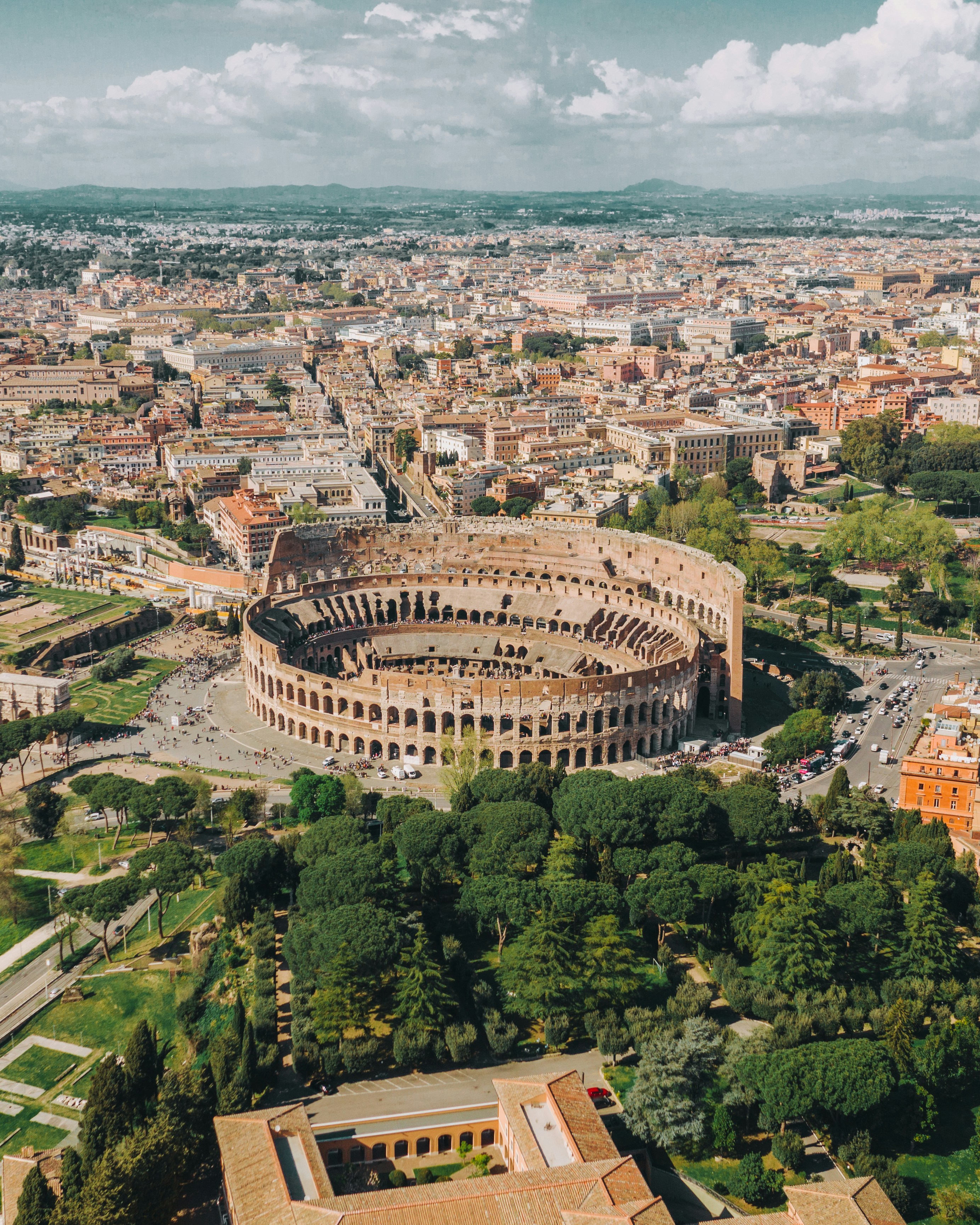
Wilson ends up in Rome.  Another British writer, Matthew Kneale lives in Rome.  And he wrote a pandemic diary, The Rome Plague Diaries.  I loved it. Having many years ago lived in Italy, though not in Rome, this put me back in touch with many aspects of Italian daily life and culture. It also revived memories of Lockdown – not unwelcome ones: I was one of those who actually relished many aspects of it, because of where and how I’m able to live. If you’ve enjoyed Kneale’s writing; if you love Italy, I recommend your reading this vivid account of a resilient city going through yet another test of its mettle.
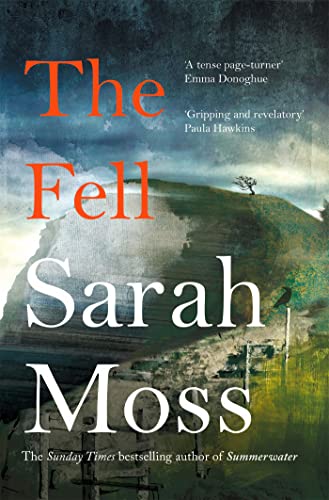
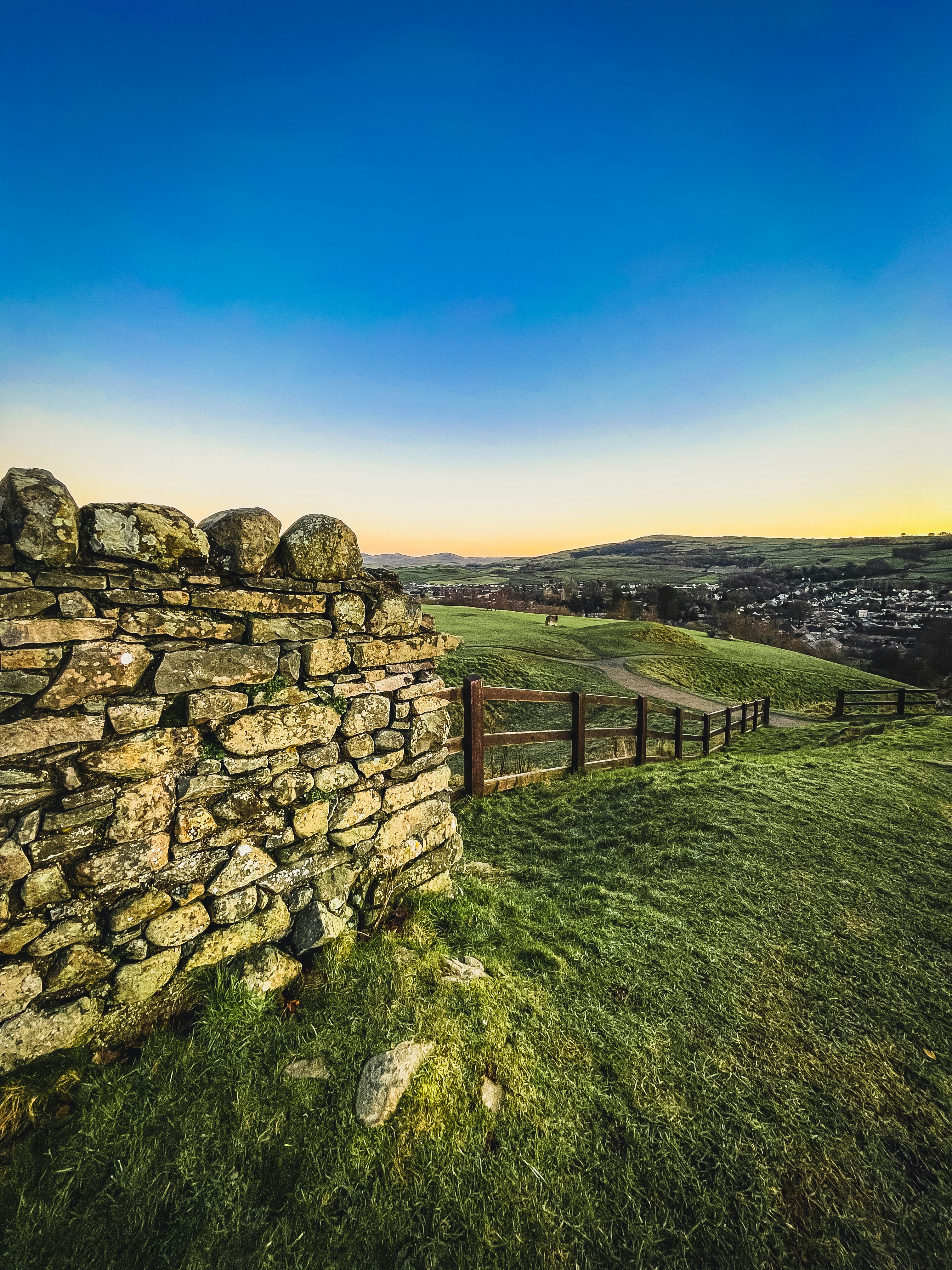
The only other story I’ve read set during the pandemic is  Sarah MossThe Fell.  I read it when I was self-isolating with Covid, probably in early 2021. Kate and her teenage son, living in Cumbrian fell country were quarantined at home. Kate, frustrated, eventually goes out, to get up there on the moors, at a moment when there won’t be a soul about, and be back in time for tea. Except she isn’t. She gets disorientated, and falls … This story is told in stream of consciousness through the voices of Kate herself, her son Matt, her neighbour Alice, and mountain rescuer Rob. And frankly it got as tedious as Lockdown itself. The ending was suitably shocking, inconclusive and cliff-hanging, which redeemed it somewhat, but I doubt if this book will wear well. 

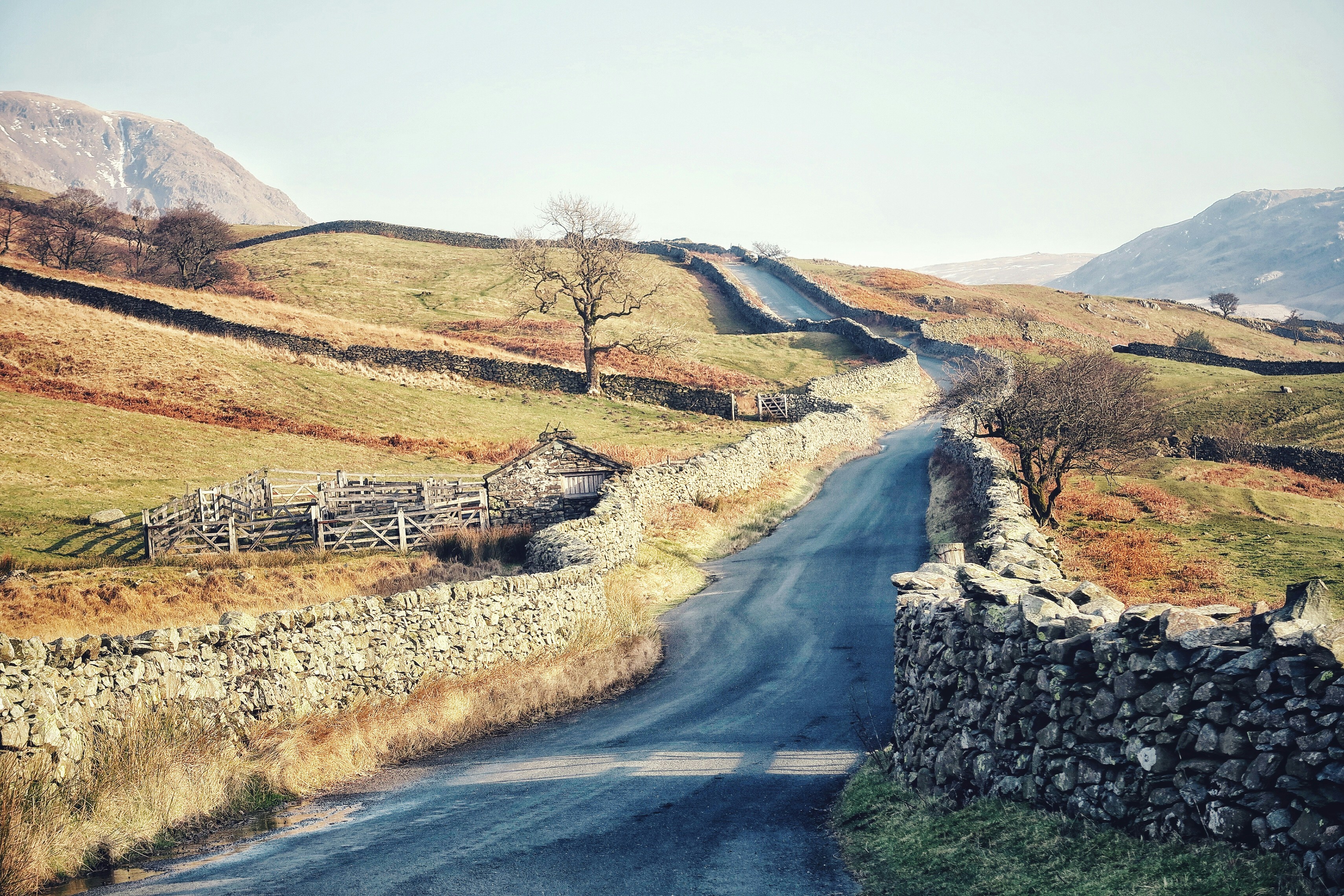
So I’ll finish with another book set in the Cumbrian countryside: Helen RebanksThe Farmer’s Wife: My Life in Days.  I met Helen Rebanks (wife of the more famous James, of The Shepherd’s Life fame) at another author-event at the Little Ripon Bookshop and found her sparky and interesting. I didn’t feel the same about her book. She details the hard slog of being a farmer’s wife and a mother in an unforgiving, if beautiful part of England. The book is interspersed with recipes, all of which can easily be found anywhere, and at the end are store cupboard hints which I doubt are of much help to her probable readership. An interesting enough but slightly disappointing read.

I’ve just read through this post, and see it has a slightly grumpy tone. It was slightly hastily thrown together today after our long journey back from Spain and dicing with farmers’ blockades in France, so I can’t claim to have given it too much thought. Next month, when the starter book is Ann Patchett‘s Tom Lake, Must Try Harder.

All images except the one of Kenneth Wilson cycling off with his cello in tow, which comes from the press pack on his own website, are from Unsplash, and are, in order, by Vlah Dumitru; Cajeo Zhang; Spencer Davis; Jonny Gios and George Hiles.

Six Degrees of Separation: from Tomorrow and Tomorrow and Tomorrow to Nine Lessons

On the first Saturday of every month, a book is chosen as a starting point and linked to six other books to form a chain. Readers and bloggers are invited to join in by creating their own ‘chain’ leading from the selected book.

Kate: Books are my favourite and best

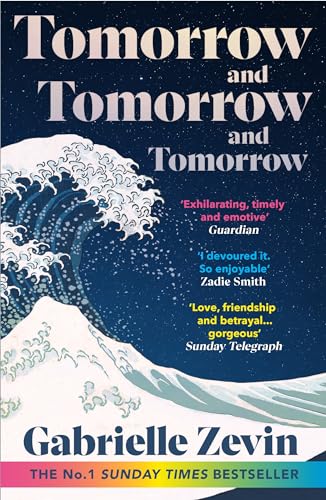
This month’s starter book is Tomorrow and Tomorrow and Tomorrow by Gabrielle Zevin. I understand it’s a saga spanning thirty years in the lives of two friends who design video games, so doesn’t appeal to me. So I’ll go with the saga aspect of this book to find my first link.

It’s Bournville, by Jonathan Coe. Here is a state-of-the-nation novel, a family saga centring on the matriarch of the family, Mary, whom we meet as a child celebrating VE day and drop in on over the years until her death – alone – from an aneurism during the Covid pandemic. Her close relations – and other characters too – drop in and out of this novel. Families, Brexit, racism, attitudes to homosexuality all feature. So many threads, almost as if Coe were ticking off ‘issues’ to incorporate into his story. Nevertheless, this is an involving and enjoyable read.
Bournville begins on VE day, so I’ve chosen a book which focusses on the latter part of WWI in the UK, Lissa EvansV for Victory. It’s a witty and engaging war time yarn. I gather this is a follow up to an earlier book, but that fact I hadn’t read it – or even heard of it – didn’t matter at all, as the characters were fully fleshed out. There are two strands to this story. One follows Winnie, ARP warden, who’s plump, sensible, with a husband who’s away fighting the war, and a glamorous twin sister who is neither plump nor sensible. The other follows Vee, who keeps herself solvent by running a boarding house whilst also raising her 15 year old orphaned nephew, that it turns out is not her nephew. This is a book that brings the sheer boredom, drudgery and beigeness of the last year of the war to life: a period when it looked as though the war MIGHT end, but with no real signs in everyday life of its doing so – especially as bombs continued to do their worst in London. Nevertheless, it’s an easily read and involving novel.
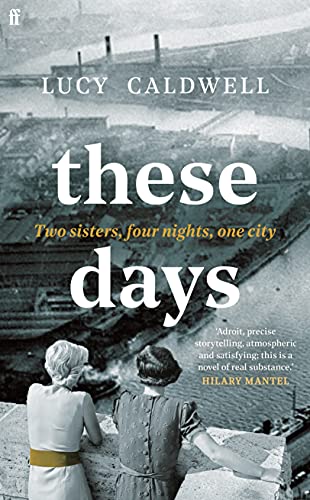
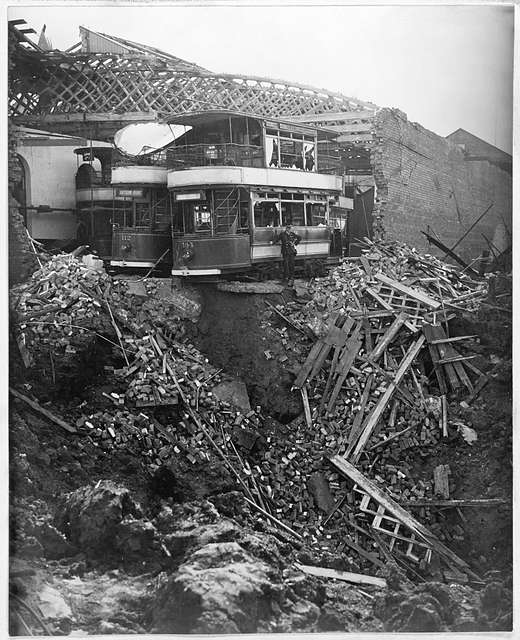
These Days by Lucy Caldwell is another war time book. I raced through it. It’s an engaging story about a middle class Belfast story dealing with WWII, recently and shockingly arrived in their home city. Audrey is a clever office worker, walking out with a young GP. Lucy, slightly younger, is an a Air Warden, awash with emotions over a first love affair that must of necessity stay secret. We meet their parents and kid brother Paul, and become as consumed as they do by the four days of unrelenting bombardment of their home city. Involving, nuanced and thoroughly well told, this is a book I couldn’t put down.

A change of mood, and a change of war – WWI. Held, by Anne Michaels. I’ve not long finished this, and it’s far too early for me to have digested this book and taken from it what it has to offer. This is a poetic, evanescent story. Well, stories. It begins with John, lying wounded on a WWI battlefield. Then memories and thoughts take us to his first meeting Helen, his wife: and to their love, their struggles and to some of his career as a photographer. We move many times in this book – not just geographically, but in time. It’s a bit of a kaleidoscope: an image realised quickly disappears to be replaced by another. All seem to be linked by trauma, by pain, because being in war zones is a common thread throughout the book – the book is held together by recurring motifs. This book is fluid, luminous, and I’ll need to read it again to begin to understand it properly. And I want to.

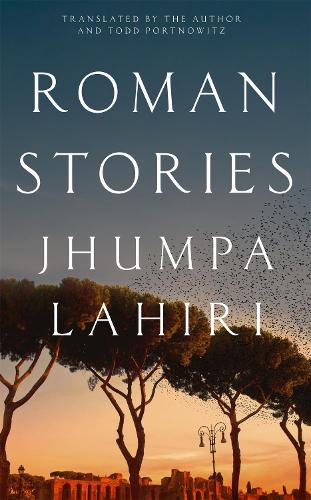
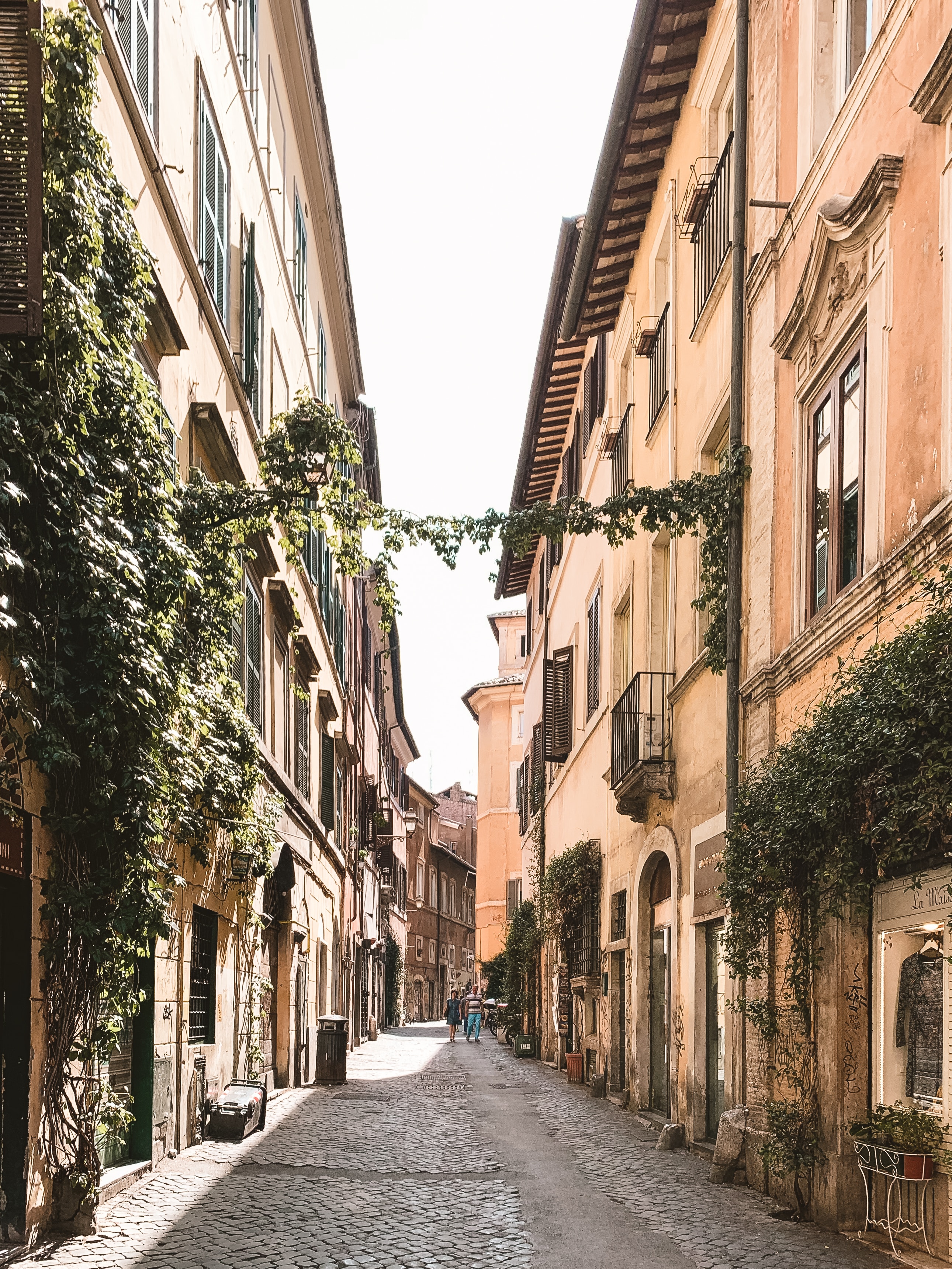
Held was a homogenous whole, whilst being a collection of vignettes. Roman Stories, by Jhumpa Lahiri is a set of stories of people unconnected to one another, though all focussed on the city of Rome. Not the tourist hot-spots, but the less-regarded areas where people actually live. Often people with difficult back-stories, or whose origins are not in Italy. None of the characters described here feels completely at home. Their difficulties in being assimilated and accepted are both hinted at and described. All her characters seem to be in some measure of mental pain. Lahiri is an American academic who loves Rome. She now writes in Italian and self-translates. I wonder if this is what gives these stories a somewhat detached air? I ended the book feeling somewhat uncomfortable. Is this what Lahiri intended? Probably, yes.

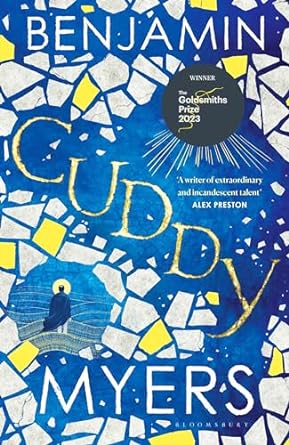
I’ll conclude my chain with a story that links a group of people who had all gone their separate ways having been students, many years ago, at Cambridge University. Nine Lessons, by Nicola Upson. This is the first book I have read in this detective series following DI Archie Penrose and Josephine Tey as they collaborate in a spot of crime-solving. I have not yet read any of Tey’s work, though now I feel encouraged to do so. Nor have I read any MR James, yet he is central to the book’s plot. Many years ago, a group of his students at Cambridge used to gather to enjoy his readings from his own ghost stories. Now, slowly but surely, the members of the group are being killed off – and in each case, a clue from the stories provides the key to solving the mystery. Cleverly constructed, with well-realised characters, this is a series to relish.

And this final book, whilst not being a saga, connects characters over a period of many decades. And therefore conveniently links back to the starter in this chain.

Next month, we’re invited to start our chain with our last book of this month, or with the last book we’ve read. Why not join in?

Photo Credits:
Bournville: Adam Jones, Unsplash
V for Victory: GetArchive
These Days: Wikimedia Commons
Held: Julia Pure, Unsplash
Roman Stories: Anton Fineas, Unsplash
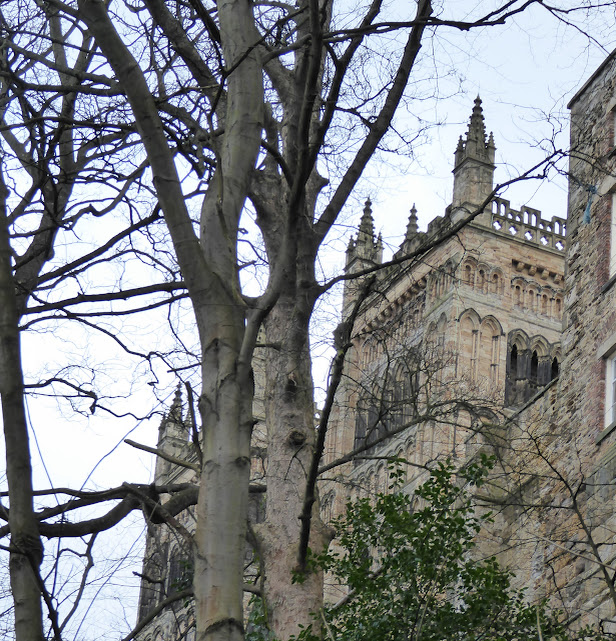
Nine Lessons: Bogdan Todoran, Unsplash

My Year in 2023: a Work of Fiction

I seem to be going all bookish on you at the moment, despite the fact that mine is not a book blog – or an anything else in particular blog, quite frankly. Here is a bit of fun doing the book-blogger rounds, in which participants address themselves to various questions by answering them with a title from among the books they’ve read in 2023. Here’s mine.

In high school I was Homesick.

People might be surprised by Everything the Light Touches.

I will never be Super-Infinite.

My fantasy job is How to Build a Boat.

At the end of a long day I need a Perfect Little World.

I hate being Down and Out in Paris and London .

I wish I had A Meal in Winter.

My family reunions are So Late in the Day.

At a party you’d find me with The Secret Barrister.

I’ve never been to Western Lane.

A happy day includes The Mad Woman’s Ball.

Motto I live by: Give unto Others.

On my bucket list is: The Epic City.

In my next life, I want to have Nine Lessons.

You should look at Annabel of AnnaBookBel fame’s list, as it was her idea. And you might like to see how Karen at Bookertalk, Susan at A Life in Books, Cathy at 746 Books answered. Perhaps other bloggers you know have had a go – as you could too.

Featured image by Pixabel at Pexels.

Wanderlust Bingo

This year, I tried to read my way round the world. And to help me along, I played a game of bingo. Here’s how. You take the bingo card shown below, and attempt to cover each square with the title of a book you’ve just read. 

Here’s how I got on. The stars represent how much I’ve enjoyed the book (out of five). The scoring here is quite high – these are among my year’s Best Books. Other star ratings are available, and visible on some other – less successful -choices this year.

The links will take you to my reviews on Goodreads. I’m actively in the process of changing my book tracking to Storygraph. When I started recording the books I’d read, I was at first unaware that Goodreads was owned by Amazon. I’m a fervent Amazon Avoider, so it really is time to go, especially as the site is actually quite clunky.

Wanderlust Bingo

North America
Elizabeth Strout: The Burgess Boys⭐⭐⭐
Nordic
Roy Jacobsen: Just a Mother⭐⭐⭐
City
Elizabeth McCracken: The Hero of This Book (London)⭐⭐⭐⭐⭐
Western Europe
Donna Leon: So shall you reap (Italy, Venice)⭐⭐⭐⭐
Far East
An Yu: Ghost Music (China) ⭐⭐⭐

Indian Subcontinent
Kiran Desai: Hullabaloo in the Guava Orchard (India) ⭐⭐⭐⭐⭐
Village
Barry Unsworth: Morality Play (14th century Northern England) ⭐⭐⭐⭐
Australia
Kate Grenville: A Room Made of Leaves (New South Wales) ⭐⭐⭐⭐⭐
Island
Audrey Magee: The Colony (Island off West Coast of Ireland) ⭐⭐⭐⭐
UK (excluding Scotland)
Caleb Azumah Nelson: Small Worlds (London) ⭐⭐⭐⭐⭐

Mountain
Christopher Somerville: Walking the Bones of Britain (mountainous regions of Scotland; Pennines)⭐⭐⭐⭐⭐
Central America
Any suggestions?
Scotland
Douglas Stuart: Young Mungo (Glasgow) ⭐⭐⭐⭐
Africa
Petina Gappah: Out of Darkness Shining Light (Central Africa: the route explored by David Livingstone) ⭐⭐⭐
Small Town
Jo Browning Roe: A Terrible Kindness (Aberfan, Wales)⭐⭐⭐⭐⭐

Caribbean
Any suggestions?
Beach
Sheila Armstrong: Falling Animals (Ireland) ⭐⭐⭐⭐
South East Asia
Kate Strasdin: The Dress Diary of Mrs. Ann Sykes (partly Singapore) ⭐⭐⭐⭐
River
Shelley Read: Go as a River (USA Colorado) ⭐⭐⭐⭐
Southern Europe
Joseph O’Connor: My Father’s House (Rome)⭐⭐⭐⭐⭐

South America
Dan Saladino: Eating to Extinction (Bolivia and Venezuela: a bit of a cheat as Saladino visits every continent in this book)⭐⭐⭐⭐⭐
Central or Eastern Europe
Lauren Chater: The Lace Weaver (Estonia)⭐⭐⭐
Sea
Karen Pinchin: Kings of their Own Ocean (Tuna, widespread)⭐⭐⭐
Middle East
Susan Abulhawa: Against the Loveless World (Palestine). I've hardly started this one, so no thoughts or ratings yet.
Polynesia
Eleanor Catton: Birnam Wood (New Zealand)⭐⭐

This great idea comes from Fiction Fan: you can read all about it on her site and maybe decide it’s for you too. At least one other blogging pal, Karen of Booker Talk has joined in the fun. Read all about it!

As this is my last post this year, it’s time to thank you all for reading and commenting, and for being part of such an engaging community. All good wishes for 2024.

Nicola Nuttall of Unsplash has provided my featured photo.