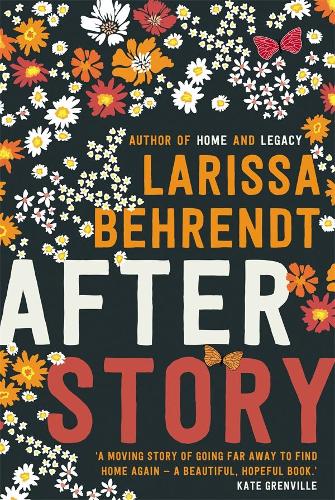
On the first Saturday of every month, a book is chosen as a starting point and linked to six other books to form a chain. Readers and bloggers are invited to join in by creating their own ‘chain’ leading from the selected book.
Kate: Books are my Favourite and Best
I haven’t read this month’s starting book, After Story, by Larissa Behrendt. I understand it’s about a mother and daughter struggling to come to terms with the death of a sibling. They embark on a journey, visiting the sites important to their literary idols. Idols who include the Brontës. So …
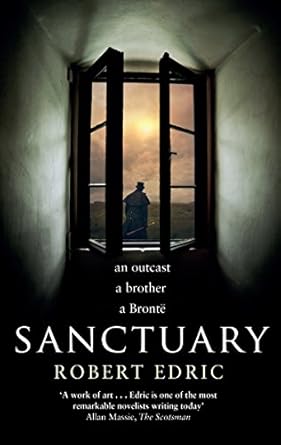
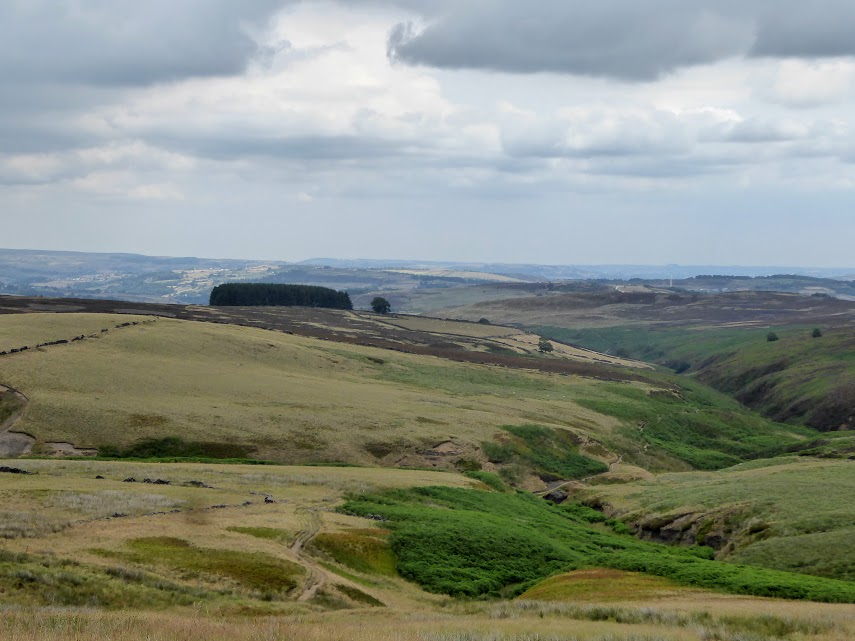
Robert Edric‘s Sanctuary. You can’t be familiar with the brooding moorlands near Howarth and not feel as though you understand something of the Brontë family and their lives. Most of us think we know about them: the mother and sisters who died; the sisters who remained hewing their path towards immortality in slow, painful steps. And then there’s the brother, Bramwell, the black sheep, fighting his failures, his addictions, his inability to find a way to make something of his life. He is the subject, in fact the ‘author’ of this book. He paints a sorry picture of his stumbling path, in the final year of his young life, towards illness, addiction and death. I found the picture he painted of himself – hopelessly depressed, fault-finding, increasingly estranged from his family, increasingly self-deluded a fascinating one. In this book, Bramwell does not dig deep in his moments of introspection, but then you wouldn’t expect him to. He doesn’t favour us with pen portraits of his father, his sisters. Just tantalising glimpses of what they’re like. But nobody is more self-centred, less self-aware than Bramwell Brontë. Edric has carefully constructed this book in a series of vignettes that barely constitute a narrative, but which leave us feeling bewildered sympathy for an intelligent young man who has utterly lost his way. A beautifully imagined reconstruction of a life ill-lived.
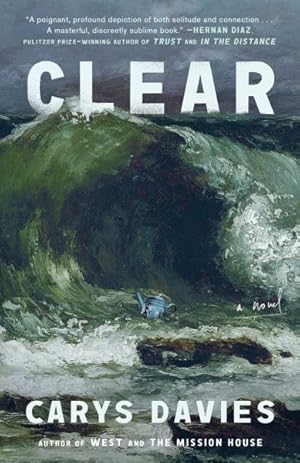
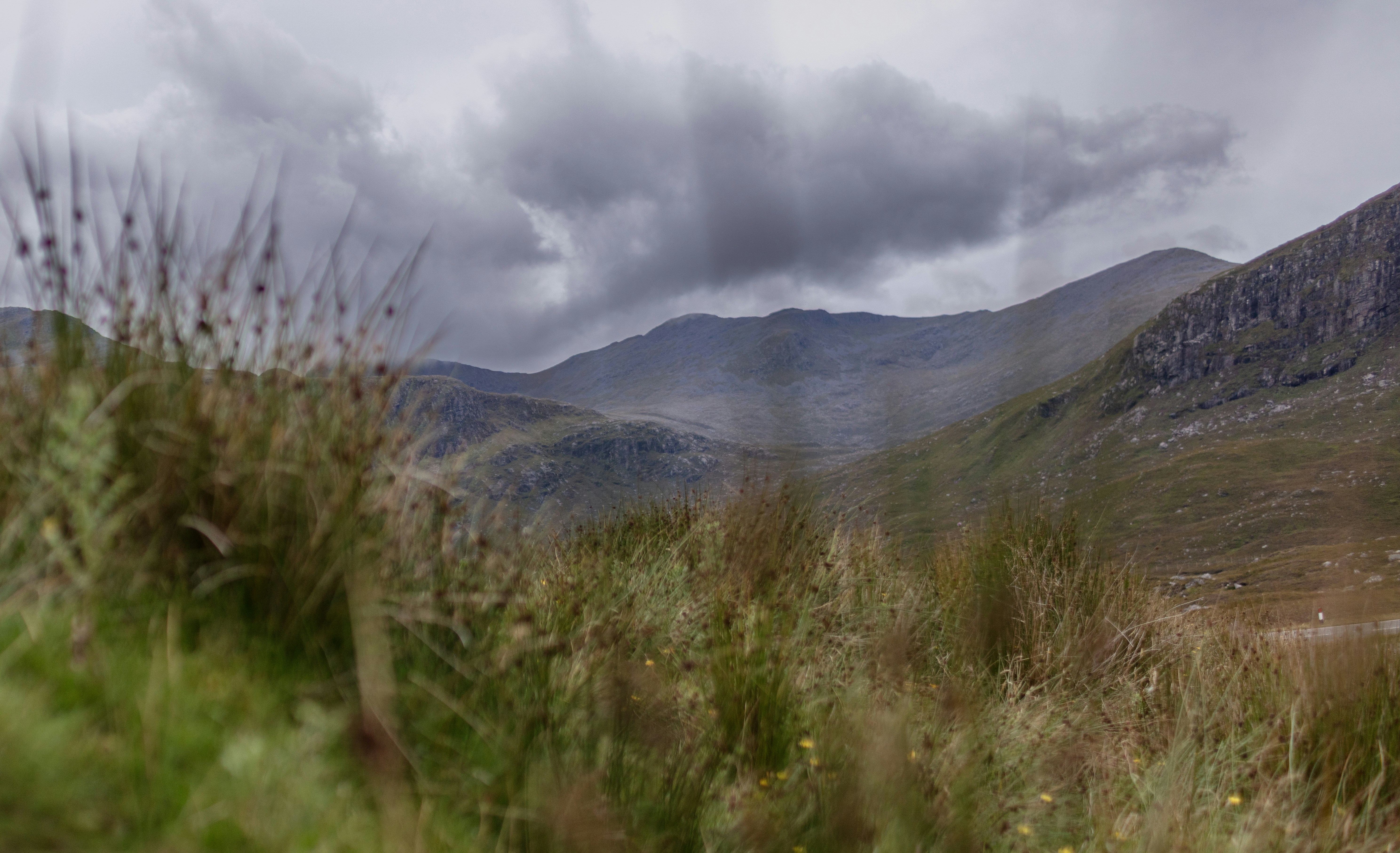
Here’s another book re-imagining history. Carys Davies‘ Clear. This is a story about a vanished way of life. One which vanished during the devastating Highland Clearances in Scotland during the 19th century. A man Ivar, the sole inhabitant – with his few animals – of a remote island, is alive to the natural rhythms of the island – the many seasons, winds, mists, rains and tides that govern it. And when John Ferguson turns up to evict him, but instead falls into a concussioned coma from which Ivar nurses him back to health, he too falls under the island’s spell. Haltingly Ferguson begins to learn the vocabulary, then the language itself which Ivar speaks. The books celebrates that language and the fragity of life in such a spot, as well as asking questions about the future of Ivar, John, and John’s wife Mary, all of whom are in different ways implicated in the consequences of the Highland Clearance.
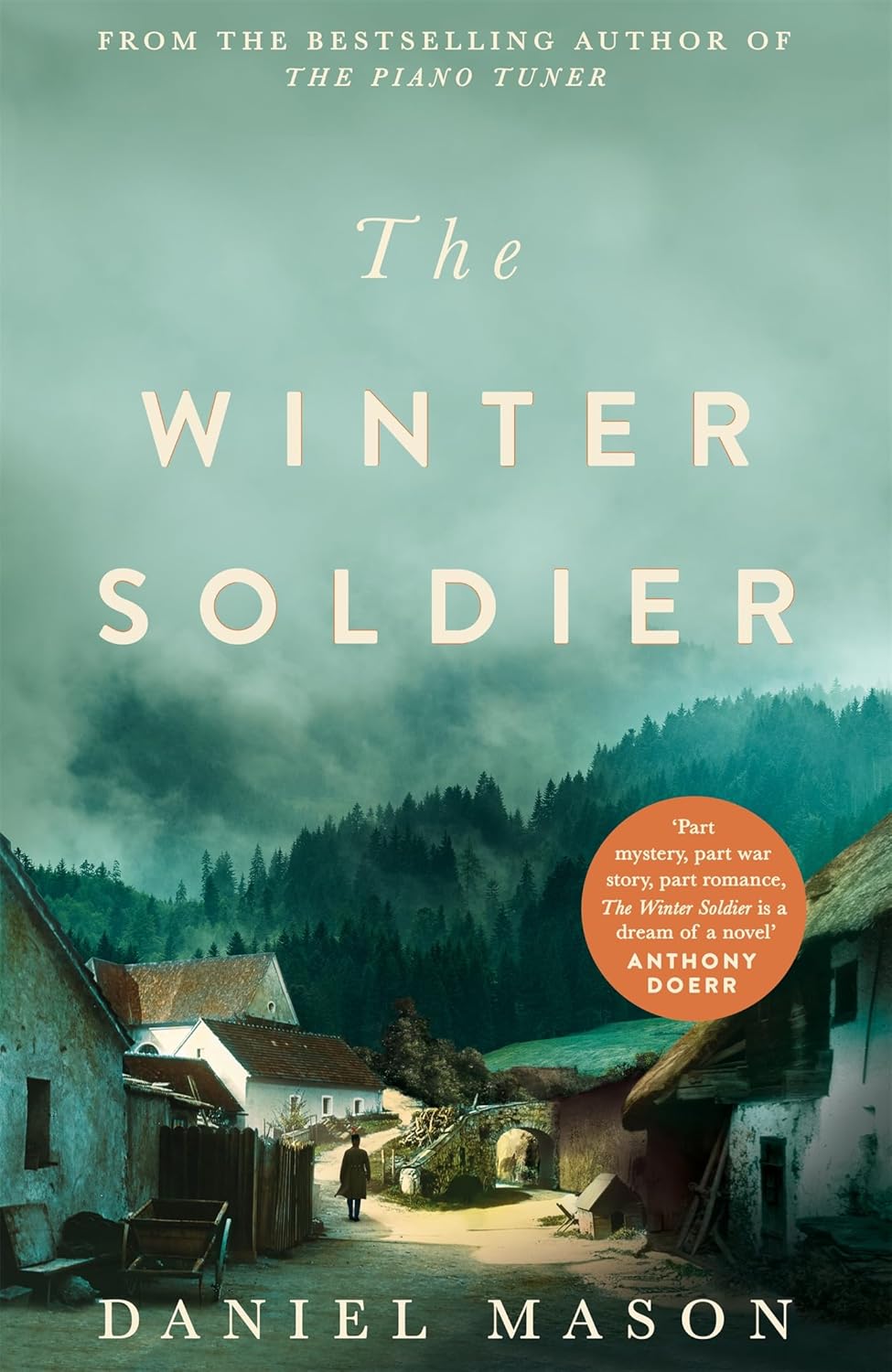
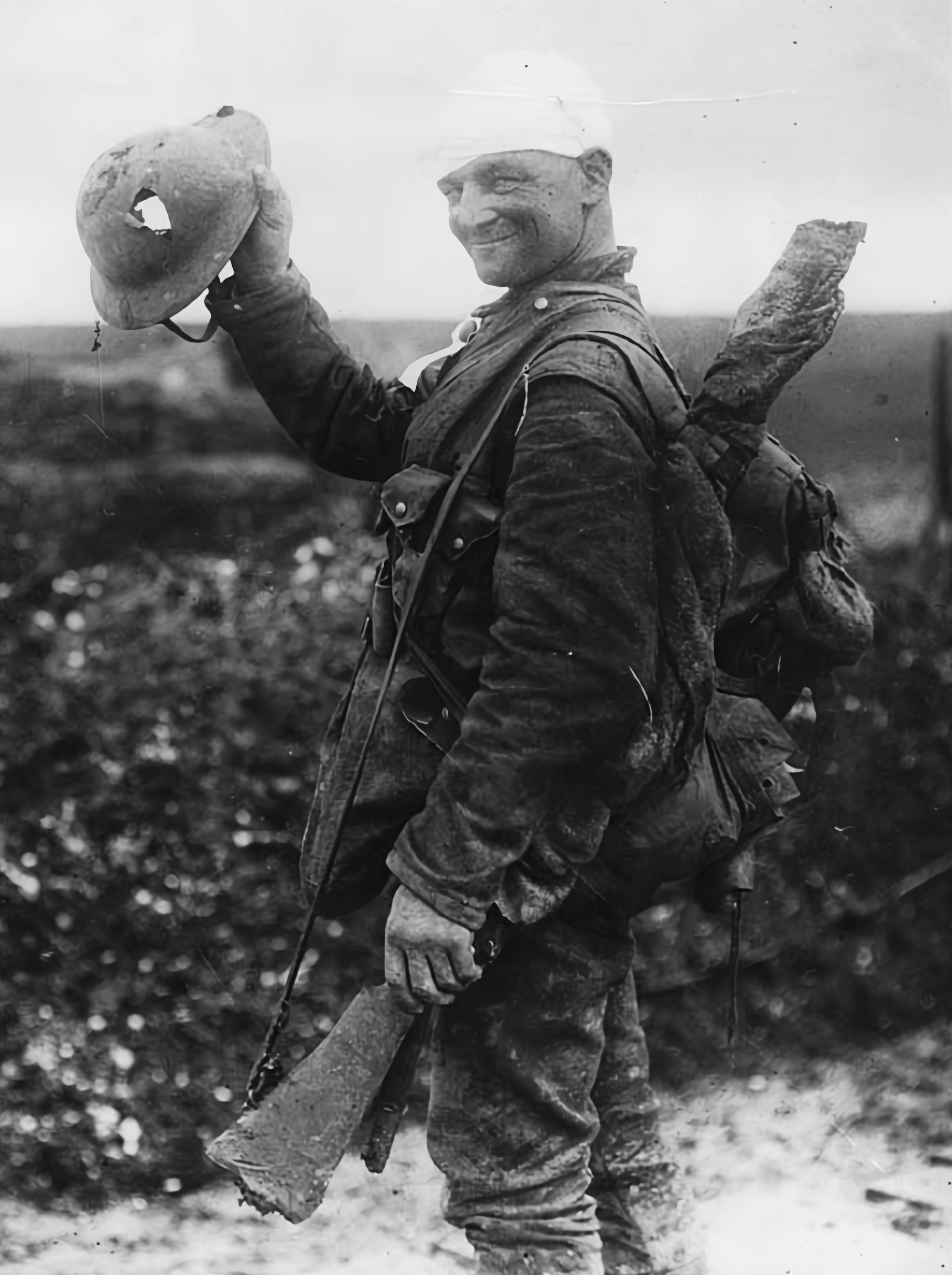
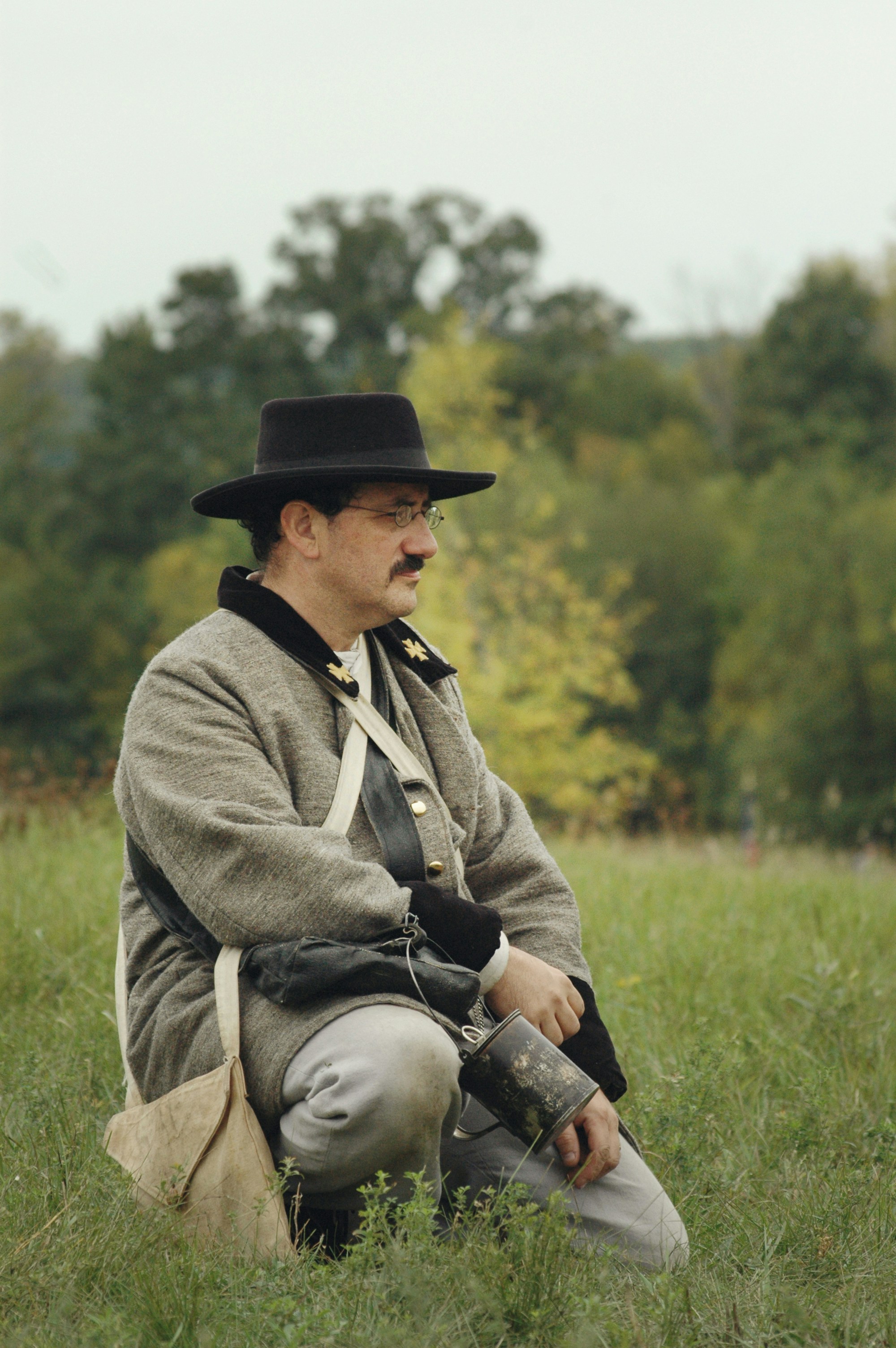
A forbidding terrain and climate are central too to Daniel Mason‘s The Winter Soldier. We’re in Eastern Europe at the beginning of the First World War early on in this book – well, Vienna rather than Easter Europe. Privileged Lucius Krzelewski, medical student, finds himself put in the role of fully-fledged doctor, with only a nurse who’s also a nun, and a few other men – a cook and general hand, in a woefully underequipped and isolated field hospital on the Eastern Front. He does his best to learn his craft, largely from nun Margarete, and has to make decisions about the onward fate of soldiers who leave his care. One such decision has lasting consequences for the soldier concerned, for Margarete and for him. And he falls in love, just before the war sweeps him up once more and makes decisions for him…. A heartfelt and involving story, bringing to life the appalling conditions which so many had to contend with on the Eastern Front.
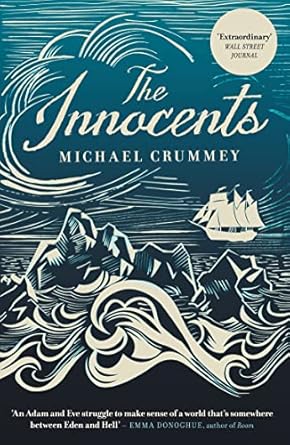
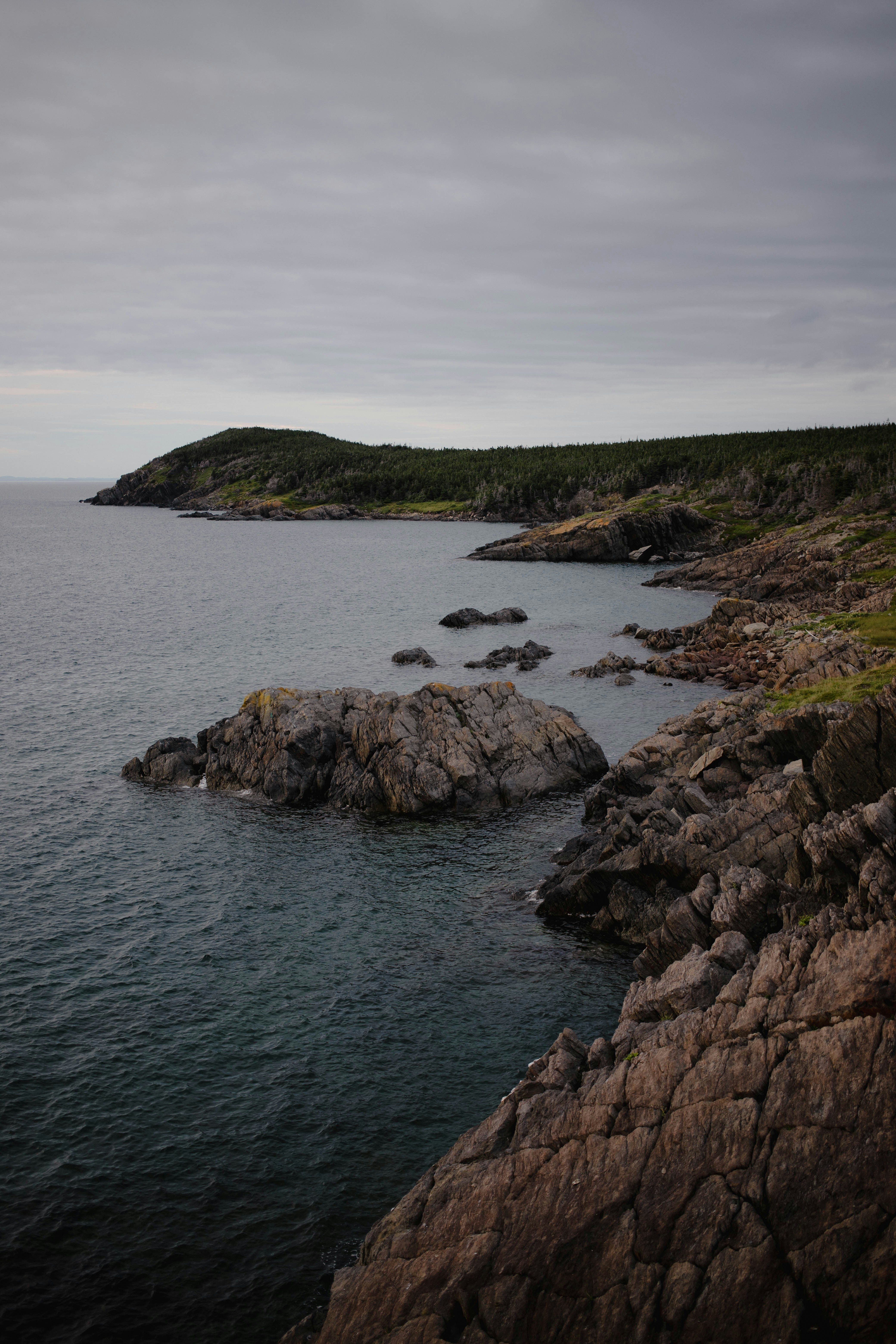
Another book, another unforgiving landscape in Michael Crummey‘s The Innocents. Set in 19th century Newfoundland, this is the story of a brother and sister, aged about 12 and 10 at the beginning of the book, whose baby sister, then their mother, then their father die after a long period of illness. They are isolated. The nearest town is not near at all, and they get supplies only twice a year, when the ship Hope arrives to buy what they have produced and sell them what they need for the coming year. Evered and Ada cope. They have no choice. The landscape is harsh and unforgiving. Fish and seals are their natural resources. There are occasional adventures – to a shipwerecked vessel, where what they find at first delights, then horrifies them. There are occasional visitors from distant ships: well-drawn characters who add leaven to their lives. It’s the depiction of the landscape, then the story of the maturing of these two lonely, isolated yet self-sufficient children as they become adolescents that gives this book its unusual power. A gripping tale.
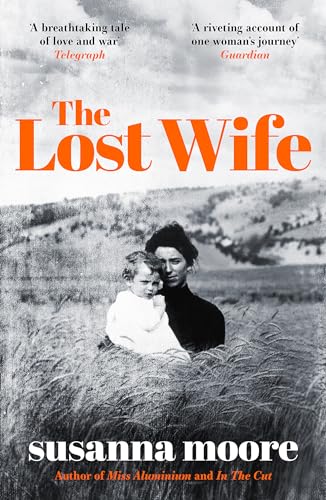
We’ll stick with contending with demanding circumstances and landscapes, and with not-so-recent history too by looking at The Lost Wife by Susanna Moore. In 1855, Sarah leaves her abusive husband and her child, to flee from Rhode Island to the American West, Minnesota: Sioux country. Resourceful, she quickly finds a husband, a doctor, who decides his calling is in a community where Native Americans live too. This is the story of a woman who becomes friendly with the indigenous population, and who finds her husband, herself and her children in danger when this population rises in revolt at the unfair treatment routinely meted out to them. In the ensuing uprising, she’s not entirely trusted by some native Americans, but thoroughly despised by her fellow whites. What should have been a gripping rendering of a rather terrifying and unedifying history based on known facts is rather prosaically yet choppily told. A slightly disappointing read, from which I nevertheless learnt a lot about this piece of pre-Civil War American history.
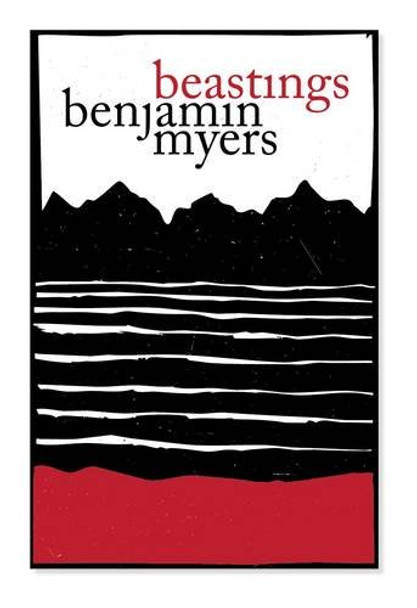
Uncompromising stories set in testing landscapes seem to be this months’s choices. Why change the formula? Beastings is by my current pin-up author, Benjamin Myers. A priest who’s no better than he ought to be enlists the aid of a poacher to pursue a mute young girl, the product of a brutal orphanage, who has made off with a baby whose parents – specifically the father – she mistrusted. Their pursuit takes them across an unyielding and elemental Cumbrian countryside which is itself a character in this austere, bleak novel. It’s not entirely clear when this novel was set, but it doesn’t matter. The Girl (no character is named) meets one or two helpful souls: a woodsman, a farmer, but on the whole she and the baby are alone, trusting to the landscape and the elements as they undertake their increasingly desperate escape from a life with few prospects into an equally bleak and impossible future. A shocking, absorbing, involving story.
My chain this month seems to consist of books which relate more to each other than to the starter book. Ah well. Next month, our book to begin the chain is Colm Tóibín’s Long Island, which has been on my Must Read list since the day it was published.
Photo credits: Me; Ed Philips; National Library of Scotland; Erin Minuskin; Jen Theodore.














You must be logged in to post a comment.