A Serene Stroll

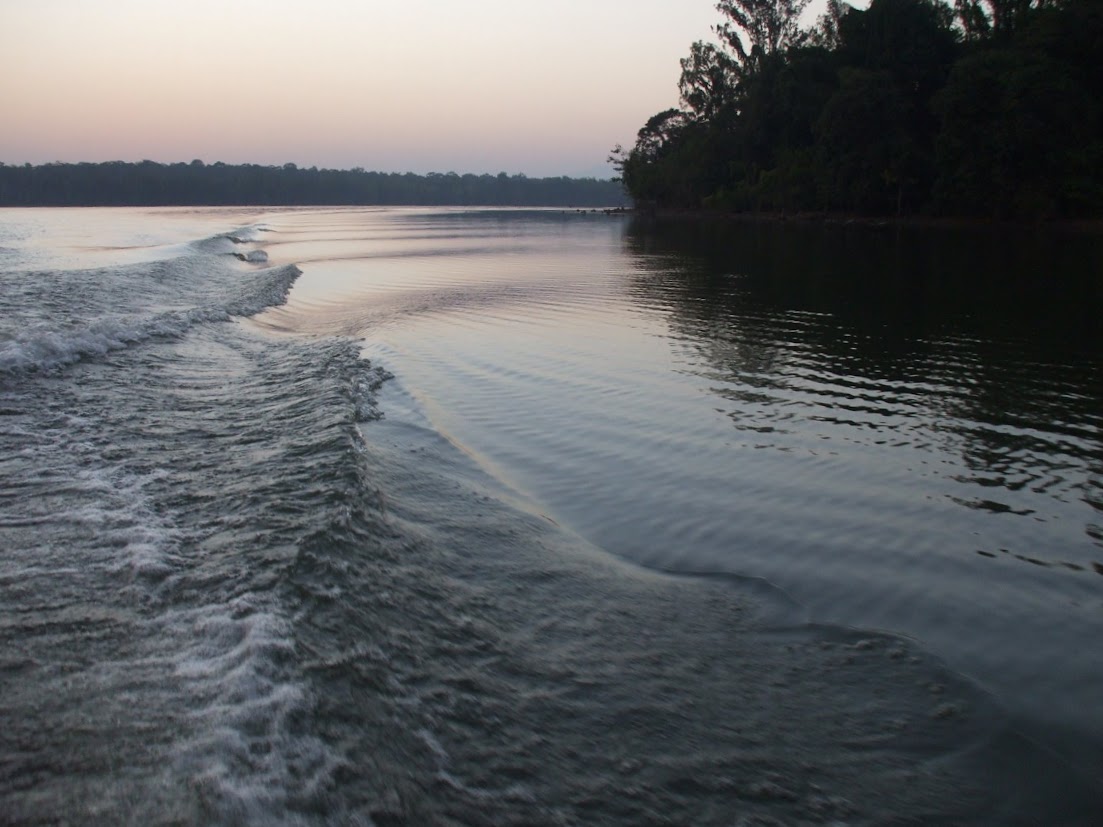
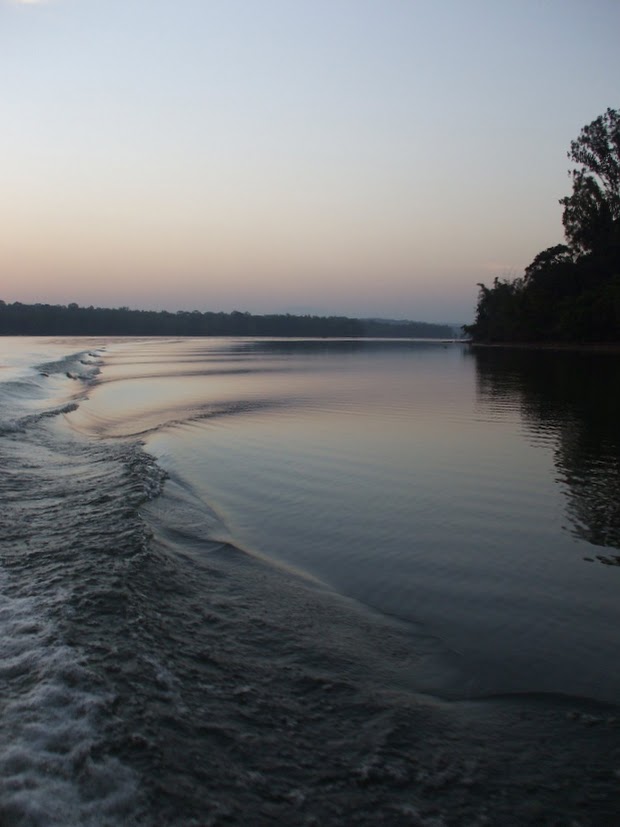
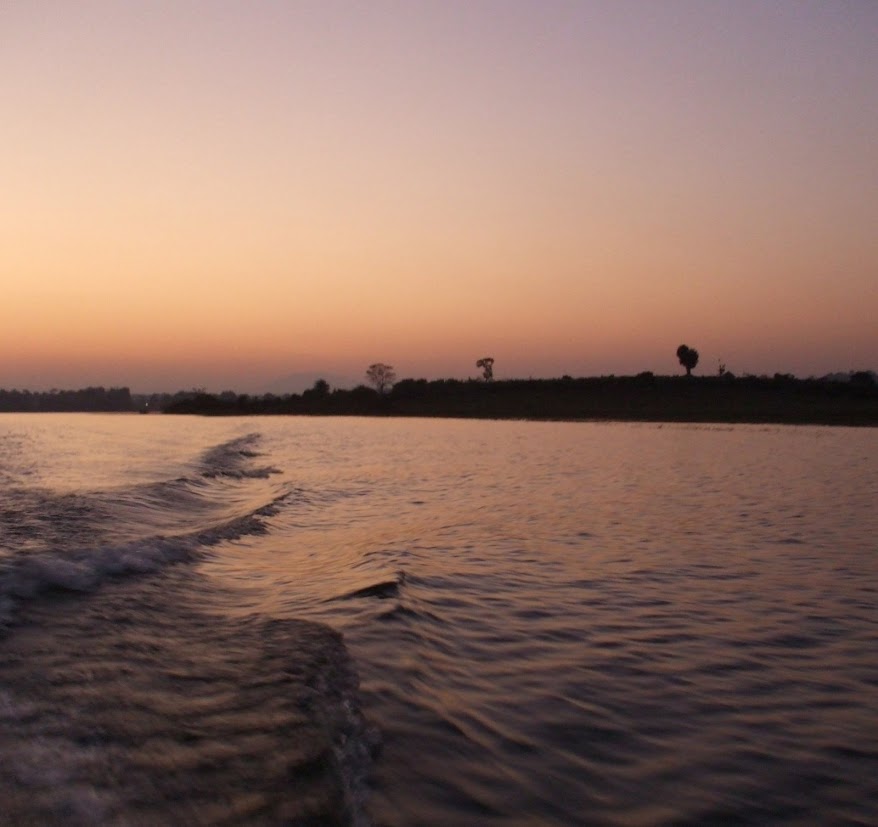
I have thought hard about how to respond to Egidio’s Lens-Artists Challenge: Serenity. This word always calls to mind an early evening I spent, content and alone, in l’Albufera lagoon, near Valencia. The utter peace and serenity it delivered has provided me with material for several posts, including this one.

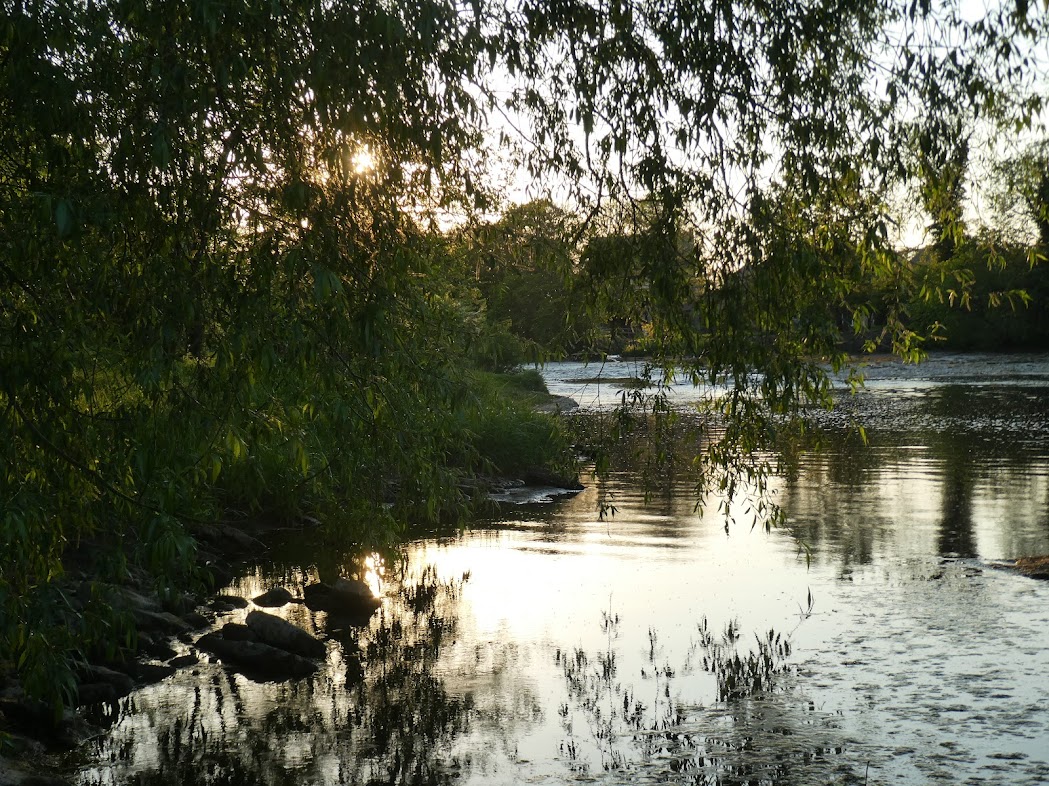
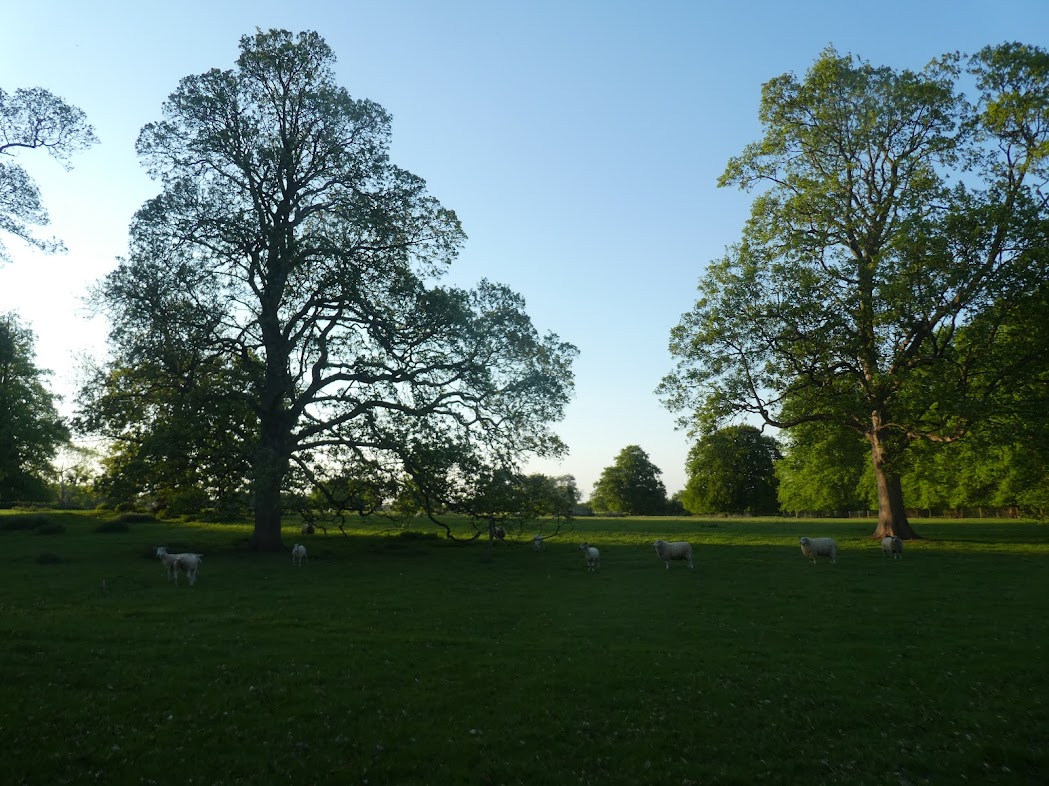
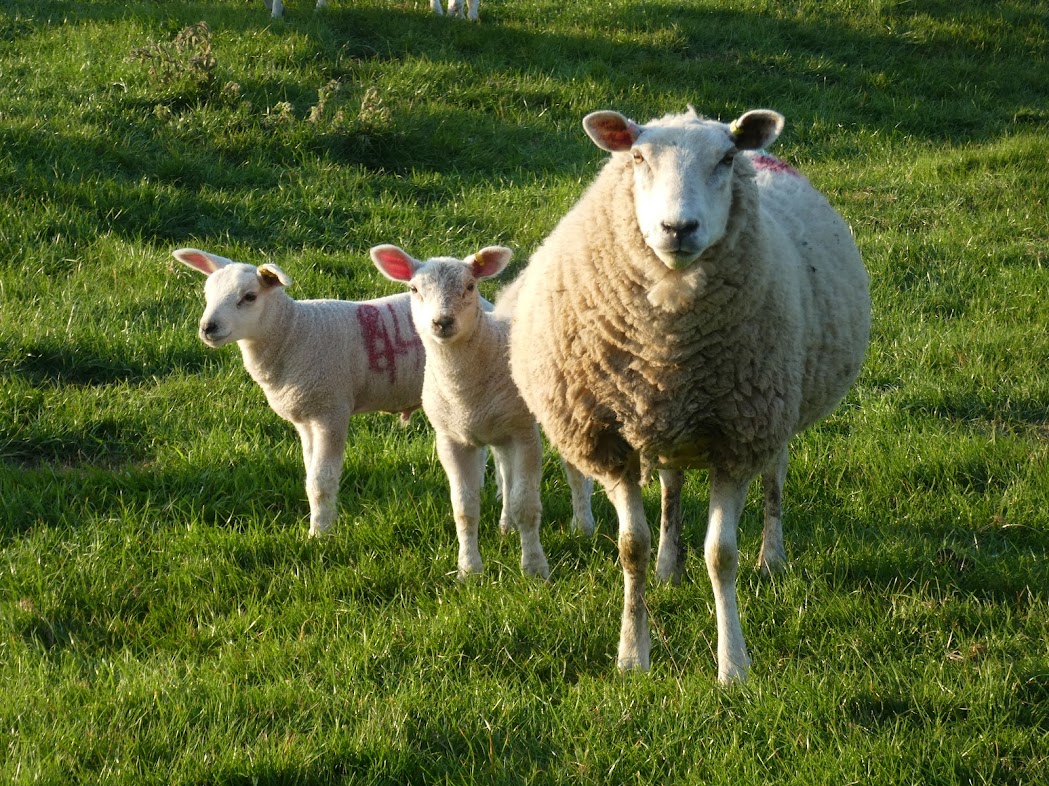
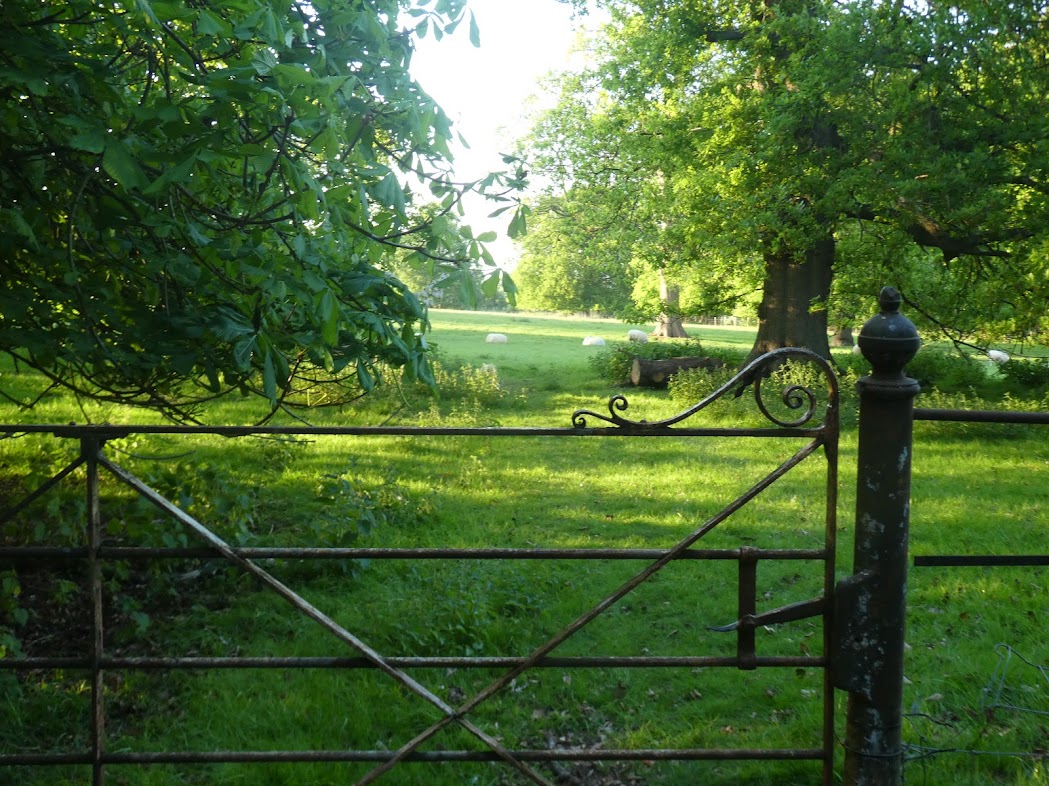
So my serenity this time will be more humdrum, more local, but restorative too. It’s a local walk I take at any time of day. The other day it was an evening walk, not long before sunset. I had only sheep for company.

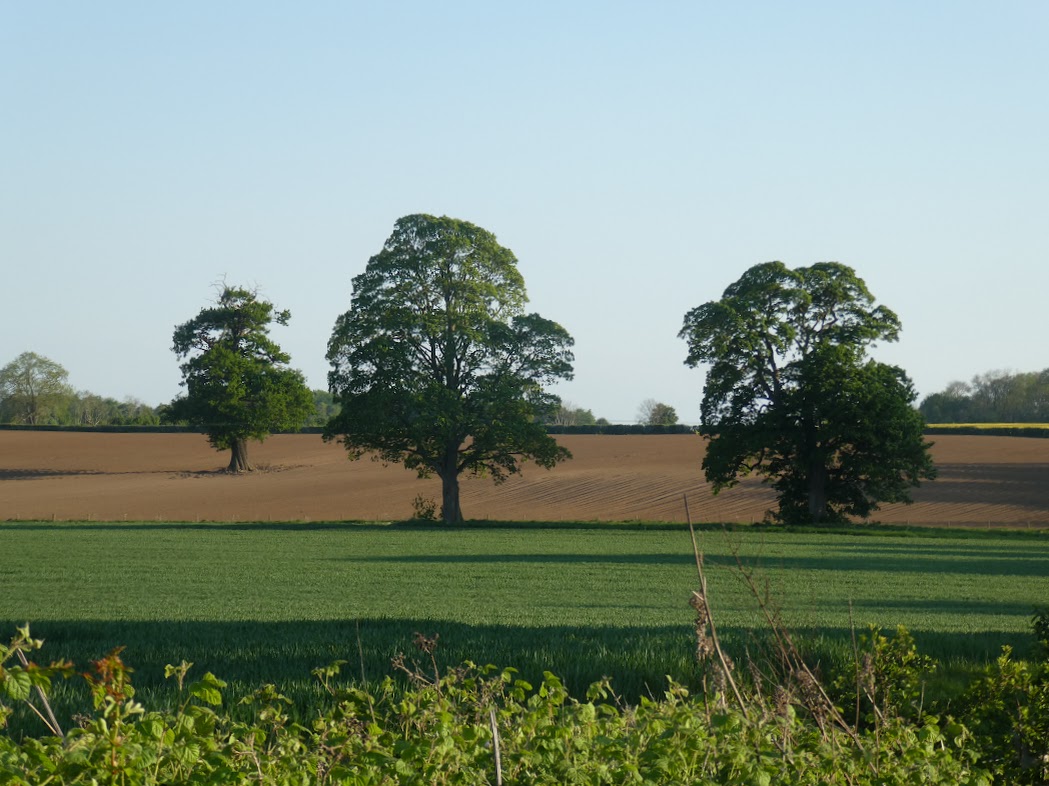
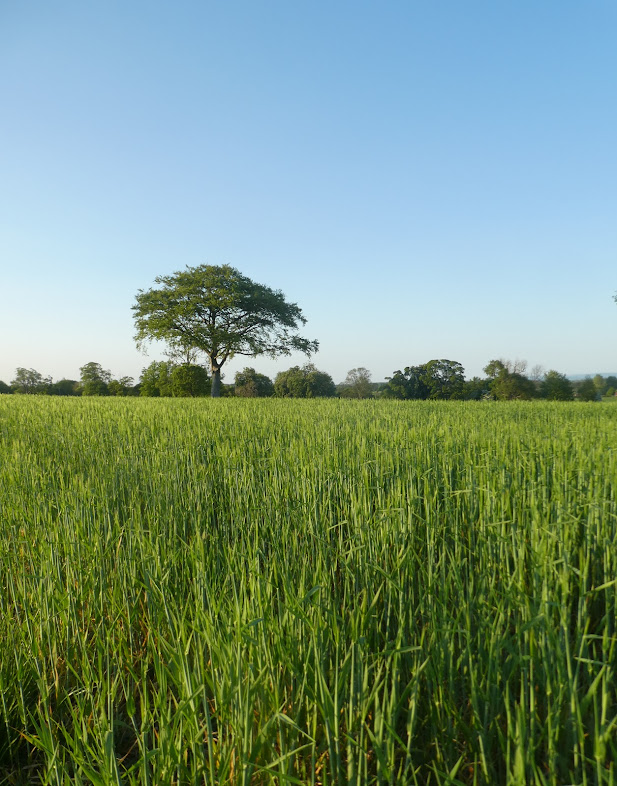
It’s a very domestic sort of walk, and under three miles long. Along a quiet lane; across sheep pasture; the grounds of a spacious country estate; fields of crops; and then, turning homewards along a different path, the River Ure; and finally a stretch of woodland .. and home. Varied enough to be quietly interesting as I enjoy the changing seasons, but with positively no drama.

Indian Friday: BASIL

I rather enjoyed re-visiting India via my blog the other week. So I went and dug out the diary I faithfully kept. The events it describes have never yet seen the light of day. For the first ten days I was with the group of people my ex-brother-in-law had put together, to explore aspects of rural Indian life, focussing on small producers working in traditional and organic ways. We had no internet access during that period.

I’ve decided to share my diary with you. This will take several Fridays. I’m pleased that I kept such a detailed record of a piece of personal history, and of a country I’d never visited. I wonder how dated this account would seem to the current traveller?

BASIL

Not a particularly early start, so time to try to book journeys onwards, exchange travellers’ cheques etc. Then the bus. The outskirts of Mysore soon became dusty towns, and in the countryside beyond, stalky straw-like crops were laid down in thick piles for us to drive over and thereby help in the winnowing process.

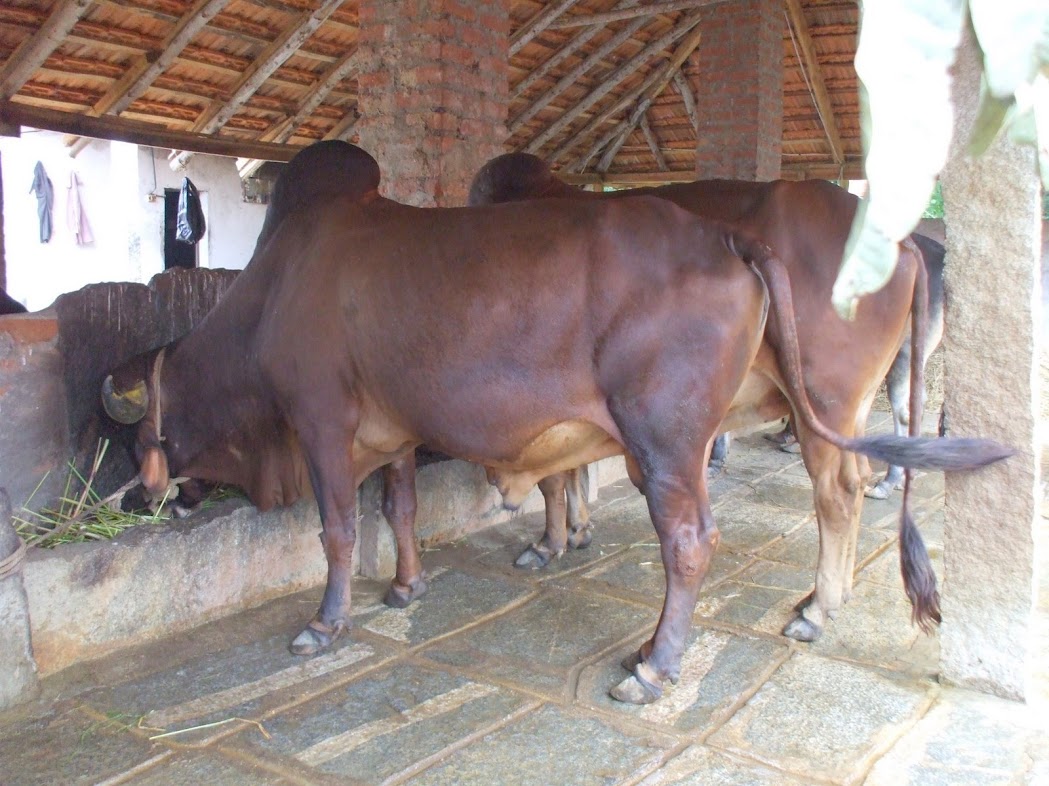
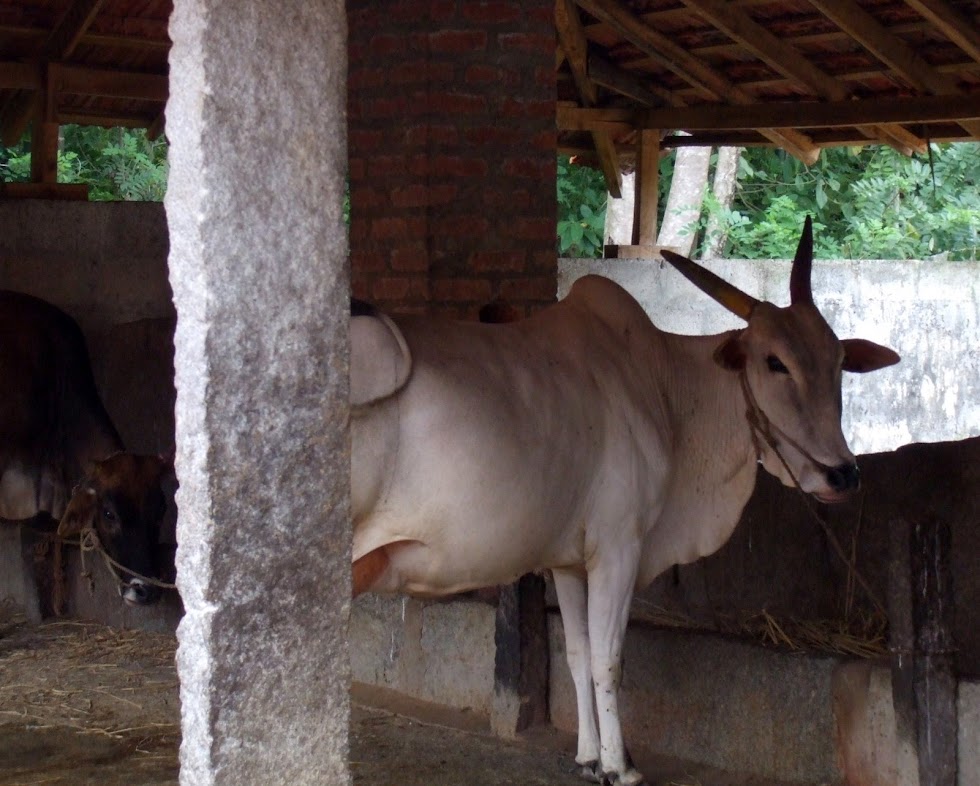
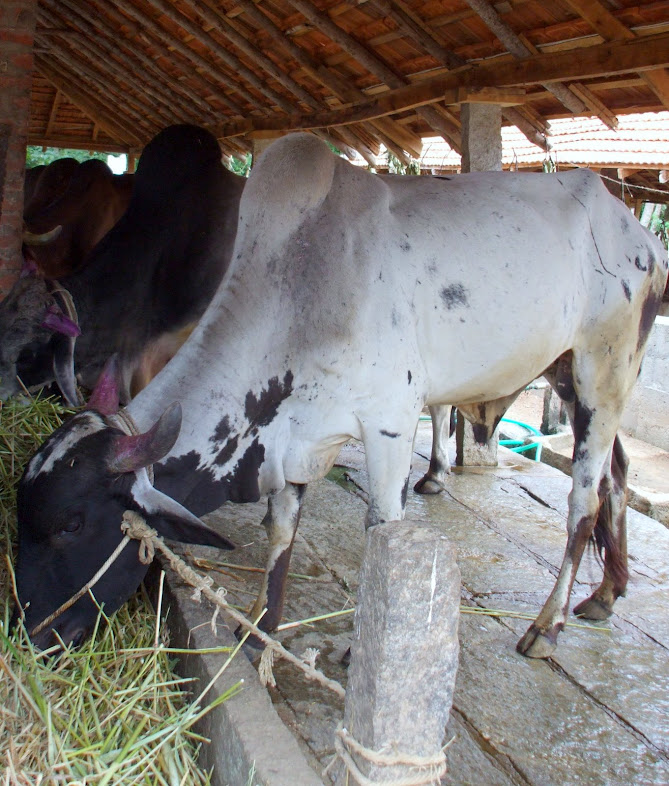
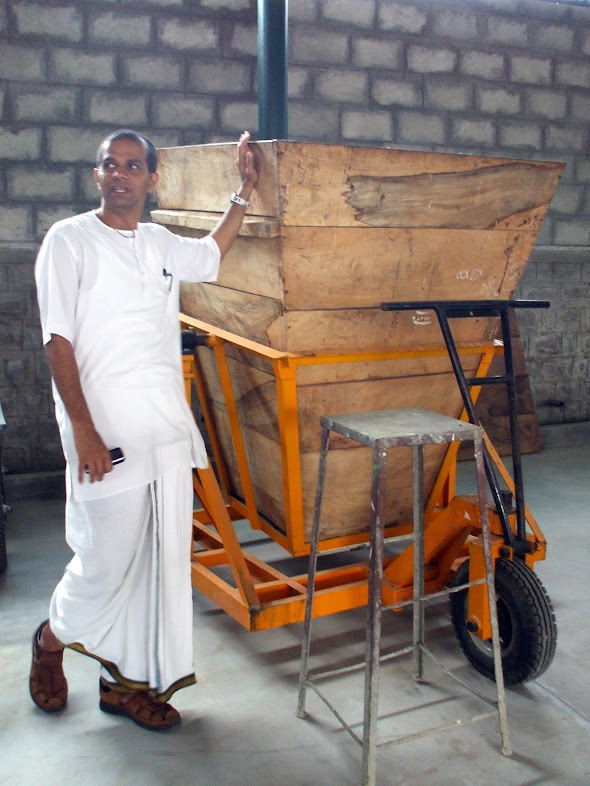
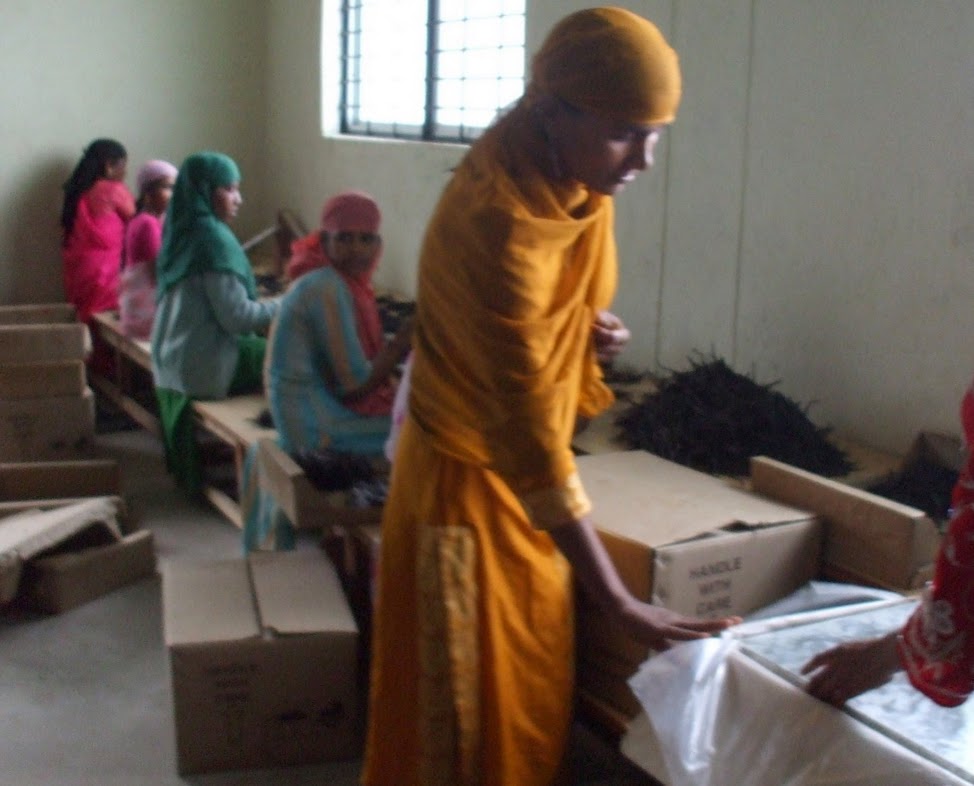
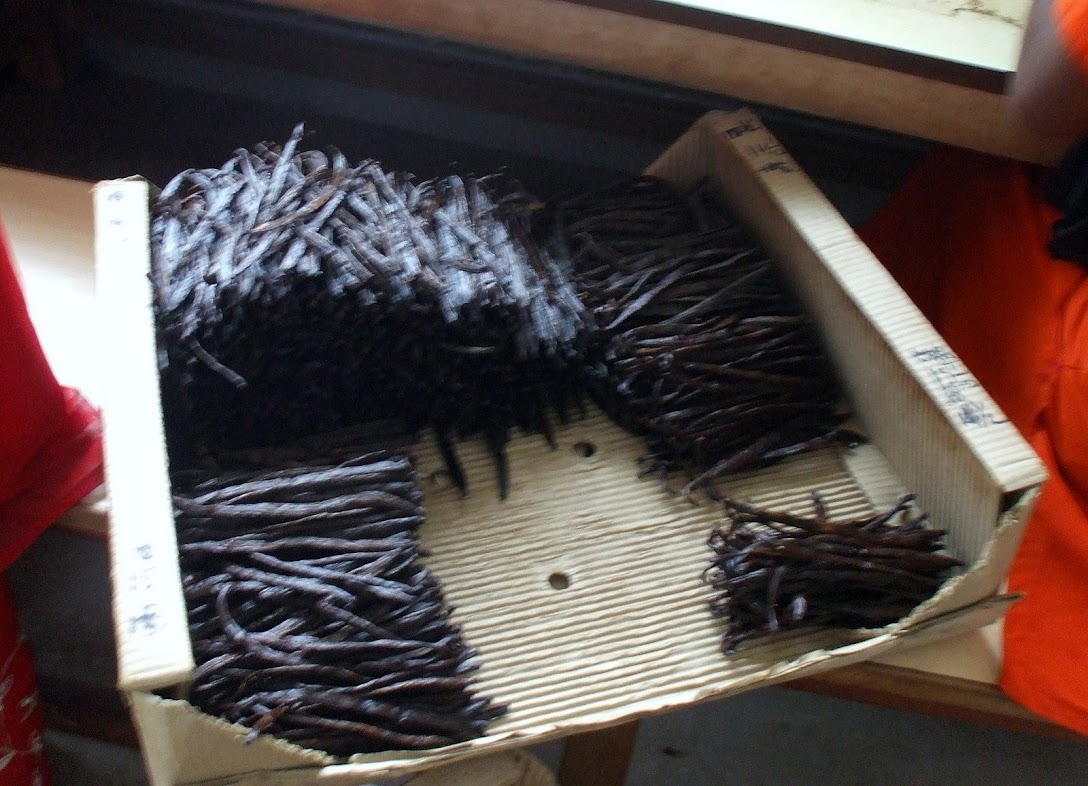
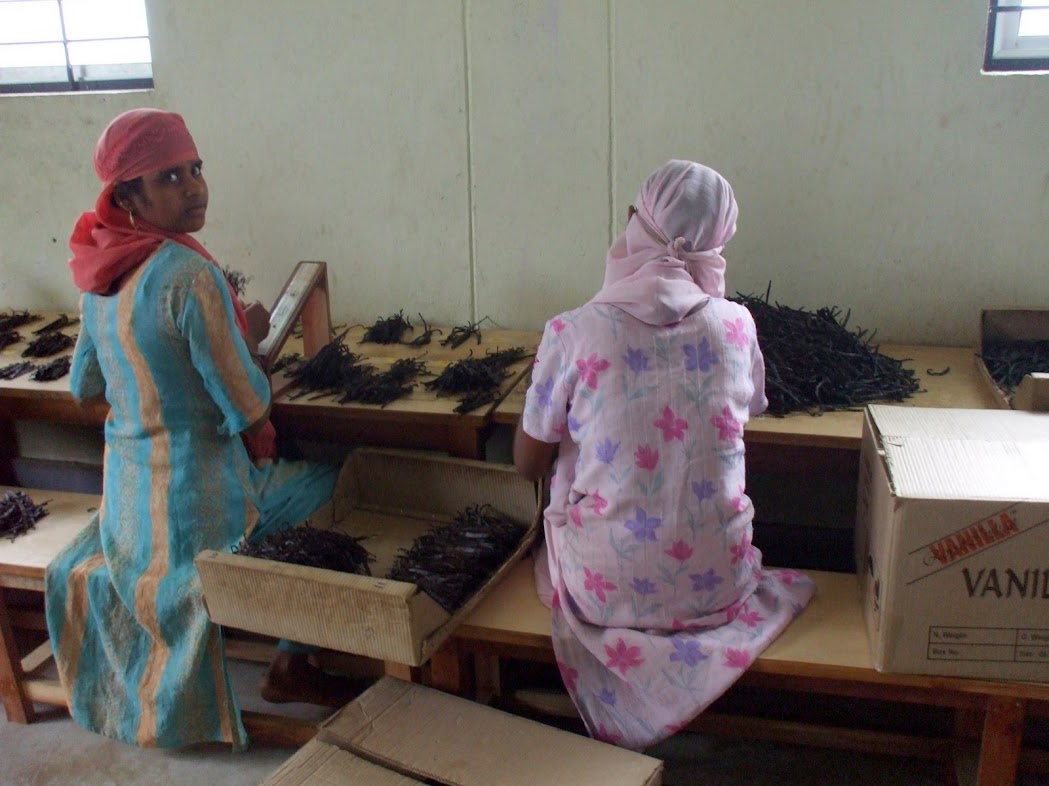
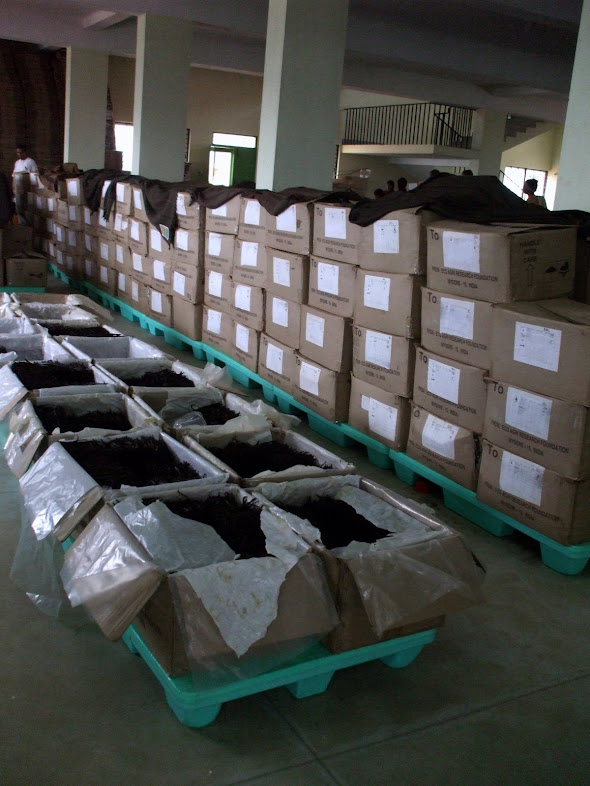
BASIL exists to promote biodynamic farming, investing heavily in teaching small farmers.  They were very convincing about their techniques of using cowhorn etc and certainly have fine results.  They showed us a film which went on far too long, and then, as we’ve come to expect, offered us a wonderful lunch.  Discussion afterwards, then a tour of the farm and the vanilla packaging works.  A whole shed full of vanilla pods, many being quality and size-graded by a band of women.

A lazy late afternoon, then an auto-rickshaw to Simon’s choice of restaurant, Park Lane Hotel, which I found noisy and not much fun.  Until sundry Indian families all took a shine to this strange group of English and tried to make friends, asking our names and pinching our cheeks.  M took photos of the event.  Oh, on the way there, Simon and C’s rickshaw got seriously lost, and had to be guided home via Simon’s mobile and the man at the gate.

Street lights in Spain

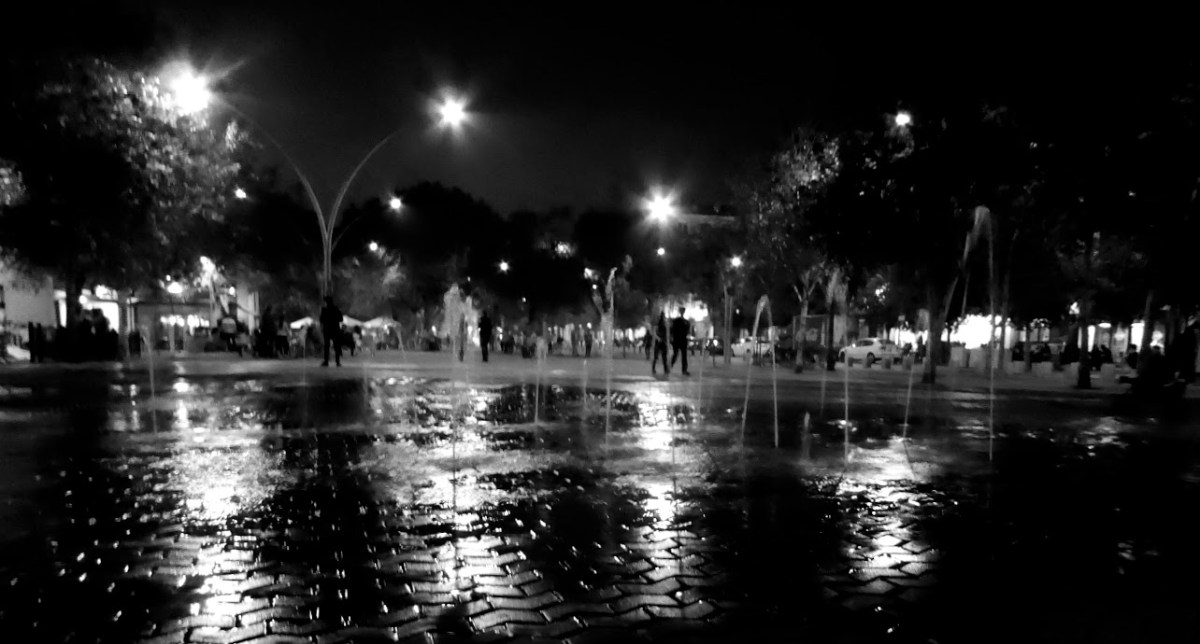
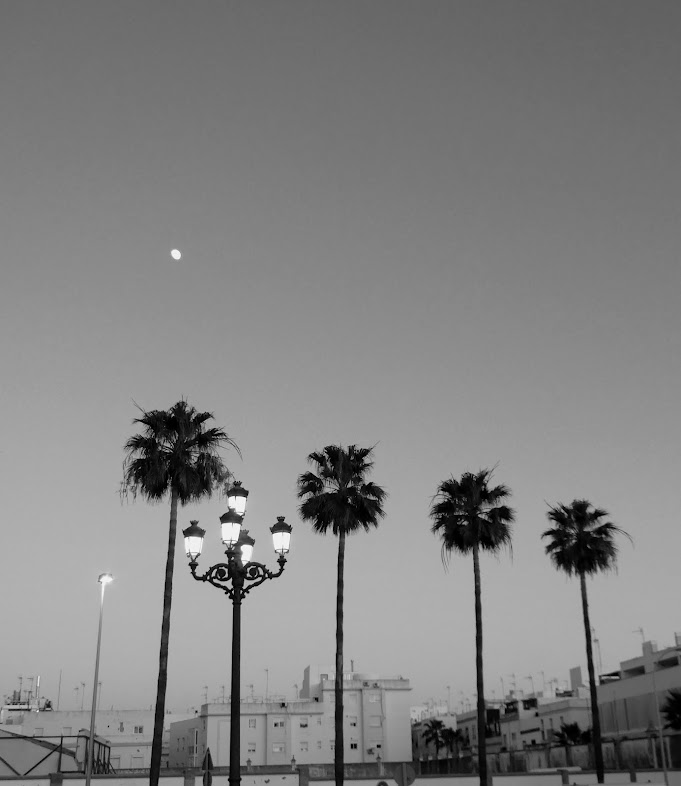
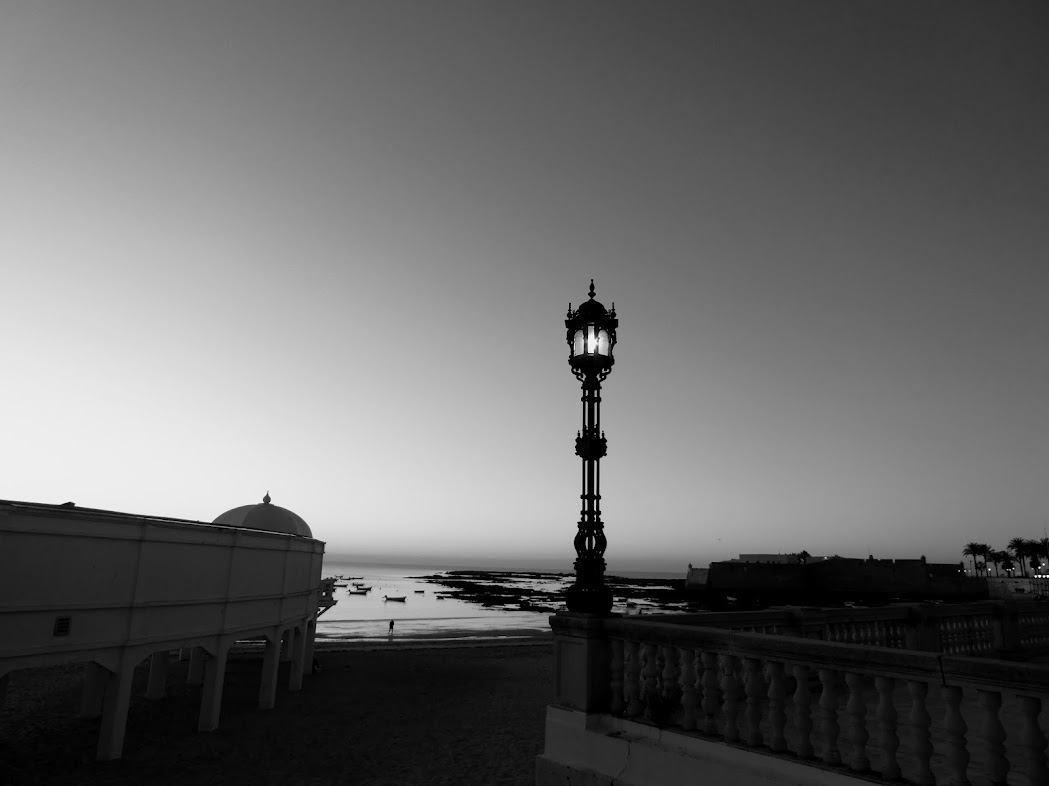
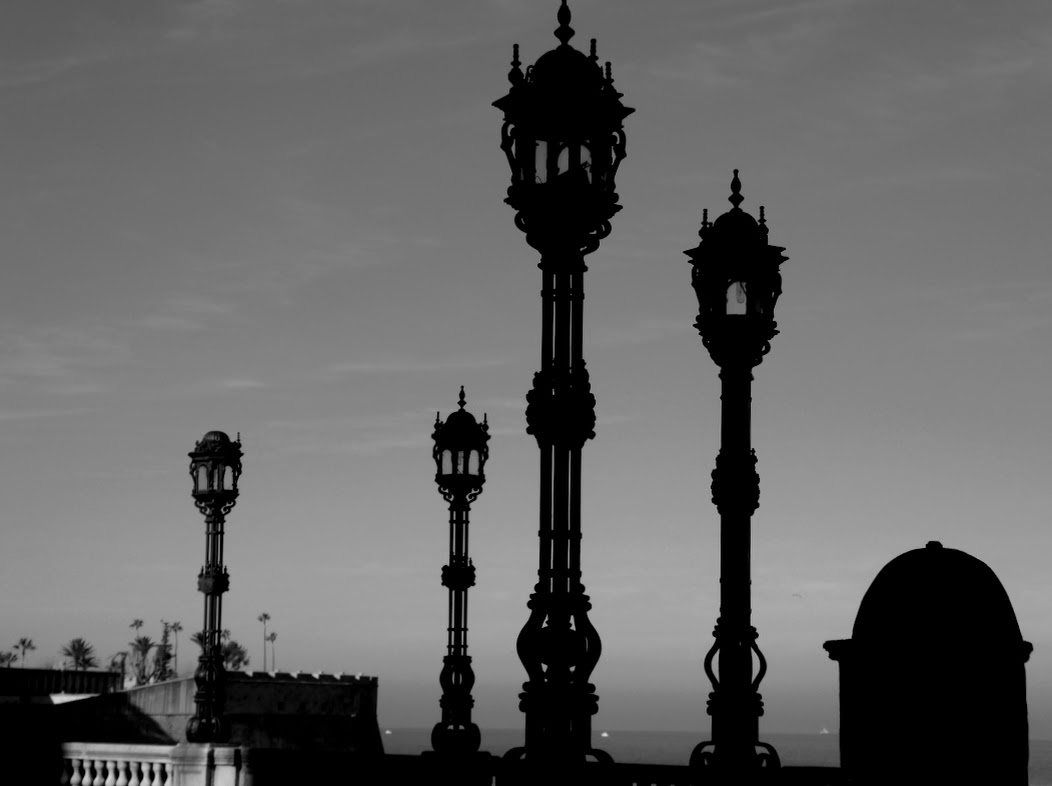
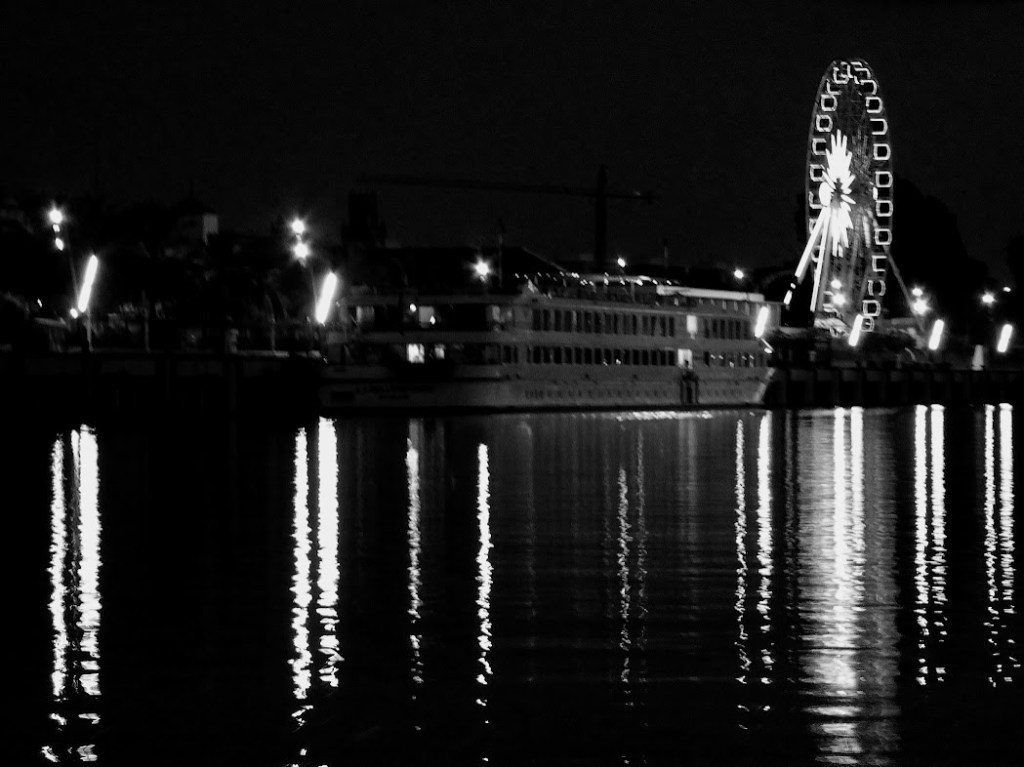
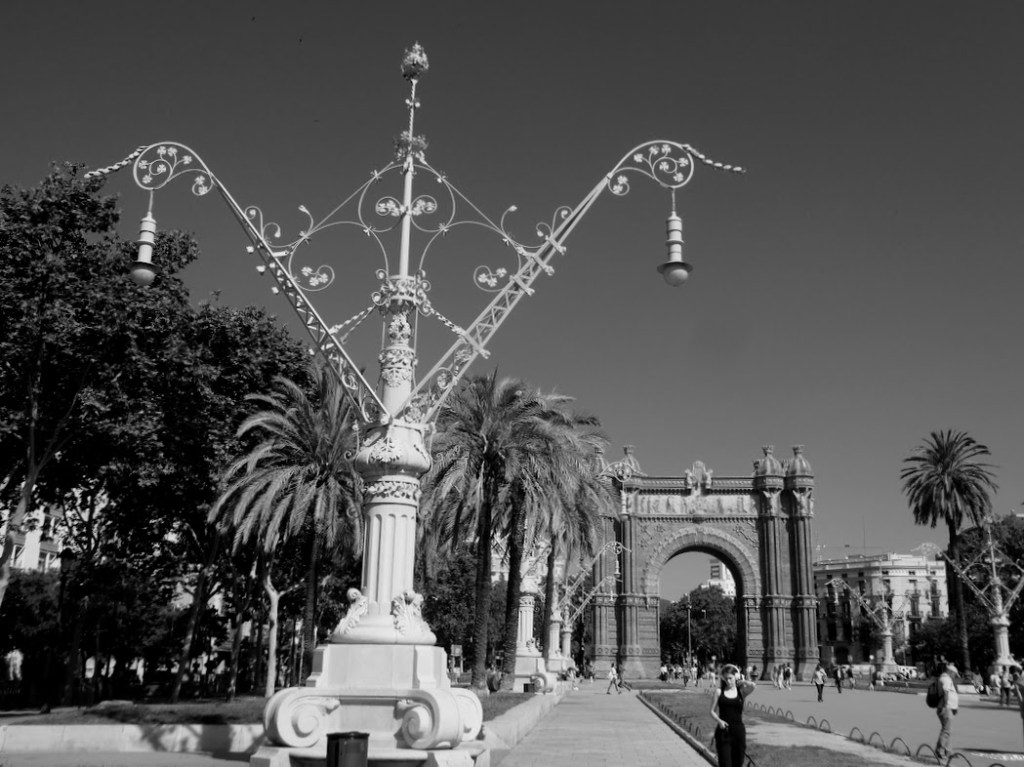
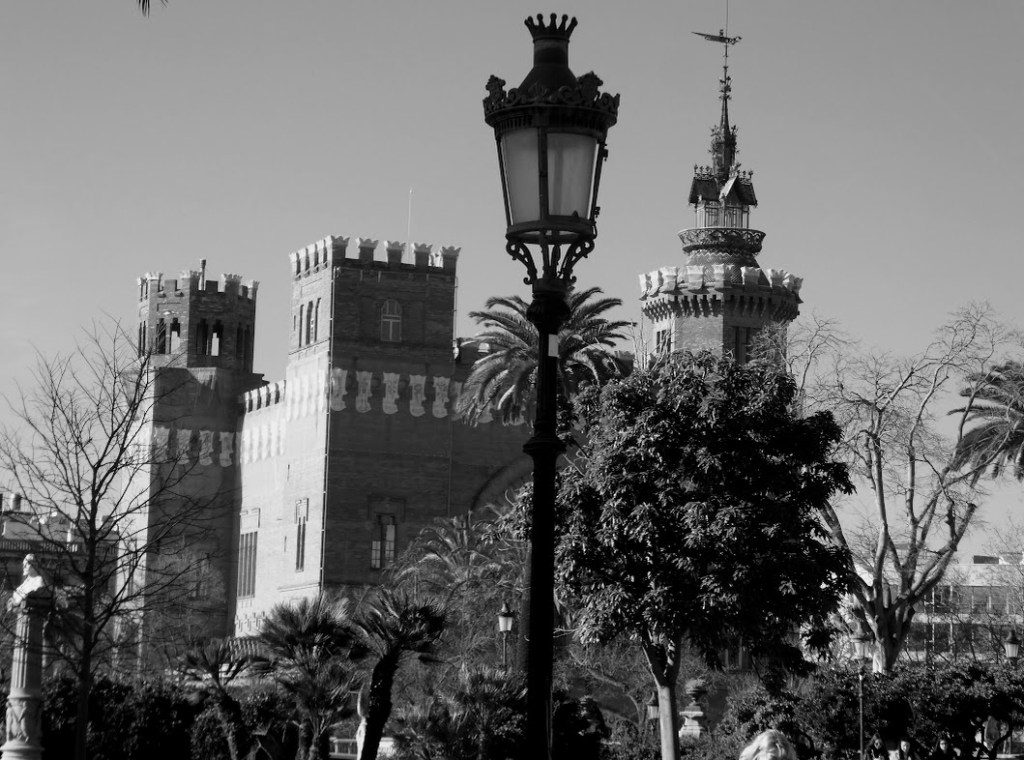
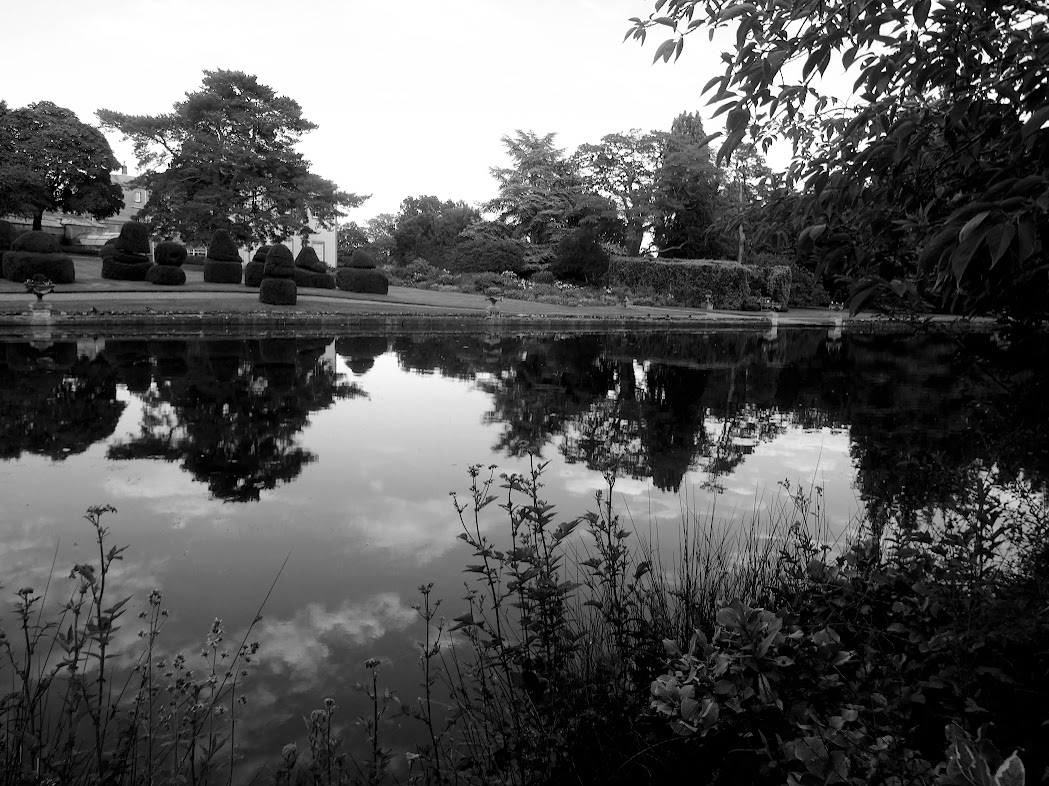
For this week’s Monochrome Madness, This week’s host Brian of Bushboy’s World has asked us to consider Street lights. I assembled a clutch of them, and realised that they all come from Spain.

The featured photo was taken one evening near our hotel in Seville. This next batch all come from Cádiz.

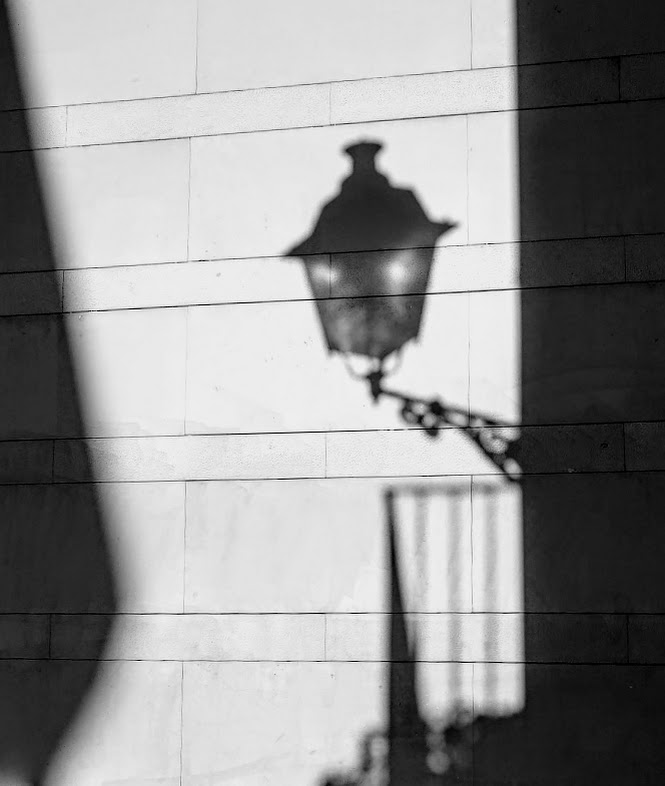
… and one of them is merely a shadow of a streetlight.

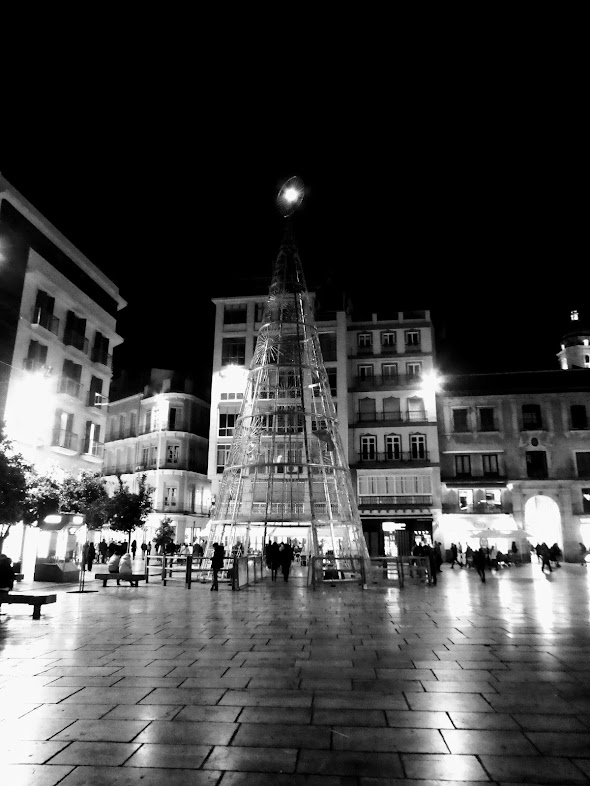
Off to Málaga now, just after Christmas.

Another one from Seville …

And the city I know best, Barcelona? Well, not a single night time shot. Instead, here are two taken in broad daylight.

I’m away for a few days, so this post, and the next few are scheduled. So – sorry – I may be slow in commenting, and even slower at reading your posts.

A Bench Blast from the Past

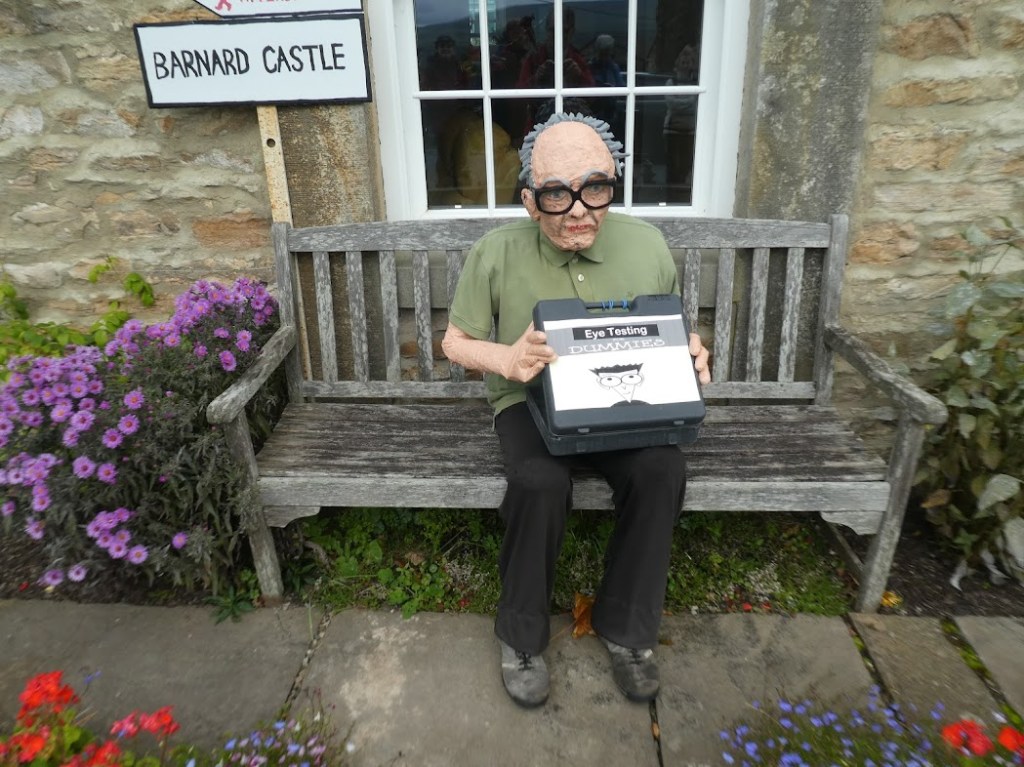
You’ll remember Lockdown. If you’re a Brit, you’ll remember the Dominic Cummings Scandal, when Boris Johnson’s senior adviser famously made a more than 50 mile round trip with his family to have an eye test. Dominic Cummings should NOT have gone to Specsavers …

He was widely ridiculed, and here’s just one example from Redmire in Wensleydale, spotted on a walk in that early period after Lockdown, when the world was slowly opening up again.

For Jude’s Bench Challenge.

Breaking the Rules

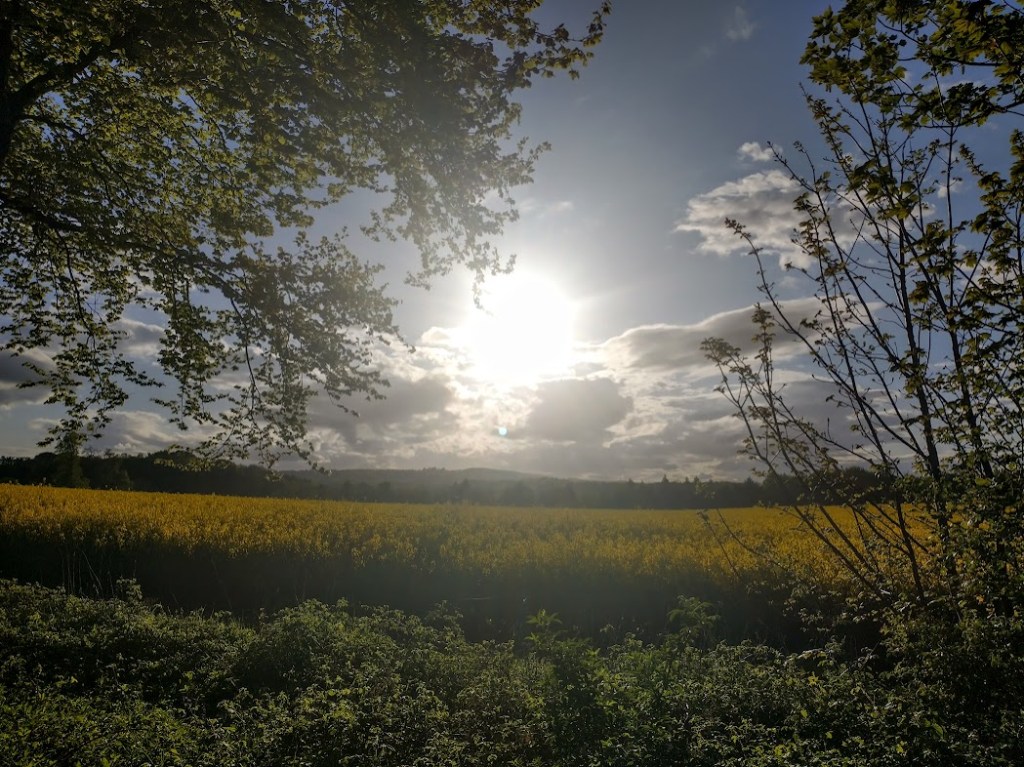
This week, for the Lens-Artists Challenge, Ritva urges us to show what happens when we break the established rules – well – guidelines really, in photography. So I went out for a walk that very evening intent on doing so: and took this shot directly into the sun.

I quite like it. But then rules are made to be broken.

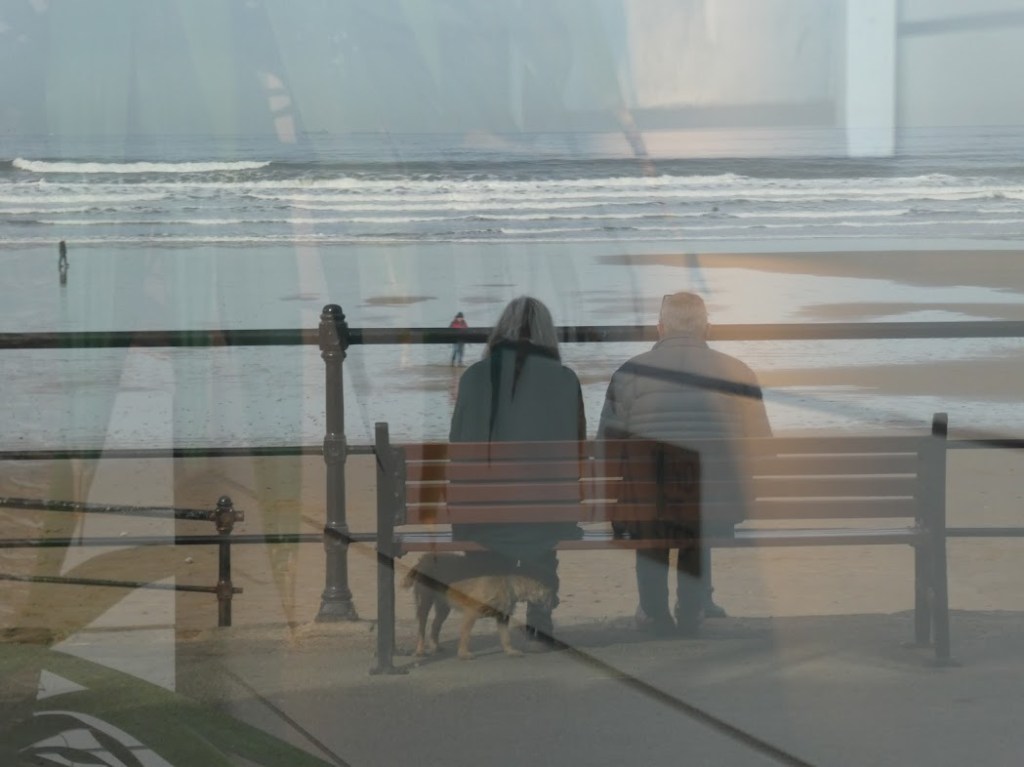
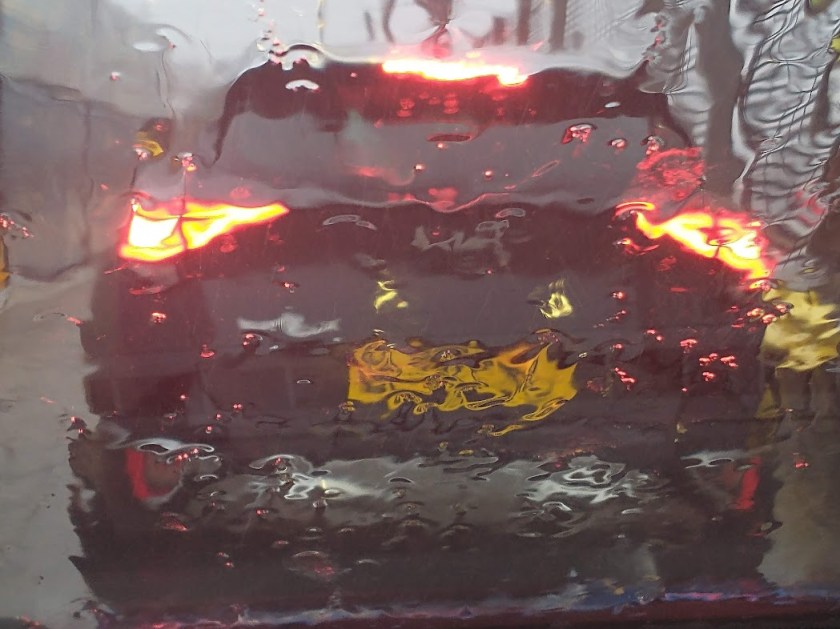
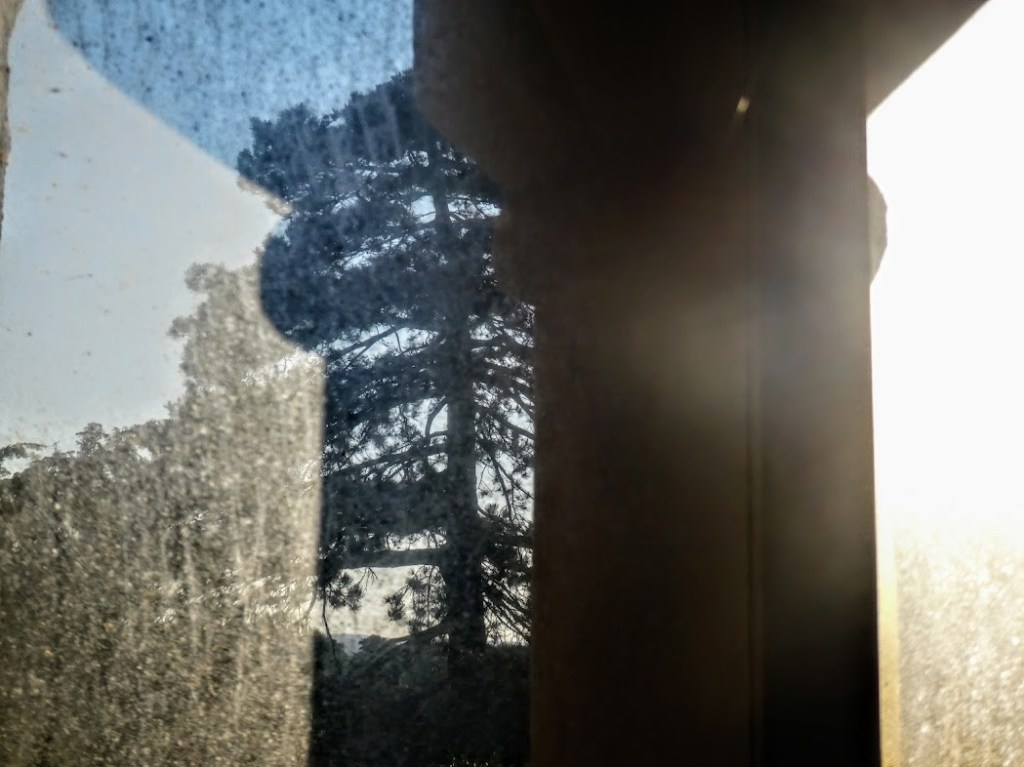
But they’re there for purpose. ‘Don’t take shots through a window’, they say. Well, you can see why in the next two shots. But I like them both: one for its evocation of a typical English keep-your-coat-on sort of day at the seaside: the other for showing that on some days, staying behind a protective wall of glass really is the only option.

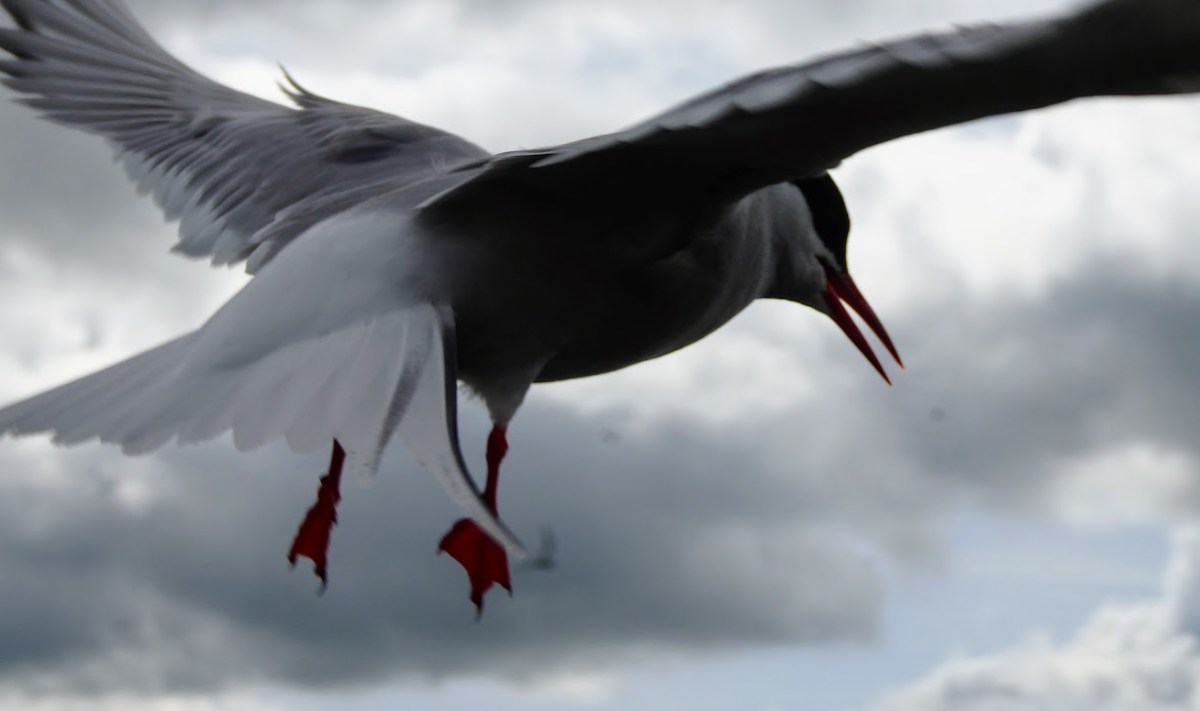
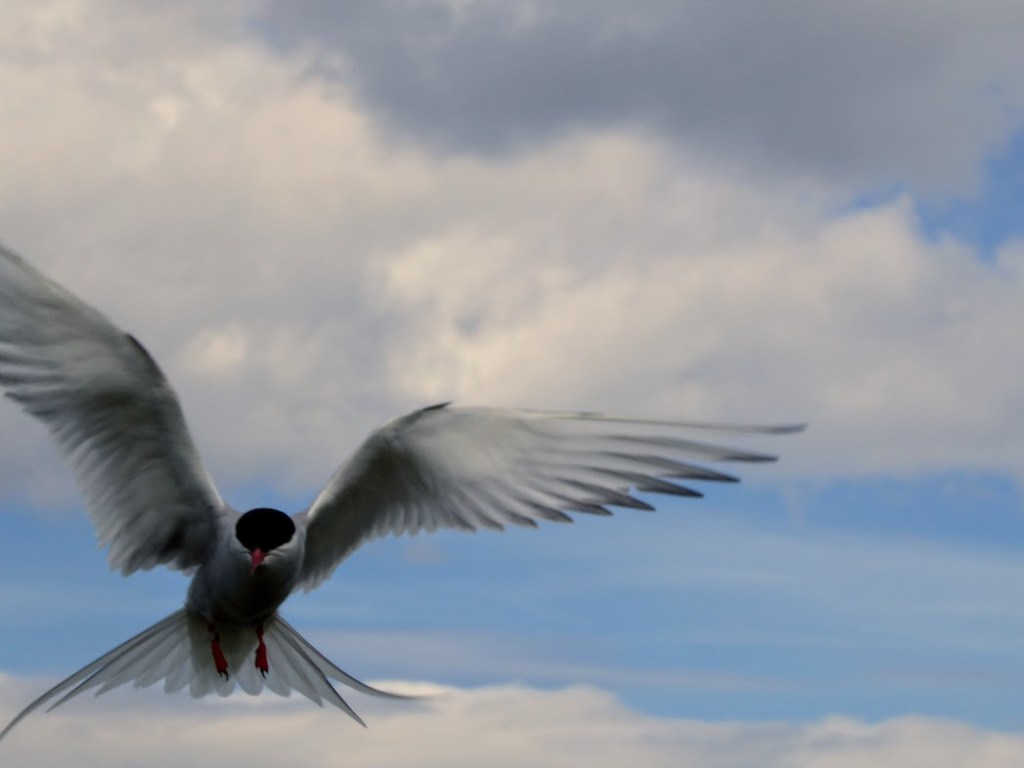
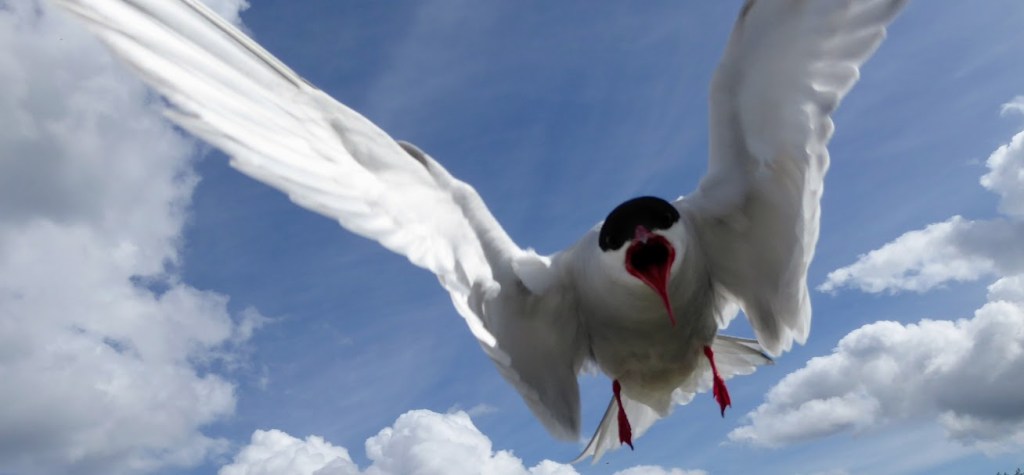
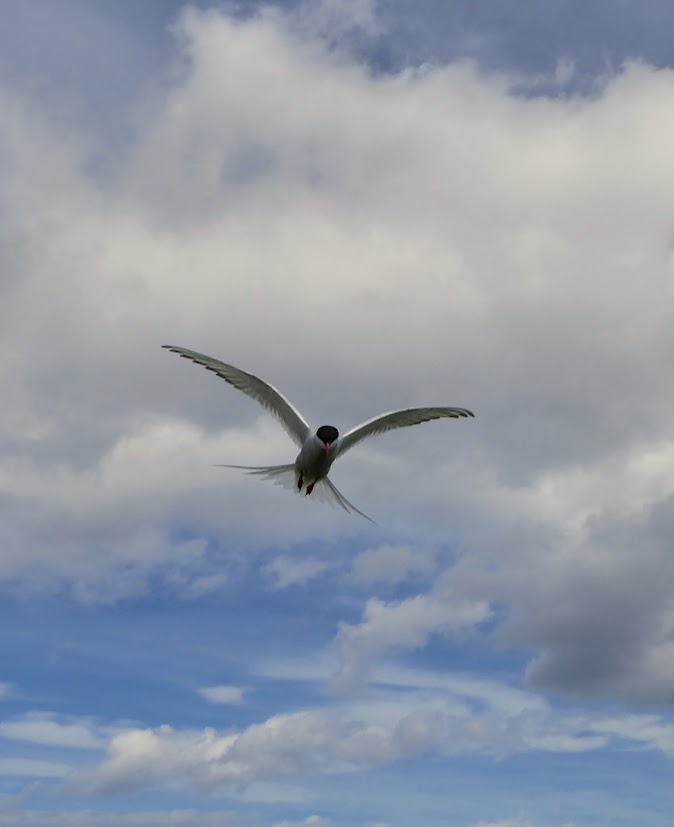
And when it comes to wildlife… well, wildlife hasn’t heard the rules, and doesn’t either stand still, hover or otherwise mark time: Especially Arctic tern with eggs and offspring to guard. So you take what you can get.

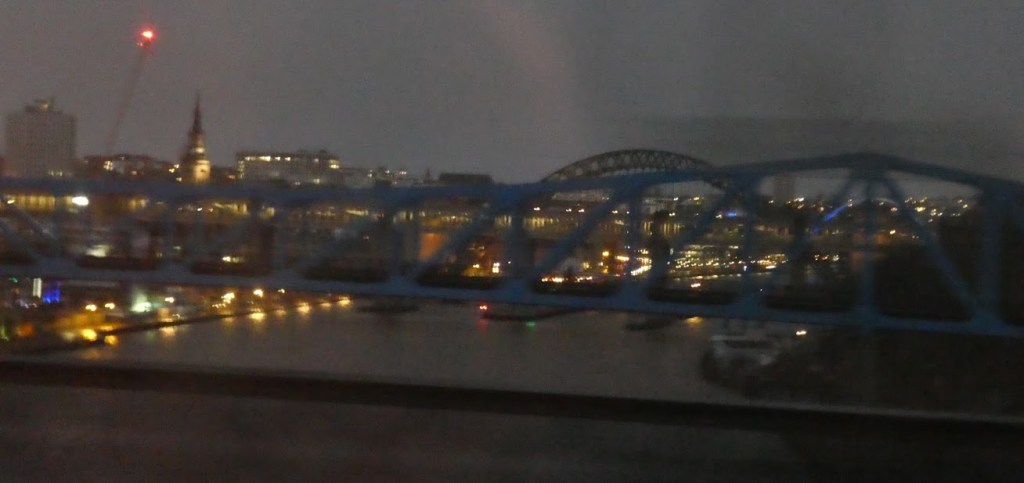
‘Don’t take photos through glass AND from a moving train.’ Well, why not? Newcastle at night …

Finally, I recently took this photo in – or around – Masham Church. I haven’t a clue where exactly I was or what was going on, so I must have broken every rule in the book.

But I don’t care.

Indian Friday: Kracadawna

I rather enjoyed re-visiting India via my blog the other week. So I went and dug out the diary I faithfully kept. The events it describes have never yet seen the light of day. For the first ten days I was with the group of people my ex-brother-in-law had put together, to explore aspects of rural Indian life, focussing on small producers working in traditional and organic ways. We had no internet access during that period.

I’ve decided to share my diary with you. This will take several Fridays. I’m pleased that I kept such a detailed record of a piece of personal history, and of a country I’d never visited. I wonder how dated this account would seem to the current traveller?

Kracadawna

Sunday 18th February

But at 5.00 a.m. there was a great hammering at the door anyway. I lay in bed for 20 minutes, then thought I’d get up for a walk.I wandered down to reception, and found the jungle lot still waiting.  So I joined them.

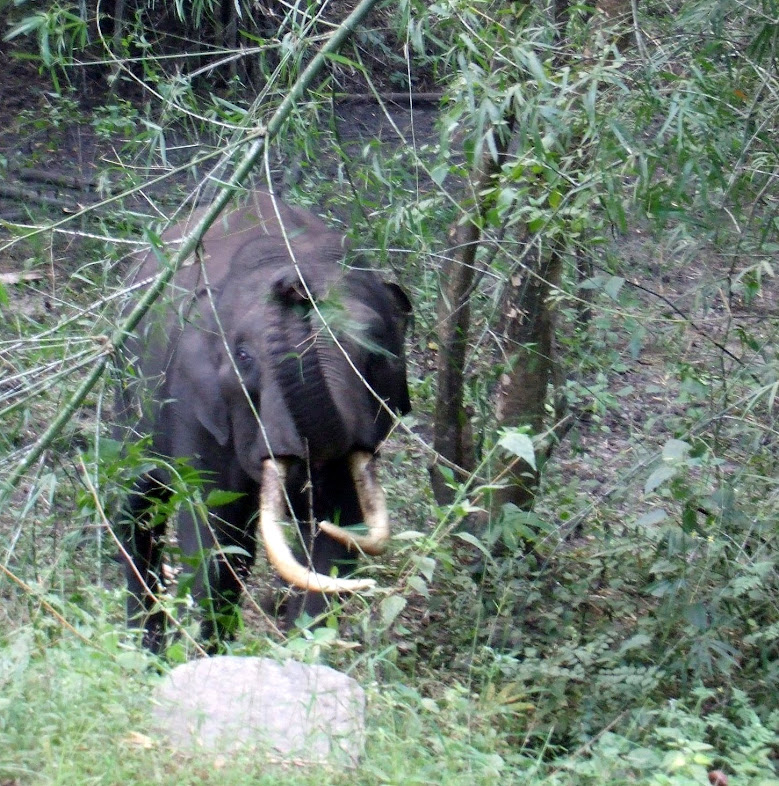
Much bounding around in the jeep off-road, but we saw a young elephant delicately feeding from young leaves, two mongooses haring across the road, a herd of bison, warthogs, and so many spotted deer we became quite blasé.

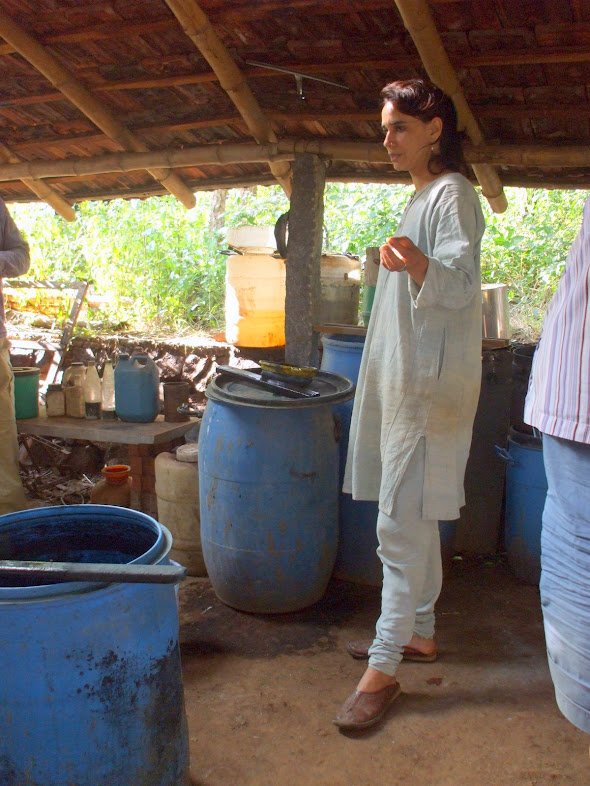
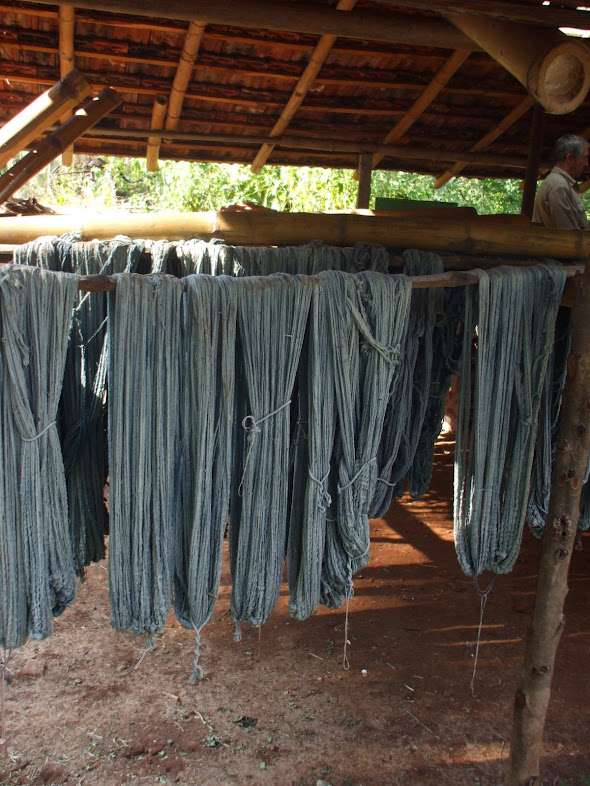
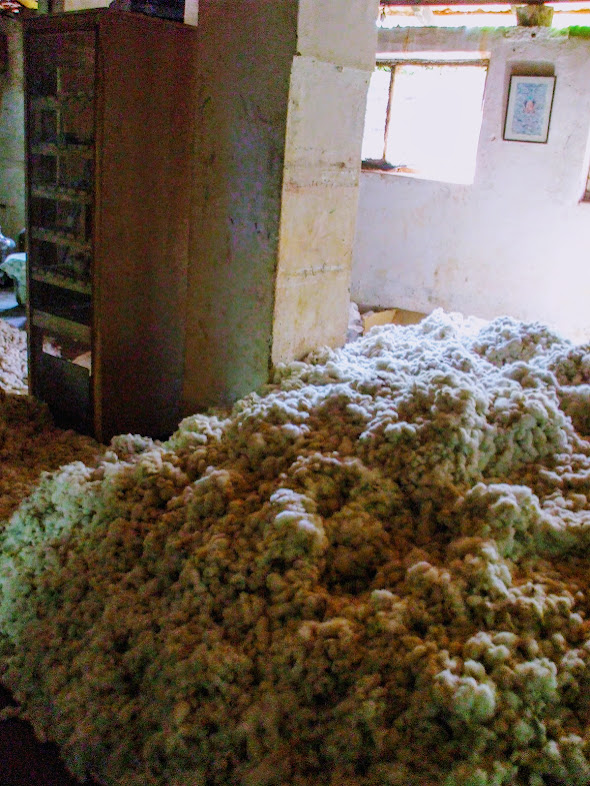
The main point of the day was to visit Kracadawna organic farm. What a place! The couple, Julie (Indo-American) and Vivek met at university, and decided, against parental opposition, to realise their dream and to farm.  They’ve built it up with their two sons and daughter  (home educated), and now farm a rich variety of crops, from fruit and veg. to spices and cotton.  They are virtually self-supporting: what they sell is not fresh produce, but manufactured in some way.  Julie makes wonderful jams, chutneys and preserves.  She’s researched traditional plant dyes.  They produce their own cotton, hand-dye it and with a small team of local women, produce quality organic garments. Sadly, I couldn’t find anything I wanted – they have little left so late in the season.

They farm biodynamically, and after all their scepticism are thoroughly convinced of the results.

A completely stunning lunch – bright crisp salads, greenish hummus, a great red rice dish, lots of chutneys and veg. dishes and a milky red-tail millet pudding.

Then a hairy – and I mean hairy – drive into Mysore and the Green Hotel, and a room each.  Quiet evening, and to bed …

My featured photo shows the family cat we saw that day. Unusual, eh?


Thorp Perrow in Monochrome

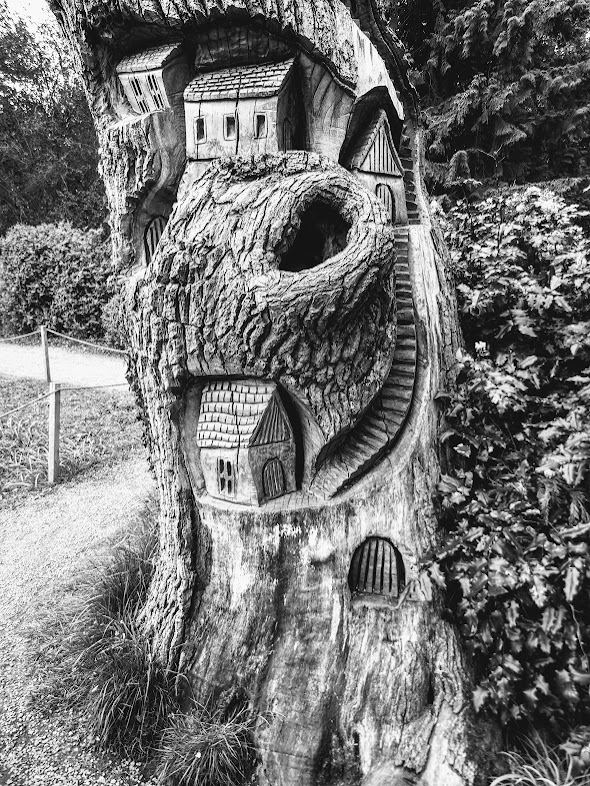
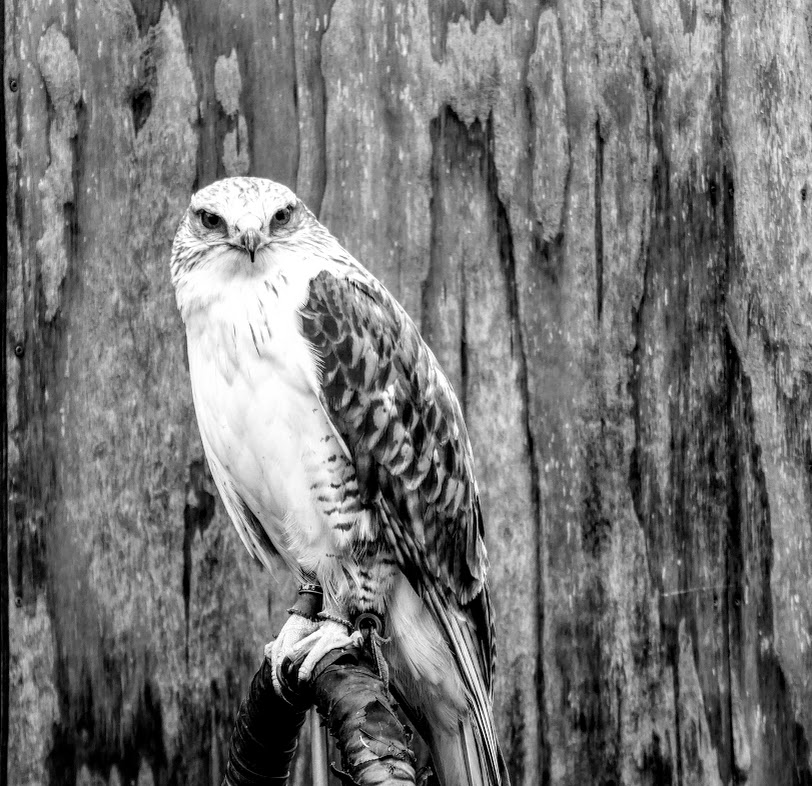
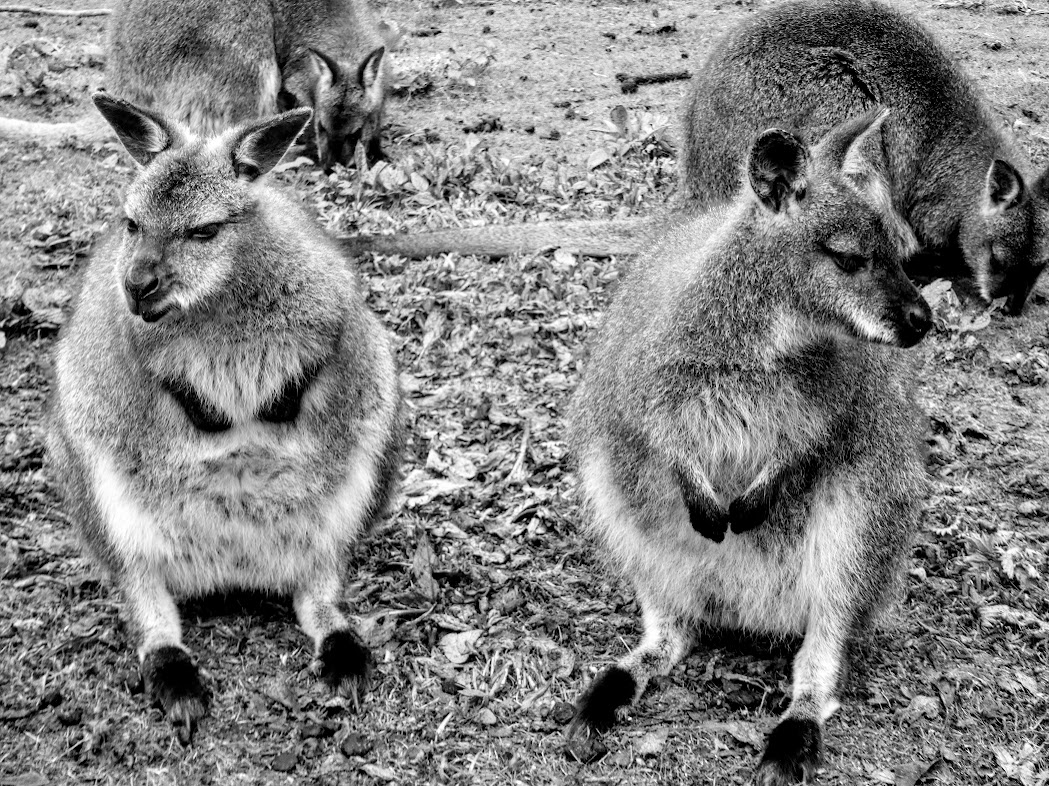
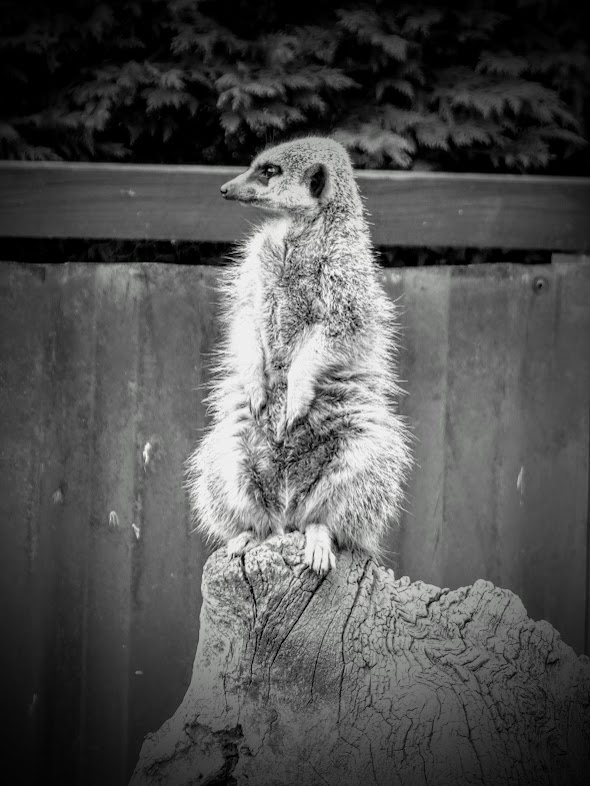
There’s an arboretum just along the road from here: Thorp Perrow. It’s the perfect place to wander along quiet paths between glades of trees. These days of course, it has to attract a wider audience than the botanist or the poet. So it now includes a rather good playground; a birds-of-prey centre; and slightly randomly, an area of woodland where meerkats and wallabies make ther home. Oh. And a cafe, of course. Come for a quick tour.

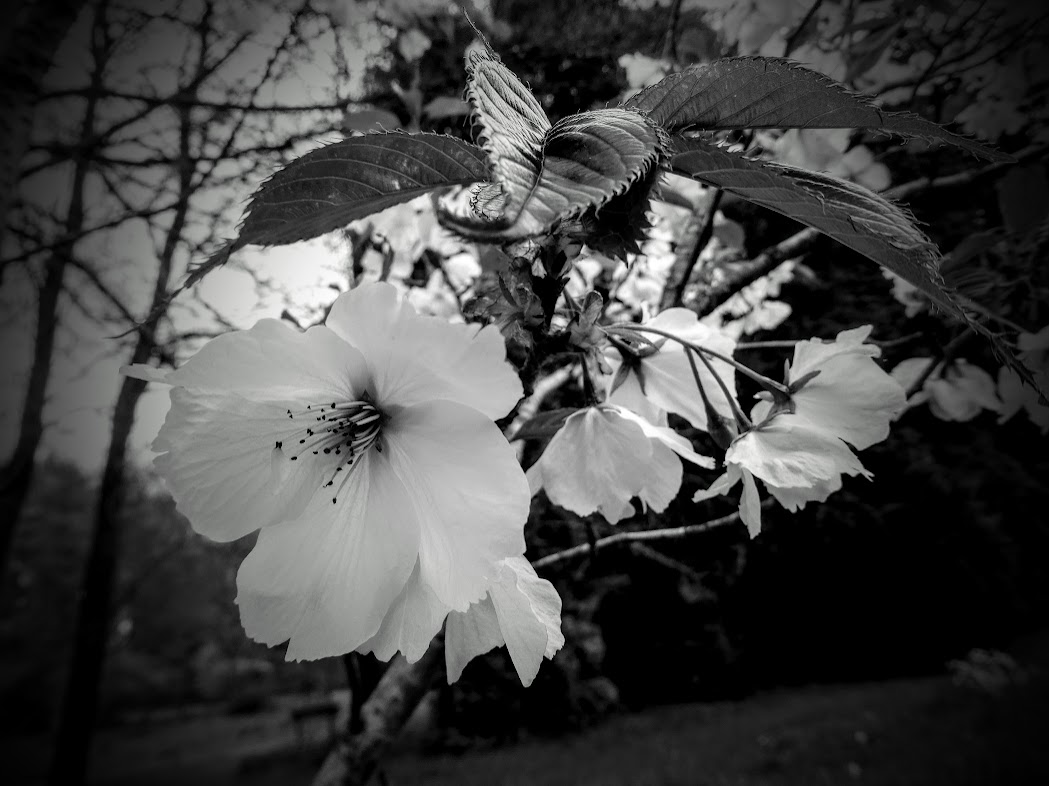
I’ve neglected the trees – in favour of one dead trunk carved to make a housing estate for pixies – to show instead the blossom that’s been at its best. But only a couple of shots – because really, who wants to see delicate pink blossoms in black and white?

The bird is a ferruginous hawk. In case you were wondering.

For Leanne’s Monochrome Madness.

A Bench at Dawn

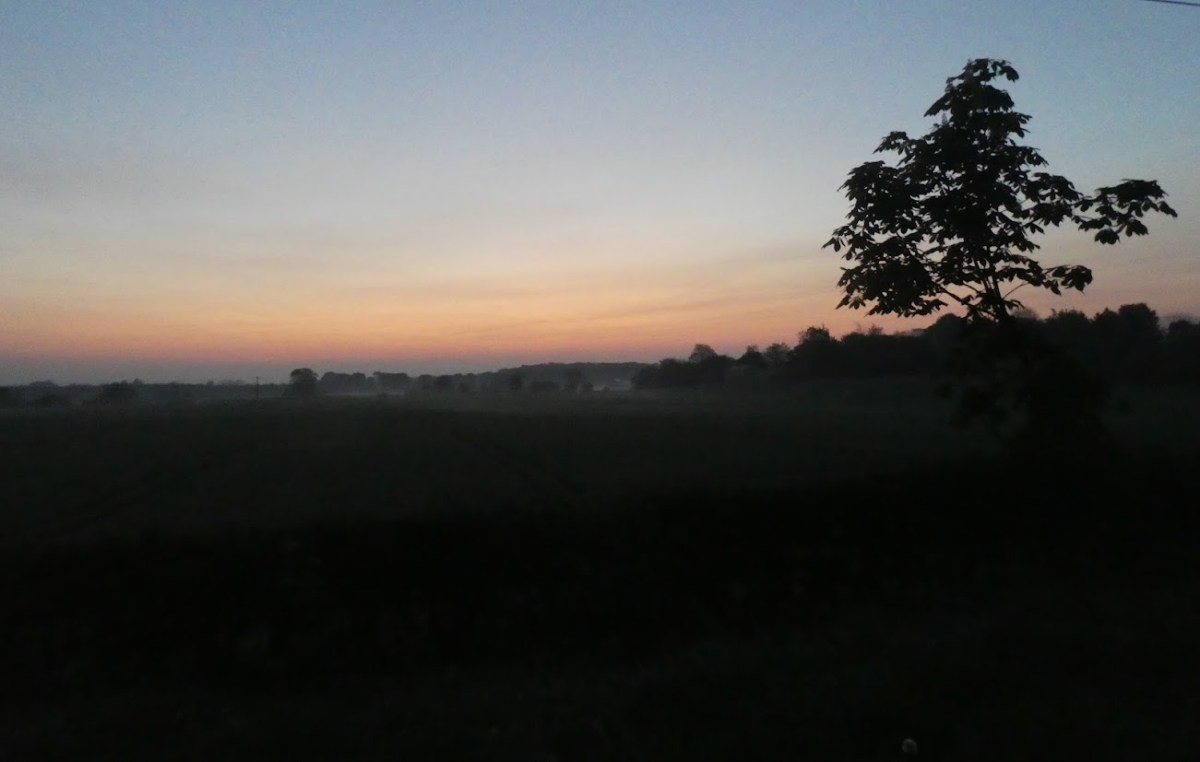
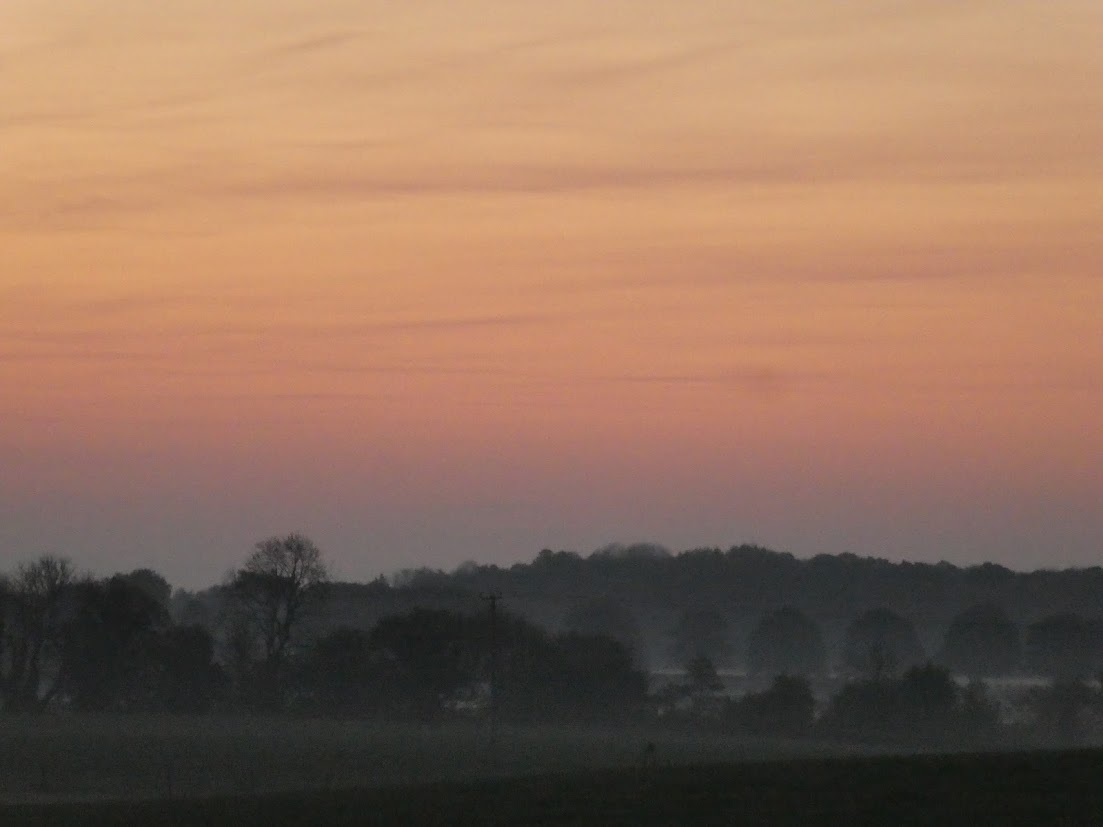
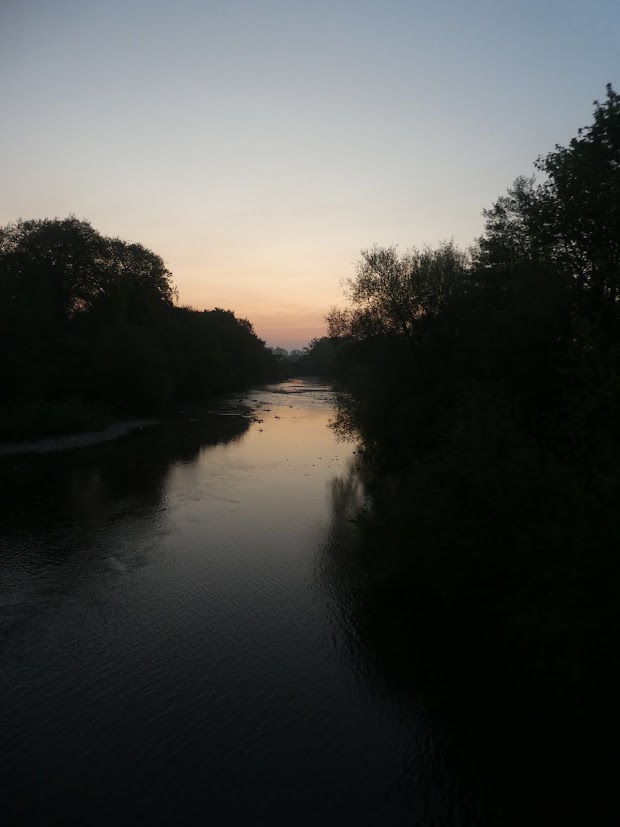
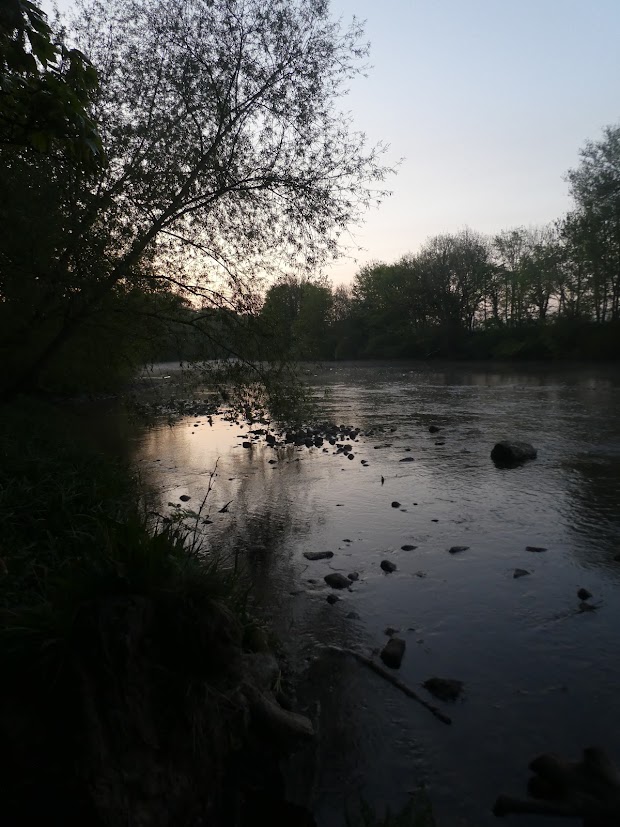
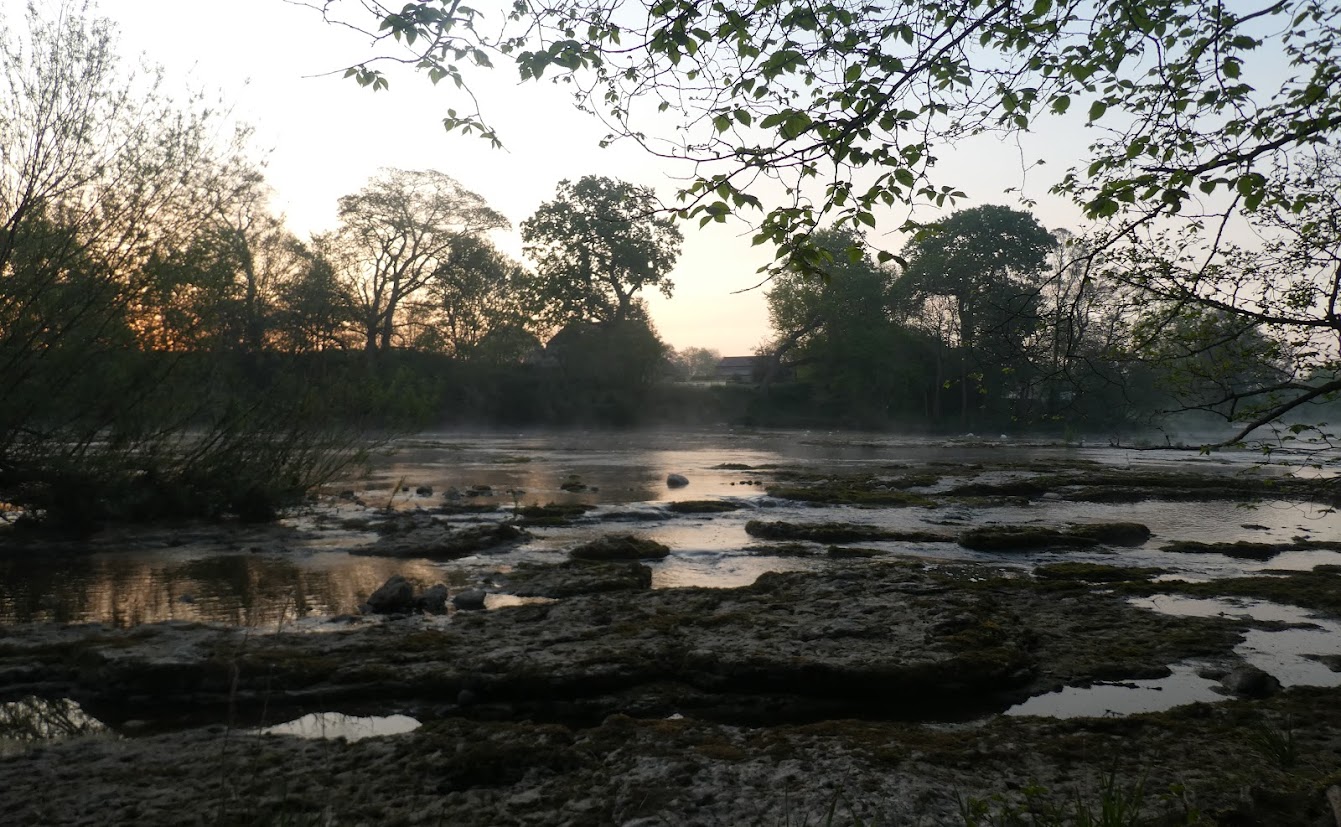
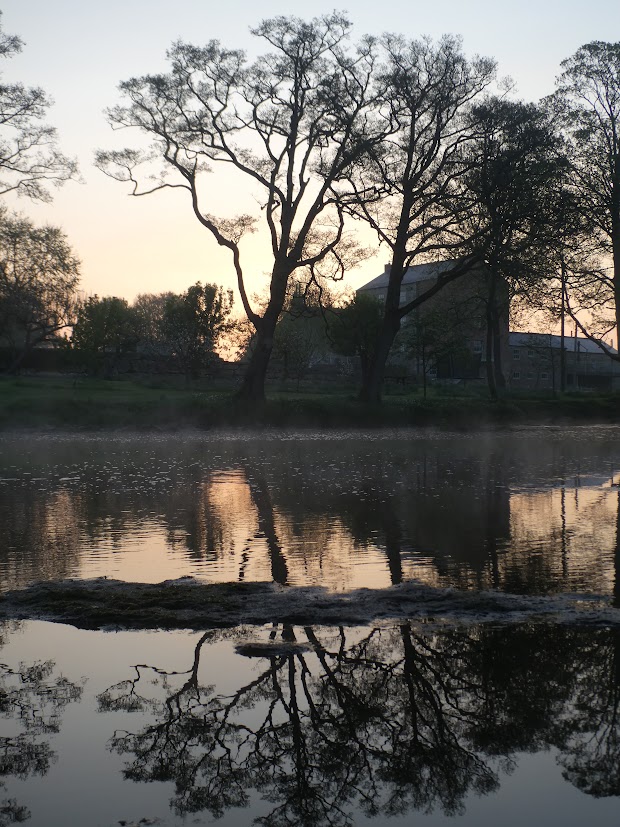
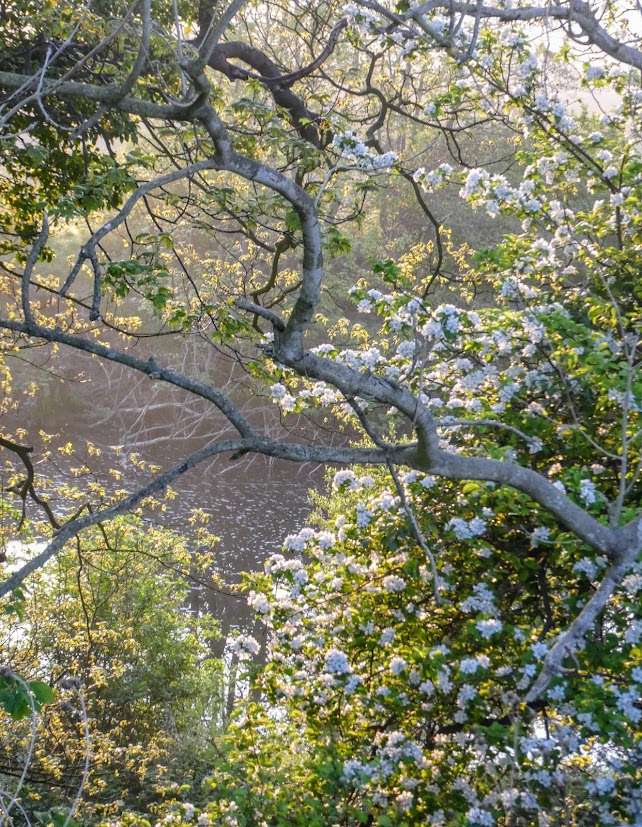
On May morning, I got up at 4.30, to celebrate daybreak, sunrise and the dawn chorus. Here is the bench I found almost at the end of my walk.

And here is the story of my walk, from my home in North Stainley to the next village along, West Tanfield: then back along the River Ure – in pictures.

For Jude’s Bench Challenge.

And if Jo will accept a virtually Wordless Walk, for Jo’s Monday Walk.

Six Degrees of Separation: from Rapture to The Island Of Sea Women

On the first Saturday of every month, a book is chosen as a starting point and linked to six other books to form a chain. Readers and bloggers are invited to join in by creating their own ‘chain’ leading from the selected book.

Kate: Books are my Favourite and Best

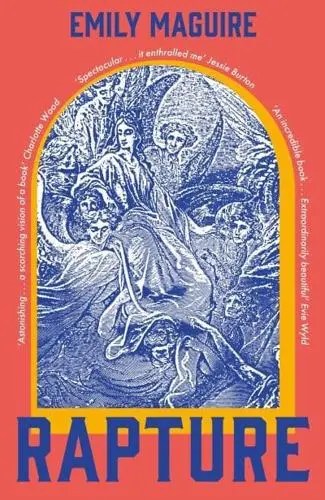
Set within a religious community in 9th century Germany, Emily Maguire‘s Rapture, which I have yet to read, reimagines the life of the first and only female pope.

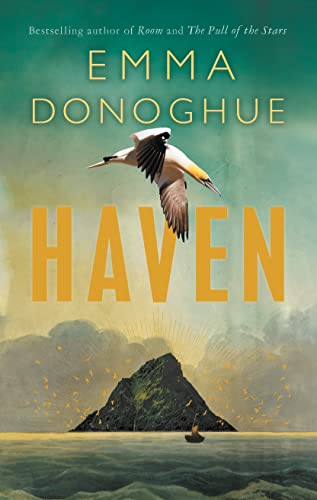
It’s not too much of a stretch to travel to 7th century Ireland in Emma Donoghue’s Haven. Holy man Artt, recently returned from his travels, fetches up at a monastery with a plan to set forth with two of the monks there to set up a tiny community on a totally uninhabited island, to live prayerfully in total isolation. Imperfectly equipped, they soon embark on their journey into the unknown: and Artt insists on choosing not one of the nearby islands, but a distant one that is rocky, bleak, inhospitable. The tough character of this island, with its panoply of resident birds is brought vividly to life, as are monks Cormac and Trian. Artt remains as distant to us in many ways as he is to the two monks. This is a story that cannot end well, as a bad situation becomes worse. But it vividly brings to life the increasingly unbearable conditions made more difficult by a completely unapproachable and inflexible man-in-charge. It’s a quietly engrossing story.

A different remote island, at a different time – the 19th century.  Carys DaviesClear is an engrossing book about a vanished way of life. One which disappeared during the devastating Highland Clearances in Scotland during the 19th century. A man Ivar, the sole inhabitant – with his few animals – of a remote island, is alive to the natural rhythms of the island – the many seasons, winds, mists, rains and tides that govern it. And when John Ferguson appears to evict him, but instead falls into a concussed coma from which Ivar nurses him back to health, he too falls under the island’s spell, and haltingly Ferguson begins to learn the vocabulary, then the language itself which Ivar speaks. The book celebrates that language and the fragility of life in such a spot, as well as asking questions about the future of Ivar, John, and John’s wife Mary, all of whom are in different ways implicated in the consequences of the Highland Clearance.

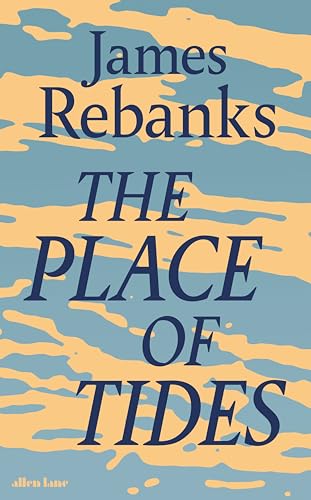
Yet another remote island – off Norway this time – present day Norway.  Author and farmer James Rebanks was going through a tough time mentally.  He needed to get away, and got the chance to stay in a remote and tiny island just below the Arctic Circle, where a woman was continuing the tradition, practised since Viking times of encouraging eider ducks to breed there, so that their valuable down could be harvested for warm clothing and quilts. This book is an account of the island’s astonishingly rich (but always diminishing) range of birdlife; its weather and relationship with the often unforgiving sea. Of how the woman and her friend, and that year Rebanks too, persuaded eider ducks back by building nests for them – yes, really! The protective down could be harvested from the nests when finally deserted, then cleaned and prepared for sale. It’s an immersive tale of a life that’s simple, often monotonous, always hard and often bleak, but with simple satisfaction too.  The tale is told in The Place of Tides.

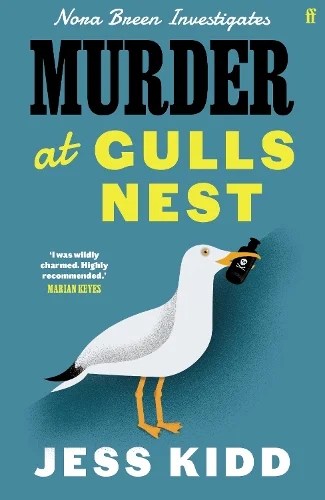
Let’s stay by the sea but lighten the mood, and read Jess Kidd’s Murder at Gull’s Nest.  It’s Cosy Crime, and I don’t like this genre at all.  But Jess came to speak recently at our local independent bookshop. She was a hit. She spoke wittily and enthusiastically about her career as a writer, and about this book, which is only the first of a planned series, following its heroine, a woman of middle years, plain and practical, Nora Breen. Nora links back to where we started from, because she was until recently a nun.  But when her fellow nun and friend Frieda leaves the order, and then goes missing, Nora chooses this event as her reason to abandon her vocation behind and search for Frieda. She begins her search in a seaside town in the south, Gore-on-Sea(!) at a pretty dreadful boarding house (this is the 1950s) called The Gulls Nest, where Frieda herself had stayed till she disappeared, a victim in Nora’s opinion, but not that of the police, of Murder Most Foul. At first I was rooting for Nora, and enjoyed getting to know the half dozen or so other varied characters who populated this book . But improbable incident follows improbable incident. The book’s well written, but it isn’t enough to keep me invested in the events it described.

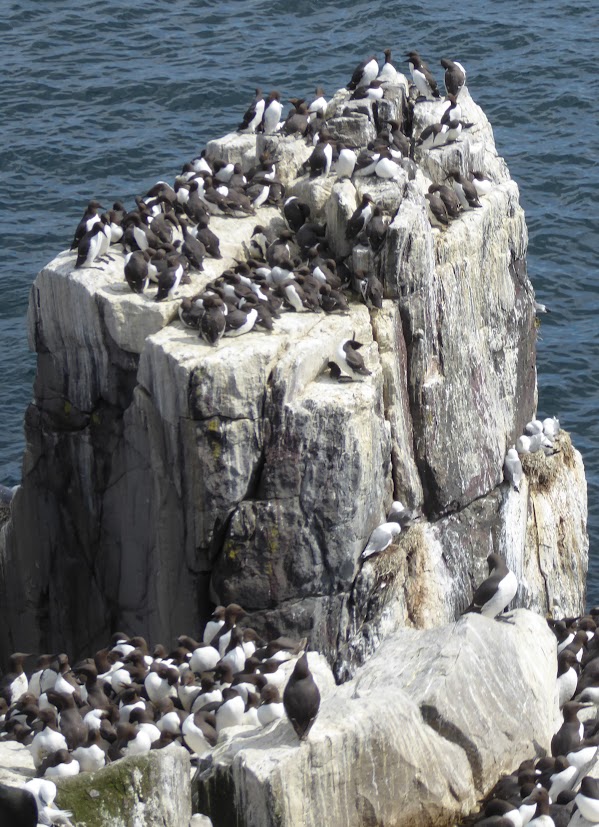
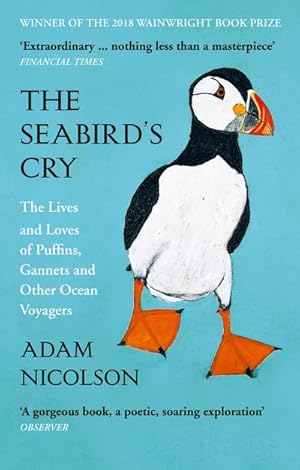
It’s too late now.  I’ll have to stay with the sea for the whole chain, and this time, with gulls too.  But let’s change the mood, and go with non fiction.  Adam Nicolson’s The Seabird’s Cry.  I unreservedly loved this book. Nicolson has long been fascinated by seabirds – not just gulls – and explains how these birds differ so much in habit and lifestyle from the garden birds with whom many of us are more familiar. Then he takes ten different species to examine in turn. He refers to his personal observations, to scientific research, to history and to literature to build a rounded and fascinating portrait of each species he’s chosen. My husband got used to having a daily bulletin of ‘today’s most fascinating seabird facts’ at breakfast each morning. Beautifully written, meticulously researched. readable and involving, this was a book I was sorry to finish.
.

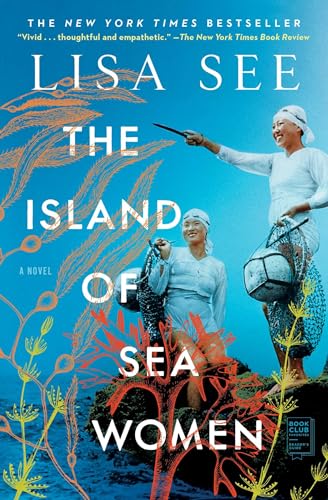
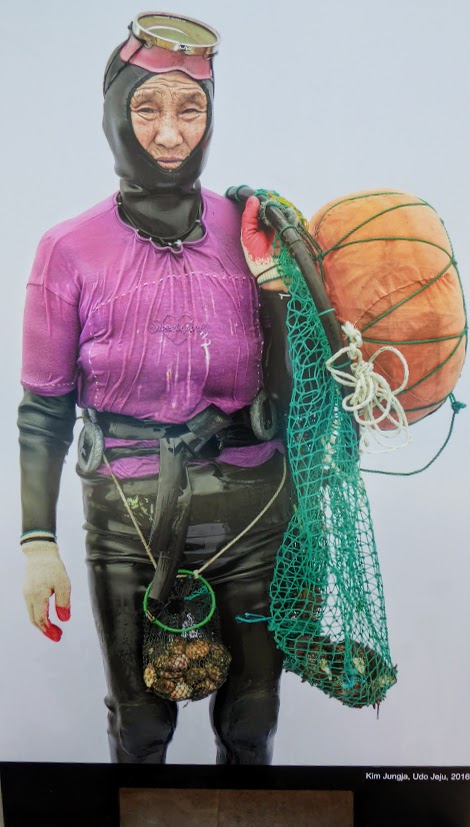
I’ll end in entirely another part of the world – South Korea, and take you to the island of Jeju, in Lisa See’s The Island of Sea Women. I had an immediate interest in this book, having travelled in South Korea – though we didn’t visit Jeju – and having already learnt to be fascinated by the lives of the haenyeo diving women.  These are divers who harvest seafood (sea cucumber, urchins, abalone, octopus) all year round from the sea floor; they can stay underwater for sustained periods of time without breathing apparatus.  This book combines a strong story following the story of two women Young-Sook and her mother, whose lives develop through their membership of the haenyeo culture, as they live through a twentieth century defined in Korea by occupation, internal conflict, deprivation and rapid change. Learning more about this history was in itself illuminating and interesting. It was a backdrop to a story of friendships, broken relationships and family struggle which drew me in to the last page. I was sorry to finish this book too.

It’s not clear to me how I got from a religious life in long-ago Germany to six books involving the sea. But Six Degrees takes us all to unexpected places. Where will next month’s starter book, All Fours, by Miranda July take us?
India Friday: Moving on to Cicada Kabini

I rather enjoyed re-visiting India via my blog the other week. So I went and dug out the diary I faithfully kept. The events it describes have never yet seen the light of day. For the first ten days I was with the group of people my ex-brother-in-law had put together, to explore aspects of rural Indian life, focussing on small producers working in traditional and organic ways. We had no internet access during that period.

I’ve decided to share my diary with you. This will take several Fridays. I’m pleased that I kept such a detailed record of a piece of personal history, and of a country I’d never visited. I wonder how dated this account would seem to the current traveller?

Moving on to Cicada Kabini

Saturday 17 th November.

Early to rise.  I’m on the water tower, where I’ve been watching the sun rise from 5.45 a.m. I even heard the whistling thrush.

By the way, they eat so well here, and nobody is overweight.

From 6.30 a.m.: coffee and tea, and bananas and fruit to ‘put you on’ if you need it.

10.00 a.m.: cooked breakfast.

1.00 p.m.: ‘light lunch’ (cooked)

5.30 p.m.: tea – masses of fruit and a few snacks – biscuits and savouries like Bombay mix.

9.00 p.m.: dinner: big cooked meal.

Breakfast and lunch is served to 40 – 50 people, dinner to the core ‘family’ and whoever is staying.  Unsurprisingly, there is a team of women cooking all day.

And then – what a morning! We left before breakfast of course, so we had that en route.  Parathas, roti, all kinds of puffed breads served with various dishes of vegetables.  Great stuff!

Then Prince, under instructions from Supi took us to a textile shop so I could choose several plain lunghis to be made up by a tailor in Mysore into salwar kameez.  Ch and C joined in the fun.

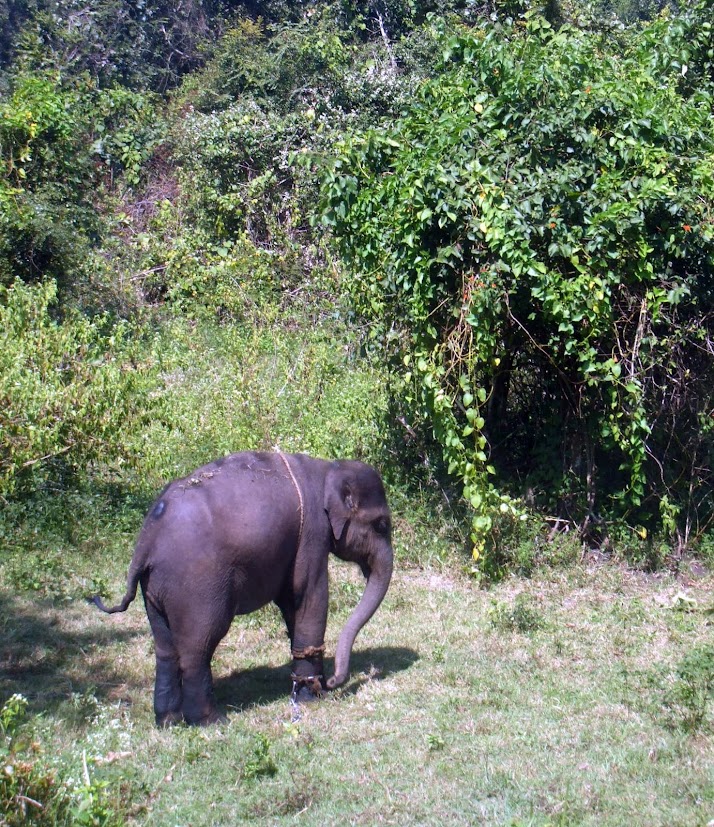
Then the journey!  Wow! Even 4 x 4s might find it a challenge in what passes for roads in the National Park.  We could perhaps have walked more smoothly.  But it was fun, even though we didn’t see all the wildlife we hoped for,  Two wild peacocks, spotted deer, two elephants – not wild.

Elephant spotted on the way to Kabini

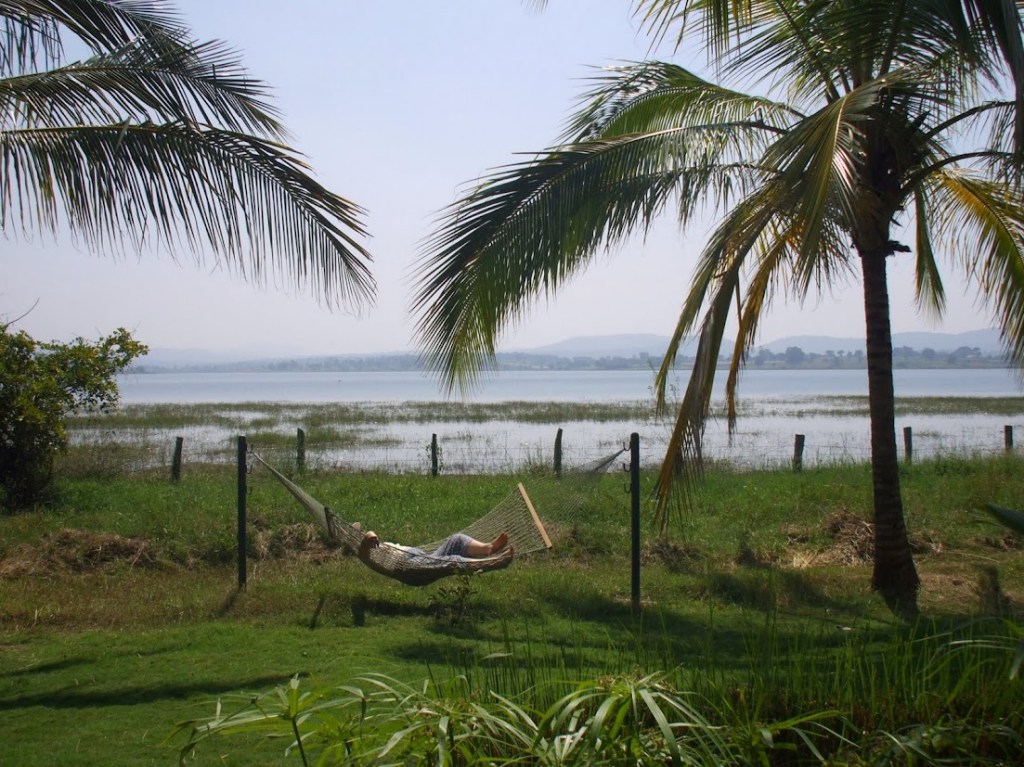
Checking into Cicada Kabini was a rude culture shock: a sort of Centre Parcs for the Indian middle classes.  Staff all in Securicor type uniform, & individual chalets all around the stunningly beautiful River Kabini,  which looks like a lake  at this point, it is so wide.  But eco it isn’t.  Nescafe in all the rooms, jacuzzis and all the trimmings we had become unused to.

Outside our bungalow

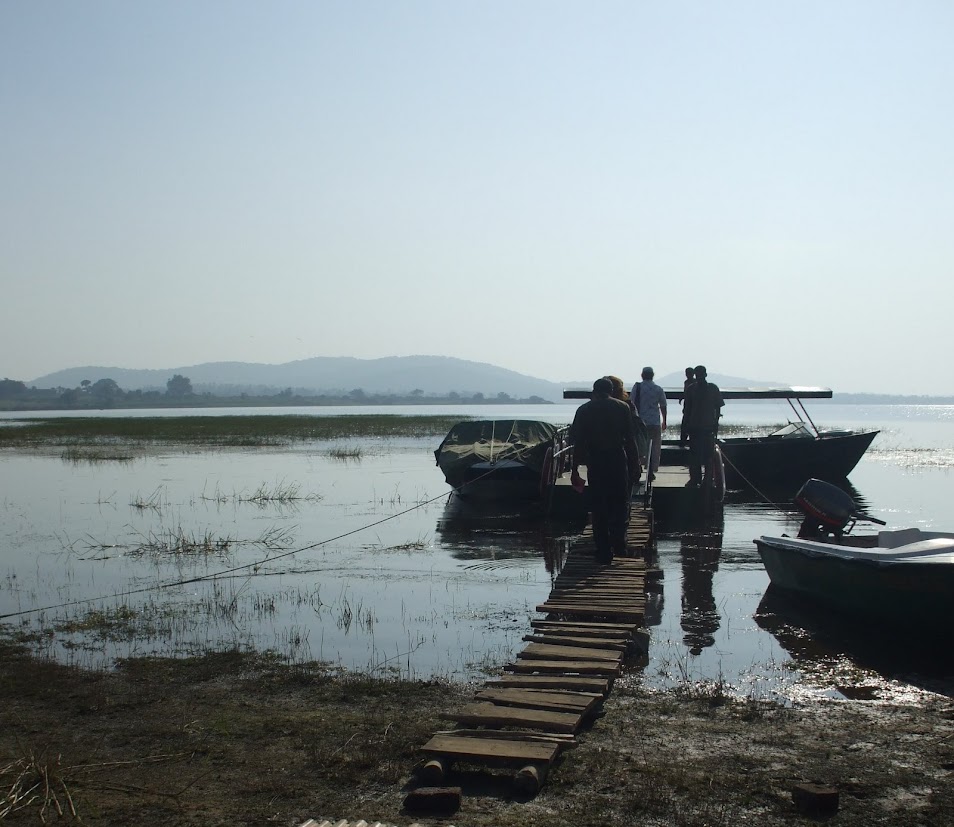
The afternoon though brought with it a boat safari.  We nearly all went, with a few other guests, and we set off in the noisiest motor boat ever, frightening off any wildlife for miles.  But the bird life was stunning! From things we all knew about already, such as cormorants, to the gorgeous Brahminy kite (brilliant glossy chestnut apart from a pure white head, and five – FIVE – kingfishers, some of them Indian varieties.

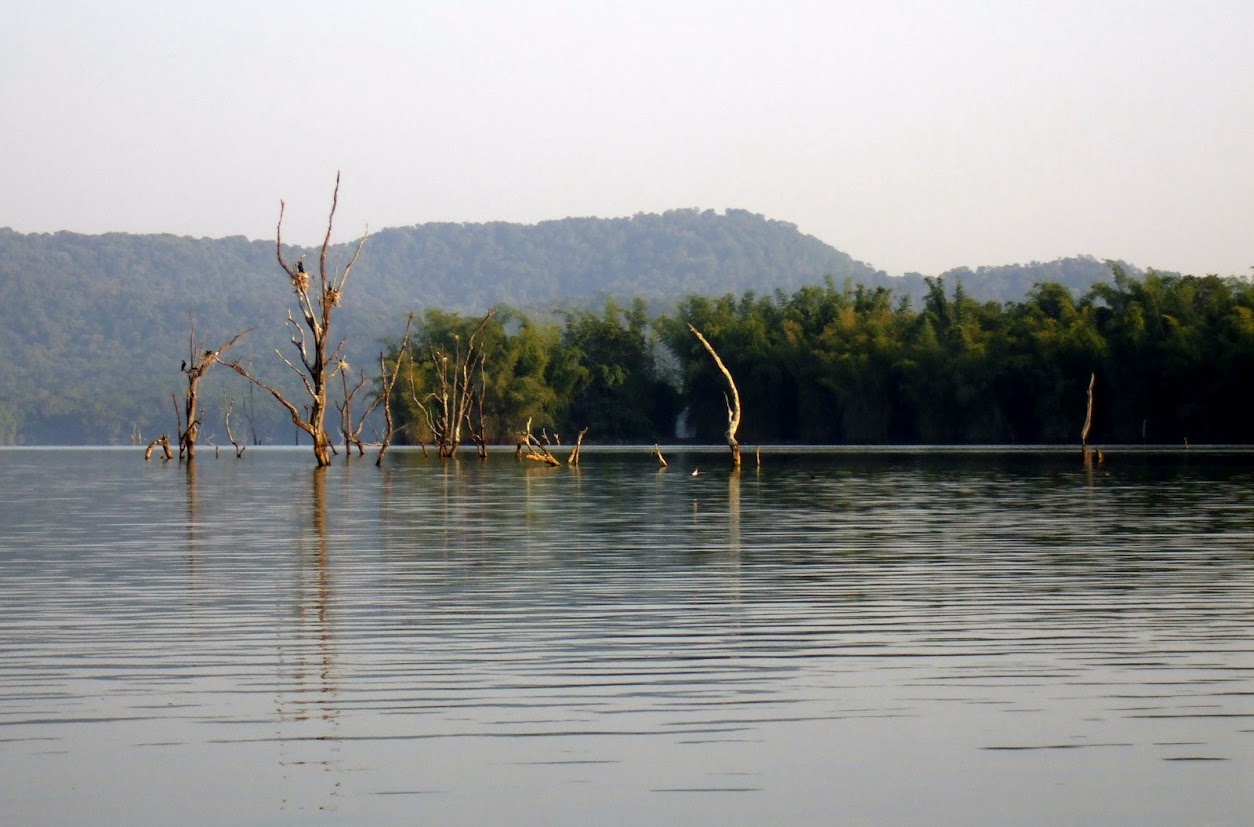
Many of the birds roosted, hunted or nested in the skeletal dead trees in the water: lots of ‘Kodak moments’, as M would put it (on the whole, my camera wasn’t up to the job).

Not so many animals though. An elephant silhouette distantly glimpsed drinking on the shore, some wild boar, spotted deer, and positively no crocodiles, as virtually promised.  Coming home, a truly wonderful sunset.

Then dinner (the food is very good here) and an early night all round.  I decided, as did most of the others, not to do the Jeep safari early next morning, with a wake up call at 5.45….