
On the first Saturday of every month, a book is chosen as a starting point and linked to six other books to form a chain. Readers and bloggers are invited to join in by creating their own ‘chain’ leading from the selected book.
Kate: Books are my Favourite and Best
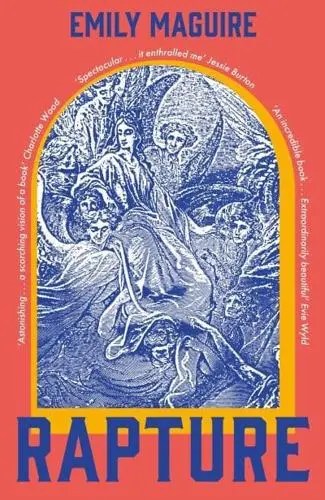
Set within a religious community in 9th century Germany, Emily Maguire‘s Rapture, which I have yet to read, reimagines the life of the first and only female pope.
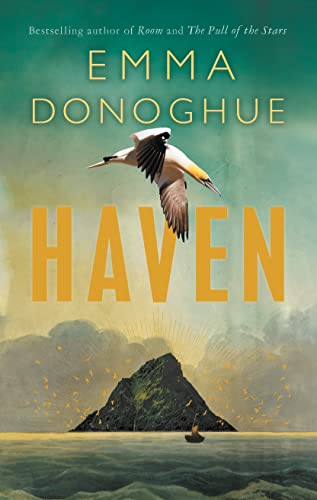
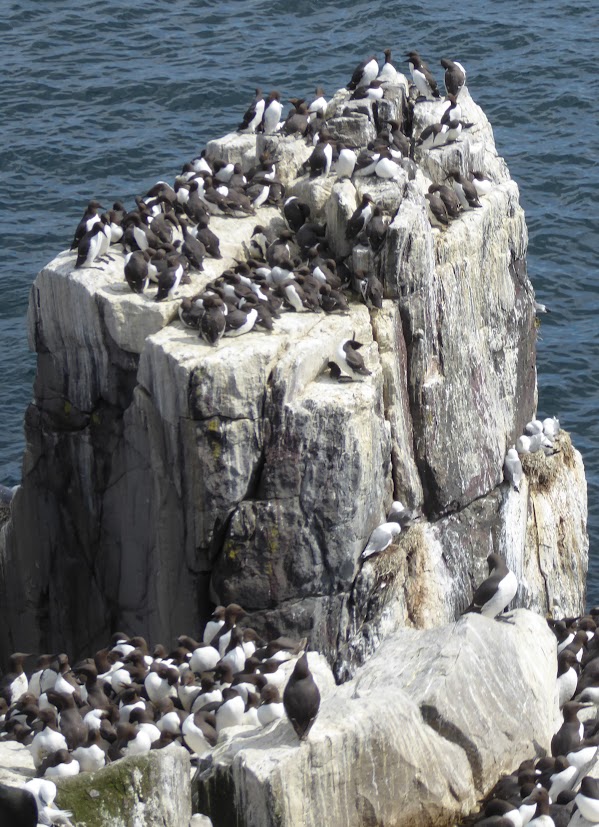
It’s not too much of a stretch to travel to 7th century Ireland in Emma Donoghue’s Haven. Holy man Artt, recently returned from his travels, fetches up at a monastery with a plan to set forth with two of the monks there to set up a tiny community on a totally uninhabited island, to live prayerfully in total isolation. Imperfectly equipped, they soon embark on their journey into the unknown: and Artt insists on choosing not one of the nearby islands, but a distant one that is rocky, bleak, inhospitable. The tough character of this island, with its panoply of resident birds is brought vividly to life, as are monks Cormac and Trian. Artt remains as distant to us in many ways as he is to the two monks. This is a story that cannot end well, as a bad situation becomes worse. But it vividly brings to life the increasingly unbearable conditions made more difficult by a completely unapproachable and inflexible man-in-charge. It’s a quietly engrossing story.
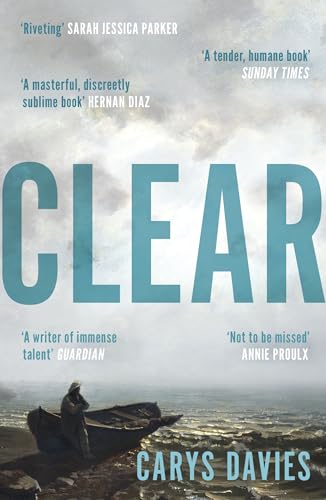
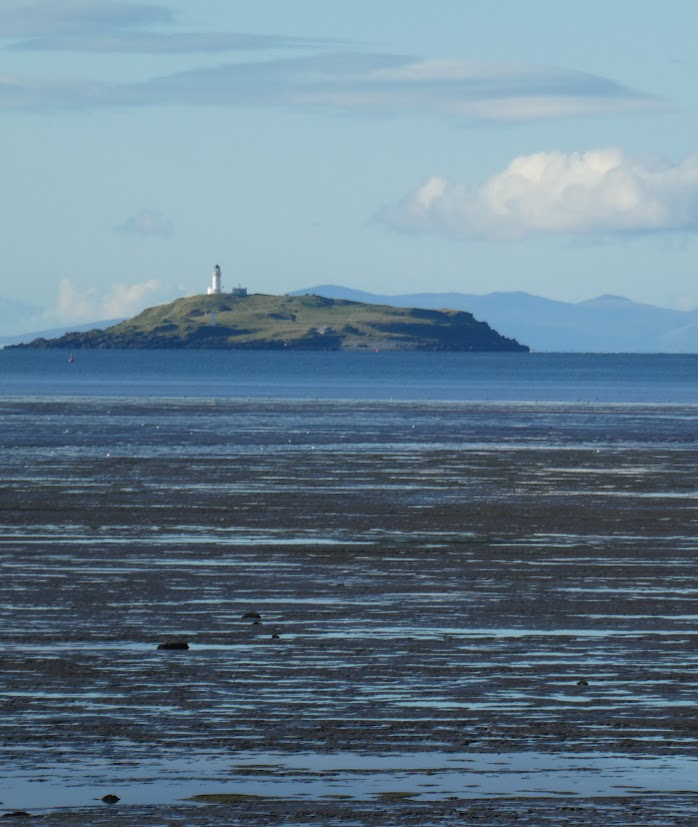
A different remote island, at a different time – the 19th century. Carys Davies’ Clear is an engrossing book about a vanished way of life. One which disappeared during the devastating Highland Clearances in Scotland during the 19th century. A man Ivar, the sole inhabitant – with his few animals – of a remote island, is alive to the natural rhythms of the island – the many seasons, winds, mists, rains and tides that govern it. And when John Ferguson appears to evict him, but instead falls into a concussed coma from which Ivar nurses him back to health, he too falls under the island’s spell, and haltingly Ferguson begins to learn the vocabulary, then the language itself which Ivar speaks. The book celebrates that language and the fragility of life in such a spot, as well as asking questions about the future of Ivar, John, and John’s wife Mary, all of whom are in different ways implicated in the consequences of the Highland Clearance.
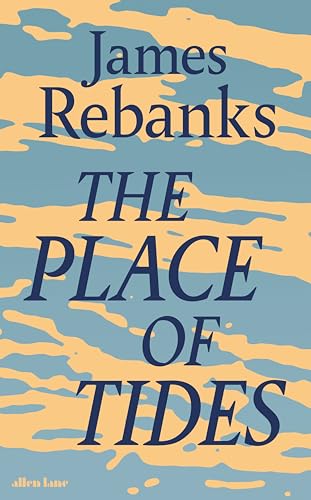
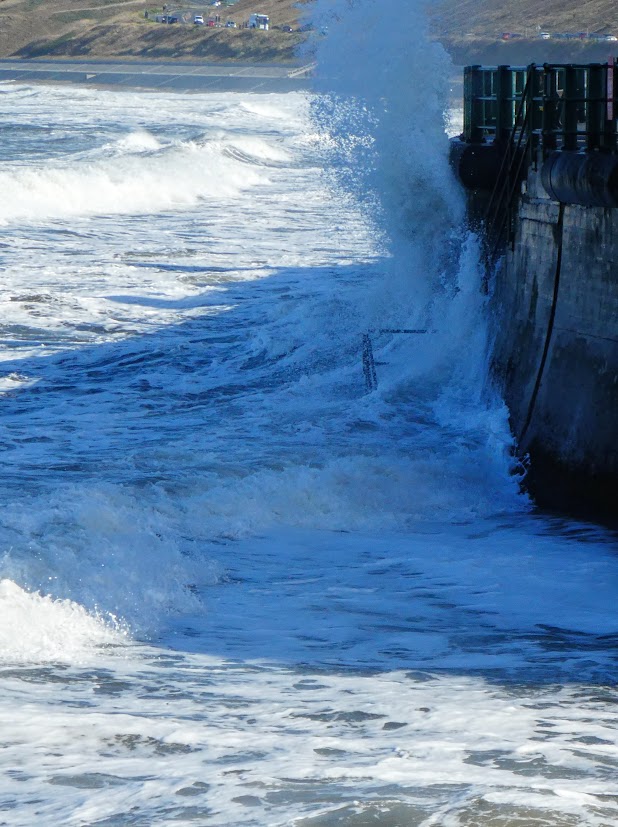
Yet another remote island – off Norway this time – present day Norway. Author and farmer James Rebanks was going through a tough time mentally. He needed to get away, and got the chance to stay in a remote and tiny island just below the Arctic Circle, where a woman was continuing the tradition, practised since Viking times of encouraging eider ducks to breed there, so that their valuable down could be harvested for warm clothing and quilts. This book is an account of the island’s astonishingly rich (but always diminishing) range of birdlife; its weather and relationship with the often unforgiving sea. Of how the woman and her friend, and that year Rebanks too, persuaded eider ducks back by building nests for them – yes, really! The protective down could be harvested from the nests when finally deserted, then cleaned and prepared for sale. It’s an immersive tale of a life that’s simple, often monotonous, always hard and often bleak, but with simple satisfaction too. The tale is told in The Place of Tides.
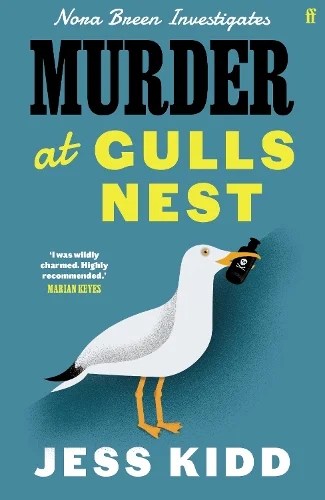
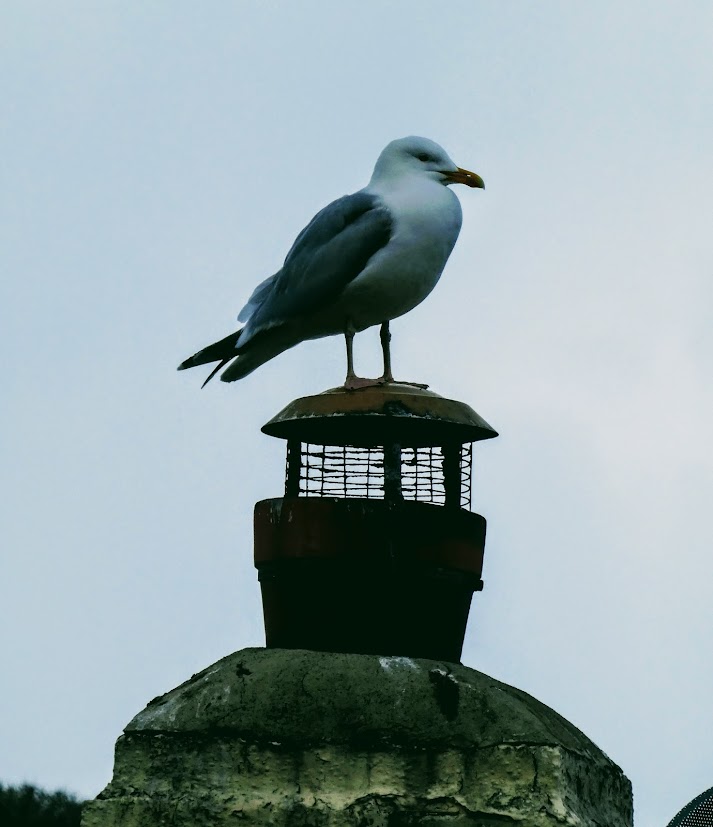
Let’s stay by the sea but lighten the mood, and read Jess Kidd’s Murder at Gull’s Nest. It’s Cosy Crime, and I don’t like this genre at all. But Jess came to speak recently at our local independent bookshop. She was a hit. She spoke wittily and enthusiastically about her career as a writer, and about this book, which is only the first of a planned series, following its heroine, a woman of middle years, plain and practical, Nora Breen. Nora links back to where we started from, because she was until recently a nun. But when her fellow nun and friend Frieda leaves the order, and then goes missing, Nora chooses this event as her reason to abandon her vocation behind and search for Frieda. She begins her search in a seaside town in the south, Gore-on-Sea(!) at a pretty dreadful boarding house (this is the 1950s) called The Gulls Nest, where Frieda herself had stayed till she disappeared, a victim in Nora’s opinion, but not that of the police, of Murder Most Foul. At first I was rooting for Nora, and enjoyed getting to know the half dozen or so other varied characters who populated this book . But improbable incident follows improbable incident. The book’s well written, but it isn’t enough to keep me invested in the events it described.
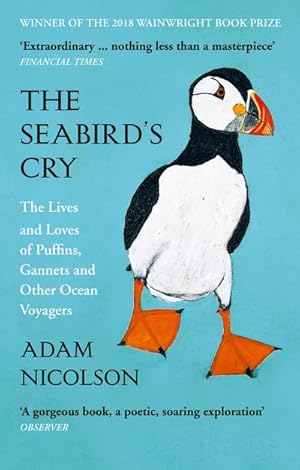
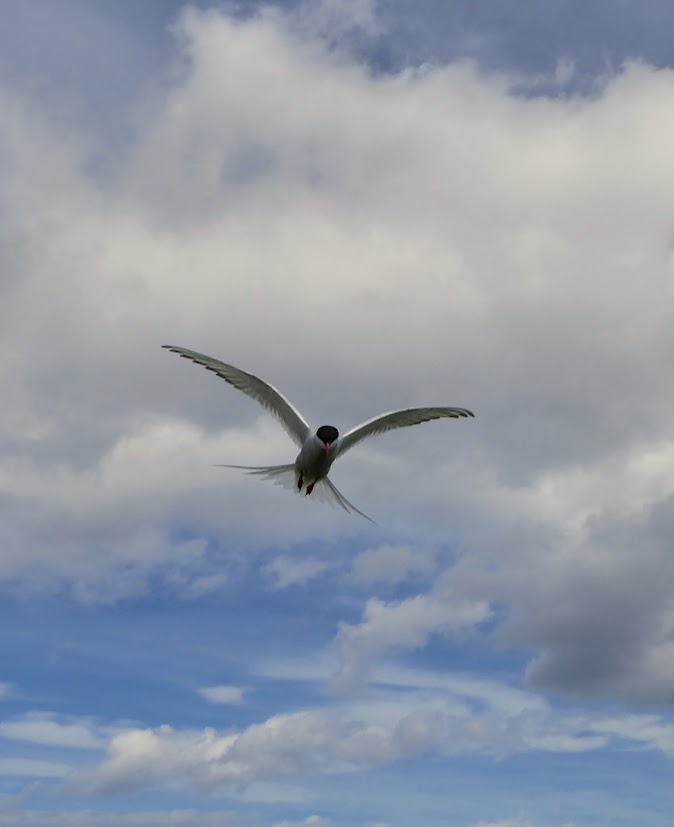
It’s too late now. I’ll have to stay with the sea for the whole chain, and this time, with gulls too. But let’s change the mood, and go with non fiction. Adam Nicolson’s The Seabird’s Cry. I unreservedly loved this book. Nicolson has long been fascinated by seabirds – not just gulls – and explains how these birds differ so much in habit and lifestyle from the garden birds with whom many of us are more familiar. Then he takes ten different species to examine in turn. He refers to his personal observations, to scientific research, to history and to literature to build a rounded and fascinating portrait of each species he’s chosen. My husband got used to having a daily bulletin of ‘today’s most fascinating seabird facts’ at breakfast each morning. Beautifully written, meticulously researched. readable and involving, this was a book I was sorry to finish.
.
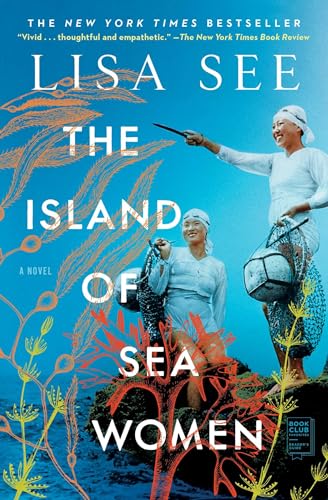
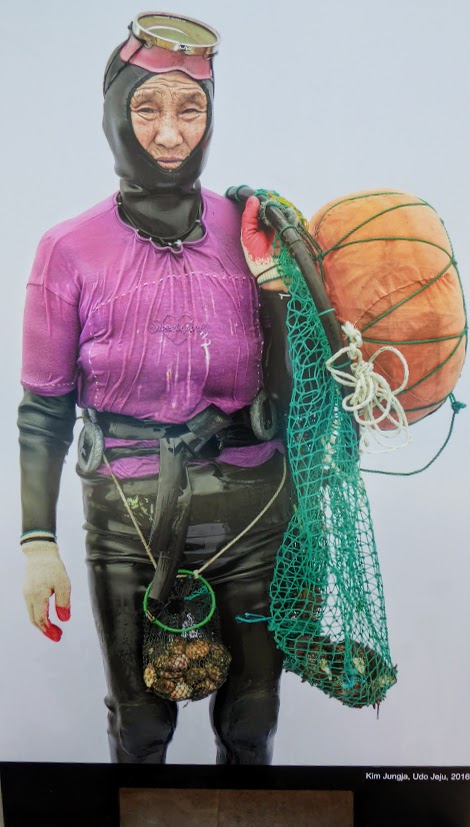
I’ll end in entirely another part of the world – South Korea, and take you to the island of Jeju, in Lisa See’s The Island of Sea Women. I had an immediate interest in this book, having travelled in South Korea – though we didn’t visit Jeju – and having already learnt to be fascinated by the lives of the haenyeo diving women. These are divers who harvest seafood (sea cucumber, urchins, abalone, octopus) all year round from the sea floor; they can stay underwater for sustained periods of time without breathing apparatus. This book combines a strong story following the story of two women Young-Sook and her mother, whose lives develop through their membership of the haenyeo culture, as they live through a twentieth century defined in Korea by occupation, internal conflict, deprivation and rapid change. Learning more about this history was in itself illuminating and interesting. It was a backdrop to a story of friendships, broken relationships and family struggle which drew me in to the last page. I was sorry to finish this book too.
It’s not clear to me how I got from a religious life in long-ago Germany to six books involving the sea. But Six Degrees takes us all to unexpected places. Where will next month’s starter book, All Fours, by Miranda July take us?

 From Pyrenees to Pennines
This is so clever how you do this! Some interesting books listed here.
LikeLiked by 1 person
Thanks Darlene. I hope some of these appeal to you.
LikeLike
Fascinating journey with some interesting tomes along the way.
LikeLiked by 1 person
Thanks Sheree. There are some readable books here, I think.
LikeLiked by 1 person
Indeed and I have taken note
LikeLiked by 1 person
I think I’d rather have you tell me about the birds at breakfast than read the book, Margaret, but I’m always impressed with the range of books you read. The last one would probably be my choice of these. Happy weekend! xx
LikeLiked by 1 person
It’s a highly readable choice, Jo, as all her books are. In fact I thought all my books this time were pretty readable, but we’re all different! Happy weekend to you too. Our hot spell is over, probably a good thing, but it’s still pretty nice x
LikeLiked by 1 person
Oh I love this chain! And your accompanying photos are great too.
Here’s mine for this month: https://portobellobookblog.com/2025/05/03/6degrees-of-separation-for-may-2025-from-rapture-by-emily-maguire-to-the-extraordinary-hope-of-dawn-brightside-by-jessica-ryn/
LikeLike
Thanks Joanne. I’ve just read yours now, and really enjoyed it.
LikeLiked by 1 person
I love that these had a sea theme. It’s so funny – I’d never heard about the lives of the women of Jeju island until this week. A colleague recently holidayed there and was telling me about the lives of the diving women and how they this practice grew from necessity of war time. She visited the island, and was commenting on the awkwardness we sometimes experience where tourism intersects the lives of real people, and how although we want to learn about the cultures of others it can also feel an invasion of their own lives. I will definitely recommend this book to her and look for it myself.
LikeLike
I can heartily recommend it Becky. Yes, being a tourist can feel awkward. It didn’t feel so in South Korea (not in 2017 anyway) as tourists from our part of the world were still a novelty, and locals were welcoming and keen to show off their culture.
LikeLike
A very smart chain! Adding The Island of Sea Women to my list. It sounds fascinating.
LikeLiked by 1 person
It is. I chose to read it because of my interest in these women, but it was an excellent, and very readable read.
LikeLiked by 1 person
Place of Tides I adored, and Clear I am reading this week. Do they give you the end book as well when setting the challenge?
LikeLiked by 1 person
Nope. Our own problem. I thought of you when I was writing my post, and thought you might be tempted by the Nicolson too. Isn’t the life described in Place of Tides extraordinary?
LikeLiked by 1 person
I will certainly take a look, thanks
LikeLike
I’ve actually read four of your books this month – Haven, Clear, Murder at Gulls Nest and The Island of Sea Women, all of which I enjoyed, some more than others. My chain has a religious theme this month, but I do love your sea theme!
LikeLiked by 1 person
Off to see yours ASAP. Looking forward to it. Thanks Helen.
LikeLike
Fascinating chain here, and as usual, excellent choices for the accompanying pictures.
LikeLiked by 1 person
I was lucky this time. All the images were my own. Thanks Davida.
LikeLiked by 1 person
Your found so many great books. I hadn’t heard about the Lisa See novel but read two others of her. Sounds so interesting. Thanks.
My list.
LikeLiked by 1 person
She’s very readable, isn’t she, and chooses interesting scenarios.
LikeLike
Definitely. I really loved her books.
LikeLiked by 1 person
you found some interesting books and I loved the interpretations….this post series always makes me think and dream.
LikeLiked by 1 person
You’ll have to stop work to get more reading time in!
LikeLiked by 1 person
Several of these books sound interesting and/or appealing, but the one I saw and thought immediately, I must read that, was The Island of Sea Women – it sounds fascinating!
LikeLiked by 1 person
I think you’d really enjoy it, Sarah. It’s a long time since I read it, but it’s stayed with me. A book you may well race through when you get hold of a copy.
LikeLiked by 1 person
Like Jo, I, too, am impressed with the range of books read. Wonderful reviews. The Island of Sea Women appear to me.
LikeLiked by 1 person
Highly recommended. Thanks Amy.
LikeLiked by 1 person
I recently read Pull of the Stars by Emma Donoghue which I thought was excellent. I’ve read Room and one other that I can’t remember the name of, but I’m not sure I’d enjoy Haven. She certainly has a wide range of subjects!
LikeLiked by 1 person
Donoghue IS wide ranging, but I’d certainly recommend this one. It’s uncomfortable, but had me on that remote island undertanding what the two monks were going through. I thought she had a good handle on what it might be like in an age of faith to think of going against your religious leader.
LikeLiked by 1 person
So many interesting books! I read Haven. Clear sounds interesting. I was introduced to arctice or polar life in Woman of the Polar Night–set on a tiny island, so Place of Tides also sounds interesting. But of all of them, The Seabirds Cry is going straight to my TBR–thank you for that!
LikeLike
I too have read Woman of the Polar Night. The two experiences have little in common. I’d do the eider duck experience long before the Polar night one! I hope you enjoy the Nicolson as much as I did.
LikeLike
This is a lovely chain, with its emphasis on islands and birds. I love birds, any kind. All of these books are new to me, but I will see which ones I can get a copy and try out. I will definitely give the Jess Kidd book a look although cozy mysteries are not my favorite. But there is a wide range of coziness, and maybe I would like it.
LikeLiked by 1 person
The Kidd is well written … just not my thing. If you do like it, I gather there are more to come!
LikeLike
What a fun chain! I like the connection to women and the sea. I may have to look for some of these the next time I’m at the library.
LikeLiked by 1 person
Lots to recommend here. And yes, the Lisa See is a good read.
LikeLike
I love your island-sea-themed links! Perfect. I really have to read Lisa See’s book – I’ve read anthropology books about this way of life, and seen a documentary and a couple of TV series about the women divers, and I’m fascinated by their lives and resilience.
LikeLiked by 1 person
Yes, me too. Sadly, it’s a way of life that seems to be on its way out. Resilience doesn’t transfer between generations any more, apparently.
LikeLike
I decided to pick up Clear, when my library acquired a copy. For some reason, I forgot about it, thanks for reminding me. The Jess Kid mystery was also on my radar already after a few readers have warmly recommended it. Sorry, it didn’t quite deliver.
LikeLiked by 1 person
Clear is a wonderful read, so do try to borrow it. I’l be interested to hear how you get on with Jess Kidd. I wanted to like it – she was so personable. But … just not for me.
LikeLiked by 1 person
I just listened to an extract of the Jess Kidd audiobook and it may not be for me either. Will get to Clear, though.
LikeLiked by 1 person
👍
LikeLiked by 1 person
We just recently visited Jeju and I had to go to the village where the sea women put on a cultural display and then go diving. Yes, it’s for the tourists but it was still very interesting and I am glad we went! Of course, I only really knew about it thanks to Lisa See’s book!
LikeLiked by 1 person
Yes, her book really brings it all to life, doesn’t it? Lucky you to see this display!
LikeLike
A very interesting chain, Margaret. The books on isolated/remote islands appeal the most as I often think that’s the kind of life I’d love (yet to test it in practice, though 😀 )
LikeLiked by 1 person
I think I’d like it too. Then as I read on, in these situations, I’m much less sure …
LikeLike
I loved your chain!! I have a couple of these books on my tbr and now adding a couple more, especially Adam Nicholson’s book… My post is here
LikeLike
Thanks! I liked yours very much too. I hope you enjoy the Nicolson.
LikeLiked by 1 person
I love your use of photos to accompany each book description.
LikeLike
Thanks Mary. It’s my bit of fun to please myself too.
LikeLike
Your descriptions of ach book made me want to read them all. You are clearly a very good writer. The only one I have read is Island of Sea Women. What a powerful book. Way to work it in.
Late to the party but finally got my chain up.
Rapture
LikeLike
Thank you! Island of Sea Women is excellent, isn’t it? I must read more by See. I enjoyed your chain very much too.
LikeLike
I’ve read several books by Lisa See with long periods in between so when I pick another of her books I’m always shocked at how good they are. Try Shanghai Girls.
LikeLiked by 1 person
Will do. Thanks!
LikeLiked by 1 person