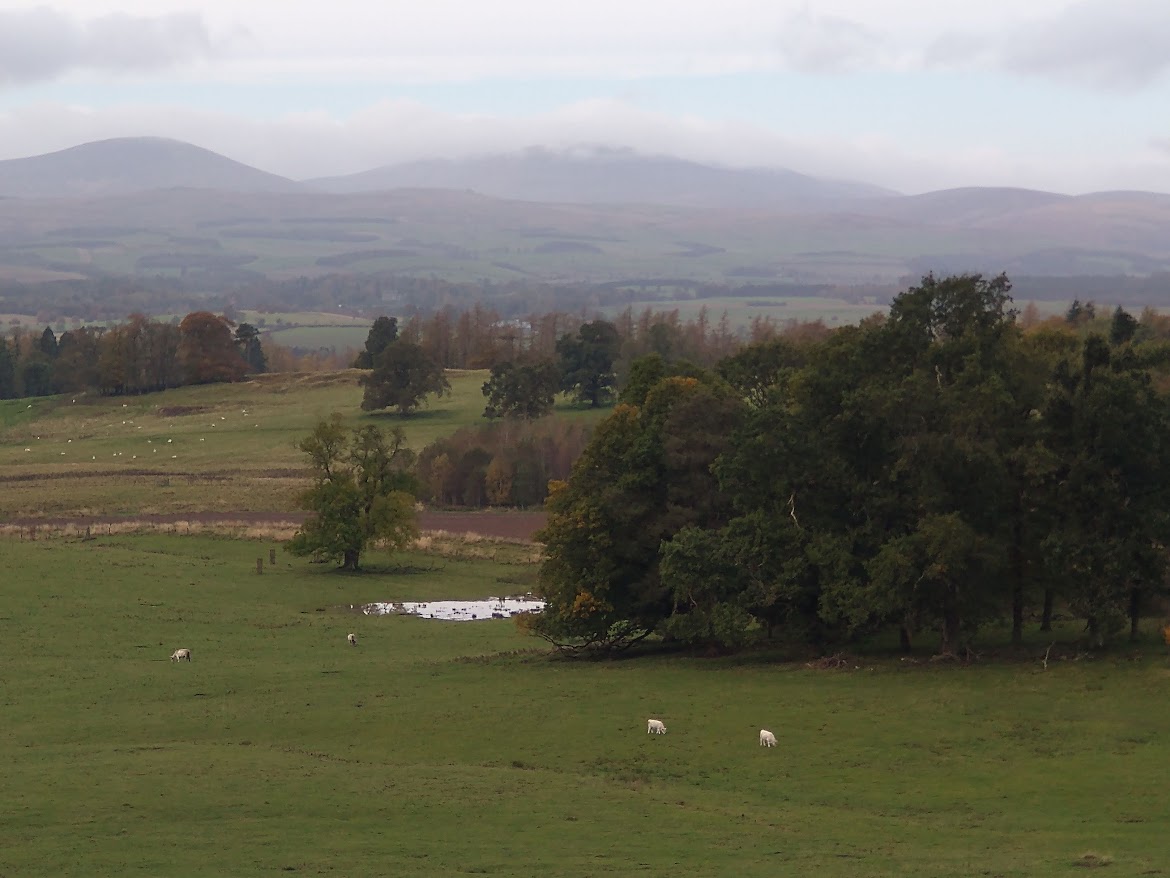
Venture to north Northumberland near the Cheviot Hills and the Scottish border, and you may find yourself near Chillingham. If you do, be sure to visit its wild cattle. Yes, for maybe 700 years, a herd of cattle has lived and prospered here, always untouched by man – no farmers, no vets, no medical treatment, no cowsheds, no milking.
Though their territory is large, there is inevitably a fence round their domain. But there are no other cattle like them anywhere (except cousins in Scotland who are kept there just in case anything happens to this lot). so genetically, they are in-bred. Normally, this leads to all kinds of problems. Remarkably, not with these creatures.

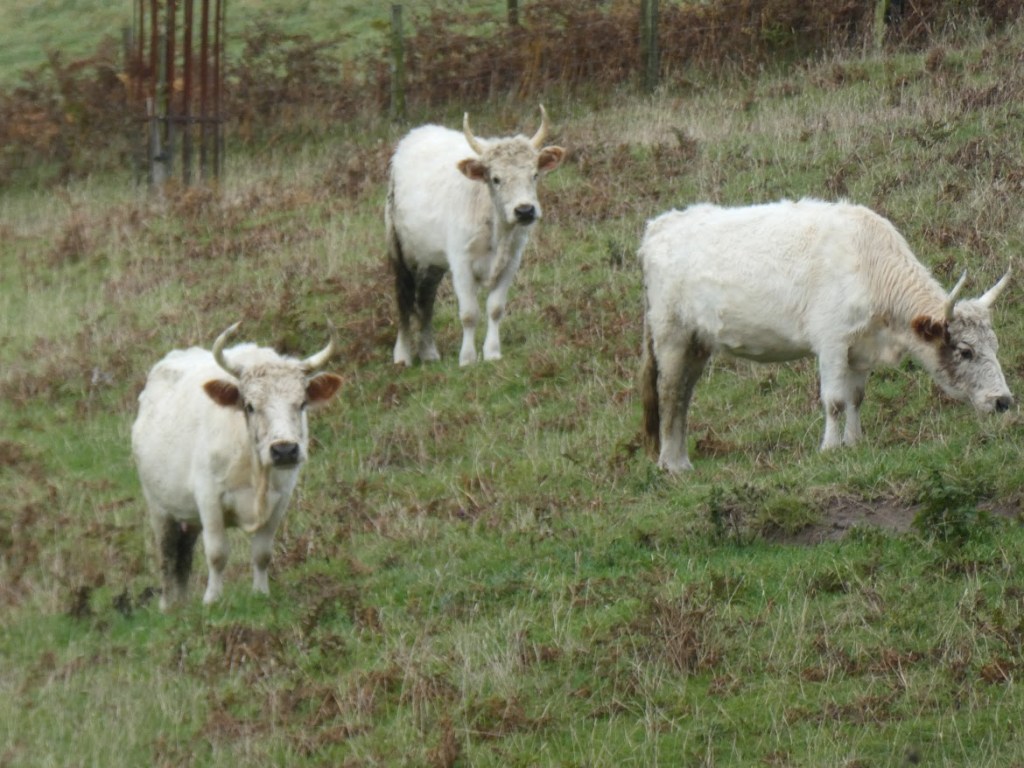
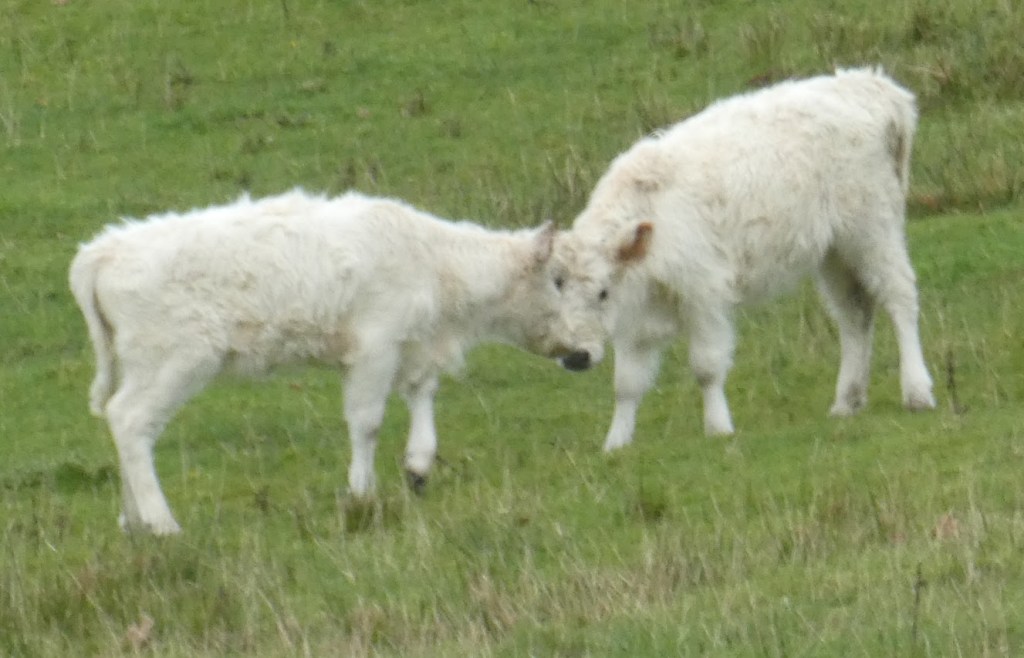
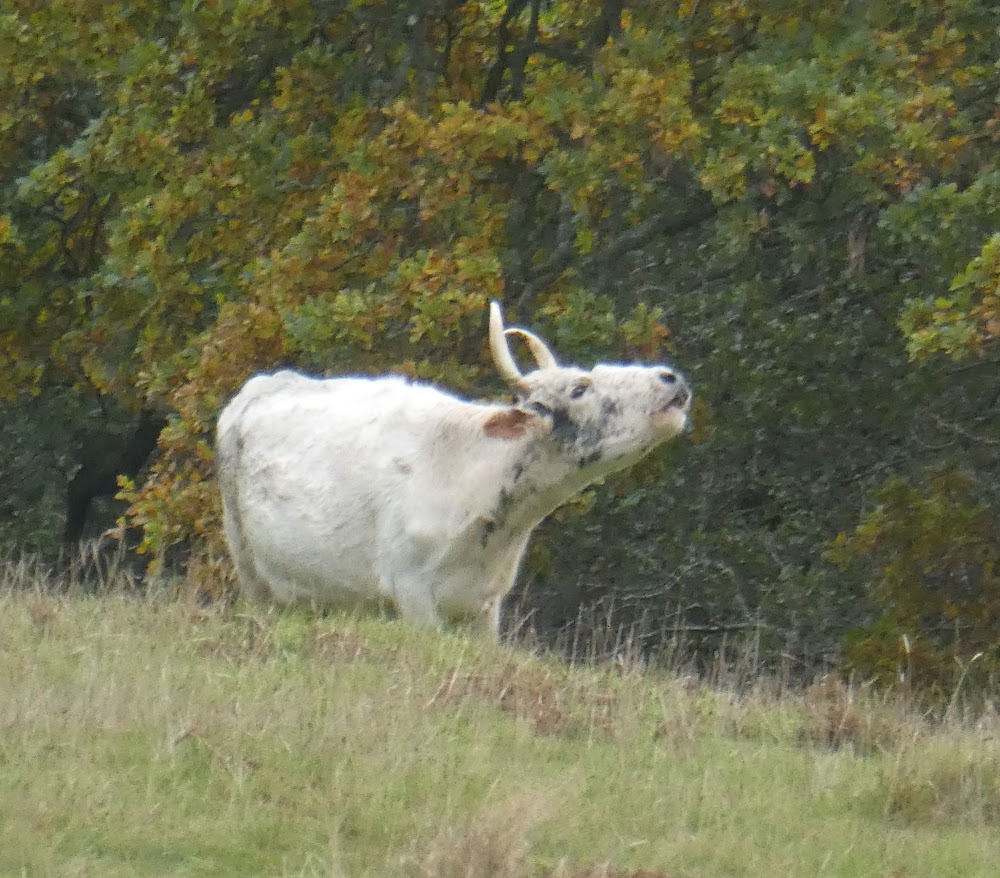
These feisty cattle – the females anyway -can bear a single calf at absolutely any time of year: snow, hot summer – they don’t care. Males will fight – sometimes bitterly – for the privilege of breeding with females. They’re herd animals, and their society is matriarchal, so an older female will call the shots in deciding where they’ll move off to next for safe and worthwhile grazing. Here’s a matriarch summoning her companions with her slightly underwhelming ‘moo’.
It was Charles Darwin who encouraged records to be kept on the breeding behaviour and numbers of the Chillingham cattle. They’re still being studied today. And visited too, by interested onlookers like us, who definitely keep a very respectful distance.

 From Pyrenees to Pennines
The youngsters are cute, but they’re not the best looking cattle I ever saw. Margaret. Well, perhaps to another bovine? Who am I to be pernickety!
LikeLiked by 1 person
Oh, I quite liked them. Don’t tell them you don’t find the appealing. They can be quite fiere, apparently.
LikeLike
No worries- I’ll keep my distance.
LikeLiked by 1 person
Love their coats! Great photos Margaret
LikeLiked by 1 person
They are quite shaggy. Necessarily so, I think.
LikeLiked by 1 person
Keeps them warm in winter
LikeLiked by 1 person
you ALWAYS deliver….. never heard that story but very impressive it is. Thanks a lot for this new token of info. They look a bit ‚dishevelled‘ if I may say so. But so would we if we weren‘t ‚trimmed and beautified‘ occasionally, non?
LikeLiked by 1 person
No beauty parlours for them. Just a rugged life. They seem to thrive.
LikeLiked by 1 person
I’m wondering if they are haunted, like the castle.
LikeLiked by 1 person
Nah. Too practical for that,
LikeLiked by 1 person
Wow I don’t think I’ve heard of wild cattle before, amazing.
LikeLiked by 1 person
I know! And on our tiny island too!
LikeLike
Dear Margaret
We didn’t know that wild cattle exist in England and that even Darwin was interested in them.
Thanks for telling us and showing us your pictures
The Fab Four of Cley
🙂 🙂 🙂 🙂
LikeLiked by 1 person
Worth a detour if you’re ever up north, Thanks for stopping and commenting.
LikeLiked by 1 person
That first photo, with the mountains, is an absolute painting. In fact this weekend I attended (virtually) a watercolor tutorial and I ended up with a painting that has purple mountains in the background. Looks kinda like your photo!
LikeLiked by 1 person
Brilliant! Yes, it was a moody day for a moody photo. You’ll have to show us your work.
LikeLike
well aren’t they wonderful – and to think they are still wild after so many centuries. Quite extraordinary on this tiny little island of ours
LikeLiked by 1 person
I know! Being fenced I guess limits their wildness. Their territory historically would have been much larger. But still …
LikeLiked by 1 person
This is so wonderful to learn about–I’m glad I caught your post!
LikeLiked by 1 person
Thanks for looking and finding!
LikeLiked by 1 person
How unusual. But surely used to humans if the company run tours. And presumably remove dead animals from the park.
LikeLiked by 1 person
Apparently they aren’t really used to humans in the sense we tend to mean it. They’re wary and potentially dangerous. Yes, carcasses are, I think, removed . I gather it’s quite difficult, and only done because there aren’t enough prey animals to dispose of the bodies in the natural way
LikeLiked by 1 person
They’re a fascinating oddity, aren’t they? Wild cattle in England! But if wild cattle are to live anywhere then Northumberland is most appropriate as it’s our wildest county 🙂 Did you visit the castle too? And did you know it claims to be the most haunted castle in the country?
LikeLiked by 1 person
Oh goodess, Sarah, we did. Post mid-week sometime. So bad it’s good. The cattle saved the day.
LikeLiked by 1 person
I’ll look forward to that! It’s many years since we were there (I think on an early excursion with my in-laws who were keen to introduce me to Northumberland) so I’m curious to hear why the day needed saving 😀
LikeLiked by 1 person
You’ll just have to wait …
LikeLiked by 1 person
How marvellous – I have never heard of these despite my Northumbrian origins (or if I have it’s so long ago I’ve forgotten).
LikeLiked by 1 person
Definitely worth a visit! – That day when you come down and I go up 😉
LikeLike
Yes, that day!
LikeLike
😊
LikeLiked by 1 person
A good looking herd. The cattle at our Chillingham are well kept and not feisty
LikeLiked by 1 person
They aren’t ‘kept’ in that sense. And they do get quite feisty apparently. Peaceful enough that day.
LikeLiked by 1 person
They did looked chilled
LikeLiked by 1 person
Interesting background stories about the cattle. I liked the scenery in your images.
LikeLiked by 1 person
Northumberland is beautiful, and mainly unspoilt.
LikeLike
Sounds like a perfect and quiet place.
LikeLiked by 1 person
It really is.
LikeLiked by 1 person
Interesting, Moo… love the last image
LikeLiked by 1 person
I know! Very soulful.
LikeLiked by 1 person
Well I never! Totally new to me and very fascinating. With so much rewilding going on, I wonder if any will be rehomed to colonise other sites.
LikeLiked by 1 person
I think probably not. They bring their own challenges, and require oodles of space. Also, I think they like them being unique!
LikeLiked by 1 person
Fair enough! Long may they reign over their corner of the world.
LikeLiked by 1 person
Hmmm, so that’s what cattle should look like. Seems to me that they know what they’re doing and certainly don’t need our ‘help’.
LikeLiked by 1 person
Exactly!
LikeLiked by 1 person