Give Us This Day Our Daily Bread & Voilà! Revisited

Here’s a post which I wrote fifteen years ago, when we lived in France. At the time, it pointed up the difference between bread-buying in England, where bread had too often become an industrial product, and the more home-spun approach we appreciated in our small French town. Now however, artisan bakers in England are two a penny. Their stuff is good, but when we want to frighten ourselves to death, we comment to eack other ‘What WOULD our mothers have said at handing over just shy of £5 for a loaf of bread?’ That’s was Malcolm’s dad’s entire weekly earnings. No wonder I’ve taken to making my own.

Give Us This Day Our Daily Bread

25th February 2010
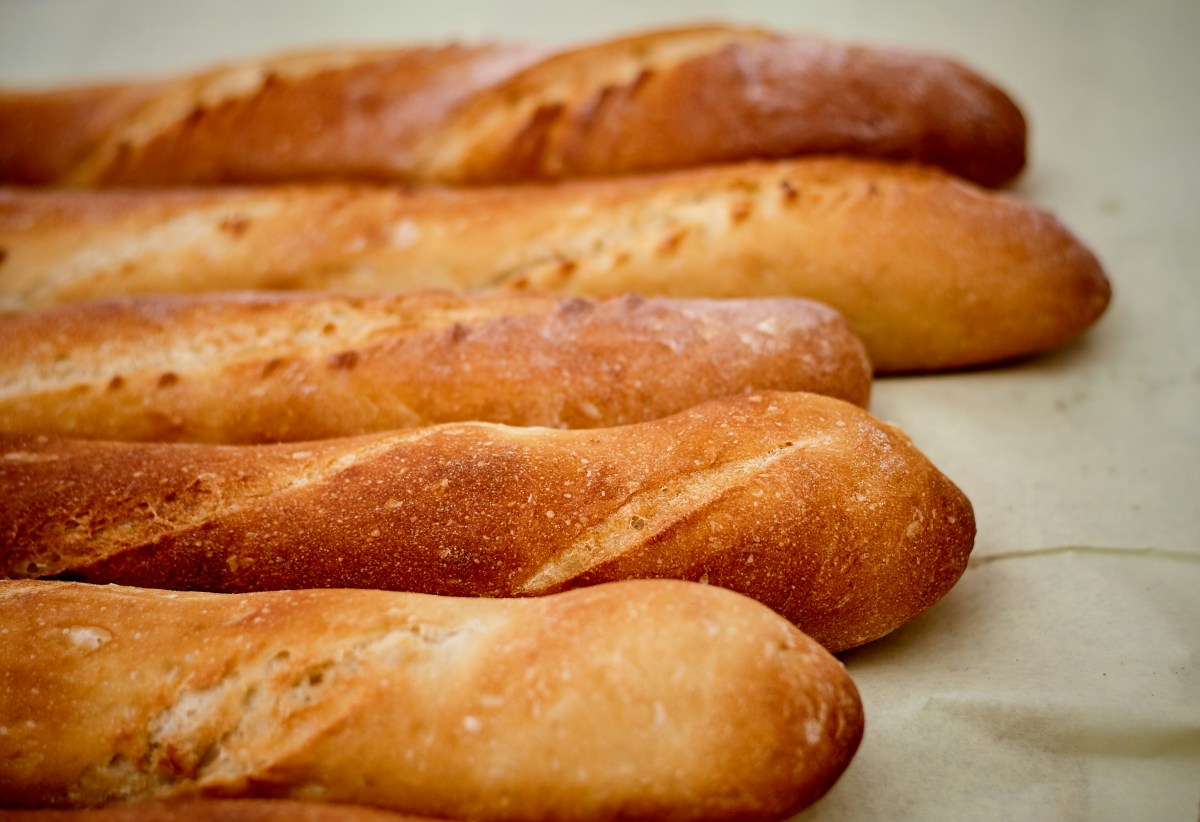
How could they?  I mean, what ARE they playing at?  All last week, and most of this, the baker’s shop down the road has been closed.  Instead of rising at 2.00 a.m. to get busy making baguettes, flutes, ficelles, baguettes a l’ancienne, flutes tradition, pain noir, chocolatines, croissants and so on and so on, our bakers have chosen to lie in till – ooh, 7 o’clock perhaps – and then spend the day catching up with their families – the children are on half term.

It’s a family business, our baker’s shop.  M & Mme Fonquernie owned it, and now, although officially they’ve retired, they help out all the time. M. Fonquernie is the one who drives his little white van round the local villages which have no shops, delivering bread. Their two sons have now taken over the day-to-day baking.  One is responsible for all those loaves, while the other specialises in patisserie.  Their wives divide the work of running the shop between them with Mme Fonquernie Senior’s help.

Mme. Fonquernie presides over the shop on most days.

So our morning routine has been disrupted.  First thing each day, one of us usually walks down the road to get our favourite pain noir, hot and crisp still from the oven.  The other day, the baker forgot the salt.  The bread wasn’t half so nice, but I rather liked this very human error.  It proved that our loaves are still ‘artisanale’, rather than being churned out by some computer-assisted machine.  There’s generally someone in the shop to chat to, or to walk back along the street with, and so neither of us looks on getting the bread in as a chore.

We’re lucky, I suppose, that there are three bakers in town.  Last week, we went to the shops at Castellanes to the baker there.  No pain noir at this shop, so we chose their unbleached white.  The small one’s a slender baguette shape – an Ariegeoise (female) – but buy the larger butch version, and you must ask for an Ariegeois (male).

But then what happened?  A notice appeared in the shop: from Sunday, they too would be closed for a holiday. So for a few days this week, we have to patronise shop number three. Everybody moans ‘C’est pain industriel ça’.  It’s true. It comes all the way from Lavelanet, from a bakery which has three shops.  That’s mass production, and it shows.  Roll on Thursday, when the Fonquernie family re-opens its shop doors.

And here’s a short scene from the baker’s about 18 months later, exposing the use of the most useful word there is in French …

Voilà!

7th September 2011

Here’s what happened at the baker’s this morning.  Translations appear in brackets.

Me: Oh!  Isn’t the pain bio ready yet?

Madame: Voilà! (Nope.  Quite right)

Me: So if I call in after 9, you’ll have some?  Could you please save me a loaf?

Madame:  Voilà! (Yes, and yes).  Would you like to pay now, then it’ll be all done and dusted?

Me:  Voilà! (Makes sense.  I’ll do that)

By the way, I was all grottily dressed in my oldest paint-spattered, holes-in-the-knee-ready-to-face-a-morning’s-tiling gear.  This is Laroque after all: no shame in working clothes here.

Madame:  You’re looking very chic today, if I may say so.

Me:  Voilà!  (And don’t I know it).

Why bother to learn more French?  Voilà donc!

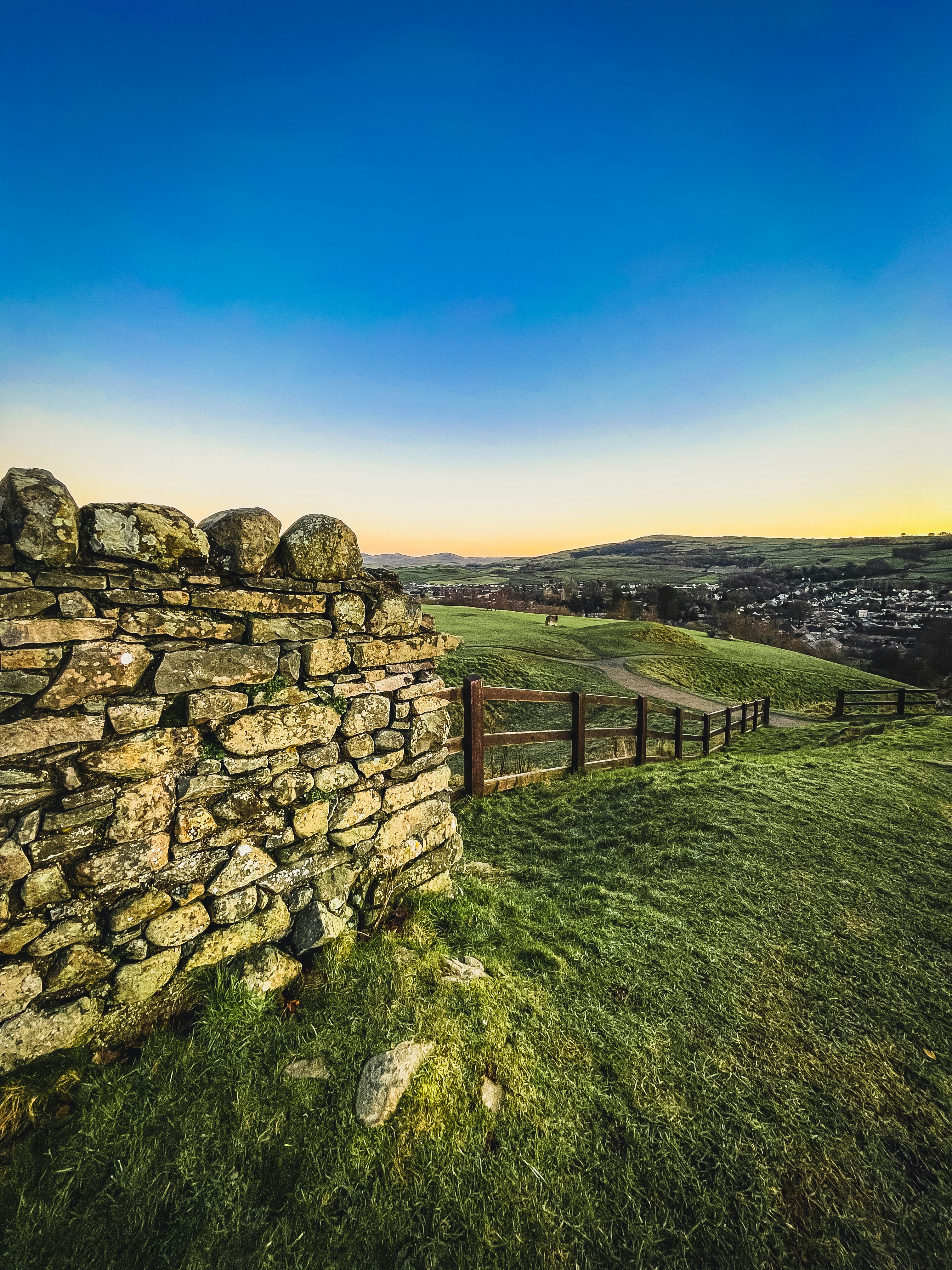
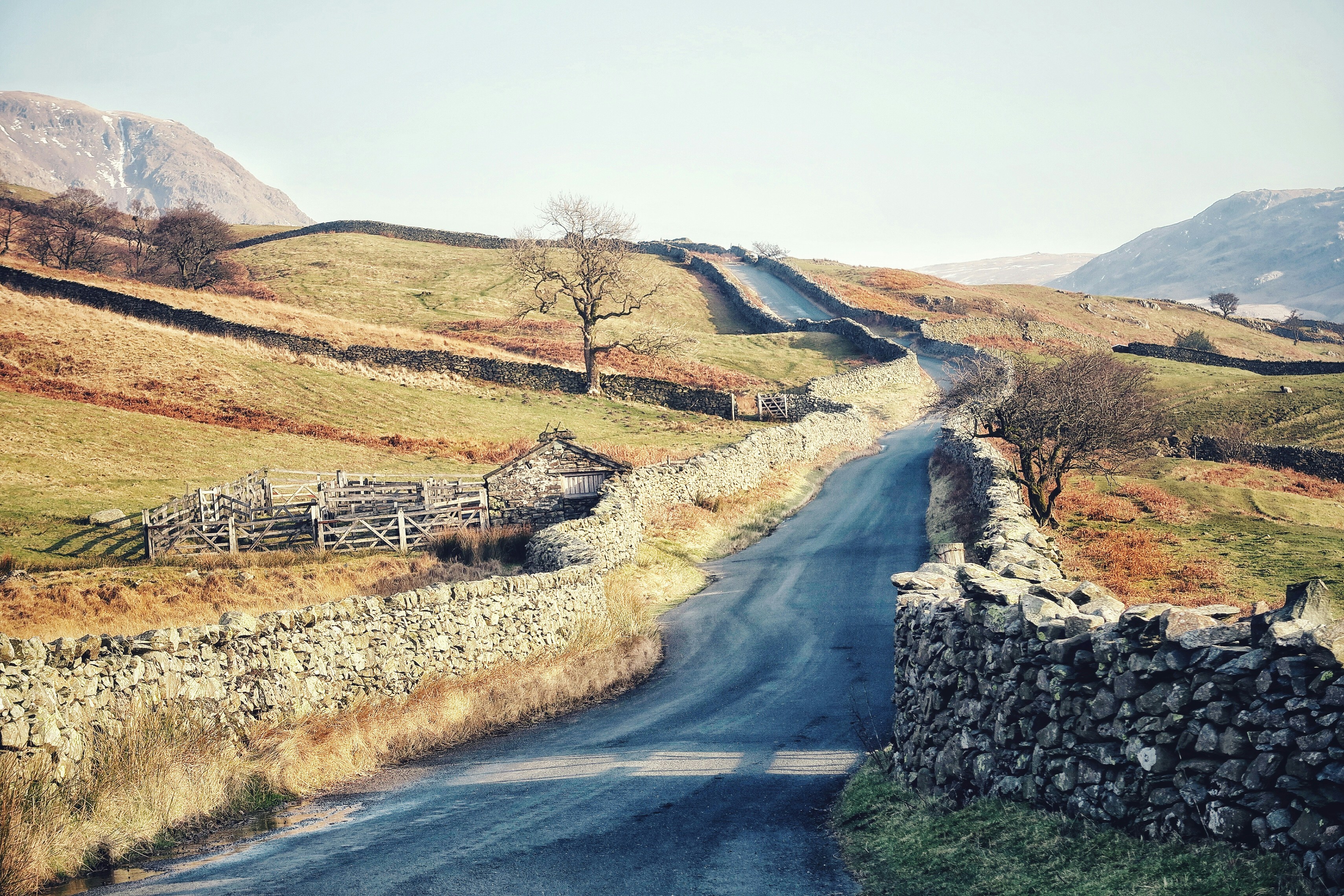
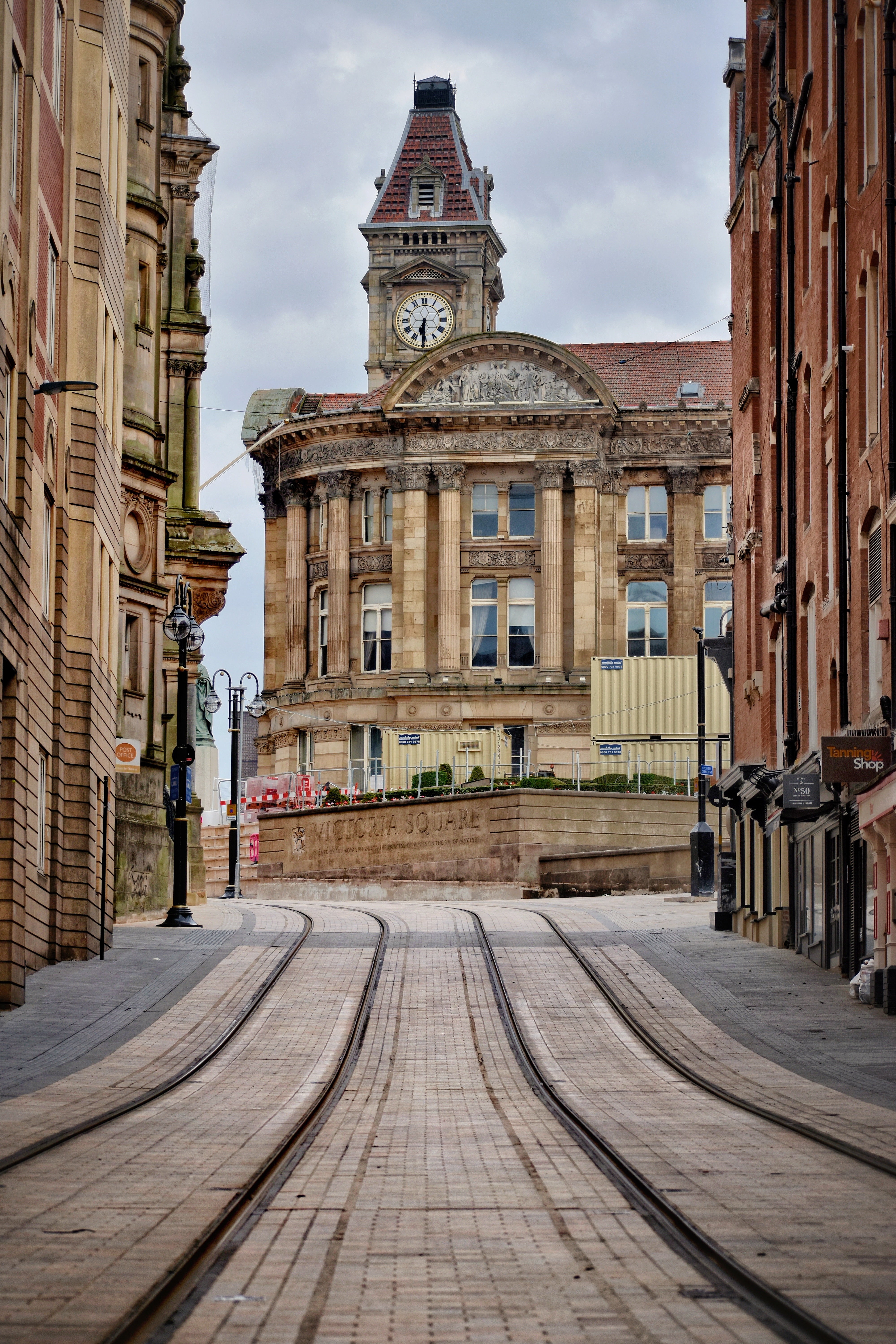
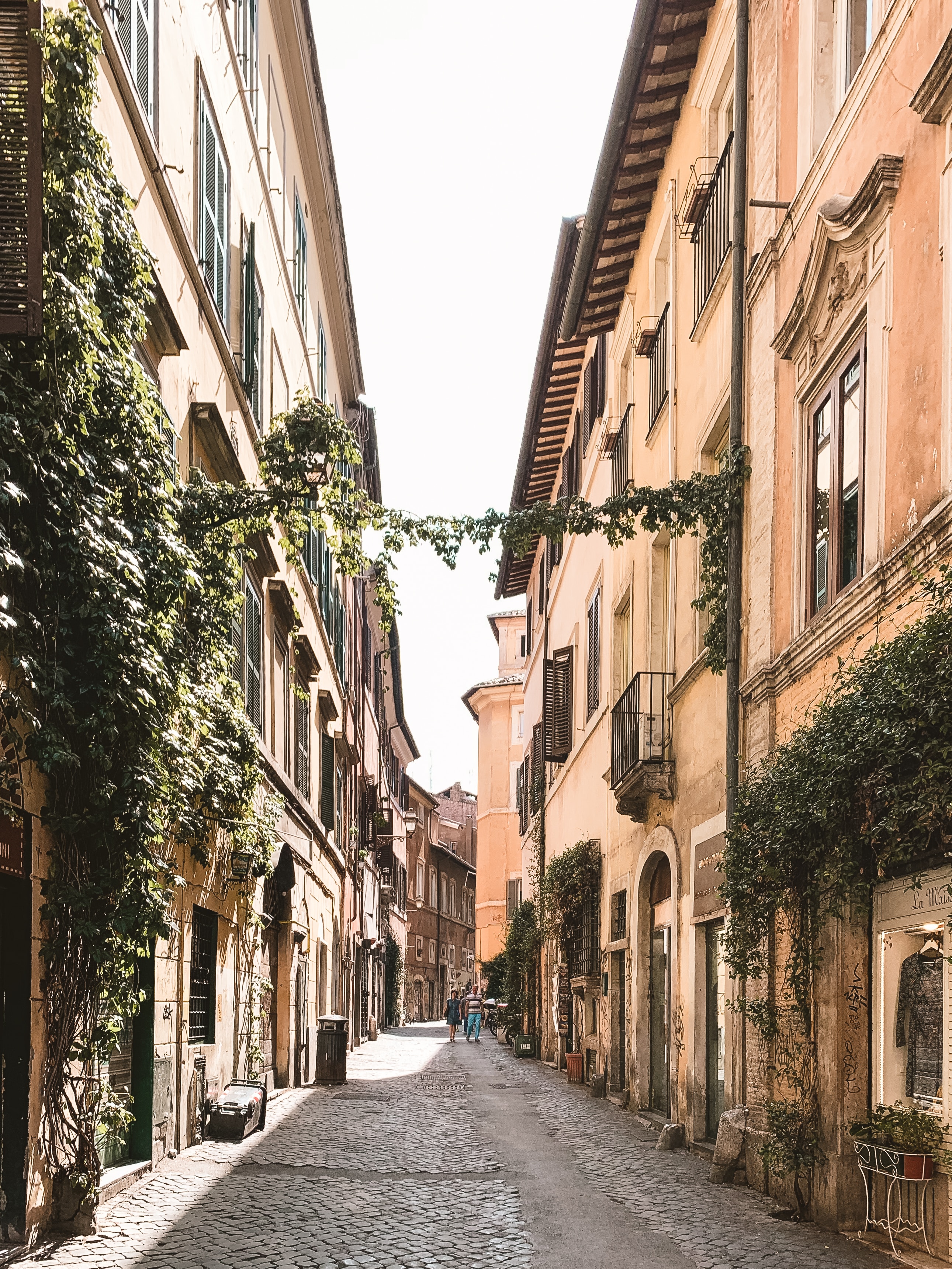
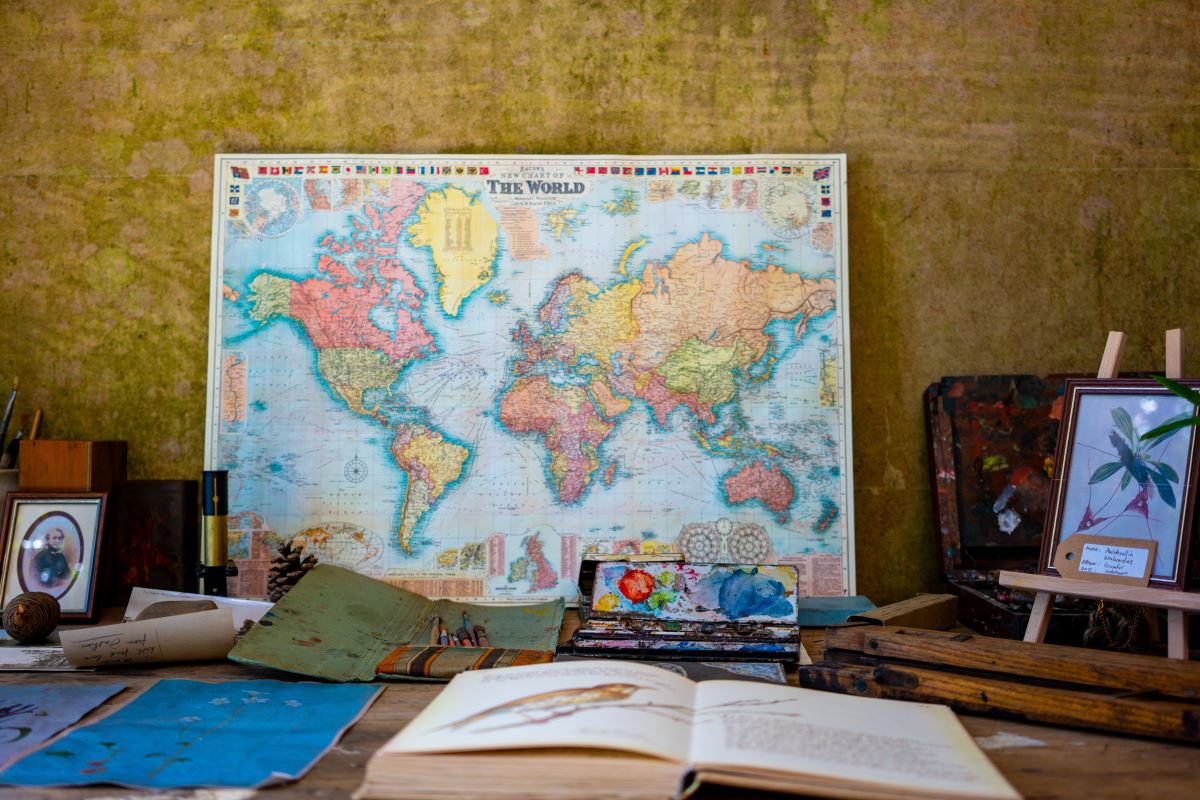
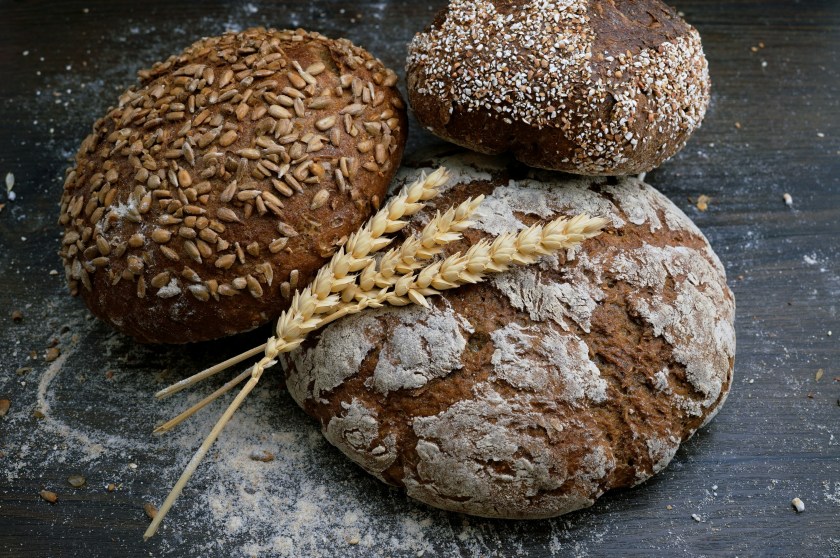
Only the photo of Mme Fonquernie is my own. The rest come courtesy of Unsplash, and are (reading from top to bottom) by Sergio Artze; Wesual and Markus Spiske.
Six Degrees of Separation: Nine Lessons to The Farmer’s Wife

On the first Saturday of every month, a book is chosen as a starting point and linked to six other books to form a chain. Readers and bloggers are invited to join in by creating their own ‘chain’ leading from the selected book.

Kate: Books are my Favourite and Best

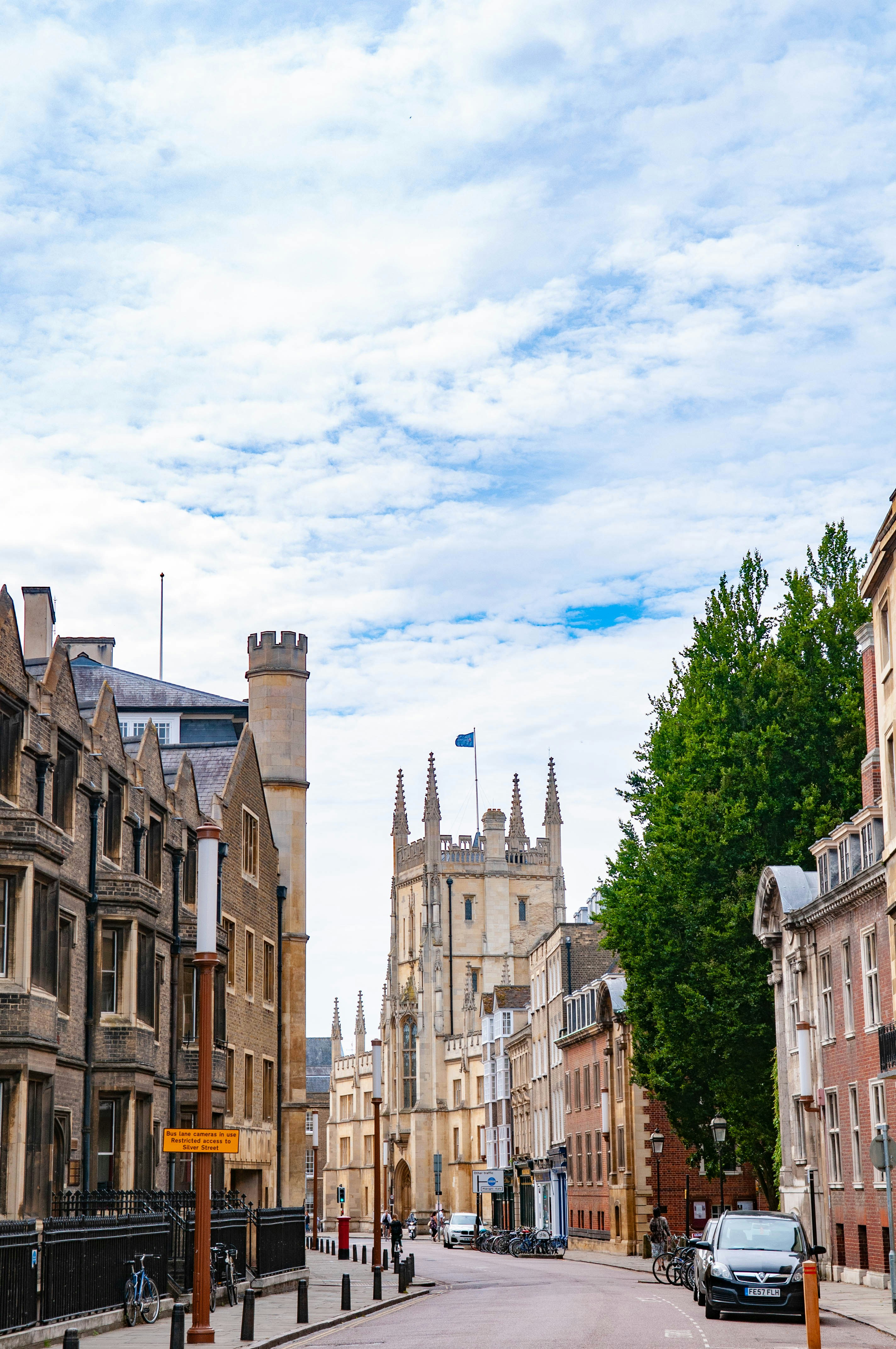
This month, I have to begin where I left off last time, with Nicola Upton‘s Nine Lessons. I described it here, so now I’ll confine myself to saying it’s a detective story set in Cambridge.
So. To another detective story set in Cambridge, and one I read a long time ago. I’m always up for reading Kate Atkinson, but it took me a while to try the Jackson Brodie series. Then I read Case Histories. In many ways I enjoyed this unusual approach, in which several different lives and families from Cambridge are introduced, long before a crime becomes apparent. Yet inexorably and inevitably they come to the attention of private detective Jackson Brodie. I found some of the characters stereotypical: mad-as-a-hatter cat-lady; eccentric middle aged sisters and so on – there are more. Jackson solves everything, inevitably, but more by luck than judgment. There were so many characters I got somewhat muddled. I seem to be damning this book, yet at the time I turned the pages easily.

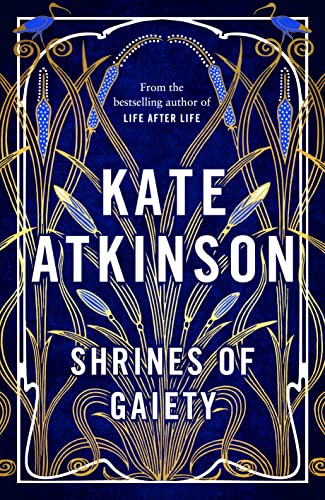
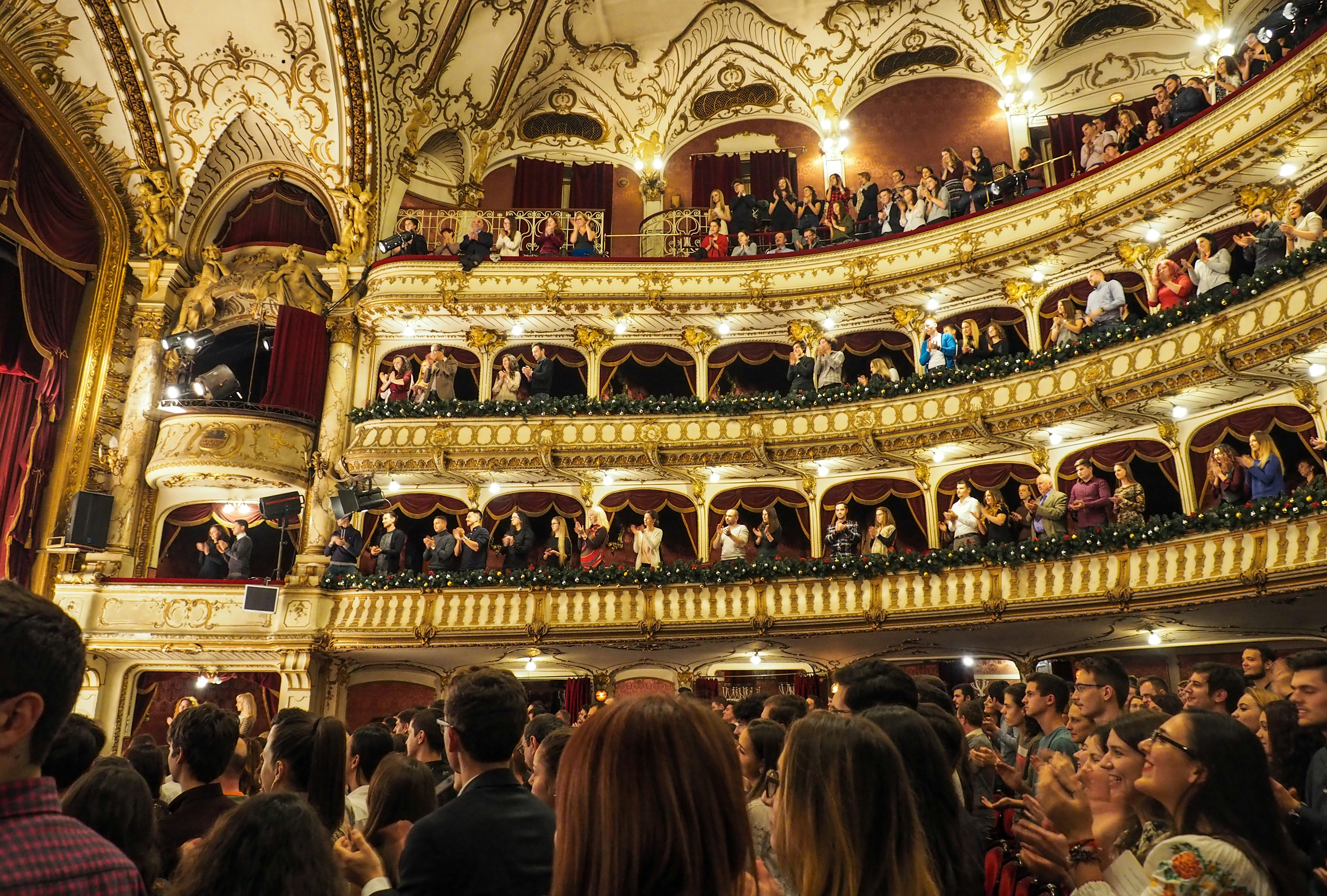
Let’s try Kate Atkinson in different form in Shrines Of Gaiety. She takes us to 1920s London, to a place of hedonistic gaiety where Nellie Coker is queen of a whole series of nightclubs, each appealing to a different kind of pleasure-seeker. Her family is essential to her enterprise and the story, with two Cambridge educated daughters (a Cambridge link again!) and a twit of a son in the mix of six. Add in a Yorkshire librarian on furlough, two young Yorkshire runaways, police officers who are variously dutiful and bent and you have a complicated and atmospheric Dickensian yarn. I enjoyed it: This is Kate Atkinson after all, but I also found it a little wearisome and forced, with not all the characters well-developed. I read through it quickly and with some enjoyment, but also feeling somewhat cheated of Kate Atkinson at her best.

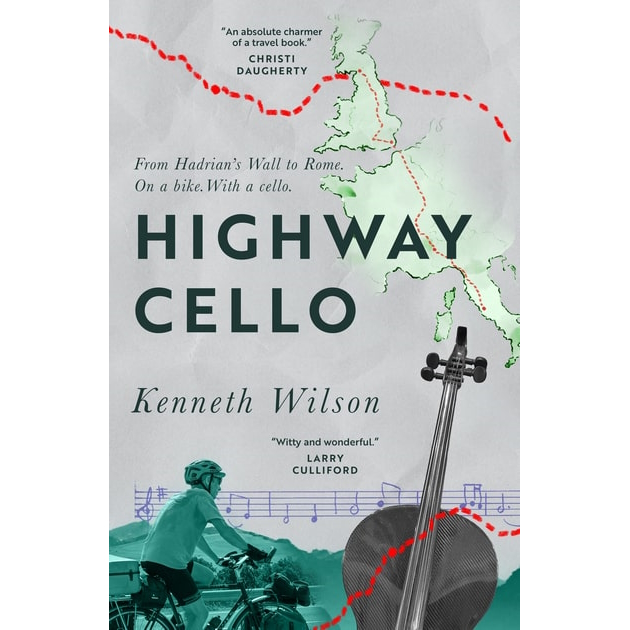
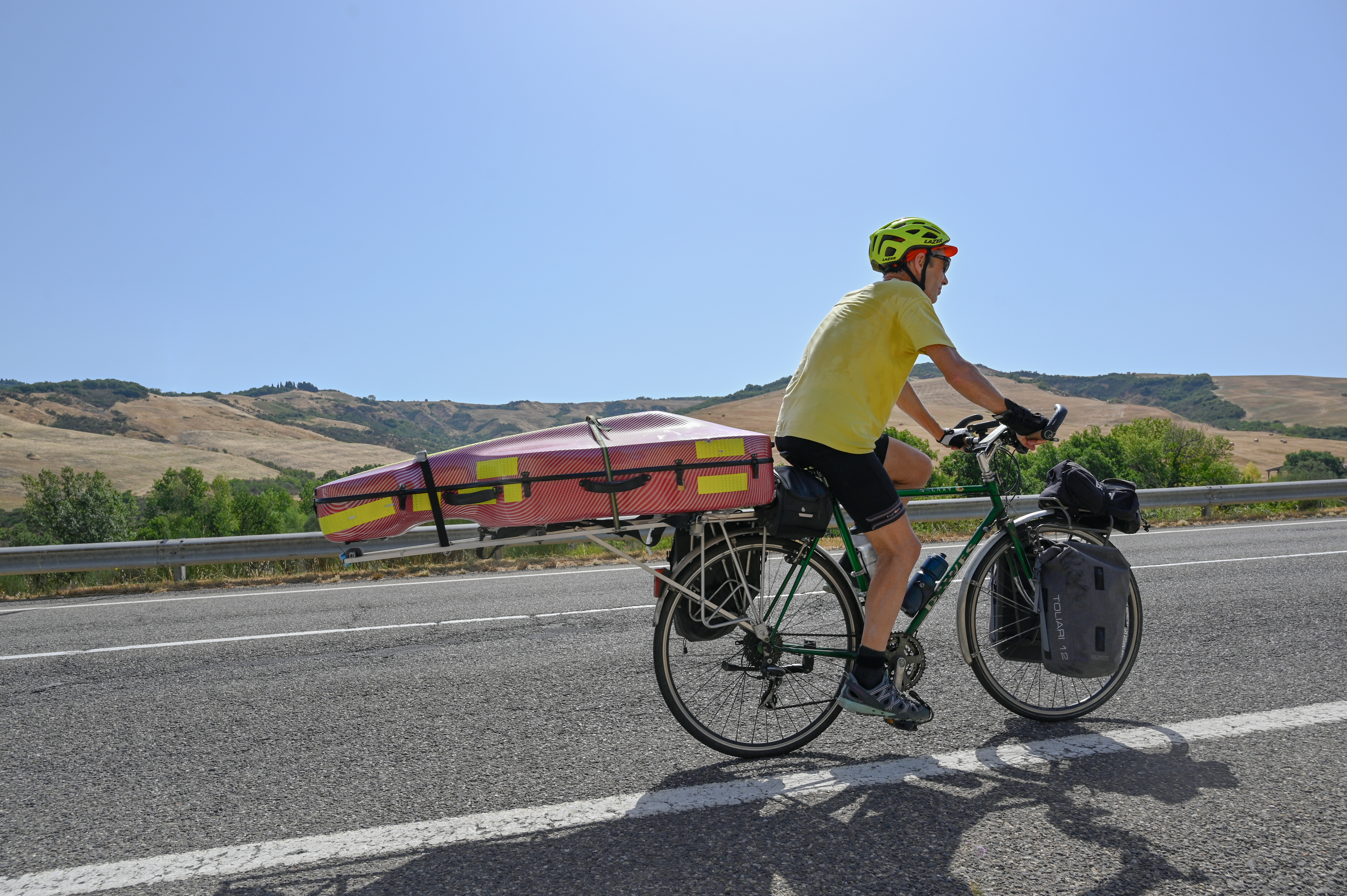
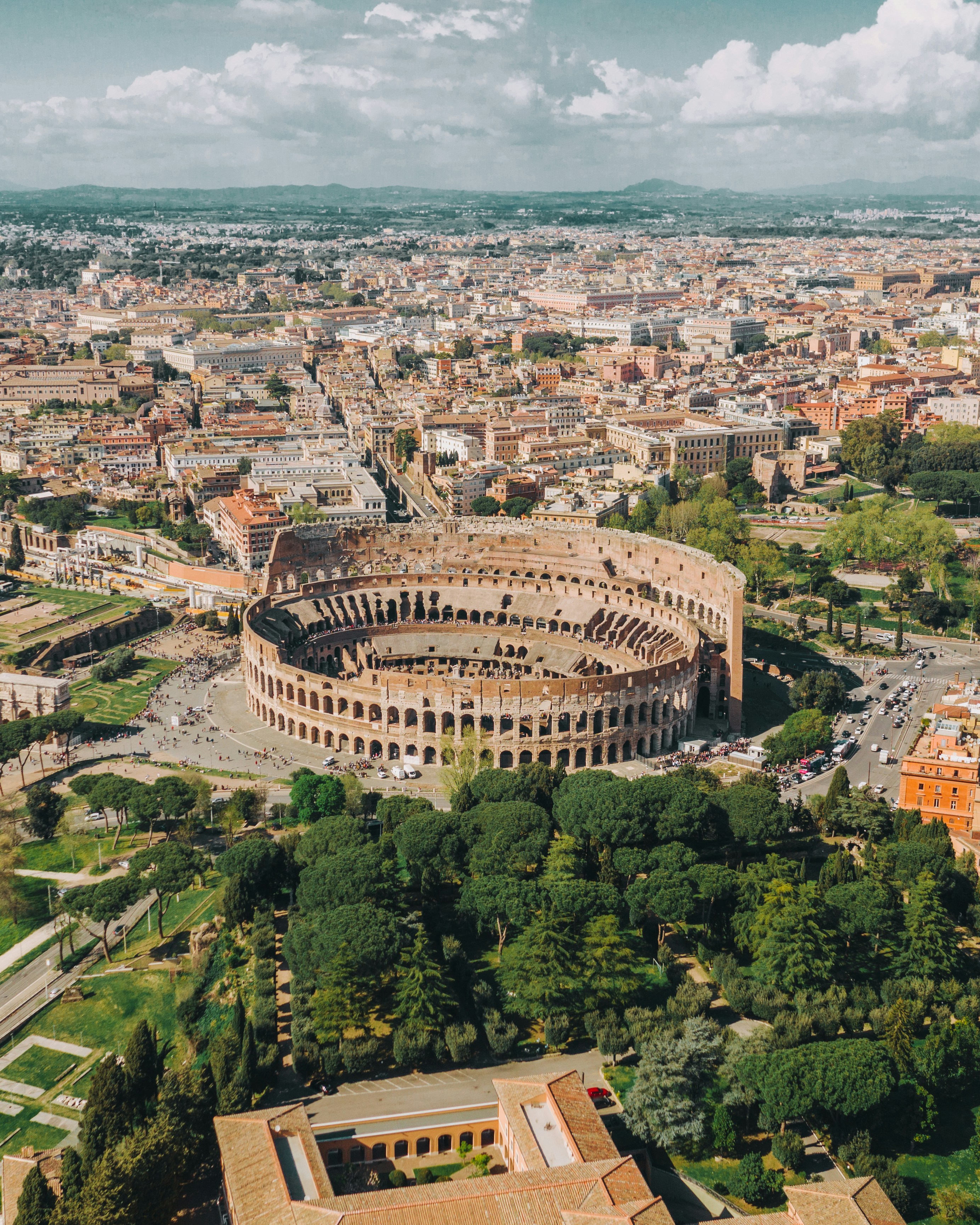
From one form of public entertainment to another. Kenneth Wilson’s Highway Cello.  It’s an account of Kenneth Wilson’s decision to load a cello onto the back of a trusty old bike and cycle from his home in Cumbria, via England, France and Italy to Rome, playing to impromptu audiences in town squares, and lightly-planned concerts in homes, halls and cafes. In among this part of the tale, he discusses the whys and wherefores of his trip, and always with a light touch. It’s an uplifting, amusing and undemanding book, the perfect accompaniment to a holiday: that’s why I’ve only just read it. Though it’s a couple of months since he came to our local Little Ripon Bookshop, played his cello and read from his book with verve and good humour.

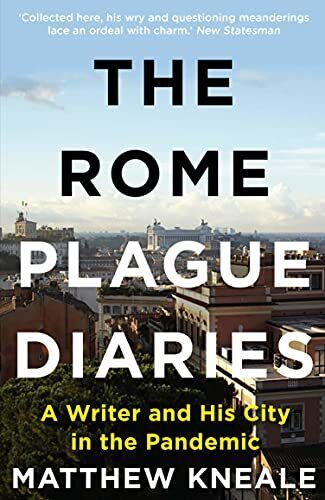
Wilson ends up in Rome.  Another British writer, Matthew Kneale lives in Rome.  And he wrote a pandemic diary, The Rome Plague Diaries.  I loved it. Having many years ago lived in Italy, though not in Rome, this put me back in touch with many aspects of Italian daily life and culture. It also revived memories of Lockdown – not unwelcome ones: I was one of those who actually relished many aspects of it, because of where and how I’m able to live. If you’ve enjoyed Kneale’s writing; if you love Italy, I recommend your reading this vivid account of a resilient city going through yet another test of its mettle.

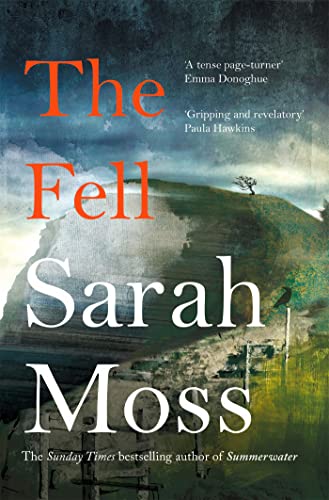
The only other story I’ve read set during the pandemic is  Sarah MossThe Fell.  I read it when I was self-isolating with Covid, probably in early 2021. Kate and her teenage son, living in Cumbrian fell country were quarantined at home. Kate, frustrated, eventually goes out, to get up there on the moors, at a moment when there won’t be a soul about, and be back in time for tea. Except she isn’t. She gets disorientated, and falls … This story is told in stream of consciousness through the voices of Kate herself, her son Matt, her neighbour Alice, and mountain rescuer Rob. And frankly it got as tedious as Lockdown itself. The ending was suitably shocking, inconclusive and cliff-hanging, which redeemed it somewhat, but I doubt if this book will wear well. 

So I’ll finish with another book set in the Cumbrian countryside: Helen RebanksThe Farmer’s Wife: My Life in Days.  I met Helen Rebanks (wife of the more famous James, of The Shepherd’s Life fame) at another author-event at the Little Ripon Bookshop and found her sparky and interesting. I didn’t feel the same about her book. She details the hard slog of being a farmer’s wife and a mother in an unforgiving, if beautiful part of England. The book is interspersed with recipes, all of which can easily be found anywhere, and at the end are store cupboard hints which I doubt are of much help to her probable readership. An interesting enough but slightly disappointing read.

I’ve just read through this post, and see it has a slightly grumpy tone. It was slightly hastily thrown together today after our long journey back from Spain and dicing with farmers’ blockades in France, so I can’t claim to have given it too much thought. Next month, when the starter book is Ann Patchett‘s Tom Lake, Must Try Harder.

All images except the one of Kenneth Wilson cycling off with his cello in tow, which comes from the press pack on his own website, are from Unsplash, and are, in order, by Vlah Dumitru; Cajeo Zhang; Spencer Davis; Jonny Gios and George Hiles.

Six Degrees of Separation: from Tomorrow and Tomorrow and Tomorrow to Nine Lessons

On the first Saturday of every month, a book is chosen as a starting point and linked to six other books to form a chain. Readers and bloggers are invited to join in by creating their own ‘chain’ leading from the selected book.

Kate: Books are my favourite and best

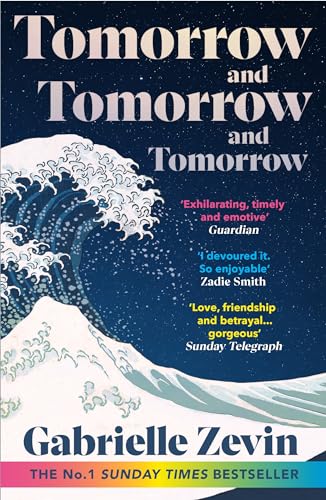
This month’s starter book is Tomorrow and Tomorrow and Tomorrow by Gabrielle Zevin. I understand it’s a saga spanning thirty years in the lives of two friends who design video games, so doesn’t appeal to me. So I’ll go with the saga aspect of this book to find my first link.

It’s Bournville, by Jonathan Coe. Here is a state-of-the-nation novel, a family saga centring on the matriarch of the family, Mary, whom we meet as a child celebrating VE day and drop in on over the years until her death – alone – from an aneurism during the Covid pandemic. Her close relations – and other characters too – drop in and out of this novel. Families, Brexit, racism, attitudes to homosexuality all feature. So many threads, almost as if Coe were ticking off ‘issues’ to incorporate into his story. Nevertheless, this is an involving and enjoyable read.

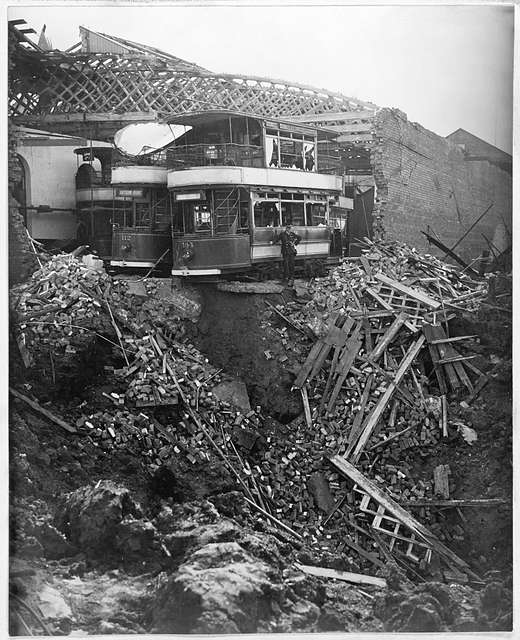
Bournville begins on VE day, so I’ve chosen a book which focusses on the latter part of WWI in the UK, Lissa EvansV for Victory. It’s a witty and engaging war time yarn. I gather this is a follow up to an earlier book, but that fact I hadn’t read it – or even heard of it – didn’t matter at all, as the characters were fully fleshed out. There are two strands to this story. One follows Winnie, ARP warden, who’s plump, sensible, with a husband who’s away fighting the war, and a glamorous twin sister who is neither plump nor sensible. The other follows Vee, who keeps herself solvent by running a boarding house whilst also raising her 15 year old orphaned nephew, that it turns out is not her nephew. This is a book that brings the sheer boredom, drudgery and beigeness of the last year of the war to life: a period when it looked as though the war MIGHT end, but with no real signs in everyday life of its doing so – especially as bombs continued to do their worst in London. Nevertheless, it’s an easily read and involving novel.

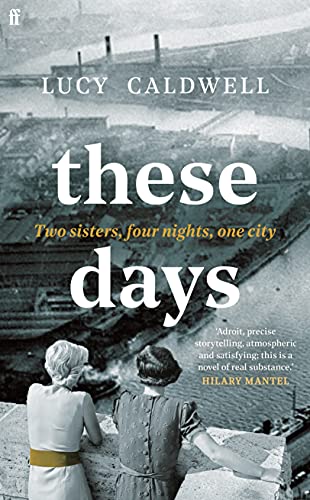
These Days by Lucy Caldwell is another war time book. I raced through it. It’s an engaging story about a middle class Belfast story dealing with WWII, recently and shockingly arrived in their home city. Audrey is a clever office worker, walking out with a young GP. Lucy, slightly younger, is an a Air Warden, awash with emotions over a first love affair that must of necessity stay secret. We meet their parents and kid brother Paul, and become as consumed as they do by the four days of unrelenting bombardment of their home city. Involving, nuanced and thoroughly well told, this is a book I couldn’t put down.

A change of mood, and a change of war – WWI. Held, by Anne Michaels. I’ve not long finished this, and it’s far too early for me to have digested this book and taken from it what it has to offer. This is a poetic, evanescent story. Well, stories. It begins with John, lying wounded on a WWI battlefield. Then memories and thoughts take us to his first meeting Helen, his wife: and to their love, their struggles and to some of his career as a photographer. We move many times in this book – not just geographically, but in time. It’s a bit of a kaleidoscope: an image realised quickly disappears to be replaced by another. All seem to be linked by trauma, by pain, because being in war zones is a common thread throughout the book – the book is held together by recurring motifs. This book is fluid, luminous, and I’ll need to read it again to begin to understand it properly. And I want to.

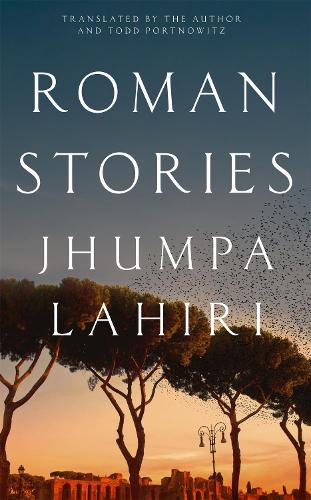
Held was a homogenous whole, whilst being a collection of vignettes. Roman Stories, by Jhumpa Lahiri is a set of stories of people unconnected to one another, though all focussed on the city of Rome. Not the tourist hot-spots, but the less-regarded areas where people actually live. Often people with difficult back-stories, or whose origins are not in Italy. None of the characters described here feels completely at home. Their difficulties in being assimilated and accepted are both hinted at and described. All her characters seem to be in some measure of mental pain. Lahiri is an American academic who loves Rome. She now writes in Italian and self-translates. I wonder if this is what gives these stories a somewhat detached air? I ended the book feeling somewhat uncomfortable. Is this what Lahiri intended? Probably, yes.

I’ll conclude my chain with a story that links a group of people who had all gone their separate ways having been students, many years ago, at Cambridge University. Nine Lessons, by Nicola Upson. This is the first book I have read in this detective series following DI Archie Penrose and Josephine Tey as they collaborate in a spot of crime-solving. I have not yet read any of Tey’s work, though now I feel encouraged to do so. Nor have I read any MR James, yet he is central to the book’s plot. Many years ago, a group of his students at Cambridge used to gather to enjoy his readings from his own ghost stories. Now, slowly but surely, the members of the group are being killed off – and in each case, a clue from the stories provides the key to solving the mystery. Cleverly constructed, with well-realised characters, this is a series to relish.

And this final book, whilst not being a saga, connects characters over a period of many decades. And therefore conveniently links back to the starter in this chain.

Next month, we’re invited to start our chain with our last book of this month, or with the last book we’ve read. Why not join in?

Photo Credits:
Bournville: Adam Jones, Unsplash
V for Victory: GetArchive
These Days: Wikimedia Commons
Held: Julia Pure, Unsplash
Roman Stories: Anton Fineas, Unsplash
Nine Lessons: Bogdan Todoran, Unsplash

Wanderlust Bingo

This year, I tried to read my way round the world. And to help me along, I played a game of bingo. Here’s how. You take the bingo card shown below, and attempt to cover each square with the title of a book you’ve just read. 

Here’s how I got on. The stars represent how much I’ve enjoyed the book (out of five). The scoring here is quite high – these are among my year’s Best Books. Other star ratings are available, and visible on some other – less successful -choices this year.

The links will take you to my reviews on Goodreads. I’m actively in the process of changing my book tracking to Storygraph. When I started recording the books I’d read, I was at first unaware that Goodreads was owned by Amazon. I’m a fervent Amazon Avoider, so it really is time to go, especially as the site is actually quite clunky.

Wanderlust Bingo

North America
Elizabeth Strout: The Burgess Boys⭐⭐⭐
Nordic
Roy Jacobsen: Just a Mother⭐⭐⭐
City
Elizabeth McCracken: The Hero of This Book (London)⭐⭐⭐⭐⭐
Western Europe
Donna Leon: So shall you reap (Italy, Venice)⭐⭐⭐⭐
Far East
An Yu: Ghost Music (China) ⭐⭐⭐

Indian Subcontinent
Kiran Desai: Hullabaloo in the Guava Orchard (India) ⭐⭐⭐⭐⭐
Village
Barry Unsworth: Morality Play (14th century Northern England) ⭐⭐⭐⭐
Australia
Kate Grenville: A Room Made of Leaves (New South Wales) ⭐⭐⭐⭐⭐
Island
Audrey Magee: The Colony (Island off West Coast of Ireland) ⭐⭐⭐⭐
UK (excluding Scotland)
Caleb Azumah Nelson: Small Worlds (London) ⭐⭐⭐⭐⭐

Mountain
Christopher Somerville: Walking the Bones of Britain (mountainous regions of Scotland; Pennines)⭐⭐⭐⭐⭐
Central America
Any suggestions?
Scotland
Douglas Stuart: Young Mungo (Glasgow) ⭐⭐⭐⭐
Africa
Petina Gappah: Out of Darkness Shining Light (Central Africa: the route explored by David Livingstone) ⭐⭐⭐
Small Town
Jo Browning Roe: A Terrible Kindness (Aberfan, Wales)⭐⭐⭐⭐⭐

Caribbean
Any suggestions?
Beach
Sheila Armstrong: Falling Animals (Ireland) ⭐⭐⭐⭐
South East Asia
Kate Strasdin: The Dress Diary of Mrs. Ann Sykes (partly Singapore) ⭐⭐⭐⭐
River
Shelley Read: Go as a River (USA Colorado) ⭐⭐⭐⭐
Southern Europe
Joseph O’Connor: My Father’s House (Rome)⭐⭐⭐⭐⭐

South America
Dan Saladino: Eating to Extinction (Bolivia and Venezuela: a bit of a cheat as Saladino visits every continent in this book)⭐⭐⭐⭐⭐
Central or Eastern Europe
Lauren Chater: The Lace Weaver (Estonia)⭐⭐⭐
Sea
Karen Pinchin: Kings of their Own Ocean (Tuna, widespread)⭐⭐⭐
Middle East
Susan Abulhawa: Against the Loveless World (Palestine). I've hardly started this one, so no thoughts or ratings yet.
Polynesia
Eleanor Catton: Birnam Wood (New Zealand)⭐⭐

This great idea comes from Fiction Fan: you can read all about it on her site and maybe decide it’s for you too. At least one other blogging pal, Karen of Booker Talk has joined in the fun. Read all about it!

As this is my last post this year, it’s time to thank you all for reading and commenting, and for being part of such an engaging community. All good wishes for 2024.

Nicola Nuttall of Unsplash has provided my featured photo.

Ladybird, ladybird, fly away home …

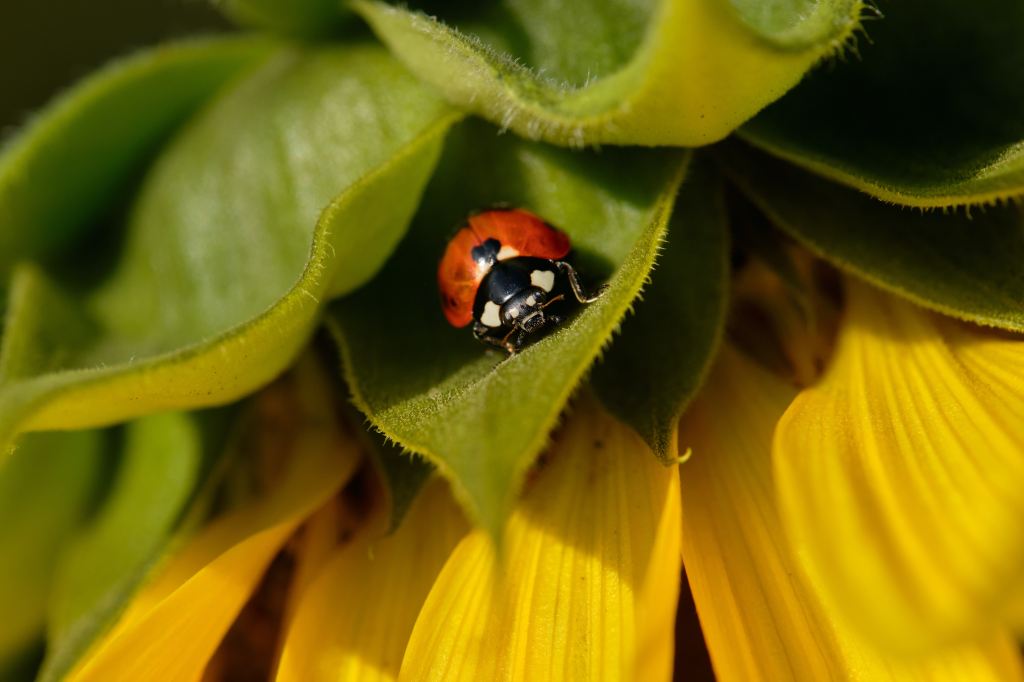
Every winter without fail, ladybirds – any number from about fifteen to forty – come to hibernate in our bedroom in the recess above the bedroom window. I have never taken a photo of them. And since Denzil issued his Nature Photo Challenge #27- Ladybirds – this week, I haven’t seen a single one out and about, so I am resorting to pillaging photos from Unsplash once more.

But Denzil himself suggested that since I’m fond of collective nouns, I should instead share the one for this charming insect. Ladies and gentlemen, I offer you – a loveliness of ladybirds. Isn’t that quite – er – lovely?

The featured photo is from Kandis in Glasgow, and the above image is by Malcolm Lightbody. Both can be found on Unsplash.

‘Everybody loves to fly: but no one loves the fly’*

It’s true. Flies on the chopping board? Swat it now. Fruit flies crawling over the fruit bowl? Sluice them under the tap. Horse flies? Aaagh.

And yet we need them, those flies. Their larvae clean up after us – all that poo, all those dead bodies. The adults pollinate for us. They’re part of the cycle of life that we depend on.

I have not a single photo. Not one. So I’ve gone to Unsplash, a free-to-use stock photo site that I use a lot and recommend to you. Denzil’s Nature Photo Challenge is meant to be an opportunity for us to showcase our own images. But this time, I’ll showcase the works of others. They really make the case for a fly being a thing of beauty, as well as of use.

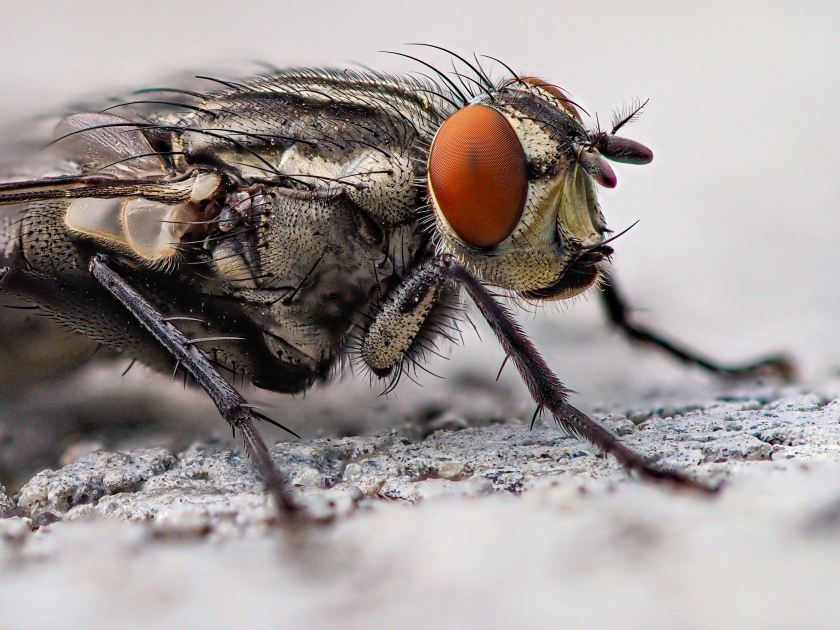
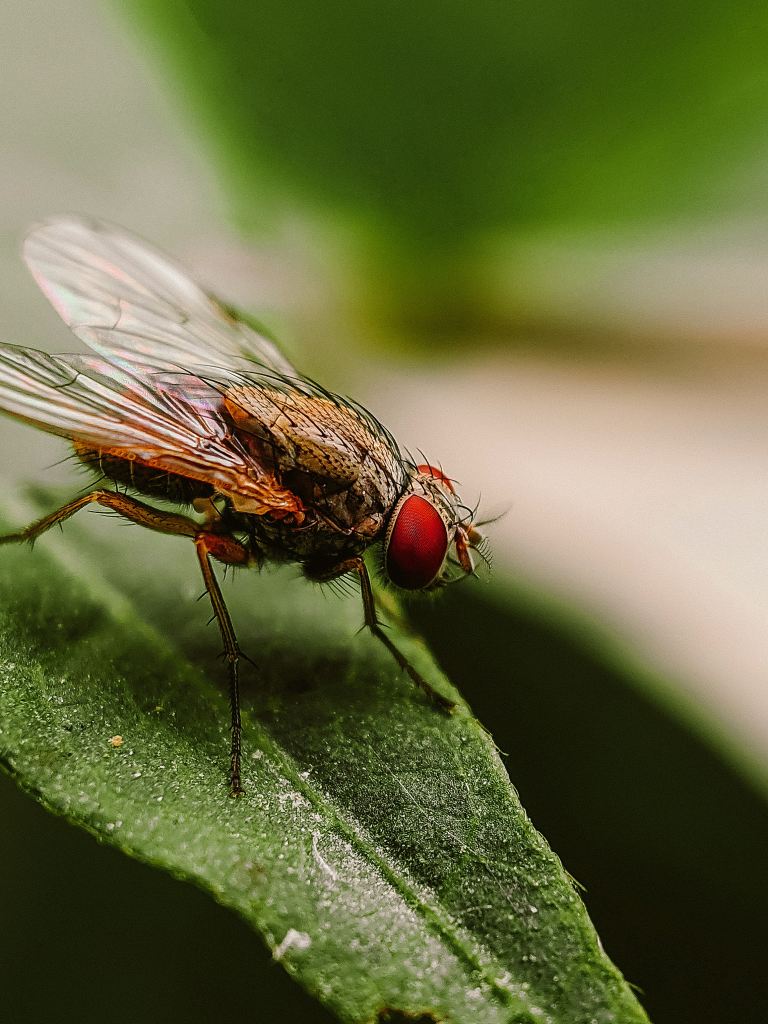
The photographers haven’t named their flies, so I’ve had to try. Corrections welcomed. We’ll start with the house fly:

Tobias Roth. The featured photo, also of a house fly, is by a Spaniard, Josep Plans.

Next, a sarcophaga, a flesh fly. I guess the clue is in the name.

Ranjith Alingal.

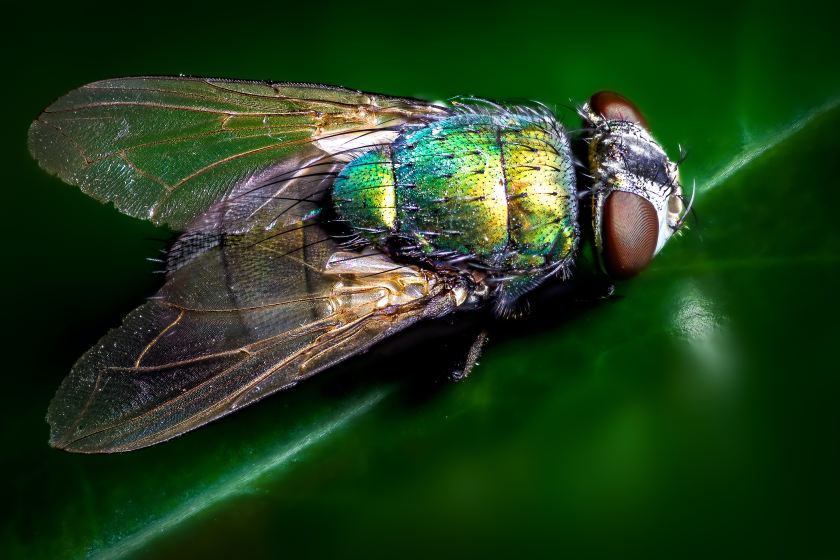
And finally, a green bottle fly.

Luca
  • Pall Maroof

Three Books. Three Good Reads

Considering that reading is such an important part of my life, it’s perhaps strange that I rarely blog about books.  Thanks to Sandra, writing from A Corner of Cornwall, I’m going to put that right this week.  She in her turn responds to Sam, at Taking on a World of Words.  Every week, she poses this question:

What are you currently reading?
What did you recently finish reading?
What do you think you’ll read next?

I can answer that.

I’m reading Benjamin Myers’ The Offing.  I first met this writer  Under the Rock, his poetically written book about his home patch in Mytholmroyd, West Yorkshire, and which simply defies categorisation – autobiography, geology, true crime, edgelands, poetry … it’s all here.

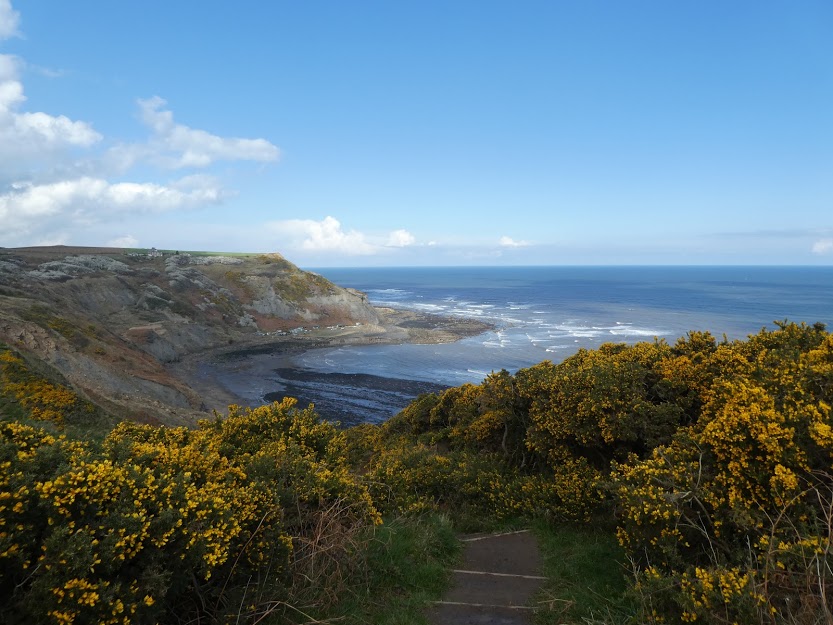
The setting for ‘The Offing’: the coast near Robin Hood’s Bay.

The Offing though, is fiction.  It tells the story of Robert, the sixteen year old son of a Durham coal miner, on the cusp of adulthood, as he foot-slogs slowly southwards just after the Second World War.  His simple hand-to-mouth existence changes when he meets Dulcie, who’s older, eccentric, from a very different world, and who opens her home to him. I won’t tell you more, because you may like to join the long queue of would-be-borrowers at your local library.  Here you will find an involving story, lyrically told, by an author who’s immersed in the sights, scents and images of the northern countryside he knows and loves, and who paints his characters well.

It follows on well from the book I’ve not long finished:  Julian Hoffman’s Irreplaceable.  I was led to this book by Bookish Beck.  It’s her book of the year.  It may be mine too.  Its subject matter is urgent:  the destruction of our planet.  Hoffman visits marshland in Kent that’s been under frequent threat of becoming another London airport.  He visits Indonesian islands whose unique coral habitats have been partially destroyed through mining.  He visits allotments outside London; a Macedonian National Park; Kansas prairie land … and so many more.  Such variety, and all so threatened in different ways.  Some of these stories end well, others badly, and yet others … who knows?  This is though, a call to arms. Hoffman makes it clear that our future lies not only in the hands of ‘experts’, but in indefatigable ordinary people battling for their own communities, their own treasured landscape.  And it’s not simply a battle between Progress and Tradition.  Life is more nuanced than that.  Sometimes, compromises may be needed.  But what kind of compromises?

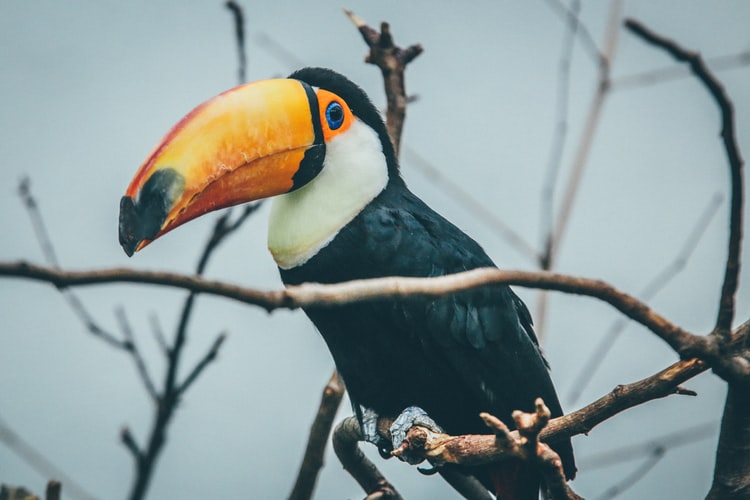
Now. Why have I chosen a photo of a toucan to accompany my thoughts on Irreplaceable? You’ll have to read the book to find out. (Photo from Nick Karvounis , Unsplash)

Though a fairly long book, this is an accessible one.  The prose is evocative and to be lingered over and savoured.  It’s an excellent, beautiful read as well as an important one.

And the next one to read?  This time, that’s easy.  Book Group is coming up: best get this month’s choice under my belt.  An American Marriage, by Tayari Jones.  If Barak Obama describes it as ‘moving’, one of his favourite summer reads of 2018, that’s good enough for me.  I wonder what Donald Trump’s favourite book is?

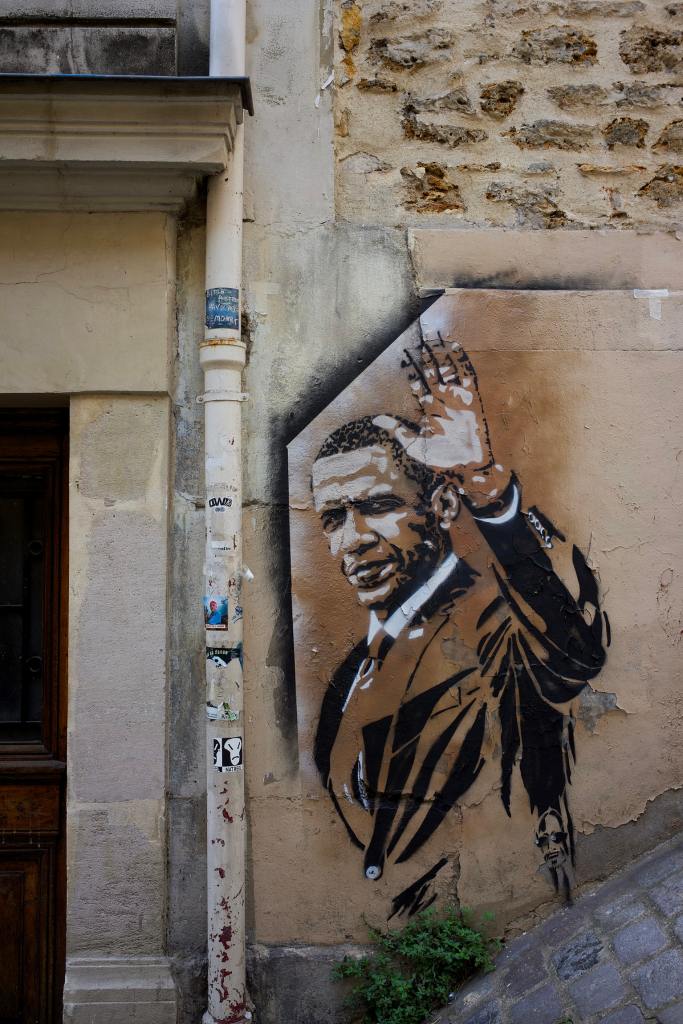
Barak Obama – street art in Montmartre (Lubo Minar: Unsplash)