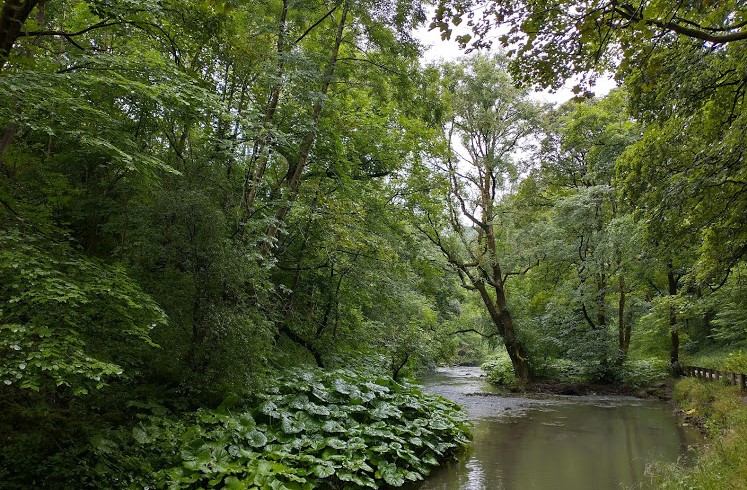
What do you think of when Derbyshire’s Peak District is mentioned? It’s a glorious area of England, part of its Pennine spine. There are old stone-built towns and villages with long histories of hard work in mining, textiles and farming. There are limestone and millstone grit uplands and escarpments, with distant forest and moorland views, and valleys and gorges cut deep into the limestone.
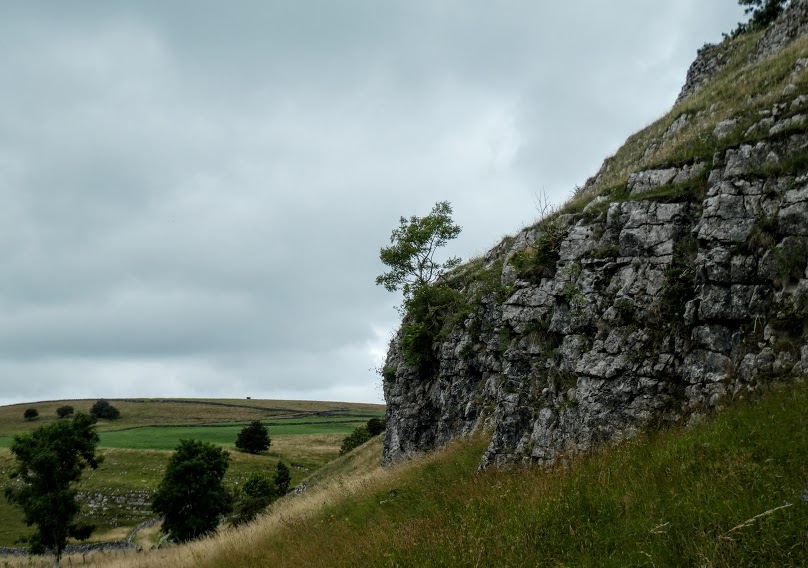
We were there last weekend. Not for the broad brush of those appealing landscapes, though we got those too. Instead, we were there to inspect what we could see inches, or at most feet from us, as we and a small band of like-minded people slowly wandered narrow pathways and farmers’ tracks with Mark Cocker., on a tour which he organised with Balkan Tracks.
These were the tracks of our childhood, a time when (if you’re as old as me) flowers and insects weren’t routinely eliminated from the fields by cocktails of fertilisers and insecticides. Nature Walks were the once-upon-a-time weekly staple of the village school where I began my education: a neat crocodile of children hunting curiously for leaves, berries and treasures for the Nature Table in the corner of the classroom. Our group last week formed anything but a neat crocodile, and we collected treasures through the lenses of our cameras, exchanged young eyes for our pairs of binoculars.
The places we explored with Mark often had poor thin soil. It’s not worth cultivating, but huge numbers of wild flowers seek out and colonise such spaces and it can be pasture-land too. Where there are flowers, there are insects: flying creatures of all kinds, bees of all kinds, beetles, moths, butterflies.
I knew there were a fair number of different bee species, though I had no idea that there were some 270 of them. But I thought a bumblebee was a bumblebee was a bumblebee. It turns out that there are getting on for twenty different kinds, and that some of those are cuckoos. Cuckoos? Well, yes. Cuckoo bumblebees are as wily as the birds they are named after. They lay their eggs in another bee’s nest and leave the workers of that nest to rear the young.
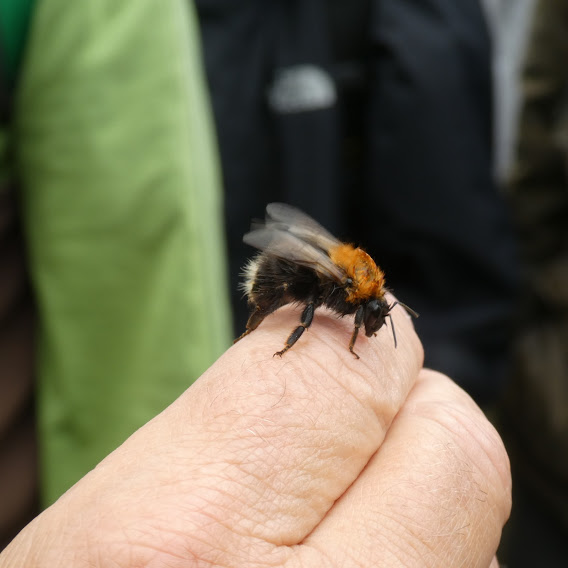
We found caterpillars, we found flying creatures and bugs, we found moths and butterflies. Mark was excited enough about one find to write it up in this week’s Guardian.
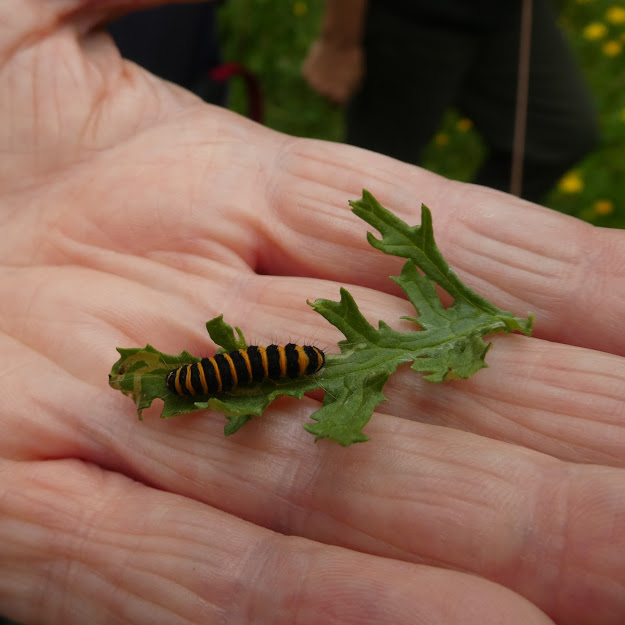
Cinnabar moth caterpillar 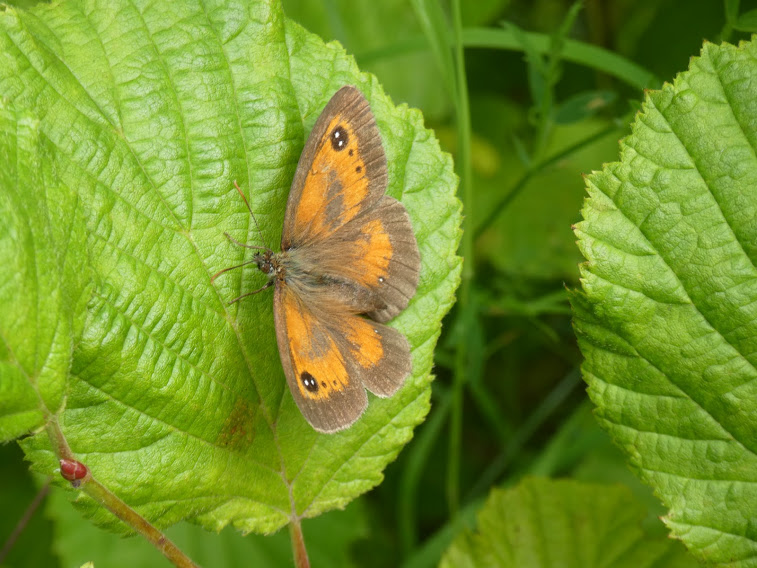
Gatekeeper butterfly 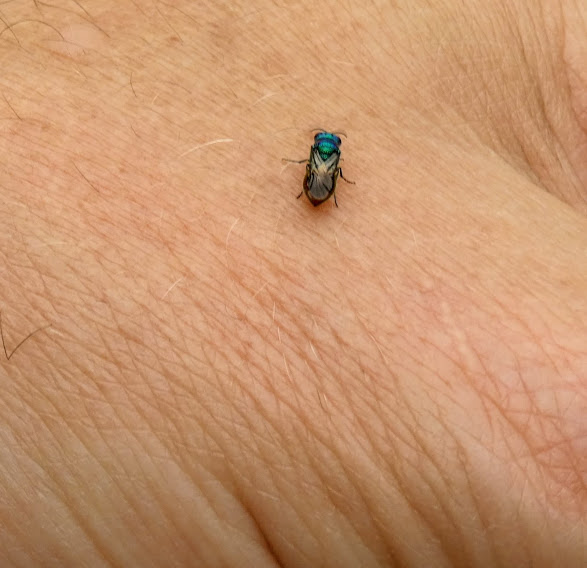
Ruby-tailed wasp
We climbed up to Solomon’s Temple. We wandered through Millers Dale, once the site of a busy railway line. We explored a now disused quarry, now colonised by a rich variety of life, including orchids, and a collection of stunted trees. Unable quickly to get the nourishment they need, they reach maturity as dwarves. We explored almost unvisited dales such as Hay Dale. All these were limestone, but we had a little time in the imposing millstone grit landscape of The Roaches, which – don’t tell anyone – is actually just in Staffordshire.
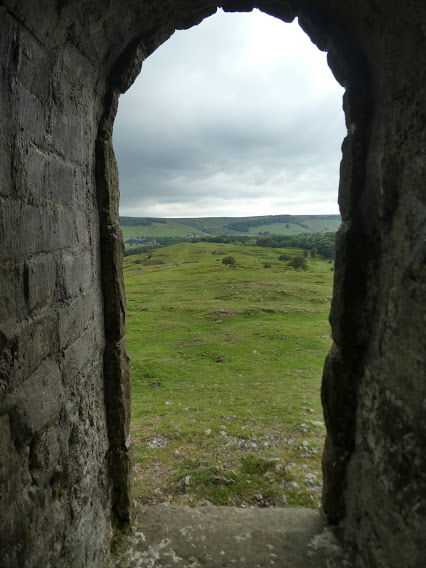
The viewfrom Solomon’s Temple 
Millers Dale 
This quarry just off the main trail hosted abundant flowers .. and these stunted trees 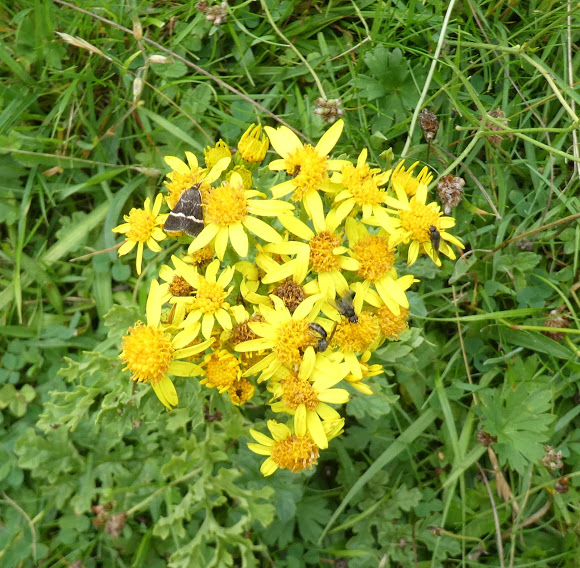
Ragwort plays host to a huge variety of insect life 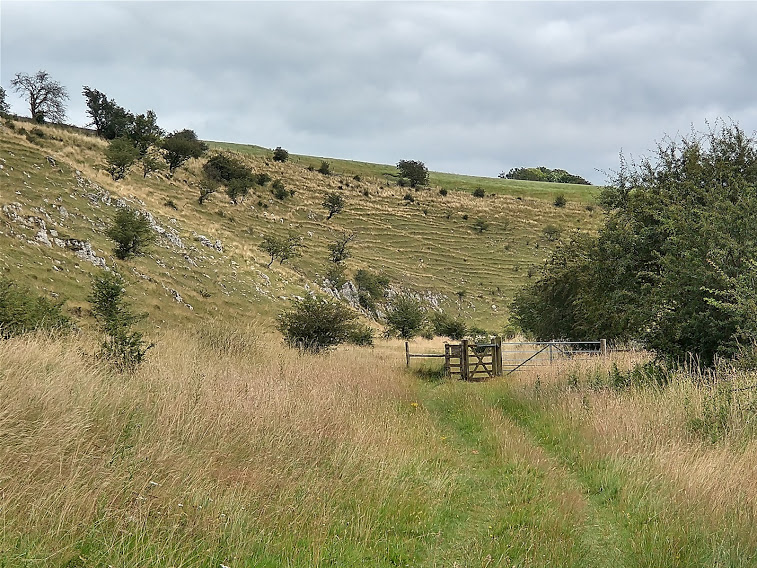
Walking in little-visited Hay Dale 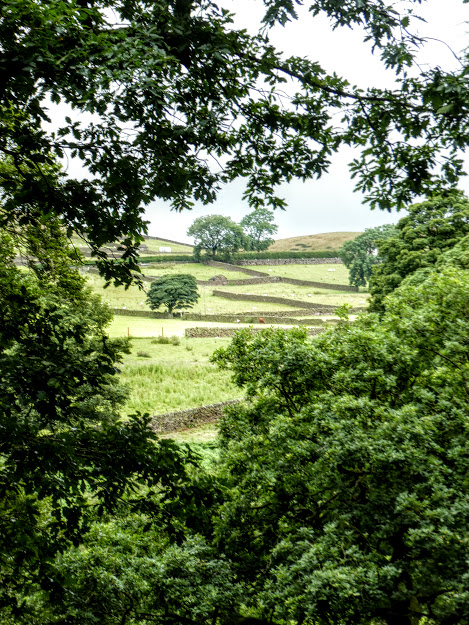
A view from the Roaches
Our days were far from silent. Even if it’s no longer prime bird-song season, there were spotted flycatchers, willow warblers and sightings of various finches and tits. Wheeling above us: buzzards, red kites, hobbies, while shallow rivers, busily chattering over stones and rocks were feeding stations for dippers and ducks.
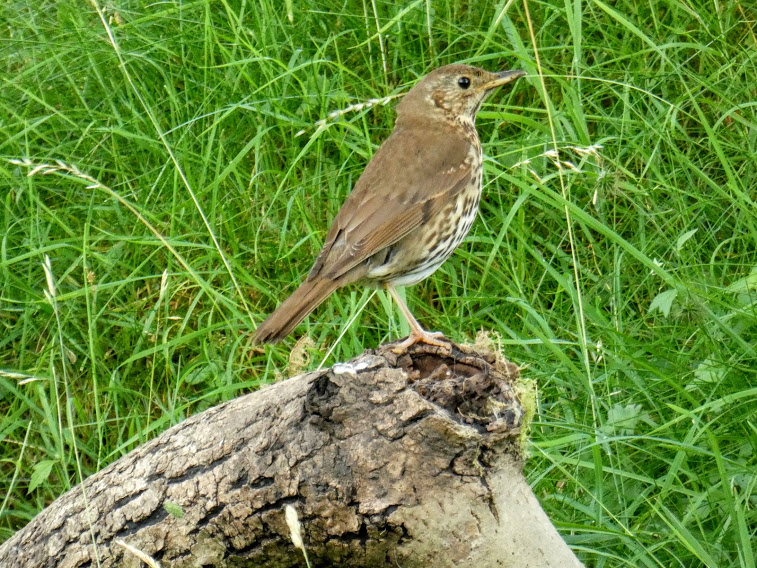
This song thrush obligingly posed for a photo 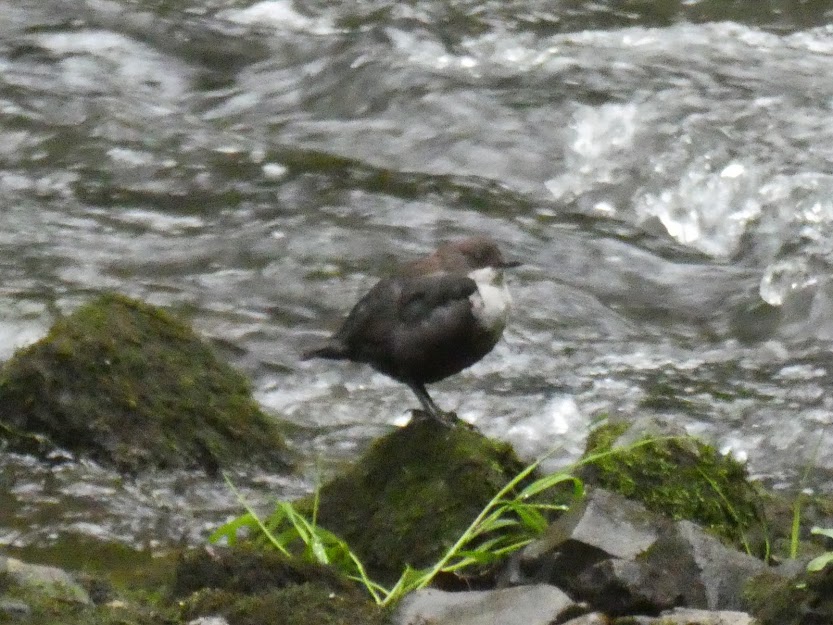
A distant dipper on the River Wye
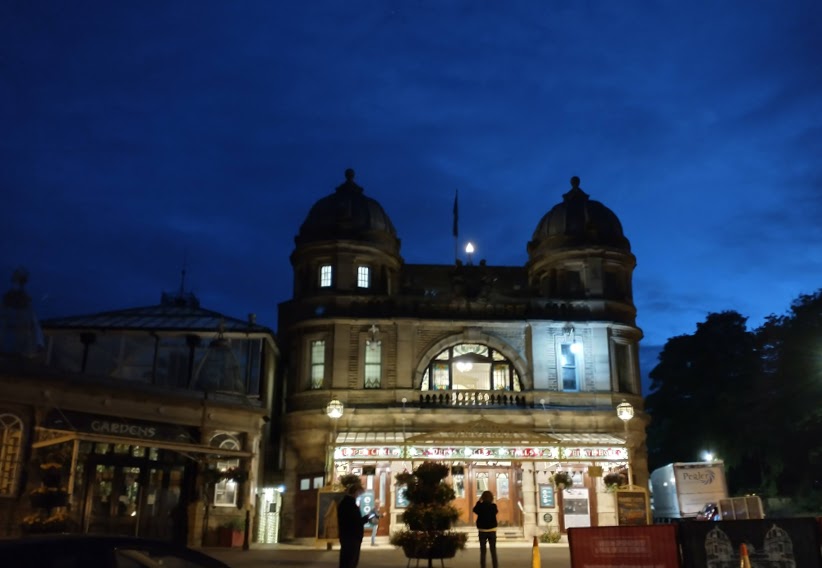
We even had a little time to explore Buxton, where we stayed, and where, each evening, we ate, talked, laughed and generally got to know each other at the (highly recommended) Brasserie.
What a weekend. I’ve learnt that I still have an awful lot to learn. And our own garden is the perfect classroom.
 From Pyrenees to Pennines
You must be logged in to post a comment.