Six Degrees of Separation: from Knife to The Lightless Sky

On the first Saturday of every month, a book is chosen as a starting point and linked to six other books to form a chain. Readers and bloggers are invited to join in by creating their own ‘chain’ leading from the selected book.

Kate: Books are my Favourite and Best
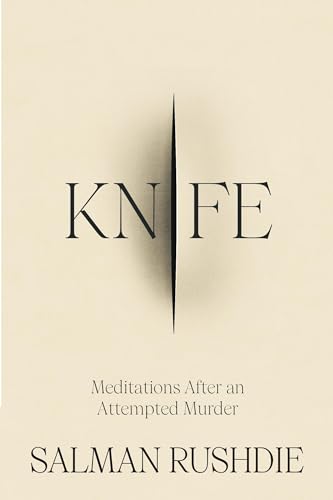
This month’s starter book is Salman Rushdie‘s Knife, a memoir written in the aftermath of the attempt on his life in 2022, and as a result of which he lost his sight in one eye. I haven’t yet read it. But I have read another memoir which deals with the shadow of death.
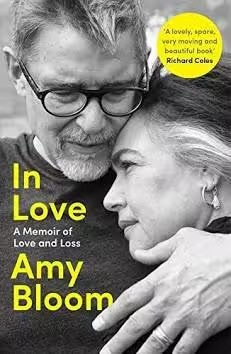
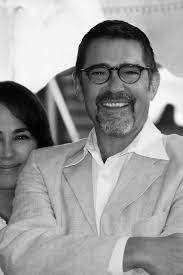
This is Amy Bloom‘s In Love – a Memoir of Love and Loss. Bloom has written a searing account of the last year of her husband Brian Ameche’s life. This became a roller coaster year: except it wasn’t, because as she points out, roller coaster rides are thrilling, fun, and fast and furious. Ameche’s last year of life was none of those things. It was the year in which he received the diagnosis he – and she, and those close to him – feared: dementia. Within a week, he had decided, and never wavered, that he would choose to die rather than totter onwards through some kind of half-life . The book reports, dodging back and forth through time, their exploration of how he might die, and arriving at the decision that Dignitas offered him – well – dignity in dying. Against the odds, this book is often wry, funny, darkly humorous, sarcastic and savvy. The pages turn very easily. It’s a moving, very thought-provoking memoir.
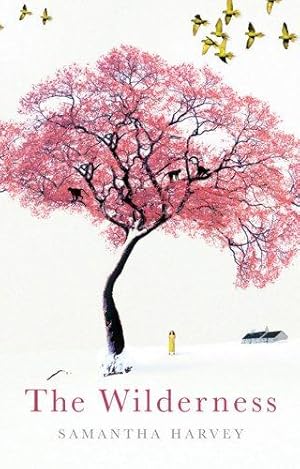
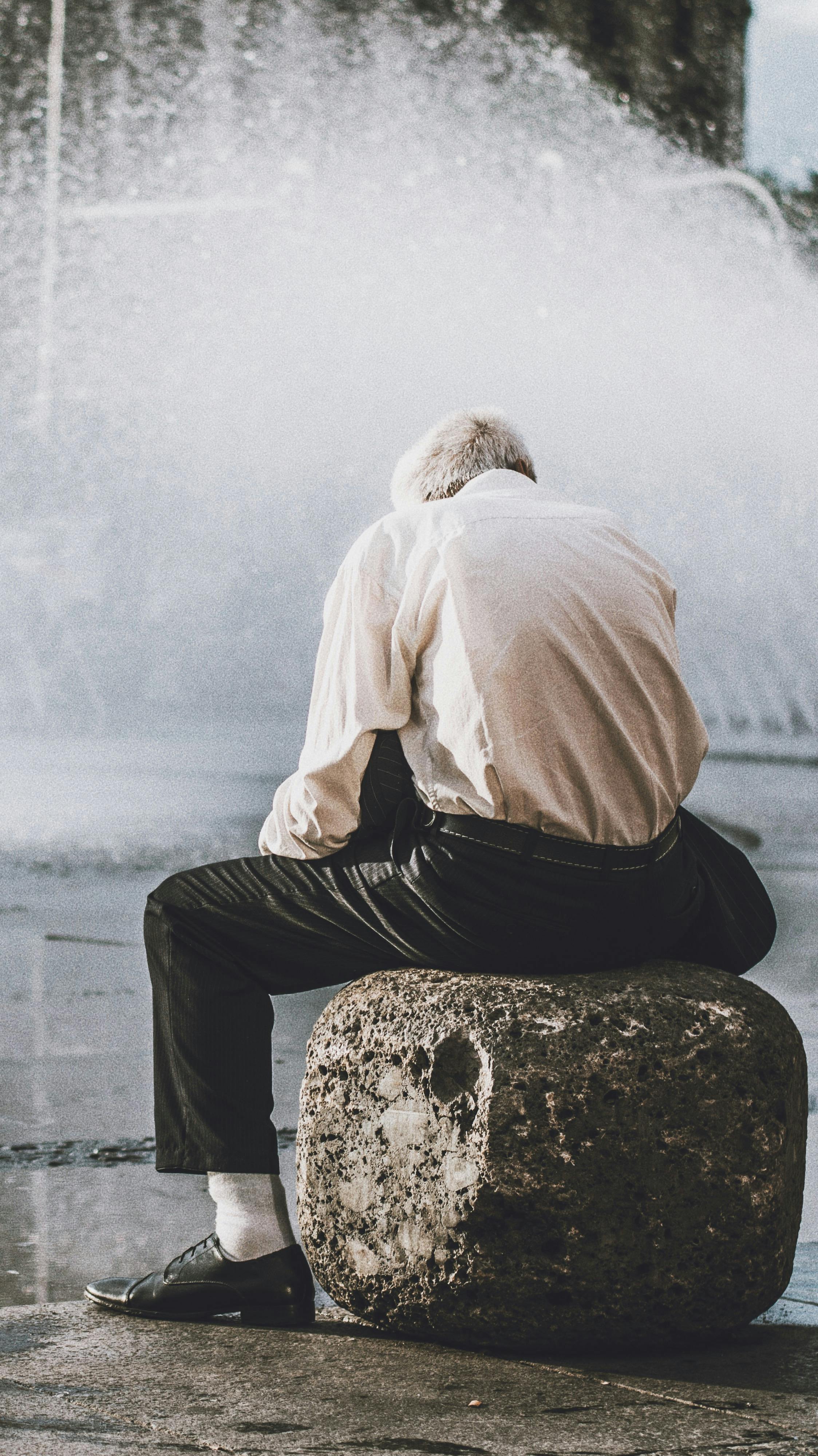
Now to a book featuring a character who has – not dementia, but its close cousin – Alzheimer’s disease. The Wilderness, by Samantha Harvey. This is the story of Jake, 65 year old Jake, whose wife has died, whose son is in prison, whose daughter ….. well, Jake has Alzheimers, and we tumble with him into a tangle of reminiscence, misleading timelines and confusion, as like him, we try to make sense of his new helplessness and puzzlement about the fates of those he holds dear. It’s a wonderfully imagined book, which gave me real insight (and fears) into an existence entirely dominated by unreliable memories, whether of mothers, lovers, or where to store the coffee cups. Here is a man who was once an architect with vision, now reduced to dependency and frustration. Beautifully written, it had me gripped till the last page.
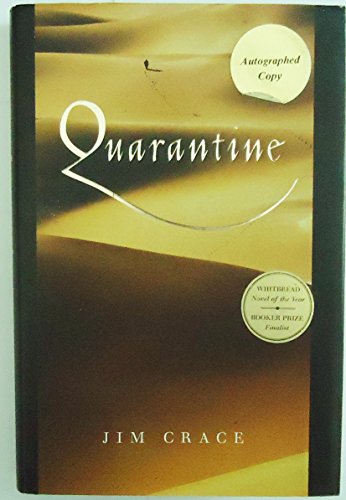
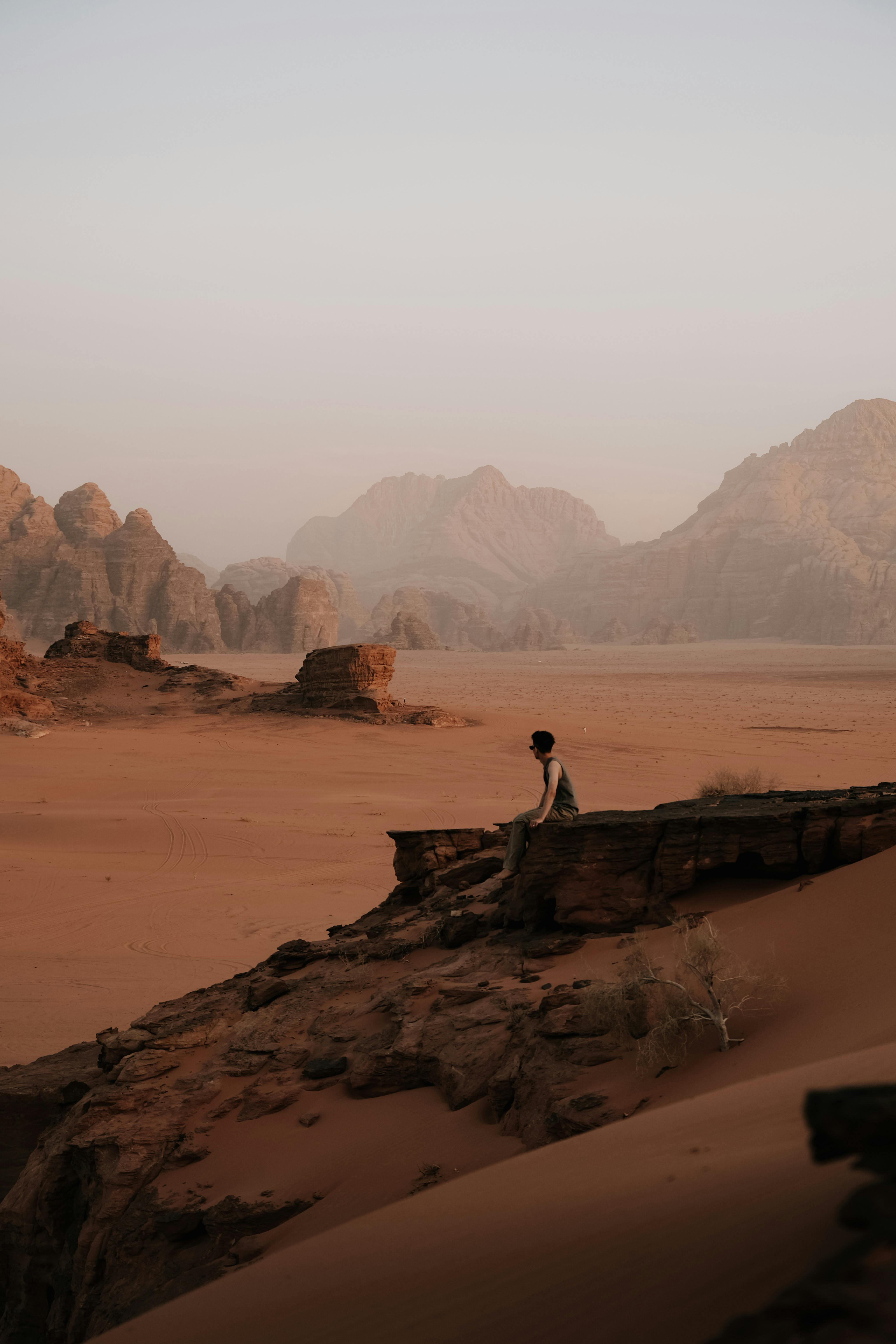
Here’s a book about a wilderness of the natural world kind, by Jim Crace. Quarantine. I read it years ago, long before I kept reviews of every book I read. So I’ll quote Carys Davies, writing in the Guardian. ‘Crace’s masterful novel takes us into the parched and hostile landscape of the Judean desert, where we meet Christ himself – naked and fasting – and a small band of other “quarantiners”, all with their different reasons for being there. A spellbinding tale that is by turns funny and grotesque, lyrical and philosophical; a fascinating study of hope and fear, belief and imagination’.
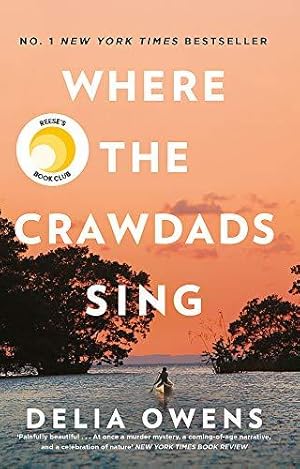
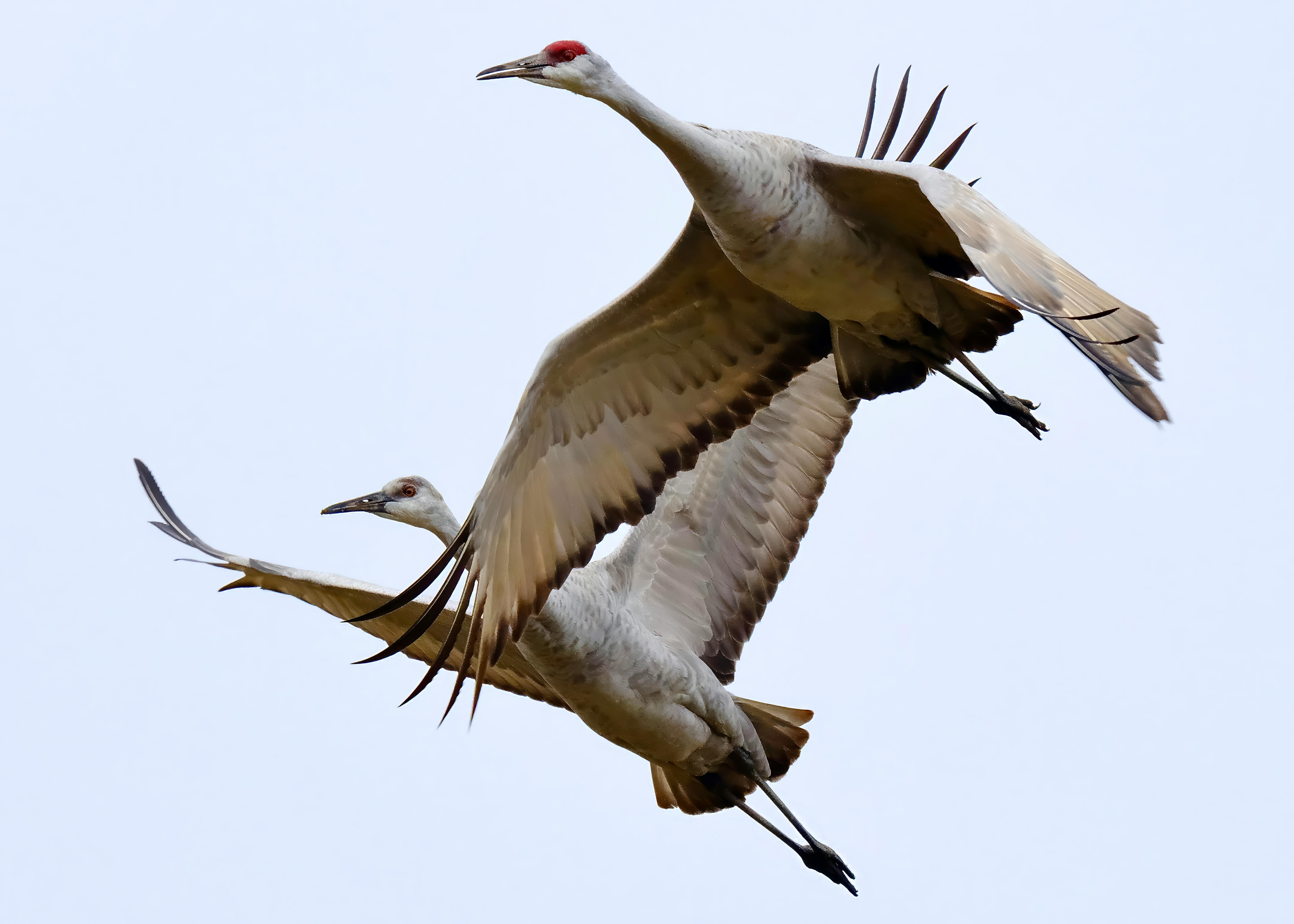
Delia OwensWhere the Crawdads Sing is set in a kind of wilderness too – a wild untamed place at the edge of the sea. Is it the perfect novel? Perhaps. It’s got something for everyone: a coming-of-age story about a young friendless girl, Kya, abandoned by her family and siblings, who has to make her own way in the world as ‘Marsh girl’, living in a shack on the shoreline. It’s a mystery story. Though this element unfolds slowly, once it developed, it had me gripped until the very last page. It’s beautifully evocative nature writing too, informed yet lyrical, capturing the soul of a North Carolina marshland shoreline rich in bird and other wildlife. This is a book about Kya herself, and about the community where she grew up in the 1950s and 60s, with its racial divisions.
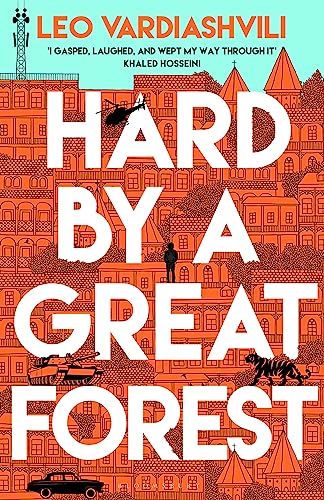
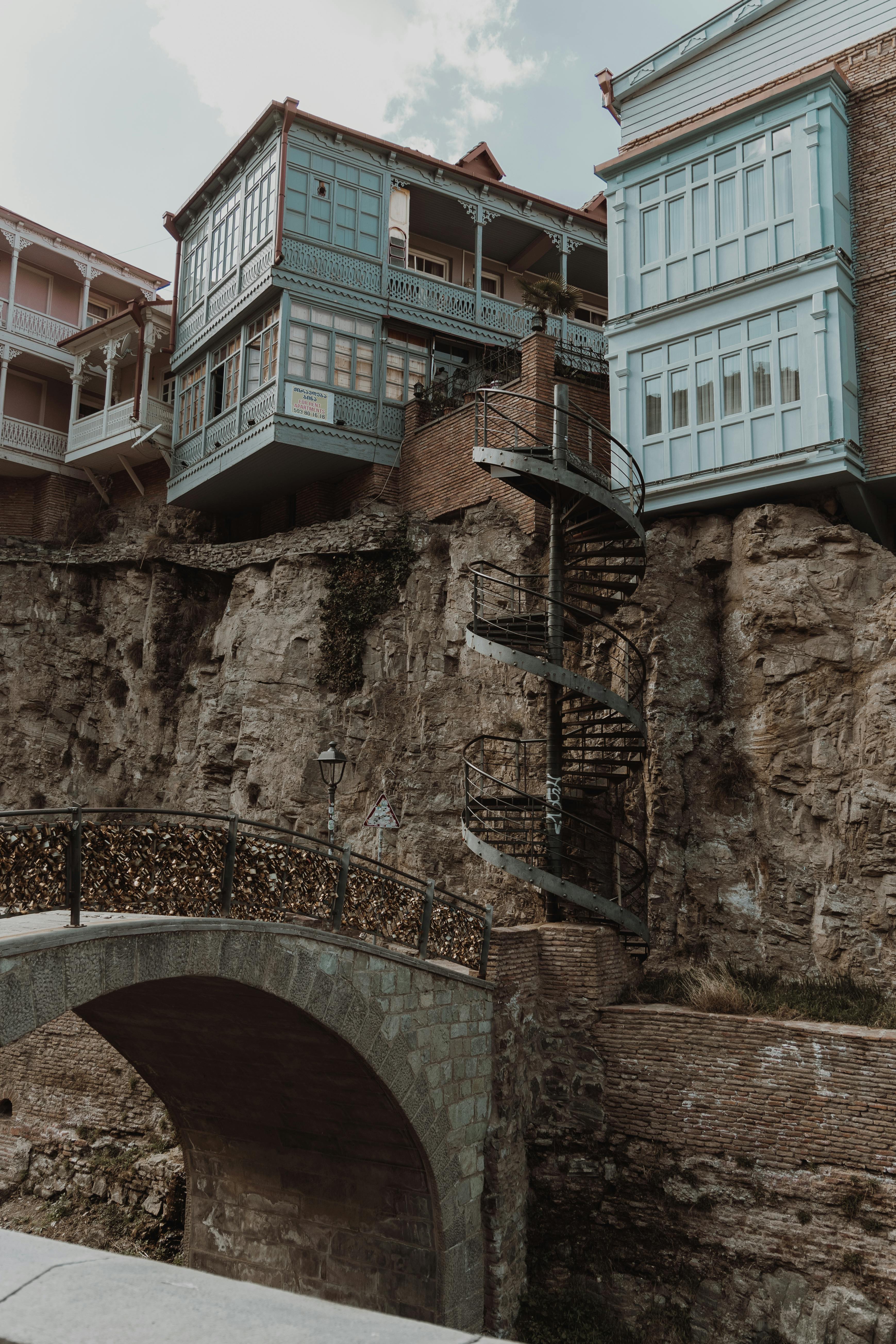
There’s a wilderness of yet a different kind in Leo Vardiashvili‘s Hard by a Great Forest. Saba, his older brother and his father came to England – originally as asylum seekers from Georgia following the collapse of the Soviet Union. They’re dogged by guilt that they never managed to bring Saba’s mother over before she died. Some twelve years after their arrival, the father returns to Georgia, to Tbilisi, then disappears. The same happens with Saba’s brother when he goes to look for him. So Saba goes too. What follows is an adventure that is in turn picaresque and Kafkaesque. His trail is guided by the dead relatives and friends who speak to him from the grave, with their grievances and advice. He is by turns optimistic, melancholy, cynical, and with a great line in absurdist wit. In his quest he’s assisted by the first taxi driver to give him a lift, Nodar, who offers him bed and board, and then all of his time. Nodar has an agenda of his own, which first leads to the story’s first crisis. Their adventures have a nightmare quixotishness which are exhausting to read, and full of menace. Leitmotifs running through the book are the incidents involving the wild animals who have escaped from Tbilisi zoo and roam town and countryside randomly, and sometimes menacingly. This is a galloping adventure story that is at times difficult to read, because rooted in an uncomfortable reality.
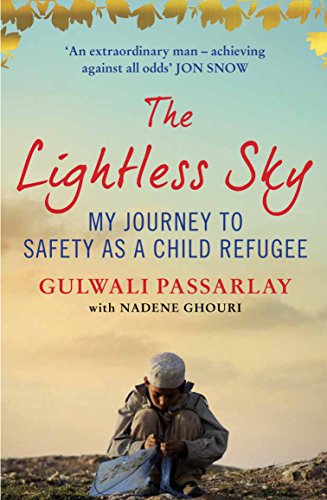
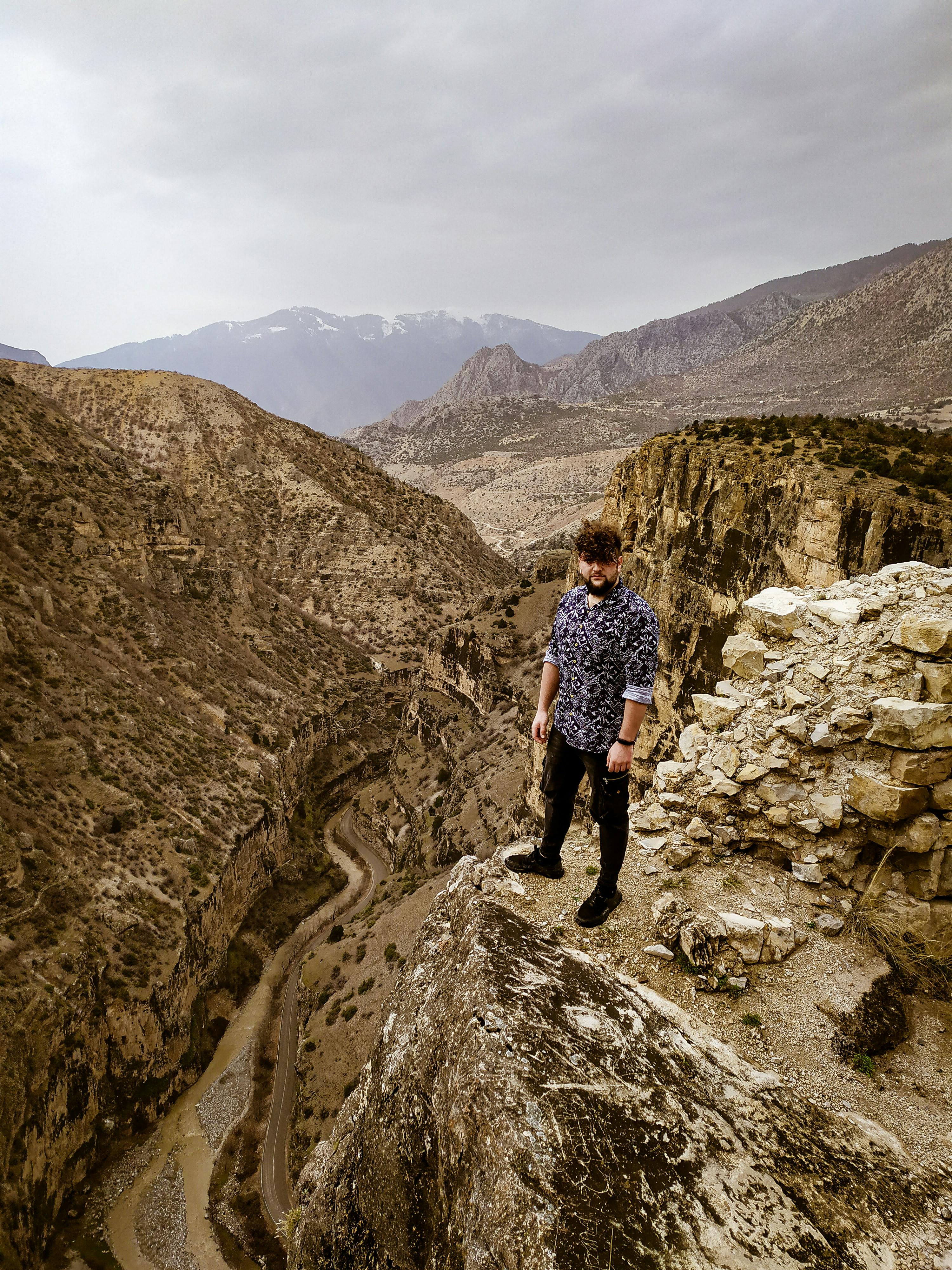
Vardiashvili was himself once an asylum seeker, arriving here when he was twelve. So was Gulwari Passarlay, who wrote The Lightless Sky. This memoir is the story of an ordinary twelve year old Afghan boy, forced to become extraordinary when his family pays traffickers to get him out of the country and into Europe. It’s the story of a child forced within weeks to become an adult confronted with situations nobody should ever have to deal with. It should be required reading for anyone who’s ever complained that such people should get back where they came from, that they are here for the benefits they can extract from their host country. This is a powerful, harrowing book by a boy – now a man – who has survived, and is now making the most of every opportunity that he can to change the situation of refugees and our perception of them.

I’m not going to attempt to link this last book back to the beginning of my chain: except perhaps that both are memoirs. Instead, I’ll tell you that next month’s starter book will be Rapture by Emily Maguire. And I have this evening finished the first book which I’ll link with it.

With the exception of my first image, which comes from the Times’ article about Ameche’s decision to end his life, the rest come from photographers contributing to Pexels: Abdul Rahman Abu Baker; Christyn Reyes; A G Rosales; Roman Odintsov; Tolga Karakaya. Thank you to each one of them.
Six Degrees of Separation: from Orbital to Walking the Bones of Britain

On the first Saturday of every month, a book is chosen as a starting point and linked to six other books to form a chain. Readers and bloggers are invited to join in by creating their own ‘chain’ leading from the selected book.

Kate: Books are my Favourite and Best

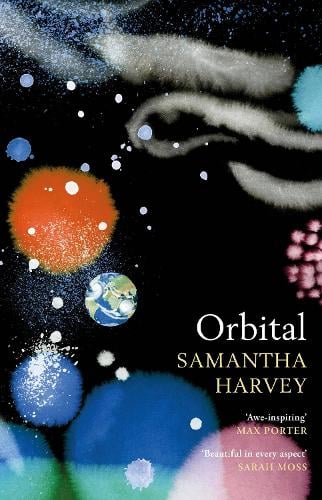
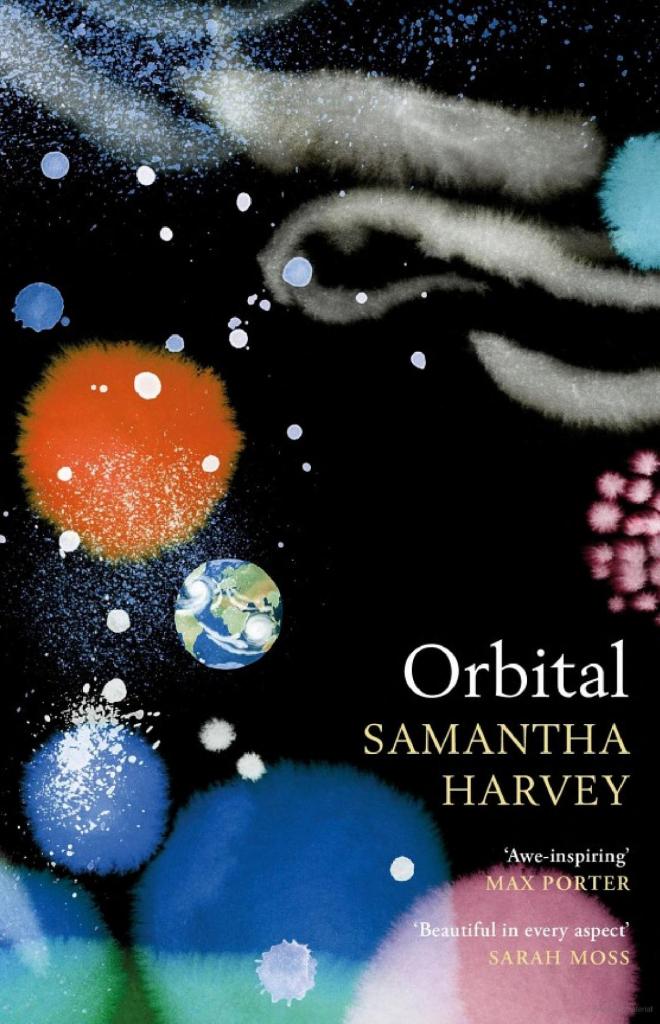
This month’s starter book is the 2024 Booker Prize winner: Samantha Harvey‘s Orbital. I loved it. This book moves through space with six astronauts, viewing the spectacular and the ordinary, distance and intimacy and invites us, the readers, to wonder too.

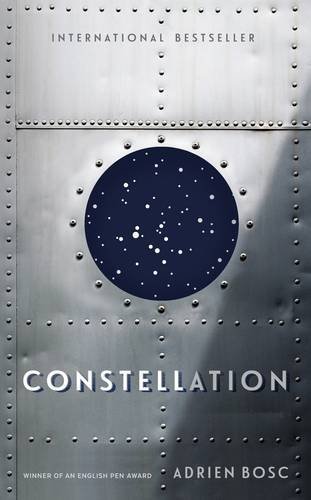
My first link is by book title as much as subject matter. Constellation by Adrien Bosc has pilots rather than astronauts at the heart of his story. Based on an actual plane crash that took place in 1947 in the Azores, on a flight from Paris to New York. Bosc was fascinated by the mysterious history of this tragedy, for which there was little explanation. The flight was carrying a number of well-known people, as well as a group of Basque shepherds. The book tells the story of many of these people, and gives them a voice, as well as piecing together what he can about the story of the crash itself. An interesting blend of actual facts and a degree of surmise. Here’s a story about the inter-connectedness of collective tragedy, engagingly told.

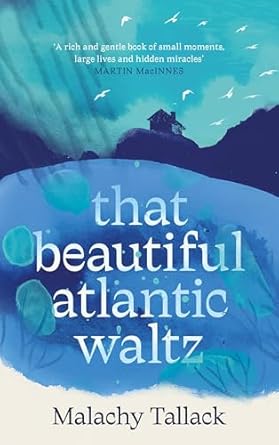
My next book begins with dealing with the elemental natural world in a different way: the sea this time. Mallachy Tallack‘s That Beautiful Atlantic Waltz is a quiet book, telling a story with its roots in the 1950s, when the main protagonists’s father Sonny was working in brutal conditions on a whaling ship before returning to the Shetlands to ask Kathleen to marry him. Jack is their son, and grows up unable to find his place in life, except through the medium of the country and western music he loves. The story of Sonny, Kathleen and especially Jack interweave to tell a story with no great dramas, but which lyrically evoke their simple Shetland lives.

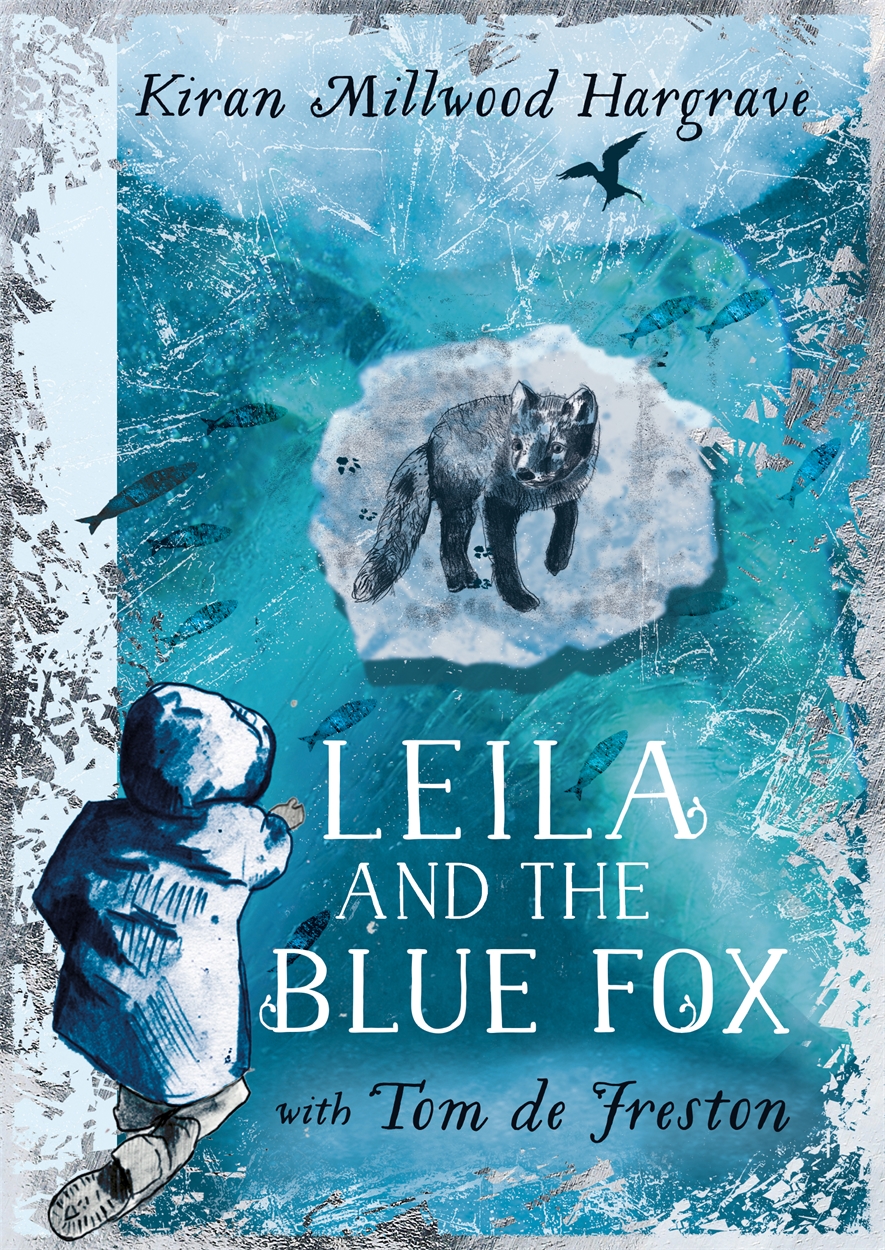
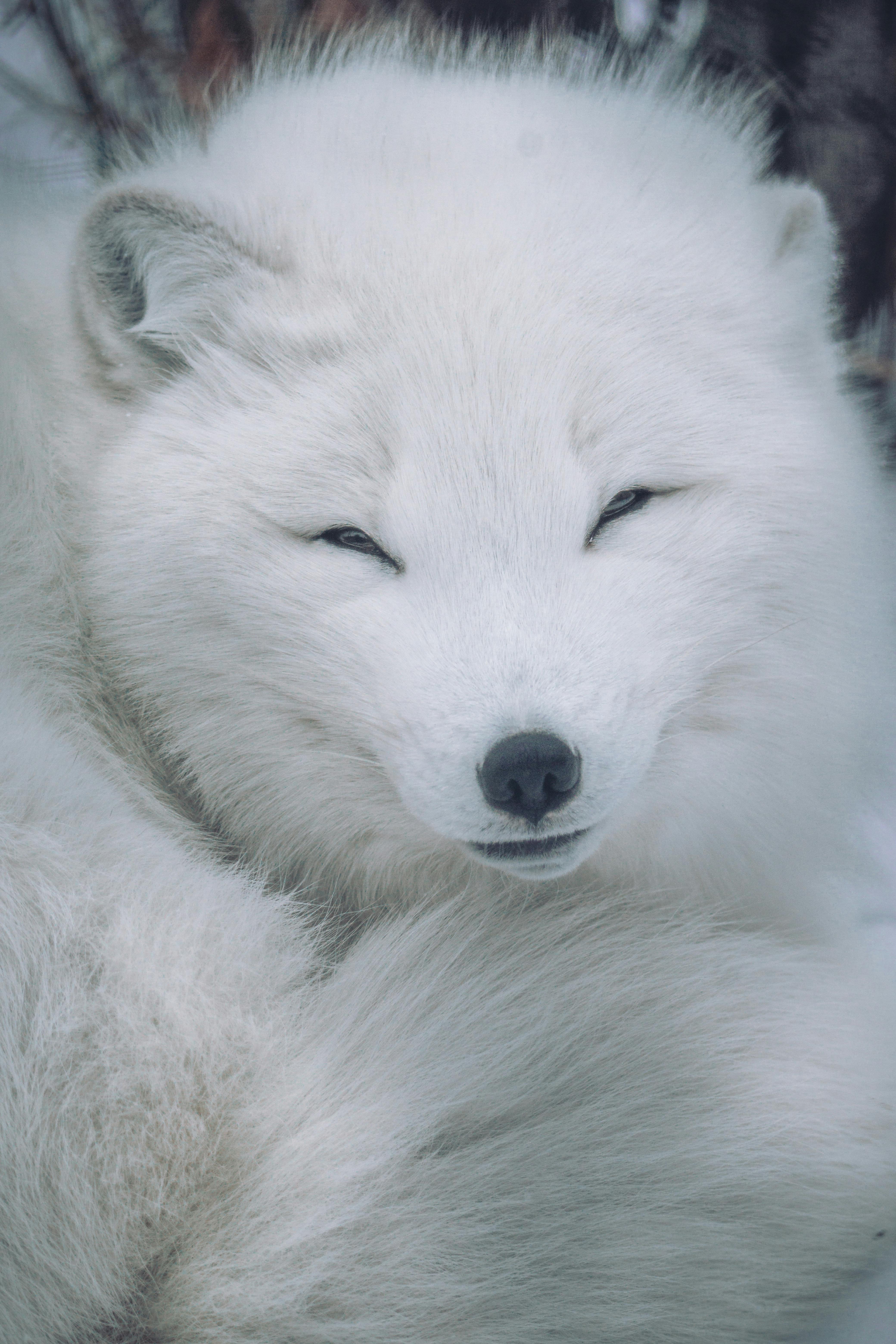
The elements and the natural world come to the fore in my next book, written for children: Leila and the Blue Fox by Kiran Millwood Hargrave. A lovely book for older children, this story is told as much by the glorious blue and black illustrations that illuminate the action described. This is a story of migration. Of Leila, a Syrian asylum seeker who lives in London with her aunt and cousin. Of her mother, who is now an academic in northern Norway, studying climate change as it affects the animal population of the Arctic. And of Miso, the Arctic fox whom she and her fellow research scientists are tracking as she completes her 2000 mile migration from the eastern Arctic to Canada. Leila comes to spend her summer with her mother as the research project evolves by going to follow the little fox ‘in person’. It’s an opportunity to discover the raw beauty of the Arctic, the courage and steadfastness of one little fox, and most importantly, a chance or Leila and her mother to discover and rediscover their bond. A story that invites thought and reflection on the whole issue of migration, and the issues which face those obliged to migrate, whether human or animal.

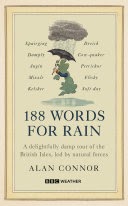
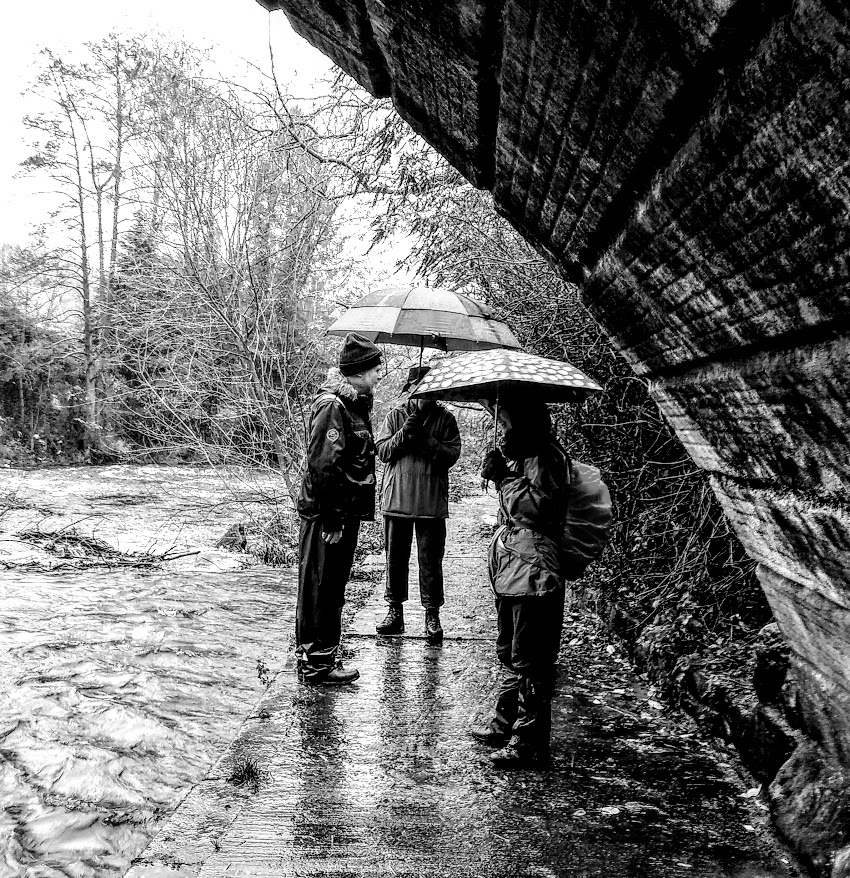
From Elements to Weather, British style. 188 Words for Rain, by Alan Connor. When I noticed this title at the library, I knew immediately I wanted to read it. A tour of the British Isles looking at all the different words that have evolved over the years to describe this most British of weather phenomena in all its manifestations? I was in! And it WAS interesting, reminding me of many terms I know, and many more that I don’t. Together with engaging weather-related factoids. But it was held together by pointess little anecdotes of imaginary people and their experience of these phenomena, intended to drive the narrative along, but which only succeeded in irritating me. A good idea spoilt.

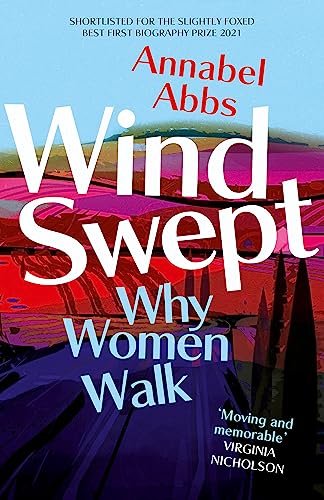
Now why should a book about rain lead me to a book about walking, eh? Must be because I’m English, and a woman who walks. Annabel AbbsWindswept: Why Women Walk is, according to the publisher ‘The story of extraordinary women who lost their way – their sense of self, their identity, their freedom – and found it again through walking in the wild.‘ And this applies to Abbs herself, who interweaves episodes from her own walking life with the stories of famous women, not noted as walkers, such as Simone de Beauvoir and Gwen John, to whom walking was a fundamental need and source of renewal and refreshment.

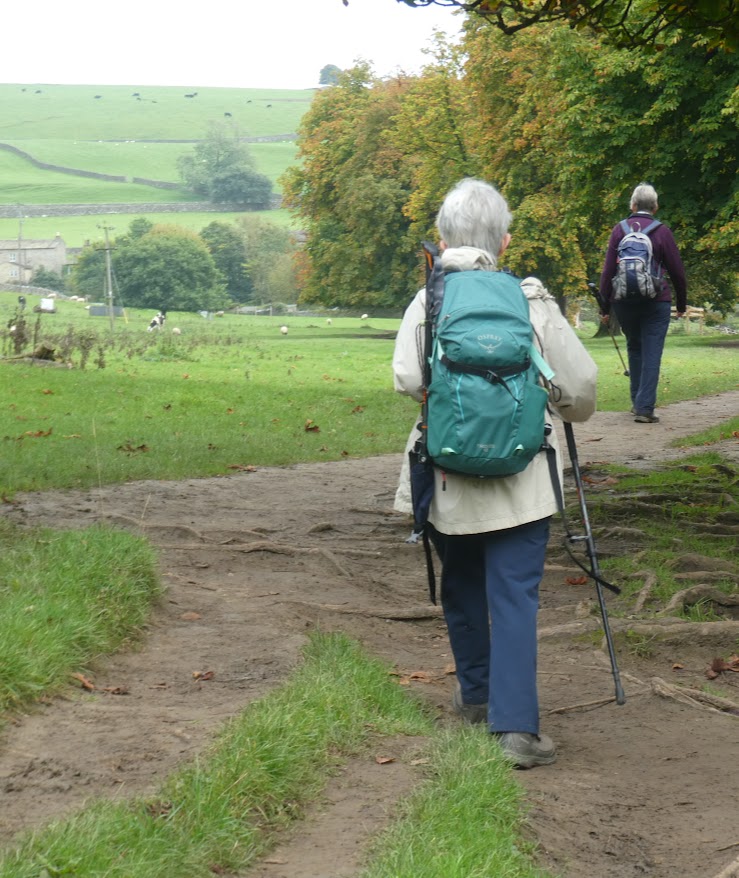
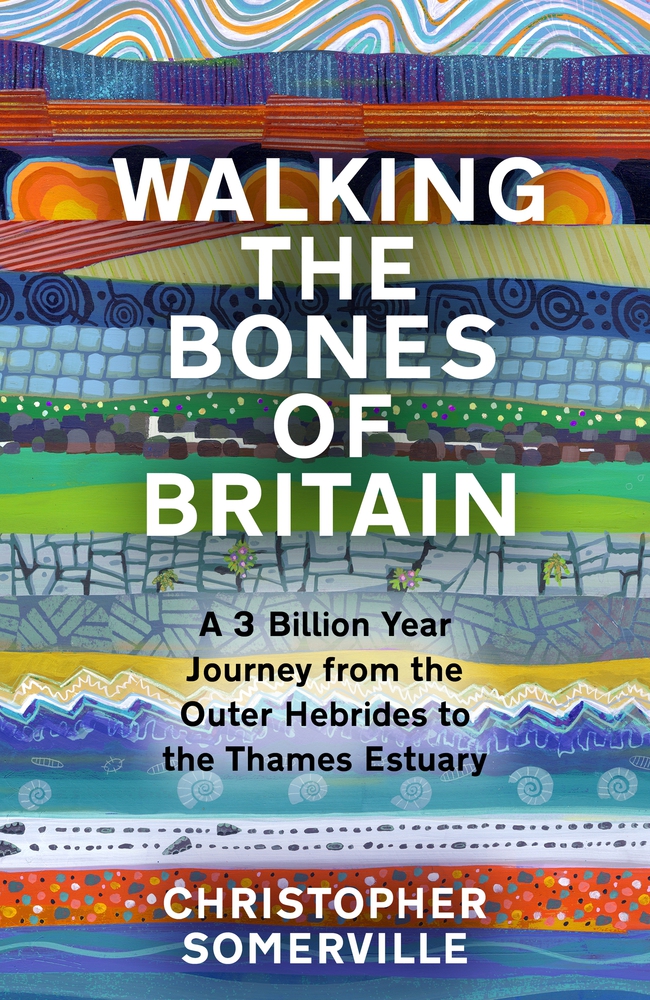
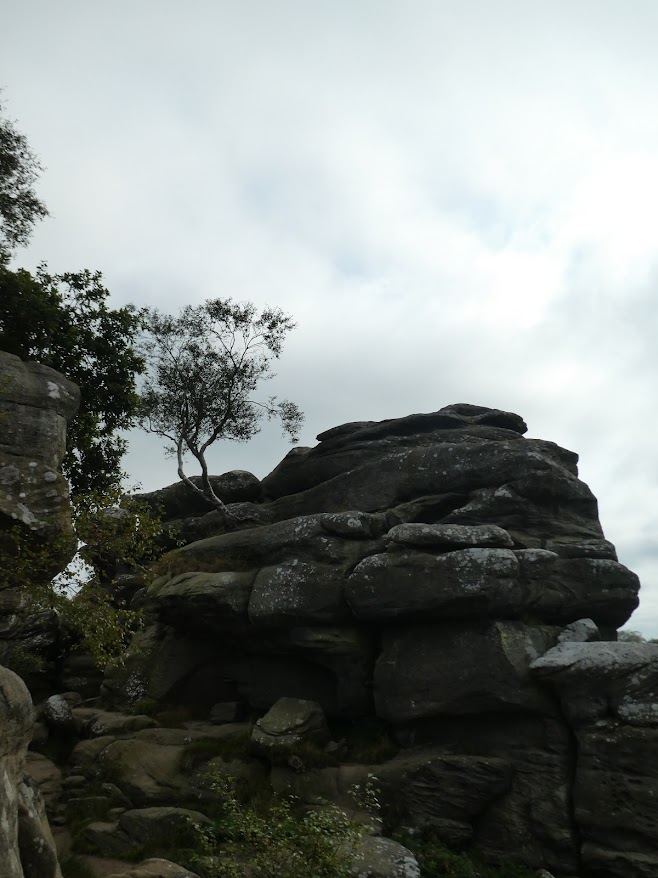
Which brings me to my last book:  Walking the Bones of Britain by Christopher Somerville.  What a rich and immersive book this is. For a small island, our geological story is particularly rich. Somerville undertakes to walk it, from the north of Scotland down as far, slightly oddly I thought, only to the River Thames. And this is what he does. He’s curious to examine the geology of every path he takes, and to understand what effect the geological story has had on the development of the landscape and how it has been exploited by the people who live in it. He’s investigative, humorous, personable in his enquiries, which makes what could be a difficult book approachable. This book has opened my eyes to the landscape, both locally and more widely throughout Britain.Which brings us full circle. In Orbital, our astronauts see the whole earth spread beneath them as they orbit the planet, whereas Somerville examines just a small portion of the planet in forensic detail.

Next month’s starter book is one I don’t know, by an author I don’t know either. Dangerous Liaisons by Pierre Choderlos de Laclos.

Six Degrees of Separation: from Tom Lake to Meadowland

On the first Saturday of every month, a book is chosen as a starting point and linked to six other books to form a chain. Readers and bloggers are invited to join in by creating their own ‘chain’ leading from the selected book.

Kate’s: Books are my Favourite and Best

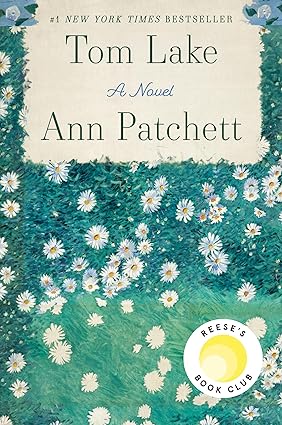
I haven’t read the starter book, Tom Lake by Ann Patchett, which is set in small-town Michigan. Here’s how Book Browse summarises it: ‘Tom Lake is a meditation on youthful love, married love, and the lives parents have led before their children were born. Both hopeful and elegiac, it explores what it means to be happy even when the world is falling apart’. It sounds to me as though it also reflects upon how in the end we are alone, even if living in an established family or community.

Kent Haruf’s Plainsong is set in small town Colorado.  This beautifully written, spare, stark book takes as its theme the loosely intermingled lives of various abandoned souls who live in the imagined town of Holt, Colorado.  There’s teenage Victoria, pregnant and abandoned by her boyfriend;  Tom Guthrie, whose wife has retreated into deep depression, leaving him with the care of his young boys, Ike and Bobby; the elderly McPheron brothers; infirm Iva Stearn.  These isolated people display dignity and stoicism in their difficulties, and struggle towards some sense of connection and community.  Holt seems a pretty bleak town, and the landscape that surrounds it too.  Haruf’s descriptions are always understated, always telling.  His characters maintain their privacy, whilst allowing us to care about the ultimately optimistic conclusion of the book. 

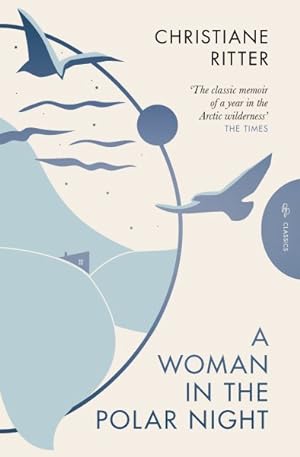
From a bleak town to a bleak continent: let’s go to the Arctic with Christiane RitterA Woman in the Polar Night.  In 1934, Ritter, a painter, left her ordinary life with a teenage daughter to join her husband in his life as trapper in Arctic Spitsbergen. It turns out to be as cold and inhospitable as we all imagine, and twice as primitive. Home is little better than a shack, the stove is primitive and unreliable, and all fuel needs to be found and collected by them, The same applies on the whole to food. They have only a few basic supplies. Animals and birds have to be caught and processed, and these fatty unfamiliar meats form much of their diet. Husband and Norwegian friend and housemate are often out trapping, looking for animals whose fur they will sell. That’s enough to tell you what much of this book is about. It’s twice as tough as it sounds in this unforgiving climate. But it’s beautiful too, and Ritter dwells on this. Straightforwardly yet engagingly written, this book offers an insight into the strange world which she chooses for a year to inhabit, and leaves reluctantly.

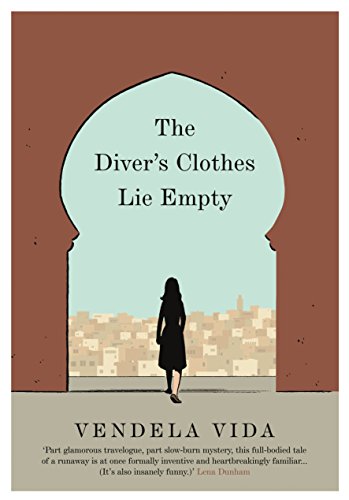
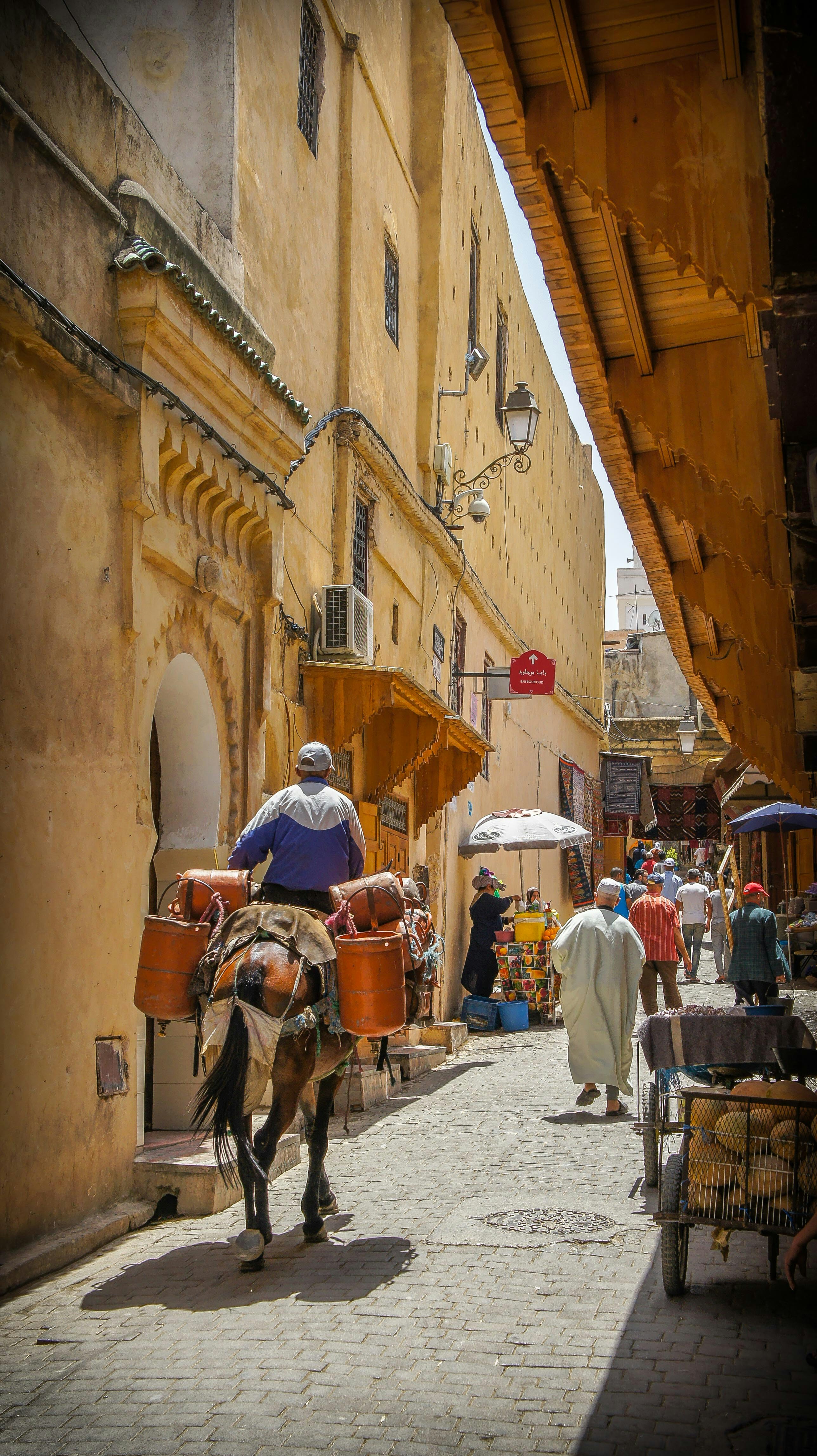
Here’s another book about a woman alone:  The Diver’s Clothes Lie Empty, by Vendela Vida. This book is written in the second person, and it distances us from a protagonist who wants to stay distant. She’s a young unnamed woman who’s come – fled perhaps – from Florida to Casablanca. Checking into her hotel, her backpack with all her important documents is stolen. The police ‘find’ it, but it’s not hers, the woman whose documents it contains is not her. But she accepts it. In many ways, losing her given identity suits her. She soon changes her identity again… and again. Her need for anonymity runs deep, perhaps partly from her wish to escape her own face, disfigured by teenage acne. Perhaps because of what we come to know of her story – no spoiler alerts here though. Through what little agency she has, she time and again shifts the ground beneath her feet. This is a novel of profound unease and bewilderment, and distancing our heroine from us by simply calling her ‘you’ is a part of that bewilderment. An unsettling reading experience – recommended.

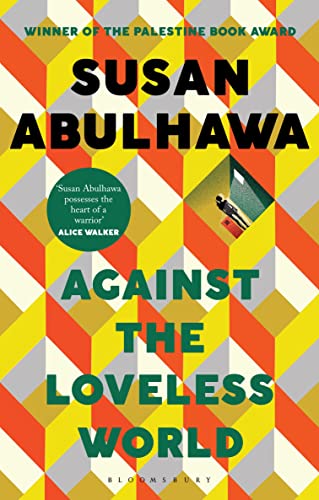
Nahr is another isolated woman, who tells her (fictional) story in Susan Abulhawa’s Against the Loveless World.  A powerful story, told by Nahr, a Palestinian woman in solitary confinement for an unnamed act of terrorism. Her time in the Cube, as she calls her cell is recounted in short chapters interleaved with longer accounts of her life thus far. Much of her early life was spent in a Kuwait ghetto where many Palestinian refugees, dispossessed by the Gulf War fetched up. After an unsuccessful school career, Nahr works hard at menial jobs to save up so that her brother can avoid her fate by going to medical school. She meets an older Kuwaiti woman who blackmails, prostitutes but also loves her, propels her into high-end prostitution. Marriage to a freedom fighter saves her reputation – and his – but he’s a closet homosexual who soon deserts her for his lover. I don’t want to reveal more of the story, but eventually she returns to Palestine and finds close relationships and a political awakening that changes her life forever. This timely read, detailing the brutal legacy of Israel’s ongoing occupation of Palestine is both powerful and thought-provoking. Though it is of necessity one-sided, it should be required reading for anyone wishing to understand recent Palestinian history. The shock waves of recent events continue and escalate.

Isolation seems to be developing as a bit of a theme here.  Here’s isolation of a completely different kind.  Orbital, by Samantha Harvey. Six astronauts (two of them are cosmonauts), all from different countries, some male, some female, orbit the earth in their International Space Station.  We visit them for one day only, as they travel 16 times round the globe.  We experience with them the wonder of this journey:  the brush-stroke beauty of the landscapes they view from afar, as well as tiny detail – headlights, fishing boats.  We accompany them as they go about their often mundane daily experimental tasks. Or using the treadmills that are part of their daily routine.  Or we see their sleeping bags, billowing in weightlessness: the spoons they eat with, attached by velcro to the cabin wall.  We perceive aspects of their life back on earth – children, a loveless marriage, a trusting partnership.  The book moves through the spectacular and the ordinary, distance and intimacy and invites us, the readers, to wonder too.

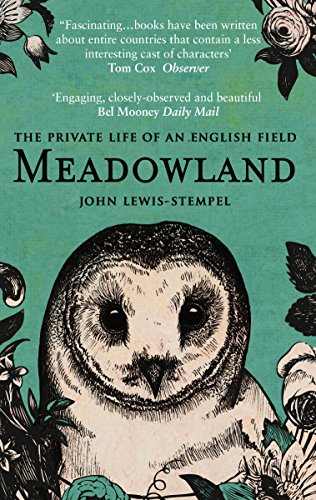
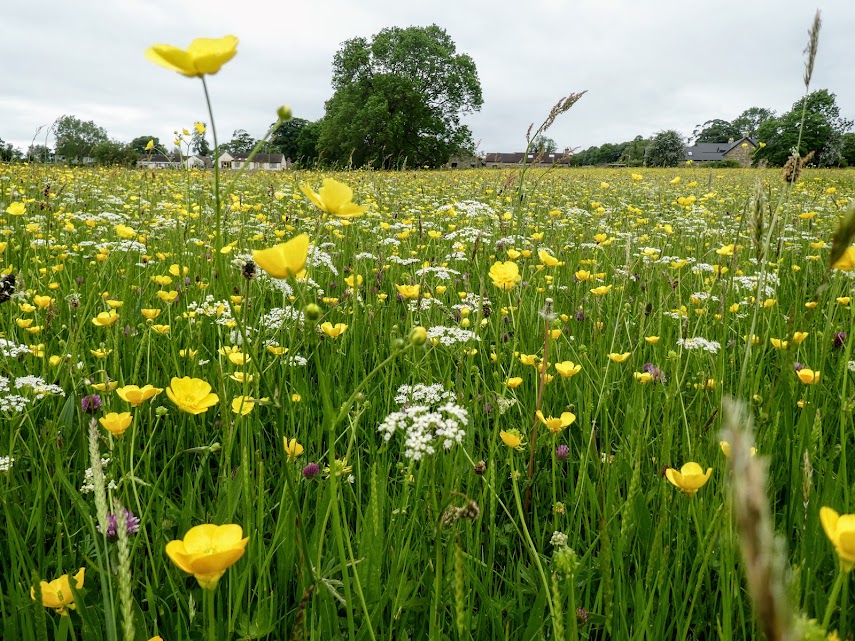
Wonder at the earth? Let’s look at Meadowland: The Private Life of an English Field, by John Lewis-Stempel.  An utterly absorbing account of a year in the life of an English meadow.  From harsh January, through the months in which warmth and life returns, to busy summer and autumn and back to chilly dormancy again, John Lewis-Stempel notices and absorbs everything.  He sees birds, insects, animals and plants in microscopic detail.  He relishes smells, tastes and sights.  He enters fully into the life of his traditional meadow, one that may have existed for many hundred years.  A celebration of traditional country scenes, leaving the reader with a campaigning zeal to preserve the rich variety of life it contains if sympathetically managed and left to itself.  As he himself says: ‘To stand alone in a field in England and listen to the morning chorus of the birds is to remember why life is precious.’

Isolation seems to be a theme here. Will that continue next month, when we’re invited to start our chain with a favourite travel guide?

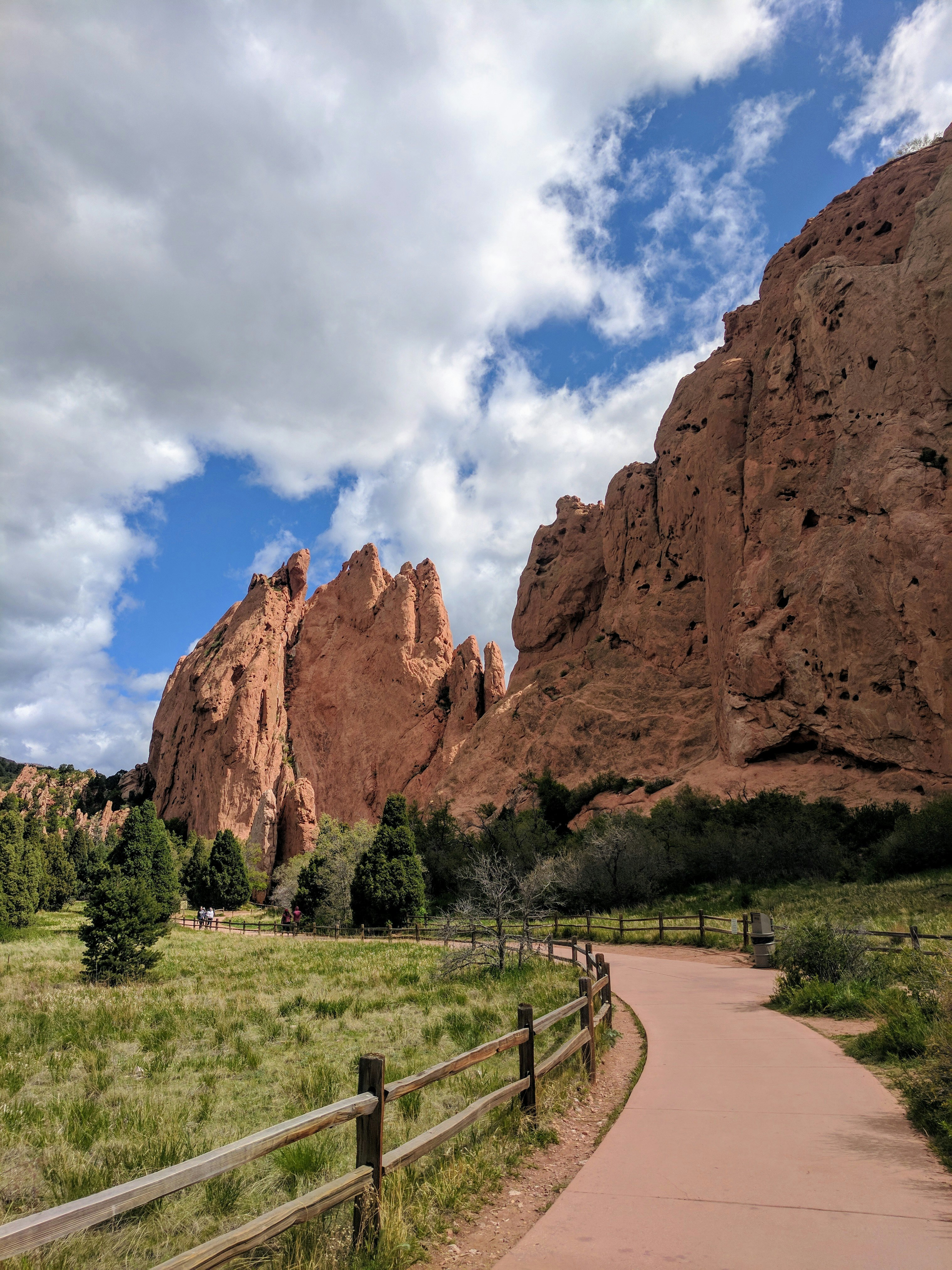
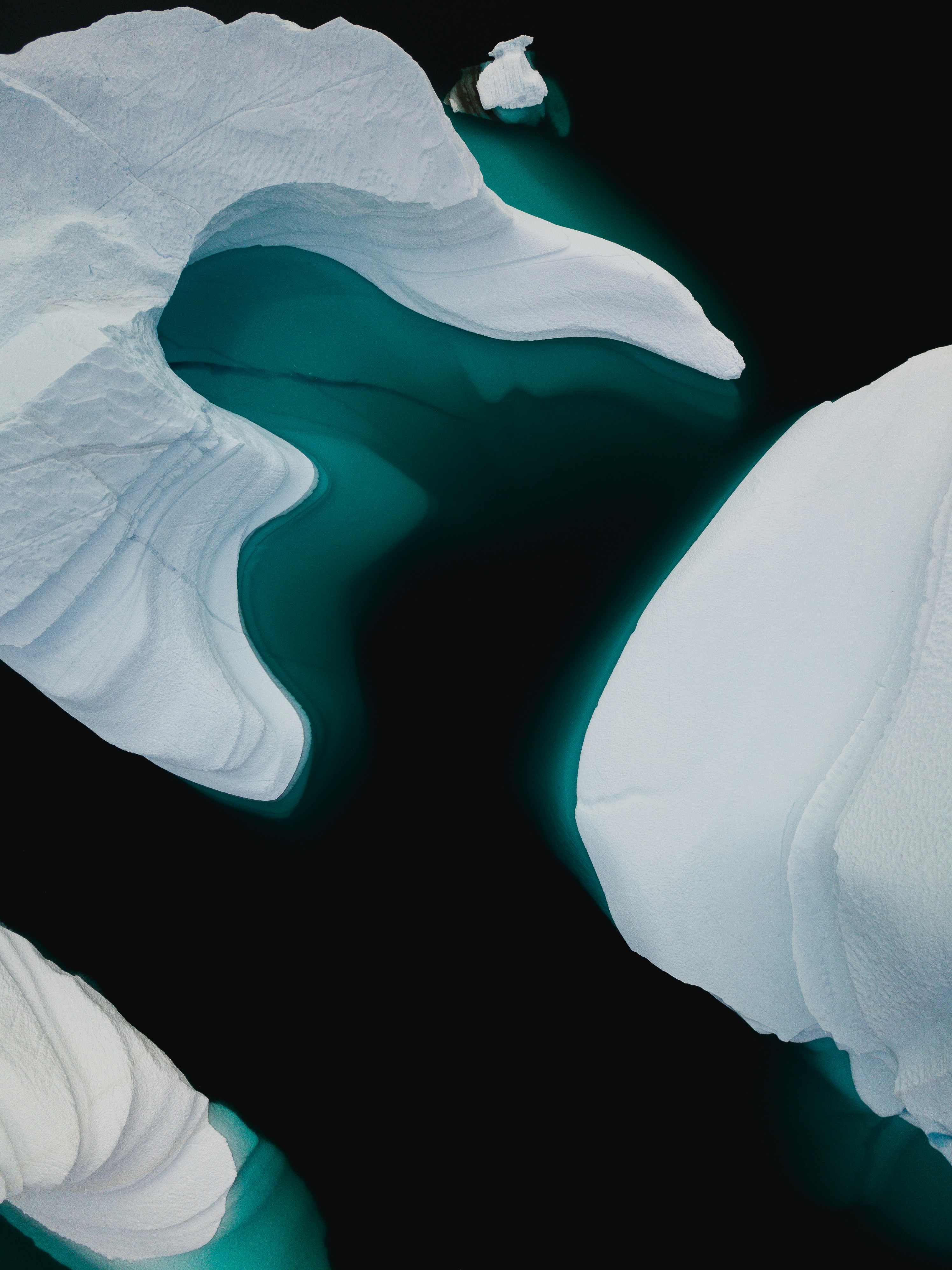
My first five photos come courtesy of Unsplash: Alexander Andrews; Levartravel; Vince gx; Annie Spratt; Gallindo Bailey. The final shot is my own.