On the first Saturday of every month, a book is chosen as a starting point and linked to six other books to form a chain. Readers and bloggers are invited to join in by creating their own ‘chain’ leading from the selected book.
Kate: Books are my Favourite and Best
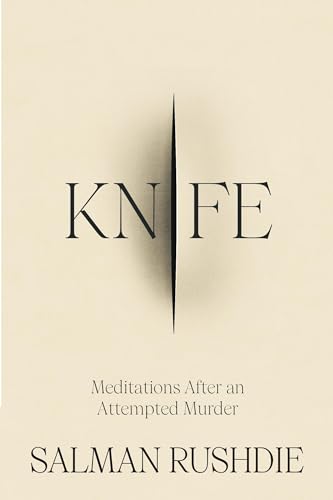
This month’s starter book is Salman Rushdie‘s Knife, a memoir written in the aftermath of the attempt on his life in 2022, and as a result of which he lost his sight in one eye. I haven’t yet read it. But I have read another memoir which deals with the shadow of death.
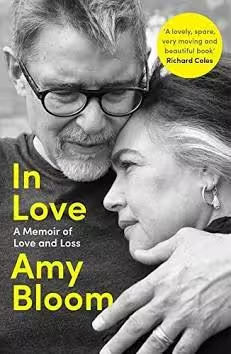
This is Amy Bloom‘s In Love – a Memoir of Love and Loss. Bloom has written a searing account of the last year of her husband Brian Ameche’s life. This became a roller coaster year: except it wasn’t, because as she points out, roller coaster rides are thrilling, fun, and fast and furious. Ameche’s last year of life was none of those things. It was the year in which he received the diagnosis he – and she, and those close to him – feared: dementia. Within a week, he had decided, and never wavered, that he would choose to die rather than totter onwards through some kind of half-life . The book reports, dodging back and forth through time, their exploration of how he might die, and arriving at the decision that Dignitas offered him – well – dignity in dying. Against the odds, this book is often wry, funny, darkly humorous, sarcastic and savvy. The pages turn very easily. It’s a moving, very thought-provoking memoir.
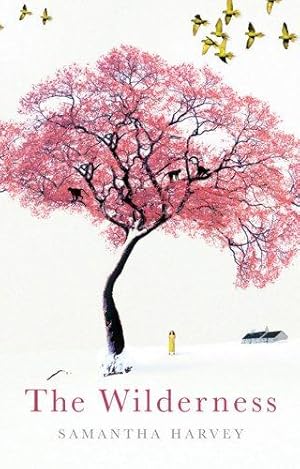
Now to a book featuring a character who has – not dementia, but its close cousin – Alzheimer’s disease. The Wilderness, by Samantha Harvey. This is the story of Jake, 65 year old Jake, whose wife has died, whose son is in prison, whose daughter ….. well, Jake has Alzheimers, and we tumble with him into a tangle of reminiscence, misleading timelines and confusion, as like him, we try to make sense of his new helplessness and puzzlement about the fates of those he holds dear. It’s a wonderfully imagined book, which gave me real insight (and fears) into an existence entirely dominated by unreliable memories, whether of mothers, lovers, or where to store the coffee cups. Here is a man who was once an architect with vision, now reduced to dependency and frustration. Beautifully written, it had me gripped till the last page.
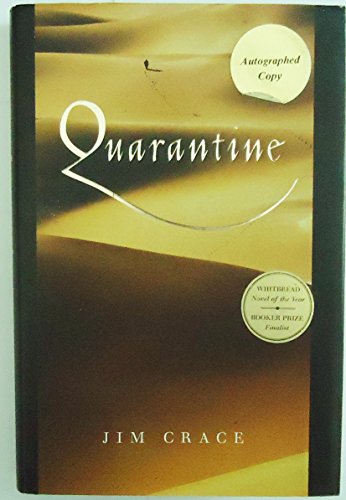
Here’s a book about a wilderness of the natural world kind, by Jim Crace. Quarantine. I read it years ago, long before I kept reviews of every book I read. So I’ll quote Carys Davies, writing in the Guardian. ‘Crace’s masterful novel takes us into the parched and hostile landscape of the Judean desert, where we meet Christ himself – naked and fasting – and a small band of other “quarantiners”, all with their different reasons for being there. A spellbinding tale that is by turns funny and grotesque, lyrical and philosophical; a fascinating study of hope and fear, belief and imagination’.
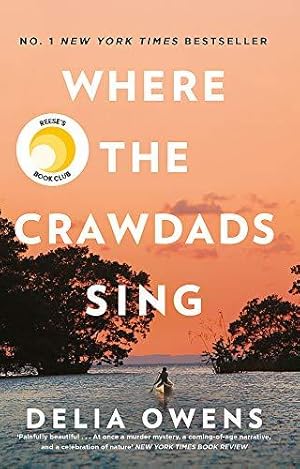
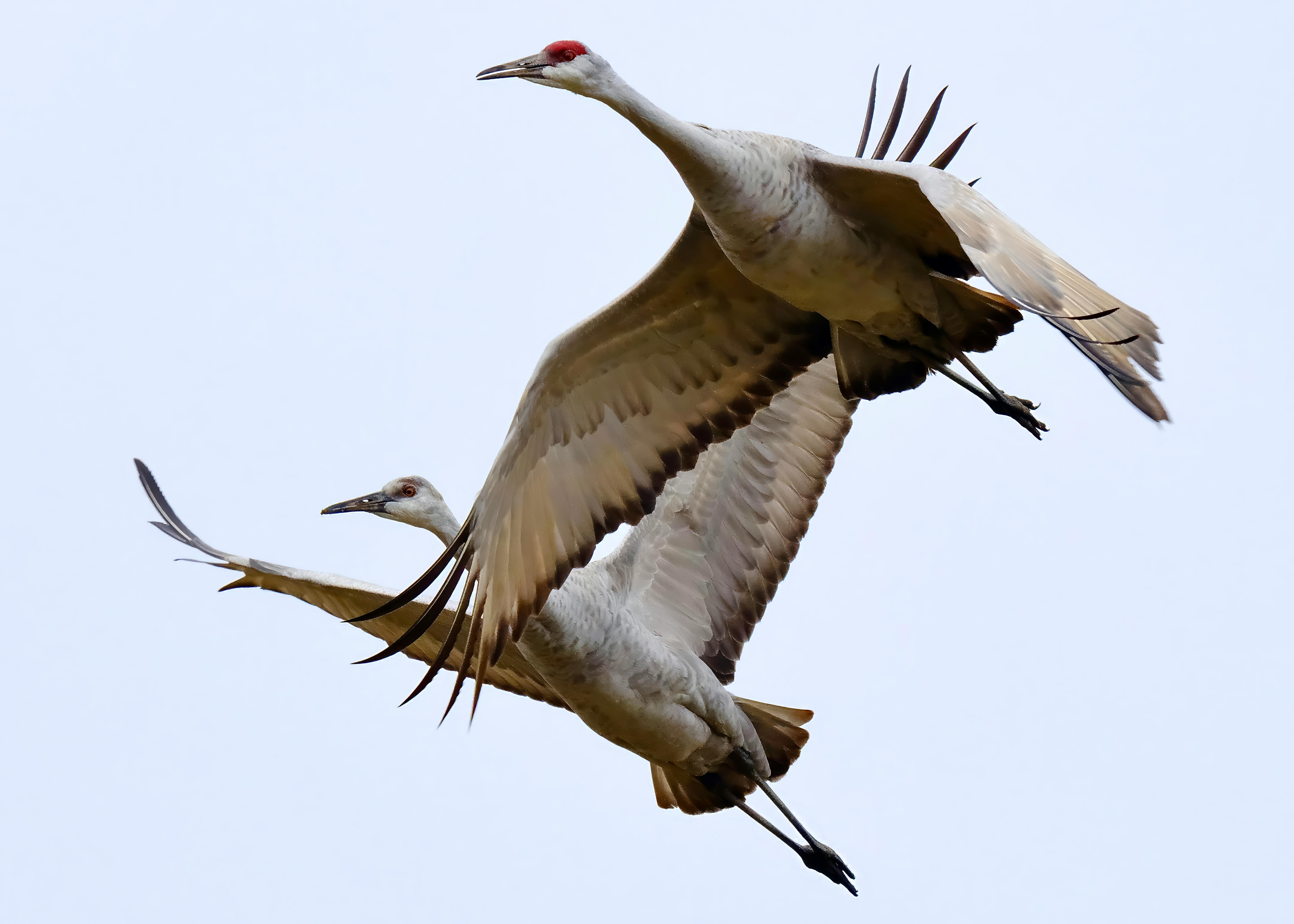
Delia Owens‘ Where the Crawdads Sing is set in a kind of wilderness too – a wild untamed place at the edge of the sea. Is it the perfect novel? Perhaps. It’s got something for everyone: a coming-of-age story about a young friendless girl, Kya, abandoned by her family and siblings, who has to make her own way in the world as ‘Marsh girl’, living in a shack on the shoreline. It’s a mystery story. Though this element unfolds slowly, once it developed, it had me gripped until the very last page. It’s beautifully evocative nature writing too, informed yet lyrical, capturing the soul of a North Carolina marshland shoreline rich in bird and other wildlife. This is a book about Kya herself, and about the community where she grew up in the 1950s and 60s, with its racial divisions.
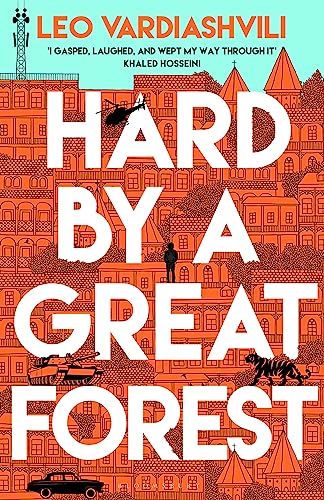
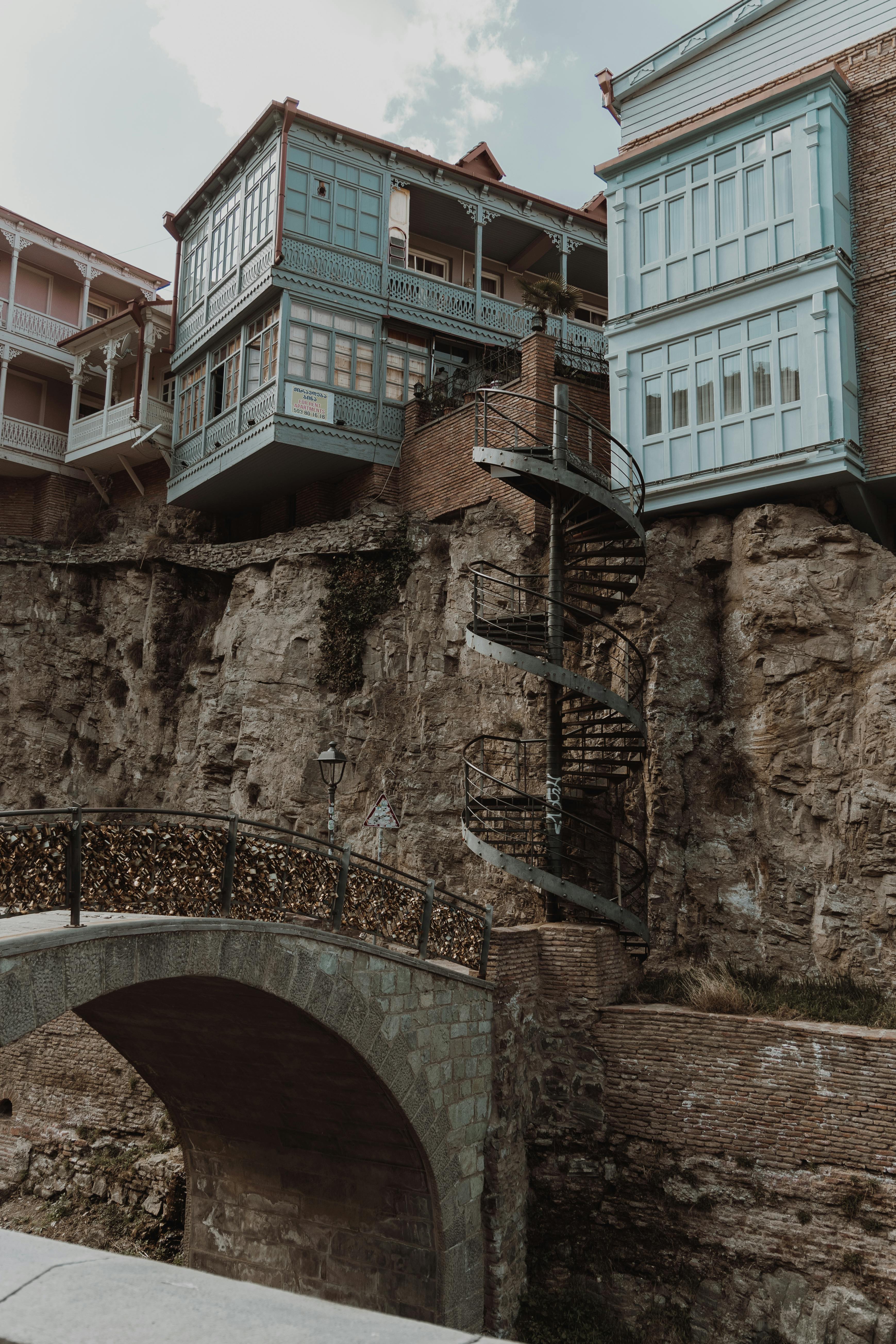
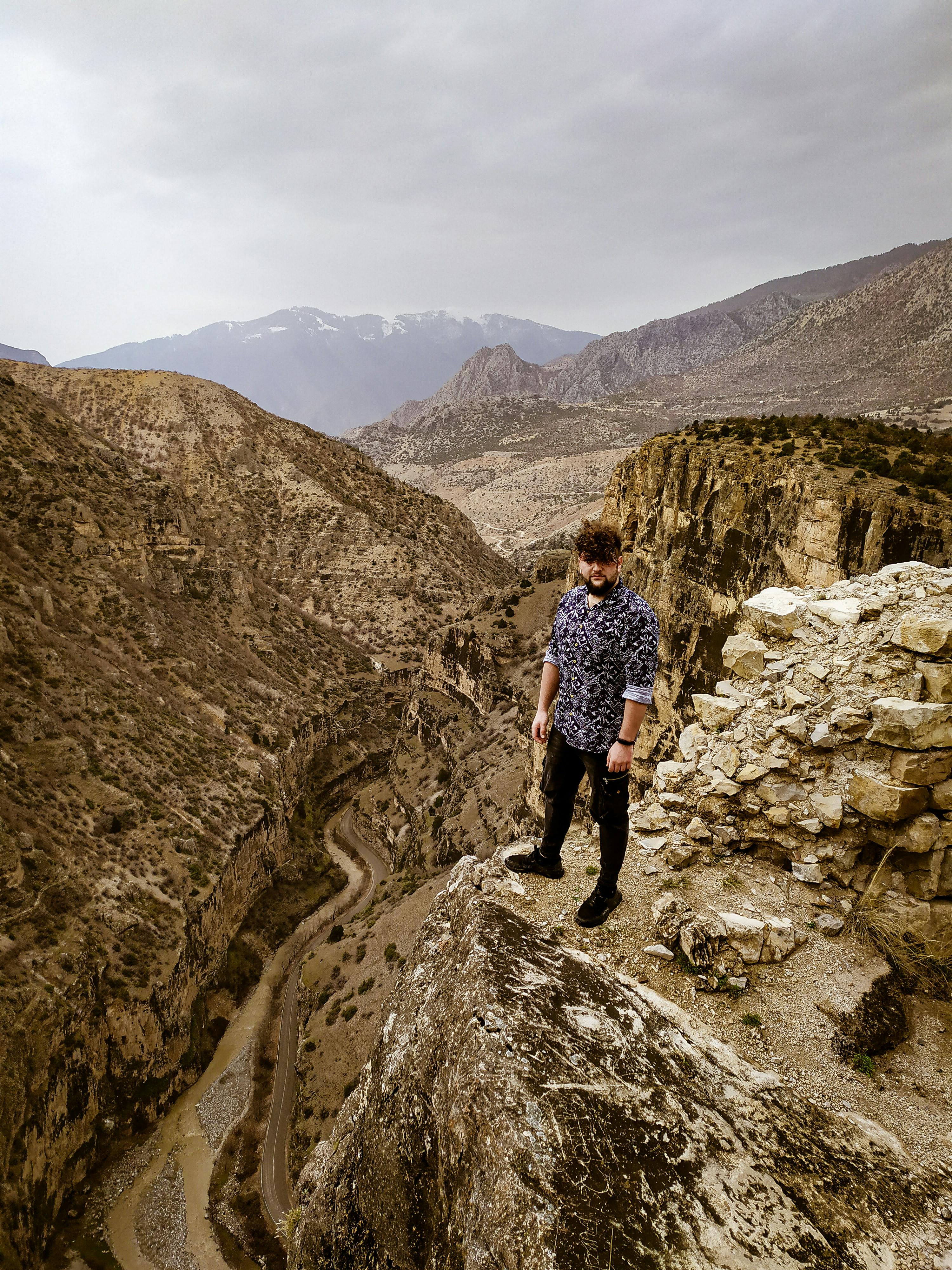
There’s a wilderness of yet a different kind in Leo Vardiashvili‘s Hard by a Great Forest. Saba, his older brother and his father came to England – originally as asylum seekers from Georgia following the collapse of the Soviet Union. They’re dogged by guilt that they never managed to bring Saba’s mother over before she died. Some twelve years after their arrival, the father returns to Georgia, to Tbilisi, then disappears. The same happens with Saba’s brother when he goes to look for him. So Saba goes too. What follows is an adventure that is in turn picaresque and Kafkaesque. His trail is guided by the dead relatives and friends who speak to him from the grave, with their grievances and advice. He is by turns optimistic, melancholy, cynical, and with a great line in absurdist wit. In his quest he’s assisted by the first taxi driver to give him a lift, Nodar, who offers him bed and board, and then all of his time. Nodar has an agenda of his own, which first leads to the story’s first crisis. Their adventures have a nightmare quixotishness which are exhausting to read, and full of menace. Leitmotifs running through the book are the incidents involving the wild animals who have escaped from Tbilisi zoo and roam town and countryside randomly, and sometimes menacingly. This is a galloping adventure story that is at times difficult to read, because rooted in an uncomfortable reality.
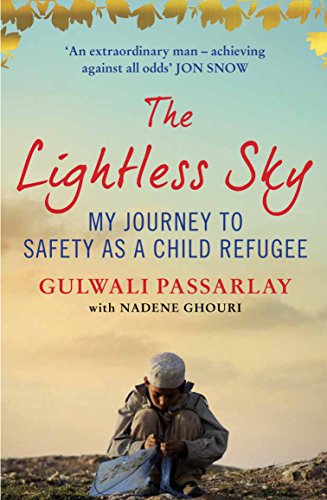
Vardiashvili was himself once an asylum seeker, arriving here when he was twelve. So was Gulwari Passarlay, who wrote The Lightless Sky. This memoir is the story of an ordinary twelve year old Afghan boy, forced to become extraordinary when his family pays traffickers to get him out of the country and into Europe. It’s the story of a child forced within weeks to become an adult confronted with situations nobody should ever have to deal with. It should be required reading for anyone who’s ever complained that such people should get back where they came from, that they are here for the benefits they can extract from their host country. This is a powerful, harrowing book by a boy – now a man – who has survived, and is now making the most of every opportunity that he can to change the situation of refugees and our perception of them.
I’m not going to attempt to link this last book back to the beginning of my chain: except perhaps that both are memoirs. Instead, I’ll tell you that next month’s starter book will be Rapture by Emily Maguire. And I have this evening finished the first book which I’ll link with it.
With the exception of my first image, which comes from the Times’ article about Ameche’s decision to end his life, the rest come from photographers contributing to Pexels: Abdul Rahman Abu Baker; Christyn Reyes; A G Rosales; Roman Odintsov; Tolga Karakaya. Thank you to each one of them.
 From Pyrenees to Pennines
You must be logged in to post a comment.