A Preposterous Poem: Péreille

What did I let myself in for? Rebecca, of Fake Flamenco fame, sets a monthly poetry challenge. Here’s what she’s decided on this month: ‘For October, we will each create a poem about a place we love. Write a poem in free verse (unrhyming) of fewer than 50 words about a favorite location.’ Rebecca’s own poem uses only words beginning with ‘s’. I had to join in.

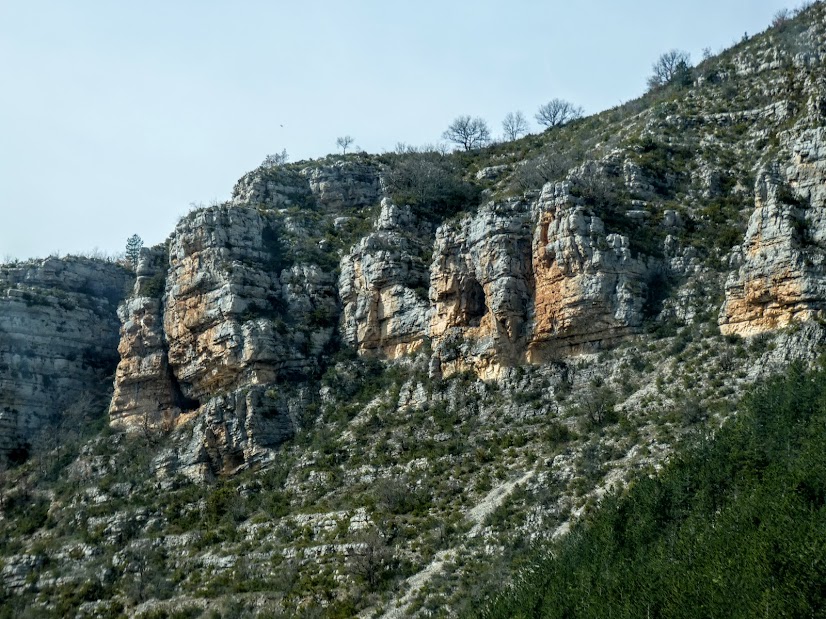
I knew I wanted to write something about our years in France, when we lived in a small town in the foothills of the Pyrenees (hence the name of my blog). Our own town’s name is a bit cumbersome for the purpose – Laroque d’Olmes. So I chose a hamlet nearby, a bit higher up the mountains than us, simply because it begins with a P. Don’t ask me why P seemed a good idea. You can decide when you’ve read my offering.

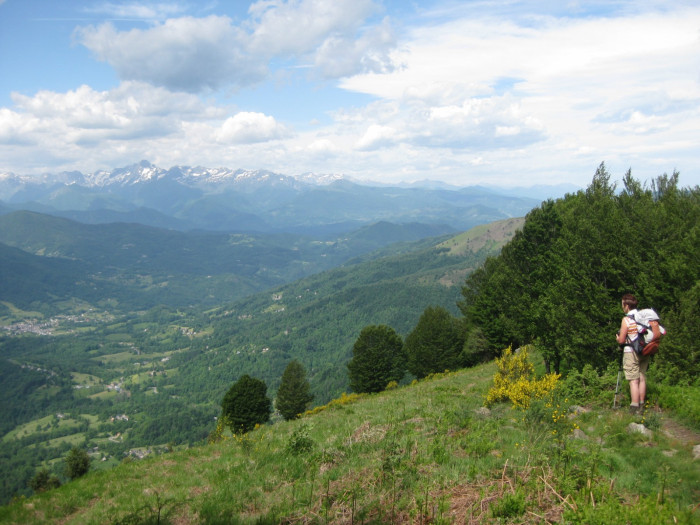
Péreille
Picturesque Péreille -
prettily placed.
Population? Puny.
Previously peopled by productive peasants -
potatoes, peas, poultry, a pig, pastureland….

Presently preferred by Parisian pleasure-seekers.
Pourquoi pas?
Pastoral, perfectly peaceful Péreille:
proximate prominent peaks -
a Pyrenean playground.
Plateaux, peaks & pinnacles!
For Fake Flamenco

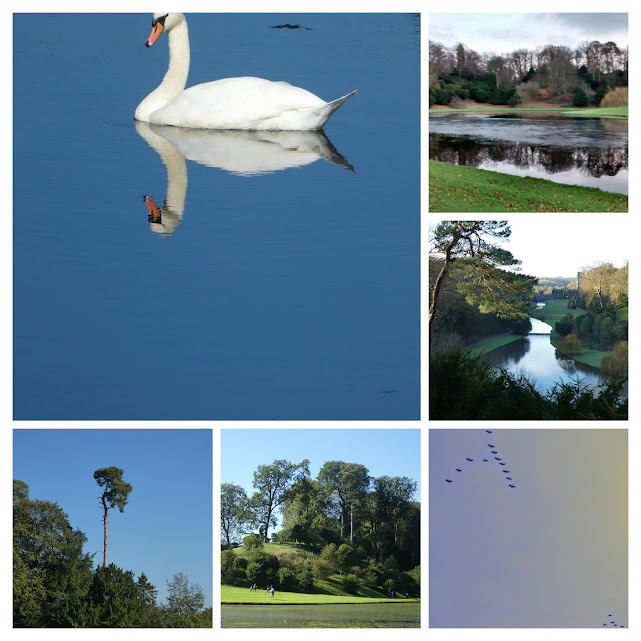
Here’s my offering this month for Rebecca of Fake Flamenco fame’s poetry challenge. If you look, you’ll see her visual prompt invites us to focus on swans, stained glass, flowers, or a family restaurant. I have chosen – er – not to focus on a swan and flowers.

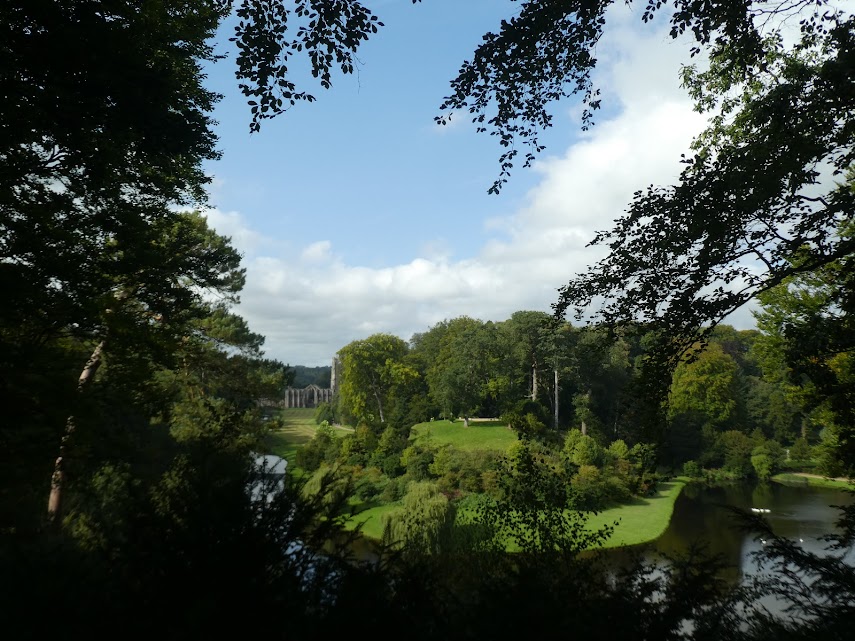
Studley Royal, early one summer’s morning

In summer, the gardens here
refrain from flowers.
Instead the trees, the hedges, lawns are
verdant, grassy, leafy, viridescent.

A swan glides silently along the Skell.
Birds carol, chirp & chatter.
Here is serenity and peace.

I have no idea why the swan’s head has been partly chopped off . It was there before …

Stone

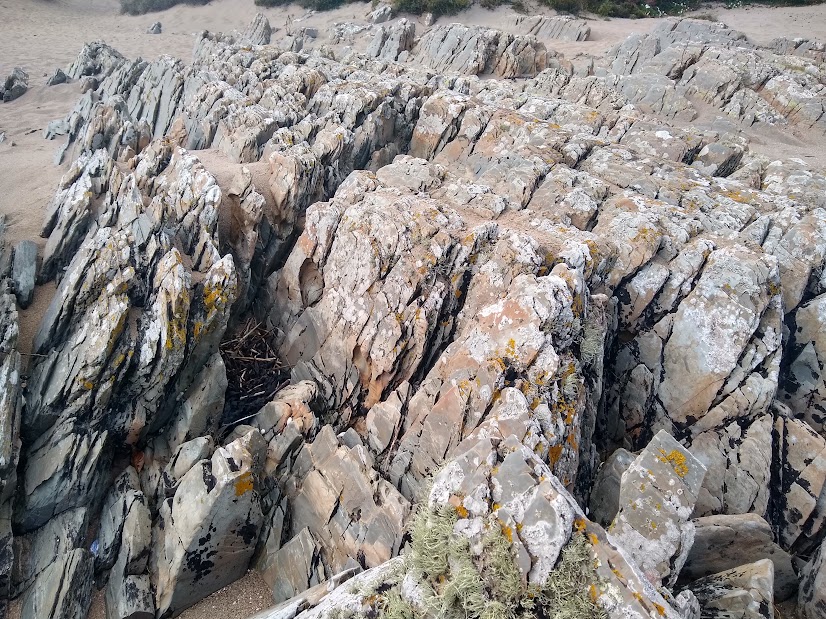
Millennia pass.
Continents collide.
Oceans swell, ebb, freeze.
Rocks accrete…

..and, in England, form
its nubbly spine: the Pennines.
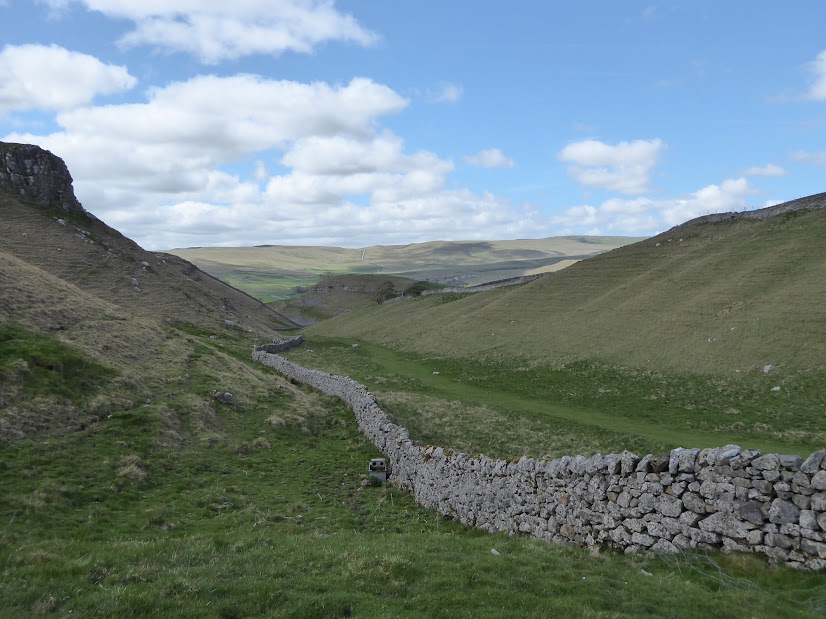
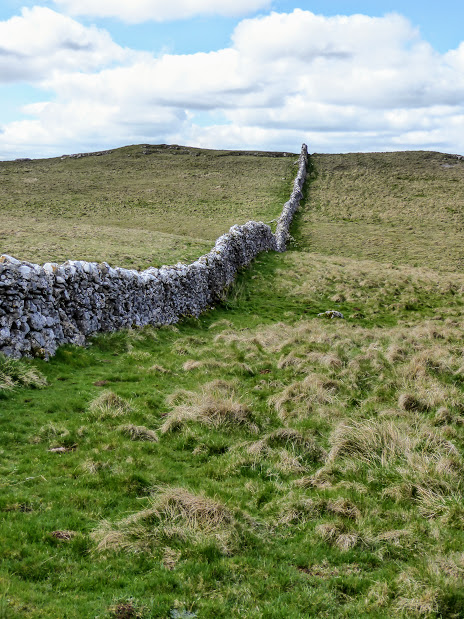
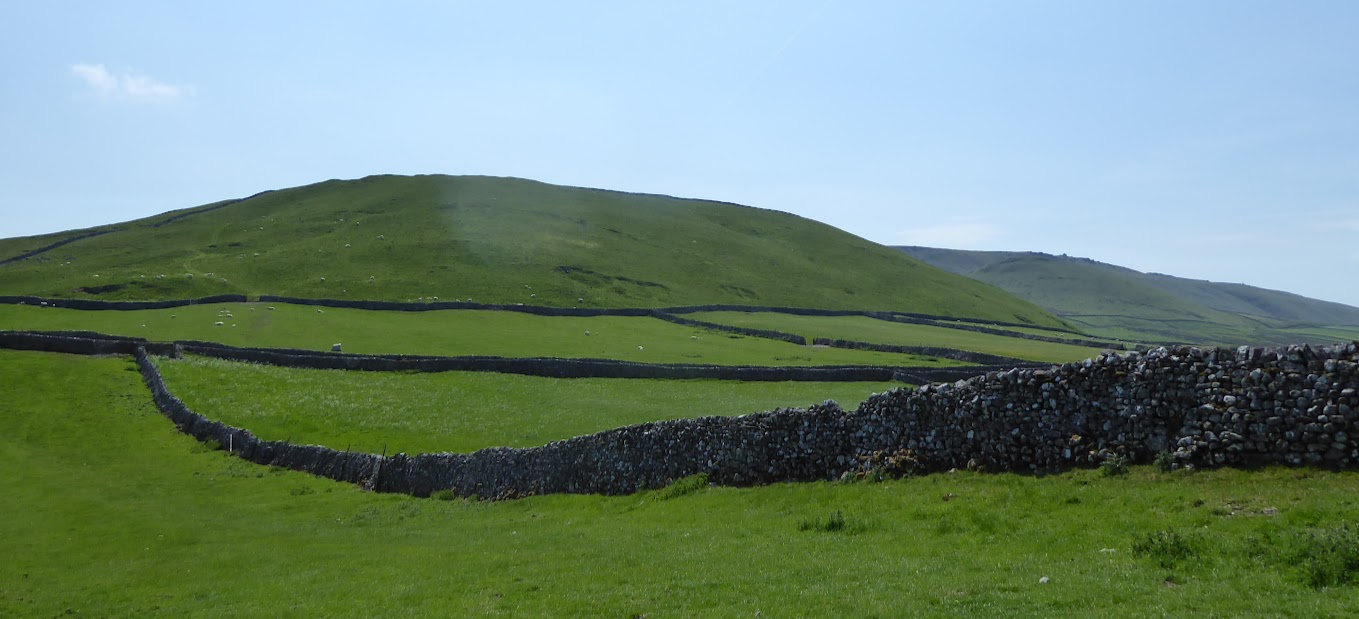
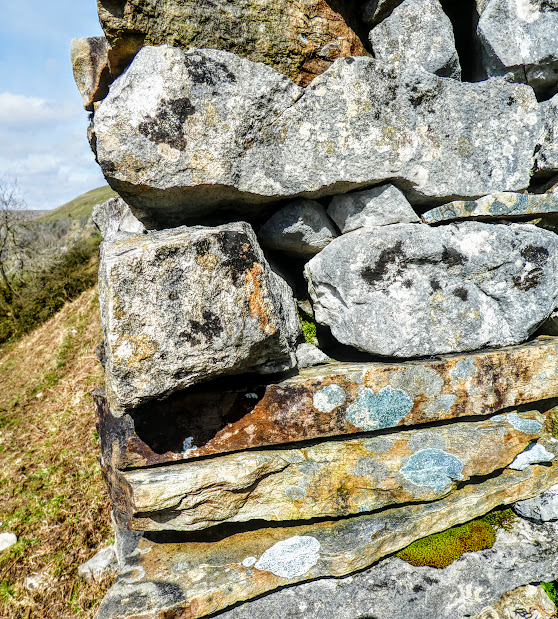
Men gathered scattered stones -
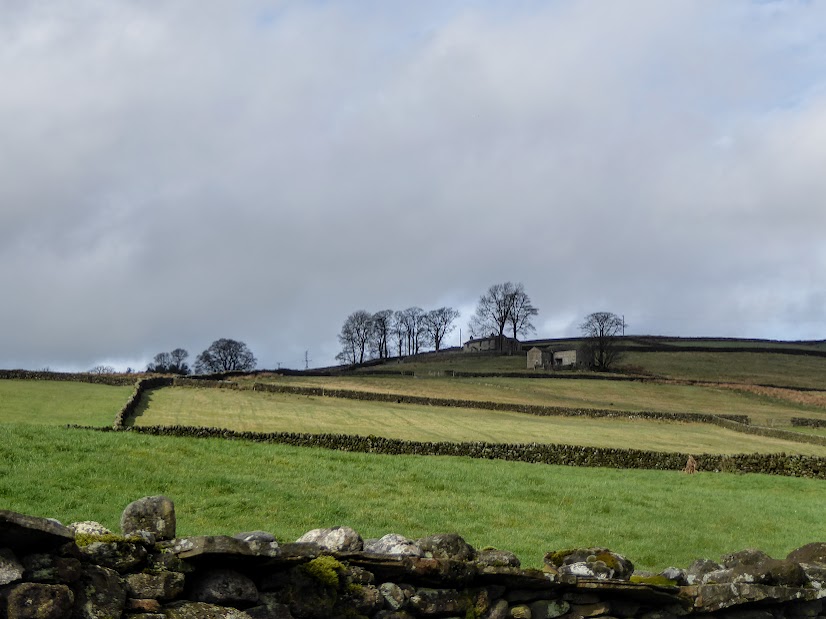
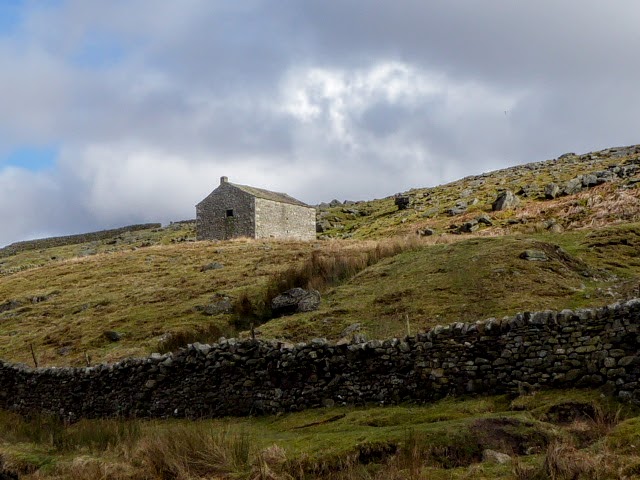
erected walls, marching across dales, hills, moors
holding fast the sheep or meadowland.                         

These stony barricades are the landscape -
like the rocks from which they came.   

For Rebecca of Fake Flamenco’s November Poetry Challenge: Stone.

Rompecabezas

Every month, Rebecca over at Fake Flamenco sets a poetry challenge. This month, her chosen theme is – puzzle. Once our offerings are in, she sets herself a puzzle, and translates every single one into Spanish. Hence my post’s title. I reckon translating mine will definitely set out to romperle la cabeza (break her head).

Puzzle

I'm always frazzled by a puzzle.
My mind dries up, my brain's a-sizzle.
The answer's muzzled in my head
then bustles off - it's such a hassle.
I'm frizzled up and start to grizzle.

Let's just give up - go on the razzle.
Karla Hernandez: Unsplash. The header image, also from Unsplash, is by Mel Poole.

The Rat & Me

I’m - fairly - intelligent. Just like a rat.
Empathetic. Just like a rat.
I laugh when I’m tickled.  Just like a rat.
I need companionship. Just like a rat.
And I’m - usually - clean.  Just like a rat.
So why don’t I want to be … just like a rat?

For Rebecca at Fake Flamenco’s July 2023 Poetry Challenge.

My header image comes from Slyfox Photography at Unsplash, and my second, also from Unsplash, from Dave Alexander. Oddly, I have not a single image of a rat in my photo archive.

The Call of the Chorus

I tend to wake up early in the morning. At this time of year, it’s no hardship at all, because I can lie in bed, listening to a concert like this …

These are moments of uncomplicated happiness. However, by now, almost mid-June, it’s tinged with sadness too, because I know that we’ve less than a month to go before this morning serenade quite simply … stops.

So when Rebecca gave us our monthly marching orders of a poem, one about about a bird in our part of the world, I knew I didn’t want to fall in line. I didn’t want to single out the blackbird, robin, thrush, chiff-chaff, wren … whatever. I wanted to celebrate them all – all those songbirds who contribute to this morning symphony of joy.

Dawn.
The sun creeps above the horizon …
Birds awaken.
Carolling, calling, crooning, chirping, chanting - 
a clamorous cacophony welcomes the day.

Cacophony is often seen as negative, as being a word for racket, dissonance, din. But for me there is no other word to describe the medley of sounds as dozens of local birds have their morning vocal work-out, defending their territory whilst raising a brood of chicks.

On of these mornings soon, before the chorus this year stops, I’ll get up, get organised and walk towards the sunrise, maybe one just like the one in my header photo, listening to those birds saluting the light.

Fake Flamenco: June 2023 Poetry Challenge

Hammad Rais’ Weekend Sky #104

Yet more ancient trees

But after this I’ll stop. I promise.

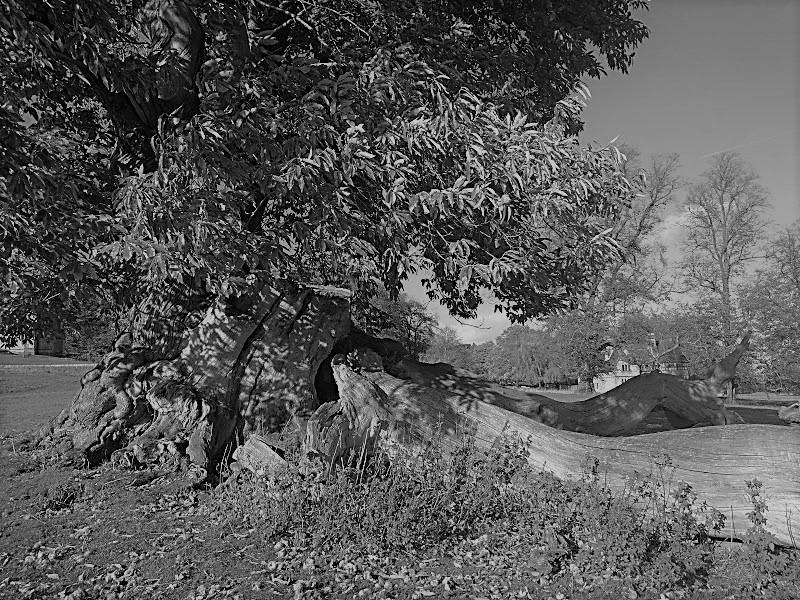
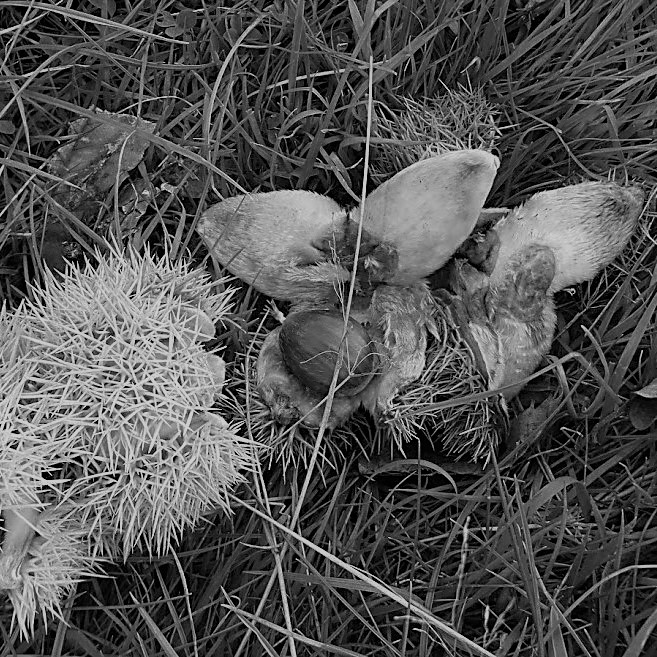
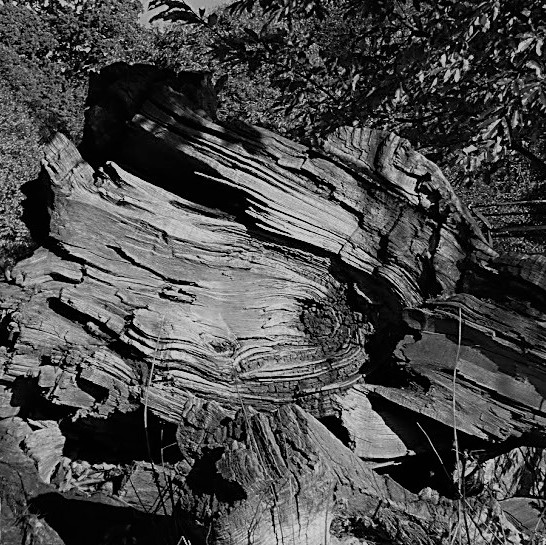
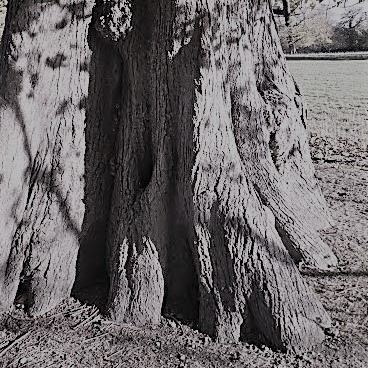
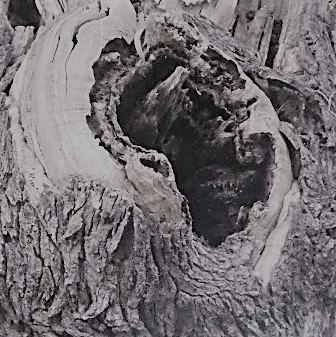
Ancient trees aren’t simply defined. That cherry tree I showed you last week, was impossibly, possibly uniquely old at four hundred years. A yew can soldier on for several thousand years. Oaks can march on for a thousand years, though six to eight hundred is more usual. Sweet chestnut? Seven hundred. Lime trees? Three to four hundred. Beech trees? Maybe three hundred – longer if coppiced. Here’s the life-cycle of a tree condensed into two images.

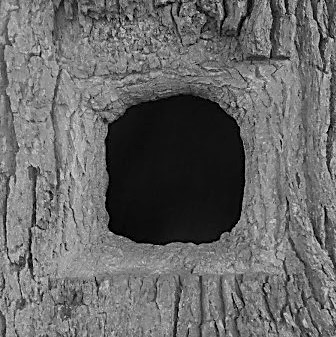
The parkland at Studley Royal is rich in ancient examples of all of them. It’s been a protected space and a deer park for centuries. and as such, it has its own historical curiosities. You can find trees with small square holes in the trunk. It used to be believed that as the trunks of trees gradually become hollowed out, it made sense to fish out the resultant debris, and suitable holes were cut. The practice has long been discredited, and now the holes are scarring over and gradually closing up.

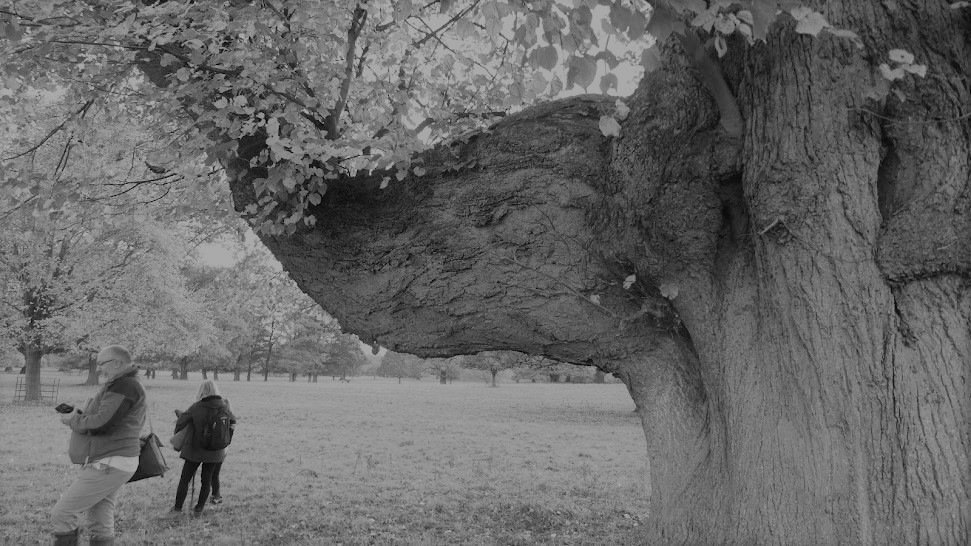
Further proof that trees know what’s what, and we don’t necessarily. See this lime tree and its massive bough? If you could walk round it, you’d see that this branch is cuboid in shape. Any builder will tell you that this shape is far better at load bearing than a cylindrical one. Did the earliest builders learn this important lesson from lime trees?

And some trees can actually ‘walk’ albeit slowly, as part of the root may die off, and stronger root systems further away may haul the whole trunk a small distance. It does take rather a long time though.

Here’s a small gallery of the trees we met on our walk last week:

A mighty oak tree’s last gasp.

Let’s finish off with a haiku celebrating these elderly, magnificent trees.

Venerable trees -
trunk and bark wrangled by time
tell ancient stories.

A multi-tasking post, with elements for Bren’s Mid-Week Monochrome #113, Becky’s Walking Squares, and Rebecca’s November Poetry Challenge

The North Wind doth Blow?

Have you noticed? For all we’ve been focussed on day-to-day weather recently, it’s the temperature we’ve talked about, here in Europe at any rate (‘Phew it’s too hot!’), and the lack of rain (‘Oooh, my poor garden!). I realised, only the other day, that wind has been in short supply. No summer breezes, no brisk gusts, no sudden squalls.

Then Rebecca’s Monthly Poetry Challenge dropped into my in-box. She wants us to write about wind, employing the literary device of anaphora. No, I didn’t know what that was either. You can read about it here.

I could have snuck in and offered the rhyme that my children were brought up on.

When the wind is in the east,
’tis neither good for man nor beast;
When the wind is in the north,
the skillful fisher goes not forth;
When the wind is in the south,
it blows the bait in the fishes’ mouth;
When the wind is in the west,
then ’tis at the very best.

But that would be cheating.

So here we are …

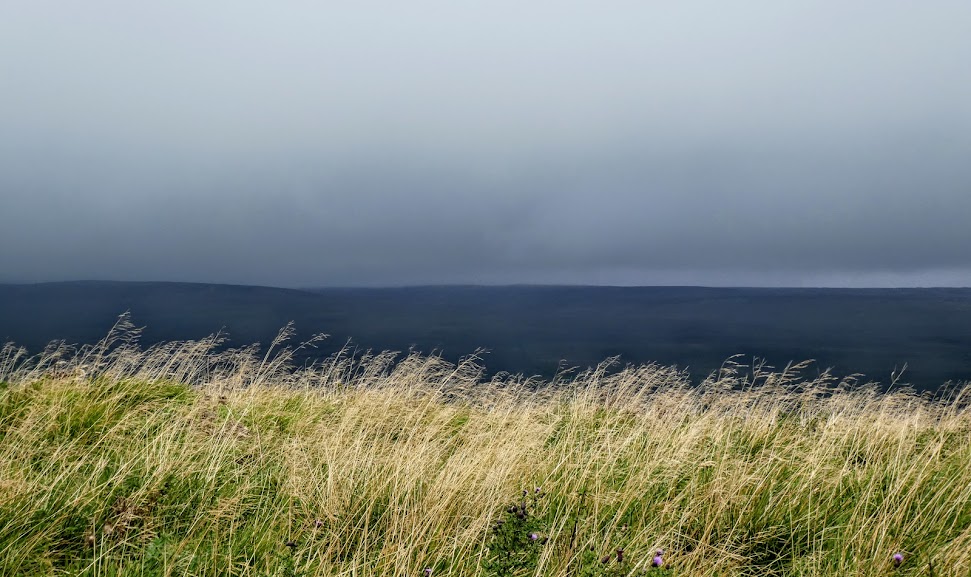
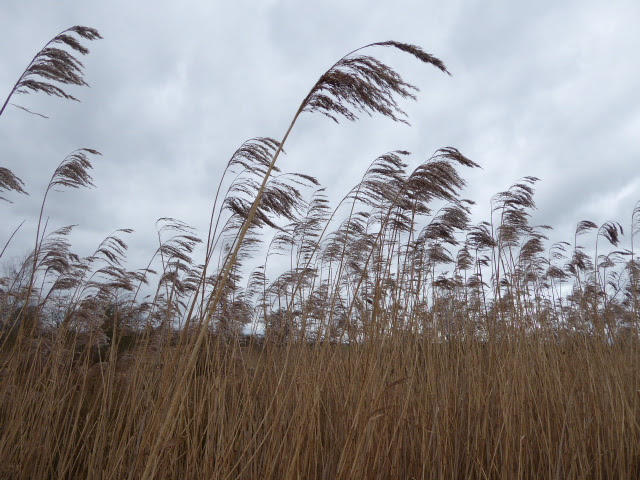
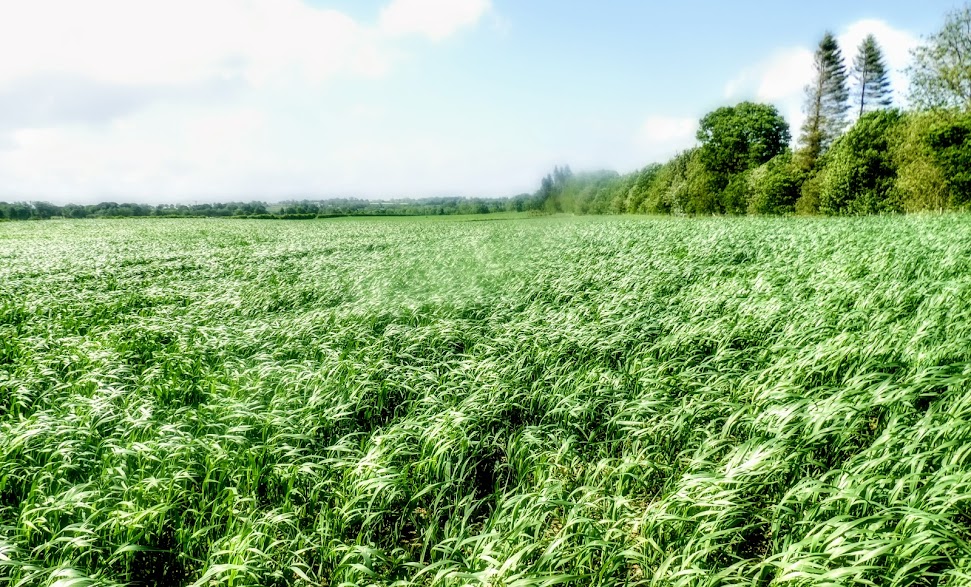
This is wind: softly susurrating.
This is wind: sweetly sighing.
This is wind: breezily billowing.
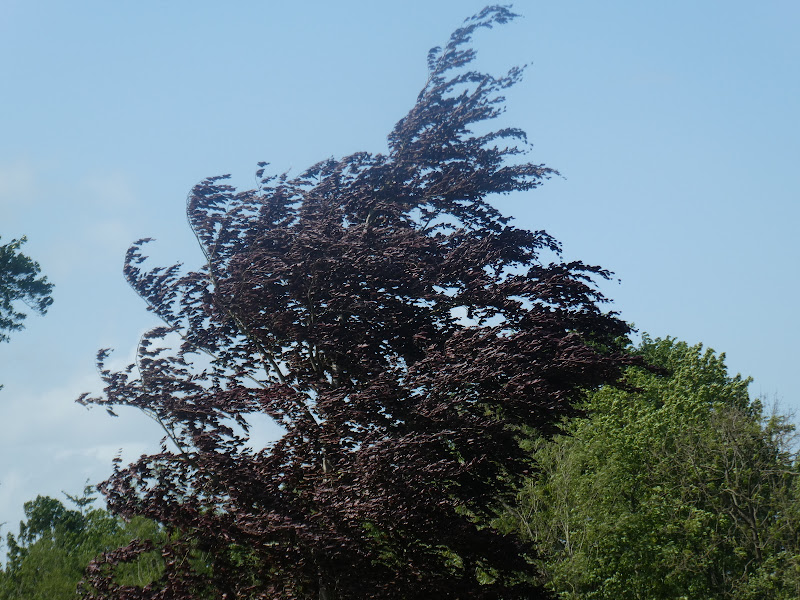
This also is wind: galloping gustily;
roaring and raging; shrieking and storming -
destructive; disastrous.
Here today.  Gone tomorrow.
This is wind.

And it turns out that wind is not after all an endangered species.  Yesterday was properly windy, for the first time in weeks.

The sea, the sibilant sea

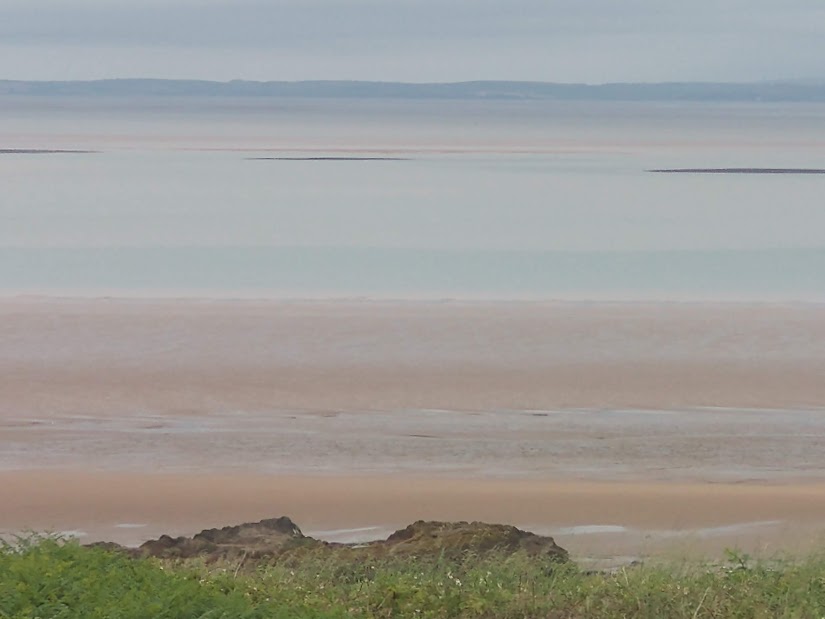
It’s August, and what says ‘summer holidays’ more potently than the seaside? Well, nothing could drag me there when it’s all crowded beaches, kiss-me-quick hats and donkey rides. But off-season, there’s nowhere better. A walk along the sand, beachcombing, inspecting rock pools, and most of all, looking out far to the distant horizon, watching ships as they travel back and forth, imagining the seashore as a gateway to journeys extending beyond that horizon …

So when Rebecca of Fake Flamenco challenged us to write a haibun for this month’s Poetry Challenge, and asked us to take ‘door’ in its widest sense as our subject, I thought I knew what I’d explore.

But what’s a haibun? I hear you ask. This: ‘Contemporary practice of haibun composition in English is continually evolving. Generally, a haibun consists of one or more paragraphs of prose written in a concise, imagistic haikai style, and one or more haiku.’ Wikipedia

The sea, the sea

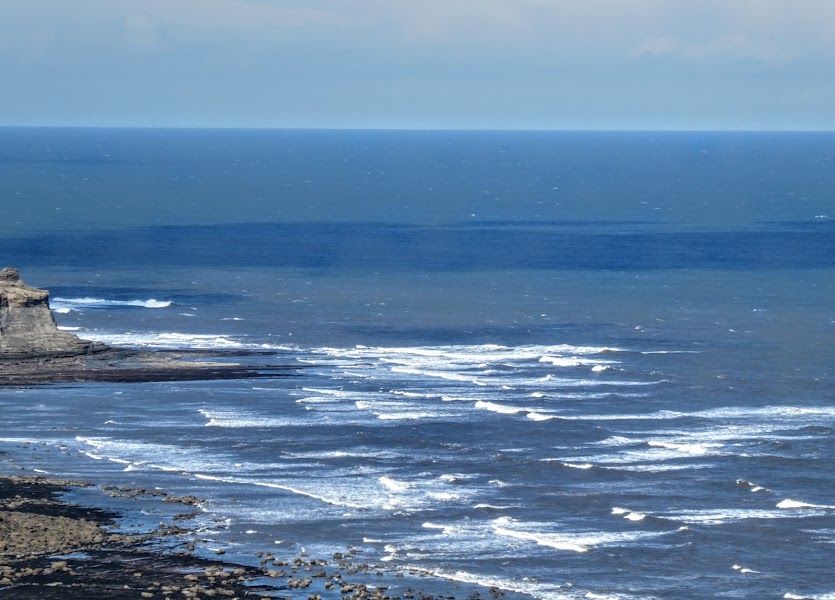
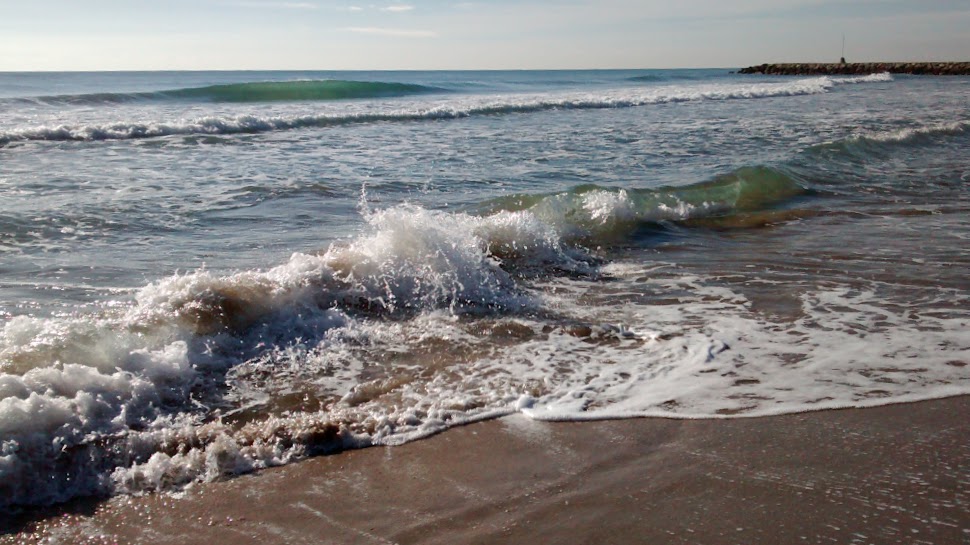
A susurration of waves: oscillating, softly slapping and surging across crushed seashells on the sandy shingle: soothing; sibilant. Sucking, settling, restoring.  Saluting the shoreline in a ceaseless cycle.  A portal to distant islands and continents beyond the horizon.

Waves advance

greet the sandy shingled shore

Quite unceasingly.

I’m going to be quite cheeky here. Sammi, over at Sammi Scribbles, has a fun weekend challenge in which she invites us to write 28 words – neither more nor fewer – prompted by the word sibilance. So let’s pinch part of what I wrote for Rebecca:

A susurration of waves: oscillating, softly slapping and surging across crushed seashells on the sandy shingle: soothing; sibilant. Sucking, settling, restoring.  Saluting the shoreline in a ceaseless cycle.‘  

Daytime brings forth March Flowers

Most months, I like to join in Rebecca of Flake Flamenco’s Poetry Challenge. I’m not much of a poet and don’t I know it? – but any chance to get the grey matter’s muscles toned has to be taken once you get to my advanced years.

This month, she’s asked us to write a Shadorma – a non-rhyming six line poem with a specific syllable count of  3/5/3/3/7/5. It’s alleged to have its origins in Spain, though not a soul can offer any evidence for this theory. No matter. We’ll have a go anyway. Rebecca’s asked us to focus on light and darkness. Light into darkness is the way the world is going just now, so I’m going from darkness to light.

Midwinter

days have gone at last.

Here is Spring.

Buds unfurl,

reach upwards to the sun’s rays

and lingering light.

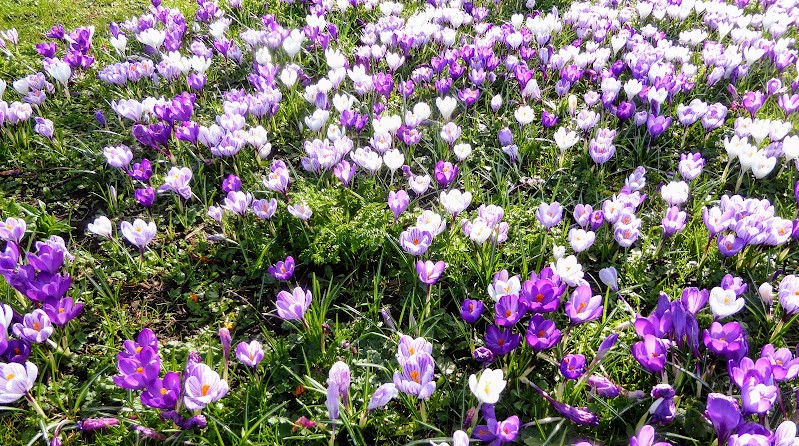
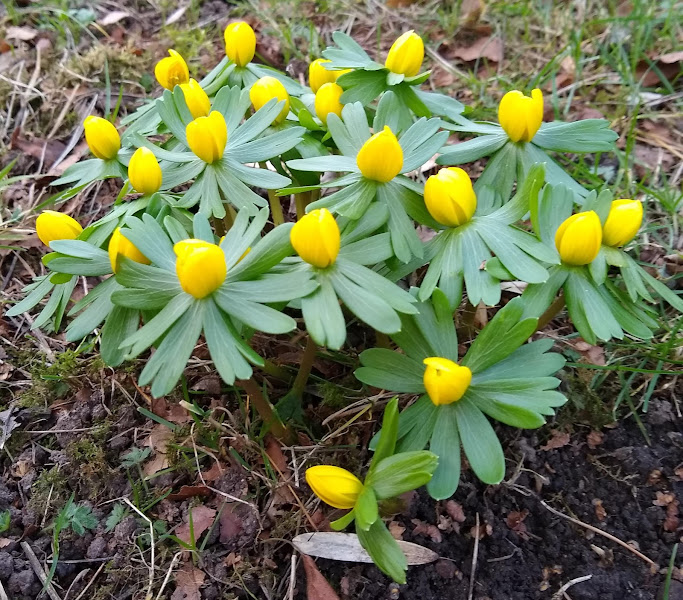
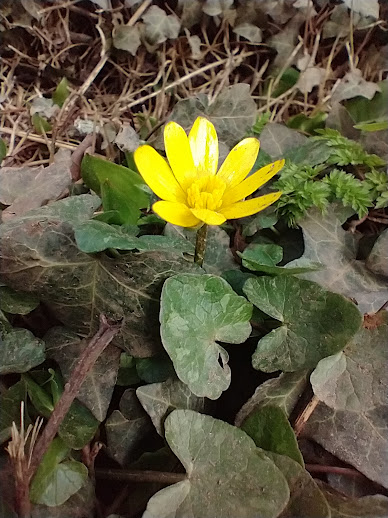
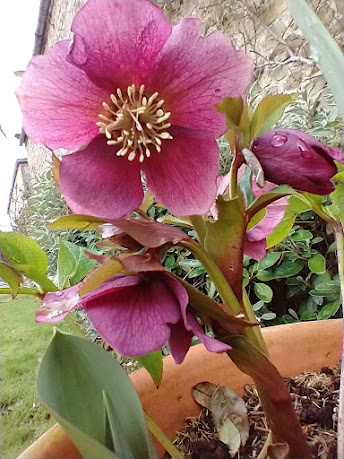
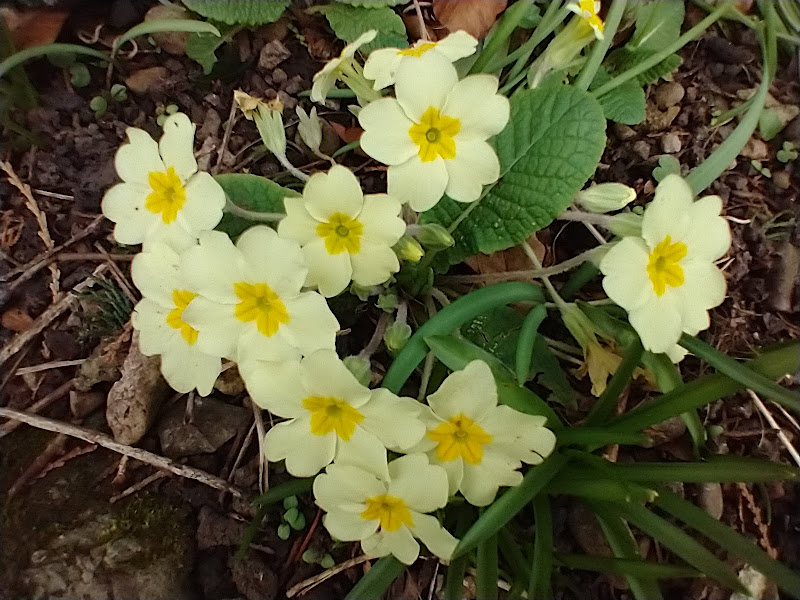
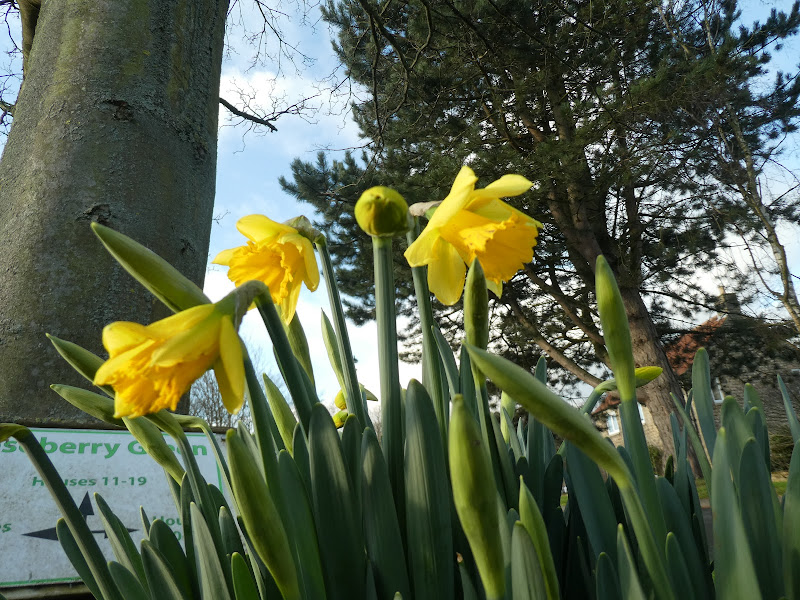
This provides me with the perfect excuse to have a few springtime pictures of flowers doing just that – stretching their petals upwards and eagerly towards the sun. It’s probably a bit late for you to join Rebecca this month with your own poems – closing day is today. But she’ll be challenging us again next month – and if you join in, she’ll translate your poem into Spanish. This is why I do this: she translates all our words into pure poetry. I love it.