On the first Saturday of every month, a book is chosen as a starting point and linked to six other books to form a chain. Readers and bloggers are invited to join in by creating their own ‘chain’ leading from the selected book.
Kate: Six Degrees of Separation
The starter book for this month’s chain is Zoë Heller’s Notes on a Scandal. Despite its being in many ways the shocking story of an affair between a teacher and her pupil, the book is in many ways memorable for having been narrated by a fellow teacher, who proves to be an unreliable narrator.

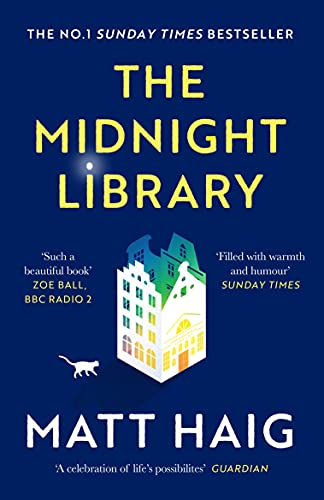
So I looked for another unreliable narrator, and found one in Matt Haig’s The Midnight Library. So much hype surrounded this book. And it is immensely readable. But this story of a young woman who gets the opportunity, through being transported to a magical library in the moments before she commits suicide morphs into an entertaining and – yes- thought-provoking manual to help her re-evaluate her life and its disappointments, and to explore some of the paths that might-have-been, in some ways disappoints. Of course her alternative lives, lasting only a few days each, aren’t going to work out since she isn’t given a back-story and knowledge of the participants. In the end I felt I was being given a parable of how to improve on living the life I have been given. And it didn’t quite live up to what I’ve come to expect of Matt Haigh.
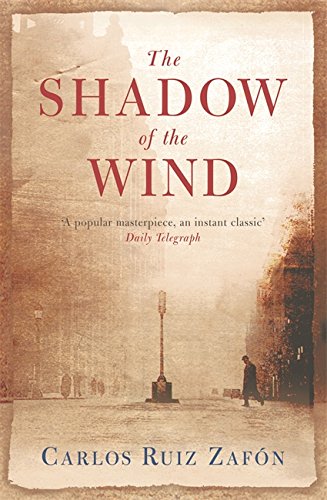
Libraries for the next link then: let’s go to Barcelona in 1945. Carlos Ruiz Zafón’s The Shadow of the Wind revolves around the mysteries of a little known author, Julian Carax. The main protagonist, Daniel, stumbles across him in a secret library of literature called the Cemetery of Forgotten books. From there it develops into a story of good versus evil; driven by jealousy and shrouded in the unknown.
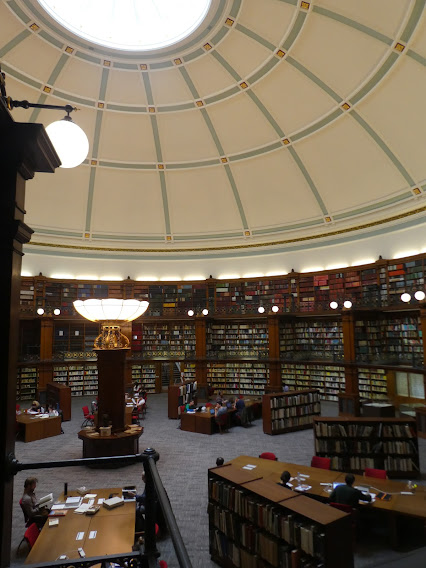
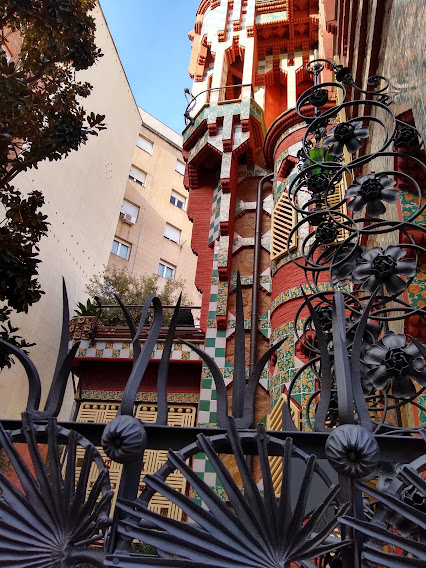
I’m all in favour of staying in Barcelona, armed with a copy of Robert Hughes’ Barcelona. This is a wonderful book, which tells Barcelona’s story through the last two thousand years – though its main focus is the last thousand. Hughes’ area of expertise is art and architecture, but in order to tell the story of Barcelona’s cultural past and present, he has painted a vivid picture of the city’s political and social past. Highly readable, this is a book so densely packed with information that it definitely merits a second, perhaps a third reading as an introduction to the history of this fascinating city.

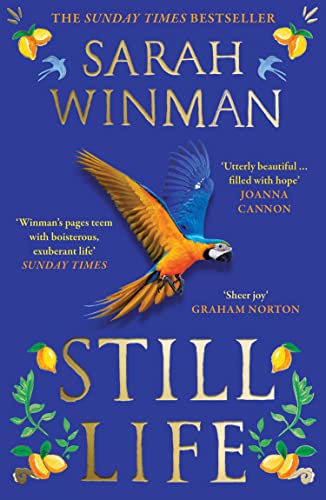
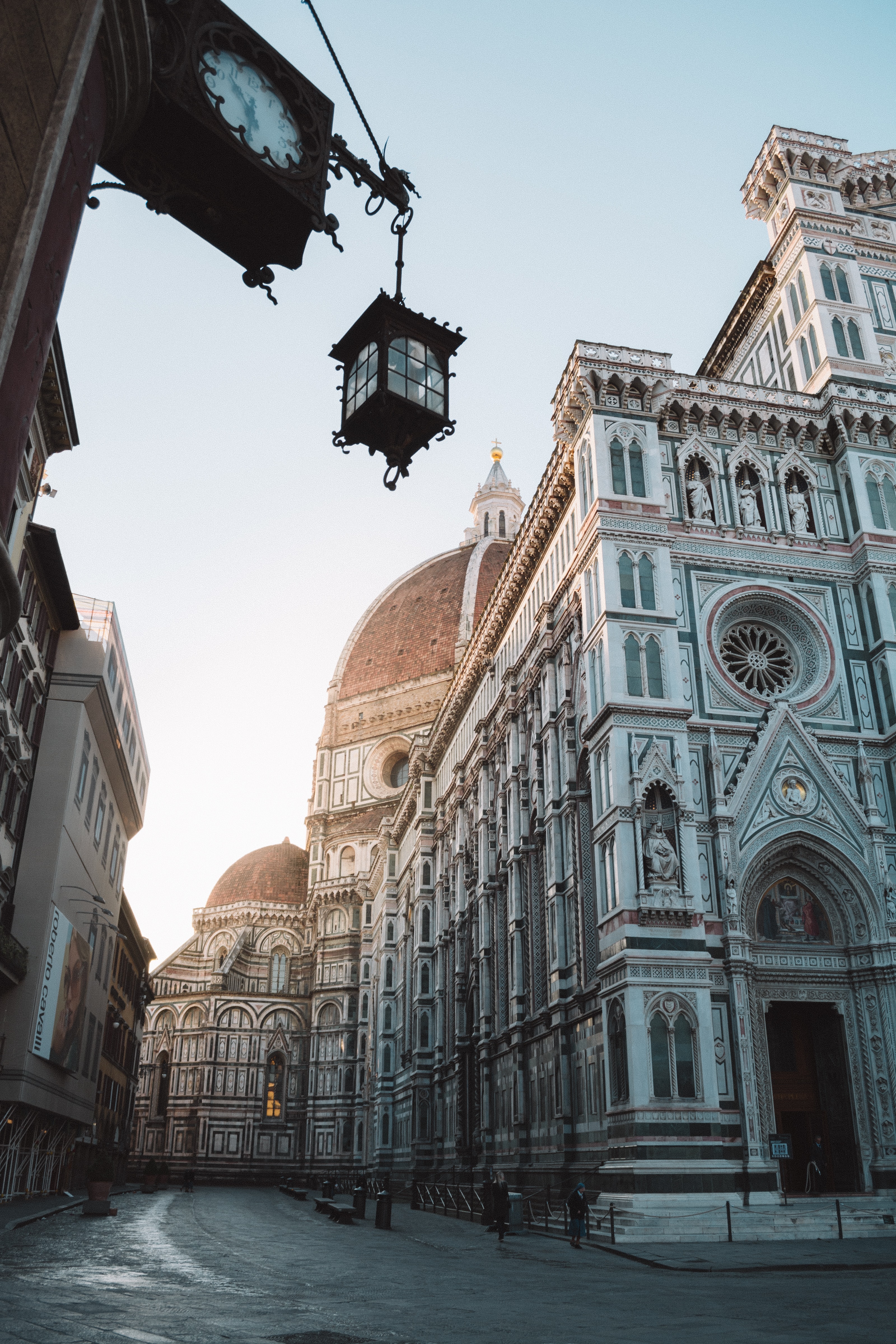
From Barcelona to Florence, another city I know well. Still Life by Sarah Winman is largely set there. A charming, uplifting book, about the power of loving friendships and community. It begins in Tuscany in WWII with a British soldier, Ulysses, and continues to London’s East End where Ulysses was brought up. An unexpected legacy takes Ulysses back to Tuscany, to live in Florence, where, little by little, his London friends and relations fetch up too. Over the three decades in which this novel takes place, these individuals and his new friends in Florence all live and work together as some large extended family. Florence – not tourist Florence – but a living, working, vibrant community – is star of the show, and since I lived there too for a year, not long after the 1966 floods which feature in the book, I took this story to my heart.
Another book where a city is centre stage, albeit an 18th century version of the city, is Andrew Miller’s Pure, set in Paris. Jean-Baptiste Baratte, a well qualified yet naïve young engineer, is sent to oversee the removal of the many thousands of bodies from the cemetery of Les Innocents in Paris, some 4 years before the French Revolution. Miller conjures a vivid picture of the daily round in this little part of eighteenth century Paris: the smells, whether of sour breath or rotting vegetables or a dusty church; and of a world about to change, in the destruction of the cemetery and church which has for so long been at the heart of the community Baratte finds himself in. Violence and death are ever present. Unsettled by the narrative, the reader is left with an impression of a world about to change, a world which is already changing in ways its citizens cannot comprehend. Uncertainty is what draws the reader in.


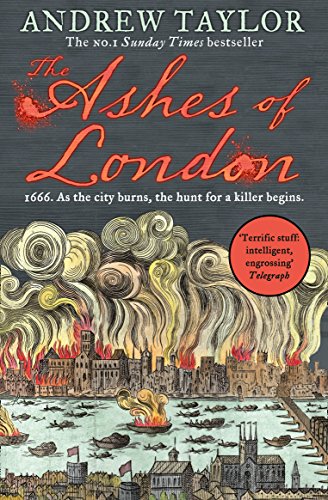
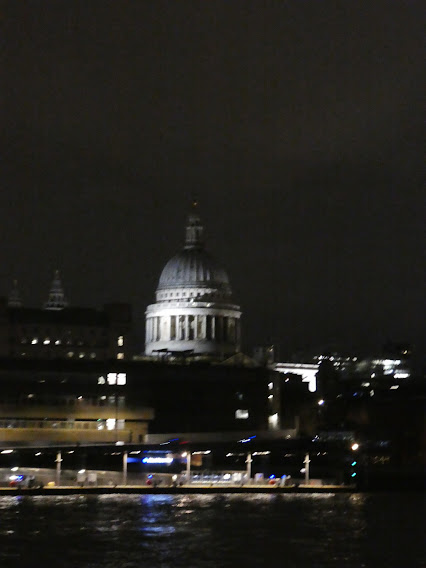
A capital city in time of trouble is portrayed in The Ashes of London, by Andrew Taylor. What did I enjoy about this book? The picture it evoked of London life in the immediate aftermath of the Great Fire of London. What didn’t I enjoy? The over complex plot, and the flimsy characterisation. The book is peopled by ‘goodies’ and ‘baddies’, and we know for sure which are which. I’m not minded to read the follow-up book, but I found the description of London at this difficult moment evocative and convincing.
How did we get from a modern comprehensive school to seventeenth century London? As chains go, it’s a bit unlikely. Let’s see if next month, when we start with a cookery book, Jamie Oliver’s The Naked Chef, is a little more convincing.






 From Pyrenees to Pennines
You must be logged in to post a comment.