My Favourite Non-Fiction Reads of the Year

It’s that time of year, The endless lists. I’m joining in too. Next week, I’ll write about my favourite fiction. But this week, I’ll instead focus on my 10 favourite non-fiction reads of 2025. I’m not ranking them. I’ll start with my most recent read, and reach back towards January. ‘Are you sitting comfortably? Then I’ll begin’. (who’s old enough and British enough to remember this welcoming formula introducing Listen with Mother on the Home Service at 1.45 every weekday in the early 1950s?)


A Short History of America: from Tea Party to Trump: Simon Jenkins. Jenkins puts right my formerly really rather sketchy grap of American history in a highly readable account of its early days as a barely inhabited continent, through its early discovery by Asiatic peoples on the one coast, and Vikings and similar on the other. Native American; intellectual and economic development; the long history of slavery; the Civil War; and right up to more recent history and the emergence of Trump. It’s lucid, informative and useful.
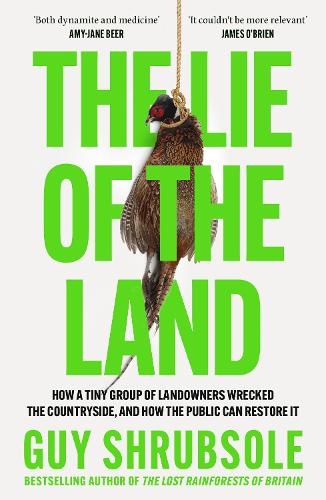
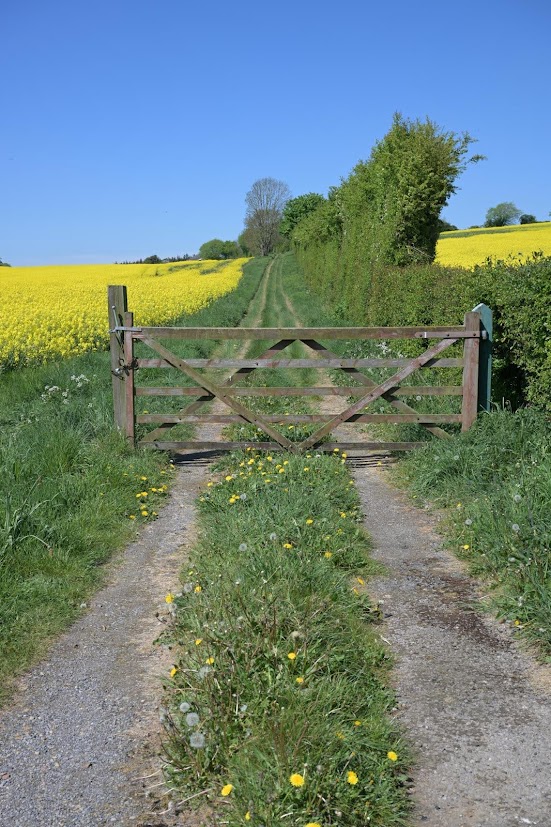
The Lie of the Land: Guy Shrubsole. This is a book that should be read by every sitting MP, particularly those Tory MPs anxious to preserve the status quo as far as our countryside is concerned. It is about our countryside and who gets to decide how it’s used: about the way the countryside has been treated has made the UK so nature-impoverished. It’s about how our history has give much of our countryside over to the landowner. It’s about the shooting industry; the draining of the fens; the Enclosure Acts. And it’s a Call to Action.
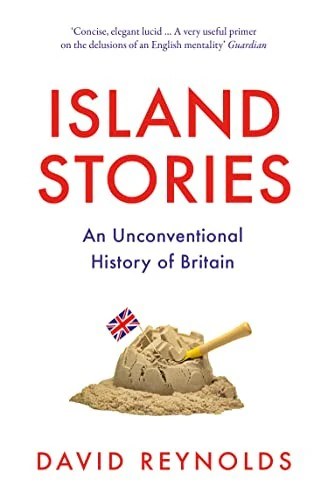

Island Stories – An Unconventional History of Britain: David Reynolds. In this book, Reynolds demonstrates how England (not to be confused with Britain) has, from the earliest years, even before the Roman Empire took this island under its wing, been inextricably bound to mainland Europe and beyond in dozens of ways, both political and social. He shows how our Glorious Past, our days of Empire grew up in conditions that can never be repeated, and how in any case had many aspects – slavery, subjugation of indigenous peoples – of which we cannot be proud. He looks at the Brexit delusion of making a ‘clean break’ from Europe and demonstates its impossibility, especially in the context of the four nations that currently constitute the British Isles. A thought-provoking read.
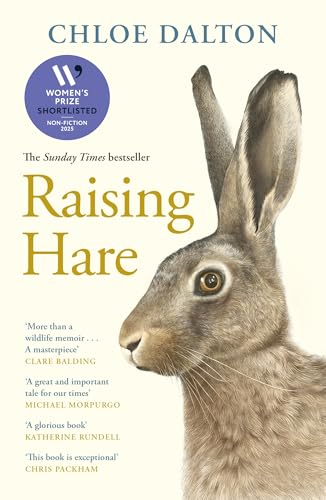
And now for something completely different. Raising Hare: Chloe Dalton. Dalton finds a small, apparently abandoned leveret. This is her story. Of how she treads a difficult path of wishing to help it survive to adulthood, while respecting its wildness. But the creature has a profound effect on Dalton. She strives, as she describes in this book to restore a sense of the sacred and to meet an animal on its own terms. Its part in her life changes her forever.
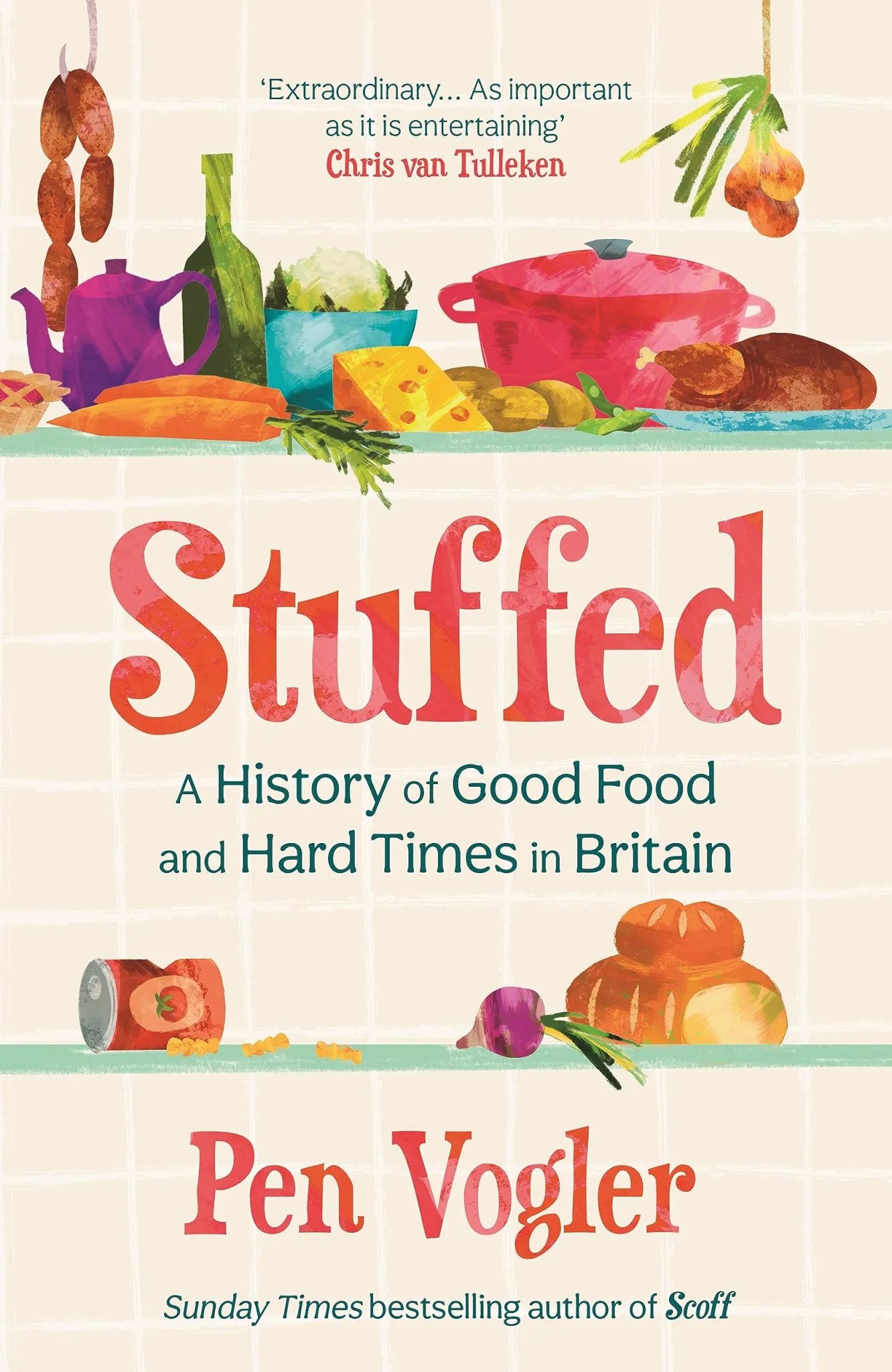
Stuffed: Pen Vogler. This is a book to relish, as it journeys through the history of eating, in good times and in bad, in the British Isles. It doesn’t begin at the beginning, then go on until it comes to the end, and then stop. Instead it works thematically, focussing in turn on some of the foodstuffs that perhaps define us:for instance, bread & ale; turnips (yes, really!); herring; Yorkshire pudding; gruel … and several more. She tells a good story, bringing it right up to date by mentioning the campaigns by Marcus Rashford and Jamie Oliver, and comparing child poverty and malnutrition as it presents now, with Victorian and even earlier times. A well-researched and highly readable book.
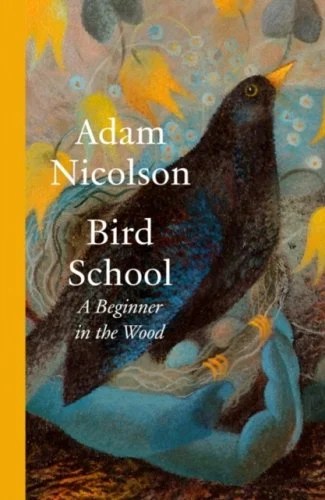
Bird School: Adam Nicolson. Nicolson was not a birder. But he decided to change that, and had a rather superior bird hide built in a wild corner of his Sussex farm. And there, all manner of birds come, and he learns. And teaches us: about surviving; singing;breeding; flying; migrating – every aspect of bird life. The story however, turns somewhat depressing. Birds here are in decline, because the natural world is generally in decline. Nicholson tells us why, so we can join the fight for the natural world in our turn.
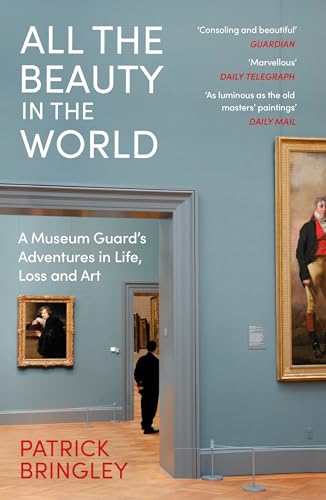
Let’s go indoors now, and off to America: All the Beauty in the World: Patrick Bringley. I loved this book. Here is a highly educated man who left his start-of-a-glittering-career in a period of grief following the death of his 27 year old brother, to become a museum attendant at New York’s Metropolitan Museum of Art. He spent ten fulfilled years there. In his book he talks about the works of art he spent his day with; the collections themselves; his colleagues; the visitors; his personal life. He’s perceptive, likeable and tells a good story. The accompanying illustrations by Maya McMahon tantalisingly suggest the works we can see when we get there.
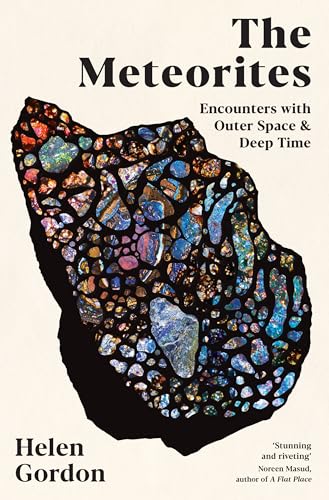
The Meteorites: Helen Gordon. I picked this up in the library on a whim. I knew little about Deep Space, and next to nothing about meteorites. Not only do I now know more about the rich variety of forms they take, how they are formed and where they might come from, but I’ve met the dealers, hunters academics and geologists involved in the meteorite community across the world. I now have a whole new perspective on our planet and outer space,and a hunger to know more, by reading this engaging and enjoyable book.
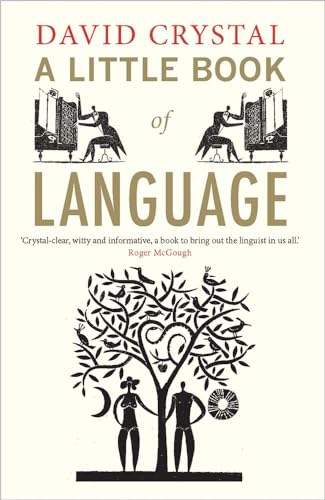
A little Book of Language: David Crystal. Here’s a book which with a broad brush, discusses all kinds of aspects of language: How a baby learns to communicate; how sounds are made; languages and dialects; writing; changing and evolving and disappearing languages; slang and style … and so much more. Not all of this was new to me – this is not the first Crystal book I’ve read – but all of it is told in a lively and engaging way, encouraging thought and discussion. 
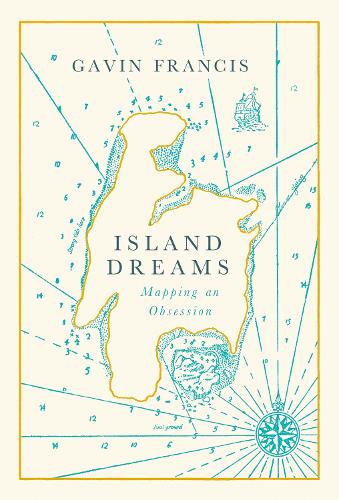
And finally … Island Dreams: Gavin Francis. This is a beautifully produced book. On heavy paper, with blue and black ink, the text is allowed generous space to breathe. As well, the text is interspersed – also generously – with maps old and new illustrating the outlines of islands he visits and discusses. These are the only illustrations. It encompasses myth, psychology, philosophy, literature and straightforward travel writing. So this is a book to savour and linger over, returning several times to the maps on display.

And if you’re going to push me into naming a favourite? Raising Hare, no question. Heartwarming, thoughtful, highlighting the tension between the natural world and our own, beautifully written.

I’m not going to be able to respond to any comments this weekend. Family Official Christmas, ahead of the usual date. But replies will happen.
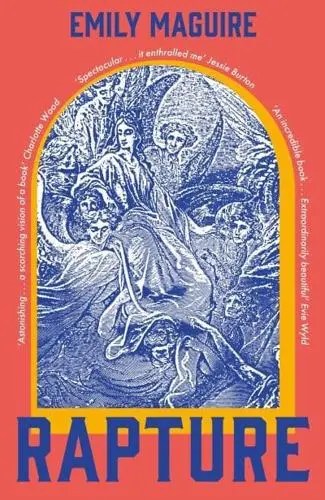
Six Degrees of Separation: from Rapture to The Island Of Sea Women

On the first Saturday of every month, a book is chosen as a starting point and linked to six other books to form a chain. Readers and bloggers are invited to join in by creating their own ‘chain’ leading from the selected book.

Kate: Books are my Favourite and Best

Set within a religious community in 9th century Germany, Emily Maguire‘s Rapture, which I have yet to read, reimagines the life of the first and only female pope.

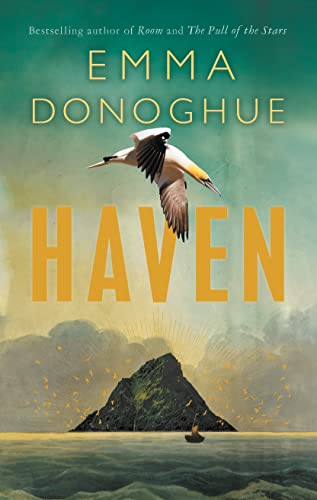
It’s not too much of a stretch to travel to 7th century Ireland in Emma Donoghue’s Haven. Holy man Artt, recently returned from his travels, fetches up at a monastery with a plan to set forth with two of the monks there to set up a tiny community on a totally uninhabited island, to live prayerfully in total isolation. Imperfectly equipped, they soon embark on their journey into the unknown: and Artt insists on choosing not one of the nearby islands, but a distant one that is rocky, bleak, inhospitable. The tough character of this island, with its panoply of resident birds is brought vividly to life, as are monks Cormac and Trian. Artt remains as distant to us in many ways as he is to the two monks. This is a story that cannot end well, as a bad situation becomes worse. But it vividly brings to life the increasingly unbearable conditions made more difficult by a completely unapproachable and inflexible man-in-charge. It’s a quietly engrossing story.

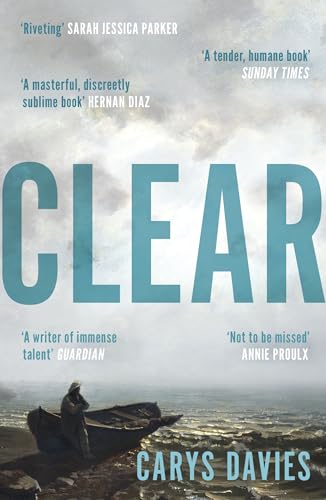
A different remote island, at a different time – the 19th century.  Carys DaviesClear is an engrossing book about a vanished way of life. One which disappeared during the devastating Highland Clearances in Scotland during the 19th century. A man Ivar, the sole inhabitant – with his few animals – of a remote island, is alive to the natural rhythms of the island – the many seasons, winds, mists, rains and tides that govern it. And when John Ferguson appears to evict him, but instead falls into a concussed coma from which Ivar nurses him back to health, he too falls under the island’s spell, and haltingly Ferguson begins to learn the vocabulary, then the language itself which Ivar speaks. The book celebrates that language and the fragility of life in such a spot, as well as asking questions about the future of Ivar, John, and John’s wife Mary, all of whom are in different ways implicated in the consequences of the Highland Clearance.

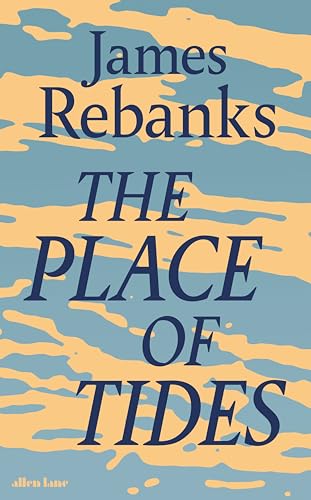
Yet another remote island – off Norway this time – present day Norway.  Author and farmer James Rebanks was going through a tough time mentally.  He needed to get away, and got the chance to stay in a remote and tiny island just below the Arctic Circle, where a woman was continuing the tradition, practised since Viking times of encouraging eider ducks to breed there, so that their valuable down could be harvested for warm clothing and quilts. This book is an account of the island’s astonishingly rich (but always diminishing) range of birdlife; its weather and relationship with the often unforgiving sea. Of how the woman and her friend, and that year Rebanks too, persuaded eider ducks back by building nests for them – yes, really! The protective down could be harvested from the nests when finally deserted, then cleaned and prepared for sale. It’s an immersive tale of a life that’s simple, often monotonous, always hard and often bleak, but with simple satisfaction too.  The tale is told in The Place of Tides.

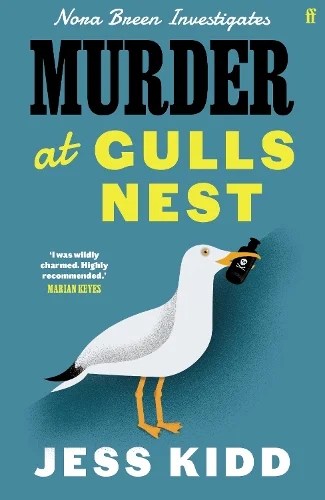
Let’s stay by the sea but lighten the mood, and read Jess Kidd’s Murder at Gull’s Nest.  It’s Cosy Crime, and I don’t like this genre at all.  But Jess came to speak recently at our local independent bookshop. She was a hit. She spoke wittily and enthusiastically about her career as a writer, and about this book, which is only the first of a planned series, following its heroine, a woman of middle years, plain and practical, Nora Breen. Nora links back to where we started from, because she was until recently a nun.  But when her fellow nun and friend Frieda leaves the order, and then goes missing, Nora chooses this event as her reason to abandon her vocation behind and search for Frieda. She begins her search in a seaside town in the south, Gore-on-Sea(!) at a pretty dreadful boarding house (this is the 1950s) called The Gulls Nest, where Frieda herself had stayed till she disappeared, a victim in Nora’s opinion, but not that of the police, of Murder Most Foul. At first I was rooting for Nora, and enjoyed getting to know the half dozen or so other varied characters who populated this book . But improbable incident follows improbable incident. The book’s well written, but it isn’t enough to keep me invested in the events it described.

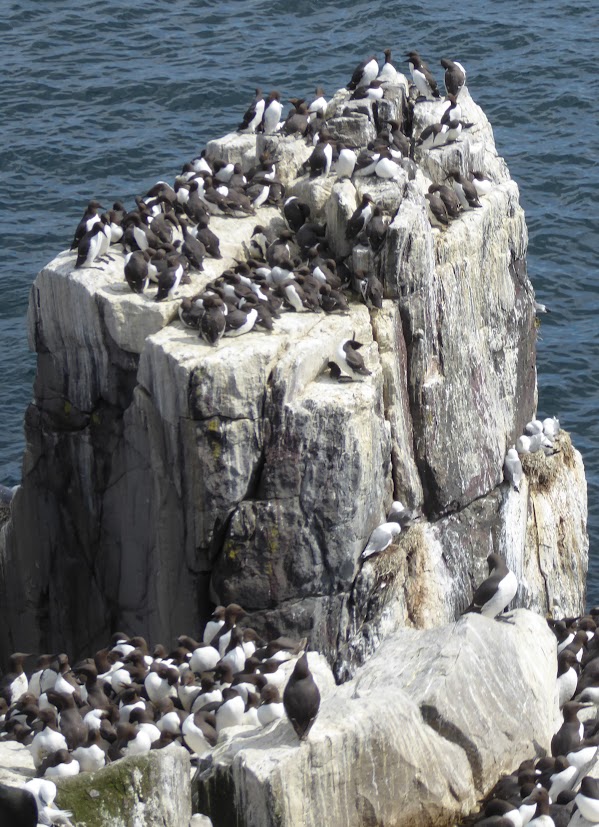
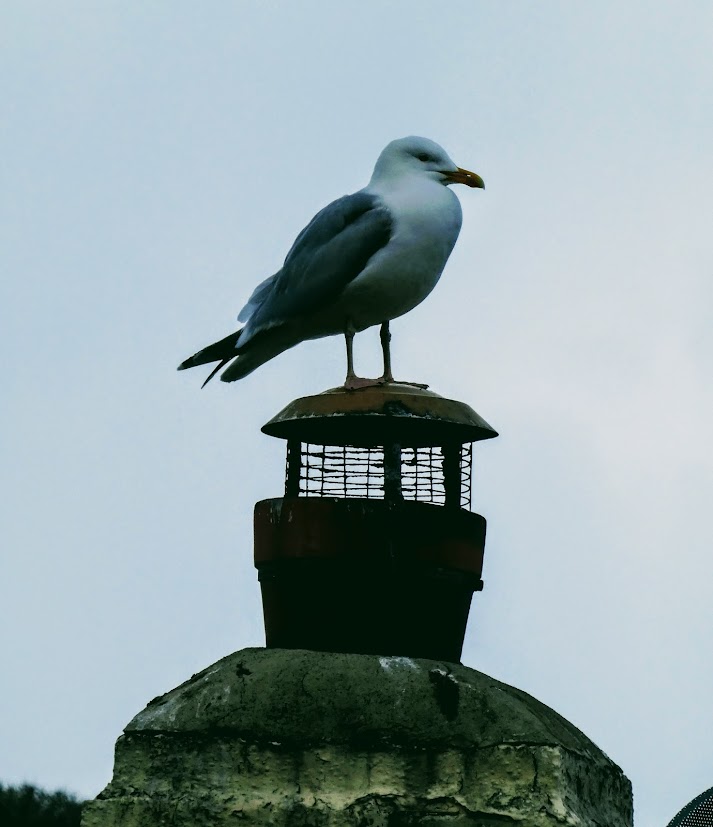
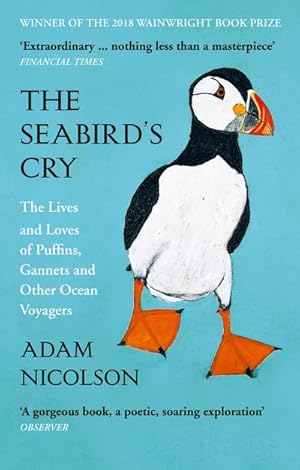
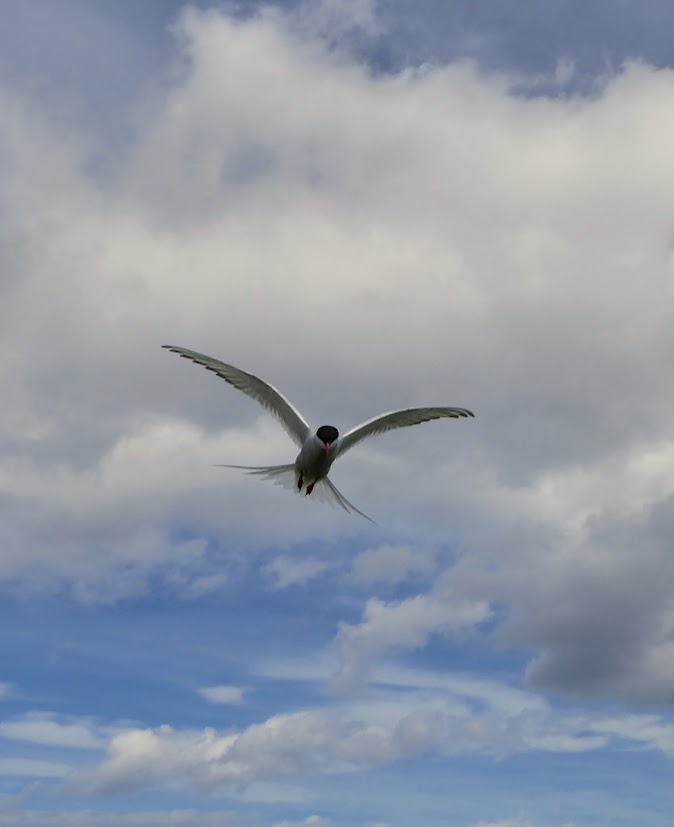
It’s too late now.  I’ll have to stay with the sea for the whole chain, and this time, with gulls too.  But let’s change the mood, and go with non fiction.  Adam Nicolson’s The Seabird’s Cry.  I unreservedly loved this book. Nicolson has long been fascinated by seabirds – not just gulls – and explains how these birds differ so much in habit and lifestyle from the garden birds with whom many of us are more familiar. Then he takes ten different species to examine in turn. He refers to his personal observations, to scientific research, to history and to literature to build a rounded and fascinating portrait of each species he’s chosen. My husband got used to having a daily bulletin of ‘today’s most fascinating seabird facts’ at breakfast each morning. Beautifully written, meticulously researched. readable and involving, this was a book I was sorry to finish.
.

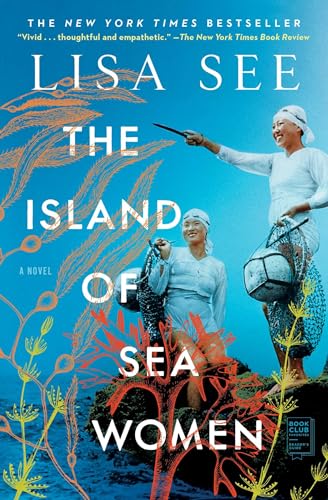
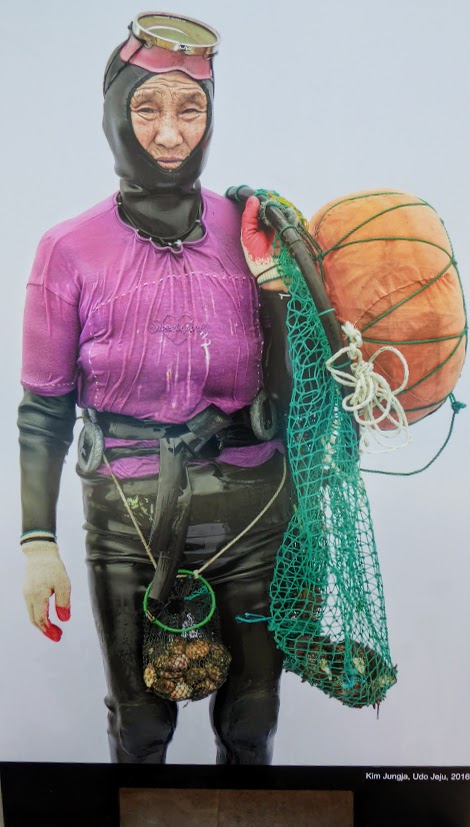
I’ll end in entirely another part of the world – South Korea, and take you to the island of Jeju, in Lisa See’s The Island of Sea Women. I had an immediate interest in this book, having travelled in South Korea – though we didn’t visit Jeju – and having already learnt to be fascinated by the lives of the haenyeo diving women.  These are divers who harvest seafood (sea cucumber, urchins, abalone, octopus) all year round from the sea floor; they can stay underwater for sustained periods of time without breathing apparatus.  This book combines a strong story following the story of two women Young-Sook and her mother, whose lives develop through their membership of the haenyeo culture, as they live through a twentieth century defined in Korea by occupation, internal conflict, deprivation and rapid change. Learning more about this history was in itself illuminating and interesting. It was a backdrop to a story of friendships, broken relationships and family struggle which drew me in to the last page. I was sorry to finish this book too.

It’s not clear to me how I got from a religious life in long-ago Germany to six books involving the sea. But Six Degrees takes us all to unexpected places. Where will next month’s starter book, All Fours, by Miranda July take us?