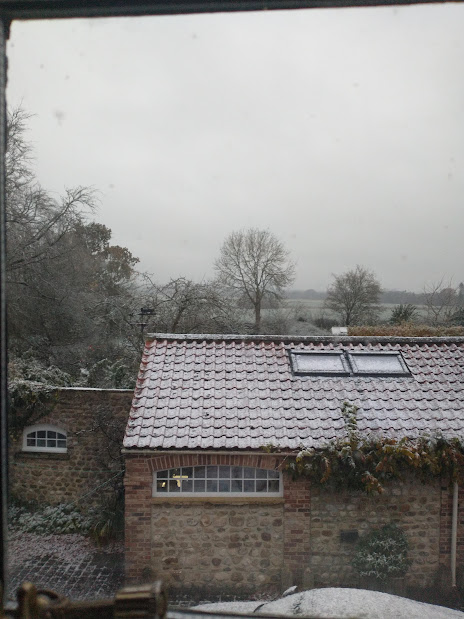
November was for the most part mild (and rainy. And windy. And unpleasant). Until the very last week. This shot from the bedroom window yesterday pointed out fairly forcibly that winter has arrived.
For Brian’s Last on the Card.

November was for the most part mild (and rainy. And windy. And unpleasant). Until the very last week. This shot from the bedroom window yesterday pointed out fairly forcibly that winter has arrived.
For Brian’s Last on the Card.
Here you are in Barcelona. You’ve strolled down Las Ramblas, and fought your way through the scrum in La Boqueria market. You’ve queued to get round La Sagrada Familia: and in fact visited every other creation you can think of by Antoni Gaudí . At my insistence, you’ve visited the Hospital de Sant Pau (here and here). You’ve got a bad case of Museum Foot, and you’re fed up with the crowds.
Perhaps I could make a few suggestions? One’s yet another museum, but it’s only been opened a for a short while and you may have the place almost to yourself. It’s the Museu de l’Art Prohibit. Here’s the story:
During the ARCO 2018 edition, collector Tatxo Benet acquired an artwork by artist Santiago Sierra, titled Presos Políticos en la España Contemporánea (Political Prisoners in Contemporary Spain). Shortly thereafter … the gallery that sold the piece removed it from its stand. The mere labelling of ‘political prisoners’ triggered its CENSORSHIP…
This incident laid the groundwork for conceiving a distinctive collection. Five years later, the accumulation of works subjected to CENSORSHIP, CANCELLATION or DIVERSE FORMS OF ATTACK has given rise to the Museu de l’Art Prohibit.
The Manifesto: Museu de l’Art Prohibit
Here, you’ll find work by the likes of Goya , Picasso, Banksy, as well as names less familiar to me like Amina Benbouchta and Charro Corrales. The works shown here have fallen foul of political, religious or sexual censors. It’s powerful stuff and I urge you to go and make your own mind up.
It’s not just repressive or totalitarian regimes that practice censorship. It’s not just the Catholic church or hardline Muslims who do so either. I was quite surprised to find that I too was practising self-censorship when deciding which images to share on a public platform. In the end, I went with these.
This MacDonald’s refuser really liked this one:
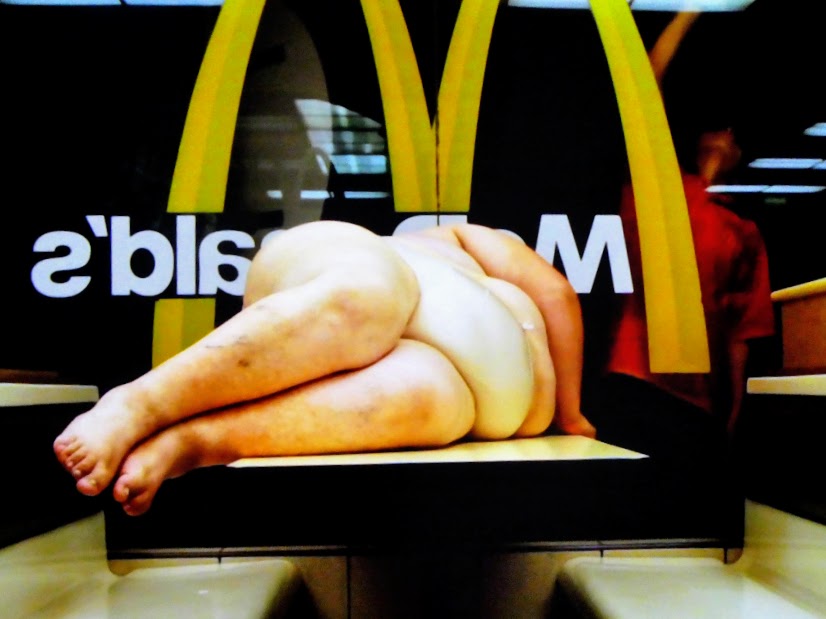
There was this:
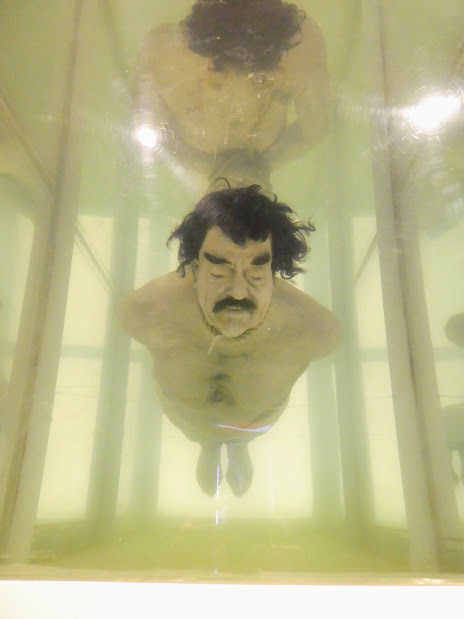
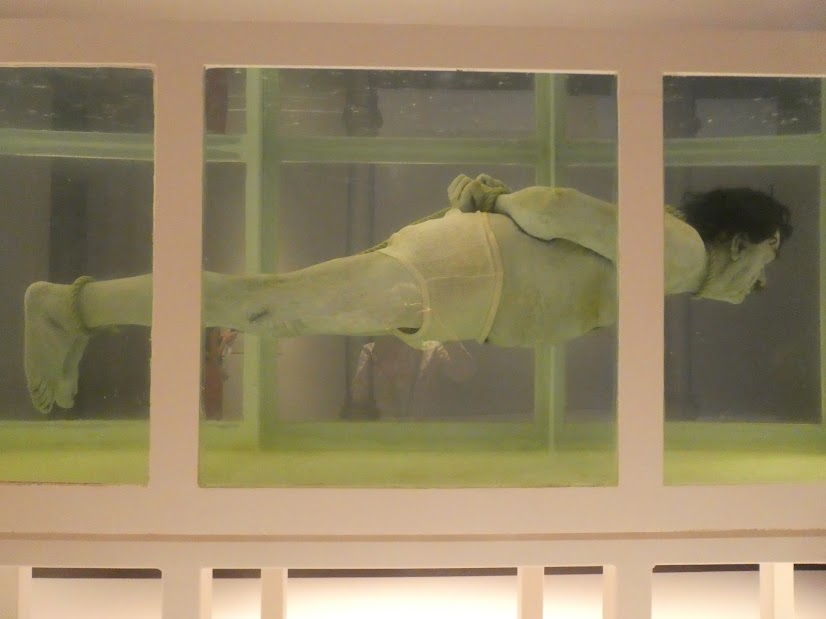
David Cerny 2006: Shark. Saddam Hussein in a shark tank 2005. A Belgian town demanded its removal as being offensive to Muslims and off-putting to tourists.
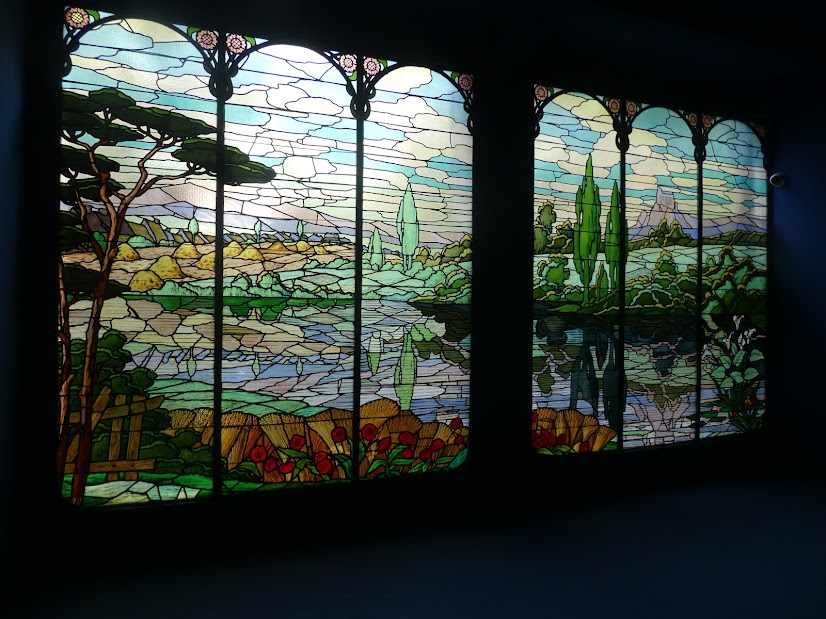
It’s housed in an elegant Modernist building, the Casa Garriga Nogués. These windows give you a taste of it.
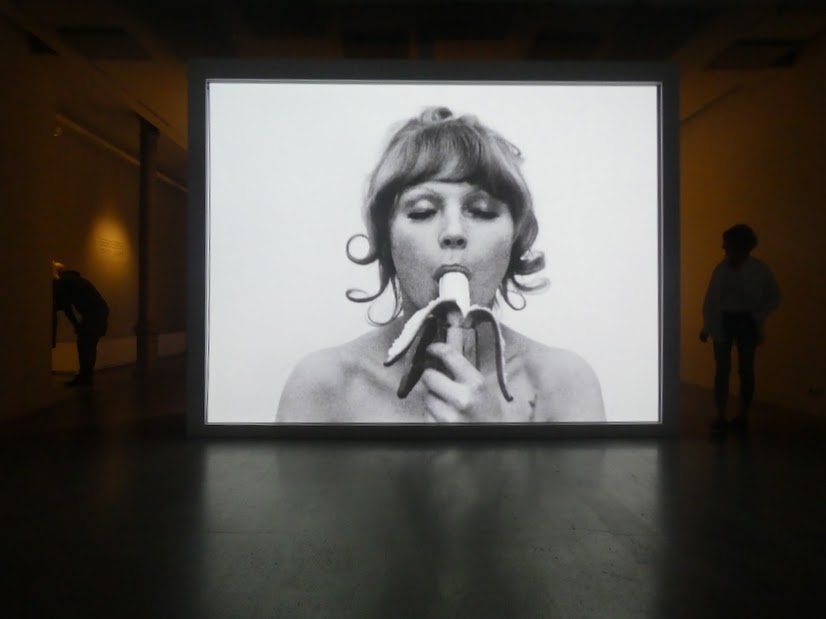
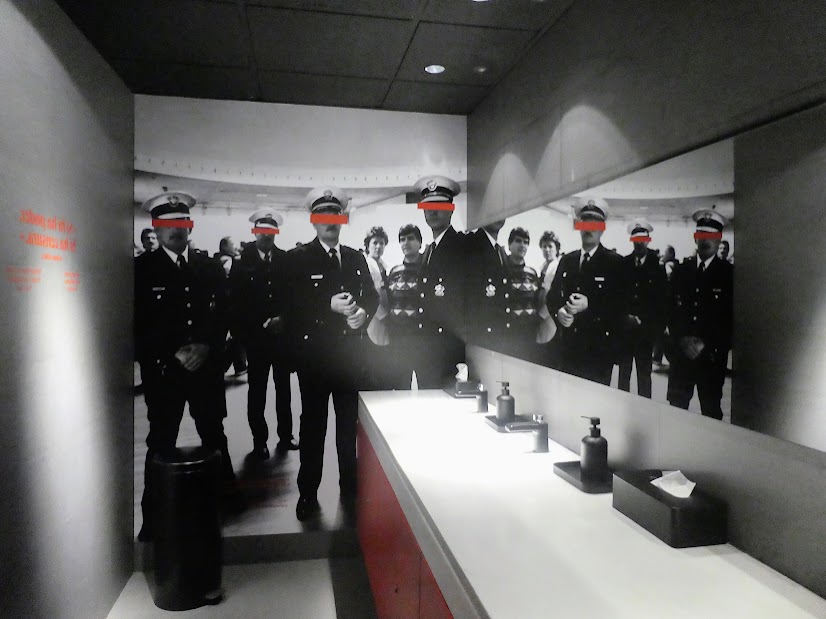
I found the whole thing thought-provoking and was glad to have spent a couple of hours there. I wondered whether I’d been wise to go to the women’s toilets though. The featured photo shows what confronted me as I walked in.
Next week we’ll stay in Barcelona, but I’ll take you somewhere restful and restorative: that’s so long as you don’t get lost. And you will…
Pigeons of different varieties are apparently found on every continent on earth except Antarctica. I’m not surprised. I’ve yet to visit a country where I’ve seen none. This particular specimen was opportunistically hanging round the outside tables of a a café down at the port in Premià de Mar on Thursday. There were croissant crumbs to be had …
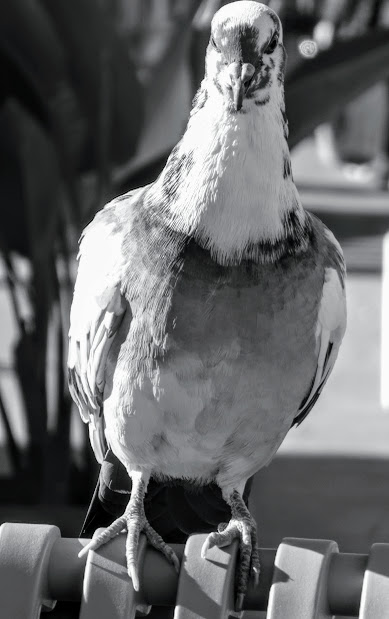
For IJ Khanewala’s Bird of the Week XXXIX
… but preferred it before.

The baker of choice for my daughter and family in Premià de Mar, Catalonia.
For Debbie at Travel with Intent’s One Word Sunday.
I had only one reason to visit Caldes d’Estrac. Not because back in the late 19th and early 20th centuries it was noted for its thermal baths. Those glory days are largely gone: and in any case I live near the spa town of Harrogate. I went because of its art gallery, Fundacio Palau Fabre, largely dedicated to Picasso. More about that another day.
This is a small town with big hills. I toiled up, then skittered down slope after slope as I explored. But it had doors to pause by. Most of my shots are in my camera, and not to be seen till I go home. (Tomorrow. How shall I survive? It’s 14 whole degrees colder back in England) So here’s just one that took my fancy.
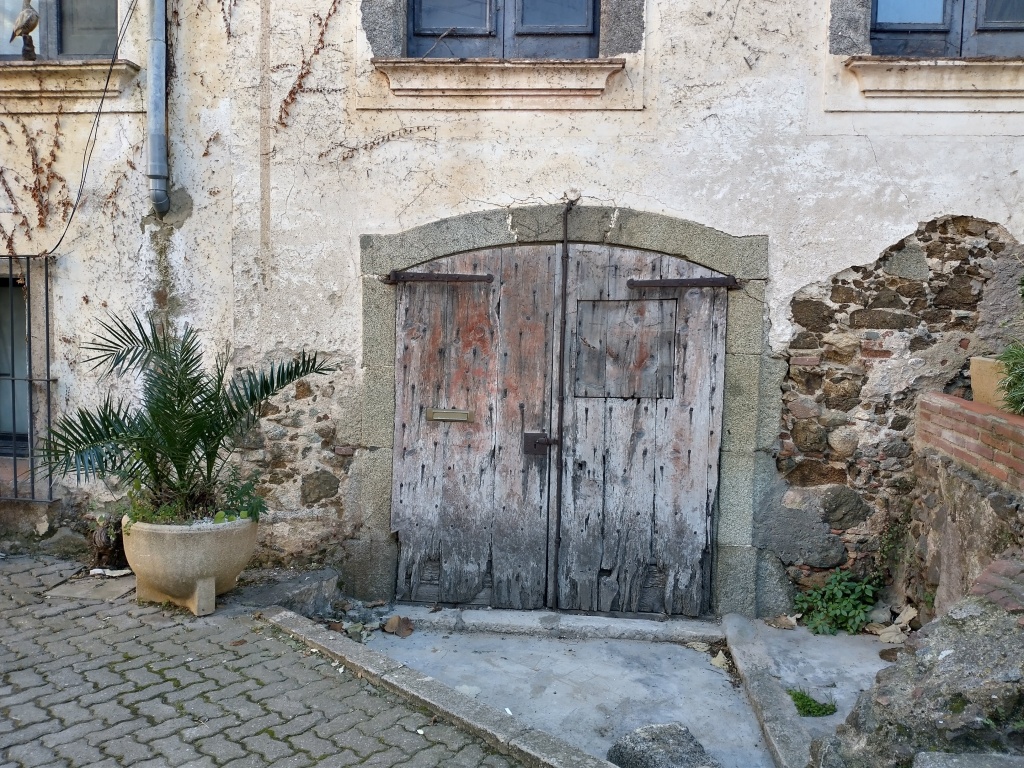
This is my first offering to Dan’s Thursday Doors for a very long time. But I thought this distressed door deserved its fifteen minutes of fame. Or 5 anyway.
La Sardana is the traditional dance of Catalonia. It’s been around in one way or another since the 1600s, but really came into its own in the 19th century. Back in the fascist era, Franco did his best to ban it, as he tried to ban all forms of regionalism, or worse, independence. He suppressed the distinct languages within Spain: Catalan, Basque, Galician, with the result that they have now sprung back stronger than before.
Anyway, la Sardana. It’s a circle dance, with men and women, neighbours, friends, strangers joining hands, moving slowly in a circle following the fairly complex foot moves of the leader. When the circle starts getting too big, a second circle starts, then a third ..

On Sunday morning, we took ourselves down into town to watch the mini-Sardana festival. We immediately noticed that I fitted the age-profile the best. Every single dancer was over 60. Anaïs’ friend’s granny immediately wanted to put that right, and appointed herself Anaïs’ personal Dance Mistress. With not much success.

A few younger citizens took themselves off to practice in a quiet corner …

And after a slow start, the event got going. Not having a single dance gene in my body, I wasn’t tempted to get involved, despite being The Right Age. But it’s rather sad that this seems to be the general view among the young. Would Franco get his wish after all, and see the Sardana vanish a hundred years after he tried to banish it?
… back in England.
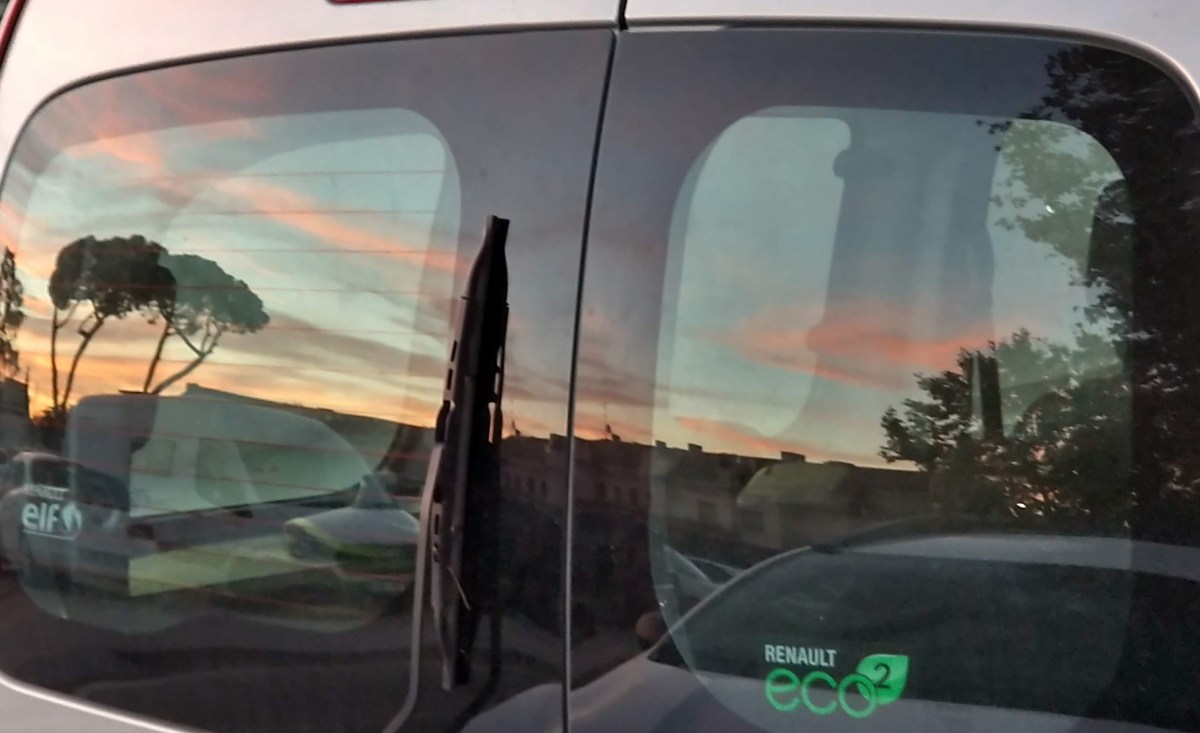
We were just walking back to my daughter’s house in Spain yesterday evening, with a richly dramatic sunset before us, when I noticed it reflected behind this car, in its rear window.
Here I am in Spain on Granny Duty. Today, I’m not needed till 5.00, when I collect Anaïs from nursery. So I took myself off to Arenys de Mar, just up the coast from here. Once upon a time, it was an important ship-building town, and remnants still exist in the form of repairing and restyling yachts and other craft. And it’s still a fishing town, so off I went to the fishing port, where I had long since missed the daily fish auction. Oddly, this starts high and the bidding goes lower till it sticks. I can’t quite get my head round that.
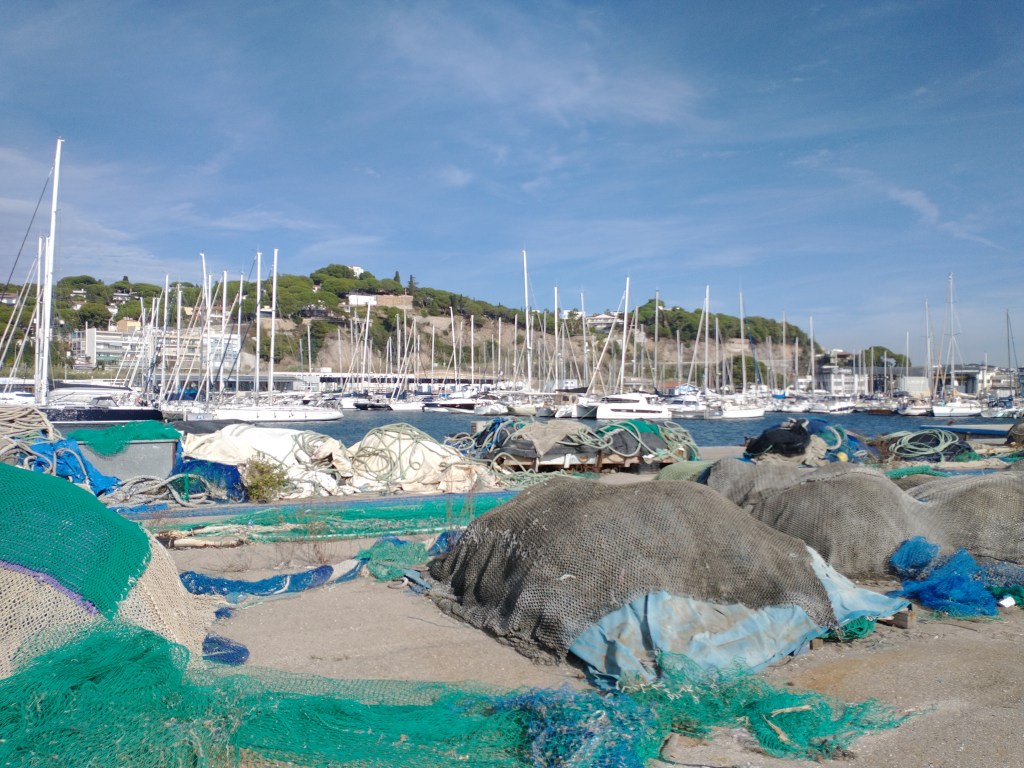
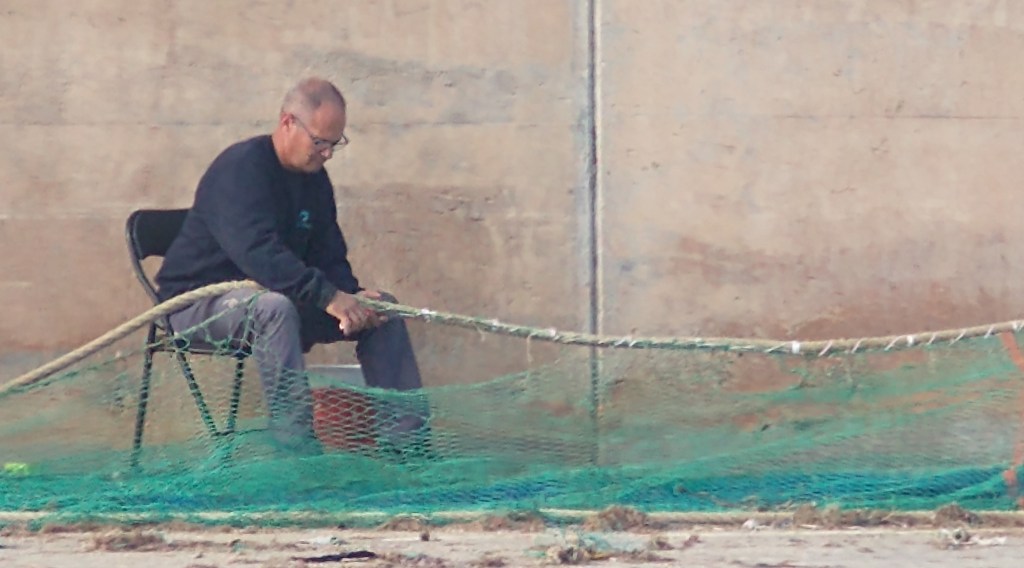
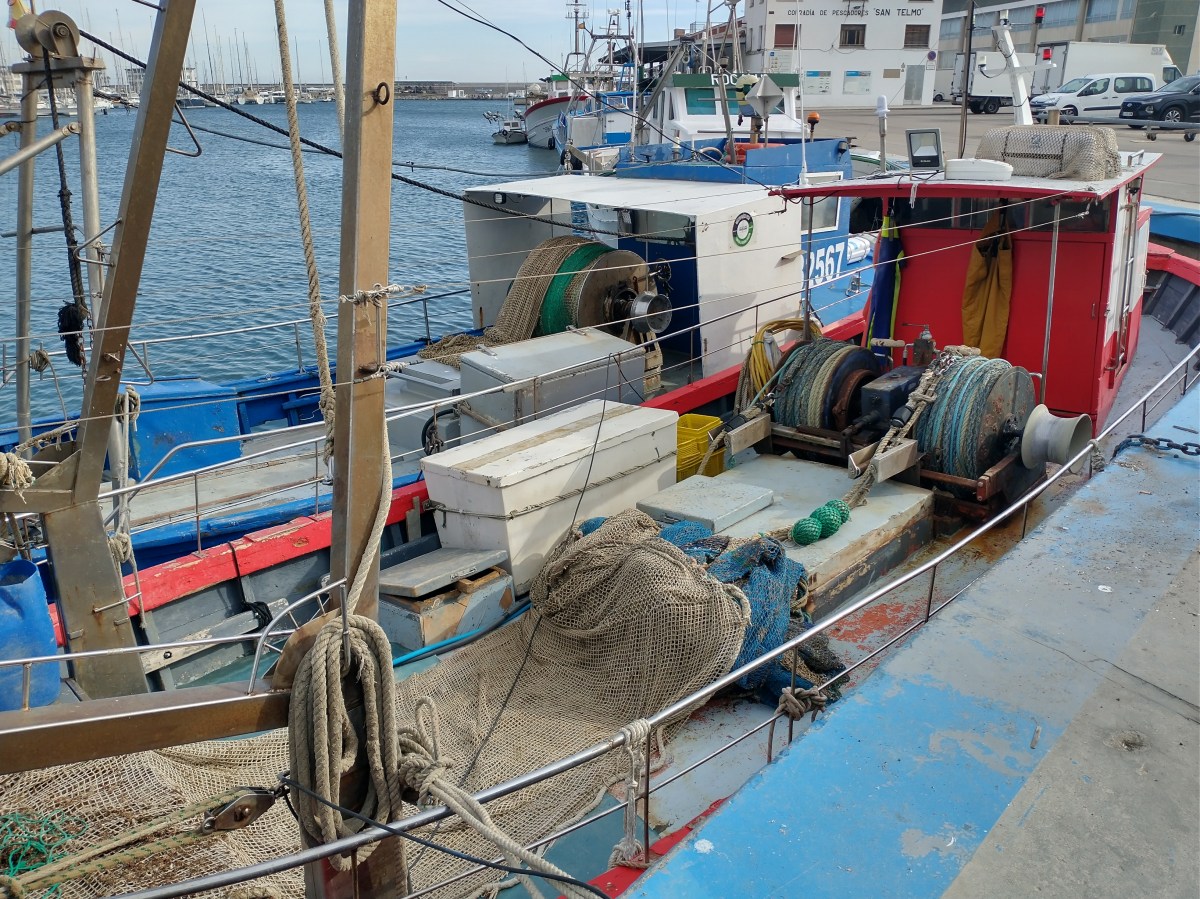
The boats here are small family-run craft. Industrial fishing it ain’t. So fishermen were out and about doing running repairs to their boats, and sitting down checking their nets and mending them. It all seemed time-honored and traditional.
Who knew that fishing nets could all look so different?
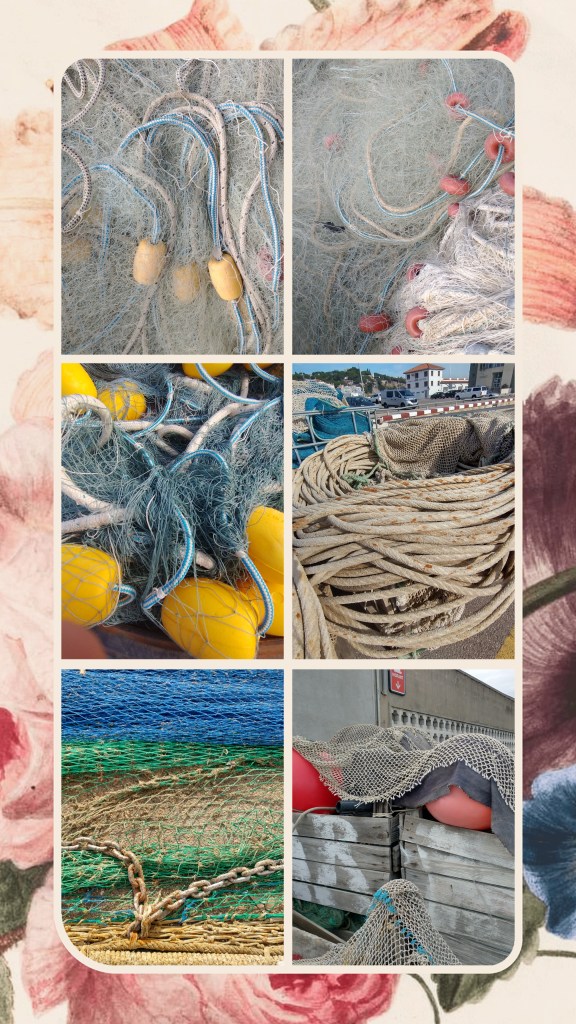
Next time I go, I’ll be in time for the auction. Maybe.
The last two weeks’ Lens Artist Challenge had us focussing on all the eye could see in a single glance: seeking the symmetrical and the asymmetrical. This week we’re homing in on detail for Anne of Slow Shutter Speed.
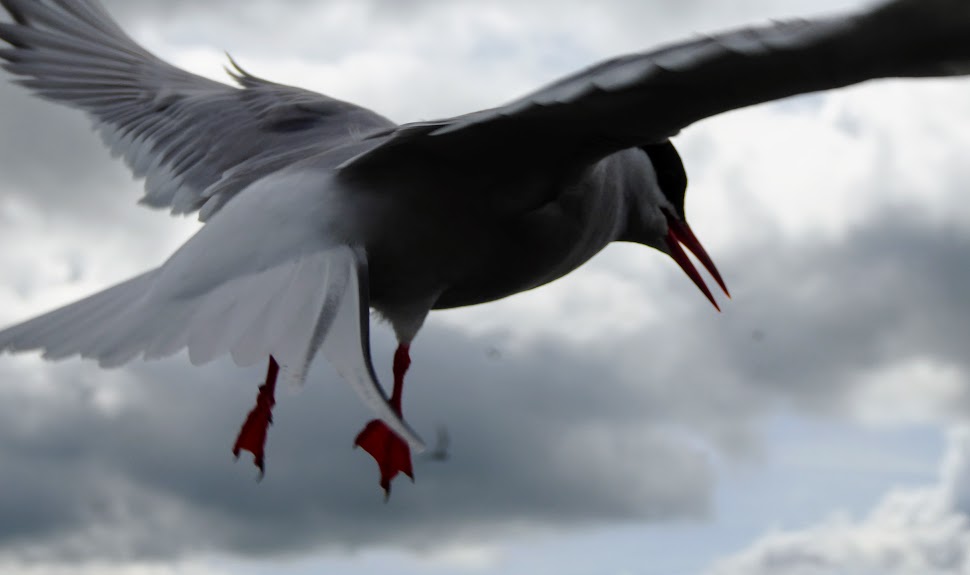
In my last post I stayed pretty rural, and I’m doing that again, though beginning at the seaside. I think that Arctic tern in the featured photo is homing in on something: maybe something that’s bothering his newly-hatched youngsters.
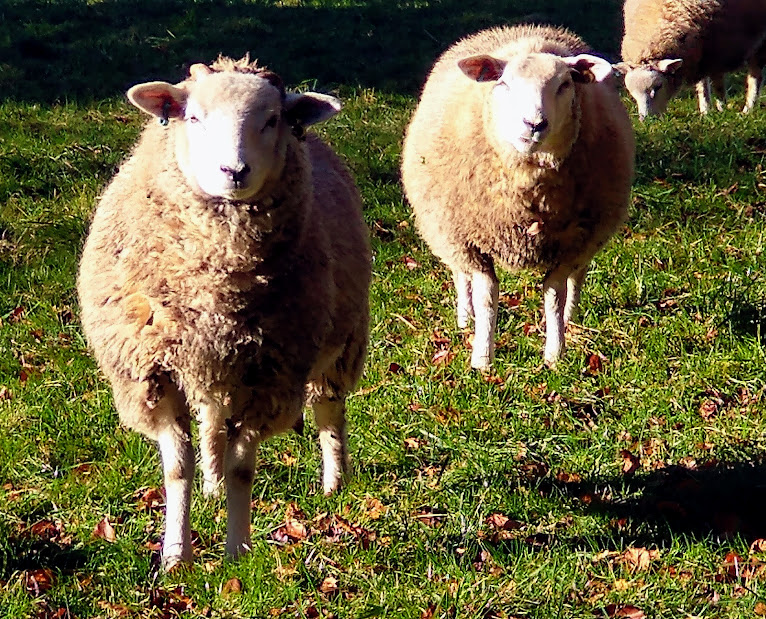
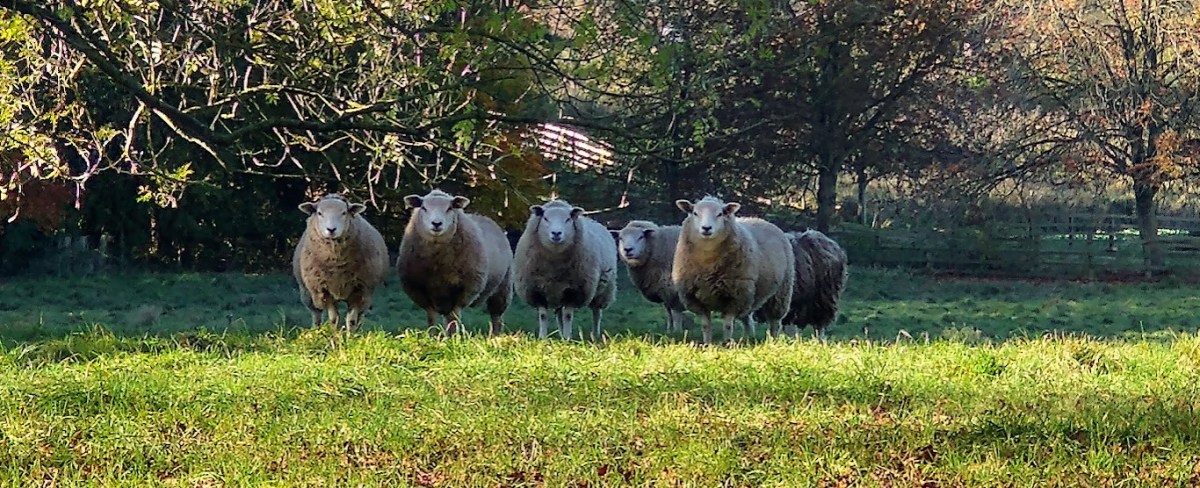
Let’s go to a farm. Here are two sheep.
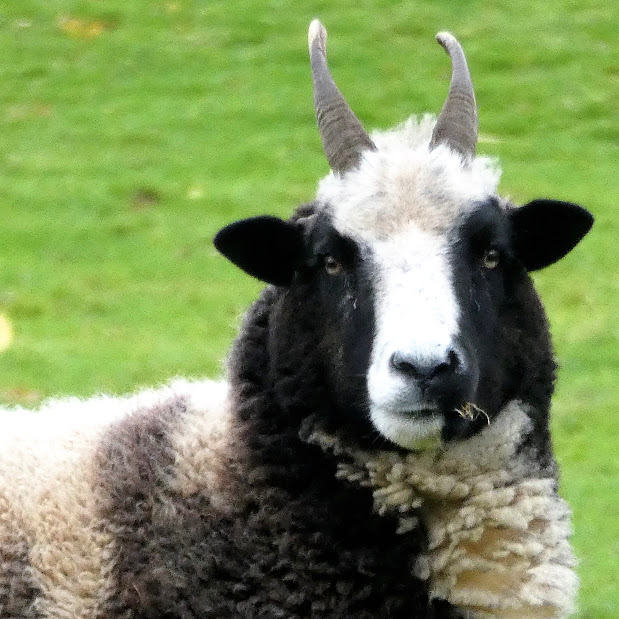
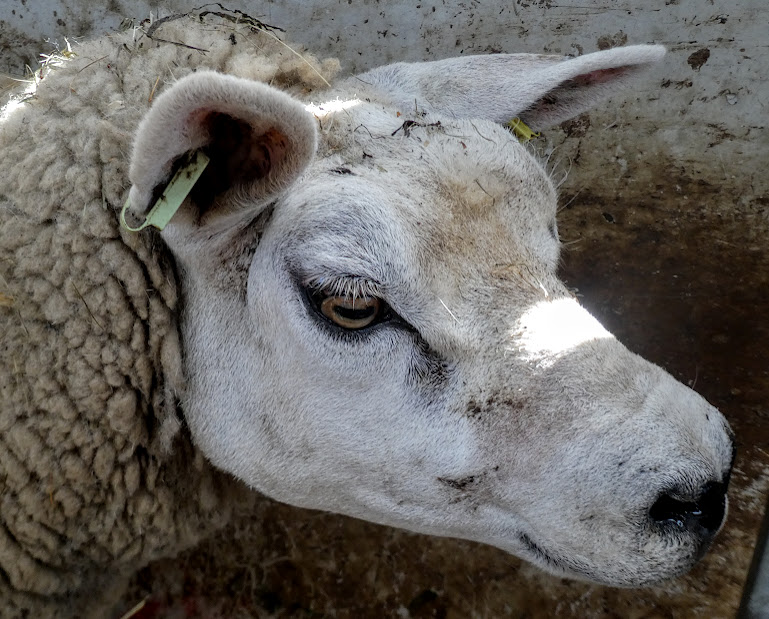
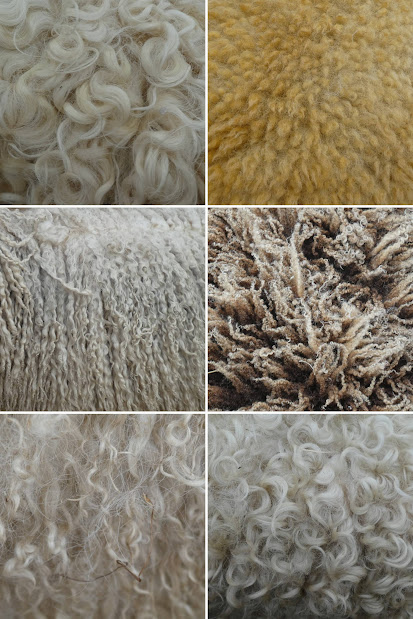
Did you think that a-sheep-is-a-sheep-is-a-sheep? Not at all. I’ve focussed on just six sheepy fleeces, filling the frame with six different styles of wool – I could have picked dozens more.
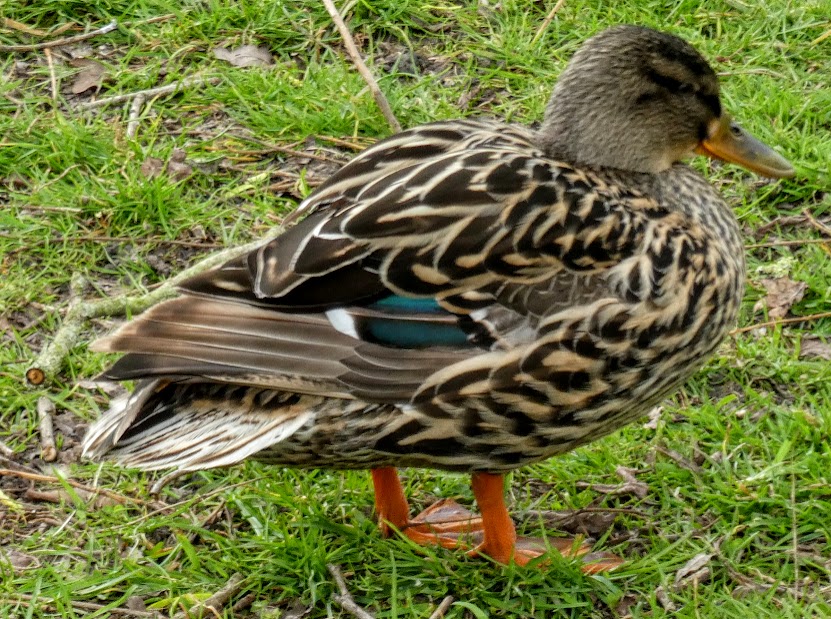
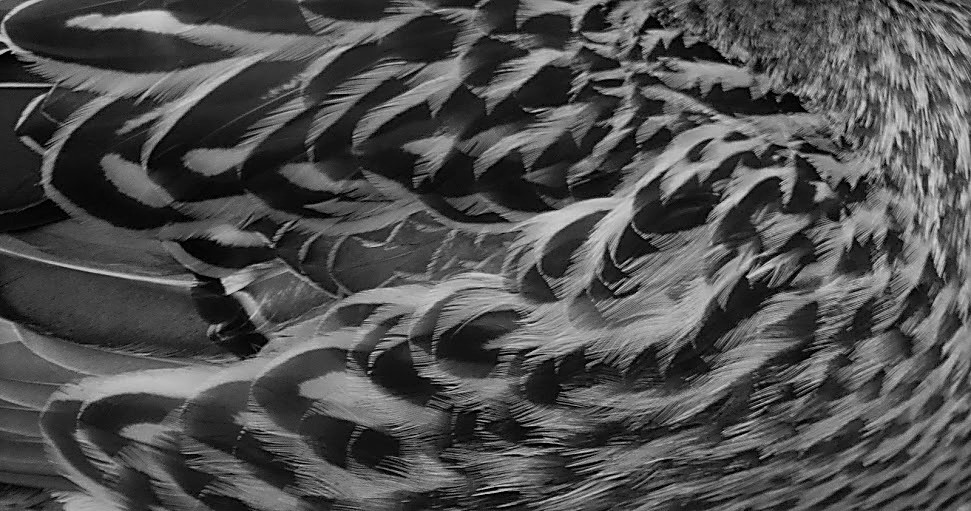
We’ll pop down to the duckpond. I’ve filled the frame with a female mallard. But let’s home in more closely:
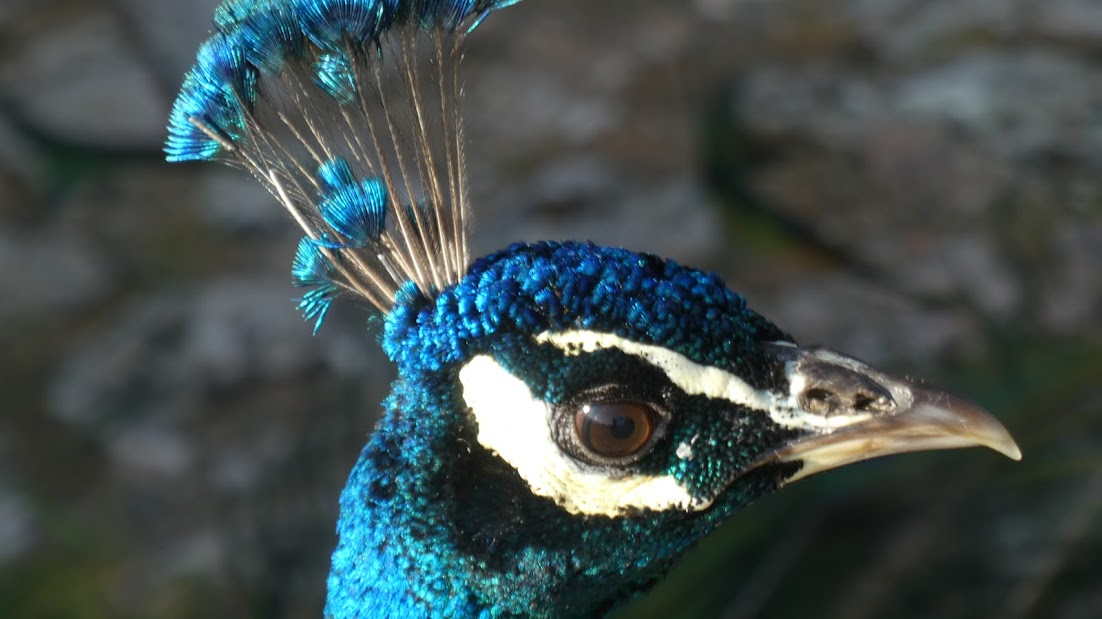
We’ll get a touch exotic, and feature a peacock: yes, there are one or two farms round here that have peacocks on parade.

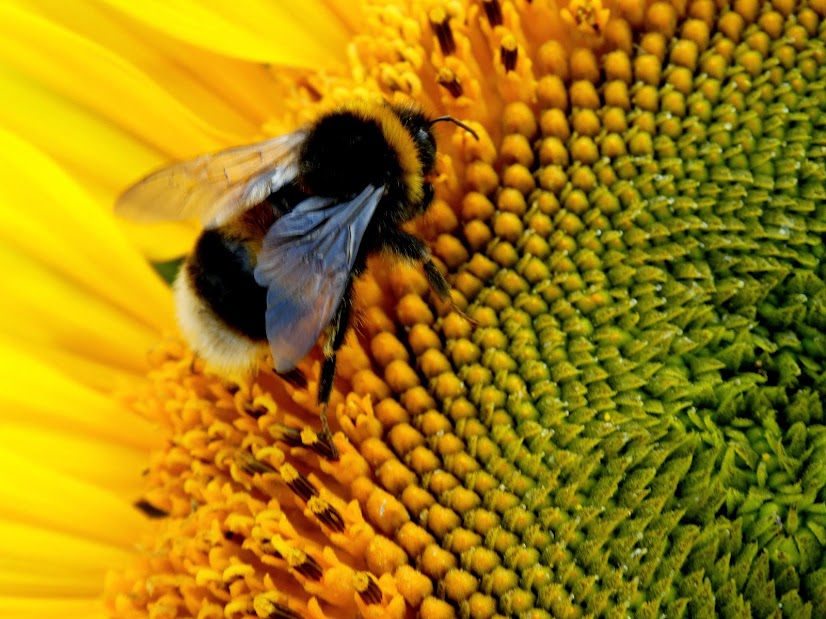
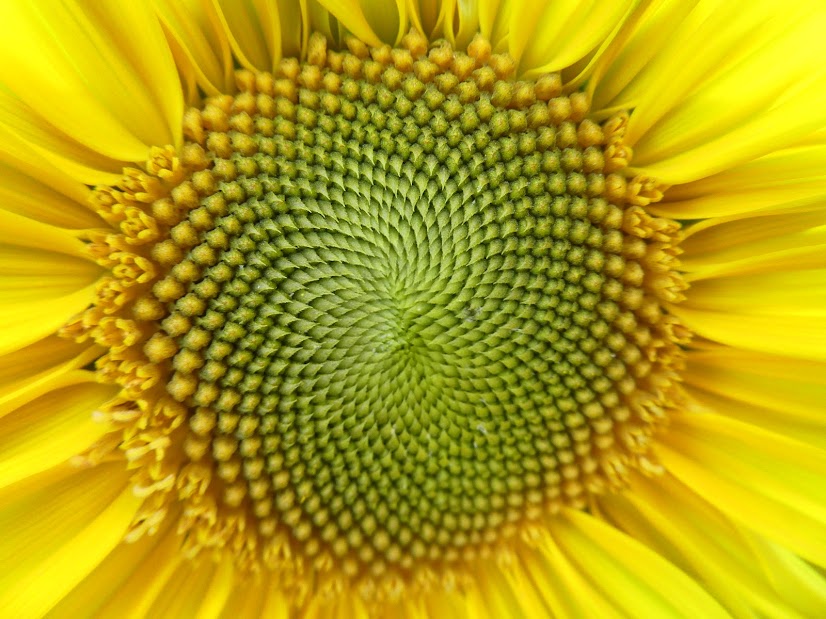
Sunflowers were exotic once in the UK. No longer. They’ve started to become a regular crop for some. And the bees are very pleased to have them.
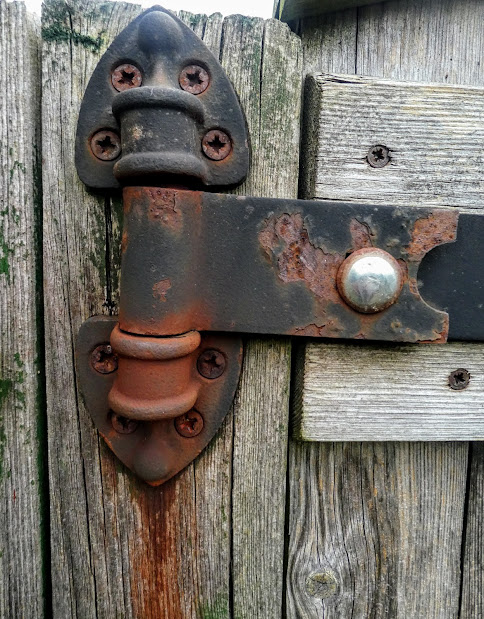
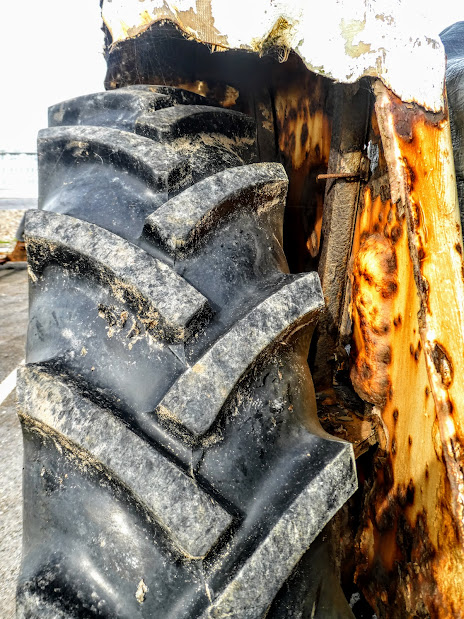
Farmyards aren’t just about pretty things. There are gates and barns to be locked, and tractors to use and maintain – maybe not well enough, in this case..
So there we have it: getting up close to our findings down on the farm. I’m on my travels this week, and may not respond very promptly to comments. But I will get back to you – eventually.
In case you’re interested, reading from left to right from the top the wools represented are: Wensleydale; Cheviot; Leicester Longwool; Shetland; also Shetland; and … er … don’t know.





You must be logged in to post a comment.