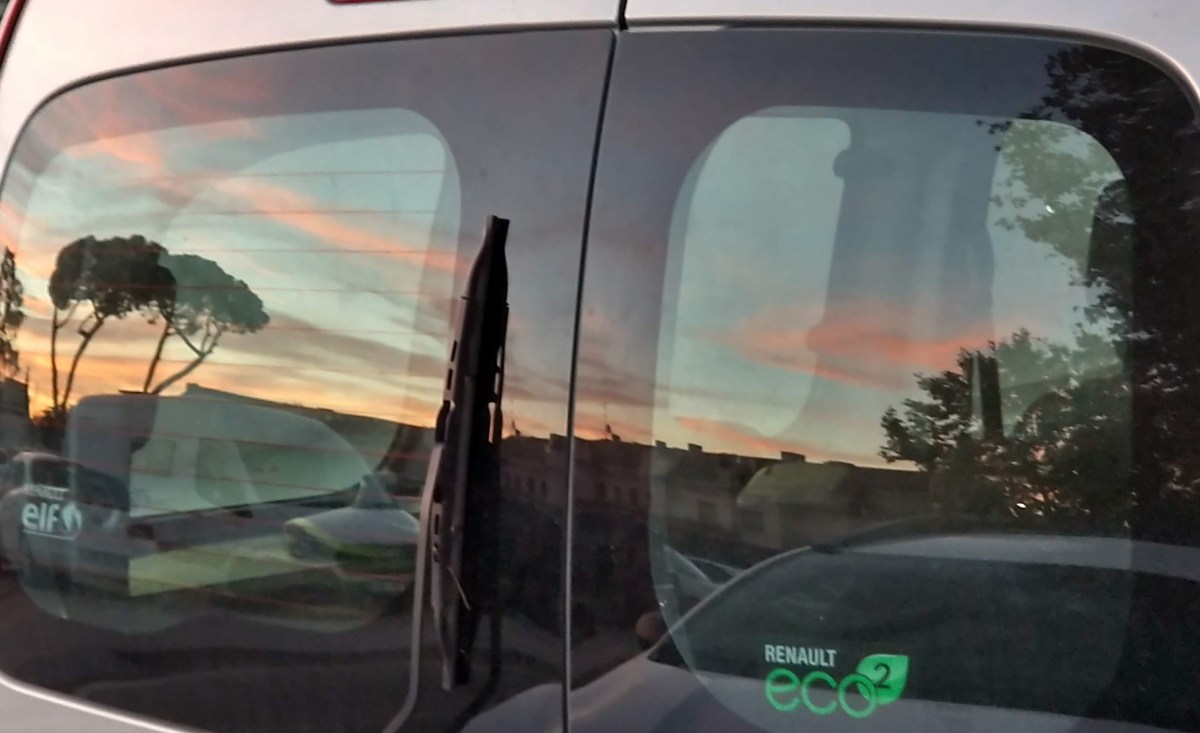
We were just walking back to my daughter’s house in Spain yesterday evening, with a richly dramatic sunset before us, when I noticed it reflected behind this car, in its rear window.
Author: margaret21
I'm retired and live in North Yorkshire, where I walk , write, volunteer and travel as often as I can.
Postcards from Arenys de Mar
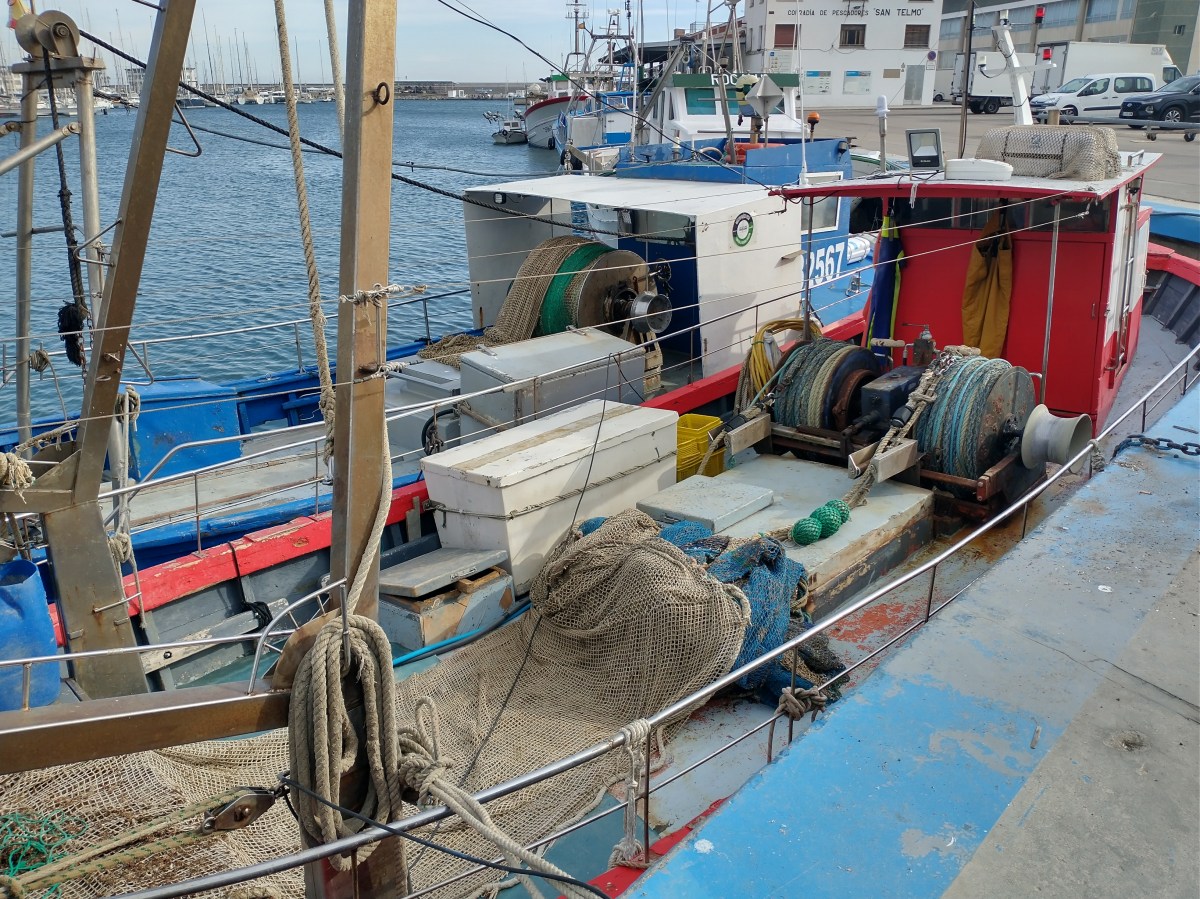
Here I am in Spain on Granny Duty. Today, I’m not needed till 5.00, when I collect Anaïs from nursery. So I took myself off to Arenys de Mar, just up the coast from here. Once upon a time, it was an important ship-building town, and remnants still exist in the form of repairing and restyling yachts and other craft. And it’s still a fishing town, so off I went to the fishing port, where I had long since missed the daily fish auction. Oddly, this starts high and the bidding goes lower till it sticks. I can’t quite get my head round that.
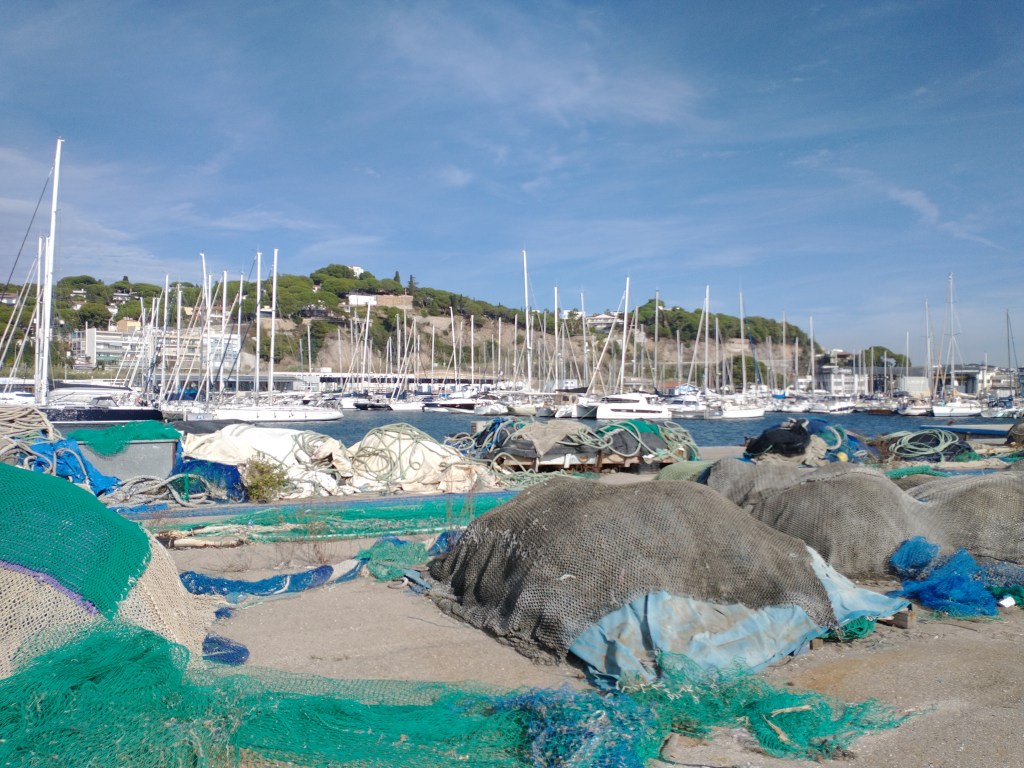
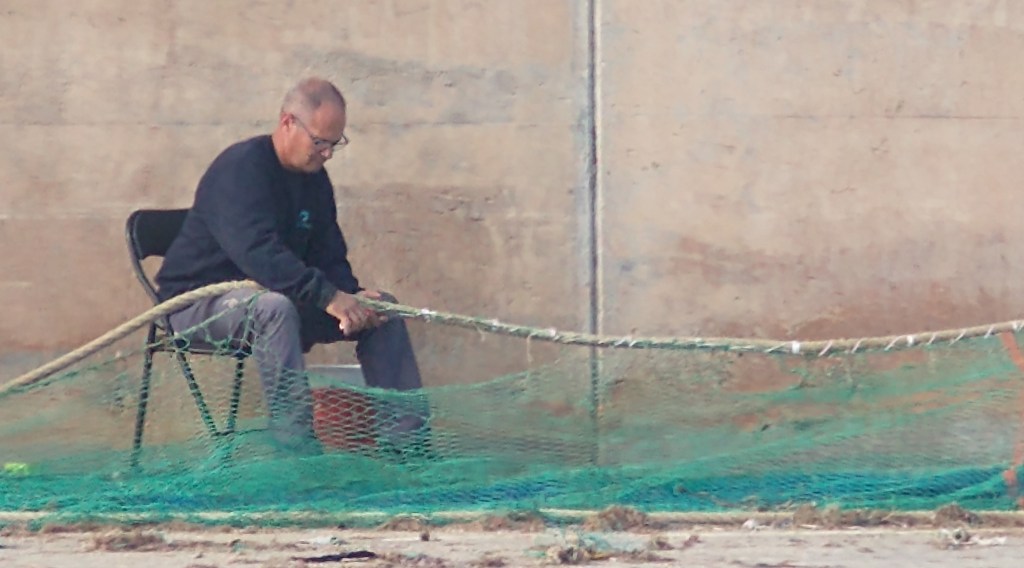
The boats here are small family-run craft. Industrial fishing it ain’t. So fishermen were out and about doing running repairs to their boats, and sitting down checking their nets and mending them. It all seemed time-honored and traditional.
Who knew that fishing nets could all look so different?
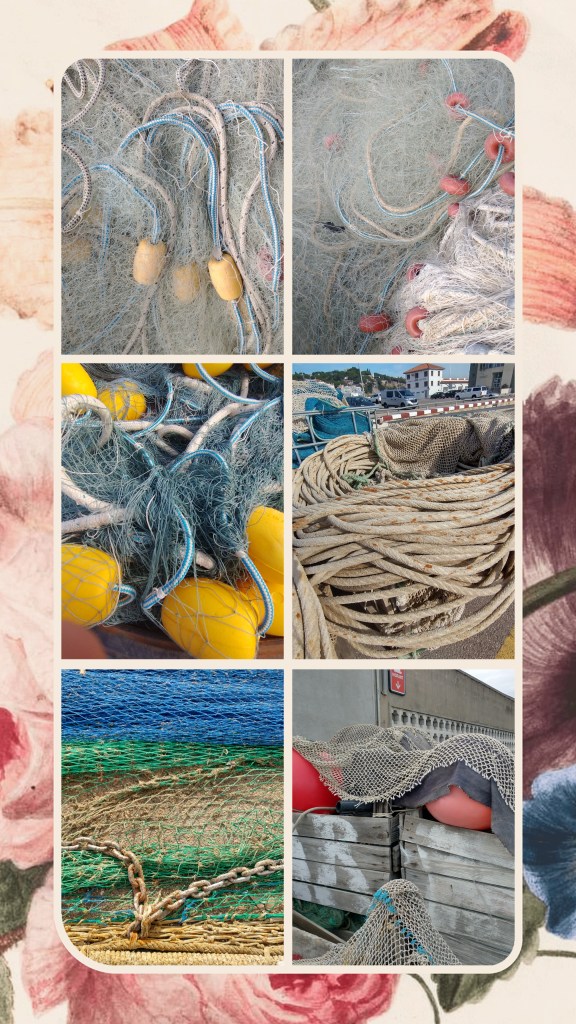
Next time I go, I’ll be in time for the auction. Maybe.
Let’s Fill the Frame
The last two weeks’ Lens Artist Challenge had us focussing on all the eye could see in a single glance: seeking the symmetrical and the asymmetrical. This week we’re homing in on detail for Anne of Slow Shutter Speed.
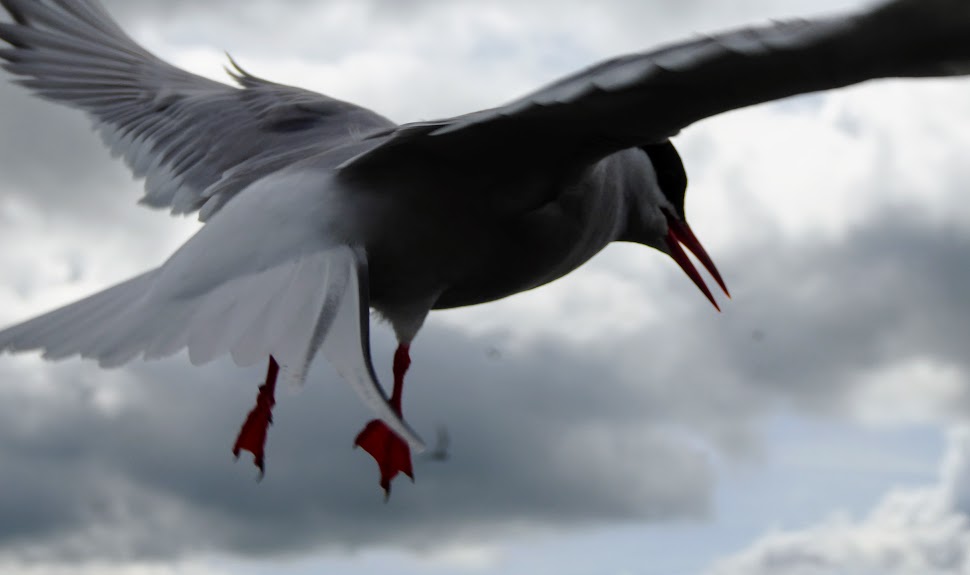
In my last post I stayed pretty rural, and I’m doing that again, though beginning at the seaside. I think that Arctic tern in the featured photo is homing in on something: maybe something that’s bothering his newly-hatched youngsters.
Let’s go to a farm. Here are two sheep.
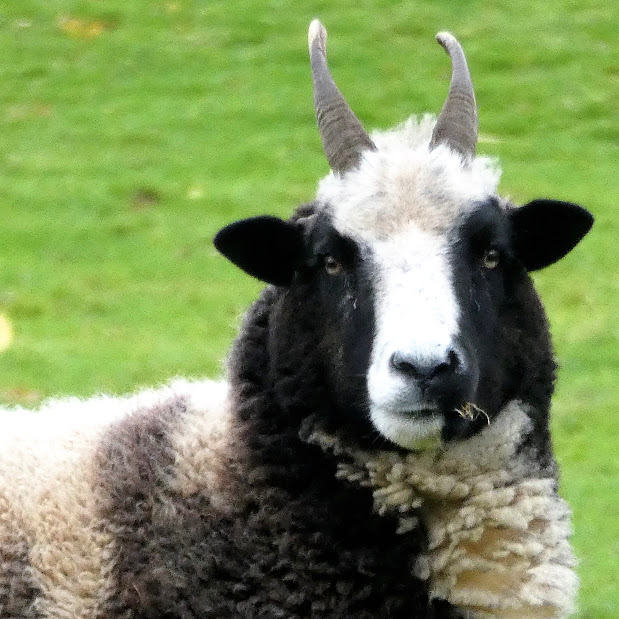
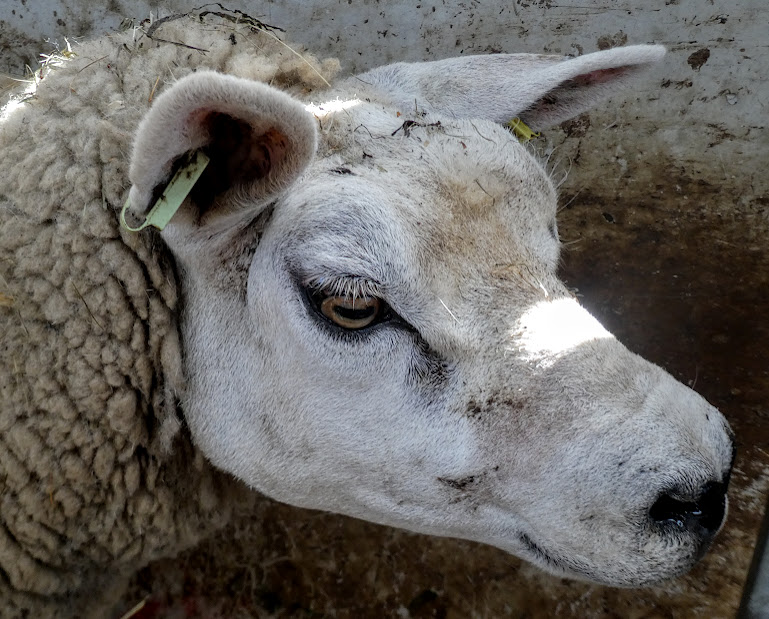
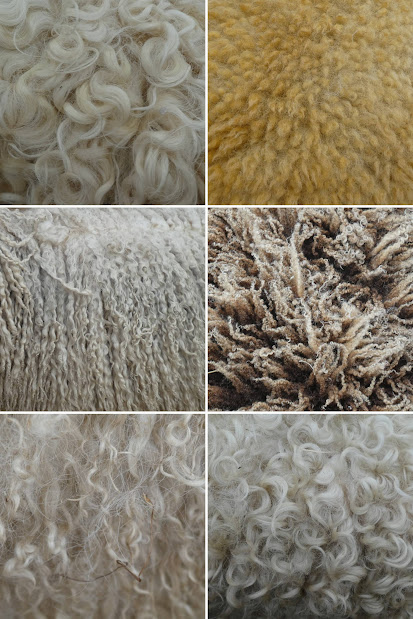
Did you think that a-sheep-is-a-sheep-is-a-sheep? Not at all. I’ve focussed on just six sheepy fleeces, filling the frame with six different styles of wool – I could have picked dozens more.
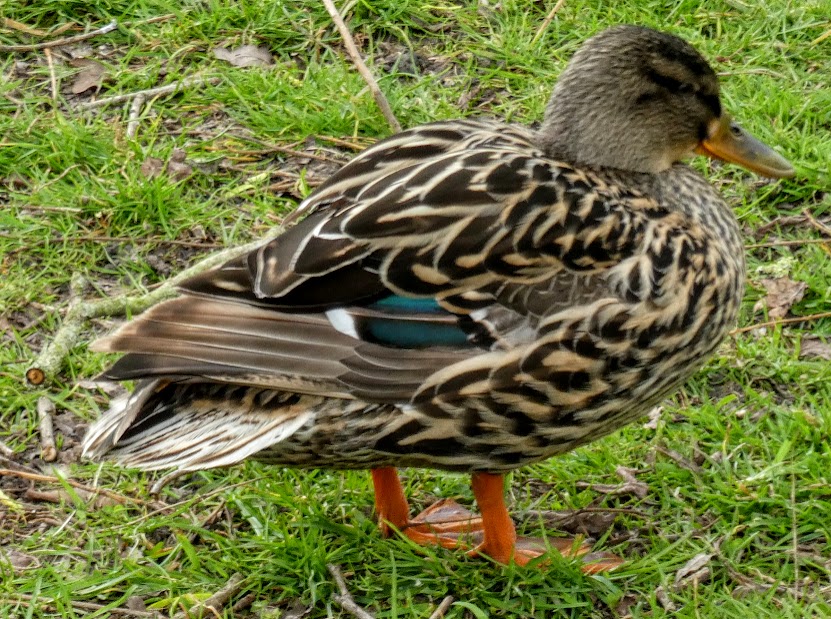
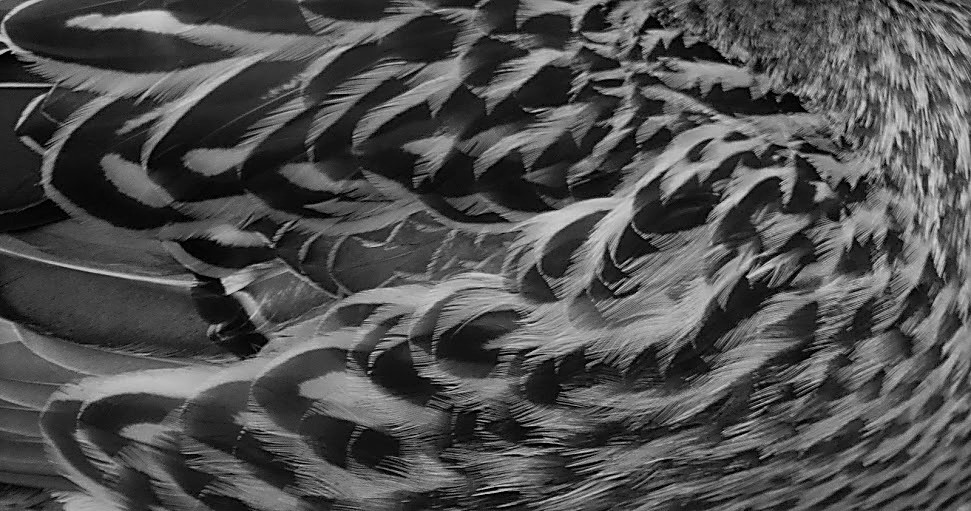
We’ll pop down to the duckpond. I’ve filled the frame with a female mallard. But let’s home in more closely:
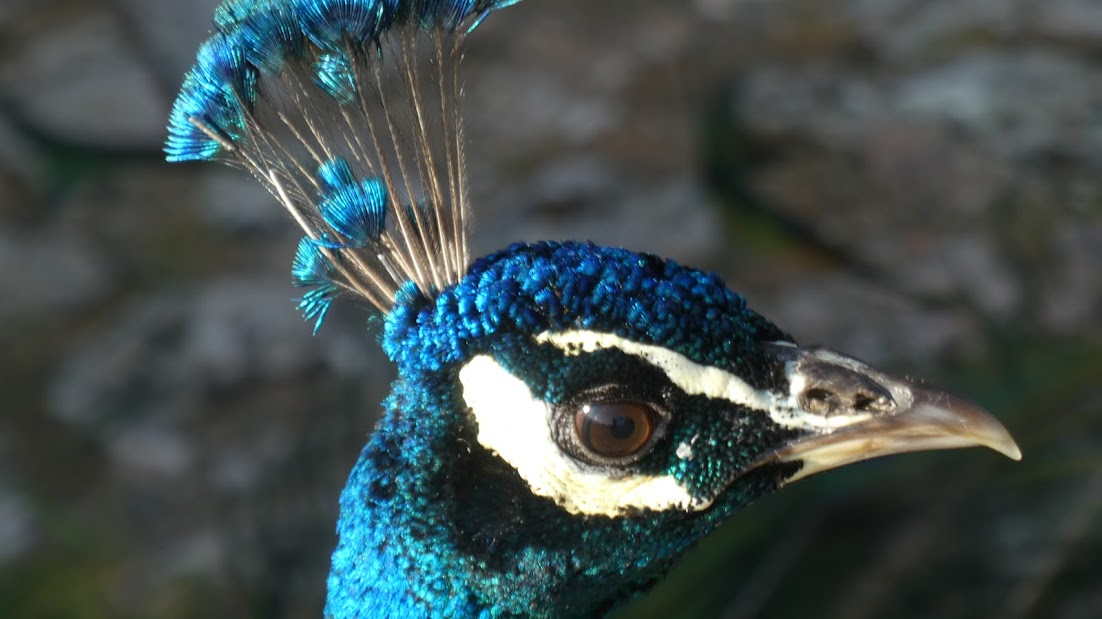
We’ll get a touch exotic, and feature a peacock: yes, there are one or two farms round here that have peacocks on parade.

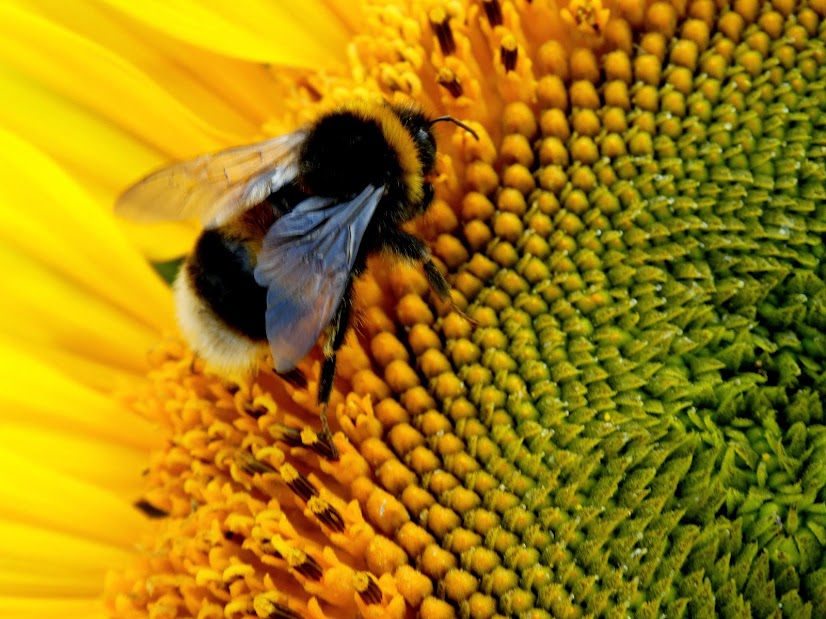
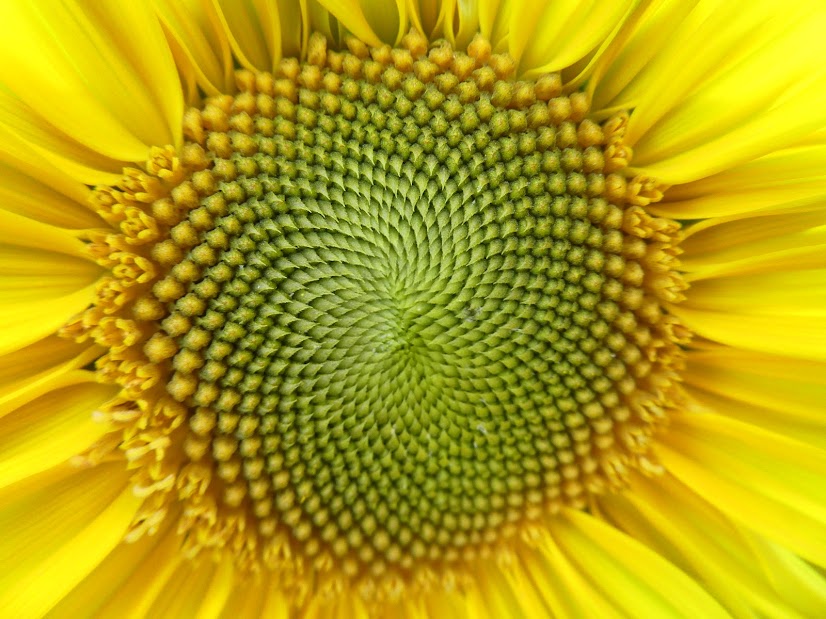
Sunflowers were exotic once in the UK. No longer. They’ve started to become a regular crop for some. And the bees are very pleased to have them.
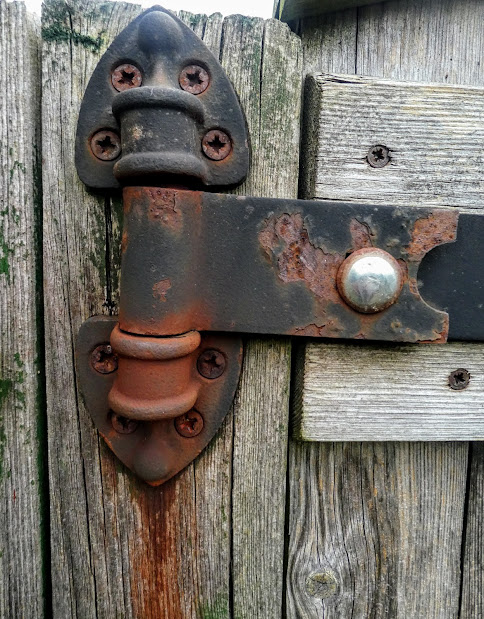
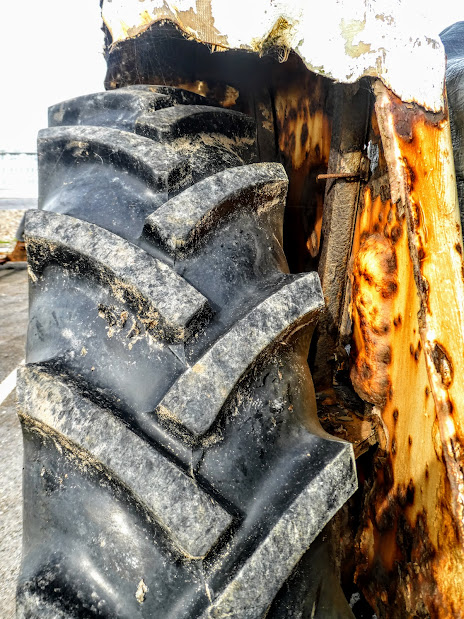
Farmyards aren’t just about pretty things. There are gates and barns to be locked, and tractors to use and maintain – maybe not well enough, in this case..
So there we have it: getting up close to our findings down on the farm. I’m on my travels this week, and may not respond very promptly to comments. But I will get back to you – eventually.
In case you’re interested, reading from left to right from the top the wools represented are: Wensleydale; Cheviot; Leicester Longwool; Shetland; also Shetland; and … er … don’t know.
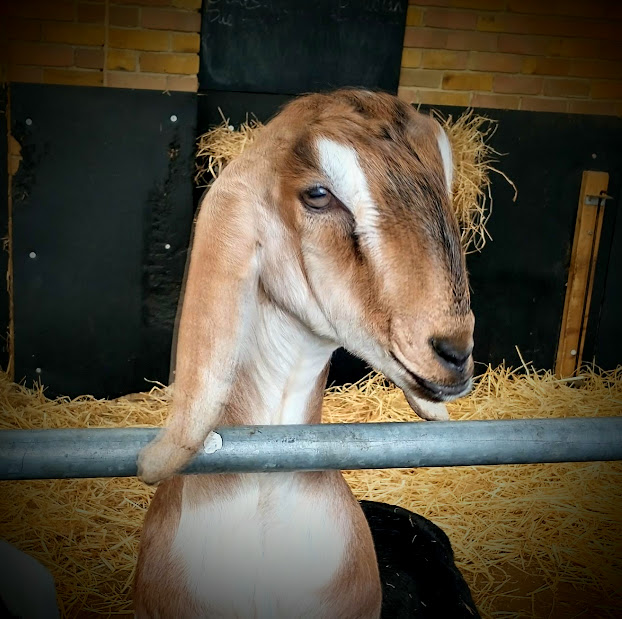
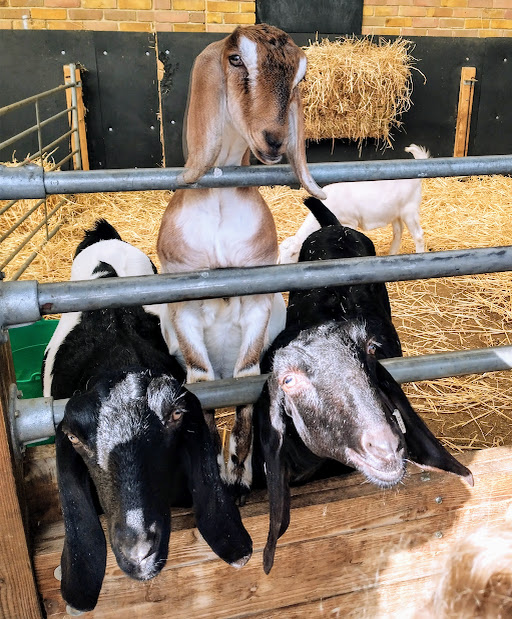
Monday Portrait: the Goats at Mudchute Farm
Stone


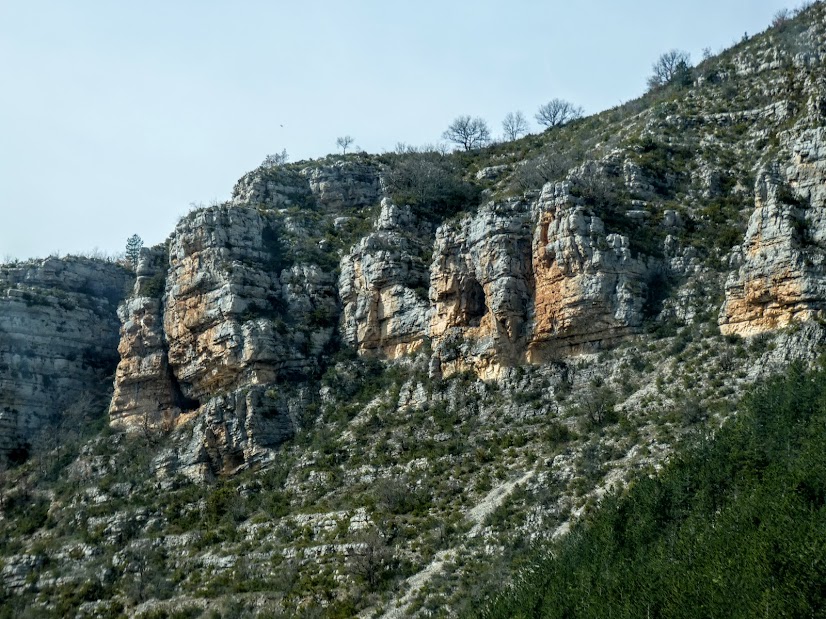
Millennia pass.
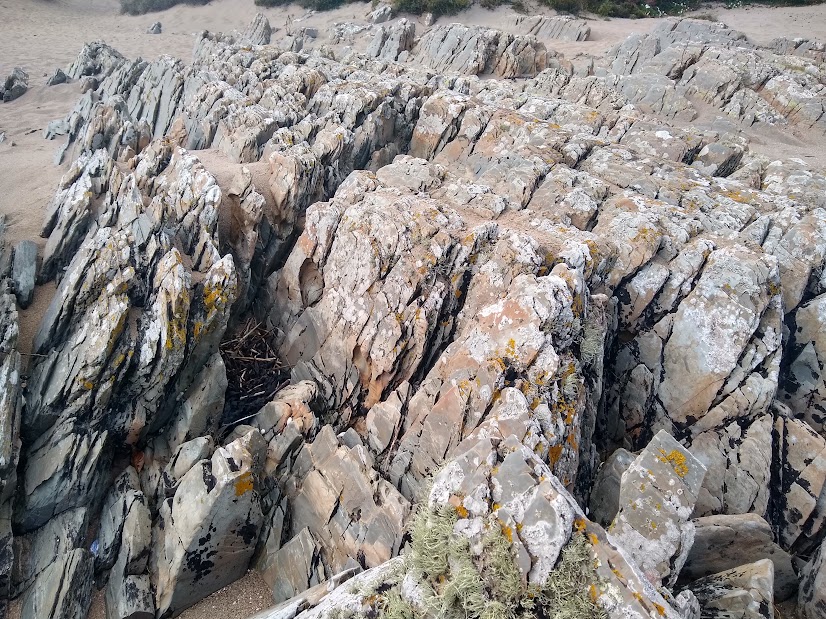
Continents collide.
Oceans swell, ebb, freeze.
Rocks accrete…

..and, in England, form
its nubbly spine: the Pennines.

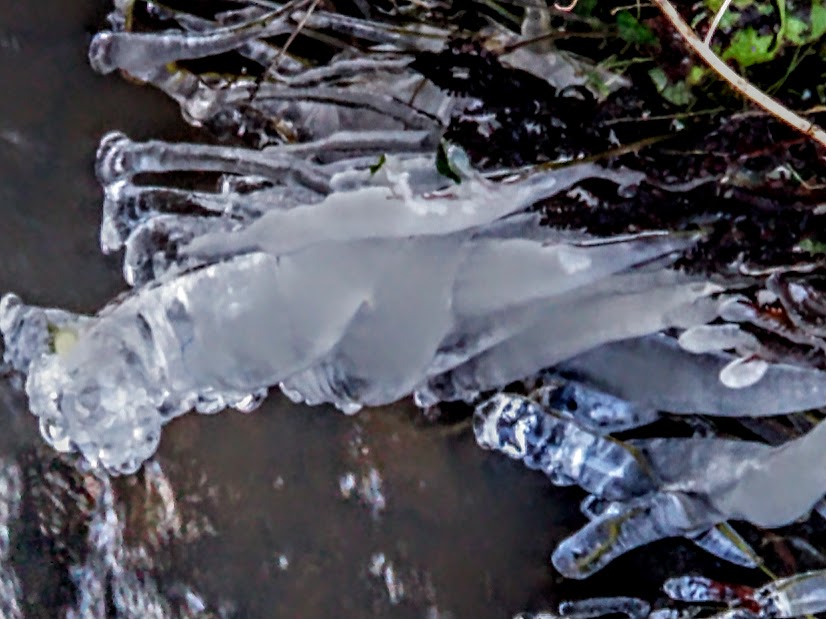
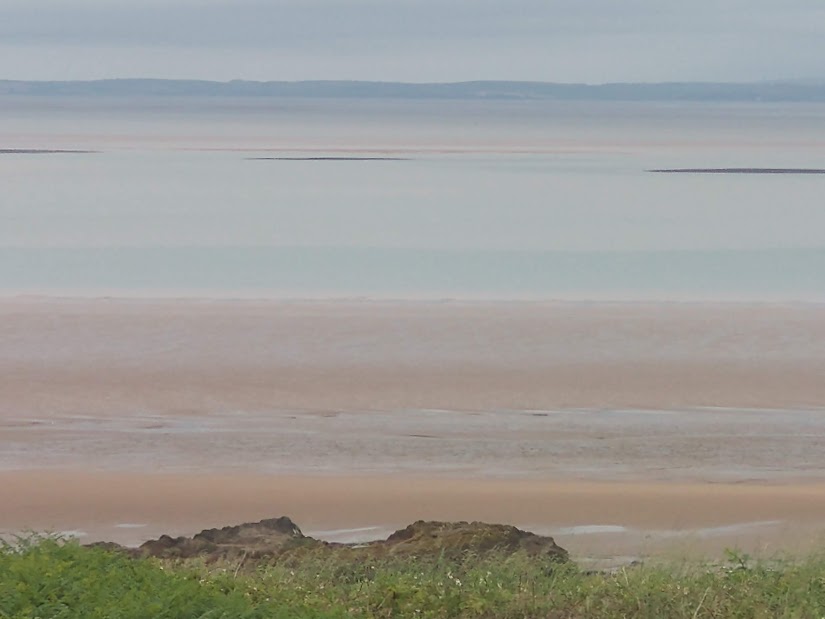
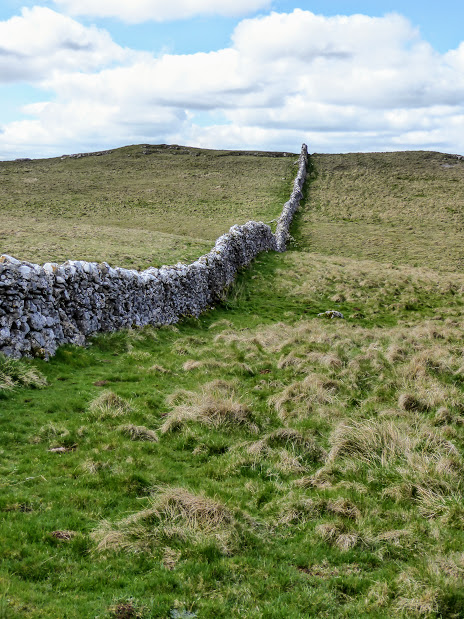
Men gathered scattered stones -
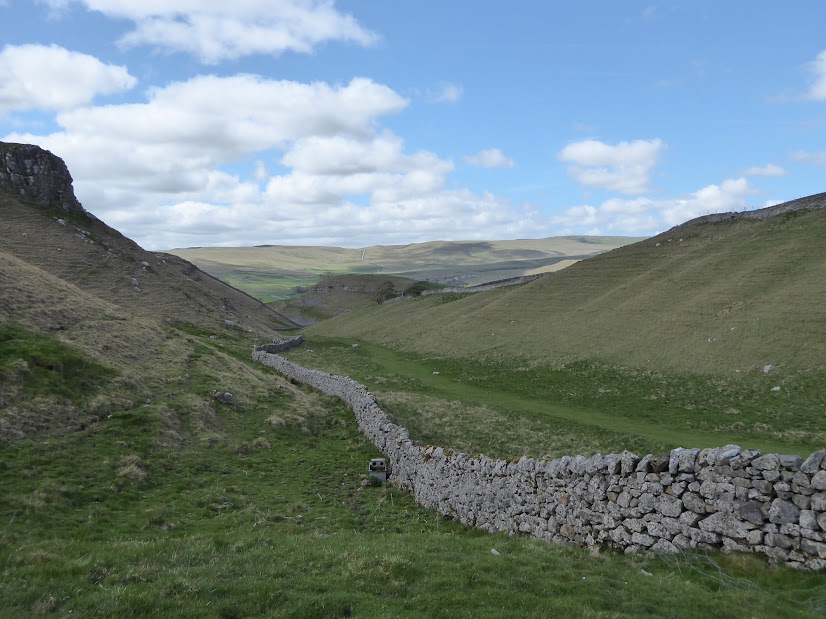
erected walls, marching across dales, hills, moors
holding fast the sheep or meadowland.

These stony barricades are the landscape -
like the rocks from which they came.
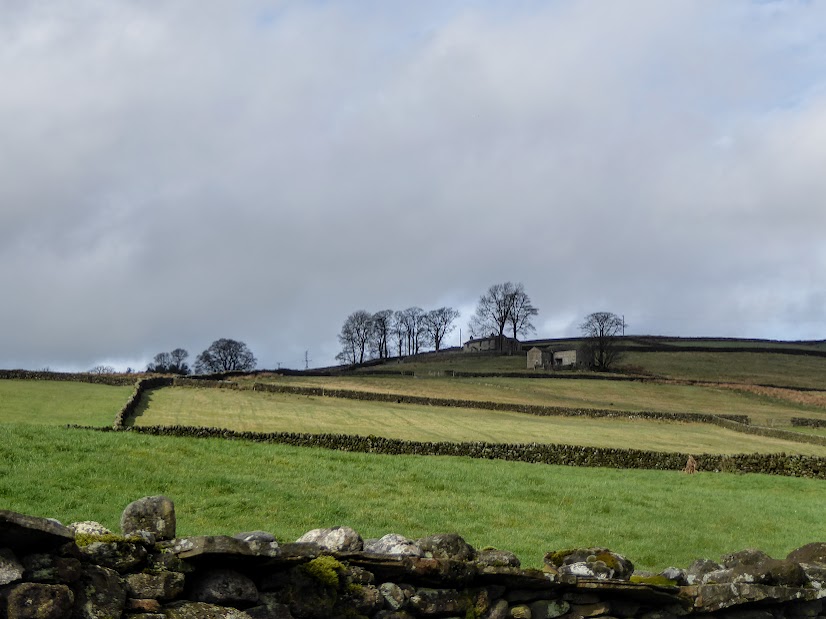
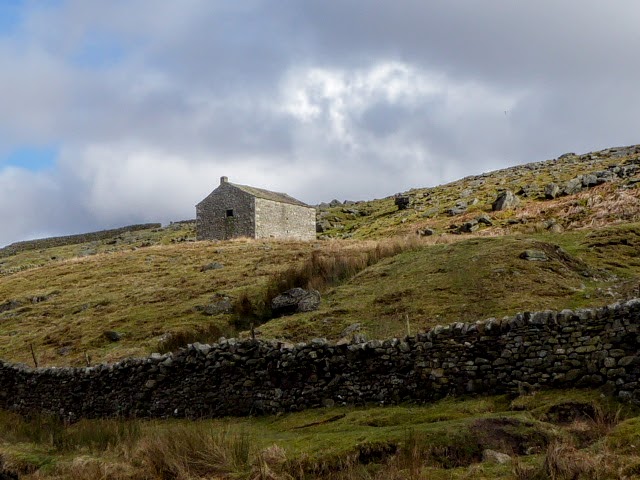
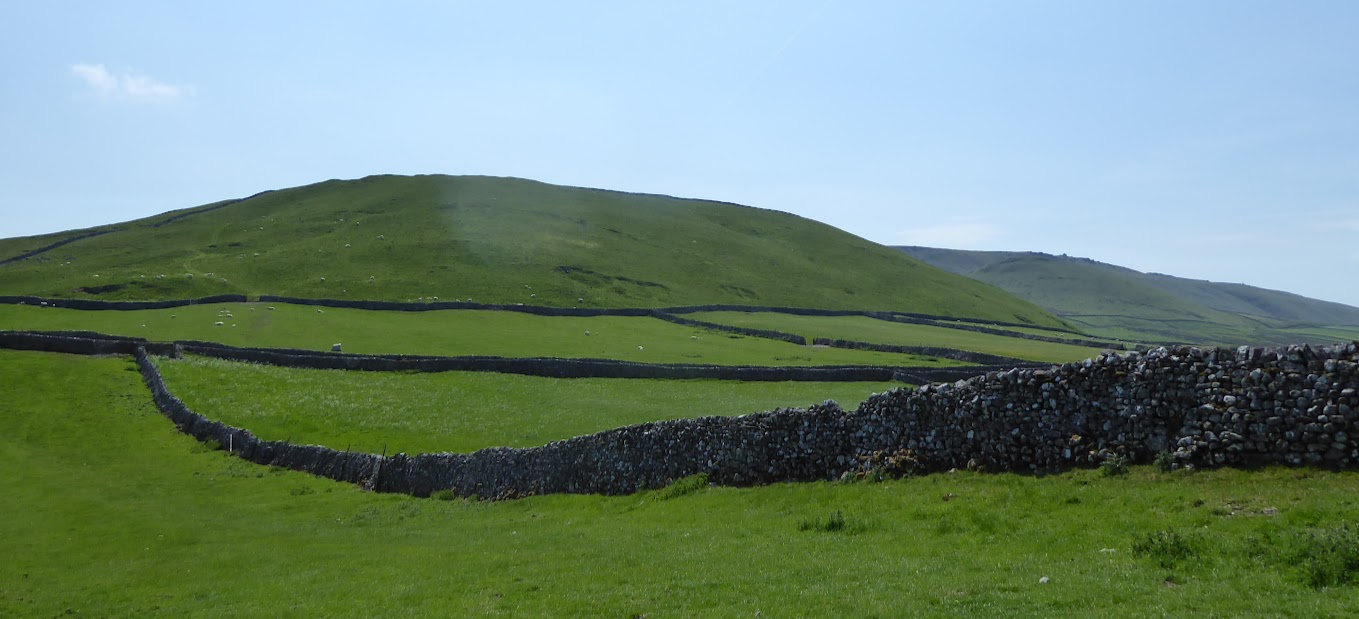
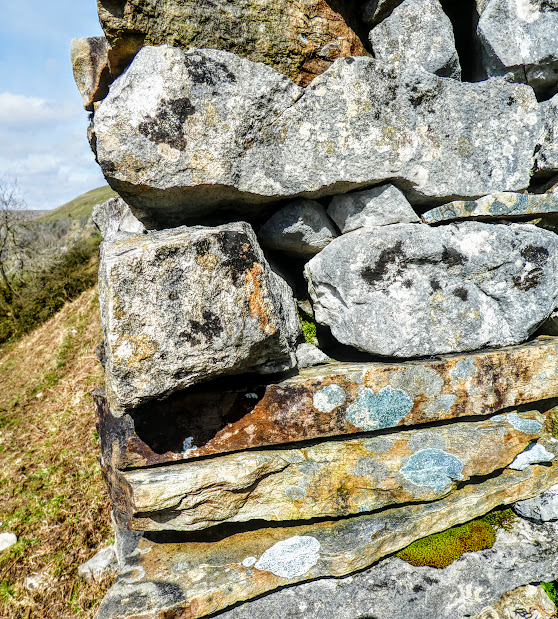

For Rebecca of Fake Flamenco’s November Poetry Challenge: Stone.
An Asymmetrical Amble
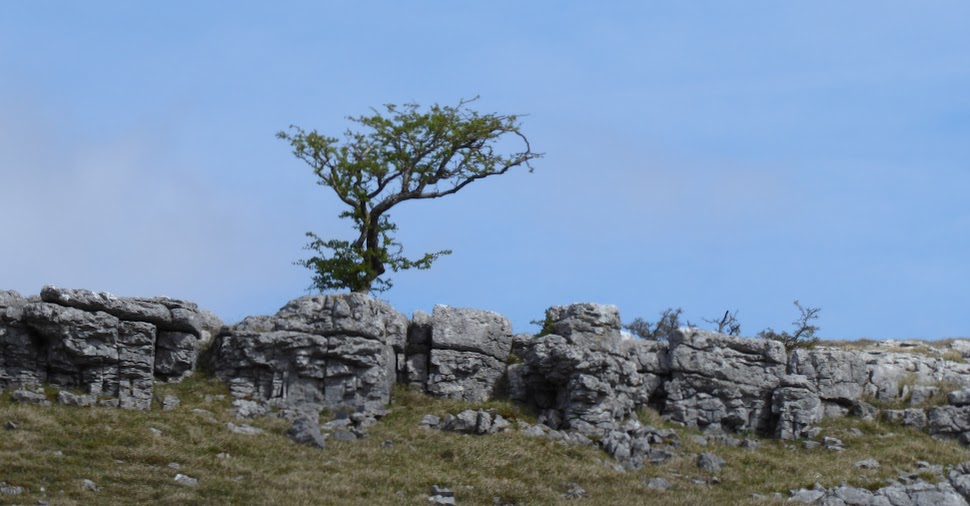
Last week, I invited you to join me in Spain, and hunt for the symmetrical. This week, we’ll stay closer to home, and have a countryside wander looking for the asymmetrical for Dawn’s Lens-Artist Challenge.
What we’ll do is start off in the Yorkshire Dales. Let’s peek over a drystone wall and look at the patchwork of small fields that has evolved over the centuries, way before agri-business and the space-gobbling demands of giant machinery.
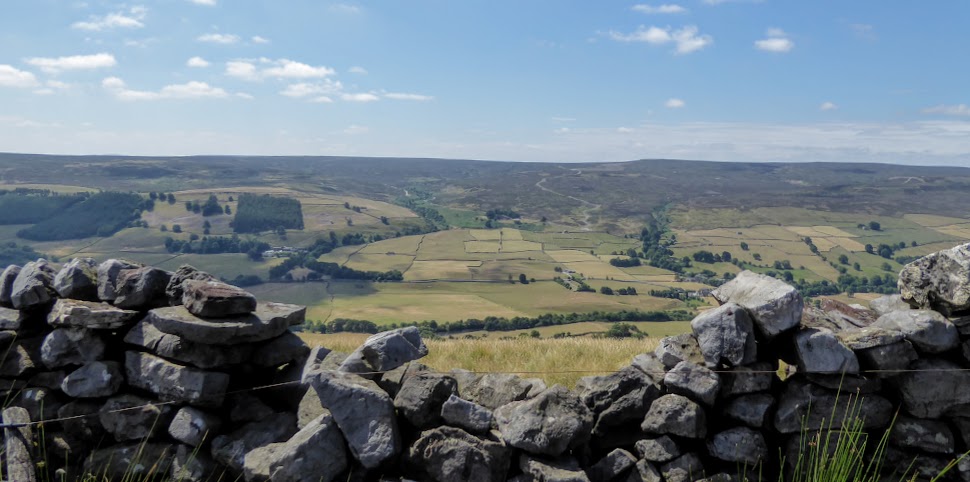
Conditions are harsh: not too many trees then. But those there are battle to reach maturity and stay upright against prevailing winds. Symmetry is the last thing on their minds.
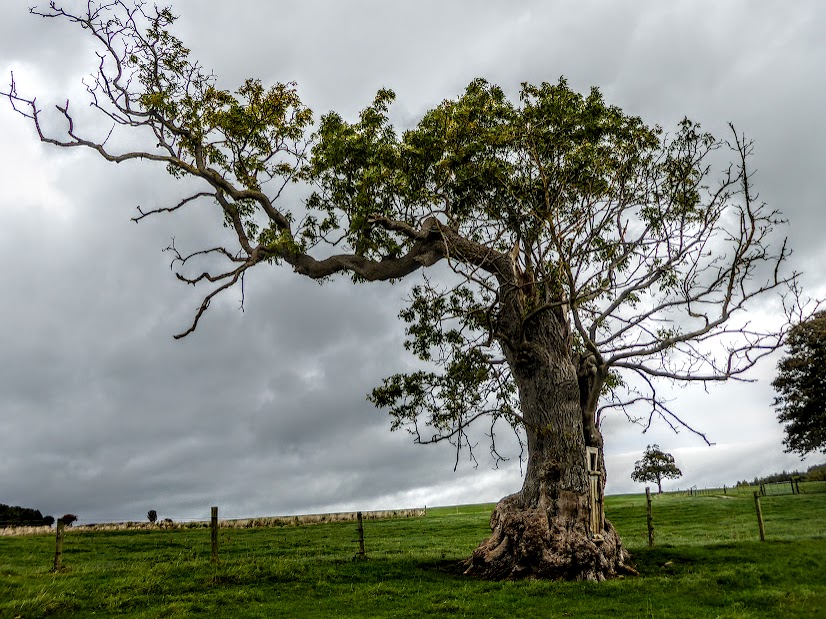
Look carefully. At the right hand side of the hollow trunk, some fond grandfather (I’m guessing) has fashioned a door to the hollow trunk, to make a very special tree-house.
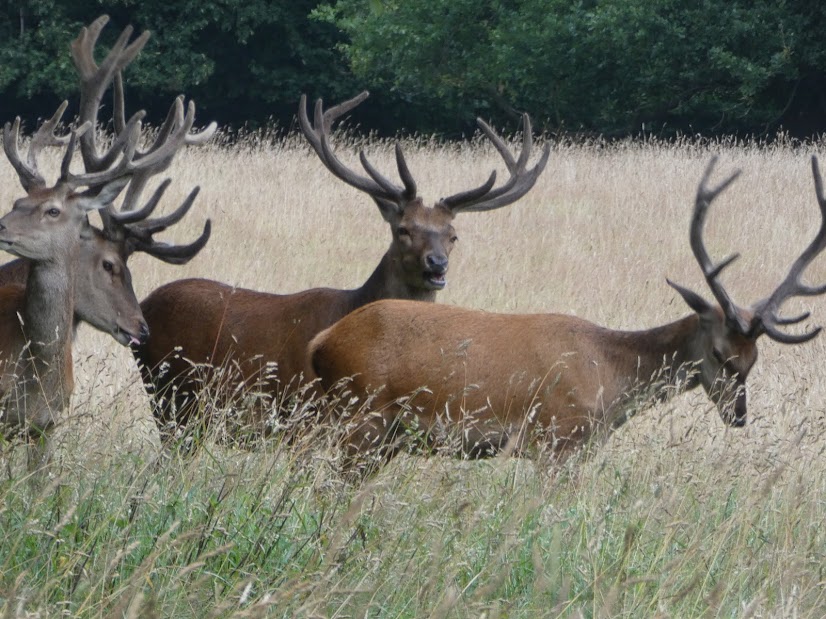
Let’s hurry back to civilisation, before darkness falls. Here in Studley Royal is a blasted tree that always reminds me of the antlers of the red deer stags who call this area home.

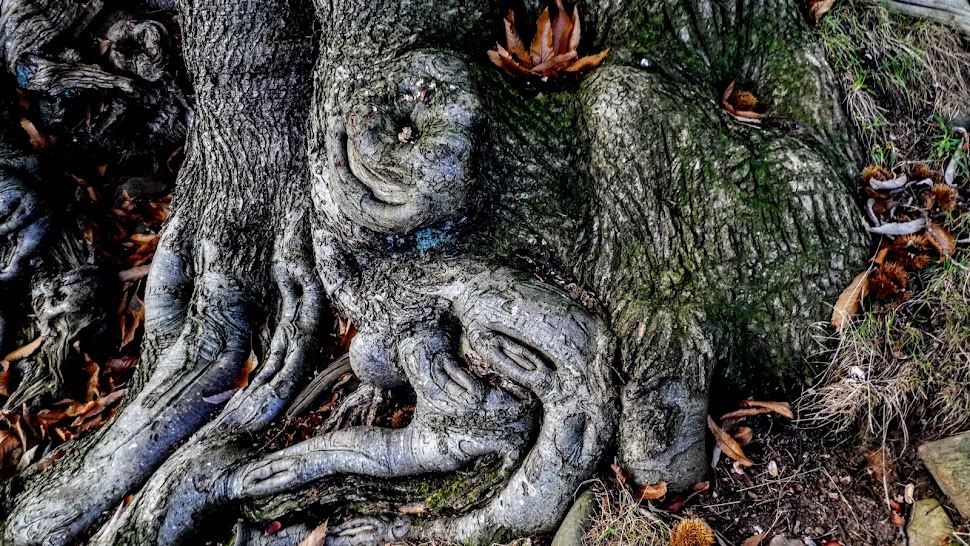
And here too are ancient tree roots, complete strangers to symmetry: some of the older stumps house fungi.

Oh look. Darkness is falling.
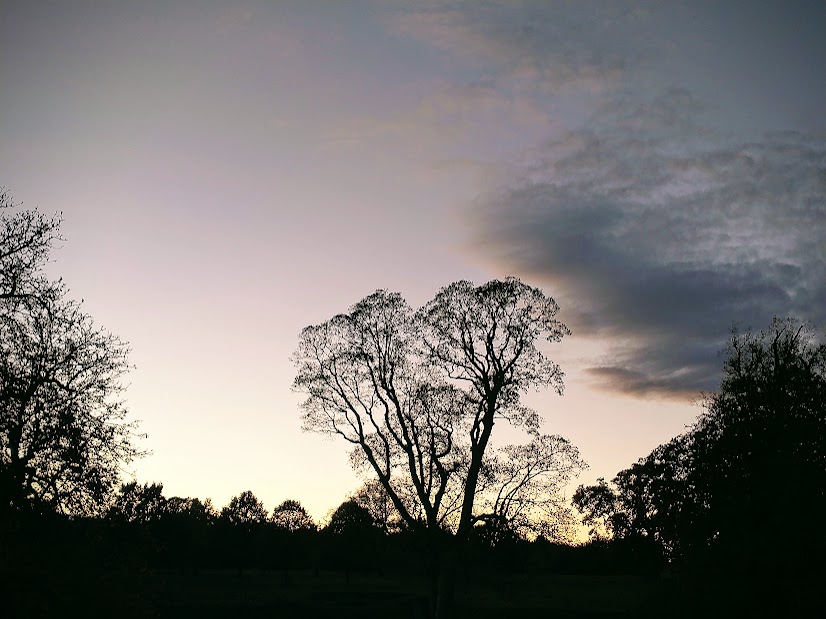
Let’s hurry into town. Bright lights, big city. Perhaps we could grab a warming mug of hot chocolate to thaw out our chilly fingers. And that’s where I’ll leave you for now. See you soon, I hope.
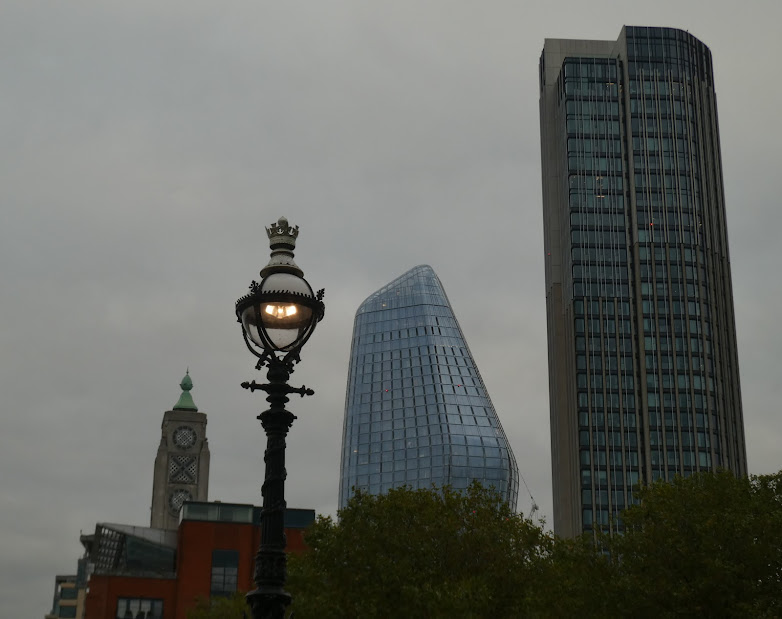
It’s a bit of a stretch to get from Studley Royal to London in time for the final photo-op of the day (250 miles). Photographer’s licence.
Monday Portraits: Alpacas
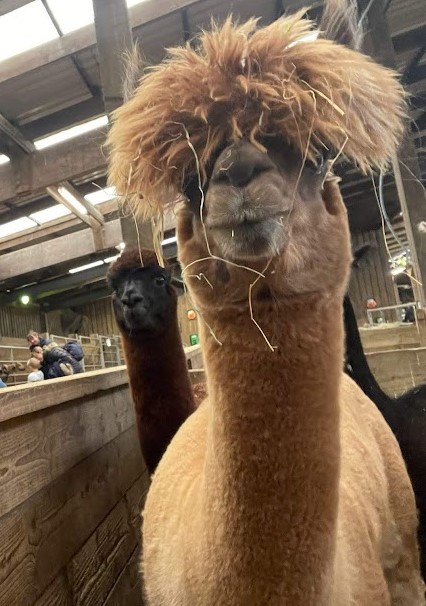
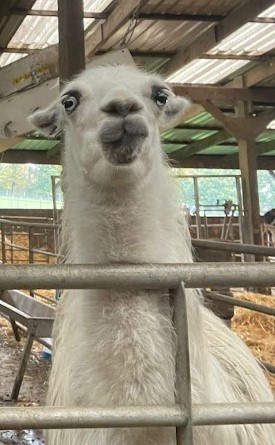
My daughter sent me these photos from a day out at Smithills Open Farm, Bolton. I’ll let these alpacas speak for themselves.

Six Degrees of Separation: from Western Lane to The Lock-Up
On the first Saturday of every month, a book is chosen as a starting point and linked to six other books to form a chain. Readers and bloggers are invited to join in by creating their own ‘chain’ leading from the selected book.
Kate: Six Degrees of Separation
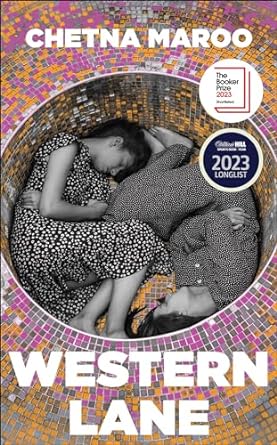
This month’s starter book by Chetna Maroo, Western Lane has only just been acquired by our library, so I haven’t had a chance to read it yet. I understand though that it’s about eleven year old Gopi whose mother dies. Her father enlists her in a quietly brutal training regimen in squash, and the game becomes her world. Slowly, she grows apart from her sisters.
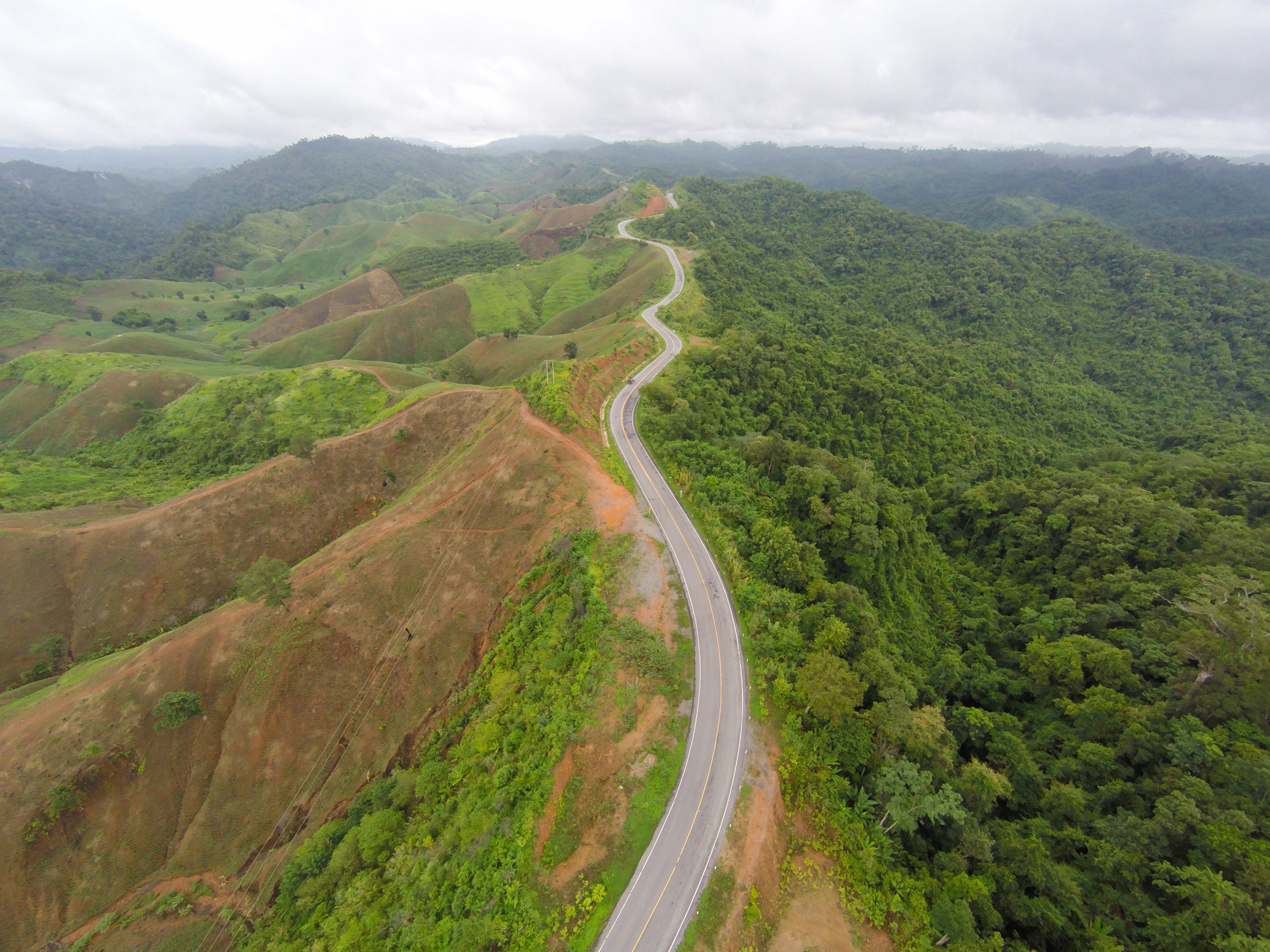
This took me off at a slight tangent, something to do perhaps with ‘quietly brutal’. I remembered reading Cormac McCarthy’s The Road: the tale of a father and son trudging through post-Apocalypse America. This is a land where nothing grows, no small animals are there for the hunting: where communities and dwellings are deserted and long-since looted for anything that might sustain life a few more days: where other humans might prove peaceable, but might instead be evil and dangerous. This book is bleakly, sparely written. Conversations between father and son are clipped, necessary. No speech marks. Sometimes little punctuation. Every ounce of energy is needed for the business of staying alive. This book, in which nobody lives happily-ever-after will stay with me for a long time.

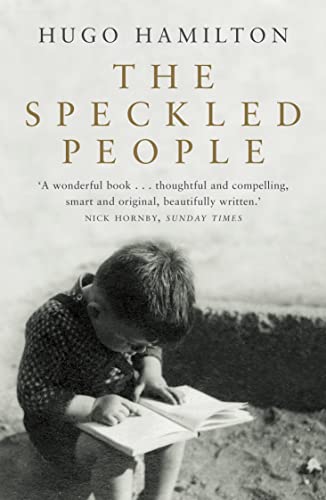
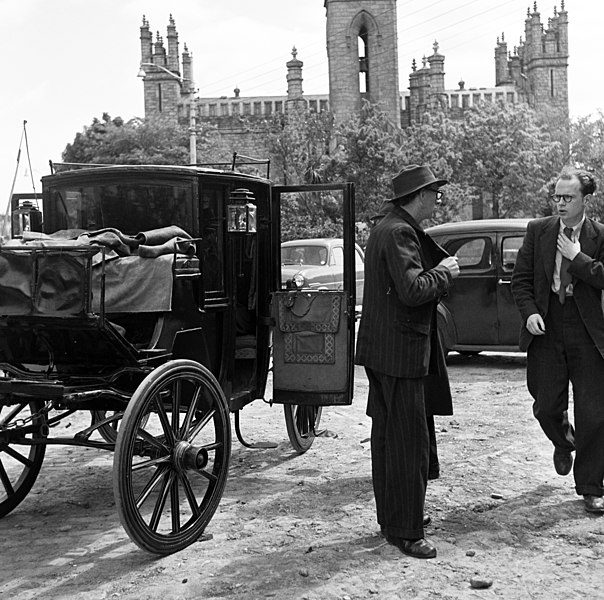
This linked for me with another book where a father is centre stage: The Speckled People by Hugo Hamilton. As someone of dual heritage myself (half English, half Polish), born in the same period as Hamilton I was interested to read this account from a man with a German mother and Irish father. His story is told in a series of vignettes, which gradually provide a coherent picture of the family’s day-to-day life over the years of Hamilton’s childhood. His mother brings with her memories of her family’s anti-Nazi stance – yet in Ireland she and her family are called Nazi. His father insists on the family’s Irishness – which meant denying everything English in their lives. Both these threads isolate them all from their peers. They’re rather poor, though Hamilton’s father has all kinds of unusual and ultimately unsuccessful business ideas. This is an account of a young boy’s growth into adolescence and adulthood, trying to find a path towards the adult he thought he wanted to be. A sensitive and restrained and thought-provoking narrative.
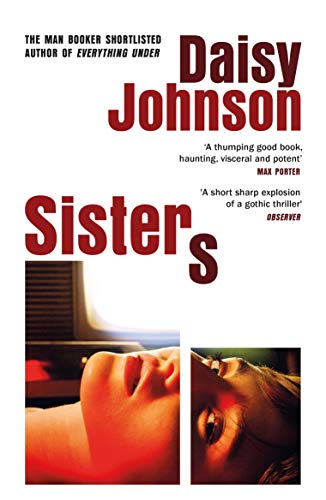
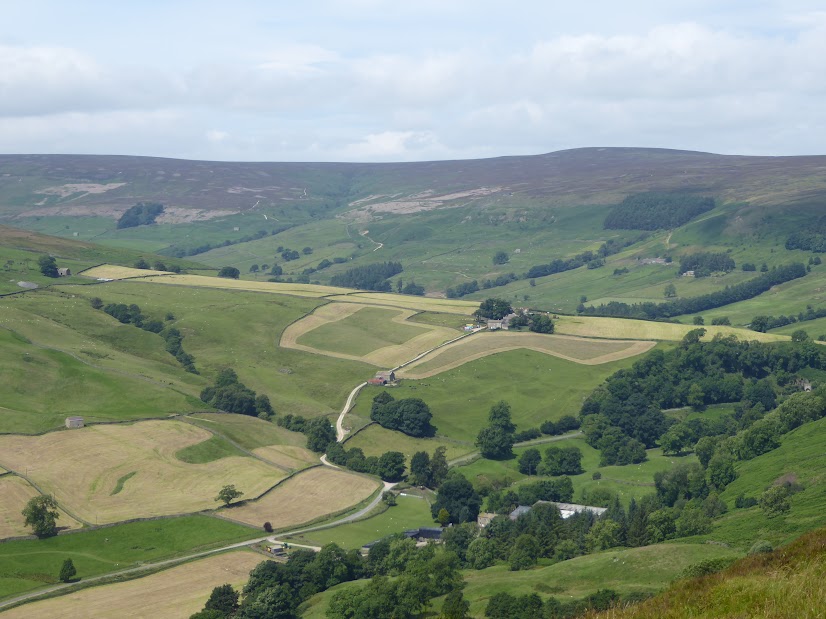
Let’s move to a book with no father figure at all: Sisters by Daisy Johnson. July is utterly dependent on her damaged, controlling older sister September, to whom she is very close in age (the clue is in their names). Following some bullying of July in their Oxfordshire school, they move with their mother to the house in North Yorkshire that had once been the father’s family home. Sheela, the mother is also unstable – withdrawn and neglectful. The girls are widely considered ‘isolated, uninterested, conjoined, young for their age, sometimes moved to great cruelty’. Their behaviour is unsettling, often shocking, and makes reading the story a tense and unsettling experience. It leads towards a denouement that is both shocking and yet satisfactory, leaving the reader with a hope for better things.
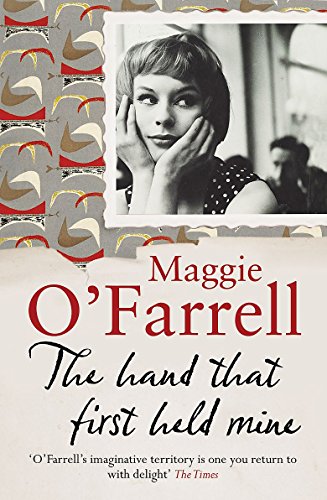
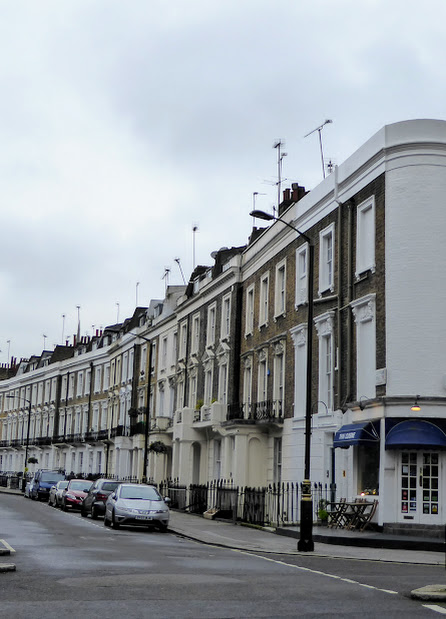
Another book with families and relationships at the heart: The Hand That First Held Mine by Maggie O’Farrell. Here are two stories: that of Lexie, 1950s university drop-out, who meets Innes, and leaves rural Devon and her family, to live the full bohemian London experience. And that of Elina and Ted, new (present-day) parents who after a horrible, dangerous birth, are struggling to adjust to their new very-far-from normal. Their exhaustion, Ted’s curious moments of disorientation, their differing expectations seem likely to destabilise their relationship. How do these two worlds collide and make a story? They don’t, not in the first half. Then hints get dropped, about the house and neighbourhood where all these characters lived. And despite the drip-feed of clues, the end, when it comes, is shocking , unexpected and entirely believable. I was involved from the first to last page.
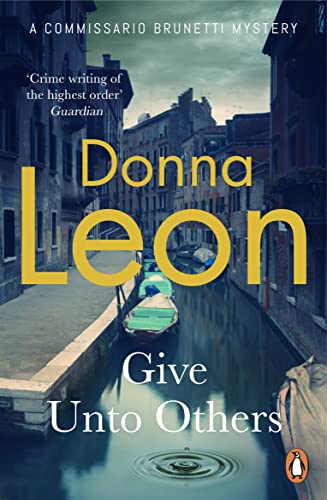
This is getting a bit heavy. I’ll do what I so often do after a dose of mood-lowering reading and rush over to Venice to read a Brunetti mystery by Donna Leon. The plot hardly matters. It’s a few hours in the company of Commissario Brunetti and his entirely satisfactory family life that I’m after. Give unto Others is Leon’s latest book. And this post-pandemic tale is as usual a good one. It involves a former neighbour who comes and talks – unofficially – about some concerns she has about the business in which her husband and son-in-law have been involved. As ever, layers unpeel to reveal dark secrets and shenanigans. Tricky moral questions arise for Brunetti to wrestle with. How involved should he be? If you’re a Leon fan, you won’t need any encouragement to find out.

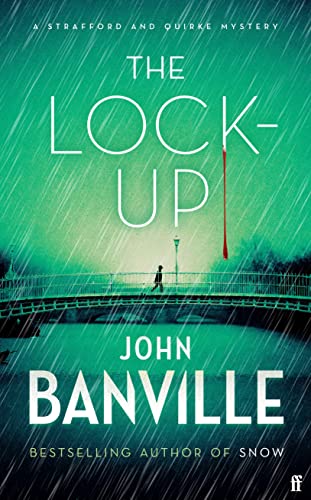
For my last book, I’ll choose to link with Brunetti by choosing another crime novel where the personalities are of just as much interest as the crime, and where human relationships are what count the most, The Lock-up by John Banville. We’re in 1950s Dublin, some six months after Banville’s April in Spain took place. A young woman has apparently asphyxiated herself in her car in a lock-up garage. It becomes apparent it’s a murder. As ever, though the whole of the book is on the surface an account of the efforts to solve the crime and find the perpetrator, actually, that’s not the reason to read it. Instead, it’s about the more-than-prickly relationship between DI Strafford and police pathologist Dr. Quirke, about the complicated love affairs both men have in 1950s Dublin, still under the somewhat puritanical stranglehold of the Catholic church. And this extends to its influence over police investigations as well as moral arbitration. It’s about the weather, the greyness of Dublin. And it’s about simply enjoying Banville’s luscious writing. So many reasons to read and appreciate this book.

So: families and relationships form the link between all my choices this month. Next month, perhaps it will be food, as the starter book is the culinary classic, Anthony Bourdain‘s Kitchen Confidential.
Three of my images this month come courtesy of photographers catalogued in Pexels. Tirichard Kuntanon illustrated the Cormac McCarthy, Dids the Donna Leon, Mike Bird the John Banville. The image for the Hugo Hamilton was from Wikimedia Commons.
Symmetry in Spain

This week, Sofia asks us to consider Symmetry for the Lens Artists Challenge. I’m sick of rain and storms and gales here in the UK, so I think I’ll whisk you off to Spain, where even in winter you can depend on at least some sunny skies.
As the featured photo shows, we arrive at Barcelona Airport and head straight for the Metro. But we’ll stay here only long enough to go to my very favourite place there, the Hospital de Sant Pau.

We’ll just nip up the coast to Canet de Mar and the Lluís Domènech i Montaner House-Museum. I promised a whole post about this, and this reminds me I have yet to write it. Soon …
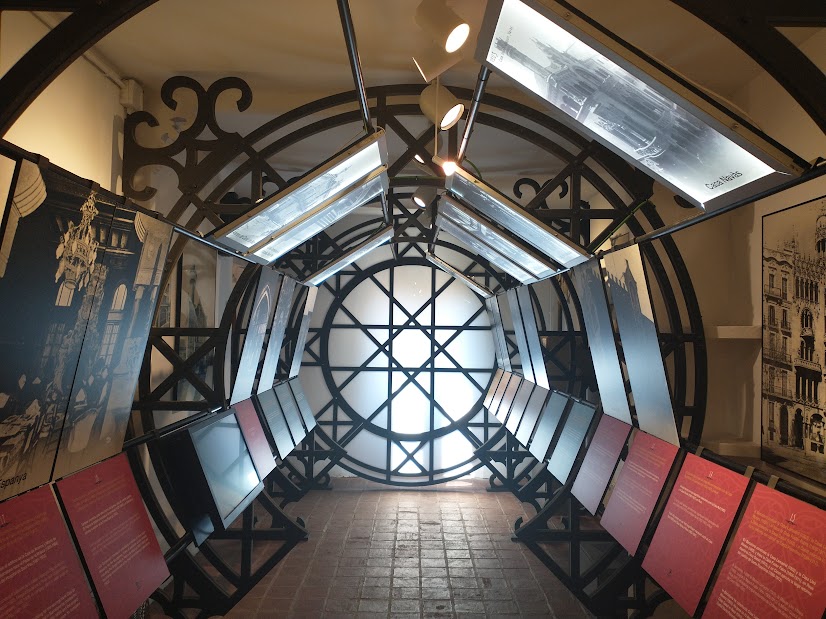
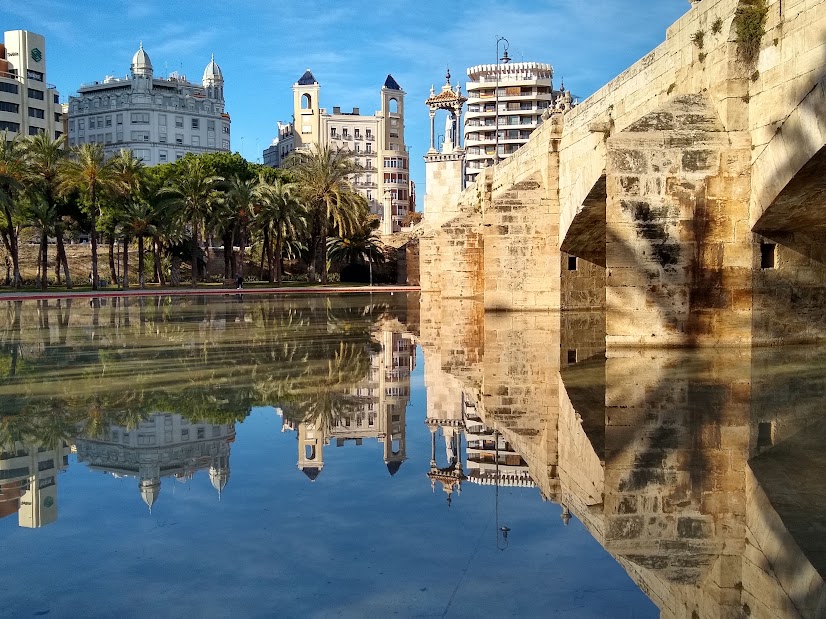
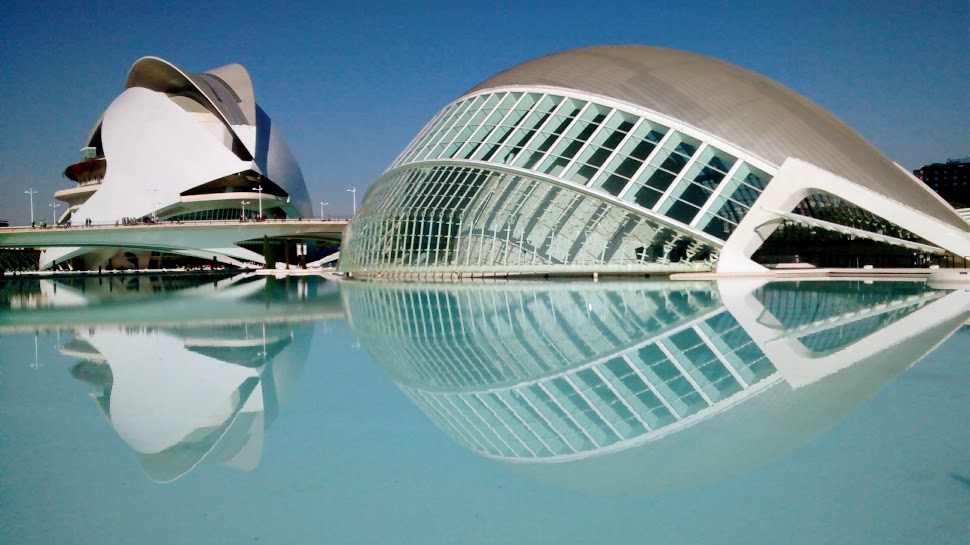
Then we’ll head for Valencia, and visit the old – La Lonja, the Silk Exchange; the Puente del Mar crossing a park that was once a river, the Turia – and the new: La Ciudad de las Artes y las Ciencias.

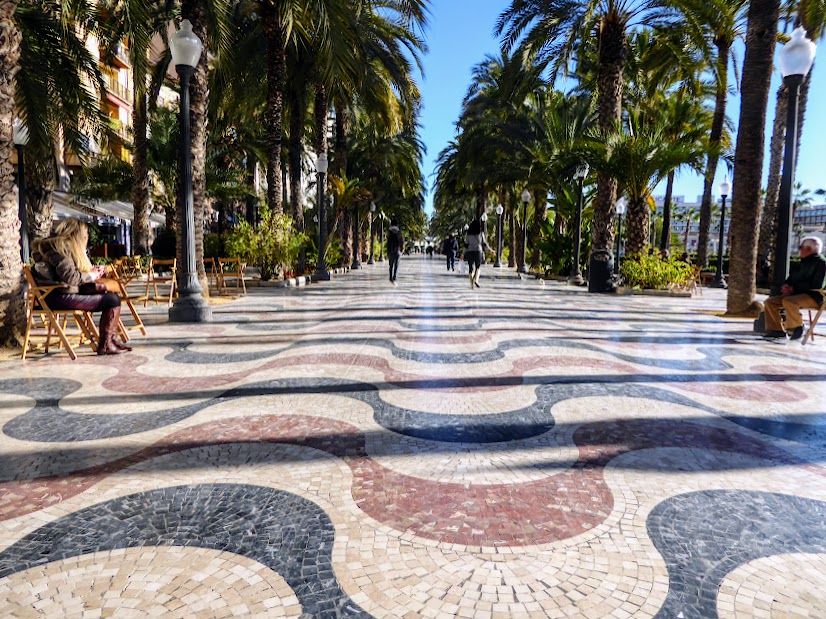
Perhaps Alicante next? A stroll along the seafront?
Then Córdoba. We have to head for its ancient church, once a mosque, la Mezquita.

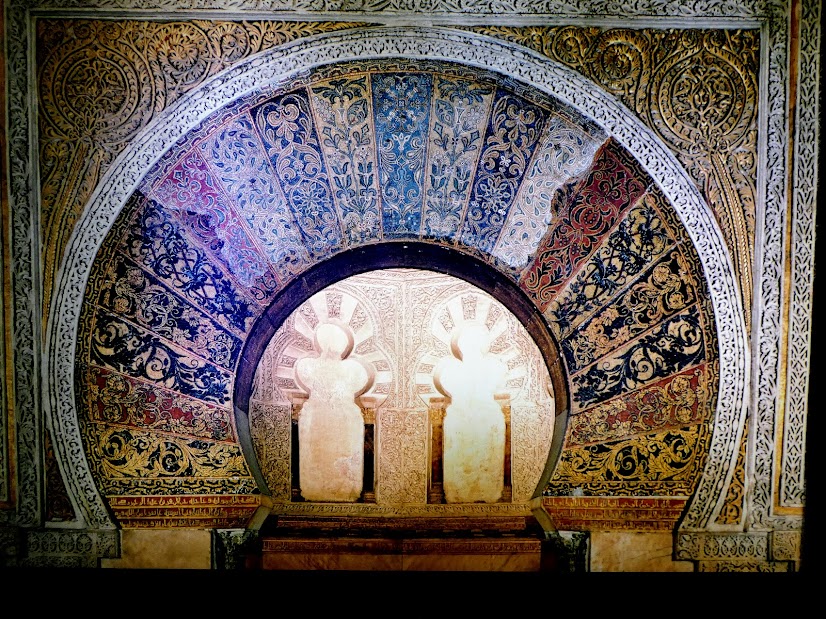
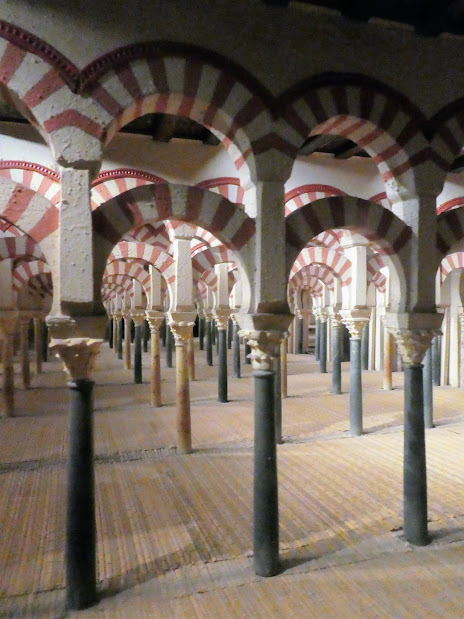
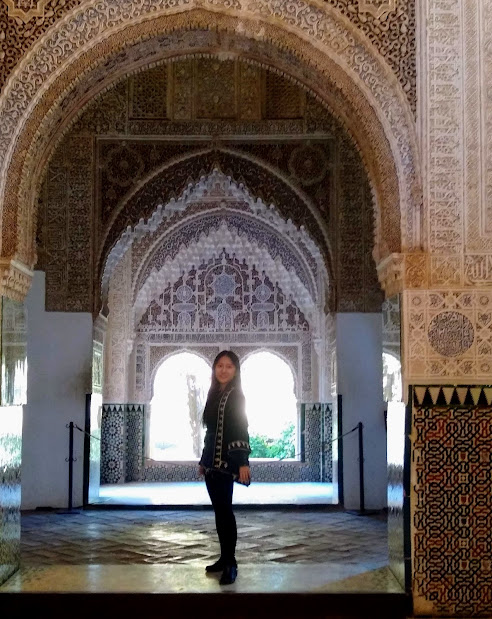
And let’s stay down south, and go to Granada, and the Alhambra The selfie-seeker wouldn’t shift, so she’s immortalised here.

Then Cádiz
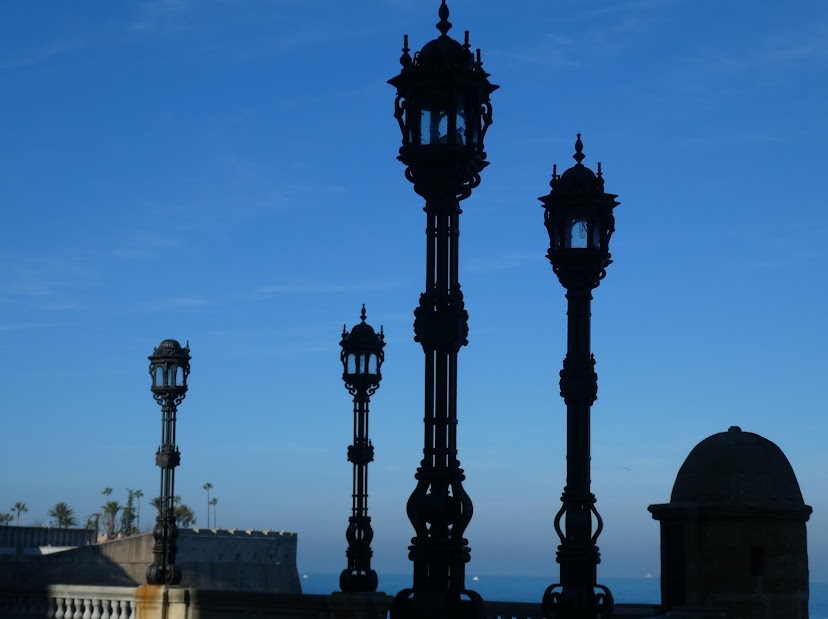
And that’s all we have time for. We’ll go home the long way round, on board ship,
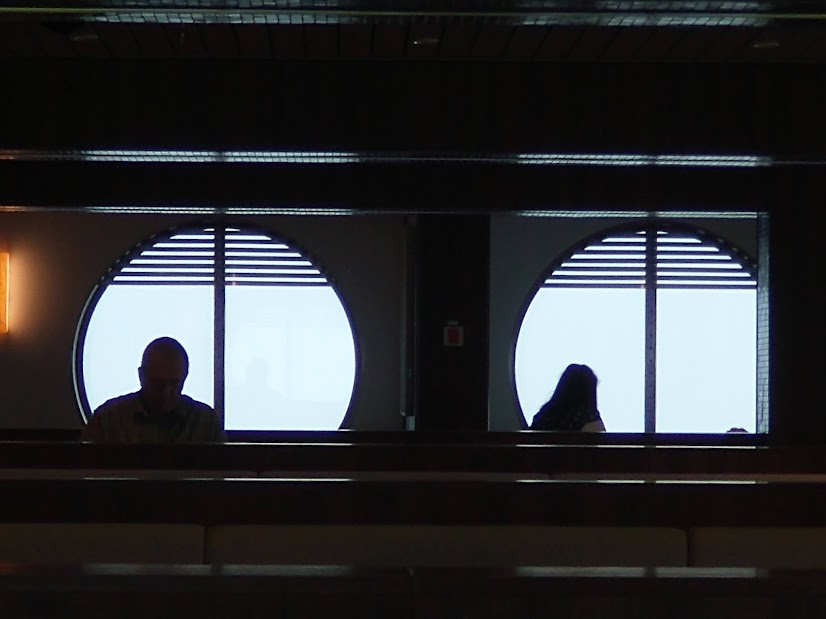
Thanks Sofia. I need this break. But it’s still raining outside …
Monday Portrait: the Opportunist Squirrel
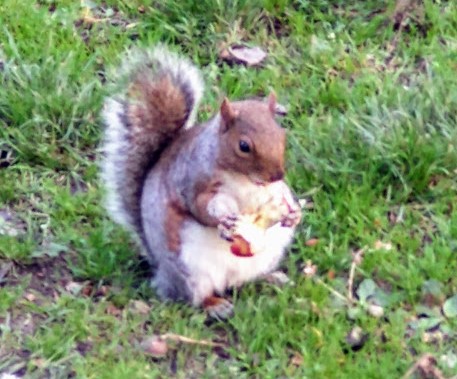
Last week – half term in London – I was on Granny Duty. And my daughter and granddaughter were over from Spain too. So one day, we went to Mudchute Farm. This is a community-based city farm that’s home to sheep and cows and ducks and geese and hens and all the usual suspects. But towards the end of the day, squirrels came centre-stage. They’re not part of the farm. But they’ve learnt that it’s a great place to hang out. All that free food. And some of it from visitors. William at one point dropped his apple core – accidentally of course: we’re not litter-louts. Before he could do anything about it, a cheeky squirrel had scuttled out and grabbed it: and retreated to a goat pen so she could eat it in peace.
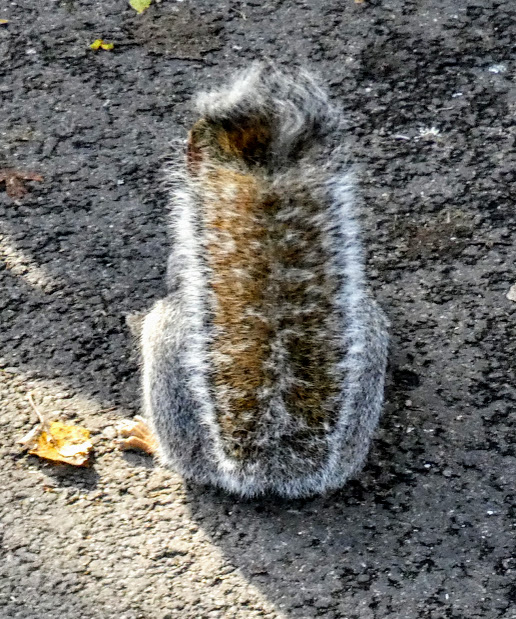
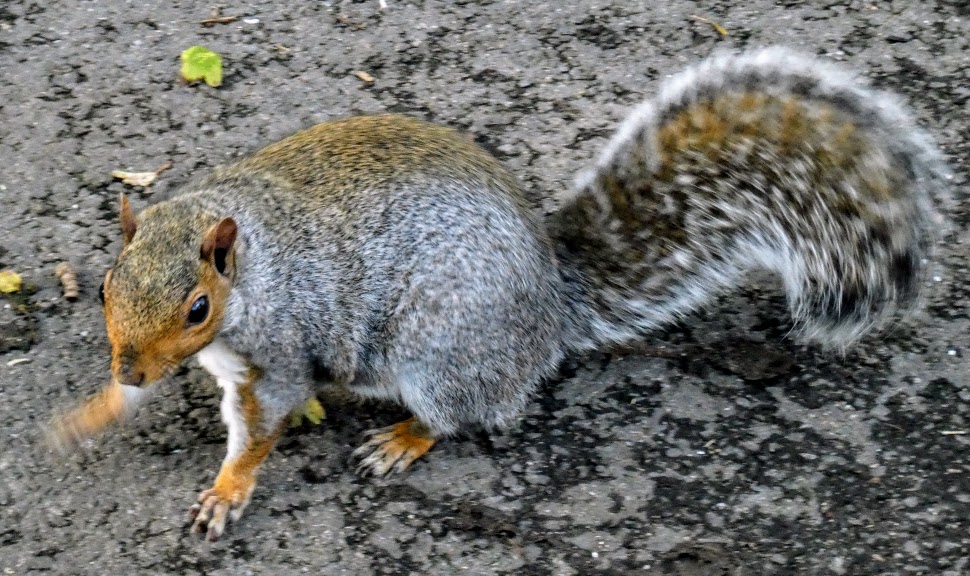
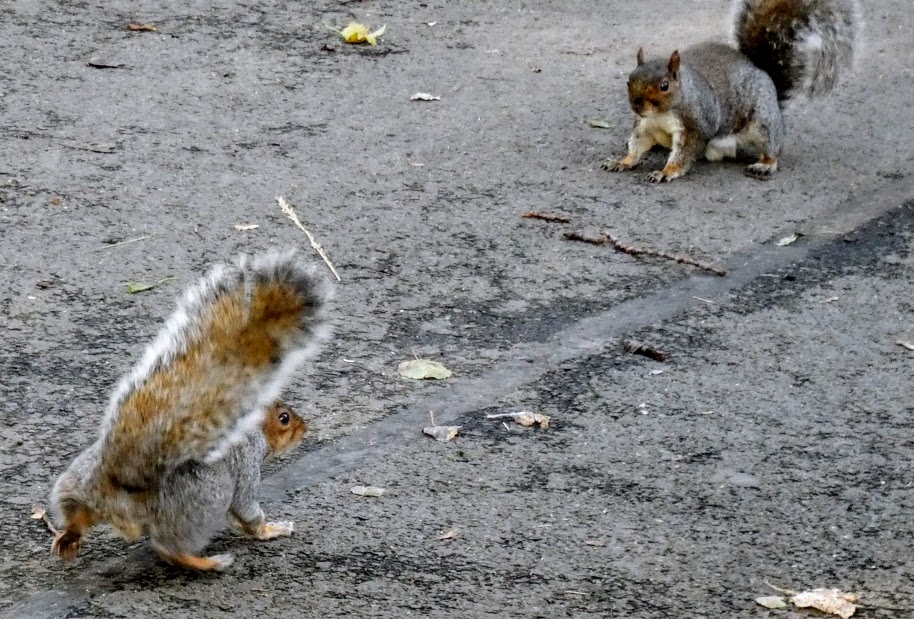
For Monday Portrait.
 From Pyrenees to Pennines
You must be logged in to post a comment.