On the first Saturday of every month, a book is chosen as a starting point and linked to six other books to form a chain. Readers and bloggers are invited to join in by creating their own ‘chain’ leading from the selected book.
Kate: Books are my Favourite and Best
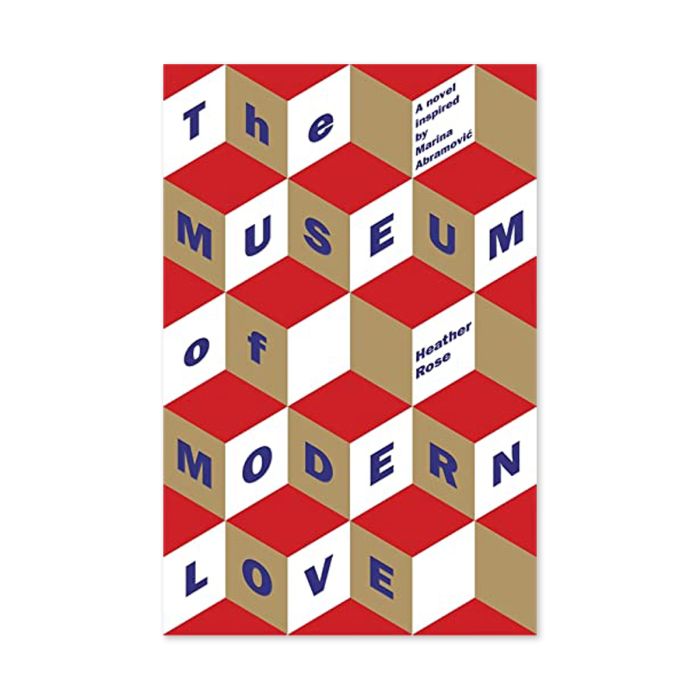
This month’s starter book is The Museum of Modern Love by Heather Rose, and I really enjoyed it. I’d like to thank Kate for drawing our attention to it. It’s an illuminating and satisfying examination of how we interact with art and what we get from it. It’s told from the perspective of Arky Levin, a composer whose terminally ill wife has forbidden him from visiting the hospital where she is dying, so he can get on with his career, and from a clutch of – very different – subsidiary characters. The real hero of the book is performance artist Marina Abramović, who in 2010 sat immobile in MoMa’s atrium while spectators queued up to take turns sitting opposite her while looking into her eyes.
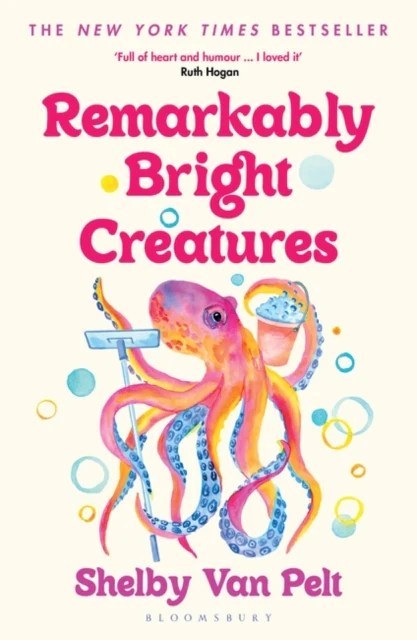
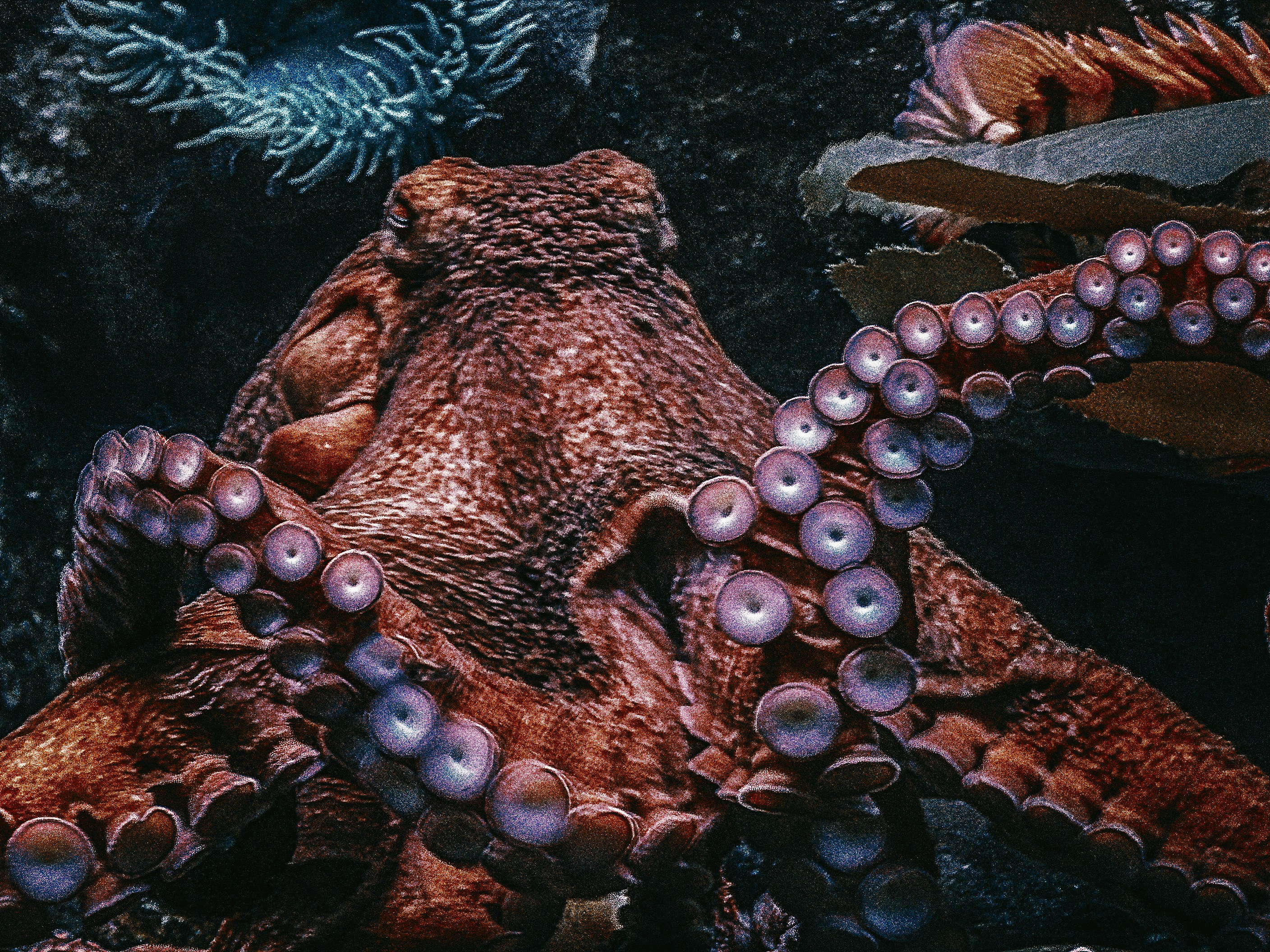
Marina Abramović was an exhibit. So’s my next character. He’s an octopus in an aquarium, and his story is told in Shelley Van Pelt‘s Remarkably Bright Creatures. Seventy year old Tova Sullivan needs to keep busy since her husband died. She’s needed to keep busy for years in fact, since her son Eric was apparently drowned – his body was never found. So she works as a cleaner in the town’s aquarium. And it’s here she establishes a bond with an elderly octopus, who also gets to tell his story in short occasional chapters. Suspend your disbelief. This works. The other main character is Cameron, a man with a chip on his shoulder searching for the father he never knew. This book tells the story, the journey of each of them, with a light touch: with humour and with wit. A light, yet involving and engaging read.
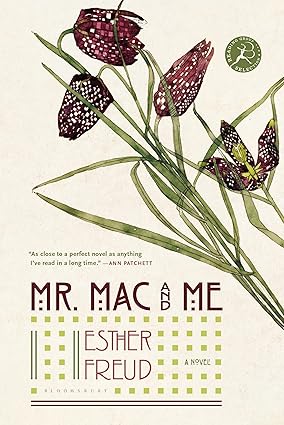
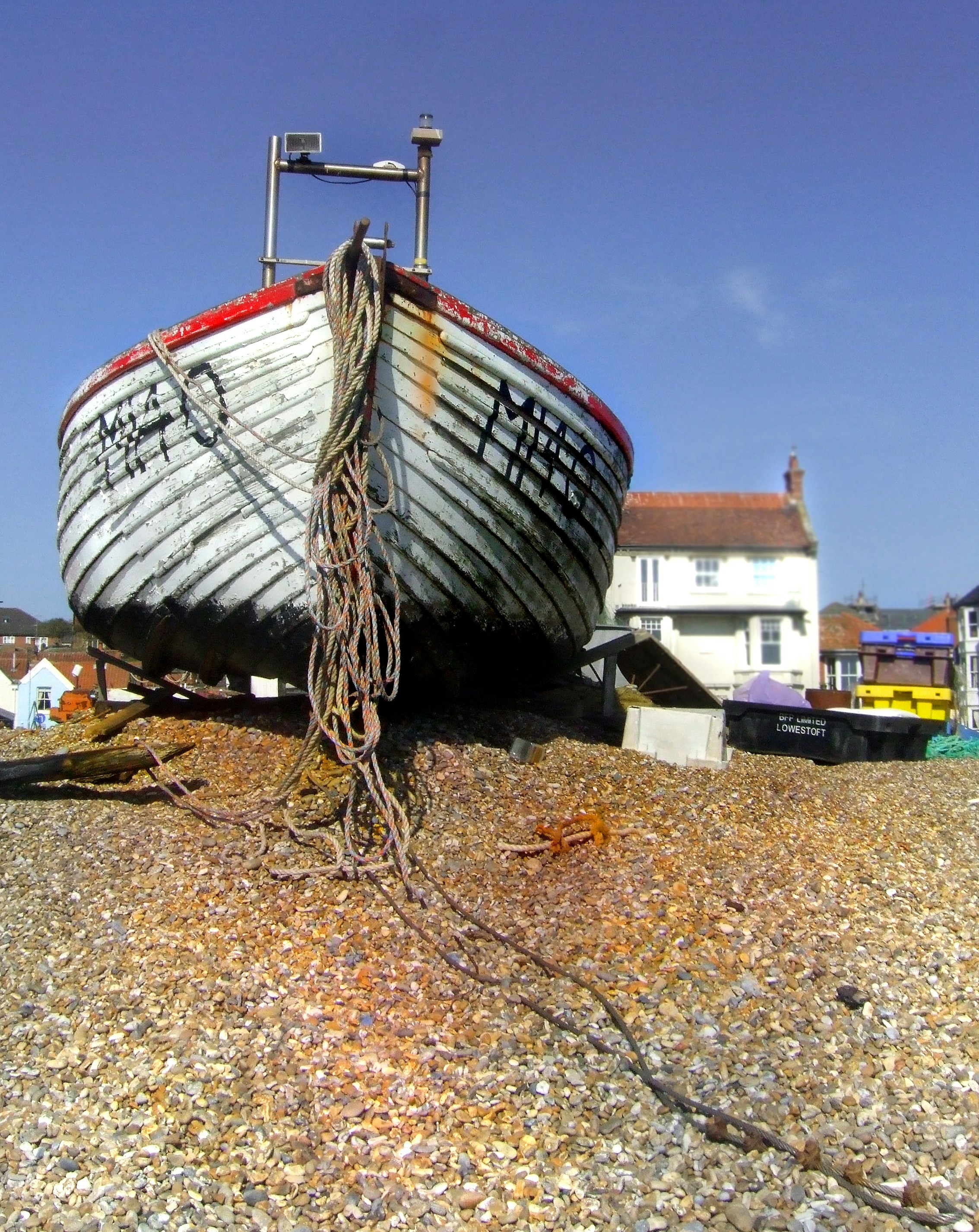
From an unhappy octopus to an unhappy – and creative – man: Charles Rennie Mackintosh. He and his wife fetched up in a Suffolk coastal village at the beginning of WWI, to nurse his wounded ego, with commissions unforthcoming, and his Glasgow School of Art unrecognised. His story, and that of the community where he’s settled for a while is told through the voice of 11 year old Thomas Maggs whose own family life is difficult. This book – Mr. Mac and Me, by Esther Freud paints a picture of life in a working coastal village as well as that of the life of a poverty-stricken and disappointed artist. An absorbing story.
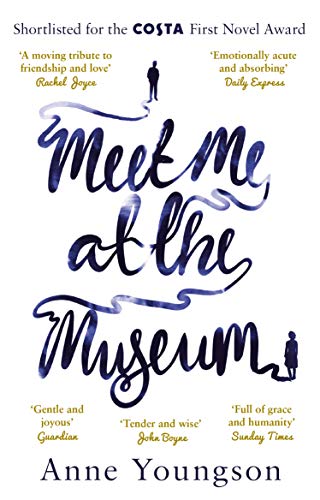
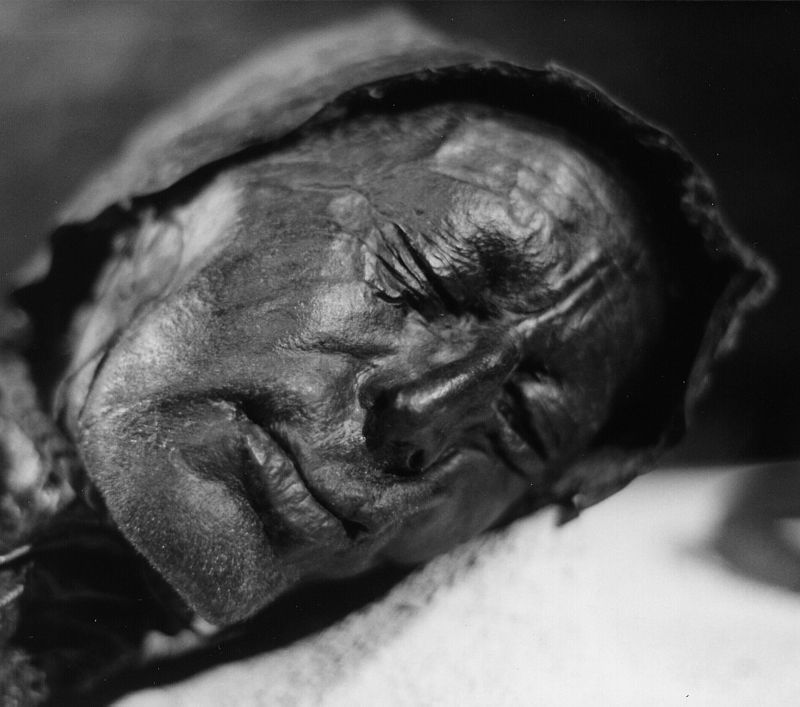
Two more disappointed people: in Ann Youngson’s Meet Me at the Museum. This book of considerable charm is told entirely in an exchange of letters between an English 60 year old farmer’s wife and the curator of a Danish Museum which houses the Tollund Man. Initially formal, the letters become more intimate. This busy outdoorsy farmer’s wife with her chintzy house couldn’t be more different from austere Scandinavian Anders. But both are lonely and have gaping holes in their lives. With every letter they disclose more of their joys, disappointments and difficulties and draw inexorably closer. At the end is a revelation. What effect will this have on them, on their burgeoning relationship? We can only speculate. A touching and intimate book.
These two characters are in different ways rooted in their local surroundings. Anita Sethi in a British born woman of British Guianan heritage who suffered a racist incident while travelling by rail which resulted in a conviction for the abuser. It prompted her to plan and execute a journey along the backbone of England – the Pennine Way – which she records in I Belong Here. This was for her, an inexperienced walker, a journey of healing and a time for reflection. It also became an extended metaphor for her feelings about her status as British person from an ethnic minority; the Pennines as ‘backbone’; of ‘making your own path’; of ‘ruggedness and strength’; of laws which protect landscapes and humans .. and so on. She muses on community, on history, on legislation as she walks an area I know well, and gave me, a white person with roots in this part of the country, plenty to think about. I’ll be interested in how the rest of the proposed trilogy develops.

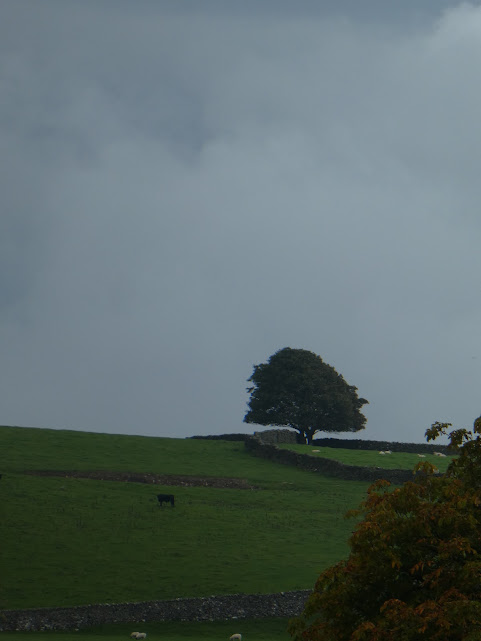
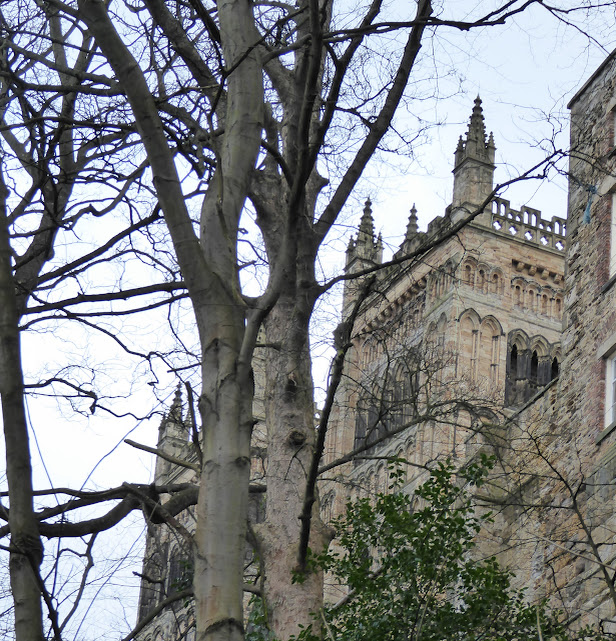
Here’s another book which begins with a journey through northern England. Cuddy, by Benjamin Myers. I know little about Saint Cuthbert beyond the fact that he was a simple man, much venerated in his own time. Which explains why a motley band of monks and devotees intermittently spent years moving his remains around to save him from the depredations of Viking raiders. And we meet some of them here, in the first section of the book set in 995CE, where orphaned Ediva, in her breathless disjointed but poetic prose recounts their journey, the landscape, and her vision for his final resting place. In Book Two, set in 1346, masons are enhancing and repairing the mighty hilltop cathedral (Durham). The wife of one meets and succumbs to another …. Then we leap to the 19th century to meet the opinionated and cocksure Forbes Fawcett-Black who has been invited to join the team exhuming the saint to see if the legend that his flesh is incorruptible is true. And finally we are in 2019, where a young under-educated man who cares for his dying mother is employed as a gopher to the current restoration team. His eyes are opened to a world and a heritage he had not known about. How different and yet how connected the sections are to each other. The language of each couldn’t be more different one from the other: free-flowing yet poetic; dense blocks of prose; a pastiche Victorian ghost story; a rich narrative in which sense of place and societal deprivation are juxtaposed The kinds of story told are utterly different. Yet links are there – there’s always an owl-eyed lad in the narrative, for instance. A richly complex feast of prose and poetry, provoking thought and discussion long after the last page has been turned. This is a book inviting – and deserving – several readings.
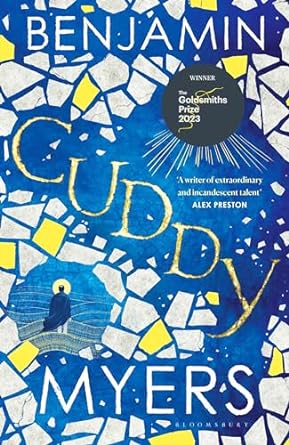
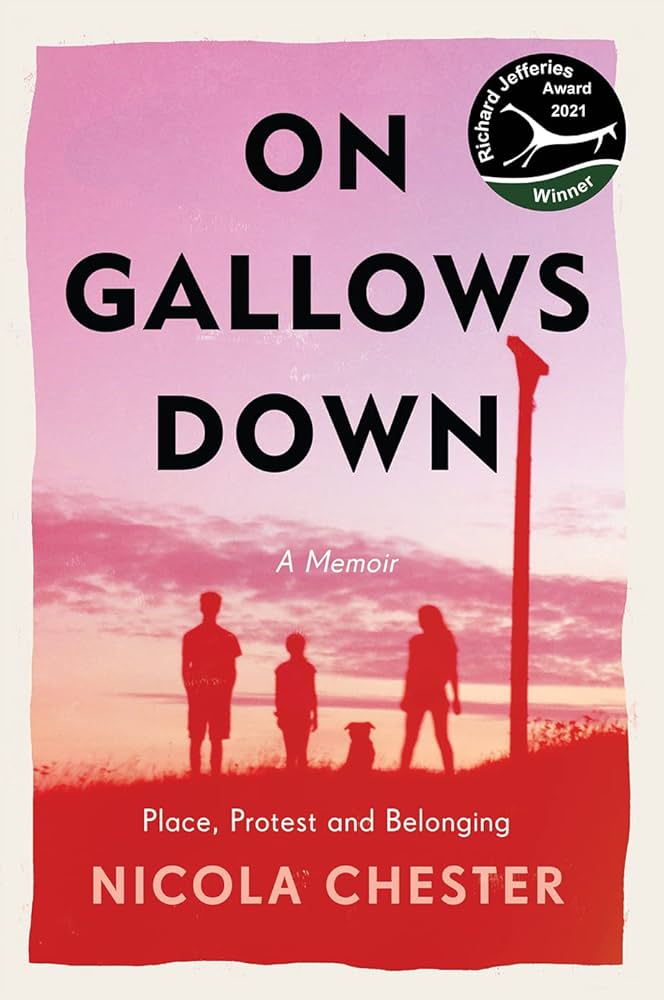
My last book is also rooted in the British landscape. But Berkshire this time. On Gallows Hill, by Nicola Chester. Nicola Chester has lived her whole life in Berkshire. This area has had a history of rebellion by the under-represented. John Clare wrote his poetry here. The Civil War had bitter battles here. Tenants throughout the centuries rebelled against their landowner masters. It’s where Greenham Common, site of the women’s peace camps, and Newbury Bypass, a much fought-over project which destroyed so much natural and rural history when it was sited near her homes. Chester has been a tenant all her life, and understands powerlessness. She also understands the natural world, and deepening her understanding of it, spending time in it with her family, particularly her children, is her salvation. Her battles change to doing her part to save the natural world. She has her nature writing accepted by the RSPB, the Guardian, her local paper, and this becomes part of her fight. She writes with lyricism and passion, describing the seasons, the creatures that form part of her day-to-day environment with incisive, poetic words and concludes ‘Anyone could make a place their home by engaging with its nature’. A book to read slowly, and to savour.
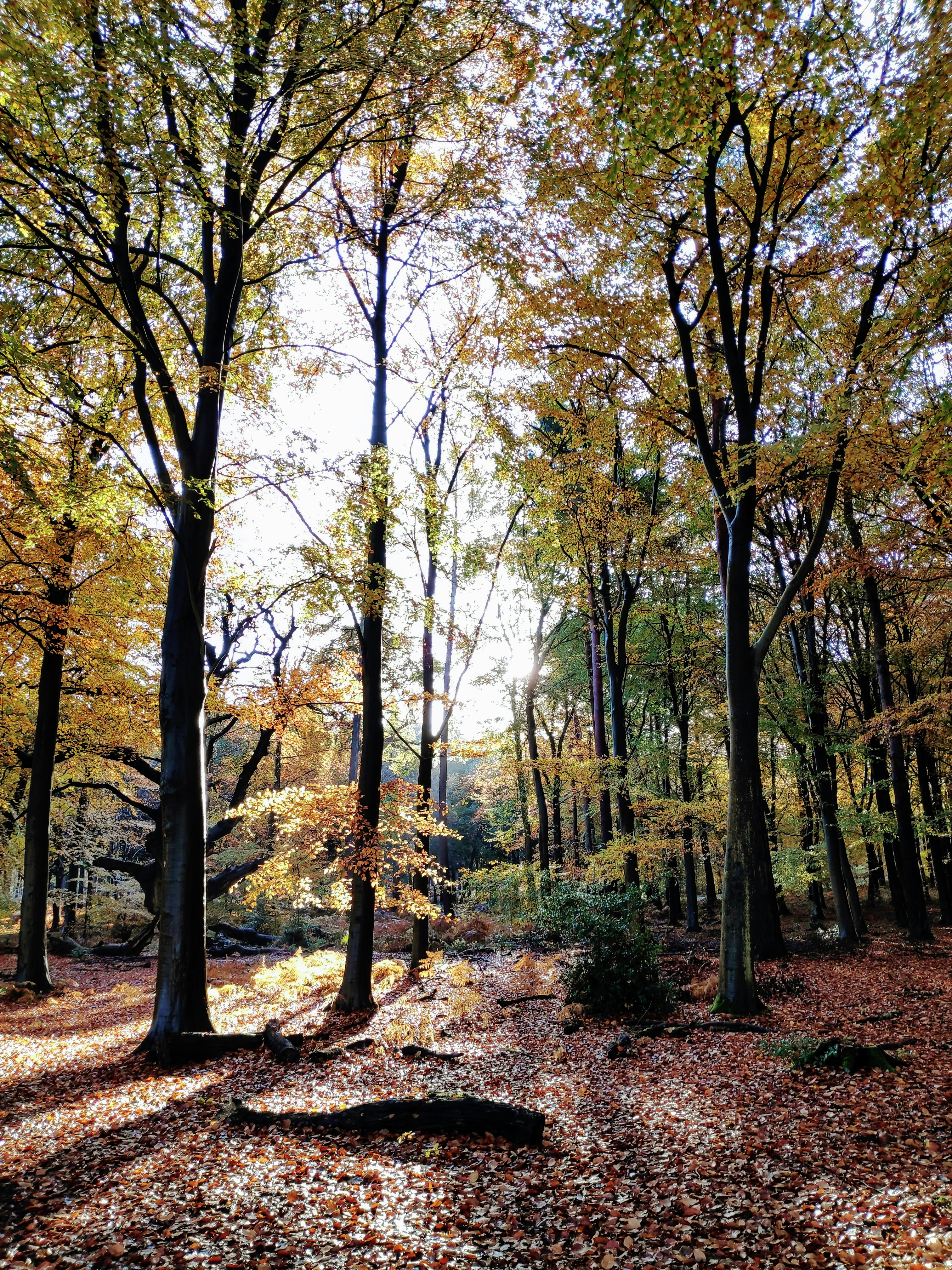
I think we can link Chester back to Abramović, since both share a passion for the things that matter to them, and go to often uncomfortable lengths as they invite the world to share their compulsive interest.
Next month? Our starter book will be After Story, by Larissa Behrendt.
Several illustrations are via Unsplash: (i) K Mitch Hodge (ii) Pete Williams and (vi) Frances Synge. (iii) Tollund Man is in the Public Domain: Sven Rosbum . (iv) Durham Cathedral and (v) Pennines landcape in North Yorkshire, are my own.

 From Pyrenees to Pennines
Well, I certainly wasn’t expecting that first link! Great chain, Margaret, and I also have Kate to thank for pointing me at the Rose.
LikeLiked by 1 person
Thanks! Glad to keep you on your toes – even in August.
LikeLiked by 1 person
Excellent chain – I loved Remarkably Bright Things!
LikeLiked by 1 person
I was surprised by how much I like it. The cover did it no favours, I thought.
LikeLike
What a cracking set of books, Margaret! I want to get going on them right now.
LikeLiked by 1 person
Hooray! Next problem. Finding them ….
LikeLike
😢💙
LikeLiked by 1 person
ive requested Remarkably Bright Creatures from the library because I’m sure this is the second time I’ve seen it mentioned this week, so it must be a sign I need to take a look. Great chain full of interesting books.
LikeLiked by 1 person
Thanks so much. I hope you enjoy Remarkable Creatures.
LikeLiked by 1 person
I was very impressed by Cuddy and the way Myers linked each section despite the very different writing styles and time periods. I also enjoyed Mr Mac and Me. Great chain!
LikeLiked by 1 person
Thanks Helen. And yes, Cuddy was so well done. Benjamin Myers is one of my star authors.
LikeLike
What a marvellously diverse selection.
LikeLiked by 1 person
Thanks Peter.
LikeLiked by 1 person
Beautifully done chain, as usual!
LikeLiked by 1 person
Thanks so much Davida.
LikeLike
What a brilliant first link! Well done.
LikeLiked by 1 person
Thanks Annabel.
LikeLike
Such an interesting chain, Margaret. I enjoyed it very much. And it was such a pleasure seeing your starting book–a book friend recommended Remarkably Bright Creatures just a couple of weeks ago saying how much he enjoyed it despite it not being his kind of book. I’m hoping to get to it soon.
LikeLiked by 1 person
That was exactly what I felt about Remarkable Creatures. I wasn’t expecting much from it at all – the cover didn’t help!
LikeLiked by 1 person
I will be picking up a copy soon. Trying to be ‘good’ and tick off a few from the existing TBR mountain at the moment.
LikeLiked by 1 person
It’s exhausting, ths TBR buisess, isn’t it? 😉
LikeLiked by 1 person
Very much so–I wish one didn’t feel quite so guilty piling on the books 😀
LikeLiked by 1 person
I know! And how dod I come to mis-type ‘Business’? How embarrassing!
LikeLiked by 1 person
Oh, don’t worry about it, I always do that and realise only after I press ‘post’.
LikeLiked by 1 person
I’ve been meaning to tell you how much I liked Orbital, one of your previous recommendations – very different but fascinating and memorable. From this selection I’ve picked out Mr. Mac and Me to definitely read, and perhaps Cuddy too, because of the saint’s links to Lindisfarne, one of my favourite places!
LikeLike
Margaret, I look forward to these posts! I thought ‘I Belong Here’ looked interesting and I’ve ordered a copy. many of my kiddos fall into this category – born in the USA to immigrant parents – but they don’t look American…. which begs the question what does American or British ‘look like’ in the 21st century global society? Have a fabulous weekend!
LikeLike
Thanks Clay. I’m so glad you like some of my suggestions. And yes, some of these dreadful rioters from the last few days urging us to Keep Britain for the British don’t seem to realise we’ve been multi-ethnic since before the time of the Romans.
LikeLiked by 1 person
I think it is fear. I am not sure where you are on the religion spectrum, but there is a Christian campaign actively spreading the message, “He gets us.” Love your neighbor. Every day I try to be better, some days I am.
LikeLiked by 1 person
Yes, Loving our Neighbour ought to be high on everyone’s agenda, whatever our belief system. I’m no longer a belieer, but I don’t reject the positive messages.
LikeLike
Great links, Margaret. Mr. Mac and Me has been on my TBR list for so long – I really must get round to reading it soon.
LikeLiked by 1 person
Oh do, Margaret. I thought it painted great pictures of that village in Suffolk, Thomas Maggs and his family, and not forgetting Mackintosh himself.
LikeLiked by 1 person
You tempt me with all of these, maybe Cuddy the most. I remember seeing a clip of Marina Abramović when her ex-lover emerged from the queue. Their encounter was very moving even though no words were spoken.
LikeLike
I’d like to have seen that. From what I know of you, I think Cuddy might be right up your street.
LikeLiked by 1 person
Great links! I have heard a lot about that octopus!
LikeLiked by 1 person
He’s made a name for himself …
LikeLiked by 1 person
That octopus link is pure genius, well done! A very enjoyable chain, reminding me that there are a couple of books in there that I keep meaning to read.
LikeLiked by 1 person
Thanks Marina. I’ve yet to pop over to see your 6 Degrees.
LikeLike
Museum of Modern Love sounds interesting – have ordered it on Kindle Thanks# for th3 heads up
LikeLiked by 1 person
Excellent, Sue. Good choice!
LikeLiked by 1 person
I enjoyed your thought process for your links, this was a fun read. I really also want to read Remarkably Bright Creatures though I feel terrible for the exhibit octopus. & I’ve added Cuddy to my tbr, never heard of it but sounds like the of historical fiction I might like 🙂 !!
LikeLike
Ah thanks. I’m glad there are a couple here that tempt you. Both highly recommended!
LikeLiked by 1 person
Good to know 🙂 haha
LikeLiked by 1 person
You know how to create a brilliant six degrees of separation post, Margaret.
LikeLiked by 1 person
Thanks Rebecca. Always a fun exercise.
LikeLiked by 1 person
This is a fascinating chain, Margaret and I am tempted to read all these books. I already own Anita Sethi’s book but haven’t read it yet. My daughter bought it for me after she met Sethi when she visited the university Alice was working in at the time.
LikeLiked by 1 person
Excellent! No excuse not to read it now. And yes, I liked all the books I wrote about this month. Hope all is well with you and your family, Clare.
LikeLiked by 1 person
Thamk you Margaret we are all well.
LikeLiked by 1 person
These look very enticing. The Museum of Modern Love’s cover is entrancing. The octopus story sounds right up my alley too. Thanks, Margaret.
LikeLiked by 1 person
Yes, you’d enjoy the tale of the octopus, I’m sure. And that cover you mention wraps a good story.
LikeLiked by 1 person
Such a great chain, the books all look very interesting. Thanks, Margaret.
Here is a link to my list:
https://momobookblog.blogspot.com/2024/08/six-degrees-of-separation-from-museum.html
LikeLiked by 1 person
After a week full of grandchildren, I’m all behind. I’ll pop over now.
LikeLike
Heigh ho, Marianne. Not allowed to comment again. Here’s what I wrote: ‘I know all the authors you showcase, if not the actual books. Charles T Powers is however unknown to me. I’ll try to put that right.’
LikeLike
What a shame. I don’t know what my blog is thinking. I thought most of the problems were eliminated. Looks like they weren’t.
Charles T Powers has only ever written the one book and then he passed away. It is really great, I heartily recommend it.
LikeLiked by 1 person
Thanks Marianne. I think my problems in commenting arise from the fact I have a now dead and buried Blogger blog (dead for easily 15 years actually!) Blogger can’t get over its rage that I defected to WordPress. That’s my story anyway. Charkles T Powers now firmly on my list – thanks!
LikeLike
Are we in Kindergarten? 😉
LikeLiked by 1 person
🤣
LikeLike